Tag: asia

  • Mercedes-Benz to overtake BMW as largest premium carmaker

    Mercedes-Benz to overtake BMW as largest premium carmaker

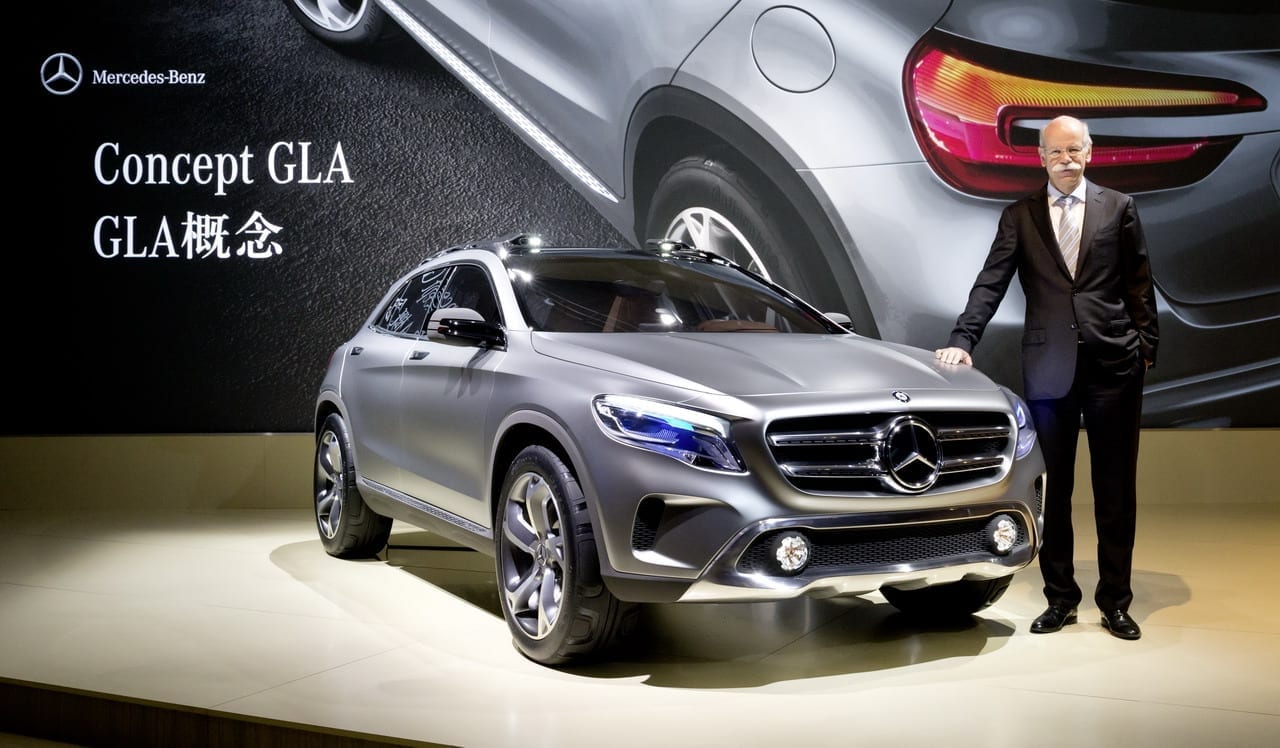
    Mercedes-Benz is expected to reach its goal of becoming the largest premium carmaker four years early – a feat achieved, ironically, only after it stopped chasing market share and focused on making stylish high-tech cars loved by consumers.

    Introducing an elegant, sporty design and establishing itself as a pioneer in new technologies like autonomous driving has helped revive the Mercedes brand which analysts say will help keep the Stuttgart-based carmaker ahead of the pack.

    The achievement is a coup for Daimler Chief Executive Dieter Zetsche, who struggled to revive the company following a messy divorce from mass market brand Chrysler in 2007. Less than four years ago Zetsche faced restive shareholders, worried that the automaker was lagging behind rivals BMW and Volkswagen AG’s Audi brand.

    “We had some deficits, cost and quality problems. Design was not top-notch. And with Chrysler we were no longer a pure premium carmaker,” Zetsche told Reuters in an interview held late in 2016 in his office at Daimler’s headquarters in Stuttgart, Germany.

    On Sunday, Daimler said it had sold 2.08 million Mercedes-Benz branded passenger cars in 2016, a lead that BMW, which has held the premium sales crown since 2005 and is due to release annual sales figures on Monday, is not expected to beat.

    Including sales of the Smart brand, Daimler sold 2.23 million passenger cars last year, the company said.

    Zetsche has presided over a renaissance in the design and technology of Mercedes vehicles, refocused the company on technological superiority instead of short-term sales goals, and adapted the entrepreneurial mindset of Silicon Valley to the traditionally risk averse culture of Stuttgart.

    Daimler is also preparing for a new era when the auto industry’s business model moves beyond manufacturing and selling cars, to lure customers interested in pay-per-minute transport solutions provided by autonomous cars.

    Zetsche set the goal of making Mercedes the best-selling luxury carmaker by 2020 at the company’s 125th anniversary in 2011, a year when even Audi sales overtook those of Mercedes, pushing it into third place.

    “Since then we worked hard and today we are leading or among the leaders when it comes to innovation, quality, design and security,” Zetsche said.

    Daimler traditionalists were shocked by the volume target, fearing that selling too many vehicles may dilute the exclusivity of their cars and reduce the appeal of the Mercedes brand in the long run.

    But consumer electronics companies like Apple had already proven that the pull of their brand did not suffer with increased volume sales so long as they offered the best customer experience.

    Audi was gaining traction with customers thanks to cool designs, so Zetsche appointed a young designer, Gorden Wagener to head up Mercedes design. He introduced an elegant and sporty style to spruce up Stuttgart’s Teutonic limousines. Mercedes cars were also equipped with state-of-the-art digital display technology, luring smartphone savvy customers.

    It was a change for Mercedes where engineers always believed they were producing the best cars in the world, but measured quality mainly using technical or engineering criteria, a strategy which often led to powerful cars with expensive and complex technical innovations.

    Today, Mercedes-Benz follows its motto “the best or nothing” by thinking about whether customers would notice or benefit from a new technological innovation, and by benchmarking the brand against competitors, Zetsche said.

    The company’s renaissance began in earnest in May 2013 with the launch of a new flagship S-class. To burnish its credentials as a technology leader, Mercedes developed a prototype version which drove around 100 kilometres (62 miles) autonomously the same year.

    Rather than designing a limousine which appealed mainly to rear seat passengers, the new S-Class featured large digital display screens on the dashboard, a deliberate attempt to appeal to a younger, driver-focused audience.

    The same youthful design approach was used for the new C-Class and E-class designs, which are now the company’s volume sellers.

    Mercedes also revived the Maybach brand, a marque targeting the ultra-luxury sector which the company had stopped making after the prior bespoke design failed to gain traction, leading the car to sell only 200 times in its final year of production.

    Since Maybach’s latest revival in February 2015, Daimler has sold 15,000 cars.

    “The rewards we are reaping today are the logical consequence of careful preparation,” Zetsche said.
  • Vietnamese airlines approved for 1,270 additional domestic flights during Tet

    Vietnamese airlines approved for 1,270 additional domestic flights during Tet

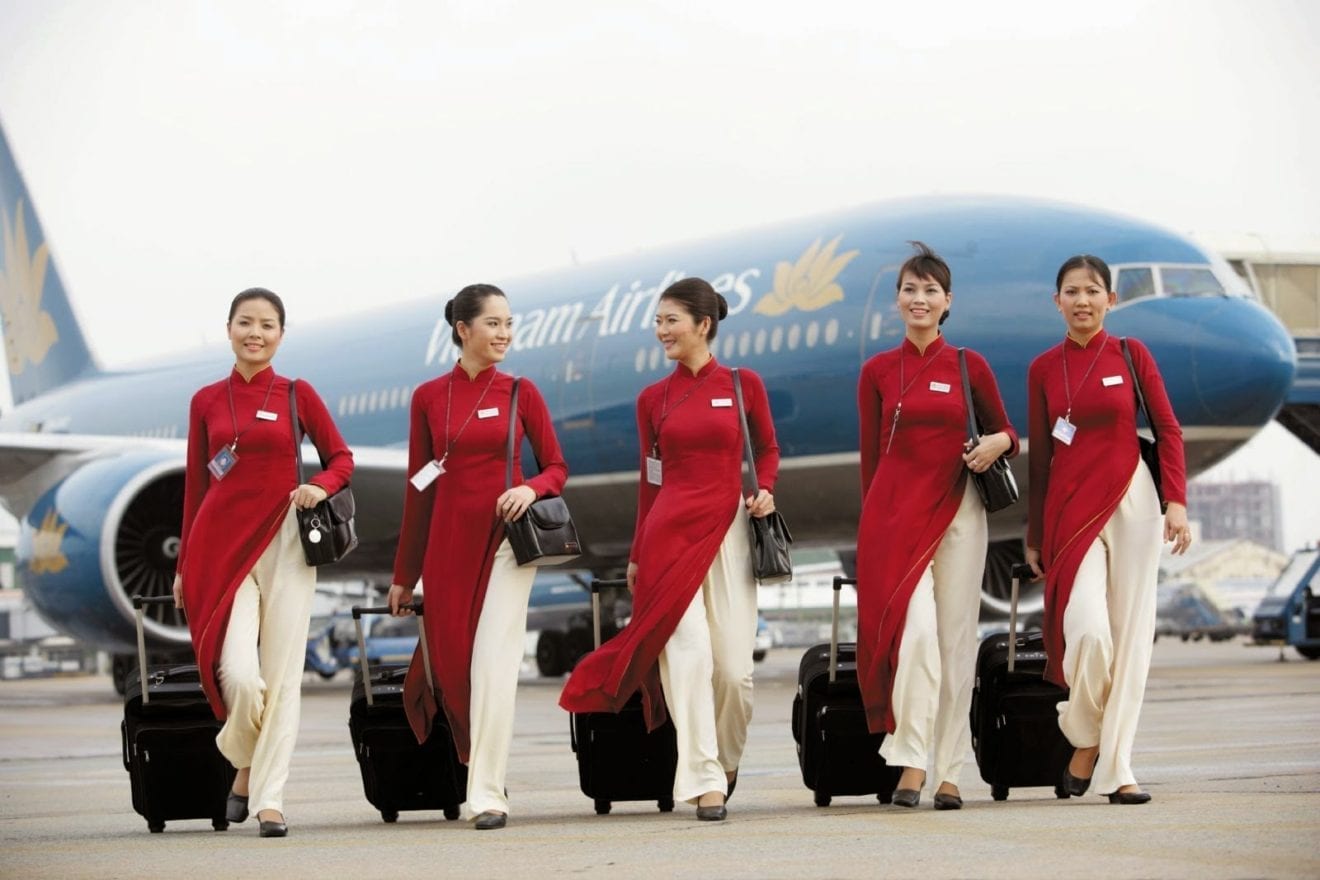
    Vietnam’s aviation watchdog has approved several proposals from local airlines to increase flight frequency to meet spiking demands during the upcoming Tet holiday, though only half the requested additions were approved.

    Tet, the Vietnamese Lunar New Year holiday, falls in late January, though city residents typically begin flying back to their hometowns weeks before holiday to begin festivities with friends and family.

    Local airlines, national flag carrier Vietnam Airlines and budget airlines Vietjet and Jetstar, sought permission to collectively add 2,486 flights, with only 1,270 of the proposed flights actually gaining approval from the Civil Aviation Authority of Vietnam (CAAV).

    In a report submitted to the Ministry of Transport on Thursday, the CAAV said the three would be allowed to run the additional domestic flights between January 16 and February 12, an 8.5 percent increase in flights typically running during the period.

    Vietnam Airlines is permitted to add 380 flights, totaling 76,758 seats, during the Tet season, while Vietjet and Jetstar will add 560 flights (100,800 seats) and 330 flights (59,400 seats), respectively.

    Approximately 1,067 of the approved extra flights will depart or land in Tan Son Nhat International Airport, the country’s busiest airdrome, already operating beyond its design capacity.

    Despite potential overload issues, during the Tet holidays the Ho Chi Minh City-based airport will serve 807 flights per day during peak time, a 7.7 percent increase from the usual schedule.

    Vietnam Airlines is the only of the three carriers happy with the CAAV decision, with nearly 100 percent of their extra flight plan approved, meanwhile Vietjet will only be able to offer half of its proposed additional services while Jetstar was approved for 30 percent of its requests.

    Under the CAAV decision, the three carriers will collectively be forced to cut 230,000 seats from their previously planned Tet services.

    With some airlines allegedly selling tickets for the extra flights before having obtained approval from the CAAV, passengers with booked tickets are sitting on hot bricks, fearing they will not be able to return home for Tet celebrations.

    Ho Quoc Cuong, head of aviation transportation under the CAAV, said the air carriers may not sell tickets for all of the planned extra services, so there is little chance passengers with purchased tickets will miss flights.

    “If it is really the case, carriers must compensate and take full responsibility for the passengers,” he said.

  • Vietnamese expected to drink up this Tet

    Vietnamese expected to drink up this Tet

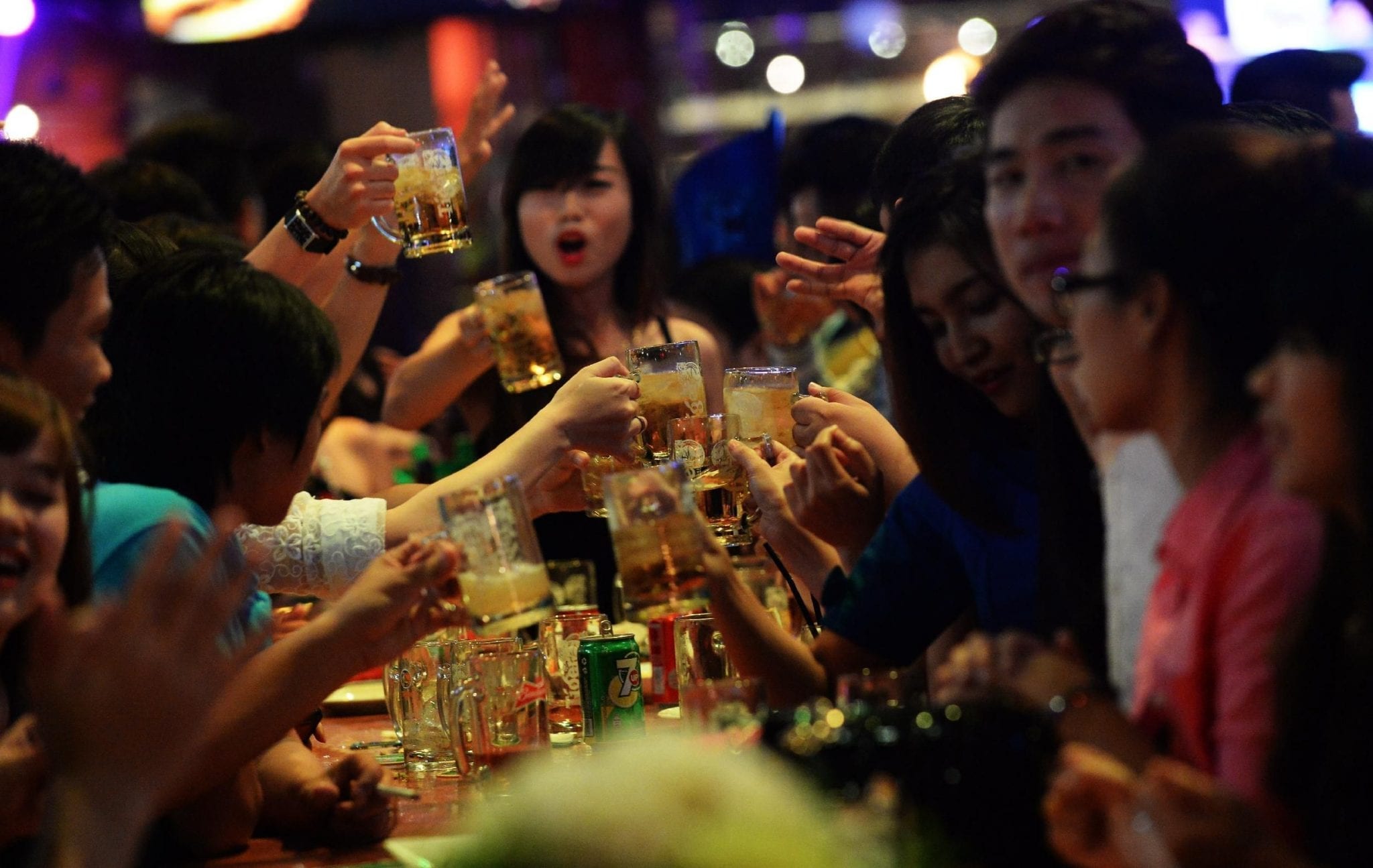
    Top brewer Habeco expects sales of nearly 147 million liters of beer during the biggest holiday, up 6.1 percent year on year. Vietnam’s brewers are gearing up for a massive drink-up this Lunar New Year holidays, or Tet.

    Hanoi-based top brewer Habeco plans to churn out 146.8 million liters of beer during the Lunar New Year, up 6.1 percent from the same period last year, according to the Ministry of Transport’s official mouthpiece Bao Giao Thong.

    Meanwhile, beer consumption in Ho Chi Minh City is projected to jump 30 percent (from last year) to around 40 million liters during Tet, according to estimates released by the municipal Department of Industry and Trade.

    The cities will provide the country’s key booze markets this Lunar New Year, which falls on January 28.

    The Vietnam Beer Alcohol Beverage Association expects beer production to grow by 25 percent, annually, before hitting 4 billion liters in 2020.

    Over the past five years, Vietnam has doubled its consumption of beer to more than 3 billion liters per year. Each Vietnamese person drinks an average of 27.4 liters, placing them squarely in the world’s top 25 beer drinkers.

    In 2015, Vietnam produced an estimated 3.4 billion liters of beer and 300 million liters of liquor.

  • Apple plans to set up own stores in India

    Apple plans to set up own stores in India

    Hoping to replicate its success in the Chinese market, Apple is looking at setting up its own wholly owned stores in India. Currently, the company sells its products through distributors such as Redington and Ingram Micro.

    India’s smartphone market has been witnessing significant growth. Earlier in 2016, India surpassed the United States as the second-largest smartphone market with 220 million smartphone users. While smartphone users still account for about 22% of the roughly 980 million mobile users in India, there is tremendous opportunity for growth over the next few years.

    Little wonder that the company is looking at India as a lucrative market for setting up production. Apple has also announced plans to make iPhones for the Indian market in Peenya, Bengaluru in association with Wistron, a Taiwanese OEM manufacturer for Apple. Production will start by April 2017.

    With local manufacturing facilities, Apple would be able to price its phones more competitively in India. The steep price for the phones is a deterrant for the price conscious Indian consumer. The phones attract 12.5% additional duty on imports.

    According to media reports, Foxconn, the biggest contract manufacturer for Apple has also been roped in to set up a manufacturing unit in India. Foxconn is adopting a model of setting up smartphone assembly lines in multiple cities across India, with a second iPhone facility coming up in Gurgaon.

    An announcement is likely to be made during the Vibrant Gujarat Global Summit 2017 to be held on January 10 at Gandhinagar. Apple has announced that it would open its brand-owned stores, besides a 4,000-people facility in Hyderabad for its mapping unit.

    Reports suggest that the iPhone maker has requested for concessions such as relaxation in labelling rules, so it doesn’t have to print product info on its devices, and tax incentives in return for setting up a manufacturing unit in the country. The Department of Industrial Policy and Promotion (DIPP) has forwarded Apple’s request to the Department of Revenue and Ministry of Electronics and Information Technology (MeitY) in November. Government officials are yet deliberating on the company’s request.

    In May last year, Apple’s CEO Tim Cook visited India and met Prime Minister Narendra Modi as well as key industry leaders like Sunil Bharti Mittal and veteran banker Chanda Kocchar. Apple also announced plans to set up a design and development accelerator to support Indian developers creating innovative applications for iOS and opened a new office in Hyderabad to accelerate maps development.

    During his May visit, Cook had discussed issues including manufacturing and setting up retail stores in the country with Modi.

    An inter-ministerial meeting, scheduled for next month, will discuss and deliberate certain incentives sought by tech-giant Apple Inc to set up a manufacturing unit in the country to be able to ‘make in India’. The meeting will be attended by senior officials from the ministries of finance, commerce, revenue, environment and forest, electronics and information technology, among others.

    The government, however, believes Apple shouldn’t seek additional support to set up manufacturing plants.

    “Several companies in India are manufacturing mobile phones in India. Nobody is asking for additional incentives. Currently, the government provides sufficient support to boost electronic manufacturing,” PTI quoted government sources as saying.

    The tech giant proposed to bring used smartphones and assemble them locally. This was rejected as it did not constitute the Make in India model envisioned by the government. Nevertheless, it got local sourcing norms relaxed from the Department of Industrial Policy & Promotion to open its stores in the country.

    In a report published recently, government sources have said that it may agree to some of Apple’s demands for setting up a manufacturing unit in India if the maker of iPhones promises a huge investment and commits to generating hundreds of thousands of jobs.

  • Asia’s Largest Toys & Games Fair Opens

    Asia’s Largest Toys & Games Fair Opens

    The HKTDC Hong Kong Toys & Games Fair, HKTDC Hong Kong Baby Products Fair and the Hong Kong International Stationery Fair opened today at the Hong Kong Convention and Exhibition Centre (HKCEC). The four-day fairs will continue through 12 January and gather a total of more than 2,900 exhibitors from all over the world to showcase a wide range of innovative and smart products to global buyers.

    The Hong Kong Trade Development Council (HKTDC) has organised close to 120 buying missions from 65 countries and regions, with some 9,000 buyers from around the world to visit and source at the three fairs. These include department stores, specialty stores and retail chains such as Toys”R”Us, Hamleys from the United Kingdom, Tomy Company Ltd. and Aeon Stores from Japan as well as Shinsegae Co. Ltd. from Korea. Besides, buyers representing e-tailers like JD.com, Suning Redbaby and beibei.com from the Chinese mainland and local enterprises including Watsons and Ocean Park offer ample business opportunities for the exhibitors. To facilitate different sourcing requirements, the fairs continue to feature the hktdc.com Small Orders zone with its Online Transaction Platform (https://smallorders.hktdc.com) and offer on-site business matching services.

    Benjamin Chau, Acting Executive Director, HKTDC, said: “The three fairs are presenting a comprehensive line-up of innovative products, including STEM toys that strengthen the learning of science, technology, engineering and mathematics for youngsters. Together with various licensed products, toys that incorporate Virtual Reality (VR) and Augmented Reality (AR) technologies, smart baby products as well as stationery items, the fairs will surely satisfy the sourcing needs of global buyers.”

    Asia’s largest toys & games fair features a record of 2,100+ exhibitors

    The 43rd edition of the HKTDC Hong Kong Toys & Games Fair features a record of more than 2,100 exhibitors from 42 countries and regions, forming the largest event of its kind in Asia, and the second-largest in the world. Among the many exhibitors are newcomers from Bangladesh, Bulgaria and Denmark.

    Six group pavilions from the Chinese mainland, Korea, Spain, Taiwan, the UK, together with the “World of Toys” pavilion featuring mainly European exhibitors, are mounted at the fair this year to present a wide variety of toys and games from around the world. Among them, the UK pavilion has doubled its exhibition space with 17 exhibitors, offering buyers more selections. The signature Brand Name Gallery gathers over 220 renowned brands from 15 countries and regions, such as 4M, Bburago, Eastcolight, Hape, VTech, as well as new exhibitors including the Japanese building block brand nanoblock.

    The Smart-Tech Toys zone showcases various toys and games applying innovative technologies, such as the increasingly popular AR and VR technologies and products operated via mobile apps. As the demand for STEM toys grows, a new STEM Toys Products Display is set up at the fair to help visitors check out the latest educational toys. Two new zones, Pet Toys and Fireworks, also debut at the fair. Pet Toys zone showcases toys and daily supplies for pets, while the Fireworks zone introduces display shells, firecrackers, toy fireworks as well as stage fireworks suitable for use in different events.

    Concurrent Baby Products Fair to maximise synergies

    Now in its eighth edition, the HKTDC Hong Kong Baby Products Fair hosts a record of about 540 exhibitors from 27 countries and regions, with first-time exhibitors from Qatar and Turkey. This year, the Korea pavilion gathers 32 exhibitors, an increase of more than 80 per cent compared with the last edition. Brand Name Gallery features close to 50 renowned brands from 14 countries and regions, including Biba, Evenflo, Joovy and Pali. Another fair highlight, Baby Tech zone, gathers 22 exhibitors of trendy products including those that incorporate high tech and smart home elements. Other special zones include Disposable Baby Products, Baby Learning Toys, Baby Food and Healthcare Products, Baby Bedding Items and Furniture, Baby Fashion Avenue, Baby Gift Sets and Souvenirs, Feeding, Nursing and Maternity Products, Nursery Electrical Appliances as well as Strollers and Gear.

    Diversified events to unveil industry trends

    A series of industry events are organised during the fair period. This year’s Hong Kong Toys Industry Conference (10 January) adopts the theme of “Grasp the Chance: What’s New in the Market and Our Industry?” to explore trends and opportunities in the global market and especially the Chinese mainland market. Seminars featuring industry experts include “STEM Toys – Next Big Wave” (9 January), “A Closer Look into the Key Influencers in Baby Product Trends” (9 January) and “The New Epoch of Virtual Toys” (10 January) to help the industry keep abreast of the latest trends.

    To provide more promotional channels and facilitate industry cooperation, a number of product demonstrations and launch pads, as well as buyer forums are organised. The Hong Kong Toys and Baby Products Awards 2017 Presentation Ceremony takes place this evening, followed by tomorrow’s winning products presentation. The Awards honour outstanding toys and baby products with exquisite designs, creativity and high quality, as well as promote the industry’s distinguished achievements. The winning products are on display at Hall 3F-G concourse during the fair period, promoting innovative designs to global buyers.

    International Stationery Fair brings in innovative items

    The 17th Hong Kong International Stationery Fair, jointly organised by the HKTDC and Messe Frankfurt (HK) Ltd., features five themed zones, including DIY Supplies, Gift Stationery, Kids & School, Pen & Paper and Smart Office. Over 250 exhibitors from 18 countries and regions are showcasing art supplies, kids’ stationery, school stationery supplies, paper products and printing, office supplies, DIY supplies, promotional stationery and more.

    The challenges and business opportunities of the stationery industry under the digital age are spotlighted at today’s seminar “Unfold Opportunities for Retail Digital Age” with representatives from DimBuy and Pinkoi sharing their insights. Another key seminar tomorrow, “A Glimpse into the Forthcoming Design Trend”, will analyse stationery design and market trends. Heavyweight speakers include the “Stationery King”, Masayuki Takabatake, the three-year winner of the Japanese variety show “TV Champion”; an expert from one of Japan’s biggest stationery brands KOKUYO; and a moderator from city’super.

    Joint Opening Ceremony with Licensing Show

    The HKTDC Hong Kong International Licensing Show (9-11 January) is taking place alongside the Toys & Games Fair, Baby Products Fair and International Stationery Fair, generating more cross-sector business opportunities. A joint opening ceremony for the Toys & Games Fair, Baby Products Fair and International Licensing Show was held this morning, officiated by the Honourable Gregory So, Secretary for Commerce and Economic Development, HKSAR Government; Li Jiangang, Deputy Director General, Department of Hong Kong, Macao and Taiwan Affairs, Ministry of Culture of the People’s Republic of China; Benjamin Chau, Acting Executive Director, HKTDC; Lawrence Chan, Chairman, HKTDC Toys Advisory Committee, and Tommy Li, Chairman, HKTDC Design, Marketing and Licensing Services Advisory Committee.

  • ANZ share rating still retained

    ANZ share rating still retained

    The divestment was consistent with the bank’s strategy of simplifying its business and narrowing the focus of its Asian operations on institutional business, analyst David Ellis said in a research note released yesterday.

    The sale followed those of five Asian retail and wealth businesses in Singapore, Hong Kong, China, Taiwan and Indonesia at the end of October last year.

    Mr Ellis expected ANZ’s four remaining retail and wealth businesses in the Philippines, Vietnam, Cambodia and Laos, which were under review, to eventually be sold.

    Following the sale of Shanghai Rural, ANZ would have minority stakes in three Asian financial services groups in Malaysia, Indonesia and China with a combined book value of about $A3billion ($NZ3.13billion).

    ”We would not be surprised if these investments were also divested,” Mr Ellis said.

    ANZ deputy chief executive Graham Hodges said the bank had sold its 20% share in Shanghai Rural to China Cosco Shipping and Shanghai Sino-Poland Enterprise Management Development Corporation for $A1.84billion.

    ANZ had invested a total of $A568billion in Shanghai Rural. Since 2007, ANZ had recognised $A1.3 billion of equity-accounted earnings and received $A178 million in dividends.

    ”This partnership has been beneficial for both ANZ and for Shanghai Rural. Shanghai Rural is now a strong, successful bank with a prosperous future.”

    Mr Ellis assigned a wide commercial advantage (economic moat) rating to ANZ, mainly because of its sustainable structural advantages of the Australian and New Zealand banking sectors.

    The wide moat rating recognised the structural and superior competitive advantages Australia’s four banks possessed.

    ”The four major banks dominate a regulated and rational oligopoly, bestowing structural advantages that are strong and durable.”

    New Zealander Shayne Elliot started as ANZ chief executive on January 1, 2016 and wasted no time making changes to strategy, organisational structure and the senior leadership team, Mr Ellis said.

    Mr Elliot was an ”excellent choice” to lead the group through the next stage of its growth phase.

  • Deja vu? Malls reuse Xmas decor for CNY

    Deja vu? Malls reuse Xmas decor for CNY

    If Chinese New Year decorations at shopping malls are looking somewhat familiar, it is likely because they have been up since Christmas.

    Malls have transformed their Christmas ornaments and themes into Chinese New Year trimmings.

    By doing so, the malls say they have saved money, reduced waste and managed to turn over the decorations in a shorter time.

    Orchardgateway’s fantasy underwater world decor was planned to cover both festivals, as the dates were almost “back to back”. This year, Chinese New Year falls on Jan 28, just a month after Christmas.

    “We maintained the fantasy underwater world setting but added koi fish to bring out the Chinese New Year flavour and mood,” said its spokesman.

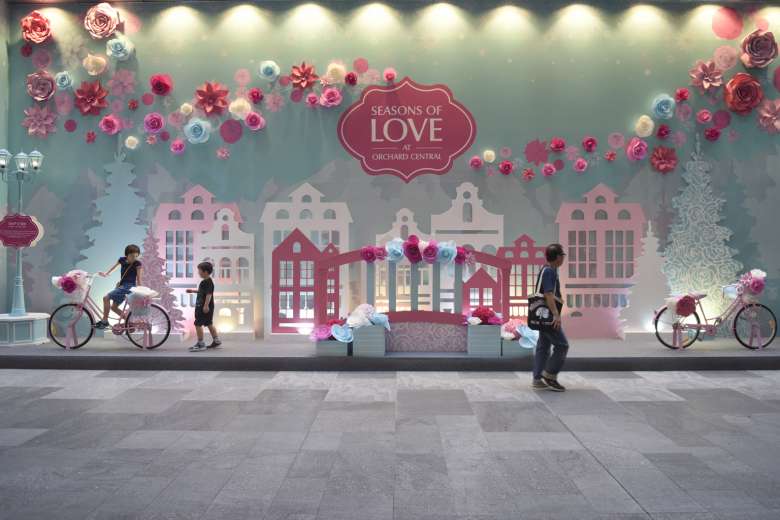
    Orchard Central said it saved up to 60 per cent in cost from repurposing its Christmas ornaments for the upcoming Chinese New Year, instead of replacing them with a new set-up. It has even combined its Chinese New Year decorations with Valentine’s Day decorations, with a turquoise and pink theme. 313@Somerset (above) has also changed its decorations. 

    She added that koi fish, which were added to a seascape of corals, symbolise good fortune, prosperity, longevity and success. The mall managed to save 30 to 40 per cent in cost and wastage as a result.

    Orchard Central, which is owned by Far East Organization, said it saved up to 60 per cent in cost by repurposing Christmas ornaments, instead of putting up a new set-up.

    In fact, the mall has combined its Chinese New Year decorations with Valentine’s Day decorations with a turquoise and pink theme, featuring cages and artificial flowers.

    More than half of the materials from the decor can be recycled. Far East’s other malls, such as Clarke Quay Central and Square 2, are also repurposing decorations.

    Over at CapitaLand Malls’ Bugis Junction, the Christmas tree is now a giant spiral bamboo plant.

    “What used to be whimsical waxed moustaches – not unlike the kind Santa typically sports – have now been turned into the upturned branches of the bamboo arrangement, signifying good luck for the coming Year of the Rooster,” said CapitaLand Mall Asia’s head of retail management in Singapore, Ms Teresa Teow.

    Farther west, the Star Vista converted its larger-than-life Christmas bauble centrepiece into a tangerine, signifying prosperity and fortune.

    The mall has donated some of its Christmas decorations to the Singapore General Hospital, which will sell them to raise funds for the hospital’s Needy Patients Fund.

    Ms Valerie Toh, 29, an office manager, said she did not notice the similarities in the decorations.

    “Given the not-so-good economy, I think people will appreciate the malls cutting down on wastage rather than spending needlessly,” she said.

  • Apple confirms plan to open its first ever retail store in Samsung’s home city of Seoul

    Apple confirms plan to open its first ever retail store in Samsung’s home city of Seoul

    Apple published a total of 15 retail job listings to its corporate website today seeking candidates for the Apple Store Leader Program, business managers, Genius Bar staff and marketing, among other positions.

    As expected, the job postings seek employees for an outlet in South Korea’s capital of Seoul. The city also happens to be the hometown of Apple ally and competitor, Samsung.

    “We’re excited about opening our first Apple Store in Korea, one of the world’s economic centers and a leader in telecommunication and technology, with a vibrant K-culture,” Apple said in a statement on Friday, local time. “We’re now hiring the team that will offer our customers in Seoul the service, education and entertainment that is loved by Apple customers around the world.”

    Apple has not officially stated where it plans to build its first Korean flagship, but it is claimed construction is already underway in a southern district of Seoul. That report, also filed on Friday, suggests work at the site will be completed in November. Previous rumors suggested Apple was looking at sites in Gangnam and the busy Garosu-gil shopping street.

    For Apple, a brick-and-mortar outlet in Seoul represents more than an opportunity to grow international sales. A retail presence in Samsung’s backyard could go a long way in winning mindshare in the South Korean market, which is currently served by third-party resellers and Apple’s online store.

  • US to help Korea’s egg shortage crisis

    US to help Korea’s egg shortage crisis

    The U.S. Department of Agriculture said Friday it is discussing with Korea ways for American egg producers to tap into the Korean market that is suffering from an egg shortage as a result of a massive outbreak of avian influenza.

    Amid the rising egg prices due to the outbreak of bird flu that was detected in November, the department spokesperson said that the U.S. and Korea are “engaged in technical discussions to provide access for U.S. egg producers to the Korean liquid egg market.

    “Imports from the U.S. could help limit escalating production costs for processed food manufacturers in Korea and shield consumers from soaring egg prices,” the official added.

    He did not mention when the U.S. will start exporting eggs to Korea.

    Starting Saturday, the Korean discount store chain Homeplus raised the retail price of 30 eggs by 9.6 percent to 7,990 won ($6.67) at its 142 stores. Homeplus has increased its egg prices five times in a month and retail prices have jumped 31.4 percent over the month.

    The latest price hike by Homeplus came a day after its rival Emart increased the price of 30 eggs by 8.6 percent to 7,580 won.

    Officials of the companies expect egg prices to go up again ahead of the Lunar New Year holiday later this month.

    The American spokesperson also said that the U.S. Department of Agriculture is working with the Korean government and U.S. industry associations to facilitate and expedite registration of additional U.S. suppliers of table eggs to the Korean market.

    “In the U.S., many government agencies cooperate to ensure the safety of U.S. egg products including the Agricultural Marketing Service, the Animal and Plant Health Inspection Service, the Food Safety and Inspection Service, and the Food and Drug Administration,” the official said.

    Since the bird flu outbreak, Korea’s quarantine officers have culled more than 30 million birds, including 25.8 million chickens, which has resulted in the reduction of the country’s daily egg output by about 30 percent.

    To encourage imports, the Korean government decided earlier this week to remove import tariffs on egg products until Jun. 30. Currently, Korea imposes tariffs of 8 to 30 percent on imported egg products.

  • Why obsessing over GDP is no longer in China’s best interests

    Why obsessing over GDP is no longer in China’s best interests

    China’s leadership has always seen gross domestic product (GDP) numbers as the most important indicator of their ability of govern; thus their whole apparatus does whatever it can, in terms of policies, to make sure a politically acceptable growth rate is achieved.

    With a persistent slowdown, the government has to adjust its target to a maximised but achievable goal. Between 2010 and 2015, the world’s second-largest economy witnessed a steady slowdown, with annual percentage growth rates of 10.5, 9.5, 7.9, 7.8, 7.3 and 6.9, respectively. Averaged annual GDP growth rates between 1989 and 2009 were around 10 per cent.

    Last year, the government set a range of 6.5 per cent to 7 per cent as a growth target, the lowest in decades. As expected, China is on track to meet that 2016 goal after three straight quarters of 6.7 per cent expansion.

    However, such growth was achieved with an expansive fiscal policy, higher government spending, a housing rally, ultra-loose monetary conditions and record bank lending, which have also led to an explosive increase in debt.

    Government spending from January to September 2016 was 12.5 per cent up on the same period a year earlier, while revenues increased by 5.9 per cent. Of the 8.2 per cent overall growth in fixed-asset investment in the period, state firms jumped by 21.1 per cent and private firms rose 2.5 per cent.

    In the previous year, state firms registered a much more moderate 10.9 per cent in fixed-asset investment, year on year, while private investment went up by 10.1 per cent.

    Recent growth has been achieved with the help of record bank lending, which is on pace to top 2015’s record 11.71 trillion yuan (HK$12.2 trillion). Last year, the central bank injected a net 1.5 trillion yuan into money markets through open market operations, many multiples of its net 10 billion yuan injection in 2015.

    The eased monetary policy helped stoke a housing boom that saw prices rise to a historic 12.6 per cent year on year in November and made houses in Chinese cities among the least affordable in the world.

    The state investment-fuelled growth led to alarming combined public and private debt of 260 per cent of GDP by the end of last year, the highest debt-to-GDP ratio in the world. The Bank for International Settlements (BIS) recently warned this was excessive and dangerous. In the first six months of last year, China’s domestic debt ratio rose by an astonishing 28 per cent of GDP.

    Last year the party set a target of 6.5 per cent annual growth for five years through to 2020, in its 13th five-year plan, just to meet the leadership’s promise of doubling the country’s economic size and per capita income from 2010 to 2020, a political symbol of building a “moderately prosperous society”.

    To support such short-term growth, the government had to delay, stall or even hold back some sorely needed reform measures which will help regain long-term growth momentum.

    Realising the challenge of taming asset bubbles, solving rising bad debt and checking unbalanced growth, the leadership recently pledged to shift its focus away from growth towards dealing with risks this year.

    If the leadership makes good on what they claimed – giving market forces a decisive role in the distribution of resources – they should abandon arbitrary growth targets, a remnant a Stalinist command economy.

    China’s economy is going through a critical transition, from manufacturing-oriented and state investment-fuelled expansion to service-centred and consumption-driven growth. What the government should do is push forward reforms that remove the obstacles to such transitions.

  • China ivory ban a big win for elephants , if done properly

    China ivory ban a big win for elephants , if done properly

    At the end of 2016, elephants made headlines around the world as China finally announced a timeframe for closing its domestic ivory market – long affirmed by many conservationists to be the single biggest step that could be taken to end the slaughter of elephants.

    The news represents a major win for elephant conservation and the Chinese government deserves commendation. However, close examination of the recent announcement gives some potential causes for concern – it is now imperative that the ban be strongly publicised and enforced, and that any potential loopholes be closed.

    Carved-ivory-legally-on-sale-in-China_2017_01_06.jpg
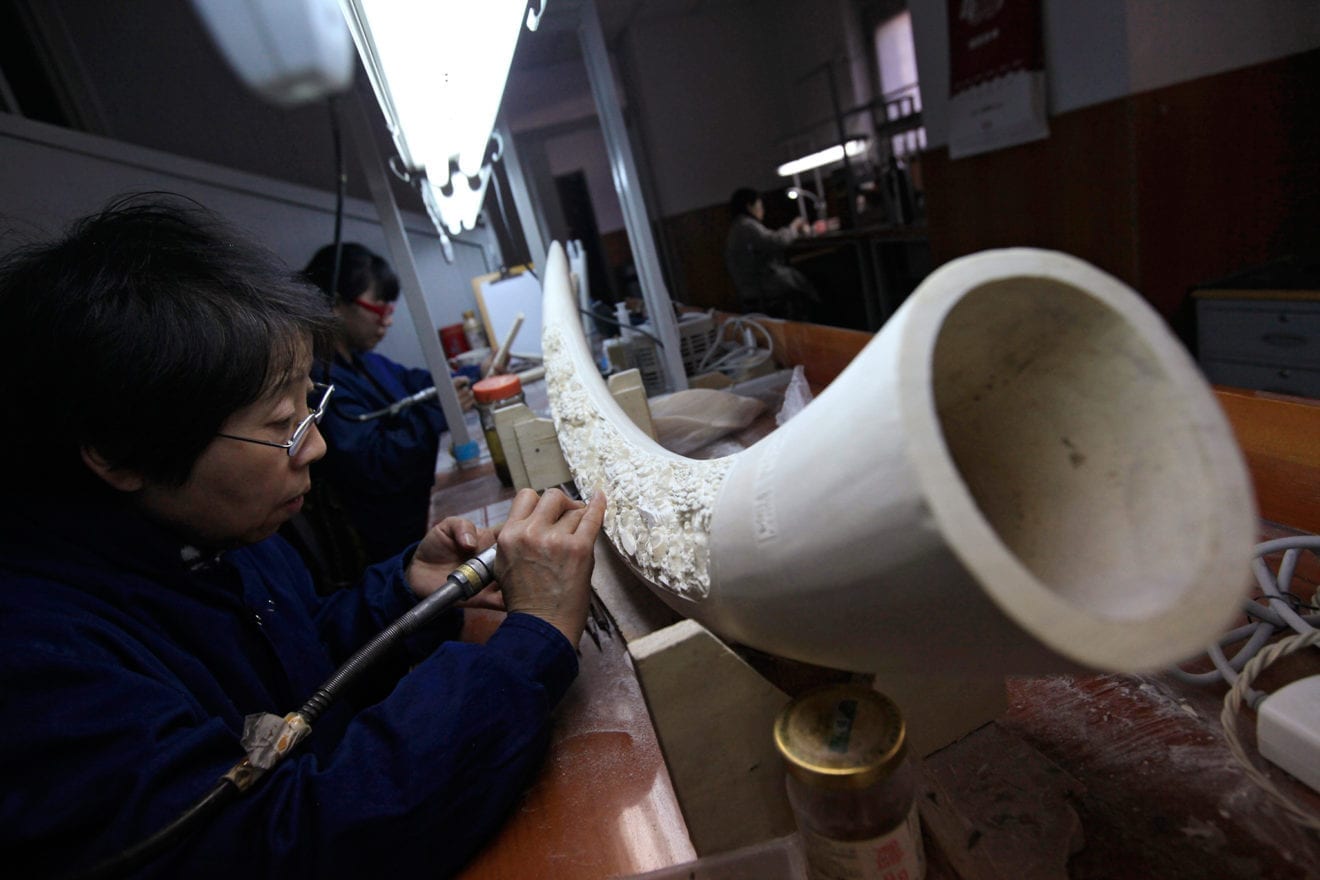
    Carved ivory legally on sale in China.

    China is by far the world’s biggest contemporary market for elephant ivory and the final destination for the majority of ivory from poached elephants. The continued existence of a legal ivory trade in China has been a major hindrance in combatting this illegal trade.

    As of the end 2016, there were 34 licensed ivory carving facilities and 130 licensed retail outlets in China permitted to process and trade in “legal” ivory derived from either old (pre-CITES) stock or a CITES-sanctioned one-off sale in 2008.

    However, EIA investigations and research by other groups documented widespread abuse of this poorly regulated system, which enabled the laundering of illegally sourced ivory. Closing this loophole could massively simplify enforcement operations – with no legal market to launder ivory, any processing or sale is illegal and can be immediately dealt with as such.

    China’s intention to close its domestic market was first announced in May 2015 and was restated by President Xi Jinping the following September. On December 28, 2016 a notification of plans to close the domestic market in its entirety by the end of 2017 was finally published.

    Looking into the detail of the document, there is potential for both celebration and concern.

    First, the positives. The notification sets out an impressively ambitious timescale for stopping all ivory carving and retail activities in previously licensed facilities by the end of 2017. Unlike the upcoming ban in Hong Kong, traders have not been given an unnecessary five-year grace period to dispose of stock – stock which should have been exhausted long ago and the imminent illegality of which was well known.

    Ivory-on-sale-in-China_2017_01_06.jpg
    Ivory on sale in China.

    Secondly, a compromise appears to have been reached to maintain the cultural heritage of ivory carving – the main argument from opponents of an ivory ban in China. The notification commits to “proactively guiding the transition of ivory carving techniques”, including providing guidance in using alternative materials and encouraging master carvers to move into museum restoration.

    However, the notification contains a worrying potential loophole which requires urgent clarification. It states that “cultural relics made of ivory that are of legal origin and have been verified by a specialist appraisal body may … be auctioned under strict supervision, to demonstrate their cultural value.” The term translated here as “cultural relic” usually refers to antiques, but not explicitly so. This indicates that limited sales of ivory antiques – and, possibly, even any item judged to have artistic merit created or sold under the previous licensing system and regardless of age – may be allowed to continue. Indeed, the potential loophole has already been interpreted as such by the antiques industry. The current language sends an ambiguous message to markets and risks undermining the effectiveness of the ban and demand-reduction campaigns.

    Also, the Chinese government and the international community must ensure that the ivory market does not simply shift to other areas with weak enforcement or lax legislation, especially in countries bordering China. The open sale of huge amounts of nominally illegal wildlife products – including ivory and tiger products – has been documented in border regions of Vietnam, Laos and Myanmar. In many of these markets, Chinese citizens represent the vast majority of buyers and trade is conducted in Chinese, often with Chinese currency. Targeted collaborative enforcement efforts are urgently required to close these markets and ensure illegal ivory cannot leak across the border into China.

    Overall, the Chinese domestic ivory ban is a major cause for celebration and optimism as we begin 2017. Although the potential loopholes need clarifying and closing, this notification sends a strong and timely signal that the global ivory market is progressively shutting up shop.


  • Aape popping up with New Year offers

    Aape popping up with New Year offers

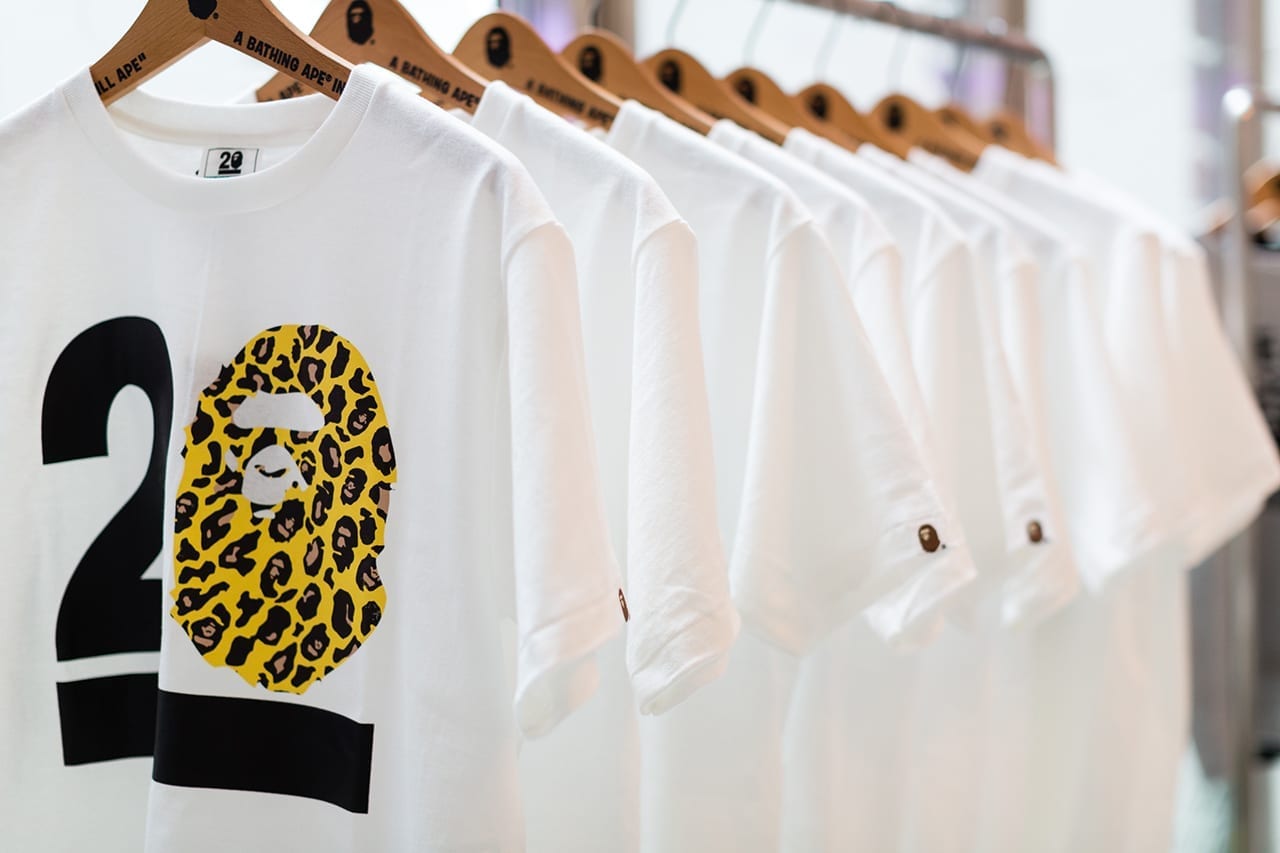
    Aape by A Bathing Ape, a diffusion label under the Japanese streetwear brand, is launching its Chinese New Year collection at a week-long pop-up store at Ion Orchard in Singapore.

    Running from January 14 to 22, the store will offer exclusive merchandise and a limited-edition womenswear range with such items as t-shirts and hoodies.

    The line focuses on relaxed, casual separates with a youthful, sporty vibe, says Female magazine. The women’s range features a camouflage print in pink and red, plus a black, gold and white version.

  • Martell launches fiery new edition of its Cordon Bleu cognac

    Martell launches fiery new edition of its Cordon Bleu cognac

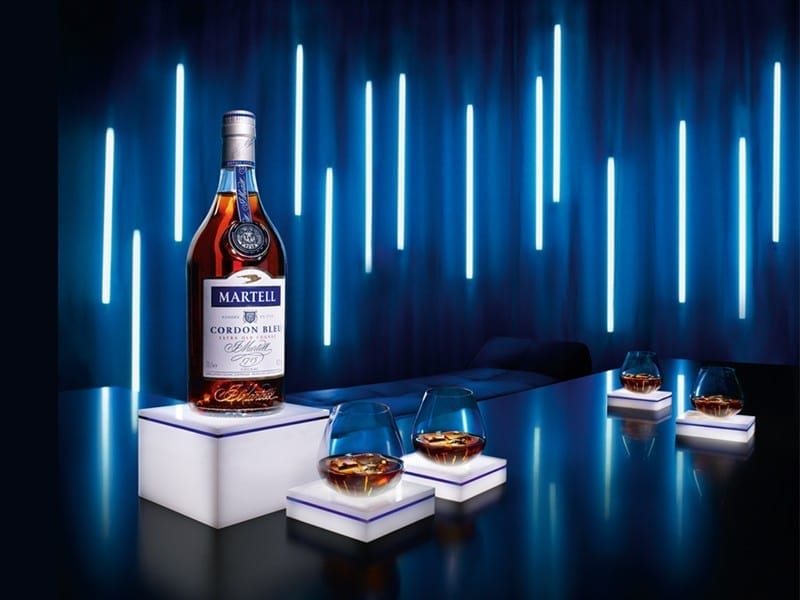
    Pernod Ricard Travel Retail Asia Pacific has launched Martell Cordon Bleu Intense Heat Cask Finish – a limited edition reinterpretation of the Martell Cordon Bleu — featuring an eye-catching new package design.

    Martell Cordon Bleu Intense Heat Cask Finish is created through a toasting and six month finishing process never before used by Martell, which it says results in heightened fruit and spice taste notes. By increasing the heat applied to Martell Oak casks in a technique called ‘chauffe crocodile’, the new cognac “boasts intense aromas, a fruity citrus sweetness, a toasted nuttiness and robust spice”, the company added.

    The new limited edition is presented in a deep blue box, artfully embossed to replicate a charred wood effect. Aditionally, invisible thermochromic inks, which react with body temperature, turn fiery red when the box is rubbed, creating the illusion of glowing embers.

    Throughout January and February 2017, travellers in Hong Kong International Airport, Singapore Changi Airport, Taiwan Taoyuan International Airport, China and Malaysia airports as well as Hong Kong border shops will be able to experience Martell Cordon Bleu Intense Heat Cask Finish through tasting activities in store.

    In addition, to celebrate the Chinese New Year, Asia Pacific travel retail customers who purchase Martell Cordon Bleu Intense Heat Cask Finish will also receive a complimentary special edition red shopping bag.

  • Fashion chain Next faces crossroads

    Fashion chain Next faces crossroads

    Fashion chain Next needs to carefully rethink who its customers are and how best to attract them to avoid falling into the same trap as M&S, says a retail analyst.

    The UK-based retailer has released its fourth quarter results for 2016, described by Emily Stella, analyst with Verdict Retail, as “poor” against a weak comparative.

    “The retailer admits it expected more from its Christmas sales. Next’s underwhelming performance was not isolated to the fourth quarter: 2016 has been a difficult year for the retailer, with full price sales for the year to date down 1.1 per cent on last year.”

    The company said it expected profits to fall in its 2017-18 financial year by between 2 per cent and 14 per cent due to “tougher times” ahead. A 0.4 per cent quarterly increase in total sales was achieved purely through discounting, which means narrower margins. Price rises, already flagged, may reduce revenue in the year ahead by a further 0.5 per cent.

    “Next has long been a retail star, seemingly unable to do wrong,” observed Stella. “However, the retailer acknowledges that 2017 could be a challenging year as consumers continue to restrict spending and a devalued pound forces price rises.”

    She said the recent results may mark the start of a difficult period for the retailer.

    “As it stands, Next’s current shoppers aren’t buying into its proposition – perhaps an indication that Next is failing to identify with its target market. To avoid falling into the same trap as M&S, Next will need to carefully rethink who its customer is and how to best attract them.”

    Next’s share price fell by 14 per cent after its gloomy projections.

  • Online retailers move to sell new cars on web

    Online retailers move to sell new cars on web

    Brick-and-mortar shops will no longer be the only go-to place for buying new automobiles, as online e-commerce shops are stepping into the industry as well.

    Interpark said Wednesday it would start a retail service for imported vehicles with local company D.parts, which delivers foreign cars to Korean customers and assists with paperwork, tax issues and delivery.

    To avoid conflict with local car dealers, the company will offer models that are not included in the list of products officially imported to Korea.

    “Buying foreign brand cars that are not dealt by official dealers can be a nuisance for general consumers,” said Cho Jin-hyuk, manager for Interpark’s electronics division. “Because our service is based on collaboration with an experienced company, customers can now buy such products with credibility and convenience on the internet.”

    “We’re looking for a way to talk directly with headquarters without going through any intermediate agents,” said a Tmon spokesman.E-commerce site Ticket Monster (Tmon) is also beginning to sell vehicles online, offering inventory from auto manufacturers inside and outside borders. The company’s brief experience in the market may offer clues about demand. The retailer sold Jaguar XE models in August, for which orders were filled in the first three hours. However, only one eventually completed a purchase after Tmon and SK Encar, agent supplier for the project, bumped heads with Jaguar Land Rover’s Korean office and official dealer Aju Networks.

    Online is the main sales channel for the global electric car brand Tesla Motors which has two showrooms in Korea but doesn’t have an official brick-and-mortar store. Tesla’s stores serve only as showrooms and clients must use the website to order. Demand in Korea was evident last year when pre-orders of the automaker’s Model 3 surpassed 325,000 in the first week.

    Although most sales offers are temporary, online retailers are eyeing expansion into domestic car brands. In September, Auction placed 10 models of Chevrolet’s Aveo on its platform, in a deal with GM Korea. The models sold out within one minute, as Auction offered a credit of five million won ($4,195) to buyers on the website.

    “We already saw potential, so the company is open for collaboration suggestions as long as the manufacturer is willing to do so,” said Lee Jin-young, a manager for Auction.

    Starting next year, domestic cars will be sold on television home shopping channels as laws that prohibited the practice were eased in November.

    New sales channels may prove favorable for consumers, as fierce competition will prompt companies to offer discounts or interest-free installment plans, which were common when imported car sales on television were popular in the early 2000s.

    “Online sales of automobiles may be a chance to enhance consumers’ convenience and improve the ambiguous structure of domestic vehicle sales,” said Kim Pil-soo, an automotive engineering professor at Daelim University College.

    Industry insiders, however, say that there are still many obstacles. E-commerce and home shopping networks equally say that although they are interested in launching online auto sales, the final decision is up to manufacturers and official importers.

    Decision makers are not enthusiastic about the idea, as sales online would eventually hurt brick-and-mortar stores and their sales force.

    “Realistically speaking, going online is not an easy option as it is a matter likely to be attacked by our labor union,” said a source from Hyundai Motor. GM Korea employees also criticized the Aveo sale on Auction, calling it a death sentence for sales people.

    Foreign car brands don’t seem too excited about the idea either, even though they may be able to save 15 percent on the commission fees they pay dealers. Most foreign car brands sign contracts with local dealers. One source pointed out that those vehicles require service after the purchase.

    “Dealers have connections to competent car service providers and quality after-service is an essential in this industry, therefore going online may be a risky decision for brand image,” the source added.