Tag: asia

  • Thai telcos bracing for a challenging 2017

    Thai telcos bracing for a challenging 2017

    After a rough 2016 there is no respite in sight for Thailand’s telecoms sector, with operators still dealing with heavy costs accrued from recent 4G auctions, strict competition and OTT challengers.

    AIS CEO Somchai Lertsuthivong as stating that he has never seen as challenging a year for the mobile sector as 2016, after nearly three decades of experience.

    AIS and DTAC, which together have a revenue market share of around 80%, have both cut their financial forecasts for 2016 as a result of these challenges.

    AIS expects to report an eibtda margin decline of between 37% and 38% in 2016 from 45.6% in 2015 due to the rising costs as well as one-off expenses related to the shutdown of its 2G network. Dtac expects its ebitda margin to decline to 27% to 30% compared to 31.8% in 2015.

    Operators expect 2017 to be just as challenging. As well as high spectrum costs, operators have had to grapple with a surge in operating costs as they offered heavy subsidies including free 4G handsets to lure customers.

    The sector will also have to deal with surging data consumption as 4G take-up increases. According to the report, Dtac plans to transition away from competing on price with heavy subsidies, and instead compete by offering a superior customer experience.

    AIS is meanwhile responding to the OTT threat by pursuing more digital partnerships with local content providers and businesses. Operators are also exploring partnering with cable providers to offer triple-play services bundling internet, telephone and TV.

  • Kimia Farma to open 100 new outlets

    Kimia Farma to open 100 new outlets

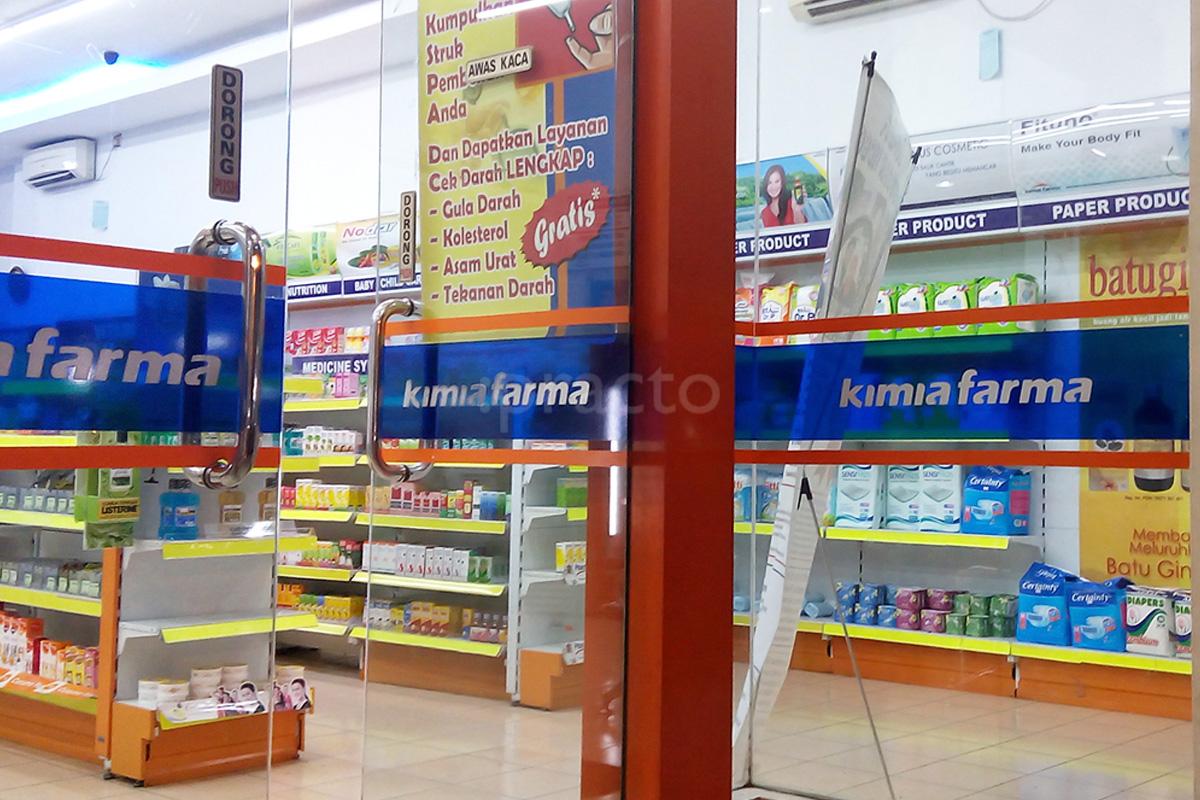
    Kimia Farma Apotek, the operator of hundreds of dispensaries all over the country, will open 100 more dispensary outlets this year. The subsidiary of the state owned pharmaceutical company Kimia Farma said the new outlets would bring the total number of the companys dispensaries to 1,000 units this year.

    Chief Executive of Kimia Farma Apotek Imam Fathorrahman said the management has set aside Rp20 billion for the plan to increase the number of its outlets.

    “Currently the company already has 900 dispensaries with sales valued at a round Rp1.3 trillion last year,” Imam said here on Sunday.

    He said to coincide with its 14th anniversary in January, Kimia Farma Apotek will start entering the market of e-commerce.

    “Holders of smart phones have reached 126 percent of the total population and internet owners around 52 percent. This is an extraordinarily big e-commerce market,” he said.

    In the first phase, the company will eye the Jabodetabek (Greater Jakarta) market and cooperate with order shopping service between Go-Mart.

    “In principle through this service we could be accessed by customers in the Jabodetabek area, Bandung, Surabaya, Bali, and Makassar with more than 250 selected locations of our dispensaries,” he said.

    The digital service, however, is only for non-ethical medicines that could be sold without doctors prescription.

    “This access has become a requirement . People dont have to go to dispensary for cosmetics and drugs that could be bought without doctor prescription,” he said.

  • DHL eCommerce offers e-commerce expertise and logistics services to help Thai rice farmers

    DHL eCommerce offers e-commerce expertise and logistics services to help Thai rice farmers

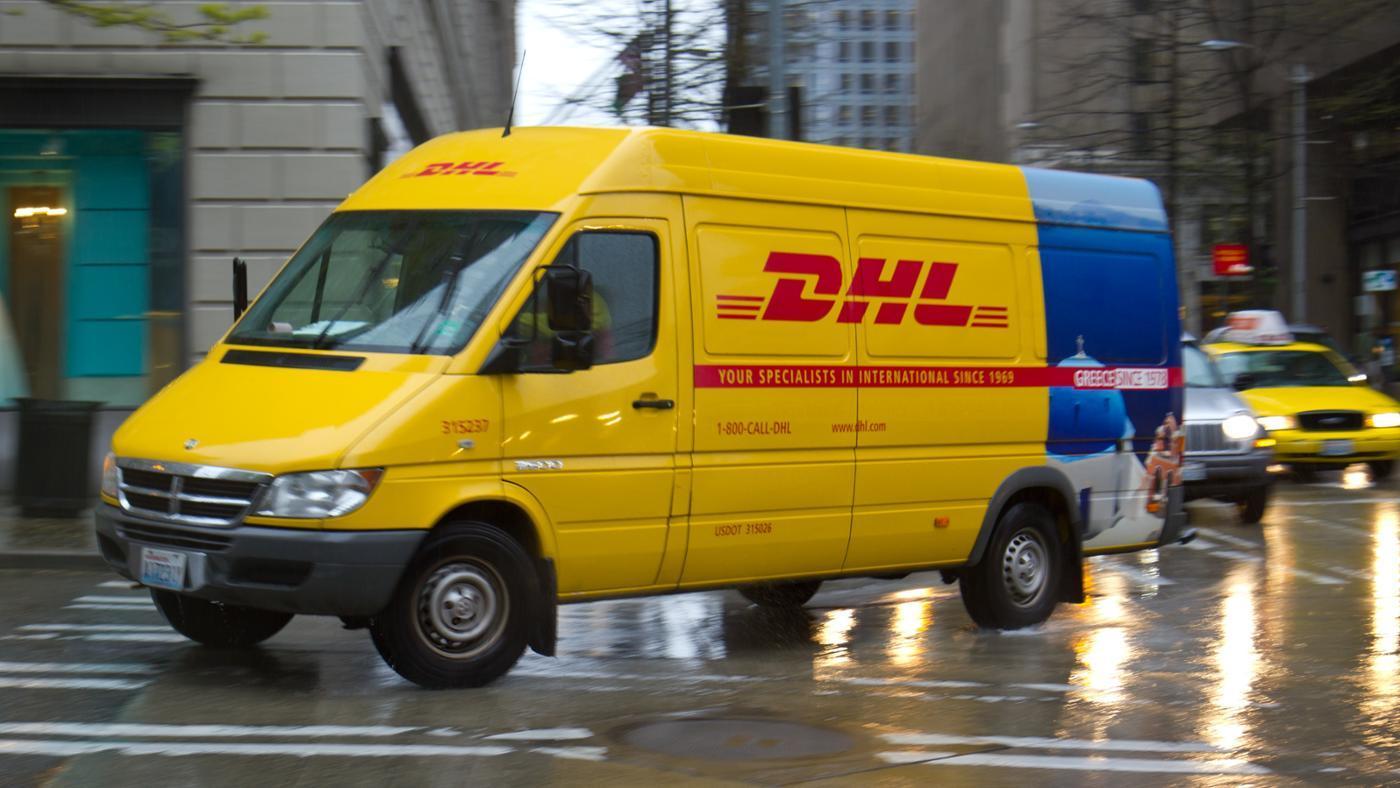
    DHL eCommerce, a division of Deutsche Post DHL Group, has collaborated with the Ministry of Commerce in Thailand to offer e-commerce expertise and logistics services free of charge for a period of four months to help Thai farmers grow their business and reap the benefits from selling on e-commerce platforms. This follows recent challenging market conditions which have seen an oversupply of rice and strong export competition.

    do_download

    Partnering with the Thailand Ministry of Commerce’s Department of International Trade Promotion (DITP), DHL eCommerce works with farmer co-ops across Thailand to help set up and enable an easy and streamlined process to manage their online inventory and ship to consumers domestically. Experts from DHL eCommerce advise and support farmers by integrating their sales processes with e-commerce portals on BentoWeb, a local e-commerce services provider which has been pre-integrated with the DHL eCommerce Customer Web Portal. Once on BentoWeb, farmers will be able to easily arrange for deliveries and shipments quickly at a click of a button, allowing rice goods to be picked and dispatched to end consumers located in Thailand.

    The collaboration combines the global logistics experience of DHL with the in-depth local market knowledge from DHL eCommerce Thailand, the Ministry of Commerce Thailand and BentoWeb, allowing farmers to benefit from solutions that are tailored to their specific needs. The Ministry of Commerce will work on promoting and registering farmers on www.thaitrade.com/rice while BentoWeb will enable the online order process and inventory management for the farmers. DHL eCommerce will pick up the products from the farms and deliver them free of charge to the consumers directly.

    “We are extremely honored to have this opportunity to use our e-commerce expertise and logistics services to make a positive impact on the farmers’ businesses and their livelihoods. As an organization operating in Thailand, providing both domestic as well as international delivery services to the local businesses, we are committed to the Thailand market. Wherever and whenever we can contribute to the local communities, we will do our utmost best to support,” said Kiattichai Pitpreecha, Managing Director, DHL eCommerce Thailand.

    Thailand is one of the world’s leading rice exporters with an expected output of 25 million tonnes of rice expected in the 2016/17 production year. “The Ministry of Commerce has been rolling out a series of programs aimed at helping the local farmers and one such initiative is this collaboration with DHL eCommerce Thailand to help farmers sell their produce online. We have been working together in the past three weeks to onboard these farmers onto the e-commerce platform so that domestic consumers can place orders and have DHL eCommerce deliver to their doorsteps. We are extremely heartened that an organization such as DHL eCommerce is putting their foot forward to help the local communities,” said Mrs Apiradi Tantraporn, Minister of Commerce, the Royal Thai Government.

    For farmer co-ops like Ban Um-sang Rice Community, they have managed to take the matter of the rice supply glut in their stride and tap onto the opportunities of e-commerce thanks to DHL eCommerce. Ban Um-sang Rice Community explained, “The internet has opened up more possibilities for us farmers to do business. We can communicate and connect with customers directly, previously impossible with more traditional methods. We don’t have to worry about organizing our deliveries too, as they are taken care of by experienced logistics specialists. By giving us more options, e-commerce makes us less affected by existing market forces and gives us the freedom to improve our sales in new ways.”

    In addition to DHL eCommerce’s international delivery capabilities, it has since the beginning of this year been offering domestic delivery services in the Thai market. Identifying the country as one of the fast-growing e-commerce markets, DHL eCommerce established end-to-end domestic and international delivery solutions for Thai e-commerce merchants. The company has a 3,000 sqm central distribution center in Bangkok and a network of over 40 depots located throughout the country for nation-wide logistics connectivity. By 2017, DHL eCommerce aims to more than double the number of depots and enhance its fleet with two-wheel vehicles that can surmount Thailand’s complex last-mile delivery challenges.

  • Nissan’s premium brand Infiniti sells 230,000 vehicles in 2016

    Nissan’s premium brand Infiniti sells 230,000 vehicles in 2016

    Nissan Motor’s premium brand Infiniti sold more than 230,000 vehicles globally in 2016, a 7 percent annual rise, Infiniti said on Wednesday, a record year for a marque that trails rivals in the increasingly crowded premium market.

    The brand distantly lags German luxury competitors like BMW, which can sell almost as many vehicles in a single month, and second-tier luxury leaders like Toyota’s Lexus, which sells at least twice as many cars each year.

    Infiniti annual sales grew 4 percent year-on-year in the United States, its largest market, to more than 138,300, while China sales rose 3 percent to 41,590.

    In December, Infiniti sold 27,200 vehicles globally.

  • Singapore eyes increased investments, more flights to Manila

    The government of Singapore has expressed interest in further increasing its investments in the Philippines, as well as adding more flights to Manila in anticipation of increased demand in air travel between the two countries.

    In a recent meeting with Finance Secretary Carlos Dominguez III, Singaporean Ambassador to Manila Kok Li Peng said Singapore’s private sector would like to explore new growth opportunities in the Philippines, particularly in the retail, transportation, infrastructure and tourism sectors.

    Ambassador Kok said Singaporean businessmen were planning to schedule the next meeting of the Philippines-Singapore Business Council (PSBC) in Davao City and, if possible, meet with President Rodrigo Duterte to discuss new business and investment activities in the Philippines.

    “We’re trying to get a mixed meeting of the PSBC here. They want to bring the members to Davao to meet with the President,” Kok said, to which Dominguez responded that a possible date for such a dialogue could be in February.

    Singapore’s investments in the Philippines–valued at P16.8 billion in 2015–are mostly in real estate activities, electricity, gas, steam and air conditioning supply, and manufacturing.

    Singapore was the Philippines’ fourth largest trading partner in 2015. The country’s total exports reached $3.8 billion in 2015, mainly comprising electronic products, petroleum products, and electronic equipment and parts.

    The Philippines, in turn, imported a total of $5 billion worth of goods from Singapore in 2015, mostly mineral fuels, lubricants, food and live animals, and industrial machinery and equipment.

    Kok also said that Singapore was looking at the Philippines in exploring more markets for its airline industry.

    “More competition is good for the consumer,” Kok said in explaining Singapore’s plan for its airline companies—Singapore Airlines, SilkAir and Tiger Airways—to add more flights to the Philippines.

    In response, Dominguez, a former chairman of the Philippine Airlines, agreed that opening the Philippines’ air travel industry to competition and even partnerships with other airlines would benefit the economy and boost the growth of the tourism sector.

    Dominguez said the Duterte administration was “engaging more with ASEAN and countries around Asia” as a way to “move forward” and achieve a balance in strengthening the Philippines’ diplomatic ties with other nations across the globe.

    In Beijing last October, Dominguez and Socioeconomic Planning Secretary Ernesto Pernia, who were part of President Duterte’s delegation on his state visit to China, jointly announced that while the Philippines would maintain its good relations with Western economies, it pushed for “stronger integration” with its neighbors in the region.

    The move, they said, would open for the Philippines countless opportunities for trade and investment in a market of 1.8 billion people across the region, especially now that other ASEAN economies had also committed to greater integration and China had pledged to open its capital markets.

    ASEAN groups the Philippines, Malaysia, Singapore, Brunei, Thailand, Indonesia, Laos, Cambodia, Myanmar and Vietnam.

    Both Dominguez and Kok agreed that technology and innovation are indispensable to sustaining growth under the current knowledge-based global economy.

    “We’re now [living under] a knowledge-based economy. We think innovation is the way to go in the future,”Kok said.

    Dominguez said the rapid growth of online-based businesses and investments was among the reasons the Duterte administration considered it a priority to improve “interconnectivity and internet speeds” in the country.

    “The structure of the industry in the Philippines right now is really holding us back. And it’s becoming quite obvious that the system now we have, where we basically have two service providers, is not really working,” Dominguez told Kok.

    In the meeting, Kok also informed Dominguez of Singapore’s request to review and update the terms of its 40-year old double taxation agreement with the Philippines.

    Dominguez assured Kok that he would discuss Singapore’s concerns regarding the double taxation agreement with the Bureau of Internal Revenue.

  • Fossil wearables offering doubles

    Fossil wearables offering doubles

    Fossil Group will double its Fossil wearables production this year to 300 new products, plus add new brands.

    • Fossil Group has announced it will double its Fossil wearables production this year to an unmatched 300 new products, plus add new brands.
    • New connected products were also revealed by the US group’s brands…
      Armani Exchange has entered the wearables market with Armani Exchange Connected, a collection of hybrid smartwatches.
    • Fossil has extended its Fossil Q hybrid smartwatch line with Fossil Q Accomplice, with the brand’s slimmest case to date.
    • Skagen has introduced Hald and Jorn hybrid smartwatches, offering thinner cases.
      Misfit has unveiled Vapor, the brand’s first touchscreen smartwatch featuring heart rate, GPS and standalone music access.

    Fossil Group’s wearables include touchscreen smartwatches, hybrid smartwatches and activity trackers.

    “Customers crave connectivity that doesn’t compromise style,” says Fossil Group chief strategy and digital officer Greg McKelvey. “We’re creating more options to seamlessly integrate desired tech features into our customers’ style and lifestyle.

    He says the group’s design, scale, speed to market and portfolio of fashion brands, coupled with its cloud and app platform plus tech and hardware innovation “have pulled us ahead of the wearables pack”.

    Fossil Group last year launched more than 140 wearables across Chaps, Diesel, Emporio Armani, Fossil, Kate Spade New York, Michael Kors, Misfit and Skagen brands throughout 40 countries and in 20 languages.

    “The success of our hybrid smartwatches has proven that our consumers want a balance of function and fashion,” says McKelvey. “We’ve effectively filled that gap in the market. Hybrids pack the power needed to efficiently accomplish daily tasks in a beautifully crafted timepiece.”

  • 1,300 more domestic flights to operate for Tet

    1,300 more domestic flights to operate for Tet

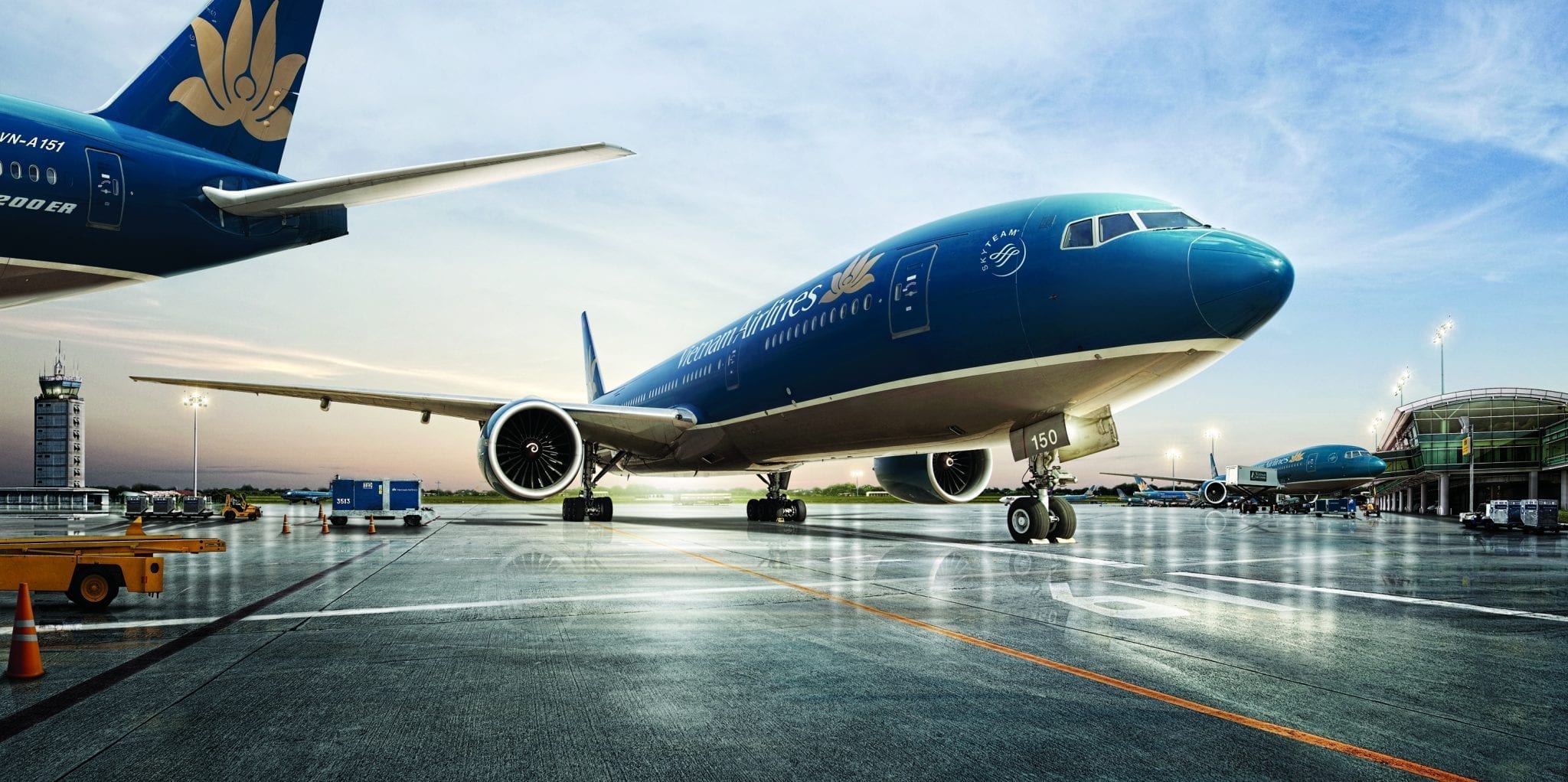
    Special flights will be introduced from January 16 to February 12, the Civil Aviation Authority of Viet Nam (CAAV) said.

    Vietjet has been allowed to increase its number of flights by 8.9 per cent, so it will operate 560 flights, or 100,800 seats. National carrier Vietnam Airlines will offer 330 more flights, or 76,785 seats. Jetstar Pacific will have an additional 330 flights, or 59,400 seats.

    HCM City’s Tan Son Nhat International Airport, which is the busiest airport among the 21 airports nationwide, is estimated to receive 1,065 extra flights during the holiday season, 7.7 per cent more than its normal schedule.

    The flights will be operated in the slots or the duration during which the aircraft usually remain grounded at airports. It is estimated to have 38 flights per day.

  • House of Chivas pours Regal Ultis to Qantas First Class customers

    House of Chivas pours Regal Ultis to Qantas First Class customers

    To celebrate the launch of Chivas Regal Ultis, Pernod Ricard Travel Retail Asia Pacific is offering the blended malt Scotch whisky to Qantas First Class customers until March.

    Chivas Regal Ultis features on the summer menu in the Sydney and Melbourne First Lounges and in a bespoke cocktail called ‘Fine St Blend’. First Class Qantas passengers will also be offered the spirit onboard and can buy it through Qantas epiQure and Qantas inSky shopping pre-order sites.

    Pernod Ricard Travel Retail Asia Pacific Senior Brand Manager Katie Gee said: “We know our Chivas Regal drinker travels frequently and is always discovering and seeking out new experiences. Showcasing our new product, Chivas Regal Ultis, with Qantas is a fantastic platform to connect with whisky enthusiasts along their journey.”

    To further promote the Chivas Regal Ultis launch in the region, Pernod Ricard Travel Retail Asia Pacific has partnered with duty free retailers to create large scale promotions in airports. Tasting bars, ambassador appearances and gifts-with-purchase were featured in December and will continue in selected locations throughout January.

    Chivas Regal Ultis is available now in global travel retail and in selected domestic retailers. The Scotch is also available through Qantas epiQure and Qantas inSky shopping pre-order channels in Asia Pacific.

  • Retailers to raise prices of alcoholic beverages

    Retailers to raise prices of alcoholic beverages

    South Korea’s discount chains and convenience stores said Thursday they will raise prices of beer and soju, a popular Korean distilled beverage, beginning next week.

    CU, a major South Korean convenience store chain, is set to raise prices of two brands of 360 milliliter soju bottles — Hite Jinro’s Chamisul and Lotte Chilsung Beverage’s Chum-Churum — to 1,700 won (US$1.4) from 1,600 won.

    The convenience store also plans to raise prices of Oriental Brewery’s Cass and its rival Hite Jinro’s Hite to 1,900 won each from 1,850 won and 1,800 won, respectively.

    GS25 and Seven Eleven, two other major convenience store chains, also plan to follow suit.

    E-Mart, the No. 1 discount store chain in South Korea, is also set to sell a 500 ml beer bottle for 1,410 won, up from 1,330 won. It will also raise soju prices to 1,220 won from 1,140 won.

    Lotte Mart, a discount store chain operated by South Korea’s retail giant Lotte Group, said it will raise prices of a 640 ml beer bottle to 1,830 won from 1,750 won.

    The planned price hike came in response to a recent government decision to raise a subsidy for empty bottles of beer and soju.

    Consumers can now receive 100 won from retailers in return for handing over an empty soju bottle, compared with 40 won in the past. In case of beer, consumers can receive 130 won, up from 50 won when they return an empty bottle of beer.

    The price hike came just months after Oriental Brewery Co. and Hite Jinro raised their beer prices by an average 6 percent and 6.33 percent, respectively.

    AB InBev, the world’s largest beer producer, purchased Oriental Brewery Co., South Korea’s biggest brewer, in 2014.


  • Vietnam urges retailers to ditch cash for plastic

    Vietnam urges retailers to ditch cash for plastic

    With online sales booming in the country of 93 million, it’s time for shoppers to embrace e-commerce. Vietnam is trying to convince at least 70 percent of its citizens aged 15 and over to open bank accounts and about 50 percent of urban residents to switch to non-cash payments via debit and credit cards by 2020.

    Online retail revenue is forecast to hit $10 billion in the next four years, accounting for 5 percent of the country’s total retail market, which grew 10.2 percent last year to $118 billion.

    The government has officially rolled out its e-commerce development plan for 2016-2020 to tap into the fast-growing consumer population with a huge demand for online shopping.

    According to one estimate, about 30 percent of the population will buy goods and services over the internet and spend an average of $350 per year online by 2020.

    In 2015, Vietnamese shoppers spent $4.07 billion online, a jump of 37 percent from the previous year, according to the Vietnam E-commerce Report, adding that revenue from online retail accounted for 2.8 percent of the country’s revenue from the sale of goods and services in the same year.

    With a population of 93 million, Vietnam was ranked as the smallest e-commerce market in Southeast Asia in terms of sales just three years ago. Now online retail is gaining momentum with the country’s 49 million internet users increasingly turning to online shopping.

    According to Internet World Stats, Vietnam is currently ranked 18th in the world in terms of the number of internet users, with mobile subscription rates as high as 40 percent.

    In order to increase non-cash transactions, the government will require all supermarkets, shopping malls and convenience stores to accept payments via credit and debit cards.

    It is forecast that in the next four years the number of supermarkets will nearly double to 1,300 and shopping malls to 300, according to the government’s plan.

    Spending at supermarkets, convenience stores and shopping malls is expected to rise to 45 percent of total consumer spending by 2020, up from 25 percent now, government data shows.

    The government also wants 70 percent of utility service providers including telecommunications companies and electricity and water suppliers to move their billing online.

  • Vietnam coffee exports grew in 2016 despite drought

    Vietnam coffee exports grew in 2016 despite drought

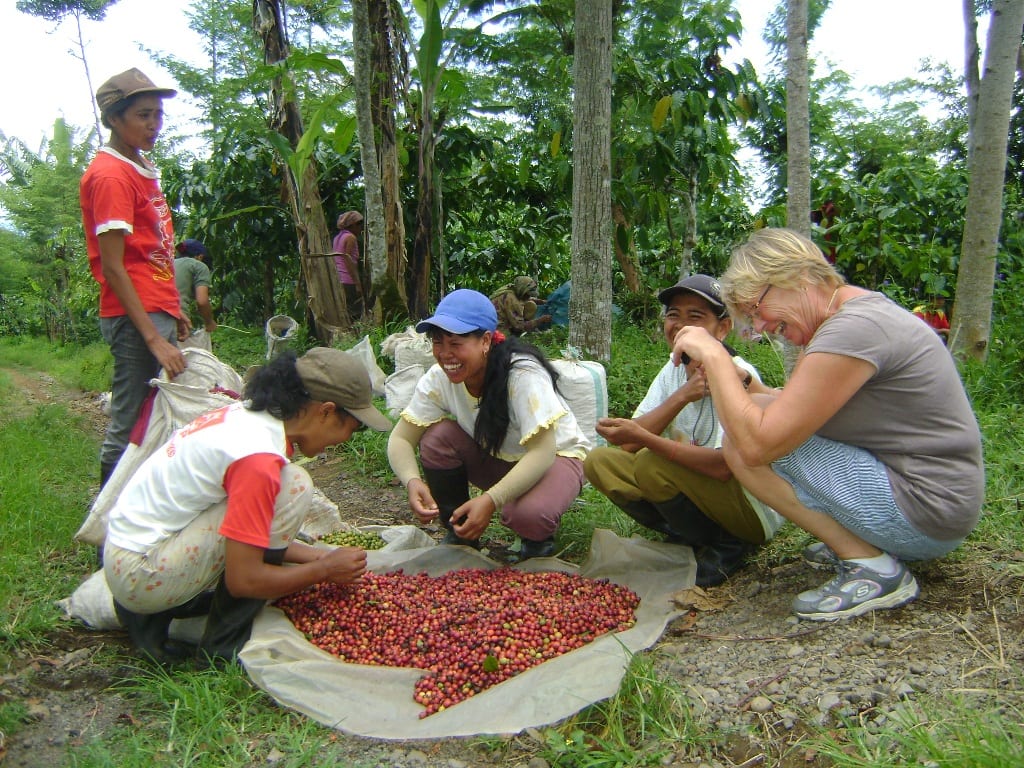
    Vietnam’s coffee exports have rebounded, notching up double-digit growth this year after being hit by the most-severe drought in almost a century.

    Coffee exports grew, on-year, by 33.6 percent in terms of volume, reaching nearly 1.8 million tons.

    The Ministry of Agriculture and Rural Development said Vietnam’s coffee industry regained its momentum after seeing exports decline by more than 20 percent on-year in 2015.

    Germany and the U.S. remained the two largest buyers of Vietnamese beans and, this year, sales to the two markets grew by 42.4 percent and 49 percent, respectively.

    Exports of coffee also saw impressive increases in emerging markets like the Philippines (83 percent), Algeria (68 percent) and China (50 percent).

    Analysts fear ongoing El Nino conditions could result in a 20 percent decline in coffee production during the coming year.

    Roughly a fifth of Vietnam’s total plantations had been damaged by water shortages, according to the Association of Coffee and Cacao (VICOFA).

    Flooding struck the Central Highlands’ coffee belt in November, making harvesting and drying rather difficult.

    VICOFA chairman Luong Van Tu, however, says Vietnamese enterprises should shift their focus to processing coffee rather than increasingly the amount of raw materials shipped abroad.

    He said new free trade agreements will slash tariffs on coffee sales to the E.U. and South Korea from 15 percent to under five in the coming year.

  • After Soaring, AirAsia Hits Some Turbulence

    After Soaring, AirAsia Hits Some Turbulence

    Malaysia’s AirAsia, which operates budget flights across Southeast Asia, had a stellar 2016. But the catalysts that fueled the airline’s ascent by as much as 130% by August are no longer there. This stock could fall another 20%.

    AirAsia is a play on the Malaysian ringgit. Its share price started to slip in late August, coinciding with the ringgit’s decline. Since then, the ringgit has fallen some 11%, to $4.50, and AirAsia has tumbled more than 30%. The stock still managed to return over 80% in 2016, however.

    A weaker ringgit hurts AirAsia’s operating margins. Deutsche Bank ’s Joe Liew estimates that half of the airline’s operating costs last year were related to the dollar, in part because 90% of its debt is denominated in greenbacks. The airline says that two-thirds of its dollar debt was hedged at about 3.23 ringgits to the dollar. Still, Deutsche estimates that for every 5% decline in the ringgit, AirAsia’s operating profit falls by 7.1%.

    More importantly, over half of AirAsia’s shareholders are foreigners, who are more likely to unload the stock when Malaysia’s currency policy gets unsteady. The ringgit “keeps us awake at night,” says Credit Suisse’s strategist Tan Ting Min, because China is Malaysia’s largest exporter and the currency is viewed as a yuan proxy. It’s also sentiment-driven because foreigners hold about half of Malaysian government bonds, 50% more of which are maturing this year. In addition, Malaysia’s central bank unnerved investors during the Trump tantrum—the selloff of emerging market bonds and currencies after the U.S. election—by asking foreign banks to stop trading ringgit in the offshore nondeliverable forwards market, a popular way for foreigners to hedge against its decline.

    There are other head winds. Fuel prices have begun to rise. At the end of December, jet fuel was trading at $67 a barrel, 48% above a year ago, according to Platts. While AirAsia hedges 74% of its jet-fuel costs at $60 a barrel, expensive fuel still affects its earnings. Deutsche says that for every 5% rise in jet-fuel prices, AirAsia’s net profit falls by 6.6%.

    COMPETITION IS ALSO HEATING UP

    Again in Malaysia. Malindo, which started operations only in 2013, bought 16 new aircraft in 2016 and operates 42 in total, about a third the size of AirAsia Malaysia. Meanwhile, market leader Malaysia Airlines, which has been in cost-control mode for the past two years after the crash of the MH 370 in March 2014, is looking to expand again. It is starting nine new routes to China this year.

    AirAsia said in August it would divest itself of Asia Aviation Capital, which provides aircraft-leasing services to the airline. AirAsia said the unit could fetch $1 billion. At the end of September, Asia Aviation had only $59 million in equity on its balance sheet. “We struggle a little to understand how that [$1 billion] number is derived, given the balance-sheet numbers,” wrote Deutsche in a note last week.

    Deutsche Bank last week downgraded AirAsia to Sell with a price target of 1.75 ringgit, or another 20% downside. It values AirAsia at five times enterprise value to earnings, in line with full-service airlines Cathay Pacific (293.Hong Kong) and Singapore Airlines(C6L.Singapore). Both of these airlines are suffering from excess capacity, and Deutsche is betting that AirAsia will be operating in a similar environment a year from now.

  • Vietnam to lose 2.08% of daylight working hours by 2025

    Vietnam to lose 2.08% of daylight working hours by 2025

    In 1995, when temperatures rose 0.74C, Vietnam lost 0.8 per cent of daylight working hours. In 2085, if temperatures were to rise 1.5C, 2.58 per cent of daylight working hours would be lost. If temperatures were to rise 2.4, 2.7 or 4C, Vietnam would lose 5.09, 6.31, and 12.72 per cent of daylight working hours.

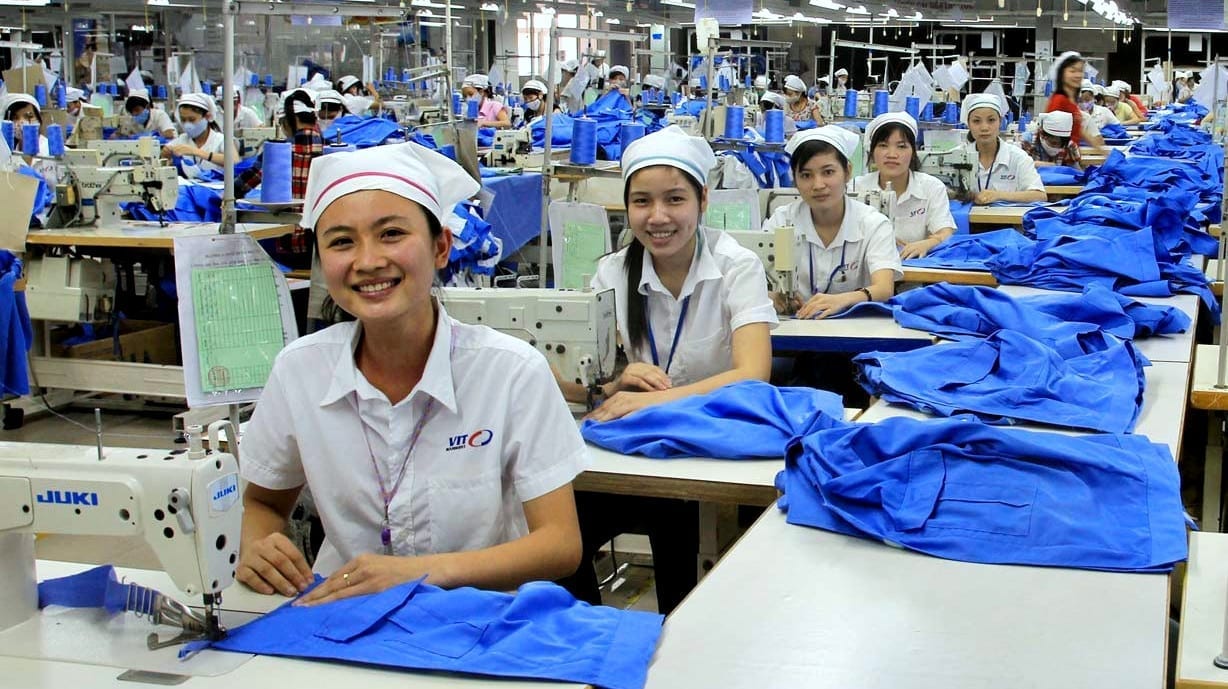
    “The lowest income-bracket work – heavy labor and low-skill agricultural and manufacturing jobs – are among the most susceptible to climate change,” the report noted. Factories are limited in providing cooling systems at the workplace, it added.

    In November 2015 the International Labor Organization (ILO) introduced guidelines for governments and other labor organizations to address the health and safety ramifi­cations of climate change, but no international organization has established a program to assist countries vulnerable to the challenges of climate change for the workplace, according to the report.

    “Actions are needed to protect workers and employers now and in the future, including low-cost measures such as assured access to drinking water in workplaces, frequent rest breaks, and management of output targets, carried out with protection of income and other conditions of Decent Work,” the report urged.

    “Modeling the Impacts of Climate Change on Future Vietnamese Households”, a research working paper from the World Bank released in July said that it is not hard to imagine that if most workers work outside or without air conditioning then the impact of temperature increases on labor productivity will be stronger than if there is a fast structural change away from agriculture and towards services and industry, together with the greater prevalence of air conditioning.

    As for the impact of high temperatures on labor productivity, people working outside or without air conditioning will lose between 1 and 3 per cent in labor productivity due to changes in climate compared with a baseline of no climate change, the World Bank paper said.

    “Our results show that the temperature impacts of climate change are severe in the poverty scenario: 270,000 people would be pushed into poverty in 2030 and 700,000 would be pushed below $4 per day,” the paper said.

    The researchers, led by Tord Kjellstrom from the Health and Environment International Trust in New Zealand, announced in July that Vietnam and 42 other countries will be affected by temperature increases.

    It estimated that 5.7 per cent of Vietnam’s GDP would be impacted by rising temperatures.

    From 15 to 20 per cent of annual working hours in Southeast Asia have already been lost in heat-exposed jobs and this may double by 2050 as global warming continues.

    Other Southeast Asian countries such as Indonesia, Thailand, the Philippines, Malaysia and Cambodia will also lose GDP due to rising temperatures.

    The researchers said that Indonesia and Thailand will both lose 6 per cent by 2030, the Philippines and Malaysia 5.9 per cent, and Cambodia 5.7 per cent.

  • Macy’s to close stores, cut jobs amid weak sales

    Macy’s to close stores, cut jobs amid weak sales

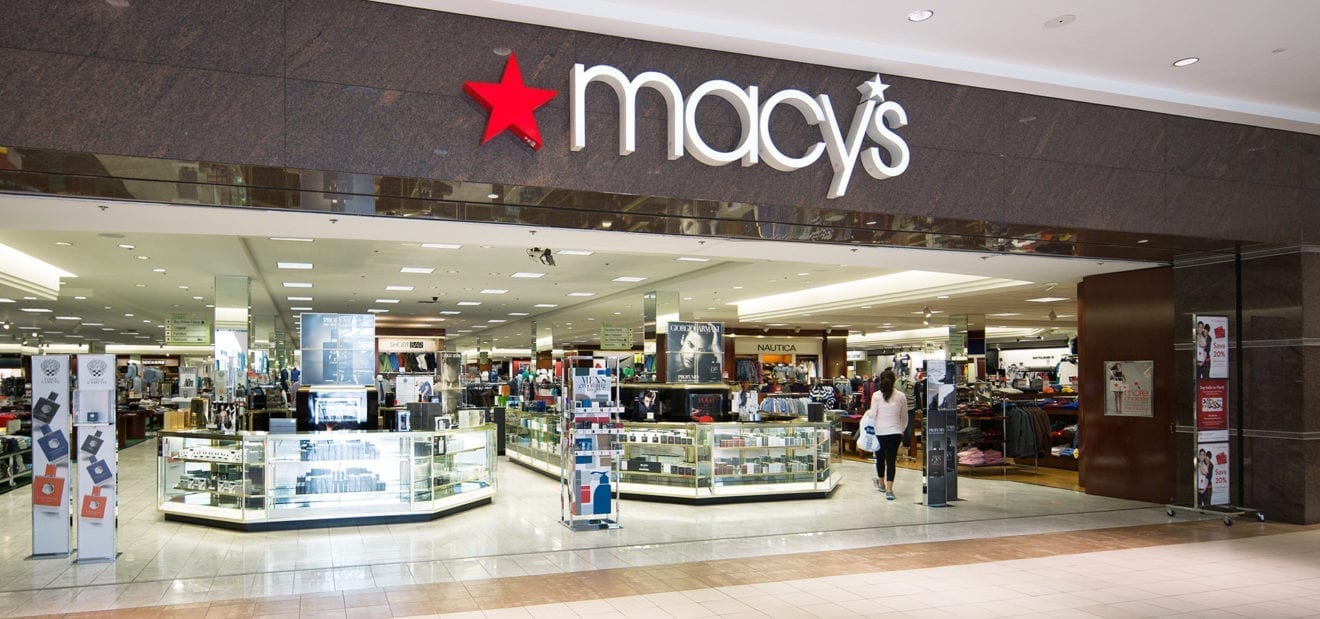
    Macy’s said the 68 store closures, which span the nation, are part of the 100 closings it announced in August. Of the 68, three were closed by the middle of 2016, 63 will close in the spring and two will be closed by the middle of 2017.

    Some employees may be offered positions at nearby stores, but Macy’s estimates that 3,900 employees will be affected by the closures.

    Macy’s also said it plans to restructure parts of its business and sell some properties. This will lead to the reduction of 6,200 jobs. The moves are estimated to save $550 million annually.

    The company, which has been under pressure from investors to sell some of its valuable real estate, is selling or has sold three locations. It is leasing the properties back and will keep operating those stores.

    Overall, Macy’s said, the job reductions represent about 7 percent of its workforce.

    The company, which owns the Macy’s and Bloomingdale’s brands, has been struggling with declining traffic in its stores, where the bulk of its business is still conducted.

    Longtime CEO Terry Lundgren, who is stepping down early this year and will be succeeded by Macy’s President Jeff Gennette, said in a statement the company is closing stores that are “unproductive or are no longer robust shopping destinations” as well as selling those with highly valued real estate.

    Macy’s has seen sales growth slow as it and other traditional department store chains face competition from online and off-price rivals. It has tried new ways to attract shoppers, such as by offering more exclusive products, designating areas featuring “smart watches” and launching an Apple shop at its flagship New York store in Herald Square.

    The company said Wednesday it plans to invest some of its savings in growing its digital business.

    It said it now expects to earn between $2.95 and $3.10 per share on an adjusted basis for its 2016 fiscal year, versus its prior forecast of $3.15 to $3.40 per share. The company is scheduled to report full results in February.

    Shares in Macy’s fell more than 10 percent to $32.20 in after-hours trading.

    Kohl’s shares fell almost 15 percent to $44.15 after it cut its earnings guidance for fiscal 2016. It now expects $3.60 to $3.65 a share on an adjusted basis, down from its previous forecast of $3.80 to $4.00 per share.

  • Ericsson, Cisco to launch joint Wi-Fi solutions

    Ericsson, Cisco to launch joint Wi-Fi solutions

    Ericsson and Cisco have announced an expanded partnership covering the delivery of a new Wi-Fi solution for mobile, cable and other industries’ customers.

    The new Evolved Wi-Fi Networks (EWN) offering combines Ericsson’s 3GPP access and core network technologies with Cisco’s Wi-Fi portfolio.

    The offering will cover pre-integrated solutions including indoor small cells and operator Wi-Fi over Ericsson outdoor access networks and Ciso WLAN.

    Integrating Cisco WLAN with Ericsson macro or indoor access networks will also allow operators to steer users between mobile and Wi-Fi access networks to ensure a superior end-user experience.

    In addition, core network integration will allow operators to offer all their core network services over Wi-Fi for multi-mode devices.

    Design and deployment of new products based on the offering will be handled by Ericsson’s services organization, and the solutions will be bundled with Ericsson managed services as well as customer support, design and deployment services.

    “Our strategic partnership brings together the capabilities of two leading players in networking, mobility and cloud, creating the best end-to-end solutions and opportunities for our customers,”

    Ericsson Head of Region North America Rima Qureshi said.

    “By adding Wi-Fi solutions into the partnership, we will enable our customers to offer best-in-class Wi-Fi in their networks, complemented by our leading 3GPP portfolio and services organization.”