Tag: asia

  • China Slaps GM With $29 Million Fine

    China Slaps GM With $29 Million Fine

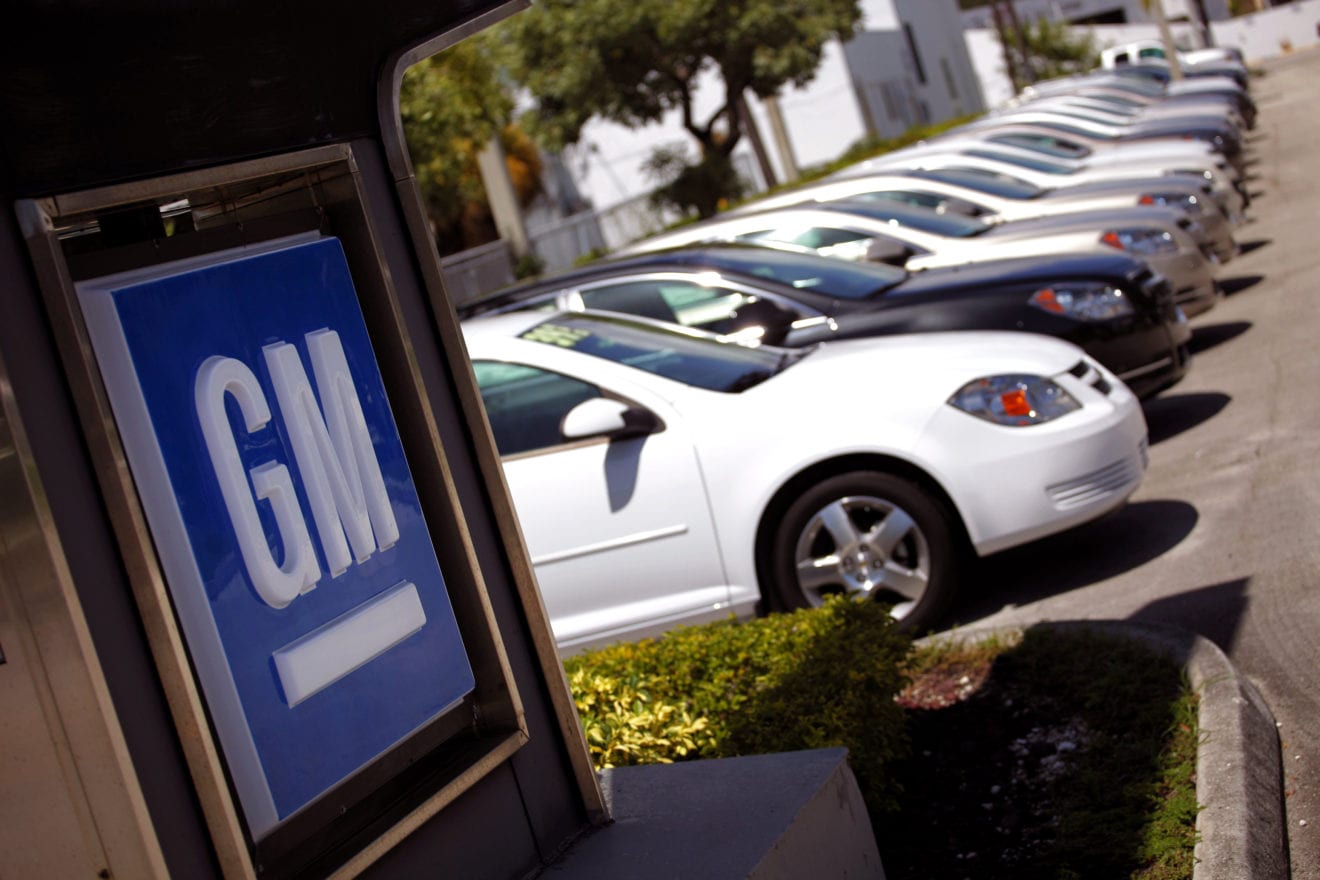
    China slapped a $29 million fine on General Motors for antitrust violations, a sign of the growing tensions between the U.S. and the Asian nation.

    The largest U.S. automaker is accused of setting minimum prices on some models in its SAIC General Motors joint venture. The Shanghai Municipal Development & Reform Commission, which imposed the 201 million yuan fine, alleged in a statement that GM punished dealers who sold cars for less than the prices set by the Detroit-based automaker. This is the first time China has fined GM, the second-largest foreign carmaker in China by sales.

    China-U.S. relations have become strained after President-elect Donald Trump proposed tariffs on Chinese goods, questioned the One-China policy regarding Taiwan and accused the Asian nation of stealing an American naval drone in international waters in the South China Sea. A Communist Party newspaper in November said a “tit for tat” retaliation could follow proposals by Trump for tariffs on the world’s largest trading nation, which had $627 billion in U.S. trade in 2015.

    “GM fully respects local laws and regulations wherever we operate,” Irene Shen, a company spokeswoman, said in a text message referring to the penalty. “We will provide full support to our joint venture in China to ensure that all responsive and appropriate actions are taken with respect to this matter.”

    Shares of SAIC Motor Corp. fell 1.2 percent to 23.17 yuan in Shanghai, before the penalty was announced. They have declined 3.3 percent since Dec. 14 when reported that GM’s joint venture in China was being investigated for possible antitrust violations. In trading in New York, GM shares fell 0.2 percent to $35.61 at 10:50 a.m.

    Last year, China fined Daimler AG’s Mercedes-Benz unit $56 million for monopolistic pricing practices. In 2014, the government penalized Volkswagen AG and Fiat Chrysler Automobiles NV for similar practices as well as a dozen parts makers. The auto component suppliers were fined $200 million collectively.

    Since 2011, the National Development and Reform Commission, China’s main economic planner, has pressured carmakers to cut prices as part of an investigation into the auto industry. The NDRC said the probe was meant to ensure market order and protect consumers.

    Chinese media have reported that penalties on American companies may be coming. The China Daily reported earlier this month that the government would soon penalize a U.S. automaker for price fixing, citing an interview with Zhang Handong, director of the NDRC’s price supervision bureau. The Global Times wrote in an editorial that orders for Boeing Co. planes could be replaced with models from Airbus Group SE, and that Apple Inc.‘s iPhone sales may suffer a setback.

    GM’s retail sales in China rose 8.5 percent this year through November to 3.44 million vehicles, trailing only Volkswagen among foreign automakers. Its German rival boosted deliveries 12 percent to 3.59 million units.

     

  • Bali`s economy  grows faster than national average

    Bali`s economy grows faster than national average

    Balis economy grew 6.17 percent in the third quarter of this year, exceeding the national average growth of 5.02 percent year-on-year in the third quarter of this year.

    “The growth, however, was slowed than 6.54 percent in the previous quarter,” head of the Bali representative office of Bank Indonesia Causa Iman Karana said here on Saturday.

    Iman Karana attributed the slower growth in the third quarter of this year to poor performance in government, non profit agency and household consumption, and investment, as well as in construction and in mining sector.

    Decline was also recorded in the procurement of electricity, gas and water, in whole sale and retail trade, in information , communication , financial and health services, he said.

    Iman Karana predicted that in the fourth quarter of this year Balis economy would grow 6.06-6.46 percent.

    The tourism sector is expected to grow in the last quarter of this year especially toward the end of the year.

    Winter in Europe would cause more holiday makers from that continent to visit Bali.

  • StarHub launches services over APG submarine cable

    StarHub launches services over APG submarine cable

    Singapore operator StarHub has announced the launch of services over the new Asia-Pacific Gateway (APG) submarine cable network, which connects nine countries in the region.

    The APG is a 10,900 kilometre cable network system with capacity exceeding 54Tbps, the highest of any similar network in Asia.

    It has connection points in Mainland China, Hong Kong, Japan, Korea, Malaysia, Singapore, Taiwan, Thailand and Vietnam.

    There are three landing points in China – Shanhgai Nanhui, Chongming and Hong Kong – operated by major Chinese providers.

    “Singapore is China’s largest foreign investor. To serve Singapore enterprises expanding to China, we are pleased to provide them with a new international connectivity on APG, catering for the growing economic activities between China and Southeast Asia,” Benjamin Tan, vice president of international business at StarHub, said in a media release.

    StarHub has partnered with operators in each country to provide services for its enterprise customers requiring international connectivity to any of these overseas markets.

    APG also enhances StarHub’s international connectivity by providing traffic routing diversity to submarine cable systems such as Asia-Pacific Cable Network 2 (APCN2), Asia Submarine-cable Express (ASE) and Asia-America Gateway (AAG).

    This will provide Singapore based enterprises more options to connect to other parts of Asia Pacific as well as minimise impact of any service disruption resulting from submarine cable damage, which can be caused by accidents or natural disasters.

  • House of Fraser China opens first store

    House of Fraser China opens first store

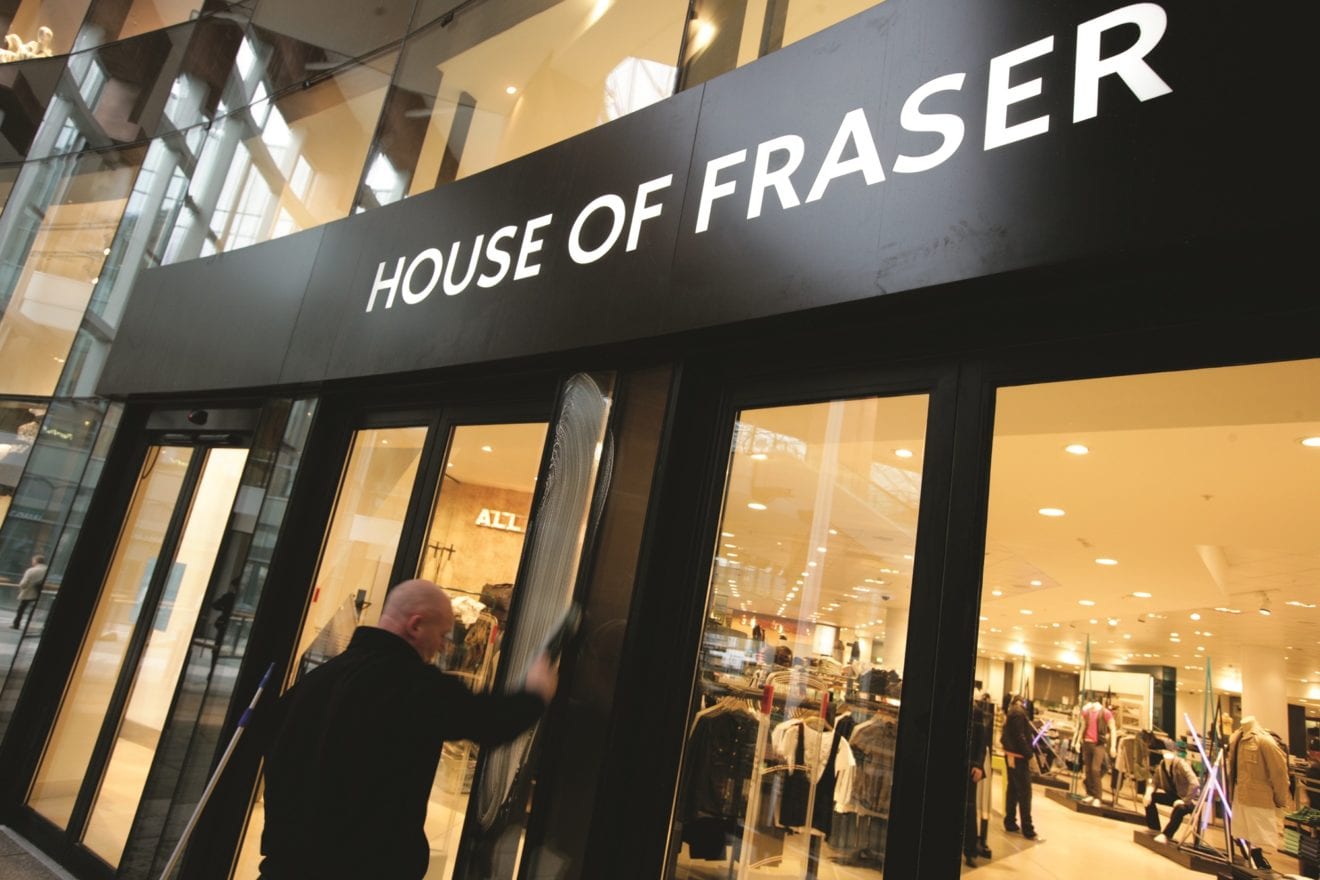
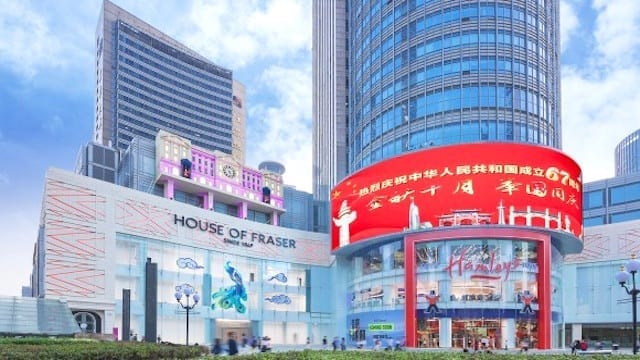
    British department store chain House of Fraser has opened its first standalone store in China, in Sanpower Plaza in Nanjing, the capital of Jiangsu province.

    Owned by Chinese conglomerate Sanpower Group, the House of Fraser China store spans six floors with more than 425,000 sqft (39,483 sqm) of retail space. It is introducing such brands as Cambridge Satchel Company, Peter Werth and Radley into the Chinese market.

    House of Fraser chairman Frank Slevin says the chain will look to benefit from the strong demand by Chinese consumers for UK brands.

    In September, the company described trading in the UK as “very challenging”. It said the retail sector there was facing significant change in “structural dynamics as consumers’ shopping habits and delivery expectations continue to evolve”.

    “The opening of the store in Nanjing is a strong way to finish the year,” says Slevin.

  • Tencent Singapore office targets tourists

    Tencent Singapore office targets tourists

    Chinese-based online social media platform parent Tencent has opened a Singapore office to help drive Asian brands improve their reach to Chinese consumers.

    Tencent, which owns the WeChat messaging and browsing platform, has created an International Business Group charged with raising awareness of the opportunities offered by WeChat, especially targeting people who live outside China.

    While WeChat is as mainstream in the mainland as facebook is outside China, its takeup across the rest of Asia is limited.  The new Tencent Singapore team believes there are huge opportunities marketing to Chinese when they are travelling outside their home country.

    A growing number of luxury brands are establishing a presence on Wechat – Gucci even sells handbags worth several thousand US dollars on the platform, and BMW reaches out to prospective customers. Other consumer retailers like Hong Kong’s Sa Sa have developed extensive interactive eCommerce platforms which work across channel and drive customers in-store.

    Benny Ho, senior director of business development at Tencent, told The Drum that inbound marketing is a big opportunity in Singapore, especially.

    “These tourists are setting their own itinerary and they know precisely what store to buy from and in what colour before they arrive; they come to buy, not to shop. This means you need to build all the brand consideration and purchase intent way before they arrive and that is part of the core service we are trying to offer,” he said.

    WeChat alone has just over 800 million monthly active users.

    “That’s a huge number,” said Ho. “Every market we go to, we educate the market and tell them the numbers and it’s mind blowing. Our role is to make something that big [more] understandable.”

  • Nike sales saved by basketball sector

    Nike sales saved by basketball sector

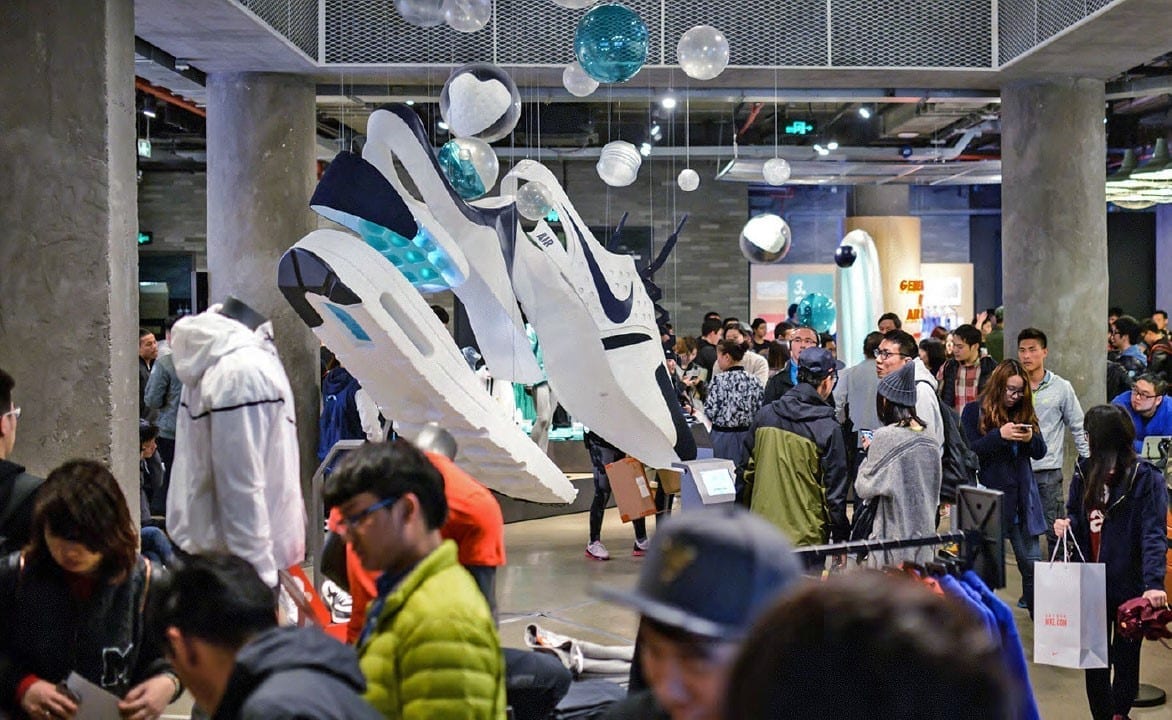
    A rebound in basketball drove strong Nike sales and profit growth in the last quarter.

    The US-headquartered sports giant has reported a profit rise of 7.3 per cent to US$842 million in the three months to November 30, with sales up 6.4 per cent, to $8.18 billion. Excluding the impact of currency rates, profit rose 8 per cent.

    Sales in the basketball category, which includes its Jordan brand, accounted for 15 per cent of wholesale revenue in 2016. And even greater growth is expected in the next quarter after the brand lost momentum in the core category in previous periods.

    “We’re seeing incredible momentum in basketball,” said Trevor Edwards, president of Nike Brand. “To be clear, basketball is back.”

    Sales in China rose 12 per cent, and in the US by 3 per cent.

    Nike has moved to drive more direct sales, improved its online sales apps and adjusted pricing on some of its marquee products, including basketball shoes.

  • Hong Kong is the new target for J.Co Indonesia

    Hong Kong is the new target for J.Co Indonesia

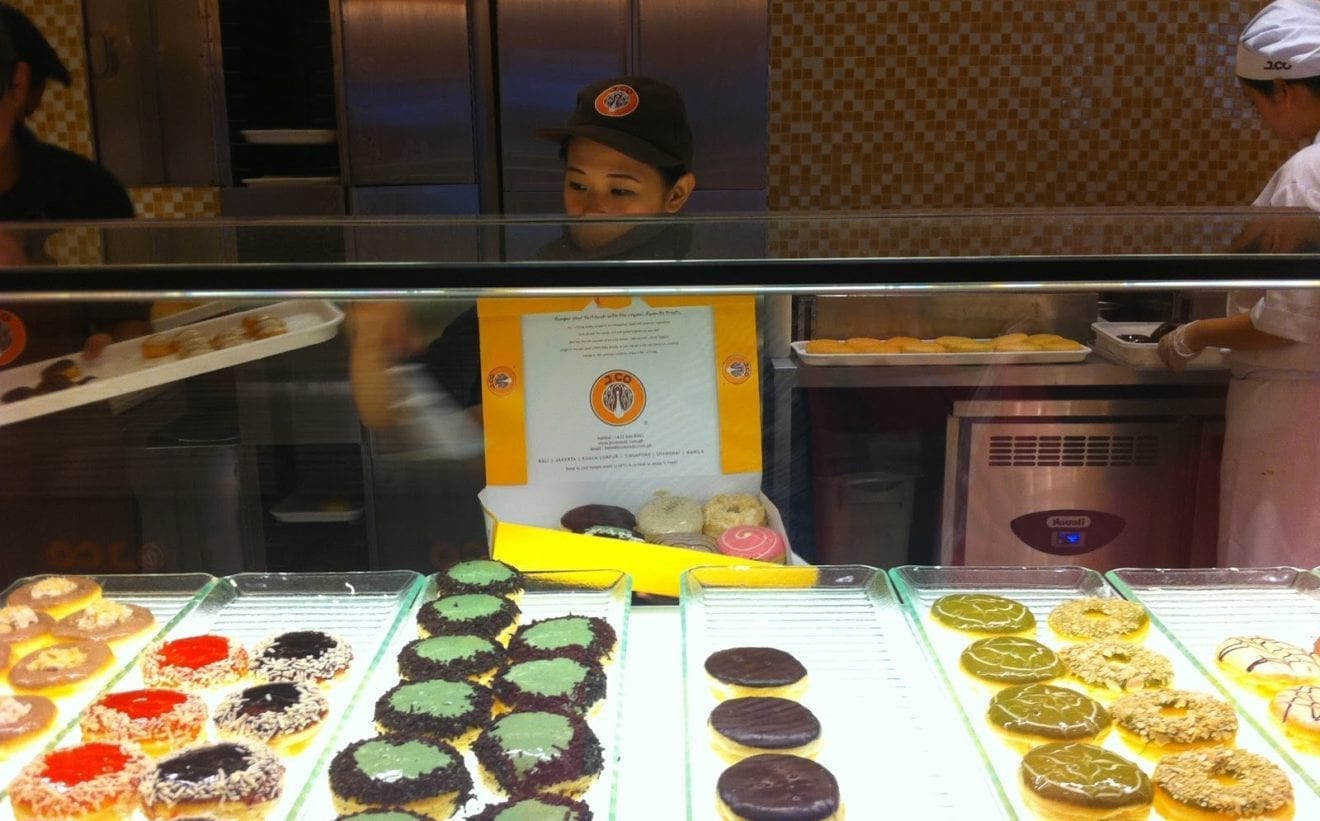
    J.Co Donuts & Coffee, the Indonesian ‘lifestyle cafe’ chain has further expanded its Asian footprint, opening its first store in Hong Kong this week.

    The 11 year-old brand now has 250 stores in its home market,Malaysia, Singapore and the Philippines – and now on Hennessy Road in Wan Chai.

    A review in Coconuts Hong Kong describes the new store as “an indecisive person’s worst nightmare”, because customers can either select their own combinations or let the staff suggest donut-coffee pairings, “like wine pairings, but actually acceptable for children and teetotallers”.

    The store has a core range of 24 flavours – and the indecisive can order a box of mini donuts (one of each flavour) to take away fro HKD98. Standard-sized ones sell for HKD15 each, or HKD88 for six.

    In keeping with the brand’s quirky, unique market positioning which sets it apart from US donut store brands, the food comes in celebrity-inspired names, such as strawberry-and-cream cheesy Berry Spears, the nutty, chocolate Jackie Chunk and the fruity Blueberrymore.

    J.Co Donuts & Coffee also offers an extensive coffee menu, frappes and even a ‘Hot Tiramisu’ drink.


  • Foreign tourist arrivals in Bali reach 4.07 mln

    Foreign tourist arrivals in Bali reach 4.07 mln

    The tourist resort province of Bali, which had received 4.07 million foreign tourist arrivals up to October, is expected to have attracted more than 4.4 million more tourists by the end of the year.

    “Foreign tourist arrivals account for 40 percent of the national target of about 15 million tourists,” said the Head of the Bali Provincial Tourism Office, A.A. Yuniartha Gede Putra, here on Friday.

    He added that the foreign tourist arrivals in Bali are expected to go up to 5.5 million in 2017.

    Putra said foreign tourists in Bali mainly came from ten countries, namely Australia, China, Japan, Britain, France, India, Malaysia, the United States, Germany and South Korea.

    “Given the uniqueness of Balinese art and culture, it attracts tourists from various countries around the world,” Putra noted.

    He noted that he promoted the region in various countries to lure more travelers to Bali. The Ministry of Tourism also made similar efforts.

    Besides, steps were taken to improve cultural tourism as Bali has a regional identity.

    He urged everyone to ensure that the local tourism department works well so that tourists in Bali feel safe and comfortable as they enjoy their holidays.

    Referring to Australian governments travel advisory, tourism observer Putu Gede Perma claimed it will not affect tourist visits to Bali.

    “Based on our observations and the results of the academic studies on the impact of this travel advisory, we have deduced that the advisory did not have any impact on the number of Australian tourists visiting Bali,” Putu Gede Perma informed here on Thursday.

    Australian tourists were of the view that bomb attacks can happen anywhere in the world and were not unique to Bali, he stated.

    “They will not delay or cancel their planned trips to Bali,” remarked Gede.

    Gede, who is also an academician at the Ganesha Education University, hoped that Australian tourists would not blindly follow their governments recommendation.

    “We found that Australian tourists had continued to come to Bali, irrespective of how serious the advisory was,” he recalled, adding that the situation was unlike what had happened more than a decade ago when Bali was crippled by bomb attacks.

    “Yes, it did affect tourism. After the Bali 1 and Bali 2 bombings, a travel advisory had significantly reduced the influx of Australian tourists,” he conceded.

    He called upon the police and military officers to remain alert to terror threats, particularly after the arrest of terrorists in South Tangerang, Banten, by the polices anti-terror squad, Densus 88, on Wednesday (Dec 21).

    “Bali will always remain a target. Security officers and the people should, therefore, continue to maintain security and order. We should be watchful of suspicious visitors,” the tourism observer stressed.

  • Cos Malaysia starts the journey in Pavilion

    Cos Malaysia starts the journey in Pavilion

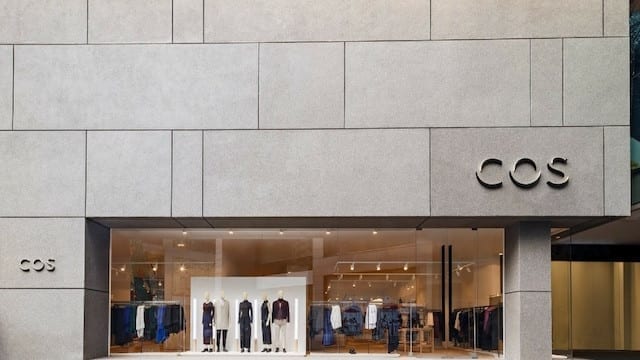
    Fashion brand Cos Malaysia has opened its first store, at the new Pavilion Elite Mall in Kuala Lumpur.

    The brand, which is part of the Swedish H&M stable, is offering menswear and womenswear from its latest autumn/winter collection. This explores hybrid garments combining wardrobe classics with the eccentric and eclectic, featuring warm colours, organic tones and draped proportions, says Malaysian beauty and wellness website Pamper.my.

    The store’s interior reflects the Cos design aesthetic of clean lines and natural elements, and features a lounge area.

    Cos MD Marie Honda describes the inaugural Malaysian store as “an exciting stage in our expansion in Asia”.

  • Salvatore Ferragamo changes the game in Asia

    Salvatore Ferragamo changes the game in Asia

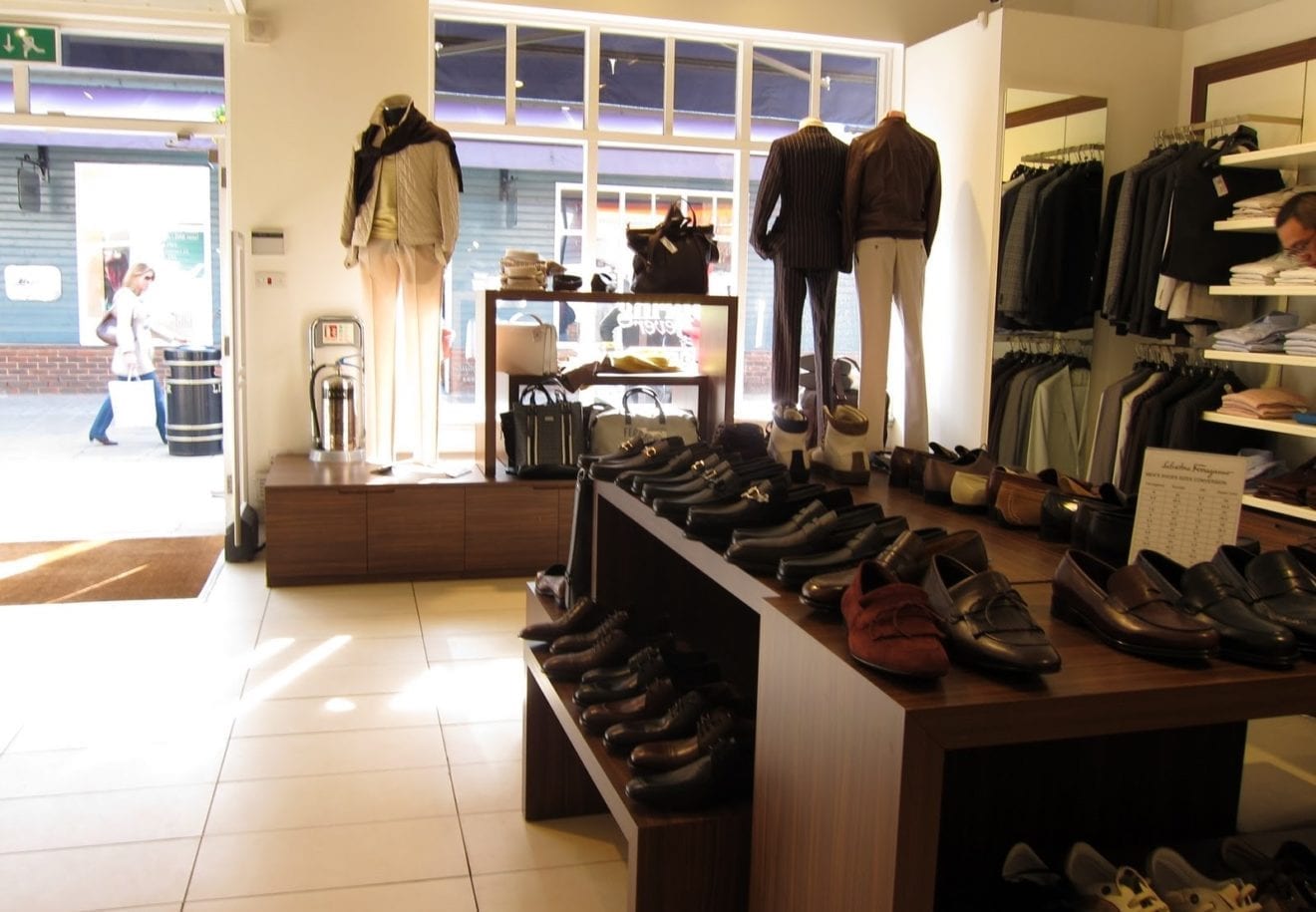
    Italian fashion label Salvatore Ferragamo has taken over four JVs created in partnership with Trinity (Fung Group), which distributes the brand in South Korea and Southeast Asia.

    Ferragamo says it has bought the companies’ 20 per cent share, still owned by Trinity through Trinity Luxury Brands Holdings and Ferrinch. The value of the transaction has not been disclosed.

    Impacting Ferragamo Korea, Ferragamo (Malaysia), Ferragamo (Singapore) and Ferragamo (Thailand), the takeover follows an agreement signed in 2012. This included a purchasing option allowing for Salvatore Ferragamo to take full control of the JV companies.

    At the time, Ferragamo had already increased its stake in the four companies to 80 per cent.

    In the past few years, the Asia-Pacific region has become Salvatore Ferragamo’s main market, accounting for 35.5 per cent of its global revenue. At the end of September, the label’s sales in the region amounted to €360 million (US$375 million), equivalent to a 0.3 per cent decrease compared to the first nine months of the previous fiscal year.

    The label has 70 monobrand stores in the region.

  • Luk Fook Jewellery Malaysia debut

    Luk Fook Jewellery Malaysia debut

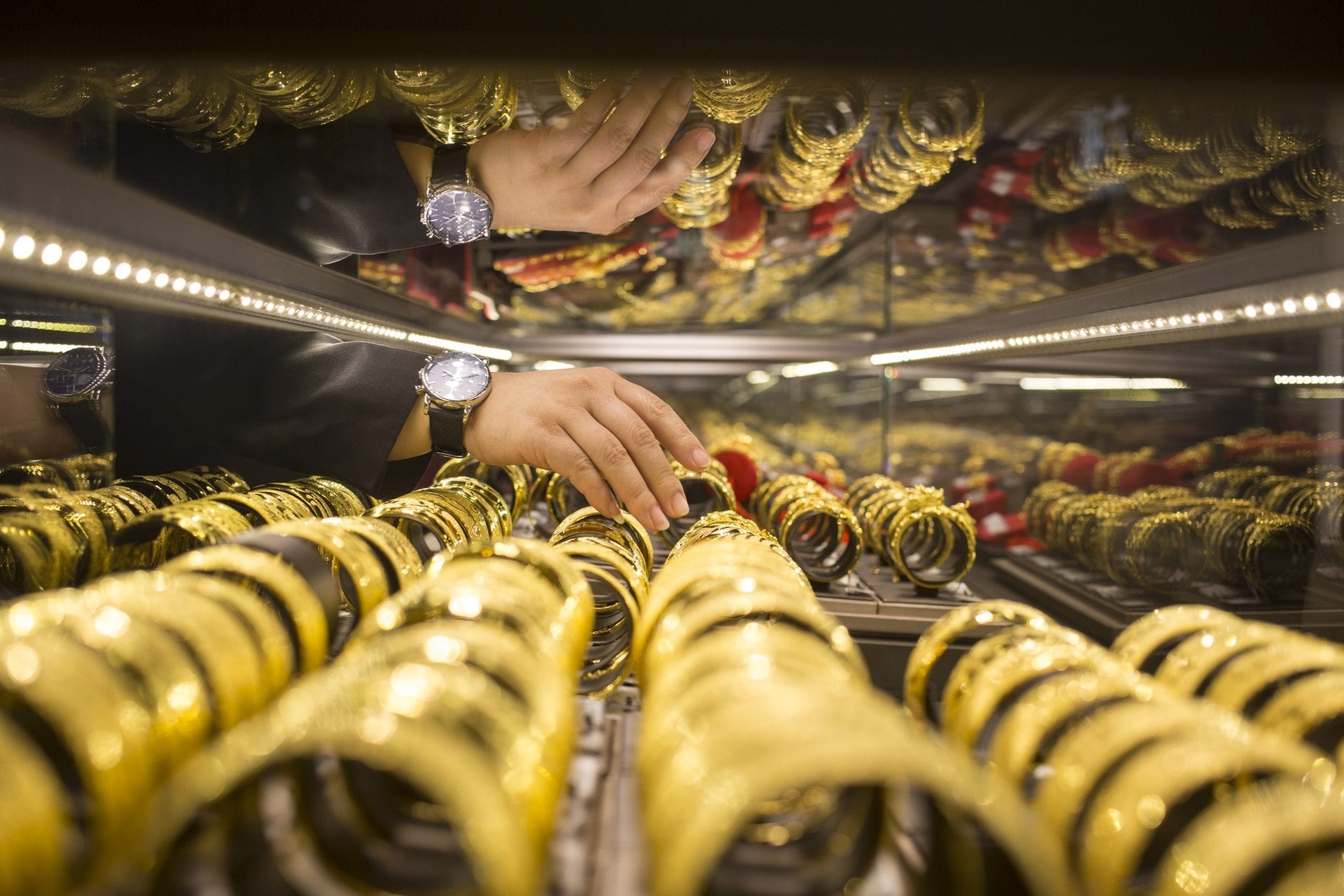
    Hong Kong luxury brand Luk Fook Jewellery has arrived in Malaysia, opening two stores – at Pavilion Elite and Suria KLCC.

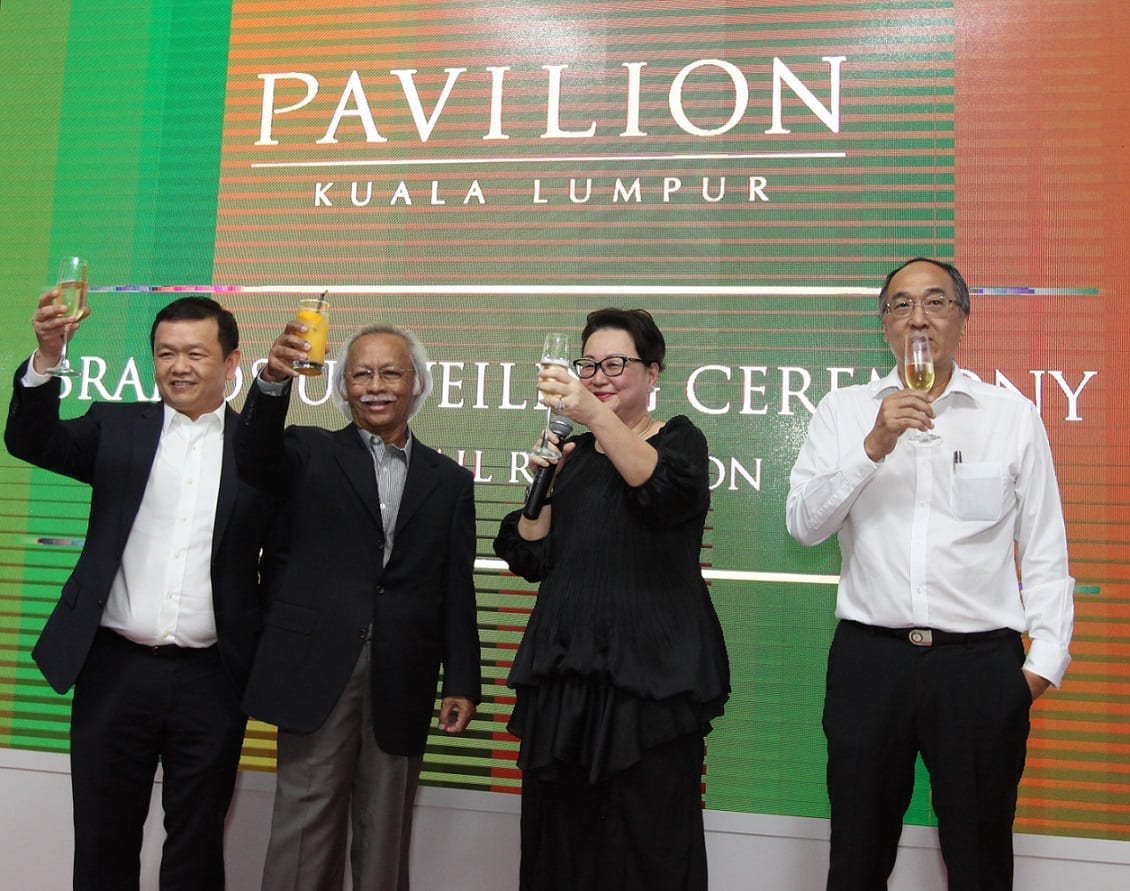
    The group hosted a grand ribbon-cutting ceremony at its Pavilion Elite outlet, attended by actress Kristal Tin, Pavilion Kuala Lumpur retail CEO Joyce Yap, Hong Kong-Malaysia Business Association VP Henry Yip Choong Hung and Luk Fook Group executive director/deputy-GM Shirley Wong.

    Hosting the event was Luk Fook Group chairman/CEO Wong Wai Sheung.

    Luk Fook Jewellery first entered the Southeast Asian market in 2010 with a retail shop in Singapore. The two new outlets join its 1470 stores in the nine countries, including Australia, China, Korea, Macau and the US.

  • Singapore Cruise Centre concession goes to DFS Group

    Singapore Cruise Centre concession goes to DFS Group

    Luxury travel retailer DFS Group has been awarded the master duty-free and general merchandise concession at Singapore Cruise Centre (SCC).

    Winning the public tender process announced in June, DFS has a five-year contract covering SCC’s HarbourFront and Tanah Merah ferry terminals, with a two-year extension option.

    It is the first time SCC has awarded a master duty-free concession, consolidating several contracts including liquor and tobacco, perfumes and cosmetics, fashion, travel accessories and confectionery into a single contract.

    DFS will start trading on April 1, being allocated commercial space spanning 6000 sqft (557 sqm) across seven outlets at the terminals. The deal involves a reconfiguration of the main retail space at the arrival and departure areas of both terminals.

    Singapore Cruise Centre CEO Christina Siaw says the tender process attracted participation from the world’s leading international duty-free concession companies. “We were highly impressed with the passion, innovation and attention to detail demonstrated by participants in the tender proposal and interview stages.”

    She says passengers at the SCC terminals will soon have access to more retail space with a new store concept as well as new brands, marketing activities and services.

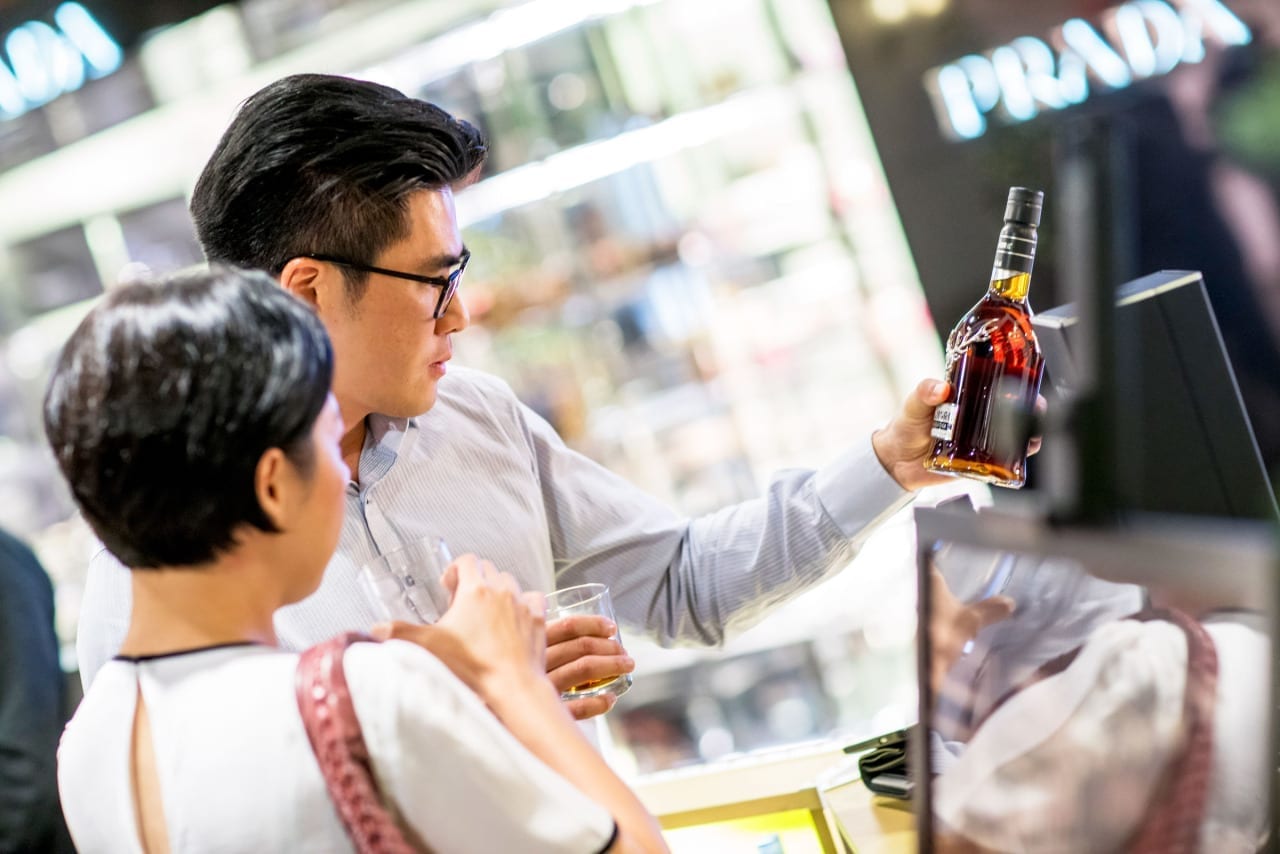
    DFS will offer products from more than 150 brands and introduce food and whisky-tasting stations as well as eCommerce, collection and home-delivery platforms.

    Outlets will undergo a phased renovation, introducing a revamped design inspired by the traditional seafront buildings nestled along Singapore’s coastline.

    More than 6.3 million ferry passengers and 560,000 cruise passengers pass through SCC’s terminals annually. DFS has had a presence at SCC for two decades.

  • Shell completes the sale of Shell Refining Company in Malaysia

    Shell completes the sale of Shell Refining Company in Malaysia

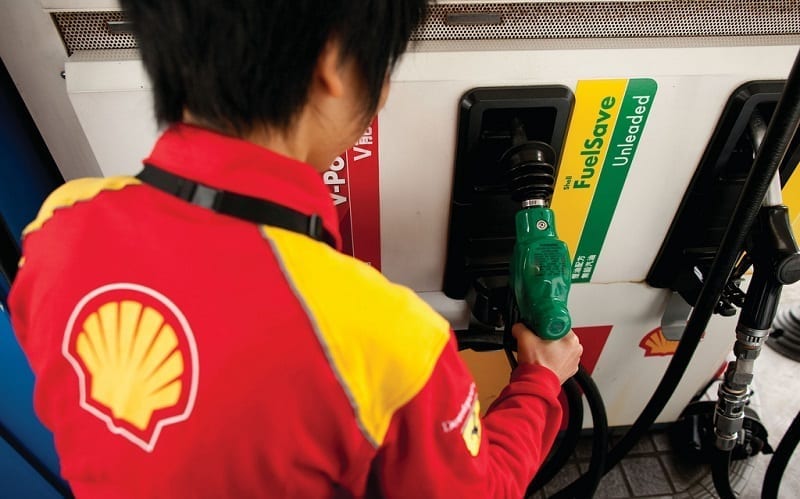
    Shell is the leading retail fuels and lubricants provider in Malaysia, which remains an important market for the company. Shell will maintain supply to its retail and commercial customers, and will honour all current commercial arrangements through existing comprehensive supply agreements in the country.

    This divestment is consistent with Shell’s strategy to concentrate its global downstream operations in areas where it can be most competitive.

  • First step in Taiwan for Ramen Iroha

    First step in Taiwan for Ramen Iroha

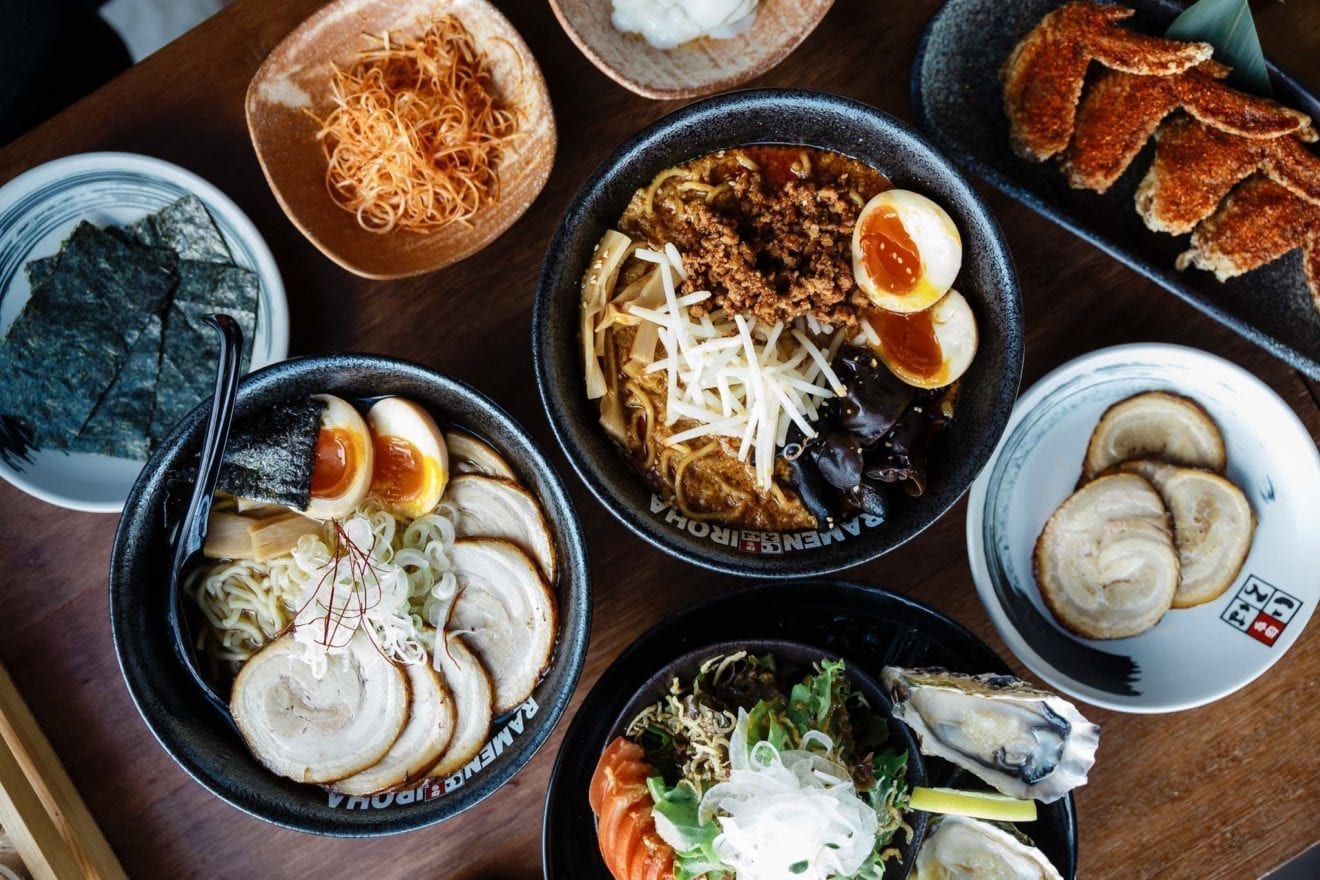
    Japanese restaurant chain Ramen Iroha has opened its first outlet in Taiwan.

    The Ramen Iroha Taiwan restaurant is a joint venture with local partner I-Mei Food which is sourcing ramen ingredients free from additives and chemical residues, and so appeal to health-conscious diners.

    Ramen Iroha, ranked number one in sales for three consecutive years in 2009, 2010 and 2011 at Tokyo Ramen Show, is gradually building a network of restaurants globally, with local partners. It recently opened in Hong Kong’s Causeway Bay.

    Signature dishes include ramen in black soy sauce and ramen with scallion and partially cooked eggs. One of the special features of its noodles is that the ramen is prepared in comparatively mild-flavour.

    The new Taiwan store is located on a street corner near Hsinchu Science Park at No 103 in Ziqiang South Road, Zhubei City, Hsinchu County.

  • Seoul Michelin Guide launched

    Seoul Michelin Guide launched

    The first ever edition of the Seoul Michelin Guide has been released.

    Seoul is enjoying a growing reputation for its eclectic dining scene ranging from royal cuisine restaurants and fine dining establishments to its many specialty Korean one dish restaurants and its popular street food.

    The new guide brings together a selection of the best of all cuisines with every establishment chosen first and foremost for the quality of cooking.  Two restaurants awarded three stars are Korean cuisine restaurants Gaon and La Yeon.  La Yeon on the 23rd floor of Shilla Hotel was named in the Best 50 Restaurants in Asia in 2016.

    Other contemporary Korean restaurants in Seoul like Jungsik and Mingles are well known for their innovative cuisine and the blending of traditional Korean ingredients into modern contemporary dishes with unique Korean flavours.

    Jungsik also made it onto the Best 50 Restaurants in Asia list in 2016 and executive chef Jungsik Yim also has a restaurant in New York.  Mingles executive chef Mingoo Kang trained under Martin Berasetegui in San Sebastian, Spain and later enjoyed stints at Nobu in Miami and the Bahamas.

    Korea is increasingly attracting foodies, not only for fine dining but for its variety of street food popular with locals and visitors alike. Specialty one-dish restaurants serving Samgyetang (whole baby chicken stuffed with ginseng and glutinous rice simmered slowly for hours) and Mandu (Korean style dumplings served with kimchi) abound.