Tag: asia

  • China moves to regulate e-commerce

    China moves to regulate e-commerce

    Chinese top legislature is deliberating a draft law that will regulate and facilitate e-commerce in the country.

    The draft law was tabled for review by legislators at the bimonthly session of the National People’s Congress (NPC) Standing Committee, which runs from Monday to Sunday. It is the first reading of the draft by the top legislature.

    Explaining the draft to lawmakers on Monday morning, Lyu Zushan, deputy director with the NPC’s Financial and Economic Affairs Committee, said booming e-commerce in recent years had served to reveal loopholes in China’s legal system and commercial rules.

    The draft law will facilitate e-commerce growth, help maintain market order and protect consumer rights.

    The draft law said the nation should put online and offline commercial activities on an equal footing, and protect the safety of e-commerce transactions.

    All e-commerce operators have an obligation to pay taxes and should acquire the necessary business certificates, under the draft.

    Operators must also ensure personal information security for consumers. Those that fail will face fines up to 500,000 yuan ($72,000) and could have their business certificates revoked.

    They must also work to protect intellectual property, the draft said.

    The draft requires third-party e-commerce platforms to offer technical support for “law enforcement activities by relevant authorities.”

    China is the world’s largest e-commerce market. According to Lyu, e-commerce trade amounted to over 20 trillion yuan ($2.87 trillion) in 2015, with online retail sales totaling 3.88 trillion yuan.

    Last month, Chinese e-commerce giant Alibaba saw 120.7 billion yuan in gross merchandise volume during its 24 hour Singles’ Day event, an annual online shopping spree on November 11.

  • Diamonds are China millennials’ best friend

    Diamonds are China millennials’ best friend

    Diamonds may be a girl’s best friend, and that’s especially true of female millennials in China.

    According to diamond-producing giant De Beers SA, 68 percent of diamond jewellery sales in China ($6.78 billion in 2015) are driven by millennial women, many of whom are college-educated, not married and quickly cultivating a collection of the gems.

    Bloomberg spoke with one 27-year-old Chinese woman who, like many of her peers, has a 15-plus-piece diamond collection including a 2.5-carat solitaire given to her by her parents.

    The fact that she’s not married is part of the trend to — as she said — not wait passively for a diamond gift from a man. For Chinese millennial women, independence is the top trait they aspire to: More than 40 percent of them say financial independence is more important than marriage, with 32 percent saying that independence is what personal success looks like to them.

    That’s according to research by J. Walter Thompson surveying 4,300 women across nine countries in 2015. Some jewellery companies have made a conscious decision to not even show any couples at all in their advertisements.

    A sparkling opportunity

    In the top four diamond markets in the world, there are more than 220 million millennial women who spent $26 billion on diamond jewellery last year. Behind China is India but after a significant drop, followed by the U.S and then Japan. Within this four-country demographic, more diamonds have been acquired than any other generation, and yet the demographic hasn’t even come into their most affluent years.

    Compared to their Chinese mothers who historically bought jade and gold, these millennial women are struck by the western lifestyle that includes the glamour of Harry Winston and Tiffany gems. Having those diamonds is a status signal of wealth and accomplishment, rather than love. As a result, more jewellery companies have popped up in China trying to get their share of the desire. Boston-based Hearts on Fire was usurped in 2014 by Hong Kong’s Chow Tai Fook, grabbing nearly 6 percent market share.

    But it’s not just about status, as the gems are seen as assets that will not depreciate in the way that other high-end items like bags and shoes can due to wear and seasonality.

    Gold x diamonds

    Chow Tai Fook has noticed this by rolling out lines of jewellery that mix gold with diamonds to make sure their female millennials — half the business — stay engaged, and it has also pulled in celebrities like hunky actor Li Min-ho and rapper G-Dragon — both millennials — to appeal to these women.

    But even with diamond jewellery being a sign of independence, the divorce rate in China is more than triple what it was back in 2002 — currently 2.8 per 1,000 people, back just 14 years ago it was 0.9 per that same thousand. More than 3.84 couples went their separate ways in 2015, which is 5.6 percent more than 2014.

    But those diamonds are still forever, even if marriage isn’t or has never even happened yet. And diamond companies know this. De Beers research cites the American trend of couples spending more on their second marriage than on their first. Experts say those Chinese millennials may follow suit as well.

  • Breitling bows two new stores in Macau

    Breitling bows two new stores in Macau

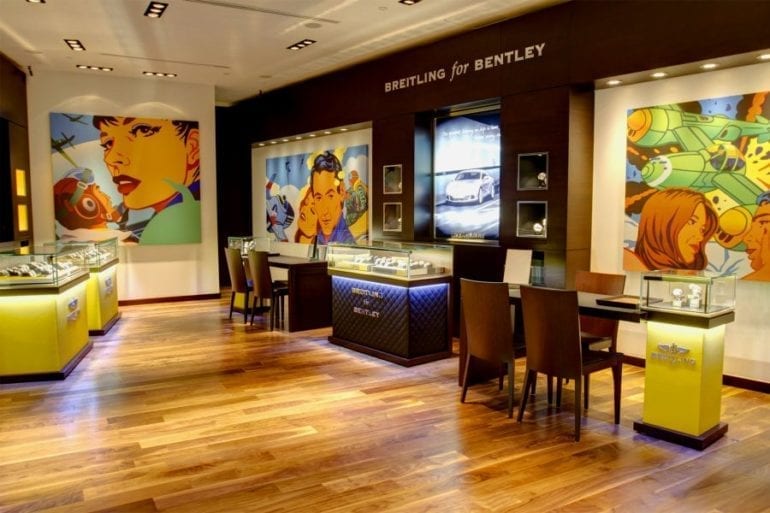
    Swiss luxury watchmaker Breitling is expanding its reach in Asia, opening two new stores in Macau.

    Located in luxury malls Shoppes at Venetian and Shoppes at Parisian in Macau, the new boutiques sell a full selection of timepiece models from the entire Breitling and ‘Breitling for Bentley ‘ collections. The chronographs come equipped with ‘Manufacture Breitling movements, as well as special limited ‘Boutique Editions’.

    Each Macau boutique has been designed with old and new world characteristics, typical of Breitling. The décor also highlights the brand’s aeronautical heritage, enabling “visitors to plunge directly into the Breitling universe, a unique experience that excites the senses,” said Breitling in a statement.

    Both stores boast a VIP lounge, offering customers a one-on-one, personalised shopping experience.

    Breitling was founded in 1884. Since then, it has played a crucial role in the development of the wrist chronograph. Breitling is also one of the rare companies to produce its own mechanical chronograph movements, entirely developed and manufactured in its own workshops. This family business is also one of the last remaining independent Swiss watch brands.

    Shoppes at Parisian Macau, which only opened in September this year, hosts 170 luxury and lifestyle brands in its 320,000 square feet retail space. The new Breitling Macau Parisian store is located at Place Vendome on Level 3.

    Shoppes at Venetian is located inside the Sands Shoppes, the largest mall in Macau offers with more than 850 duty free outlets. The new Breitling store is in the Great Hall, on Level 3.

  • Price of land on the rise in HCM City

    Price of land on the rise in HCM City

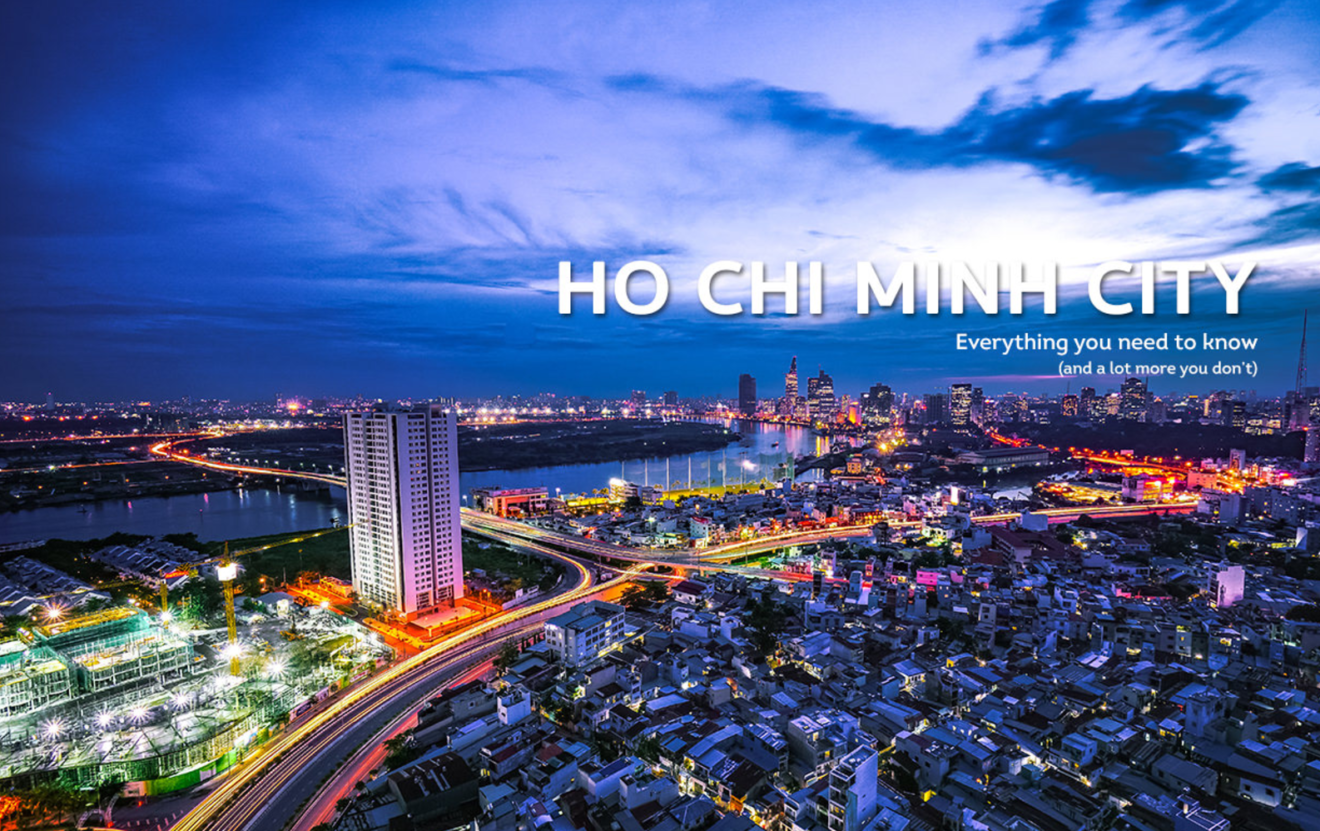
    Land prices in HCM City and neigbouring provinces are increasing, with real estate industry insiders attributing it to high liquidity.

    Nguyễn Quốc Anh, deputy director of Đại Việt Group, said prices have been rising in all districts in the city since the end of last year.

    He quoted real estate website batdongsan.com.vn as saying that land prices surged 51 per cent last September.

    They are up 34 per cent in Thủ Đức District, 54 per cent in Hóc Môn, 37 per cent in Bình Tân and 13 per cent in District 7.

    Anh said that since the end of last year demand has been strong, with both speculators and people with actual housing needs buying.

    Nguyễn Thanh Trang of District 7 said she bought land in Bình Tân and made a profit of over 30 per cent within half a year.

    Brokers said areas where prices have increased are ones where residential projects are mushrooming or infrastructure would be improved in future.

    Explaining further, they said when an apartment or housing project is announced, land prices jump in the vicinity.

    A year ago a 60sq.m piece of land in District 9, 15km from downtown, cost VNĐ600 million (US$28,000). Now the same land costs VNĐ800-900 million ($40 million).

    Prices in more central parts have risen even more.

    For instance, in Linh Đông Ward of Thủ Đức District, 8km from downtown, now costs VNĐ18-25 million ($810-1,100) per square metre. A year ago it was only VNĐ14-16 million ($636-720).

    The rise is attributed to the new Phạm Văn Đồng Street which runs to the Gò Dưa traffic intersection.

    Furthermore, three apartment projects are being developed on this road.

    Districts 7 and Nhà Bè too have seen prices jump after authorities indicated several bridges would be built there and many streets expanded together with flyovers and tunnels.

    Neighbouring provinces like Đồng Nai, Bình Dương, and Long An where tourism is developing are also seeing land prices go up sharply.

    Brokers said liquidity is very good in these markets, with buyers coming from HCM City and elsewhere and acquiring lands without haggling much.

    But as prices go up, some are reminded of the property bubble that burst in 2008-10.

    Lê Hoàng Châu, chairman of the HCM City Real Estate Association, admitted that the risk of a bubble exists and said buyers should exercise caution when investing.


  • Tallest Mekong Delta building opens

    Tallest Mekong Delta building opens

    The Vinpearl Cần Thơ Hotel, the first five-star hotel in the southern city of Cần Thơ, was inaugurated last weekend, becoming the tallest building in the Mekong Delta region.

    Vinpearl Cần Thơ Hotel, with 30 floors and a three-story lobby, is the ninth hotel in the chain of Vinpearl-branded tourism hotels owned by Vingroup – a Vietnamese property developer.

    The 120-metre-high hotel also offers a high-end restaurant, entertainment, and health and beauty care services.

    The 262-room hotel is located in a hotel–trade centre–shopping complex that is the largest in the Mekong Delta region.

    The chairman of the municipal People’s Committee, Võ Thành Thống, said Cần Thơ, located in the centre of the Mekong Delta, is considered an ideal destination for both domestic and foreign tourists to explore the unique waterways of the southwestern region.

    He noted that Vingroup’s construction of the hotel conforms to the city’s tourism plans, adding that with its high-quality services, the hotel will help attract tourists and fuel the city’s development.

  • Maritime transport sees growth for two consecutive years

    Maritime transport sees growth for two consecutive years

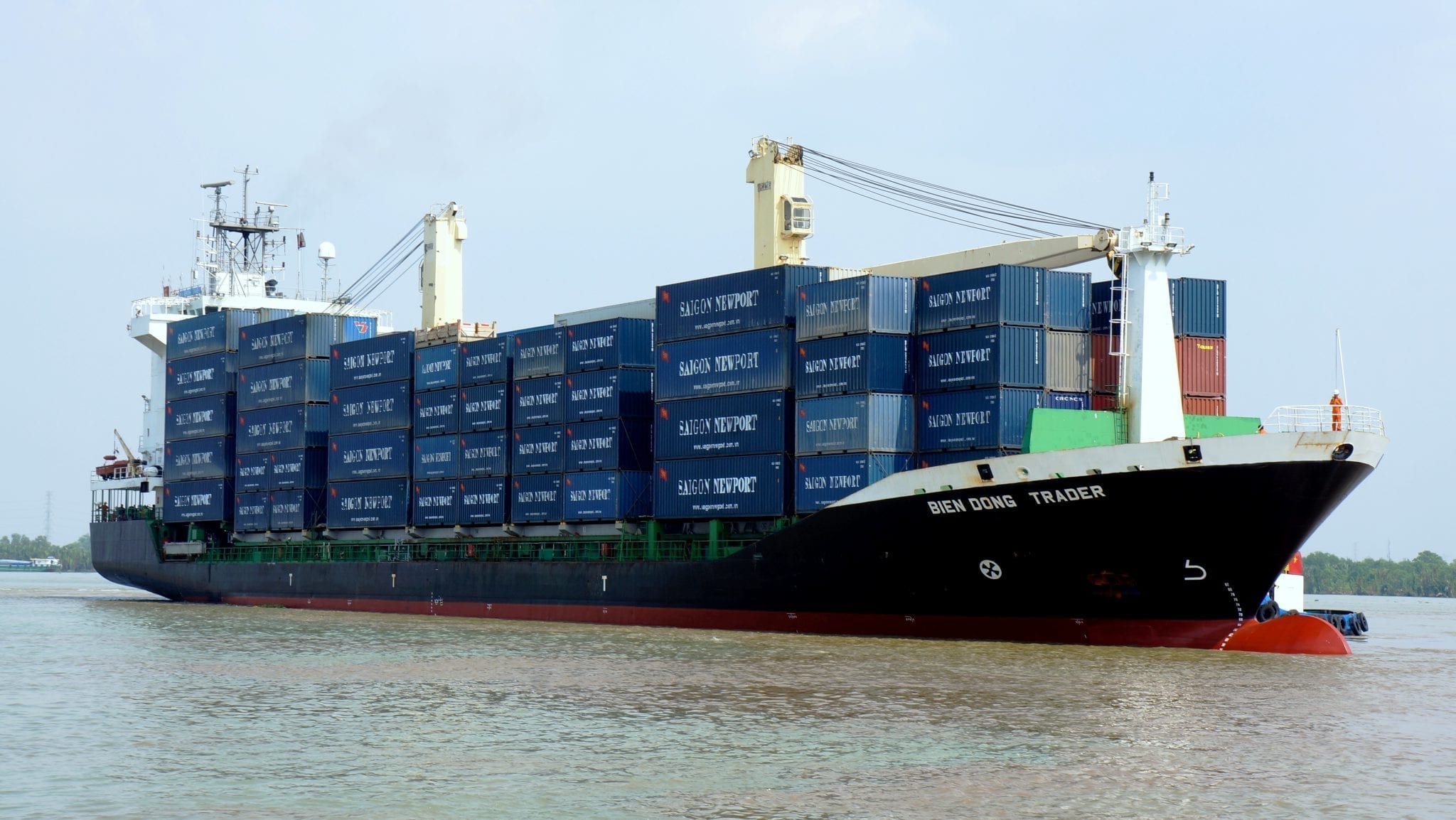
    The country’s maritime transport sector posted growth for two consecutive years, notwithstanding losses, restructuring and even bankruptcy of several large foreign carriers.

    Nguyễn Văn Công, Deputy Minister of Transport, hailed results of the maritime transport sector at the conference of the Việt Nam Maritime Administration (Vinamarine) held in Hà Nội on Monday.

    In 2016, Vinamarine was active in issuing documents guiding the implementation of the Việt Nam Maritime Law 2015. The two most important contents — price listing and seaport service prices — have eased business difficulties, helping to avoid economic losses.

    Công said growth rate of 4 per cent this year, with total output of 123 million tones, is impressive in the current situation.

    “In particular, the Cái Mép-Thị Vải seaport saw a high growth rate of containers. In 2016, the seaport received two million twenty-foot equivalent units (TEU), surging from 499,000 TEU in 2012. More than 1,200 arrivals of vessels weighing more than 80,000 tonnes came to the seaport,” he said.

    The deputy minister asked Vinamarine to continue undertaking checks on seaport service prices. Vinamarine was particularly asked to research and invest into key maritime corridors to develop multi-modal transportation.

    Đỗ Hồng Thái, Vinamarine’s deputy head, said this year, the number of maritime accidents was 21, reducing by two cases from last year. The port authorities also conducted checks on nearly 13,000 arrivals of vessels on local routes, discovering 1,300 vessels with defects. The authorities also implemented checks on more than 2,000 foreign vessels and uncovered 817 with defects.

    “There is no security incident with the country’s seaport system this year. Vietnamese seaports continue to be safe destinations for foreign vessels,” Thái said.

    In 2017, Vinamarine will continue to prepare legal documents guiding implementation of the Việt Nam Maritime Law 2015. It is expected to submit eight decrees and one decision to the Prime Minister for approval. It will also complete several plans such as the seaport development planning by 2020 with a vision to 2030.

    In addition, it will also ensure maritime security by investing in infrastructure and enhancing international co-operation.

  • High-engine motorbikes stir domestic market

    High-engine motorbikes stir domestic market

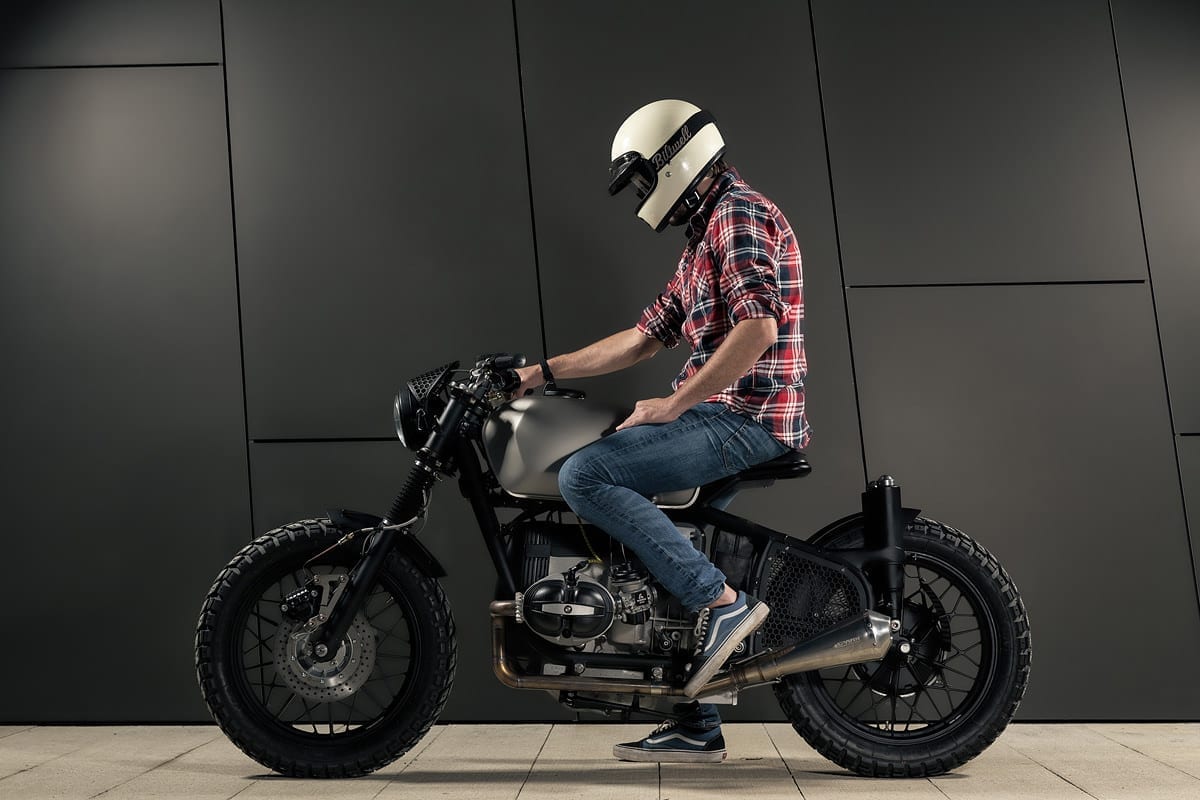
    The recent launch of motorbike models with high-engine displacement has attracted the Vietnamese and stirred the domestic market, even though import prices are 2-3 times higher than world prices.

    The leader in this segment is Honda Việt Nam, with the SH 300i imported from Italy. With a price of VNĐ248 million (US$10,880), nearly the price of a small sedan, the motorbike has seen good sales in urban areas, with an expected volume of 400 units next year.

    Kymco, a brand name of Taiwan, introduced the People GT300i model in Hà Nội in July. This motorbike is seen as a direct competitor to the Honda SH300i. However, a Kymco representative said the introduction is just to get an idea of the Vietnamese market before preparing future plans.

    Meanwhile, Yamaha Việt Nam is planning to roll out model X-MAX 300 in the country this year, which is also expected to be a rival of the SH300i.

    Piaggio, early this year launched two models with high engine displacement — Aprilia and Moto Guzzi — in the domestic market, to mark its 95th anniversary. In addition, the firm has two other models — Beverly 300 i.e and Vespa GTS 300.

    A French company, Peugeot recently entered the Vietnamese market with models Geopolis 300 and Satelis 300 and appears intent to compete with its rivals for marketshare.

    Insiders said with the country’s increasing economic development and transference of customers’ consumption demand, high-engine displacement motorbikes and motor scooters would witness a lot of opportunities for development by 2020.

    Five years ago, it was rare to see a high-engine displace motorbike on the streets. But today, the image is common.

    The market opened its doors to the vehicle when the transport ministry removed its regulation which restricted the number of candidates allowed to drive with an A2 licence — the requirement for motorbikes above 175cc in force since March 1, 2014.

    This new adjustment, Honda Việt Nam General Director Minoru Kato told it was like “good medicine to stimulate the growth of the high-engine displacement motorbikes market in Việt Nam.

    However, the selling price remains high due to taxes and fees. Currently, the price of the bike factors in an import tax of between 65 per cent and 75 per cent, the special consumption tax of 20 per cent and value-added tax of 10 per cent. Besides this, other fees such as transport, storage and registration fees are also included. On an average, an imported car will have a price that is two or three times higher than the price in the world market.

    According to commitments of tax cuts and reduction from trade agreements that Việt Nam has signed, the import tax of high-engine displacement vehicles from ASEAN, Japan, European Union and the United States will be reduced systematically and abolished within the next eight years, which would lower prices in the future.

    Insiders said local motorbike makers had the tendency of producing high-engine motorbike scooters in Việt Nam, not only to meet demand, but also for export. However, there were concerns that when major cities did not yet have effective measures in place to reduce traffic jams, the increase of high-engine displacement models on the roads would worsen the situation.

  • “Flying eye hospital” Orbis makes stop in Singapore

    “Flying eye hospital” Orbis makes stop in Singapore

    A plane arrived this week at Paya Lebar Airbase. But it is no ordinary aircraft. The Orbis plane, also known as the world’s only “flying eye hospital”, made its stop in Singapore this week to raise awareness about blindness.

    Orbis, an international non-profit organisation, is primarily a teaching hospital which trains medical professionals from developing nations in eye care. It has so far travelled to 92 countries, providing hands-on training to medical professionals and better access to quality eye care, among other areas.

    It also conducts operations for patients on board the aircraft while medical professionals watch and learn in an adjacent classroom through a live feed.

    Orbis’ visit to Singapore marks the first time that its latest plane model- a third generation MD-10 plane- has landed in the Republic after hundreds of aircraft experts retrofitted it. The whole effort took six years.

    The aircraft, which was open to the media on Friday, boasts a 46-seat classroom, an operating room as well as a patient care and laser treatment room, among other features.

    Apart from having a longer flight range of 6,000 nautical miles which will enable it to fly longer distances, the plane’s live broadcast capabilities will also better train doctors and nurses with live footage in 3D.

    According to the World Health Organisation, 285 million people in the word are visually impaired. Yet, about 80 per cent of these cases are preventable.

    Orbis has, in the last five years, trained over 115,000 doctors and other medical professionals. Over 340,000 eye surgeries have been performed for patients during that same period.

    “The Flying Eye Hospital plays a vital role in Orbis’ mission to bring the world together to fight blindness,” said Mr Paul Forrest, Chief Development Officer of Orbis International.

    “Our launch of this new third-generation Flying Eye Hospital not only marks a new chapter in our shared sight-saving journey, but also brings us a significant step closer to our dream of eliminating avoidable blindness forever.”

    Apart from helping to retrofit the plane, FedEx also announced in June this year that it was renewing its five-year US$5.375 million (S$7.66 million) commitment to Orbis. That includes providing aircraft services and sponsoring fellowships for ophthalmologists to study in leading global eye institutes.

  • China authorises 22 Vietnamese rice exporters

    China authorises 22 Vietnamese rice exporters

    China has authorised 22 Vietnamese businesses to export rice into its market, Việt Nam’s Ministry of Agricultural and Rural Development (MARD) announced.

    China’s General Administration of Quality Supervision, Inspection and Quarantine (AQSIQ) has given only 22 firms permission to start exporting rice and rice products starting January 1, counting from the date of departure from the Vietnamese border.

    Any businesses not listed by AQSIQ will be banned from exporting to the Chinese market from January 1, the ministry’s Plant Protection Department (PPD), which received the related documents from AQSIQ on December 23, said.

    The PPD has notified the Vietnam Food Association, sterilisation companies for exported rice and the 22 listed businesses, and published the list online at www.ppd.gov.vn

    The PPD has ordered the 22 companies to comply strictly with the regulations on food safety and plant quarantine set by both Việt Nam and China. It has also urged sterilisation companies authorised by the AQSIQ to work with rice exporters to maintain the quality of the rice and ensure there are no storage pests.

    The AQSIQ has issued the list after carefully considering numerous Vietnamese businesses that had applied for permission to export. A group of Chinese experts had travelled to Việt Nam to inspect 31 enterprises that had previously applied to the local ministry for export rights to China.

    Among the several countries that import Vietnamese rice, China tops the list with 35.4 per cent of market share in the first three quarters of 2016, according to MARD.

    The total rice export turnover into the Chinese market touched 1.35 million tonnes amounting to $613.4 million, down 23 per cent in terms of quantity and 13.9 per cent in terms of value as compared to the same period in 2015.

  • Toyota recalls 18,757 Lexus cars

    Toyota recalls 18,757 Lexus cars

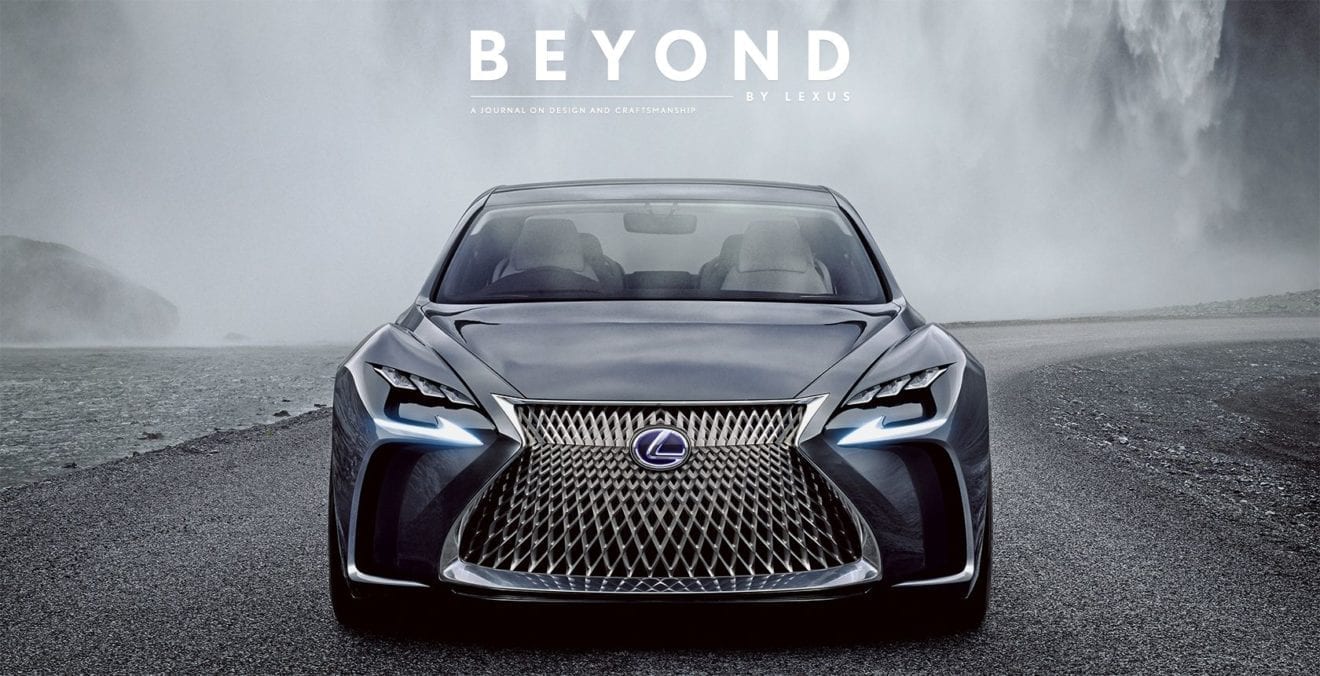
    Russian standards agency Rosstandart said on Monday it had been informed about a voluntary recall by Toyota of 18,757 Lexus NX 200, NX 200t and NX 300h cars which had a fault in their braking systems.

    The recall affected cars sold after Sept. 11 2014, the agency said in a statement.

  • Ikea Centres to increase megamalls in China

    Ikea Centres to increase megamalls in China

    Centres China, Ikea Group’s megamalls unit that entered the country in 2009, is firming up plans to replicate its success in three Chinese cities across the country.

    Beginning 2020, it will open one megamall per year.

    Typically, a megamall is a shopping mall with an Ikea store, and the future ones may also have apartments, hotel or offices.

    The megamalls developed by Ikea Centres China are also known as Livat shopping centers.

    In China, its megamalls are located in Beijing, Wuxi in Jiangsu province and Wuhan in Hubei province. They involved investment of 10 billion yuan ($1.44 billion).

    Ding Hui, president of Ikea Centres China, said the three centers have been like tests, and produced encouraging results. Hence, Ikea has decided to expand across China.

    New shopping centers may come up in major cities such as Beijing, Shanghai, Shenzhen and Guangzhou, as well as in second-tier cities such as Chongqing, Xi’an, Wuhan, Hangzhou, Nanjing and Qingdao.

    The fourth in the country, which will entail an investment of about 4 billion yuan, will be a commercial complex in Changsha of Hunan province, Central China, according to Ding.

    “It’ll have a shopping mall, Ikea store, apartments, a hotel as well as offices. It will be the first of its kind as other centers don’t house apartments, hotel or offices,” Ding said.

    The Wuxi center, the first Livat venture in the Chinese mainland, opened in June 2014. According to Ding, over the past two fiscal years, it saw a 32 percent growth in revenue and 27 percent growth in guest flow to 14.1 million.

    The three shopping centers registered 52.6 million visits in Ikea’s fiscal year between September 2015 and August 2016. Combined sales were up 36 percent at 7 billion yuan.

    “Through the last year’s budget, Ikea Centres China funneled 25 billion yuan into the development of shopping centers. This will continue until 2025, to ensure one new project comes up per year from 2020,” said Ding.

    “Land deals and project sales can no longer generate sustainable profits. So, the competition between shopping malls will become even fiercer in the foreseeable future. This will be a good opportunity for companies such as Ikea Centres China,” said Ding.

    Furniture giant Ikea’s malls foray signifies how iconic companies are diversifying for long-term sustainability.

    The Nikkei Asian Review recently reported that railway and hospitality group Odakyu Electric Railway is joining forces with the operator of Muji stores to open a hotel next year in China.

    “In the past few years, Chinese conglomerates diversified successfully in China. Now, international brands like Ikea and Muji are trying to do the same for better localization,” said Chen Sheng, president of the China Real Estate Data Academy.

    Livat shopping centers in China will house companies and brands like Ikea Retail, Auchan Hypermarket, Suning Electronics, Jinyi Cinema, Decathlon, Zara, Mango, H&M, C&A, Gap, Uniqlo. Besides, there will be food and beverage facilities, and entertainment areas for children.

    “Ikea Centres China is in talks with leading international hotel brands, including Marriot, InterContinental and Hilton for the hotel space,” said Ding.

    According to him, the hotels will be of three-star variety, but will provide four-star hotel experience to customers like middle-income families and business travelers.

    Tastefully done up flats complete in all respects will target young working professionals and newly-weds.

    Offices will offer shared spaces like pantry, meeting rooms and conference chambers to tenant companies.


  • Nearly 70 million more shares listed on UpCoM

    Nearly 70 million more shares listed on UpCoM

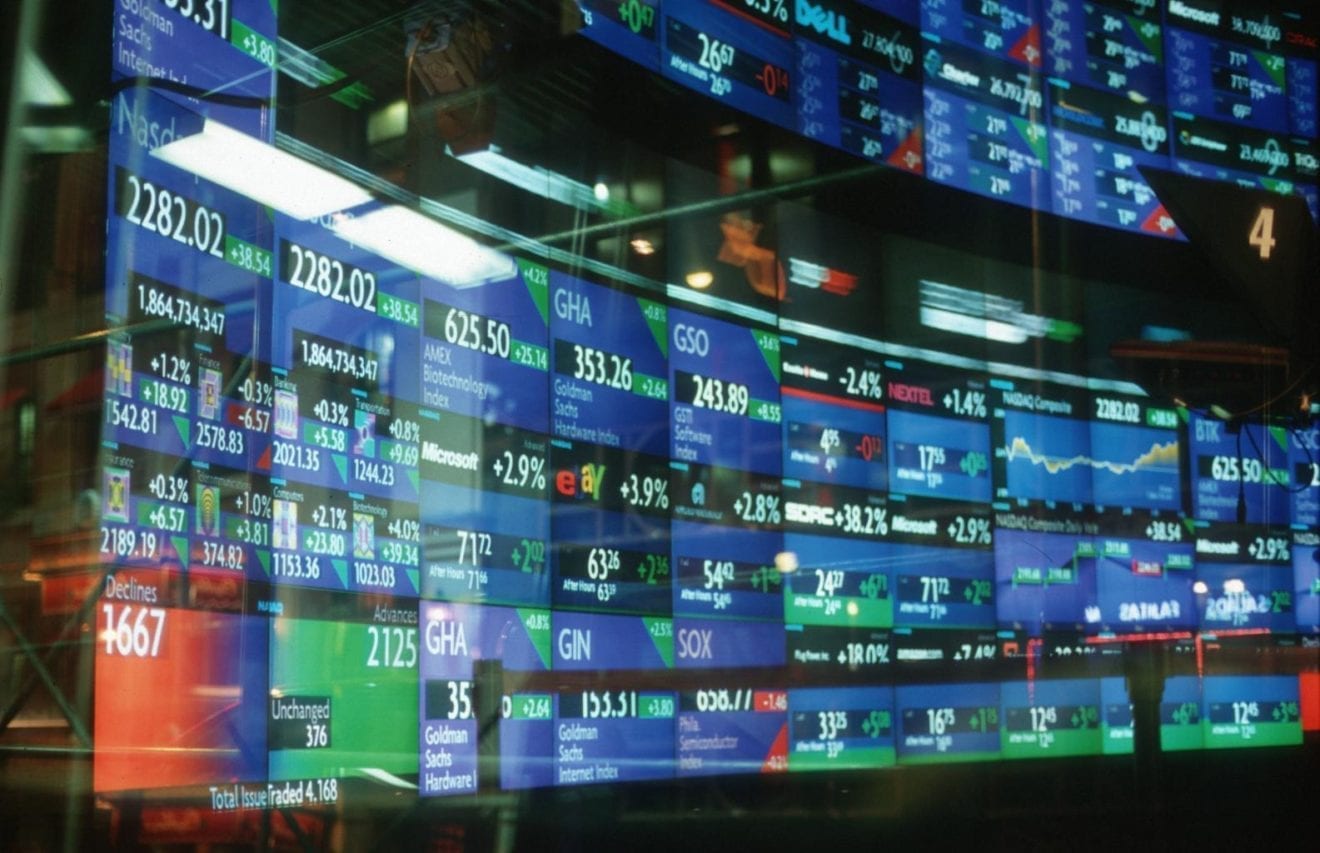
    Unlisted Public Company Market (UPCoM) welcomed the listing of nearly 70 million shares of five companies on Monday, with share value registered for trading equal to VNĐ693.4 billion (US$31 million).

    The five companies are 36 Corporation (G36), Sài Gòn-Nghệ Tĩnh Bear Joint Stock Company (SB1), Hà Nội Water Manufacturing Joint Stock Company No 3 (NS3), Quảng Ngãi Water Supply Sewerage and Construction Joint Stock Company (QNW) and Bridge Joint Stock Company No 12-Cienco 1 (C12).

    Listings on UPCoM have witnessed a surge recently. On December 20, five companies were also listed on UPCoM, with total share value equal to VNĐ328.6 million.

    The market appeared to be more attractive to investors as many large companies had listed or planned to list on UPCoM, following the regulation that State-owned enterprises which were public companies must register for trading on UPCoM following equitisation, in case they did not meet requirements for listing on the official exchanges.

    UPCoM was founded in 2009 and currently more than 400 firms are listed on the market, with capitalisation value doubling the Hà Nội Stock Exchange.

    However, its trading value was modest at around one fourth of the northern bourse. More than 140 stocks did not see transactions conducted in the past one month, partly due to investors’ hesitancy over transparency.

  • Vietjet offers tickets at VNĐ5,000

    Vietjet offers tickets at VNĐ5,000

    Vietjet will sell five million air tickets at only VNĐ5,000 (20 cents) per ticket from December 28, 2016 to February 28, 2017, as part of its fifth anniversary celebrations.

    The carrier’s “Win a 1-kg gold airplane, Fly to a happy future” promotions offers super-cheap airfares on www.vietjetair.com between noon and 2pm. Passengers who book tickets within the promotional period have the chance to take part in a lucky draw for 3.75-gram gold bullion prize every week and a 1-kg gold airplane.

    The discounted fares apply for all domestic routes and international services between Việt Nam and Hong Kong, Taipei, Kaohsiung, Taichung, Tainan, Seoul, Busan, Singapore, Bangkok, Kuala Lumpur, Yangon and Siem Reap.

    All passengers flying from December 28, 2016 to February 28, 2017 will also get the chance to win free return air tickets every day onboard Vietjet flights.

    The airline is also planning a series of other promotional activities such as photo ops with bikini models and surprise performances at several domestic and international airports.

  • KFC launches first AI-enabled outlet in Beijing

    KFC launches first AI-enabled outlet in Beijing

    Kentucky Fried Chicken (KFC) has launched its first artificial intelligence-enabled store in the Chinese capital city and plans to further expand its layout of smart restaurants, creating more innovative and interesting dining experiences for customers.

    With the cooperation of Baidu Inc, China’s largest search engine, KFC started its first smart restaurant in the Financial Street area in Beijing.

    At the store, customers are able to take pictures with a machine, which will recognise the diner’s face, sex, age, mood and other features, then help to recommend suitable food and set meals and complete the ordering process.

    “If the consumer visits the store again and takes a picture with the machine, it will be able to recognise his or her face and show the previous purchase history, remember the customer’s dining habits, and help to place an order faster,” Wu Zhongqin, deputy director of the Institute of Deep Learning of Baidu Inc, which helped to develop the technology said.

    With another machine with an augmented reality, or AR function, customers are able to interact with the machine, change facial expressions by shaking their heads in front of the machine, take photos, and save them to their phones.

    In April, KFC, an affiliate of Yum China Holdings Inc, started its first Chinese smart restaurant in Shanghai.

    The outlet is equipped with intelligent robot ordering, debuting the use of artificial intelligence in chain restaurants, state-run China Daily reported.

    Zhao Li, general manager of Beijing KFC, said smart restaurants are not only about the cool hardware, but more about providing convenience to consumers.

    “Our innovations make use of the cutting-edge technologies and they will help to attract more young consumers who prefer fashionable new things. The digitalisation of the restaurant will also help to provide faster and easier services,” she said.

    “We believe that the restaurant dining experiences must continue to upgrade. With 5,000 stores in China, we plan to expand such services nationwide soon, to adapt to the digital age and enable more consumers to experience enjoyable ordering experiences.”

  • 2016 a good year for malls

    2016 a good year for malls

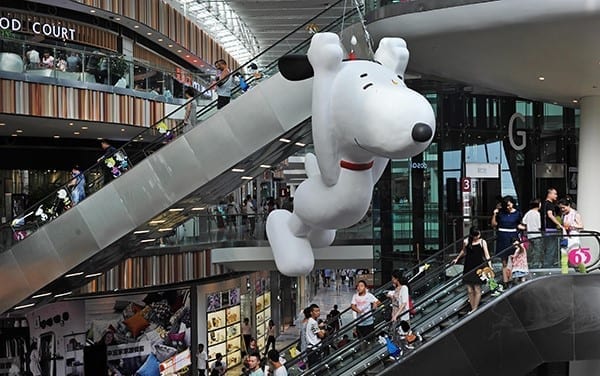
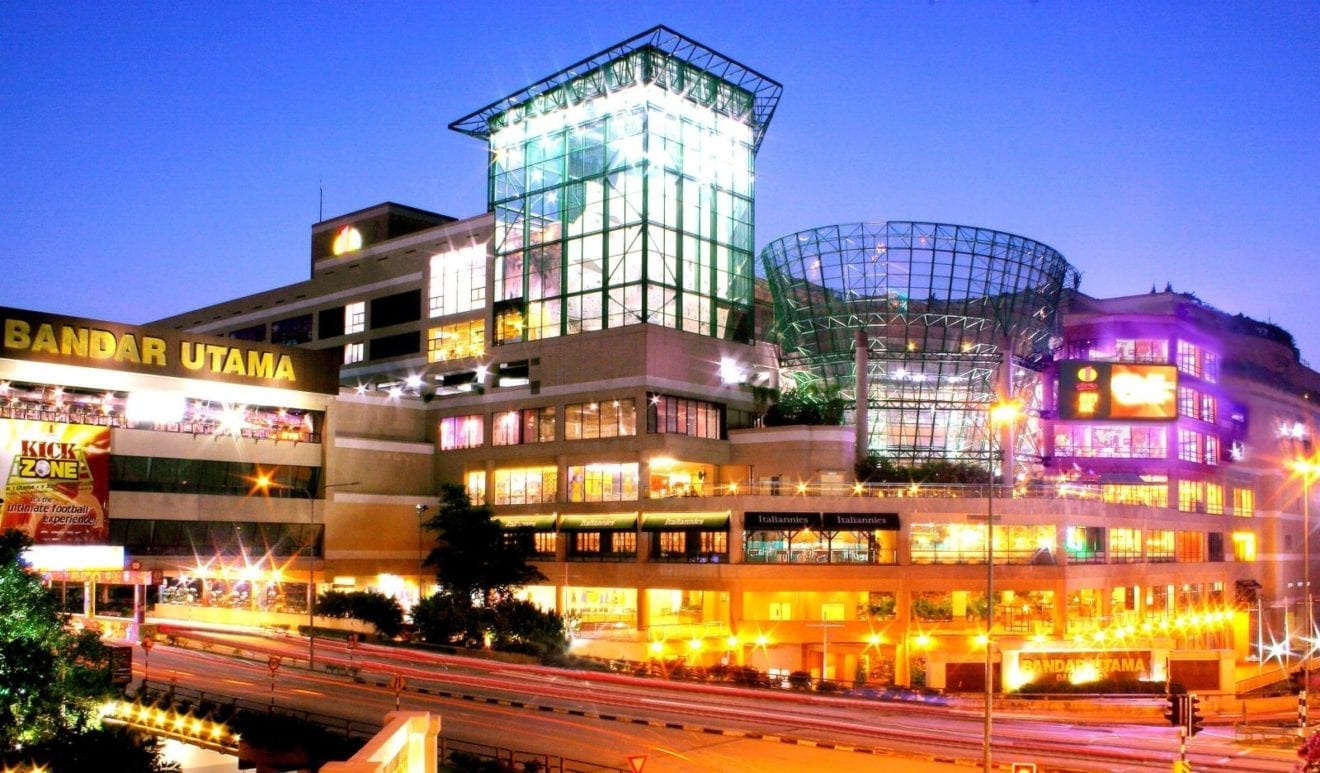
    It’s been a difficult year for many industries, but not for the retail trade, especially in the case of shopping malls, according to an industry veteran.

    In an interview with FMT, Malaysia Shopping Malls Association adviser Chan Hoi Choy said the retail industry was estimated to record a growth of 5% in 2016 over the previous year.

    “The fourth quarter of the year is the retail industry’s strongest and busiest quarter; so we will finish the year strong,” he said.

    The industry is worth about RM100 billion a year.

    Chan said domestic consumption contributed to about 90% of the retail industry’s revenue.

    Asked to explain why more malls were being built despite widespread complaints about a rising cost of living, Chan said this was down to the nature of modern malls and spending patterns.

    “Most malls nowadays are lifestyle malls that promote integrated activities,” he said. “They are a one-stop centre comprising retail, food and beverage, entertainment and services outlets.”

    He added that one in five Malaysians would spend weekends at malls.

    Another factor behind the retail industry’s resilience, he said, was that people still needed to buy essential goods regardless of increases in prices, and malls offered variety.

    “The items most people buy in malls on a regular basis are things which do not cost much,” he said, adding that people had adjusted to the goods and services tax.

    Chan said the annual increase in the number of shopping malls was running into “double digits” and this was the biggest threat to the retail industry.

    “Developers must be very careful about building new malls,” he said. “They must carry out thorough research to understand the demand and supply. There is an oversupply of malls and those which serve under-served markets are more likely to succeed.”

    He said it would take a long time for developers to realise returns on their investments because malls were capital intensive developments.

    He said the retail industry would normally grow in tandem with the GDP, which is expected to grow between 4% and 5% in 2017.

    He urged the government to consider removing excise duties on more items, saying this would make Malaysia even more attractive as a shopping destination.

    “As it is, we are one of the top 10 shopping destinations in the world,” he said. “The government has done a fantastic job of attracting tourists to come here and shop, as well as abolishing excise duties for some 300 tourist products.”

    Chan said the multiplier effect of abolishing excise duties on more items would be “huge”, noting that attracting more tourists would mean more revenue for other industries as well.

    “Very few countries in the world receive more tourists than there are citizens,” he said. “So we believe the growth of tourism will be a big plus for the retail industry and the country as a whole.”