Tag: asia

  • DFS and Flemingo team with Pernod on promotion

    DFS and Flemingo team with Pernod on promotion

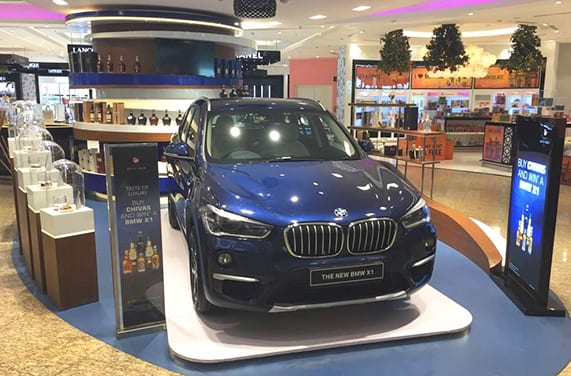
    The Mumbai Duty Free joint venture of DFS Group and Flemingo International teamed up with Pernod Ricard India recently for its third edition 2016 ‘Taste of Luxury’ promotion at Mumbai’s Chatrapati Shivaji International Airport Terminal ‘T2’.

    This offers the lucky winner the opportunity to try and win a luxury BMW X1 Expedition under this exclusive offer for participants spending $80 or more on Pernod Ricard luxury portfolio products.

    These products include Pernod Ricard’s leading Sotch whisky brands, including Chivas Regal, Royal Salute, The Glenlivet and Ballantine’s.

    Those who are eligible to enter simply complete a lucky draw entry ahead of the closing date January 31 where the winner will claim the BMW X1 Expedition prize.

    LUXURY PROMOTION…

    Commenting on the promotion, Nodjame Fouad, Marketing Director, Travel Retail Asia Pacific said: “At Pernod Ricard, we have always believed in delivering luxury experiences to our consumers at various touch points. This promotion at the Duty Free store of Mumbai international airport is one such touch point where consumers can enjoy our luxury brands and experiences”

    Manishi Sanwal, Managing Director, Mumbai Duty Free added: “In our constant quest to offer a greater value to our customers, we bring back the very successful ‘Win a BMW Car’ promotion yet again in this festive period of December-January.

    “We are extremely delighted to have partner brands like Pernod Ricard, who are always willing to support with greater excitement and engagement in their promotions”.

  • Lippo Malls Indonesia Retail Trust Has A Yield Of 9%: 3 Things Investors Should Know

    Lippo Malls Indonesia Retail Trust Has A Yield Of 9%: 3 Things Investors Should Know

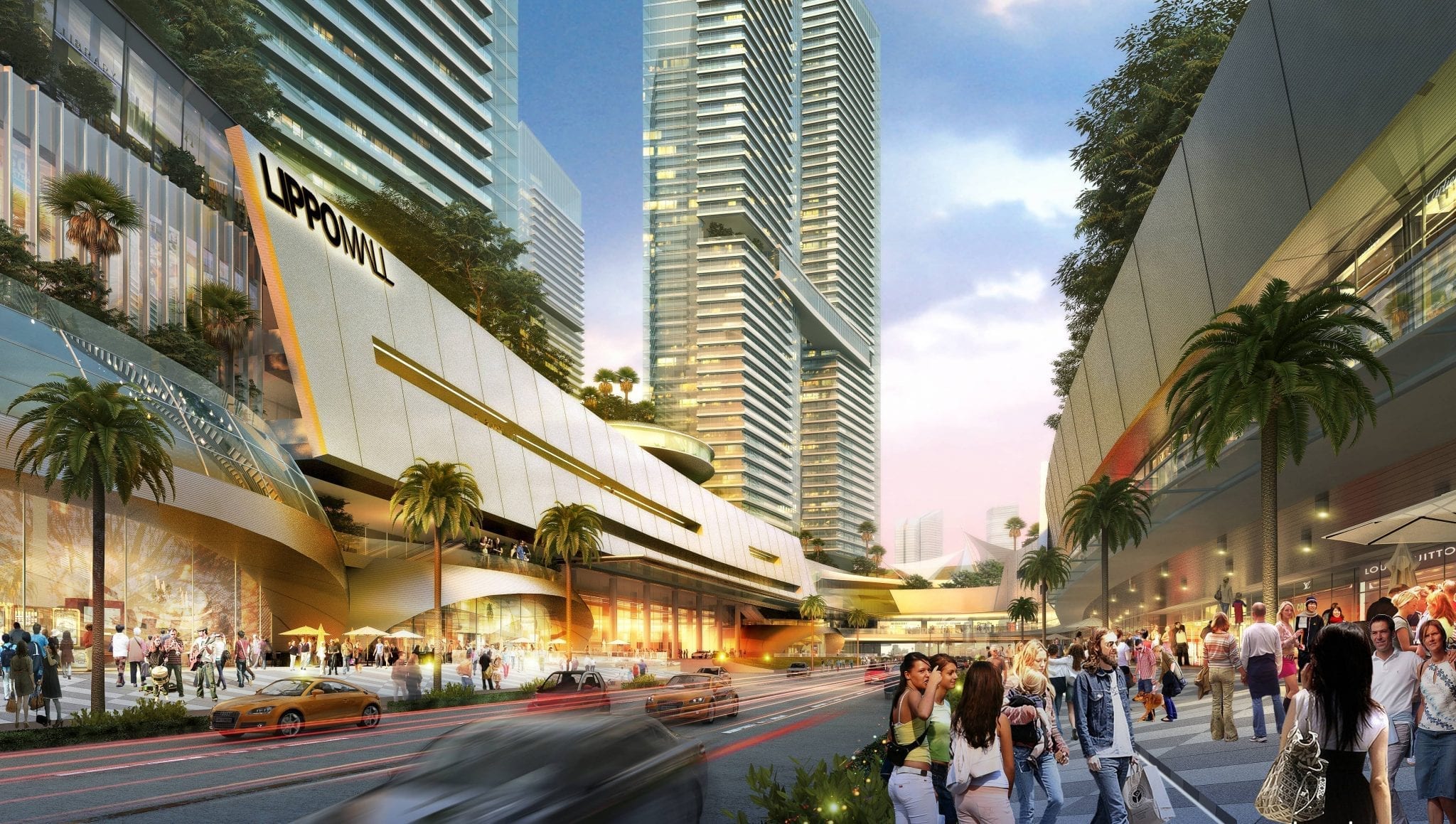
    Lippo Malls Indonesia Retail Trust was listed over nine years ago on November 2007. It was the first real estate investment trust that focused on Indonesian retail malls in Singapore’s stock market.

    Today, LMIRT remains the only REIT in Singapore with that focus. The REIT currently has a portfolio of 19 retail malls and seven retail spaces that are all located in Indonesia. At end-2015, LMIRT’s portfolio had a total net lettable area of over 765,000 square metres.

    At its current price, the REIT has a distribution yield of 9%. For perspective, this is nearly three times higher than the SPDR STI ETF‘s yield of 3.2%. The SPDR STI ETF is an exchange-traded fund that tracks Singapore’s market barometer, the Straits Times Index.

    Here are three things that current and prospective investors in LMIRT may want to know about now:

    1. Performance in the first nine months of 2016

    In the first nine months of 2016, LMIRT saw growth in a number of important metrics in Singapore dollar terms. Its gross revenue, net property income, unitholders’ distribution, and distribution per unit saw year-on-year growth of 8.6%, 7.5%, 13.2%, and 10.9%, respectively.

    2. Historical growth

    lmirt-results-chart
    Source: LMIRT 7th annual general meeting presentation

    From the two charts above, we can see that LMIRT has managed to grow its revenue, net property income, and distribution income over the past five years from 2011 to 2015 in rupiah terms. The growth rates have been strong, with the REIT’s revenue and net property income more than doubling and distribution income climbing by 80%.

    There’s growth in Singapore dollar terms as well for LMIRT, but the depreciation of the rupiah against the Singapore dollar over the past few years has left its mark. For instance, the REIT’s distribution income has stepped up by only around 30% from 2011 to 2015 in Singapore dollar terms.

    This highlights the fact that investors in LMIRT are subject to currency risks.

    3. The diversity of the REIT’s income sources

    It is important that a trust does not depend too heavily on any particular trade sector for its rental income so as to prevent high concentration risk.

    The chart below shows the trade sector breakdown for LMIRT’s property portfolio by rental income and net lettable area:

    lmirt-trade-sector-breakdown
    Source: LMIRT 2016 third quarter earnings presentation

    We can see that the REIT does not depend on any individual trade sector for more than 17.6% of its rental income.

    But, LMIRT is still exposed to some form of concentration risk since all its assets are related to the retail industry in Indonesia. So, any downturn in Indonesia’s retail scene could affect the REIT’s earnings.

    Investors can perhaps rest a little easy for the time being given that Indonesia’s economy is forecast to grow by 5% in 2016 and 5.1% in 2017, according to data from the Asian Development Bank. From 2011 to 2015, the country’s economy has expanded at an annual rate of between 4.8% and 6.2%.

  • Christmas is over, but not the shopping

    Christmas is over, but not the shopping

    The shopping frenzy continues after Christmas as Orchard Road and neighbourhood malls lay on the post-Christmas sales to reel in the crowds.

    Mall tunes have been switched as well, as many people head out to shop for the Chinese New Year, on Jan 28 next year, or to stock up for the new school year.

    Ms Donna Tan, 33 , an administrative executive who was at the Nex shopping mall in Serangoon, said she was taking advantage of the current sales to get both Chinese New Year clothes and school shoes for her daughters, aged 10 and 14.

    She said: “There isn’t much time left for Chinese New Year shopping actually. The sales are also good now, so we took today and yesterday off to shop.”

    In total, she spent about $300 at Nex, Changi City Point and Tampines Mall over the past two days.

    Student Salwa Mayra, 19, waited for the post-Christmas sales to score better deals.

    Ms Salwa, who went shopping in Orchard Road and at Nex, said she bought clothes at Zara at half the usual price. Others, such as Ms Miki Chua, 40, a teacher, also decided to wait until after Christmas to beat the crowds.

    “I looked around during the Christmas period but it was too crowded, so I decided to come back now,” said Ms Chua, who had bags from Forever 21 and Etude House.

    Stores such as H&M and Robinsons continued to offer discounts of up to 70 per cent.

    Several malls and department stores reported healthy post-Christmas crowds and sales.

    A Tangs spokesman said the sales figures for Monday, the day after Christmas, were “quite encouraging”, without giving details. The sale at Tangs goes on till Jan 2.

    A spokesman for the orchardgateway shopping mall also said that the crowds on Monday were on the “positive side”.

    Takashimaya Singapore said that while there was just a 5 per cent increase in crowd figures on Boxing Day this year compared with last year, Takashimaya Department Store achieved a “double-digit increase in sales” over last year’s figures.

    Ms Stephanie Ho, general manager at Frasers Centrepoint Malls, said overall traffic at the company’s malls, which include Causeway Point and Waterway Point, was boosted by up to 20 per cent.

    “This may be attributed to promotions, including post-Christmas and back-to-school sales, over the long festive weekend,” she said.

    Despite healthy crowds, a survey conducted by e-commerce solutions company SAP Hybris that was released earlier this month found that only 39 per cent of shoppers still enjoy browsing in purely brick- and-mortar stores.

    More popular were stores with both a physical and digital presence, which 68 per cent of those surveyed cited as their top shopping option. Consumers were also less interested in more new-age services such as mobile payments through a digital wallet.

    Singapore Polytechnic senior retail lecturer Sarah Lim said that while an increase in transactions or crowds may not translate into an increase in sales due to marked- down prices, clearing stock is also important.

    “They have to make room for new stock, especially because Chinese New Year is coming soon. Also, crowds have the tendency to attract more crowds, who may end up buying,” she said.

  • Number of shoppers at Boxing Day sales down by 6.7%

    Number of shoppers at Boxing Day sales down by 6.7%

    The number of shoppers venturing out to the Boxing Day sales fell 6.7% on last year in another challenging period for struggling UK retailers, figures show.

    Hardware and technology stores particularly struggled, mainly because buyers do not need to inspect the products in person, according to the UK Retail Traffic Index figures published by Ipsos Retail Performance.

    However the leisure and health and beauty sectors bucked the trend with year-on-year growth in stores, and clothing and footwear shops only saw a relatively small drop in footfall of 3.2%.

    Ipsos said the build-up of store footfall in the run-in to Christmas was slow, and the last-minute rush to the shops was not as intense as retailers hoped for.

    But Tim Denison, director of retail intelligence at Ipsos Retail Performance, said: “Boxing Day remains a genuine and important event in the retail year.

    “Finite stockpiles mean that shoppers have to be quick off the mark to secure the best bargains, creating a thrill that is sufficient for many to brave queuing up before opening time.”

    Barclaycard had predicted almost a quarter of Britons (23%) would shop in the Boxing Day sales, down from 32% last year.

    The figures suggest the incentive to buy in the sales has weakened following widespread discounting, including Black Friday and Cyber Monday, that continued well into December.

    But post-Christmas shoppers were still predicted to go on a £3.85 billion bargain hunt on Boxing Day, spending £2.95 billion on the high street and £900 million online, according to VoucherCodes.co.uk and the Centre for Retail Research.

    The New West End Company was also expecting a bumper Boxing Day due to international shoppers, projecting a spend of £55 million.

    Myf Ryan, chief marketing officer at Westfield shopping centres, said Boxing Day sales continued to be an important date in the diary.

    The company said shoppers spent £500,000 every hour at its centres during the Christmas period, and there had been growth in visitors from Hong Kong and the US.

    Retail analysts ShopperTrak said Boxing Day footfall fell 14% year-on-year, and suggested this was due to Christmas falling on a Sunday, creating an extra bank holiday, as well as record levels of pre-Christmas discounting.

    ShopperTrak UK director Steve Richardson said: “While Boxing Day is usually a peak day for in-store traffic, this year footfall dropped by 14% year-on-year, as consumers made the most of having the extra bank holiday off.

    “There was also another dynamic impacting Boxing Day footfall, namely the unprecedented levels of extended pre-Christmas discounting by retailers, which may have resulted in sales ‘fatigue’ amongst shoppers.

    “While Boxing Day traditionally kicks off the January sales in earnest, with so much discounting throughout December, this year saw much less impetus on customers to take to the High Street on Boxing Day itself in order to bag a bargain.”

    Westfield centres saw shoppers queuing from 2am on Boxing Day, and more than 300,000 people had visited by the time stores closed, Ms Ryan said.

    A shopper from Hammersmith paid £75,000 for a new Bentley, making it the day’s biggest purchase.

    Other extravagant buys over the Christmas period included a £140,000 diamond ring and a £15,000 transaction by a Middle Eastern princess at Gucci.

    Ms Ryan said international numbers of shoppers had increased across Westfield’s centres.

    She said: “Tourist spend at Westfield London in November was up 14% year-on-year and luxury spend up 21%. The big international luxury spenders were China, up 44%, the US, up 99%, and Hong Kong, up 191%.

    “We expect to see high growth again during the busy Christmas and sales shopping period.”

  • Balenciaga opens Osaka pop-up

    Balenciaga opens Osaka pop-up

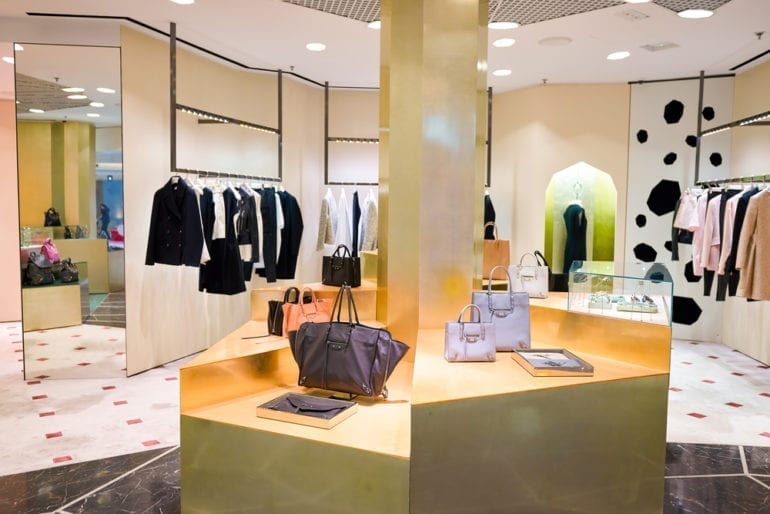
    French fashion maison Balenciaga has opened a new pop-up store in Osaka, adding to the five standalone boutiques already retailing in the Japanese city.

    The Parisian label has its sights set on pushing its newest ‘it’ handbag – the Bazar Shopping Bag – onto the Japanese clientele.

    The new Osaka pop-up shop will house the original Bazar Shopping from the latest collection, as well as holiday and resort versions. Also for sale are pouch and wallet versions of the bag.

    The colourful tote bag, designed by Demna Gsvalia, featured in Balenciaga’s Autumn/Winter 2016 collection. The Bazar Shopping Bag — already a hit with fashionistas such as Pernille Teisbaek, the co-founder and creative director at Social Zoo Direct — is part of Gvsalia’s first accessory line since taking the helm of Balenciaga this year.

    Despite being compared to a heavy-duty laundrette carryall, the Balenciaga accessory retails for a whopping £975 per unit and has been hailed a best-seller on major fashion e-platforms Net-a-Porter and MatchesFashion.com.

    Balenciaga is known for ‘it’ bags, since the Arena handbag, designed by Nicholas Ghesquire over ten years ago.

    The pop-up shop is located within a portion of the Hankyu department store in Osaka. It is open from now until the end of December.

  • Cambodia to Open Ports to Laos Exports

    Cambodia to Open Ports to Laos Exports

    Cambodia will soon open both its roads and ports for Laos to use in exporting goods abroad, according to an announcement posted on Prime Minister Hun Sen’s Facebook page on Sunday.

    The announcement followed a meeting between Mr. Hun Sen and Laotian President Pany Yathotou in Phnom Penh on Saturday, during which the two discussed strengthening ties.

    The Facebook post did not specify when ports would be open to Laotian exports, or which ports these would be, and the Ministry of Foreign Affairs could not be reached on Sunday for comment.

    Soeung Sophary, a spokeswoman for the Ministry of Commerce, said opening Cambodia’s roads and ports to exports from Laos had been raised during diplomatic meetings in the past, but never agreed upon.

    “As Laos is a landlocked country, this is the first time for Cambodia to let Laos export through us,” she said, adding that she did not know the details of the agreement.

    Hun Sen’s meeting with Ms. Yathotou follows a meeting between the leaders of Cambodia, Laos and Vietnam in Siem Reap last week, during which the prime minister denied that the Don Sahong dam had any downstream effects on Cambodian villagers and warmly agreed to Laos’ offer to sell Cambodia cheap hydropower.

    Laos’s main export is timber, with U.N. Comtrade putting it at 40 percent of the nation’s exports. An internal WWF report leaked late last year asserts, however, that illegal logging in Laos is rampant, and the actual volume of timber leaving the country is poorly documented.

    Denis Smirnov, a consultant for environmental group WWF focusing on the timber trade in Southeast Asia, said it’s unlikely that any illegal exports will find their way through Cambodia, owing to an ongoing crackdown on the trade.

    “The Lao government in May started to enforce the export ban on unprocessed wood for the first time,” he said, adding that it was uncertain whether it would last past the end of the rainy season.

  • AEON collaborates with Siam Piwat to launch “Siam The Ultimate Giving” campaign

    AEON collaborates with Siam Piwat to launch “Siam The Ultimate Giving” campaign

    Praphan Rangsiyopas, Vice President Marketing of AEON Thana Sinsap (Thailand) Public Company Limited, together with Chanisa Kaewruen (third right), Deputy Managing Director Marketing Event and Business Relations Division, and Saruntorn Asaves (third left), Assistant Managing Director Marketing Promotion and Customer Relationship Management of Siam Piwat Co., Ltd., attended the recent launch of “Siam The Ultimate Giving” campaign.

    The Siam Ultimate Giving campaign offers Aeon credit cardholders special privileges, such as movie tickets for two at Major Cineplex cinemas with every 5,000 baht of accumulated purchases at Siam Paragon, Siam Center, and Siam Discovery. With every 2,000 baht of accumulated purchases, cardholders receive two coupons for a lucky draw for chances to win prizes worth over 7.8 million baht, including a brand new BMW 218i GT. The campaign runs until January 15, 2017. 

  • Bape’s Baby Milo opens Japan, Hong Kong pop ups

    Bape’s Baby Milo opens Japan, Hong Kong pop ups

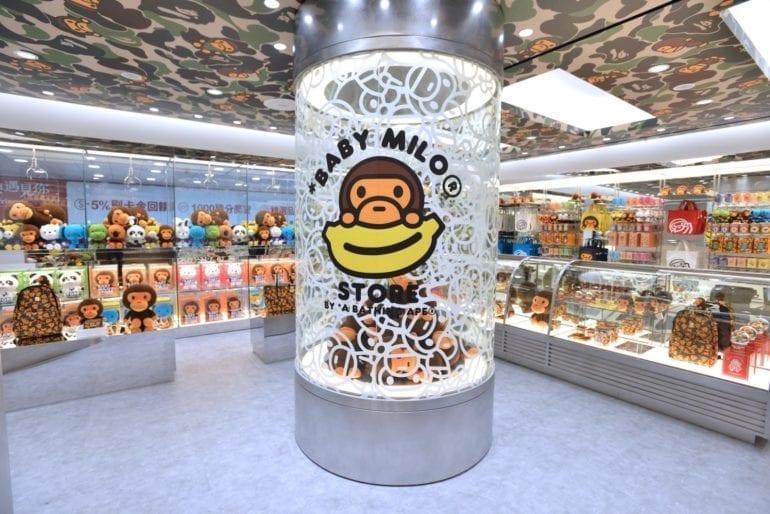
    Baby Milo has opened a pair of pop-up locations in Tokyo this week, as well as a Hong Kong location over the weekend.

    Parent brand A Bathing Bape has begun opening Baby Milo stores across Japan (Harajuku and Shibuya), Hong Kong and China this past weekend, signalling the Japanese novelty brand’s latest push into major Asian capitals.

    Baby Milo has purposefully built a fully interactive shopping experience, an extension of the ‘retailtainment’ phenomenon sweeping Asia this year.

    The Baby Milo label features plush animal characters centred on the namesake character Milo — a time-traveling monkey who loves to dance and eat bananas, and his friends Alii the Giraffe, Hippo, Baby Doppy, PD, Core the Koala and Elephant Eleph.

    Largely an accessories pop-up, key items on sale include key rings, bags, wallets, small goods, and other assorted accessories.

    The pop-up boutique will also offer up a bevy of soft goods and lifestyle items, alongside some limited-edition seasonal releases such as two Baby Milo Christmas snowglobes.

    The Hong Kong store is decked out with two giant claw arcade games at the entrance and iconic Bape camo, Ape heads and Baby Milos all over the ceiling.

    Baby Milo has stores located in New Town Plaza in Shatin, the I.T flagship store as well as Times Square located in Causeway Bay.

  • 9 upcoming retail mall projects in Singapore

    9 upcoming retail mall projects in Singapore

    According to a Savills report, there are at least nine major mall projects in the pipeline from Q4 2016 to 2020, totalling around 6.2 million sq ft of retail supply.

    The upcoming retail supply for 2016 is mainly from the new mixed-use developments in the Central planning region, mainly from two new integrated projects: Downtown Gallery and Tanjong Pagar Centre.

    From 2017 to 2020, approximately 6.2 million sq ft of new retail space is expected to enter the physical stock. Major developments consist of the new retail mall at Singapore Post Centre and The Heart at Marina One.

    Hillion Mall in the Bukit Panjang planning area is the only significant development in 2017 that is not located within the Central planning region.

    9 upcoming mall projects in Singapore

    1. Downtown Gallery
    Location: Shenton Way
    Estimated NLA (sq ft): 160,000
    Estimated completion: 2016

    2. Singapore Post Centre AEI
    Location: Eunos Road 8
    Estimated NLA (sq ft): 269,100
    Estimated completion: 2017

    3. Hillion Mall
    Location; Jelebu Road
    Estimated NLA (sq ft): 152,500
    Estimated completion: 2017

    4. Marina One (The Heart)
    Location: Marina Way/Straits View
    Estimated NLA (sq ft): 140,000
    Estimated completion: 2017

    5. Paya Lear Quarter
    Location: Paya Lear Road/Sims Avenue
    Estimated NLA (sq ft): 340,000
    Estimated completion: 2018

    6. Northpoint City
    Location: Yishun Central 1
    Estimated NLA (sq ft): 315,250
    Estimated completion: 2018

    7. TripleOne Somerset Podium AEI
    Location: Somerset Road
    Estimated NLA (sq ft): 88,500
    Estimated completion: 2018/9

    8. Jewel Changi Airport
    Location: Airport Boulevard
    Estimated NLA (sq ft): 576,000
    Estimated completion: 2019

    9. Funan
    Location: North Bridge Road
    Estimated NLA (sq ft): 324,000
    Estimated completion: 2019

  • Programme for clean agriculture launched in City

    Programme for clean agriculture launched in City

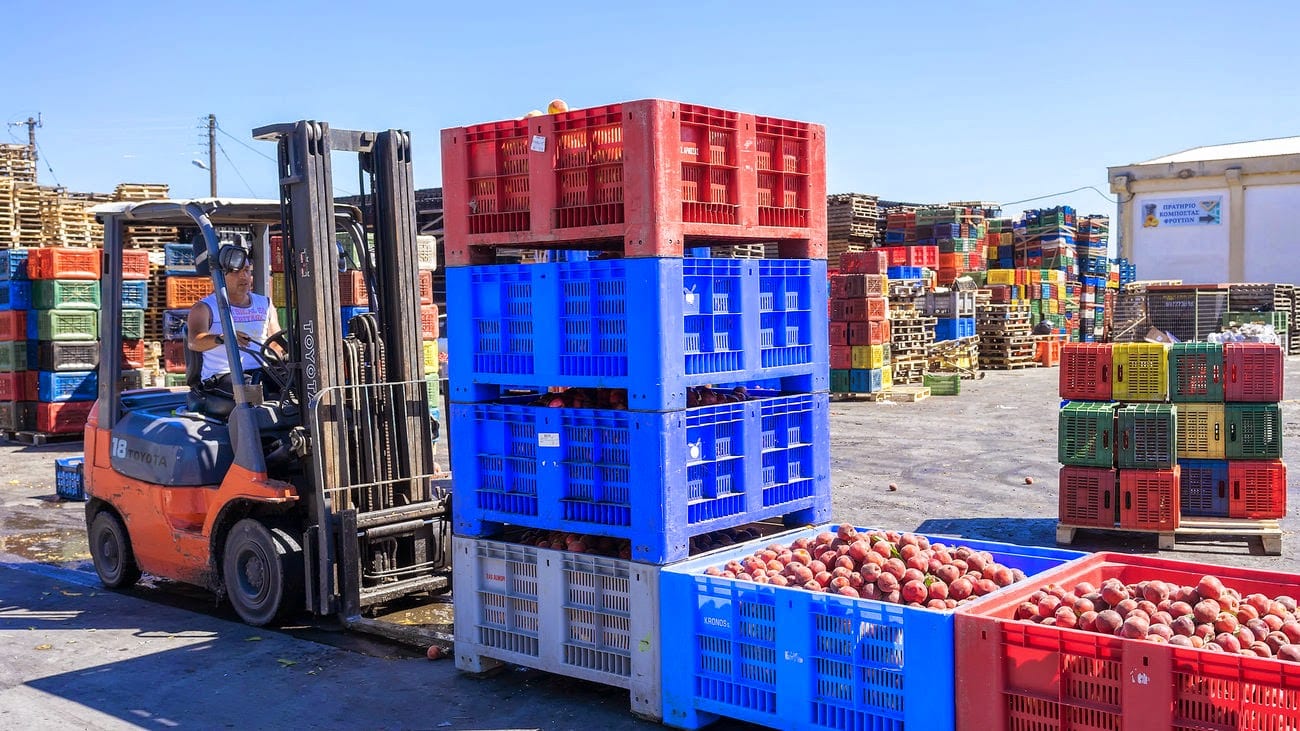
    The Ministry of Agricultural and Rural Development launched a programme dubbed “Green Connection towards A Clean Agriculture” in HCM City yesterday to strengthen the linkages between various players in the agricultural production chain.

    It is also aimed at strengthening co-operatives and farmers’ ties with businesses, considered an important measure to improve the competitiveness of and add value to Vietnamese farm produce, enabling them to enter the international market, according to Lê Đức Thịnh, deputy director of the ministry’s Rural Development and
    Economic Co-operative Department.

    Amid the increasing international integration, Việt Nam’s agricultural production needs to focus more on quality, meeting international standards, on-time delivery and competitive prices.

    The food safety situation in the domestic market has become worrying, with many products failing to meet hygiene and safety standards still being sold in the market.

    Deputy Minister of Agricultural and Rural Development Trần Thanh Nam said, “Through the programme, we want to build a connecting chain for safe products, from production to consumption, produced based on VietGap, or GlobalGap or even organic standards.”

    Consumers should know where safe products meeting quality standards are produced and sold, he said.

    The programme also aimed to create confidence in foreign importers by showing them that Việt Nam has co-operatives and businesses producing products not only meeting Vietnamese standards but also the regulations of importing countries, he said.

    The programme, together with others, also aimed to raise awareness among producers about the need for following good agricultural practices to provide safe products to the market, he said.

    As part of the programme a fair titled “Green Address, Clean Products Of Agricultural Co-Operatives” is being held at the Co.opmart Foodcosa supermarket in HCM City’s Gò Vấp District on December 27 and 28.

    The fair has attracted 35 co-operatives who have set up 40 booths displaying a wide range of agricultural, forestry and seafood products meeting VietGap standards or with quality certification.

    They expect the fair to promote their products and enable them to enter into tie-ups.

    Speaking at a seminar on the real situation and measures to develop production and consumption of safe farm produce held yesterday in the city as part of the programme, Thịnh said 1-5 per cent of products obtained quality certifications from local and foreign organisations.

    Farmers should join hands through co-operatives or co-operative groups to meet the quality standards required by the market, he said.

    The co-operation would also help expand production and prevent traders from deflating prices, he said.

    The representatives of many co-operatives, including the Xuân Định Fruits Co-operative in Đồng Nai, Giồng Trôm Green Skin Co-operative, and Lộc Khê Safe Vegetables Co-operative, told the seminar that they faced difficulties in finding outlets for their safe products and expected to find distributors through the programme.

    Saigon Co.op, Việt Nam Farms and Agricultural Enterprises Association, the crop production and rural development and
    economic co-operative departments and others signed up for the programme.

  • Vietnamese prefer the most luxurious smartphones

    Vietnamese prefer the most luxurious smartphones

    USA Today reported that the ratio of iPhone 7/iPhone 7 Plus buyers in the US when the model hit the shelves was 55/45. The situation is the opposite in Vietnam. The representative of the biggest smartphone retail chain in Vietnam said the ratio of iPhone 7/7 Plus sold had been 35/65 by early December 2016.

    The same thing occurred with Samsung Galaxy S7 and S7 Edge. The most prestigious distribution chains all reported that 80 out of 100 buyers chose curved-screen S7 Edge, while only 20 wanted a S7.

    The distributors say that Vietnamese tend to choose premium versions instead of the standard ones if manufacturers market two models.

    iPhone 7 Plus is now sold at VND22.3 million for the 32 GB version, while the highest price of VND28 million is applied to the 256 GB version. Galaxy S7 Edge is priced at VND17 million though it has seen sharp price decreases. Vietnamese, who have an average income of over $2,000 per annum, prefer premium versions to standard ones. Sony once witnessed the same with Xperia Z and ZL.

    Xperia Z was among the best sellers in 2013 thanks to the luxurious design with glass cover, while ZL with plastics cover could not catch users’ eyes and it nearly disappeared from the domestic market.

    In mid-2016, LG was once heavily criticized when it intended to bring the LG G5 version with Snapdragon 652 and RAM 3 GB instead of the one with RAM 4 GB and Snapdragon 820.

    A branding expert said that Vietnamese tend to choose the best ones despite high prices. They also spend several millions of dong more to buy scooters instead of motorbikes.

    Meanwhile, Lac Huy from CellphoneS, a distribution chain, said that consumers prefer iPhone 7 Plus because of the larger screen, stronger battery and better camera.

    “Apple is a big name. Its design and appearance look luxurious. Therefore, it is favored by Vietnamese, who just want the product which can help them show off, rather than the product which can help fulfill their work,” an analyst said.

    “This explains why many Vietnamese buy iPhones, even though they never intend to learn about the features of the smartphone and they just send messages and make calls with the iPhones,” he said.

  • Thai AirAsia X Awaits ICAO Approval

    Thai AirAsia X Awaits ICAO Approval

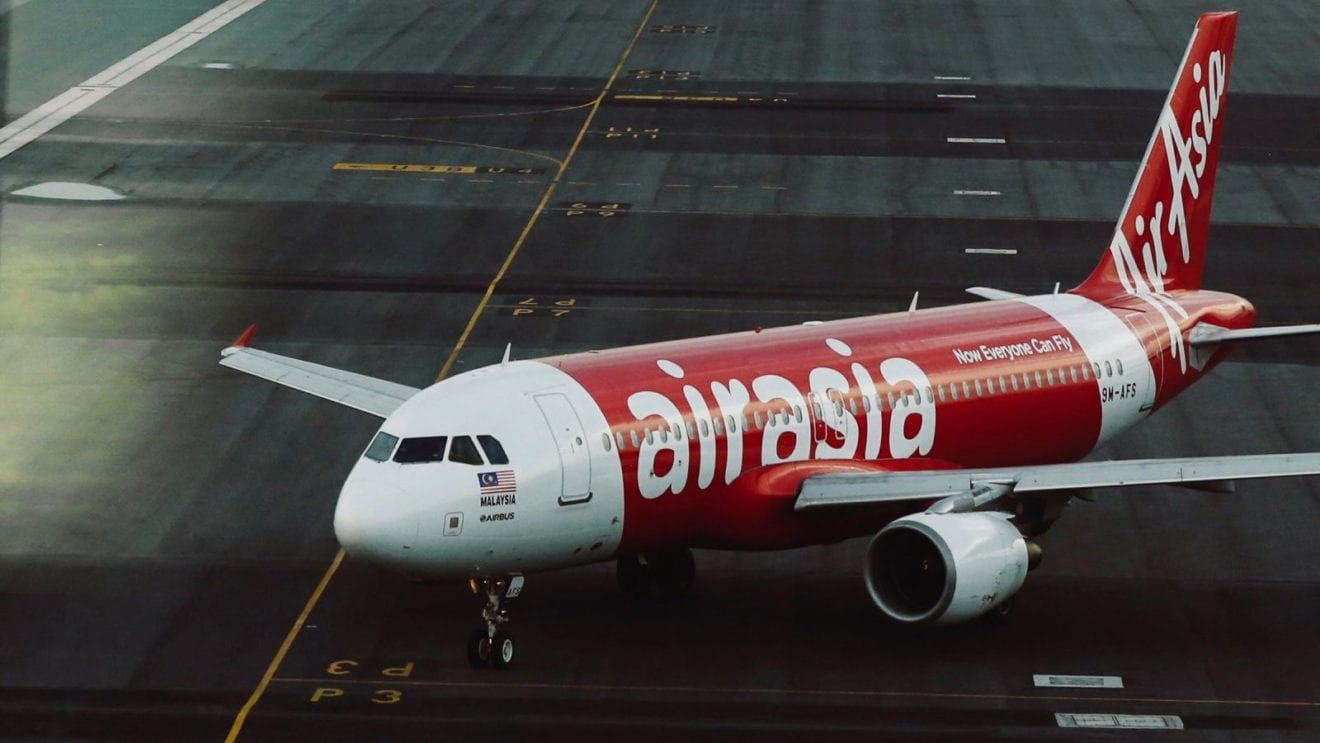
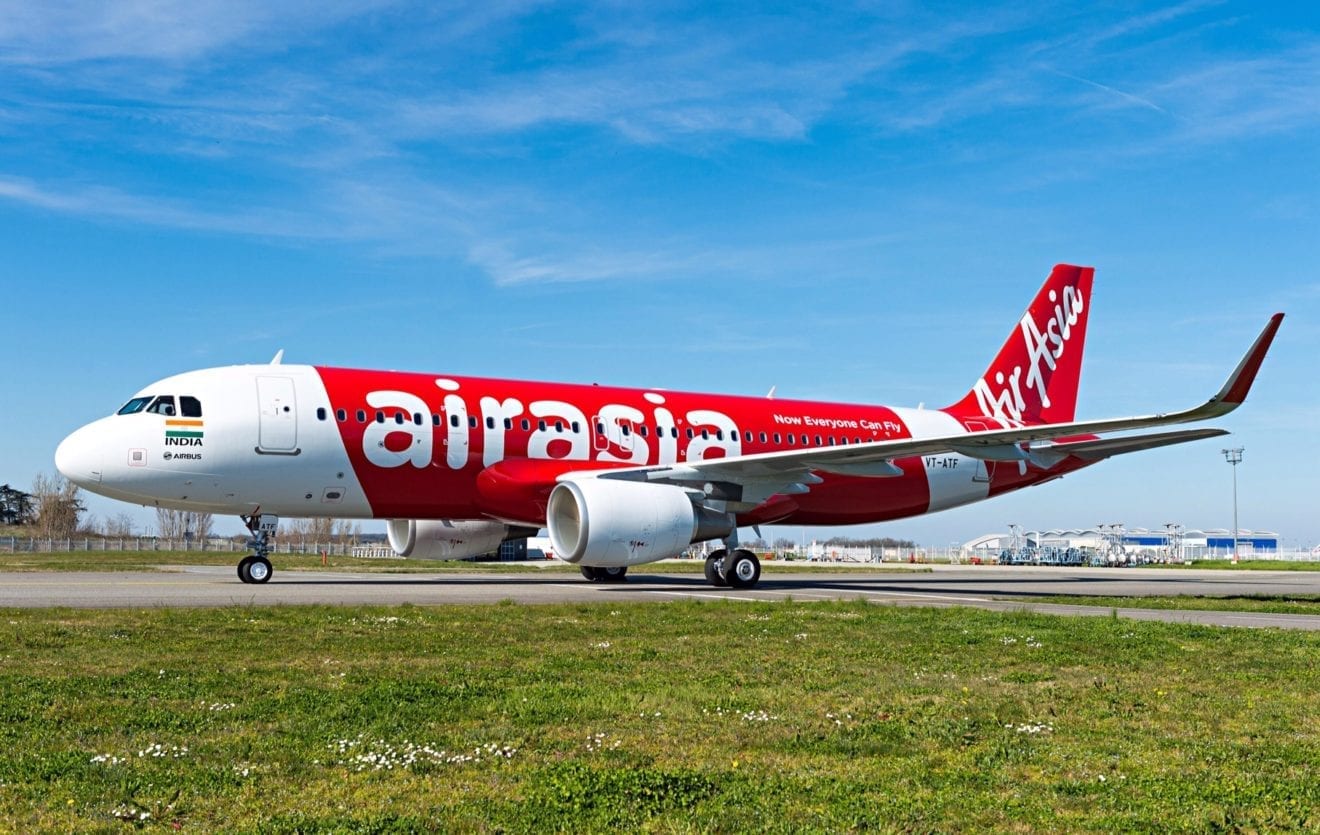
    Thai AirAsia X (TAAX) will suspend route expansions until at least mid-2017, after Thailand’s aviation industry receives international safety approval.

    The long-haul, low-cost carrier sees a good chance to launch new routes after the International Civil Aviation Organization (ICAO) has decided to remove the red flag imposed on Thailand for its aviation safety shortcomings.

    “A good timing for our new route launch will come only after [ICAO’s] red flag is off, maybe in mid-2017,” TAAX chief executive Nadda Buranasiri told the Bangkok Post.

    The Civil Aviation Authority of Thailand (CAAT) has earlier this month expressed hopes that it will pass the next ICAO audit in June next year, thus clearing the major impediment to the country’s aviation industry put in place in June 2015.

    Mr Nadda declined to name specific countries TAAX wants to fly to and whose governments frown upon the flights of carriers registered in countries on the UN agency’s blacklist.

    The essence of ICAO’s red-flagging means that Thai-registered airlines are not allowed to open new routes, nor raise the frequency of existing flights to foreign countries, nor change aircraft types already deployed for current services.

    But it is up to individual countries to follow the ICAO ruling. Some such as Japan, South Korea and Australia, are known for strictly following the rulings, while others like China use their own judgement whether to allow Thai-registered airlines.

    But Mr Nadda said countries in Eastern Europe and Down Under are under study for future coverage.

    TAAX will spend time over the next six months to look at the ideal routes.

    In that period, the airline will make use of its spare aircraft capacity, resulting from the termination of its Tehran and Muscat services, on Dec 5 and Jan 19 next year respectively, for charter purpose.

    TAAX has already shifted some the spare capacity for charter flights between China and Thailand, he said.

    There are six Airbus 330-300 wide-body jets, each configured with 377 seats, in TAAX’s current fleet and, there is no plan for additional aircraft acquisitions next year.

    He affirmed that TAAX’s core services from Bangkok’s Don Mueang airport to Tokyo and Osaka, Seoul and Shanghai continue unabated.

    While the clampdown on inbound Chinese tourist scams hurt business in the past three months, Mr Nadda said TAAX’s Chinese flights are back on track.

    TAAX expects to finish 2016 with 8 billion baht in revenue, 1.1 million in carried passengers with a load factor of 82-85%.

  • AirAsia moving full steam ahead

    AirAsia moving full steam ahead

    With slow economic growth, reduced passenger yields, overcapacity, rising jet fuel costs and unfavourable foreign currency movements, 2017 looks set to be another tough year for the aviation sector. But far from signalling the end of the world, AirAsia Bhd group chief executive officer (CEO) Tan Sri Tony Fernandes believes there’s an opportunity in every crisis.

    He continues to be bullish on a variety of potential developments, pointing out that sitting on his hands is not an option.

    “Rather than burying our heads in the sand, we see these [challenges] as an opportunity to drive more tourism. With the right support from the tourism and culture ministry and airports, we can turn these negative elements into positive,” he told The Edge Financial Daily in a phone interview.

    The low-cost carrier’s (LCC) stellar earnings this year have sent its share price soaring 79% year-to-date to close at RM2.31 last Friday and Fernandes is convinced AirAsia will perform better in the coming year.

    “We are looking good. The year 2016 is set to be a record year and we will build on it [in the coming year]. We have hedged 80% of our anticipated fuel use in 2017, while most of our aircraft purchases are hedged against the US dollar with fixed interest rate loans. So, our risks are mostly covered,” he said.

    The airline returned to profitability in the nine months ended Sept 30, 2016 (9MFY16), posting a net profit of RM1.57 billion compared to a net loss of RM13.37 million a year ago. This was helped by an increase in aircraft operating lease income and a 22% reduction in the average fuel price to US$62 (RM277.14) per barrel in the third quarter ended Sept 30, 2016 (3QFY16), from US$79 per barrel in 3QFY15. Revenue was also 21% higher at RM5 billion in 9MFY16, from RM4.14 billion in 9MFY15.

    “I am very bullish about our business outlook for 2017. Amid the slow growth environment, airlines such as ours will benefit [as more passengers choose to fly with LCCs],” he added.

    Fernandes pointed to the weaker ringgit against the US dollar, saying it is helping draw more tourists to the country. “These factors support air travel,” he said.

    While concerns are mounting about an overcapacity in the Asian markets next year, Fernandes thinks otherwise as he expects demand to grow at a faster pace. AirAsia Group itself is deploying an additional 28 aircraft for its system-wide operations in 2017, a 15.9% increase to 204 from 176.

    “AirAsia is an Asian airline and [our] capacity is spread across the region. The markets need more capacity. The ringgit depreciation and economic conditions have driven people to stay closer to home and take shorter trips. It is time to drive our very strong advantage with growing market share,” he said, adding that AirAsia’s cost structure and ancillary income will enable it to grow market share. In 3QFY16, its ancillary income per passenger remained consistent at RM46 year-on-year.

    “Asean is still booming. We have started operations in India (in 2014) and we still have China to go.

    “A great part of our growth is also coming from connectivity. More people are travelling through Kuala Lumpur to go to other destinations such as Australia and China,” he observed.

    Thus, unlike its full-service counterparts, AirAsia is moving full steam with its expansion plans.

    “Depends on where you are in the cycle, we have been cautious in the last two years. Two years ago, we stopped growing, tightened our belt [and] refocused. We fixed AirAsia Philippines and Indonesia AirAsia and now we are going to grow, while other airlines are still trying to understand what they are,” said Fernandes.

    Fernandes, a major shareholder of AirAsia with an 18.6% stake, also took what appeared to be a jab at Malaysia Airlines Bhd, saying: “Unlike AirAsia, some of the full-service carriers in the industry are still confused about their target market.

    “And that is the problem, which is why they are destroying capital. They really should stick to what they are. If you are focused, this is a great industry to be in. People have to fly, disposable income is growing in Asia, and people want to have more holidays and short breaks,” he said.

    “So, we like a crisis. We always grow better in times when other companies are worrying about the future. We see an opportunity to grow,” he added.

    For one thing, the airline is looking to build an Asean holding company and create an Asean stock.

    “We are making representations to various leaders and stock exchanges, and it is going well. That would provide much more liquidity to our stock. We want to be seen as one airline economically, but have different AOCs (air operator’s certificates),” said Fernandes.

    Shukor Yusof, founder of aviation research firm Endau Analytics Sdn Bhd, described 2017 as a “true test” of an airline’s mettle.

    “Everyone (airlines) was doing well in 2016 as low fuel prices helped keep costs down, but the true test will come next year,” he said. Shukor sees currency exchange movements as a key factor that will affect airlines’ profitability.

    “We are not disputing that passenger growth would go higher, but volume itself is not necessarily going to help you make more money. And with the stronger US dollar, airlines’ yield is going to be affected by it,” he explained.

    Shukor also pointed to the competitive fares and increasing capacity from Malindo Airways Sdn Bhd, which will be another crucial factor that will affect the Malaysian aviation sector.

    “The market hasn’t been paying much attention to Malindo Air, but it is going to be very competitive and AirAsia is going to feel most of the pressure coming from their (Malindo Air’s) expansion,” he said.

    In a recent interview, Malaysia Airlines’ group managing director and CEO told The Edge weekly that the second half of next year would probably see the greatest battle in low-cost travel history take place in Malaysia as about 40 aircraft come onto a market.

    Meanwhile, Affin Hwang Capital Research aviation analyst Aaron Kee expects AirAsia’s earnings in FY17 to normalise from its peak this year.

    “Yield is going to be low as oil prices trend higher. We have a ‘hold’ call on AirAsia and we look forward to the injection of RM1 billion capital from its founders and the disposal of the group’s aircraft leasing arm,” he said.

    “As for AirAsia’s long-haul affiliate AirAsia X Bhd (AAX), it has turned around its loss-making position and for 2017, a sustained turnaround story would rejuvenate investors’ interests,” Kee added. AAX’s share price had doubled year-to-date to close at 36 sen last Friday.
  • Pop-up barber shop offers free shaves at Changi

    Pop-up barber shop offers free shaves at Changi

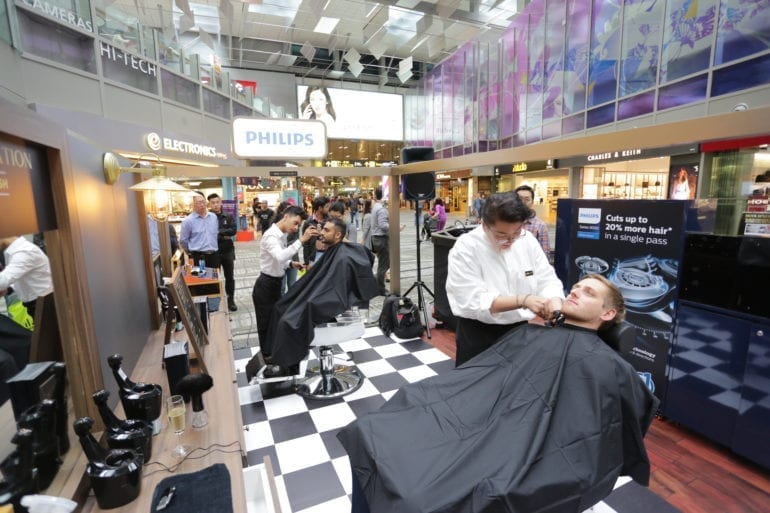
    Philips and L’Oréal Paris Men Expert have joined forces to launch a pop-up barber shop at Singapore Changi Airport.

    The Male Grooming Club initiative, in partnership with Changi Airport Group, The Shilla Duty Free and Sprint-Cass, is said to be the first-of-its-kind in an airport. The barber shop, open from 13 December to 24 January, offers male passengers in Terminal 3 a range of grooming services, products and promotions.

    Professional barbers use Philips’ range of premium shavers for a complimentary hot towel shave alongside head and face massages, finishing with the L’Oréal Paris Men Expert range to pamper skin. Individual consultations with a grooming adviser are also available to select the best shaver and skincare products suited to customers’ needs.

    The Male Grooming Club showcases Philips’ most advanced shavers featuring proprietary ContourDetect technology designed to maximise comfort and minimise cuts and irritation. Other male grooming tools available at the pop-up store include Philips hair clippers, beard trimmers and body groomers.

    Men in focus

    While more than 50% of travellers are male, they represent less than 10% of the total spend in airport cosmetic stores. Changi Airport said there is a huge opportunity in the travel retail space to target men specifically when it comes to their grooming needs.

    io8a5394
    Primed and ready to fly.

    The pop-up offers exclusive promotions such as S$50 (US$35) off selected Philips Shavers with any purchase of a L’Oréal Paris Men Expert gift set. Complimentary gifting services are also available along with a limited-edition gift bag with any purchase of a Philips male grooming tool or L’Oréal Paris Men Expert travel retail exclusive sets.

    Philips and L’Oréal Paris Men Expert product ranges are available at Sprint-Cass and The Shilla Duty Free. Complimentary male grooming services are available from 6am to 10am and 7pm to 11pm daily; while the Male Grooming Club will operate from 6am to 1am daily.

  • YCH Group launches four-storey retail hub in Xiamen

    YCH Group launches four-storey retail hub in Xiamen

    A new retail hub has launched in Xiamen, China, which will host retail majors Sam’s Club and Red Star Macalline.

    Spanning 55,000 square metres with a built up space of 100,000 square metres, the four-storey retail hub is a “lifestyle-centric’ outfit, designed to support the Pilot Free Trade Zone as the first major mall in Xiamen region.

    Already confirmed as “anchor tenants”, Sam’s Club and Red Star Macalline will occupy some 85% of the retail space. Sam’s Club’s will open its first Xiamen store here, marking the 15th location for the Walmart-owned retailer in China.

    The hub will also house popular eateries such as McDonald’s and Ajisen Ramen. Mall developers XPD-YCH Logistics, a joint venture between YCH Group and Xiamen Port Development, hope the new mall will boast Xiamen’s tourism profile in China.

    The new mall is also conveniently situated within the Pilot Free Trade Zone, meaning it is in close proximity to both air and sea ports and hotels.

    “This will enable them to remain competitive while simultaneously boosting trade and facilities investment for China with the Pilot Free Trade Zone,” he added.

    Xiamen is currently one of the fastest growing cities in China, growing at 6.7% with a population of 4.4 million. Xiamen received 1.63 million tourists from home and abroad, and taking in 1.853 billion RMB in tourism revenue according to statistics released by the Xiamen Tourism Bureau in late 2015.

    As a domestic market, China has also overtaken the US to become the world’s largest retail market in 2016 with total sales of US$4.886 trillion. The new Xiamen mall opened its doors December 15.