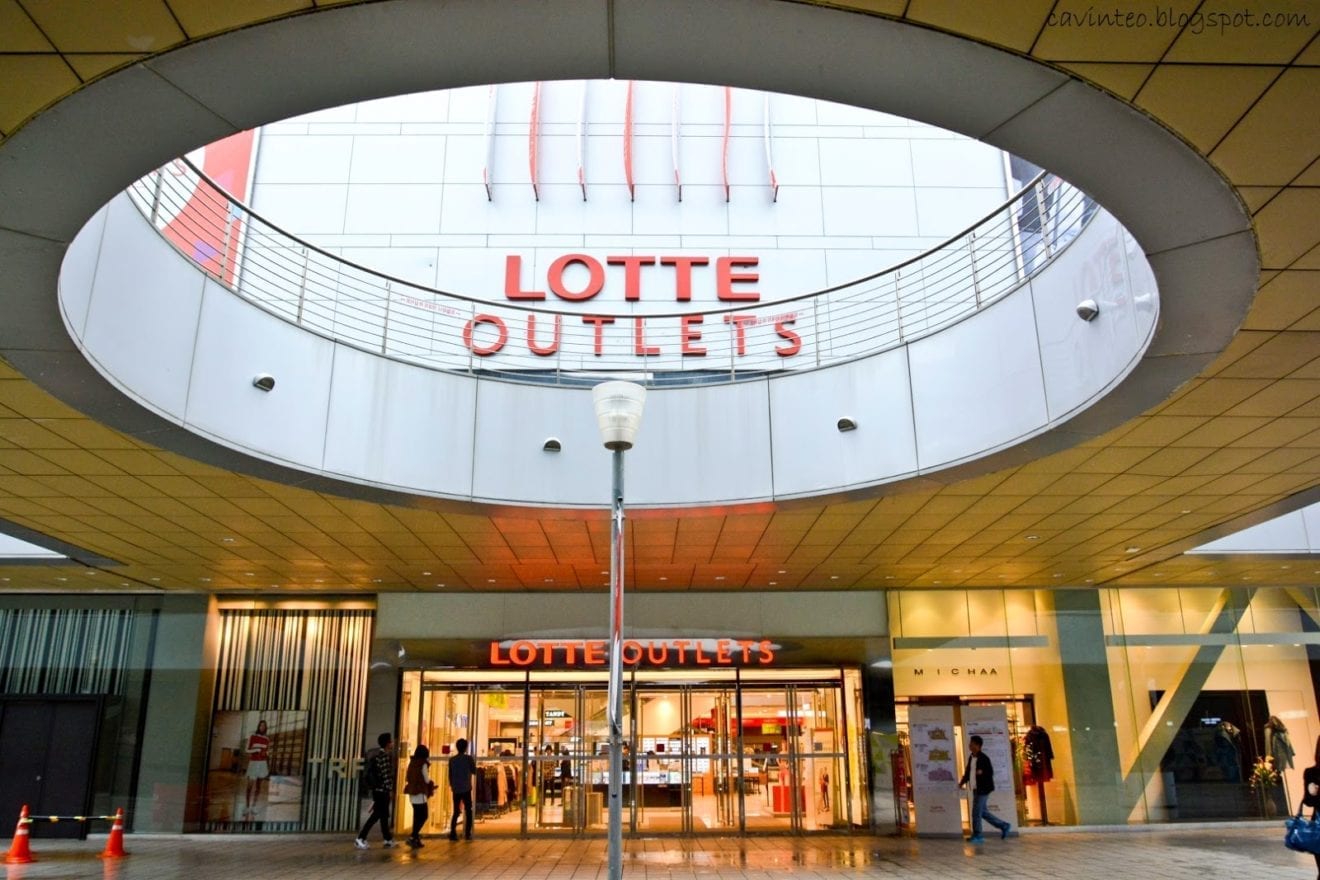
IBM has signed an agreement with the Lotte Group to provide cloud-based IBM Watson solutions to help the Group deliver innovation across the business and become a world-class retail company.
Lotte Group represents the country´s largest retailer in a highly competitive retail market and is one of Korea´s top five companies, providing products and services to its customers through online channels, mobile services and offline department stores, marts, convenience stores and duty-free shops.
Lotte Group will use Watson technologies to maximize insights from the huge amount of structured and unstructured customer data collected through its various channels, including the Lotte Members program, deriving valuable learnings about customer preferences and product feedback. With a deeper understanding of its data, Lotte will be enabled to offer more personalized services to customers, consistent product information and expert advice tailored to individual customer needs.
This agreement prioritizes two “Artificial Intelligence Innovation Themes” for which to apply Watson. Lotte and IBM will team to create an ´Intelligent Shopping Advisor´ for customers and an internal employee ´Cognitive Business Decision Advisor´ for the Group´s retail affiliates.
The ´Intelligent Shopping Adviser´ will be first introduced to Lotte´s department stores. Customers will have their own virtual personal assistant offering help from product recommendations, shop location guidance, to support for online pickup service. Customers will benefit from greater convenience and an enhanced customer experience as they interact, in natural language, with a service that understands the questions asked, in the context of the individual shopper´s needs.
IBM will collaborate with teams from the Lotte Information & Communications and the Lotte Members affiliates for IT system support services, data integration and data analysis. Within the next five years, Lotte plans to build and upgrade its artificial intelligence-based application for business innovation to support personalized services throughout the customer life cycle. These initiatives are part of Lotte Group´s technology roadmap to expand the introduction of IBM Watson to all affiliates from retail to food, chemical, tourism and finance.
Lotte is based in Korea and has nine affiliates and 120,000 employees.
Watson represents a new era in computing called cognitive computing, where systems understand the world in a way more similar to humans: through senses, learning, and experience.
LeEco may be one of the best-known Chinese smartphone vendors globally after Lenovo, Huawei and Xiaomi, but the company has been in severe financial stress in recent times. The Beijing-based firm recently ventured out of China to establish a global footprint, and towards that end, have entered quite a few new markets over the past couple of years, including India and the U.S.
However, even as LeEco was marching ahead with its global ambitions, its holding company, Leishi Internet Information and Technology Corp, was struggling financially, with its shares recently halted from trading at the Shenzhen Stock exchange. LeEco itself has been facing a severe cash crunch, with the company’s CEO, Mr. Jia Yueting, even admitting that the expansion efforts “have gone too far”.
With its finances starting to become a major issue, LeEco was recently rumored to have laid off 1,400 of its employees globally, with the bulk of the job cuts coming in India. While about 200 people at LeEco’s sports video-streaming subsidiary, LeSports, lost their jobs in China as part of an organizational restructuring, almost a thousand LeEco employees were reported to have been laid off in India, mostly in the company’s sales and retail divisions. Reports out of Hong Kong now suggests that the company is also laying off as many as 60 of its employees in its Hong Kong office, although, its existing businesses and membership services will all reportedly continue to function as usual.
Even in the midst of all this doom and gloom, though, there is a glimmer of hope for LeEco if a recent interview by a senior company executive is anything to go by. According to the president of LeEco’s smart TV business, Mr. Liang Jun, the company has received a fresh round of funding from strategic investors, although, he’s refused to give out any specifics about the reported investments until now. Meanwhile, even though the company’s finances are in a mess right now, reports indicate that at least three LeEco devices with model numbers LE X920, LE X850 and LE X622 are all set to be launched in the coming months. Right now, there’s no timeframe for the launch, but it should happen sooner rather than later if everything goes well from here for the struggling company.
After securing dominance in its home market, China’s Alibaba Group Holding is racing to conquer the still nascent e-commerce market in Southeast Asia. Although the size of the market in Southeast Asia pales in comparison with China’s, it is expected to grow 32 percent on average each year through 2025, according to one industry executive.
US-based Amazon.com Inc also has its sights set on the region, making a face-off with Alibaba all but certain. Alibaba got to the Southeast Asian market first, but its victory is far from assured. Experts said there is no silver bullet for success, especially in an evolving e-commerce market facing difficulties of its own.
A 7-Eleven convenience store in Phuket, Thailand, that accepts Alipay.
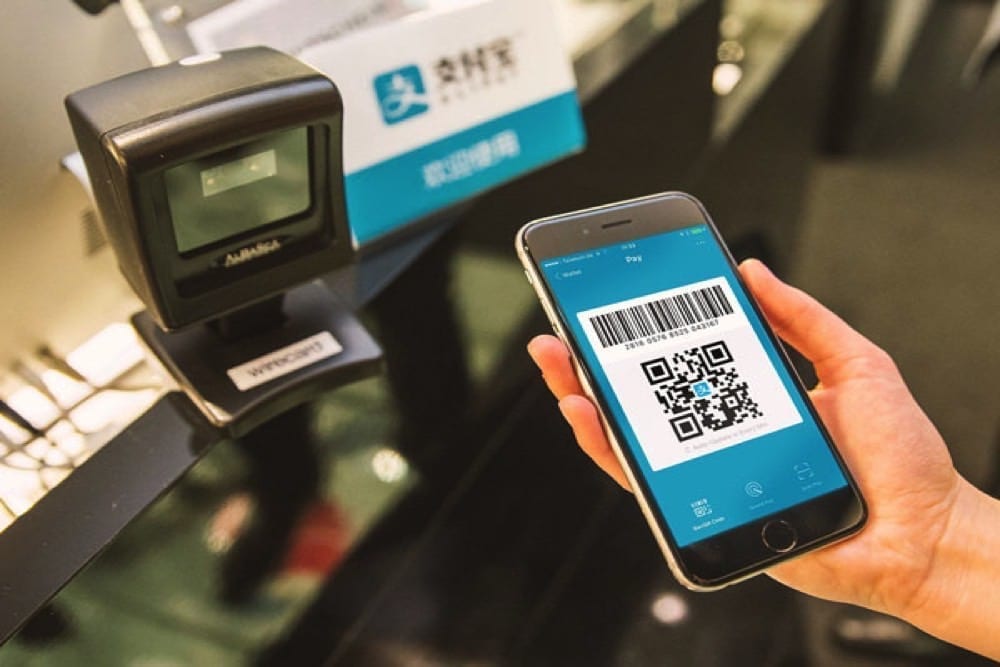
Among the glossy, green trees in Phuket, the largest island in Thailand, the landscape is dotted by many 7-Eleven convenience stores that accept Alibaba Group Holding’s mobile payment application Alipay.
“Alipay is available in almost all 7-Eleven convenience stores here, and people are encouraged to use it with random discounts,” an employee at a 7-Eleven store on Thanon Patak Road in Phuket, who declined to be identified, told the Global Times on Saturday.
7-Eleven has added Alipay to its payment options at more than 9,000 outlets across Thailand since April.
Alibaba’s move to get Alipay into Thailand is widely perceived as a way to attract Thai smartphone users and technology-savvy consumers as it expands into Southeast Asia in 2016.
In April, the Chinese e-commerce giant acquired a controlling stake in Lazada, considered the Amazon of Southeast Asia, for $1 billion.
In November, Alibaba furthered its expansion by taking over the Singaporean online grocer RedMart via Lazada.
Alibaba’s CEO Zhang Yong said several times at press conferences in 2016 that the company’s next major goal is to help merchants on its platform enter the Southeast Asian e-commerce market.
However, expanding into Southeast Asia might be easier said than done. In the region, many people are familiar with the concept of e-commerce by name only and don’t have much of an inclination to try it.
A new frontier
A 20-something resident in Phuket surnamed Kung was surprised when she heard that Chinese shoppers spent 120.7 billion yuan ($17.4 billion) on online purchases via Alibaba’s bazaars on November 11 alone.
“My friends and I seldom shop online and do not really intend to do so because we can get whatever we need in the market or at nearby convenience stores,” Kung told the Global Times on Friday.
The woman’s biggest concern is quality. She dislikes that she can’t feel the texture of clothing sold online and worries about unwittingly buying knockoffs.
The poor reception for online shopping is reflected on the streets of Phuket, where few express deliverymen can been seen – unlike in China, where they are commonplace.
Lazada Thailand CEO Alessandro Piscini acknowledged on Thursday that Southeast Asia has a small e-commerce industry.
At a press conference with about 200 Chinese reporters in Phuket on Thursday, Piscini cited the region’s 3 percent online retail penetration rate (as of November 2015), which represented about $6 billion in sales. By comparison, China had an online retail penetration rate of 14 percent and online sales totaling $293 billion during the same period.
Still, Piscini was optimistic, saying that the small penetration rate shows that Southeast Asia has a large untapped market for e-commerce. He predicted that the region’s e-commerce market will grow by 32 percent annually to more than $200 billion by 2025, thanks to local government encouragement for the digital economy and urbanization, as well as the region’s rapidly growing middle class.
By 2020, Southeast Asia’s GDP is expected to grow by an average rate of 5.5 percent a year, Piscini said. Middle-class consumers around 35 years old will account for 60 percent of the region’s overall population, which will grow to 668 million from the current 644 million, according to latest estimates by the global statistical information provider Worldometers.
Looming rivalry
Amazon.com reportedly plans to launch in Southeast Asia in the first quarter of 2017, meaning that Alibaba and its US-based competitor will soon clash in the region.
Amazon’s entry into Southeast Asia will be done via Singapore, where “the level of customer spending and consumer culture is more closely aligned with Western markets,” TechCrunch reported in November, citing unnamed sources.
The grocery store business is shaping up to be the first battleground in the region between Amazon and Alibaba, according to the report. The rivalry between the two tech mammoths in the Southeast Asian market seems unavoidable as both have stepped up their international expansion.
“The two account for a huge amount of their home e-commerce markets, with Alibaba holding about 80 percent of online sales in China and Amazon controlling about 60 percent of the US market, so competing for new territory is a logical move,” Lu Zhenwang, founder of Shanghai Wanqing Commerce Consulting, told the Global Times on Sunday.
Alibaba should not be fazed by the potential threat of Amazon, experts said.
The Chinese company has an edge on the shopping side, but also got an early start with logistics and payments via acquisitions, experts noted.
In November, Alibaba’s financial arm Ant Financial signed an investment deal with Ascend Money, a leading online payment firm in Thailand, which also operates in Indonesia, the Philippines, Vietnam, Myanmar and Cambodia. It also snapped up a stake in Singapore’s Singpost, which is experienced at delivering parcels across Asia.
Dearth of development
Alibaba may have got to Southeast Asia ahead of Amazon, but being first doesn’t guarantee victory.
“Southeast Asia is a varied e-commerce market and full of challenges that need to be overcome,” said Liu Dingding, a Beijing-based independent analyst.
In addition to weak market reception, delivery is also perceived to be a tough issue.
Lazada Thailand CEO highlighted the complexity of delivery in Southeast Asia during Thursday press conference, citing the region’s underdeveloped infrastructure.
Liu agreed, noting that the underdeveloped infrastructure hindered the inter-city cargo or parcels delivery, which harmed users’ experiences.
According to Kung, residents in Phuket usually need to wait for one to two weeks to get their online purchases. In China, this usually takes about three days.
Against this backdrop, the e-commerce ecosystem in the region is still evolving, giving anyone a possibility to lead the market as long as it can find the right local partners, Liu said.
“Amazon, though a latecomer to Southeast Asia, still has the chance to win because it has more experience than Alibaba in expanding its business in the international marketplace,” Liu told the Global Times on Sunday.
CEC International Holdings (0759), which operates 759 Store outlets, recorded a net loss of HK$29.9 million for the six months to October, a reversal from the HK$8.1 million net profit that it made a year earlier.
Loss per share was 4.49 HK cents in its fiscal first half against earnings per share of 1.21 HK cents a year earlier.
Revenue fell 14.2 percent to HK$1.1 billion from HK$1.3 billion.
The firm blamed the local market’s weakness, leading to a 13.3 percent decline in its retail business to HK$1 billion.
It said total retail sales value in Hong Kong has declined for 20 consecutive months, but its retail business is still expanding, specifically the number of its retail stores and warehouses. Thus, revenue growth was below expectation and did not fully offset rising costs.
CEC International said it incurred a foreign exchange loss of HK$22.3 million due to the yen’s appreciation against major currencies from the fourth quarter last year until the latest reporting period. In contrast, it made an exchange gain of HK$19.4 million in the same period last year.
Chairman Lam Wai-chun said it will set “die-hard defense” as a target of its retail business in the second half.
It will consider rent-to-sales- performance ratio and the reasonable distribution of location of its 70 to 80 branches, the leases of which are due to expire by the end of next year.
CEC International said it expects to close down or revamp 13 branches in the second half. By October, it plans to open five new branches and merge two outlets.
It will also terminate the lease of one of its major warehouses for retail logistics in 2017.
It will either turn 759 Kawaii outlets for cosmetics and personal care products into 759 stores or close them.
Vietnam’s state-owned telecom Viettel will eliminate overseas roaming charges between its operators in Vietnam, Laos, and Cambodia from January 2017.
“Users of Metfone in Cambodia, Unitel in Laos and Viettel in Vietnam will be charged at the local mobile fee when they make cross-border calls to each other,” said Nguyen Manh Hung, Viettel’s managing director, who regards the three countries as an economic and cultural bloc.
Discussions about free roaming services started years ago in Australia, Europe, and New Zealand, but without bearing fruit. Free roaming within the Association of Southeast Asian Nations has also been discussed by regional ministers since 2013.
Viettel has well-established infrastructure in the three countries, and is the first telecom to launch such a service within a regional economic bloc, promising cheaper cross-border rates for calls and data.
In a statement released on Thursday, Viettel said it expected its individual operators to lose some revenue initially with the reduced charges, but provided no figures. The figure could be 2% according to one Europe model in 2013. Viettel expects users to become more active when they travel if they can continue paying domestic rates.
Military-run Viettel posted revenue of $9.7 billion in 2015 with 13% year-on-year growth, and profits up 8% to $2 billion.
As of September 2016, Viettel had 90 million customers, of which 26 million were in nine overseas markets: Burundi, Cambodia, Cameroon, Haiti, Laos, Mozambique, Peru, Tanzania, and Timor Leste. Viettel has targeted 25 countries by 2020.
Cambodia and Laos were Viettel’s first foreign ventures, and remain its most profitable. By August, Unitel in Laos had $1 billion in accumulated revenue over seven years and aggregate profit of $300 million. Unitel has a brand value of $132 million, making it one of the 30 most valuable in the region and top in Laos, according to a report by UK-based Brand Finance in April. The company currently has more than 2.5 million customers. It accounts for 47% of Laos’s mobile market and 35% of the broadband market.
Metfone in Cambodia has a brand value of $94 million and is the leading mobile service provider in the country with 5.5 million customers and 37% market share. It recorded $256 million in revenue last year.
Viettel already operates in East Timor, and is about to launch in Myanmar with a $1.5 billion commitment and two local partnerships. It is also believed to be negotiating its entry into Indonesia.
Preparations are under way for Cambodian-based Grand Lion Group to open the very first Marriott International branded hotel in Cambodia, a 233-room Courtyard by Marriott Siem Reap Resort in April 2017.
The Courtyard by Marriott Siem Reap Resort is strategically sited 15 minutes away from the UNESCO World Heritage site of Angkor Archaeological Park, one of the world’s renowned tourist sites which drew over two million global visitors in 2015. In June this year, the European Council on Tourism and Trade (ECTT) announced Cambodia as the ‘World’s Best Tourist Destination’ for 2016, out of 29 candidate countries. Simultaneously, Cambodia was also declared the ‘Favourite Cultural Destination’. The top three source markets to Cambodia are Asia, Europe and the Americas.
The Courtyard by Marriott Siem Reap Resort will feature 233 stylishly-designed guestrooms with four-fixture bathrooms. In-room amenities will include Marriott’s famous plush bed and bath linen and amenities, high-definition flat-screen television, high-speed internet access, mini-bar and safe. Dining and entertainment options include a casual, all-day dining restaurant, a rooftop bar called The View with stunning views of Angkor Wat, a grand ballroom and a lobby lounge. Recreational facilities will include an outdoor swimming pool and a fitness centre as well as a full-service spa including a relaxation lounge and a foot reflexology area.
The property will also feature approximately 600 sq m of function space and is expected to create over 200 employment opportunities.
The Grand Lion Group also plans to open a 250-room resort Marriott branded resort in Cambodia’s beachside playground of Sihanoukville adjacent to a 688-unit residence and a retail mall. Slated to break ground in the 4th quarter of 2017, the sleek USD160 million project designed by Blink Architects, is dramatically designed to change the skyline of Sihanoukville and inject real luxury into this region. Sited four hours by road from Phnom Penh in the south west of Cambodia, the Resort is scheduled to open in 2020.
When new Korean shareholders boosted Phnom Penh Commercial Bank (PPCBank) with a $20 million capital increase this year, they had placed the commercial bank, then already among Cambodia’s largest, on a path primed for further growth and pioneering developments.
As a result of Korean banking know-how and increased capital, PPCBank has been able to further its ambitions in the Cambodian market. Shin Chang Moo, President of PPCBank and an industry veteran with more than 30 years of finance experience in Korea and other countries, said, “The Korean financial industry has come a long way, from emerging to being developed. This gives us the honour of knowing what developments the Cambodian banking industry is facing now and in the future.”
Understanding banking market evolutions, PPCBank, headed by Shin, has defined priorities for the bank’s business operations in Cambodia’s developing financial industry.To become a leading retail bank in Cambodia and Southeast Asia, PPCB will boost its retail business and focus on promoting digital banking and building up human resources, according to Shin.
In a first step, the $20 million capital increase has enabled the bank to expand and diversify their loan portfolio with a strong focus on small and medium enterprises (SMEs) – the economic backbone of the economy, Shin said.
To effectively reach retail customers with their new loan products, Shin said PPCBank was set to open more branches where clients were met with “strong consultations and more financing options through combined and customized products and services.”
Other than increasing clientele and improving services for Cambodian customers face-to-face in new branches, PPCBank aims to put a strong focus on mobile and digital banking; adding convenience for customers through social network, providing top-up through mobile and transfers to non account holders.
Lining out their digital and mobile payment strategy, the president explained PPCBank was promoting its “Open Banking System”.“To promote synergies and nationwide networks for the benefit of our customers we aim for collaborations with financial technology companies and utilize third party payment providers to expand banking services to even more people,” Shin explained, adding that he also plans to adapt to customers’ data analytics and integrate services with the third party to serve customers even better.
Shin said speed, convenience and quality of service and attractive overseas remittance options, especially from Korea to Cambodia, were among other customer benefits.
Looking to continue the path of success from 2016 into 2017, president Shin said that he and PPCBank’s staff are excited to further the mobile growth, offer even more products and services and improve business efficiency – all for the benefit of the customers.
“The energy we put in won’t be to generate greater business profits but to give our banking service the love, confidence and trust from all customers we serve,” Shin said.
China has awarded its seventh electric vehicle production license to a unit of Jiangling Motors, according to a posting by China’s state planner, as the country accelerates approvals for green car projects.
Jiangxi Jiangling Group New Energy Vehicle has permission to proceed with a project to make 50,000 pure electric cars, according to a notice dated Monday in a database administered by the National Development and Reform Commission (NDRC).
The notice did not give further details. Government records separately show that Jiangling Motors is a shareholder.
China’s government has employed a raft of policies that spurred a boom in electric and plug-in hybrid cars since 2015. It aims to cut air pollution that frequently blankets urban areas and to push its car industry to leap-frog ahead of global automakers with long experience making internal combustion engine cars.
The country is accelerating approvals for electric vehicle-only projects under a special programme, having approved a license for Chinese auto parts supplier Wanxiang Group earlier this month, while officials say they will restrict new factories making traditional petrol cars.
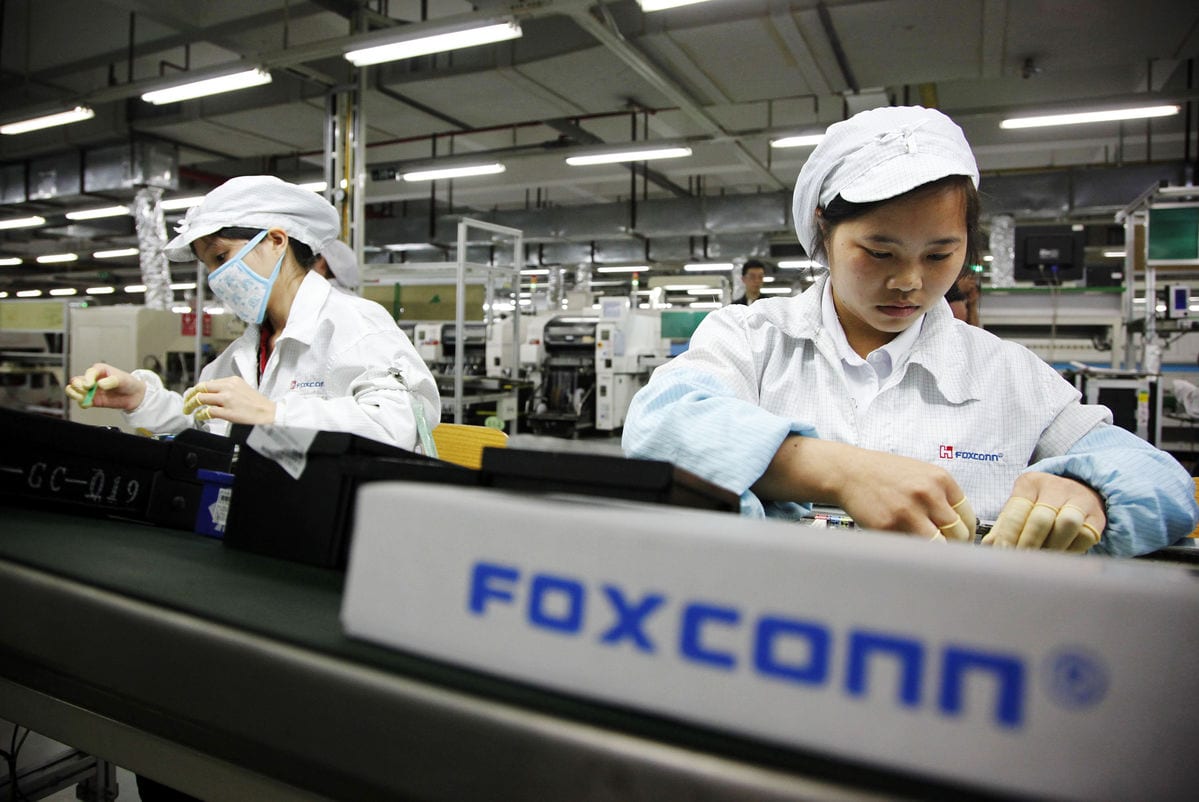
Apple is turning to manufacturing partner Foxconn to facilitate efforts to expand both research centers and business further into Southeast Asia, and open up facilities in China and Indonesia, according to recent reports
Foxconn has been manufacturing for Apple for over a decade. While Apple’s Indonesian presence is somewhat limited at the moment, Foxconn has been in Indonesia for several years.
Not clear is what assistance Foxconn may specifically give Apple, beyond access to already-forged business arrangements with local suppliers and businesses.
In late November, Indonesian Communication and Information Minister H.E. Rudiantara said that the country’s Communication and Informatics Ministry was “finalizing the plan” for an Apple-led research center in Jakarta. Apple has reportedly already selected a few locations in the country for the center.
Earlier in the year, Chinese media reported that Apple is launching its first research and development center, located in technology incubation area Zhongguancun Science Park, Beijing. According to reports on the matter, the center has a budget of about $15 million, with a long-term expenditure goal of $45 million over the next few years. The center is allegedly seeking to hire around 500 workers, with no particular focus beyond Apple products and software.
The Indonesian government intends to encourage local exporters in North Sulawesi to sell nutmeg to Germany, as the country was the number one buyer of the spice in 2016.
“The (nutmeg) demand from the Germans is high, with exports occurring every week,” said Secretary of Trade and Industry Department Darwin Muksin here on Tuesday.
According to the North Sulawesi Trade and Industry Department, the export volume of nutmeg to Germany had reached 29 tons and earned US$234,725 in revenue by the end of 2016.
Muksin added, the demand from Germany showed a positive trend that tended to increase occasionally, with imports arriving almost every month.
“The export volume to and revenue from Germany is proof that food commodities have not been shaken by the global financial crisis that started in Europe,” he noted.
The government is optimistic that the exports from North Sulawesi will continue to increase in December 2016, as no postponement of the trade contract has been reported.
Besides nutmeg, North Sulawesis prime commodities are coconut powder, crude coconut oil, and fisheries products.
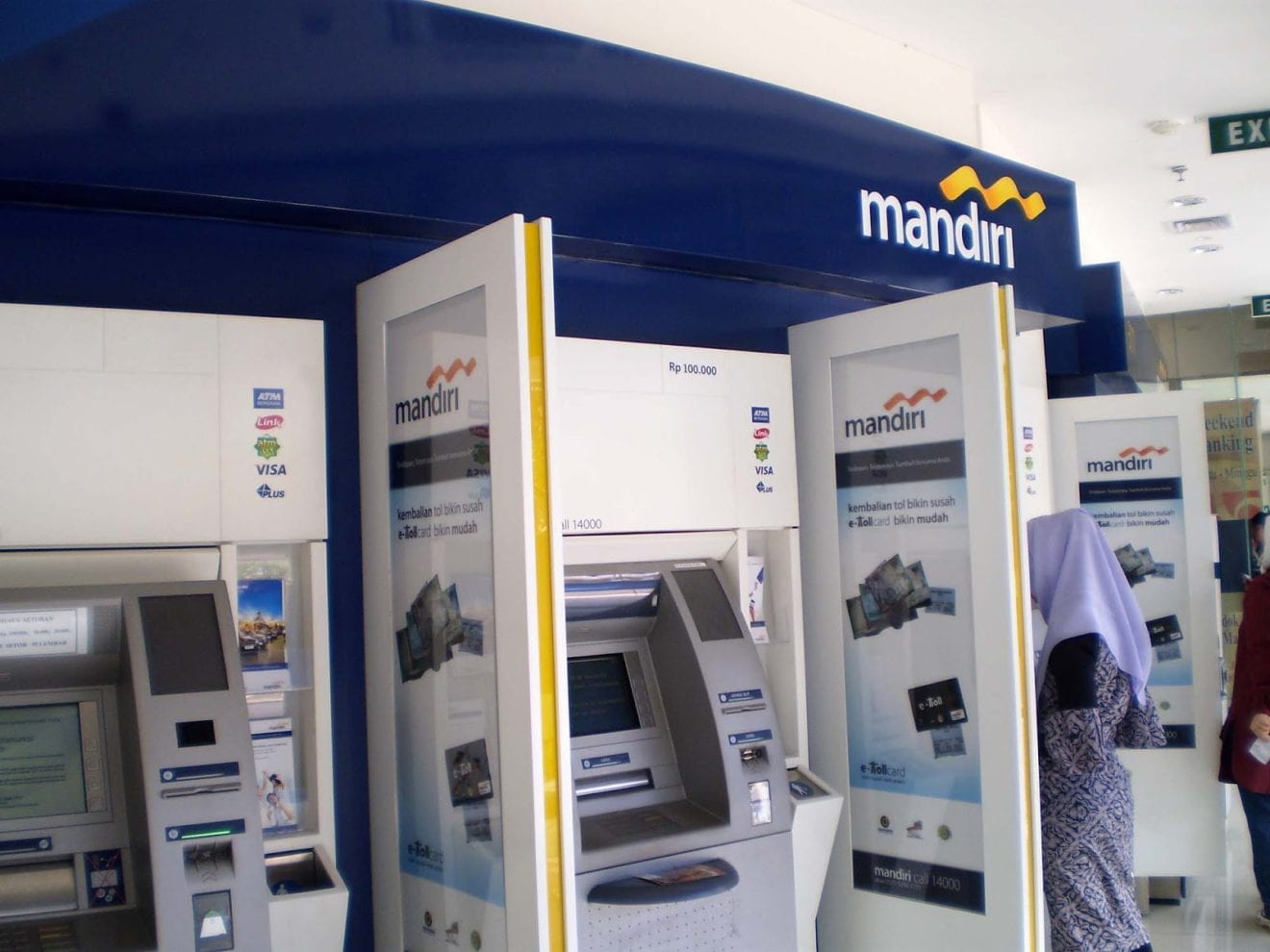
State-owned Bank Mandiri has disbursed Rp1.2 trillion to state-owned railway firm PT KAI for the development of a double-track railway in South Sumatra.
Senior Executive Vice President of Bank Mandiri Alexandra Askandar in the signing of the agreement with KAI on Tuesday said the special transaction loan has a term of 10 years.
“The development of a double-track railway in South Sumatra will accelerate the delivery of coal to the coal-fired power plant in Suralaya,” he noted.
The double-track railway line links the mining area of Bukit Asam in Tanjungenim Baru to Tarahan, Lampung.
The special loan transaction agreement was signed by Askandar and KAI Finance Director Didiek Hartantyo.
Askandar said the disbursement of the loan was a form of support for the development of strategic infrastructure projects nationwide, one of which is the transport sector.
By October 2016, Bank Mandiri had provided Rp37.1 trillion to the transport sector. This is the largest financial commitment in the infrastructure segment which totalled Rp96.9 trillion, or an increase of 53 percent on an annual basis.
Besides the railway sector, Mandiri has also provided financing for power plants amounting to Rp32.1 trillion.
Infrastructure financing is included in the corporate loan segment. Mandiri disbursed corporate loans until the third quarter of 2016, amounting to Rp212.4 trillion, up 14.3 percent year on year.
President Joko Widodo (Jokowi) revealed on Tuesday that the price of electricity in Indonesia was higher compared to other countries because power companies were saddled with unnecessary costs.
“Our electricity is expensive because players are burdened by too many unnecessary costs,” the president said when inaugurating a geothermal power plant (PLTP) in Tomposo, Minahasa, on Tuesday.
He was inaugurating Lahendong PLTP, Unit 5 and 6 and Ulubelu PLTP, Unit 3, which is located in Lampung.
Jokowi said the price of electricity was also high because there were too many brokers involved in one project. “There are too many people who become brokers,” he said.
He said that in many countries the price of electricity was lower and electricity management was efficient.
“Why can they do that while we cannot? There must be something wrong,” the president stressed.
He also expressed concern over the fact that many districts/municipal cities in the country still often face power outages.
Electricity concerns competitive edge; it has to meet the peoples and industrial needs so that it should not be more expensive than in other countries, he stated.
“In Serawak, Malaysia, the price of a hydro power plants (PLTPs) electricity is only two cents while in Indonesia it is seven cents.
“Electricity from a solar power plant in the United Arab Emirates is only 2.9 cents while in Indonesia it is 14 cents although we are rich in abundant water resources and rivers,” he said.
He said if large rivers such as the Mahakam, the Musi, and the Bengawan Solo can be utilized to produce electricity, which could be offered at 2 cents, then Indonesias competitiveness will rise.
“Why are there middlemen between state-owned enterprises? Why should there be middlemen between the private company and the state-owned electricity firm PLN? What are they for? Our country needs efficiency in all sectors or else it will be left behind in the competition era,” Jokowi noted.
Indonesian Retailers Association (Aprindo) said that this year’s retail performance has been better than last year. Aprindo chairman Roy Mandey is confident that volume of retail sales will increase 10 percent this year.
“We are confident of ending 2016 with 10 percent increase in volume of retail sales compared to last year,” Roy Mandey said in Jakarta on Wednesday.
Roy explained that the figure of 10 percent is equal to Rp200 trillion. Last year, with national economic growth at 4.7 percent, the volume of retail sales reached 8 percent or equal to Rp181 trillion. “Adding processed food and beverages into the equation would take the sales volume to Rp1,630 trillion.”
Roy said that sales volume increased significantly in November and December, despite some rallies staged during that period.
As for next year, Aprindo is confindent of achieving similar figure of sales volume because Indonesian economic growth is predicted at 5.4 percent, which will help the growth of retail industry.
Roy revealed that the growth of Indonesia’s retail industry is better compared to that of other countries. The United States, for instance, only saw 0.1 percent increase in retail industry. “Indonesia’s [retail sector] is better [in terms of growth], more so because inflation rate is low.”
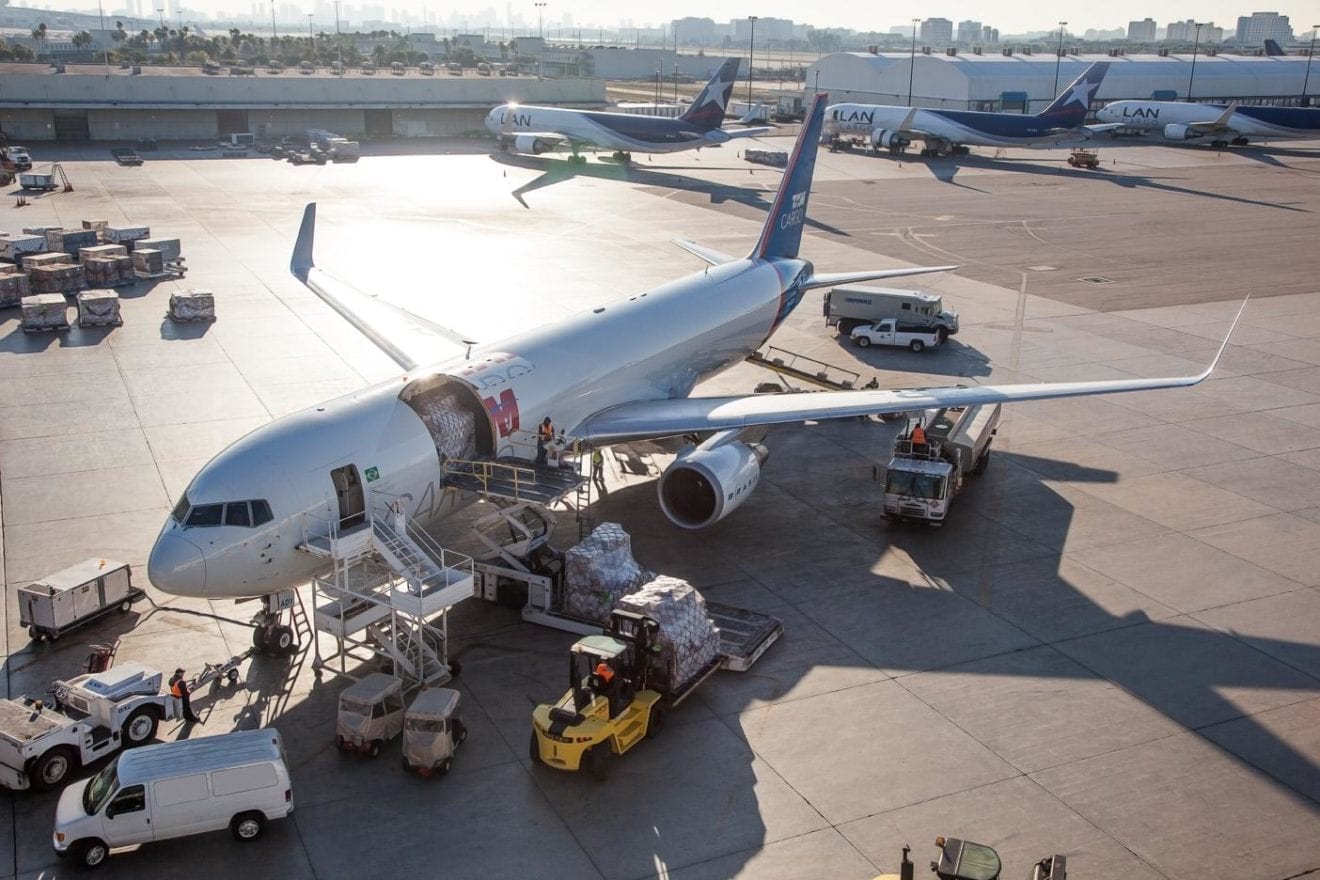
Airborne logistics networks are expanding in Asia as demand for air cargo delivery in the region is forecast to roughly double in volume over the next two decades.
Garuda Indonesia and budget carriers are rapidly expanding operations to capitalize on the increase of goods traded via e-commerce as well as electronic products and parts. But with other transporters, including global leaders, stepping up competition, the industry may undergo a shake-up.
Indonesia has more than 13,000 islands, and Garuda, the country’s national airline, plans to establish an airborne logistics network connecting the core islands. As a first step, Garuda is eyeing a 40% increase in the number of its domestic freight bases to 100 by the end of 2017.
Domestic demand for airfreight delivery is strong due to Indonesia’s growing middle class, Muhammad Arif Wibowo, president and CEO of Garuda, said. With the increase in e-commerce giving consumers faster access to goods and growing demand for fresh food, land and maritime transportation alone cannot handle the increased freight volume, Wibowo added.
In the first nine months of 2016, Garuda chalked up $155 million in sales in its freight business, up 13% from a year earlier. While this accounts for 5% of Garuda’s consolidated sales, the carrier intends to raise the ratio to more than 10% as its initial target, Wibowo said.
Flying high
Global routes for air cargo transportation are roughly divided into five major networks: Asia/Pacific-Europe, Asia/Pacific-North America, Asia/Pacific, Europe-North America and North America.
Asia is leading the sector’s growth. Japan Aircraft Development Corp., a consortium of Japanese commercial aircraft developers, forecasts that demand for airfreight services in the three Asia/Pacific networks will grow on average 3% per year and roughly double from the 2015 level by 2035. The average growth of demand on the Europe-North America route and within North America is projected at around 1% each.
Ocean shipping in Asia is currently slowing. According to the Japan Maritime Center, the volume of ocean cargo transportation dropped 3% in terms of the 20-foot equivalent unit in 2015 from the previous year and logged a 2% year-on-year fall in the January-October period of 2016.
The slowdown in ocean shipping possibly reflects the consolidation of plants and increased local production by manufacturers.
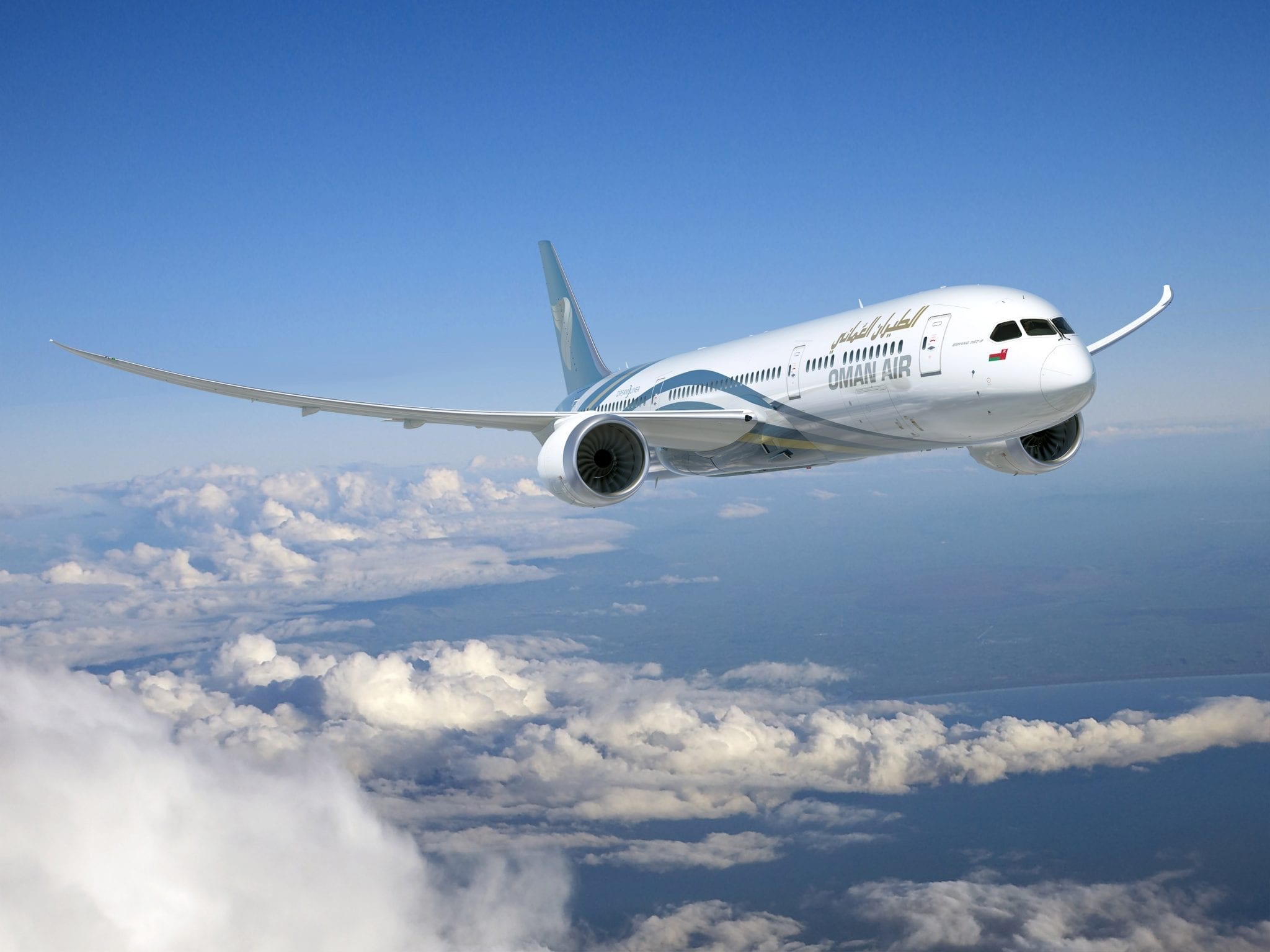
National carrier Oman Air won a prestigious airlines award in Malaysia, the airline announced on Wednesday. Oman Air was awarded the Foreign Airline of the Year by Sector to Middle East award at the Kuala Lumpur International Airport (KLIA) Awards 2015.
Oman Air was chosen based upon its achievements in 2015, including growth, sales performance, international recognition and service excellence.
This latest recognition is among an ever- increasing list of awards for Oman Air, which overcame competition from other airlines operating in the Middle East, including last year’s winners.
Gateway of choice
The KLIA Awards has been in existence since 2006, in recognition of aviation partners’ contributions in achieving the vision of KLIA becoming the gateway of choice in the region.
This year’s ceremony took place at the Sama Sama Hotel, KLIA, Petang, and the award was accepted by Oman Air’s Country Manager in Malaysia, Zainuddin Mohamed. Also present at the ceremony were Malaysian Minister of Transport Datuk Seri Liow Tiong Lai, Malaysia Airports Chairman Tan Sri Dr Wan Abdul Aziz Wan Abdullah and Civil Aviation Department Director General Datuk Seri Azharuddin Abdul Rahman, as well as other key personnel from the aviation industry.
Commenting on the award, CEO of Oman Air Paul Gregorowitsch noted, “Oman Air is undertaking a very ambitious expansion programme, and it is gratifying to have our achievements and contribution to the industry recognized by KLIA. We continue to grow in all markets, including South East Asia, and our success is based on our consistently excellent product and on-board experience. Oman Air is always striving to “be the best”, and testament to this is our ever growing list of industry accolades and awards.”