Tag: asia

  • Four big banks support Bank Indonesia’s National Payment Gateway

    Four big banks support Bank Indonesia’s National Payment Gateway

    In order to support Bank Indonesia’s (BI) plan for an integrated payment system called National Payment Gateway (NPG), four banks inked an agreement on interoperability and interconnectivity of debit cards and electronic money on Wednesday.

    The agreement was signed by state-owned lender Bank Rakyat Indonesia (BRI), Bank Mandiri, Bank Negara Indonesia (BNI) and the country’s largest private lender Bank Central Asia (BCA) that act as acquirers and represent 75 percent of debit transactions in the country.

    Besides the four banks, three switching companies, namely Artajasa Pembayaran Elektronis, Rintis Sejahtera and Alto Network also support BI’s plan to implement NPG.

    “NPG is expected to solve problems and increase efficiency of Indonesia’s payment system nowadays. Currently, the payment system infrastructure is deemed inefficient due to limitation of interoperability and interconnectivity between principals,” BI executive director of communications Tirta Segara said in a press statement.

    NPG is a system that processes payment transactions electronically through a variety of instruments, such as ATM cards, electronic money and credit cards. With NPG, people are able to carry out non-cash transactions from any bank in the country, using any kind of instrument or channel.

  • Amazon big shopping to buy Flipkart

    Amazon big shopping to buy Flipkart

    In a bid to knock online marketplace Flipkart from its leadership position in India, eCommerce giant Amazon has injected Rs2010 crore (US$296 million) into its Indian unit.

    Regulatory filings show that the move takes Amazon’s total capital investment in India to more than Rs7000 crore in the past one year.

    “We will invest what it takes to become the customers’ preferred choice in India, and are encouraged that we are India’s largest and fastest-growing eCommerce marketplace,” says an Amazon India spokeswoman.

    A report in The Economic Times says Amazon is estimated to have spent more than Rs1000 crore last month to woo customers with special offers and discounts for the festive season, and is losing about Rs600 crore every month.

    Amazon entered India three years ago, introducing some of its global programs this year including its Prime service, which offers quicker deliveries and early-access deals.

    Last week, it announced Prime Video services for India offering Hollywood and other international movies and TV shows – plus launching nine original Indian shows, making it the largest Indian original line-up on an OTT (over-the-top) platform.

    Earlier this month Amazon announced the launch in India of its global program for start-up products, Launchpad, and in October it launched Global Store, offering products from its US online store that are not available in India.

    Meanwhile, Flipkart’s Sachin Bansal is seeking government help in the battle against Amazon.

  • Tourism Investment Grow 23 Percent

    Tourism Investment Grow 23 Percent

    Tourism Minister Arief Yahya said that investment realization in tourism sector during January to September 2016 reached US$1,094 billion (Rp14.7 trillion), a 23 percent increase year-on-year. “The highest [percentage of] investment was made in star hotel development,” Arief said yesterday as quoted from the Tourism Ministry website.

    Tourism investment realization comprised of foreign investment (PMA) of US$594.59 million and domestic investment (PMDN) of US$139.06 million. Foreign investment in star hotel development made up 56 percent of total investment. The rest consisted of management consulting (27 percent) and restaurant (7 percent). Domestic investment comprised star hotel development (65 percent), water tourism (21 percent) and amusement parks (4 percent). Some 51 percent were Singapore-based investors.

    On tourist arrivals, Arief said that the number of foreign tourist arrivals from January to October 2016 was 9,403,641 or grew 9.54 percent year-on-year. He expects that until late December, the target of 12 million foreign tourist arrivals will be exceeded, with an estimated 1.3 million arrivals in November and 1.5 million arrivals in December. “I’m optimistic that it will be surpassed as the said months are the peak periods,” he said.

    To attract tourists in 2017, Arief will roll out three priority programs: digital tourism, homestay and air connectivity. According to him, digital tourism is a strategy to win global markets, particularly that of 26 countries. Digital tourism program will kick off with the launch of ITX (Indonesia Tourism Exchange), which will bring together travel agencies, accommodation operators and attractions to facilitate transactions.

    Earlier, President Joko Widodo had instructed his subordinates to bring in up to Rp670 trillion worth of investment. According to Jokowi, investment proposals in tourism sector can help the government to achieve the target. “We must simply establish the product support, positioning, packaging and promotion.”

    The Investment Coordinating Board (BKPM) chairman Thomas Lembong said that several Chinese investors are interested to develop national tourism industry. He named Fosun International and HNA Group as prospective investors. Fosun International is a company actively investing in tourism and fashion industries. The HNA Group is China’s first airline company.

  • Firms cash in on big data benefits

    Firms cash in on big data benefits

    Firms that capitalize and analyze all relevant data and deliver actionable information could achieve an extra $430 billion worldwide in productivity benefits over their less analytically oriented peers by 2020, according to IDC.

    The research firm predicts big data analytics technology investments will increase across Asia Pacific at 34% year over year in the next few years. This rapid growth in investment is creating a divide between the organizations that “know” and the ones that do not.

    “The measure of information in our reality has been blasting, and investigating substantial information sets — supposed enormous information will turn into a key premise of competition, supporting new influxes of efficiency development, advancement, and customer surplus,” says Chwee Kan Chua, AVP for big data and analytics and cognitive computing at IDC Asia Pacific.

    The increasing volume and detail of information captured by enterprises, the rise of multimedia, social media, and the Internet of Things (IoT) is expected to fuel exponential growth in data for the foreseeable future.

    Another dimension that we are entering is a new period of computing history — the Cognitive Computing era. IDC predicts by 2020, 50% of all business analytics software will incorporate prescriptive analytics built into cognitive systems functionality.

    “Cognitive Systems offer fundamental differences in how systems are built and interact with humans,” says Alon Anthony Rejano, associate market analyst at IT services research in IDC Philippines. “Cognitive-based systems are able to build knowledge and learn, understand natural language, and interact more naturally with human beings than traditional systems

    Rejano said Cognitive Systems can quickly identify new patterns and insights and, over time, they will simulate even more closely how the brain actually works.

    “In doing so, they could help us solve the world’s most perplexing problems by penetrating the complexity of big data and exploiting the power of natural language processing and machine learning,” he added.

  • HKT warns admin fee for consumers to increase by 67% in 2021

    HKT warns admin fee for consumers to increase by 67% in 2021

    HKT, the telecoms unit of the Richard Li-owned PCCW Group, warned that the administration fees charged by the telecoms industry to consumers are set to rise significantly by 2021, due to higher spectrum cost and “monopoly rents”.

    HKT group managing director Alex Arena said the government’s focus on raising billions of dollars from higher mobile spectrum fees only threatens to further diminish the competitiveness of Hong Kong.

    According to a consultation paper published in February, the government is expected to pocket at least HK$10.8 billion from its planned auction of part of the 900-MHz and 1800-MHz spectrum used by mobile network operators in 2021.

    Arena said should spectrum costs rise as a result of the government’s decision to auction off spectrum space currently used by the mobile operators, HKT would have no choice but to pass the higher costs on to customers,.

    “If the government is using higher spectrum costs as a way of taxing the telecommunications industry, then we will simply pass this tax on to the consumer,” the executive said.

    According to HKT, the administrative fee that is billed alongside a user’s service charge is expected to increase to more than HK$30 a month by 2021, up from the current HK$18.

    That could amount to nearly HK$400 in additional fees a year paid by each mobile subscriber in Hong Kong, on top of their regular service charges, the incumbent said.

    The administrative fee was first levied by mobile network service providers at HK$10 per customer each month in 2001. Since then, it has increased twice: to HK$12 in 2006 and HK$18 in 2014.

    Arena said the fee was implemented by the industry to deal with “certain costs that we cannot control, which are imposed by monopolies”.

    Those comprise the so-called spectrum utilization fee paid to the government; annual license fees collected by the Office of the Communications Authority (Ofca); fees to access, install and maintain networks throughout the MTR Corp’s rail network; and similar fees to operate networks in the various road tunnels in Hong Kong.

    While the administrative fees charged by the mobile operator have stayed flat since 2014 , fees collected by monopolies such as the MTR and tunnel operators have gone up, HKT said.

    “It is expected that the admin fee will increase significantly because the monopolists insist on extracting higher fees to subsidize their core businesses. On average, road tunnel costs and MTR costs have been increasing by 8% and 10% each year respectively,” the company said in a statement.

    “The current admin fee does not cover HKT’s full costs in paying the monopolists’ fees and charges, and HKT has been slow to pass the full costs onto its customers… but inevitably HKT cannot be expected to continue to absorb these cost increases.”

  • Visa and TAT launch festive campaign with great rewards for tourists

    Visa and TAT launch festive campaign with great rewards for tourists

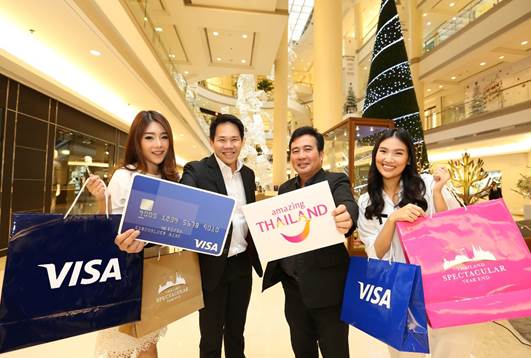
    Suripong Tantiyanon (left), Visa Country Manager, Thailand and Noppadon Pakprot (right), Deputy Governor for Tourism Product and Business, Tourism Authority of Thailand (TAT), launch Thailand Spectacular Year End 2016, aiming to boost inbound tourist spending during the festive seasons.

    The joint promotional campaign rewards non-Thai Visa cardholders with special privileges and complimentary gifts when they spend at 14 shopping complexes throughout Bangkok, from now until January 31, 2017. TAT forecast that more than 375,000 tourists will visit Thailand during the four-day New Year period, generating more than THB 5.5 billion of revenue for the country, a 12-percent increase from the same period last year.

  • BlackBerry has no plans to move BBM servers to Indonesia

    BlackBerry has no plans to move BBM servers to Indonesia

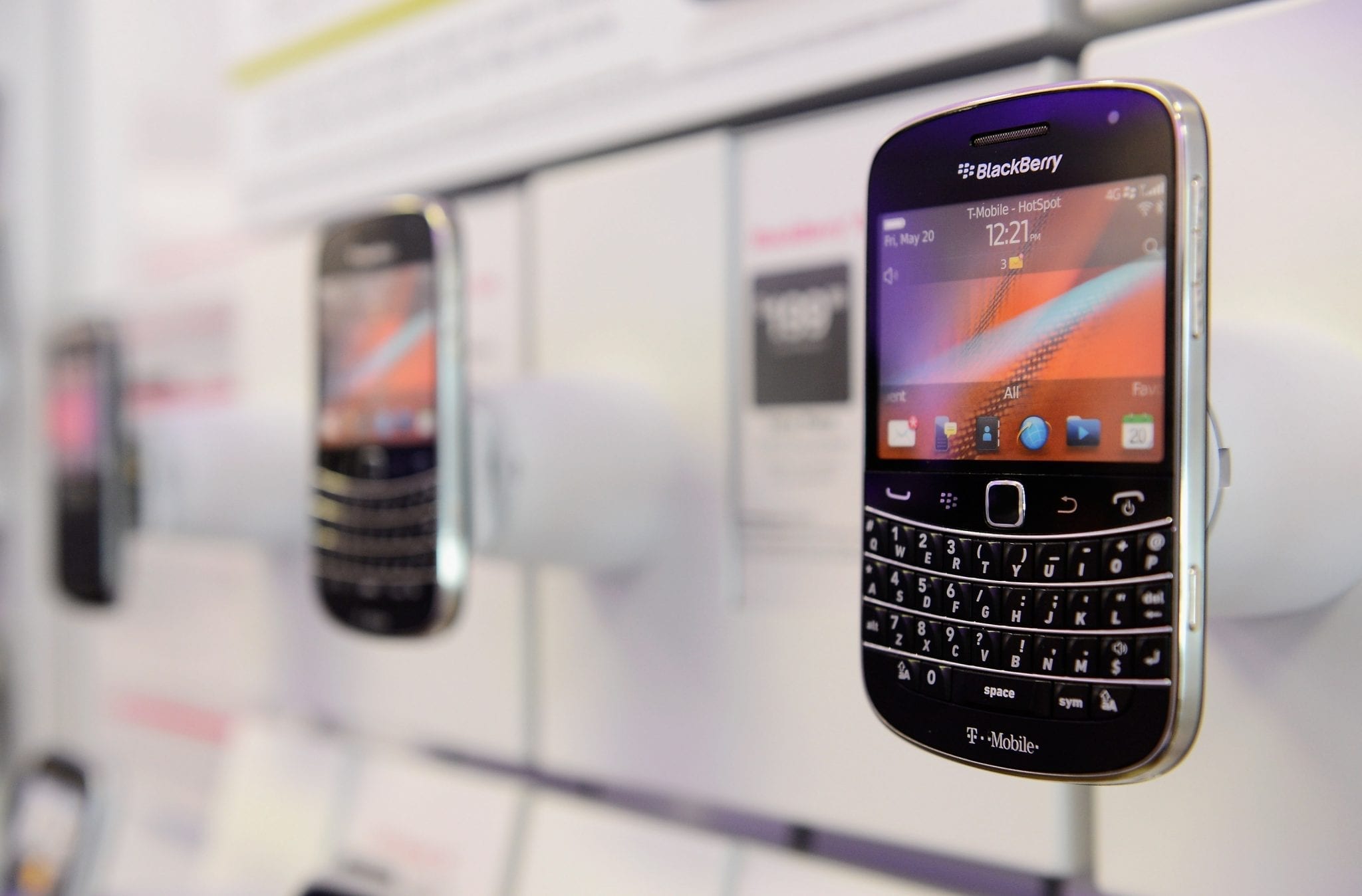
    Back in June, BlackBerry announced a new partnership with Indonesia-based Emtek to help expand the consumer BBM business. Since then, several inaccurate articles have come out about who now owns BBM and most recently, several outlets published articles noting that BlackBerry would be moving BBM server(s) to Indonesia. Looking to clear the air surrounding that information, BlackBerry COO Marty Beard, has taken to the Inside BlackBerry blog to lay out the situation accordingly.

    In June, we struck a partnership with Indonesia’s leading media company, Emtek, to license the rights to develop and offer cross-platform BBM.

    The goal was to better serve our many BBM users, and, in particular, our 60 million monthly active users in Indonesia, by working with a trusted partner who we know can accelerate the delivery of new features and services for BBM. That goal has been more than met – see all of the new security features, mobile shopping offerings, mobile games, and more that have become available on BBM in the last several months.

    However, we’ve read some inaccurate press reports that tell a different story and we want to bring the facts to light. First of all, let’s be clear. BlackBerry owns 100% of BBM. We have merely licensed the rights to the Android, iOS and Windows Phone versions of BBM to a newly formed subsidiary of Emtek named Creative Media. BlackBerry maintains direct control over the BBOS and BlackBerry 10 versions of BBM, as well as BBM Enterprise (formerly BBM Protected).

    Businesses running BBM Enterprise for the ultimate in high-security mobile communications can remain confident that there will be no changes, disruptions or degradation of their service. It is also important to note that there are NO plans to move any BBM infrastructure, including BBM servers located in Canada and the U.S., to Indonesia, contrary to what the Head of Creative Media apparently communicated to the media.

    BlackBerry and Emtek are 100% aligned on their vision to advance BBM for consumers and on making sure our many Indonesian users continue to have the best experience possible. We remain extremely committed to Indonesia and our fans there. To that end, we have ensured that Indonesian consumers will have ready access to our handsets through our partnership with PT BB Merah Putih..

  • Apple targets Indonesia with $44 million in R&D investment

    Apple targets Indonesia with $44 million in R&D investment

    Apple is working hard to break into the Indonesian smartphone market, announcing plans to invest roughly $44 million in a research and development (R&D) center over the next three years.

    The investment will let the company sell its iPhone 7 there after the Indonesian government recently announced that as of January 2017, all 4G-enabled phones sold in the country must include at least 30% local content, which can be reached via hardware, software, or an investment.

    Indonesia presents a massive growth opportunity for Apple, which posted its first annual decline in revenue in 15 years during Q3 2016. The year-over-year decline is primarily due to the decelerating global smartphone market since the iPhone comprises almost two-thirds of the company’s total revenue.

    Nevertheless, Apple is unlikely to find immediate success in Indonesia, much as it has in other emerging markets such as India. The smartphone market is largely controlled by Samsung, which accounted for 26% of smartphone shipments in Q2 2016, according to IDC. Meanwhile, low- to mid-tier devices from local and Asian vendors such as OPPO, ASUS, Advan, and Lenovo make up the rest of the top five vendors, by share.

    The low- to mid-tier smartphone market is a key area in which Apple does not yet have a significant presence. This is a missed opportunity Piper Jaffray analyst Gene Munster noted during Business Insider’s IGNITION conference in December. And while the iPhone SE at $400 could be seen as an attempt by the company to partly capture the mid-tier market, it’s still marginally more costly than those being offered by local and Asian vendors. The OPPO F1, for instance, retails for around 3.8 million Indonesian Rupiah (roughly $283 USD).

    The global smartphone market is expected to slow considerably over the next few years. Despite a record-setting holiday quarter, 2015 was likely the last year of double-digit growth for smartphone shipments.

    Mature markets were at the heart of this year’s deceleration. Adoption has reached new highs in key markets in the United States, Europe, and China. The pool of first-time buyers in these countries is shrinking rapidly, and sales are now primarily coming from phone upgrades.

    Meanwhile, emerging markets will continue to see robust shipment growth. India and Indonesia, in particular, will help fuel a large share of the shipments growth within the global smartphone market over the next few years.

  • New Zealand’s Chorus appoints Kate McKenzie as CEO

    New Zealand’s Chorus appoints Kate McKenzie as CEO

    New Zealand telecoms operator Chorus has appointed Kate McKenzie as its new CEO, replacing Mark Ratcliffe from February 2017.

    A highly regarded and experienced telco executive, McKenzie will oversee the rollout of Chorus’ Ultra-Fast Broadband and will focus on customer experience moving forward.

    “I have admired Chorus’ roll out of very high quality broadband infrastructure and I look forward to playing my part in working with the rest of the telecommunications sector to make it as easy as possible for our customers to enjoy the benefits of this nation-wide upgrade and all of the social and economic benefits that will deliver,” McKenzie said

    Before joining Chorus, McKenzie was most recently chief operating officer of Telstra,  responsible for the Australian incumbent’s field services, IT and network architecture and operations. She joined Telstra in 2004 and held a range of senior executive roles in strategy, marketing, products and wholesale over the past 12 years.

    McKenzie stepped down from Telstra in July,  following a series of network outages facing the telco this year. Earlier this month Telstra appointed former Juniper Networks CFOO and COO Robyn Denholm as its new COO.

    Prior to joining Telstra, Kate was a CEO in the NSW Government of the Departments of Commerce, Industrial Relations and the Workcover Authority. She worked in the Cabinet Office on the development and implementation of competition policy, energy reform, privatization and a range of complex Commonwealth/State negotiations.

    Commenting on McKenzie’s appointment, Chorus chairman Patrick Strange said, “The board is very pleased that Kate has agreed to lead Chorus. She is one of the most highly rated telecommunications executives in the region.  We believe the combination of Kate’s clear leadership qualities and her broad range of relevant experience made her the standout choice in a field of high quality candidates.”

  • Vietnam Airlines switches Australian routes to all-787 operation

    Vietnam Airlines switches Australian routes to all-787 operation

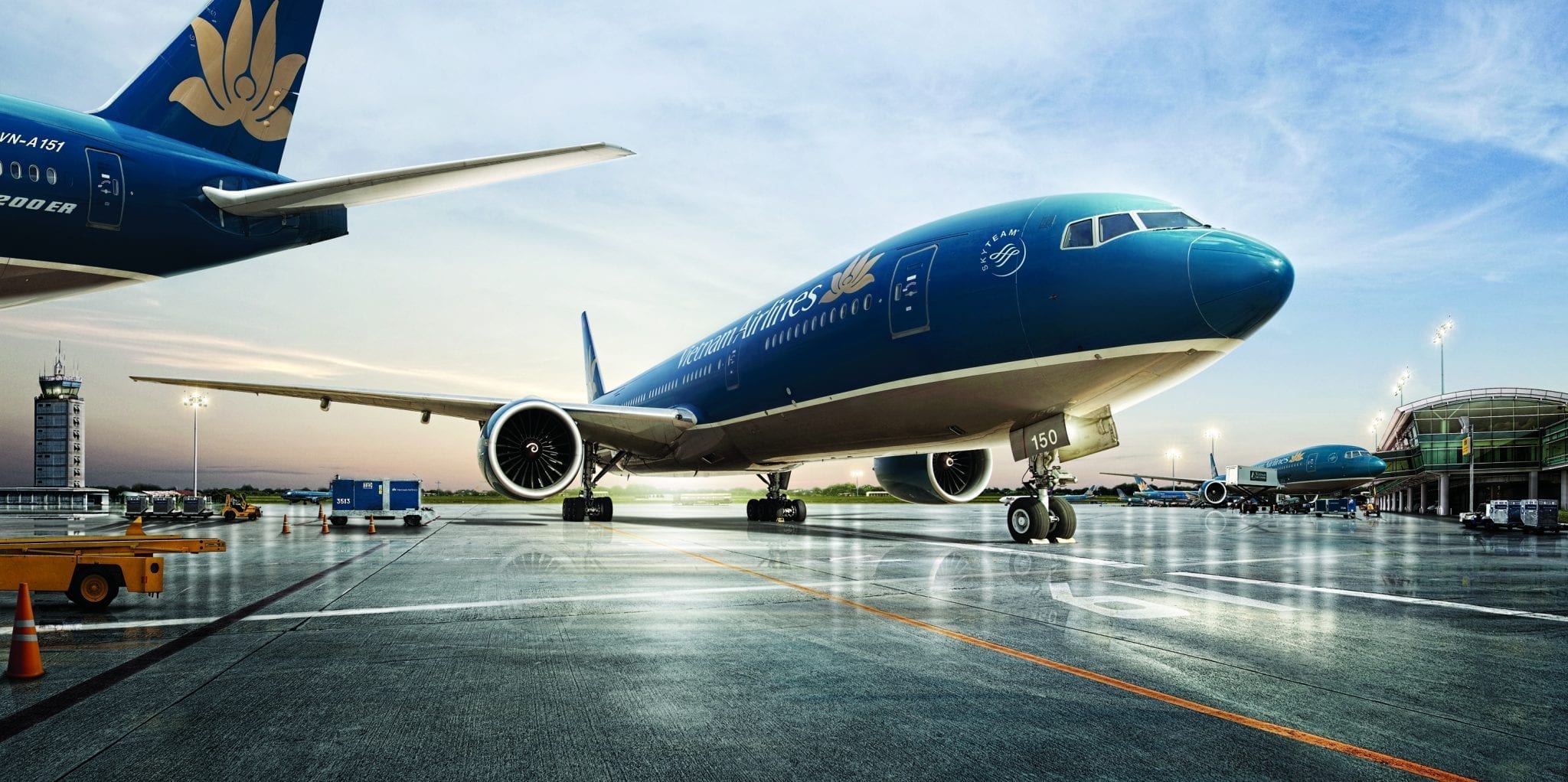
    Australia has become an all Boeing 787 destination for Vietnam Airlines after the Skyteam alliance member switched both its Melbourne and Sydney services to the next-generation Dreamliner.

    Vietnam Airlines’ first 787 flight to Australia arrived on Friday morning, when VN781 operated by 787-9 VN-A865 touched down at Melbourne Tullamarine at about 0930, after an eight hour and 20 minute journey from Ho Chi Minh City. The route was previously served with Airbus A330-200 equipment.

    The airline is the eighth carrier to serve Melbourne Tullamarine with the 787 alongside Air India, Air New Zealand, Jetstar, Royal Brunei Airlines, Scoot, United and Xiamen Airlines.

    And Melbourne is due to get another 787 operator with LATAM announcing the start of Melbourne-Santiago nonstop flights from October 2017.

    Meanwhile, Vietnam Airlines’ first 787 service to Sydney arrived less than an hour after the flight to Melbourne landed.

    Flight VN773, operated by 787-9 VN-A870, arrived at Sydney Kingsford Smith Airport a little after 1010, with passengers taken on a scenic fly over Sydney Harbour prior to landing.

    Vietnam Airlines previously operated Boeing 777-200ERs on the Ho Chi Minh City-Sydney route. The switch to the Dreamliner brings to nine the number of carriers operating the aircraft at Sydney – Vietnam Airlines joins Air India, Air New Zealand, ANA, Jetstar, LATAM Airlines, Scoot, United and Xiamen Airlines.

    Qantas places its QF airline code on Vietnam Airlines’ two Australian routes.

  • AEON joins The Mall Group in “The Magic of Giving” Campaign

    AEON joins The Mall Group in “The Magic of Giving” Campaign

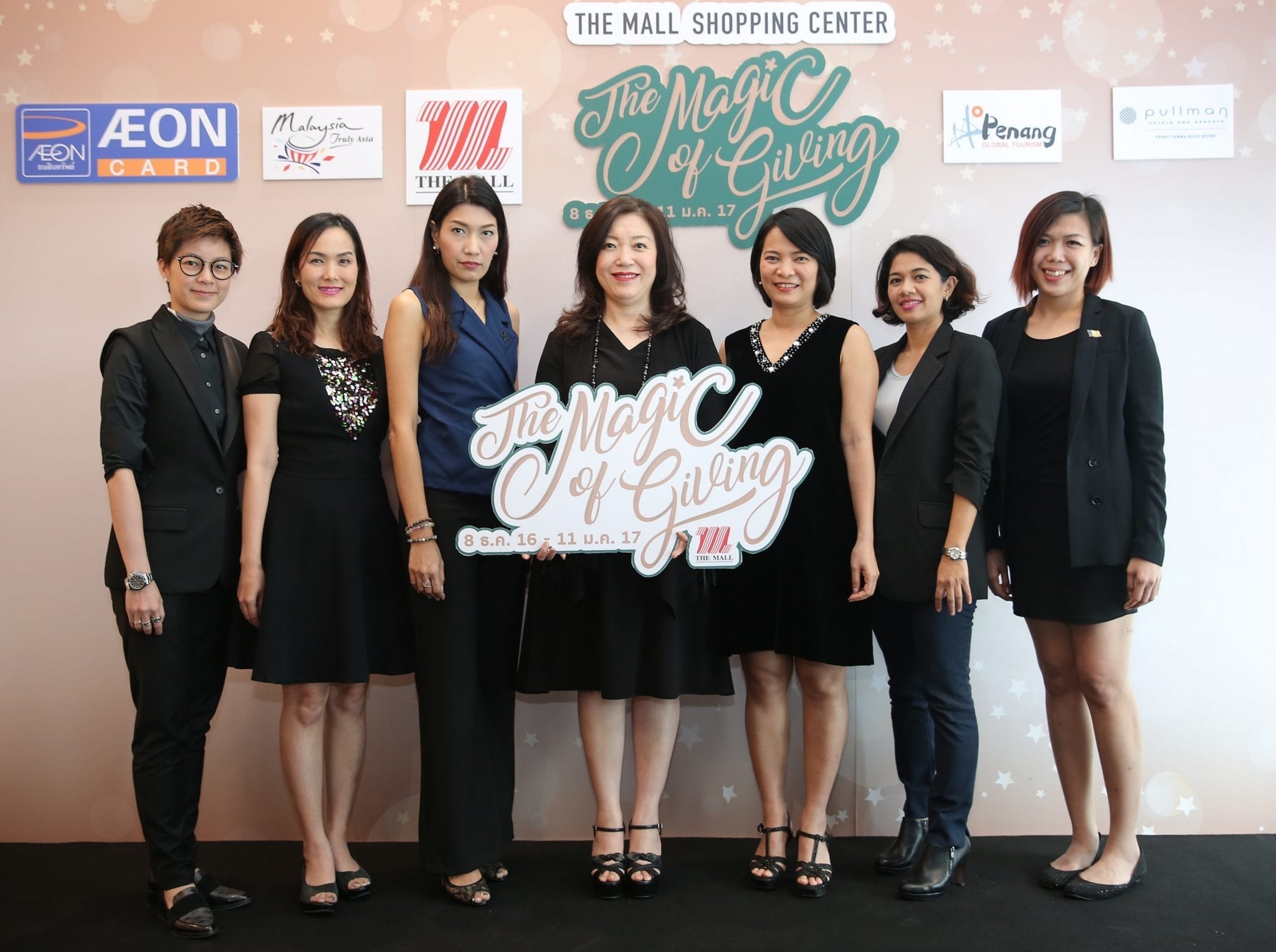
    Waraporn Nilpanich (third left), Vice President Credit Card of AEON Thana Sinsap (Thailand) Public Company Limited, together with Voralak Tulaphorn (middle), Senior Vice President Marketing of The Mall Group Co., Ltd. has launched “The Magic of Giving” campaign to reward AEON credit cardholders this New Year.

    Accumulated spending of every 3,000 baht at the Mall shopping center with AEON credit cards, entitles cardholders to receive a gift voucher of up to 1,000 baht. Besides, cardholders will receive x3 lucky draws for chances to win prizes valued over 1 million baht when spending every 1,000 baht. The campaign runs until January 11th, 2017

  • 2,000+ Buyers Visit First HKTDC Lifestyle Expo in New Delhi

    2,000+ Buyers Visit First HKTDC Lifestyle Expo in New Delhi

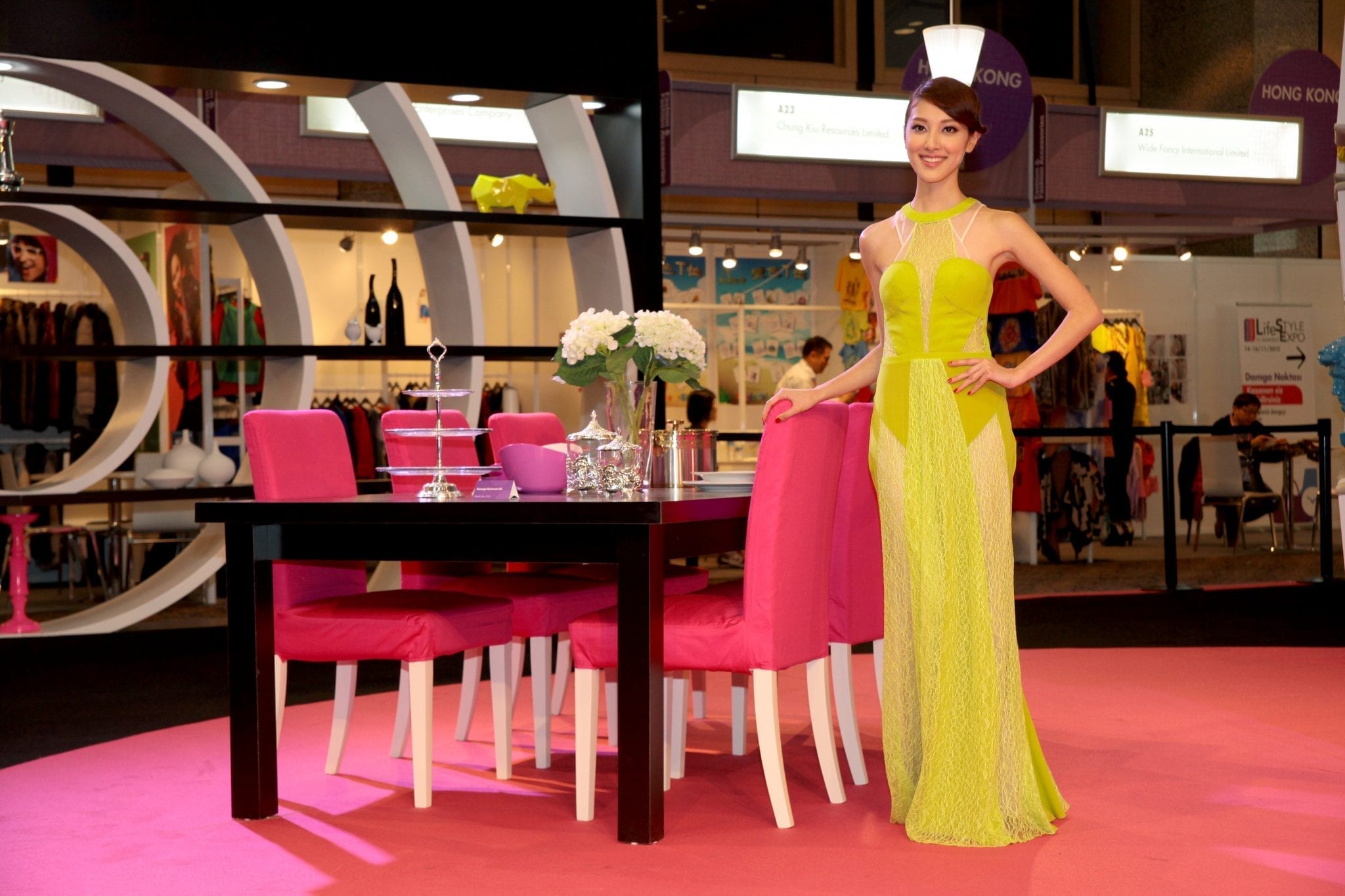
    The inaugural HKTDC Lifestyle Expo in New Delhi welcomed more than 2,000 trade buyers during its two-day run on 19 and 20 December 2016, as 120 Hong Kong and mainland companies showcased a range of trendy, high-quality products, reaffirming Hong Kong’s position as Asia’s lifestyle trendsetter and “super-connector” in business.

    Jointly organised by the Hong Kong Trade Development Council (HKTDC) and the Trade Development Bureau (TDB) of the Ministry of Commerce of the People’s Republic of China, the expo took place at The Lalit New Delhi.

    Apart from bringing a slice of Hong Kong lifestyle to India, the event also helped develop stronger bilateral trade relations between India and the Chinese mainland.

    The Opening Ceremony was officiated by LC Goyal, Chairman and Managing Director, India Trade Promotion Orgnisation, Stephen Liang, Assistant Executive Director, HKTDC, Jin Hong, Deputy Director-General, Trade Development Bureau, Ministry of Commerce, The People’s Republic of China, and Li Bai Jun, Commercial Counsellor, Economic Counsellor’s office of the Embassy of the People’s Republic of China in the Republic of India.

    Bridging India and China

    “We have very big hopes for the future of trade links between India and China, with Hong Kong serving as a ‘super-connector’ between two of the world’s most populous and fastest-growing large economies,” said Mr Liang.

    “India and China are two of the fastest-growing large economies on earth, with the IMF (International Monetary Fund) predicting GDP growth of 7.6 per cent and 6.2 per cent respectively in 2017. Together, they have a combined population of some 2.7 billion potential consumers,” he added.

    Individual buyers and buying missions came from New Delhi and other cities and regions including Mumbai, Chandigarh, Gujarat, Haryana, Jharkhand, Maharashtra and Punjab.

    At the Lifestyle Expo, the exhibitors paraded a variety of modern, high-calibre products including consumer electronics and ICT, gifts and premium, household products and electrical appliances, fashion and accessories and watches and clocks. The expo also featured trade-related services.

    These attracted buyers from different sectors, including importers, distributors, mass retailers, mail-order houses, department stores and specialised stores.

    Getting Connected

    The HKTDC arranged more than 1,600 one-to-one business matching meetings and various networking events during the expo to further connect Hong Kong and Chinese mainland suppliers with buyers.

    A brand new “Live Chat” service was offered at the Thematic Showcase Display zone, where staff connected buyers to off-site exhibitors via WhatsApp for real-time discussion of potential deals.

    The expo also featured the popular hktdc.com Small Orders showcase spotlighting 150 products available for orders in quantities of between five and 1,000 units. This allowed buyers to place small orders to test the market while minimising their risks. It also leveraged the growing trend of e-tailing that is changing the face of international trade.

    Business leads

    Exhibitors reported positive results from their participation in the event. Andy Lee, Managing Director of Hong Kong houseware supplier Star Express Asia Ltd. said he was happy with the quality of the Indian buyers. The company received about 25 serious enquiries, including a potential customer he had established contact with through the HKTDC Showcase Display at the China Products (Mumbai India) Exhibition 2016.

    Hong Kong LED lighting supplier Celex LED Technology Ltd Business Development Director Andrew Tsang said he was satisfied with the results, having been approached by “very good” Indian buyers including a lighting contractor and LED lighting distributors from Mumbai and New Delhi.

    Hong Kong online marketing services promoter CG Marketing Co Ltd, was keen to find local partners, and the company received more than 30 enquiries from various sectors, including online marketing, travel, toys and electronics products.

    The inaugural HKTDC Lifestyle Expo in New Delhi welcomed more than 2,000 trade buyers during its two-day run on 19 and 20 December 2016, as 120 Hong Kong and mainland companies showcased a range of trendy, high-quality products, reaffirming Hong Kong’s position as Asia’s lifestyle trendsetter and “super-connector” in business.

    Jointly organised by the Hong Kong Trade Development Council (HKTDC) and the Trade Development Bureau (TDB) of the Ministry of Commerce of the People’s Republic of China, the expo took place at The Lalit New Delhi.

    Apart from bringing a slice of Hong Kong lifestyle to India, the event also helped develop stronger bilateral trade relations between India and the Chinese mainland.

    The Opening Ceremony was officiated by LC Goyal, Chairman and Managing Director, India Trade Promotion Orgnisation, Stephen Liang, Assistant Executive Director, HKTDC, Jin Hong, Deputy Director-General, Trade Development Bureau, Ministry of Commerce, The People’s Republic of China, and Li Bai Jun, Commercial Counsellor, Economic Counsellor’s office of the Embassy of the People’s Republic of China in the Republic of India.

    Bridging India and China

    “We have very big hopes for the future of trade links between India and China, with Hong Kong serving as a ‘super-connector’ between two of the world’s most populous and fastest-growing large economies,” said Mr Liang.

    “India and China are two of the fastest-growing large economies on earth, with the IMF (International Monetary Fund) predicting GDP growth of 7.6 per cent and 6.2 per cent respectively in 2017. Together, they have a combined population of some 2.7 billion potential consumers,” he added.

    Individual buyers and buying missions came from New Delhi and other cities and regions including Mumbai, Chandigarh, Gujarat, Haryana, Jharkhand, Maharashtra and Punjab.

    At the Lifestyle Expo, the exhibitors paraded a variety of modern, high-calibre products including consumer electronics and ICT, gifts and premium, household products and electrical appliances, fashion and accessories and watches and clocks. The expo also featured trade-related services.

    These attracted buyers from different sectors, including importers, distributors, mass retailers, mail-order houses, department stores and specialised stores.

    Getting Connected

    The HKTDC arranged more than 1,600 one-to-one business matching meetings and various networking events during the expo to further connect Hong Kong and Chinese mainland suppliers with buyers.

    A brand new “Live Chat” service was offered at the Thematic Showcase Display zone, where staff connected buyers to off-site exhibitors via WhatsApp for real-time discussion of potential deals.

    The expo also featured the popular hktdc.com Small Orders showcase spotlighting 150 products available for orders in quantities of between five and 1,000 units. This allowed buyers to place small orders to test the market while minimising their risks. It also leveraged the growing trend of e-tailing that is changing the face of international trade.

    Business leads

    Exhibitors reported positive results from their participation in the event. Andy Lee, Managing Director of Hong Kong houseware supplier Star Express Asia Ltd. said he was happy with the quality of the Indian buyers. The company received about 25 serious enquiries, including a potential customer he had established contact with through the HKTDC Showcase Display at the China Products (Mumbai India) Exhibition 2016.

    Hong Kong LED lighting supplier Celex LED Technology Ltd Business Development Director Andrew Tsang said he was satisfied with the results, having been approached by “very good” Indian buyers including a lighting contractor and LED lighting distributors from Mumbai and New Delhi.

    Hong Kong online marketing services promoter CG Marketing Co Ltd, was keen to find local partners, and the company received more than 30 enquiries from various sectors, including online marketing, travel, toys and electronics products.

    Lifestyle trendsetter

    The Lifestyle Expo is one of the HKTDC’s signature international promotion events and has a successful track record in fostering trade between companies from Hong Kong and emerging markets worldwide including Russia, Poland, Turkey, Dubai, India and Indonesia. The Lifestyle Expo in Mumbai was successfully held in 2010.
    The Lifestyle Expo is one of the HKTDC’s signature international promotion events and has a successful track record in fostering trade between companies from Hong Kong and emerging markets worldwide including Russia, Poland, Turkey, Dubai, India and Indonesia. The Lifestyle Expo in Mumbai was successfully held in 2010.

  • SKT, Ericsson and Qualcomm collaborate on 5G NR trails

    SKT, Ericsson and Qualcomm collaborate on 5G NR trails

    SK Telecom, Ericsson and Qualcomm have announced plans to conduct interoperability testing and over-the-air field trials based on 5G New Radio (NR) standards currently under development by the 3GPP.

    In a statement, the companies said the trials will drive the mobile ecosystem toward rapid validation and commercialization of 5G NR technologies at scale.

    The interoperability testing and trials will launch in Korea starting in the second half of 2017.

    “As 5G rapidly gains momentum, a globally agreed and unified standard becomes imperative to achieve early commercialization of 5G and build an efficient ecosystem around it,” said Alex Jinsung Choi, EVP, chief technology officer at SK Telecom.

    “As 3GPP NR is a global 5G standard, we are delighted to announce early 3GPP NR trials with leading 5G players, Ericsson and Qualcomm, with which we have made remarkable world’s first footprints in the past with previous generations of groundbreaking mobile technologies.”

    During the trails, SK Telecom, Ericsson and Qualcomm will showcase new 5G NR technologies which utilize wide bandwidths available at higher frequencies to increase network capacity and achieve multi-gigabit per second data rates.

    The proliferation of 5G NR technology can make it more cost-effective and easier for multi-gigabit internet service to reach more homes and businesses.

    These technologies will be critical to meeting the increasing consumer connectivity requirements for emerging consumer mobile broadband experiences such as virtual reality, augmented reality and connected cloud services.

    The trials will employ 3GPP 5G NR Multiple-Input Multiple-Output (MIMO) antenna technology with adaptive beamforming and beam tracking techniques to deliver sustained mobile broadband communications at higher frequency bands, including non-line-of-sight (NLOS) environments and device mobility.

    It will also make use of scalable OFDM-based waveforms and a new flexible framework design which are also part of the 5G NR specifications.

    The trials will also provide valuable insight into the unique challenges of integrating 5G NR technologies into mobile networks and devices. This will enable timely commercial network launches based on 3GPP Rel-15 standard compliant 5G NR infrastructure and devices.

    “The roadmap of 5G technologies is incredibly complex, and trials based on the global 3GPP 5G standard, such as this, are critical to continuing our long history of leadership integrating advanced wireless technologies in form-factor accurate devices to ensure timely deployment of 5G networks,” said Matt Grob, executive vice president and chief technology officer, Qualcomm Technologies.

  • Thailand targets counterfeit branded goods

    Thailand targets counterfeit branded goods

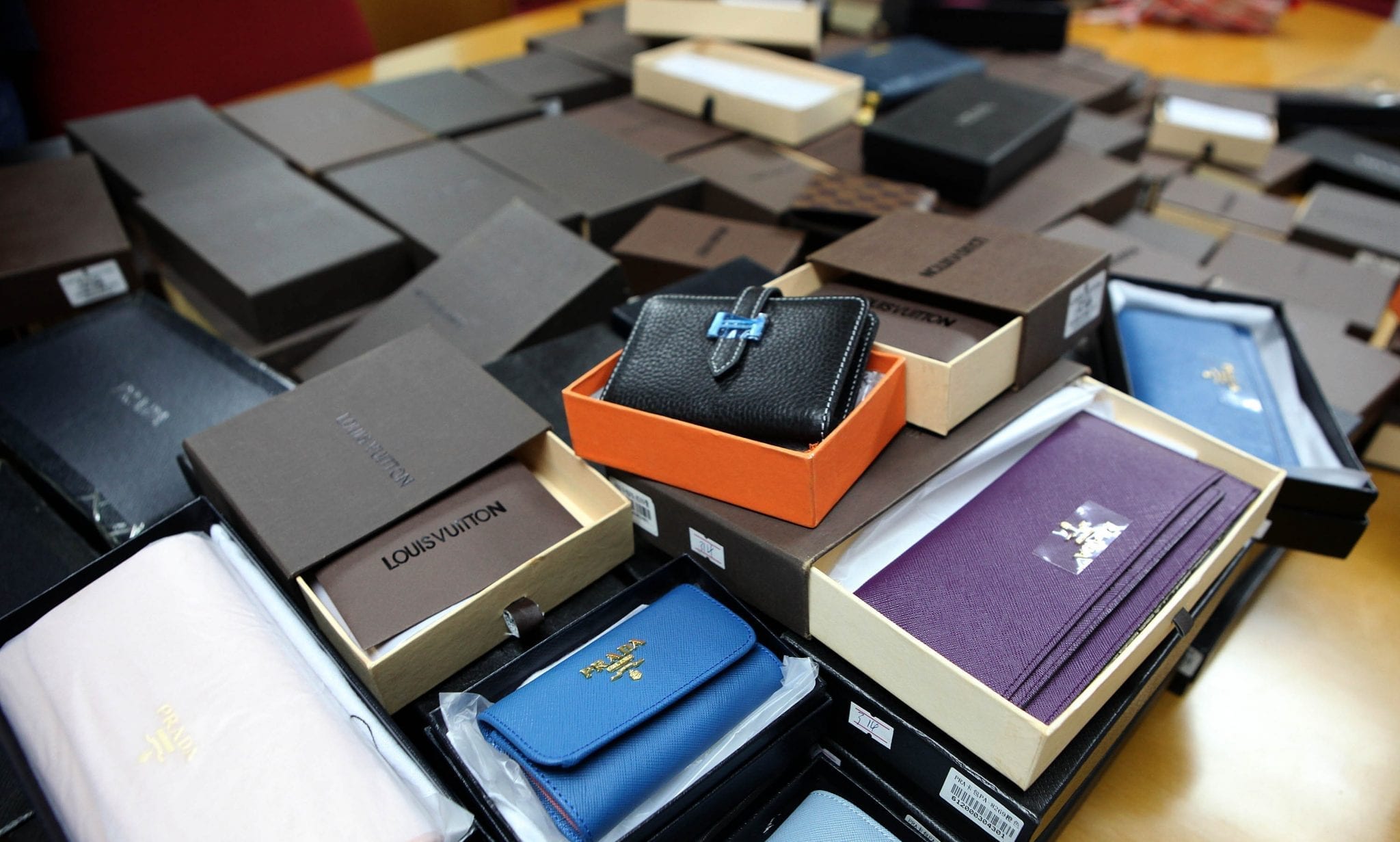
    Thailand is clamping down on counterfeit branded goods with plans for a campaign to target tourists.

    The Thai Commerce Ministry is seeking the support of foreign embassies as it launches its “Stop Fake Goods” campaign, aimed at travellers.

    Meantime, the government says it will stringently inspect traders for counterfeit goods, including examining their tax-payment history.

    New Year visitors to Thailand will be urged not to buy fake goods, says director-general Thosapone Dansuputra of the ministry’s Intellectual Property Department. He says the aim is to ensure Thailand moves away from its bad reputation for trading in fakes.

    He says it is illegal for visitors to buy counterfeit products, and the government will set up billboards in tourist spots to warn shoppers and traders not to buy or sell fakes. Both in Thai and English – and Chinese is some areas – the billboards will be posted at airports, BTS and MRT stations.

    Also, Commerce Ministry officers in each province will be on watch for any trading of counterfeit products.
    The department will also join forces with copyright owners, police and the Internal Security Operations Command to inspect areas known for selling fake goods, such as flea markets.

    Thosapone said that to boost the penalties for trading in counterfeit goods, the department is co-operating with the Revenue Department to investigate the tax history of suspected violators.

  • Nike Singapore turns back on small outlets

    Nike Singapore turns back on small outlets

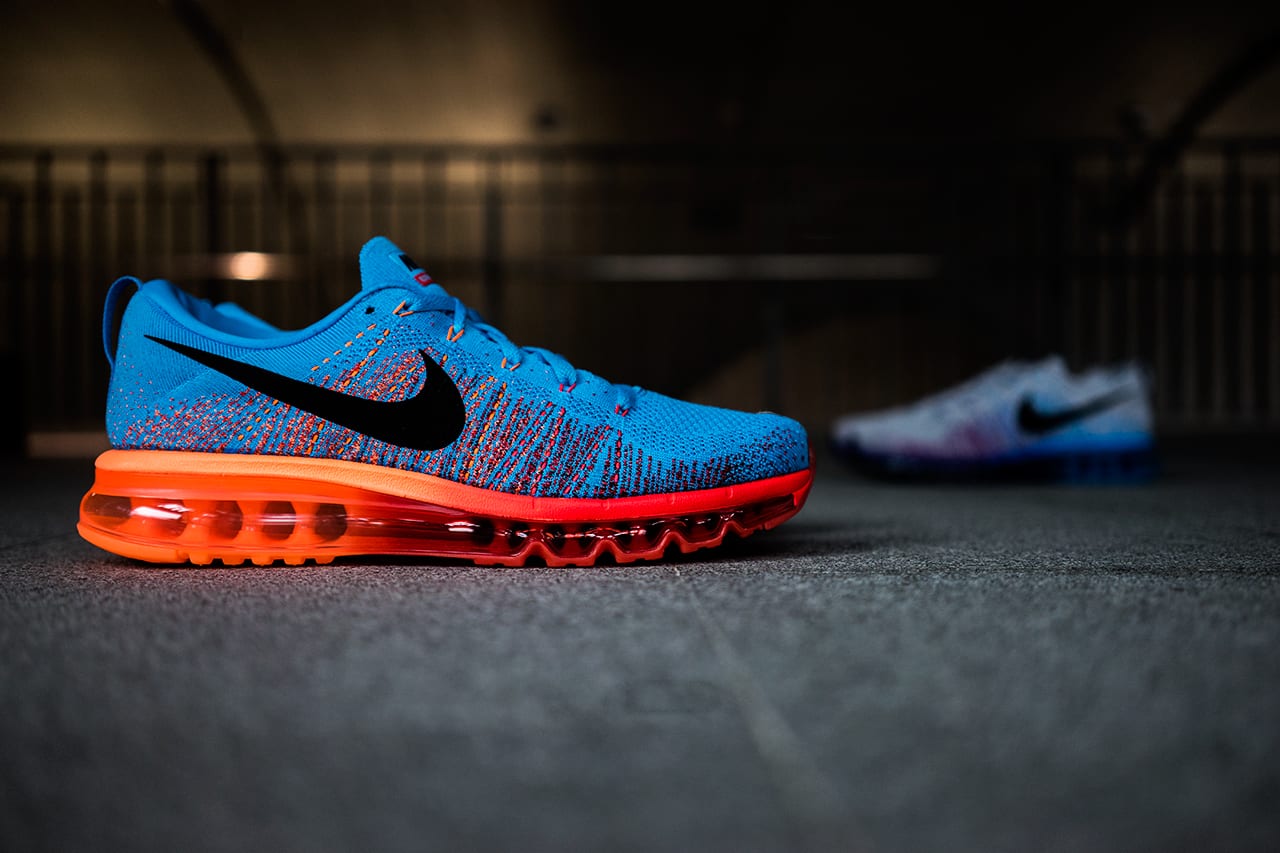
    Sports brand Nike Singapore will stop supplying smaller retailers from next month.

    This is a huge blow for mom-and-pop stores in Peninsula Plaza and Queensway Shopping Centre, which rely on top-selling brands to attract customers, as reported.

    “Its move would force many of us out of business soon,” says Salam & Sons manager Gurbachan Singh, who has run the business for more than 30 years.

    “We did business with Nike for more than 20 years. We followed their rules, never defaulted on payments nor brought in fake or parallel imports. Many of us don’t understand why they are doing this to us,” he says.

    Out of the US, Nike tops the 10 most-valuable apparel brands segment in market research company Millward Brown’s 2016 Brandz Top 100 Most-Valuable Global Brands report.