Tag: asia

  • Hong Kong shops struggle as holiday season approaches

    Hong Kong shops struggle as holiday season approaches

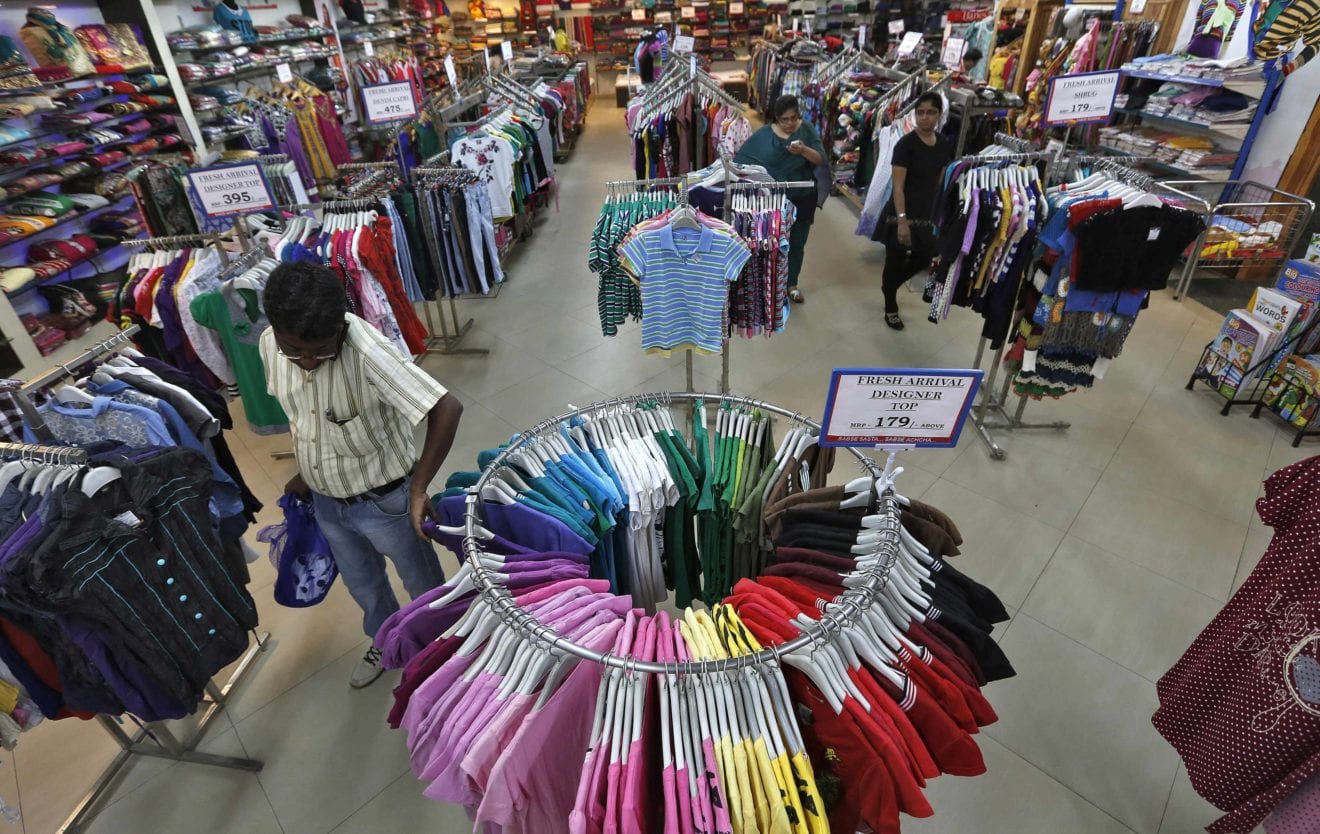
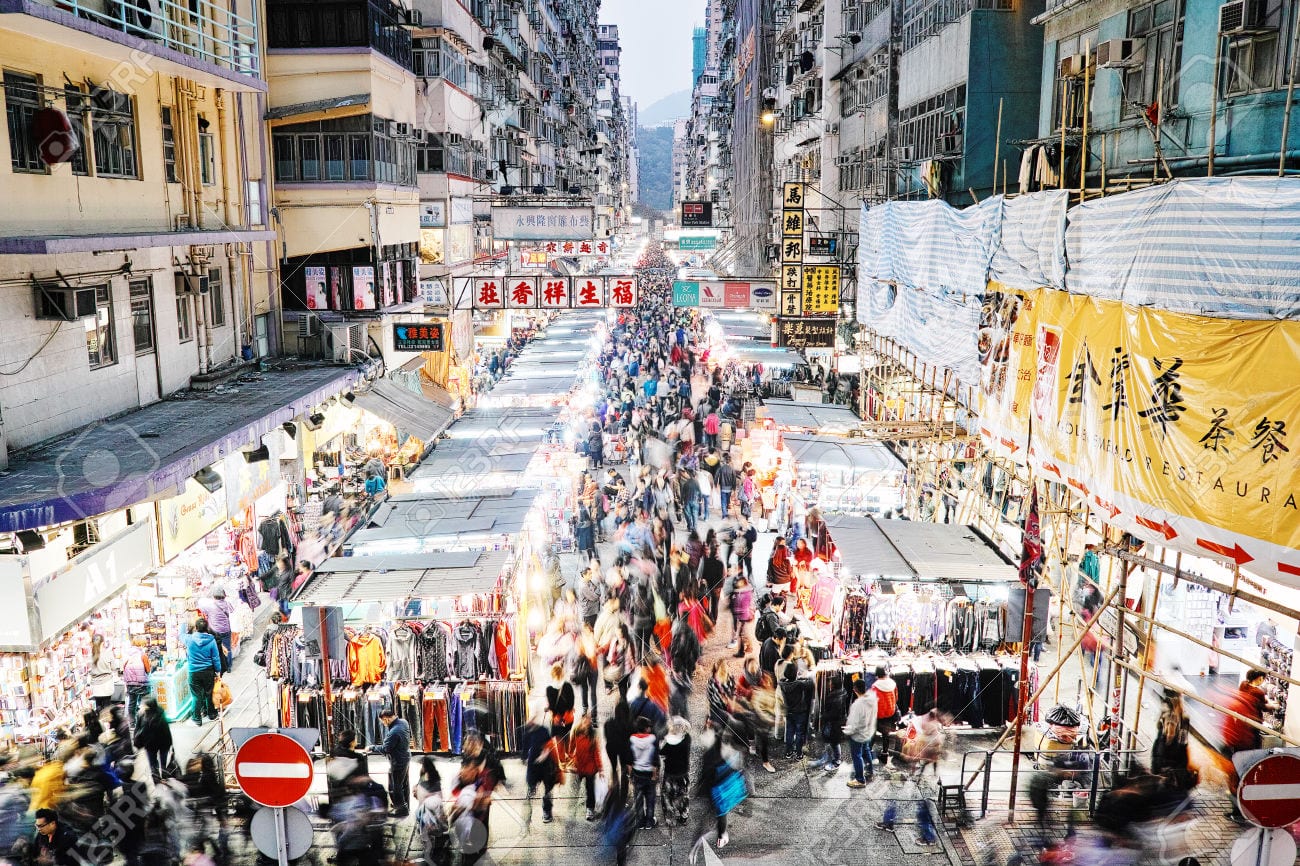
    Hong Kong’s retailers are facing an uphill battle to entice customers into their stores a week before Christmas in the final present buying rush, consumer analysts have said.

    The local retail market has been plagued by a dip in sales this year, attributed in part to a plunge in the number of visitors from the mainland, who account for about 75 per cent of tourists to the city.

    In October, retail sales fell for the 20th month by 2.9 per cent to HK$36.1 billion. But the slump had levelled slightly, from a 10.5 per cent fall in August to a 4 per cent dip in September.

    Many shops brought their Christmas promotions forward by at least two weeks this year to counter the sales decline. The city’s more westernised customer base also meant Christmas remained the annual peak retail season, with sales even higher than during Lunar New Year, the Hong Kong Retail Management Association said.

    Retailers have been increasingly trying to target visitors from Thailand and Malaysia because of the drop in the number of mainland visitors.

    The overall number of tourists to the city in October this year showed a 5.7 per cent decline compared with October 2015, from 5,073,494 to 4,953,705. Despite the dip in mainland visitors, there was an increase in those from “long haul markets”, including the United States, Britain and Germany, according to the Hong Kong Tourism Board.

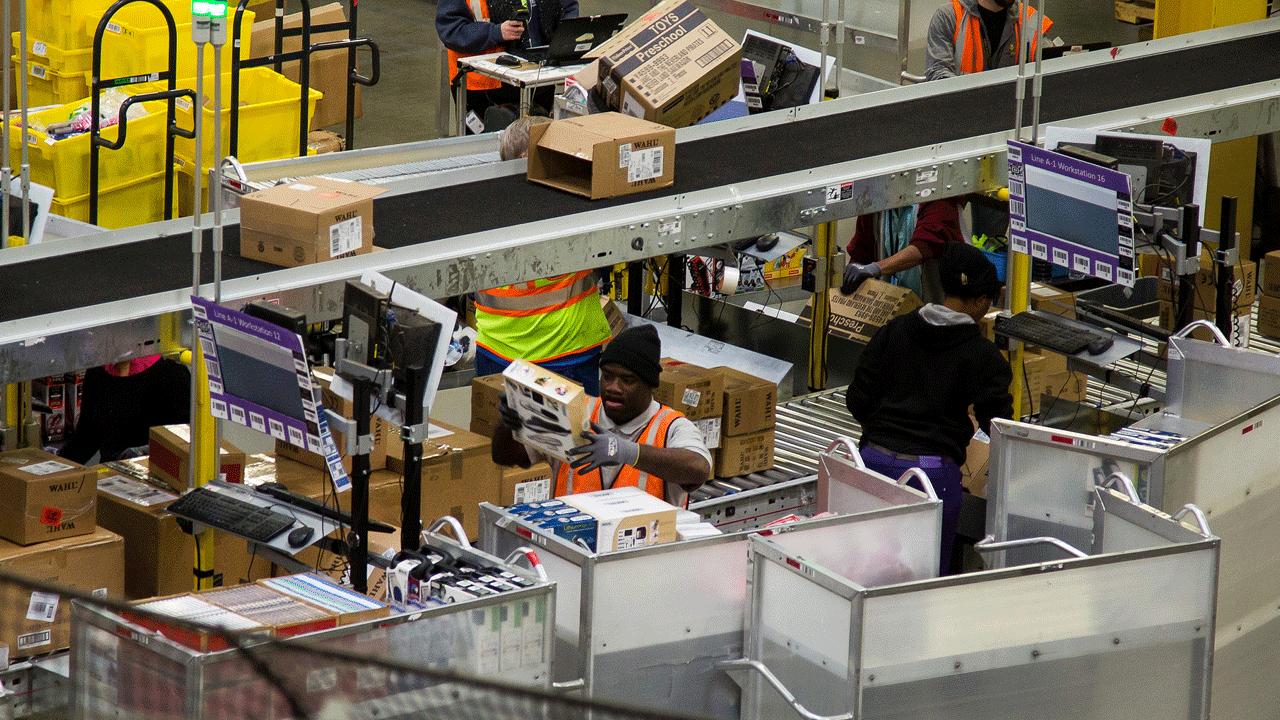
    Retailers also faced strong competition from online outlets such as Amazon Japan and Taobao, which offer many products at heavily discounted prices.

    Cityplaza on Taikoo Shing Road, Quarry Bay was among the malls pulling out all the stops to attract Christmas shoppers. Its “Look Up Live Happy” campaign featured 50 giant teddy bears flying in hot air balloons, a 180-degree photo booth for customers and a symphonic light show.

    Consumer analysts said Hong Kong’s retailers needed to work harder to improve the efficiency of the customer experience, boost their overall customer service, come up with more innovative incentives and promotions, as well as develop their own online shops to remain competitive.

    Tanya Lau, director and head of consumer and retail practice at Harvey Nash Executive Search APAC, said retailers faced “tough global market conditions” and needed to “keep pace” with changing consumer behaviour.

    “For retailers to stay competitive, they need to specifically understand the customer journey and every detail of what they desire,” she said. “They need to [create] a seamless shopping experience … across all platforms. With a week to go until Christmas, making the buying process as easy as possible is essential.”

    Lau said businesses also needed to make technological improvements, such as introducing electronic payments, and providing better online buying services.

    Meanwhile, Professor Leslie Yip, programme leader of retail management at the Technological and Higher Education Institute of Hong Kong, said many locals would rather use their money for holidays than spend it in local shops. He said retailers needed to work harder to ­understand shoppers’ behaviours, and improve the variety and price range of products, and the overall efficiency.

    “The shopping experience here is kind of inefficient,” he said. “There are not enough self-checkout services; many shoppers are impatient for this. [Some retailers] lack variety due to shop space.

    “They should consider that tourists … have limited time yet want to maximise their shopping experience, while local shoppers want to maximise their experience within a given budget.”

    Yip suggested mall owners should explore ways to promote “mall hopping” across their different retail outlets, such as online treasure hunts, as many shopping centres were located within a short distance of one another.

    But Thomson Cheng, head of the Hong Kong Retail Management Association, said he expected Christmas sales to be “stable” after a “tough year for retailers”.

    He said they had made efforts to promote Christmas early this year to beat the slump, and were expecting a boost to sales next month because of an early Lunar New Year. “We are seeing light at the end of the tunnel,” he said.

    “Retailers need to look at how they can contain costs now. February and March next year will be the hardest time. Shops need to nurture local spending.”
  • Victorious Shinsegae Duty Free unveils bold vision for new Central City store

    Victorious Shinsegae Duty Free unveils bold vision for new Central City store

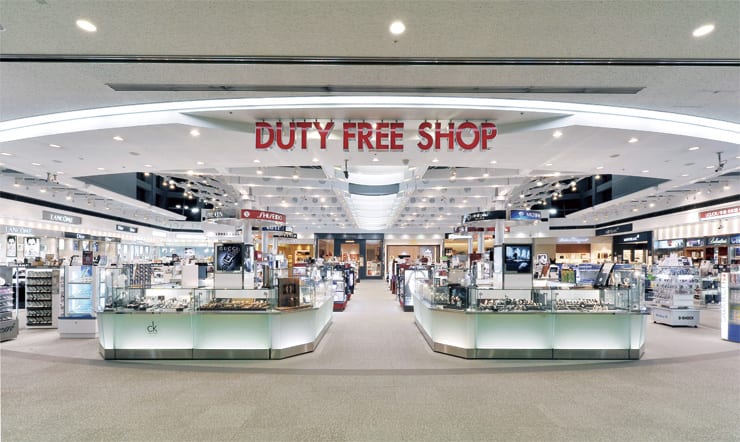
    Buoyed by yesterday’s success in the dramatic contest for three new downtown duty free licences in Seoul, Shinsegae Duty Free today outlined ambitious plans for its new 13,350sq m store in Central City in the Seoch-gu area of Gangnam.

    As reported globally by The Moodie Davitt Report within minutes of the Korea Customs Service announcement, Shinsegae Duty Free won one of the three five-year licences on offer, along with Lotte Duty Free (gaining a welcome return to its Lotte World Tower store) and sector newcomer Hyundai Department Store. SK Networks (WalkerHill Duty Free) and HDC Shilla (Shilla IPark duty free) missed out.

    Central City is Korea’s largest multi-cultural leisure and entertainment space, featuring the Shinsegae Department Store, a hotel, restaurants, cinema and book stores, all offering what the retailer called a “seamless, one-stop shopping experience”.

    Shinsegae Duty Free CEO Young-mok Sung said: “With the opening of the Central City outlet, Shinsegae Duty Free will be able to provide foreign tourists with unique experiences and contents, including gourmet, shopping, culture and lifestyle offers through various tourism programs and infrastructure.”

    He pledged that Shinsegae Duty Free will promote and develop Korean tourism through free independent travellers (FIT) and strive to “catch the hearts” of foreign tourists.

    Shinsegae Duty Free said it will foster tourism in the southern Seoul area by integrating its general retail and duty free operations.

    The department store and – increasingly over recent years – duty free powerhouse announced that it would invest KW350 billion (US$295 million) over the next five years to improve and promote tourism and shopping infrastructure in the Seocho and Gangnam area surrounding Central City.

    The investment plan features several ambitious developments, including the creation of a 4.6km long ‘Arts Street’ connecting tourist attractions such as the Seoul Arts Center and Sebitseom (a cultural complex on the Han River that consists of three artificial islands).

    Shinsegae also intends to improve the walkways of the popular musical instrument village and develop a guide map for it. Additionally, the company will create a pedestrian walkway within the popular Seoripul Park’s multicultural spaces.

    The company said it will also drive local tourism by creating Hallyu [Korean wave] cultural clusters and building a Korea Tourism Promotion Center to provide national tourism information.

    In line with these plans, Shinsegae Duty Free plans to develop various tourism programmes, including a ‘Premium Gourmet Festival’ that will offer premium restaurant dining experiences at reasonable prices.

    A ‘Medical Tour’ programme will promote the country’s important medical tourism sector, offering consultation and interpretation services, supported by a local tour offer called ‘Korea from end to end’.

    CENTRAL CITY – A ONE-STOP SHOPPING EXPERIENCE

    Shinsegae Duty Free said it selected Central City as the best location for the new store in order to champion local tourism, diversify the travel offer and attract more FIT visitors.

    Shinsegae Duty Free promises to “catch the hearts” of tourists at Central City, described as Korea’s largest multi-cultural leisure and entertainment space

    According to a 2015 survey by Korea Tourism Organization, the number of foreign tourists visiting the area around Central City has increased by +19% annually since 2012. FITs made up 88.6 % of the 2015 total – some 21 percentage points higher than the number of independent travellers visiting Seoul (67.7%).

    Many Chinese independent travellers do not see a Seoul trip as complete without visiting the Seocho and Gangnam areas, Shinsegae said.

    That local popularity has been reflected at Shinsegae Gangnam Department Store (which completed a renewal and expansion in August), where sales to Chinese tourists have increased by almost +200% this year over 2015.

    Gangnam style: Shinsegae Department Store is a hugely popular tourist attraction in the busy shopping district

    Underlining Shinsegae’s description of a “one-stop shopping experience”, Central City is conveniently connected to major public transportation links within Seoul and nation-wide.

    The area boasts 33 city bus and express bus services, as well as the Express Bus Terminal subway station. Gyeongbu and Honam Express Bus Terminal, Seoul’s largest transportation infrastructure used by 40 million people annually, is also located in Central City.

    Shinsegae Duty Free has secured parking spaces that can accommodate 3,600 vehicles and 59 buses. Bus stops will be connected directly to the duty free store to provide maximum shopper convenience.

    Major cultural and art spaces are concentrated around Central City, including over 50 eco-friendly travel spots. The area is the centre of the MICE [meetings, incentives, conventions, and exhibitions] industry and holds around 20 local community festivals annually.

    Additionally, major tourism spots such as Seorae Village, Apgujeong-dong and Itaewon can be easily reached, while various cultural, dining, beauty and medical facilities are also concentrated in the area.

    Shinsegae Duty Free has pledged to promote tourism by signing partnerships with major organisations in Seocho and Gangnam, including Seocho-Gu Office [the local Mayor’s office], Seoul Arts Center, Catholic Sung-Mo hospital and leading restaurants.

    In its proposal to Korea Customs Service, Shinsegae Duty Free forecast that if its new duty free outlet attracts some 8.3 million tourists – representing a +88% boost in visitors to the area over 2015 – tourism spend would be boosted by KW7.5 trillion (US$632 million) over the next five years.

    HELPING KOREA’S SMALL AND MEDIUM ENTERPRISES

    Shinsegae Duty Free has pledged to champion small-to-medium sized (SMEs) producers. It will dedicate 39% of its store to SME wares and introduce various related brands and concepts which retain Shinsegae’s ‘DNA’ such as the ‘Shinsegae Gift Shop’.

    Shinsegae Duty Free’s Myeong-dong store features a magnificent array of Korean artisan products. The retailer plans to also champion local producers at its new shop.

    The retailer will also open a store for new designers’ brands to identify and promote new talent and support local creators.
    Shinsegae Duty Free emphasised that it honoured similar cultural and tourism pledges it made as part of the company’s 2015 bid for its inaugural Seoul downtown licence.

    For example, it opened a Hallyu cultural performance theatre called ‘Boys24 Hall’ in September and ‘Han Soo’, a craftsmanship section, in December.

    As revealed by The Moodie Davitt Report, Fountain Square improvement work and the promised Namdaemun Market revitalisation are also well underway as long-term project. Additionally, a Design Innovation Center, which discovers talented new designers and provides job opportunities, is scheduled to open in the first half of 2017.

    Shinsegae Duty Free is driving the revitalisation of Namdaemun Market, a major tourist attraction.

  • Alibaba Group raising stake in SingPost

    Alibaba Group raising stake in SingPost

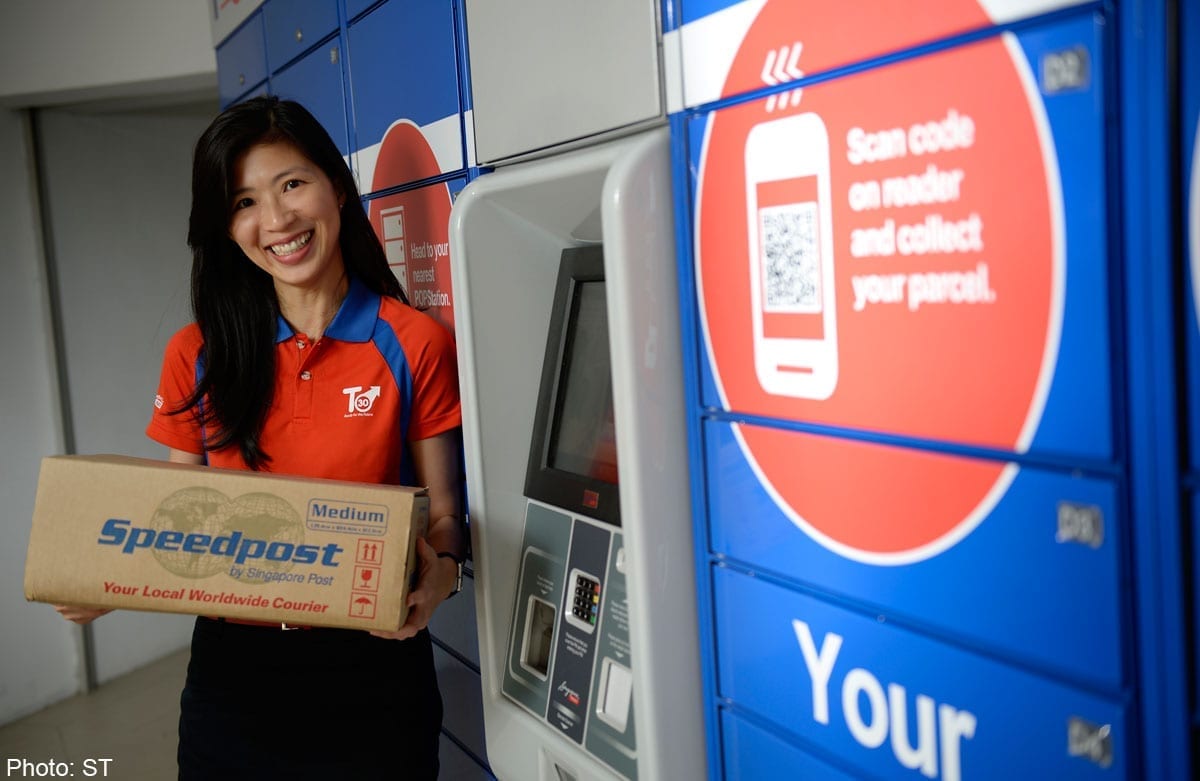
    Chinese eCommerce giant Alibaba Group has been given the go-ahead by Singapore’s stock exchange (SGX) to raise its stake in Singapore Post (SingPost).

    Alibaba Investment, a subsidiary of Alibaba Group Holding, has received in-principle approval from the bourse for the listing and quotation of about 107.6 million new shares in SingPost, says the postal group said in a filing.

    This is subject to compliance with SGX listing requirements, and SingPost shareholder approval.
    Shareholders will be sent a circular with details of the proposed share issuance, and notice of a related extraordinary general meeting.

    The deal aims to be completed by the end of February.

    As Alibaba’s second SingPost investment, it will raise its stake from 10.2 to 14.4 per cent.

  • Local brand Rusty Lopez opens 9th outlet in Jakarta

    Local brand Rusty Lopez opens 9th outlet in Jakarta

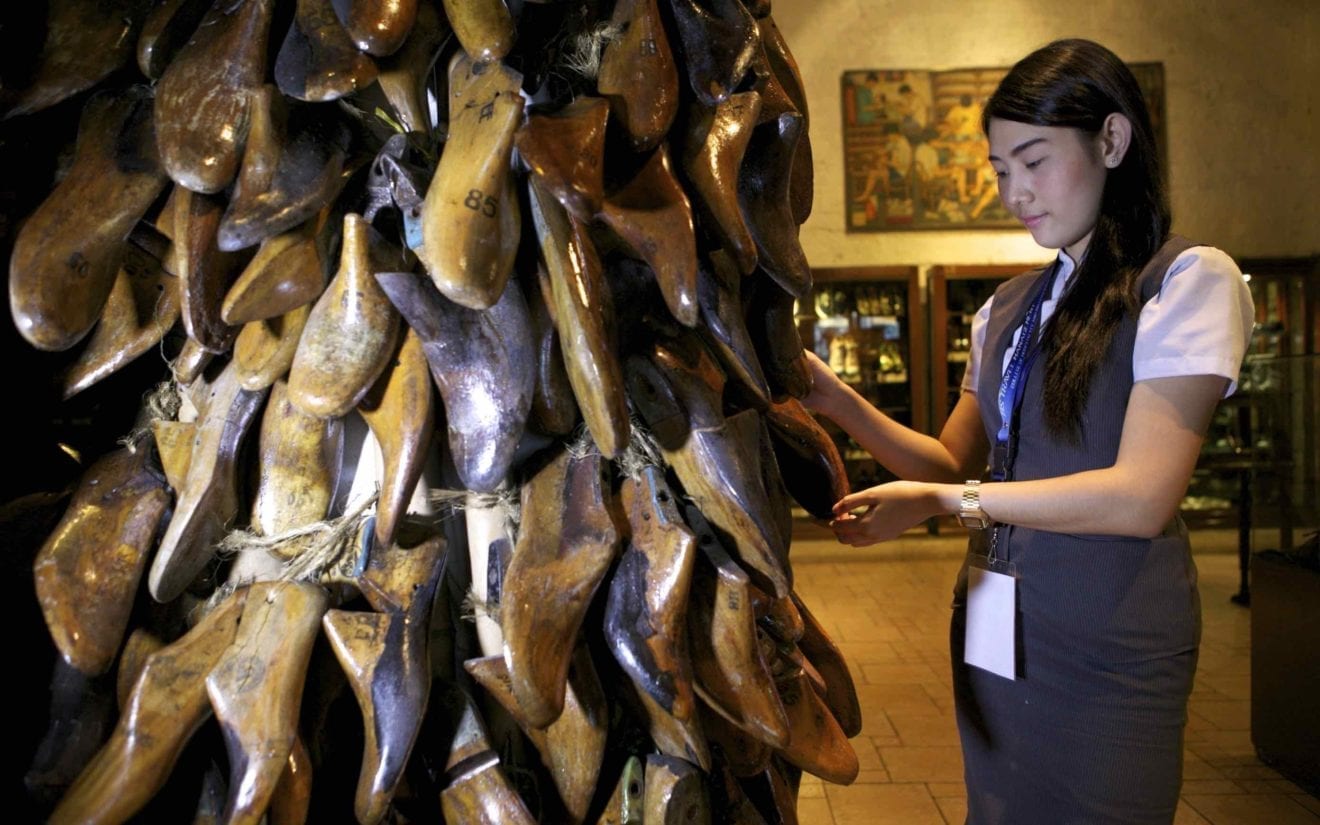
    Filipino fashion retail brand Rusty Lopez opened its newest store in Jakarta on Thursday, featuring comfortable sandals and casuals made from Marikina, the Philippines’ shoe capital, according to a recent report of the Department of Trade and Industry’s Philippine Trade and Investment Center–Jakarta.

    The outlet in Sogo Lippo Mall Puri located in the St. Moritz Central Business District is the brand’s ninth outlet following the opening of stores in Seibu Grand Indonesia, Sogo Emporium Pluit, Sogo Central Park, Sogo Alam Sutera, Lotte Shopping Avenue, Metro Plaza Senayan, Metro Gandaria City and Metro Taman Anggrek.

    Philippine commercial attaché to Indonesia Alma Argayoso said sales of the newest collection during the opening were brisk. The other stores also received positive feedback.

    “It is exciting to bring to the Indonesian market the Philippines’ world-famous Marikina-made shoes. This affirms our belief on the potential of fashion retail products in Indonesia, Southeast Asia’s biggest economy,” Argayoso said.

    The first overseas store of Rusty Lopez opened in Jakarta on March 6, 2016 at the Seibu Department Store of Grand Indonesia Mall and featured selected designs suited to the Indonesian market.

    The Trade Department noted that increased interest in Philippine-made shoes abroad was helping revive the local shoe industry and opening more opportunities for small enterprises.

    PTIC in Jakarta is supporting and assisting Filipino homegrown brands in globalizing their products and accessing the regional markets by looking for potential partnerships.

    Aside from Rusty Lopez, other Filipino fashion retail brands in Indonesia are Karimadon, Penshoppe, Gingersnaps and Ann Ong Jewelry.


  • Toyota recalls 66,830 imported Lexus cars in China

    Toyota recalls 66,830 imported Lexus cars in China

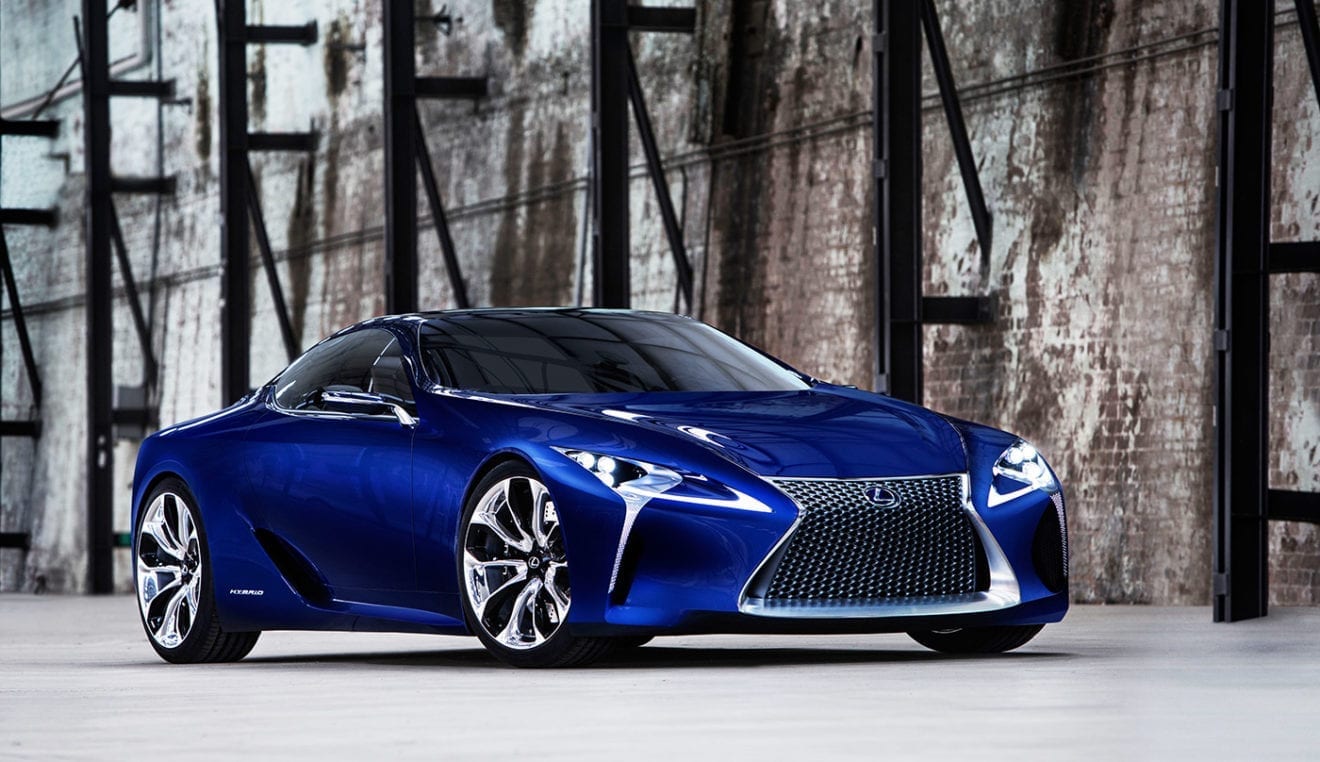
    The Chinese unit of Toyota Motor Corp will recall 66,830 imported Lexus brand vehicles in the country over potential safety issues, China’s quality watchdog said on Friday.

    Some Lexus models, made between June 2014 and December 2016, have problems with their braking software, China’s General Administration of Quality Supervision, Inspection and Quarantine said on its website.

    In October, Toyota issued a recall for about 5.8 million cars in Japan, Europe and China over potentially faulty airbag inflators made by Takata Corp. In June

    The notice urged consumers to immediately contact dealers for inspection and said current stock vehicles will be sold in the absence of defects.

  • Fujitsu partners with DHL to target wearable technology, IoT

    Fujitsu partners with DHL to target wearable technology, IoT

    The two companies plan to jointly develop IoT solutions designed to improve safety for emergency services. Japanese ICT firm Fujitsu announced a strategic partnership with DHL Supply Chain U.K. to develop new services based on wearable technology and the “internet of things.”

    Under terms of the partnership, Fujitsu will share its expertise to jointly develop solutions designed to improve safety for emergency services. Fujitsu and DHL also plan to use the partnership to drive the creation of new markets in other sectors, such as airline logistics.

    The use of wearable and IoT technology such as Fujitsu Ubiquitousware is said to enable emergency services to track the health of individuals in the field through a dashboard showing their status and location. This technology is also said to provide real-time tracking for the location of protective equipment.

    “As the global logistics leader, we constantly seek out innovations that improve our customers’ lives,” said Paul Richardson, MD for specialist services as DHL Supply Chain U.K. “Wearable technology is going to transform the way we work, helping us understand the dynamics of what’s happening around us and providing real-time insight on our environment as never before.”

    In a separate project, Fujitsu is working with DHL to support the deployment of GlobeRanger IoT scanning and sensor technologies for airline duty free logistics. Following a successful proof of concept, the project is forecast to deliver annual labor savings of more than $564,000 (530,000 euros) and a 59% return on investment for the organization.

  • PAL to launch international, domestic flights at Clark

    PAL to launch international, domestic flights at Clark

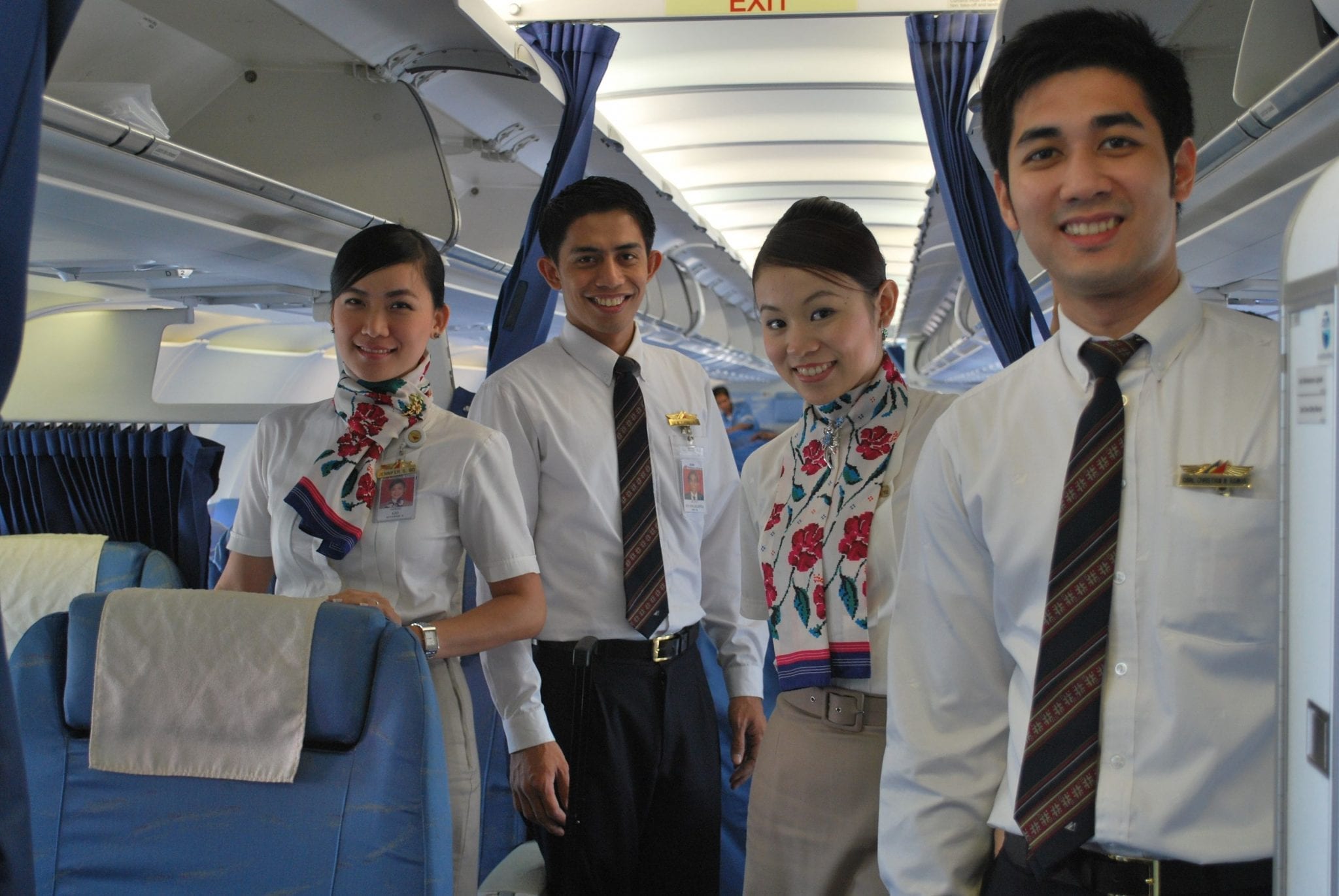
    Philippine Airlines (PAL) is launching on Dec. 16 its first regular international and domestic flights from Clark International Airport (CIA).

    This is PAL’s response to President Duterte’s call to decongest the Ninoy Aquino International Airport (NAIA) .

    Clark International Airport Corp. president Alexander Cauguiran said PAL president Jaime Bautista gave him the green light to announce that PAL is launching on Dec. 16 its first Clark-Caticlan daily flights.

    PAL will add more flights starting January 2017, including daily flights to Cebu, flights to Davao four times a week, weekly flights to Busuanga and flights to Cagayan de Oro thrice a week.

    PAL will also launch daily international flights to Incheon, South Korea in January 2017. Cauguiran said that PAL would have a total of 21 flights per week at ClA.

    Cebu Pacific Air earlier announced the increase of its flights at CIA, including flights to Hong Kong three to 10 times per week starting in December and Clark-Cebu flights six times per week.

    In a forum held here by the Bases Conversion Development Authority, Cauguiran warned that flight congestion at the NAIA has endangered passenger safety.

    “NAIA has four terminals designed for 13 million people per year. But last year, it processed 36 million passengers already, so long lines of waiting people often occurred,” he said.

    Cauguiran also noted that NAIA’s lone runway allows only 40 flights per movement or one hour for every 40 flights. “Beyond that, you are inviting trouble” because this requirement has often compelled incoming aircraft to stay in the air longer than scheduled before being allowed to land.

    Civil Aviation Authority of the Philippines director general Jim Sydiongco said the Legazpi, Dumaguete, Roxas and Caticlan airports could also now accommodate flights in the evening as such are night-rated.

    Direct flights to Mindoro Occidental

    Meanwhile, budget carrier Air Juan has launched direct flights between Manila and Mamburao, Mindoro Occidental’s capital.

    The province’s representative, former governor Josephine Sato, said yesterday the air service would “be a big boost to our efforts to promote Mindoro Occidental as a prime eco-tourism destination.”

  • Philippine Airlines firms order for five Q400s

    Philippine Airlines firms order for five Q400s

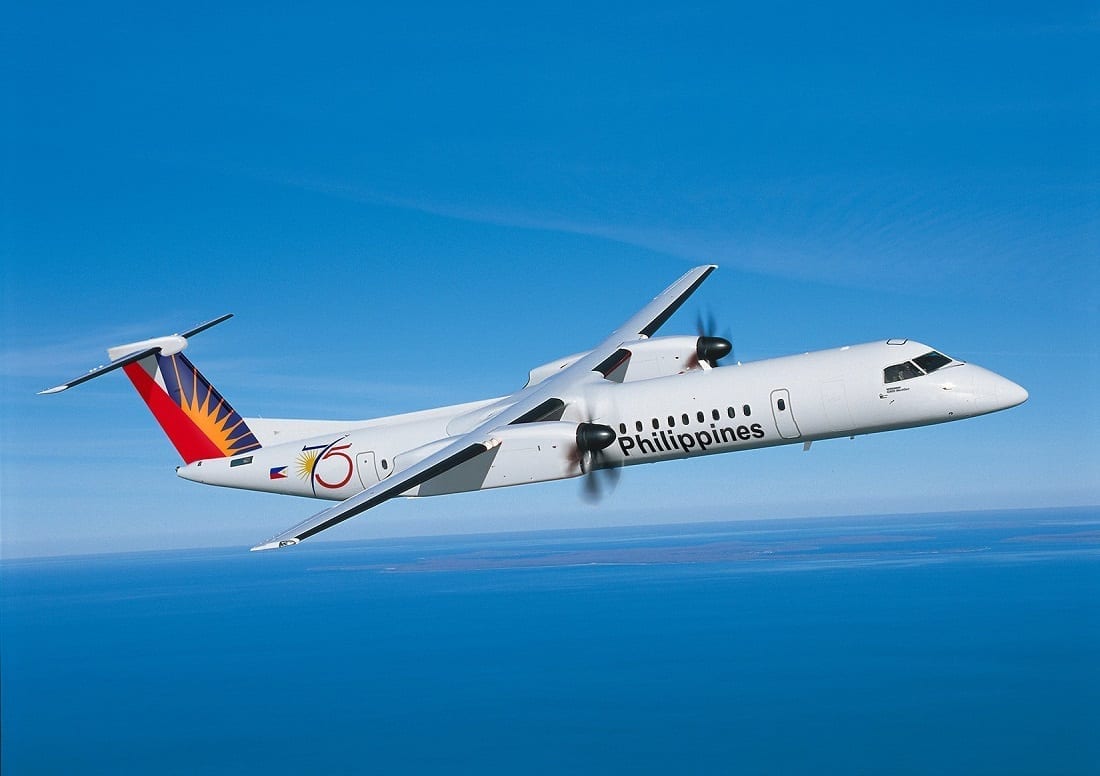
    Philippine Airlines has firmed an order for five Bombardier Q400 turboprops, with purchase rights for an additional seven aircraft.

    The five Q400s, which will be configured with 86 seats in two classes, will be delivered throughout 2017, says Bombardier in a statement. The deal is worth $165 million at list price.

    “The Q400 aircraft is the ideal solution for the airline as it develops its domestic operations network from secondary hubs and increases intra-island connectivity,” says Bombardier Commercial Aircraft president Fred Cromer.

    The Q400s will be operated by the Philippine flag carrier’s PAL Express unit, which currently operates four Q300s and four Q400s, largely on services to island destinations. It also has nine Airbus A320s and two A321s in its fleet.

    Its current Q400 fleet has an average age of 14 years, while its Q300s are 10 years old on average.

  • British wine merchants take stock in Hong Kong

    British wine merchants take stock in Hong Kong

    It is 10,000km from Bordeaux to Hong Kong but for two decades now English fine wine merchants have helped Asian wine lovers solve the problem of distance. Berry Bros & Rudd and Farr Vintners were among the earliest to establish full-time businesses in Hong Kong in the late 1990s, alongside a handful of Chinese merchants. A decade later, market deregulation and the abolition of duties were catalysts for other European merchants to set up shop.

    Although relations have been convivial, competition is fierce. Some reported being disappointed by their entry into Hong Kong but those who endured were rewarded. Imports of wine in 2015 reached HK$10.8bn ($1.4bn), more than six times the value in 2007, according to research from the Hong Kong Trade Development Council. Euromonitor International forecasts the Chinese market will grow 7 per cent in volume each year to 2020. Today, well over a dozen of Hong Kong’s 350 importers are English and include some of the most prestigious brands.

    This healthy market, bursting with skilled local merchants who have access to the world’s best wines, begs the question of whether Hong Kong still needs England’s experts.

    For collectors, the argument for trusting the English is compelling. The top merchants have reputations and relationships that extend over more than 300 years. BBR, which was founded in 1698, holds royal warrants for supplying wine to the Queen and Prince Charles. Justerini & Brooks, founded in 1749, has an office in Hong Kong and holds a royal warrant. These merchants gain privileged access to wine at key times, such as when en primeur vintages (wines before they are bottled) are put on sale.

    Amanda Longworth, BBR’s head of marketing and wine services in Hong Kong, says the company’s reach extends beyond en primeur campaigns to unique fine wine parcels (one-off sales): “BBR has more than 9m bottles in warehouses in the UK. This opens up a world of wines generally unavailable in Hong Kong.”

    “Buying from a UK merchant is like being a kid in a candy store,” says Mathieu Thibaut, Asia general manager of merchants Corney & Barrow.

    Hong Kong’s wine collectors are significant players in the global luxury market and, according to a survey for the Guide to the Hong Kong Wine Trade, they represent some 37 per cent of merchants’ sales. Jo Purcell, managing director for Asia at Farr Vintners, says collectors represent the bulk of her business: “Our private customers are big buyers in their own right, some bigger than many wholesale accounts.”

    Private collector Roland Muksch buys more than half of his wine from English merchants. “The range of wines on offer is broad and there is a lot of depth in vintages,” he says. It is also an inducement to him that the merchants will keep his wines in their UK “cellars” (bonded warehouses) for years and that their online platforms, such as BBX (Berry Brothers Exchange), facilitate trading.

    The weak pound makes it especially attractive to buy from Britain: “The UK offers a price advantage of around 20-40 per cent,” Mr Muksch estimates.

    Ms Purcell concurs: “For volume buyers who are cellaring there, long-term, purchasing from an English merchant makes economic sense.”

    Cru World Wine benefits from the buying power of its global network, which has its roots in England. “UK merchants bring rich history and depth of relationships that are very helpful to Cru when it comes to sourcing and allocations,” says Sabrina Hosford, Hong Kong-based global head of retail sales and marketing for the online platform.

    Well-kept collections and access to en primeur wines are one thing but English merchants lack the advantage of speed. They can manage weekly or monthly air freights upon request and for a fee but sea shipments can take four to six weeks, a delay that deters some buyers. Hong Kong-based merchants have overcome this obstacle with local logistics and a wider selection of wines to hand.

    Jason Ginsberg, director at merchants Ginsberg+Chan, says: “Almost all our customers work with the UK trade, but they come to us when they need wines to drink immediately.”

    His clients appreciate the personal touch: “Local and regional customers like dialogue, tips on where to eat and what to drink and they are always looking for deals.”

  • Marikina shoes a hit in Indonesia

    Marikina shoes a hit in Indonesia

    Filipino fashion retail brand Rusty Lopez has recently opened a new store in Jakarta, featuring comfortable sandals and casuals made from Marikina City, the Philippines’ shoe capital known for producing durable and high-quality footwear, according to the Department of Trade and Industry’s Philippine Trade and Investment Center – Jakarta.

    The store in Sogo Lippo Mall Puri located in St. Moritz central business district is the brand’s ninth outlet following the opening of stores in Seibu Grand Indonesia, Sogo Emporium Pluit, Sogo Central Park, Sogo Alam Sutera, Lotte Shopping Avenue, Metro Plaza Senayan, Metro Gandaria City and Metro Taman Anggrek.

    Philippine commercial attaché to Indonesia Alma Argayoso said the sales of the newest collection during the opening were brisk. The other stores also received positive feedback.

    “It is exciting to bring to the Indonesian market the Philippines’ world-famous Marikina-made shoes. This affirms our belief on the potential of fashion retail products in Indonesia, Southeast Asia’s biggest economy,” Argayoso said.

    The first overseas store of Rusty Lopez opened in Jakarta on March 6, 2016 at the Seibu Department Store of Grand Indonesia Mall and featured carefully selected designs suited to the Indonesian market.

    DTI said the increased interest in Philippine-made shoes abroad helps revive the local shoe industry and is expected to open more opportunities for small enterprises to generate employment within their communities.

    As part of the DTI’s industry promotion group, PTIC-Jakarta said it would continue to support and assist Filipino homegrown brands in globalizing their products and accessing regional markets by continuously looking for potential partnerships.

    Aside from Rusty Lopez, other Filipino fashion retail brands in Indonesia are Karimadon, Penshoppe, Gingersnaps and Ann Ong Jewelry.

  • Retail sector key in attracting tourists

    Retail sector key in attracting tourists

    It is the most wonderful time of the year as far as the retail scene is concerned. Shopping malls are busy once again, cash tills are ringing ever merrily and, perhaps more important, Singapore’s tourist numbers are rising. Despite the threat of online shopping to the domestic market and poor footfall numbers at certain malls, the Singapore retail scene has been a star performer in wooing the tourist dollar.

    A report reveals that for the first time since 2012, shopping has overtaken gambling as the biggest earner in Singapore’s tourism industry. Higher-spending visitors helped boost tourism receipts in the first half of this year. The readiness of tourists to spend more on shopping, accommodation, and food and beverage contributed, in fact, to offsetting a fall in sightseeing, entertainment and gaming. The Chinese, Indian and Indonesian markets played a strong role, with visitors from secondary cities such as Chongqing and Fuzhou attesting to the the vitality of the Singapore Tourism Board’s marketing efforts.

    Clearly, more attention could be paid to such markets within the broader imperative of attracting Asian visitors, given that more than one in four travellers at Changi Airport are either going to or coming from Jakarta, Bangkok, Kuala Lumpur or Hong Kong.

    Unavoidably, Singapore is running out of novelty factors to attract tourists: The integrated resorts and Gardens by the Bay, for example, are no longer new. The challenge for the tourism authorities, therefore, is to constantly create fresh reasons for visiting Singapore. The imaginative reworking of the retail scene could be useful here. As an indication of what is possible, this year’s Great Singapore Sale was held to coincide with China’s summer holidays. Livening up the retail scene is one way for Singapore to remain nimble in meeting the demands of tourists.

  • SoftBank launches cloud videoconferencing service

    SoftBank launches cloud videoconferencing service

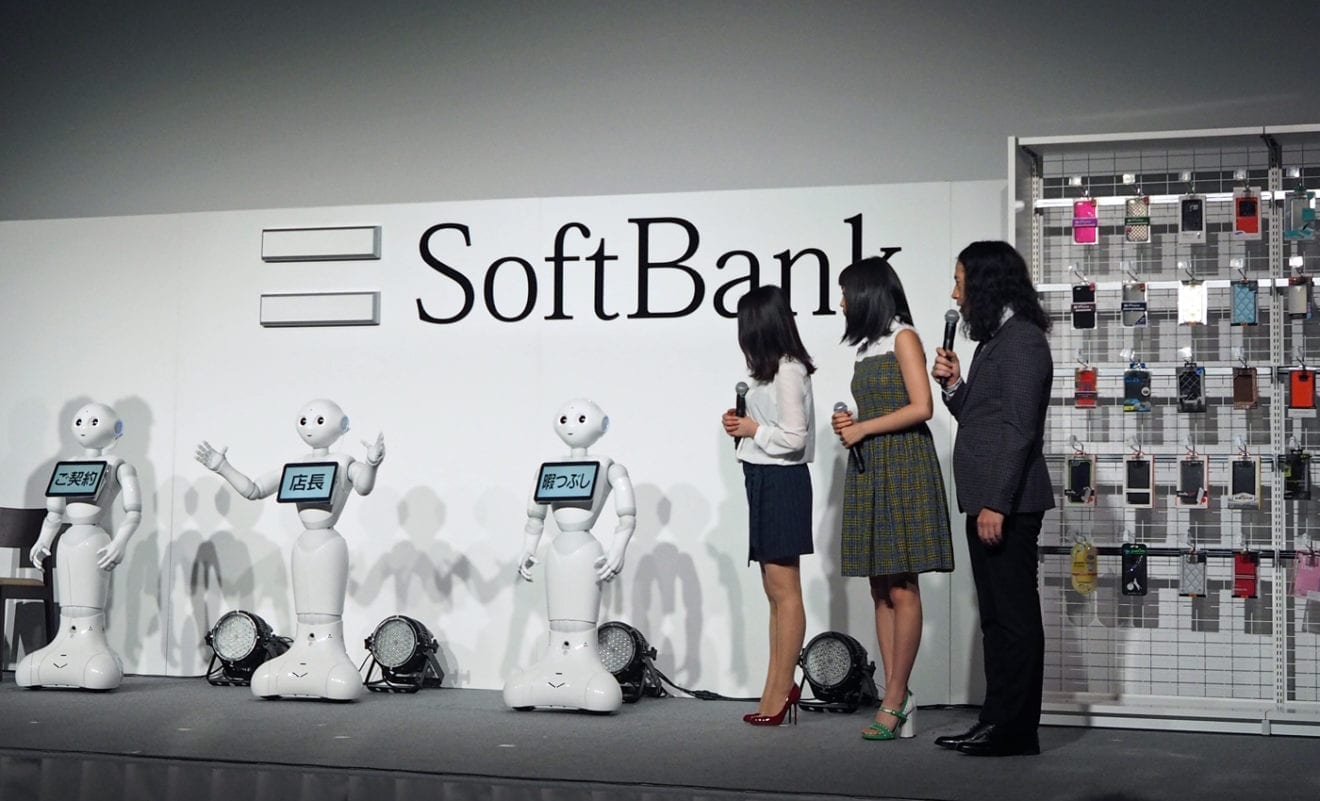
    Japan’s SoftBank  has launched a new cloud-based videoconferencing service using PolyCom’s RealPresence Clariti infrastructure software.

    SoftBank’s new PrimeMeeting service will strengthen the company’s offerings to customers looking for a flexible video collaboration solution that is simple to purchase and implement.

    The service is built on RealPresence Clarity as well as SoftBank’s White Cloud ASPIRE Infrastructure-as-a-Service (IaaS) platform.

    As well as enabling collaboration from anywhere on any device, the service will support integration with Microsoft’s Skype for Business and traditional video conferencing systems.

    “We are happy to announce the launch of our cloud videoconferencing service, PrimeMeeting, provided in collaboration with Polycom. Customers who previously could not use a video conferencing service due to cost, location, or device issues will now be able to easily adopt this service,” SoftBank ICT innovation division director Sadahiro Sato said.

    “By combining Polycom’s strong market share and brand value in the video conferencing market together with our new cloud service, we can enable more flexible and richer communication options to more of our customers.”

  • Bally first step in India

    Bally first step in India

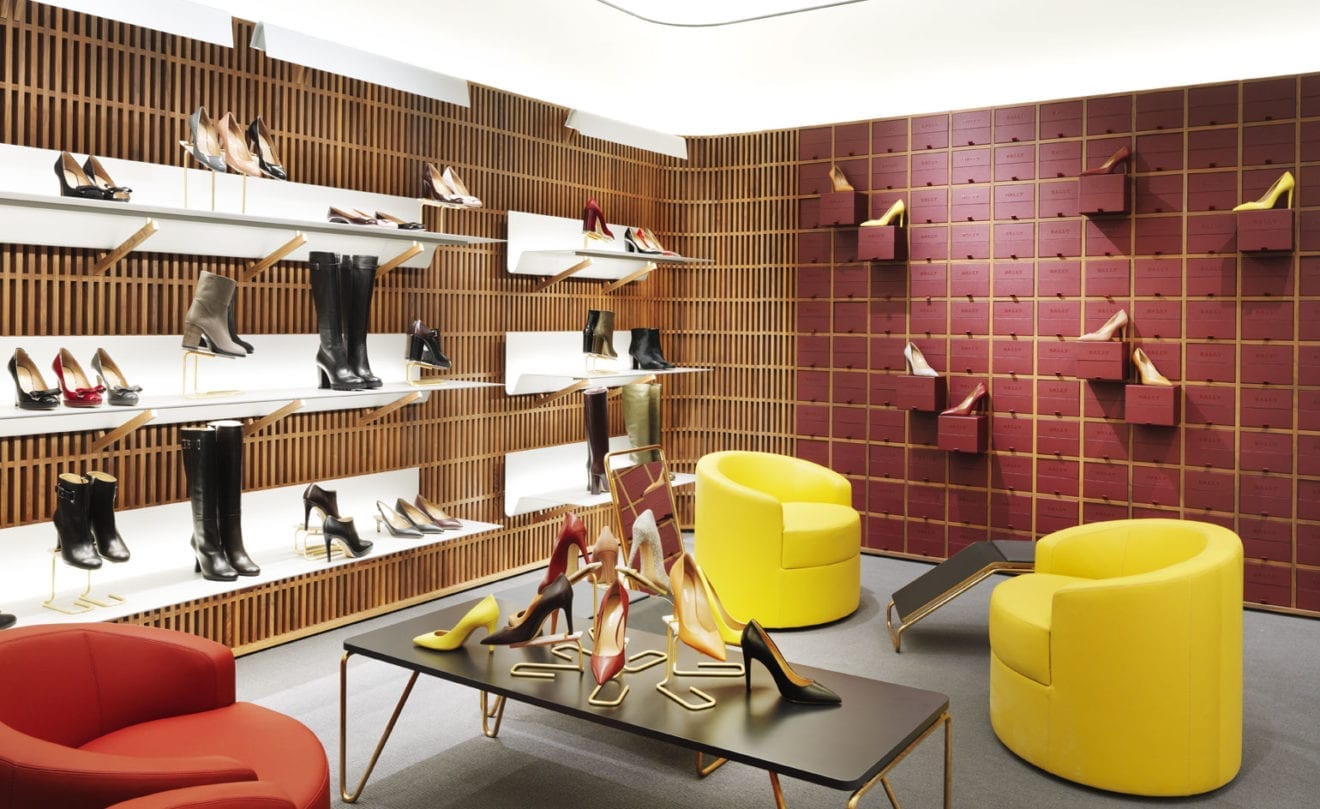
    Reliance Brands will launch Bally India after signing an exclusive distribution and marketing rights agreement with the Swiss luxury brand.

    Bally and Reliance plan to open a store in New Delhi next year and will look at further expansion afterwards in Chennai, Kolkata and Mumbai.

    “In collaboration with Reliance, we have identified a roadmap to develop the brand in proven retail locations,” says Bally CEO Frederic de Narp.

    Bally has embarked on a global expansion program, including the opening of two concept flagship stores in Tokyo’s Ginza and Los Angeles Rodeo Drive this year. Next year it will add two flagship stores – on New York’s Madison Avenue and in Beijing’s China World Mall.

  • First CIMBT 7-Eleven sub-branch opens

    First CIMBT 7-Eleven sub-branch opens

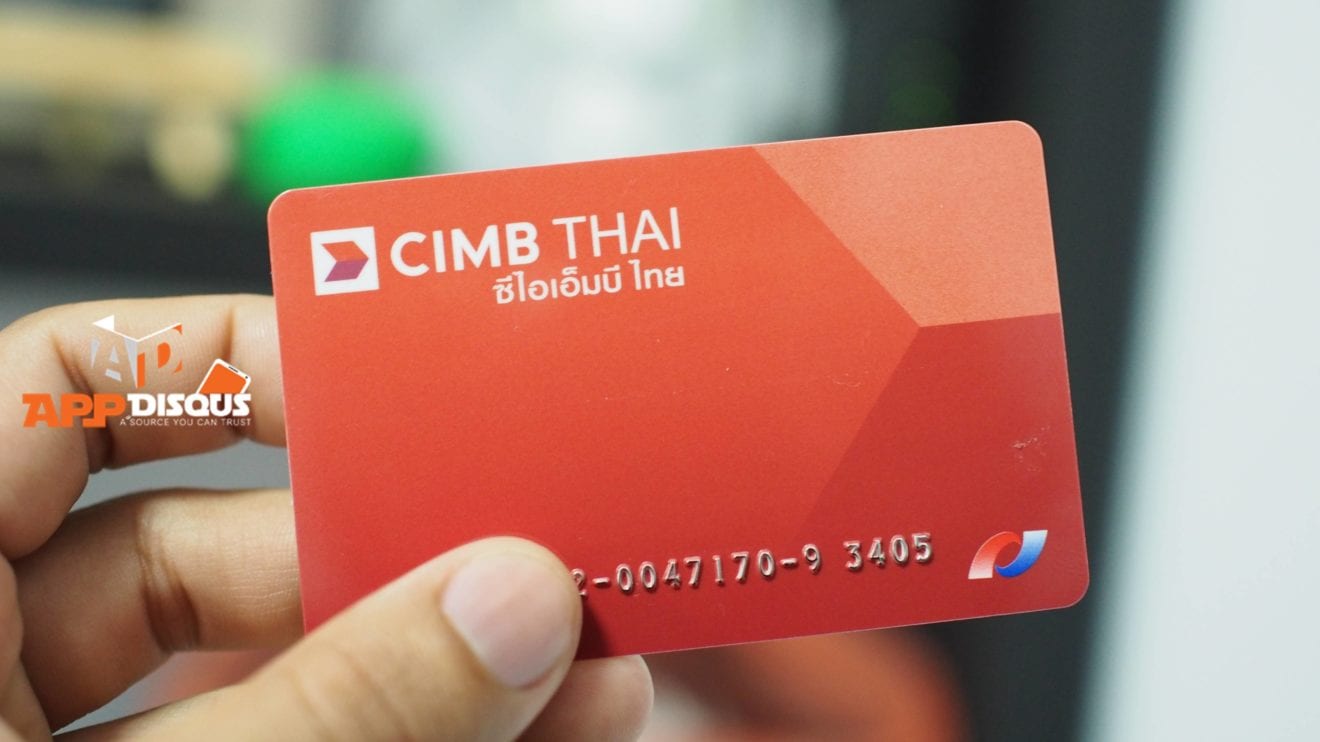
    Thai bank CIMB says it will open between 20 and 30 sub-branches inside 7-Eleven convenience stores within the next 12 months.

    The CIMB 7-Eleven branches are aimed at providing extra accessibility to bank services by co-locating in areas where a full-scale bank branch is not warranted.

    All of the new branches will open in the broader Metropolitan Bangkok area.

    The first sub-branch opened this week, on Rama I.

    Adisorn Sermchaiwong, senior executive vice-president of CIMBT’s Consumer Banking Group, says it marks the first time a Thai commercial bank has opened a sub-branch in a convenience store of any brand.

    Customers can use the branch to open and close accounts, deposit cash and exchange foreign currency as well as apply for loans or leasing. Cash withdrawals will not be permitted, however, with customers invited to use co-located ATMs.

    The branches will be open from 10.30am to 5.30pm daily.

    “Right now our lives are greatly linked with convenience stores from the start until the end of the day, and that’s why we chose to open our sub-branch in a convenience store,” said Sermchaiwong.

  • 2nd anniversary for IKEA Korea and how it grows

    2nd anniversary for IKEA Korea and how it grows

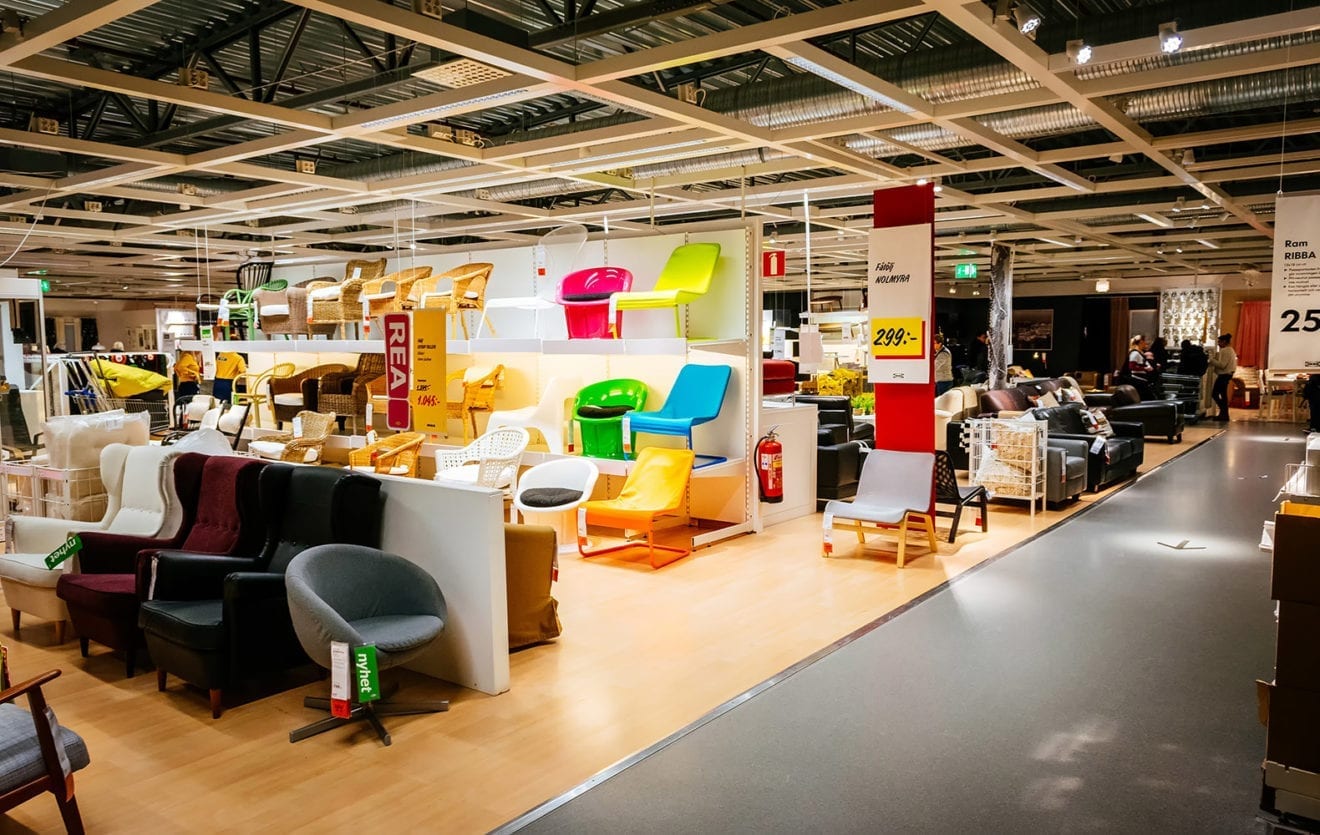
    December 18 will mark the second anniversary of Ikea Korea’s launch.

    According to Ikea’s Swedish head office, its Korean operations have been a success so far. Annual turnover for the 2016 fiscal year to August 2016 was 345 billion won (US$292.3 million), while this year’s sales from January to August, saw a 17 per cent year-on-year increase.

    Although the furniture giant was faced with a few setbacks, namely the controversial recall of its Malm dresser that was blamed in the deaths of at least six children (although none in Korea), Ikea has successfully established itself as a key player in the local market.

    “We’ve made fast progress since the launch of our first outlet here in Gwangmyeong on December 18, 2014,” a spokesman said.

    Ikea’s arrival brought about some positive changes too, particularly for medium to higher-priced furniture businesses.

    The store helped reignite consumer interest in what had been a stagnant Korean furniture market, helping to revitalise the industry, and considering the fact that Ikea targets consumers mainly with budget-friendly items, existing key players selling mid-priced or premium products didn’t have to compete so much with the Swedish giant.

    In fact, local furniture makers Hanssem and Iloom both saw positive growth, with sales for Hanssem, in particular, increasing by roughly 10 per cent as of the third quarter of 2016 to over $1.16 billion, compared to the first three quarters in 2015.

    “The target consumer group for Hanssem, which provides assembled furniture, differs from that of Ikea,” said a Hanssem spokesman, who admitted the company “did benefit a great deal from Ikea’s launch.”

    The Korean retail furniture market was worth $4.24 billion in 2015, a 7 per cent increase from the previous year, and the biggest jump since 2006. The unprecedented growth was viewed as exceptional by industry watchers, who pointed out that the industry appeared to reach its maturity after the 1990s.

    However, Ikea was bad news for furniture merchants at local markets and smaller businesses, who have now lost their biggest competitive advantage – low pricing.

    Over the past five years, the number of furniture companies operating in Korea – the majority of which are smaller enterprises – dropped by almost half, from 21,000 in February 2011 to 13,000 in February 2016.

    Retailers selling kitchen utensils and soft furnishings were also affected by Ikea’s entry, especially for stores in Gwangmyeong, 55 per cent of which said they experienced negative growth since December 2014.

    “There needs to be a way for smaller businesses to coexist alongside bigger players like Ikea and Hanssem,” said an industry official.

    “Given that non-branded furniture businesses make up about 70 per cent of the total Korean industry, small retailers are more than capable of making decent profits. But it seems necessary to implement some kind of official measures in order to help them differentiate themselves and  to better target consumers.”

    Ikea plans to establish five more outlets across the country by 2020, investing 1.2 trillion won ($1 billion).