Tag: asia

  • How to grow for Luxury brands

    How to grow for Luxury brands

    Luxury brands need to use new technologies and offer experiences for their customers, the second Luxury Society keynote event in Shanghai has been told.

    UCO Cosmetics CEO Arthur Zhang told the event that the early-stage eCommerce model of simply providing a platform for selling products online is dead.

    He said key technologies being experimented and improved upon in China include augmented reality, virtual reality and live-streaming.

    “The millennial generation in China, which already numbers about 300 million people, seeks experiences and emotional connection – they are not just bystanders,” DLG China partner/MD Pablo Mauron told the audience of more than 150 luxury-industry brand executives. “As a result, live-streaming has become a medium for them to express themselves.”

    He told how brands such as Maybelline, Montblanc and Swarovski are taking advantage of these new opportunities.

    Underlining the key message of the event that eCommerce is changing, CEO Thibault Villet of luxury fashion eCommerce platform Mei.com told how a live-streamed show in collaboration with TMall resulted in 65 per cent of the products featured quickly selling out.

    Meaningful data

    Social customer-relationship management (CRM) makes highly targeted messaging and engagement possible, the event was told by Four Seasons Hotels Asia Pacific director of marketing communications John Hamilton. He said the luxury hotel chain has been gaining meaningful data about its customers, which in turn has driven growth. In the past year, through trial-and-error and optimisation, the group has defined a CRM-led content strategy on WeChat.

    Celebrity and key-opinion-leader partnerships can make a big impact in China, said East Entertainment commercial director Qing Dai, who spoke of her experience of partnering luxury brands with appropriate celebrities. One of Easy Entertainment’s most successful was in linking up Cartier with singer/actor Lu Han.

    Baidu GM for East China Wan (Grace) Zhang said Cartier was the most-searched luxury watch brand among the generation born between 1990 and 2000, linked to Cartier’s collaboration with Lu Han.

    Other speakers at the event included Four Seasons Hotel Pudong (Shanghai) GM Arthur Ho, writer Casey Hall of Women’s Wear Daily, Digital Luxury Group founder/CEO David Sadigh and MD for China Pablo Mauron, Baidu senior project manager Di Fu and Sephora China digital manager Vanessa Qian.

    Attendees included representatives of Alexandre de Paris, Baume & Mercier, Bottega Veneta, Bulgari, Cartier, Chanel, Chaumet, Conde Nast, De Beers, Dior, Hublot, Loewe, LVMH, Marc Jacobs, Massimo Dutti, Michael Kors, Montblanc, Nars, Net-a-Porter, Nike, Sephora, Shiseido, Swarovski, TAG Heuer, Tiffany & Co and Vacheron Constantin.

    Luxury Society, published by Digital Luxury Group, is an online destination for luxury-brand executives covering digital and technology matters and with more than 40,000 members across 150 countries.
  • HKT urges reforms to spectrum policy

    HKT urges reforms to spectrum policy

    HKT has publicly criticized the Hong Kong government over its handling of spectrum-related matters, asserting that the region risks becoming “a third-class citizen in mobile service development.”

    In an open letter to the government, HKT expressed concern over a range of issues, including a belief that the government is not doing enough to release more spectrum to the market, the failure to follow up on a pledge to introduce spectrum trading and insufficient public engagement over a planned spectrum reassignment exercise.

    HKT also expressed concern over the fact that spectrum prices have “increased astronomically over the years [to the extent that] Hong Kong spectrum prices are now the most expensive in the world.”

    Such high prices aren’t necessary when the government already has a huge budget surplus, HKT said. The charges are also inevitably passed on to consumers, who could see prices go up by more than HK$12 per month if the government sticks to its current pricing proposals.

    “What Hong Kong needs is a forward-looking, accommodating and holistic approach to spectrum policy, not a simplistic spectrum auction that is purely designed to maximize government revenues at the expense of the spectrum policy objectives,” HKT concluded.

  • Global average connection speed grows 2.3% in Q3

    Global average connection speed grows 2.3% in Q3

    The global average connection speed increased 2.3% sequentially and 21% year on year to 6.3 Mbps in the third quarter of 2016, Akamai’s latest State of the Internet report shows.

    South Korea maintained its lead with the highest average connection speed at 26.3 Mbps in the third quarter, but this was down from 27Mbps in Q2, which was itself down 7.2% compared to the first quarter.

    The global average peak connection speed increased 3.4% sequentially and 16% year-on-year to 37.2 Mbps in the third quarter, rising 16% year over year. Singapore continued to have the highest average peak connection speed, at 162 Mbps in the third quarter.

    Meanwhile, global 10 Mbps broadband adoption rose 5.4% quarter over quarter, and 15 Mbps and 25 Mbps broadband adoption rates increased 6.5% and 5.3%, respectively.

    Asia-Pacific region continued to lead the world in average peak connection speeds in the third quarter. Four of the Top 10 countries in average peak connection speeds were from the region.

    Singapore, Hong Kong and South Korea all had average peak connection speeds above 100 Mbps again, with Indonesia close behind at 99.3 Mbps.

    Eleven of the 14 qualifying surveyed Asia Pacific countries/regions posted increases in 15 Mbps adoption, ranging from 3.7% in Singapore to 94% in Vietnam.

    Global average mobile connection speeds meanwhile ranged from a high of 23.7 Mbps in the United Kingdom to a low of 2.2 Mbps in Venezuela.

    “The holiday season serves as one of the true tests of internet connectivity as consumers activate slews of connected devices at the same time and more families are at home collectively pushing their broadband capabilities to the limit,” said David Belson, editor of the State of the Internet Report.

    “The good news is those limits are getting higher as we have continued to observe positive long-term trends in both average and average peak connection speeds around the world. While ‘batteries not included’ may still cause unwelcome surprises, we’re optimistic that connection speeds won’t spoil the holidays this year.”

  • MOP$38,888,888 to Win at Galaxy Macau’s Golden CNY Celebration

    MOP$38,888,888 to Win at Galaxy Macau’s Golden CNY Celebration

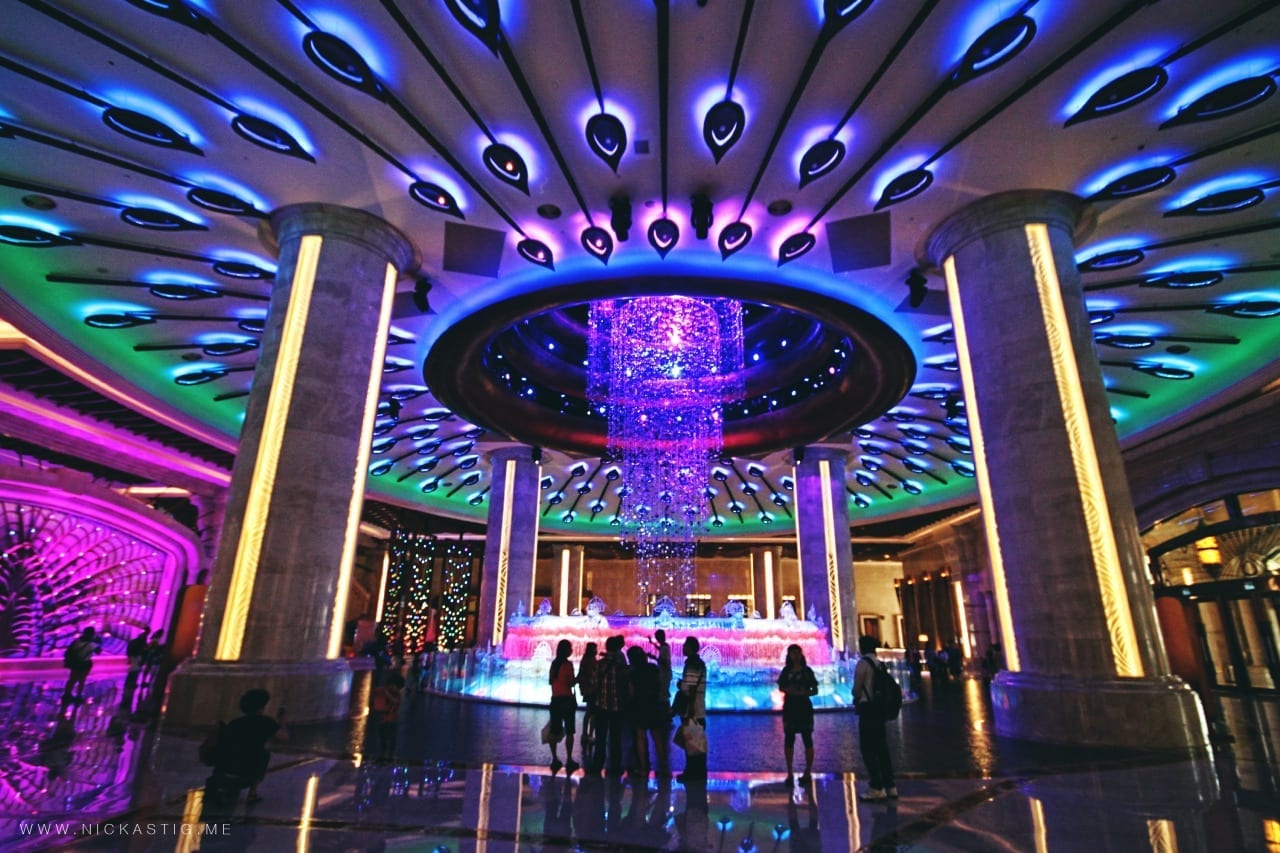
    This Chinese New Year, join a golden celebration that’s positively dripping with luck and fortunate, only at The Promenade Shops at Galaxy Macau™. From 9 January to 26 February 2017, Macau’s luxury shopping destination is hosting the “Love My Fortune” Chinese New Year Promotion, offering shoppers the resplendent opportunity to win instant shopping rewards across Galaxy Macau’s integrated resort offerings. What’s more, seven shoppers will receive the Lucky Draw glittering grand prize – MOP$88,888 to spend at The Promenade Shops, for a total prize value up to MOP$38,888,888.

    During the “Love My Fortune” promotion, every shopper who reaches the designated minimum spend will receive an instant reward! Instant rewards include food and beverage vouchers to Galaxy Macau’s vast collection of casual eateries, stylish cafes and Michelin-starred restaurants; gift certificates to The Promenade Shops; and a one-night stay in a Deluxe Room at the JW Marriott Hotel Macau and Galaxy Hotel.

    Simply shop MOP$8,000 or more across a maximum of two retail transactions at The Promenade Shops, then spin the fortune wheel to claim your prize. Shoppers are also automatically entered into the weekly Lucky Draw! Seven lucky draw winners will receive MOP$88,888 gift certificates to spend at The Promenade Shops.

    Kevin Clayton, Chief Marketing Officer of Galaxy Entertainment Group, said, Galaxy Macau is ringing in the New Year with a festive promotion bringing luck and fortune to all! Weve designed this gilded campaign with the knowledge that shoppers seek more than great deals and exclusive items, although of course The Promenade Shops has those too, shoppers also seek opportunities to indulge in the aspirational lifestyle, entertainment and culinary experiences of Galaxy Macau. In addition to the MOP$38,888,888 in total rewards up for grabs, including seven Lucky Draw winners each receiving MOP$88,888 gift certificates, The Promenade Shops also welcomes Cha Bei lifestyle cafe and The Apron oyster bar and grill. The Promenade is certainly shining bright with prosperity and joy this Chinese New Year.

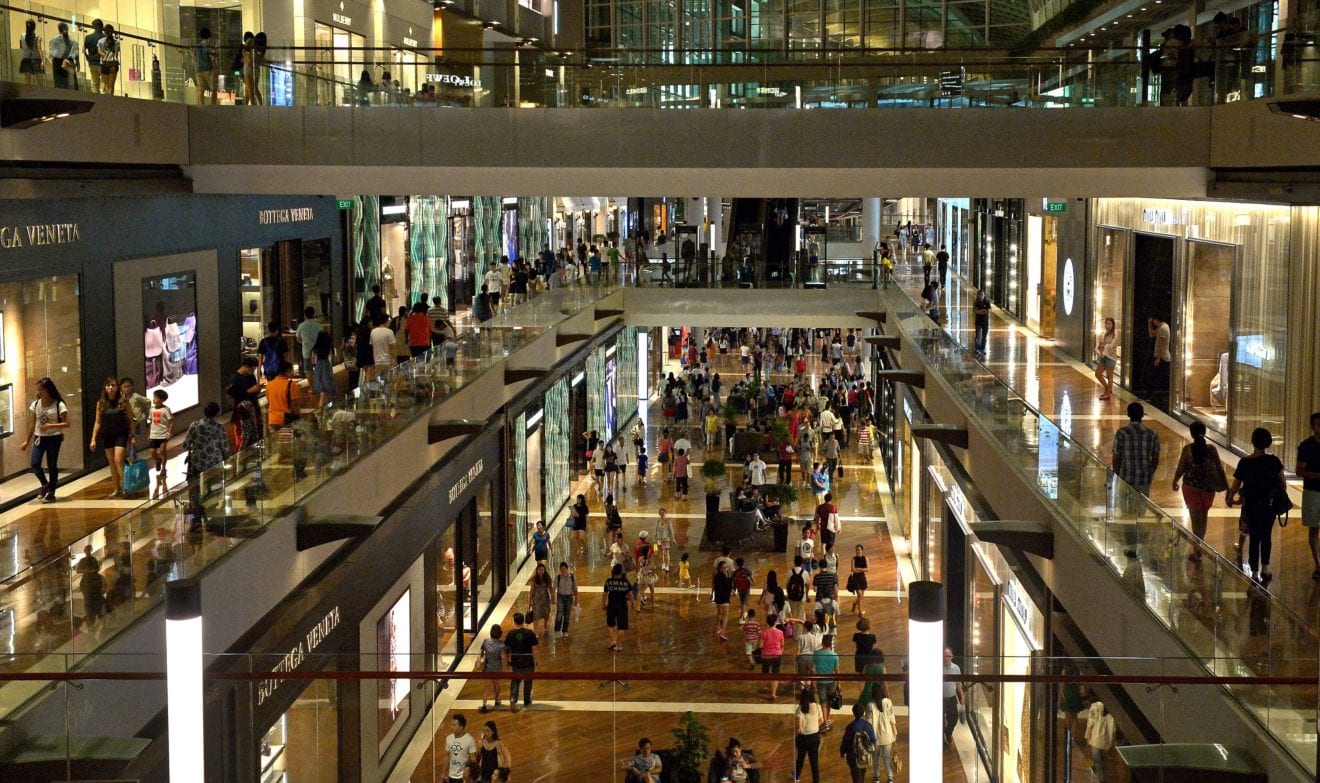
    The Promenade Shops will present the exclusive Chinese New Year fashion items and fashion lovers will radiate charm in the coming festival. At The Promenade Shops, visitors will find over 200 luxury and lifestyle brands, including top-name flagships, boutique designers and high-street favorites. Committed to delivering on the wants and needs of Macau’s most exclusive shoppers, The Promenade Shops has also brought a wide array of brands to Macau for the very first time. These first-to-Macau shops include the Korean art and fashion brand Youk Shim Won and the newly opened kp (new york) inc., showcasing beautifully crafted exotic leather goods at the brand’s first stand-alone store in the Greater China region.

  • Australia’s Thinxtra to launch IoT network in HK

    Australia’s Thinxtra to launch IoT network in HK

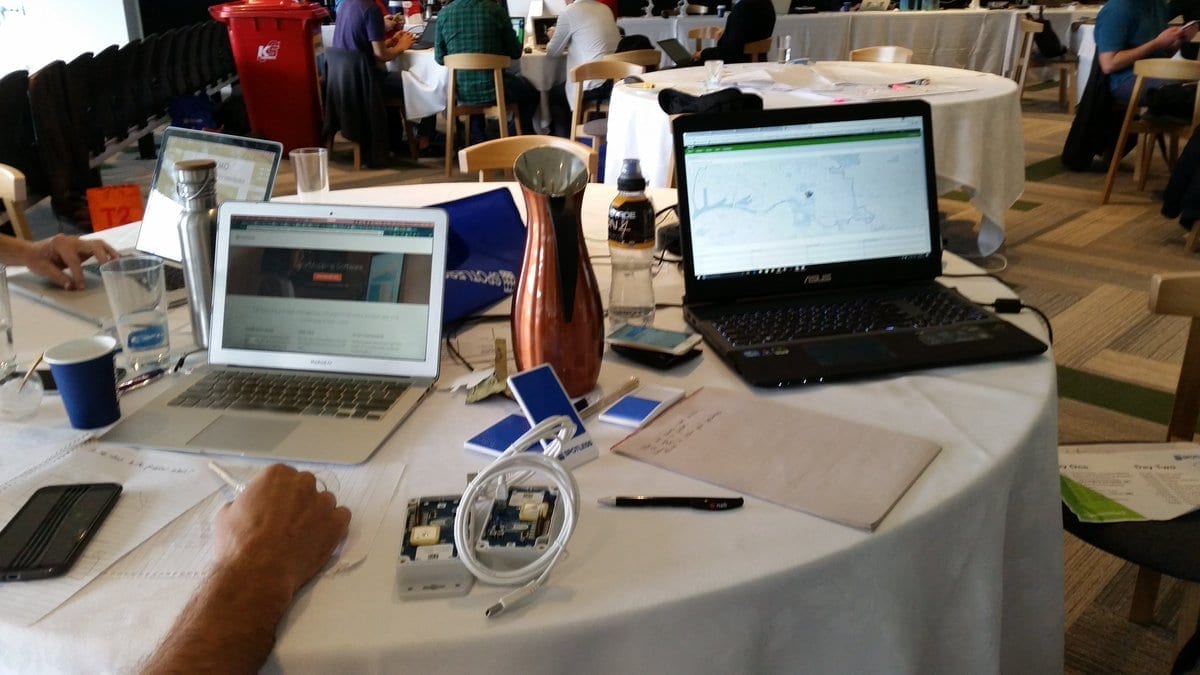
    Australia-based pure-play IoT infrastructure provider Thinxtra has expanded into Hong Kong, with plans to launch Sigfox low-power wide area (LPWA) network in the market early next year.

    The company is deploying a territory-wide open IoT LPWA network that connects to other networks based on Sigfox’s network technology in 28 countries.

    Ahead of the launch, Thinxtra has been working with Hong Kong’s Science Park on IoT R&D efforts as well as the design of devices, sensors and services for the network.

    Thinxtra is the exclusive Sigfox network operator for Australia, New Zealand and now Hong Kong, and also has LPWA networks covering 62% of the population in Australia and 73% in New Zealand.  Now the company is pursuing expansion into the APAC region.

    “We’re bringing our expertise and experience to Hong Kong to support its ongoing transformation into a smart city and a leader in IoT adoption and development,” Thinxtra Asia managing director Murray Hankinson said.

    “We also see great potential for Hong Kong to be a world-leading design and manufacturing hub for IoT innovation, and we’re investing here to support this growth.”

    Sigfox is working with partners to roll out a global LPWA network dedicated to the IoT, designed to meet the low energy consumption and long range requirements for IoT devices.

  • AirAsia injects RM1b into Indonesia ops

    AirAsia injects RM1b into Indonesia ops

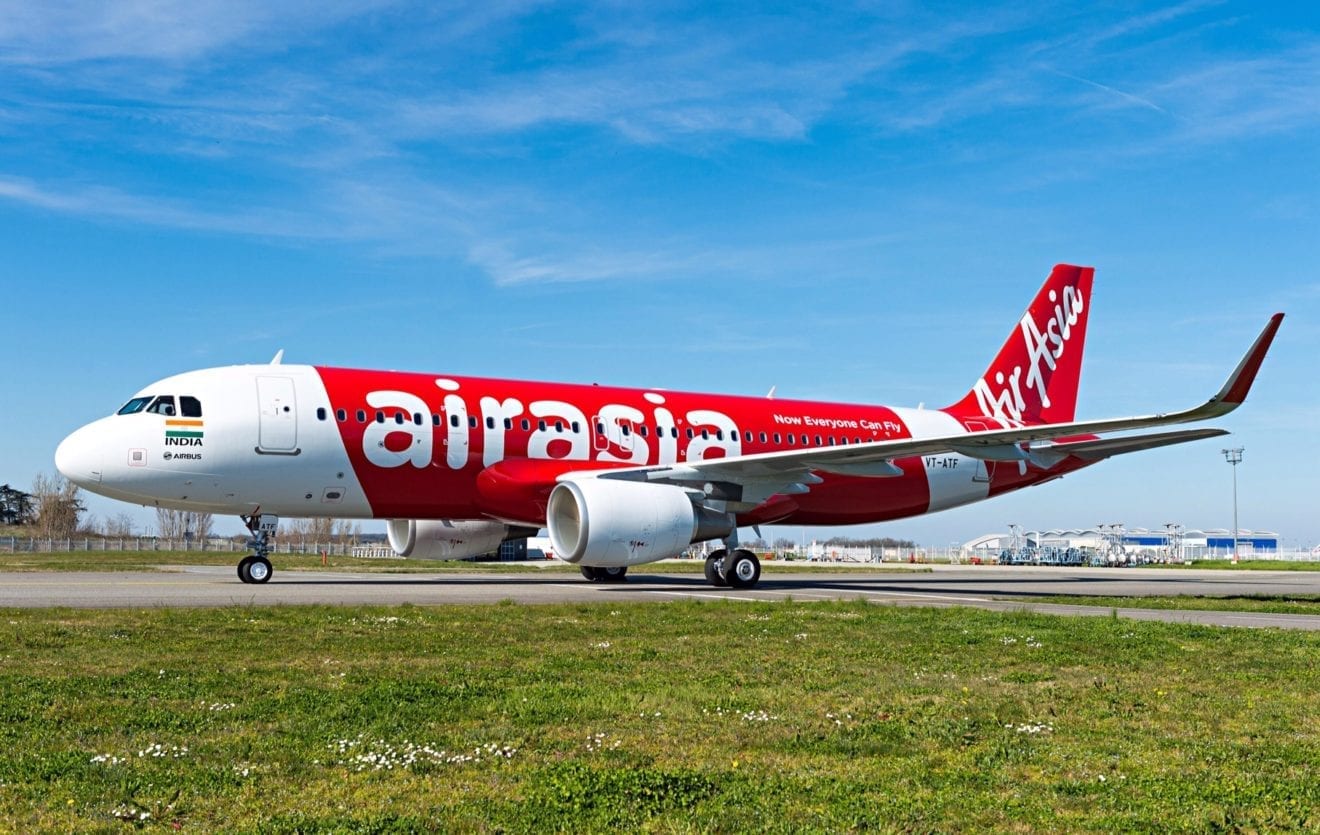
    AirAsia Bhd has injected US$227mil or RM1.01bil into its associate PT Indonesia AirAsia (IAA) to address the latter’s negative equity position.

    The low-cost carrier said  its board had approved the subscription of the US$227mil or 3.042 trillion nominal value of perpetual capital securities issued by its 49% owned Indonesian operations.

    AirAsia had on Friday entered into a perpetual security purchase agreement with IAA to formalise the issuance and terms and conditions between IAA and AirAsia for the subscription.

    To recap, on Sept 29, 2015, AirAsia had subscribed to 2.058 trillion rupiah nominal value, which was 49% of the perpetual capital securities issued by IAA.

    The move then was to comply with the directive received from the Directorate General of Civil Aviation (DGCA) of the Republic of Indonesia to resolve the negative equity position for financial year 2014.

    On May 10, 2016, the Indonesian DGCA had again instructed IAA to increase its capital to address the negative equity balance.

    Subsequently, IAA offered to issue 3.042 trillion rupiah of new perpetual capital securities to AirAsia.

    “The subscription is to enable IAA to attain positive equity position as directed by the DGCA in compliance with the directive.

    “Failure to address the capital shortfall carries the risk that the Minister of Transportation of the Republic of Indonesia would deny IAA’s requests for new route approvals or even impose a suspension of operations,” it explained.

    AirAsia said the Subscription would help reduce IAA’s gearing without any need for AirAsia to inject further funding or capital to IAA as it entailed converting the amount owed to the company into equity of IAA.

    “Indonesia is a crucial market for AirAsia. International Air Transport Association forecasted that Indonesia is expected to be the sixth largest market for air travel by 2034 with 270 million passengers.

    “The risk of suspension of IAA would not only affect the AirAsia brand but also affect the network and future growth of AirAsia Group,” it said.

    AirAsia said the perpetual capital securities carry an initial periodic distribution rate of 2% per annum for the first 12 months and subsequently 8% per annum on outstanding principal amount to the perpetual capital securities until the first call date.

    It will then be stepped up to 13% per annum on outstanding principal amount of the perpetual capital securities post the first call date thereafter.

    “Perpetual in tenure with no fixed maturity date, with IAA having a call option to redeem the perpetual capital securities at the first call date, which is at the end of the seventh year from date of issuance and on each subsequent periodic distribution date thereafter at their principal amount.

    “The periodic distribution rate will step-up by 5% if the perpetual capital securities are not redeemed at the first call date,” it added.

  • DoCoMo joins CAICT’s 5G Promotion Group

    DoCoMo joins CAICT’s 5G Promotion Group

    Japan’s NTT DoCoMo has teamed up with the China Academy of Information and Communication Technology (CAICT) on research and development into potential 5G standards.

    As part of the collaboration, DoCoMo will join the CAICT-initiated IMT-2020 Promotion Group 5G trial. DoCoMo and CAICT will also evaluate possible frequency bands for future 5G networks.

    DoCoMo joined the IMT-2020 promotion group in August to co-operate with major mobile operators and vendors on 5G R&D and standardization.

    The operator has also been conducting joint 5G R&D with vendors including Ericsson, Huawei and others.

    The IMT-2020 Promotion Group was jointly established by three Chinese ministries in early 2013, based on the original IMT-Advanced Promotion Group. It is the major platform to promote research into 5G in China.

    The group is divided into dedicated units covering areas including technology, spectrum, intellectual property and network asrchitectures.

  • Japanese denim brand EVISU Buys Back the Retailing Rights in China for US$40 Million

    Japanese denim brand EVISU Buys Back the Retailing Rights in China for US$40 Million

    Japanese premium denim brand EVISU Group Limited announced the buy-back of the retailing and franchising rights for the China market.

    EVISU Group Limited, the parent company, has reinvested alongside Cassia Investments, a consumer-focused private equity fund, to buy back the interest from New Elegant Trading (Shanghai) Co. Ltd, the joint venture partner in China financially supported by IDG Capital. Acquisition consideration is US$40 Million. David Pun, Chairman and CEO of EVISU Group Limited, will remain the majority shareholder.

    David Pun expressed his excitement about this latest development, “The company made concerted efforts with its China joint venture partner over the past few years to establish brand awareness and secure a footing in China. We think this is an ideal time for the company to integrate its regional China business with headquarters to pursuit the brand’s global objectives in the coming years.”

    In the meantime, EVISU is seeking business expansion globally by forging distribution partnerships for the U.S. and Europe markets. The brand will step up product extensions like EVISUKURO, the latest athleisure collection, and maintain product exclusivity through focused management of wholesale distributors.

  • Brace yourself for Dr Martens expansion

    Brace yourself for Dr Martens expansion

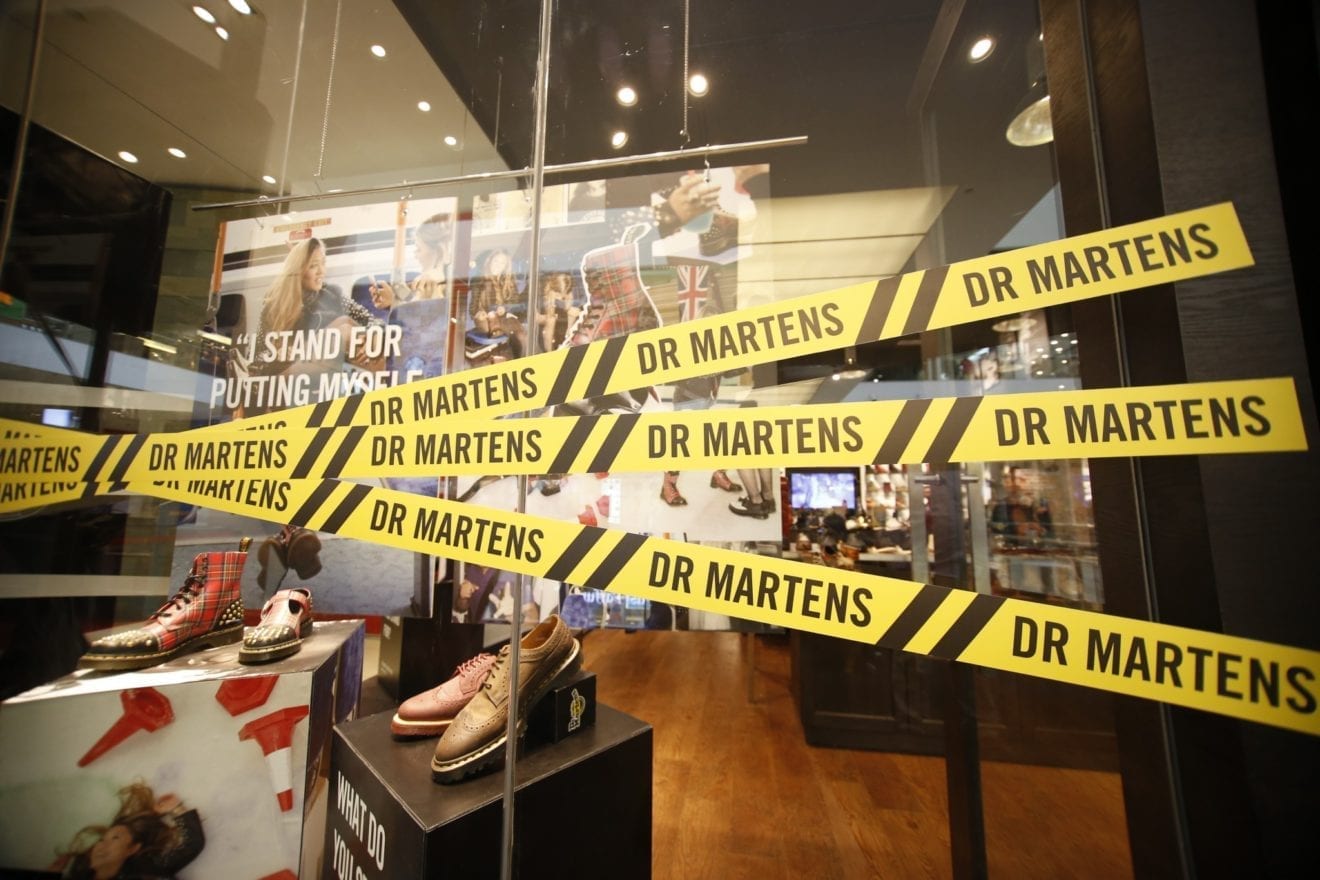
    The global Dr Martens store network is set to double, despite lower revenue and profits in its latest trading year.

    Owned by European private-equity firm Permira, Dr Martens saw its revenue and profits drop as it closed wholesale accounts and invested in stores and online capacity. However, its revenues in Asia rose 19 per cent.

    That in part is inspiring the brand to mount an aggressive expansion strategy not only in Asia but worldwide.

    The company says its total revenue fell 4 per cent to £232.4 million (US$291.6 million) after it closed several “non-strategic” wholesale accounts to refocus its wholesale and export channels. Those wholesale cuts added up to as many as 250 accounts, resulting in a 14 per cent reduction in wholesale revenues to £160.2 million.

    Earnings before interest, tax, depreciation and amortisation (EBITDA) in the year to March 31 fell to £29.6 million from £39.1 million the previous year. This is attributed to “significant” investment in product, new stores and online capability”, while the company has seen “excellent performance” in key growth areas, such as a 24 per cent rise in direct-to-consumer revenue to reach £72.2 million, plus 25 per cent growth in retail sales to £51.2 million, with comparable sales up 5 per cent.

    Its eCommerce sales grew 20 per cent to £21 million, while in Asia there was 19 per cent growth to £46.3 million.
    During the year Dr Martens opened 11 stores and nine concessions, while online sales reached 9 per cent of total revenue. By year-end, its store base was 100 (including 44 concessions), and it plans to double that by 2021.

    The company says that 30 per cent of its sales now come from new product, compared to 14 per cent a year ago, while 79 per cent of sales come from outside the UK. With its international growth, it has set up regional president roles for the Americas, EMEA and Asia, plus global heads of product, IT, logistics, legal and eCommerce.

  • Pop-ups as a warm up for IKEA India

    Pop-ups as a warm up for IKEA India

    Ikea India is launching its pop-up store format Hej Homes in cities where it plans to open brand stores.

    The local branch of the Swedish home furnishings and furniture retailer plans to have 50 of the outlets by 2025, with a typical Hej House store being between 4000 and 7000 sqft (650 sqm), housing a cafe and usually in malls.

    The idea of the stores is to give consumers a taste of the Ikea brand, says country marketing manager Ulf Smedberg.

    The first pop-up will be unveiled in Hyderabad, where construction has started on the brand’s first store. Its second store is expected to be in Navi Mumbai, with plans to start 25 Ikea stores by 2025. Also launching in the first phase will be stores in Bengaluru, Delhi and Mumbai.

    Smedberg says the retailer will be introducing catalogues as part of its branding strategy.

  • Singapore retail sales almost back on track

    Singapore retail sales almost back on track

    Real Singapore retail sales rose in October month-on-month – but slipped year-on-year.

    retail-october

    According to official Statistics Singapore data released Thursday, seasonally adjusted retail sales rose 1.5 per cent (excluding motor vehicles) on September’s figures. But while the headline figure showed a 2.2 per cent increase on October 2015, after removing motor vehicles, the real result was a drop of 0.3 per cent.

    Month-on-month, the performing categories were watches & jewellery, medical goods & toiletries, by department stores, food & beverages, apparel, footwear, supermarkets and recreational goods which increased between 0.3 per cent and 7.1 per cent. But sales of furniture & household equipment, and through mini-marts & convenience stores, optical goods and books decreased between 0.1 per cent and 4.6 per cent.

    Compared to October 2015, retail sales of recreational goods, watches & jewellery, food & beverages, by department stores, supermarkets and medical goods & toiletries rose between 0.3 per cent and 5.6 per cent.

    In contrast, retail sales of computer & telecommunications equipment, apparel & footwear, furniture & household equipment and optical goods & books decreased between 1.8 per cent and 8.1 per cent..

    Food & beverage sales

    fb-octoberIn the food and beverage sector, (for consumption outside home), sales of fast food outlets, restaurants and other eating places, such as cafes, decreased by between 3.5 per cent and 5.6 per cent in October 2016 over September. Turnover of food caterers, other eating places and fast food outlets increased between 2.6 per cent and 5.8 per cent year-on-year, while restaurant sales declined 4.9 per cent.
  • First runway show for Max Mara China

    First runway show for Max Mara China

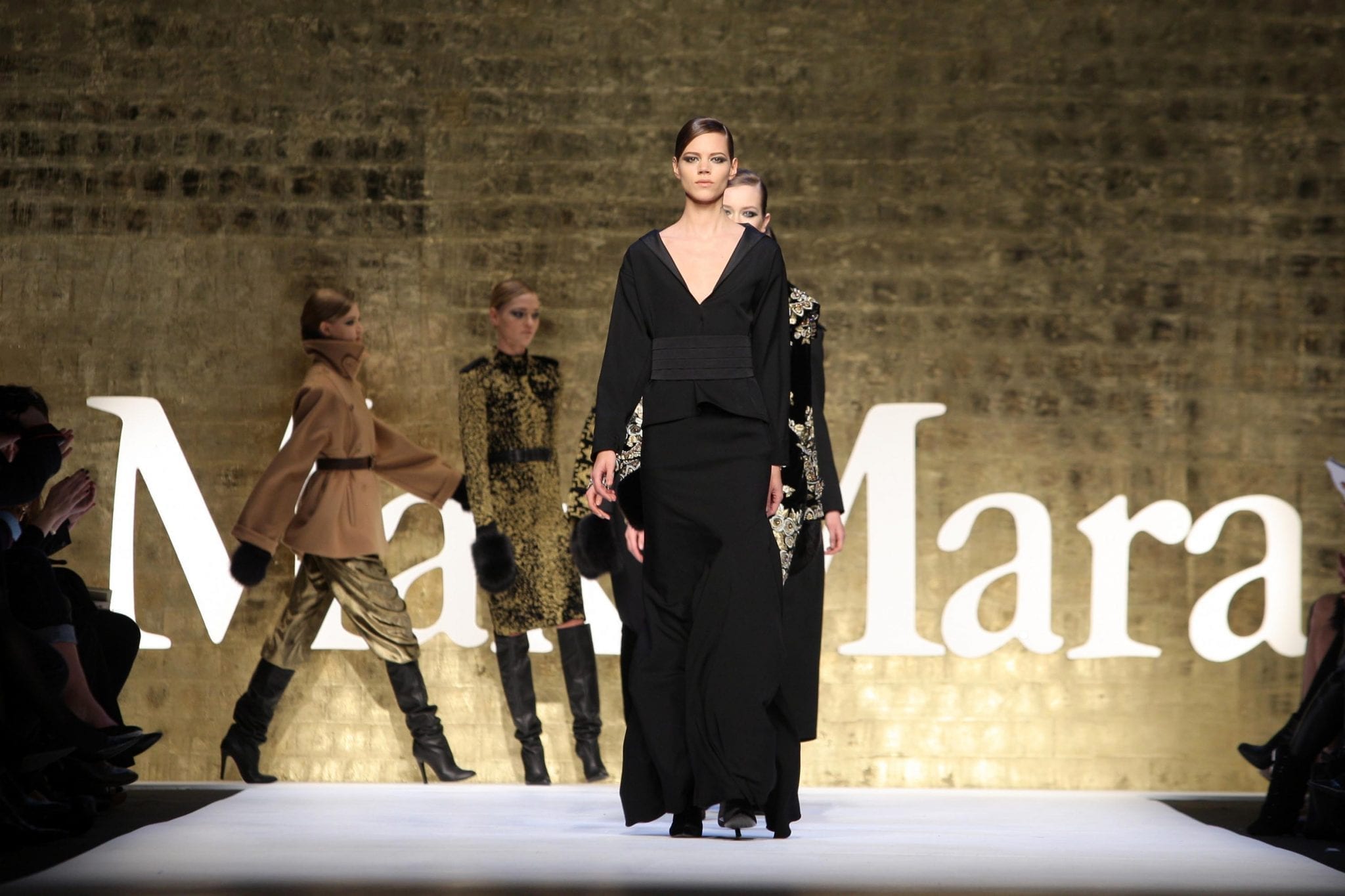
    Luxury Italian fashion house Max Mara hosted its first runway show in Shanghai yesterday.

    It is presenting its pre-collection for fall 2017, as well as a capsule collection conceived in collaboration with Chinese artist Liu Wei, who also created the set for the runway show.

    With the capsule collection, the label is test driving its “see now, buy now” strategy. The collection comprises 11 pieces in upmarket fabrics, inspired by dense urban landscapes. The items will be available from tomorrow in a selection of Max Mara boutiques worldwide, including Paris, and on the label’s website.

    Max Mara opened its first store in China in 1993 and now has 414 boutiques there, including 35 in Shanghai.

    The Italian group has 19 apparel brands, led by Max Mara and Max Sport. It achieved sales of €1.38 billion (US$1.45 billion) last year, with 60 per cent coming from abroad. The company employs 5692 people and has 2668 locations in more than 100 countries.

  • 7-Eleven plans in Vietnam

    7-Eleven plans in Vietnam

    Convenience-store giant 7-Eleven plans to enter Vietnam by taking over VinGroup’s VinMart+ chain, marketplace sources say.

    In a statement from the US last year, 7-Eleven said it would build stores as well as convert “existing locations”. Now industry insiders are saying the group will swallow VinMart+, but there has been silence from both brands.

    The 7-Eleven Vietnam franchise is a partnership between IFB Vietnam, which owns Pizza Hut Vietnam, and Seven System Vietnam. The chain has announced plans to establish 100 stores in its first three years, with 1000 outlets within a decade. Its initial store will be in Ho Chi Minh City, scheduled for early next year.

    VinMart+ is Vietnam’s largest c-store chain with more than 700 outlets. It has plans to expand to 10,000 stores in next 10 years.

    Vietnam is 7-Eleven’s second Pacific Rim market after Indonesia, where it launched in 2009. It also has stores in Australia, China, Japan, Malaysia, Singapore, South Korea, Taiwan, Thailand and the Philippines.

  • Payments innovation continues to drive growth in Thailand

    Payments innovation continues to drive growth in Thailand

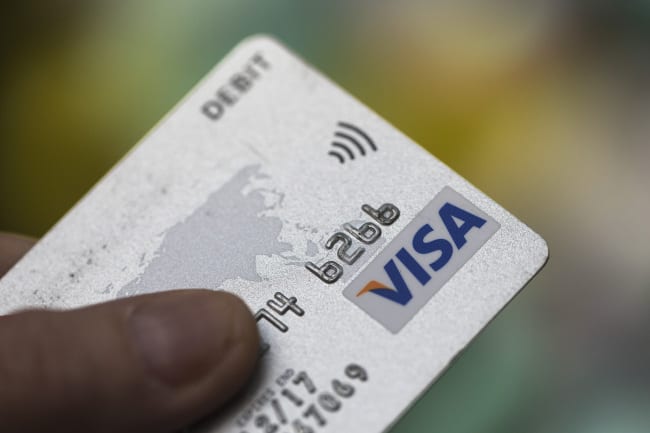
    Demand for innovative payment solutions is on the rise in Thailand, according to global payments technology company Visa, as the value of transactions made by Thai cardholders continues its high-growth trajectory.

    Total payment volume for all Visa cards rose by 9.3 percent last financial year, with growth coming from Visa debit cards at 18 percent and Visa credit cards at 8.6 percent. Meanwhile, the value of eCommerce transactions conducted on Visa cards rose by 24 percent. 

    “While such growth is not new to the payments industry, we are at a tipping point of innovation. New forms of commerce in the digital and hyper-connected world are emerging. When our clients issue Visa cards, they are issuing more than a card, they are issuing a Visa account that enables their customers to use Visa anywhere, anytime, with any connected device,” said Suripong Tantiyanon, Visa Country Manager, Thailand.  

    To support payments innovation in Thailand, Visa has launched the Visa Developer platform, transforming VisaNet, the world’s largest retail payment network, into an open platform for payments and commerce.

    Developers at merchants, financial institutions, technology companies and startups will have self-serve access to some of Visa’s most popular payment capabilities available through APIs, SDKs, and relevant documentation.

    One example of a solution developed and launched in Thailand is a global loyalty mobile application, using the Visa Direct API to provide real-time payment services. The product allows direct transfer of reward points to users’ Visa cards.

    The Visa Tokens Service (VTS), is another API that enables financial institutions to issue tokens – essentially digital accounts that enhance the security and simplify the consumer purchasing experience when shopping on a mobile phone, tablet, personal computer or other smart device. 

    Visa is also expanding the acceptance of electronic payments across the country. The number of merchant outlets that accept Visa cards has grown to almost half a million in 2016, particularly outside of Bangkok. The number of active mobile point of sale (mPOS) devices is almost close to fifty thousand, buoyed by insurance sales.

    “Enormous potential exists for technology to transform the entire payments experience. Many businesses are still relying on legacy systems in a world where customers want everything now – and, customer experience matters. Visa strives to extend the reach and value of electronic payments in ways that can power these changes,” added Mr. Suripong.

  • DFS Group Introduces Newly Upgraded Stores at Hong Kong Airport

    DFS Group Introduces Newly Upgraded Stores at Hong Kong Airport

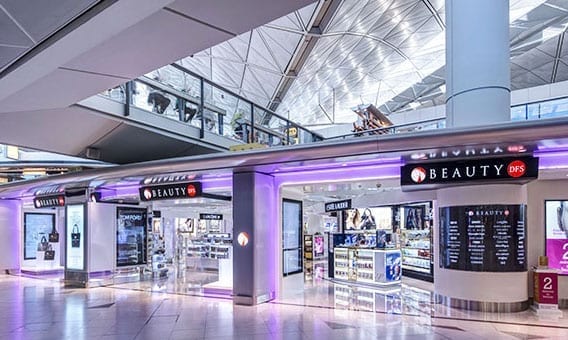
    DFS Group, the world’s leading luxury travel retailer, introduces four newly upgraded shopping spaces inside Hong Kong International Airport. Building on DFS’ promise to deliver innovation and newness, travelers can now discover an expanded assortment of brands and exclusive products at DFS boutiques in the Departures East Hall North and Departures East Hall South, showcasing DFS’ unparalleled expertise in providing new ways to delight travelers to Hong Kong.

    The remodeled area spans over 30,000 square feet, creating greater circulation space across General Merchandise, Beauty and Spirits, Wines and Tobacco categories. A range of first-in-HKIA product lines including Make Up For Ever, Fresh, Innisfree, Sekkisei, GLAMGLOW and Diptyque have been added to the airport stores’ Beauty sectors, while branded kiosks such as Montblanc, Casio, Samsonite and LeSportsac will present customers with new experiences including customized personalization in the General Merchandise section.

    DFS’ remodeled shopping areas also unveil unique new concepts in the Spirits and Wines sector, introducing one of only 15 Johnnie Walker Houses in the world in tandem with The Whiskey House, an experiential destination with certified Sales Associates delivering a luxurious shopping experience. New additions to the extensive brand list include Bache-Gabrielsen, Janneau and Moutai. Customers can explore more than 250 whiskies across 50 brands and enjoy DFS-exclusive offers including William Grant & Sons’ ‘Rare Cask Reserve’, as well as Araid 18 Year Old, 21 Year Old and 25 Year Old.

    Benjamin Vuchot, DFS Group’s Region President, Asia North said, “DFS is committed to continuously enhancing the traveler’s shopping experience at Hong Kong International Airport, gateway to one of the most important destinations in the world. We are very proud to offer these new brands, exclusive products and world-class concepts to travelers to HKIA.”

    The much-anticipated completion of the remodeled stores provides travelers with more space, visibility and better ease of shopping. The new layout marks the beginning of an enhanced shopping experience that will give travelers reason to spend more time relaxing before their flight at Hong Kong International Airport. The remodel builds on a number of exciting activations for travelers including the 12.12 Alipay promotion and recent Whiskey Festival at the newly launched The Whiskey House.

    Be sure to visit the East Hall Departures at DFS, Hong Kong International Airport and experience effortless shopping filled with new discoveries and exclusive offers.