Tag: asia

  • Alibaba plans $1 billion investment in Turkey

    Alibaba plans $1 billion investment in Turkey

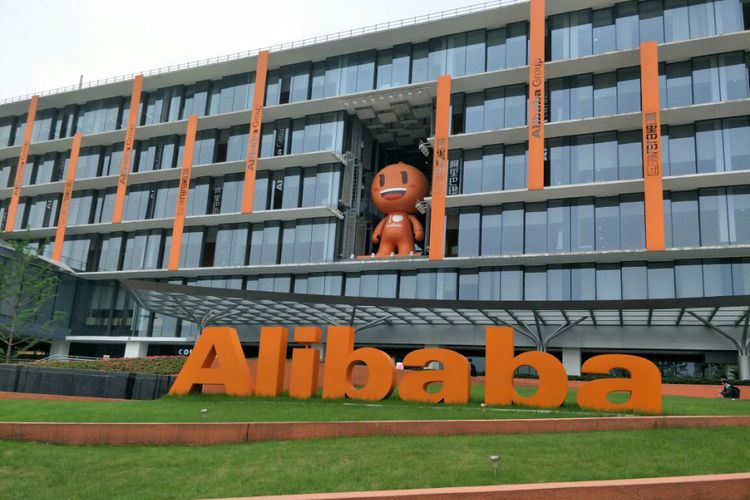
    Chinese e-commerce giant Alibaba Group Holding Ltd is planning a logistics hub at Istanbul Airport and a data centre near the Turkish capital Ankara with an investment of more than $1 billion, its president, Michael Evans, was cited as saying.

    Turkey’s Sabah newspaper reported Evans as saying in an interview that the company was looking to invest in Europe and the Middle East and that he sees Turkey as a very strong production base.

    “We have a serious investment plan at Istanbul Airport. We can evaluate e-export plans from here to Europe, the Middle East and the Far East. We plan an investment of more than $1 billion,” Evans was quoted as saying.

    Trendyol, one of Turkey’s best known e-commerce platforms, is backed by Alibaba.

    “The reason we chose Trendyol was that its technology was advanced and its potential was great. We are positioning this place as a base for Europe and the Middle East,” he said.

  • The Biggest Sports Brands in the Asian Market

    The Biggest Sports Brands in the Asian Market

    Sports are popular globally. People from all over the world are fans of one sport or the other. However, some sports are more popular in one continent but don’t receive much attention in others. For instance, American Football is more prevalent in North America, while Cricket is very popular in Asia. If you wager on sports events on bet365投注, you will have noticed this trend. Nonetheless, football or soccer seems to be the most popular sport globally, making football brands more popular. 

    This article looks at the biggest sports brands in the Asian market. Let’s dig in!

    Manchester United

    First, it is critical to note that football is the most popular sport in Asia. Therefore, football brands are bigger than other sports brands. That said, Manchester United is the most popular football brand in Asia. 

    The Red Devils are undoubtedly the biggest football brand in Asia. The club enjoys a massive following, especially in East Asia countries like China, South Korea, Malaysia, Indonesia, and Singapore. 

    Their popularity can be attributed to Asian players like Shinji Kagawa and Ji-Sung Park. Moreover, club superstars like Wayne Rooney, David Beckham, and Cristiano Ronaldo have also helped to make the club popular in the Asian market. 

    Barcelona

    Barcelona also enjoys a massive following in the Asian market. The Catalan club is loved thanks to its attractive style of play and star-studded squads globally. Star players like Lionel Messi, Ronaldinho, and Samuel Etoo regularly feature in Pro Evolution Soccer covers. 

    Additionally, Barcelona partners with Konami, the Japan-based developer of PES. The Spanish giants also had a shirt sponsorship deal with Qatar Airways and are now sponsored by Rakuten, a Japanese company. All these factors have helped make Barcelona a big brand in Barcelona. 

    Chelsea

    The Blues enjoy a massive global following, including in Asia. Their rise to the top recently has contributed to the club’s fame in Asia. For instance, the Jose Mourinho era saw the club establish itself as a formidable title contender in England and Europe at large. 

    Besides, their popularity in the Asian region is also because of their shirt sponsorship deal with Samsung, a tech giant from South Korea. Other Asian sponsors Chelsea has worked with include Yokohama Tyres of Japan and Three of Hong Kong. 

    Real Madrid 

    Real Madrid is also a massive brand in Asia. The club enjoys tremendous followership in Japan, China, and the Middle East. Moreover, Madrid also has a long partnership deal with Fly Emirates.

    Even though Madrid has not had many Asian players, it remains one of the most popular in the region. You can attribute the popularity to their unmatched success in the field.   


  • Bangalore Rising as an Investment Destination for Non-Residents

    Bangalore Rising as an Investment Destination for Non-Residents

    Bangalore continues to be the most prominent non-resident Indian (NRI), investor as Indian real estate continues to grow.

    Bangalore is a preferred destination for NRI real property investment due to its lucrative prospects, abundance of property managers, consultants, and NRI’s emotional attachment home. You won’t find it in any other Indian location.

    Many property types have high appreciation rates. NRIs have many options when it comes to purchasing a home due to the high appreciation rates of Whitefield and Sarjapur. You can include residential flats, villas, and studio apartments as well as commercial buildings and many other types of assets. You can keep track of all your assets, including real estate, using the Prillionaires personal finance software. They can choose the type of project they want to invest in, depending on their schedule and money.

    NRI Investment in Bangalore Properties

    1. Cosmopolitan Lifestyle

    This city attracts NRIs because of its vibrant lifestyle. They also invest in real property in Bangalore. People of all races, religions, and ethnicities settle in different areas. Communication seems to be easier because of the city’s setting. NRIs choose a city that offers a diverse lifestyle.

    It helps them to relax. All services are included in a resident’s busy schedule.

    Communicating with NRIs who speak little English can prove difficult for those with limited English proficiency.

    2. Prevalence of Luxury Housing Segment

    There are not many cities in India that cater to the luxury housing market. Bangalore has a higher per-capita income than most Indian cities. This shows that Bangalore’s residents have a higher purchasing power than those in other parts.

    Developers and builders can easily set up luxury homes in this city. Buyers are encouraged to explore the options before buying a house.

    3. Attractive prices

    As the rupee continues to fall in value against the US dollar, property in Bangalore is readily available at affordable rates. This encourages NRIs to invest in real estate. The Foreign Exchange Management Act (or FEMA), which was simplified by the RBI to attract foreign investment has also stifled a booming sector. The Act allows Indians who are residing abroad to purchase residential and commercial property, except for agricultural land.


    4. Tax Benefits

    NRI investments in real estate have extraordinary tax benefits. NRIs can own an unlimited number of properties. Therefore, they are able to rent, sell, lease, and invest in real property. You can invest in multiple properties and get positive returns through long- and short-term capital gains, rental income, and leasing income.

    Property Laws Of Bangalore Real Estate

    Regulations govern the sale and purchase of real estate properties. These are usually land parcels or buildings. Because of their fixed nature, immovable properties can’t be moved or replaced.

    The Transfer of Property Act of 1882 regulates the sale and purchase of real property in India. The 1882 statute does not cover the idea of an apartment and its undivided land or communal spaces.

    KAOA has taken a critical step to make a comparison between the acquisition of an apartment, and its proportional undivided portion, with the acquisition of movable properties under the Transfer of Property Act.

    The buyer can be the sole owner of the unit if they have a valid title and a proportionate undivided interest.

    Bangalore, Asia’s fastest-growing city, has experienced a significant increase in NRI investment, driven both by passion and financial reasons. It is also a popular place to live, and it is the country’s IT powerhouse. Similar to the housing markets in Pune, Hyderabad, and Chennai, Bangalore has seen rapid expansion.

    The Real Estate (Regulation and Development) Act (RERA), looser investment regulations, the rupee’s depreciation relative to the dollar, attractive developer incentives, and a greater online and offline presence of developers have all contributed to the growth of the trend. These initiatives have made it easier for homebuyers to access information and allowed NRIs to invest in their home country.


  • Bamboo Airways establishes cargo carrier

    Bamboo Airways establishes cargo carrier

    Bamboo Airways has announced the founding of Bamboo Airways Cargo in an effort to develop a larger network of affiliates in Vietnam’s sparse aviation ecosystem.

    Hanoi-based Bamboo Airways Joint Stock Company (BAC) is launching with a charter capital of VND20 billion ($833,000), 75% of which has been contributed by Bamboo Airways, the carrier said Wednesday.

    The remainder belongs to three other individual shareholders.

    Bamboo Airways named its vice chairman Doan Huu Doan as chairman of the new BAC, while Bamboo Airways deputy general director Nguyen Khac Hai will be BAC’s new CEO.

    Bamboo Airways is present at 21 out of 22 airports in Vietnam, and at other major airports in the Asia-Pacific region and Europe.

    In September 2022, Vietravel Airlines said it would cooperate with HCMC-based Asean Cargo Gateway Joint Stock Company to launch an air cargo service, contributing 51% and 49% of the capital, respectively.

    Vietravel Airlines CEO Vu Duc Bien has noted that the region’s air cargo market lacks carriers and therefore carries immense untapped potential.

  • Samsung’s quarterly profit sinks to 8-year low on demand slump

    Samsung’s quarterly profit sinks to 8-year low on demand slump

    Samsung Electronics Co Ltd flagged on Friday its quarterly profit tumbled by two-thirds to an eight-year low as a weakening global economy hammered memory chip prices and curbed demand for electronic devices.

    The dismal profit estimate by the world’s largest memory chip, smartphone and TV maker – a bellwether for global consumer demand – sets a weak tone for other technology firms’ quarterly results.

    Samsung’s profits are expected to shrink again in the current quarter, analysts said, after the South Korean company announced its October-December operating profit likely fell 69% to 4.3 trillion won ($3.37 billion) from 13.87 trillion won a year earlier.

    It was Samsung’s smallest quarterly profit since the third quarter of 2014 and fell short of a 5.9 trillion won Refinitiv SmartEstimate, which is weighted toward forecasts from analysts who are more consistently accurate.

    “All of Samsung’s businesses had a hard time, but chips and mobile especially,” said Lee Min-hee, analyst at BNK Investment & Securities.

    Quarterly revenue likely fell 9% from the same period a year earlier to 70 trillion won, Samsung said in a short preliminary earnings statement. Asia’s fourth-biggest listed company by market value will release detailed earnings on Jan. 31.

    Rising global interest rates and cost of living have dampened demand for smartphones and other devices that Samsung makes and also for the semiconductors it supplies to rivals such as Apple Inc.

    “For the memory business, the decline in fourth-quarter demand was greater than expected as customers adjusted inventories in their effort to further tighten finances…,” Samsung said in the statement.

    Its mobile business’ profit declined in the fourth quarter as smartphone sales and revenue decreased due to weak demand resulting from prolonged macroeconomic issues, Samsung added.

    “Memory chip prices fell in the mid-20% during the quarter, and high-end phones such as foldable didn’t sell as well,” said BNK Investment’s Lee, adding its display business was hurt due to client Apple’s production delays at the world’s biggest iPhone factory in China during the quarter.

    Three analysts said they expected Samsung’s profits to dive again in the current quarter, with a likely operating loss for the chips business as a glut drives a further drop in memory chip prices.

    Samsung shares rose 1% in Friday morning trade, versus a 0.9% rise of the wider market. Shares of rival memory chip maker SK Hynix rose 1.6%.

    “The reason shares are rising despite the poor earnings result is.. investors are hoping Samsung will need to reduce production, like Micron or SK Hynix said they would, which would help the memory industry overall,” said Eo Kyu-jin, an analyst at DB Financial Investment.

    Samsung had said in October that it did not expect much change to its 2023 investments. Analysts said that Samsung has a history of not announcing memory chip production cuts, but could organically adjust investment by delaying bringing in equipment or through other ways.

  • Electricity supply set for nearly 6% increase in 2023

    Electricity supply set for nearly 6% increase in 2023

    Electricity supply, made up of both domestic production and imports, is set to increase by 5.96% from last year to 284.5 billion kilowatt-hours in 2023.

    The Ministry of Industry and Trade ordered the country’s main coal producers, Vinacomin and Dong Bac Corp, to ensure adequate supply for power production this year.

    Last year Vinacomin supplied 97% of the volume it had promised and Dong Bac, 82%.

    Monopoly state utility Vietnam Electricity reported a loss of over VND31 trillion last year, and attributed it to surging expenses.

    The government allows EVN to raise electricity prices by up to 5% annually but has to seek Ministry of Industry and Trade approval if it wants to increase them 5-10%. Cabinet approval is needed for anything higher.

    The country’s installed capacity is nearly 77,800 megawatts now, up 1.83% from 2021, with renewables accounting for 26.4%.

  • Google unveils new Android Auto features

    Google unveils new Android Auto features

    Google’s booth at CES officially opened today and highlighted some of the progress that has been made to make the Android ecosystem more helpful across multiple devices. Some of the apps and features that have driven this include the media player, seamless switching between Android and ChromeOS and a brand new Android Auto.

    At CES, Google is showing how its technology already helps devices work better together and how we as users can enjoy entertainment in new ways, like by expanding its work with Spotify so we can listen without interruptions.

    With Android 13, Google added a new media player to your Android phone’s lock screen and notification area, letting you quickly choose which Bluetooth or Chromecast-enabled devices to play your content on. This year, Google is working closely with Spotify to make it easy for users to switch between any Spotify Connect device and the media player on Android.

    Google is also making it possible for you to take your audio content with you as you go about your day. This will be accomplished via notifications on your devices, allowing you to tap to start listening to a podcast in the car, continue on your phone and headphones, and finish on your TV at home. As you move around, your phone or other devices will send you media notifications asking if you want to move the audio to a nearby device.

    Google is working with Spotify to use these notifications to help users enjoy the content they’re streaming on their best device. This notification experience will also be available on YouTube Music.

    Designed to be adaptable, open, and compatible with one another, Android and Chrome OS were made to function hand in hand. This trend continues with Android’s three-layer technology stack that understands your proximity to another device and context in how you use it, bringing you a new level of convenience and ease-of-use.

    To bridge these devices together, Google has integrated tools like Fast Pair, Nearby Share, Phone Hub, and Chromecast to make switching between devices faster and less cumbersome. Google has also expanded on Android’s rich heritage of customization and AI to bring a range of individualized features, such as seamless audio switching to cross-device copy and paste.

    These and other features be found on the latest Chromebooks, such as the ASUS Chromebook Vibe CX34 Flip and the HP Dragonfly Pro Chromebook, both of which were revealed at CES.
  • WhatsApp’s newest feature helps users avoid internet shutdowns

    WhatsApp’s newest feature helps users avoid internet shutdowns

    WhatsApp starts the new year with a minor update introducing proxy support, a feature that should help some users avoid internet shutdowns. The new feature is available for WhatsApp users worldwide, regardless of their phone (iOS or Android).

    According to WhatsApp, all the proxies that will be available to choose from will connect through servers set up by volunteers and organizations. The messaging app has also published a guide to help those who want to volunteer for such a task, which is pretty easy to follow if you’re tech-savvy.

    If you want to benefit from the feature, here is how you can connect to a proxy if you have an Android or an iOS device.

    Connect to a proxy on Android

    • Make sure you are using the most current version of WhatsApp.
    • In the Chats tab, tap More options / Settings.
    • Tap Storage and Data > Proxy.
    • Tap Use Proxy.
    • Tap Set Proxy and enter the proxy address.
    • Tap Save.
    • A check mark will show if the connection is successful.

    Connect to a proxy on iPhone

    • Make sure you are using the most current version of WhatsApp.
    • Go to WhatsApp Settings.
    • Tap Storage and Data / Proxy.
    • Tap Use Proxy.
    • Enter the proxy address and tap Save to connect.
    • A check mark will show if the connection is successful.

    As per WhatsApp’s official statement, the level of privacy and security that the app provides should remain just as high when connecting via proxy, so we shouldn’t be worried about privy eyes. End-to-end encryption will remain active even when connecting the app through other servers via proxies, so messages should not be visible to anyone in between (i.e. proxy servers, WhatsApp, or Meta).

    To take advantage of proxy support, check out the new feature in the settings menu, but first make sure you have the latest version of the app installed.

  • Bed Bath & Beyond in crisis as turnaround plan fails

    Bed Bath & Beyond in crisis as turnaround plan fails

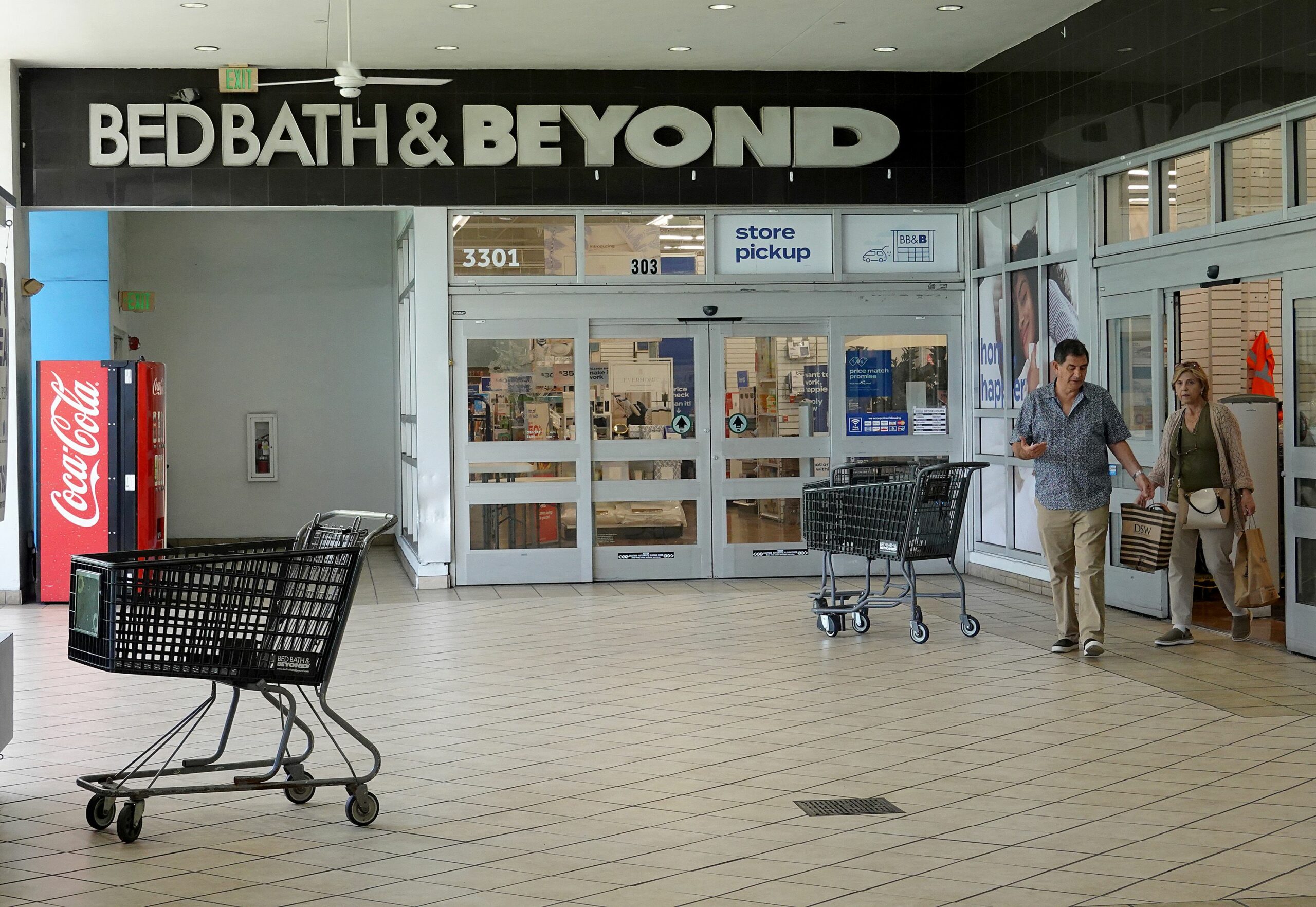
    US home goods retailer Bed Bath & Beyond is likely to file for bankruptcy protection as there is “substantial doubt about the company’s ability to continue” after sales floundered over Christmas-New Year.

    In a business update, the company said a turnaround plan initiated at the start of the third quarter with a refocus on merchandising and inventory control while strengthening its financial position had failed to deliver anticipated results.

    However, based on preliminary results for the quarter ending November 26, sales fell 33 per cent to US$1.259 billion reflecting lower customer traffic and reduced levels of inventory availability. A net loss of approximately $385.8 million was also registered.

    Sue Gove, president & CEO at Bed Bath & Beyond, said: “Despite more productive merchandise plans and improved execution, our financial performance was negatively impacted by inventory constraints as we partnered with our suppliers to navigate both micro- and macro-economic challenges.”

    She added the company subsequently leveraged the liquidity gained from the holiday season to immediately pursue higher-in-stock levels to support key vendors.

    “We continue to manage our financial position amidst a changing landscape and work with expert advisors as we consider all paths and strategic alternatives to accomplish our short- and long-term goals,” said Gove.

    Neil Saunders, MD at GlobalData, said the business has “burnt through” most of its liquidity and will need to raise further funds to continue operating.

    “Despite a desperate attempt to shore up finances and improve the customer experience, sales continue to slump and losses continue to mount. Put bluntly, the business is moving at rapid speed in the wrong direction with bankruptcy the most likely destination.”

    The company informed investors that it continues to consider all “strategic alternatives” including restructuring or refinancing its debt, selling assets, seeking additional equity capital and obtaining relief under the US Bankruptcy Code, though the measures may not be successful.

    According to Reuters, the company has interest payments on roughly $1.5 billion of bonds which are due February 1. It will likely be skipped to conserve cash triggering a 30-day grace period before the entity defaults.

  • Dr Martens shuts all stores in the Philippines

    Dr Martens shuts all stores in the Philippines

    German-founded British footwear and apparel brand, Dr Martens, has closed all of its physical stores in the Philippines.

    The brand announced on social media that it closed all of its remaining four stores in Glorietta 4, SM Mall of Asia, SM Megamall, and Manila Bay by the end of last month. However, Dr Martens did not disclose the reason behind its physical withdrawal from the market.

    Local sources said Dr Martens started shutting its stores in the country last February, including its flagship store in Two Parkade BGC.

    UK-based footwear retail reported a 13 percent year-on-year increase in revenue, reaching US$507 million in turnover for the first half of the fiscal year 2023. The brand opened 21 new stores and closed five stores during the period.

    “Although there are economic challenges ahead, we are well positioned for future growth,” said Kenny Wilson, CEO of Dr Martens.

    Dr Martens’ store closure in the Philippines occurred despite the market having seen growth in sportswear spending. Last month, US sneaker chain Foot Locker expanded into the country with the first store opened inside Manila’s Glorietta shopping mall under the partnership with Indonesian retailer MAP Aktif Adiperkasa.

  • Macau casinos pledge to invest $15 bn

    Macau casinos pledge to invest $15 bn

    As casinos in Macau begin new licenses to operate in the world’s biggest gambling hub on January 1, the stakes are high on whether they will be able to successfully deliver on a government mandate to diversify away from their cash-cow: gambling.

    For the last 20 years, Sands China, Wynn Macau, MGM China, Galaxy Entertainment, Melco Resorts and SJM Holdings, have raked in billions of dollars from their casinos in the Chinese special administrative region, turning the once sleepy fishing village into a glitzy boomtown.

    But their 10-year, shortened contracts come at a time when Covid-19 restrictions have decimated Macau’s gambling revenues, with 2022 the worst annual performance on record. Industry net debt is surging and operators face a new era of government oversight and control over their operations.

    The recent easing of coronavirus restrictions in mainland China and Macau in December has also resulted in a wave of infections across the city, including many staff.

    Casinos have committed to investing a total of $15 billion in the coming decade, 90 percent of which must be spent on non-gaming.

    But operators will find it hard to monetize their non-gaming ventures given their poor track record since 2001, when the former Portuguese colony first liberalized the industry, executives and analysts said.

    Non-gaming revenues, which averaged around 5 percent of overall gaming revenues pre-Covid, must grow to more than 30 percent in the next decade, said Ben Lee, founder of Macau gaming consultancy IGamiX.

    “For the past 20 years, none of the operators have managed to establish any significant progress in non-gaming.”

    “Contrary to the vaunted Las Vegas model, non-gaming in Asia does not carry the same profit margin as spending behaviour is quite different over here,” Lee said, while adding that Galaxy, Melco and Sands were likely to fare better at diversifying based on their track record and management team.

    Macau’s visitors have traditionally been male gamblers aged 30 and older, but more young families and women have started visiting in recent years.

    Macau, a densely packed territory located on China’s southern coast, is the only place in the country where gambling in casinos is legal.

    In December, following the formal awarding of their contracts, casinos unveiled non-gaming plans including indoor waterparks, health and wellness centres, art exhibitions and a large garden attraction by Sands, similar to Singapore’s Gardens by the Bay.

    Macau’s current non-gaming attractions have focused on retail and dining, with some entertainment offerings such as Melco’s nightclubs, Galaxy’s cinema, Sands’ themed Venetian and Parisian properties and its exhibition arena.

    But it pales in comparison to Las Vegas, which boasts daily entertainment and draws an international crowd. More than 90 per cent of Macau’s visitors are from greater China, prompting the government to require operators to attract foreign tourists as part of their new contracts.

    New rules also stipulate that companies must routinely submit to the government the progress of their investment projects, the value of their investments and the execution period.

    Increased regulatory oversight comes as Macau casinos face much higher debt levels versus 2019. Net debt increased four-fold to $23 billion in 2022 and it may only peak by end 2023 at $24 billion, Morgan Stanley said in a December note.

    Compounding casinos’ challenges, Macau lacks connectivity with international markets, has dilapidated infrastructure and a shortage of skilled labour, as well as reputational damage over its Covid management, executives said.

    Macau has few direct flights from potential markets outside China, while transport within the city is limited to move large groups of people around, said David Green, head of Macau gaming consultancy Newpage.

    “There is no indication that I have seen that the government is, or intends to address these weaknesses. Given the serial mismanagement of public works…it leaves concessionaires with a less than optimal host attraction proposition.”

    A lack of land also hinders further development, while competition to hold conferences and exhibitions is rife from cities like Hong Kong and Singapore and within China itself.

    Alidad Tash, who worked as a senior executive in Macau’s casinos since 2006 and now runs consultancy 2nt8, said the biggest challenge for operators was that mainland Chinese already have access to conventions, restaurants, shows and shopping in their own cities.

    “What they come to Macau primarily for is the one thing that is not legally allowed within China: gambling.”
  • South Korean e-grocery startup Kurly scraps IPO plan

    South Korean e-grocery startup Kurly scraps IPO plan

    Kurly Corp. the operator of South Korean e-grocery platform Market Kurly, said Wednesday it will postpone the initial public offering (IPO) originally planned for early this year, due to harsh market conditions.

    “We decided to push back our planned IPO with the Korea Exchange (KRX), considering the contracting investor confidence amid global economic uncertainties,” the company said in a statement.

    “Kurly will resume our public listing at an optimal moment when the company can be fully valuated for its worth.”

    Kurly received preliminary approval for its public listing in August last year.

    The e-grocery giant originally sought to complete its public listing in the second half of 2022, but the review process had been delayed amid worries over its “unstable” ownership structure in which its founder has a small stake, along with continuing losses from its business.

    The company reportedly promised in its IPO plan that its financial holders will maintain their stakes in the company for a certain period after the KOSPI debut.

    Founded in December 2014, Kurly has appealed to customers by providing early morning deliveries of fresh food through its e-grocery platform, Market Kurly.

    The company has been expanding business to other areas, such as cosmetics, ahead of its market debut originally planned for last year.

    Following its decision, Kurly will have to undergo a preliminary review again should it hope to push ahead with the public listing again in the future.

    Various companies had withdrawn their IPO plans last year due to harsh market conditions.

    CJ Olive Young, South Korea’s largest health and beauty store operator, refinery Hyundai Oil Bank Co. and SK shieldus, a securities subsidiary of SK Group, also gave up their IPO plans in 2022.

  • Amazon CEO says job cuts to exceed 18,000 roles

    Amazon CEO says job cuts to exceed 18,000 roles

    Amazon.com’s layoffs will now stretch to more than 18,000 roles as part of a workforce reduction it previously disclosed, Chief Executive Andy Jassy said in a public staff note on Wednesday.

    The layoff decisions, which Amazon will communicate starting January 18, will largely impact the company’s e-commerce and human-resources organizations, he said.

    The cuts amount to 6 per cent of Amazon’s roughly 300,000-person corporate workforce and represent a swift turn for a retailer that recently doubled its base pay ceiling to compete more aggressively for talent.

    Jassy said in the note that annual planning “has been more difficult given the uncertain economy and that we’ve hired rapidly over the last several years.”

    Amazon has more than 1.5 million workers including warehouse staff, making it America’s second-largest private employer after Walmart it has braced for likely slower growth as soaring inflation encouraged businesses and consumers to cut back spending and its share price has halved in the past year.

    It began letting staff go in November from its devices division, with a source telling Reuters at the time it was targeting 10,000 job cuts.

    In number, its layoffs now surpass the 11,000 job cuts at Facebook-parent Meta Platforms Inc as well as reductions at other tech-industry peers.

  • UK carrier Vodafone achieves its fastest speeds

    UK carrier Vodafone achieves its fastest speeds

    UK carrier Vodafone has accomplished yet another milestone. In a new blog post, the mobile operator announced that it achieved its fastest-ever speed throughout the home during a trial with CityFibre — a company that owns, operates, and maintains fiber-to-the-building infrastructure in cities throughout the UK.

    Thanks to CityFibre’s upgrade of its York network to XGS-PON, which should be able to support speeds of up to 10Gbps, and Vodafone’s Ultra Hub modem and Super WiFi 6E Booster, the carrier’s Pro II Broadband plan managed to reach broadband speeds of up to 2Gbps. Vodafone stated that these speeds are twice as fast as the fastest services currently available on CityFibre’s network.

    But what does that mean for the end user? Well, with a 2Gbps Full Fiber service, you can download a 50GB game on your console in around three minutes and 20 seconds, which is more than 50% faster than Vodafone’s 910Mbps broadband. Or, if you prefer watching TV series, you can download a 3.53GB HD TV show in about 15 seconds, which is just incredible.

    However, in order to fully take advantage of such a fast broadband connection, you also need a powerful smartphone. And if you are in the market for one, feel free to check out our best Vodafone phone deals article and get one from there with a great discount. In case you are rocking with another carrier, you can see our best O2 phone deals, best Three phone deals, best EE phone deals, and best Virgin Media deals articles.

  • Garment exports soar in early part of 2022

    Garment exports soar in early part of 2022

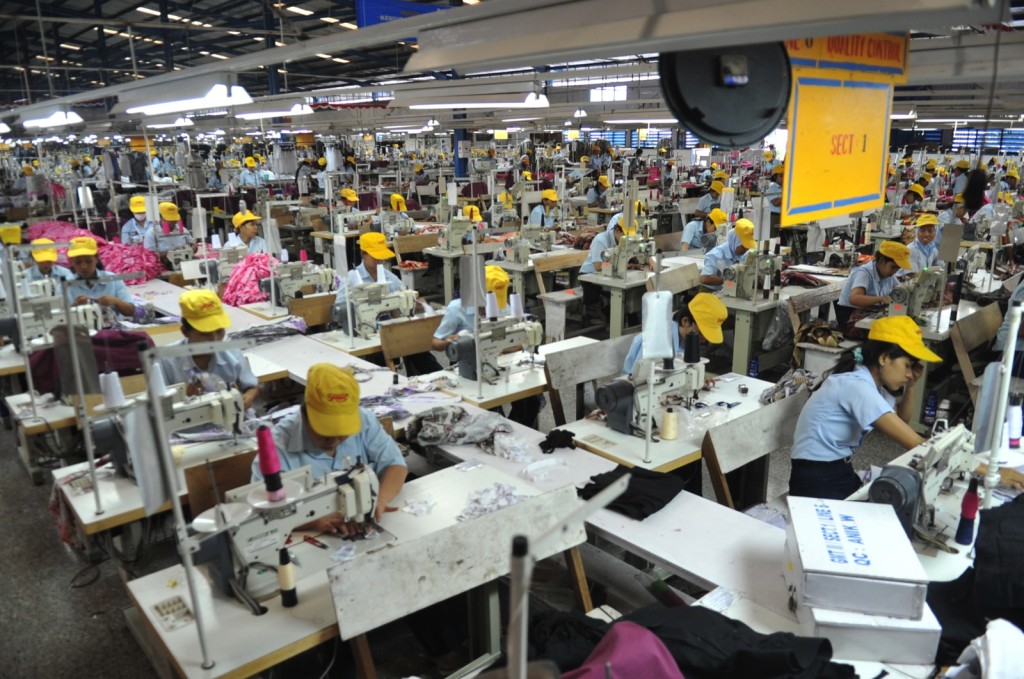
    Vietnamese garment and textile producers were overwhelmed with export orders in the first half of 2022, but things unraveled in spectacular fashion after mid-year as the global economy slumped.

    “2022 was an unprecedented year,” Le Tien Truong, chairman of the Vietnam National Textile and Garment Group (Vinatex), said, referring to the export market. “In the past 25 years I have never seen the market change so suddenly, in just one month.”

    Textile and garment exports were worth $22.3 billion in the first half of 2022, seeing a year-on-year rise of nearly 18% and a trade surplus for the industry of $8.9 billion, up 32%.

    After nearly two years of social distancing, consumers in many countries appeared to have an “overbuying” mentality, which resulted people buying more than usual.

    Fearing slow delivery due to supply chain bottlenecks during the Covid pandemic, distributors increased orders to meet the high demand in recovering economies.

    But the “overbuying” did not last long because of geopolitical instability, the conflict between Russia and Ukraine and other factors, such as surging inflation in many countries worldwide. People, especially in Vietnam’s export markets such as the U.S. and the European Union, spent less on non-essential products such as garments.

    By the end of June many garment firms’ inventories increased by 50% to reach levels not seen even during the pandemic. The market showed signs of slowing in August, and began to decline in September.

    The fourth quarter is usually the peak production season, but in 2022 the market plummeted as orders tumbled.

    The director of a garment company with 1,200 employees in HCMC’s Binh Chanh District said there were lots of orders in the first half of the year and workers had to work overtime, but the situation reversed in the second half.

    “We were forced to reduce seasonal workers, and stop some production lines because there were no orders,” he said.

    Workers were furloughed, he said. The gloomy market with few orders and lower prices resulted in a large amount of inventory. Instead of bulk orders like in the first half, buyers placed smaller orders with tight delivery schedules.

    To provide jobs for workers and avoid mass layoffs, garment and textile producers had to accept small orders, reduce selling prices and diversify export markets.

    Production slowed down in the last quarter, but due to the high growth in the previous three quarters, the textile and garment industry still reached the export target of $44 billion, up 10% against 2021.

    The U.S. was still the largest importer of Vietnamese garments and textiles for the year with orders of more than $18 billion, followed by South Korea with $4.2 billion, and Japan and China with around $4 billion each.

    The market situation changed suddenly in the middle of the year, but Vinatex managed to realize its consolidated profit target of VND1.090 trillion ($45.4 million) in 2022.

    However, there are difficulties ahead for the industry. “Demand for garments in 2023 will still be weak, at least the first quarter will not be positive,” Truong said.

    Vu Duc Giang, chairman of the Vietnam Textile and Apparel Association, said orders from the end of 2022 to the first quarter of 2023 decreased by 25-27% due to weakened global demand. Many businesses are currently receiving orders equivalent to 70-80% of their production capacity.

    Businesses could shift production to lower value items and accept smaller orders, he said. Nguyen Huu Tuan, human resources director of Thanh Cong Textile and Garment Co., said to safeguard the jobs of more than 5,000 workers and retain customers, it is accepting orders at low prices, sometimes even below breakeven.

    The garment and textile industry foresees one of two export scenarios in 2023: Exports could fetch $47-48 billion if the market recovers in the second half of the year, but otherwise it has to settle for $45-46 billion.