Tag: asia

  • Gold prices drop

    Gold prices drop

    SJC gold price dropped 0.15% to VND67.2 million per tael Thursday morning.

    Gold ring price gained 0.28% to VND54.35 million per tael. A tael equals 37.5 grams or 1.2 ounces.

    Global spot gold was up 0.1% at $1,856.11 per ounce, aided by a softer dollar, while market participants braced for U.S. jobs data that could influence the Federal Reserve’s policy trajectory.

    “Gold has had a good start to the year, helped by a weaker dollar and expectations that the Fed might slow its pace of rate hikes. Recession risks and central bank buying should also support bullion this year,” said Brian Lan, managing director at Singapore-based dealer GoldSilver Central.

    “If the jobs data reflects that the rate hikes have taken a toll on the economy, then dollar might weaken further and benefit gold.”

    Bullion is seen as a hedge against inflation and economic uncertainties, but higher interest rates tend to weigh on non-yielding gold.

  • Viettel profits highest in 5 years

    Viettel profits highest in 5 years

    Military-owned telecommunications giant Viettel Group earned pre-tax profits of VND43.1 trillion ($1.8 billion) in 2022, the highest growth recorded since 2017.

    The profits rose 3% from 2021. The group’s consolidated revenues increased by 6.1% to VND163 trillion.

    Viettel said telecommunications continued to be its main source of revenue, as the company remained the largest mobile telecommunications service provider in Vietnam, with a market share of 54%.

    Viettel’s telecommunications service revenue growth rate was 1.5 times higher than the world’s average.

    Last year, Viettel’s foreign investment for the first time reached nearly $3 billion. Meanwhile, it remitted home nearly $500 million, the highest amount in the last five years. By the end of last year, it had repatriated nearly 70% of its total investment abroad.

    The digital solutions and services provided by Viettel also had a breakthrough when revenues from information technology solutions surged by 58%.

  • What is Zero-party Data and Why Will it Become so Important?

    What is Zero-party Data and Why Will it Become so Important?

    Data is being collected on individuals and exchanged everyday between systems and third parties, but soon the tools to collect this data are radically changing.  In order to understand why zero-party data is so important we must first understand the various ways that data is currently being collected.

    • Third-party data – Data purchased from outside sources that aren’t your own. This data is typically purchased from data aggregators, advertisers or platforms such as Meta or Google. This is very valuable in connecting brands with customers they have no previous interactions with, but third-party data is also the most unreliable of all data types as it is typically pulled from a large pool of data and openly sold.
    • Second-party data – obtained by a company via first party data collection methods and then is sold to another company. The key difference between second- and third-party data is second-party data is usually specialized as it often obtained through strategic partnerships and specific deals instead of openly sold like third-party data.
    • First-party data – directly obtained from a user via their behavior on a company’s website or mobile app. Examples of this are sections clicked, scrolling/hover time, active time spent in session, purchase history, and browsing data.
    • Zero-party data – obtained directly from your users. This data is often most valuable and accurate amongst all data types. The reason being is your customers are willingly giving up this information to you so you can trust the source more implicitly. New methods of zero-party data collection are evolving everyday but currently this information comes from surveys, customer profile information, and pop-up questionnaires.

    While third-party data can sometimes be unreliable, first and zero-party data can typically be very trusted as the information is coming directly from your customer in both cases. The main advantage of zero-party data over first-party data is that your customer is knowingly and freely giving you that information to act on so generally they are excited to receive something related to that information. On the other hand, since first-party data is not implicitly given, there may be more apprehension among consumers to respond to any marketing campaigns or promotions that was derived from the first-party data. This is just one reason why zero-party data is so valuable.

    Why is zero-party data important?

    With all thse various methods of collecting data, you might wonder why we need to focus on zero-party data so much as it seems simple to get data you need without doing the collecting yourself. It is imperative you are sourcing your own data in addition to any outside sources you are receiving for a variety of reasons:

    • The data collection landscape is changing

    We are entering a new phase of data collection due to new privacy regulations which have been a hot topic of debate after scandals such as Cambridge Analytical and documentaries such as “The Social Dilemma” have begun to open consumers’ and legislators’ eyes about how valuable data is and how it can also be misused. This trend of data protection will likely only continue so the time to develop your own methods of zero party data collection is now.

    • Third-party data tools are disappearing

    In response to this these trends, companies like Google and Apple are completely revolutionizing the way they collect and share data. Google is focused on removing the infamous “cookies” from its web browser that has been the leading tool in third party data collection. Of course, they won’t be eliminating data collection entirely, but most of their data will be stored in house and outside parties will not have nearly the same level of access available to them. Apple on the other hand is putting the ball back into the consumer’s court and giving them the option to allow information to be exchanged between apps

    These are just the start of the changes to data collection and with each change third-party data becomes more and more unreliable so you as a company must be proactive in your data collection and develop some tools for collecting zero-party data.

    How to collect zero-party data

    According to the Pareto principle, 20% of your customers provide 80% of the value, so if you can keep your best customer’s happy, engaged and feel rewarded your business will have a solid foundation. Customers are inclined to give up their information to a company if they feel they are receiving a more personalized and tangible benefit. Customers also prefer this route than the other data collection methods as its less likely to appear like they are being spied on or listened to by their devices. How you collect zero-party data can depend on your member base and their preferences but there are quite a few established methods which have generated great success.

    • Member attributes

    The most basic is capturing data from a member’s profile either upon enrollment or after the fact. This gives you the chance to collect some preferences from your customer beyond their basic demographic and contact information.

    • Pop-up quizzes

    Another great method of catching and instantly utilizing a new user’s attention is giving a small pop-up questionnaire to your customers that contains just a few questions that once answered will direct them to specific products that fit their interests.

    • Questionnaires

    Once you have a strong customer base you can also send your customers direct surveys which can range from details of level of service, specific products or preferences they are interested in, or general overall feelings of your brand.

    • Online polls

    Another popular feature being implemented today are online polls where members can vote on their choices for things like next month’s special release, their favorite designs, etc. This helps to give members a feeling of belonging and participation in the company’s direction.

    • Contests/competitions

    One way to drive engagement in your campaigns and promotions is to create an online competition amongst your customers where the top participants are granted an extra bonus on top of the regular promotion. These contests can be centered around certain information submitted or actions taken by your customers and can be incorporated into your zero-party strategy.

    All of these methods have their advantages, but the true road to success lies with utilizing a combination of these methods. Not all of your customer base will respond with the same level of enthusiasm to each method, so it is always wise to diversify your zero-party data marketing amongst your entire platform.

    How to use zero-party data

    Now that you have obtained a new higher level of data via your zero-party data strategy it is important that this data is not wasted. Make sure you understand your objectives before you launch your data collection, or it will be worthless. You are less likely to have customers repeat your data collection methods if they aren’t seeing a tangible benefit. Customers are tired of their data being harvested without being rewarded. There are also many ways of utilizing this data to reward your customers.

    • Quick and easy enrollment process

    Zero-party data should be used to ease enrollment by collecting the necessary minimal data points but also can be paired with a reward incentive if they complete a quiz that gives additional member profile answers. This combination can help lower customer acquisition price and start off your customer with a quick and easy signup as well as feeling rewarded for providing additional data points. This in turn helps to transform your program into a zero-party data platform.

    • Targeted messaging

    Once customers start giving you their preferences you can tailor your communications to each member in the form of newsletters, informational videos/blogs that are sent out, invitations to live events/workshops, new product campaigns and promotions, etc. to the customers who are most interested in those areas which should increase your acceptance and participation rates among customers.

    Benefits from zero-party data

    As we’ve highlighted, your time to utilize third-party data is running out as third-party data becomes harder to capture and, overall, more unreliable. Your ability to capture and utilize zero-party data from your customers will reap immense benefits. With zero-party data you know the data quality is reliable so you can act on it with more confidence and can translate into tangible results:

    • Building more personalized campaigns – your customers are telling you exactly which products and services they care for more, so you know exactly what to offer them. A clothing retailer, for example, can target customers by their favorite season or article of clothing and target new releases specifically for that segment. Once your campaigns become more personalized your customers will no longer see those as spam, but instead will be eager and excited to see the new campaigns and engagement will rise.
    • Improved forecasting – when you are collecting zero-party data from customers, you have the ability to employ your data collection for future events as well instead of just reporting on data from past behavior. This allows you to gauge interest on future releases or events to see what your members really desire going forward. For example, sending out a survey to your members on potential new products launching next year.
    • Simplified enrollment – when customers feel valued for their data they are more willing to give it up. This can play into easing your enrollment process by requiring fewer mandatory data collection points upon enrollment. Instead of being bogged down by a long enrollment process your members can give bare minimum details to get started in the program and then enter that information after the fact as they find out how much these answers benefit them and their experience.
    • Improve rewards – when you receive direct customer feedback your members can let you know how they want to be rewarded so you can tailor your promotions to hit those desired rewards and increase engagement & satisfaction. These rewards can also be applied to your referral program and turn your members into brand ambassadors.

    How Comarch can help guide you through the new era of zero-party data

    As a leader in the loyalty industry, Comarch has kept a close eye on the evolving landscape of data collection, processing and regulation. As we have seen and discussed where this landscape is heading, zero-party data collection, in GDPR compliance, has been a key cornerstone of our Loyalty Platform. Within our loyalty platform you will have access to a wide range of first party data such as transaction details, rewards redemption, participation within your program which combined with our zero party data collection tools will surely help gain and retain customers at a much higher rate. Some of these tools include:

    • Custom attributes – every program has member details it collects such as name, age, home location, etc. Our program gives you the option to create custom data points you want to collect from your members in a date, text or number format. These data points can be optional or mandatory depending on your preference and can be required for enrollment or adjustable within the member profile area. Once your members have submitted answers for these attributes, your member will automatically be assigned to any segments related to those attributes. Ideally, those segments would include personalized targeting for promotions and campaigns.
    • Surveys – we have gone a step further and are expanding on the custom attribute methodology. Instead of simple data collection points, surveys allow you to send out more in-depth questionnaires to your members which can be used to gauge interests in new products or services ahead of time. These answers can also be fed into your segmentation tool for increased personalization and communication to your members.
    • Tailored content – after employing these data collection tools you must now utilize that data properly or your customers will be less likely to volunteer their personal information. In combination with your platform’s data analytics and marketing automation tools you will be able to personalize discounts, newsletters, campaigns, invitations to your customers on an entirely new level. You will even be able to tailor your communications to their preferred medium and timing. Our artificial intelligence and machine learning are working in the background to determine your customer’s lifetime value and the source of this data is integral to the results.

    Our strategy and consulting experts are constantly learning the newest methods of data collection and helping our system evolve to meet those needs. Learn more about this process and if the Comarch Loyalty Management System is right for you, here.


     

  • Maximus unveils two new summer flavours

    Maximus unveils two new summer flavours

    Frucor Suntory beverage brand, Maximus, continues to raise the stakes in the sports category with its newest product, Maximus Ultra. 

    Maximus Ultra is the first hybrid sports drink in Australia to contain BCAAs (Branched Chained Amino-Acids) to support muscle recovery and performance. It also contains 50 per cent more electrolytes than regular Maximus as well as B Vitamins, B3, B5, B6 and B12. 

    Maximus Ultra adds a lot of value to Maximus’ starting line-up with an additional two flavours Tropical and Berry, Maximus senior brand manager Kate Taylor said. 

    “Besides being a market first and a unique product in the sports category, it also remains true to Maximus’ core – to give consumers the extra hydration they need to work, play and everything in-between,” Taylor said. 

    “Like the rest of the players in the team, Maximus Ultra also helps hard working

  • Gold prices rise

    Gold prices rise

    SJC gold prices gained 0.3% to VND67.2 million per tael Tuesday afternoon.

    Gold ring prices shot up 0.8% to VND54.3 million per tael. A tael equals 37.5 grams or 1.2 ounces.

    Global spot gold was up 1.2% at $1,846.08 per ounce jumped more than 1% to a six-month high on Tuesday on technical trading, while investors looked forward to minutes from the U.S. Federal Reserve’s latest policy meeting for more cues on its rate-hike path, Reuters reported.

    “We’re seeing a slight bid for gold. But, with liquidity very low this time of the year, it appears to be technical buying as opposed to fundamentally driven,” said Matt Simpson, a senior market analyst at City Index.

    Minutes from the Fed’s December policy meeting are due on Wednesday. The Fed raised rates by 50 basis points in December after four consecutive increases of 75 basis points each.

    “I doubt the minutes will pack as much of a punch as the Fed’s December meet had, but traders will look for confirmation of the lower terminal Fed rate expressed in the median dot plot and that could support gold,” Simpson added.

    Gold is considered a hedge against inflation and economic uncertainties, but higher interest rates increase the opportunity cost of holding gold as it pays no interest.

  • UOB maintains Vietnam’s GDP growth forecast at 6.6%

    UOB maintains Vietnam’s GDP growth forecast at 6.6%

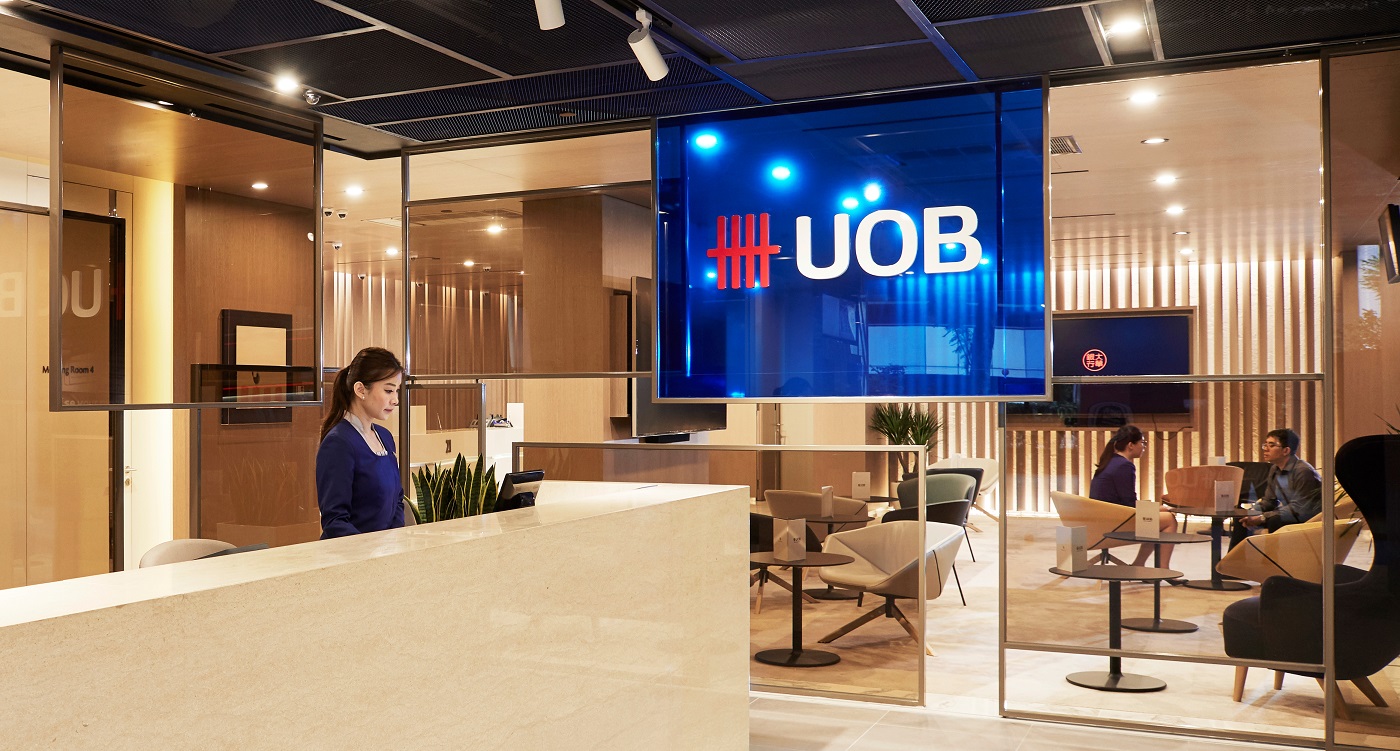
    The Singapore-based United Overseas Bank (UOB) has kept its forecast for Vietnam’s GDP growth in 2023 unchanged at 6.6% in line with the official forecast of 6.5%, although growth momentum is likely to be weaker.

    In its report on Vietnam’s economic growth in the last quarter of 2022 and prospects for 2023, the bank said Vietnam’s real GDP growth in the fourth quarter of 2022 returned to normal at 5.92% year on year, due to signs of a decline in external demand. There was a sharp increase of 13.67% in the third quarter.

    The General Statistics Office (GSO) reported that the country’s GDP expanded by 8.02% in 2022 from the growth of just 2.58% in 2021. This is the fastest pace annually since 1997.

    UOB experts said that the strong growth thanks to its manufacturing and service industries in 2022 shows Vietnam’s resilience after the impact of the Covid-19 pandemic.

    The bank said the inflation rate is likely to remain stable, especially in the first half of 2023 thanks to the flexible management of monetary policy by the State Bank of Vietnam.

    At the end of December 2022, the State Bank of Vietnam said that it will operate monetary policy “flexibly” to keep the inflation rate at 4.5% in 2023, aiming to stabilize the currency and foreign exchange markets.

  • Starbucks set to open 100th store in Vietnam

    Starbucks set to open 100th store in Vietnam

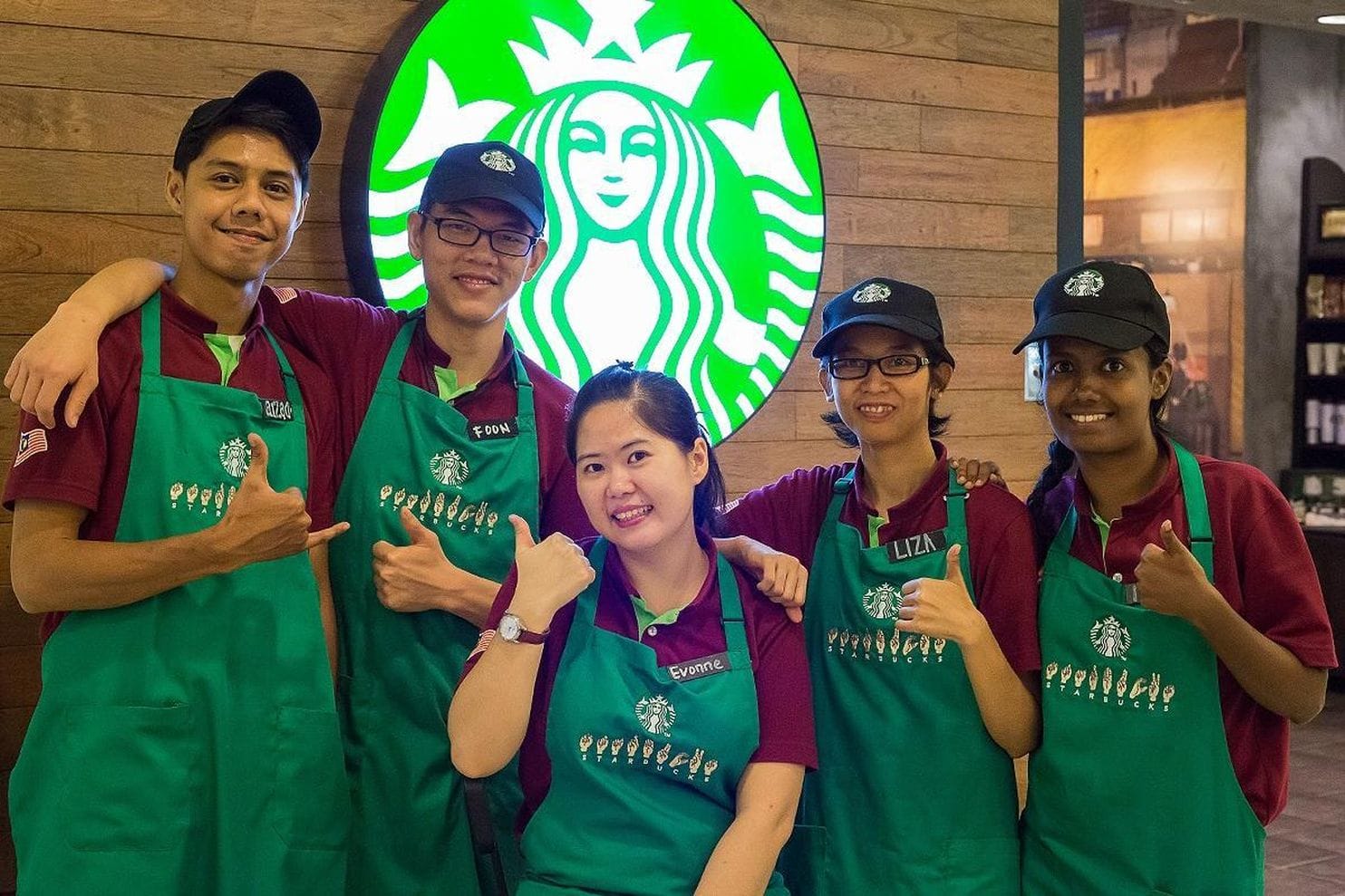
    Starbucks plans to open its 100th store in Vietnam in the second quarter of this year, a decade after first coming to the country, and keep expanding further.

    The U.S. chain now has 87 outlets in seven localities, 50 of them in Ho Chi Minh City.

    It has over 800 staff and 200 coffee “masters” it has trained.

    It is among the few foreign players to remain in the competitive Vietnamese market, but its number of stores is modest compared with some local chains such as Highlands Coffee (592 stores) and The Coffee House (154).

    Its Vietnam general manager, Patricia Marques, told reporters Tuesday the chain sees new opportunities in localities such as Binh Duong and Quy Nhon provinces.

    Vietnam is forecast to have 5,200 coffee chain stores in 2025, according to U.K.’s Allegra World Coffee Portal, which means huge competition for chains seeking to expand.

    Already some chains are scaling down. Last month PhinDeli closed some stores at prime locations while food company KIDO divested from TTV, the operator of the Chuk beverage chain.

    But on the other hand, Highlands and Phuc Long continued to open new outlets.

    The Coffee House plans to reopen its Signature stores this year, while Passio Coffee, after 15 years of selling mostly takeaway products, is now opening at more locations and offering on-site services.

    New players such as Katinat, Phe La and Cheese Coffee are also in the mix.

    Finding a suitable location is also a challenge, Marques said, pointing out that while in Thailand property developers often seek partnerships with major brands before they start building malls, in Vietnam this is not the case.

    Starbucks posted record global revenues of US$32.3 billion in financial year 2022 (ending October 3), a 11% growth.

    It eyes 10-12% growth this year.

  • Gasoline prices rise

    Gasoline prices rise

    Gasoline prices went up Tuesday for the second time this year.

    The price of the popular fuel RON95 went up 1.6% to VND22,150 ($0.94) per liter.

    E5 RON92 price also rose 1.6% to VND21,350.

    Diesel price stayed unchanged at VND22,150.

    This is the second fuel hike in three days.

    The government raised gasoline prices up more than 5% on January 1 as a VND2,000 environmental tax was applied.

    The tax has been lowered by half from the pre-pandemic level as the National Assembly wants to boost economic recovery.

  • Dollar dips slightly against dong

    Dollar dips slightly against dong

    The U.S. dollar slipped marginally against the Vietnamese dong Wednesday morning.

    Vietcombank sold the dollar at VND23,670, down 0.08% from Tuesday.

    The rate at Techcombank was at VND23,695, down 0.02%.

    Eximbank sold the greenback 0.08% higher at VND23,680.

    The State Bank of Vietnam set its reference rate at VND23,603, down 0.01%.

    Most unofficial exchange points maintained the rate at VND23,800, same as Tuesday.

    The U.S. dollar index rose 1% on Tuesday to 104.73, mostly due to the euro’s drop, and it eased a little on Wednesday to 104.47.

    Headline German CPI fell to an annual 8.6% in December, from 10% the previous month, against expectations for 9.1%, data on Tuesday showed, knocking the euro and rallying bunds.

    The euro had lost 1% overnight, its sharpest drop in more than two months, following a larger-than-expected drop in German inflation, but it edged up from three-week lows to $1.0566 in Asia trade.

  • Airasia halts food delivery service in Singapore

    Airasia halts food delivery service in Singapore

    Airasia’s food delivery ambitions seem to have halted in Singapore. The brand’s web-based platform informed users that addresses within Singapore were outside its coverage area. This was the case for 12 consecutive days from 20 December 2022 to 31 December 2022.

    Airasia’s food app was launched in Singapore in February 2021. As part of the launch in the Singapore market, airasia food was on the hunt for F&B operators to sign up as merchants, offering a special sign-on rate as low as 8% for the month of March.

    Compared to other food delivery platforms, such as FoodPanda, Deliveroo and GrabFood, airasia’s food delivery service initially charged eateries a lower commission rate of 15% without any hidden fees or charges to the F&B operators. This allows for eateries to keep their profits favorable.

    When the app initially launched in Singapore, an airasia spokesperson said, “Our strength in technology and logistics infrastructure, plus deep insights to our customers’ preferences will allow us to remain the preferred choice for Singapore customers. We are not distracted by competitive forces and will continue to stay focused on bettering our delivery speed to under 30 minutes, product and service offerings.”

    The food delivery service was part of airasia foray into digital services and superapp ambitions. In November 2022, airasia’s parent company, Capital A enhanced the brand’s Super App by introducing airasia chat, games and the newly launched airasia gifts – allowing the community of airasia members to connect, play and share.

  • Google testing new look for Android YouTube app

    Google testing new look for Android YouTube app

    Some Android users employing the YouTube app might have noticed that a change has been made to the progress bar on the video player when in Dark mode. This is the line under the video that appears when watching streaming content in portrait orientation. The bar moves to the right as a video plays and also shows how much of a video has loaded. Typically, the progress bar is red although some Android users, including this writer, now see a white or gray progress bar instead.
    With the white/gray progress bar showing, you will no longer see the part of the line that shows how much of a particular video has been loaded on the app. Touching the line to move ahead or to go back (an activity known as scrubbing) will bring back the red color as will tapping on the video to get back the controls. When the progress bar returns to the original red color, it will once again show how much of the currently selected video has been loaded.
    When watching in landscape orientation, you don’t see the progress bar unless you tap the screen, and then it will appear for a second. The progress bar in landscape is in red and hasn’t been changed-at least not yet. And we need to point out again that the change to the color of the progress bar in portrait is seen only when you are watching YouTube in Dark mode. In Light mode, the progress bar is red so it can stand out. It makes sense that a white/gray progress bar would be more easily seen with a dark background.

    If your YouTube app doesn’t exhibit this change, don’t fret. This could be the usual A/B test that Google is famous for running. For what it’s worth, the Pixel 6 Pro used by yours truly does have the white/gray progress bar but it is running Android 13 QPR2 Beta 1.

  • Bank of Singapore Welcomes New CEO

    Bank of Singapore Welcomes New CEO

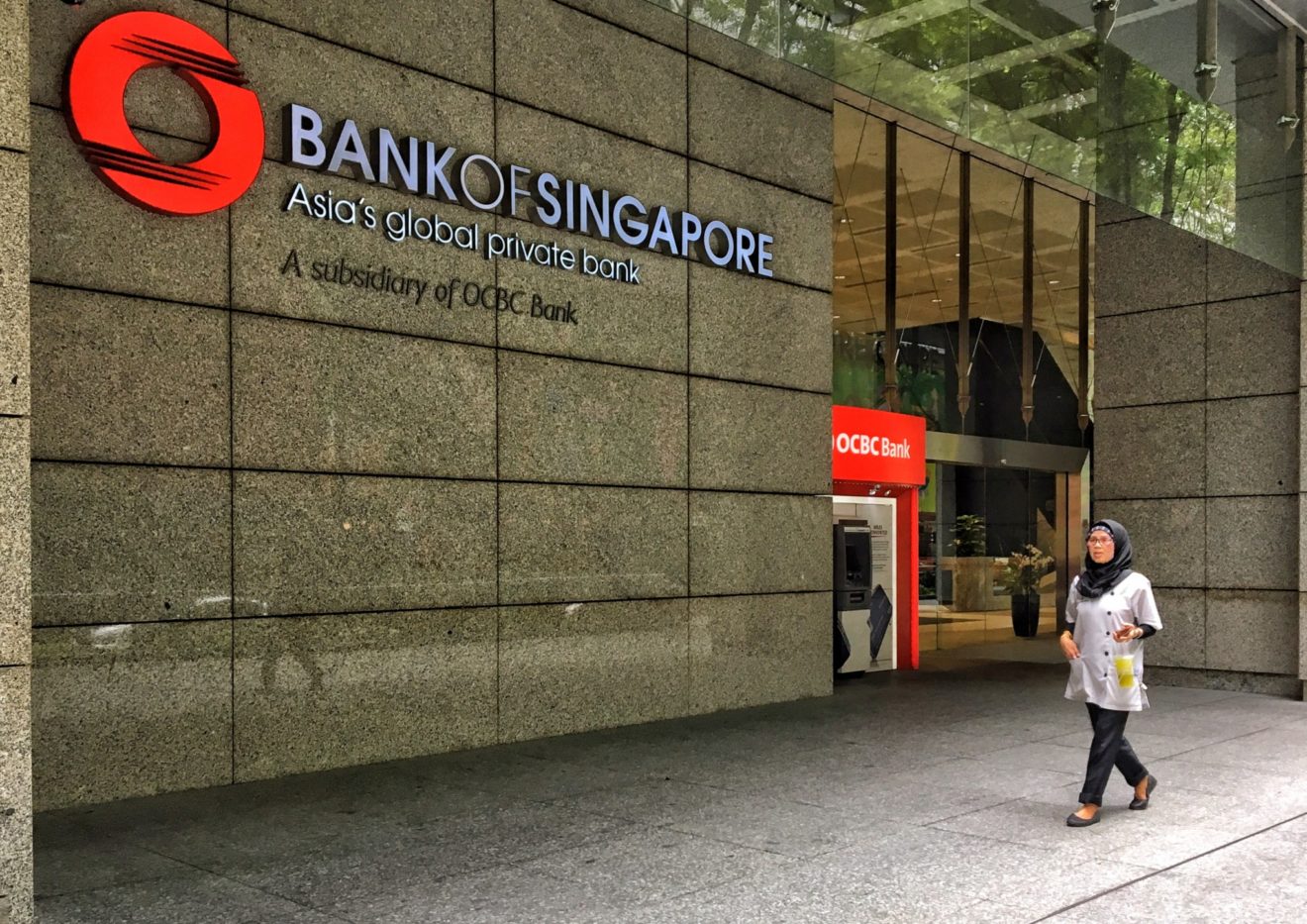
    OCBC’s private banking arm, Bank of Singapore, officially announced the successor to chief executive Bahren Shaari who retired in December.

    According to a statement, Bank of Singapore appoints Jason Moo as chief executive officer, effective March 6. Moo will replace Vincent Choo, a board member who assumed the role of interim CEO on January 1 following the retirement of ex-CEO Bahren Shaari on December 31.

    Moo, a Singapore national, has more than 25 years of experience in private banking, wealth management and capital markets, most recently at Julius Baer as its Southeast Asia head of private banking and Singapore branch manager. Previously, he also spent 22 years at Goldman Sachs, leading various private banking units in Asia.

    We are confident that Moo’s extensive experience and deep industry knowledge will accelerate the momentum of Bank of Singapore’s growth, said chairman Lai Teck Poh. He will build on what Bank of Singapore has already accomplished, sharpen its strategic direction, and further develop its talent and capabilities.

    Shaari joined Bank of Singapore in 2009 and was named CEO in 2015. Under his leadership, the bank integrated Barclays’ private wealth business in Asia while nearly doubling assets under management from $55 billion to $109 billion, as of 30 September 2022.

    I’m immensely grateful and proud of the 13 years I’ve spent at Bank of Singapore, Shaari said in a social media post.

    I’m also thankful for the opportunities and guidance given to me throughout my more than 30-year private banking career, in particular by my former boss Marcel Kreis during UBS days and my predecessor at Bank of Singapore Bing De Guzman, both of whom played a critical role in this journey that has taken me to where I am today.

  • FTX Founder Expected to Plead Not Guilty

    FTX Founder Expected to Plead Not Guilty

    FTX founder Sam Bankman-Fried is reportedly expected to enter a not-guilty plea in a scheduled US court hearing, marking the latest development in the crypto exchange’s unraveling.

    A court hearing has been scheduled for FTX founder Sam Bankman-Fried in the afternoon of January 3 before US district judge Lewis Kaplan in Manhattan. Bankman-Fried is expected to enter a not-guilty plea.

    The fallen crypto exchange’s former chief executive faces two wire fraud charges and six conspiracy charges, including money laundering and compliance finance violations, which total a maximum of 115 years of imprisonment if convicted.

    While Bankman-Fried has repeatedly admitted to human errors while leading FTX, he has insisted that he is not criminally liable.

    Bankman-Fried faces a case strengthened in December by the guilty pleas of Alameda CEO Caroline Ellison and ex-FTX chief technology officer Gary Wang over multiple criminal charges while agreeing to cooperate with prosecutors.

    Meanwhile, Bankman-Fried has been free on a $250 million bond following his extradition last month from the Bahamas, the headquarters of FTX.

    Separately, legal proceedings are also underway in the Bahamas where the local government said it was temporarily holding FTX assets to deliver to customers and creditors.

  • AirAsia India to be renamed as AIX Connect

    AirAsia India to be renamed as AIX Connect

    The owners of AirAsia India will rename the low-cost carrier to AIX Connect as the first steps of the airline’s merger with Air India Express gets underway. AirAsia India has officially informed India’s Ministry of Corporate Affairs (NCA) of the impending name change to AIX Connect Pvt Ltd.

    Tata Sons acquired a 100% stake in AirAsia India in early November after buying a 16.33% shareholding held by the AirAsia Aviation Group. Almost immediately, the Indian conglomerate flagged the merger with Air India Express. Tata Sons also plans to merge Air India and Vistara in what will be a major shake-up of India’s commercial airline industry.

    India’s Economic Times reported on December 26, 2022, that the name change is part of the ongoing merger process. Citing an anonymous official, the report said a common website, call center, social media handles, boarding passes, and luggage tags are all also under consideration. Tata Sons presently plans to finalize merger proceedings by the end of 2023.

    Meanwhile, the CEO of the newly merged low-cost entity has been named. Air India Express CEO Aloke Singh will step into the role on January 1, 2023. What future role AirAsia India CEO and Tata Sons loyalist Sunil Bhaskaran will have at the merged airline is unknown.

    “The two constituent airlines will continue to have the full complement of regulatory post-holders until the merger is complete but, for now, a single CEO will provide the clarity and singular accountability necessary to navigate the process,” Air India CEO Campbell Wilson said last week in an internal memo.

    According to ch-aviation fleets advanced data, AirAsia India operates a fleet of 33 aircraft, including twenty-eight A320-200s and five A320-200Ns, while Air India Express operates twenty-four B737-800s. Based on available domestic weekly seat capacity, AirAsia India currently has a 7.39% market share, and Air India Express has 0.15%. However, Air India Express has an extensive international network with flights to Dubai Int’l, Doha Hamad Int’l, Abu Dhabi Int’l, Al Ain, Bahrain Int’l, Dammam, Jeddah, Kuwait, Muscat, Ras al Khaimah Int’l, Riyadh, Salalah, Singapore Changi, and Sharjah, while AirAsia India is purely a domestic operator. Nonetheless, the merger will consolidate the Tata Son’s low-cost airline entity as India’s second biggest low-cost carrier after IndiGo.

  • Hong Kong aims for mid-January reopening of border with Mainland China

    Hong Kong aims for mid-January reopening of border with Mainland China

    Hong Kong will reopen its borders with Mainland China by mid-January, city chief executive John Lee said, as Beijing accelerates the unwinding of stringent Covid-19 rules that have battered economic growth.

    Lee, speaking at a press event at the airport in Hong Kong as he returned from a trip to Beijing, said the goal in “gradually, orderly, and fully” reopening the city will be to return the border to its state before the virus outbreak.

    “Our goal is to quickly come to a consensus with the central government, submit our plan to the central government for review and execute on the plan before mid-January,” he said.

    Hong Kong authorities will work with the governments of neighbouring Shenzhen city and Guangdong province to manage the flow of people crossing the border, Lee said.

    Restrictions on travel across the border were imposed in early 2020. The reopening was postponed several times due to outbreaks in Hong Kong or the mainland. Hong Kong and China have lagged most of the world in easing stringent Covid rules.

    People in the Chinese special administrative region of Hong Kong have been able to access the mainland only through the city’s airport or two checkpoints – Shenzhen Bay or the Hong Kong-Zhuhai-Macau bridge.

    Preparations for reopening are underway, including deploying thousands of officers from the city’s customs, immigration and police services, local media say.

    Hong Kong’s government said on December 12 that mainland authorities had allowed cross-border truck drivers to collect and deliver goods directly to their destinations without using designated checkpoints.

    International passengers arriving in Hong Kong since mid-month are no longer subject to Covid-related movement controls or barred from certain venues.

    Arriving travellers may also continue directly to Mainland China or Macau as long as they meet the required criteria, the city government said. Previously they had to wait three days in the city before continuing to the mainland.