Tag: asia

  • Yusen opens cold storage facility in Cambodia

    Yusen opens cold storage facility in Cambodia

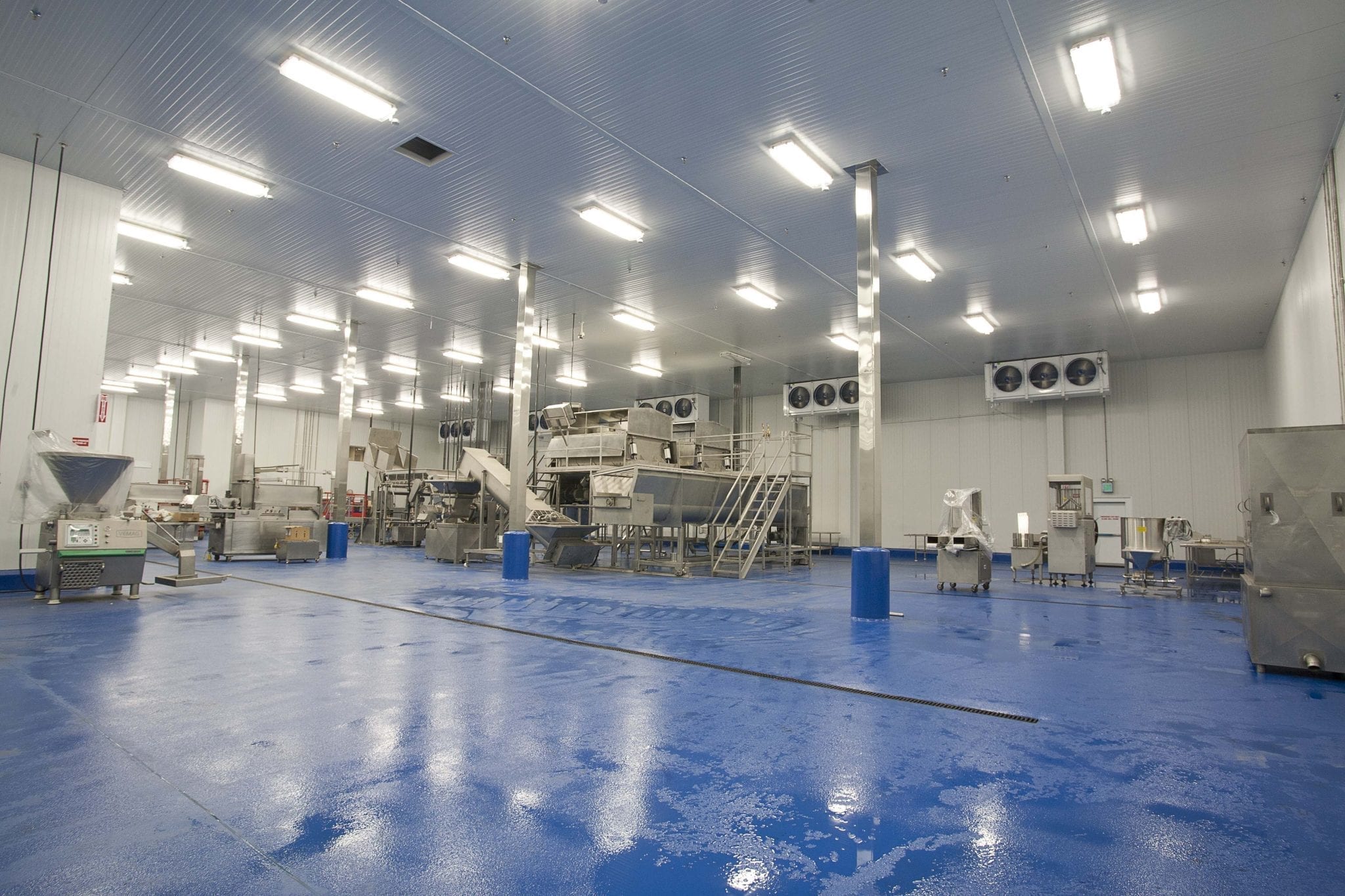
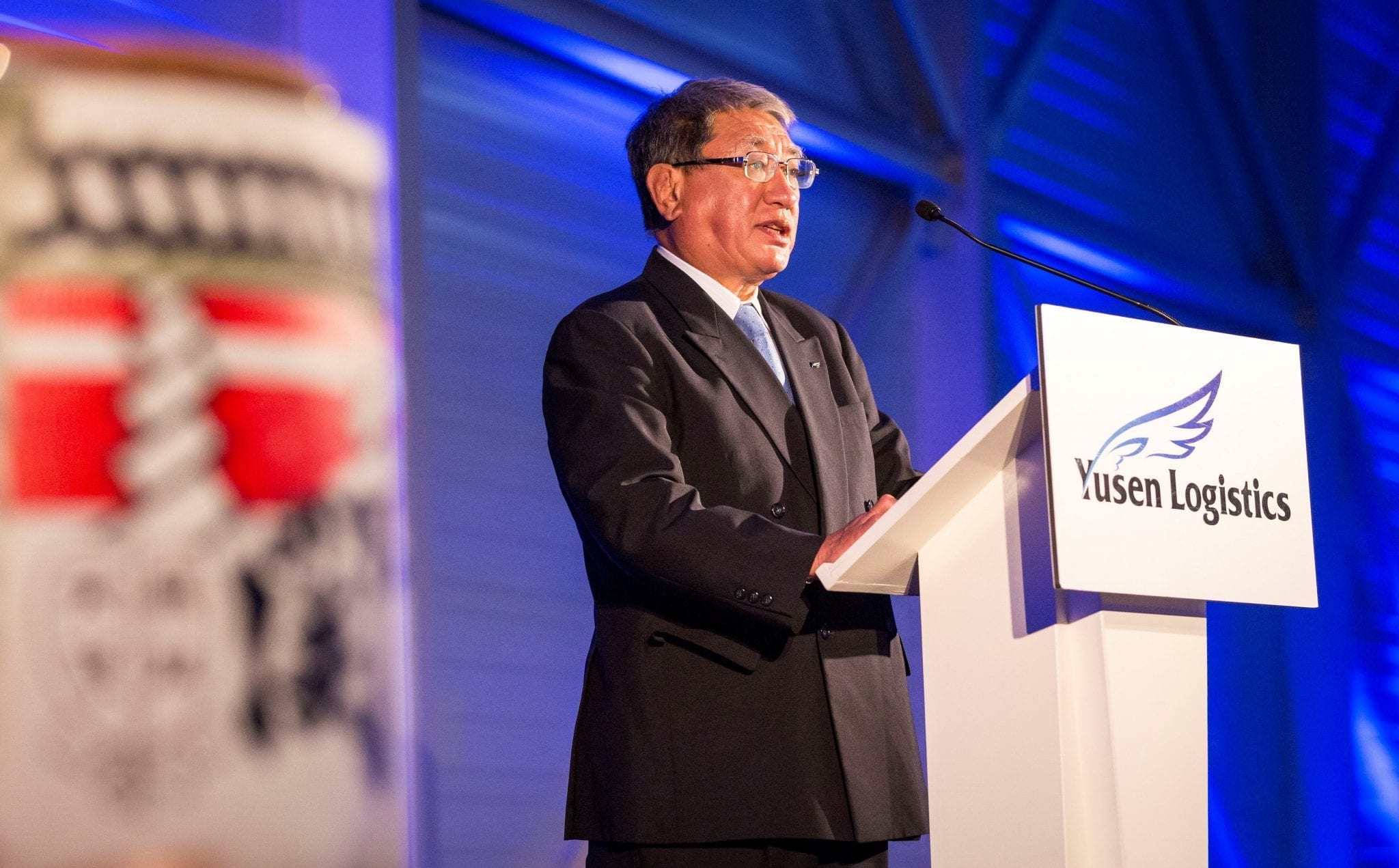
    Yusen Logistics is establishing a temperature-controlled distribution center in Phnom Penh, Cambodia.

    It is one of Cambodia’s largest cold storage facilities. The facility strengthens Yusen Logistics distribution network in Asia and will support Cambodia’s growing demand for warehouse storage for imported general consumer goods and chilled and frozen goods.

    In addition, the company will be offering Cambodia’s first consolidated delivery service in Phnom Penh for retailers and wholesalers.

    The new facility has about 3,000 -square-meter, almost double the capacity of the existing warehouse which included the 120 -cubic-meter temperature-controlled storage area. The expansion will enable the company to handle the storage, processing and distribution of chilled and frozen goods with quality assurance and compliance.

    The consolidated delivery service will be available to customers in Phnom Penh on a daily basis, excluding weekends. Yusen Logistics will also provide the same service for chilled and frozen goods using cold-storage boxes and will ensure product quality is maintained up to the point of delivery.

    The group’s Medium-Term Business Plan, “GO FORWARD, Yusen Logistics – Next Challenges”, positions the ASEAN region as a critical region. The Cambodia subsidiary, which began operations in 2013, has provided a diverse and varied range of logistic services, including ocean and air freight forwarding, customs clearance, domestic delivery, and cross border transportation.

    It has contributed to the smooth supply of goods to Cambodia’s domestic market with the knowledge it has built up in the import of a wide range of goods, especially foods, as well as everyday items. The company is striving to meet the logistics needs of its customers in Cambodia by blending a diverse range of services with the capabilities of new facilities.

  • Record-breaking entries received for Spikes Asia

    Record-breaking entries received for Spikes Asia

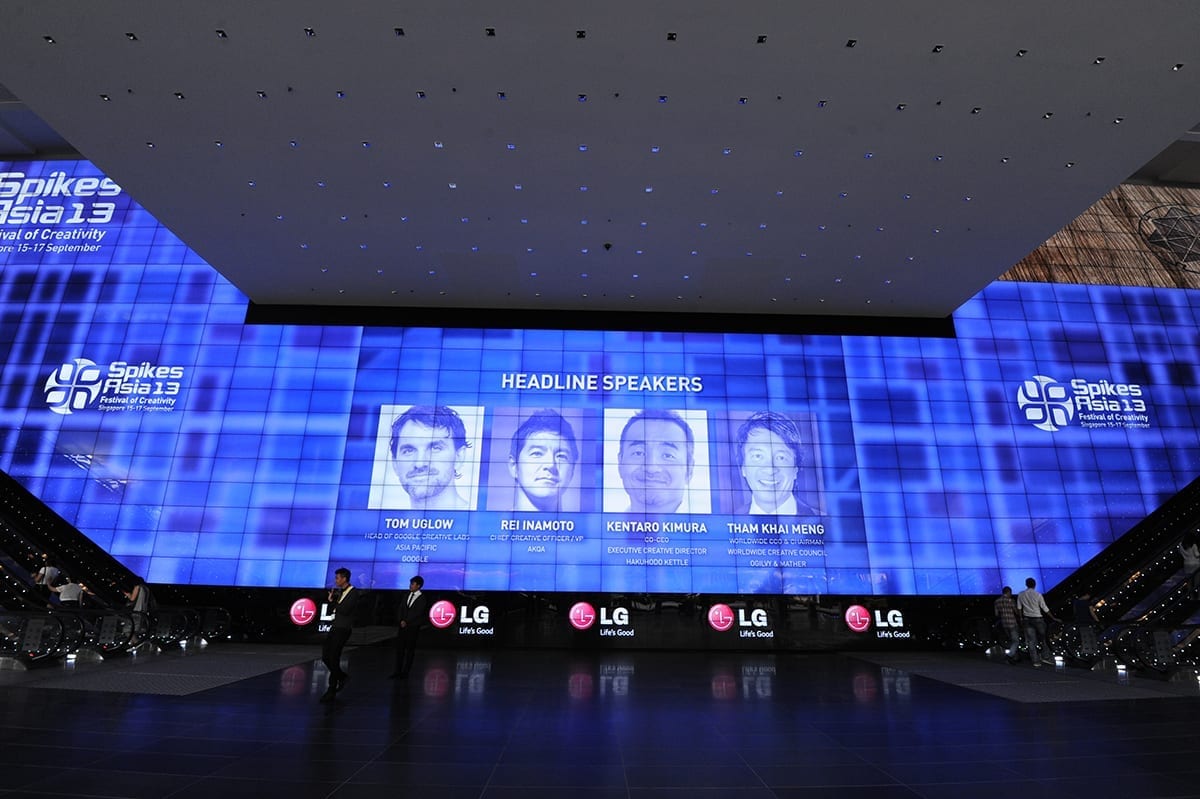
    Spikes Asia, the three-day Festival of Creativity in the Asia Pacific region has today announced a record-breaking 5,132 entries from 23 countries. Entries into Healthcare have seen a significant 72% increase, with Design (40%) and Direct (34%) also experiencing an upturn.

    “Creativity in Asia Pacific continues to excel globally with 3 of the top 10 most awarded countries at this year’s Cannes Lions coming from the region. The growth in entries is reflective of the fantastic work coming from this creative community and Spikes Asia is a platform for this work to be celebrated,” says Terry Savage, Chairman of Lions Festivals. “This increase demonstrates just how important the region is becoming in the global creative communications sphere,” he added.

    Prior to the Festival, which takes place from 21 – 23 September at Suntec, Singapore, 98 industry experts will convene to judge the work and award the most creative with the Spikes accolade across 20 categories.

    The full count is as follows:

                                2016    2015

    —————————————–

    Creative Effectiveness        25      23

    Design                       375     267

    Digital                      488     424

    Digital Craft                140       0

    Direct                       395     295

    Entertainment                168     154

    Film                         446     388

    Film Craft                   296     321

    Healthcare                   254     148

    Innovation                    56      47

    Integrated                    59      50

    Media                        430     438

    Mobile                       183     159

    Music                         83       0

    Outdoor                      453     468

    PR                           286     249

    Print & Outdoor Craft        234     181

    Print & Publishing           186     256

    Promo & Activation           434     350

    Radio                        141     133

    —————————————–

    TOTAL                      5,132   4,351

    With live judging at the Festival on Wednesday 21 September, the Innovation jury has confirmed their shortlist of 10 from the 56 entries received. Attendees of the Festival can experience the judging, led by Fred Raillard, Creative CEO, Fred & Farid, China while hearing the entrants explain the rationale behind the concepts competing for the Innovation Spikes. All of the shortlisted work will be available for attendees to view on the Innocean interactive kiosks.

    The winners will be announced onstage on Friday 23 September at the MasterCard Theatre, Marina Bay Sands. Additional awards presented on the night include the Spikes Asia Agency of the Year, Independent Agency of the Year, Media Agency of the Year, Network of the Year, Spikes Palm Award and the Grand Prix for Good. The Spikes Asia Advertiser of the Year Award will be presented to Mars, Incorporated before the official After Party brings the Festival to a close at The Clifford Pier.

    Delegates can still register to attend the Festival and further information can be found on the Spikes Asia website.

  • MHPS Opens Global Service Center for Thermal Power Plants in the Philippines

    MHPS Opens Global Service Center for Thermal Power Plants in the Philippines

    Mitsubishi Hitachi Power Systems (MHPS) has opened a Global Service Center (GSC) for thermal power plant operators, centered on the Southeast Asia region in Alabang, Muntinlupa City in Metro Manila, Philippines. The Center will support the optimal operation and maintenance (O&M) of thermal power plants, harnessing the latest Information and Communications Technology (ICT), such as remote monitoring, and MHPS’s extensive accumulated knowledge of thermal power systems. In addition, it will provide training to increase the expertise of clients’ O&M engineers. The Center will begin to provide services this fall.

    An opening ceremony was held locally on the 16th and was attended by many VIPs such as Department of Trade and Industry (DTI) Undersecretary Rowel Barba and Ambassador Kazuhide Ishikawa from the Embassy of Japan, as well as executives from Southeast Asian and Japanese power plant operators, financial institutions and trading companies. President and CEO Takato Nishizawa and Executive Vice President Masao Ishikawa also attended from MHPS and presented an outline of GSC and its services for thermal power plants using ICT.

    The Global Service Center follows the remote monitoring centers set up in Takasago, Hyogo Prefecture in 1999 and Orlando, Florida in 2001. It will open with approximately 20 employees with excellent communication and technical skills from local group companies with the aim of promoting globalization and consideration will also be given to technology transfer from Japan and development of new services designed to meet the needs of Southeast Asia.

    The Center will have three main functions:

    – The Service Solution Center will act as a ‘one-stop shop’ for client needs, providing services such as management of maintenance parts and dispatch of emergency personnel.

    – The Remote Monitoring Center will not only perform remote monitoring but will also provide solutions for improving O&M based on early fault detection and optimized outage management as well as data collection and forecasting analysis.

    – The Training Center will feature an operations simulator to facilitate response training for various scenarios to enable client engineering teams to acquire advanced skills.

    MHPS will use GSC as a base to offer comprehensive services to a wide range of operators including remote monitoring, control, O&M and single-point centralized management that is optimized for each power plant. This includes clients currently using generation equipment supplied by other manufacturers. The company will promote enhancement of client asset value through achieving improvements in plant availability and efficiency. Development efforts continue on an ICT platform that can significantly improve the operational efficiency of client facilities by taking advantage of MHPS’s world-class R&D and product engineering capabilities and IoT (Internet of Things) technology.

  • Apple Hong Kong to open new store

    Apple Hong Kong to open new store

    Hong Kong is about to get a new official Apple store.

    Hoardings have gone up in the APM shopping mall in Kwun Tong, inside Millennium City, as construction gets underway of a single-storey Apple Hong Kong shop.

    Hong Kong boasts one of the highest numbers of official stores on a per capita basis in the world.

    Apple HK 7th store


    The new store will almost certainly feature the new interior design created by the tech giant’s retail head Angela Ahrendts, whose previous role was CEO of Burberry. The store can be expected to be called simply Apple – with the company dropping the “store” from its title globally.

    Hoardings give no indication of an opening date, announcing simply: “We’ve got something special in store for you. A brand new Apple store is coming soon”.

    apple-hong-kong-7th-store

    Perhaps significantly, the hoarding is a bold red colour – unlike previous hoardings covering Apple store fitouts which have always been white.

  • Calvin Klein Hong Kong opens first accessories store

    Calvin Klein Hong Kong opens first accessories store

    Calvin Klein, Inc, a wholly owned subsidiary of PVH Corp, has opened the first Calvin Klein accessories store in Hong Kong, at IFC Mall.

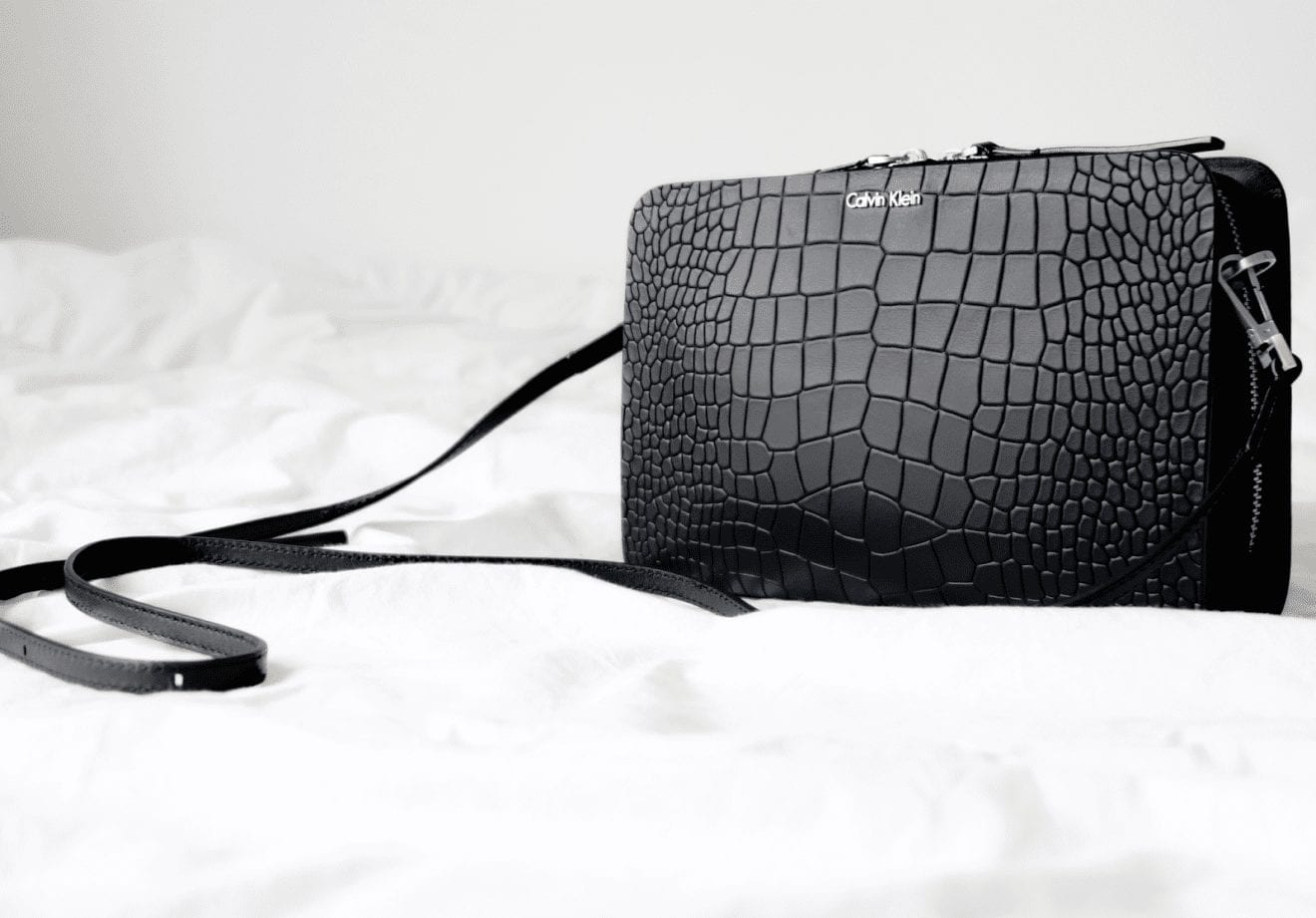
    Located on level one of the mall, the store offers both men’s and women’s Calvin Klein Platinum accessories and leather goods. Its interior features simple geometric forms as a framework for product display, contrasted with oiled wood, rose-toned metal, honed stone and concrete.

    CK Hong Kong accessories store-Matthew Ng

    Product lines under various Calvin Klein brands include women’s dresses and suits, men’s clothing, sportswear, golf apparel, jeanswear, underwear, fragrances, eyewear, hosiery, socks, footwear, swimwear, jewellery, watches, outerwear, handbags, small leather goods and home furnishings (including furniture).

    CK Hong Kong accessories store-Matthew Ng 4


    For more than 130 years, PVH Corp. has been growing US brands and businesses, becoming one of the largest apparel companies in the world. It has more than 30,000 associates in 40-plus countries, with more than US$8 billion in revenues last year. As well as Calvin Klein, PVH owns such brands as Arrow, Speedo, Tommy Hilfiger, Van Heusen and Warner’s.

    CK Hong Kong accessories store-Matthew Ng 3

  • K Line opens cold storage in Vietnam

    K Line opens cold storage in Vietnam

    K Line announced that construction of a cold storage warehouse in Ho Chi Minh City, Vietnam, by CLK Cold Storage Co. Ltd. – a joint-venture established by Kawasaki Kisen Kaisha, Ltd. (“K” Line), Cool Japan Fund Inc. (“Cool Japan”) and Japan Logistic Systems Corp. (“Japan Logistic Systems”) – has been completed, after which operations start.

    Persons involved in the project, including Mr. Tran Thanh Liem, Chairman of Binh Duong Province, Vietnam, Mr. Satoshi Nakajima, Council General of Japan in Ho Chi Ming City, Mr. Eiichiro Nakanishi (Chairman) and Mr. Hirotake Nakanishi (President) of Japan Logistic Systems Corp., Mr. Nobuo Sugiuchi (Senior Managing Director) of Cool Japan, as well as parties concerned, joined Eizo Murakami, President & CEO of “K” Line, at the completion ceremony.

    K Line’s warehouse location

    About 22 km from central Ho Chi Minh City (about one hour via Route 1). Good access from Cat Lai Port and the international airport. 

    Warehouse features

    As a Cold Storage project based on an all-Japan set-up, this was the first time in Vietnam for both the “hard” and “soft” aspects, from design and construction to cooling equipment and operation of the warehouse, to be led entirely by Japanese companies. Various protective measures for goods as well as energy-saving measures have been taken based on the know-how accumulated by Bangkok Cold Storage Ltd, member of the “K” Line Group, which has been operating Cold Storage services in Bangkok, Thailand since 1989, to safely and hygienically store the precious merchandise of our customers.

    In consideration of environmental conservation, natural refrigerants (NH3 and CO2) have been adopted.  The temperature can be controlled to address the various needs of customers from −50°C to +25°C.  This is the first facility to provide super frozen storage room in Vietnam.

    The company will continue to contribute to the promotion of Japanese foods and ingredients in Vietnam, which is expected to grow even further in the future, using the knowledge and network of Japan Logistic Systems, which has been operating in Vietnam for over 20 years, and “K” Line group’s marine and air transport services.

  • Chinese cross-border eCommerce has peaked

    Chinese cross-border eCommerce has peaked

    Chinese cross-border eCommerce has reached a turning point, says new research from Oliver Wyman.

    Spending online offshore by Mainland Chinese reached RMB 120 billion (US$17.963 billion) in 2015 according to iResearch, and is expected to grow more than 60 per cent, reaching 7 per cent of total Chinese eCommerce value by 2018.

    However, Oliver Wyman warns increasing regulation may mean the industry has now reached an inflection point.

    “Chinese consumers are probably the most informed and digitalised in the world,” said Wai-Chan Chan, Oliver Wyman partner and author of the report. “As Chinese consumers travel abroad, they are increasingly aware of offline prices around the world.

    Exhibit 1

    Cross-border eCommerce provides Chinese consumers with access to the best products at the best prices without leaving home. At the same time, companies entering or currently in the market need to consider their positions.”

    The report, titled Shopping Without Boundaries found that one in five online Chinese shoppers made a purchase on cross-border eCommerce platforms in 2015, double the proportion in 2014. This represents more than 3 per cent of total eCommerce transactions in China including both B2C and C2C.

    Today’s cross-border eCommerce businesses expanded out of the Daigou model which involved small businesses abroad who brought or sent products back to China. In 2013, the Chinese government established experimental zones of cross-border eCommerce for better regulation. Shanghai was the first to be selected, followed by 11 further cities by June 2016.

    International brand owners and retailers are taking advantage of the new channels through different models. The most common are platform providers such as Tmall International and self-operated plays such as Jumei. JD Worldwide operates across both models. Vertical specialists have also emerged, including the rapidly-growing Xiao Hong Shu (Little Red Book) that has established itself as a challenger.

    Exhibit 2

    After a strong boom, the report finds that cross-border eCommerce has arrived at a tipping point.

    “The future now seems unclear to many players due to a series of government regulations,” concluded the report. “Covering a wide range of topics such as tax, product safety, manufacturing standards and logistics, these regulations have not been fully defined and leave room for speculation.”

    “While cross-border eCommerce still presents great opportunities, companies may want to have a Plan B in case the market dynamics change completely due to the new regulations,” added Chan.

    The full report details how both incumbents and new brands should review and adapt their strategic approach to China’s cross-border eCommerce market. For example, incumbents need to define what role cross border eCommerce should play in their overall Chinese business while ensuring global price harmonisation.  New entrants, need to select a product that appeals to online shoppers in China.

  • Labels lining up at new Macau resorts

    Labels lining up at new Macau resorts

    As Macau resorts swing the spotlight from gaming to shopping, designer labels are lining up to open their first stores in the former Portuguese colony.

    Established brands have already led the way, and the opening of two major resorts has introduced a broad choice of new retail space.

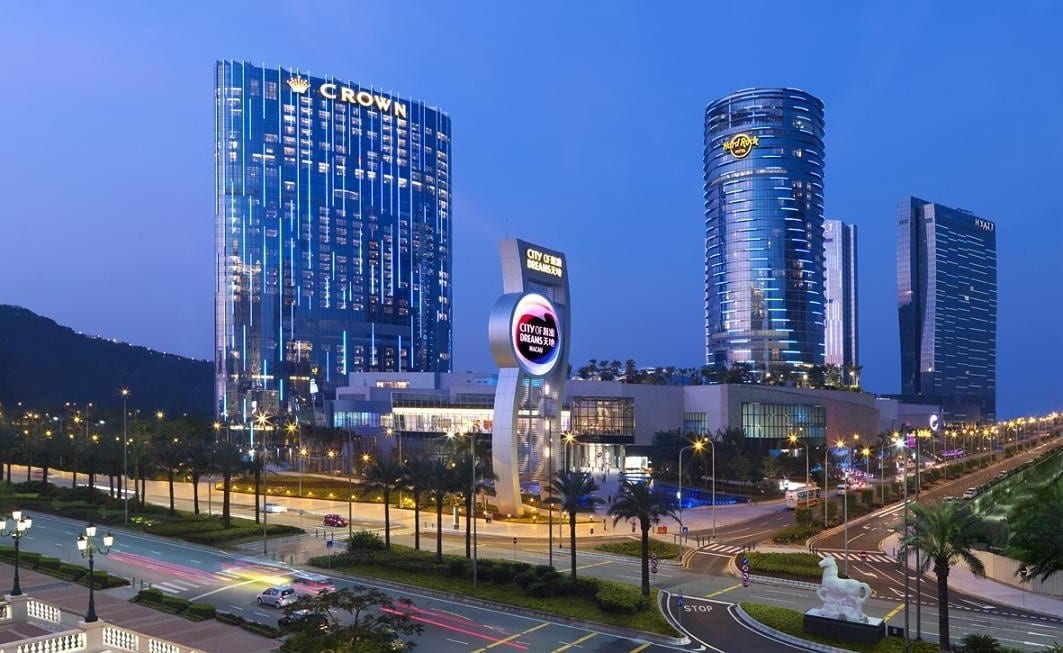
    Both the US$4.2 billion Wynn Cotai Palace and the new $2.7 billion Parisian Macao offer 18,580 and 28,000 sqm respectively of luxury retail space – together, more than 200 shops. However, established integrated resorts are also benefiting from the retail boom, with Swiss watchmaker Omega opening a corporate boutique in Studio City Macau and Paris designer Christian Dior launching its first boutiquein City of Dreams Macau.

    The all-new Wynn Cotai Palace is welcoming luxury brands such as Chanel, Chopard and Hermes, while watchmaker Franck Muller is launching the Vanguard Wynn Palace Boutique Exclusive, its third opening in the city. A new boutique inside Wynn Palace is also the third Macau outlet for luxury watch brand Panerai.

    Cotai Strip’s newest resort, The Parisian Macao, has set up the Shoppes at Parisian with more than 150 luxury and lifestyle retail boutiques. The shops are housed in different precincts named after some of the most stylish streets and arcades of Paris, including the Champs-Élysées. The fashion on offer includes a mix of both Parisian brands and couture new to Macau, including labels like Antonia, Garel Paris, Herzo, Isabelle Langlois, Sonia Rykiel and Temptation.

    To mark the opening of the Shoppes at Parisian, The Parisian Macao is hosting an exclusive designer runway show, Front Row, tomorrow evening. It will showcase crystal looks from Swarovski plus styles from selected retailers. Celebrity guests include China’s first fashion model Xiao Wen, the current face of Marc Jacobs.

    There will also be runway shows on September 15 and 16, plus other launch events.

  • Hidden chat room found in Facebook Messenger

    Hidden chat room found in Facebook Messenger

    The Facebook Messenger app has a hidden chat room feature that lets groups of users publicly converse on different topics.

    According to a report on the TechCrunch, the code for this feature was found buried in the iOS app’s source code.

    The tip comes from a tech evangelist who spotted the code that described the hidden ‘Rooms’ feature as: “Rooms are for public conversations about topics and interests. Each room has a link that can be shared so anyone on Messenger can join the conversation”. Screenshots of its user interface were later furnished by other developers.

    The Rooms feature is likely to be implemented in the app as part of an internal trial that is being scaled up to include more users. It is unlikely that the code was included on whim though, as including frivolous or redundant code is not considered a good practice by developers.

    Of course, the code itself offers no clue as to a possible release date, and it is also entirely possible for the feature to be pulled for any number of reasons before it is actually released.

    It is worth noting that Facebook had introduced a similar app called Rooms in 2014 which offered the ability to create and join interest-based public chats. The app was later pulled after it failed to gain traction; it is probably reasonable to assume that the lesson learned by Facebook will help its second attempt succeed.

    For now, new research shows that WeChat is winning the two-pronged race in China, where access to the likes Facebook, YouTube, Twitter and Instagram is blocked. Research figures from iResearch shows that 61.1% of Chinese Internet users use WeChat over Alibaba’s Weibo.

  • Singtel launches triple mobile data add-on

    Singtel launches triple mobile data add-on

    Singtel has announced a new mobile data add-on allowing customers to triple their mobile data allocations for a flat fee.

    The new DataX3 addon will be available to Singtel’s Combo Plan customers for S$9.90 per month. Combo Plans offer base data allocations ranging from 2GB to 12GB.

    It joins the ComboX2 addon, which launched earlier this year and allows customers to double their allocations for S$5.90 per month.

    Singtel has also launched WiFi calling for all Singtel mobile postpaid customers. The service is available without the use of an app, and offers seamless WiFi to 4G handover.

    The service is being made available at no additional cost. At launch, the service is available on compatible iPhone, Samsung Galaxy and Sony Xperia smartphone models.

    “WiFi Calling is a network innovation which offers added convenience and an enhanced mobile experience to customers. Our customers can now have mobile coverage even in difficult to reach places such as basements and windowless rooms, as long as there is a WiFi signal,” Singtel CEO consumer Singapore Yuen Kuan Moon said.

    “This service extends our extensive mobile network to cover a wider footprint and complements our ongoing efforts in delivering the fastest and widest 4G service in Singapore.”

  • China’s retailer files bid for McDonald’s China operations

    China’s retailer files bid for McDonald’s China operations

    Beijing-based retail giant WuMart has filed a bid to take over McDonald’s operations in both the mainland and Hong Kong, according to a report from Caixin.com.

    Someone familiar with the case revealed that Wumart’s bid is being backed by TPG capital, one of the largest private equity investment firms globally.

    WuMart is said to be one of a number of Chinese-based companies looking to take over the McDonald’s operations.

    A source says other participants who vie for the bid include a consortium joined by investment corporation CITIC Group and Carlyle Group and Beijing Capital Agribusiness Group.

    The case is among a series of similar bids coming after McDonald’s announced earlier this year the sale of their franchise rights for its operations on the Chinese mainland, Hong Kong and South Korea.

    Up till now the participants have declined to comment on the case, according to Caixin.

  • Changi Airport places third in the world for shopper spend

    Changi Airport places third in the world for shopper spend

    It is not uncommon to see avid traveller Cara Lee lugging numerous shopping bags up the aeroplane – not on her way back from her travels, but at Changi Airport on her way out.

    The 26-year-old account manager at a media intelligence company spends about $180 on skincare and cosmetics at Changi Airport every time she flies out – two to three times a year. “I like that there is a wide array of retail options and the spacious aisles of the transit area. It makes shopping at Changi Airport enjoyable,” says Ms Lee, who last shopped at the airport three weeks ago, while waiting for her flight to the Maldives. Then, she shelled out $132 on cosmetics and skincare products from brands such as Benefit and Clinique.

    Singapore shoppers like her contributed about 20 per cent to the $2.2 billion Changi Airport made in total retail sales last year – placing it third in the world for highest traveller spend, according to a study by Swedish duty-free and travel retail consultancy Generation Research.

    The $2.2-billion figure is up 8 per cent from last year, with wines and spirits the most popular items, followed by cosmetics and perfume. South Korea’s Incheon International Airport ranked first and Dubai’s International Airport was second.

    The results come as no surprise to the Changi Airport Group, which has been expanding its retail space and launching new concepts to entice travellers.

    The Shilla Beauty Loft at Terminal 3’s transit area, which opened last October, for instance, was the result of close collaboration between the airport group and the store’s operators The Shilla Duty Free Singapore.

    After about two years in the works, the idea to open the South Korean brand’s first luxury spa concept in the world came to fruition. Customised for weary travellers, the two- storey outlet sells products from brands such as Dior, Chanel, SK-II and La Prairie on its lower level, and offers spa services on its upper floor.

    Services – such as 15-minute facials and neck massages – are tailored for travellers on a tight schedule.

    Spanish brand Zara’s first duplex store in an airport opened in Changi Airport in August last year. Exclusive items such as Hugo Boss’ alarm-safe leather belts are available at the airport. There are also exclusive global product launches, such as one for SK-II’s Radical New Age Power cream and essence in July last year, which saw home-grown actress Rebecca Lim speak about her travel must-haves.

    The secret is also to offer a mix of high-end and mass-market brands such as Japanese clothing brand Uniqlo, says Ms Teo Chew Hoon, senior vice-president of airside concessions at the airport group. She calls this “a holistic strategy”.

    Retail space at Terminal 1, she says, expanded by 15 per cent to 20,000 sq m after an upgrade that was completed in 2012.

    But she points out that quantity is just one part of the equation. “Passengers who are well-travelled are generally more sophisticated in their expectations. Beyond attractive product offerings, we augment our retail proposition with innovative concepts and unique experiences.”

    Encouraging more spending, the airport’s e-commerce site iShop Changi.com was introduced in 2013, allowing travellers to shop from home two weeks before their flight. The items bought online are picked up before boarding their departure flight here or on arrival at the airport.

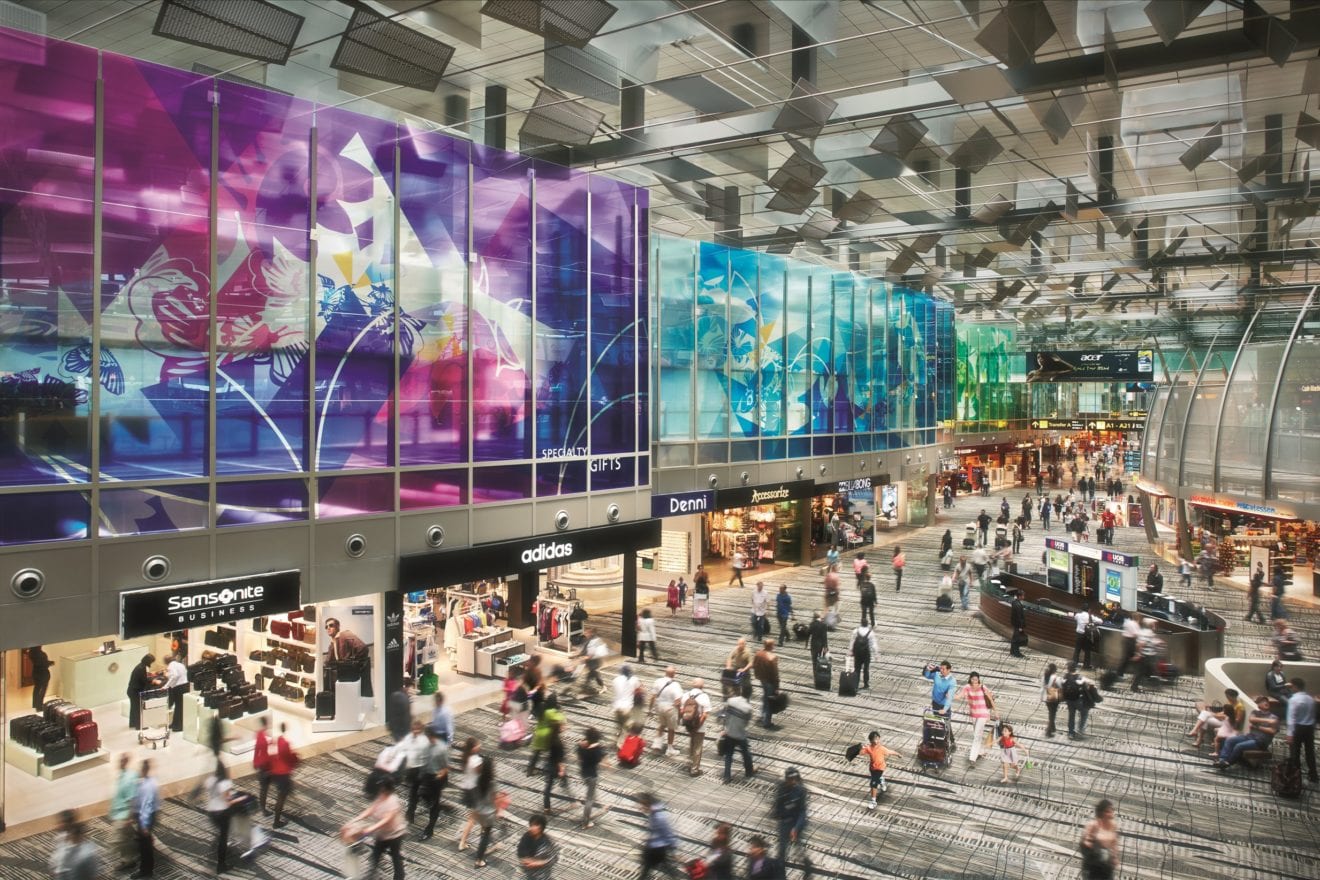
    The transit areas are also more like shopping boulevards than waiting rooms, giving shoppers a wide view of the myriad stores.

    Terminals 2 and 3 boast lush greenery and unique roof structures to let natural light in.

    It looks like spending at Changi Airport is set to head north. Terminal 4, which will open next year with a total retail space of about 17,000 sq m, will have more than 80 retail and dining outlets occupied by tenants such as American fashion label Michael Kors and home-grown shoe and accessories brand Charles & Keith. It will also have a walk-through duty-free store, two-storey-high ceilings and heritage-themed shopping zones, such as shops with facades of Peranakan shophouses.

    Meanwhile, the upcoming Jewel Changi Airport, opening in 2019, will dedicate 70 per cent of its 300 shops to retail, with the remainder for food and beverage outlets.

    Ms Wendy Low, executive director and head of retail at Knight Frank Singapore, attributes the high traveller spend at the airport to the “constantly updated retail layout as well as trade and merchandise offerings”, and the “thoughtful creation of amenities and relaxation spaces across the various terminals”. She adds: “This speaks of a customer- centric approach that is increasingly important in appeal for travellers.”

    Retaining that excitement through exclusive launches and products is especially important to keep up with the fast-evolving beauty industry, says Ms Sulian Tan-Wijaya, executive director of retail and lifestyle at Savills Singapore, as “the Internet- savvy consumers of today can be as fickle as they are discerning”.

    Other experts such as Ms Sarah Lim, a senior retail lecturer at Singapore Polytechnic, says the layout of shops and signage play a “very important role”.

    “At Changi Airport, they put the food outlets and seating areas in the centre for travellers to have a coffee and take a break from shopping, and signage are placed there to encourage shoppers to check out the shops on either sides of the terminals,” she says. “This encourages shoppers to keep spending.”

    Tenants have also helped to make shoppers feel at home.

    At the Montblanc outlet in Terminal 3’s transit area, staff wear flag pins to denote the languages they speak – Mandarin, English or Bahasa Indonesia.

    And considering that 30 per cent of Changi Airport’s shoppers are from China, brands such as Lacoste ensure that their staff can speak Mandarin.

    At Lacoste’s airport outlet, where customers from China account for 25 to 30 per cent of sales, non- Mandarin-speaking staff are sent for basic Mandarin classes.

    While the brand declines to share sales figures, its brand manager says the Terminal 2 store is its best- performing one out of the nine outlets in Singapore. Sales there, he adds, are 12 per cent more than its second best-performing store at Wisma Atria in Orchard.

    At The Shilla Duty Free Singapore store, duty rosters are scheduled to ensure that there is a mix of Mandarin-, English- and Korean-speaking staff on the shop floor at all times.

    But what really makes travellers part with their money is that they do not have to pay tax. Some items, such as cosmetics, can be up to 40 per cent cheaper than identical ones sold in town.

    Ms Nurul Ain Azman, who shops at the airport at least once a month, likes shopping there because she can save money. She sometimes waits till she travels before buying items such as cosmetics from high-end labels.

    The 28-year-old, who works in a bank and last shopped at the airport last month and bought skincare items from The Body Shop, says: “I save at least 7 per cent and even more in transit – make-up products there are cheaper by at least $5 a product. I once bought a lipstick for $30 and found it was selling for about $40 outside.”

    Shoppers who shop in the public areas can save on the 7 per cent goods and services tax at participating stores if they have the Changi Rewards Card, which they can register for free of charge.

    Ms Nurul also cites the airport’s ample carpark space and proximity to the MRT station as plus points. “It is so convenient. Every time I need to restock on products, Changi Airport is the first place that comes to mind.”


    What to buy at Changi Airport

    The Shilla Duty Free Singapore

    What it carries: This Korean beauty department store stocks more than 140 international beauty and make-up brands such as Jurlique, Urban Decay, Shu Uemura and Philosophy. Prices are up to 40 per cent lower compared with the exact same items in town.

    Brands exclusive to Shilla in Singapore are Korean beauty brand su:m37o- known for its face-cleansing stick Miracle Rose – and Aupres, a cosmetics and skincare line by Shiseido for the Chinese market.

    The store also has a beauty loft on the second floor, housing Dior Beauty House, Luxury Skincare Bar by La Prairie, SK-II Pitera Lounge and a Chanel beauty salon. Here, travellers can treat themselves to facials, massages, free flash makeovers and one-on-one skin consultations. At Dior, they can get a perfume expert to help them find their signature scent.

    The Chanel beauty salon and La Prairie services are by invitation only. For Luxury Skincare Bar by La Prairie services, invitations are extended to customers who buy the brand’s products at Shilla stores. Travellers are advised to book in advance for the SK-II lounge (call 6241-0756 or 9352-3687).

    Best buys: Travel-exclusive Tokyo Doll make-up palette with eight eyeshadows, two blushers and two brushes (above, left), $93, from Shu Uemura; and SPF50+ essence UV sunscreen aqua booster (90ml bottle, above, far right), $43.20, from Anessa. Prices are without tax and are accurate at the time of printing, but are subject to change.

    Where: Terminal 3 Department Transit Central store, open: 6 to 1am daily, tel: 9155-7695


    Hugo Boss

    What it carries: The brand’s traveller leather belts, which can be bought only here, are reversible with a different colour on each side, such as black and brown or dark orange and dark brown.

    The belt’s metal buckle is designed so that it will not set off the alarm during security checks. The belts are priced between $382.24 and $419.63.

    The brand’s Boss, Boss sportswear and Boss Green lines, including shoes and accessories for men, are available here as well. Prices range from $90 for a T-shirt to about $1,400 for a leather jacket.

    Best buys: Yellow Signature S zip clutch (above, left), $765.42; and black leather Nokam jacket (above, right), $1,400.93

    Where: 026-058 Terminal 2, open: 6 to 1am daily, tel: 6214-0495


    Zara

    What it carries: This store, the first duplex the Spanish brand has opened in an airport, offers apparel and accessories for men and women.

    The brand’s latest Autumn/Winter 2016 collection is available – the women’s range is on the first floor while the men’s range is upstairs.

    Prices range from $9.90 for a 10ml bottle of perfume to $339 for a men’s full leather jacket.

    Best buys: Brown chelsea boots for men (above, left), $148; and metallic pink jacket for women (above, right), $148

    Where: B2-02-10A Terminal 3, open: 6 to 1am daily, tel: 6241-7120


    The Fashion Gallery

    What it carries: This multi-label store offers items from more than 30 luxury brands including Moschino, Alexander McQueen and Bottega Veneta, as well as a selection from mid-range shoe brand Melissa. Shoppers are encouraged to accessorise, with display areas laden with handbags, sunglasses, shoes and jewellery.

    Prices range from $45.79 for a gold-plated necklace by Estella Bartlett to $64,200 for a diamond and white-gold necklace from Bulgari.

    Best buys: Canvas slip-on with eye pattern (above, left), $240.87, from Kenzo; and small leather biker jacket handbag (above, right), $2,336, from Moschino

    Where: Terminals 1 and 2, open: 6 to 1am daily, tel: 6593-4618


    Saint Laurent

    What it carries: The brand’s full travel range, available only at the airport store, with items such as passport holders, pouches and cardholders. Prices for the travel range start at $260 for a canvas cardholder and go up to $2,450 for a canvas duffle bag.

    The store also carries the French brand’s best-selling accessories and handbags, most of which are in neutral colours such as black or beige. Prices range from $281 for a leather cardholder to about $3,972 for the classic Sac De Jour handbag in embossed-croc calf leather.

    Best buys: Small Sac De Jour handbag in black calf leather (above, left), $3,729; and Downtown Cabas handbag in dark grey (above, right), $2,916

    Where: 026-074 Terminal 2, open: 6 to 1am daily, tel: 6214-9647
  • Vietnamese camp outside Singapore shops in wait of iPhone 7

    Vietnamese camp outside Singapore shops in wait of iPhone 7

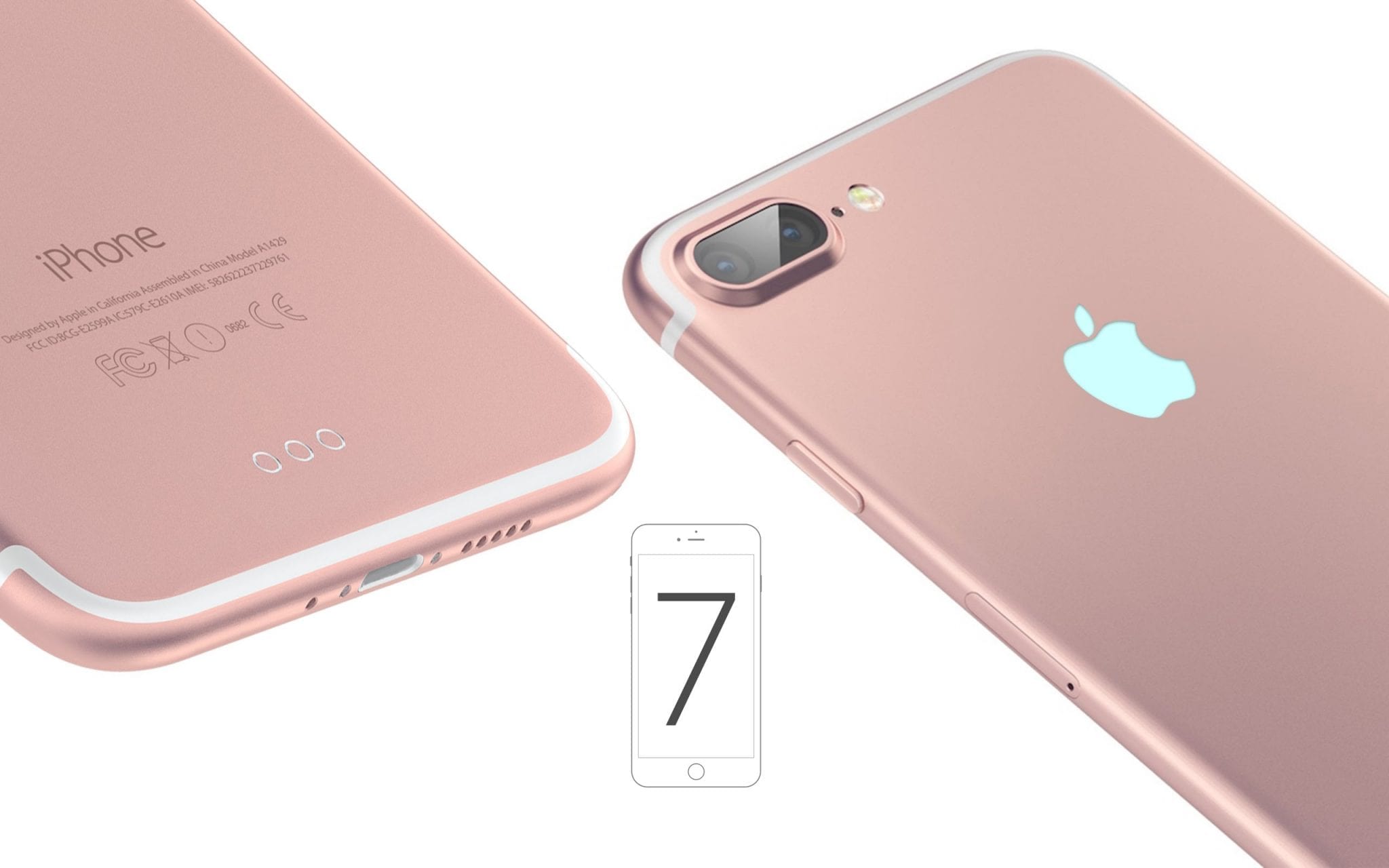
    Demand among tech-geeks is soaring since Apple’s release of the iPhone 7 and 7 Plus last week, and unhinged Apple fans in Vietnam are no exception.

    Many are determined to be the first to buy the new device. However, Apple doesn’t have a direct retail presence in the country, so the eager fans have to go the extra mile to get their hands on a new phone.

    Vietnamese dealers and resellers have quickly spotted a lucrative business opportunity here and are willing to pay line-sitters who may have to camp outside outlets in Singapore for a couple of days leading up to the iPhone’s launch there this Friday.

    Some Vietnamese living in Singapore have posted ads on Facebook asking for VND2 million ($90) to camp out overnight to be the first in line for the new phone.

    “It seems long to wait in line for 24 hours. But you will stay occupied playing card games, shooting the breeze with your fellows and even shopping in the mall,” a Facebook account named Son Le said in an advertising status.

    Any time that Apple launches a new product, there is an influx of such requests posted in the online technology community, and this time Apple’s true aficionados in Vietnam are still impatient to get those phones.

    “We will handle paying the bills. All you have to do is to be the first in line. And more importantly, you can get paid much higher for an iPhone 7 Plus in the new color Jet Black,” Thang, a reseller in Hanoi, told VnExpress.

    Quang, a dealer in Ho Chi Minh City, said the interest in line-sitters has been growing in the weeks leading up to the launch this weekend. He said due to the whopping demand, people will ask to be paid much more than than they were last time and securing a spot in the line is important, so Quang decided to fly his staff to Singapore.

    “This time we will probably have to wait in line for a couple days,” said Quang. “The business is also quite risky. The price could slump heavily by a few million dong. There is a chance we could make a loss on this,” he said.

    vietnamese-apple-fans-pay-people-in-singapore-to-buy-iphone-7s

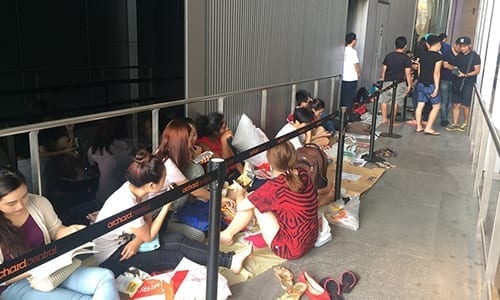
    A group of Vietnamese camp outside a reseller store in Singapore during an iPhone launch in 2015.

    As many have witnessed during the last couple of iPhone launches, a growing number of resellers in Vietnam have been hiring line-sitters in Singapore to sell the phones on the domestic market.

    A retailer in Hanoi, after careful consideration, chose to turn to Vietnamese students in Singapore who want to make some cash to cover their tuition fees.

    “It costs much more to fly from here to Singapore,” said a Hanoi-based re-seller, adding that it is about $100 cheaper to take a direct flight from Ho Chi Minh City to Singapore than it is from Hanoi.

    “We have no choice but pay people who are currently living on the island to queue up and send just one person from here over with the money,” he explained, adding that he has five Vietnamese students working for him.

    In addition to camping out for the new iPhone, there are other opportunities to earn some money for anyone who is about to travel from Singapore to Vietnam next week. They can make a quick buck of about $25 for a phone just by taking it back with them on board.

    Shops in Hanoi are charging consumers double the price quoted by Apple for an iPhone 7 Plus 256 GB, with a promise that buyers will be the first Vietnamese to get their hands on a new iPhone.

  • Thai auto sales pose dilemma for Vietnam

    Thai auto sales pose dilemma for Vietnam

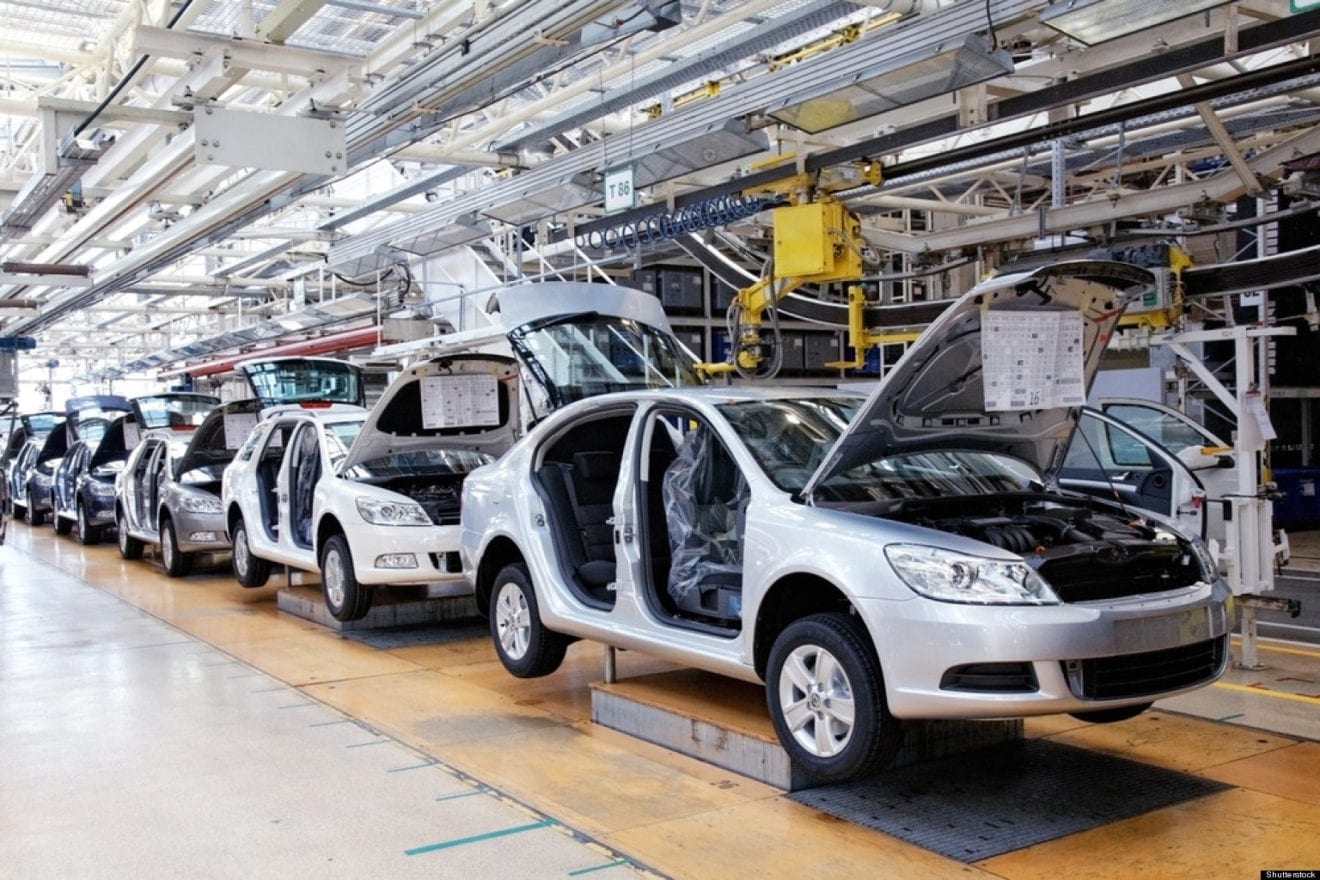
    Statistics from the General Department of Vietnam Customs show that the foreign sector controls roughly 80% of the local car and automobile (excluding motorbike) retail market with a sales volume eclipsing all of Southeast Asia.

    thai auto sales pose dilemma for vietnam hinh 0

    Auto distributors and original equipment manufacturers (OEMs) based out of Thailand hold the largest share of the retail market followed by the Republic of Korea (RoK) and China in descending order of magnitude.

    Compared to Vietnam, Thailand’s success at attracting top brands the likes of Ford, Toyota, Honda and Nissan, is in large part attributable to the countries more favourable tax structure.

    Taxes and fees account for up to 50% of the final sales price of a vehicle manufactured in Vietnam, a figure that is more than 20% higher than the comparable taxes and fees charged in Thailand.

    Prior to the emergence of the ASEAN Economic community (AEC) the Vietnam government was able to regulate the local auto industry via the imposition of import tariffs and local taxes as appropriate.

    However, with the arrival of the AEC at the beginning of 2016 and the elimination of import tariffs pursuant to the ASEAN Trade in Goods Agreement, Thai auto sales in Vietnam have shot up rapidly.

    Under the agreement, the import tax on automobiles from Thailand and other ASEAN members – Myanmar, the Philippines, Malaysia, Singapore, Laos, Indonesia, Cambodia, Brunei and Vietnam – have dropped by 40-50% in 2016.

    They will continue to fall by another 30% in 2017 and be eliminated entirely by the end of 2018.

    Meanwhile, the Vietnam government has not concurrently reduced the taxes and fees on local manufacturing of autos and this explains, in large part, why vehicles produced in Thailand are less expensive.

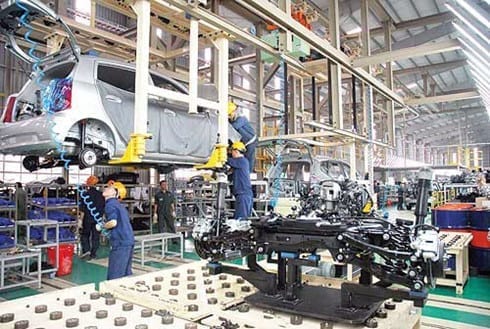
    Notably, Thailand also has more than 2,000 OEMs, which has aided the country’s rise to become the biggest hub for auto and part exports not only to Vietnam but the entire Southeast Asian region.

    Without a doubt, say many leading experts, after 2018, the complete roll back of the import duty will put ownership of an automobile within reach of the majority of Vietnamese citizens.

    This, they say, could lead to explosive sales growth and a myriad of adverse consequences for the nation.

    It’s problematic because its puts excessive pressure on the public transport infrastructure, overburdens traffic systems and potentially threatens traffic congestion that would choke off commerce.

    Not to mention the threat to public health brought about by pollution and auto accidents, they say, noting the elevated need for the government to advocate strongly for effective policies that reduce auto use throughout the nation.


  • Lazada to join Tmall.com for 2017 Asean expansion

    Lazada to join Tmall.com for 2017 Asean expansion

    Lazada, a leading e-commerce platform in Southeast Asia owned by Alibaba Group, is gearing up to tap into the burgeoning cross-border e-commerce market next year, in a move set to create greater opportunities for small and medium-sized enterprises in Asean and China.

    The company will join forces with Alibaba’s Tmall.com platform and its logistics and payment systems to drive the market, said Alessandro Piscini, chief executive of Lazada Thailand.

    Global marketing research firm Nielsen forecasts that Thailand’s online retail e-commerce market, excluding online travel, will reach US$3 billion by 2020, up from $1 billion in 2015.

    Online retail e-commerce market in Southeast Asia is expected to value at $20 billion in 2020, up from $5 billion last year.

    The e-commerce market will be driven mainly by middle-income earners and the growing number of internet users, according to Nielsen.

    The number of internet users in Thailand is projected to exceed 50 million by 2020, up from 40 million in 2015.

    Mr Piscini said the synergy between Alibaba and Lazada can be used to support local retailers and manufacturers in expanding to cross-border markets successfully.

    Chinese retailers and manufacturers will also be able sell their products in Thailand through Lazada’s website.

    Lazada also plans to work with Ant Financial, the Alibaba affiliate that runs Alipay and other financial services in China, to facilitate online payment service to local retailers and merchants, Mr Piscini said.

    He explained Lazada plans to combine its six websites in Southeast Asia into a single website within two years, and continue sales through one retail e-commerce channel.

    Lazada Thailand’s marketplace platform accounts for 85% of sales revenue, with the remaining 15% from its own marketplace platform selling products from its own website.

    To help local merchants and retailers boost their sales, Lazada will conduct an online festival from Nov 11 to Dec 12.

    “We expect sales volume at this year’s event to be 3-5 times higher than last year’s event,” said Mr Piscini.

    Lazada has expanded the range of products sold at its marketplace to over 2 million items.

    Its best-selling products include cosmetics, fashionable clothes and IT gadgets. “We are focusing more on the high-growth product segments like auto accessories and pet care products,” said Mr Piscini.