Tag: asia

  • November auto sales dip after four months of growth

    November auto sales dip after four months of growth

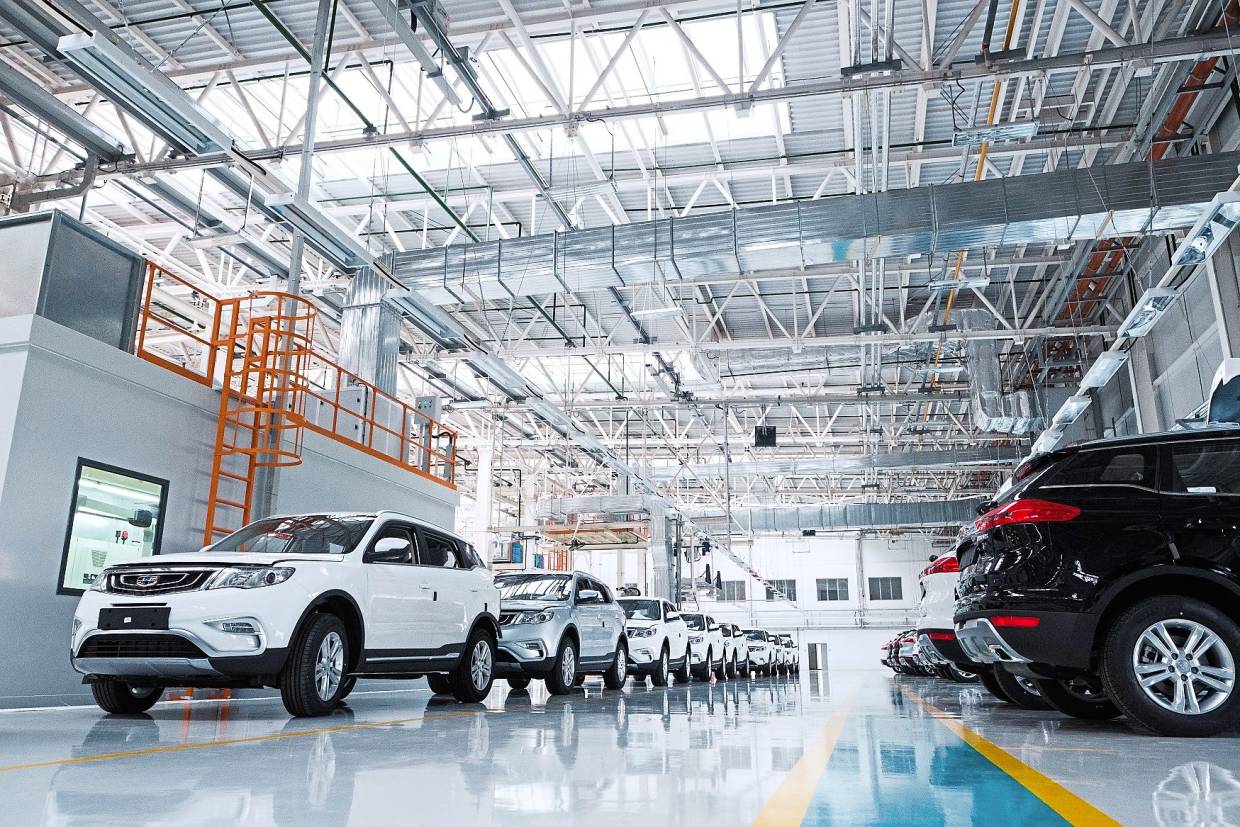
    November auto sales posted a decline from October after four consecutive months of growth, but sales for the year so far still achieved double-digit growth.

    It was reported that 36,371 units were sold among members of the Vietnam Automobile Manufacturers Association (VAMA) last month, down 0.51% from the previous month.

    In the first 11 months, sales climbed 43% year-on-year to 369,334 units.

    Truong Hai Auto Corporation (Thaco) led with 123,140 units sold, up 38% year-on-year.

    The company was followed by Toyota, with 81,491 units, and Mitsubishi, 36,805 units.

    Honda and Ford rounded off the top five.

    Last month automaker VinFast shipped its first batch of 999 electric cars to the U.S.

    The company expects to sell 750,000 electric vehicles annually by 2026.

  • Barclays Popping Up in Verbier

    Barclays Popping Up in Verbier

    British Bank Barclays is the latest private bank moving to Verbier to catch a crowd of international holidaymakers.

    Barclays Private bank is opening a temporary office in Verbier for the 2022/2023 ski season, it said in an emailed statement Wednesday.

    The new pop-up office aims to cater to clients’ needs during their holidays and is a sign of the bank’s growing focus on the region, it said.

    Switzerland is one of the world’s number one destinations for global wealth, with many of our clients choosing to set up residence here to benefit from its many qualities, either permanently or for leisure, Rahim Daya, CEO of Barclays Private Bank Switzerland and head of Middle East, said.

    Other private banks in town, include Lombard Odier, Credit Suisse, UBS, and Julius Baer.

  • Vietnam Electricity wants power prices to be dynamic, based on production cost

    Vietnam Electricity wants power prices to be dynamic, based on production cost

    Vietnam Electricity wants power prices to be managed in the same way as fuel by taking into account the changing costs of production and not fixed at certain levels.

    Input costs surged to high this year, with oil and gas prices rising by double-digits and coal by 600%, EVN CEO Tran Dinh Nhan said at a meeting on December 12.

    Yet electricity prices remained the same as in 2019, he said.

    He blamed this for his company’s severe financial challenges and the risk of not paying its partners.

    “Eventually EVN’s credit ratings will be lowered. The company will have difficulty accessing loans and this will affect national security.”

    EVN said last month it faced losses of VND31 trillion this year and called for increasing retail prices.

    The government allows EVN to adjust prices by up to 5% a year, a 5-10% change needs approval from the Ministry of Industry and Trade and anything more than 10% requires the Cabinet’s green light.

    EVN also wants Power Development Plan 8 to be approved quickly so that it can start building new plants and grids to keep up with demand.

  • Gold prices gain

    Gold prices gain

    SJC gold prices went up 0.3% to VND67.1 million per tael Wednesday.

    Gold ring prices inched up 0.37% to VND54.2 million per tael. A tael equals 37.5 grams or 1.2 ounces.

    Global gold prices traded in a narrow range on Wednesday, as investors awaited the U.S. Federal Reserve’s policy decision later in the day after softer-than-expected inflation data fanned expectation of a moderate interest rate hike path.

    Spot gold was little changed at $1,810.99 per ounce after hitting a more than five-month high on Tuesday as a smaller-than-expected rise in U.S. consumer prices buoyed bets for a slowdown in rate hikes.

    Softer U.S. inflation data saw the dollar weakening and gold rallying in the last session, but bullion price action will be quiet currently as the market awaits the Fed decision, said Ajay Kedia, director at Kedia Commodities in Mumbai.

    “Gold might hit $1,832 if the Fed sounds dovish. But there is strong resistance at the $1,820 level and prices should trade around this range for the rest of the year.”

  • Snapchat launches AR music platform for creators who want to monetize their work

    Snapchat launches AR music platform for creators who want to monetize their work

    During this year’s Lens Fest, Snap announced the launch of a brand-new AR music platform for artists: Minibeats. The music platform is available in the form of a set of Lenses that lets Snapchat users play their own versions of artist songs paired with funny AR effects.

    If you’re a music fan and love using Snapchat, you now have a new way to combine both in your daily life. The new AR music platform is available right away, so to use it, simply open any Minibeats Lens and you’ll be able to take advantage of some of the AR effects available by default:

    • Decorate yourself with Musical Tattoos as you create your own version of “LOSER,” the hit single from KILLBOY (Atlantic Records).
    • Become Alice Glass and use AR gestures like waving your hand and opening your mouth to trigger interactive phrases from her new single, “Lips Apart.”
    • Turn your room into a playable version of Taetro’s beat-making loft, complete with Musical Objects that rattle off parts of his song.
    • Open your hand and wear a Musical Mask that sings Phil Good’s chorus to “Crying, Dancing”

    Apart from that, Minibeats is also a new way for musicians to connect with their fans. The Minibeats Lenses on Snapchat come with so-called “In-lens Purchases,” which marks a premier for the social company.

    According to Snap, Minibeats offers artists a 50% share of their revenue from lenses, an interesting approach considering that the industry typically offers sub-5% royalties.

    Snap’s new AR music platform will be fully launched after this “teaser version” launches on Snapchat. Currently, the company partnered with several musical artists such as KILLBOY, Alice Glass, Taetro, and Phil Good, but the final version of Minibeats will feature more artists and brands that music fans know and love, so stay tuned for more on the matter.

  • Fonterra reports strong sales, eyes higher earnings

    Fonterra reports strong sales, eyes higher earnings

    The company attributed its strong earnings growth to the performance of its protein portfolio, particularly in medical nutrition. It has forecast farmgate milk price of between $8.50 to $9.50 per kg of milk solids, with a midpoint of $9.

    Mike Hurrell, Fonterra CEO, said it was a positive start for the company given the current global situation.

    “We continue to feel the impact of geopolitical and macroeconomic events, with higher costs at every point in our supply chain,” he said. “It’s a similar story behind the farm gate with our farmer shareholders managing significantly higher input costs.”

    Hurrell explained that milk supply from key exporting regions – Europe, Australia, and the US – has been down over the past year and production in New Zealand is down 2.9 per cent against the same point of last season.

    In China, market volatility has prompted a “softening of demand” for whole milk powder.

    “We’ve seen increased participation from other regions, which has partially offset the drop in demand from Greater China,” he added. “While it’s still early in the financial year, we are happy with our sales contract rate.”

    Hurrell said the ingredients segment of the company continues to see strong margins in its protein portfolio – particularly for casein and caseinate – used in medical nutrition. Underlying earnings were up 94 per cent to $368 million versus last year, while normalised profit after tax rose 84 per cent to $214 million.

    “The sustained strong margins in our protein portfolio give us the confidence to upgrade our earnings guidance, although the wider range reflects the volatility in the market, which we expect to continue in the short to medium term.

    “If these conditions continue for extended periods, it could have an additional positive impact on forecast earnings.”

    The dairy cooperative’s performance in the food service channel was said to have improved versus the same period last year. Still, the high milk costs continue to put significant pressure on margins in both consumer and food service channels.

    Hurrel said the company had made progress on shipping the additional inventory at the end of the company’s fiscal year, and the stock has returned to normal levels.

    “There’s no doubt we’re in a period of increased global uncertainty. Inflationary pressures are being felt both on-farm and across our business, but looking further out, the fundamentals for dairy remain positive,” he concluded.

  • Kono NZ Announces Closure Of Annies

    Kono NZ Announces Closure Of Annies

    Food and beverage business Kono NZan associated business of Wakatū Incorporation, has today announced it will be closing its Blenheim-based business Annies at the end of February 2023.

    Kono NZ Chief Operating Officer Andy Wotton said the closure of Annies, a well-loved local brand, was a difficult decision for the Board to take, but was part of a wider strategic reset to return to Kono NZ’s core purpose – operating sustainable, high-performing businesses that generate a strong financial return to owners.

    He said Annies hadn’t met performance requirements over a number of years, and wasn’t sustainable long term.

    “Kono NZ purchased Annies in 2014 after it had gone into voluntary receivership. Despite our very best efforts to rebuild the business over the last seven or eight years, Annies has, with the exception of a couple of outlier results, operated at a loss. As a business we need to be able to adapt and, though hard, the decision to close Annies is right, rather than continuing to operate unsustainably into the future.”

    Annies employs 39 people within the Marlborough region. Mr Wotton said Kono NZ hoped to offer staff redeployment options within the Kono business as an alternative to redundancy and was actively exploring opportunities.

    “Manaakitanga is central to how we operate and this process will be managed as carefully and thoughtfully as possible. We will work closely with our affected people over the coming weeks to explore every opportunity available.”

    Annies last day of production is expected to be 24 February 2023, with its lease ending at the end of April 2023. It is expected that normal business operations will continue until then and all open sales orders will be fulfilled.

  • Grab appoints new managing director for Vietnam

    Grab appoints new managing director for Vietnam

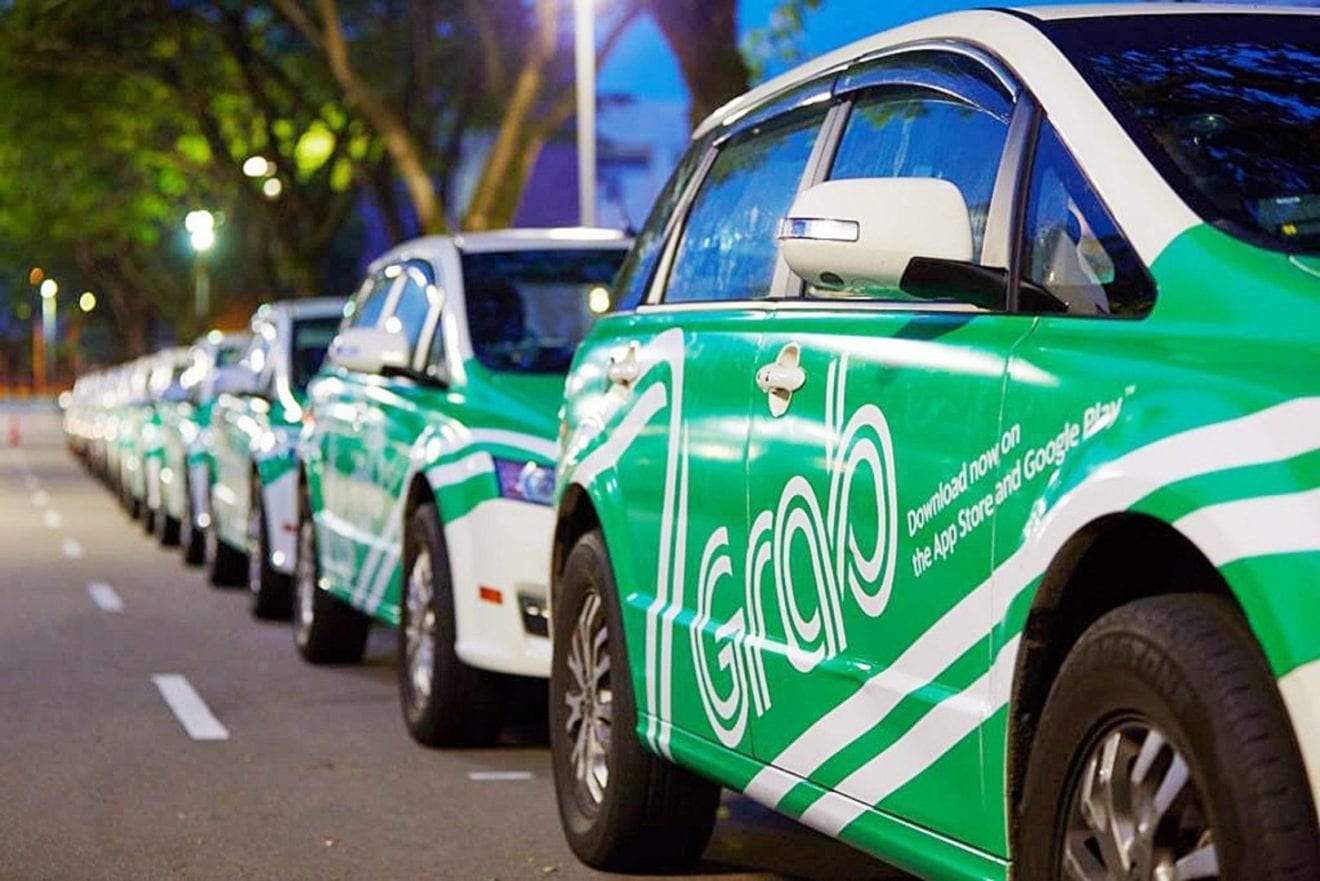
    Grab Vietnam has appointed Alejandro Osorio as its new managing director as part of its drive to achieve “robust sustainable growth” in its local operation.

    Osorio, an American who has worked for Grab for five years, previously served as director for regional strategy and planning, operations, and most recently was managing director of Grab Thailand.

    “Alejandro’s experience in building up business strategy on a regional scale and developing high-performing local teams makes him the right leader for the next phase of growth for Grab in Vietnam,” Russell Cohen, group managing director, operations of Grab, said in a statement.

    Under Osorio’s leadership, Grab Vietnam aims to leverage the power of the superapp ecosystem to strengthen its leadership in the country. The company plans to advance technology to help improve the efficiency of its partners, offering more relevant everyday services and ecosystem-wide benefits for consumers.

    Osorio’s predecessor Nguyen Thai Hai Van left the Grab Vietnam managing director chair in April after two years of service.

  • Nike and Adidas supplier offers bigger Tet bonuses

    Nike and Adidas supplier offers bigger Tet bonuses

    Some 130,000 workers at Taiwanese-invested footwear maker Pou Chen Vietnam, a contract manufacturer for giants like Nike, Adidas and Puma, will enjoy a 30% increase in Tet bonuses this year.

    That puts the annual windfall for employees at the global shoe supplier back to pre-Covid levels.

    Eight Pou Chen Vietnam factories in HCMC and four in the southern provinces of Dong Nai, Tien Giang, Tay Ninh and Ba Ria Vung Tau announced on Monday that they will set aside over VND1.5 trillion ($62.5 million) as bonuses for workers for the upcoming Tet (Lunar New Year Festival). Tet, the most important festival in Vietnam, falls in late January 2023.

    Depending on seniority, workers who have worked for the company a full year or more will be given Tet bonuses of 1-2.2 months’ salary, from around VND6.5 million ($274.20) to nearly VND26 million. The highest bonus in 2022 was 1.54 months’ salary, while in 2021 the figure stood at 1.87 months.

    Besides Tet bonuses, the biggest and most anticipated reward for workers, Vietnam’s largest employer and trade unions at of its eight factories have planned provide free bus tickets home to migrant workers who will be able to enjoy Tet in their hometowns. Other gifts to poor employees will also be distributed.

  • Nam A Bank gets new chairman

    Nam A Bank gets new chairman

    Nam A Bank on Friday named standing vice chairman Tran Ngo Phuc Vu as the new chairman.

    Vu, 50, has run Nam A Bank’s board of directors since 2019 after chairman Nguyen Quoc Toan resigned to focus on resolving family disputes over ownership of the bank.

    He was earlier the CEO.

    Vu has worked at various financial institutions for nearly 30 years.

  • Aviation stocks rise amid expected industry recovery

    Aviation stocks rise amid expected industry recovery

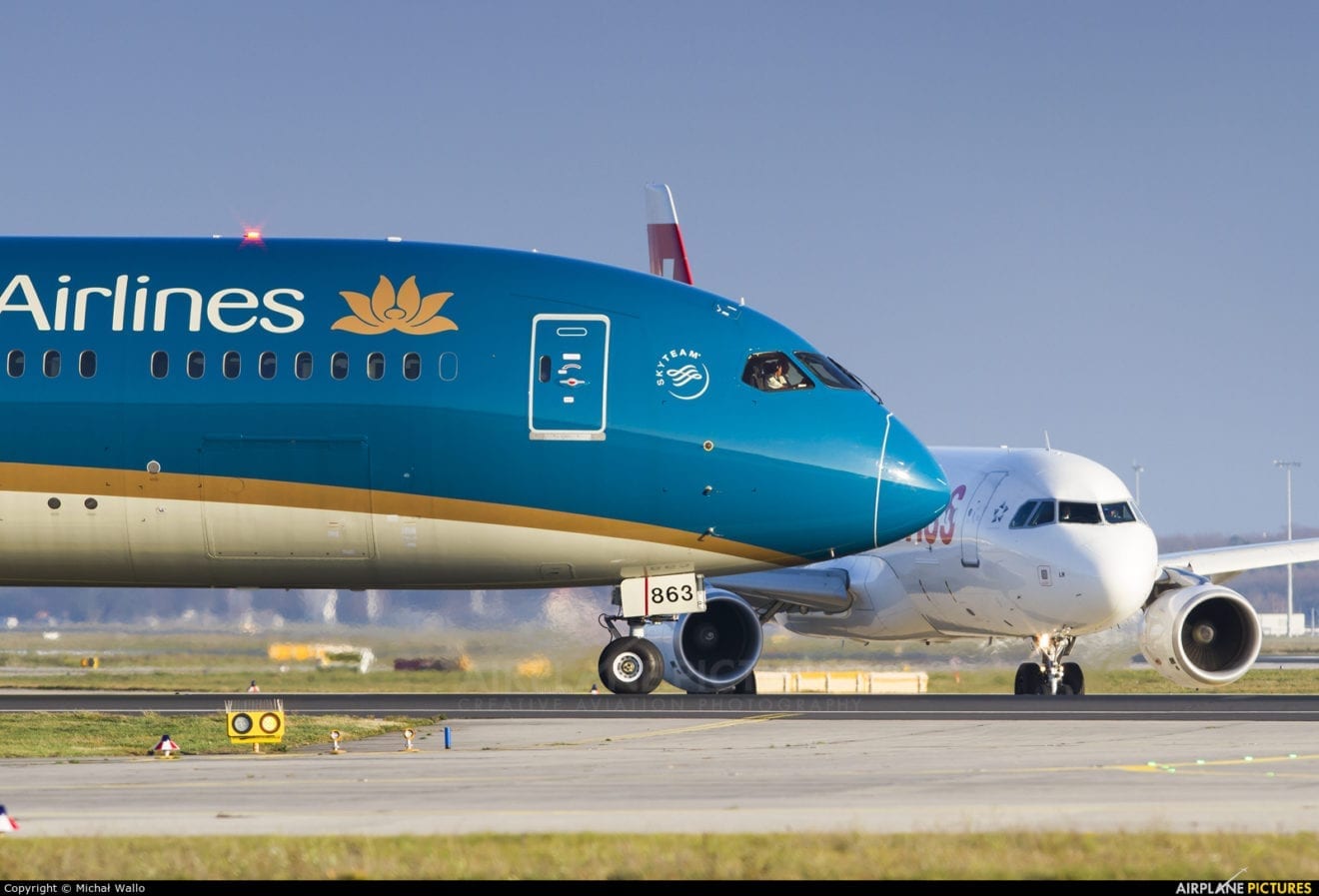
    Stocks of Vietnam Airlines, Vietjet and other companies in the aviation industries have surged as the resumption of flights to China amid its relaxed Covid-19 policy boosted investors’ sentiment.

    HVN of state-owned Vietnam Airlines closed last week at a ceiling price in its third session in the green and returned to the mid-October price range of around VND11,750 ($0.50).

    Meanwhile, VJC of budget airline Vietjet, the only airline blue chip, gained 5% to close at VND111,500.

    SAS of Tan Son Nhat Airports Services and AST of Taseco Airs, which mostly provide services at Noi Bai International Airport, all gained three sessions to close at VND22,000 and VND54,000, respectively.

    These stocks gained after China relaxed its Covid-19 restrictions and several Vietnamese airlines, such as Vietnam Airlines and Bamboo Airways, announced a flight resumption to Chinese cities.

    Analysts of brokerage VNDirect said earlier this month that the most damaging factor for Vietnam’s tourism and aviation recovery is China’s zero-Covid policy which has been strictly imposed in most of the last three years.

    Chinese tourists accounted for 35% of total foreign tourists in Vietnam before the pandemic, and the figure is forecast to reach 20% in early next year before returning to the old level in early 2024, they added.

    “As the earnings of Vietnamese aviation companies have a high dependency on international traffic, we believe that their figures will surge starting next year.”

    Another reason for the surge in aviation stocks is an increasing number of investors buying the dip after the plunges.

    It also warned that risks such as high oil prices, heavy competition and weakening travel demand due to a global economic slowdown might have impact on the recovery of aviation stocks.

  • Dollar weakens against dong

    Dollar weakens against dong

    The U.S. dollar continued to depreciate against the dong on the black market Monday.

    It plunged 0.86% to VND24,220 at unofficial exchange points.

    The greenback fell 0.19% to VND23,825 at TPBank, and dropped 0.32% to VND23,713 at Vietinbank.

    Eximbank sold the dollar at VND23,740, up 0.17%.

    The rate at Techcombank was VND23,750, up 0.04%. It stayed unchanged at Vietcombank.

    The State Bank of Vietnam (SBV)’s set the reference rate is at VND23,655, down 0.01%.

    The dollar has gained 3.40% against the dong since the beginning of the year.

    The U.S. Dollar Index, which measures the greenback’s strength against major currencies, hovered around a three-month low of 105 points.

  • Vietnamese unscathed by U.S. tech meltdown

    Vietnamese unscathed by U.S. tech meltdown

    The recent layoffs by tech firms in the U.S.’s Silicon Valley have not significantly affected Vietnamese there, and things will return to normal soon, Le Chan, chief engineer at AI startup TruEra, tells VnExpress.

    Layoffs.fyi, the layoff statistics site, shows that more than 100,000 technology employees have been laid off in Silicon Valley this year, including by giants like Meta, Twitter and Amazon. As chief engineer at TruEra, a startup in the field of artificial intelligence in the U.S., and founder of the Viet Tech community, what do you think about this?

    Actually, I’m not too surprised because I think the number should have been much higher. If the economic situation does not improve next year, other problems will arise. The next layoff will be worse than the first one.

    I think the number released by Layoffs.fyi is quite accurate because each of the big companies such as Amazon and Meta contributed tens of thousands. I even think the actual number could be 150,000.

    My own company is a much smaller startup, so we don’t have layoffs. Normally, we face an employee shortage. During the recent Covid outbreak, big tech firms hired on a large scale because they thought after the pandemic there would be an economic boom with everything going up and never down.

    But in reality there isn’t. They’re public companies with shares issued and listed, so they face pressure to sack people to improve their financial situation. Normally, it is difficult for common startups to recruit staff. Now, when large companies lay off employees, smaller firms can recruit them. For small companies, it is actually a good time to hire people now.

    In your opinion, which group is most affected by the tech layoffs?

    The group most affected and I feel the most sorry for is probably young people who have just graduated or are about to graduate. When companies don’t recruit staff, they don’t hire anyone. First of all, they don’t recruit new graduates. Most startups just want to hire people with work experience who can do the job right away. Big companies, too. If a big company stops hiring, it often prioritizes stopping recruitment of new graduates first. New graduates need to be trained; it will take time for them to start working effectively.

    The second group most affected is those who work here on H-1B visas. Most tech people working here are on that kind of visa. Once the visa holders are laid off, they have only 60 days to find a new job. Failing this, they are required to leave the U.S. for their home countries. After returning to Vietnam, it is very difficult to return, right? Normally it takes about 1-2 months to prepare for interviews, and then it takes the same period of time to go for an interview.

    The founder of the Vietnam Tech Society estimated that some 1,000 Vietnamese engineers were affected by this layoff. What do you think about the figure? How have Vietnamese been affected?

    I see many Vietnamese in this tech industry being affected, but I don’t know the exact number because there are no precise numbers. The founder estimated that 1,000 people were affected, but I think it must be much higher.

    There are many Vietnamese people in the U.S., and many Vietnamese work in the tech industry. But I think this layoff is just in line with the economic cycle. When the economy goes down, these things will inevitably happen, not because you are bad or anything but just because the economy is bad and companies have to make difficult decisions.

    Vietnamese engineers are the same as engineers in other countries. In fact, whoever can do the job is recruited and respected. I don’t see much difference between Vietnamese and foreign engineers. Laid off engineers in fields other than technology will find it much harder to get a new job. So, in fact, tech workers still have a huge advantage compared to those in other fields. Now the tech industry is facing a little difficulty because it went up strongly in the past. Now it is going down.

    I found that Asian engineers in general are very hardworking and work quite well. I think it’s going to be okay. There will be layoffs; there will be ups and downs; and there will be times when companies have to decide to lay off. But eventually everything will be back to normal, especially when most people are working pretty well. I don’t think it’s a big deal.

    Many experts believe that famous foreign tech talent in Silicon Valley have houses and cars but their cash is limited. When there are no jobs, they still have to make ends meet. So what’s the situation like?

    This is not correct. In Silicon Valley, a fresh graduate can easily get a job with an income of more than $100,000 per year. It is not too difficult to get $200,000 a year from big tech companies like Google, Facebook and Amazon.

    With such a salary, minus taxes of 30%, they still have some $70,000, completely enough to live on. Anyone who says that laid off tech people have no money or have to live from hand to mouth has never worked as a tech person or has stood outside looking in. I don’t see any tech guys complaining about not having money to live by.

    Fresh graduates can earn $100,000-200,000 a year, or maybe less if they work for smaller companies. After about two years of experience, their income is around $300,000, and with two more years of experience, it is $400,000-450,000. With more years of experience, it is up to $600,000-700,000. With such an amount of money, it is very hard for them to have any problem unless they have done something very, very wrong.

    But it is obvious that, if you are earning some $600,000 and your firm suddenly fires you, it will be hard for you for a while, but not to the extent and not as miserable as some people in Vietnam think.

    Being fired is a bad thing, right? But actually, the compensation you get when you get fired in the first layoff is usually better than later ones.

    Some companies like Meta offer four months’ salary. I know that some other companies like Snapchat offer two or four months’ salary. So that’s a really good deal for sacked people.

    Engineers in tech companies not only get salaries, but also bonuses. And what is more important is the shares the companies give them like in Vietnam. I used to work in Vietnam where employees are paid a 13th month’s salary and Tet bonus.

    But it is a little different here. In the tech industry, in addition to monthly salary, you have the company’s stock. Usually its market value is equal to the salary, so the sum of money is good.

    Obviously, it is very difficult to find a new job. People have to prepare for job interviews, but I think they will find a new job, because the market is not short of jobs. It is just difficult for people who do not want to prepare for interviews or want to work only for certain companies. There is no shortage of jobs in general.

    It is not easy to find a new job within 60 days, but if you have experience, it is completely doable. If you have no experience, it will be fairly easy during this period of time.

    I think there are always ways to overcome all difficulties in life. Always.

    Tech companies in Silicon Valley mostly recruit foreign talent through the H-1B visa policy. The visa was once considered Silicon Valley’s tech talent reserve. Do you think that this round of layoffs poses a risk of drowning tech talent?

    Small groups will be affected, right? As I said earlier, undergraduates and new graduates are affected for a short period of time. In reality, they have their own directions. For H-1B visa holders, they will have other ways to continue to stay in the U.S., or continue to get the visa. There will always be a way out. It may be much more difficult than in the previous period, but there will always be a road to keep walking if you want to stay in the U.S. and to continue to work. They include accepting new jobs with lower pay and going back to school.

    I don’t think tech talent will get drowned. It is not so bad.

    What consequences will the layoffs have for Silicon Valley and the U.S.?

    Every year the U.S. issues 65,000 H-1B visas. The latest layoff affected about 150,000 people, but not all of them have H1-B visas. So that number is not big enough to affect the future of Silicon Valley. There are a lot of tech people in Silicon Valley in particular and many more in the U.S. in general. America has always been a very big tech hub of the world. Silicon Valley has always been a hub that attracts tech talent.

    With the 150,000 laid-off people, assuming that some 10% of them, or 15,000-20,000, have to go back to their native countries, it will not have a big impact.

    Labor shortages have happened in the past, are happening now, and will possibly happen in future, but 20,000 people is just a drop in the bucket. A company like Meta last year seemingly hired such a number of people. So if they have to return to their home countries, it does not matter too much.

    There are some other contributing factors, like venture capital funds. I see that some big venture capital funds pumped less money into startups over the past six months, but then started pumping again when there was a wave of generative artificial intelligence. Silicon Valley will have new technologies. Then there will also be new inventions, then everything will return to the old trajectory, money will still be pumped in, people will be recruited, assets of companies in Silicon Valley will increase as before…

    I do not know about the distant future, but I think in the near future, after this period when the economy bounces back, the stock market goes up again, and companies no longer face the pressure to lay off, the tech industry will be back to normal.

    I strongly believe that in the next 2-5 years, everything will return to the way it was, everything will go up again.

    Given the current situation, what will you advise new graduates or those who are applying for tech firms?

    This is the worst time for them to graduate now, so options are very simple. You do not have to graduate, right? You can continue to study for a master’s degree, or a PhD degree. Obviously, if you have a job, just go to work, do not wait. Take many interviews at many companies. You should accept many different offers. Do not just take one offer and then stop. Nowadays, many companies make an offer and then withdraw it.

    I think you should choose a company with good financial potential, which is performing well, making a lot of money, having no pressure from shareholders to sack people or cut costs.

    The second direction is choosing startups that have full funding. The simplest option is choosing startups which have just raised funds. Such companies will not have much pressure to lay off employees.

    There are a lot of ways. You have to open your mind a bit more. Do not think the U.S. is the only destination. Do not think it is obligatory to work in Silicon Valley. It is a very good place to work, and to develop your tech career. But if that option is not good right now, there are other options that are ok. They are not so bad.

    Singapore, Canada and Europe are all very good options for career development, personal development, family and other issues. Then you can go back to the U.S. later. It is not a big deal. It will be much more difficult but not impossible to achieve.
  • Twitter will soon tell you if your posts have been secretly restricted

    Twitter will soon tell you if your posts have been secretly restricted

    Elon Musk’s revamping of Twitter continues with full force. As the man himself announced via a tweet, the platform is currently working on an update that will show “your true account status,” so you will know if your account has been shadowbanned. In addition to that, you will receive information explaining why your account has been restricted and how you can appeal the ban.

    Now, Musk didn’t explain what it means to be “shadowbanned” on the platform. However, journalist Bari Weiss, who has been given access to corporate files, explains that Twitter employees prevent tweets made by disfavored accounts from becoming trending and restrict the visibility of entire accounts or even trending topics. All this happens secretly, without informing the affected users.

    Disfavored accounts get added to various blacklists, such as the “Trends Blacklist,” which prevents tweets from becoming trending, and the “Search Blacklist,” which Weiss doesn’t explain what it does but most likely restricts tweets from appearing in searches. Weiss also notes that Twitter doesn’t call these techniques “shadow banning.” Instead, employees call these methods “Visibility Filtering,” or “VF.”

    To better understand what VF does, a senior Twitter employee told Weiss that this is a way for Twitter employees to “suppress what people see to different levels.”

    Interestingly, Instagram recently launched a similar feature to what Twitter is working on. The platform now informs users with professional accounts if their posts have been restricted from appearing as recommendations to others. If there are indeed posts that violate Instagram’s recommendation rules, creators and businesses can edit or delete them to become eligible again, or they can appeal the decision.

  • Apple, Ericsson kiss and make up while signing a new licensing deal

    Apple, Ericsson kiss and make up while signing a new licensing deal

    Apple and Ericsson have agreed to settle a patent battle between the two which started in 2015 when both companies sued each other claiming that they each had patents infringed on by the other. Also part of the legal issues were disagreements that both sides had relating to licensing their 2G, 3G, and 4G technologies.

    Both companies buried the hatchet, and peace reigned until October 2021 when Ericsson sued Apple over 5G patent licensing. Two months later, Apple sued Ericsson and accused the networking and telecom firm of using “strong-arm tactics” to renew licensing over expired patents.

    Today’s deal means that Apple and Ericsson shook hands, ending a legal fight over royalty payments for using 5G wireless patents in the iPhone. Ericsson said that the settlement includes granting a global patent license to Apple and global cross-licenses for standard-essential cellular technology patents. Standard-essential patents are required in order for a licensee to meet certain industry standards and as a result, they are licensed using royalty terms that are Fair, Reasonable, And Non-Discriminatory (FRAND).
    In a statement, Ericsson said, “The settlement ends all ongoing patent-related legal disputes between the parties.” The battle between Apple and Ericsson intensified when negotiations on a new seven-year licensing contract covering telecom patents broke down. But that is all in the past after today’s announcement and Ericsson noted that the settlement will “strengthen their technology and business collaboration,” meaning, of course, partnerships between Apple and Ericsson.

    If you’re wondering how Apple ended up owning some intellectual property related to mobile wireless modems, you might recall that during the summer of 2019 the company purchased Intel’s modem business for $1 billion. The transaction gave Apple ownership of some industry standard-essential patents.

    Including the effects of the settlement with Apple, Ericsson forecasts fourth-quarter intellectual property rights (IPR) licensing revenues of $530.3 million-$578.5 million. Besides today’s agreement with Apple, that figure includes intellectual property rights with other licensees.
    You may have experienced some deja-vu when reading this news because it might have reminded you of the last-minute settlement Apple and Qualcomm signed off on back in 2019 just as opening arguments were wrapping up for a trial between the two tech giants. Apple paid Qualcomm a chunk of cash and both firms agreed to a six-year licensing agreement with a two-year option. And both sides signed a multi-year chipset supply contract.
    Apple has been working on its own modem chips which were expected to debut in next year’s iPhone 15 line. But issues surrounding two patents owned by Qualcomm mean that the latter will continue to supply the vast majority of iPhone 15 handsets with the important component. Had Apple been able to use its own modem chip, Qualcomm’s share of modem chips used on the iPhone 15 series would have been reduced to 20%.
    But this goes to show how important licensing intellectual property is to Apple, even when it plans on producing its own modem chip. Certain key technologies could be covered by patents and licensing them, even when dealing with the complex licensing arrangements that Qualcomm demands (remember, “no license, no chips”) can make or break a big project. Even a company like Apple can be stymied by a patent.
    Eventually, Apple and Qualcomm will reach an agreement, or Apple will figure out a way to design its modem chips without having to license certain patents from Qualcomm. But for now, it is Qualcomm’s modems that you’ll find inside the iPhone including 2023’s iPhone 15 family.