Tag: asia

  • Changes are coming to the Google Search UI

    Changes are coming to the Google Search UI

    The Google Search app user interface is about to get a new look. Google is testing some changes to the app, including a thicker search bar. Icons for voice search and Google Lens will remain on the bar. Also new, besides the girth of the search bar, is a carousel directly underneath with shortcut suggestions such as “Search recent Screenshots from your library,” get help for your homework using your camera and Google Lens, how to identify songs, and more.

    These suggestions can tell you about things that Google Search can do that perhaps you didn’t know about. They also can start the process and get the ball rolling with a single tap on the screen.

    Also new is a bell icon next to your profile picture in the upper right of the screen. Tap on it to see notifications related to all the topics you subscribe to on Google. Other improvements are coming to the app, including showing you search results even before you’ve finished typing. Just to let you know, this is different from showing you suggestions on what to search for as you type as that is currently available on the Google Search app.
    The difference is that with the new feature, Google Search will try to figure out what you are looking for even before you finish typing it into the search bar and will show you results before you are done. If Google has the correct topic, you will shave valuable seconds off of your session with Google Search. If Google is wrong, the time it takes you to look down on the screen to check and type your query out completely will add a few seconds to your Google Search session. So for this to be useful, Google has to nail the algorithm.

    Right now it’s still being determined whether Google is disseminating the changes mentioned above to the Search UI to everyone or if it is part of an A/B test (Google is known to run these often).

  • Tesla Launches EVs In Thailand Amid Competition From Cheaper Brands

    Tesla Inc launched two electric vehicle (EV) models in Thailand on Wednesday, marking its first foray into the regional autos hub that has long been dominated by Japanese manufacturers.

    The launch of two EVs with prices ranging between 1.7 million baht to 2.5 million baht (($48,447 to $71,205) comes as Thailand makes a push for EV adoption and production by offering tax cuts and subsidies.

    The U.S. automaker plans to start selling its EVs in Southeast Asia’s second-biggest economy via online channels, with deliveries set to start early next year. But it faces stiff competition from Chinese brands like BYD and Great Wall Motors, which have set up showrooms and distribution partners in recent years to reach customers and offer EVs with prices starting at 800,000 baht.

    Tesla did not provide details on sales targets.

    Thailand is Asia’s fourth-largest auto assembly and export hub for companies like Toyota Motor Corp and Honda Motor Co Ltd. It produces about 1.5 million to 2 million vehicles annually, of which about half are exported.

    Fuel-based vehicles, especially made by Japanese brands, still dominate the market and uptake of EVs has gradually gained momentum, with about 7,000 new battery EVs registered in the first ten months of 2022, according to the Thailand Automotive Institute, up from 2,000 last year.

    Customers who showed up to Tesla’s launch in a luxury mall in central Bangkok said they were interested in the new cars being offered.

    “I’m excited. The price differences aren’t significant (from other EV brands),” said office worker Thitipun Paisirikul, 36, adding he expected the re-sale value of the car would be high.

    The government wants at least 30% of vehicles produced in the country to be electric by 2030.

    State-owned energy firm PTT Group this year announced a $1 billion joint venture with Taiwan’s Foxconn to produce EVs in Thailand.

  • Foxconn investing in other countries helps Apple diversify iPhone production out of China

    Foxconn investing in other countries helps Apple diversify iPhone production out of China

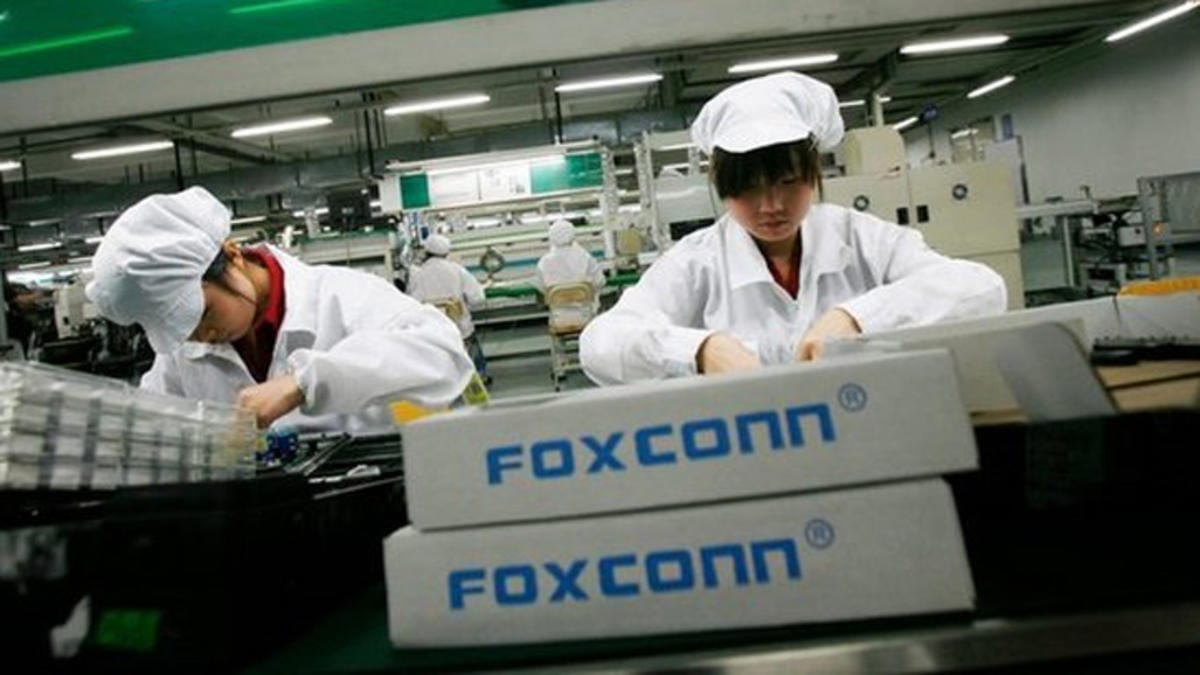
    Apple would love to diversify iPhone production out of China. Not only is Apple concerned about the region in terms of geopolitics, it is also worried about the Chinese government doing things like cracking down on COVID like it did last month in Zhengzhou where contract manufacturer Foxconn has its largest iPhone factory. As a result, workers started leaving the campus forcing Apple to admit that consumers will face a delay in receiving ordered iPhone 14 Pro and iPhone 14 Pro Max models now through the beginning of next year.
    At the beginning of this month, China started to relax its COVID crackdown and Foxconn says that it will soon allow workers at the Zhengzhou facility to return to their rental apartments just outside the campus. During the crackdown, Foxconn refused to allow workers on campus to eat in the company dining room and forced them to consume their meals inside their dorms.
    Apple can’t just pick up iPhone production and move it to another country. It needs to find an area where factories can be built, qualified workers can be found, and suppliers are nearby to deliver components in the quantity and quality that Apple needs. One country where Foxconn already builds certain iPhone models is India. Originally, Foxconn built older iPhone models in the country to avoid an import tax on units shipped into the country.
    Foxconn has been producing the iPhone 14 in India and wants to assemble more current models, some for global distribution. Last month, Foxconn announced that it was planning to increase the headcount at its Indian factory from 17,000 to 70,000 over the next two years.
    Foxconn has invested $500 million in its Indian subsidiary. The company was able to inject the cash into Foxconn Hon Hai Technology India Mega Development Private Limited from its Foxconn Singapore Pte Ltd. unit.

    Apple has to be concerned. With production in Zhengzhou using just 20% of its manufacturing capacity in November (says TF International’s reliable analyst Ming-Chi Kuo), the iPhone 14 Pro series is going to be in short supply this month and into January. That’s not good, especially when you’re in the holiday shopping season. This month, Kuo expects Foxconn to utilize 30% to 40% of its iPhone 14 Pro production capacity in Zhengzhou. That’s better, but still far from normal.

    Besides investing in India, back in August Foxconn agreed to sink $300,000 into a plant in Vietnam that will expand production there. Vietnam is another country, besides India, that Apple has reportedly considered as a replacement for China.
    Apple is getting more aggressive with its plans to move out of China completely. The article mentioned a couple of countries that we’ve discussed often as possible landing places for iPhone production (and we even mentioned the pair in this article), India and Vietnam.
    Foxconn appears to be spreading its investments all over the place. Last week it spent $58.98 million on an investment in the Czech Republic. That is where the manufacturer makes smartphones, displays, and cloud servers. Foxconn also has research and development centers in that region. At the same time, Foxconn put $142 million into its unit in Taiyuan, China which it considers a long-term investment.

    Apple is already moving some chip production from Taiwan to TSMC’s U.S. fabs in Arizona. One facility will produce 4nm chips starting in 2024 while the second plant will go online in 2026 and churn out 3nm chipsets. Apple CEO Tim Cook spoke during a TSMC press conference held in Arizona last week and confirmed that Apple plans on buying chips made in the U.S.A. by TSMC.

    Apple is hoping that in five years, its supply chain looks a lot different than it does now.
  • Hyundai, SK To Build New Battery Plant In Georgia

    Hyundai, SK To Build New Battery Plant In Georgia

    Hyundai Motor Group and SK On said Thursday they will build a new battery manufacturing plant in the U.S. state of Georgia to supply the Korean automaker’s U.S. assembly plants.

    Hyundai Motor Group and SK On, the lithium-ion battery subsidiary branch of SK Innovation, recently signed a memorandum of understanding (MOU) for a new EV battery manufacturing facility with details of the partnership still in development, the companies said.

    The companies aim to begin operations in 2025 and said “stakeholders estimate it will create more than 3,500 new jobs through approximately $4-5 billion of investment” in Georgia’s Bartow County. Hyundai separately broke ground in October on a $5.54 billion electric vehicle (EV) and battery plant in Georgia’s Bryan County.

    SK Innovation opened a $2.6-billion battery plant in Commerce, Georgia, in January that is producing batteries for the Ford F-150 EV.

    Hyundai and SK did not immediately say how much they plan to invest in the battery plant. Automakers and battery companies are building battery assembly plants across the United States as the industry shifts to electric vehicles.

    Hyundai, Kia and the South Korean government are heavily lobbying the Biden administration to ease new rules that in August immediately made all EVs assembled outside North America ineligible for $7,500 tax credits — including the Korean automakers’ EVs.

    The South Korean government on Tuesday urged Treasury “interpret ‘commercial clean vehicles’ broadly” to include rental cars, leased vehicles and vehicles purchased for use in Uber or Lyft rideshare fleets.

    Georgia Governor Brian Kemp told Reuters in October the EV tax credit rules should be changed to ensure Hyundai and Kia vehicles can qualify for the credit as it works to complete its EV assembly plant in the state.

    Kemp criticized the $430 billion climate bill approved in August that rewrote the tax credit rules.

    “It was targeted to help a lot of union-based suppliers that are in the United States,” Kemp said.

  • Fonterra reports strong sales, eyes higher earnings

    Fonterra reports strong sales, eyes higher earnings

    Fonterra’s first-quarter profit jumped 84% as it benefits from strong margins in its protein and cheese products.

    The country’s largest dairy processor said normalized after-tax profit increased to $214 million in the three months to October 31, from $116m last year. Sales rose 32% to $5.79 billion.

    Under chief executive Miles Hurrell’s leadership, Fonterra has been selling overseas assets, pulling the co-operative’s focus back to New Zealand where he is looking to eke out more value from the milk produced by its 9,000 farmer shareholders.

    Hurrell said Fonterra was making good progress, and the long-term outlook for dairy remained strong. Fonterra raised its forecast for full-year earnings to 50-70 cents per share from 45-60cps.

    “It’s a very strong upgrade to guidance,” said Jeremy Sullivan, an investment adviser at Hamilton Hindin Greene. “They’re making progress, and it’s flowing through into a very strong operational performance for the first quarter.”

    In the latest quarter, Fonterra’s ingredients business benefited from favorable margins in its protein portfolio, particularly for casein and caseinate products used in medical nutrition, and whey protein concentrate used in products such as high-protein beverages.

    “The sustained strong margins in our protein portfolio give us the confidence to upgrade our earnings guidance, although the wider range reflects the volatility in the market, which we expect to continue in short to medium term,” Hurrell said.

    “If these conditions continue for extended periods, it could have an additional positive impact on forecast earnings.”

    Units in the Fonterra Shareholders’ Fund, which gives investors outside the co-operative access to its dividends, jumped 4.3% to $3.13 in midday trading on the NZX on Thursday.

    The co-operative’s food service business improved relative to the same period last year, but the high milk price put significant pressure on margins in both its food service and consumer divisions, Hurrell said.

    While higher milk prices benefit farmers, they can squeeze profit margins for milk processors like Fonterra unless they can also sell their products at higher prices.

    The group’s profit margin lifted to 16.3% from 15.1% due to strong product prices, partially offset by higher milk prices to farmers.

    The co-operative lowered and narrowed its farmgate milk price forecast for the 2022/23 season to $8.50 to $9.50 per kilogram of milk solids, from its previous forecast of $8.50 to $10 per kgMS. That suggests a payment of $9 per kgMS for the season, down from last season’s record $9.30 per kgMS payment.

    “Global market volatility has prompted some softening of demand for whole milk powder, particularly in Greater China and this is reflected in our forecast farmgate milk price range,” Hurrell said.

    “We continue to feel the impact of geopolitical and macroeconomic events, with higher costs at every point in our supply chain,” he said. “It’s a similar story behind the farm gate with our farmer shareholders managing significantly higher input costs.”

    In the first quarter, Fonterra’s operating expenses increased 13% to $581m.

    Hurrell noted global milk supply from key exporting regions had fallen over the past year, to 268 billion litres in the year to September, from 271 billion litres the previous year.

    In New Zealand, milk supply so far this season was down 2.9% compared with the same point last season.

  • South Korean TV brands dominate Vietnam market

    South Korean TV brands dominate Vietnam market

    South Korean TV manufacturers Samsung and LG account for more than 50% of Vietnam’s market share, ranking first and third place respectively.

    Samsung leads with a 35-40.5% market share each month between October last year and this year, according to Thanh Nien newspaper quoted a report by German market research company GfK.

    Japan’s Sony followed at 15-19.8%, and South Korea’s LG came in the third place at 14.1-16.1%.

    Chinese brand TCL came in fourth place, followed by Thailand’s Casper, China’s Mi and CooCaa.

    Market analysts have said that Samsung and LG in recent years have gradually been gaining the trust of Vietnamese users who traditionally favor Sony.

    Other Japanese brands, such as Panasonic, Toshiba and Sharp, have been struggling to compete in the TV segment in Vietnam and have stopped assembling their TVs in the country.

  • Employees twiddle thumbs after being overworked earlier this year

    Employees twiddle thumbs after being overworked earlier this year

    Roughly one year ago, when the Covid pandemic hard hit southern factories, Trinh and many other garment workers in the southern province of Binh Duong covered a distance of nearly 2,000 km to return to their hometown, the central province of Thanh Hoa.

    After Tet (Lunar New Year holiday) in early 2022, she intended to seek a job in the hometown to have conditions to take care of her little daughter. But her garment factory phoned her, telling her back to work because it was receiving more orders and facing a labor shortage.

    Many such a call were made as businesses started to resume full operation after the pandemic was put under control. Employers were afraid of encountering severe shortages of labor because a large number of workers had returned to their native provinces, and been reluctant to back to work.

    Nong Van Dung, deputy director of the Dong Nai Department of Labor, Invalids and Social Affairs, said the department’s officers went to the Central Highlands region and the Mekong Delta to persuade workers to come back to work in the southern province. At that time, factories in Dong Nai needed some 60,000 workers.

    Phi Ngoc Trinh, general director of Ho Guom Garment Company, said garment firms, which created 3 million jobs, received increasing orders, and they could choose the most suitable ones.

    Garment 10 Company even prepared materials for production slated for the next six months to serve big markets.

    However, some months later, everything suddenly changed.

    Garment 10 Company’s general director Than Duc Viet said 10-15% of foreign clients told his company to delay production, explaining that they had big inventories till Christmas, while the firm had already prepared materials for production.

    “Returning to this land (Binh Duong), I have never thought that we would be underemployed in the year-end like this,” garment worker Trinh said in late November, sitting in a boarding house in the province’s Di An City.

    After six months of working overtime, she and over 100 colleagues in the garment factory are now working only five days a week.

    Receiving fewer orders, a plethora of garment factories have had to scale down production. The number of orders, mainly from Japan’s Uniqlo and the U.S.’s Nike and Adidas, a garment firm in the northern province of Hai Duong received in October decreased 30% against October 2021, so it told workers to stop working overtime.

    In September, the firm planned to open a new factory, but now it has stopped the plan on hiring more workers, and tried to maintain the current workforce of 17,000 after laying off some 4,000 people.

    Truong Van Cam, president of the Vietnam Textile and Apparel Association, forecasted the order shortage will last till mid-2023 at the earliest.

    Like garment makers, footwear and construction materials firms faced the same gloomy situation.

    “We, footwear producers, have never seen such a strange market over the past 40 years. Orders have dropped en masse in a short period of time,” said a Vietnam Leather, Footwear and Handbag Association official.

    The official said that in June factories still received orders and hired more workers, but only one month later, orders started to decrease gradually. Most factories encountered order shortages of 50-70%, even some got no orders, he recalled.

    Dinh Hong Ky, vice president of the Vietnam Association for Building Materials, told VnExpress that construction material firms have recently laid off more workers than in early 2021 when the pandemic situation was serious.

    In April 2021, the firms also reduced their workforce and working hours, but mainly to follow pandemic prevention rules, while market demands remained stable, he explained.

    Ky’s firm, Secoin, whose nine factories produce bricks and tiles for export to 60 countries, has had to cut jobs. One of the factories has recently reduced its workforce by 40%.

    “In October, the first time in our company’s history, clients in Japan told us to stop production for new orders. They will only receive products for orders placed earlier,” he said, noting that even in the 2008-2009 Asian financial crisis, his company’s export to Japan did not decrease.

    “No one in the building materials industry, neither Vietnamese factories nor foreign customers, can confidently predict when the difficulties will end,” Ky said.

    According to Ky, unfavorable conditions for production include the uncertainties of geopolitical tensions, China’s unpredictability with anti-pandemic policies and high inflation, and Vietnam’s sluggish real estate market and tightened credit growth.

    Massive layoffs

    According to statistics from the Vietnam General Confederation of Labor, 472,000 workers have recently been fired or underemployed, with 41,500 people having their labor contracts terminated. Most of them worked in such labor-intensive industries as garment and textile, footwear, wood processing, seafood, electronic component and mechanics.

    Shrunken working hours and salaries have happened at not only blue-collar workers but also white-collar ones.

    In late November, a leading construction firm with a workforce of more than 5,000 asked office clerks to work only 40 hours a week, from Monday to Friday, and lowered salary-based allowances of managerial post holders.

    Hoai Anh, a communication staff of an advertisement company in Hanoi, was shocked last weekend when she was informed that her income would decrease by 30% starting in December due to the company’s receiving fewer customers. Smaller salary means smaller social insurance premium.

  • Myntra launches fashion label Kenneth Cole in India

    Myntra launches fashion label Kenneth Cole in India

    Myntra announces the launch of global designer-led fashion brand, Kenneth Cole, further boosting the portfolio of international brands available on its platform. A brand with huge international repute, Kenneth Cole offers unique premium products catering to an urban and socially conscious audience between the age group of 22-35 years to begin with, the brand will offer over 140 SKUs across categories like T-shirts, shirts, jeans, and winter wear.

    Founded in 1982, the American fashion house, Kenneth Cole, is one of the leading fashion brands worldwide and is available across stores as well as online. The brand’s unique collections include Techni-Cole, Conscious-Cole will also be available as a part of EORS 17 offerings, which is scheduled to be held between Dec 10 to 16, this year. The Techni-Cole collection uses technical fabrics, making it more flexible and functional, while the Conscious-Cole collection uses sustainability-led fabrics and organic cotton, along with Kenneth Cole’s unique take on modern work-wear, appealing to a product-conscious cohort. Kennethism, which are quotes from Kenneth Cole himself, helps drive the brand message to the audience, further augmenting the brand’s salience among shoppers.

    Kenneth Cole’s launch on Myntra will help Kenneth Cole reach and engage with diverse targetaudiences and amplify its presence in the country. The association allows our in-house speciality teams to design, manufacture and distribute Kenneth Cole apparel, accessories and footwear digitally in India. Men’s and Women’s Apparel from Kenneth Cole is live on Myntra, with other categories launching in the upcoming seasons. Kenneth Cole will further have its own Online Brand Store (OBS) on Myntra, allowing shoppers quicker access and a richer shopping experience.

    Talking about the launch, Nandita Sinha, CEO, Myntra, said, “Kenneth Cole has created a mark for itself over the years, among global fashion and lifestyle consumers. We are delighted to welcome Kenneth Cole on Myntra and are confident of the brand being able to build deeper salience with the millions of shoppers across the country, especially with Kenneth Cole’s product-driven approach and Myntra’s wide reach and popularity with India’s fashion-forward consumer base.” Speaking on the launch, Kenneth Cole, said, “We are excited to announce this initiative which is intended to firmly establish our footprint in the Indian market. Myntra is one of the leading platforms in the fashion and lifestyle space and we are looking forward to partnering with them to meet the
    hyper-growing stylish aspirations of Indian consumers.”

    Myntra’s EORS-17, is set to bring offerings from over 6000 brands across a whopping 17 lakh styles.
    As a part of the event, Myntra is also presenting EORS specials and Kenneth Cole will be a part of the
    EORS specials this edition. First-time shoppers can expect a flat ₹500 off on their initial transaction,
    along with free shipping on their first four orders, while also receiving exciting coupons for future use.

  • Levi’s largest Southeast Asia store lands in Singapore

    Levi’s largest Southeast Asia store lands in Singapore

    Levi’s will be launching new stores and rolling out existing store refreshes as well as new in-store services throughout the East Asia Pacific (EAP) region. New stores are expected to launch this year in Singapore, Malaysia, Indonesia, Japan, Australia, and Thailand. This is part of the company’s plans to accelerate sustainable business and commercial growth in the EAP region.

    Its stores and shop-in-shops will be refurnished into NextGen Indigo stores, and this will be done using digital tools to streamline the consumer journey, including installing LED portal entry archways and LED screens for marketing content. Levi Strauss & Co. managing director and senior vice president of EAP, Nuholt Huisamen, said that in Thailand alone, close to 100 new retail stores will be introduced in the new NextGen Indigo format, eight of which opened on 1 April. This marks the pivot towards a 100% owned-and-operated business model in the country, added Huisamen.

    Select stores in the region will also introduce in-store tailoring services to offer greater personalization of apparel. According to Levi’s, as the retail market finds its new equilibrium, the company will focus on omnichannel engagement, leveraging the hybrid customer experience model. Some of the brand’s marketing plans for 2022 include leveraging the brand experiences with initiatives such as 501 Day and the Levi’s Music Project. 501 Day is a global campaign that commemorates the iconic blue jean receiving its official patent. Similarly, the Levi’s® Music Project is a programme that connects with and supports artists and aims to leave a more global footprint.

    Exciting consumer-facing events and activities in Bangkok will also be announced, Huisamen said, adding that more localised activities will be rolled out in key markets this year.

    D2C focus played a role in financial success

    Levi Strauss & Co., which owns Levi’s, Dockers, and Beyond Yoga, reported an 11% increase in net revenue on a reported basis in Asia during the first quarter of the year. The increase was driven by both its D2C and wholesale channels and most markets, despite a few markets continuing to experience COVID-related impacts.

    Direct to consumer (D2C) net revenues for the region increased 17% driven by strong performance in its company-operated stores, as well as eCommerce, which was up 22%. Wholesale net revenues increased 5% driven by strength of the Levi’s brand across several markets. Net revenues through all digital channels grew 17% and represented 14% of the segment’s sales in the quarter.

    Huisamen credits its success with placing consumer at the centre of everything it does and its focus on D2C. Huisamen cited the recent expansion into Thailand as an example of this. With Levi’s global D2C eCommerce increasing by 22% in the past year, the company prioritised its Thai eCommerce site and created a dedicated CRM programme as well, to respond to the omnichannel behaviour of its younger, digitally savvy target audience.

    With young consumers becoming a priority audience, Huisamen said that it is important the brand continue to adopt a digital-first mindset to better serve and appeal to them – both from a marketing and consumer standpoint. Levi’s has thus dialled up its social media presence locally with newly launched channels on platforms such as LINE, Facebook, Instagram and Twitter. On top of that, there are brand collaborations and collections with other brands such as The Simpsons, BEAMS, Human Made and Levi’s® Fresh. These have already been rolled out in the region, and reflect the brand’s push to connect with younger audiences.

  • Dollar inches up

    Dollar inches up

    The U.S. dollar gained over the Vietnamese dong marginally at several banks Thursday morning but dropped on the black market.

    Vietcombank sold the dollar at VND24,060 Thursday, up 0.17% from Wednesday.

    TPBank increased the rate by 0.02% to VND24,200.

    Eximbank kept the rate unchanged at VND24,020, and Techcombank maintained it at VND24,025.

    The State Bank of Vietnam (SBV)’s reference rate is at VND23,659, down 0.004%.

    The dollar is sold at VND24,430 on the black market, down 0.29%.

    The greenback has gained over the dong by 4.97% since the beginning of the year.

    The U.S. Dollar Index, which measures the greenback’s strength against major currencies, hovers around a three-month low of 105 points.

  • Novartis sponsors expert talkshow to raise breast cancer awareness

    Novartis sponsors expert talkshow to raise breast cancer awareness

    The talk show “Spread the Belief Program”, organized by HCMC Oncology Hospital with Novartis’s support, has helped the audiences answer basic questions about breast cancer.

    Breast cancer ranks first among the most common cancers in women in the world and Vietnam. According to Global Cancer Statistics 2020, more than 2.2 million people worldwide were diagnosed with breast cancer and about 680,000 people died from this disease in 2020.

    In Vietnam, breast cancer accounts for 25.8% of cancer cases in women with more than 21,555 new cases and 9,345 deaths in 2020.

    If the 5-year survival rate in the very early stage reaches 98%, in the late stage, this rate is only about 10%. More worryingly, breast cancer patients are getting younger.

    Due to psychological reasons, many people at risk – particularly women – tend to delay screening for early detection of breast cancer. The late detection of this disease makes treatment difficult, less efficient, and costly.

    Therefore, regular screening for timely diagnosis and detection is crucial to help patients actively choose treatment methods, increase treatment efficiency, and save costs.

    In order to support the community to update information about the disease, HCMC Oncology Hospital organized the “Breast Cancer Awareness Program” talk show with the sponsorship of Novartis Vietnam.

    This is also part of Novartis’ long-term commitment to ensuring easy access to treatment for patients through public health activities.

    Dr. Phan Thi Hong Duc, Head of the Internal Medicine Department of Breast, Gastroenterology, Liver and Urology, HCMC Oncology Hospital provided useful information about the disease during the talk show.

    The expert guest emphasized the importance and effectiveness and timely screening measures as well as medical advances in the treatment of breast cancer today.

    Although breast cancer is common and dangerous, patients still have the opportunity to treat and prevent the development of this disease.

    The March 2022 report of the American Cancer Society (ACS) found that 99% of those treated for breast cancer at the earliest stage live 5 years or longer after being diagnosed and the survival rate of people with metastatic breast cancer is 28% if treatment is maintained for a long time.

    Today’s medicine has made great strides in breast cancer treatments such as surgery, radiation therapy, and chemotherapy, combined with other treatments such as hormone therapy, biological therapy (targeted therapy), immunotherapy, and so on.

  • Gold prices drop marginally

    Gold prices drop marginally

    SJC gold prices fell 0.15% to VND67 million ($2,805.70) per tael Thursday morning.

    Gold ring prices gained 0.19% to VND54 million. A tael equals 37.5 grams or 1.2 ounces.

    Gold prices were little changed in early Asian trade on Thursday, after bullion jumped more than 1% in the previous session following a retreat in the U.S. dollar and yields.

    Spot gold held its ground at $1,786.92 per ounce.

    Higher interest rates tend to increase the opportunity cost of holding gold as it yields no interest.

    Market participants mostly expect a 50-basis point rate hike at the Fed’s final meeting of 2022 scheduled on December 13-14.

  • Apollo Tyres Inaugurates New Advanced Tyre Testing Facility In Chennai

    Apollo Tyres Inaugurates New Advanced Tyre Testing Facility In Chennai

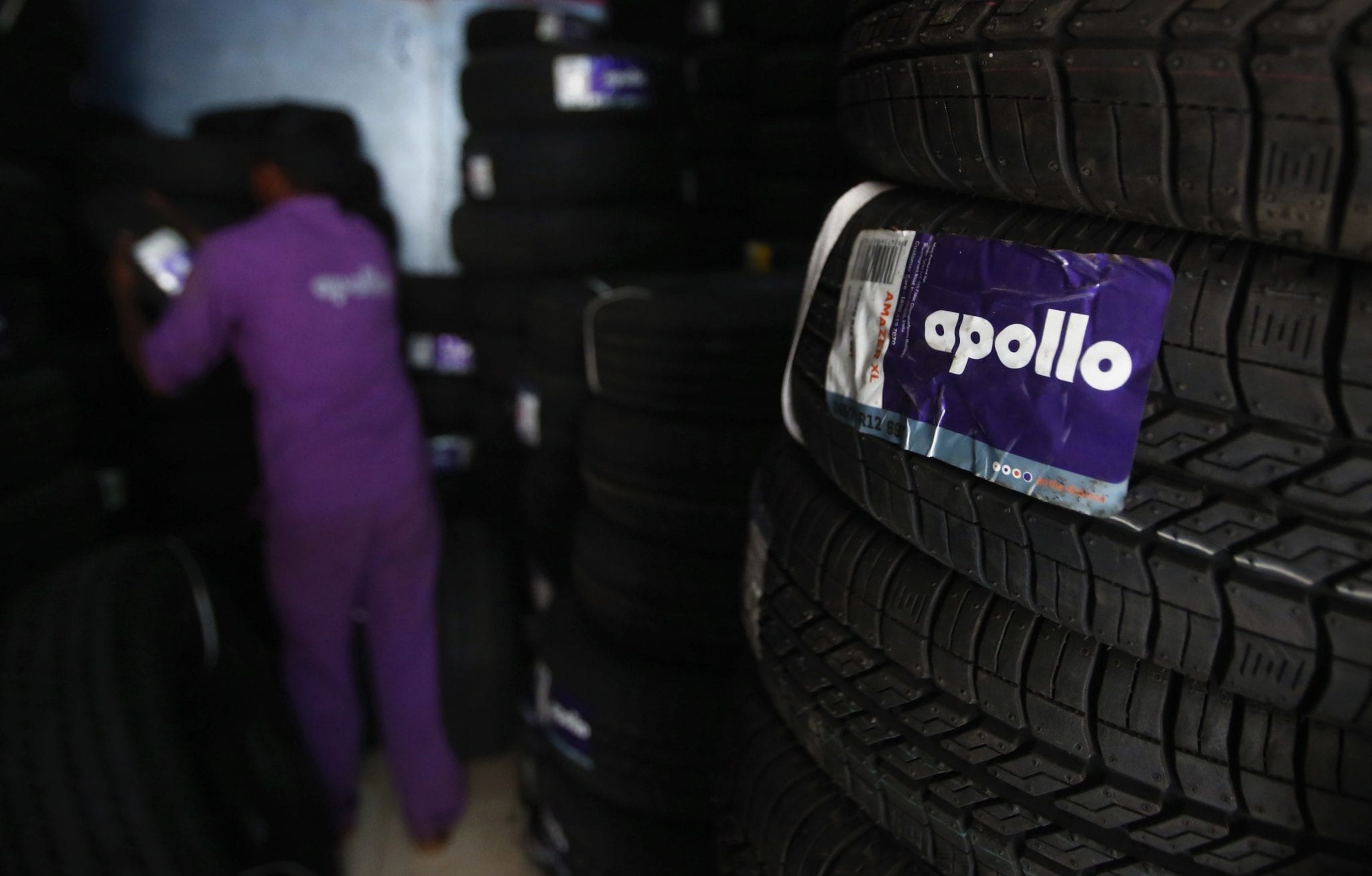
    Apollo Tyres on Wednesday inaugurated a new Advanced Tyre Testing Facility at its Global Research and Development Centre outside Chennai. The new facility, the company says, will enable it to hasten the research and development process for tyres for passenger vehicles and two-wheelers.

    At the inauguration, Daniele Lorenzetti, CTO, Apollo Tyres said, “We strongly focus on continuous improvement in efficiency and effectiveness of product development and this new facility will further augment our testing capabilities for future vehicle models. We will be able to fine-tune the performance of our products by simulating closely the real-world conditions using this facility.”

    The company said that the new facility houses a new custom-designed Flat-Trac machine as well as an Anechoic chamber. The Flat-Trac machine will allow the company to test the dynamic behavior in a simulated environment with the machine testing and recording various parameters of the performance of the tyre. The company says that the new machine is capable of replicating maneuvers such as high slip angles seen during emergency maneuvers, high torque ramp-up and even varying degrees of lean (a measure of testing two-wheeler tyres).

    The Anechoic chamber, meanwhile, will be used to test the NVH properties of the company’s tyre ranges over varying simulated terrains allowing for its fine-tuning.

    Apollo Tyres says that the main beneficiaries of the new technology will be models developed for high-end passenger vehicles, electric vehicles and premium motorcycles.

    The company also said that the inauguration of the new testing centre was in line with the brand’s mid-term goals of deploying greater use of technology in the research and development process. The company has also set targets to improve sustainability in the use of raw materials in its tyre development and manufacturing processes.

  • Australia’s The Coffee Club to make India debut in 2023

    Australia’s The Coffee Club to make India debut in 2023

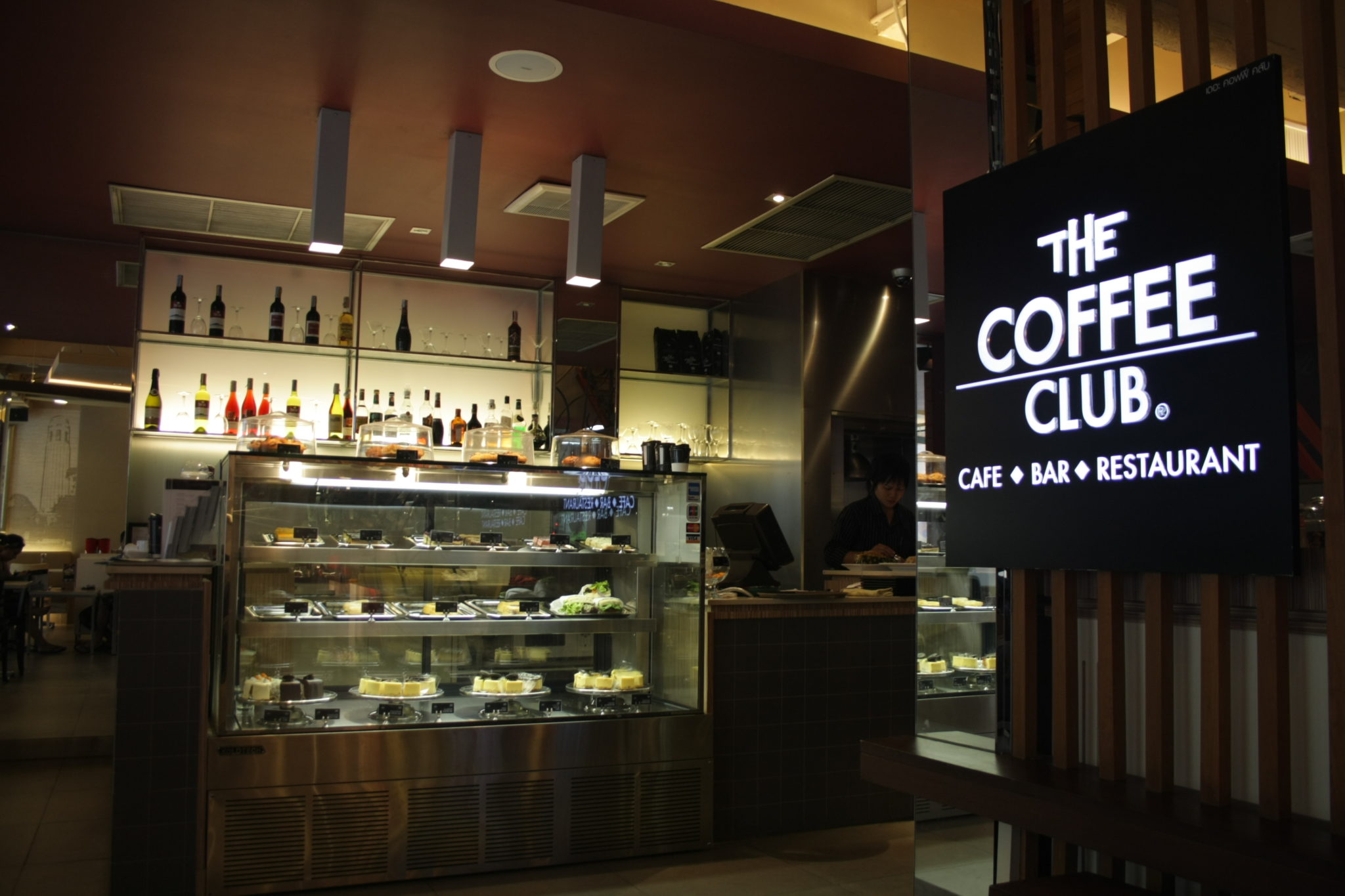
    Australian coffee chain The Coffee Club will debut in India next year with new franchise partner CK Israni Group.

    New Delhi-based conglomerate CK Israni said it will start opening stores next year and is targeting 100 The Coffee Club outlets in India by 2028.

    “We are still figuring out whether it is going to start from Delhi or Mumbai. The Coffee Club is a mass market brand, and we will start rolling out stores from next year,” said Chandni Nath Israni, Co-Founder, CK Israni.

    India has become a key growth market for many international coffee chains seeking to capture a share of increasing consumer demand for premium coffee and café experiences.

    Starbucks and Costa Coffee have both achieved further outlet growth in India this year while Dunkin’ has commenced revamping its coffee menu and store design to attract younger consumers.

    Additionally, Canadian coffee chain Tim Hortons will invest $37m to open 120 stores in the next three years with Indian licensee AG Café.

    The Coffee Club opened its first store in Brisbane in 1989 and now operates over 400 stores across nine markets, including New Zealand, Saudi Arabia and the United Arab Emirates.

    The Coffee Club is owned by Australian retail food brand franchisor Minor DKL Food Group, which also operates the Australian roaster and café brand Coffee Hit and specialty coffee roaster Veneziano.

    CK Israni Group has predominantly operated in the real estate and infrastructure industries. However, the company also signed a franchise agreement with French bakery and confectionery brand Laduree in November 2020. It currently operates two Laduree outlets, with plans to reach 20 by 2025.

  • Hole Carding in Blackjack: What Is It and How Is It Used?

    Hole Carding in Blackjack: What Is It and How Is It Used?

    The term “hole carding” is most often associated with blackjack, although it may be used for any game where players have access to a concealed “hole” card, such as three-card poker or Caribbean stud. Most gaming houses allow hole carding as a kind of advantage in gambling as long as it does not entail the use of a gadget like a mirror or acts like manipulating the dealer’s cards. Casinos often have regulations against rubbernecking and using a stand behind a competitor to indicate hole cards in games like stud poker.

    Whether you’re a pro or starting, you’ve probably wondered about “how to hole cards in blackjack” One of the most common ways to boost your odds of winning in blackjack is by using a strategy known as “hole carding.” Players may sometimes try to peek at the dealer’s hole card, also known as the face-down card, to get an edge in a game of blackjack.

    When playing blackjack, players often get a glimpse of just one of the dealer’s cards at a time (the upcard). A player normally has a deficit of roughly 0.5% in blackjack, but if hole carding opportunities come your way and you can correctly guess the dealer’s hole card, you may have a potential advantage of up to 13%. You can learn more about this strategy on CasinoUSA. To avoid revealing that they can see the dealer’s hole card, players with this information would typically prefer not to make certain moves, like landing a hard 19 vs. a dealer 20. That’s enough talk. Let’s walk the talk so you don’t miss out on maximizing this blackjack strategy.

    What is Hole Carding?

    Seeing a casino dealer’s down card (sometimes called a hole card) is called “hole carding.” Blackjack games often include the dealer keeping one card face down, known as a “hole card,” and one face up. If you can see the value of the hole card, you’ll gain an edge in the competition. Flashers, or flashing dealers, often display their cards to customers. If they pay close attention, some players can see the dealers’ hole cards because of a weakness in how they deal.

    Types of Hole Carding

    These are the most popular types of hole carding:

    1. Basing

    Basing, also known as first-basing, is viewing the dealer’s hole card when he checks beneath his up-card for a blackjack. When blackjacks were examined by the dealer raising their up card and looking at the hole card, basing was conceivable. However, basing is almost impossible with the widespread use of hole-card scanners in modern casinos.

    1. Spooking

    “Spooking” is a hole-card play that functions similarly to “first base” in blackjack. The reader (“spook”) for this performance should be seated on the opposite side of the box from the dealer, on the dealer’s left. When the reader sees the Big Player at the table, they signal. The hole card is revealed when the dealer looks behind him to see whether he has a natural.

    1. Front Loading

    In poker, front loading entails seeing the dealer’s hole card while putting it beneath his up-card while the deal is on. Although it is now more difficult to identify “loaders” (dealers who flash their cards), this strategy is still often used.

    The player has a greater advantage when the hole card is shown before the flop, as it is in front-loaded games. The advantage may shift significantly based on the rules, the proportion of cards shown, and the player’s strategy. Games like Three-Card Poker and Mississippi Stud also allow for front-loading.

    How to Hole Cards

    The first step in learning to spot hole cards is to start looking out for them. Most players won’t pay attention even if the dealer shows every card. Even if a dealer flashes cards, it’s not always obvious from every seat at the table. Some dealers have a little imperfection, allowing you to tell whether a game is a face card.

    However, even this little knowledge may sometimes be enough to gain a little advantage depending on whether the dealer is right- or left-handed and the rules of the game, the optimal spot to sit to view hole cards are either immediately right in the dealer’s front or at the first or third base.

    Look out for careless dealers and try out various spots to see whether you can locate the best viewpoint. A lower eye-to-table distance increases your odds of seeing a card; therefore, being on the shorter side benefits. Some players lean forward in their seats to gain a better look at the felt, while others choose to recline. However, to avoid suspicion, you must behave as if nothing is wrong.

    After finding a dealer or dealers who reveal their whole card, the next step is to figure out how to put the preceding data to good use. It’s tempting to assume you can apply the knowledge everywhere, but doing so is risky. When you have a flashing dealer, you should do everything possible to keep them dealing for as long as possible.

    Conclusion

    Nothing at the casino, particularly in a game like blackjack, is as simple as it initially seems. Savvy players will explore any strategies that can provide them a benefit over the house. Hole carding is just one method, and it gives a significant advantage if you master it. With time and consistency, you’ll get the hang of it.