Tag: asia

  • E-commerce giant Carousell lays off 110 staff

    E-commerce giant Carousell lays off 110 staff

    Carousell, a Singaporean consumer-to-consumer (C2C) service platform operating across Southeast Asia, is letting go of about 110 employees, or 10% of its total headcount, to reduce costs amid a challenging market condition for the tech industry. 

    The announcement came from the company’s blog on Thursday, posted by co-founder and CEO of Carousell Siu Rui Quek, saying, “I take responsibility for the decisions that have led us here. Parting with teammates, whom we are grateful to for joining us on this mission, is a very difficult decision.” 

    Carousell did not specify which business units or regional offices would be affected by the layoffs. The Singapore-headquartered company operates in Malaysia, Indonesia, the Philippines, Cambodia, Taiwan, Hong Kong, Macau, Australia, New Zealand, and Canada. 

    In the statement, the company’s leaders had discussed finding ways, including moving to an inexpensive rental office and slashing co-founders and executives’ salaries voluntarily to save budgets without cutting staff. But that was “far from enough,” it said.  

    Quek also explained in the blog post that he “was too optimistic” about the recovery from the COVID pandemic and even doubled down on recruitment and investment for its business. “The reality is that we were quick to grow our expenses and hire, but the returns took longer than expected,” Quek wrote. “It is important to act swiftly, course correct, and right-size our investment levels to better align with this new reality.” 

    The affected workers will receive at least three months’ salary and be able to extend their medical benefits and insurance coverage through June next year. According to the statement, the company will also pay out all remaining time off balances and offer career counseling and job search support, letting those laid-off workers keep their office laptop and LinkedIn Learning membership until June 2023. 

    Founded in 2012, Carousell, backed by Sequoia Capital India, Naver, 500 Global and Rakuten Capital, has raised a total of $372.6 million since its inception.
  • Canada imports 50% more Vietnamese garments, seafood

    Canada imports 50% more Vietnamese garments, seafood

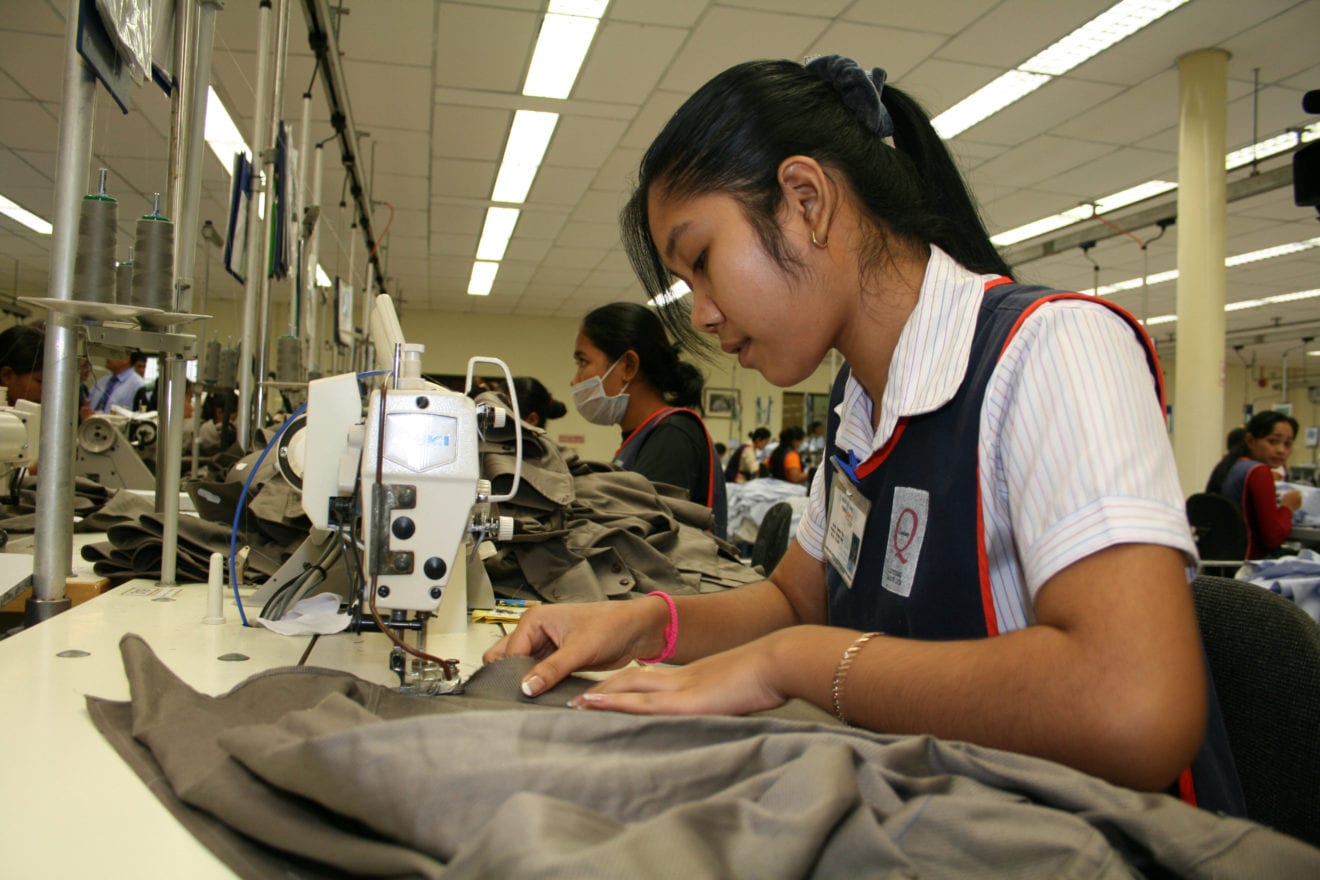
    Vietnamese garment and seafood exports to Canada have surged 50% year-on-year, totaling values of $1.1 billion and $334 million, respectively.

    As the two categories saw the most significant increases in exports to Canada of the last three years, other categories such as wood, chemicals, metal, cashew nuts, handbags, and machines also recorded growth of between 3% and 30%, according to statistics from the Vietnam Customs Office.

    Total exports from Vietnam to Canada have risen 28.7% year-on-year to nearly $5.5 billion over the same period.

    Canada is Vietnam’s second-largest export market in the Americas, behind the U.S.

    And Vietnam is Canada biggest export market in ASEAN.

    But Canada has been increasing its trade safeguards against Vietnam recently, and Vietnamese authorities have proposed that the country impose a fairer trade policy with Vietnamese goods in line with regulations of the World Trade Organization, said Vo Tan Thanh, deputy chairman of the Vietnam Chamber of Commerce and Industry (VCCI).

    He said that Canada should be more open to importing competitively priced Vietnamese agricultural products such as vegetables and coffee.

    At the 29th APEC Summit in Thailand, Vietnam President Nguyen Xuan Phuc and Canadian Prime Minister Justin Trudeau agreed to expand and deepen bilateral cooperation in all fields, especially trade and investment.

  • Starbucks introduces first signing store in Indonesia

    Starbucks introduces first signing store in Indonesia

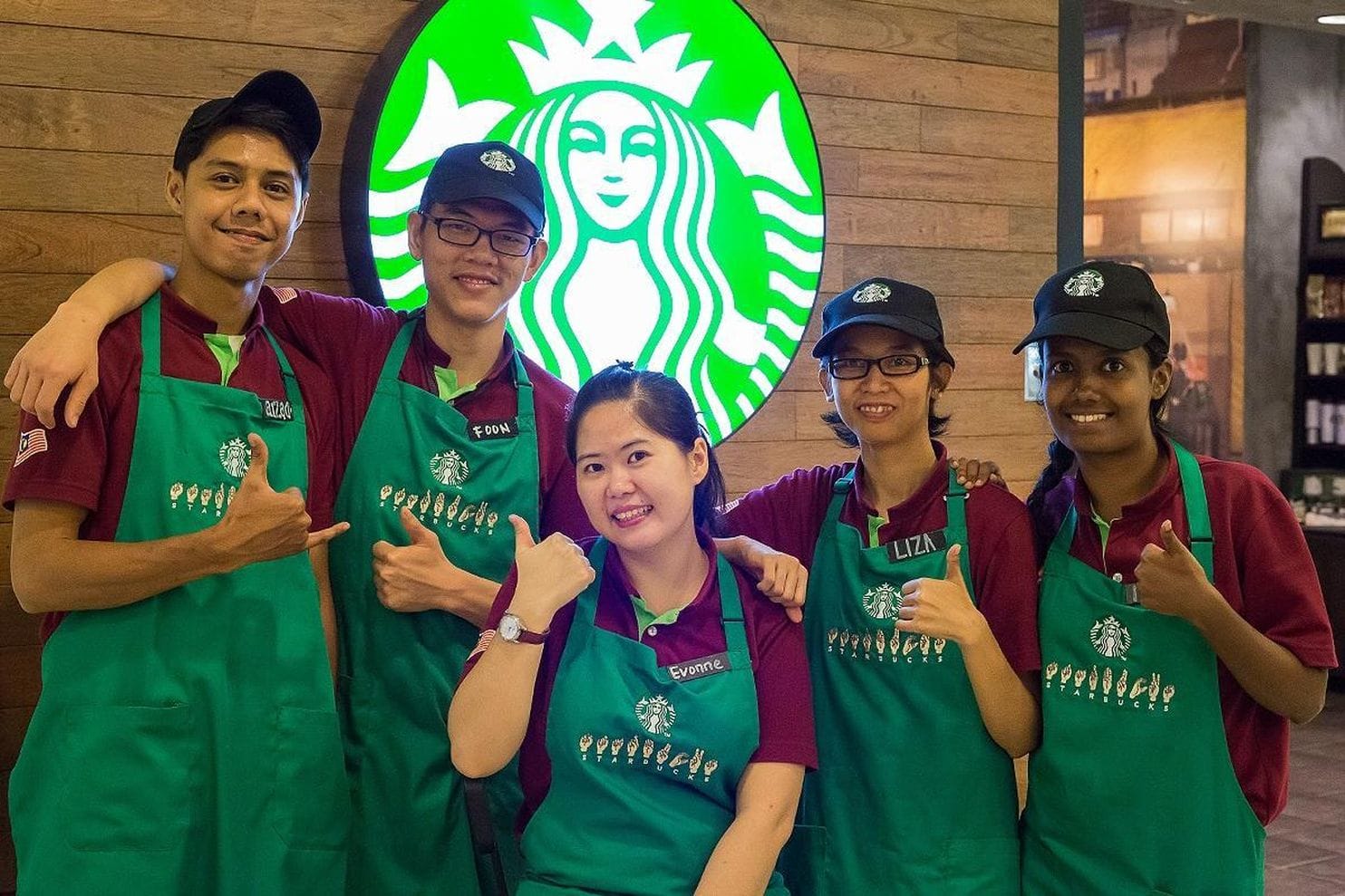
    Tomorrow, Starbucks Indonesia will open its first Signing Store dedicated to the Deaf, hard of hearing, and sign language communities in Jakarta, Indonesia. Designed with inclusivity and accessibility at its core, customers at the Starbucks Tata Puri Community Store will be served by Deaf and hard-of-hearing baristas who proudly wear the green apron. The store is located on Jl. Tanjung Karang No.3 Kebon Melati in Central Jakarta.

    The Starbucks Tata Puri Community Store provides a third place where all customers, including the Deaf and hard-of-hearing community can gather, socialize, and nurture human connections. Deaf baristas will wear green aprons embroidered in sign language with the company’s name, Starbucks. Partners (employees) who can use Bisindo sign language will wear an “I Sign” pin. Customers also will be able to order beverages and food using a writing tablet.

    The store also offers a community area for members of the Deaf community to support and conduct programs from Gerkatin (Gerakan untuk Kesejahteraan Tunarungu Indonesia) and Pusbisindo (Pusat Bahasa Isyarat Indonesia) – two organizations Starbucks has partnered with in Indonesia to support sign language education for the broader community. To encourage a culture of human connections through the celebration of Deaf culture and sign language, the store will also host sign language lessons and coffee workshops in sign language.

    “The inauguration of the Signing Store is a major achievement for Starbucks Indonesia as it celebrates its 20th anniversary in the market,” said Anthony McEvoy, leader of PT Sari Coffee Indonesia, Starbucks licensee partner in Indonesia. “The Signing Store demonstrates our commitment to creating a more inclusive and diverse work environment and to widening access to all communities.”

    “We were delighted to see the enthusiasm from the Deaf and hard-of-hearing community when we opened applications. More than 150 people applied from across the country. The baristas selected are a diverse group, including a former swimming para-athlete and fashion models,” said Anastasia Dwiyani, senior general manager of Human Capital at PT Sari Coffee Indonesia. “As with all our partners, we are excited to help nurture their talent and advance career opportunities.”

    United by the culture of sign language, this store is filled with design elements that bring communities together. The signature siren logo with Bisindo is immediately visible as customers pass the busy main road, Sudirman Street. With the Starbucks® logo with Bisindo above the main door, customers are greeted by a mural wall as soon as they enter the store and a collection of exclusive merchandise – clear cup tumblers, stainless-steel tumblers and mugs. The elongated oval shape community table, and circle details on the floor, also symbolize the store that unites the community. The most notable feature is a 4m high mural painting by Deaf artist, Indira Natalia, which extends more than 11m outside the store, depicting the warm and welcoming Starbucks experience. The signature artwork can be seen by passersby in the street.

    “As a Deaf artist, I am so proud to share my art with customers and partners at Indonesia’s first Signing Store. While brainstorming, I realized that Starbucks has always strived to create an environment where everyone feels welcome and belongs – and the inspiration for my work came from that, by presenting many different figures (communities) united by sign language and Starbucks,” says Indira. “Art can break boundaries and unite people, just like the connection people share when they drink coffee. There are many ways to communicate and connect people from diverse backgrounds, and at Starbucks, coffee makes this happen.”

    Since opening its first store in Plaza Indonesia 20 years ago, Starbucks has expanded to 44 cities in Indonesia, with more than 4,300 partners now proudly wearing the green apron. In its mission to make a difference in the lives of those connected with Starbucks, the company strives to create a positive impact in the communities it serves. In 2020, Starbucks opened the first Community Store in the Tanah Abang neighborhood.

  • Domino’s Pizza buys German, Asian businesses for $150m

    Domino’s Pizza buys German, Asian businesses for $150m

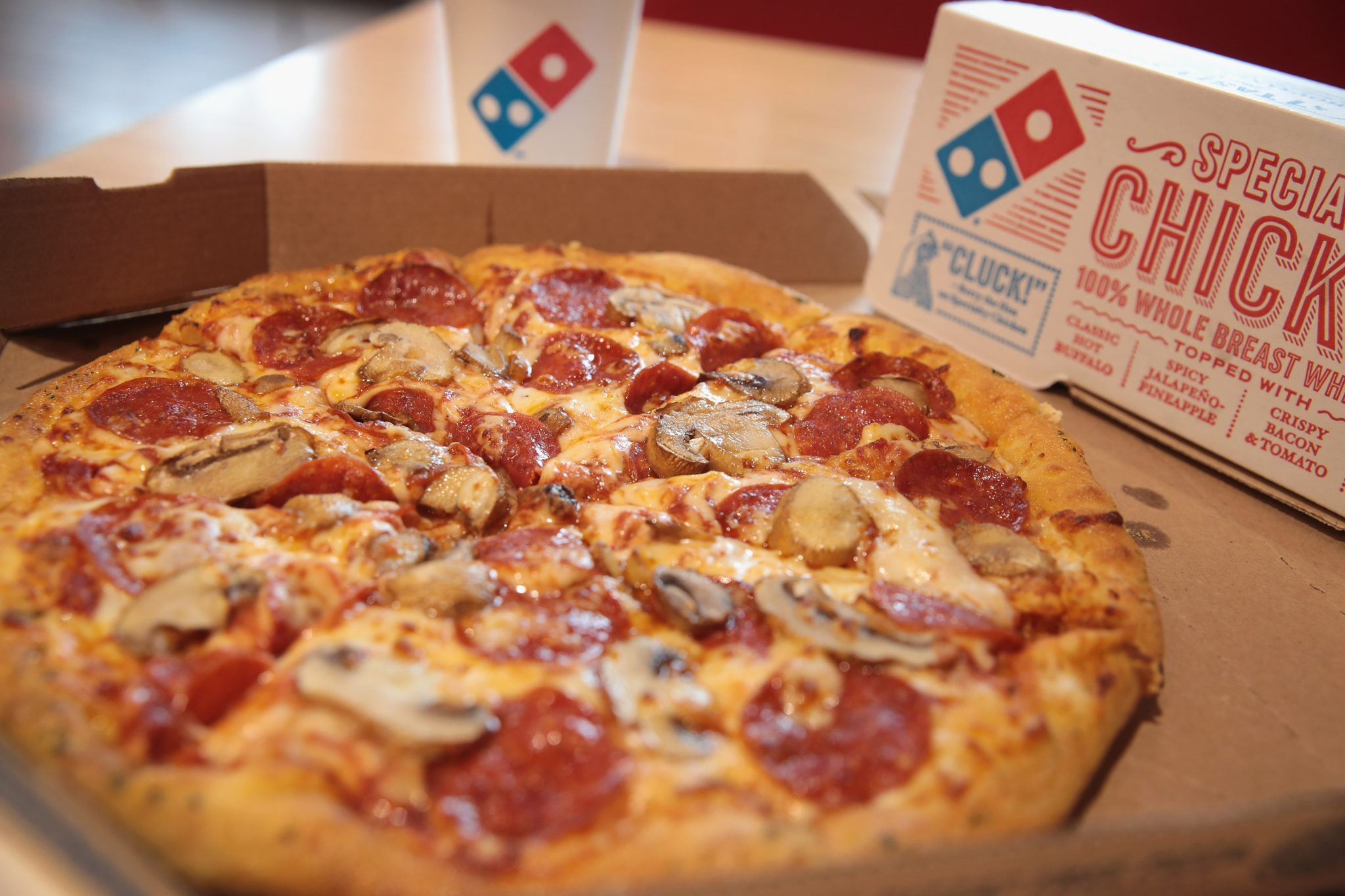
    Domino’s Pizza Enterprises is raising to $165 million in fresh capital as it moves to full ownership of its pizza business in Germany, seven years after it made a foray into that market in a joint venture with its British stablemate.

    The Australian-listed pizza group made an original buyout of Joey’s Pizza chain in Germany in 2015 in conjunction with a British Domino’s Pizza entity. That joint venture followed up in 2017 with the acquisition of Hallo Pizza in Germany.

    The Australian-listed business is now buying out the remaining one-third of the joint venture entity, with funds raised via a $150 million placement and a $15 million share purchase plan.

    There are 412 Domino’s outlets in Germany, where soaring energy costs significantly drag the economy because of its dependence on gas from Russia. That has been upended after the Russian invasion of Ukraine.

    Chief executive Don Meij said on Thursday that Germany offered long-term solid growth prospects. In the short term, the company was trying to emphasize the value of its pizza meal offers, positioning them as cheaper for a family of four than burger and chicken chains.

    At its annual meeting, the broader group warned a month ago that overall profits in the first half would be “materially lower” than a year ago.

    Mr. Meij said on Thursday there had been little change in trading conditions since the trading update on November 2. “The business continues to track to plan,” he said.

    The final price in the placement will be determined via a book build, but there is an underwritten floor price of $65.05. This compares with a closing price of $66.38 on November 30. Domino’s shares went to a trading halt on Thursday.

    The company’s shares were trading at $164 in mid-September last year before inflation started to rise and input costs jumped.

    In August, the company expanded in Asia with the acquisition of 287 stores in Malaysia, Singapore and Cambodia in a deal with an upfront price of $214 million, in what was the biggest acquisition in the company’s history. The Malaysia, Singapore and Cambodia businesses had also been trading in line with expectations, the company said.

    The capital raising comes after Domino’s outlined three weeks ago that it had received an option exercise notice from Domino’s Pizza Group Plc requiring the purchase of all of its shares in the German joint venture.

  • Vietnamese consume over 1,000 tons of instant noodle daily

    Vietnamese consume over 1,000 tons of instant noodle daily

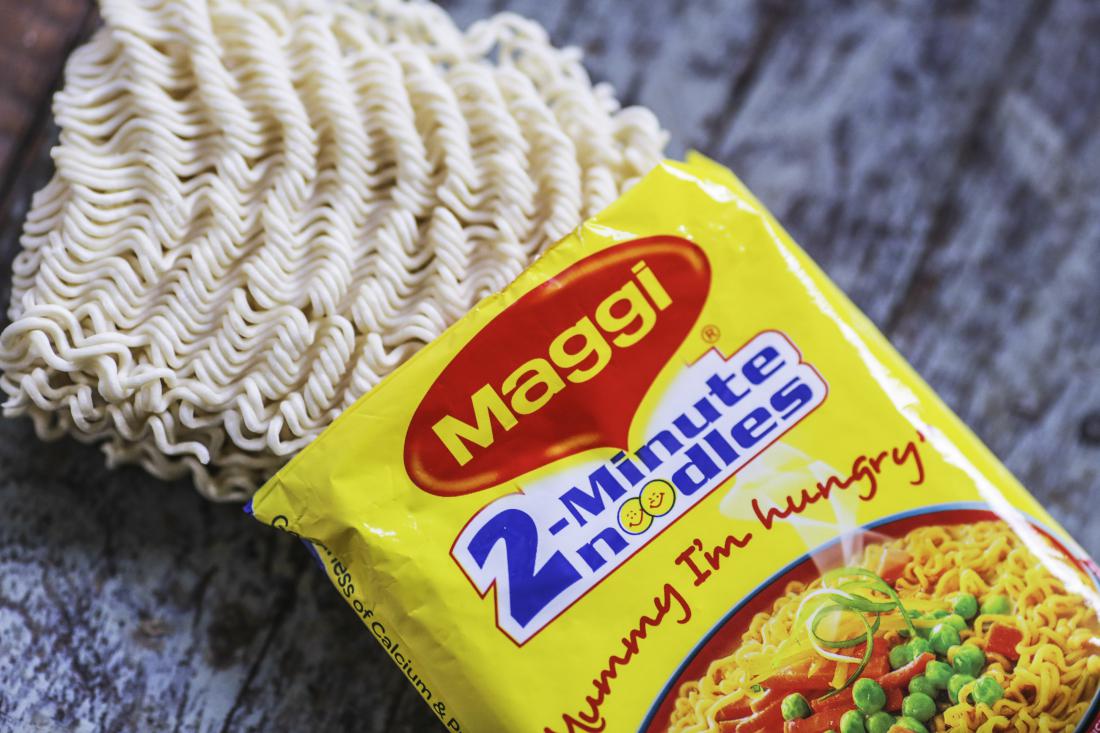
    Over 1,127 tons of instant noodles were consumed a day in Vietnam last year, surging than 20% compared to 2016, according to the UK-based market research firm Euromonitor.

    In 2021, Vietnam consumed about 411,500 tons of instant noodles, up 9% against 2020.

    Total instant noodle sales in the country surpassed VND3.8 trillion (over $153.2 million) in 2021, increasing more than 11% against 2020 and nearly 18% against 2016.

    The research for Euromonitor’s annually-published global instant noodle consumption report is carried out in 80 countries.

    Previously, data from the World Instant Noodles Association (WINA) also showed that Vietnam surpassed South Korea as the world’s highest per capita consumer of instant noodles. On average, every Vietnamese uses 87 packets a year.

    Euromonitor pointed out that Acecook from Japan and Masan from Vietnam are the Vietnamese instant noodle market’s two leading firms, holding a combined market share of 33%.

    Japanese instant noodle market share in Vietnam decreased from nearly 24% in 2017 to over 19% in 2021, while that of Viet

  • Food, beverage prices soar ahead of Tet

    Food, beverage prices soar ahead of Tet

    Consumer goods, including vegetables and seafood, have seen prices surge by double digits in the last month.

    Oanh in Ho Chi Minh City’s District 1 said prices have risen in recent weeks at a traditional market she often shops at.

    “The price of snakehead fish this morning was VND20,000 up from last week to VND90,000.”

    The Tra Vinh Province Department of Agriculture and Rural Development said fish prices have been rising because of increasing demand as input for making products for Tet, Vietnam’s biggest holiday, which falls in January.

    Besides, the supply of some fish, such as snakehead has dropped by 50-60% compared to a year ago, it said.

    Soft drink and beer prices have risen by VND2,000-15,000 per carton this month, according to shops, who said transportation and storage prices have been rising.

    Vegetable prices have also been increasing. Cauliflower now costs VND70,000 per kilogram, up 7.7%. Scallion prices have risen by 15.4% to VND75,000 per kilogram.

    Hue, a vegetable vendor at Ba Chieu Market in Binh Thanh District, said prices are at their highest levels this year.

    Hoang Thanh Hai, director of the Hai Nong Vegetable Cooperative in Cu Chi District, HCMC, said prolonged rainfall in November has hit output by up to 70%.

    His cooperative used to deliver 2.5-3 tons of vegetables to the city daily, but now only sends 0.7-1 ton, he said.

    Vegetable farming costs have risen by 40-50% year-on-year to record levels, and declining consumption has caused farmers to reduce production.

    Vietnam’s consumer prices in November rose 4.56% from a year earlier, fueled by rising costs of educational services and construction materials, according to the General Statistics Office.

    For the first 11 months of 2022, average consumer prices rose 3.02% from a year before, it said.

  • Vietnam firm reluctant to launch cargo flights, foreign carrier eager

    Vietnam firm reluctant to launch cargo flights, foreign carrier eager

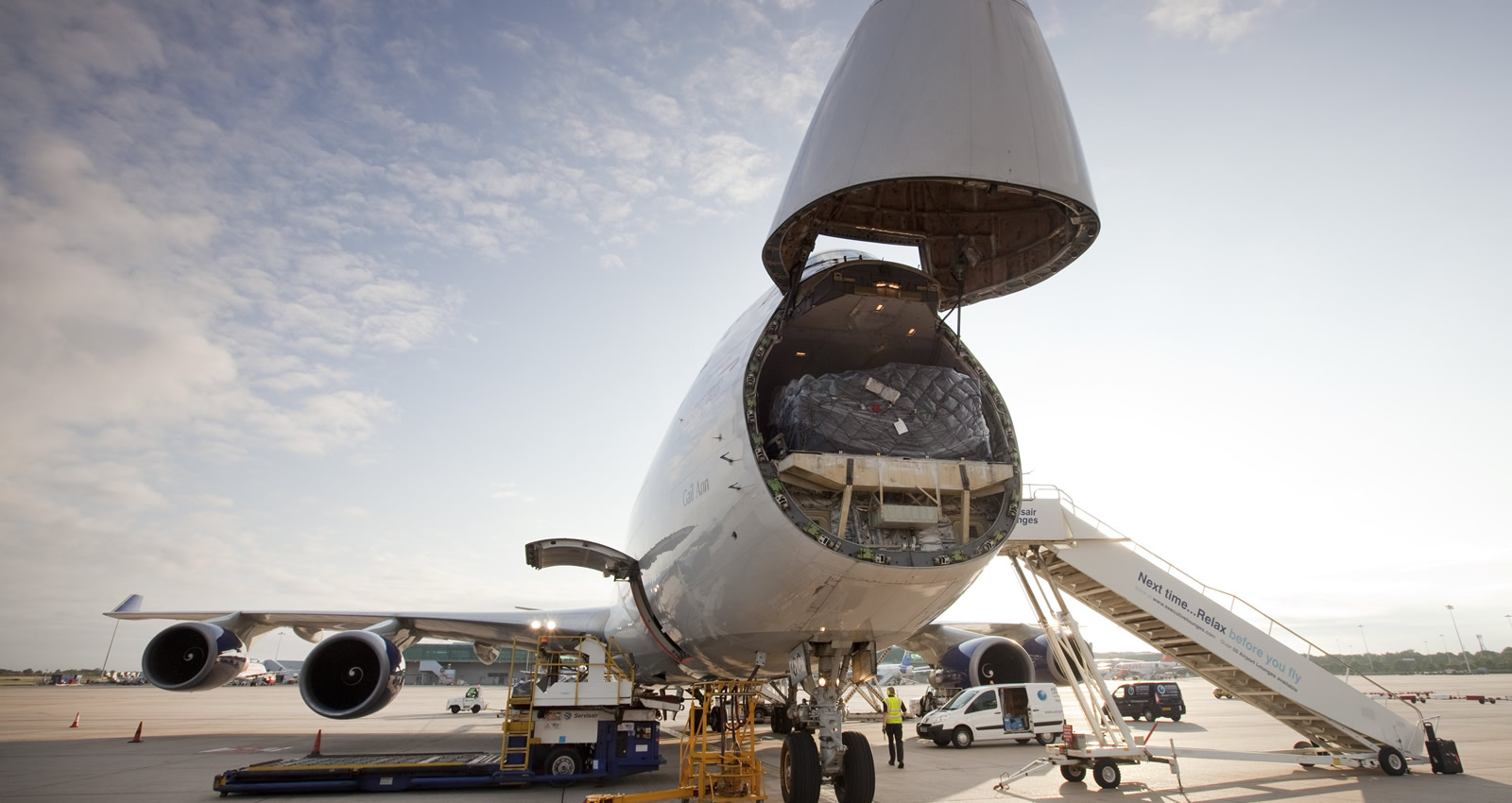
    Local IPP Air Cargo has axed plans to become Vietnam’s first cargo airline, but Germany’s Lufthansa Cargo has expanded operations.

    In late October, IPP Air Cargo canceled its application to launch what would have been the nation’s first cargo airline. However, the company had already completed the procedures to lease four Boeing Converted Freighters 737 800BCF.

    Jonathan Hanh Nguyen, chairman of the airline’s parent company Imex Pan Pacific Group (IPPG), said that global air cargo demand was declining due to current turmoil.

    “We have decided to end our plan to avoid causing more damage to carriers that are already incurring losses,” he said, adding that the company aimed to reinstate the plan when the market stabilizes.

    Last month, Lufthansa launched its first direct flight from Frankfurt to Hanoi.

    The carrier had previously run two weekly flights from Germany to HCMC before diverting operations to Thailand.

    CCO Ashwin Bhat said his airline could not ignore the Vietnamese market, where 30% of exported items are electronics and high-tech goods.

    Vietnam’s plentiful bilateral trade agreements with major markets, especially Europe, were attractive to Luftnasa, said Bhat.

    He added that the country’s rapid economic recovery from the Covid-19 pandemic had also interested the dominant European airline.

    According to government statistics, the total volume of goods transported by air in Vietnam has increased 2.5 times over the last ten years. The number is forecasted to surge to 4.1 million tons by 2030.

    According to the Vietnam Logistics Business Association (VLA), Vietnamese airlines hold an international freight forwarding market share of only 12%, while nearly 30 foreign carriers hold the rest.

    VLA president Le Duy Hiep said the withdrawal of IPP Air Cargo from the market was a pity because domestic logistics enterprises are in dire need of Vietnamese cargo airlines.

    According to Hiep, Vietnam’s massive amount of total imports and exports were worth over $700 billion in 2022, with over half being exports. Over two million tons of goods are exported by air from Vietnam each year.

    Analysts have said that these factors have made the potential of the Vietnamese cargo market plain to see for Lufthansa Cargo.

    Hiep said Vietnam should be home to cargo airlines with larger market shares, but noted that this would require much more investment and a wider network of agents and customers.

  • Unilever Vietnam implements approaches towards net zero future

    Unilever Vietnam implements approaches towards net zero future

    Unilever has started a range of programs and initiatives for a net zero value chain by 2039, contributing to Vietnam government’s net zero carbon emissions vision by 2050.

    In 2021, Unilever published its Climate Transition Action Plan, an ambitious and transparent roadmap to help reduce its operational emissions by 100% by 2030 and reach net zero emissions across its value chain by 2039.

    First, Unilever Vietnam is replacing all fossil fuel use in the factories’ boilers with renewable energy source – biomass recycled from damaged pallets, shredded wood, etc. The company is also committed to using entirely renewable electricity at all factories and offices in Vietnam.

    Secondly, Unilever aims to halve its use of virgin plastic by 2025 to help lower the value chain emissions. Unilever Vietnam has reduced 55% virgin plastic in its packaging production, three years earlier than the global target, through absolute reduction and post-consumer recycled plastic use.

    Thirdly, the company is now replacing fossil fuel-derived chemicals with renewable or recycled carbon. In Home Care, Unilever estimates this will reduce its product’s greenhouse gas emissions by up to 20%.

    In Vietnam, Unilever implemented “Clean Future” campaign for Home Care product line early this year, aiming to develop product formulation with water efficiency and biodegradability, and utilize 100% renewable or circular feedstocks. Currently, a number of products from Omo, Comfort, Sunlight, Cif, Lifebuoy have met the criteria of product formulation driving water efficiency and biodegradability.

    Next, Unilever Vietnam is working with their partners and suppliers in the value chain to cut down the GHG emissions as more than 75% of the carbon footprint in Unilever Vietnam’s supply chain derives from input materials and outsourced activities.

    Until now, the company has eliminated CO2 emissions and carton waste in packaging transportation from Dynaplast; converted to 100% electric forklifts, contributing to a reduction of 1,999 tons of CO2 emissions at all distribution centers by the end of 2021 in comparison with 2020; and implemented the circular economy model in the waste management, turning waste into sources of energy and fertilizers to serve manufacturing activities.

    Unilever globally will be calling on countries to deliver policies that accelerate energy and food system transitions at COP27 on the horizon.

  • Long-running major vulnerability left millions of Android handsets wide open to data theft

    Long-running major vulnerability left millions of Android handsets wide open to data theft

    According to a tweet from Google’s Łukasz Siewierski , hackers and “malicious insiders”  have been able to leak the platform signing keys used by several Android manufacturers to sign system apps used on Android devices. These signing keys guarantee that the apps and even the Android operating system version running on your phone are legitimate.
    Baked into Android is a system that trusts apps signed by the same key used to authenticate the operating system. So you can see what the problem is here. A bad actor controlling these keys could have Android “trust” malware-laden apps on the system level. That is like giving a thief the keys to your home and car with your approval. Any data on vulnerable devices could be at risk. And some of these keys are used to sign regular apps installed from the Play Store or sideloaded from other Android app storefronts.
    Rahman tweets that the leaked signing keys cannot be used to install compromised over-the-air updates. And he adds that the Play Store Protect system could flag apps signed by the leaked keys as potentially harmful.
    While all of the sources of the leaked keys have yet to be identified, the companies that have been named include the following:
    Google says that the vulnerability was reported to it in May of this year and that the companies involved have “taken remediation measures to minimize the user impact.” Not exactly the “all clear” sign, especially in light of the news that APK Mirror has very recently come across some of the vulnerable signing keys in Android apps from Samsung.

    Google, in a statement, says that Android users were protected through the Google Play Store Protect feature, and through actions taken by manufacturers. Google stated that this exploit did not impact any apps downloaded from the Play Store.

    A Google spokesperson said, “OEM partners promptly implemented mitigation measures as soon as we reported the key compromise. End users will be protected by user mitigations implemented by OEM partners. Google has implemented broad detections for the malware in Build Test Suite, which scans system images. Google Play Protect also detects the malware. There is no indication that this malware is or was on the Google Play Store. As always, we advise users to ensure they are running the latest version of Android.”
    Google is recommending that the companies involved swap the signing keys currently being used and to stop using the ones that leaked. It also suggests that each firm initiate an investigation to understand how the keys were leaked. Hopefully, this would prevent something like this from happening again in the future. Google is also recommending that companies use singing keys for the minimum number of apps to reduce the number of potential leaks in the future.
    So what can you do as the owner of a possibly affected Android phone? Make sure that your handset is running the latest version of Android and install all security updates as soon as they arrive. Who cares if these updates don’t bring exciting new features as their job is to make sure that your device doesn’t get compromised. And Android users should refrain from sideloading apps. That is when you install an app sourced from a third-party app storefront.

    The scary thing is that this vulnerability apparently has been around for years. Samsung even brings this up in its statement made which says, “Samsung takes the security of Galaxy devices seriously. We have issued security patches since 2016 upon being made aware of the issue, and there have been no known security incidents regarding this potential vulnerability. We always recommend that users keep their devices up-to-date with the latest software updates.”

  • Dollar plunges at banks

    Dollar plunges at banks

    The U.S. dollar plunges at commercial banks Monday morning, with Techcombank selling it at VND24,135 ($0.99), down 0.64% from the previous weekend.

    Vietcombank sold the greenback 0.41% lower at VND24,140. Eximbank let the dollar slide 0.33% to VND24,250.

    The State Bank of Vietnam (SBV) set its exchange rate at VND23,658, down 0.008%.

    The greenback was sold VND24,615 on the black market, the same as the previous weekend.

    The dollar struggled to gain a foothold on Monday and was languishing at five-month lows as traders looked past stronger than anticipated U.S. jobs data, while growing hopes of China reopening boosted risk sentiment.

    The dollar index, which measures the currency against six major peers, including the yen and euro, was down 0.18% at 104.28, its lowest since June 28. The index fell 1.4% last week.

  • Eximbank profits triple in Q3

    Eximbank profits triple in Q3

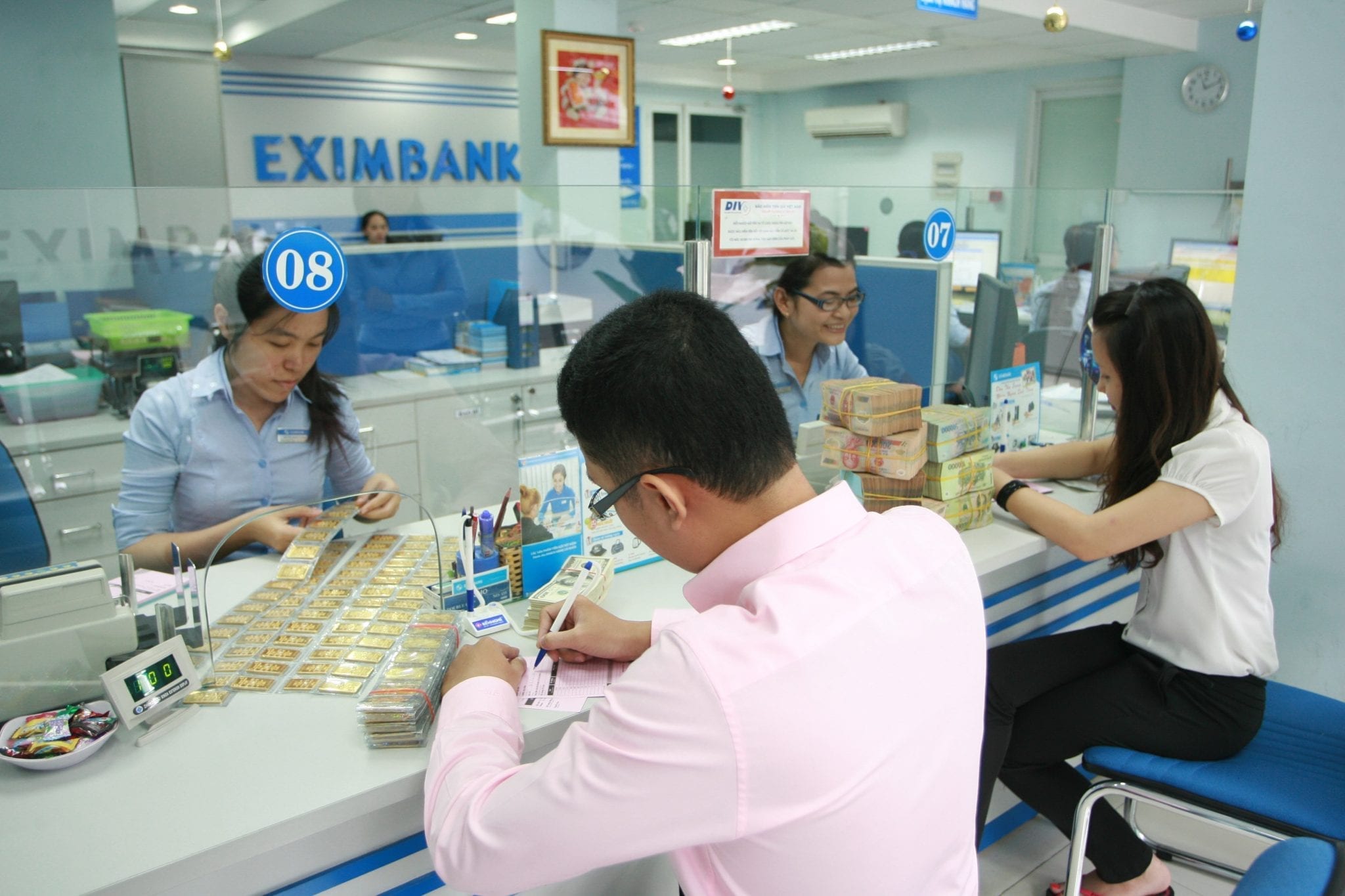
    Lender Eximbank has tripled profits year-on-year for the third quarter to over VND1.278 ($51.5 million).

    Its net interest income doubled, and non-interest income from services and foreign exchange businesses grew in double digits.

    Its profits for the first nine months topped VND3.18 trillion, an increase of 3.3 times and well above the target of VND2.5 trillion.

    The bank estimates its pre-tax profits for the full year at VND3.5 trillion and targets VND5 trillion next year.

    It also eyes total assets of VND210 trillion for next year, up 14%, and an on-balance sheet bad debt ratio of 1.6% or less, down from 1.7% or less estimated for this year.

  • Vietnam auto production ranks 4th in Southeast Asia

    Vietnam auto production ranks 4th in Southeast Asia

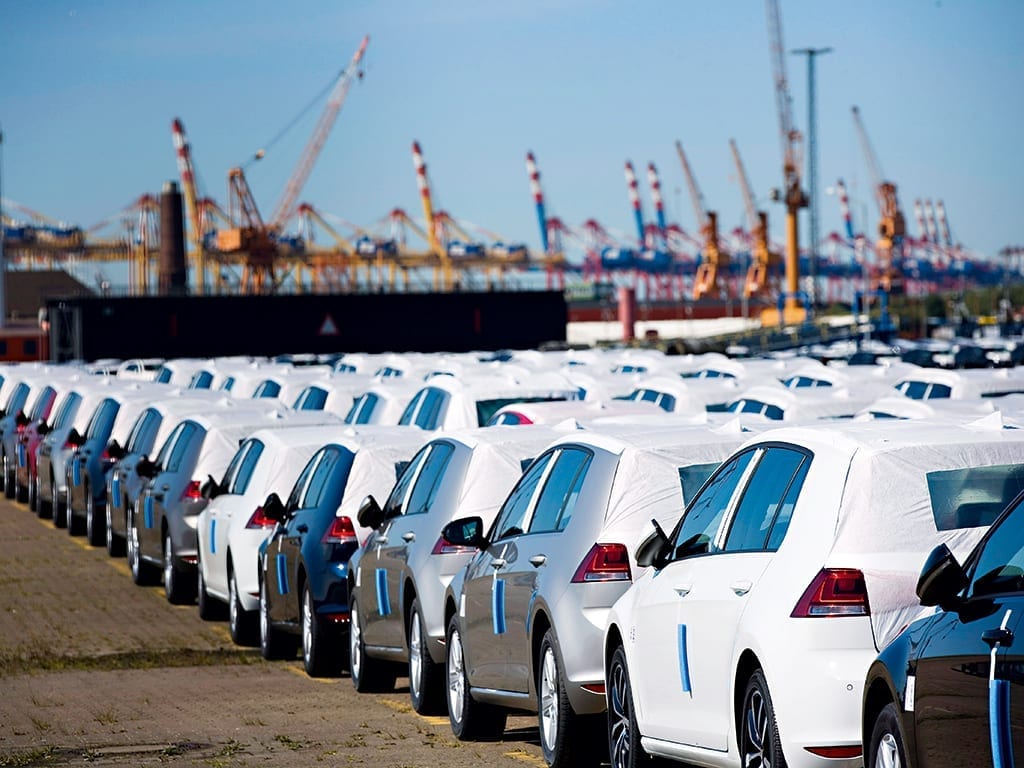
    Vietnam ranks fourth in Southeast Asia in auto production in the first 10 months at 362,000 units, up 16.4% year-on-year, according to the General Statistics Office.

    Thailand leads the region with nearly 1.6 million units made in the period, followed by Indonesia, 1.2 million, and Malaysia, 567,700, according to the ASEAN Automotive Federation.

    Many auto factories have recently been established in Vietnam, including Toyota, Honda, Ford, Kia, and Hyundai. Vietnam company VinFast has also been expanding with a focus on the global electric vehicle market.

    Some brands such as Skoda (Czech) and Chery (China) are planning to assemble cars in Vietnam through domestic partners in the next 1-2 years.

    Vietnam also imports cars from the regional leaders Thailand and Indonesia.

    Vietnam also ranked first in year-on-year auto sales growth in the first 10 months at 52.2%, followed by Malaysia at 50.7%.

    The country saw 322,963 units sold, against the leader Indonesia’s 851,413.

  • Tata Motors Take A Dig At Mahindra As Nexon EV Crosses 35,000 Unit Sales

    Tata Motors Take A Dig At Mahindra As Nexon EV Crosses 35,000 Unit Sales

    Tata Motors recently announced that its popular Nexon EV has crossed the 35,000 unit sales mark. Tata Motors posted the achievement on its social media channels, while also taking a dig at the upcoming Mahindra XUV400. Tata Motors posted an image that read 35,000 is greater than OO, where the OO was written in the same font that Mahindra uses for the XUV400.

    The soon-to-be-launched Mahindra XUV400 one-ups the Nexon EV in almost all the fields, except on the feature front. Its longer, and has better specs than the Nexon EV, but it is not as feature packed as the Nexon EV.

    The Nexon EV has been the bestseller EV in India for a while, Mahindra aims to dethrone the SUV once the XUV400 is launched early next year.

  • Domino’s Pizza buys German, Asian businesses for $150m

    Domino’s Pizza buys German, Asian businesses for $150m

    Domino’s Pizza Enterprises is set to acquire the balance of its German joint venture operations for $150 million.

    The acquisition will be funded by an institutional placement of about 2.3 million new shares at $66.38 per share, indicating strong support from existing and new investors. Eligible shareholders will also be invited to apply for up to $30,000 worth of new shares.

    The pizza chain says it will use the money to expand its global footprint while any surplus funds will be used for debt retirement.

    Domino’s Pizza Enterprises CEO, Don Meij, said the support from new and existing institutional investors reflected shareholder feedback before the capital raising.

    “We look forward to acquiring full ownership in Domino’s Pizza Germany and continuing to build the momentum across our network and delivering value to our customers, team members, franchisees and investors.”

    The company has also completed the acquisition of its Domino’s Malaysia and Singapore businesses while the purchase of its Cambodian subsidiary is pending regulatory approval, which will be completed early next year.

    The former CEO of Domino’s Belgium and Luxembourg business, Ringo Joannes, will now take charge of these Asian markets.

    The international expansion is part of a rapid expansion program by the pizza company, which recently announced plans to open another 10 stores across Australia and New Zealand before the end of the year.

  • Vodafone launches Business Pro II, broadband made for small businesses

    Vodafone launches Business Pro II, broadband made for small businesses

    If you have a small business in the UK and need a new broadband connection, you might want to check out Vodafone’s latest offering. As the mobile operator announced in a blog post, it has launched a new broadband service called Business Pro II.

    Depending on the tariff, Business Pro II has average download speeds ranging from 67Mbps to 900Mbps. It starts at £32.50 a month — for the 67Mbp plan — and can go up to £53.50 — for the 900Mbps tier. Business Pro II customers also receive free unlimited landline and mobile calls, 4G backup, and Wi-Fi support from technical experts.

    Something that distinguishes the Business Pro II from the rest of Vodafone’s business broadband options is that it comes with Vodafone’s Ultra Hub router and Super Wi-Fi 6E Booster — a device you can use to eliminate Wi-Fi dead zone

    Both the router and the booster support the latest Wi-Fi 6E technology and let you connect over 150 devices simultaneously. Wi-Fi 6E offers faster speeds, and since devices that support it utilize the still-uncongested 6GHz frequency, you should also have a more reliable connection with less interference when using Vodafone’s Ultra Hub router and Super WiFi 6E Booster.

    Only new and existing small business customers with between one and nine employees can sign up for Vodafone’s Business Pro II broadband. If your company is eligible and you want to get Business Pro II broadband, dial 191 from your Vodafone mobile, go to a retail store, or visit Vodafone’s official website.

    In case you want a new phone as well, feel free to check out our best Vodafone phone deals and get one from there with an amazing discount. Or, if you are rolling with another carrier, you can visit our top Virgin Media phone deals, best O2 phone deals, best Three phone deals, and best EE phone deals.