Tag: asia

  • Samsung might be expanding its self-service repair program to include more devices

    Samsung might be expanding its self-service repair program to include more devices

    The topic of self-repair is, thankfully, an increasingly developing one. Tech manufacturers are starting to open up more and more to it thanks to the push enthusiasts, governments, and eco-activists are constantly engaging in.

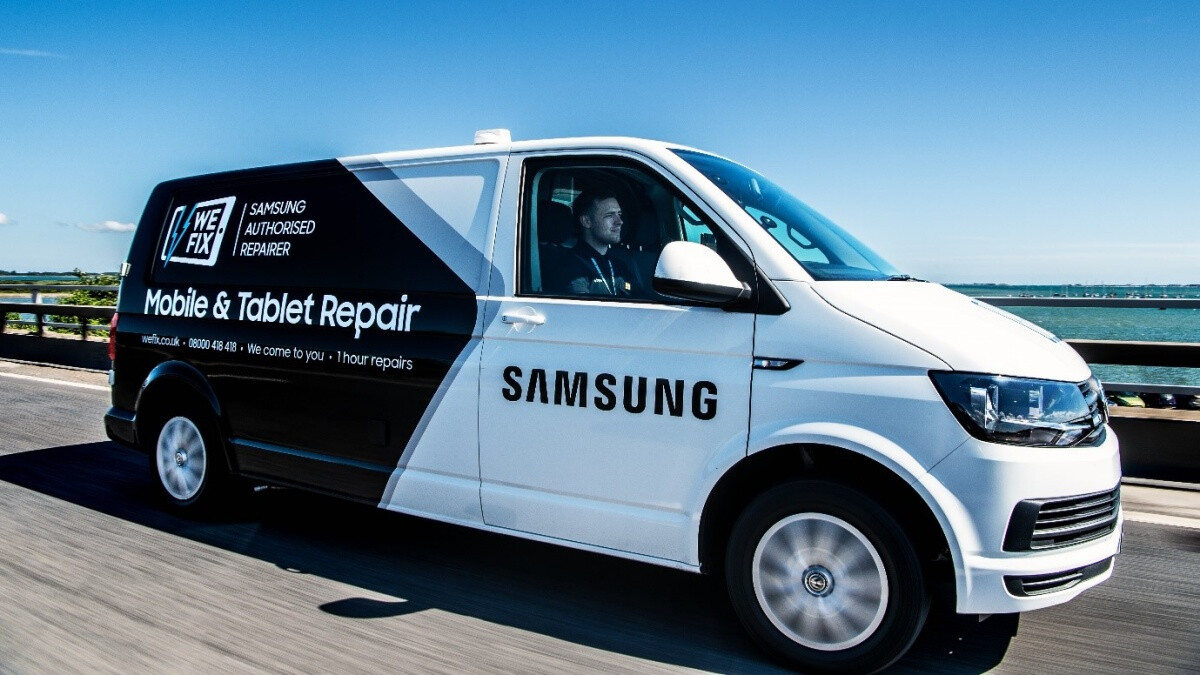
    As one of the most successful and large contributors to the mobile tech scene, Samsung has its self-service repair program, which it announced back in March this year. Given its relatively recent start, however, the program does not include that many devices yet, and the tech giant has plenty of space to expand this initiative.

    Currently, the supported products are the Galaxy S20, Galaxy S21, and Galaxy Tab S7+. Yes, only these three are among the massively colorful gamut of gadgets Samsung has in its arsenal. However, a recently patented trademark filing revealed a potential expansion of this list to include other types of Samsung tech such as earbuds and wearables.

    Samsung has a patent application with the United States Patent and Trademark Office (USPTO) dubbed “Self Repair Assistant,” which is the name of an upcoming computer app that would assist users of Samsung devices to self-repair their devices, maintain them, and help with self-installation. The patent says that the app will offer guidance, information, and easy access to replacement parts for the supported devices.

    Currently, Samsung has a partnership with iFixit, which takes care of all of these services. However, this patent implies that this partnership might soon end if Samsung goes along with the launch of the Self-Repair Assistant.

    Suffice to say, this is some great news for passionate DYI enthusiasts who like to take care of and repair their own devices. That being said, nothing is certain until Samsung makes an official announcement or statement about this app and service, so don’t get your hopes up just yet. Given that this is becoming a hotter topic by the minute, though, there are good grounds for speculation that we will see a launch in the future.

  • Musk suggests that he wants to “go to war” against Apple, starts lobbing “tweet grenades”

    Musk suggests that he wants to “go to war” against Apple, starts lobbing “tweet grenades”

    These days you have to wonder just exactly what is going through the mind of multi-billionaire Elon Musk. After spending $44 billion to buy Twitter, Musk is acting like someone who never made a major decision in his life. He says one thing, reverses direction in a day and reverts back to his original thought a few days later. Can Twitter board members trust him to pick which flavor of ice cream cone to buy at Baskin Robbins? After all, the ice cream purveyor offers 31 flavors.
    Now, Elon is focusing (best as he can) on Apple. Reuters reports that Musk has disseminated several tweets in which he accuses the tech giant of trying to block Twitter from the App Store and said in a tweet that “Apple has mostly stopped advertising on Twitter. Do they hate free speech in America?” If true, Apple would be one name from a list of advertisers that have left the platform since the Musk era began for Twitter.
    He also tagged Apple’s CEO in a tweet that asked, “What’s going on here @tim_cook?” Ad metrics firm Pathmatics shows that Apple spent $131,600 on Twitter ads between November 10th and the 16th. That was down 40% from the $220,800 that Apple spent on Twitter ads between October 16th and October 22nd. That was the week before Musk closed on his Twitter purchase.

    According to a Twitter internal document, Apple was the top advertiser on Twitter during the first quarter of this year having spent $48 million which accounted for 4% of Twitter’s revenue during the three months.

    Musk also railed against the so-called “Apple Tax,” which is the 15% to 30% cut of in-app transactions that Apple collects from developers for using its in-app payment platform. But in what can only be called an unhinged tweet, Musk writes “Did you know Apple puts a secret 30% tax on everything you buy through their App Store?” At this point, especially after the current legal battle with Epic Games, we would hardly call this a secret tax. Nor would we call this tweet a “spoiler alert” as Musk writes.

    In a meme that the executive posted on Twitter and then removed, Musk suggests that he will “go to war” with Apple. Of course, some politicians used Elon’s ranting to complain about the App Store which has been under attack by lawmakers who see it as a monopoly since iOS does not allow sideloading. That is the use of third-party app stores to download apps on a device. Google allows this on Android, but Apple says that it bans sideloading to protect users from installing malware.

    Rep. Ken Buck (R-Colo.), who was one of the lawmakers seeking to pass antitrust legislation against large tech companies like Apple and Google, said, “This is why we need to end the App Store duopoly before the end of this year. No one should have this kind of market power.”
    White House press secretary Karine Jean-Pierre noted that the White House was following the situation and in a statement, it was clear that the Biden administration is focusing on another, more troubling aspect of Musk’s acquisition of Twitter. ” She stated that “We have always been very clear that when it comes to social media platforms, it is their responsibility to make sure that when it comes to misinformation, when it comes to the hate that we’re seeing, that they take action.”
    Since Elon purchased Twitter, many users have complained about a proliferation of hate speech that apparently is now being tolerated on the platform. Such activity could get Twitter banned from the App Store and Google Play Store. According to a previous tweet from Musk, such action would lead him to develop an alternative phone to compete with iOS and Android handsets.
  • Ukraine Trusts Musk’s Starlink But Looking For Other Providers Too

    Ukraine Trusts Musk’s Starlink But Looking For Other Providers Too

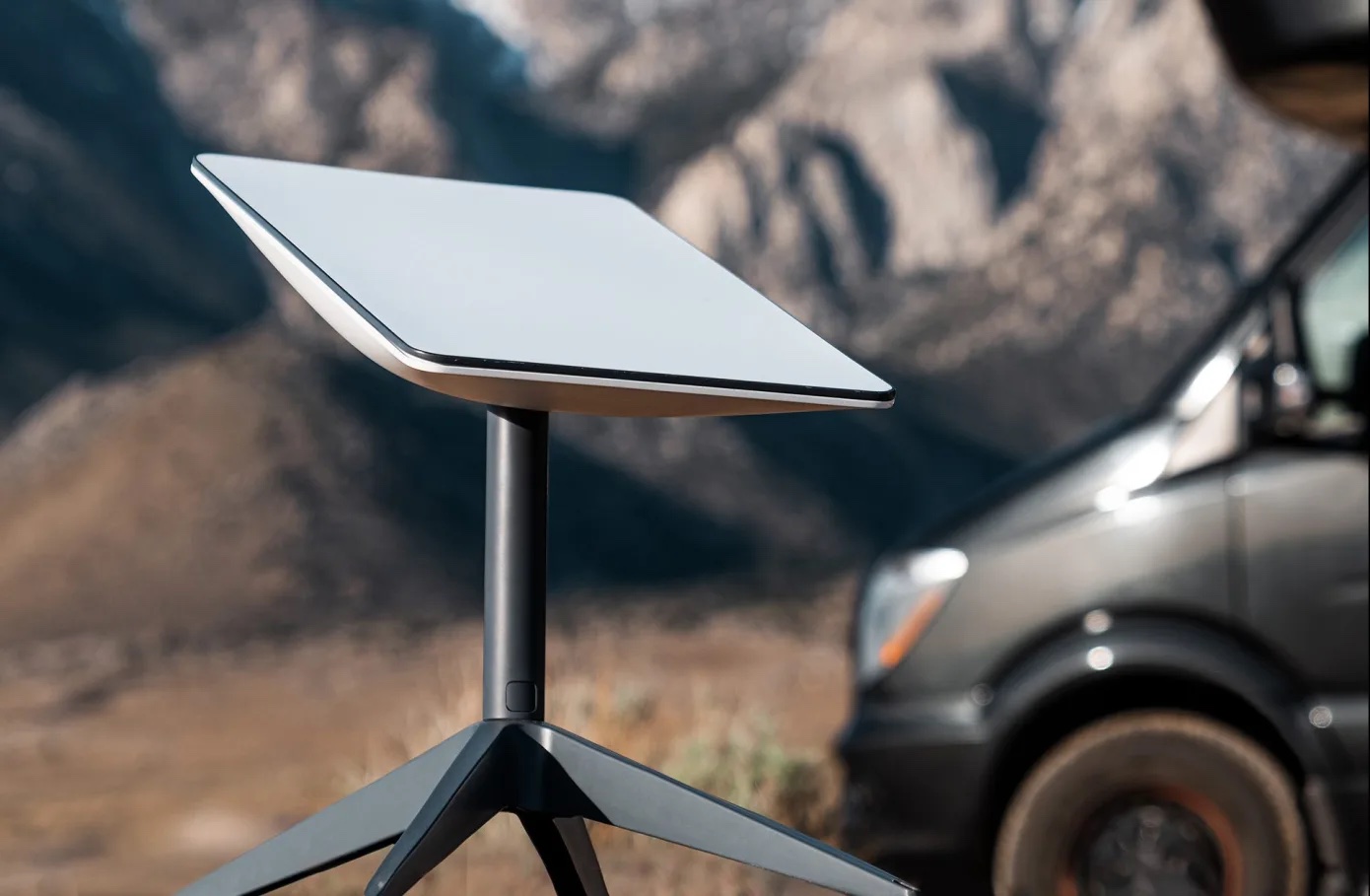
    Ukraine trusts Elon Musk to continue providing internet access through his SpaceX rocket company’s Starlink satellite system despite a wobble last month, but is also seeking additional providers, one of its deputy prime ministers said on Thursday.

    Mykhailo Fedorov, in Portugal for Europe’s largest tech conference, the Lisbon Web Summit, said Ukraine had discussed Starlink directly with Musk and was confident the Tesla and Twitter boss would not shut the service down in Ukraine.

    Starlink has “worked, is working and will work in Ukraine”, Federov, who runs Ukraine’s digital transformation ministry, told a news conference in response to a question about the service from Reuters.

    “Elon Musk publicly spoke about this and we had a conversation with him about it, so we do not see a problem in this regard,” Fedorov said.

    SpaceX activated Starlink over Ukraine after Russia’s invasion in February and has since provided Kyiv with thousands of terminals, allowing Ukrainians to hook up to the internet in places out of reach of the domestic telecoms system. The links are used both by civilians and by Ukraine’s military.

    Last month Musk tweeted that SpaceX could no longer afford to provide the service to Ukraine indefinitely – only to backtrack two days later and say he would continue to do so as an example of “good deeds”.

    Around that same time, some Ukrainians complained of outages in the internet service near the front lines, while Musk also angered Ukrainian officials by promoting a peace plan under which Ukraine would cede some territory to Russia.

    Fedorov said Russian attacks that had knocked out 40% of Ukraine’s energy infrastructure in October had increased the importance of maintaining communications systems.

    “One of the reasons why I came to the Web Summit is also to look for new partners and continue to develop and engage with new partners,” he said.

    “Communication is really crucial,” he said. “We are working on this issue 24 hours a day. Russia is hitting energy infrastructures and sometimes we don’t have light at home for eight hours.”

    Fedorov spoke at a joint news conference with Microsoft President Brad Smith, who announced around 100 million dollars of additional technology aid for Ukraine throughout 2023.

    “This will enable the government and other organisations in Ukraine to continue to run their services and serve Ukraine citizens through the Microsft Cloud and our public data centres spread across Europe,” Smith said.

  • Casella Family Brands sells 35 vineyards

    Casella Family Brands sells 35 vineyards

    Southern Premium Vineyards has acquired 35 vineyards from wine group Casella Family Brands. The sale comprises 7215 hectares across South Australia and NSW, including water entitlements and plant and equipment attached to the vineyards. The vineyards are located across the Clare Valley, Langhorne Creek and Limestone Coast regions of South Australia, and the Riverina precinct in NSW.

    Southern Premium Vineyards (SVP) already owns about 460 hectares of vineyards in the Coonawarra in South Australia’s south-east and the Barossa Valley. Public Sector Pension Investment Board owns it is one of Canada’s largest pension investment managers. SPV director Nick Gill said, “SPV’s strategy is to offer wine companies a multi-regional grape supply solution for their winegrape sourcing as an alternative to owning or leasing vineyards – and a partnership with Casella is a perfect fit with this strategy.”

    John Casella said: “We are pleased to be entering this partnership with SPV, a platform of PSP Investments, which is an investor with a proven track record of successful long-term investment in agribusiness in Australia and around the world.

    “We are confident that SPV will continue to deliver the quality and consistency of the grapes we require, safeguard and preserve the vineyards and ensure the wellbeing of employees.”

    Marc Drouin, senior managing director, Real Assets and Global Head of Natural Resources Investments, PSP Investments, said, “Our commitment to sustainable farming combined with our long-term investment horizon allows PSP Investments to lever Australia’s unique global competitive position for its quality winegrapes.

    “Casella is a best-in-class group with an impressive portfolio of vineyards in some of the country’s most highly regarded wine regions.

    “This acquisition is a cornerstone investment for both SPV and PSP Investments’ global wine portfolio.”

    Casella put most of its vineyards in NSW and South Australia on the market in May, following a strategic review of the business.

    The review by Australia’s largest privately owned winemaker led to a decision to divert the company’s funds into brand-building rather than running vineyards. The Australian described the move as “the biggest single sale of vineyards as one lot in living memory in Australia”, which is anticipated to raise tens of millions of dollars for Casella. Casella has entered into long-term grape supply agreements for all 35 vineyards to ensure ongoing supply for its established brands.

    John Casella said: “The company is in a sound financial position, having recently experienced global record sales for Yellow Tail during the COVID-19 pandemic.

    “While demand has stabilised, we are forecasting future growth due to ongoing investment in our brands supported by a strategic innovation pipeline.

    “The intended strategic partnership will allow us to focus on strengthening our brands globally, and therefore deliver positive outcomes for the Australian wine ­industry.”

    Some Casella-owned vineyards located in the Riverina and Barossa were not included in the sale, as well as its Victorian vineyards, which include Baileys of Glenrowan and Morris of Rutherglen. The company plans to use the funds to build its growing wine brand portfolio, create new alcoholic beverage brands – in categories such as spirits, beer and seltzer – and expand its whisky distilling business.

    Coca-Cola Europacific Partners sold its stake in Australian Beer Co (ABCo), which is located next door to the Casella winery in Yenda, NSW, to Casella Family Brands in January.

    Coca-Cola Europacific Partners vice-president and general manager for Australia, Pacific & Indonesia, Peter West said: “Casella Family Brands is a highly respected partner, and when we approached them as part of our strategic review of our beer and cider strategy, John and his team were keen to explore the opportunity to take full ownership of ABCo. We have had a terrific partnership with Casella Family Brands for almost a decade now and exit on good terms. We genuinely wish them
    the very best for the future.”

    John Casella said: “ABCo is an exciting business led by a state-of-the-art brewery, and we welcomed the opportunity to acquire full ownership. We will endeavor to maintain the excellent relationships the CCEP team has established with customers in the beer and cider category in Australia. We have enjoyed partnering with CCEP to grow ABCo’s business, and we both leave the joint venture arrangement on excellent terms.”.

    Casella Family Brands took over full ownership of the Australian Beer Co on July 1.

  • Japanese eyewear retailer Aigan to exit China

    Japanese eyewear retailer Aigan to exit China

    The company said that Japanese eyeglasses seller Aigan will leave the Chinese market as the impact of the coronavirus dims its hopes for turning a profit.

    Already weak earnings in China have been squeezed further by coronavirus-related disruptions that forced temporary store closures.

    The Osaka-based company’s Chinese arm has lost money for seven straight years since 2015.

    Aigan set up a China unit in 1994 and later expanded to six stores in Beijing and Tianjin, including franchisees.

    Also, on Monday, the company projected a group net loss of 425 million yen ($3 million) for the fiscal year ending March 2023 — wider than the previously forecast 315 million yen. It cited losses related to liquidating the Chinese unit, estimating them at 110 million yen.

  • Daiso eyes increasing its US store network more than 10 fold

    Daiso eyes increasing its US store network more than 10 fold

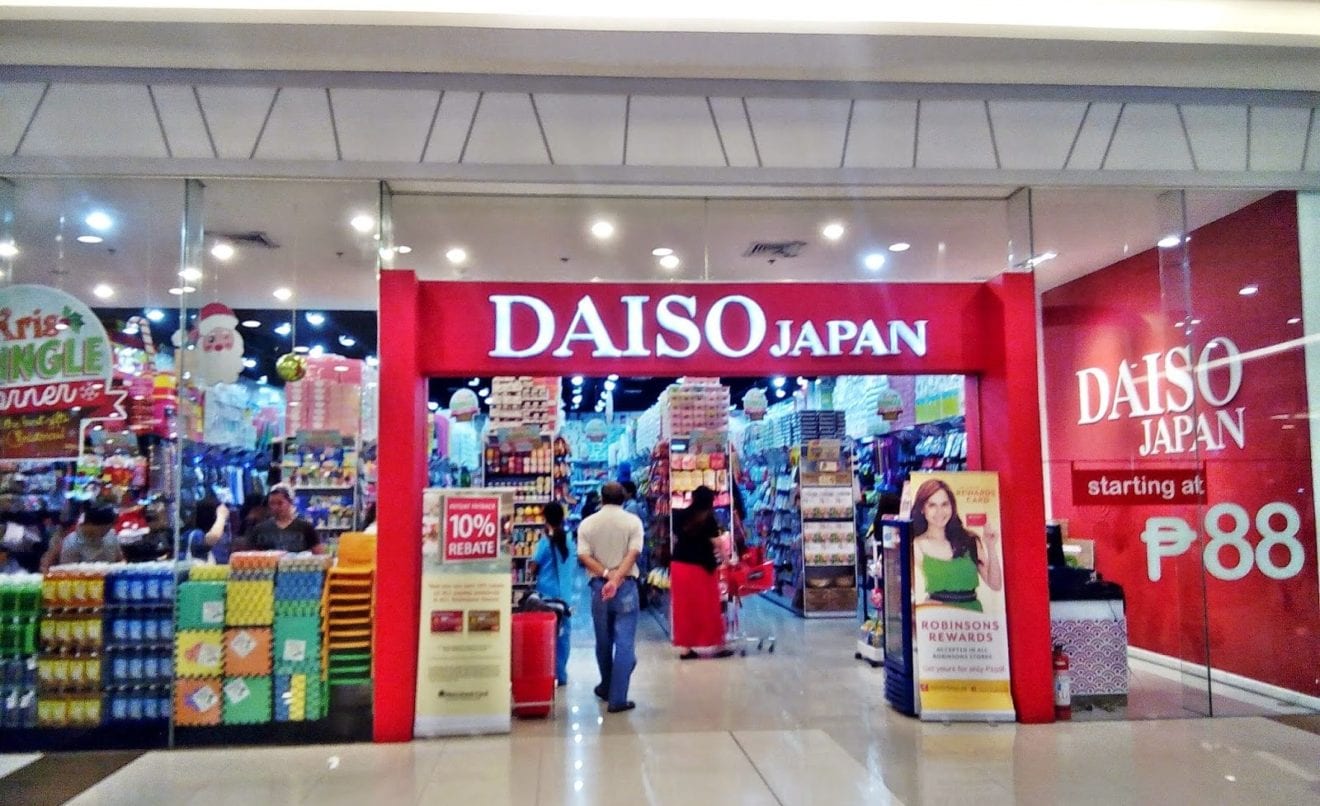
    Japanese ¥100 shop operator Daiso Industries aims to increase the number of its stores in the United States more than 10-fold in the long-term, as soaring inflation has spurred more American consumers to look for high-quality products on a budget.

    The value retailer, which has won over customers in Japan during the country’s decadeslong deflation, currently operates more than 80 U.S. stores in states such as California and Texas.

    The operator said it will add about 30 more outlets in the state of Arizona and elsewhere during the next fiscal year, with plans to eventually bring the total number of its U.S. stores to 1,000.

    “We think high-quality, single-price products will catch on overseas, too,” a Daiso official said. “We will aggressively go into new areas abroad.”

    Daiso’s plan comes as dollar shops become increasingly popular in the country where runaway inflation is shrinking disposable income.

    Amid such a trend, the Hiroshima Prefecture-based company in July opened an outlet in the Manhattan district of New York City, its first in the area.

    The operator aims to attract more American customers by launching new products at frequent intervals and increasing its selection of goods, it said.

    Since opening its first overseas store in Taiwan in 2001, Daiso has accelerated its overseas expansion as the retailer’s wide range of inexpensive products — from toys to kitchen utensils to hardware — gained popularity.

    As of February, it operated about 2,300 stores in 25 countries and regions outside of Japan. Most are located in Asia, with South Korea boasting more than 1,300 outlets.

    Daiso expanded its business in deflation-afflicted Japan as stagnant wage growth made its stores a go-to place for daily necessities for many.

  • EU Demands Quick Fix From U.S. Of Green Subsidy Law

    EU Demands Quick Fix From U.S. Of Green Subsidy Law

    European Union ministers warned on Friday that time was running out to resolve differences with Washington over U.S. plans to give tax credits to consumers buying electric vehicles and other green products as long as they are made in North America.

    The EU argues the $430 billion Inflation Reduction Act, to take effect in January, will make the United States a world leader in the electric vehicle market at its expense.

    Czech industry and trade minister Jozef Sikela said all 27 EU members were concerned. He told reporters before a meeting of national trade ministers that time was running out and expressed hope a solution could be found by Dec. 5 when top U.S. and EU officials will meet.

    Ministers were set to be briefed on the progress made by a joint U.S.-EU task force launched at the start of November to address the issue. Dutch trade minister Liesje Schreinemacher, describing the act as “very worrisome”, said the task force had to “get a move on” and produce results as soon as possible.

    Swedish counterpart Johan Forssell said the time frame was tight.

    “We cannot wait too long until we make a decision… So I think the need for action will be pretty soon,” he said.

    Irish deputy prime minister Leo Varadkar said the EU and the United States would ideally come to an arrangement at the Trade and Technology Council meeting in December, but that, failing that, the EU would have to respond.

    French minister Olivier Becht said the U.S. transition towards a greener economy should be based on fair competition rather than measures that breached World Trade Organization rules.

    He said ministers would discuss persuading the United States to modify its act. Otherwise, the EU would have to consider “other measures”.

    “There is a range of measures that can be put on the table. The objective

  • Tesla readies revamped Model 3 with project ‘Highland’

    Tesla readies revamped Model 3 with project ‘Highland’

    According to four people with knowledge of the effort, Tesla is developing a revamped version of Model 3, as the top EV maker aims to cut production costs and boost the appeal of the five-year-old electric sedan.

    One focus of the redesign codenamed “Highland” is to reduce the number of components and complexity in the interior of the Model 3 while focusing on features that Tesla buyers value, including the display, according to the people, who asked not to be named because the revamp has not been announced.

    The previously unreported redesign comes as the electric sedan faces increased competition from models from the likes of China’s BYD, Hyundai, and coming releases from other major automakers.

    The revamp of the battery-powered sedan, which could also include some changes to the Model 3’s exterior and powertrain performance, will go into production at Tesla’s factory in Shanghai and the company’s Fremont, California plant, two of the people said. They said that Tesla’s Shanghai Gigafactory will put the redesigned Model 3 into production in the third quarter of 2023.

    It was unclear when production would start at the Fremont plant or how much a cost savings Tesla would achieve from the redesign as it works with suppliers.

    The effort spotlights an approach to vehicle development pioneered by Tesla and now being copied by other automakers, including Toyota Motor, that removes complexity – and cost – in production.

    It is also an example of a key project at Tesla that has rolled ahead even as Chief Executive Elon Musk has focused on his troubled acquisition of Twitter in recent months, an area of concern for Tesla investors.

    The redesign for the Model 3 builds on the revamp of the Model S — Tesla’s premium EV sedan — that was released last year. That redesign added an airplane-style yoke in place of a traditional steering wheel and removed buttons and traditional air vents as part of a minimalist interior where the centerpiece is a 17-inch electronic display.

    The Model 3, Tesla’s cheapest EV starting at just under $47,000 in the United States, had been the automaker’s best-seller but is being overtaken by the Model Y crossover. With only four models in production, styling changes to any part of Tesla’s lineup carry an outsized importance compared to established automakers.

    Ed Kim, president of AutoPacific Group, which tracks market trends and production, said the current Model 3 has already been updated from the version that first went on sale in 2017 because of the way Tesla updates battery performance, information and entertainment options through software, even if it still looks the same.

    “Having said that, consumers still tend to equate visual changes with newness,” he said. “Tesla knows visually tangible changes are in order.”

    “The upcoming changes that potential customers can see and feel will be very important in ensuring that EV customers still have Tesla at the top of their minds as truly excellent alternatives to Tesla are starting to flood the market,” he said.

    Musk has pushed a simplified approach to design and production at Tesla that the Highland project extends, said the people with knowledge of the development.

    Tesla has pioneered the use of massive casting machines known as Giga Press and built by IDRA Group in Italy to make single, larger pieces of a vehicle in assembly, reducing cost and speeding production. It has also designed a structural battery pack that does away with more expensive modules.

    Musk has said Tesla is looking to drive costs down through simplification and working on a small-car platform that would be half the cost of the Model 3.

    “Over and over, we found parts that are not needed. They were put in there just in case or by mistake. We eliminated so many parts from a car that did nothing,” Musk said in an interview at a Baron Funds conference earlier in the month.

    The approach is part of what has made Tesla the most profitable electric vehicle maker while many rivals are still running at a loss. In the third quarter, Tesla made a profit of just over $9,500 for every car sold, compared to roughly $1,300 for Toyota, according to disclosures by both companies.

    The revamp of the Model 3 comes at a time when sales in China, its second-largest market after the United States, are under pressure. Sales for the Model 3 in China fell 9% in the first ten months from a year earlier, while BYD’s Qin and Han electric sedans outsold the Model 3, according to China Passenger Car Association.

    To boost sales, Tesla cut prices for Model 3 and Model Y in China by as much as 9% in October and offered an additional rebate for buyers who took immediate delivery.

    Sam Fiorani, who tracks Tesla and industry-wide production at Auto Forecast Solutions, said the upcoming changes to the Model 3, which he understood were coming, showed the power of Tesla’s approach in taking out complexity.

    “They are always looking for ways to make EVs profitable, and more profitable,” he said.
  • Foxconn chaos to leave Apple short 6 million iPhone 14 Pro and Pro Max units this year

    Foxconn chaos to leave Apple short 6 million iPhone 14 Pro and Pro Max units this year

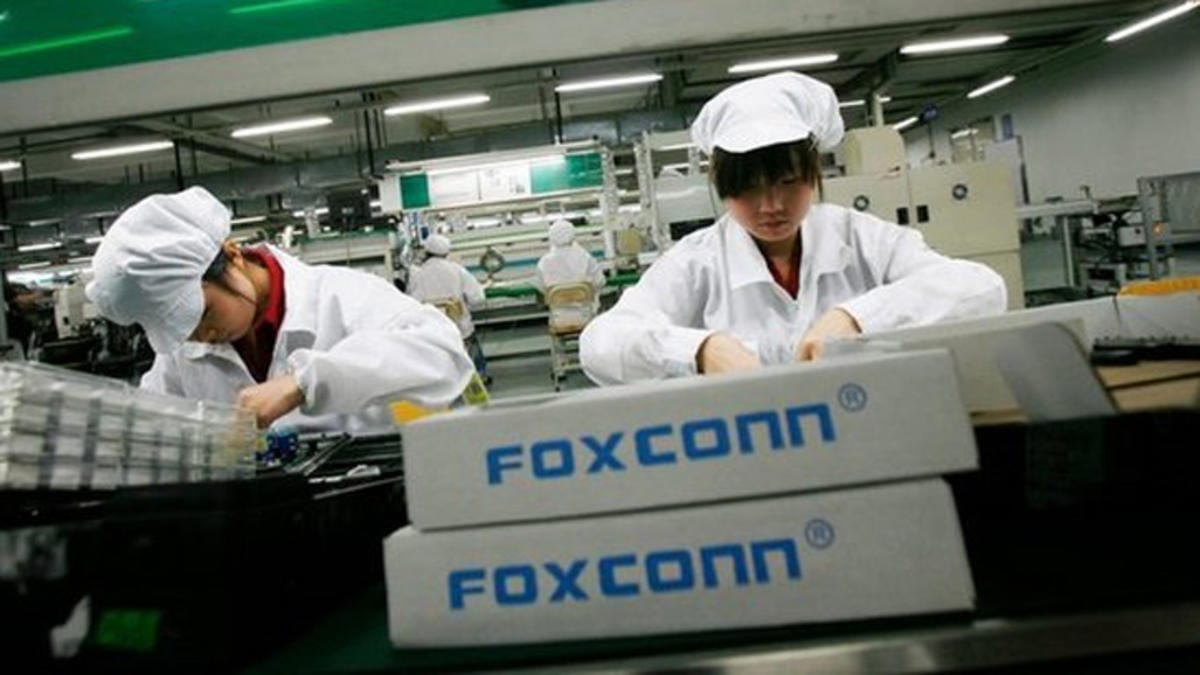
    We’ve closely monitored the events at Foxconn’s largest iPhone assembly facility in Zhangzhou, China. The factory reportedly produces half of the iPhone units made worldwide, and this year the plant is turning out iPhone 14 Pro and iPhone 14 Pro Max models. But production has slowed thanks to the exodus of workers who weren’t enamored with China’s COVID lockdown in the city.
    COVID has returned to China, forcing the country to lockdown certain areas. As a result, Foxconn now bans the consumption of meals in the communal dining room, forcing everyone to eat in their dorm. Workers also felt closed in, forced to stay on campus 24/7. After a large number of workers escaped, even Apple had to admit that the production of its pricier iPhone 14 Pro models this quarter would be less than expected. Apple did not specifically give an estimate of how many units it will be short but it did say, “customers will experience longer wait times to receive their new products.” Some reports called for as much as a 33% shortfall.
    Foxconn tried to entice new and former workers to man the assembly lines by offering bonuses for employees who stay for 30 and 60 days, and the Chinese government asked veterans and Communist party members to recruit new employees for Foxconn. And all of these things, the bonuses and the pressure from the government might have worked until last Tuesday night. That’s when a major clash between workers and security guards at the Foxconn grounds in Zhengzhou occurred.

    Workers said that the contracts they were offered would have paid them bonuses only after more than 60 days had gone by, and the employees also said that they weren’t being separated far enough away from older workers who might have COVID. In an attempt to quell the violence, Foxconn offered new employees cash to quit their jobs and leave the Foxconn campus. The company later said that a “technical error” was made relating to the bonuses and it apologized. Supposedly, 20,000 workers took the offer.

    Today, a new report from Bloomberg gives us a better idea about how Apple will be impacted by the chaos we’ve seen in Zhengzhou. The report indicates that Apple will be short nearly 6 million iPhone 14 Pro units this year. And make no mistake about it, the iPhone 14 Pro and iPhone 14 Pro Max are the more expensive 2022 iPhone models. Apple could take a $6 billion revenue hit during the current quarter. That would be 8.4% of the $71.6 billion in iPhone revenue generated during the fiscal first quarter of 2022 (October-December 2021).

    Considering that this shortfall would occur during the holiday shopping season, consumers worldwide could end up frustrated in their attempt to purchase one of the 14 Pro models as a holiday gift. Two weeks ago, even before the issues in Zhengzhou reached a fever pitch, UBS analyst David Vogt said that wait times for the iPhone 14 Pro and iPhone 14 Pro Max in the U.S. and China had hit “extreme levels.” In the U.S., the wait time was 34 days for these models while in China the wait was up to 36 days.

    Vogt pointed out that 35% to 40% of Apple’s calendar fourth quarter iPhone production is assembled during December which could lead to shortages during the fourth quarter of this year and extending into the first quarter of 2023. The analyst expects Apple to ship 83 million iPhone units during the fiscal first quarter of 2023 which already takes into account “recent disruptions.”
    However, Vogt made this comment before the violence broke out at the factory and before Foxconn paid 20,000 workers to leave the facility. If he does have a new updated figure, we will update this story.
  • Volkswagen Converts Its Aurangabad Facility To Run On 100% Green Energy

    Volkswagen Converts Its Aurangabad Facility To Run On 100% Green Energy

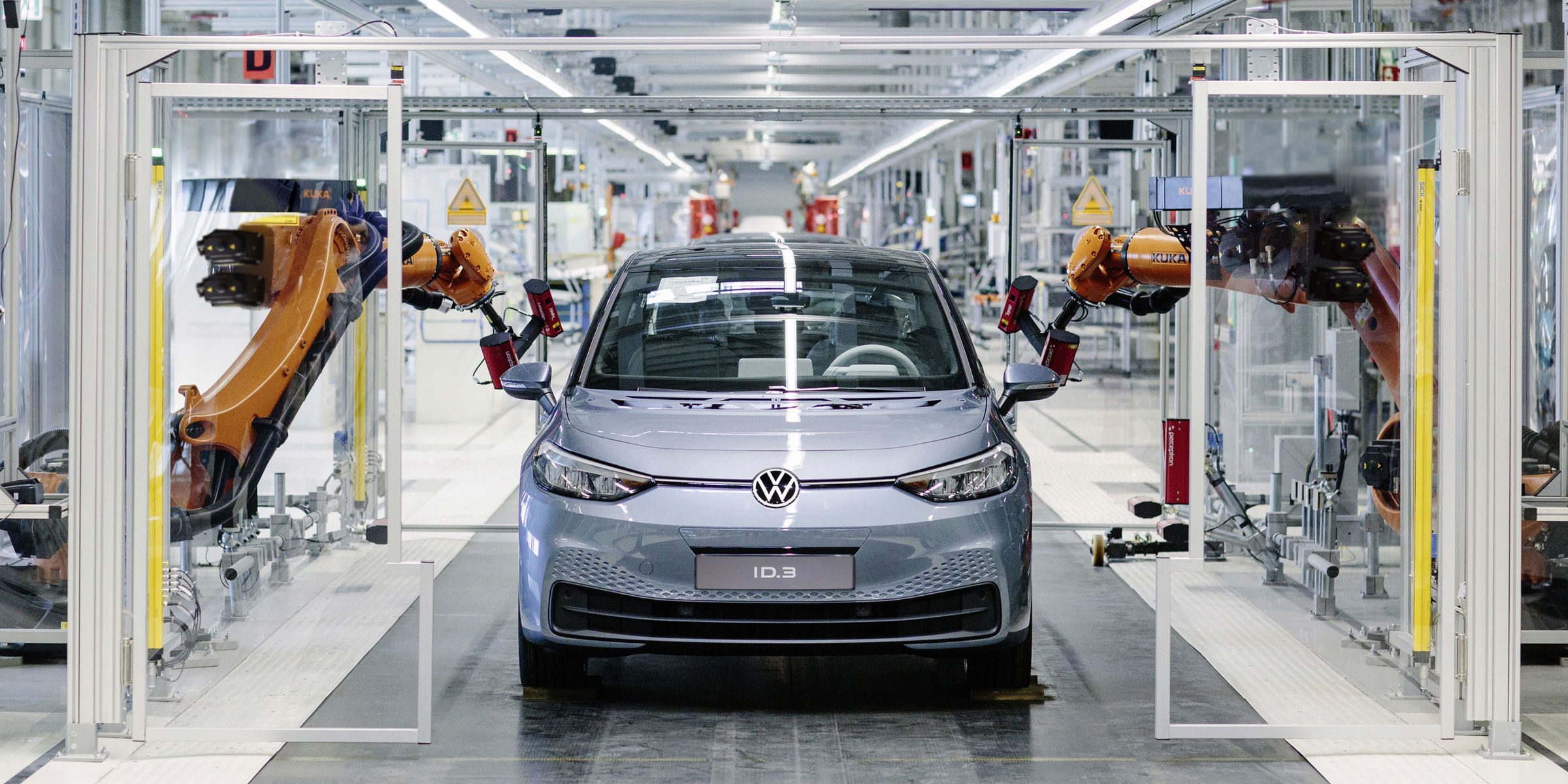
    Volkswagen Group has announced that its Aurangabad facility has transitioned to 100 percent green energy. The group had initially targeted reaching the goal by 2025, but it has done so ahead of its target. The facility received its Green Energy Certificate from Maharashtra State Electricity Distribution Company Limited (MSEDCL).

    Piyush Arora, Managing Director and CEO, Skoda Auto Volkswagen India Private Limited, said, “In the Volkswagen Group, ‘goTOzero’ is not only a roadmap for effective climate protection, it is also an integral strategic initiative towards sustainable mobility. We take a holistic approach to decarbonization – from production through service life to recycling.”

    “By replacing the external energy supply with renewable energy from MSEDCL,  SAVWIPL’s Aurangabad Plant has become the first automotive facility in Aurangabad Plant has become the first automotive facility in Aurangabad to be certified as a Green Energy Plant by MSEDCL,” the company said in a statement.

    With the move to green energy, VW’s Aurangabad plant will now achieve a 48 percent reduction in CO2 emissions per year. The VW group targets to become a carbon-neutral company by 2050.

  • Vulnerability not yet fixed leaves millions of Android phones at risk

    Vulnerability not yet fixed leaves millions of Android phones at risk

    According to Google’s Project Zero team of security analysts, millions of Android handsets are vulnerable to an unpatched vulnerability known as CVE-2022-33917. CVE stands for Common Vulnerabilities and Exposures , and each CVE number refers to a specific flaw. The aforementioned CVE is a vulnerability that affects Android devices that are equipped with ARM’s Mali GPU. That means that Google Pixel and Samsung Galaxy handsets are affected along with Android smartphones made by many other manufacturers.
    Until the patch is disseminated, attackers can potentially exploit the flaw. Google says that this would allow attackers to “continue to read and write physical pages after they had been returned to the system.” Furthermore, the company adds that “by forcing the kernel to reuse these pages as page tables, an attacker with native code execution in an app context could gain full access to the system, bypassing Android’s permissions model and allowing broad access to user data.”
    Project Zero notes that it told ARM about the vulnerabilities and ARM “promptly” fixed the issues in July and August of this year. ARM assigned the CVE-2022-33917 number to the flaw. But Google later found “that all of our test devices which used Mali are still vulnerable to these issues. CVE-2022-36449 is not mentioned in any downstream security bulletins.” In other words, devices made by Google’s own Pixel team, Samsung, Oppo,  and Xiaomi were never patched and still have this exploitable vulnerability.
    Keep in mind that the phones at risk sport a Mali GPU which eliminates devices powered by a Snapdragon chipset. However, handsets using Google Tensor, Exynos, or MediaTek chips need to be patched. The good news is that Google is testing a patch that is expected to be pushed out “in the coming weeks.” Phone manufacturers building Android devices will also need to include it.
    Google’s statement reads, “The fix provided by Arm is currently undergoing testing for Android and Pixel devices and will be delivered in the coming weeks. Android OEM partners will be required to take the patch to comply with future SPL requirements.”
    And Google also has words of wisdom for Android vendors trying to prevent a similar incident from popping up in the future. The company makes it clear that vendors have a responsibility to patch their software flaws just like Android users must download security updates as soon as they are received.

    “Just as users are recommended to patch as quickly as they can once a release containing security updates is available, so the same applies to vendors and companies. Minimizing the “patch gap” as a vendor in these scenarios is arguably more important, as end users (or other vendors downstream) are blocking on this action before they can receive the security benefits of the patch,” Google wrote.

    The search giant added that “Companies need to remain vigilant, follow upstream sources closely, and do their best to provide complete patches to users as soon as possible.”

    Google has not said that the vulnerability has been exploited by any attackers but for the time being it remains a flaw that can be used to steal the personal data on certain Android phones. When the update does arrive-and Google has said that it will be coming soon-if you have an Android phone at risk, install the update immediately. You can quickly determine if you device is vulnerable by looking at the specs for your phone on PhoneArena and checking to see the manufacturer of the GPU on the device.

    If it shows that you have an ARM Mali graphics processing unit (GPU), your device is at risk. Keep checking in as we will update this story when the patch is disseminated.

  • Online shopping startup Cooky raises $4.5mln

    Online shopping startup Cooky raises $4.5mln

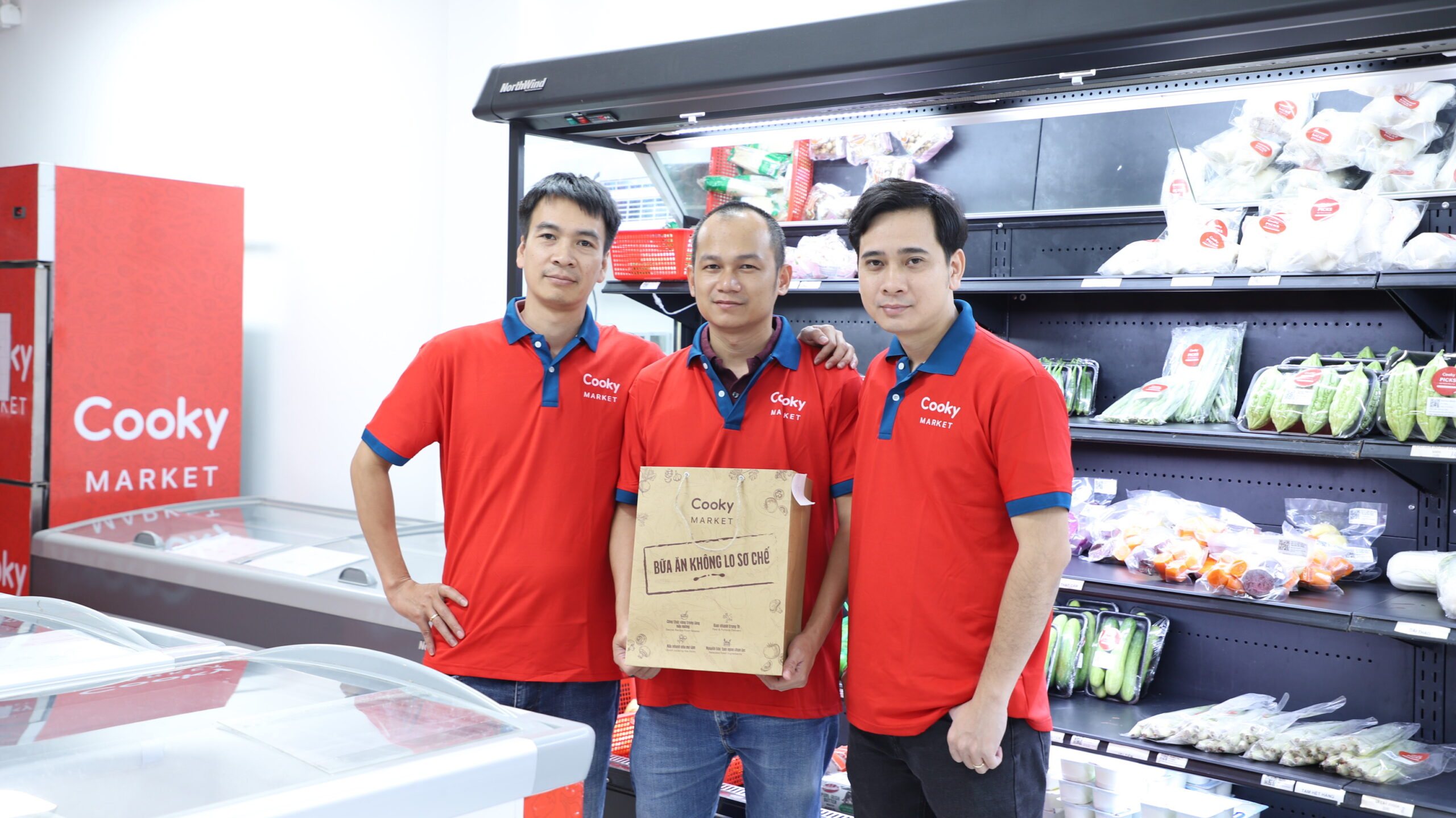
    Online shopping and cooking platform Cooky has raised $4.5 million in a funding round led by Vietnam’s Do Ventures, South Korea’s Nextrans.

    The funding will be used for research and development to create more nutritious recipes at a better cost, said Cooky’s founders Dang Hoang Minh and Nguyen Thanh Dai, also founding members of food platform Foody.

    The startup aims to become a food-tech company, making shopping and cooking easier and more efficient, making both happen within 30 minutes, said Cooky CEO Minh.

    Its app is a combination of an online grocery delivery platform and a cooking delivery service, where customers can shop for ingredients individually or buy a recipe. It has been downloaded more than one million times since it was launched 1.5 years ago.

    After the Covid pandemic boosted demand for online shopping, this consumption behavior has been maintained by Vietnam’s young population. With the rapid rise in popularity of online shopping solutions, the country’s e-grocery market is expected to reach $1.5 billion by 2025, Cooky estimates.

  • California Fitness slows expansion to improve member retention

    California Fitness slows expansion to improve member retention

    California Fitness & Yoga, one of the most popular high-end gym chains in Vietnam, is suspending its expansion to focus on retaining members while its competitors’ race to open more facilities.

    “We are not perfect,” said Dane Fort, CEO of FLG Vietnam, which operates California Fitness & Yoga. “We developed and expanded too fast and had to face certain difficulties. That is why we have not opened new clubs in recent years.”

    With 35 facilities, California Fitness & Yoga was the biggest gym chain in Vietnam. However, it has now been overtaken by 25 Fit, which has 41 facilities. Third-ranking Curves only serves female members and has 27 facilities around the country.

    Fort said that anyone with money could build a gym chain with quality similar to that of California Fitness, but what his company is focusing on now is retaining members.

    It costs 10 times more to acquire a new member than to keep a current one. California Fitness, with 250,000 subscribers (including 30,000 daily users), accounts for more than three-quarters of the market in Vietnam.

    According to FLG, its members account for around 72-73% of the market. This is why Fort plans to invest $2 million into upgrading the current clubs to retain members.

    Fort said that staff training is important as new salespeople could make customers have a negative view about the chain during their sales pitch. Fort wants to train his staff more deeply for the next two years to increase their professionalism and consistency.

    Vietnam’s gym market is estimated to reach $3.5 billion by the end of next year, according to a forecast by Ken Research in June 2019.

    But this forecast was made before Covid-19 hit and forced many independent gyms to shut down.

    Gym chains, however, seem to have been expanding in the last two years.

    Fort said that the pandemic has made people take better care of their health and that this is giving the fitness industry new opportunities.

    FLG has been seeing growth compared to pre-pandemic levels in some areas, such as the number of active members, new members and revenues, he said.

    Growth potential in Vietnam remains, he said, adding that the penetration of the health and fitness industry among the middle-class is 14% in Hong Kong, 17% in the U.S. and 23% in Australia, while in Vietnam it is still below 1%.

    By the end of this year, the rate is set to rise to 1.25%, and in the next five years it could reach 5%, Fort said.

    FLG Vietnam has been making moves to assert its market dominance, such as importing new technology from Australia and opening Jetts Fitness, a 24-hour gym chain, which is set to expand to 12 facilities in the next two years from the current two.

  • Vietnam Electricity reports losses of $635 mln

    Vietnam Electricity reports losses of $635 mln

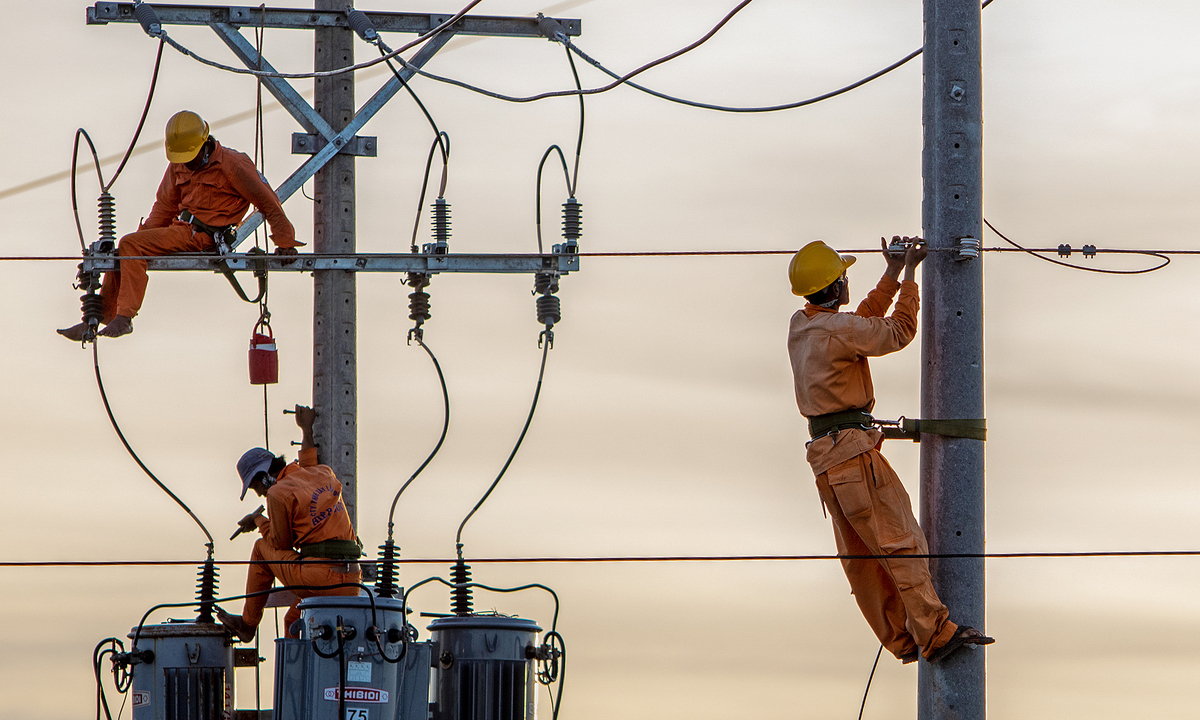
    Vietnam Electricity (EVN) posted losses of VND15.758 trillion ($635.4 million) between January and October, with higher fuel prices a major contributing factor.

    EVN said fluctuations in the world prices of coal, oil, and gas since the beginning of this year had caused its production costs and purchase prices of electricity it bought from other power plants to soar.

    According to its financial statements, EVN racked up after-tax losses of more than VND16.586 trillion ($668.79 million) in the first half of this year.

    With world prices of fuels in 2023 predicted to remain high, it would be hard for EVN to achieve good business results next year, the utility said. It estimates losses of VND31.36 trillion in 2022.

    According to a report by the Ministry of Industry and Trade, prices of input materials for electricity production have skyrocketed since the beginning of the year, with that of imported coal doubling to $304.8 per ton, so retail prices of electricity may increase shortly.

    The average retail price of electricity currently stands at VND1,864.44 (7.5 cents) per kWh, excluding value-added tax. In June, EVN said the year’s price should increase to VND1,915.59 (7.7 cents) per kWh.

  • First Vietnamese pomelo exported to US

    First Vietnamese pomelo exported to US

    Pomelo became the seventh Vietnamese fruit to be officially exported to the U.S. Monday with the first 100 tons being transported from the southern province of Ben Tre.

    The batch is split into six containers. Four of them will be exported by air and two by sea.

    Deputy Minister of Agriculture and Rural Development Tran Thanh Nam said at the announcement ceremony Monday that the U.S. is one of the most difficult markets in the world but has large demand for fresh fruits.

    He added that Americans consume about 12 million tons of fruits annually, with 30% of them imported.

    The exported pomelo must come from the 36 growing areas in Vietnam that have been registered with U.S. authorities.

    They span 752 hectares, or 0.71% of Vietnam’s total pomelo growing area.

    Many measures must be strictly taken to ensure the fruits are clean and healthy.

    Ben Tre Province Chairman Tran Ngoc Tam said that of the seven Vietnamese fruits that are exported to the U.S., the province has three: pomelo, longan and rambutan.

    Other fruits that have been approved for official U.S. exports are mango, dragon fruit, star apple and lychee.