Tag: asia

  • Tri Indonesia partners with mCarbon to deploy next-gen CLM platform in Indonesia

    Tri Indonesia partners with mCarbon to deploy next-gen CLM platform in Indonesia

    South Asia’s leading technology solution provider, mCarbon announced new partnership agreement with Hutchison 3 Indonesia (H3I) the holder of 3 (Tri) GSM Provider. Combining the compelling digital experiences driven by Tri and mCarbon’s analytics powered solution I-CLM, will enable Tri to augment customer experience through contextually relevant messaging across the entire customer journey.

    ICLM is a comprehensive customer lifecycle management platform that provides acumen to the operators through mechanisms such as big data analytics and fulfillment. The platform has omni-channel interaction capabilities, which are directed towards increasing customer affinity. This end-to-end solution tailors engagement based on individual preferences that vary through the entire customer journey.

    Announcing the launch of next gen CLM, Rajesh Razdan, Founder and CEO, mCarbon said “I am delighted that Tri has chosen mCarbon for this important initiative. The deployment of our solution will provide Tri, ways to establish a new level of customer loyalty through consistent customer experience across channels while maximizing monetization of digital channels. Through our partnership, we are confident to be able to provide a significant economic impact and bring a positive synergy to the brand’s further growth in Indonesia”

    “We believe in this age of digital contiguity, it is imperative for us as service providers to deliver unmatched customer experiences,”said Randeep Singh Sekhon, President DirectorTri Indonesia “Our association with mCarbon is a step towards our endeavor to enhance overall engagement with our customers with relevant and real time offerings based on personalised usage and have a step up towards overall customer experience”

    mCarbon introduced Interactive Customer Lifecycle management platform for telcos to digitally personalize experience and generate revenue through multiple streams. The product is designed keeping in mind the enormity of the data generated as well as its dynamism. It is capable of providing a competitive advantage to the operators by profiling subscriber and evaluating the strategic insights that are aimed towards improving customer value.
  • Fonterra benefits from growing milk consumption

    Fonterra benefits from growing milk consumption

    Dairy giant Fonterra Brands Indonesia president director Achyut Kasireddy, New Zealand Prime Minister John Key and Trade Minister Todd McClay share a conversation during an event at Fonterra manufacturing plant in Cikarang, West Java, on Tuesday. Key will end on Wednesday his three-day visit to Indonesia, during which he has brought along dozens of executives from various New Zealand companies in an effort to strengthen economic ties and consolidate several investment opportunities.

    New Zealand dairy firm Fonterra Brands Indonesia has reaped benefits from Indonesia’s growing milk consumption, becoming New Zealand’s poster boy for success.

    The company, part of multinational dairy cooperative Fonterra, sees Indonesia as one of its priority markets, with huge promise amid dairy product demand growth.

    According to the Agriculture Ministry, annual household consumption of dairy products rose to 313 ounces per capita in 2014 from only 209 ounces in 2013.

    As demands grow, Fonterra Brands Indonesia president director Achyut Kasireddy said on Tuesday that it was focusing to fulfill the capacity of its plant to “cater to the demand of dairy products for the next three years”.

    It operates a Rp 340 billion (US$25.98 million)-worth plant in Cikarang, West Java. The plant commenced operations last September and is Fonterra’s biggest investment in Southeast Asia in the last decade.

    Utilization rate of the plant has hit 60 percent of its full potential to produce 16,000 tons of milk powder a year and up to 87,000 packages of dairy products a day. It markets several milk brands in Indonesia, including Anlene, Anchor Boneeto and Anmum.

    Kasireddy said Fonterra may expand its investment in the country should it utilize the plant well.

    It deems upcoming investment as important to accommodate changes in consumers’ taste and preference, resulting in different product types, such as powders, liquids and any other formats.

    “For the future, there may be other opportunities that we will seriously look at. There will be a new concept and they are all in the concept stage right now,” he said without going into details.

    He claimed that Fonterra Brands Indonesia had also substantially invested in training for farmers to boost their production. It imports around 75 percent of its ingredients for milk powder from New Zealand and hopes to leverage the farmers’ products in the future.

    “As we keep helping local dairy communities transform their farming and enhance their production, the country is going to have high quality milk produced locally that will be available for companies like us,” he said.

    New Zealand Prime Minister John Key said during his visit to the plant that the company could be at the forefront of the growing demand for dairy products in Asia.

    “These are markets where, inevitably, as the consumer base gets wealthier, demand grows not only for more protein but for more security and quality in its food. That’s where Fonterra fits in,” said Key in his speech.

    He said the plant was an example of how New Zealand and Indonesia could benefit from investment in the dairy industry.

    “This [Fonterra’s plant] is living proof of work by the New Zealand government to pave way for New Zealand companies to develop a footprint and grow New Zealand’s reach to the world,” Key said.

    Key was accompanied by New Zealand Trade Minister Todd McClay and a delegation of New Zealand businesspeople for the plant visit, which was part of his two-day visit to Indonesia. He met with President Joko “Jokowi” Widodo on Monday and discussed economic cooperation.

  • Chinese beauty retail market predicted to reach $50bn

    Chinese beauty retail market predicted to reach $50bn

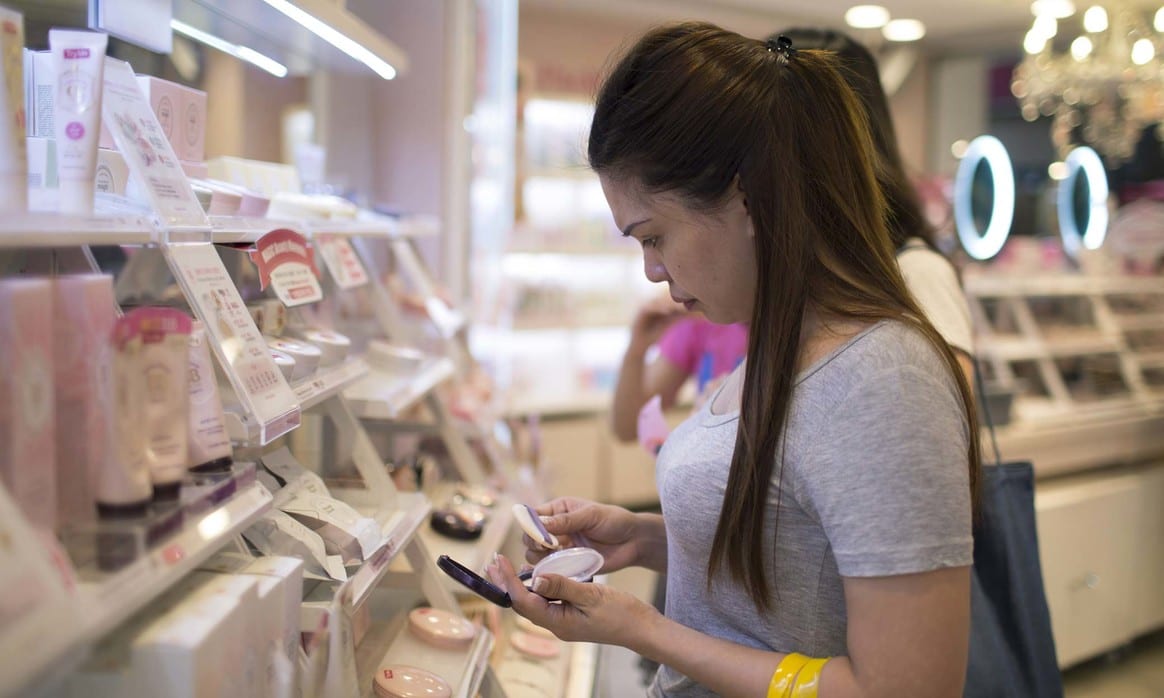
    Despite less frequent purchases, the high demand for skincare products will see the Chinese beauty retail market continue strong growth to reach 338 billion yuan (US$50 billion) in value by 2020, says a new report.

    Research by Mintel shows that 65 per cent of consumers spent more on facial skincare last year than in 2014, despite consumers buying beauty products less often.

    Purchase rates for all beauty and personal-care categories surveyed by Mintel slowed during the three months to October last year. The categories most affected are hair beauty products, beauty supplements and fragrances, falling 32 per cent, 28 per cent and 26 per cent respectively.

    Total retail sales of cosmetics in China grew 12.3 per cent to reach 204.9 billion yuan last year.

    “The beauty retailing market seems resistant to decline, and this is mainly because the dynamic development of the facial skincare market,” says Mintel senior beauty and personal care analyst Chen Wenwen.

    “To leverage their passion and spending power, it is essential for both retailers and manufacturers to engage consumers via mobile platforms.”

    As many as 44 per cent of consumers used a mobile device to pay for beauty/personal care products online in the three months to October – double the number since 2014.

  • Indonesian coffee showcase to open in Seoul

    Indonesian coffee showcase to open in Seoul

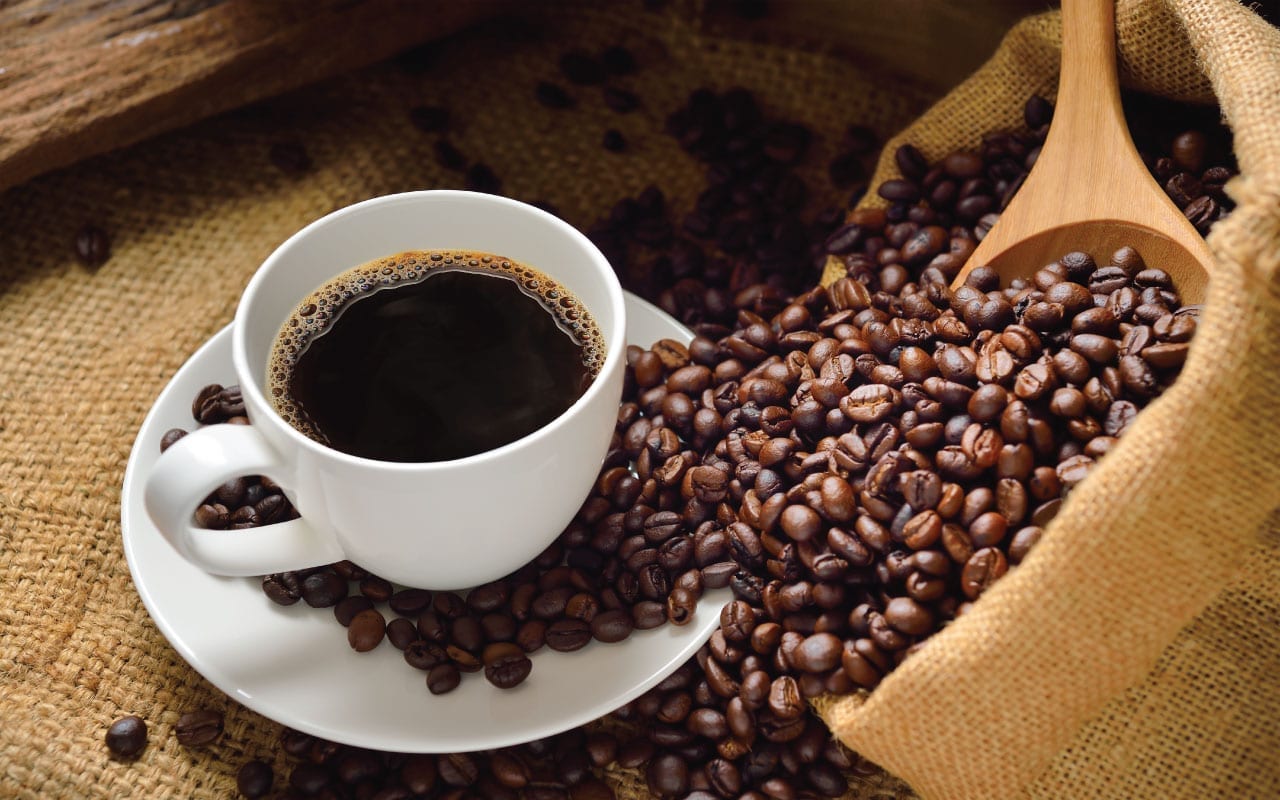
    Indonesia has high hopes of carving out a share of the crowded Korean domestic cafe scene and coffee market.

    A cafe specialising in artisanal Indonesian coffee is planned to open soon on the Bojeong-dong Cafe Street in Seoul. It will sell ground coffee and coffee beans from different regions in Indonesia, according to the Southeast Asian nation’s small and medium enterprises minister Anak Agung Gede Puspayoga.

    “As one of the top coffee consumers in the world, South Korea should buy more coffee from Indonesia,” he said.

    According to USDA data, South Korea’s coffee market is estimated at more than US$3 billion annually. Indonesia does not believe it is getting its fair share.

    The planned Indonesian coffee cafe will initially sell coffee beans grown in three cities: Temanggung in Central Java, Denpasar in Bali and Bandung in West Java, including Priyangan coffee, Indonesia’s version of kopi Luwak, the famed civet coffee, and Temanggung, its Arabica and Robusta coffee.

    The shop is part of a partnership hatched between the Korea Federation of Micro Enterprise, or KFME – which represents South Korea’s 7 million small businesses – and the non-profit International Council of Small Business.

    The partnership will also see prominent Korean bakeries provide training for Indonesian bakers.

  • Volkswagen’s Audi plans electric car push to put heat on Tesla

    Volkswagen’s Audi plans electric car push to put heat on Tesla

    Audi will aim for electric cars to account for a quarter of its sales by 2025 as part of a strategic overhaul following the emissions scandal at parent Volkswagen, company sources said, in a move that could step up the challenge to U.S. group Tesla.

    Audi, which has been slow to embrace battery-powered vehicles, will now invest about a third of its research and development (R&D) budget into electric cars, digital services, and autonomous driving, two company sources told Reuters.

    Based on the 1.8 million cars sold by the German automaker last year, that would mean it selling at least 450,000 electric cars a year. Factoring in an expected rise in sales, that could turn Audi into a major competitor to Tesla (TSLA.O), which believes it can sell 500,000 electric cars by 2020 or sooner.

    With the exception of BMW (BMWG.DE), Germany’s luxury automakers have been late to develop electric vehicles, a market which is still loss-making. But Audi’s parent Volkswagen (VOWG_p.DE) is under pressure to clean up its image in the wake of its emissions-test cheating scandal.

    Audi CEO Rupert Stadler plans to outline details of the new business roadmap to more than 2,000 managers on Wednesday at a closed-door conference in Munich, the sources said.

    An Audi spokesman declined to comment. German business daily Handelsblatt reported late on Monday about Audi’s plans.

    Figures compiled for Reuters by LMC Automotive show German trio BMW, Mercedes-Benz (DAIGn.DE) and Audi – the world’s largest producers of luxury cars – rank 12th, 14th and 22nd respectively when it comes to annual sales of electric and hybrid vehicles, trailing Toyota, Honda, Lexus and Nissan.

    LACK OF DEMAND

    In the wake of Volkswagen’s diesel test cheating, regulators around the world have intensified a clampdown on toxic fumes, potentially providing a boost in demand for zero emission cars.

    Customers have, however, been slow to adopt electric cars which have a limited operating range and long recharging times.

    Of the 14,202,024 new cars registered in the European Union and the European Free Trade Association last year, only 186,170 were electric vehicles and 234,170 were hybrids, figures from European auto association ACEA show.

    Year-to-date growth for electric vehicles has been slowing. While sales jumped by 55 percent last year, they have risen just 15 percent to 37,000 so far in 2016, according to JATO Dynamics.

    “Some governments in Northern Europe where most of the electric vehicles are sold have announced fewer incentives. At the same time there hasn’t been any important new launch in the electric vehicle segment,” said Felipe Munoz, global automotive analyst with JATO.

    The lack of an electric sport utility vehicle, and broad demand for hybrid vehicles, has dampened demand in pure electric cars, JATO added.

    To free up funds for the new strategy, Audi plans cutbacks in its conventional combustion car program including steps to reduce country-specific variants of engines and transmissions, the sources said, without being more specific.

    Volkswagen last month announced plans to spend billions of euros on electric cars, ride-hailing and automated driving to become a world leader in green transport by 2025.

    In 2015, Audi spent 4.24 billion euros ($4.69 billion) on R&D. Of the brand’s 50 or so models, only two are electric or semi-electric and Audi is now taking orders on a third, the Q7 e-tron plug-in hybrid.

  • DHL collaborates with Electrolux on LCL ocean freight shipments

    DHL collaborates with Electrolux on LCL ocean freight shipments

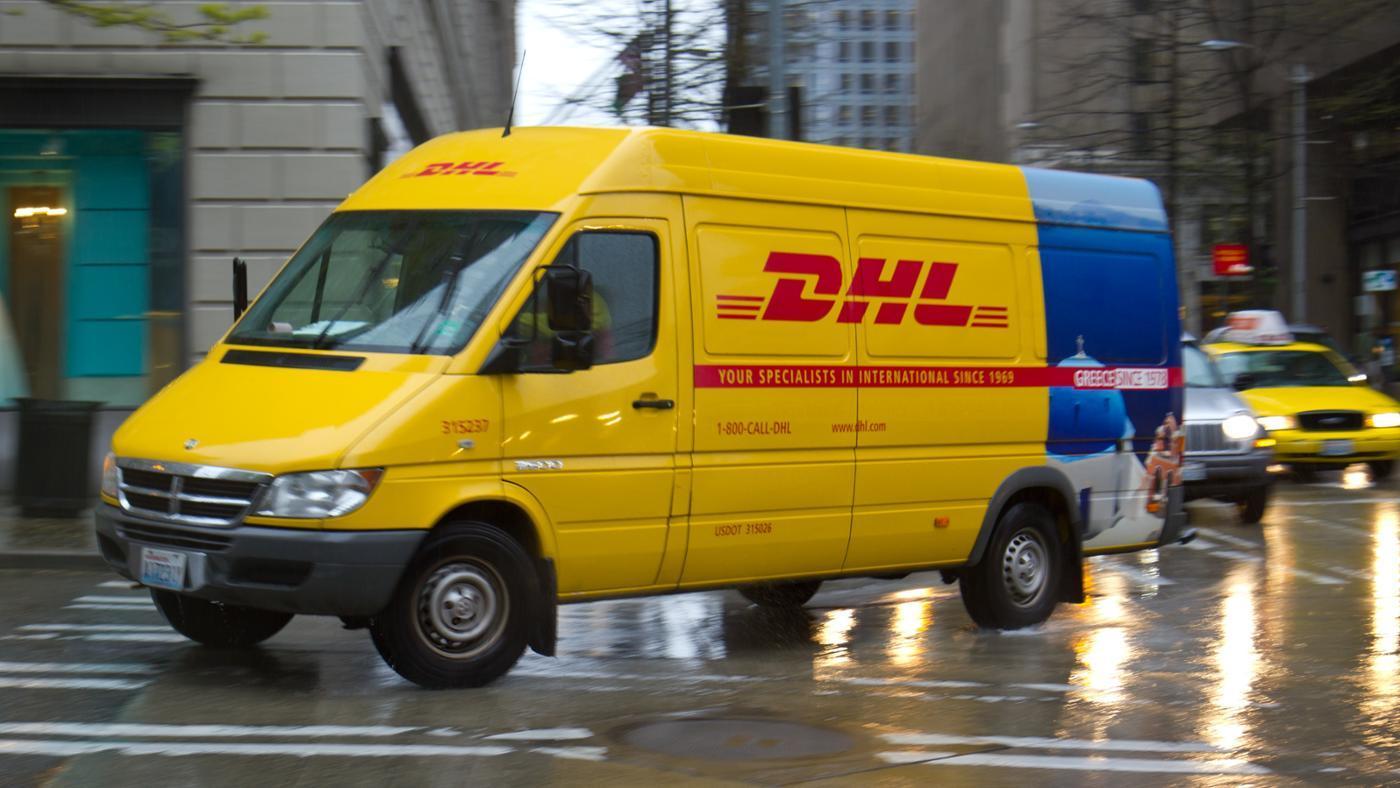
    Electrolux and DHL collaborates. As of now, DHL Global Forwarding, the air and ocean freight specialist of Deutsche Post DHL Group, is responsible for the majority of Electrolux’ global ocean freight Less-Than-Container-Load (LCL) shipments.

    The appointment by the Swedish home appliance manufacturer comprises an annual estimated cargo volume of more than 20,000 cubic meters, approximately 70 percent of their global volume, and includes shipments from all regions including Asia, Oceania, North America, Europe and Latin America.

    “LCL shipments are important to Electrolux, particularly for project shipments, small urgent consignments and spare parts distribution, and are an integral part of our global supply chain. We have chosen DHL Global Forwarding for this task due to the unparalleled global network coverage and the high reliability which DHL Ocean Connect LCL has been providing for many years now,” said Bjorn Vang Jensen, Vice President, Global Logistics at Electrolux.

    DHL’s ocean freight network for LCL shipments includes more than 45,000 Container Freight Station point pairs which connect the globe. The company’s “Shipped as Booked” policy guarantees that goods are scheduled for a specific vessel and will ship on that vessel whether the container is full or not.

    This has been a major criterion for Electrolux in the selection process, since special project or spare part shipments need to be shipped in various, fluctuating quantities and for which demand is unpredictable.

    Moreover, these volumes are not necessarily sufficient for a full container box all the time.

    “We are extremely delighted to continue our long-lasting relationship with Electrolux. This new nomination is a fantastic acknowledgement of our DHL Ocean Connect LCL offering and the services provided in other areas in recent years,” says Michael Young, Executive Vice President, Global Head Marketing & Sales, DHL Global Forwarding.

    Electrolux has been a DHL customer for more than 10 years. The other services that DHL provides for the company are global airfreight, international supply chain services, customs brokerage and multimodal solutions including rail and trucking.

  • China Post, Lazada Ink Strategic Agreement to Enhance Cross-border Logistics Solutions

    China Post, Lazada Ink Strategic Agreement to Enhance Cross-border Logistics Solutions

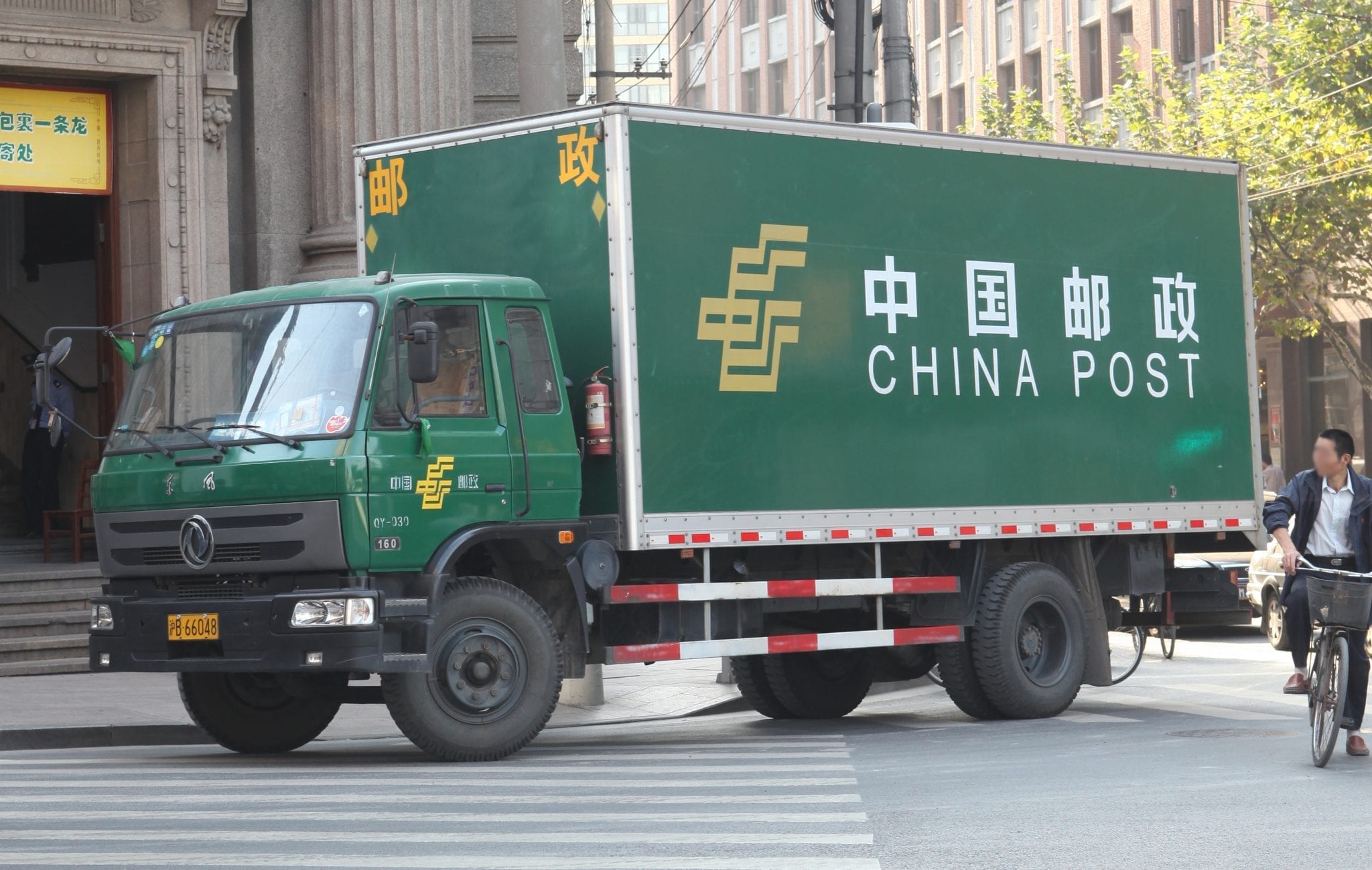
    China Post Group, China’s state-owned postal service provider, and Lazada Group, the leading online shopping and selling destination in Southeast Asia , have signed a strategic agreement to enhance cross-border logistics solutions for Chinese sellers on the Lazada platform.

    The areas of collaboration include enhancing current delivery options for merchants selling small and light items, and developing financial solutions such as micro-credit loans and online payment options for logistics fees. Both organizations have also expressed interest to collaborate with cross-border warehousing solutions, logistics-related education and training, and seller on-boarding in the longer term.

  • Honeywell Launches Slimmest Scan Engine and Ultra Compact Decoding Board

    Honeywell Launches Slimmest Scan Engine and Ultra Compact Decoding Board

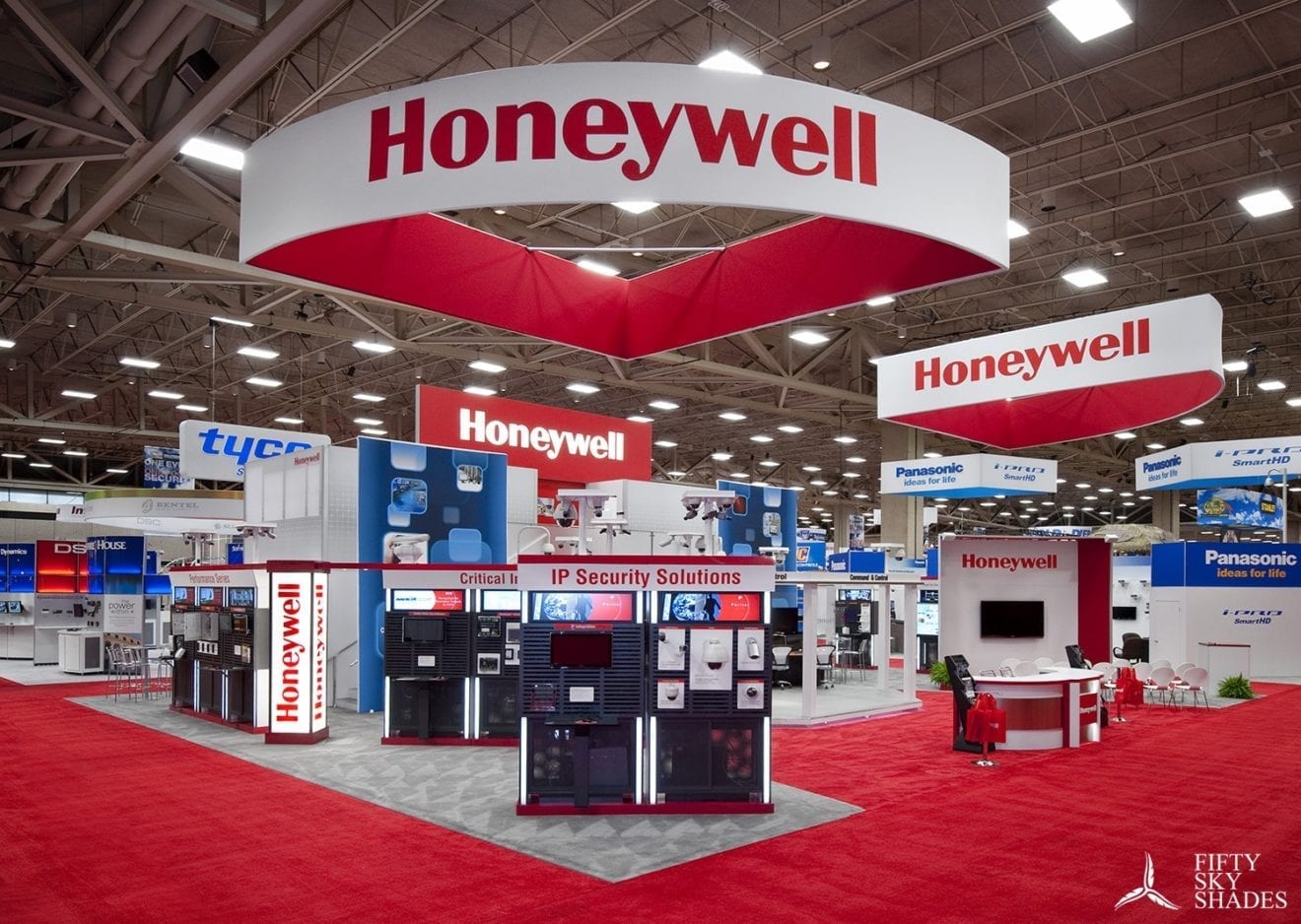
    Honeywell has released the N6600 Series Ultra-Slim Area-Imaging Engine and its miniature decoding board Mini DB, which together enable small mobile devices to quickly and accurately capture data from barcodes using small mobile devices.

    Measuring just 6.8 millimeters in height, the N6600 series is one of the slimmest and most compact engines of its kind currently on the market. It can be embedded in mobile devices, such as smartphones, tablet sleds or wearable scanning solutions used in retail, distribution center, logistics and parcel delivery environments.

  • Huawei, Vodafone reach 20Gbps speeds in 5G test

    Huawei, Vodafone reach 20Gbps speeds in 5G test

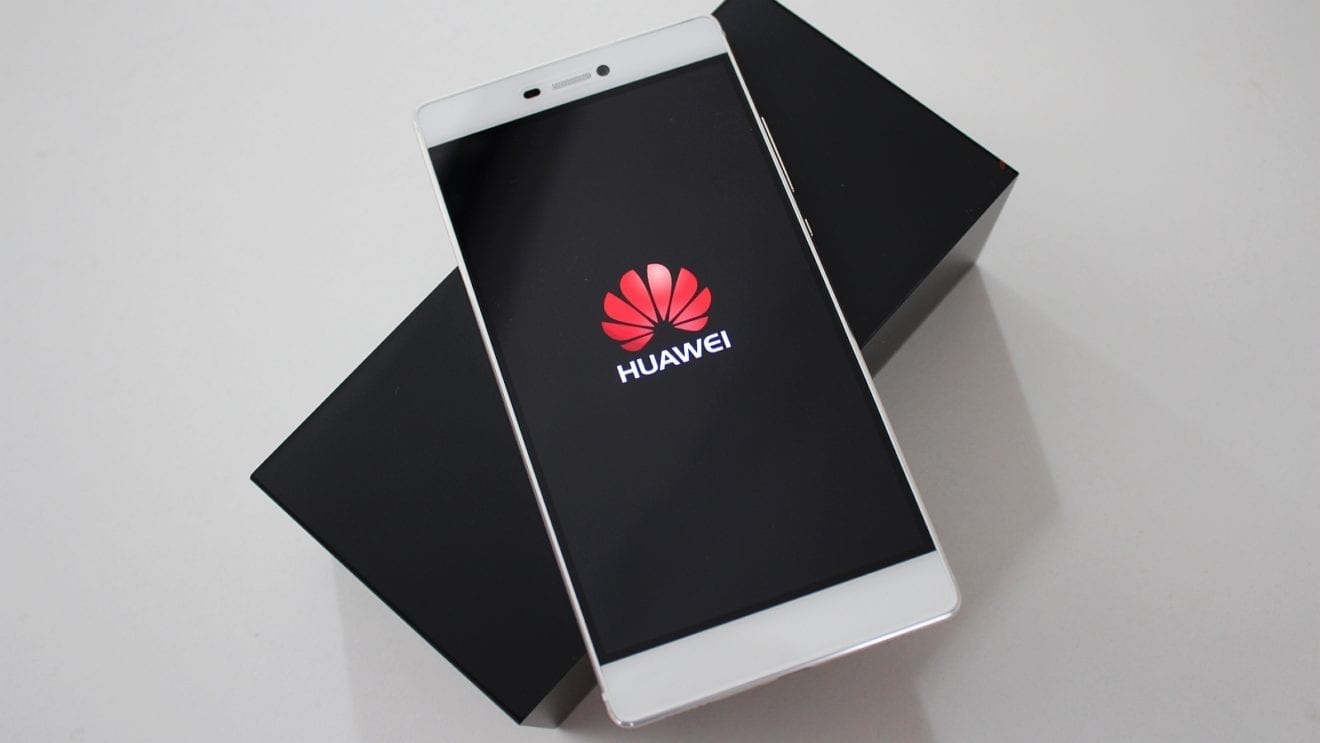
    Huawei and Vodafone have announced they reached 20Gbps wireless transmission rates during 5G field tests using high-frequency E-Band spectrum.

    The 5G mmWave field test covered both single and multi-user multiple-input multiple-output (MIMO) transmissions. The former achieved a 20Gbps EU peak rate, while the latter achieved a 10Gbps peak rate over a long range.

    Announcing the results, Huawei said this marks the first 5G outdoor field test using E-Band (71-GHz to 86-GHz) spectrum to reach the 20Gbps peak rate for a single user device targeted by ITU-R as a 5G requirement.

    The company said E-Band millimiter wave spectrum can be used as a complementary spectrum band to lower-band frequencies to deliver on the performance targets of the 5G standard.

    “This field test in an outdoor environment is a significant step in validating the performance of 5G in high frequency bands, improving our understanding of the capabilities of the technology,” Vodafone Group CTO Johan Wilbergh commented.

    Huawei rotating CEO Eric Xu added that 5G “will introduce full spectrum access to support AR, VR, Smart Automobile and other unknown new services,” and that “the joint trial of 5G mmWave connectivity in a real world radio propagation environment and co-existence of different radio links is encouraging.”

  • Store roll-out boosts Starbucks Asia

    Store roll-out boosts Starbucks Asia

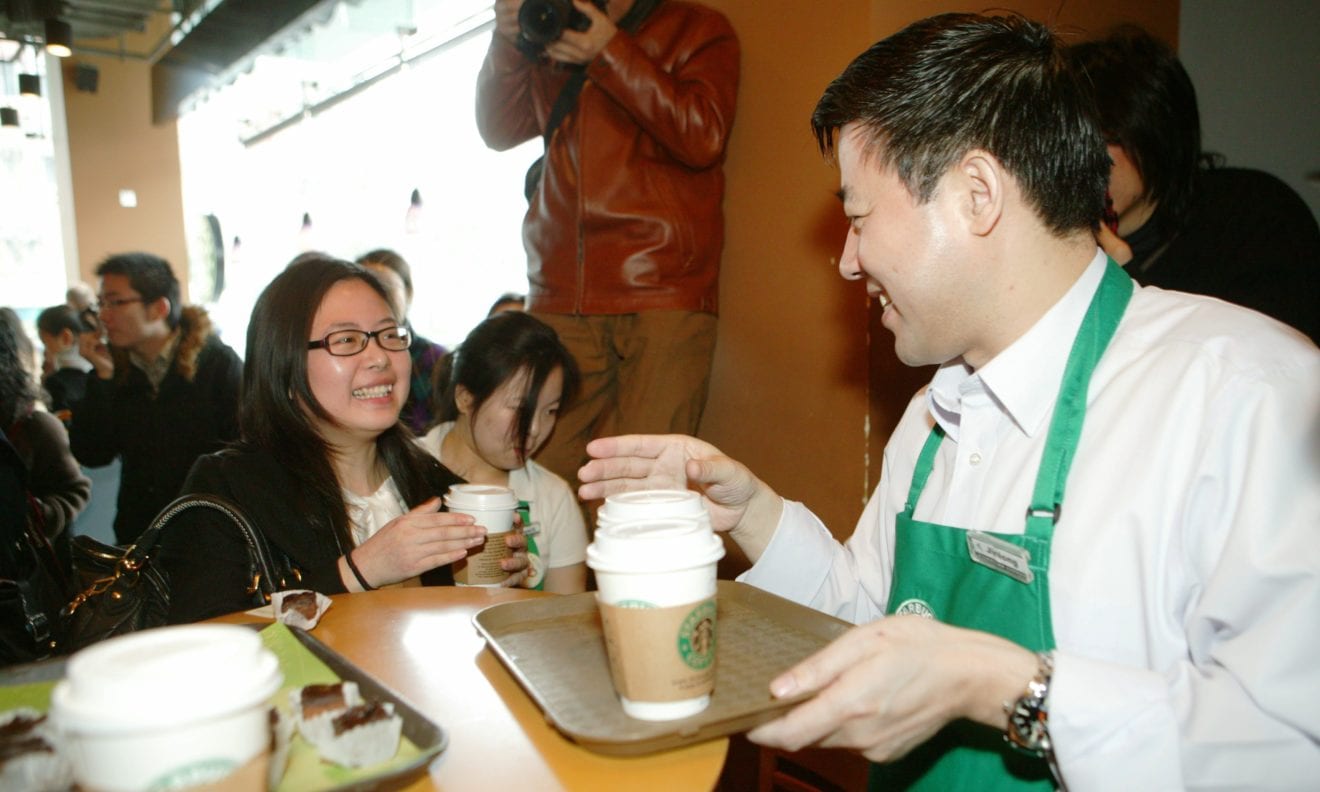
    A massive Starbucks Asia store roll-out has boosted the global coffee company’s third quarter results.

    Across China and the Asia-Pacific region, Starbucks opened 888 new stores in the first nine months of the current financial year. That helped lift revenues by 18 per cent in the region.

    However, underlying same-store sales were a far more modest 3 per cent up on the same quarter last year.

    “The concern is that some of this is related to a general slowdown in China which, if part of a longer term trend, could harm company earnings,’ observed retail analyst Neil Saunders, CEO of Conlumino.

    The company’s Channel Development division – which encompasses the sale of Starbucks branded products in grocers and other stores- also posted positive numbers, with revenues rising 9 per cent. This was aided by strong sales of single-serve Starbucks products following a new agreement with Keurig Green Mountain to push branded K-Cups into more channels. A new partnership with Nespresso to launch Starbucks-branded pods should provided a further uplift to this division in the quarters ahead.

    “Unfortunately, the stronger performances in Asia and in the Channel Development Segment were not enough to offset the weakness in the Americas, which remains larger than all other divisions combined,” said Saunders.

    “And therein lies the forward issue for Starbucks: it has to increase momentum in this part of its business if it is to get back into high growth territory and if it is to avoid a future squeeze on profits.”

    Globally, Starbucks seemed to lose momentum in the third quarter, with overall growth slowing to 7 per cent and global same-store growth moderating to 4 per cent – both below forecast.

    “Worryingly, the slowdown took hold across all regions with even the Americas division, which usually puts in a fairly robust performance, posting a lacklustre same-store increase of 4 per cent. The fact that the company appears to have run out of steam somewhat overshadows its nonetheless impressive achievement of breaking the $1 billion operating income barrier for the first time in a non-holiday quarter.”

  • Sales fall 19pc for L’Occitane International

    Sales fall 19pc for L’Occitane International

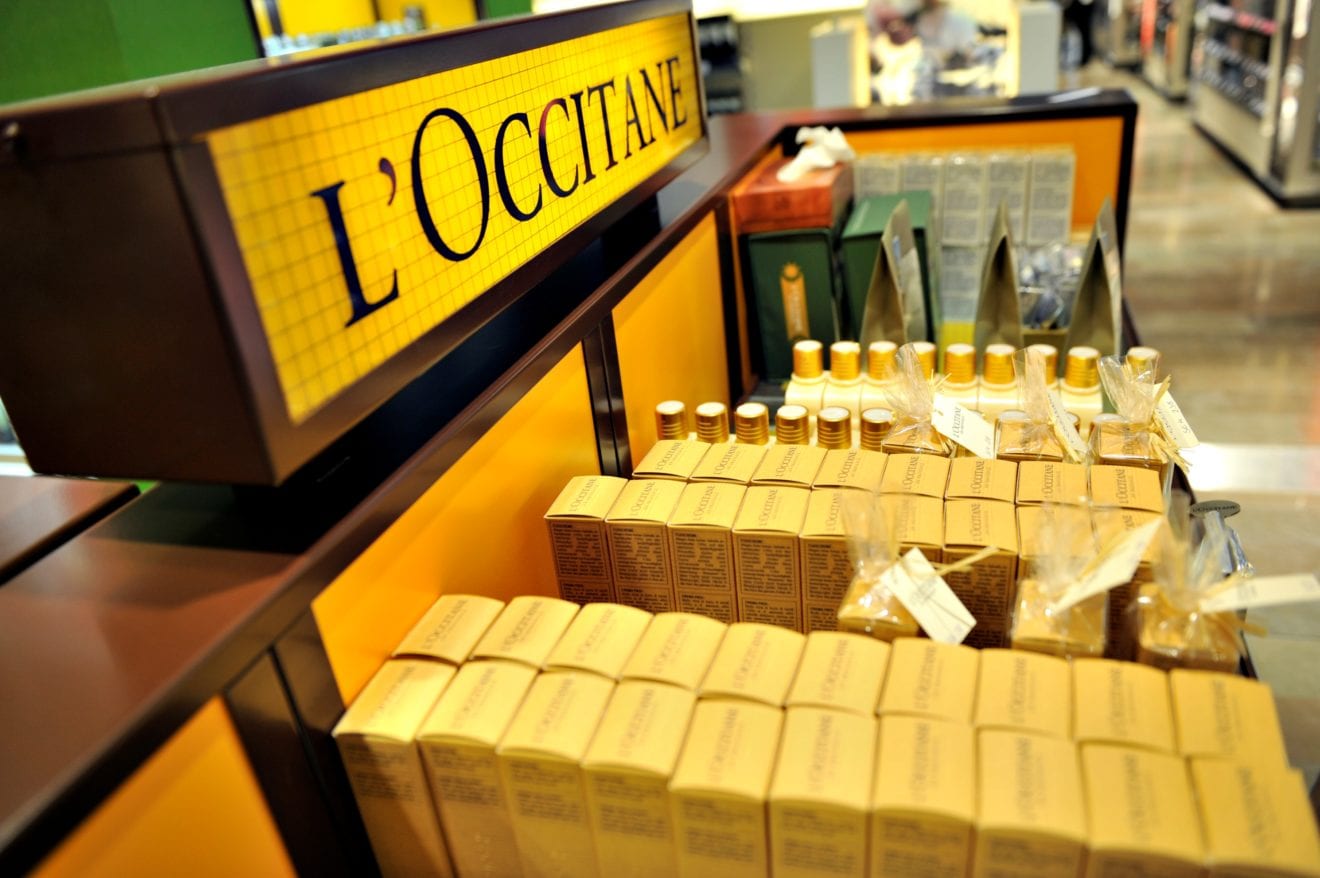
    A 19.8 per cent drop in sales in Hong Kong and Macau has been recorded by French skincare retailer L’Occitane International for its first fiscal quarter.

    This amounts to €22.8 million (MOP175.3 million/US$21.9 million), according to its filing with the Hong Kong Stock Exchange.

    Its same-store sales in the two regions for the three months ended June 30 dropped by 11.7 per cent year-on-year. The company had 33 stores in Hong Kong and three in Macau at the end of June.

    Total net sales reached €268.5 million for the period, down 2.2 per cent. Of the total, sell-out sales brought in €200.4 million.

    L’Occitane says the soft performance was because of “lower sales to travel retail operations in the Asia region” as well as the global economic downturn and overall unfavourable foreign exchange impact.

    Meanwhile, the company’s sales on the mainland decreased 5.3 per cent during the quarter to €24 million. Same-store sales, however, eased by only 0.4 per cent year-on-year.
    The company had 195 stores on the mainland at the end of June, eight more than at the same time last year.

  • Pokemon Go promotion backfires

    Pokemon Go promotion backfires

    Involving a celebrity with the Pokemon Go obsession may seem like a golden marketing opportunity, but for one Hong Kong shopping mall the combination has been a screw-up.

    Chrissie ChauWith the game not yet officially available in Hong Kong, actress Chrissie Chau claimed on her Facebook site that she would be the first to catch the augmented-reality (AR) game fever. With the heading “Exclusive Pokemon Go Real Live”, she announced she would do a live stream on Facebook.

    However, it turned out to be a video of Chau dressed in a Pokemon costume, pretending to be Pikachu. Later, some net users discovered that it was a promotional event Chau was working on with a shopping mall.

    This prompted an angry reaction from more than 10,000 internet users in Hong Kong, disappointed that it was just a gimmick and criticising the marketing stunt. Many used Facebook’s “angry” expression, and many left comments describing the the event as a “prank” and even a “PR disaster”.

    Meanwhile, McDonald’s Japan will be the first paying sponsor of Pokemon Go as the game launches there. It will be the first advertiser to test out Pokemon Go’s new sponsored location feature, reports Marketing magazine.

    With the fast-food chain confirming the collaboration, the game in which players use smartphones to search for virtual creatures layered over images of the real world is officially stepping into advertising. In return, McDonald’s Japan will host more than 3000 of its outlets as “gyms” or battle sites for players.

  • Eagle Gates Group plans Asia expansion

    Eagle Gates Group plans Asia expansion

    Eagle Gates Group plans to further expand its Asian retail business in the next five years. Eddy McClough, chief executive officer at Eagle Gates Group, says the group will continue to look at retail opportunities in Asia, with possible plans to establish new offices in the region.

    Eagle Gates Group’s history spans almost a decade and through careful stewardship and intelligent investment, the group has expanded to become one of the leading financial services groups across America and Europe.

    Eddy is positive about the outlook for the Asian market.

    “I see tremendous growth opportunities in the Asia Pacific region, especially the likes of China and Thailand. A number of partnership discussions are already underway. The foray into the Asian market reflects our commitment to growing the global footprint of Eagle Gates Group and gives us access to such an important investment market,” he said.

    Eagle Gates Group provides exchange traded funds and other products investing in indices, infrastructure and real estate. Eagle Gates Group also serves institutional investors who need to invest insurance or pension funds.

    In Asia, Eagle Gates Group has a Tokyo office which has been operational since 2013 but Eddy admitted its Asia business should be bigger.

    “The business in Asia Pacific now represents only single digits of our global business asset size. We are targeting a double digit in the next five years. Asia has a young population and a growing segment of wealthy individuals which would support future growth for the asset management industry,” he said.

    SOURCE Eagle Gates Group

  • End of the Line for Singapore Investors

    End of the Line for Singapore Investors

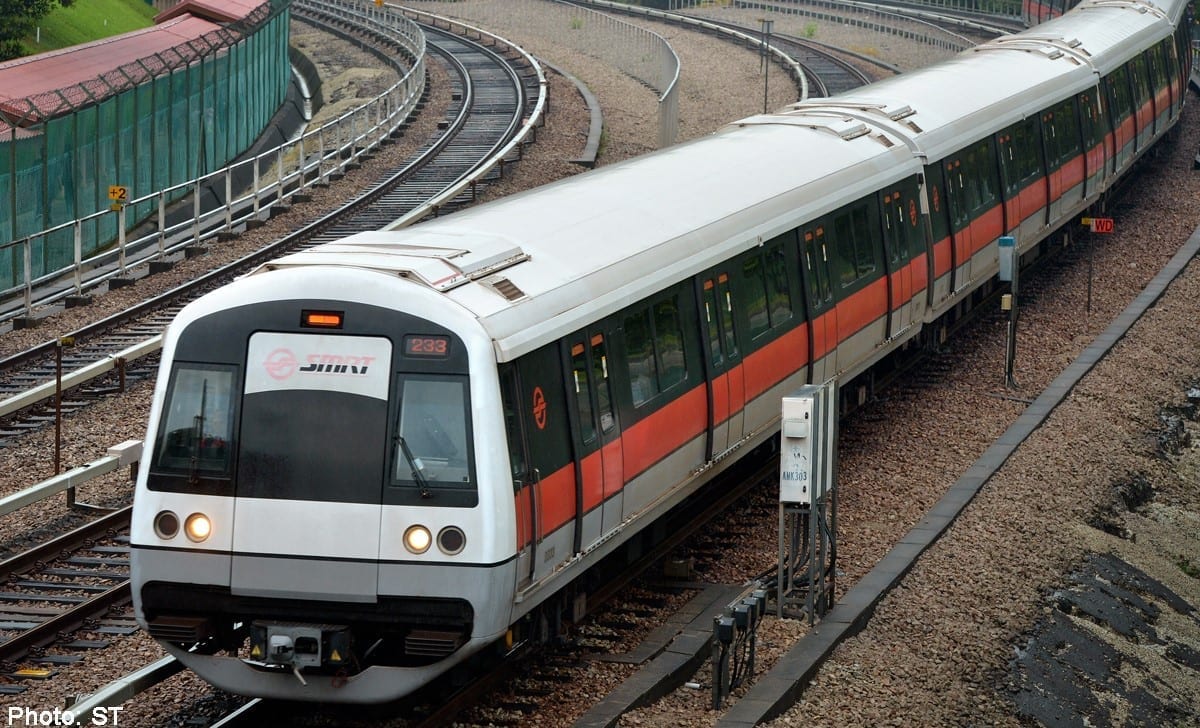
    This is where shareholders in Singapore’s subway network get off. And it doesn’t matter if some of them can’t quite see the platform. Leaving people stranded has become a hallmark of their company’s operations in recent years. Like back in January 2008, and then twice over three days in December 2011 when two passengers fainted, and again in July last year.

    Decent Ride

    Singapore subway operator SMRT has returned almost 600% since the SARS epidemic of 2003. But the ride is over. State investment firm Temasek, which owns 54 percent of SMRT, has offered S$1.68 ($1.24) to buy out the remaining shares. Minority shareholders should be grateful for the 8.7 percent premium over the last closing price. Considering the island’s transport regulator is taking away SMRT’s trains and signaling system for S$991 million ($730 million), which — after paying taxes and retiring debt — won’t even leave enough for a special dividend, the rump isn’t worth much more.

    Besides, as Smartkarma strategist Crispin Francis notes, the Land Transport Authority’s nationalization plan will see SMRT having to share with the government the outsize profit margin of about 60 percent it earns from rental income and advertising. That would be in exchange for a boost to the profitability of its core rail operation business, from a measly 1.1 percent to a more respectable 5 percent. Hardly a sweetheart deal.

    Temasek, though, should still come out okay. It owns 41 percent of the nation’s largest property developer CapitaLand, 25 percent of retailer A.S. Watson, and all of MediaCorp., the Singapore broadcaster with a large outdoor advertising arm.

    As Singapore upgrades its rail network to close the gap with Hong Kong, the value of the city-state’s droopy residential property could get a lift; there would be more underground locations for retail; and plenty of new walls for LCD displays. Temasek will indirectly reclaim at least some of what SMRT’s other shareholders will lose from nationalization. Since a part of Temasek’s returns are used to finance the government’s budget, this will complete a virtuous cycle.

    Maintaining the status quo would have created a vicious cycle. Private capital is loath to finance massive investments from which gains are likely to be so diffuse they can only be captured by a government or large, diversified investor such as Temasek. So while it’s been a good ride for SMRT shareholders, it’s time they got off. They can use the S$1.68 they’re getting for their shares to hail a ride home.

    *Originally posted at Bloomberg.

    To contact the editor responsible for this story:
    Katrina Nicholas at knicholas2@bloomberg.net

  • Boots to launch in south korea

    Boots to launch in south korea

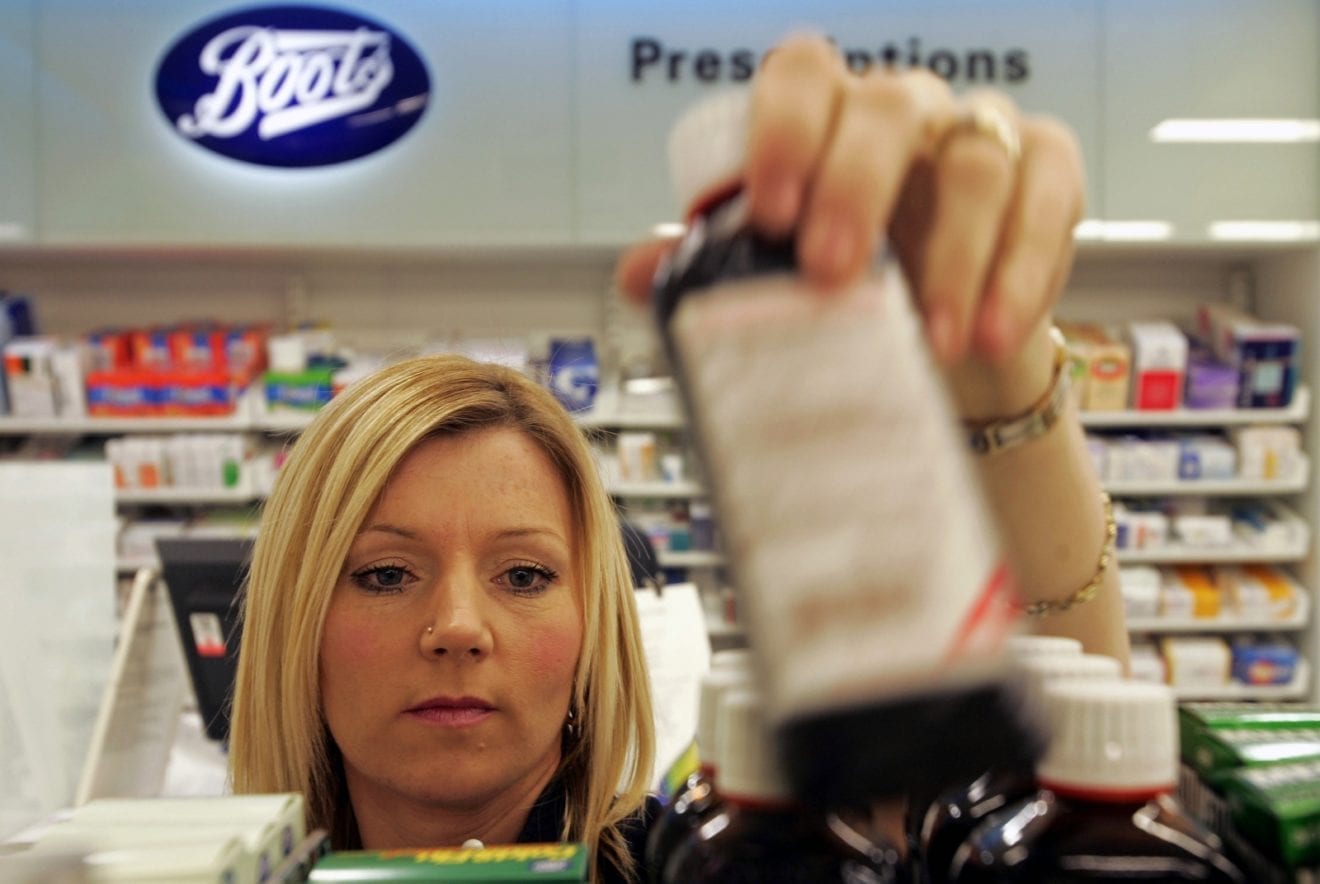
    Walgreens Boots Alliance, Inc. (Nasdaq: WBA), the first global pharmacy-led, health and wellbeing enterprise, today announced that it has signed an agreement to form a franchise partnership with Emart Company Ltd (a member of Shinsegae Group), South Korea’s number one hypermarket retailer. Together, they will create a Boots branded pharmacy-led, health and beauty retail franchise in South Korea.

    Under the terms of the agreement, Boots branded stores will be opened in shopping malls, on high streets and within the outbound areas of Shinsegae department stores and Emart hypermarkets. The Boots stores will each feature an independent pharmacy and a range of Boots owned products and ‘exclusive to Boots’ brands as well as leading Korean brands.

    “South Korea is considered a leading market for skincare and cosmetics products in Asia today.  We believe there is a significant opportunity to extend the reach of Boots own brands into this market and are thrilled to be doing so with Emart,” said Ornella Barra Co-Chief Operating Officer of Walgreens Boots Alliance. “Emart is the preeminent retailer in South Korea and their strong experience as well as their marketing expertise gives us great confidence in the long-term potential of this partnership.”

    “We are delighted to have the opportunity to introduce the Boots brand, and offer pharmacy care as well as acting as a beauty and healthcare destination by also offering a wide range of both Korean and Boots product brands.” said Gab-Soo, Lee, CEO of Emart Inc.

    The first stores are expected to open before the end of the first half of calendar year 2017 and will include Boots highly regarded and exclusive No7 and Soap & Glory products.