Tag: asia

  • Turnover falls for Sa Sa International

    Turnover falls for Sa Sa International

    Sa Sa sales are slowing, despite an improvement in Mainland Chinese visitor numbers.

    Retail and wholesale turnover for cosmetics retailer Sa Sa International Holdings fell by 5.7 per cent for the first quarter to June 30, according to unaudited data.

    Turnover dropped 5.4 per cent to HK$1384.9 million (US$178.585 million) in the Hong Kong and Macau markets, while same-store sales decreased by 4.8 per cent. While there were only slightly fewer transactions, their average value fell 5.7 per cent.

    In other markets, including China, Malaysia, Singapore and Taiwan as well as Sasa.com, retail and wholesale turnover dropped 7 per cent to HK$1717.1 million for the quarter.

    While still in decline, the group’s retail sales in Hong Kong and Macau recorded a notable improvement compared to the last quarter of the last financial year, the company attributing this to traffic growth of 2.7 per cent among mainland customers.

    “Their consumption continued to be on the weaker side, with spending declining by 6.4 per cent per transaction. Local consumption sentiment remained sluggish,” says the company.

    Improved sales performances were partially because of the group’s efforts to adjust product offerings to meet market demand.

    As at June 30, the company had 112 stores in Hong Kong and Macau, a drop of one from the start of the quarter. At 55, there were two fewer stores on the mainland, Singapore was steady at 23 stores, Malaysia’s 67 stores included had one more outlet, and Taiwan also lost a store for a total of 31. Overall, the company had 288 stores, down from 291.

    Sales performance during the period was affected by a series of factors, says the company, so the data for the period may not be able to reflect the overall performance of the reporting period.

  • McDonald’s Philippines targets 900 stores

    McDonald’s Philippines targets 900 stores

    Local franchisee, Golden Arches Development, expects McDonald’s Philippines to reach 500 stores in 2016 and 900 in coming years.

    Golden Arches VP for marketing Margot Torres said in an interview, “We are going to hit the 500 stores before the end of the year because we had 494 as of June,.”

    He added that plans would depend on the opening of shopping malls in the country.

    Due to construction delays, the 500 store count originally set in 2015 was moved to mid-2016.

    Torres said Golden Arches, which opens 40 stores every year, has seen strong sales for  McDonald’s since the second half of 2015, when celebrities Maine Mendoza and Alden Richard endorsed the brand.

    “There is still room for growth in Metro Manila but [there] is also huge potential for expansion outside Metro Manila, particularly in the Visayas and Mindanao,” Torres said.

    With convenience stores’ affordable meals posing a threat to the fast-food industry, McDonald’s is boosting its game by focusing on its online delivery.

  • SCR Corp set to move into Indonesia

    SCR Corp set to move into Indonesia

    Sarawak (Malaysia) restaurant chain SCR Corp is set to move into Indonesia, first targeting Pontianak in Borneo as well as Jakarta.

    GM (franchising and strategic planning) Johnny Leo Lee Boon says the company is ready to launch its franchise business once potential partners have secured prime locations in the two cities. He says business groups from Pontianak and Jakarta have visited Sarawak several times to study the chain’s franchise business model.

    “They have come up with proposed secondary locations to set up SCR restaurants that we find may not be ideal,” he says. “We advise them to look for strategic prime locations where there are good daily crowds… The ball now is in their court.”

    Leo says Jakarta has more than 70 malls that are ideal for F&B, while Pontianak with its population of about 1.6 million people could also support the franchise.

    SCR, which celebrates its 30th anniversary next year, owns 36 restaurants and has 19 franchised outlets in Sarawak, Sabah, Labuan and Brunei. Fourteen of the owned outlets and five franchises are in Kuching. The menu features 110 local and western dishes and beverages, with Singapore chicken rice the signature dish.

    Leo says SCR is also in preliminary talks with a company in the Philippines about franchising, and its executives are expected to visit soon.

    Meanwhile, SCR will soon open its first franchise outlet in Lawas, northern Sarawak, and there are expansion plans to to Kapit once the road link is ready.

    “The food business market in Sarawak is saturated,” says Leo. “We are consolidating and limiting the number of outlets in certain towns. Our focus is to expand our franchise business to more countries in Asean.”

  • Galleria Duty Free 63 opens in Seoul

    Galleria Duty Free 63 opens in Seoul

    Galleria Duty Free 63 has been officially opened – and it’s offering more than just duty free products.

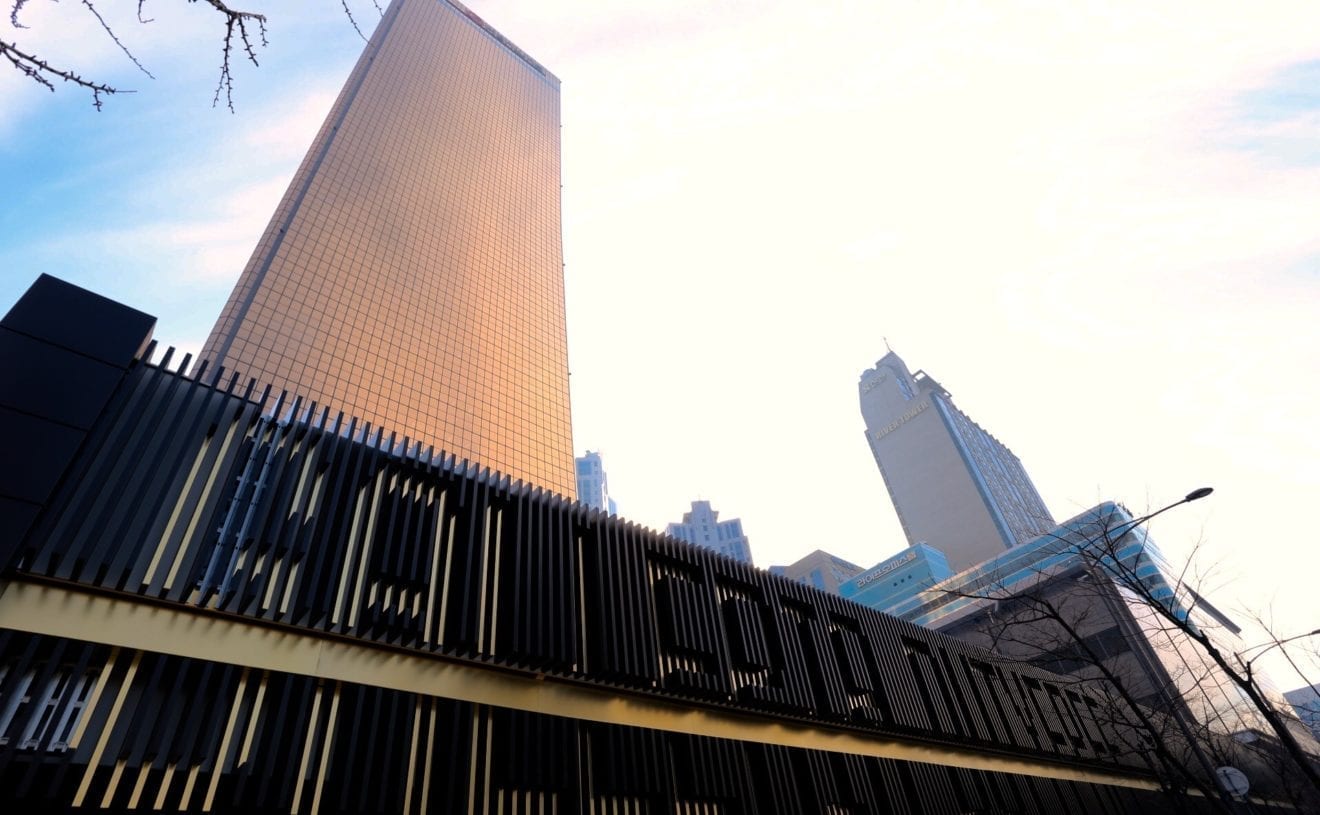
    The new duty free store, located in Seoul’s iconic 63 Building, is operated by Hanwha Galleria, a subsidiary of Hanwha Group. Since its ‘Free Opening’ last December, the store has recorded daily average revenue of between 600 million and 700 million won, which the company expects to reach to 1 billion won (US$880,000) in the third quarter of this year.

    But what is most intriguing about the latest duty free branch is its 63 Building-based tourism content that visiting shoppers can take advantage of.

    The 63 Building, also owned by Hanwha Group, houses an observation deck overlooking the capital, and 63 Sea World, an aquarium that was recently renovated and renamed to AquaPlanet 63. Galleria Duty Free 63 has incorporated the building’s touristic elements and started operating tourism packages for its shoppers at the beginning of July.

    Hanwha Galleria also joined hands with Chinese conglomerate Wanda Group to establish a new marketing partnership. Wanda Group currently has some 120 million subscribers in China, and it will be joining Hanwha Galleria’s marketing campaigns to reshape the store into the next big tourist attraction for Chinese vacationers in Seoul.

    “Although the distribution industry has seen better times, we expect Hanwha Galleria to contribute to the Korea tourism industry with its distinctive duty free enterprise,” said Kim Seung-youn, CEO of Hanwha Group, who visited the store on Thursday.

    The new store currently features 540 brands, from luxury labels like Gucci, Coach, and Michael Kors, to brands that are exclusive to Galleria Duty Free 63, such as Stefano Ricci and Golden Goose. More brands including Chanel Cosmetics and Bottega Veneta will be joining the branch in coming months.


  • Bruno Magli to launch in China and Japan

    Bruno Magli to launch in China and Japan

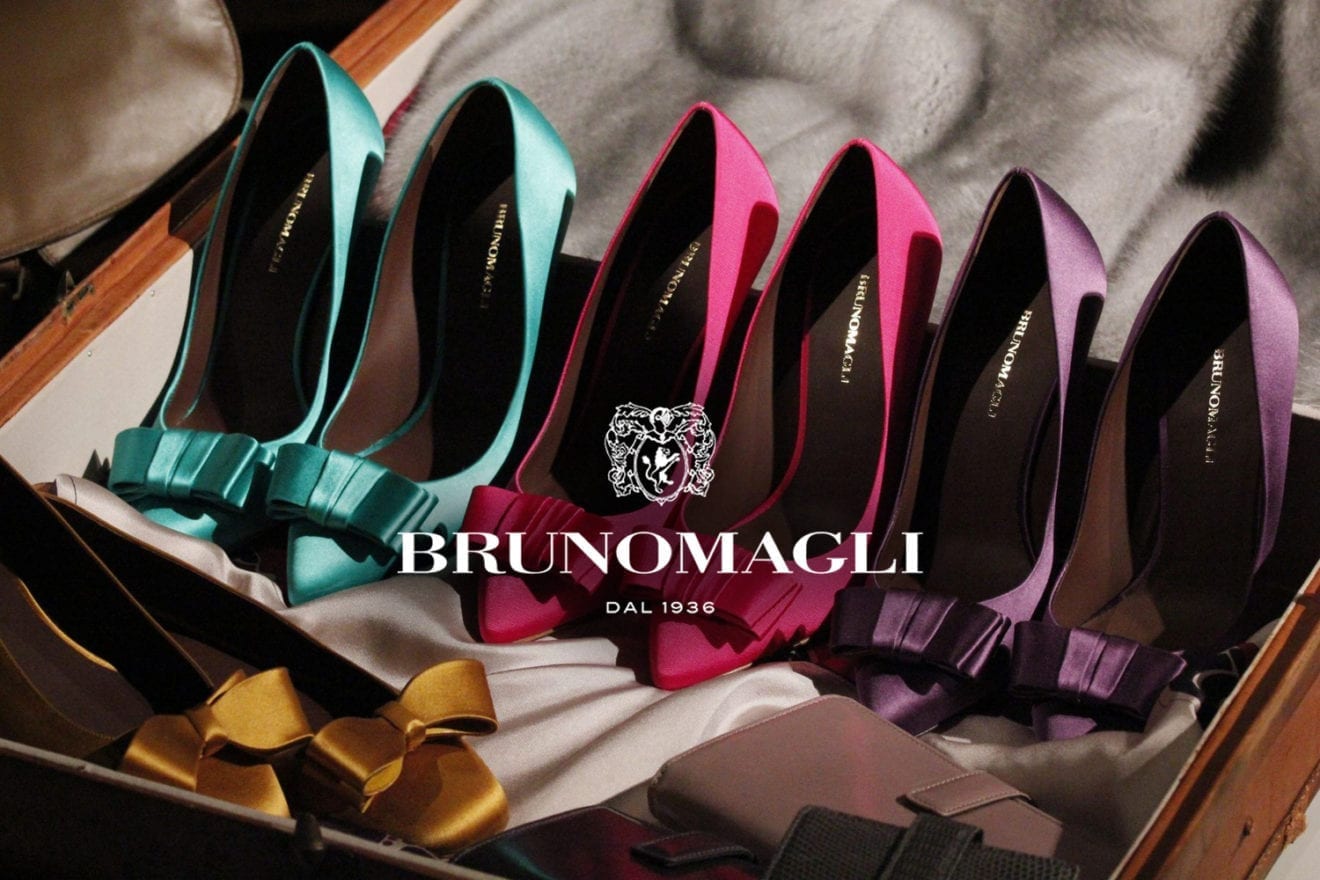
    Bruno Magli Hong Kong will launch in August as the Italian luxury brand signs partnerships in China and Japan, paving the way for a focussed Asian expansion.

    The luxury Italian fashion brand has signed new partnerships in Asia with Sitoy Retailing in China and Bruno Magli Partners in Japan. With these partnerships, coupled with its existing legacy business in South Korea, Bruno Magli believes is is positioned to become one of the leading luxury lifestyle brands in Asia.

    Sitoy Retailing will open the first Bruno Magli shop-in-shop in the Sogo department store at Causeway Bay in Hong Kong in August, to be followed by at least 15 mono-branded stores throughout China. In September, Bruno Magli Partners will launch an eCommerce business in Japan, a historic market for Bruno Magli loyalists. Physical stores will start to open from 2017.

    “Bruno Magli has a classic Italian heritage with 80 years in luxury and a reputation for unique design and quality craftsmanship” said Andrew Yeung, executive director and head of retailing at Sitoy Group.

    “With 55 years in Japan, Bruno Magli has built a brand synonymous with classic styling, quality craftsmanship, and exceptional comfort,” said Kyle Nakamura, president at Bruno Magli Partners.  “As investors, [we] are confident that Bruno Magli will continue to grow as a leading lifestyle brand in the Japanese market.”

    The Italian brand plans to launch an “extensive” fall/winter 2016 global advertising campaign, coinciding with the re-launch of Bruno Magli women’s footwear, with actress Lucy Liu as the category’s brand ambassador.

    Other new categories set to launch for holiday include men’s tailoring, men’s bags and small leather goods, men’s hosiery, women’s handbags, and men’s and women’s timepieces.

    “This is an incredible time for Bruno Magli,” said Cory M Baker, COO of Marquee Brands, parent of Bruno Magli. “As we celebrate the brand’s 80th anniversary, our expansion into China and Japan with these strategic partners will help solidify our global growth with an already loyal customer base.”

    Sitoy Group was founded by Michael Yeung in the 1970s and was listed on the Stock Exchange of Hong Kong in 2011. It has been actively developing the Greater China retail market since 2011 for Tuscan’s, a leather goods brand from Italy, with retail outlets in major cities including, Shanghai, Guangzhou and Chengdu, while simultaneously expanding a select distribution network into secondary and tertiary cities.

    Marquee Brands is a brand acquisition, licensing and development company, sponsored by Neuberger Berman Private Equity, which targets high quality brands with strong consumer awareness and long-term growth potential.

  • Revenue up but profit down for Fast Retailing Group

    Revenue up but profit down for Fast Retailing Group

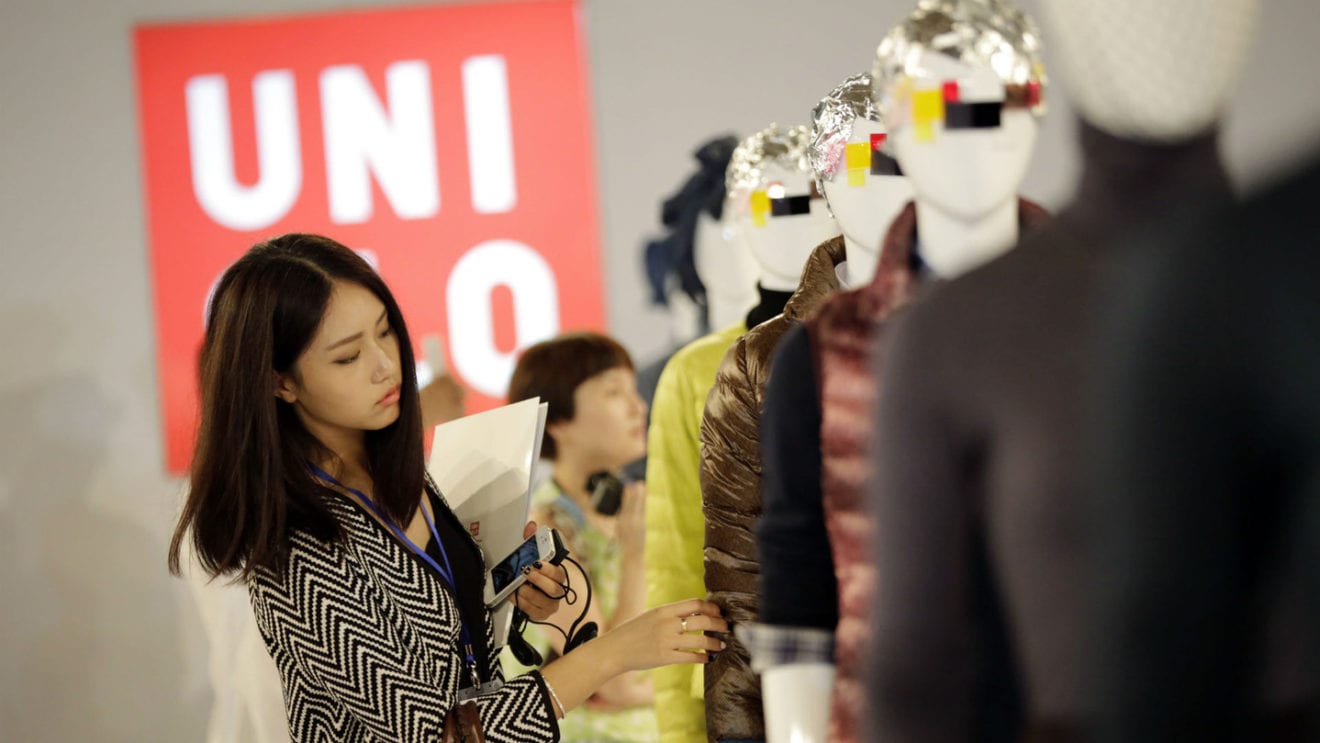
    Revenue rose but profit fell for Uniqlo parent The Fast Retailing Group for the first nine months of its latest fiscal year, from September 1 last year to May 31.

    Consolidated revenue for the group reached ¥1.4346 trillion (US$215 billion), a rise of 6.4 per cent year-on-year.

    For its three business segments, Global Brands saw both revenue and profit rise, while both Uniqlo Japan and Uniqlo International had more revenue but less profit.

    Foreign-exchange losses were down ¥43.4 billion to ¥23.4 billion, resulting in consolidated profit before income taxes dropping by a considerable 41.9 per cent.

    However, consolidated revenue rose 6.2 per cent and consolidated operating profit grew by 18.6 per cent, thanks to a recovery in performance at both Uniqlo Japan and Uniqlo International.

    The group continued to boost Uniqlo store numbers, opened global flagship stores and large-format stores in major cities, and also expanded its low-priced GU casual fashion brand.

    On the product side, Fast Retailing sought to boost awareness and visibility of the Uniqlo brand through collaborations with designers and artistic directors from other brands.

    In April, the company launched a next-generation distribution centre in Tokyo, and is pressing ahead with plans to open distribution centres elsewhere in Japan as well as internationally, starting in China and the US.

    There are also plans to accelerate GU store openings outside Japan.

    In Japan, the eCommerce segment continued to grow strongly, with online sales rising 40.6 per cent to 5.5 per cent of total sales. On-ground stores increased by two to 846 at the end of May, including 39 franchise stores.

    Recovery

    Uniqlo International’s revenue for the nine months reached ¥532.8 billion (up 10.6 per cent) while its operating profit of ¥42.2 billion was an 18.7 per cent fall. However, both revenue and profit grew in the third quarter (March to May) by 5.3 and 41.1 per cent respectively.

    Profits recovered for Uniqlo Greater China (including Hong Kong and Taiwan) while Uniqlo Southeast Asia and Oceania (Australia, Indonesia, Malaysia, Singapore, Thailand and the Philippines) continued both revenue and profit growth.

    Uniqlo South Korea continued to struggle, losing profits in the face of a sluggish economy and increasingly fierce competition.

    The total number of Uniqlo international outlets grew by 161 to 928 stores.

    Under its CSR policy, Uniqlo joined the Nippon Foundation opening the Tsurumi Children’s Hospice in Osaka in April. This is for children with life-threatening illnesses and is the first community children’s hospice in Japan.

    Following the Kumamoto earthquake this year, Fast Retailing provided emergency clothing for victims, donating 13,600 items such as underwear, socks and loungewear.

    WIth its global partnership with the United Nations High Commissioner for Refugees (UNHCR), helped collect clothing for refugees and displaced persons on World Refugee Day. A special project exceeded its goal of collecting 10 million articles of clothing with a total of 12.81 million items. This involved 112 affiliated companies in 846 locations, 238 educational institutions, 28 student organisations, and communities in 16 countries and regions in which Uniqlo has business.

  • M1 profit falls 7.2% in H1

    M1 profit falls 7.2% in H1

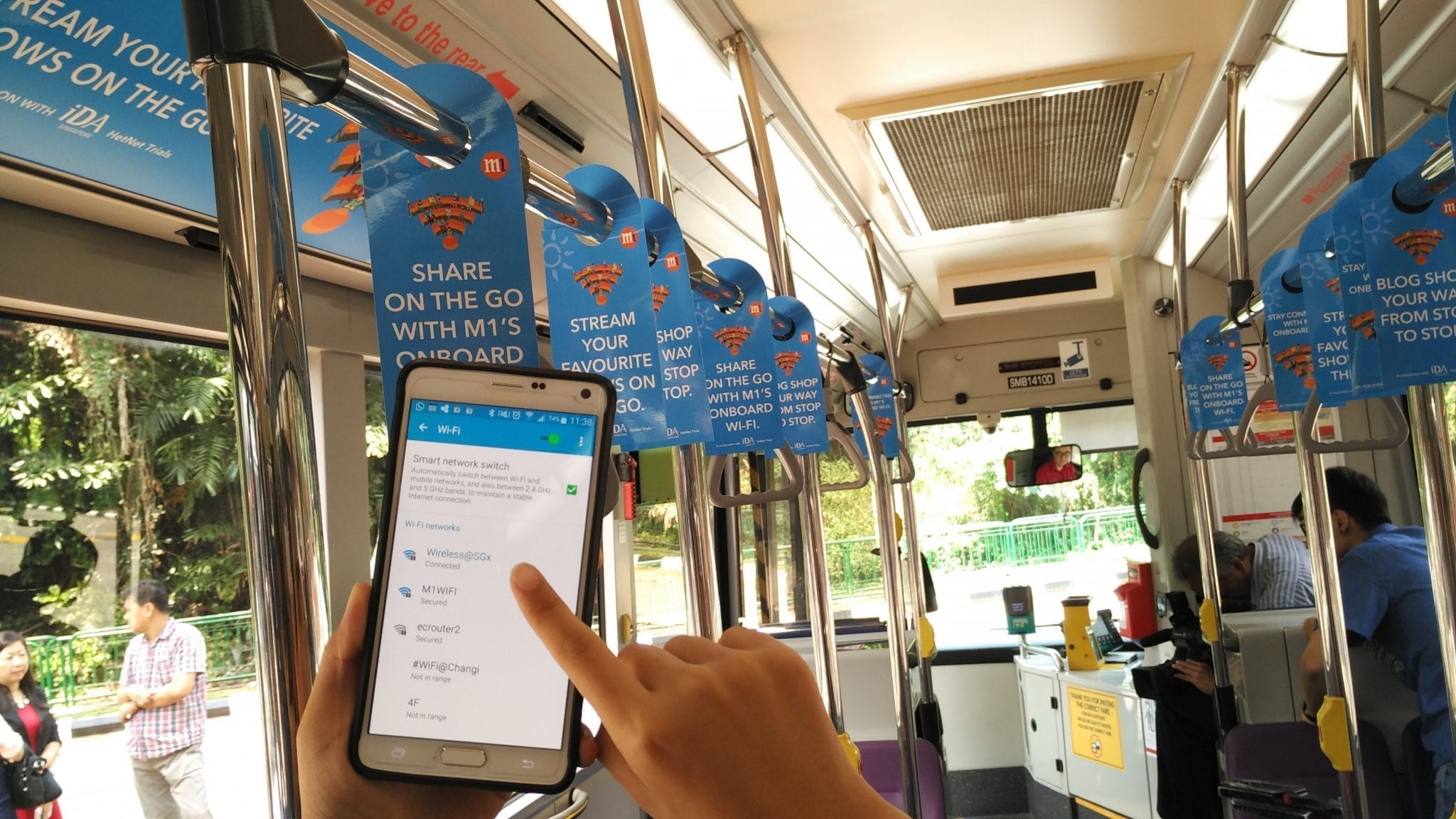
    Singapore’s M1 has reported a 7.2% year-on-year decline in net profit for the six months ended in June, partly as a result of a 44% slump in handset sales.

    The operator reported a net profit of S$83.5 million ($61.8 million), on the back of flat revenue of S$407.3 million.

    While M1 added 14,000 postpaid and 24,000 prepaid customers during the six month period, bringing its total mobile customer base to 1.98 million, total handset sales fell to S$91 million. For the second quarter, handset sales declined by 50% year-on-year to S$36 million.

    Mobile data’s contribution to total revenue increased by 9.1 percentage points to 54%, with average postpaid mobile data usage growing by 100MB year-on-year to 3.3GB.

    On the fixed line front, service revenue grew 26.7% to S$50 million, or 12.3% of service revenue. M1 added 9,000 residential and corporate fiber customers in the first half, bringing its base to 145,000.

    Based on the current economic outlook, M1 announced that it now expects a single-digit decline in net profit for the full year 2016.

    “We are investing in new technologies and capabilities, and building up a portfolio of digital solutions to enhance our service propositions and cater to changing customer needs,” M1 CEO Karen Kooi commented.

    “While expenditure is incurred upfront, meaningful contribution will only be upon achieving scale in service adoption over future years.”

  • SoftBank arranges to buy ARM for $31b

    SoftBank arranges to buy ARM for $31b

    SoftBank has entered a deal to buy chipmaker ARM for a whopping $31 billion to help cement the company’s future in the burgeoning IoT sector.

    The boards of both SoftBank and ARM have unanimously recommended the proposed deal to buy out 100% of ARM and turn the company into a wholly-owned SoftBank subsidiary.

    The proposed buyout of UK-based ARM is the third largest proposed corporate merger of the year, and the first major deal in the UK since the Brexit vote, which has pushed down the value of the British pound to make the prospect more enticing for SoftBank.

    ARM’s core business of designing chips for mobile devices alone does not justify the high purchase price, which is more than 70 times the company’s net earnings for 2015. The company generated a mere $1.5 billion in revenue last year.

    But to counter slowing smartphone sales, ARM has been seeking to diversify into other sectors by designing chips for IoT devices, and this is where SoftBank’s interest in the company lies.

    Speaking at a press conference announcing the proposed merger, SoftBank CEO Masayoshi Son said the IoT is expected to be the “biggest paradigm shift in human history,” and that the investment marks a move to enter at the ground floor of this shift.

    Presentation materials prepared for the deal indicate that 14.8 billion ARM-powered SoCs shipped in 2015. The company is particularly targeting the consumer electronics, enterprise infrastructure, automotive and embedded intelligence segments.

    The deal still requires approval from ARM shareholders and English courts, but subject to these approvals is expected to close in the current calendar quarter.

  • HKBN awarded MVNO license

    HKBN awarded MVNO license

    Hong Kong ISP HKBN has secured a license from telecoms regulator OFCA to offer MVNO services in the market.

    OFCA has granted HKBN an expanded services-based operator license to allow the company to offer mobile services using the infrastructure of established mobile network operators.

    The company has signed an agreement with China Mobile Hong Kong, and is in discussions with two other mobile operators, with the goal of launching mobile services for both residential and corporate customers.

    HKBN said it expects to soft-launch mobile services in as early as August this year to complement its existing fixed line services.

    With the addition of MVNO services the company will be able to introduce quad-play offers combining broadband, fixed line telephone, OTT entertainment and mobile services in the same package.

    “This is a strong move to maximize shareholder value by offering a full suite of fixed and mobile services, leveraging our quickly expanding broadband customer base of over 800,000 households,” HKBN CEO and co-owner William Yeung said.

    “Replicating our success in the fixed broadband market,our mobile service will come with strong value propositions, aiming to delight customers with the best customer experience at highly competitive prices.”

    HKBN recently announced that the majority of the company’s supervisory and management-level employees have now invested in the company under its co-ownership program.

  • CapitaMall Xinduxin & Laguardalow works together on mall design

    CapitaMall Xinduxin & Laguardalow works together on mall design

    A new six-storey CapitaLand shopping centre in Qingdao, China, was designed by New York design and planning firm Laguarda.Low Architects.

    CapitaMall Xinduxin comprises a six-level above-ground retail centre, two levels of below-ground retail, and two levels of underground parking.

    Covering more than 1.7 million sqft (157,935 sqm), it is the first international large-scale shopping centre in Qingdao. It has a direct link to Qingdao’s new M3 subway line.

    Laguarda.Low’s concept is an exterior form of interconnected bands along the plane of the facade. The fluid form is accentuated by banded metal-panel cladding on the upper levels, as well as red accent panels and inset LED signage. At ground level, the curtain-like metal facade lifts away from a double-height glazing to reveal activities within the mall.

    Throughout each level, warm and light materials set the tone for a sophisticated and serene environment. The sinuous corridors and expansive floor openings at each level encourage circulation and provide views to the upper levels.

    At the sixth level, a dramatic diagrid roof structure filters in natural light. The varying apertures of the pattern work to maximise daylight for several key spaces, while minimising light for more intimate environments. The resulting variation in pattern evokes the feeling of walking beneath a canopy of trees.

    Indoor garden

    At the fifth and sixth levels, a central, double-height atrium space is completed with lush plantings to create an indoor garden.

    “The design focusses on creating a relaxing shopping experience for guests,” says Laguarda.Low Architects principal Pablo Laguarda. “To achieve this, we positioned key elements like the dining and entertainment spaces on the upper levels, next to the interior garden. This provides a perfect respite from the high energy of the shops and street below.”

    As well as fashion and lifestyle retailers, CapitaMall Xinduxin includes a cinema, dining options and more than 1000 parking spaces.

    Founded 16 years ago, Laguarda.Low Architects is an award-winning architecture practice with a global portfolio including large-scale master plans, mixed-use developments, office and residential towers, hotels, and retail centres. Its projects include OCT Happy Harbor in Shenzhen, a shopping and entertainment destination of 3.2 million sqft overlooking Shenzhen Bay.

    Singapore-headquartered CapitaLand is one of Asia’s largest real-estate companies.

  • Alibaba introduces IP collaboration platform

    Alibaba introduces IP collaboration platform

    Alibaba Group has launched an online platform designed to streamline IP-related communications between brands and Alibaba.

    The new IP Joint-Force System aims to build greater and more collaborative working relationships with global brands as the company strengthens its efforts against counterfeits and IP infringement.

    “E-commerce has become a way of life for consumers both in China and around the world. As the internet sector continues to evolve, brands and online marketplaces alike face new IP enforcement challenges,” said Jessie Zheng, chief platform governance officer at Alibaba Group.

    With over a billion products listed across Alibaba Group’s marketplaces at any given time, its data analytics and processing technologies enabled the company to proactively remove more than 120 million infringing product listings from its marketplaces in 2015, which it said is eight times the number of counterfeit products removed based on takedown requests from brands.

    Under the new IP Joint-Force System, each participating brand will be assigned a dedicated online portal and Alibaba account manager to enhance collaboration, heighten transparency around IP enforcement efforts, and reinforce mutual understanding and trust.

    The system will also enable Alibaba to directly and efficiently seek information from rights holders regarding suspected counterfeit product listings, which Alibaba, as a third-party marketplace, is unable to authenticate on its own with full certainty.

    Alibaba will then initiate the Good Faith Takedown process and immediately remove the listing without required subsequent correspondence with the brand.

    Alibaba recently held the inaugural Rights Holders Collaboration Summit to engage international brands and the intellectual property enforcement community to enhance collaboration in the collective fight against IP infringement.

    More than 100 domestic Chinese and international brands and trade associations attended the event, including Louis Vuitton, Burberry, Apple, Mars, Hewlett-Packard, the Chinese-British Business Council (CBBC) and the Quality Brand Protection Committee (QBPC), among others.

    “The Rights Holders Collaboration Summit and new IP Joint-Force System are some of the many ways Alibaba is working closely with rights holders in our efforts to eradicate counterfeits both online and offline,” Zheng said.

  • Maybank debuts m-banking in Cambodia

    Maybank debuts m-banking in Cambodia

    Maybank has introduced its mobile banking app in Cambodia as part of efforts to strengthen its presence in the country.

    The app is the first in Cambodia to offer augmented reality and a QR code reader. A similar app was launched in Malaysia in 2014.

    Maybank group head of community financial services Datuk Lim Hong Tat, who launched the new app in Phnom Penh, said that internet banking has become a trend for many digitally savvy Cambodians who are increasingly comfortable transacting over this channel.

    Maybank’s online banking channel, namely M2U, which was introduced in Cambodia in 2012, is seeing robust growth with its registered user base increasing by over 50% within a year, and the volume of transactions has also risen by over 50% from 2014 to 2015,” said Lim.

    Lim said that with the launch of mobile banking app, customers in Cambodia will enjoy enhanced customer experience and greater speed when undertaking banking transactions over their mobile phones.

    “With the mobile banking app, Maybank customers can check their account balance, including all debit card purchases and perform simple transactions anytime, anywhere, alleviating the need for trips to our branches,” Lim explained.

    Other features offered by the app include the ability to send money to anyone with a mobile phone number – such transactions allow for cash to be withdrawn at any Maybank ATM without using an ATM card.

    The augmented reality branch locator tool allows customers to scan their surroundings and follow onscreen directions. It also detects nearby ATMs and promotions exclusive to the Maybank customer.

    The in-app QR code reader as well as loan calculator is available for public use, even if they are not yet a Maybank customer.

    Maybank Cambodia currently operates a network of 21 branches throughout the country complemented by 40 self-service terminals.

  • Cool Kids Fashion featuring 70 brands

    Cool Kids Fashion featuring 70 brands

    Today’s Chinese kids are increasingly being dressed to a fashion.

    “The demand for the children’s wear in China has shifted from fulfilling basic needs to pursuing fashion and style,” says marketing director Aber of Shenzhen Perseus Brand Management, an exhibitor at Cool Kids Fashion Shanghai this week.

    “Nowadays, Chinese kids want to look ‘cool’ and ‘chic’, so we have incorporated these elements into our products.”

    Differentiation by style, branding and marketing has become more important as demand rises, says Kidswant Children Products product centre director Pinky Lu. “Low prices are no longer effective in securing market share; conversely, the ability to suit personal taste differences is becoming more important.”

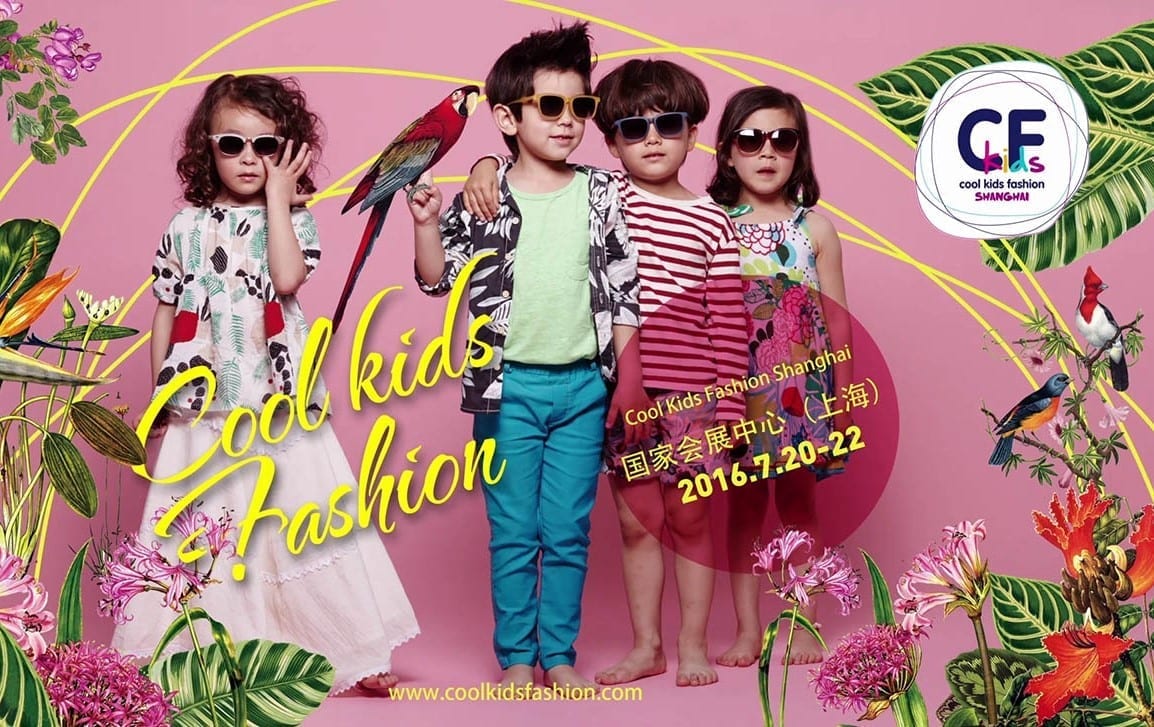
    More than 70 global fashion brands will be showcasing their latest product at the third edition of Cool Kids Fashion Shanghai, being held concurrently with CBME China from July 20 to 22.

    Fierce competition

    With fierce competition in the children’s fashion market in China, brands are constantly pushing out new products, says Baodaxiang Shopping for Kids Group procurement manager Yanjing Wang. “The new generation of consumers is more interested in style, brands and value for money.”

    Among the brands at Cool Kids Fashion will be B. Duck (Hong Kong), CCILU (Japan), Cocolico (France), Lab by Baby (Korea), Metro Kids Company (Portugal), Mim-Pi (Netherlands), Overkids (Italy), RIA (Spain), Shadez (Switzerland) and Tip Toey Joey (Brazil). The event will bring together distributors, department stores and property developers, franchisees and fashion buyers.

    There will also be events highlighting trends, creativity, innovation and talent.

    Trend forum speakers include WGSN creative director Zhang Yiling and H&M visual merchandising manager Raj.

    Twenty shortlisted aspiring designers out of 1035 contestants will have their designs and creations displayed at the Kids Design Contest Gallery, followed by a runway showcase.

    Brands featuring in the fashion shows include Angel’s Face (UK), BabyBol (Spain), Blaa (Finland), Maya (US), PennyScallan (Australia) and Teddy Doctor (China).

    Meanwhile, CBME China will showcase baby, child and maternity products. The two shows will cover 223,305 sqm, featuring 3673 brands from 2366 suppliers, at the National Exhibition and Convention Center (NECC) in Shanghai.

    Design is one of the most important factors when parents buy children’s clothing, according to the UBM China Baby Products Market Consumer Research Report 2015.

  • Wrap & Roll Vietnam gets capital injection

    Wrap & Roll Vietnam gets capital injection

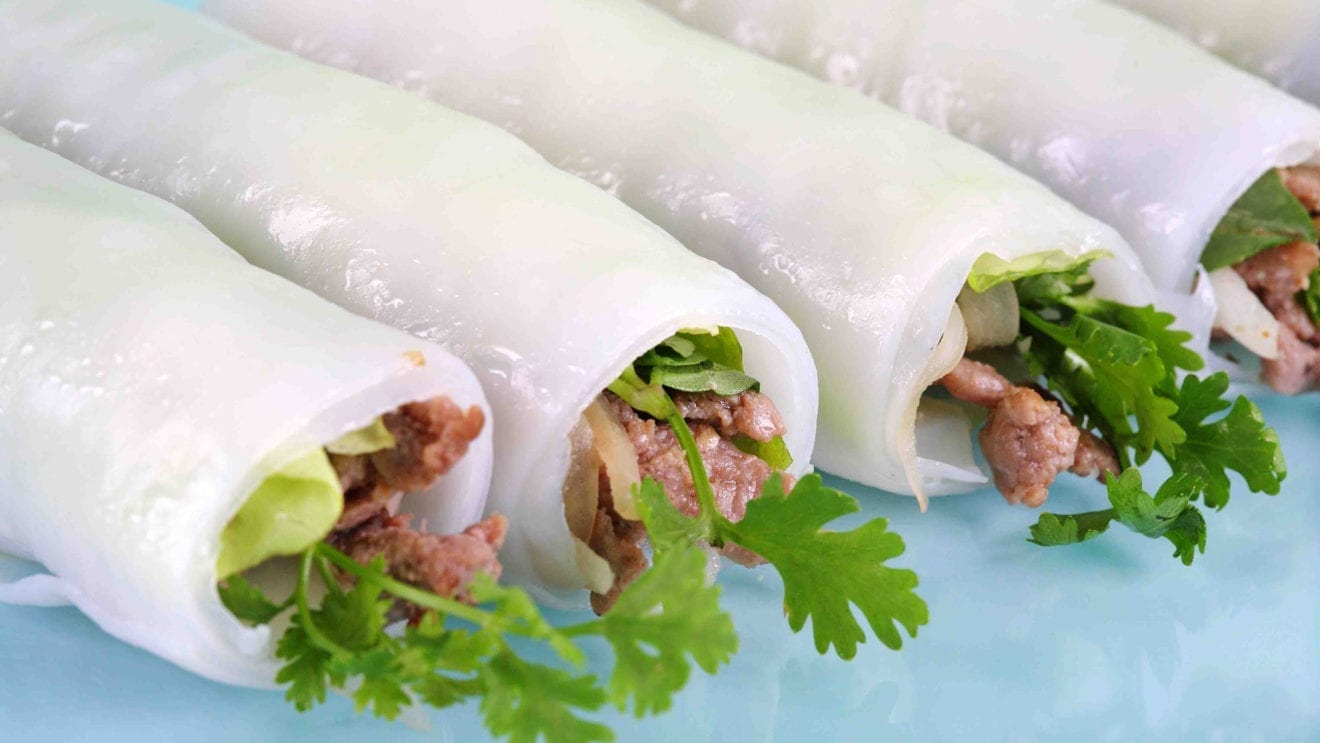
    Restaurant chain Wrap & Roll Vietnam has received a $7 million capital injection from Mekong Capital..

    “The founders and management team of Wrap & Roll have done an extraordinary job of establishing Wrap & Roll as a proven concept with urban consumers in Vietnam and Singapore,” said Chad Ovel, a partner at Mekong Capital. “They have successfully created Wrap & Roll as a modern way to enjoy authentic and healthy Vietnamese food.”

    Mekong Capital invested into the chain via their new enterprise called Mekong Enterprise Fund III to make its first deal since June last year. The fund will focus on retail, restaurants, consumer products and customer services in Vietnam. The private equity company has already taken a stake in electronics retailer Mobile World.

    Wrap & Roll Vietnam owner Nguyen Thi Kim Oanh said the restaurateur found Mekong Capital to be a credible partner to help the business grow sustainably.

    “Mekong Capital not only funds the company but also supports our company with strategic consultancy in many management fields such as human resources, restructuring, management practices and corporate finance.”

    With the experience in investing of Mekong and 10-year operating of Wrap & Roll, the two companies hope the concept will find success globally.

    Established in 2006, the healthy, traditional food brand has 11 restaurants in Vietnam and four franchises in Singapore. More restaurants are announced to be opened in Hanoi and Ho Chi Minh City. Other international markets are being evaluated.

  • Alibaba and Kodak team up to fight fakes

    Alibaba and Kodak team up to fight fakes

    Alibaba and Kodak have teamed up in a new business venture using high technology to fight fake goods being traded online.

    The cameras and film that helped build the Eastman Kodak empire, launched in 1888, are long gone, but the company has found new life authenticating products.

    With a history of research and hundreds of patents, Kodak is behind a startup working to combat counterfeiting with a technology that places an invisible, digitally traceable marker on products to ensure they are authentic.

    Targeting eCommerce, the new company is named eApeiron, which comes from the Greek word for everlasting.

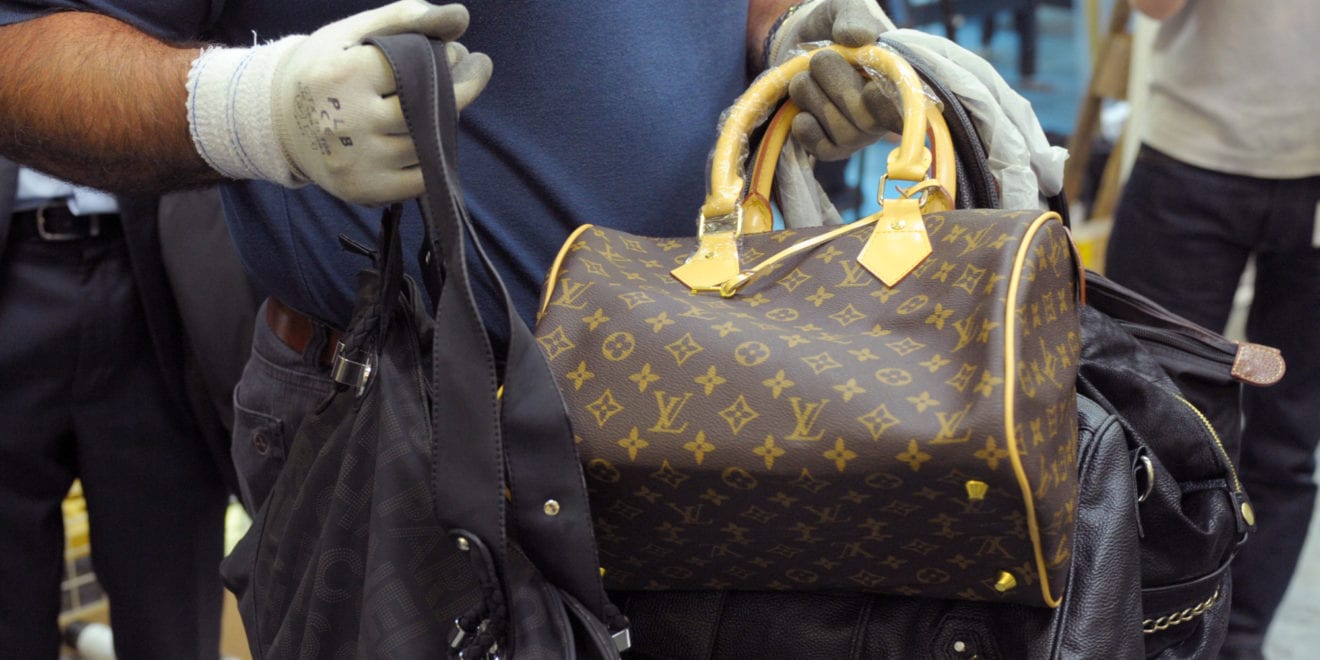
    Fake and pirated products globally accounted for almost a half-trillion dollars in 2013, according to a report this year by the Organisation for Economic Cooperation and Development (OECD), with 84 per cent of seized goods originating in China and Hong Kong. As well as losses and brand erosion for companies, counterfeiting can mean lost tax revenue for governments. It also discourages innovation.

    “If you’re in charge of brand protection or you’re a security officer of a major brand, this means you have a new tool,” says Kodak CEO Jeff Clarke.

    Miami-based eApeiron will set up its research, engineering and manufacturing arms within Kodak’s business park in Rochester, New York. Some research will also take place in Shanghai and Tel Aviv.

    With China’s largest eCommerce company Alibaba Group an investor, its president Michael Evans will sit on eApeiron’s board along with Clarke. Its CEO is Charles Fernandez.

    Invisible ink

    Meanwhile, invisible-ink security products are already available, including VerifyMe, which signed a memo of understanding in May with HP’s Israel-based Indigo division, part of its HP Graphics business.

    One of VerifyMe’s anti-counterfeiting pigment technologies lets consumers see visible markings on a product while manufacturers can use devices to see invisible markings to support their supply and distribution-chain security.

    YPB Group in Australia makes scannable markers that are invisible to the eye because they blend into the material of the product they are marking.

    While luxury-goods companies are often targeted by counterfeiters, the OECD report says there are also potentially dangerous faked goods such as drugs, toys and spare parts. Tracing these items through the supply chain could ensure they are not expired or forgeries, Clarke says.

    Beaten by the digital revolution, Kodak filed for bankruptcy in 2012, emerging the following year as a commercial printing business. Kodak has continued to team with young companies on technology research, and its labs have more than 50 scientists and 4000 patents.