Tag: asia

  • APAC telehealth market to hit $1.79b by 2020

    APAC telehealth market to hit $1.79b by 2020

    Increased usage of mobile and broadband internet in the Asia-Pacific region are driving the adoption of new healthcare delivery models, new analysis from Frost & Sullivan shows.

    The research indicates that telehealth is helping to address challenges like rising costs, increasing incidence of chronic and infectious diseases, and ageing populations.

    The telehealth market in the region, which includes telemedicine, remote patient monitoring (RPM) and mobile health (mHealth), is estimated to reach $1.79 billion in 2020 from $1.02 billion in 2015, growing at a compound annual growth rate (CAGR) of 12%.

    Telehealth is helping to optimize costs, improve resource efficiency in primary care and aged care, drive medical tourism, and engage the young and healthy population in early intervention, prevention and wellness, the report finds.

    Governments in Asia-Pacific are also playing a significant role in driving technology development and adoption by investing in infrastructure, developing telehealth and eHealth roadmaps and creating policies that directly or indirectly attract investment in health technology.

    At a country level, telecoms are also working with governments to help build Smart Cities and Smart Nation infrastructure with telehealth as a key area almost always included in a Smart City plan. Such projects allow vendors to expand their presence and penetration into strategic industries and also bring in their experience and expertise from other regions to Asia-Pacific.

    However, while the demand for telehealth technologies is strong, vendors and healthcare providers in the region, have not been able to grow their businesses to the aspired scale and volume.

    “A number of pilots have failed to reach commercialization due to poor clinician adoption, an unfavourable regulatory environment and the lack of clarity around payment models,” said Natasha Gulati, Transformational Health Industry Manager, Frost & Sullivan Asia-Pacific.

    “Establishing a sustainable business model is the single most critical business challenge for market participants today and we are constantly working with our clients to introduce business model innovation in this domain,” she said.

    The report concluded that the region now needs to explore change management strategies that will drive adoption, especially among providers.
  • Telstra acquires MSC Mobility

    Telstra acquires MSC Mobility

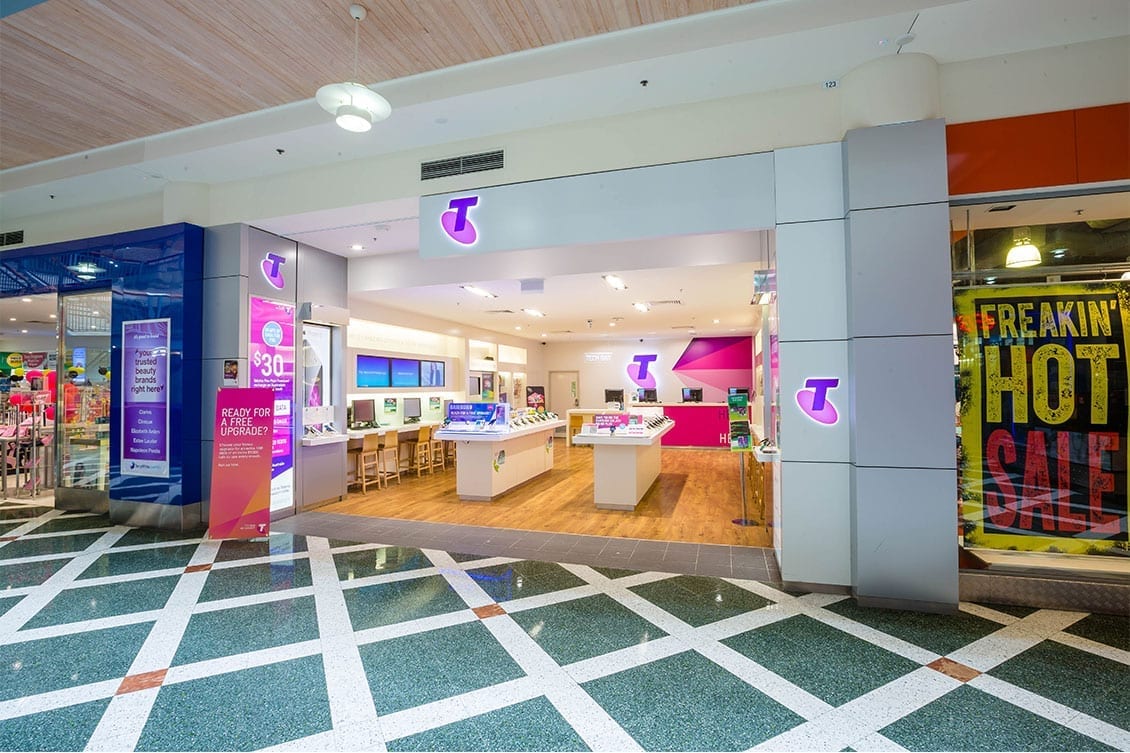
    Telstra has acquired local enterprise mobility solutions provider and decade-long channel partner MSC Mobility (MSC), in a move to bolster its enterprise mobility offerings.

    MSC provides mobile device management and provisioning services for large organizations, including providing devices and support to end users, and professional services, including strategy consulting and mobility solutions design.

    The company’s core capability is its enterprise mobility management platform, which incorporates mobile device management software such as Airwatch and MobileIron.

    The platform has already been rolled out and delivered device management services for “a large number of the telco’s enterprise customers”, Telstra said in a statement.

    Telstra did not disclose the value of the deal. The acquisition, which will be completed within coming weeks, will enable Telstra to manage the end-to-end enterprise mobility lifecycle, including valuable reporting and analytics that help customers drive better business outcomes, the telco noted.

    Telstra executive director of global products Michelle Bendschneider said that the deal is a key step in the incumbent’s focus on enterprise mobility, which has been prioritized as a fundamental part of Telstra’s growth strategy.

    “This acquisition is an investment capturing the fastest growing segment of the enterprise mobility market: managing the supply of apps, content and mobile services to enterprises,” the executive said.

    “To achieve our growth aspirations in enterprise mobility, we need to develop our customer relationships from a holistic mobility view, rather than just what sits on their device or tablet.”

    Bendschneider added that MSC’s established processes and platform can be expanded to host and support the service in Asia, Europe and the US.

    The acquisition of MSC is Telstra’s latest buy in weeks, after it acquired Microsoft partner Readify earlier this month to boost its cloud offerings for enterprises.

    In February, Telstra also made a strategic investment in Chinese cloud storage service provider, Qiniu, through its investment arm, Telstra Ventures, a month after it acquired another Microsoft partner, Kloud.

  • Valentino heading into India

    Valentino heading into India

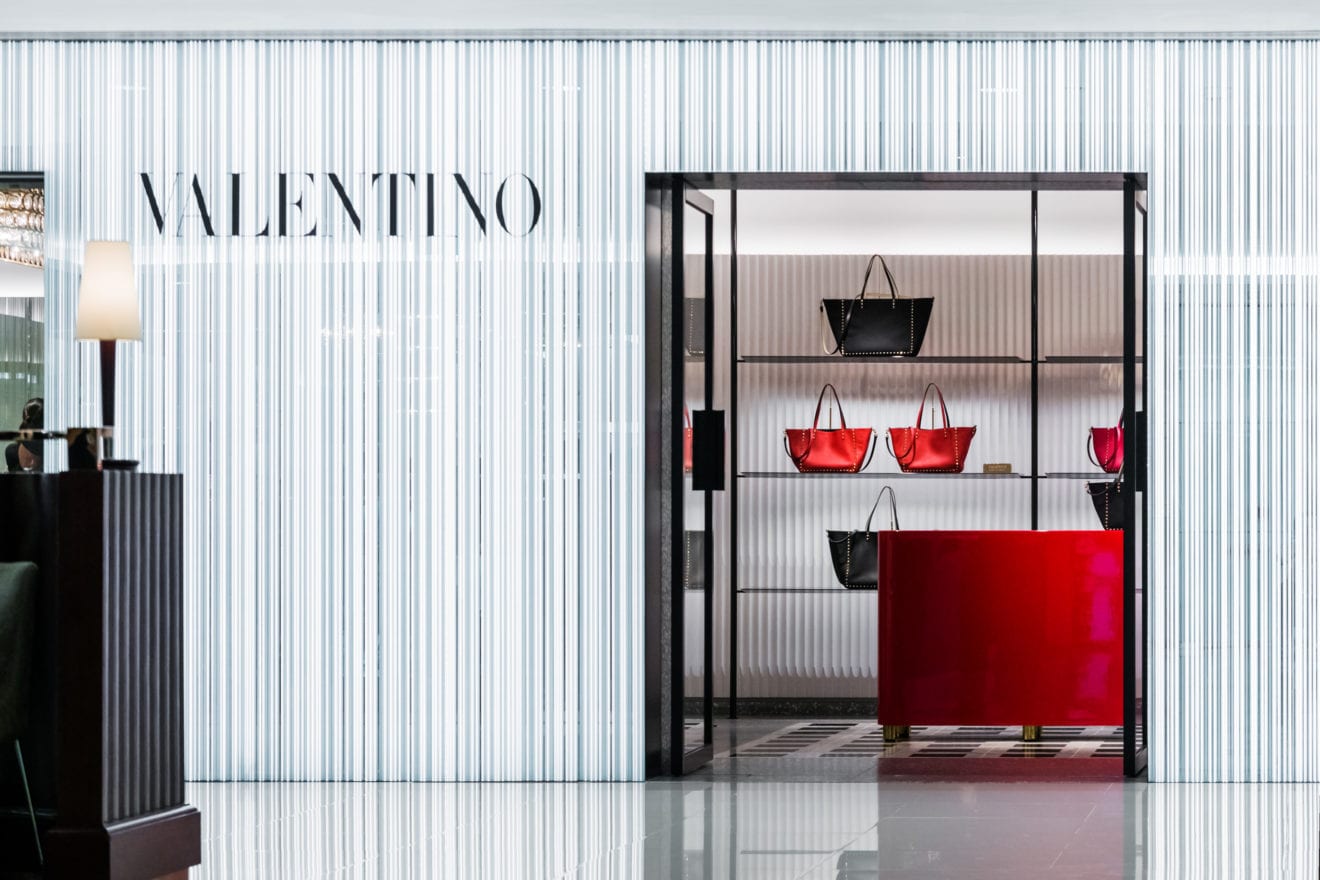
    Italian fashion house Valentino is about to enter India, joining a growing list of luxury brands changing their focus to a buoyant retail scene far from the slowing Chinese economy.

    Valentino is reportedly dealing with IDFS Tradings and is also in talks with DLF Luxury Retail.

    Over the past few months, French luxury leather-goods maker Longchamp, Italian bespoke menswear brand Isaia and Swiss watch brand Bovet have been launched in India.

    One commentator says the possibilities of an omni-channel strategy is among factors attracting top brands to India.

  • Yum China divestment on track

    Yum China divestment on track

    The Yum China divestment is expected to be completed by October 31.

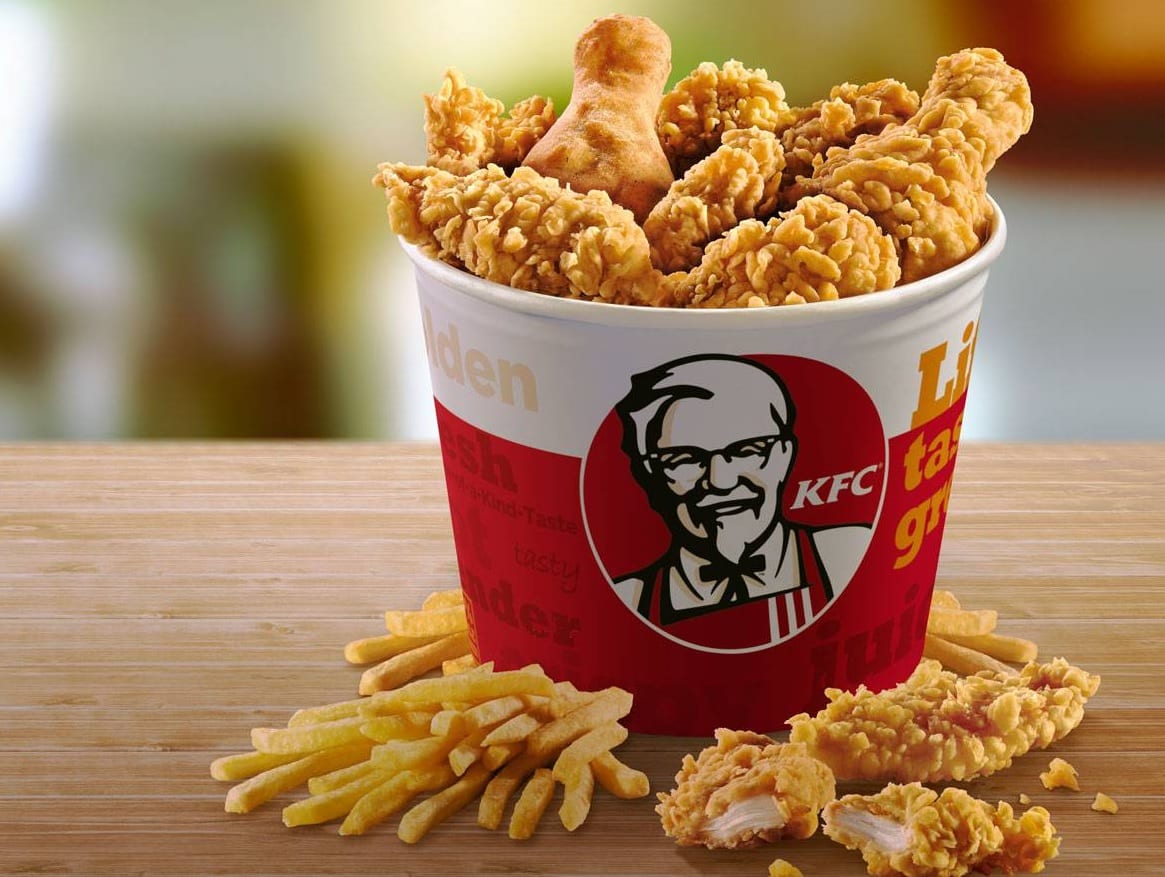
    The US fast food giant released the target date along with second quarter figures showing solid sales growth across most Asian markets, especially within the KFC division.

    CEO Greg Creed said he was particularly pleased with “the continued sales momentum at KFC China,” which delivered better-than-expected same-store sales growth of 3 per cent.

    “Yum! Brands delivered second-quarter (global) core operating profit growth of 7 per cent and earnings-per-share growth, excluding special items, of 9 per cent. Given our strong first-half results and current trends in China, I’m pleased to raise our full-year core operating profit growth forecast to at least 14 per cent.”

    Creed said the China result represented its fourth-consecutive quarter of positive same-store sales growth at KFC China.

    “Importantly, our China Division is off to a good start in the third quarter for both KFC and Pizza Hut Casual Dining, including a return to positive same-store sales at Pizza Hut in recent weeks.”

    Outside of China, challenging industry conditions in the US contributed to soft sales results.

    The separation of the China business would create “two powerful, independent, focused growth companies,” said Creed.

    “Our capital structure is fully in place and we plan to return a significant amount of capital to shareholders both prior to and after the spin.”

    Creed promised further information at an investor briefing on October 11.

    Yum China same-store sales were even, with an increase of 3 per cent at KFC, offset by a decline of 11 per cent at Pizza Hut. The China division opened 72 new stores during the quarter, taking its network there to 7246

    Meanwhile, in developing Asian markets – including Malaysia, Indonesia and the Philippines – which account for 7 per cent of KFC’s global turnover, sales rose 11 per cent in the quarter and are running 10 per cent ahead of last year for the first half.

    In Thailand, which accounts for 3 per cent of KFC’s global turnover, sales rose 17 per cent in both the second quarter and the first half.

    And in developed Asian markets – such as Japan, Korea and Taiwan – which accounts for 9 per cent of turnover, sales rose 6 per cent by quarter and half.

    Pizza Hut sales in developing Asian markets rose 5 per cent in the second quarter and 3 per cent in the first half. In developed Asian markets, sales fell 7 per cent this year.

  • Lessons from eBay’s personalised marketing

    Lessons from eBay’s personalised marketing

    All retailers can take lessons from eBay’s personalised customer marketing campaigns.

    For the modern-day marketer, the concept of the right message to the right person at the right time may seem like an over-used cliche; a pipe-dream, considering the mountain of tasks and campaigns.

    As customers and channels expand, this challenge will only continue to grow unless one can invest (not just financially but intelligently) in marketing automation solutions that will support a customer experience that blends a parallel between business driven marketing (i.e. brand led) with customer driven marketing (i.e. customer led).

    Customer-driven marketing has continuously demonstrated higher engagement rates as recipients are receiving messages that are relevant to their own interactions. This strategy is not new though, with eBay being one of the best examples of a retailer’s excellent use of marketing automation with personalisation.

    For many years now, eBay (which most of us have probably used at some point) have run thousands of customer-driven campaigns every single day. These campaigns run automatically, with relevant content for each individual customer based on their individual interaction. eBay is one of my favorite examples of a personalised customer experience; the e-tailer curates information to your needs, such as serving you listings of a similar product, or sending you listings of items you’ve been watching for. What eBay has done perfectly is to focus on the key stages in its customer lifecycle that it needs to manage. At these specific customer touch-points, it makes sure the experience is as relevant for each customer as possible.

    In 2016, Software as a Service has evolved to make this personalised customer experience easily achievable through three key steps:

    1. Mine the machine: data is king and sits at the epicenter of marketing automation. Data collection is essential for marketers, but which data is the most relevant for your business? Begin by thinking of the customer experience you want to achieve, the criteria that is needed and then the data required to fulfill this criteria. If it doesn’t already exist, how can you get this data?
    2. Predict the potential: data without context is meaningless, but contextualising data must lead to a conclusion: in most cases, an understanding of the customer and how to drive success. What have you learnt from this data and how will these conclusions drive customer impactful actions? What can you anticipate from this data analysis and how can you manage your objectives based on this? The data analysis should also be clear on the stages in the customer lifecycle to focus on.
    3. Evolve the execution: having understood the data, the customer and the stages in the customer lifecycle to focus on, it’s time to act. Which campaigns should you send and how should you manage content? Can a 1-2-many message work or should it be 1-2-1? Furthermore, which are the most relevant channels for this execution? A personalised omni-channel customer experience can be utopian but which channels are your customers expecting engagement on?

    When implemented with marketing automation, engagement rates for relevant customer driven campaigns can be 10 times those of regular newsletters. By implementing these across the customer lifecycle, particularly at the most critical stages, marketers can ensure that they are providing customers with an experience that is most likely to drive conversions. Conversions are not necessarily purchases but may mean positive brand interactions.

    In a more recent case, Spotify not only created a weekly data-driven personalised playlist through its Discover Weekly, but ran automated campaigns based on customer affinity. So if you can’t get enough of Justin Bieber, and he releases a new remix of Sorry, you’ll be the first to know.

    The right message sent to the right person at the right time, but a time-consuming task that can only be achieved efficiently by leveraging marketing technology.

  • LVMH affiliate invests $50m in Clio

    LVMH affiliate invests $50m in Clio

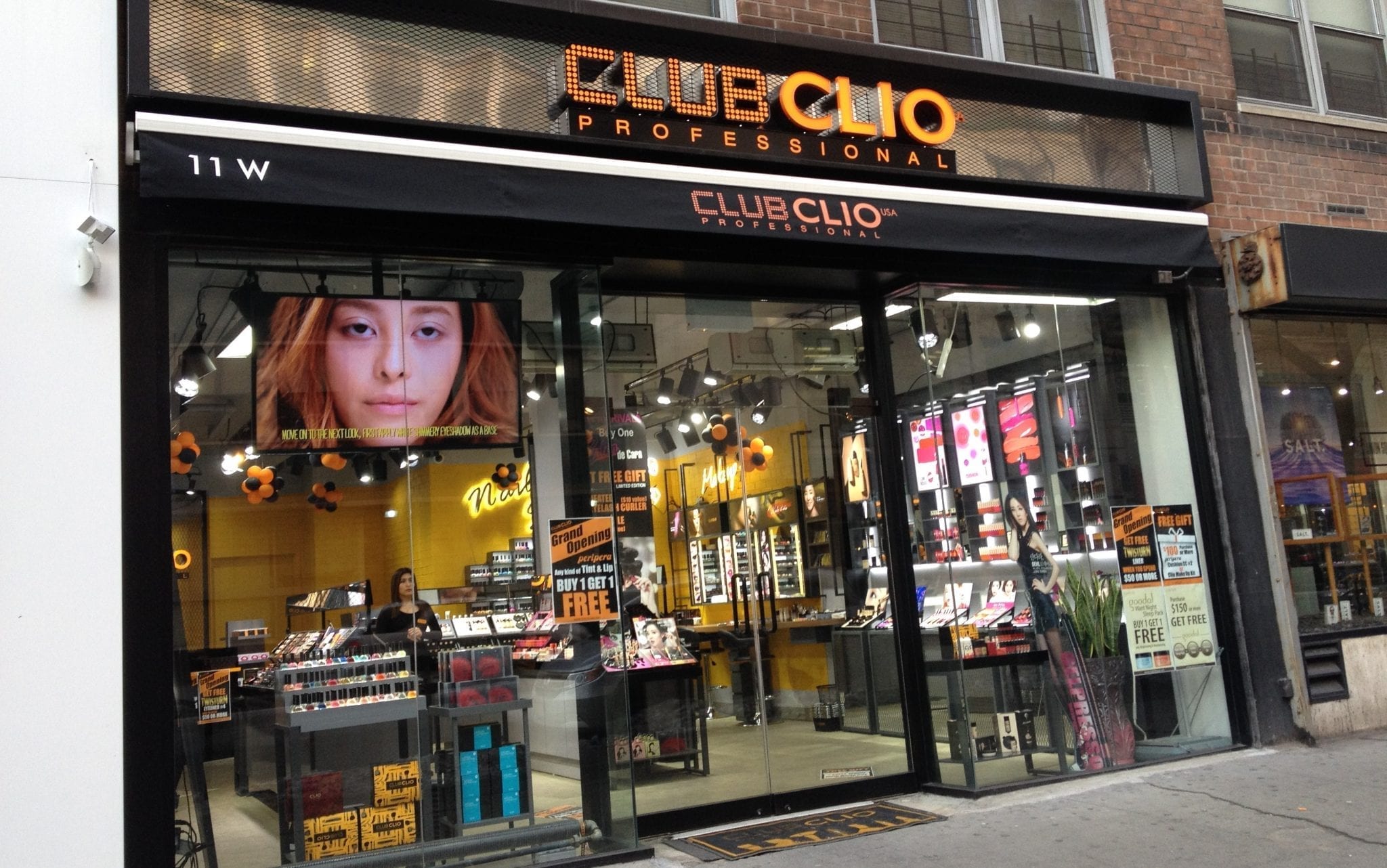
    L Capital, an affiliate of luxury brand group LVMH, will invest US$50 million in Korean cosmetics company Clio, which aims to go public by the end of this year.

    Clio will issue redeemable convertible preference shares to be taken over by the investment company, and an official agreement for this pre-IPO investment will be signed next week.

    After almost two decades of mediocre turnover since its establishment in 1997, Clio’s sales surged to 107 billion won ($93.07 million) last year with an operating profit of 22.5 billion won, boosted by an appearance on a popular TV show. Its total market value after IPO is expected to be more than 1 trillion won.

    L Capital ventured into the Korean corporate world two years ago by investing 60 billion won in YG Entertainment, becoming the second-largest shareholder of one of the top three entertainment companies in Korea.

    Its second choice of Clio reflects the growing demand in Asia, particularly China, for K-beauty products.

    Korean cosmetics exports to China alone last year were worth $1.09 billion, double the value of the previous year and coming in second to French cosmetics.

    US cosmetics company Estee Lauder last year became a major shareholder of Have and Be, the parent company of Dr Jart, while Goldman Sachs’ private equity fund took over Carver Korea, which owns AHC, for 520 billion won this year.

  • New ambassador sings praises of Gucci Asia

    New ambassador sings praises of Gucci Asia

    Chinese actress/singer Chris Lee is Gucci Asia’s new ambassador for timepieces and jewellery.

    The fashion giant says Lee was chosen for her personal style, which is in “absolute harmony” with Gucci creative director Alessandro Michele’s philosophy of self-expression.

    CHRIS-LEE-JEWELLERY-AMBASSADOR_SP_3_300dpi-1200x800

    “I have been captivated by Michele’s collections since he became creative director as they are original and joyful,” says Lee.

    For her first official photoshoot, the celebrity wore items from Gucci’s fine timepieces and jewellery collections. For watches, she modelled the GG2570, named in homage to Michele’s lucky number (25) and Gucci’s hallmark decade, the ’70s. She also wore the G-Timeless automatic, which features decorative bees, a heart and stars on the dial.

    For jewellery, Lee promoted pieces from the Icon Fine Jewellery Collection, including rings, bangles and a matching pendant chain necklace in 18-karat pink gold and white enamel. In an update, small flower and leaf motifs have been added to Icon’s engraved “G” motif.

    Gucci says the campaign launches across Asia this month.

  • Weather dampens Mothercare sales

    Weather dampens Mothercare sales

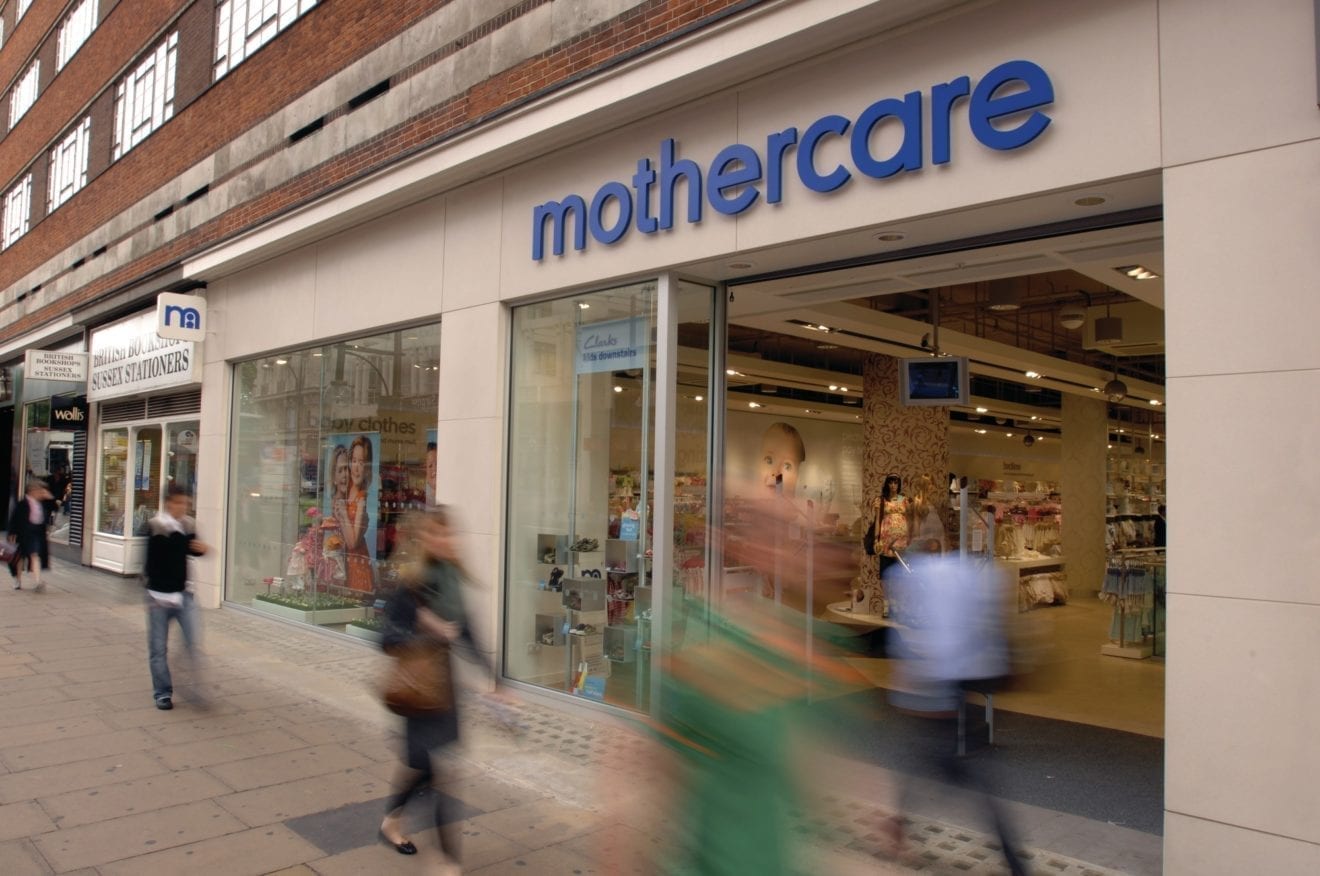
    Baby care specialist retailer Mothercare has reported a reasonable set of results for its Q1 trading, with UK sales declining by 2.1 per cent, reflecting an unsuccessful battle against unseasonable weather conditions.

    UK like-for-like Mothercare sales were up by 1.2 per cent, although this represents a slight slowdown on growth, impacted by a reduction of store space.

    As Mothercare continues to focus on its turnaround, it must establish a loyal customer base, appealing to all ages through social media engagement and exemplary customer service. As part of this turnaround, Mothercare continued its refurbishment of stores this quarter, with this a key component of its modernisation plan to improve the customer shopping experience, and ultimately entice young mothers back to its stores.

    Mothercare is also working to improve its online proposition as part of its aim of becoming a ‘digitally led business’. Over the quarter, online sales grew by 6.4 per cent, while mobile now represents 84 per cent of online traffic.  Innovation of its app is proving to be highly successful, with additions to differentiate it from the mobile site, such as Baby Tunes (songs and white noise for babies), helping to create a more interactive experience.

    International exposure remains volatile, although sales were strengthened this quarter by the timing of Ramadan, which fell entirely in Q1 this year. In spite of this impressive growth, Mothercare must remain cautious in light of the UK’s decision to leave the EU, with this development likely to impact trading globally. Hedging in both the dollar and royalty receipts should limit the impact on the weakening of the pound, allowing Mothercare to see further sustained growth this financial year.

  • First Superdry China stores set to open

    First Superdry China stores set to open

    The first Superdry China stores are set to open in what a commentator describes as a core future market for parent SuperGroup.

    Nivindya Sharma, a senior analyst at Verdict Retail, says the brand’s international expansion strategy will now focus on “two key, but notoriously difficult, markets – the US and China” in the current financial year.

    “Superdry will open its first trial stores in China in 2016 and five in the US as it experiments with different store formats. Its relatively cautious approach to store rollout, and focus on eCommerce as a route to developing brand awareness and understanding local customer behaviour should serve it well,” said Sharma.

    News of its summer debut in China came amid an impressive full-year result: SuperGroup sales rose 21.3 per cent to £590.1 million, aided by its collaboration with British Hollywood star Idris Elba. Underlying pre-tax profit rose 16.3 per cent to £73.5 million.

    “Against a bleak background of stalling sales from major high street players such as Next and Primark, SuperGroup posted a stellar set of full-year results with strong growth across both its retail and wholesale divisions,” said Sharma.

    “No doubt, the net 24 stores the retailer opened during the year were major contributors to its FY results, but robust like-for-like growth indicates consumer demand remains strong for Superdry’s distinctive product.”

    Womenswear was the strongest growing category for the year, reflecting the push Superdry has made to broaden womenswear ranges and merchandise them more prominently in-store and online.

    “The brand is focused on developing its presence in womenswear, especially as it experiments with new concept stores in the UK that give more space to women’s ranges, and focus on enhancing the shopping experience using knowledge from its customer insight program,” said Sharma.

    “However, to truly make a mark in the UK’s highly competitive womenswear market, Superdry will have to consider how best it can soften and translate its male-centric brand image to appeal to female consumers.”

  • Bidding disappoints McDonald’s Corporation

    Bidding disappoints McDonald’s Corporation

    McDonald’s Corporation says it is struggling to attract the calibre of bidders it envisioned when it put its China and Hong Kong franchise up for tender.

    The restaurant group is offering a 20-year master franchisees for its markets in China, Hong Kong and South Korea. Bidding has gone into its second round and predictions are the deal could be worth US$2 billion to $3 billion.

    Conditions include McDonald’s keeping management intact for two years, with a limitation on taking the franchise public. Other restrictions have reportedly discouraged many private-equity firms from participating in the bidding.

    Global buyout firms such as Bain Capital, Carlyle Group and TPG Capital have put up their hands with the aim of teaming up with some of the Chinese strategic bidders.

    Bidders asked to submit for the second round of the tender include dairy company Beijing Sanyuan Foods, Beijing Tourism Group, ChemChina, state-owned China Cinda Asset Management and Sanpower.

    McDonald’s share price has surged more than 23 per cent since CEO Steve Easterbrook launched a turnaround effort. The plan for Asia comprises one or more local partners taking over the China and Hong Kong franchise of 2800 stores for 20 years while paying royalties to the corporation.

    However, many investors are anxious following the food scandal that hit McDonald’s sales in 2014, reports BFN.

    Meanwhile, McDonald’s last year announced plans to sell its business in Taiwan plus a substantial ownership stake in Japan, but as yet investors have yet to be secured. “We are making solid progress as we look for long-term strategic partners with local relevance who have complementary skills and expertise,” says a company spokesperson.

  • Alibaba Group opening VR shop

    Alibaba Group opening VR shop

    Chinese eCommerce giant Alibaba Group Holding plans to open a virtual-reality technology (VR) demonstration shop this month, with the technology to roll out by the end of the year.

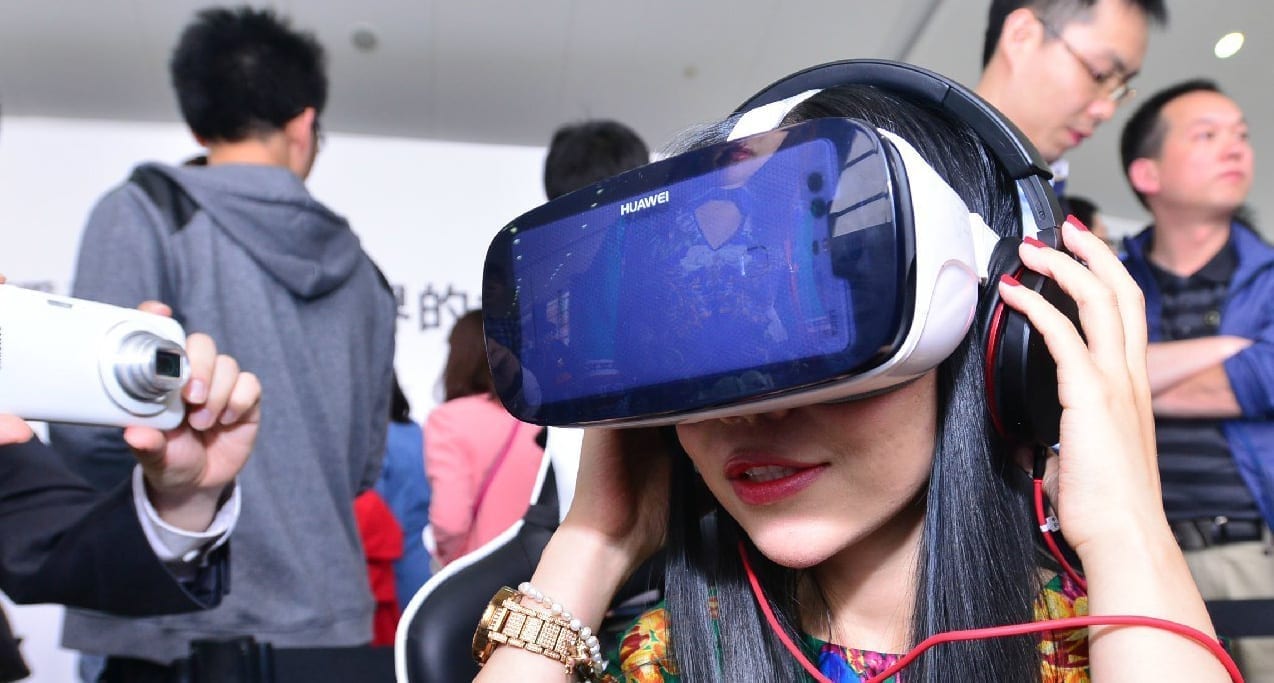
    Its VR product is designed for online shopping. Alibaba’s 400 million customers will have their buying experience enhanced by wearing a VR helmet or glasses designed to simulate being in a physical store.

    At a media briefing in Shanghai, an Alibaba representative wearing a Vive VR helmet from HTC Corp of Taiwan showed how a shopper could tour a three-dimensional digital store.

    The demonstration showed a robotic store associate talking to the visitor and recommending new products.

    Shoppers can rotate products they see in the virtual store by moving a controller connected to the helmet, and even ask for a model to show how the product works or is worn. Users can also use the controller to click the buy button.

    “VR is a great way to demonstrate products or services, especially for such categories as furniture and travel products,” says Alibaba senior director of mobile Zhuang Zhuoran.

    Alibaba set up its Gnome Magic Lab in March to develop software to enable merchants to build virtual stores. While costs are high to convert a real product to its digital, three-dimensional equivalent (about $50), the company hopes to be able to reduce this to about $1.

    VR gear ranges in price from $20 to $1000, and consumers buy 300,000 VR units on Alibaba’s Chinese online marketplaces each month, says the group.

  • KDDI taps Gemalto for connected cars and IoT

    KDDI taps Gemalto for connected cars and IoT

    Japan’s KDDI has selected Gemalto to provide the platform to enable secure connectivity for connected cars and IoT applications worldwide.

    Gemalto will provide its LinqUs On-Demand Connectivity (ODC) subscription management solution and embedded SIMs (eSIMs) to the operator.

    As a result, KDDI can expect to provision any requested operator’s profile on connected cars equipped with pre-embedded eSIM.

    Motorists can access optimized real-time information about traffic and nearby amenities, navigation, vehicle diagnostics, and emergency services, anytime, anywhere.

    Gartner forecasts that by 2020, there will be around 250 million vehicles on the road with some form of wireless connectivity, making connected cars a major element of the Internet of Things. The lack of flexible and interoperable remote subscription management is a major challenge in deploying IoT.

    Gemalto’s solution, based on global GSMA specifications, is designed to simplify logistics for OEMs.

    “Gemalto’s solution is based on interoperable GSMA standards, and will provide a common and consistent way to connect devices in the future,” said Keiichi Mori, executive officer and general manager of KDDI’s IoT business development division.

    “With long-lasting relationships with over 500 mobile operators worldwide and a strong local presence, they can help us expand our services to other IoT applications, to obtain rapid growth in the connected world.”

    Michael Au, Gemalto president for South Asia and Japan, said IoT is increasingly turning connected cars into powerful hubs for value-added services such as infotainment, real-time vehicle telematics, and usage-based insurance, offering plenty of opportunities to OEMs and service providers.

  • NEC sets up open-source software center

    NEC sets up open-source software center

    NEC in Japan and NEC Technologies India have established the “OSS Technology Center,” an organization specializing in technical support related to the use of open source software (OSS).

    The new organization began operations July 1, with approximately 50 staff based out of NTI, consisting of experienced OSS engineers who are well-versed in OSS solution architecture, as well as essential software development and support capabilities.

    The OSS Technology Center aims to strengthen the organizational structure for supporting global enterprises in building systems based on OSS, to reinforce collaboration with international OSS vendors and to provide rapid technical support to users who construct systems operated globally using OSS.

    Moreover, the new organization will actively carry out development of new network functions related to Software-Defined Networking (SDN), Network Functions Virtualization (NFV) and application platform functions, such as container and Platform as a Service (PaaS).

    All of these are part of the OSS Technology Centre’s OpenStack-based development activities, in addition to its contributions to making source codes openly available by providing them to the OSS community.

    In recent years, the need for enterprises to capitalize on OSS, particularly OpenStack, in cloud computing, big data computing and SDN/NFV, has become increasingly pronounced.

    Also, in terms of next-generation ICT technologies, there are heightened expectations towards OSS applications in areas related to Systems of Engagement (SoE) and Internet of Things (IoT).

  • Citilink to Open New Hong Kong-Manado Route

    Citilink to Open New Hong Kong-Manado Route

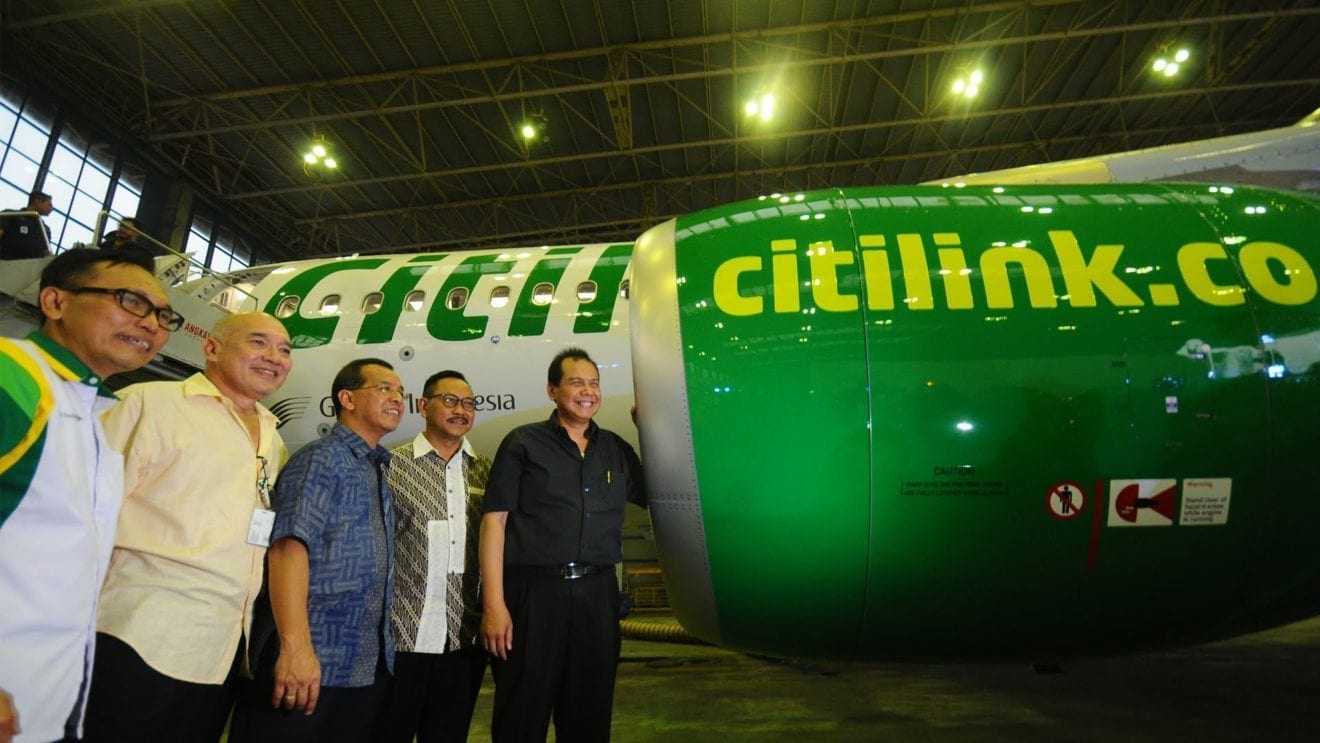
    Citilink, the low-cost arm of national flag carrier Garuda Indonesia, is set to open a new route from Hong Kong to Manado in North Sulawesi in a bid to lure Chinese tourists to the archipelago.

    Citilink Indonesia commercial president director Hans Nugroho said Manado was one of Indonesia’s most popular destinations among Chinese tourists besides Bali and Raja Ampat in West Papua.

    “Manado has become famous as a diving destination. Hopefully the new route will afford foreign tourists easier access to Indonesia,” said Hans.

    Using an Airbus A320 for its maiden flight on the new route, Citilink is slated to carry 180 tourists from Hong Kong to Manado on Tuesday. Hans estimated that the carrier would be able to accommodate up to 3,000 passengers until the end of August.

    According to Tourism Ministry data, the number of foreign visitors to Indonesia reached 915,200 in May, 12.6 percent of whom came from China.

  • MoneyGram Inks Deal with Arsema, Expands to Indonesia

    MoneyGram Inks Deal with Arsema, Expands to Indonesia

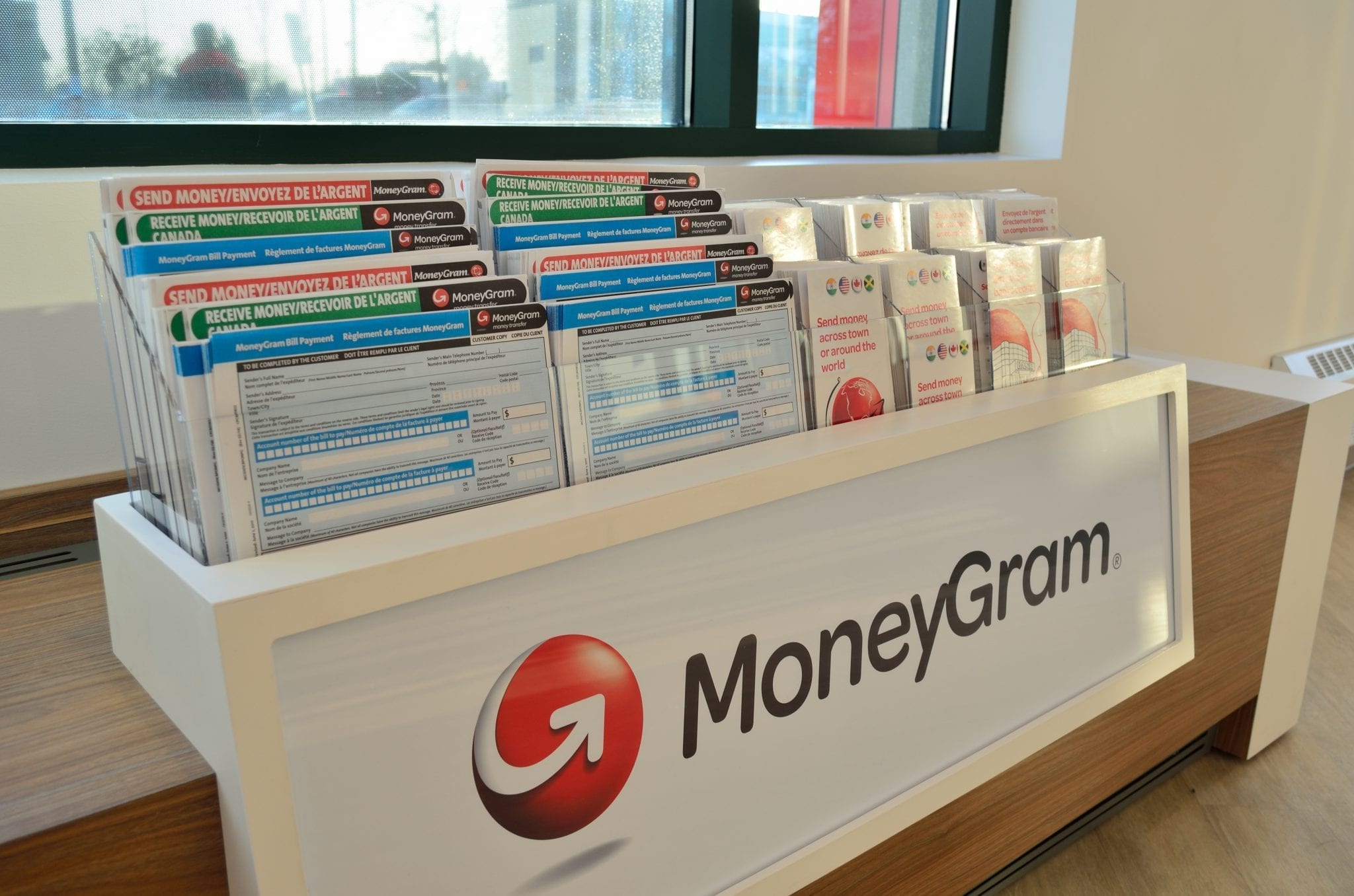
    MoneyGram recently announced that its Indonesian subsidiary PT MoneyGram Payments System has inked a long-term deal with Indonesian remittance company Arsema. Per the agreement, Arsema would channel MoneyGram’s money transfer services at all post offices of Indonesia. The services would start from Central Java and Bali region.

    MoneyGram strives to provide secure money transfer services to its customers and the deal with Arsema will further help the company in its efforts. This collaboration will also expand MoneyGram’s reach across Indonesia. Also, the aforesaid deal will facilitate operation to serve customers better with faster and more convenient offerings.

    The overall process has become much easier and can be completed in a few simple steps. Customers can now simply visit any MoneyGram agent location and start transferring and receiving funds after filling up and submitting a form and displaying a photo identification proof. The funds can be ready for collection is Depending on agent’s operating hours and regulatory requirements, the transactions can be made within 10 minutes or less.

    Apart from strengthening its presence in high-growth potential markets, MoneyGram has forayed into several unexplored and underdeveloped global markets. The company has also been expanding in markets that offer high growth potential. Per the World Bank report, remittances worth $9.6 billion flowed into Indonesia in Apr 2016. We expect the latest deal to help the company capitalize on the opportunity, which in turn, should add to its top line going forward.