Tag: asia

  • Watson Indonesia launches expansion plan

    Watson Indonesia launches expansion plan

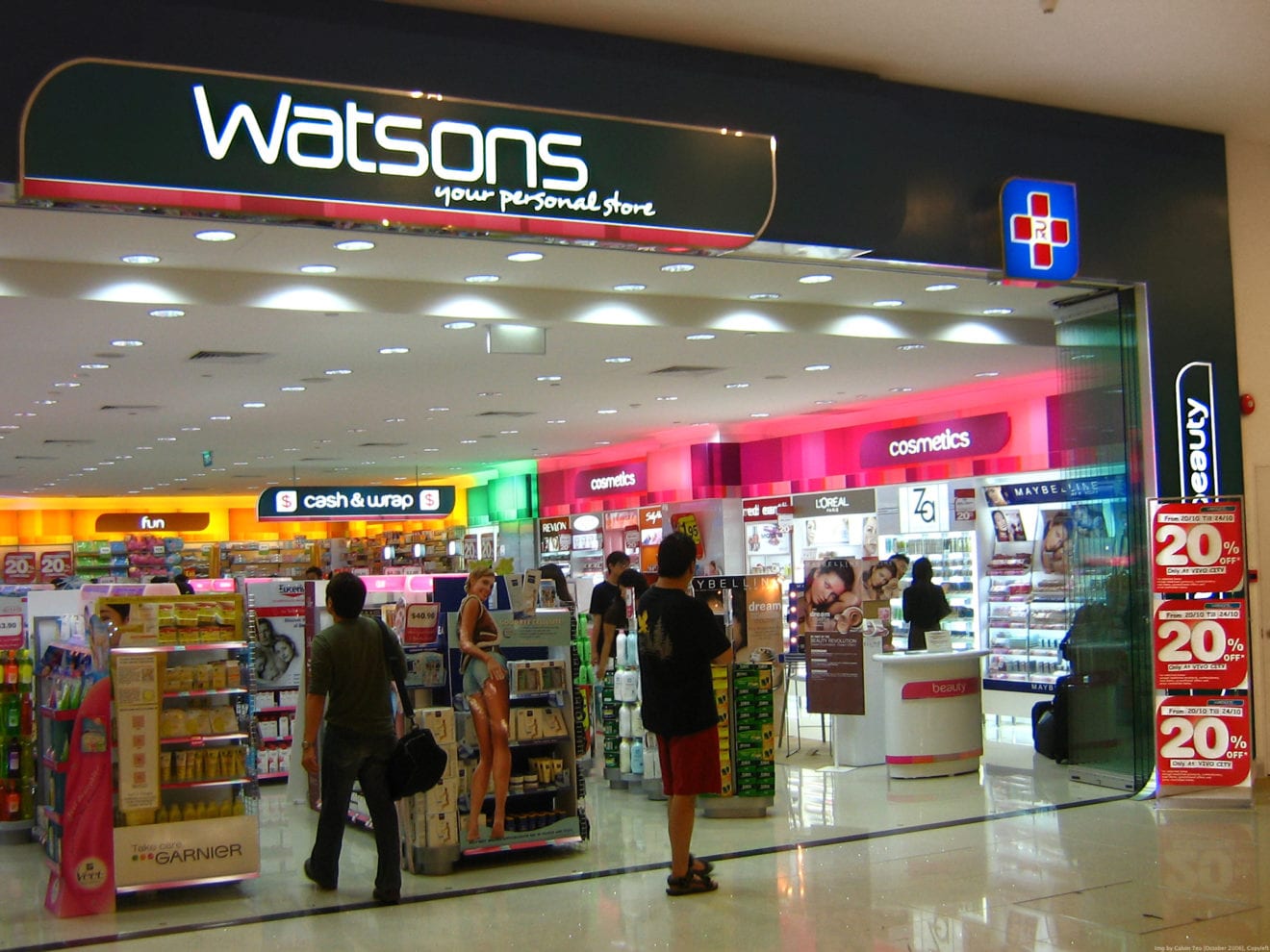
    Watson Indonesia plans to open up to 20 new stores this year.

    Duta Intidaya, the local Watson’s rights-holder since 2006, will use about 65 per cent of the US$6.49 million raised in its recent IPO to fund the new stores, with the balance of the cash going to repay bank debt.

    While there are more than 100 Watson stores in Singapore and more than 400 in the  Philippines, the brand is under-represented in Indonesia, where to date just 47 have opened.

    Duta Intidaya says the new stores will open predominantly in shopping malls, with one high street store planned for tourist resort Bali. Three new stores have already started trading in Jakarta this year.

    Hong Kong-based AS Watson is keen to see the brand catch up its rivals by store network numbers: Century has more than 200 stores and rival Hong Kong chain Guardian has more than 100.

    “We are still small, so we need more funds to expand and the IPO is the most proper decision at this time. We want to build a stronger brand,” Duta Intidaya director Sukarnen Suwanto told a press conference.

    Duta Intidaya plans to continue growing at a rate of 15 to 20 stores annually, and will launch online in 2017.

  • The next Korea’s largest retail multiplex

    The next Korea’s largest retail multiplex

    Shinsegae Group will open a multiplex shopping mall in Hanam in South Korea’s Gyeonggi province, around September.

    It says it will be the country’s biggest shopping multiplex with a dining area bigger than the Olympic stadium in Seoul. It will have four storeys above ground and another four below.

    As well as luxury brands, the mega-mall will even have vehicle showrooms including BMW, Hyundai and Harley Davidson.

    A Shinsegae department store and wholesale retailer E-mart Traders will bookend the mall.

    On the rooftop will be outdoor swimming pools and spas, while the fourth floor will feature a sports area with badminton, basketball and tennis courts.

    Shinsegae CEO Chung Yong-jin says the mall will be the culmination of the group’s retail know-how.

  • TGI Friday’s Japan with Hollywood taste

    TGI Friday’s Japan with Hollywood taste

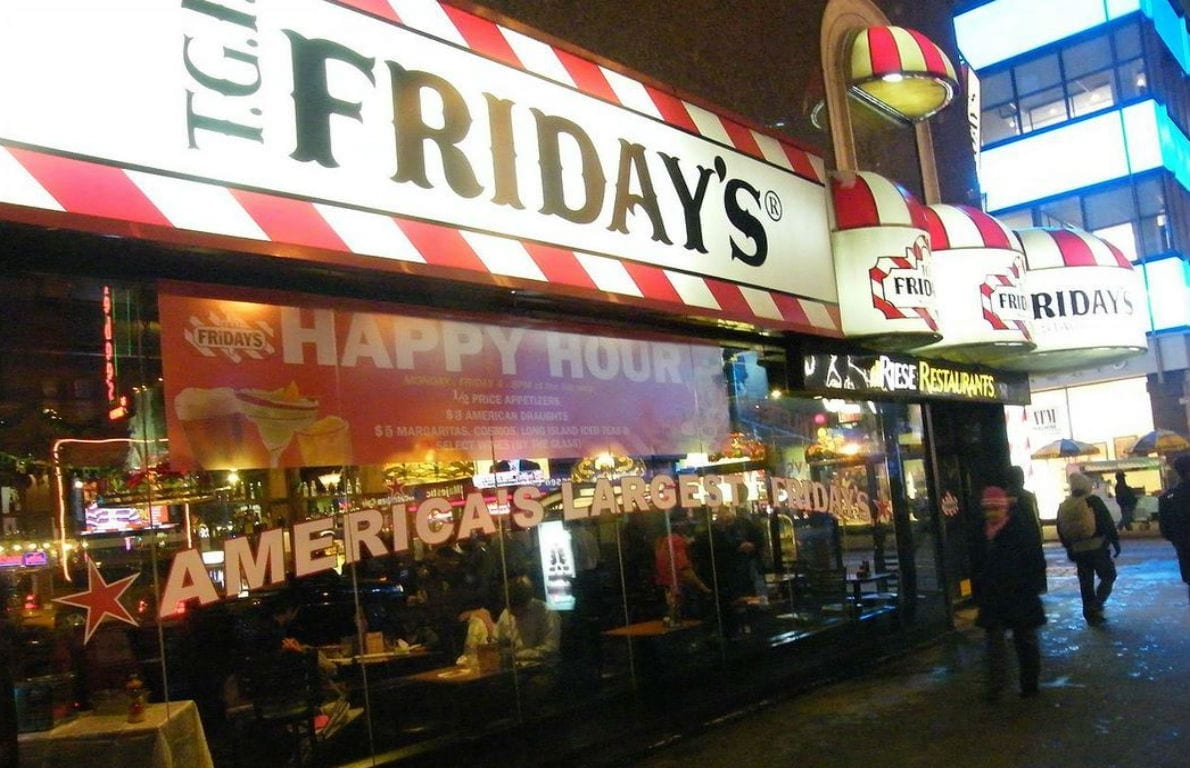
    TGI Friday’s Japan, the US franchise known for its kitschy decor and classic American fare, is opening its latest restaurant in Tokyo’s Gotanda area tomorrow – a Friday, of course.

    TGI-Friday
    Inside new TGI Friday Tokyo

    TGI is hoping to capitalise on the atmosphere at its new outlet, near Gotanda Station, with a Hollywood theme the chain says is different from the established locations in Japan. It is sited in a former cinema, and will be replete with replica Hollywood movie memorabilia and posters.

    It will feature the flair bartending shows that are a feature of the Japanese outlets.

    TGI Friday’s has more than 900 outlets in 60 countries, with the first Japanese restaurant opening in Shibuya, Tokyo, in 1999. There are more than a dozen outlets now in Japan, including the Kanto and Kansai areas.

  • Mars China teams with Alibaba

    Mars China teams with Alibaba

    Mars, best known for M&M’s and Snickers candy brands, has become the latest global consumer foods brand to partner with eCommerce giant Alibaba to grow its online presence in China.

    In a joint announcement, Mars China said all of its brands, which also include Dove chocolate and Pedigree and Royal Canin pet foods, will now be available to consumers through Alibaba’s online marketplaces Tmall.com and Rural Taobao. The Virginia-based company added it would leverage Alibaba’s marketing and data capabilities to drive engagement with those consumers, while using Alibaba’s logistics network to extend its reach in the Chinese market.

    Food and beverage giants Mondelēz International and Nestle struck similar agreements with Alibaba in recent months in a bid to expand their business in China. Both companies pointed to eCommerce as an important sales channel in the market given that Chinese consumers are the world’s most prolific online shoppers. And according to market intelligence firm Kantar Health, eCommerce sales of fast-moving consumer goods are growing in China, climbing 37 per cent last year versus 34 per cent in 2013-2014.

    Wrigley China VP and MD Cecilia Li noted the importance of eCommerce in the Mars China strategy as well, but also emphasised the role that shoppers under 35 are playing in the country’s consumer economy.

    “China’s younger generation is the new driving force of consumption,” she said, and “they rely on eCommerce.” Li called the agreement with Alibaba a “significant strategic partnership for Mars.”

    Many of Mars’ products are already selling on Tmall. Wrigley opened its flagship store in 2009, and others have since followed. But the company said that in addition to now having access to all of Mars China’s products, the new tie-up will give consumers a “convenient and international ‘one-stop’ shopping experience” via Alibaba’s platforms. That includes consumers in the rural countryside, whose rising spending power has drawn the attention of companies doing business in China.

    Alibaba will also partner with Mars’ Beijing-based Global Food Safety Center “to enhance food safety management, promote consumer education and share the latest scientific research findings with industry stakeholders.” Launched last year, the center conducts food safety research and training.

  • Ford’s exit from Indonesia upsets its dealers

    Ford’s exit from Indonesia upsets its dealers

    Ford’s dealers in Indonesia are now seeking to recoup their losses after the automaker said earlier this year it would close all operations in the country.

    Ford has been struggling to gain market share and to make some reasonable profits in Indonesia since its entrance in the market in 2002. Recent years have been especially challenging, as the country’s new car market started to be affected by the overall economic slowdown. At the beginning of the year, the Detroit-based automaker said it decided to exit from all segments of business, including closing dealerships and stopping sales and imports of Ford and Lincoln vehicles. The company made a similar decision for Japan as well.

    Reuters reports that dealers are now looking to get around 75 million dollars in compensation, looking to take their demands to court if they are not reaching an agreement with the automaker. They are claiming they made considerable investment in their businesses to support an expansion plan that Ford announced in 2011, but which never came. When it announced the shutdown back in January, Ford said it would start talks with its dealers to implement its exit plan later in the year.

    The automaker has a staff of 35 and sells its cars through 44 franchised dealerships in Indonesia, while last year it delivered around 6,000 vehicles, taking a 0.6 percent share of the total new car market. General Motors also decided to close its production operations at a local plant in Indonesia in 2015, ceasing output of locally manufactured GM-branded autos, forced by the intense competition from the Japanese brands, such as Toyota and Honda.

  • BlackBerry finds partner in Indonesia’s Emtek

    BlackBerry finds partner in Indonesia’s Emtek

    An Indonesian media conglomerate on Monday announced a partnership with BlackBerry in which it will help the Canadian company bring more functionality to its BBM messaging app.

    Elang Mahkota Teknologi, known as the Emtek Group, owns two national TV stations, online news portals and production houses. It also has invested in numerous startups. The partnership will enable Emtek to bring these properties’ content to BBM users, as well as develop new BBM applications and services through a licensing agreement. The content maker will pay BlackBerry an estimated $207 million in licensing fees over six years through a Singapore subsidiary.

    “We wanted to continue to offer our users even more with the most content-rich media and new services such as e-commerce, video, music and games,” said John Chen, BlackBerry’s executive chairman and CEO.

    The deal follows a trend in which messaging apps are morphing into platforms that offer a range of services. BBM has 60 million monthly active users in Indonesia, more than anywhere else in the world. Currently, the app has about 90 million monthly active users around the world.

    KMK Online, an Emtek digital content maker, will set up an office in Toronto so it can work closely with BlackBerry.

    Emtek has been stepping up efforts to generate revenue from its content via online platforms. In 2015, the company consolidated its production and distribution divisions. Earlier this year, it invested in Malaysia-based online video streaming service iFlix, which later launched services in Indonesia.

    “We see significant opportunity to grow the consumer BBM business globally and are excited to invest in research and development to further advance BBM,” Emtek CEO Alvin Sariaatmadja said in a press release.

    BlackBerry’s handset business has found itself left behind in the smartphone age and is now trying to focus on software.

  • Hong Kong’s mobile penetration grows to 95%

    Hong Kong’s mobile penetration grows to 95%

    Hong Kong’s mobile subscriber base has reached saturation point, with a population penetration of 95%, according to mobile industry body the GSM Association (GSMA).

    The company’s new report into APAC’s mobile economy, published at Mobile World Congress Shanghai this week, shows that there are around 6.9 million mobile subscribers in Hong Kong.

    While the penetration rate has grown from 90% as calculated in last year’s study, the report notes that there is little room for growth.

    But in terms of the percentage of subscribers to 4G services it is another story, with only around 40% of Hong Kong subscribers having made the switch to the faster technology as of 2015. The GSMA expects this to increase to 71% by 2020.

    The report finds that as of 2015 62% of the APAC population was subscribed to a mobile service. The GSMA predicts that the region will add another 600 million new subscribers by 2020, increasing the penetration rate to nearly 75%.

    Mobile accounted for an estimated 5.4% of APAC’s GDP last year, equivalent to $1.3 trillion in economic value.

    “More than half the world’s mobile subscribers are based in Asia Pacific and the region will be the main engine of global subscriber growth for the remainder of the decade,” said Mats Granryd, GSMA Director General.

    “Rising subscriber penetration, alongside accelerating migration to faster networks and more advanced services, continues to fuel innovation and digitisation across both advanced and emerging markets in this highly diverse region. Mobile is helping Asia build digital societies that allow its citizens to access services, anytime and anywhere – and these mobile-powered digital societies are becoming major drivers of social and economic development.”

  • Perry Ellis International Enters Into a Licensing Agreement for Original Penguin

    Perry Ellis International Enters Into a Licensing Agreement for Original Penguin

    Perry Ellis International, Inc. announced today that it has entered into a license agreement with Chun Yuan International Company granting rights to design and distribute Original Penguin by Munsingwear® fashion bedding and home products in the Philippines.  Distribution will include department stores, home specialty shops and E-Commerce sites.  A special capsule collection will launch in Spring 2017 with a full collection introduction in the fall.

    Original Penguin is an iconic American brand that mixes sportswear and contemporary fashion appealing to a style-savvy consumer who’s into details, but doesn’t take himself too seriously. Original Penguin pays homage to its brand heritage, while staying culturally relevant in their global markets. The brand reworks their archive of mid-century classics to reflect today’s lifestyle without compromising that heritage or the craftsmanship that established the Original Penguin name.

    “We are thrilled with this partnership with Chun Yuan International and look forward to working with their team to offer Original Penguin’s lifestyle products in the Philippines.  This addition will complement our solid market position and benefit our 25+ free standing stores and continue the expansion of our global reach,” commented George Feldenkreis, Executive Chairman of Perry Ellis International.

    Kevin Lee, President of Chun Yuan International stated, “We are excited to partner with Original Penguin, a leading global brand with the well-known Penguin icon that is highly appreciated by the young generation in the Philippines.

  • The Top 3 Biggest Insurance Risks for SMEs in Singapore

    The Top 3 Biggest Insurance Risks for SMEs in Singapore

    Workplace injury, property damage, and liability are the top 3 biggest insurance risks for small and medium enterprises (SMEs) in Singapore over the next 12 months, according to AIG Asia Pacific Insurance Pte. Ltd.

    SMEs in Singapore face rising business risks as they deal with increasing costs amid an economic slowdown. SMEs claimed more than S$5 million last year, and AIG Singapore expects the claims volume to stay in this range over the next 12 months.

    Claims data from AIG Singapore reveals the top three risks for SMEs in Singapore arise from workplace injuries (56 per cent), fire or water damage to property (20 per cent), and legal liability (20 per cent).

    A particular area of concern is workplace injury, with claims growing by 17 per cent in 2015 compared to 2014. The amount paid for workplace compensation claims is also forecasted to increase by 20 to 30 per cent this year.

    Based on AIG Singapore’s data, the manufacturing industry saw work-related injuries account for 90 per cent of its top claims over the last three years. The top three industries that submitted SME-related claims are food and beverage, retail, and manufacturing.

    AIG Singapore’s Head of SME Packages, Krishna Moorthi Sri Ramalu, said: “With growing awareness of external threats such as cyber attacks and data theft, much attention has been placed on how these external risks can cripple SMEs. While these threats are indeed significant and on the rise, SME owners must not forget their assets are exposed to internal risks every day.

    “AIG Singapore forecasts that the greatest risks SMEs will face in the next 12 months are due to internal factors such as injury to employees and damage to property and equipment.”

    A risk that can’t be ignored

    He added, “Workplace injury claims accounted for over half of AIG Singapore’s claims last year. It is a key risk factor for SMEs that cannot be ignored, particularly with a 10 per cent rise in fatal workplace injuries from 2014 to 2015.

    “Fire breaking out at SMEs’ premises is also a risk that, while not as common, can cause severe and long-term losses that have a huge financial and reputational impact on the business.”

    Krishna highlighted the example of a fire at a major shopping centre earlier this year, which caused the shopping centre to close for around five days. This resulted in 13 potential property damage claims (including seven business interruption claims) from AIG’s SME clients operating in the shopping centre.

    The total estimated cost of these claims is S$241,000, which can be a significant out-of-pocket sum for the SMEs if they do not have any insurance cover.

    In 2015, the average claim made by an SME was around S$6,000, while the highest claim was S$214,000 made by a medical clinic when its water pipe burst and damaged both the clinic and neighbouring retail units.

    “SME owners often do not invest in risk management and contingency planning as they are preoccupied with the day-to-day running of their companies. However, it is precisely because of their smaller scale that SMEs can ill-afford hefty losses caused by business interruptions or closures, loss of income, supply chain delays or damage to neighbouring properties.

    “In fact, this year’s tough economic climate exacerbates the financial impact on SMEs. In the event of incidents such as fires, property damage, or floods, they may be hit with high costs and forced to stop operating for a period of time. SMEs need to look at how they can protect their business operations and get these operations back on track swiftly if incidents occur,” Krishna said.

  • South Korea Industrial Production Gains 2.5% In May

    South Korea Industrial Production Gains 2.5% In May

    Industrial output in South Korea climbed 2.5 percent on month in May, Statistics Korea said on Thursday.

    That beat forecasts for a flat reading following the 0.8 percent decline in April.

    On a yearly basis, industrial production climbed 4.3 percent – topping expectations for a fall of 1.0 percent following the 0.8 percent increase in the previous month.

    The all-industry activity index was up 1.7 percent on month and 4.8 percent on year. The Manufacturing Production Index added 2.6 percent on month and 4.5 percent on year.

    The Producer’s Shipment Index gained 1.0 percent on month and 3.7 percent on year. The Producer’s Inventory Index added 0.3 percent on month and 0.5 percent on year. The Production Capacity Index was flat on month and gained 0.5 percent on year.

    The Index of Capacity Utilization Rate collected 2.1 percent on month in May and 0.7 percent on year. The Manufacturing Average Capacity Utilization Rate was 72.8 percent, up 1.5 percentage point from the previous month. The Index of Services climbed 0.1 percent on month and 3.4 percent on year.

    The Retail Sales Index added 0.6 percent on month in May and 5.1 percent on year. The Equipment Investment Index was flat on month and climbed 2.9 percent on year.

    The Domestic Machinery Shipment Index added 0.2 percent on year. The value of Domestic Machinery Orders Received in May gained 0.6 percent on year. The value of construction completed at constant prices added 2.9 percent on month and 20.2 percent on year. The value of Construction Orders Received at current prices tumbled 25.5 percent on year.

    The Composite Coincident Index added 0.4 percent on month. The Cyclical Component of Composite Coincident Index, which reflects current economic situations, added 0.2 points from the previous month.

    The Composite Leading Index in May added 0.3 percent on month. The Cyclical Component of Composite Leading Index, which predicts the turning point in business cycle, was flat on month.

    Also on Thursday, the bureau said that retail sales added 0.6 percent on month in May and gained 5.1 percent on year.

    That follows the 0.5 percent monthly decline and the 4.2 percent yearly gain in April.

  • Watson to open more stores in Indonesia

    Watson to open more stores in Indonesia

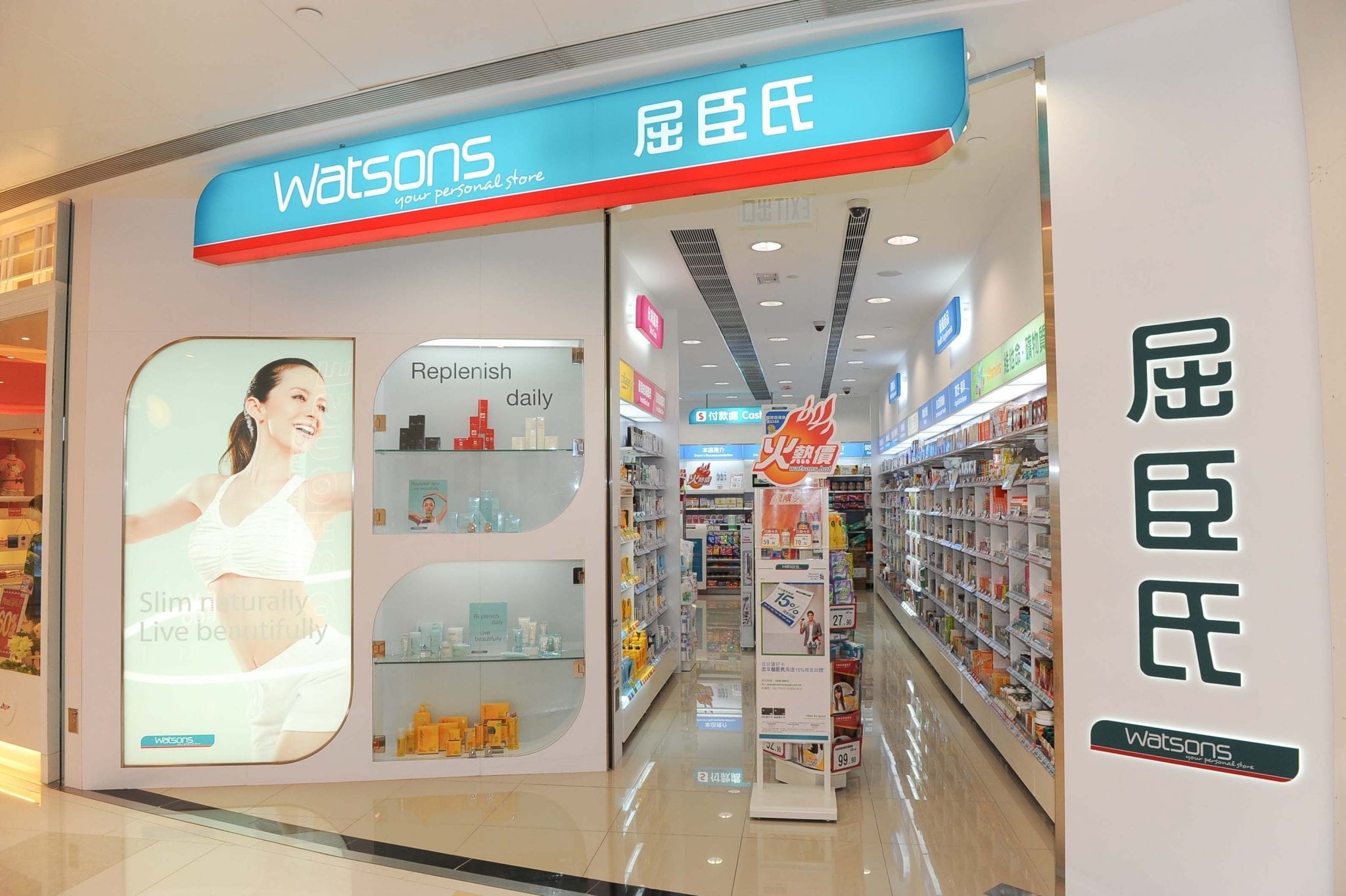
    Watson Indonesia’s debut on the Indonesian Stock Exchange (IDX) has marked a new chapter in the company’s expansion journey to a wider market base.

    Duta Intidaya, the sole franchisee of Hong Kong-based personal care retail chain AS Watsons Group, made the decision to go public to finance its aggressive expansion plans to match Watson’s operations in neighboring countries.

    There are more than 100 Watson stores in Singapore and over 400 in the Philippines, but only 47 in
    Indonesia, even though the latter is the largest economy in Southeast Asia.

    The company plans to open 15 to 20 Watson stores this year, using 65 percent of the proceeds from its initial public offering (IPO), which stood at Rp 86.05 billion (US$6.49 million). The remaining 35 percent of the IPO funds will be used to repay the firm’s debt to lender HSBC.

    The new stores will be located in big city malls and at a stand-alone store in Bali. Each store takes roughly Rp 1 billion to set up. Three new outlets have been set up in Jakarta as of now.

    They are expected to boost Watson’s presence and help the company compete with other personal care retail chains, like local Pharos Group’s Century Healthcare and Hero Group’s Guardian. Century has over 200 stores right now, while Guardian has more than 100 stores.

    “We are still small, so we need more funds to expand and the IPO is the most proper decision at this time. We want to build a stronger brand,” Duta Intidaya director Sukarnen Suwanto said in a press conference.

    The company offers various beauty products, personal care and health and general merchandise products, of which less than 10 percent are imported.

    He acknowledged that growth had been slow in the past. It opened its first store in 2006, but only started to expand aggressively in 2013 and 2014 with around 30 stores opening up during the period. At present, it has set up as many as 47 stores in Java.

    Duta Intidaya took three years to prepare for the IPO by opening more stores, which eventually increased costs for rent, staff recruitment and store renovations.

    The rising costs led the firm to suffer Rp 35 billion in net losses last year, even though its revenues grew 17.7 percent to Rp 192 billion from 2014. The growth rate in revenue was higher than the 18 percent rate the retail industry posted, according to marketing research firm Nielsen.

    “We believe we will get payback from the investments. The retail industry is more like a marathon than a sprint. The more stores opened up, the more growth reaped in the long run,” Sukarnen said.

    He refused to provide details on its bottom line target, but added that it eyed 20 percent growth in revenues this year.

    In the long run, the company hopes to open up 15 to 20 stores every year and launch an online shop in early 2017. Online sales of its products are currently only available through the webmarket Lazada. Developments in the online market are expected to generate at least half of total sales by 2020.

    Meanwhile, Duta Intidaya’s shares ended at Rp 189 apiece on Tuesday, 5 percent higher than the IPO price of Rp 180 per share. It reached a peak of Rp 213 per share within the first hour of trading.

  • Hong Kong jewellers to feel Brexit hit the most

    Hong Kong jewellers to feel Brexit hit the most

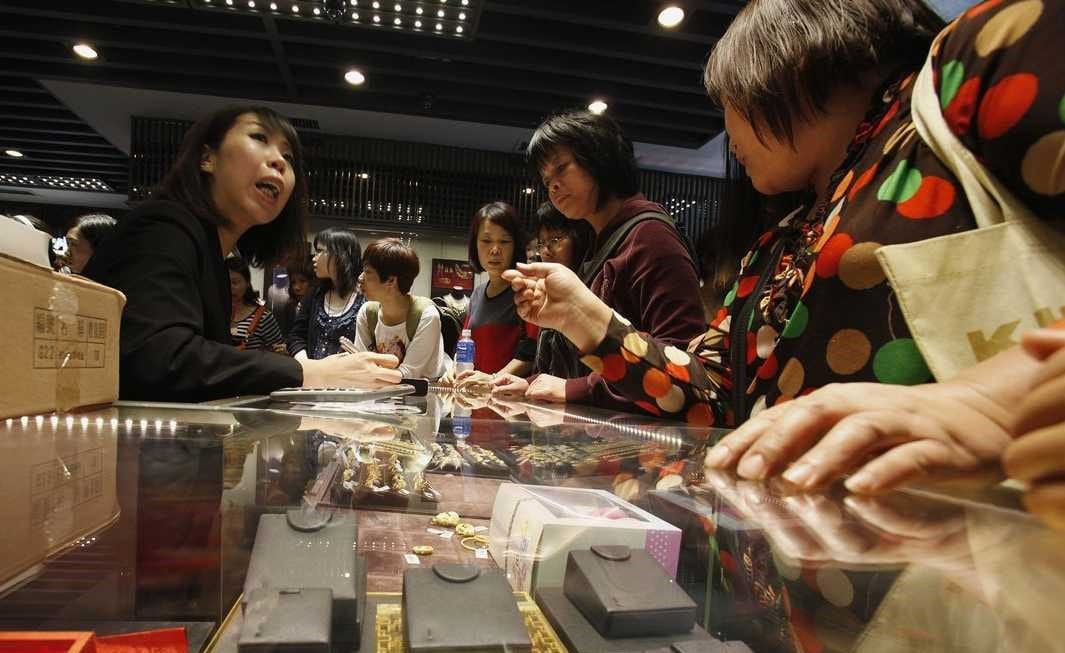
    The retail sector in Hong Kong is finding it difficult to keep their boat afloat amidst the decline in mainland tourists since a year ago. Now, the Britain’s vote to leave the EU is likely to make matters from bad to worse for the Hong Kong’s retail sector, says reports.

    A recently released Hong Kong government report showed retail sales slipping to 12.5 per cent Y-O-Y in the first quarter to HK$115.2 billion, from HK$131.6 billion in the same period last year. The total number of retail establishments also dropped sharply to 64,498, fewer by 1,400 from the first quarter last year. And there have been 10,000 retail sector job losses in the past year, with the number of employees also down to 320,400 by the end of first quarter.

    Apart from the decreasing number of tourists, outbound travel is expected to grow on the back of a stronger US dollar and weaker Chinese yuan, resulting in less spending in Hong Kong, say industry experts.

    Industry analysts have predicted for a much worst conditions for the upcoming future, after Brexit triggered global uncertainty. The situation is expected to push higher the value of U.S. dollar. Also, the experts have forecasted for an outright recession in Hong Kong this year.

    Hong Kong being financial hub and its currency peg, their economy is expected to be hit the hardest in Asia, say experts. The Hong Kong dollar, meanwhile, which is pegged to the greenback, is expected to appreciate significantly after the Brexit, say reports.

    In its latest note, the Morgan Stanley analysts say demand, too, for commercial property is likely to be impacted by weaker Hong Kong economic growth and the sluggish labour market, says reports.

    The experts further predict that the only the only bright spots in the overall retail market gloom, however, were recommendations from Bank of America Merrill Lynch and China International Capital Corp to invest in Hong Kong jewellery makers, which they said should benefit from the rising price of gold, amid global risk aversion fuelled by the Brexit.

    As per the reports, both maintained ‘buy’ ratings recently for Luk Fook Holdings, a Hong Kong gold-jewellery retailer. “Luk Fook would be the biggest beneficiary from the recent upward trend in the gold price due to its smallest hedging ratio of 15 per cent to 20 per cent,” BoA Merrill Lynch analysts said as per reports.

  • Globe picks NetApp SolidFire for cloud storage

    Globe picks NetApp SolidFire for cloud storage

    The Philippines’ Globe Telecom, via its Globe Business group, has deployed NetApp SolidFire’s all-flash scale-out storage platform to support its virtual private cloud and dedicated private cloud services.

    Globe Business provides a suite of products and services for mobile, fixed, broadband, data connections, internet and managed services.

    In order to accelerate its cloud offerings and give it a better competitive edge, Globe Business turned to NetApp SolidFire to modernize its data center infrastructure.

    With NetApp SolidFire’s scale-out design, customers can scale and control performance and capacity independently, without downtime or disruption. Data can be protected using NetApp SolidFire’s always-on data-at-rest encryption and real-time replication.

    “With its flexibility and cost efficiency, more and more companies in the Philippines are taking advantage of cloud computing,” said Mike Frausing, Globe senior advisor for enterprise and IT enabled services group. “As they demand higher performance versus just capacity, we realized that adding more disks to the rack was too expensive and inefficient.”

    Frausing said that with NetApp SolidFire, Globe customers have confidence that their needs for guaranteed levels of performance can be met. “We can offer reliable cloud services at a better price, providing a competitive — and a domestic — alternative to foreign cloud providers.”

  • Sriwijaya Air to serve regular flights to four cities in China

    Sriwijaya Air to serve regular flights to four cities in China

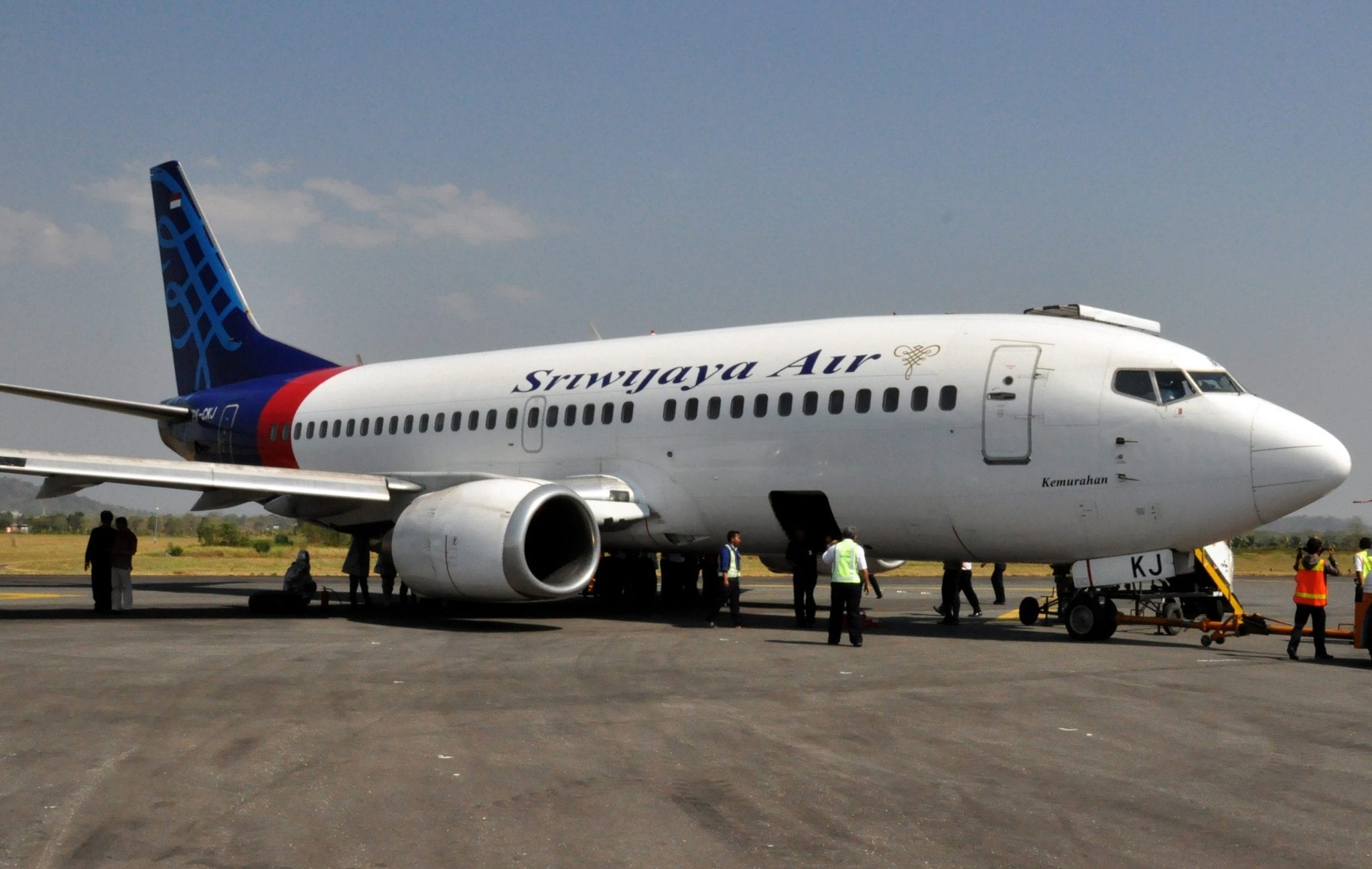
    Sriwijaya Air will be serving regular flights to four cities in China by the end of 2016, Senior Manager, Corporate Communications of the Sriwijaya Air Group, Agus, said here on Tuesday.

    Flights will operate along Denpasar-Hangzhou, Denpasar-Nanjing, Denpasar-Wuhan and Denpasar-Changsa routes, he added.

    The flights will be using Boeing 737-800NG and each aircraft will have a capacity of 185 seats. These flights will be once a day.

    “The new flights are part of the efforts to attract more foreign tourists to Indonesia,” Agus noted.

    As per him, every year, about 500 thousand tourists come from China to Indonesia using this airline.

    “Sriwijaya has the highest number of flights to China, compared to other air carriers,” Agus informed.

    He underlined that in July 2016, Sriwijaya will operate two units of Boeing 737-800NG to serve flights to China and several domestic destinations such as Sampit and Muara Bungo.

    In addition to open flights to China, Sriwijaya Air will also serve an international flight to the Middle East. It will fly to Jeddah.

    “This is a new market for Sriwijaya Air. We are sure that the demand is high, especially for umrah (Minor Hajj) trip,” Agus noted.

    He pointed out that the flight to Jeddah will start by the end of 2017.

  • DHL eCommerce expands presence in China

    DHL eCommerce expands presence in China

    DHL eCommerce has opened a Distribution Centre in Shenzhen as part of its effort to expand its presence in China by at least another 50 percent.

    The new centre will support the manufacturing and online retail sectors. It can handle 18 million shipments per year and will allow shipment and clearance of e-commerce exports across the globe. It will also consolidate international outbound shipments in Southern China and will provide customer service support for locally-based online merchants.

    “We see significant potential in China’s e-commerce sector, particularly between China and the U.S., where we’ve seen triple digit growth since 2015,” said Charles Brewer, CEO of DHL eCommerce in a press statement.

    “With China accounting for more than 40 percent of global retail e-commerce sales in 2015, our investments in China demonstrate our focus on developing efficient and reliable logistics services, to bring high quality e-commerce services to Chinese retailers and meet changing consumer expectations.”

    DHL eCommerce is also making serious plans to expand existing distribution centres in Shanghai and Hong Kong – the centres will be able to handle 48 million and 71 million shipments a year, respectively.

    “Since its launch last July, the DHL eCommerce Shanghai Distribution Centre has seen a 700 percent increase in the volume of e-commerce goods being shipped out of China. With our plans to expand our existing capabilities in Shanghai and Hong Kong, we are confident that this will provide our customers with the fullest support they need, in order to reach their global customer base,” said Malcolm Monteiro, CEO of DHL eCommerce in Asia Pacific.