Tag: asia

  • Telstra sells most of its stake in China’s Autohome

    Telstra sells most of its stake in China’s Autohome

    Australian operator Telstra has sold the most of its majority stake in Chinese online car sales business Autohome to Ping An Insurance Group for $1.6 billion.

    Andrew Penn, Telstra CEO, said proceeds from the sale of a 47.4% stake in Autohome will be used to fund a capital management program that will start in the first half of the 2017 financial year.

    After the sale is completed, Telstra will retain a 6.5% interest in the company and will have one nominee director on the board.

    “Ping An will be an important strategic partner for Autohome. Its nationwide footprint in China and experience and expertise in auto financing, insurance and e-commerce mean Ping An is well placed to help Autohome develop outside of its traditional focus on online advertising,” Penn said in a statement.

    Autohome is an online destination for automobile consumers in China. It has a comprehensive automobile library and automobile listing information, as well as an advertising platform for automakers and dealers.

    In the first quarter 2016, the company reported a significant expansion of its transaction platform with a total of 4,957 new vehicles sold through its B2C transaction platform.

    Average daily unique visitors who accessed its mobile websites and mobile applications has also grown to 8.8 million and 7.2 million, respectively.

    Leng Peidong, President of Ping An Trust, said that with Ping An’s nearly 300 million online users, 150 million financial customers, longstanding relationships with car manufacturers and distributors, and a nationwide offline service network, it will be in a better position to transform Autohome into a full auto transaction service platform.

  • Xiaomi to open 1000 experience stores and emerge as ‘Muji in tech sector’

    Xiaomi to open 1000 experience stores and emerge as ‘Muji in tech sector’

    Smartphone vendor Xiaomi Corp said on Monday it plans to open 1,000 offline experience stores over the next three to four years and continue to expand its product portfolio.

    The move toward experience stores comes in the wake of online smartphone sales hitting the ceiling.

    Xiaomi has been grappling with declining phone shipments and mounting competition from rivals such as Huawei Technologies Co Ltd.

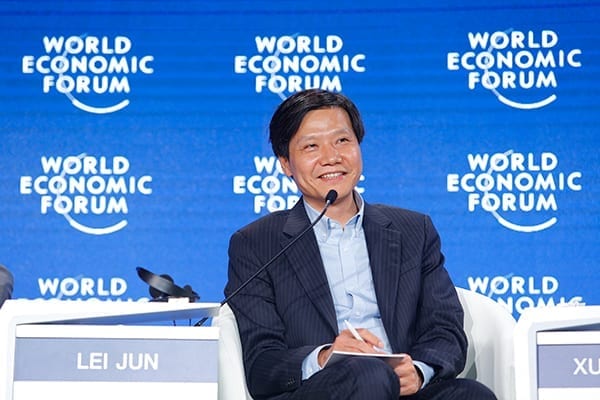
    Lei Jun, founder and CEO of Xiaomi, said the Beijing-based company wants to be the Muji in China’s tech sector. Muji is a Japanese retail company that sells a wide variety of household and consumer goods.

    “Xiaomi was never meant to be just a smartphone vendor. Instead, we are aiming to offer consumers a wide range of products at affordable prices,” Lei said at the Summer Davos in Tianjin.

    “We need about 40 kinds of electronic products to attract consumers to our online shopping platform and offline retail stores,” he said, adding the company has invested in 55 smart hardware manufacturers in recent years.

    Xiaomi has expanded its offerings from smartphones to drones, air purifiers, patch panels to rice cookers.

    “When I founded Xiaomi in 2010, I knew clearly that it would take 15 years for Xiaomi to go public, because the company’s business model is too complicated and consumers need time to cultivate belief in our products,” Lei said.

    Di Jin, research manager at IDC China, said Muji’s business model works quite well for fast-moving consumer products such as shampoo. But for electronic products, the key to success still lies in hefty investments in research and development.


  • First-ever Myanmar Study Highlights Factors for Brand Success & Future Game Changers

    In a nascent marketplace where local brands hold their own against foreign competitors, Apple has emerged as the most differentiated brand whereas local telecom player MPT ranks as the most loved. Brands like mobile provider Telenor have also earned recognition for innovation, despite being a recent market entrant.

    Myanmar’s rapid transformation also means businesses need to ready themselves for game-changing scenarios propelled by technology and infrastructure advancements. Myanmar is set to become the first country in the world to go straight to smartphone as part of its “leapfrog” development. Key changes affecting marketing and brands include the rise from almost zero mobile penetration to nearly 50% in just a couple of years. Technology will likely direct a new generation of digital growth, from retail to banking to social communications.

    The Spotlight on Myanmar findings are based on everyday buying decisions such as coffee, soft drinks as well as long-term purchase decisions around mobile service and handset sectors. Research shows that the most effective messages come from brands that put their products and benefits front and centre. Key differentiators behind the strongest brands are those that project idealism, desirability and a sense of adventure.

    BrandZ research in Myanmar includes 1,660 consumer interviews and covers 42 key international and regional brands that are already building a sense of meaningful difference in Myanmar, based on either their global profile or their local activity. Findings show that:

    • Apple is the most differentiated brand in Myanmar followed by Coca-Cola and Samsung. Apple indexed 232, where the average brand indexes at 100.
    • Mobile network Telenor is the most innovative brand in the survey, indexing 125, with rivals MPT and Ooredoo coming second and third respectively.
    • MPT is the most loved brand in the survey, indexing 129, nine points ahead of Samsung and 11 points ahead of Telenor and Huawei.
    • Samsung’s brand proposition scored the highest at129, ahead of Apple on 125 and MPT on 118.
    • Huawei scored highest on brand power -a brand’s ability to boost sales or gain market share due to consumers’ predisposition to choose this brand over another – indexing 436, significantly higher than its global average score of 81. Huawei performs better in Myanmar than it does in its home market, China, on this measure.

    “There are huge opportunities for international brands to be successful in Myanmar, if they get their cultural message right and understand the diversity of the country, particularly in the border areas. Our teams have identified comparisons with the India of 30 years ago and indeed some aspects of rural India today. Also valid are comparisons with Indonesia, which also has a large population that lives off the land as well as a huge range of different climatic regions,” said David Roth, CEO at The Store, EMEA and Asia.

    The report also highlighted a number of key trends that will change how brands and agencies should approach this market, now and in the next few years, including:

    • Rapid improvement in infrastructure. It has taken just three years to build a national mobile network; other changes including the arrival of greater electrification and improved transportation links will happen much faster than would be expected in many markets.
    • e-tailing is coming. Despite the current poor retail infrastructure, the rapid growth in e-commerce in other developing markets acts as an indicator that the speed will be similar in Myanmar.
    • The world’s first mobile-only market. Consumers are increasingly looking to mobile for both information and entertainment. While TV is important, brands need to consider Myanmar as not just a mobile-first environment but also a mobile only market.
    • Sell the effect, not the spec. Consumers are new to choice in Myanmar so they will navigate the new landscape differently. Brands need to focus on how the product will meet their needs and make it easier to compare functions and prices.
    • Appreciate the diversity of Myanmar. This is not a homogenous nation. Although 88% of the urban population is Buddhist, there is a huge range of ethnic, climatic and cultural variety, which will be particularly critical in the personal care sector.

    “BrandZ’s first research in Myanmar will help international and regional marketers understand the challenge of building strong brands in this new market. Experience in other fast emerging markets shows that first mover advantage and the loyalty it engenders in consumers can last for decades. Myanmar is a long-term commitment but one that will pay off for the brands that get it right,” said Doreen Wang, Head of BrandZ, from Millward Brown.

  • Airport retailer struggles to pay bills as parent in Seoul gets raided

    Airport retailer struggles to pay bills as parent in Seoul gets raided

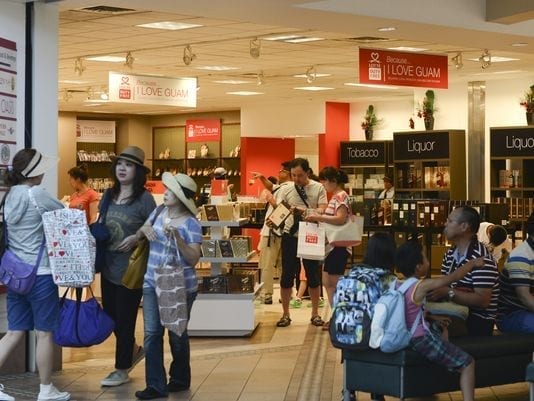
    South Korean authorities raided the headquarters and other offices of Lotte Duty Free Guam’s parent company in Seoul earlier this month.

    The duty-free retailer sells an array of high-end products, from eyewear to liquor, to passengers who’ve passed through the airport’s security check.

    “The airport is not concerned at this time with the news coming out of Korea about Lotte,” Airport Executive Manager Chuck Ada’s office said in a statement. “It has nothing to do with Lotte Duty Free Guam’s obligations under its specialty retail concession contract with (the A.B. Won Pat Guam International Airport Authority).”

    Lotte Duty Free Guam is a wholly owned subsidiary of Hotel Lotte Co. Ltd., which is based in South Korea. Hotel Lotte and other companies under the Lotte Group have been the subject of a widening investigation by South Korean authorities, according to media reports.

    The news about the raids came after an audit, released in February, indicated Lotte Guam was facing financial problems.

    The most recent audit of the retailer’s financial statements showed Lotte Guam posted $14.3 million net loss at the end of last year. Lotte Guam also recorded a $14 million loss at the end of 2014, and an $8.9 million loss in 2013.

    In January 2015, Lotte Guam asked the airport for a temporary reduction in rent. Ada denied the request, saying it would affect the agency’s ability to pay its debts, according to letters between the airport and Lotte.

    An email and phone calls to Lotte legal counsel Cesar Cabot were not returned.

    Ada was unable to comment on whether Lotte had made a subsequent request for reduced rent.

    In 2013, Lotte Guam signed a contract to pay the Guam airport agency $15 million a year for 10 years, and the airport used these future payments to enhance its ability to borrow more money from bond investors.

    In light of the reports of the investigation into Lotte’s parent company, the airport “has to do their own due diligence,” said Guam’s Public Auditor Doris Flores Brooks.

    However, Brooks said it’s too soon for her to comment whether there’s reason to be concerned about the airport’s future finances.

    The Wall Street Journal reported that according to South Korean media, the raids were triggered by an investigation into whether a local cosmetics company paid bribes in exchange for floor space at Lotte’s duty-free retail outlets in that country.

    Lotte’s South Korean office confirmed the raids occurred, but the company declined to comment regarding the specifics of the investigation, according to the Wall Street Journal.

    Lotte Guam is part of the worldwide Lotte Group’s duty-free enterprise, which reported more than $4 billion in annual sales in 2015, according to the statement from Ada’s office.

    “The airport has confidence that with Lotte’s experience and vast financial resources that it will abide by and meet the terms of our 10-year agreement,” the statement said.

    If Lotte Guam fails to make a payment, the airport agency said it’s protected by a letter of credit of more than $15 million. A letter of credit is issued by a bank as a backup source of payment.

    When asking for the rent to be reduced, Jung Min Lee, chief executive officer of Lotte Guam, wrote that sales “have not met projections, and are not even near the estimated levels based upon available economic data.”

    “Lotte respectfully requests GIAA’s kind consideration in order to survive this temporary rough patch of adversity and market events that are beyond Lotte’s control,” Lee wrote. The request cited the weakened value of the yen and the ruble against the U.S. dollar as a reason for the dismal sales.

    Guam’s tourism industry has seen a dip in Japanese visitor arrivals and steep plunge in tourist arrivals from Russia, and those challenges continued this year.

    Lotte Guam’s net sales of $15 million weren’t enough to cover all of the duty-free retailer’s bills last year, including: $15 million in rent to the airport; almost $4 million in payroll and employee benefits; and $3.3 million in professional fees, the 2015 audit report showed.

    The airport agency doesn’t want to increase airline fees to cover losses from duty-free concession revenues, Ada wrote in his letter denying the rent reduction. When the airport raises airline fees, airlines could pass on the cost to the traveling public.

    Lotte’s $15 million rent payment to the airport in fiscal 2015 made up nearly 25 cents for every $1 of the airport agency’s operating revenue that year, a separate government audit report shows.

    Lotte Guam and the airport agency continue to fight luxury goods retailer DFS Guam in Superior Court over the duty-free shop spaces at the airport.

    DFS was the duty-free concessionaire for 30 years until the airport awarded a 10-year concession agreement with Lotte in 2013.

    Lotte has paid $20 million for projects to improve the look of the duty-free concession areas at the Guam airport terminal, according to the airport agency.

    “There is no question that the Lotte concession has been of tremendous benefit to the airport and the people of Guam,” the agency said in a statement.

  • How retailers in HK can survive the crisis in the industry

    How retailers in HK can survive the crisis in the industry

    Francis Gouten, director of Gouten Consulting and former chief executive of Richemont Asia Pacific Ltd., talks to Nick Bradstreet, managing director and head of leasing for Savills Hong Kong, about the Hong Kong retail market.

    How do you see the economic environment at the moment?

    FG: It is certainly the most challenging I’ve seen since SARS (the outbreak of severe acute respiratory syndrome in 2003). But the rents in shopping malls are not decreasing. However, nobody dares to close shops in the luxury space, but it will happen; it must happen.

    What kind of pressures are having an impact on retail?

    FG: There are lots of factors, the pressure of rent and the pressure of the stock market, as major groups are managed by financial people. You have to show quick results, and we are in a world of short-term views.

    There is a complete change — in Hong Kong we now rely less on the mainland Chinese. Hong Kong was the first destination for rich people, and now they are going somewhere else. There are still many visitors in Hong Kong, but they are not spending as much.

    How can retailers respond to the crisis?

    FG: Before, many of the big brands set out to impress the mainland Chinese, and they rented bigger stores to show they are big brands. But in part, this killed the malls and the interest in those places, because when you have a brand on three floors, what else is there? What can I discover?

    If I have to advise shopping malls nowadays, I would say reduce store sizes and bring more diversity to malls. Don’t give three floors to one brand.

    So what will happen to brands?

    FG: The top brands will recover. They will remain financially strong, but right now they are cutting expenses and people, and freezing openings. They are taking a long-term view at the moment.

    Asia is still an important part of the business, but perhaps not as important as in the past 10 years. A big part of the results in Asia was gifting, around 35-40 percent, generating more exclusive and over-priced products. But this is no longer the case.

    What market strategy should brands take?

    FG: You need to go to local consumers and target them directly. Luxury took off because of the fashion brands, but now everybody is in luxury.

    Top brands need to go back to their original positioning of a premium experience by welcoming the clients, providing a high-quality service and exclusive offerings. They need go back to the heritage of brand and target the core customer.

    So service and the experience are essential to this?

    FG: What did luxury mean 60 years ago? Luxury was a well-made, high-quality product made in limited quantity. This product was made by families, with fantastic know-how of a single product, and only one or two shops in the world.

    People came from around the world to buy this special item, often customized to their own liking. Clients are still seeking that kind of exclusivity and service.

    You need to protect your DNA, origin, and essence of the brand. How can brands understand their clients? How can they serve them better?

    There needs to be an upgrade in the quality of the service, which can be done through detailed training programs for all in-store staff.

    I once purchased a beautiful jacket from a luxury brand, and the salesperson asked me if I wanted to pay an extra 50 cents for a bag. I thought, “It’s raining outside, of course I want a bag. Charge me HK$500 more, I don’t care! If you go into a luxury shop, you should be treated as a luxury client. This is important.”

    Do you need to bring the price point of luxury items down?

    FG: Brands are thinking about it, but it’s always difficult in luxury. For current products, customers who bought already will feel cheated. Some brands have done it already by only dropping prices for new products, and then rethinking their way of localizing profit.

    Is Macau doing better than Hong Kong?

    FG: A little better. A few years ago some of their shops were No. 1 in the world. Now, Macau will continue to grow, but it will be more mass-market. When you have a large mass market you have room for the upper market as well.

    Macau is a pure leisure destination, and when you are on holiday you spend money, so you’ll see some changes in tailoring a luxury experience.

    So how is the Hong Kong market developing?

    FG: You are seeing the return of activewear and mass traffic brands. Expensive sportswear is a strong trend, because these brands have improved image perceptions. Thirty years ago it was not the case. Now these brands have better designs, specializations and technology.

    And what is happening with e-commerce?

    FG: China is the world’s biggest e-commerce market – they are selling cosmetics, ladies’ shoes, kids’ toys, but it is not yet for luxury.

    You have many fake products, and e-commerce is also a discount business. I do not recommend luxury brands go there. If I can buy your products in mass on the internet, what does that do to your image?

    But e-commerce cannot be stopped – it needs regulation. The majority of brands do not understand it. But it is important for brands to have people who understand the digital environment.

    What is even more important nowadays is, as I have mentioned, to reinvigorate the luxury experience and focus on attention to detail.

    The experience of luxury should be intimate, bespoke and, above all, exclusive.

    Going back to the roots of luxury and targeting the core customer will ensure a bright future for luxury.

     

  • Itron Smart Payment Solution Selected to Improve Nationwide Electrification in Indonesia

    Itron Smart Payment Solution Selected to Improve Nationwide Electrification in Indonesia

    Itron, a world-leading technology and services company dedicated to the resourceful use of energy and water, announced today that PT Mecoindo, a joint venture between Itron and a local partner, signed a contract with PT PLN (Persero), a state-owned utility company in Jakarta, Indonesia, to deploy 635,000 Itron smart payment meters. With this Itron solution, PT PLN will provide end-customers with a convenient, cost-effective way to prepay for electricity; thus improving electrification for Southeast Asia residents. Installation is expected to be complete by the end of 2016.

    Itron’s smart payment technology is designed to help utilities implement revenue protection measures as well as empower consumers to manage their electricity usage according to their budget and needs. Consumers have insight into how much money they have spent in a given period and how much they have left, reducing the likelihood of an untimely shut-off. In addition to these consumer-focused benefits, utility companies realize business value by simplifying utility customer service, lowering operational costs and reducing delinquent account risks, while improving cash flow.

    “We believe Itron’s products are the highest quality in the industry and the best fit for our electrification program,” said Septa Hamid, general manager of supply chain management at PT PLN (Persero). “Our goal is to provide convenient and affordable electricity services to more people in Indonesia, and with Itron’s smart payment solution, we are making that goal a reality.”

    “We are pleased Itron’s smart payment solution was selected by PT PLN. Itron’s technology will help PT PLN achieve its electrification goals and bring a greater understanding of energy use and costs for consumers,” said George Daenuwy, PT Mecoindo president director. “We look forward to contributing to this program, which truly demonstrates how we are helping utilities better manage resources for a more resourceful world.”

  • DoCoMo to provide 375Mbps LTE-A at Mt Fuji summit

    DoCoMo to provide 375Mbps LTE-A at Mt Fuji summit

    Japan’s NTT DoCoMo has announced plans to deploy LTE-Advanced at the summit of Mount Fuji, Japan’s highest and most famous mountain.

    The company will provide mobile services with maximum downlink speeds of 375Mbps as well as 3G service during the climbing season from July 10.

    The company will also offer a maximum downlink of 337.5Mbps on the four most heavily used routes on the 3,776 meter summit, the Subashiri, Gotemba, Fujinomiya and Yoshida trails.

    DoCoMo will also deploy Wi-Fi hotspots at some cabins on the slopes, and make shared tablets available in some cabins that support video streaming, translation app Hanashite Hon’yaku and other value-added mobile services.

    “Going forward, DoCoMo will continue to ensure that Mount Fuji climbers enjoy high-quality mobile services as part of its initiative to enhance the quality of mobile communications in expanded coverage areas around Japan,” the operator said in a statement.

    Mount Fuji is the 35th most prominent – or highest – mountain in the world and a UNESCO World Cultural Heritage Site.

  • Manulife Indonesia to spin off sharia business unit, increase market share

    Manulife Indonesia to spin off sharia business unit, increase market share

    Manulife Indonesia has submitted a proposal to the Financial Services Authority (OJK) to generate a bigger market share for its holding company by creating a spin-off of its sharia business unit, a company executive has said.

    “We have submitted the documents for the spin-off to the OJK,” Manulife Indonesia’s sharia unit head Yetty Rochyatini said in Jakarta.

    She said the Canada-based company was waiting for the OJK to complete a new regulation on sharia mutual funds, which would be released this year.

    Manulife’s sharia business unit recorded 31 percent growth year-on-year in its risk-based capital to 125 percent in the first quarter of 2016. The government has stipulated that all sharia insurance companies must have a minimum risk-based capital of 30 percent.

    Yetty said the company’s qard (benevolent sharia loan) funds amounted to Rp 240 billion (US$18.2 million), enough to meet the solvency level needed.

    According to the company’s unaudited financial report, the sharia business unit recorded Rp 25.2 billion of gross premium income in the first quarter of this year, an 84 percent increase year-on-year.

    “While waiting for the OJK to formulate the regulation, we continue to prepare ourselves by enlarging the business size and boosting sales,” Yetty said.

  • 385.5 tons of beef illegally imported to Indonesia in 2016

    385.5 tons of beef illegally imported to Indonesia in 2016

    Indonesias Finance Minister Bambang Brodjonegoro said the surge in beef smuggling or illegal beef imports in 2016 have risen to 385.5 tons.

    “In 2015, Indonesia managed to prevent 23.4 tons (of beef being imported illegally). Until June 2016 we have foiled 385.5 tons of illegal beef imports attempts,” said Bambang here Thursday.

    Bambang said 21.8 tons of illegally imported beef had been given to the Coordinating Ministry of Peoples Empowerment and Culture before being distributed by the Ministry of Social Affairs among the needy.

    The Customs and Finance Ministry are also making efforts to monitor the goods entering Indonesia illegally.

    Besides giving away 21.8 tons of smuggled beef that is beyond the states quota, an auction for 163 tons of beef will also be held in the next two days.

    “We will hold an auction for smuggled beef found in seven containers, amounting to a total of 163 tons, which was imported from Australia and New Zealand on May 21, 2016,” Bambang said.

    Furthermore, the ministry is currently preparing for the auction and expects the meat to be distributed immediately after that.

    “We will ask the winning bidder to sell it at affordable prices to the public. Under the direction of the president the affordable price of beef is around Rp80.000,” he added.

  • Thailand legislature passes new frequency act

    Thailand legislature passes new frequency act

    Many NLA members also clashed on the composition of the NBTC board which will now be a unified board with 7 members instead of 11 with a telecoms and broadcasting sub-board. Many of the legislators feared that the changes in the criteria such as age and experience would lead to a board filled with career bureaucrats.

    The selection process will see a 7-member committee (consisting of the chair of the country’s three courts, chair of the national anti-corruption commission, auditor-general, comptroller-general and governor of the bank of Thailand) to select 14 candidates to be sent to the upper house to vote on.

    Earlier there was widespread concern over article 13 that would force the NBTC to comply with the Digital Economy Commission policy and article 19 that gave the DE Commission final say as to whether the NBTC had complied with their plans or not.

    The new article 15 also allows for shared use of spectrum while articles 24 and 25 forces the NBTC to consider the greater good rather than just money when holding a spectrum auction.

  • Yum! Brands China sale falters

    Yum! Brands China sale falters

    Following a missed deadline by potential investors, the sale of a minor stake in Yum! Brands China business has been delayed.

    Yum runs KFC and Pizza Hut outlets in China, while the potential bidders include Singapore state investment company Temasek Holdings and Chinese private equity firm Primavera Capital.

    One report says the suitors held off submitting bids after Yum tried to impose new terms on the investments. The investors have also indicated they disagree with Yum’s proposed valuation of $10 billion for the China unit.

    After a prolonged sales slump caused by food-safety scandals, Yum last year decided to spin off its China business into a separate publicly traded company. Since this was announced in October, Yum has had stronger same-store sales results from KFC in China.

    With the terms change, Yum would not be obliged to pay royalties to the China business for any products it developed, plus it would not share the burden for some of the Chinese unit’s advertising spend.

    Yum told potential investors of the new conditions just days before the bid deadline, and the company has yet to set a revised deadline.

    Meanwhile, Yum spokeswoman Virginia Ferguson says the company is making “great progress” toward the separation of the China business.

    At an investor conference this month, CEO Greg Creed said he expects the China separation to occur around the end of October.

    A group backed by sovereign wealth fund China Investment Corp withdrew a bid for control of the China business after failing to agree on a price. It claimed that initial due diligence showed Yum’s profit margins were under pressure in an increasingly competitive market.

    Yum’s market share in China fell to 24 per cent last year from 39 per cent in 2010, data from Euromonitor International shows.

    According to its website, the company plans to add 600 outlets this year to its more than 7200 restaurants across China.

  • Chinese tourist shopping myths proven wrong

    Chinese tourist shopping myths proven wrong

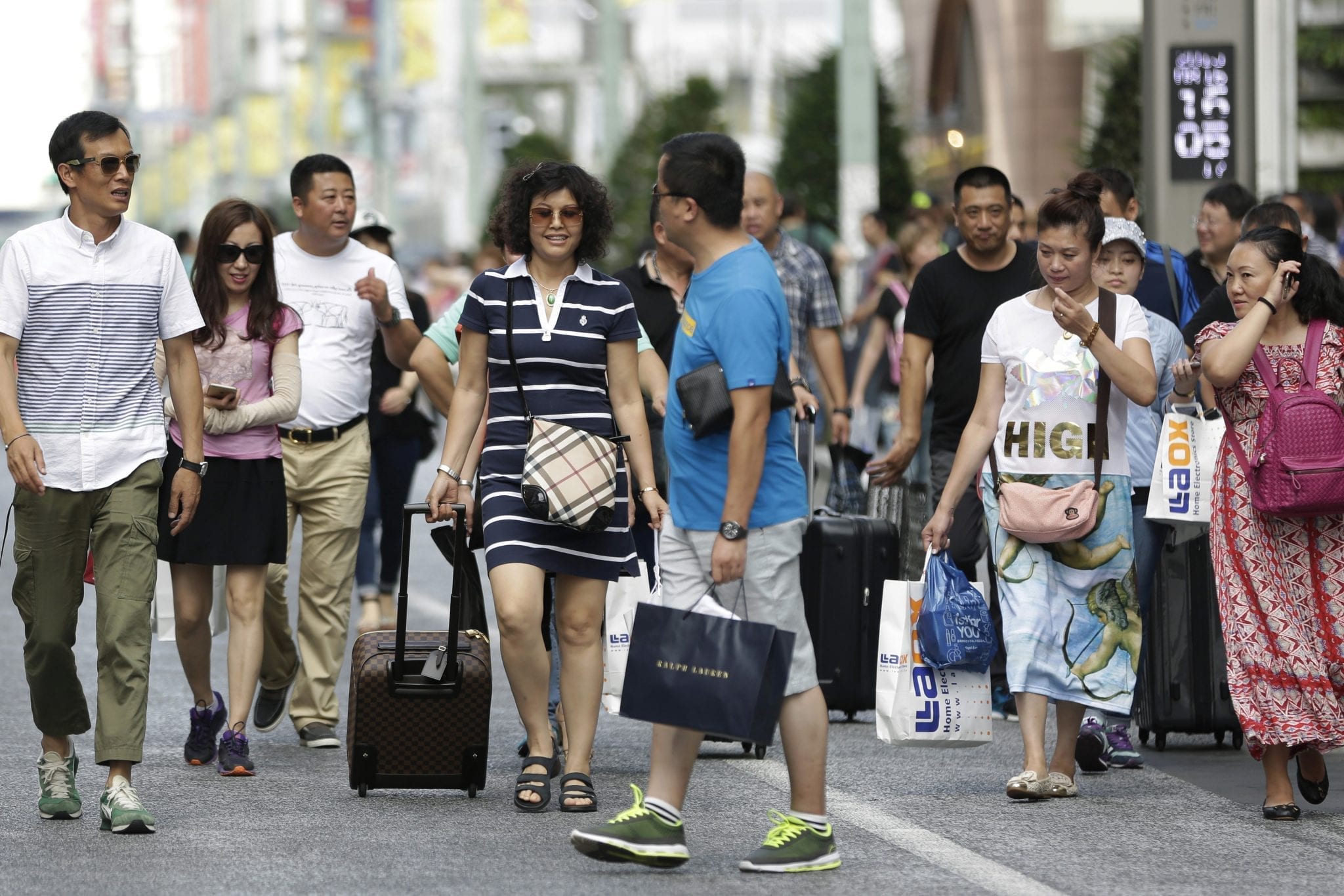
    Myths about the behaviour and spending patterns of Chinese tourists abroad have been debunked by a new report.

    A study by Oliver Wyman seeks to dispel common misconceptions about outbound Chinese travelers, illustrating how global destinations can sharpen their appeal to meet their changing needs and expectations.

    “The Changing Face of the Chinese Traveller” may help global travel destinations, such as Hong Kong, sharpen their appeal to meet travellers’ changing expectations, explains Hunter Williams, Oliver Wyman partner and author of the report.

    Myths discussed include “They go abroad only to shop,” “They spend indiscriminately,” “They are always in groups”, “Independent travelers are quickly replacing groups,” and “Chinese travelers are more trouble than they are worth.”

    Myth 1: “They go abroad only to shop”.

    Not true. While nearly 100 per cent of travellers shopped during their trip, fewer than 15 per cent of Chinese travellers surveyed cited shopping as the main reason for their trip, in contrast to 63 per cent who specified sightseeing as their top motivation. This impacts the ways in which destinations around the world appeal to this audience.

    “In Hong Kong, where slowing growth in Chinese travellers and their spending has seen retail sales fall 12.5 per cent in the first quarter of 2016, the city will need to become less dependent on shopping by Mainland Chinese visitors and encourage spending on other activities,” said Williams. “Indeed the study reveals that Korea, now the most popular destination for Chinese travellers, is now the destination where shopping is the primary motivation for travel.

    Myth 2: “They spend indiscriminately”.

    Not entirely true. Relatively speaking, Chinese travellers do spend large sums while abroad. On average, they spend around US$3000 per person, roughly the equivalent of a month’s household income. It is also true that they spend a lot on shopping – approximately US$1200 – which may have helped to fuel the misconception that they spend indiscriminately. However, only around half of the spending is on themselves. More than 32 per cent is to purchase gifts for others, and 19 per cent is for resale back home.

    “Chinese travellers have sophisticated needs, so retailers need a segmented approach that emphasises unique value – it’s no longer enough to offer a blanket approach.”

    Myths 3 & 4: “They are always in groups” or “Independent travelers are quickly replacing groups”.

    Not true. Both the number of tour-group travellers and the number of independent travellers are on the rise, showing both individuals and groups will continue to be important traveller segments for some time to come. Independent travellers are not replacing group travellers, but are complementing them.

    “For example, Hong Kong and Macau rank close to the top for the percentage of independent trips, while Taiwan ranks close to the bottom,” says Williams. “At the same time, over the past few years group travellers have actually accounted for a larger share of all travellers dispelling the misconception that groups are gradually being replaced by individual travel.

    “However, The Chinese travellers surveyed considered tour operators to be the single least useful source of information, showing tour operator relationships are no longer enough.”

    Myth 5: “Chinese travelers are more trouble than they are worth”.

    Not true. As a result of cultural misunderstandings, Chinese tourists can often be misjudged. For example, there is no tipping culture in China and it is often socially acceptable to eat food on public transport. Explaining service charges upfront and the proper usage of facilities can reduce miscommunication. Similarly, rules, and penalties for breaking them (such as cleaning fees for smoking in non-smoking rooms), should be clearly communicated. Open two-way communication is the surest way to avoid misunderstanding, says Williams.

    “Today there is no such thing as the archetypal Chinese traveller as this group is complex and multi-faceted. If consumer facing businesses make broad generalisations and buy into the misconceptions, they will miss key opportunities. Businesses need a cohesive Chinese traveller strategy, where the realities of each region and destination must be considered separately.”

    Further findings

    The report, conducted among 1750 Chinese people who had travelled abroad in the past year, also revealed key travel habits. In retail, duty free captures more than one third of total shopping spend. Cosmetics are the most commonly purchased category, followed by alcohol. However, department stores and shopping malls are the most frequently visited channel. They still receive nearly one third of spend, with clothes, food and souvenirs being the most purchased categories.

    Hong Kong has tended to be the default first destination for Chinese travellers with watches and jewellery their most popular shopping category by some distance, with Sogo, Aeon and The Landmark being amongst the most popular retail players.

    • With offices in 50+ cities across 26 countries, Oliver Wyman is a global leader in management consulting that combines deep industry knowledge with specialised expertise in strategy, operations, risk management, and organisation transformation. Oliver Wyman is a wholly owned subsidiary of Marsh & McLennan.
  • Paypal now available for iPay88 merchants

    Paypal now available for iPay88 merchants

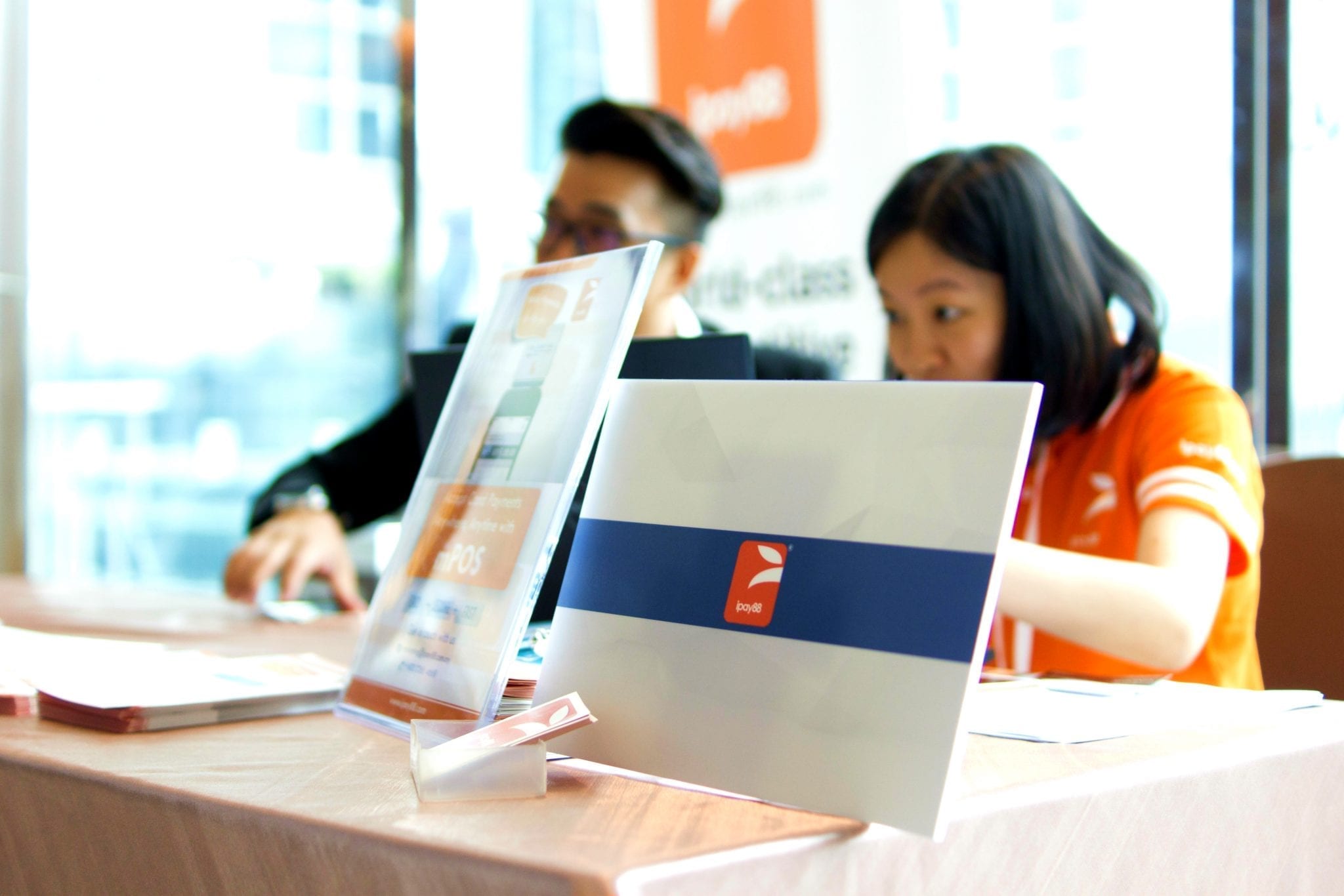
    Malaysian online payment service iPay88 has entered a collaboration with online payment company PayPal to promote and support cross-border trade for iPay88 merchants.

    For small businesses in particular, cross-border eCommerce provides a chance to sell to the world, and iPay88 believes the collaboration will enable its merchants to leverage PayPal’s 184 million active accounts and presence in more than 200 markets.

    OLYMPUS DIGITAL CAMERA

    Executive director KL Chan says iPay88 has nearly 10,000 e-merchants, including SMEs and conglomerates, but there is also a large, untapped market of businesses and companies still considering moving into eCommerce. “This collaboration with PayPal is timely as it will help capture this market effectively by offering both online banking and credit-card payment options.”

    Merchants signing up for a PayPal account can now do so through iPay88. Approvals will be sent to merchants within three working days. Aside from the quick sign-up process, iPay88’s online merchants will also be able to benefit from PayPal’s multi-currency checkout.

    Chan estimates the collaboration will drive extra revenue for iPay88 in 12 months.

    “It has always been a challenge for businesses, especially small ones, to expand and sell overseas,” says PayPal Southeast Asia GM Rahul Shinghal. “PayPal is committed to helping them grow by leveraging the power of eCommerce, which gives them a level playing field when competing with larger export houses.”

    A subsidiary of NTT Data Corporation, iPay88 was set up in Kuala Lumpur in 2006 and has an established presence in Indonesia, Singapore, Thailand, the Philippines and Vietnam.

  • China Jo-Jo Drugstore expansion drives revenue

    China Jo-Jo Drugstore expansion drives revenue

    China Jo-Jo Drugstore expansion drove revenue up 15.8 per cent in the year to March 31.

    Online sales soared 77.8 per cent year-on-year to US$26.5 million and now accounts for 29.7 per cent of the group’s sales.

    New stores helped offline retail sales rise 4.9 per cent with total group revenue reaching $89 million. Same-store sales rose 6.4 per cent.

    But net profit was down from $856,000 to $447,000, largely due to continuing expansion costs.

    US-listed China Jo-Jo Drugstores now has 58 retail pharmacies in China’s Zhejiang Province and the business also distributes drug and other healthcare products to other drugstores and vendors.

    Chairman and CEO Liu Lei described the results as “solid”.

    “We consolidated the operations of our retail drugstores and implemented key initiatives such as increasing product adaptability, providing access to mobile payments, and launching in-pharmacy virtual doctor clinics to drive sales and provide value-added services to our customers. We maintained profitability while migrating our product mix to higher margin pharmaceutical and health and wellness products.

    “At the same time, our expansion in the fast-growing online pharmacy markets in China continues to outpace the industry. Our online pharmacy sales continued to grow rapidly through both third-party eCommerce platforms and our own online pharmacy website.”

    He said moving forward, the company will focus on opening or acquiring more stores, creating deeper relationships with its customers, holding regional dominant market share in retail pharmacy, while taking a data-driven approach in identifying popular products and enhancing its abilities to promote online sales.

    “We believe we have the right strategy for succeeding as a leading online and physical retail chain pharmacy stores in China.”

  • NTT Data to support VietUnion payment service

    NTT Data to support VietUnion payment service

    Japanese payments company NTT Data Corporation has agreed to take on pioneer Vietnam fintech company VietUnion Online Services, which has an intermediary payment services licence issued by the State Bank of Vietnam.

    VietUnion, a group company of Saigon Construction Corp (SCC), mainly provides payment services through big chain retailers such as convenience stores.

    VietUnion has been expanding its payment business primarily through Payoo, which enables users to make payments to about 4000 stores, including supermarkets and in shopping centres.

    Payoo also has a smartphone app that can be used for internet banking, and it provides software for mobile POS systems, smart cards for transport and tuition fee management for more than 1700 schools in Ho Chi Minh City.

    With more than 30 years of experience in the payments business in Japan, NTT Data will help VietUnion expand its non-cash payment services and help develop Vietnam’s payment infrastructure.

    NTT Data will introduce Payoo and other payment services to its customers in global eCommerce and financial institutions in APAC regions through collaborations with its other companies – iPay88 in Malaysia, NTT Data Hong Kong, and NTT Data Thailand.