Tag: asia

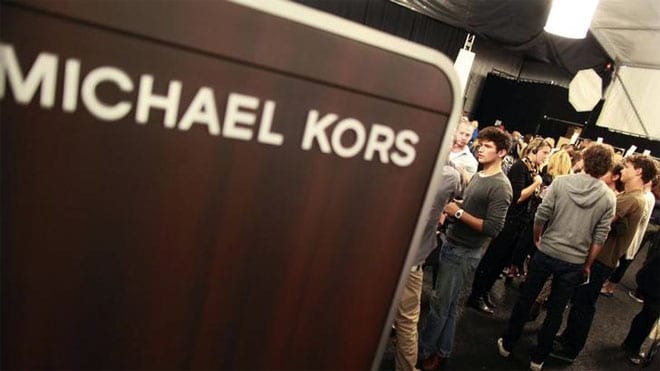
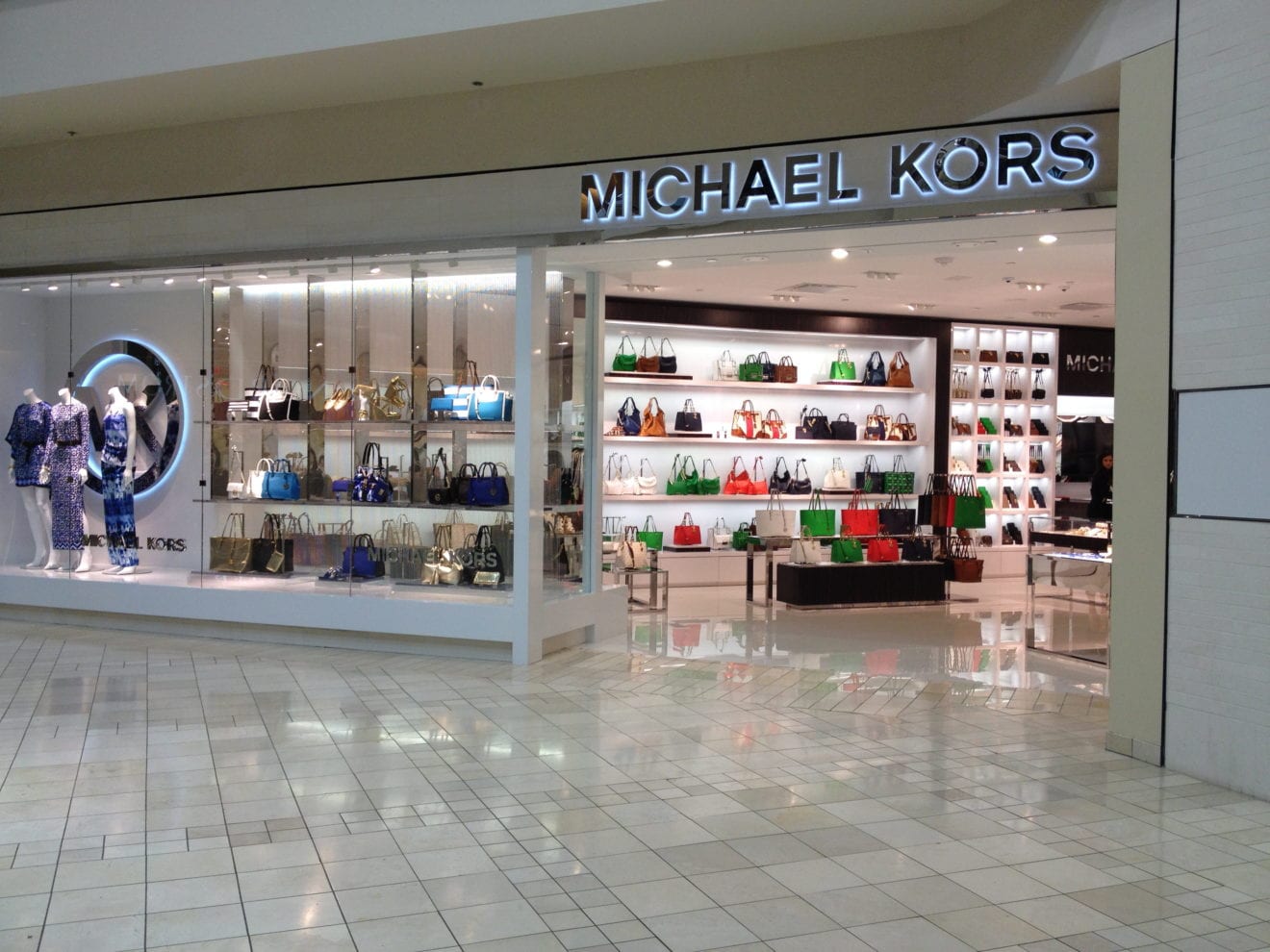
  • Michael Kors result ‘disappointing’

    Michael Kors result ‘disappointing’

    At headline level Michael Kors has ended its fiscal year on a strong note with total revenue up by 10.9 per cent, underpinned by a robust increase of 22 per cent in retail sales.

    However, most of the uplift is thanks to the fact the company opened some 142 new stores over the past year and has also expanded its online operations. When these are factored out, underlying growth is anemic – rising just 0.3 per cent over the prior year.

    Such a soft comparable number is disappointing, especially as it comes off the back of a very weak comparative in the prior year when same-store sales dropped by 5.8 per cent. Licensing revenue also shrank, down by 13.6 per cent on a year-on-year basis. That growth only came from expansionary activities rather than from underlying productivity gains shows on the bottom line where net income fell by 3.5 per cent.

    Michael Kors’ numbers are also something of a mixed bag on a regional basis. In North America, which remains the company’s biggest market, revenue rose by a respectable, but fairly modest, 4.6 per cent. Europe came in slightly stronger with a 15.6 per cent increase, but Asia was the star of the show with a 216.4 per cent increase over the prior year. This variance is no coincidence and reflects the differences in maturity of the Michael Kors brand in terms of both physical coverage and saturation levels with consumers. That said, even with the variances, Michael Kors is showing a much better growth story than many rival brands, including Coach.

    While North America remains in growth Michael Kors will struggle to boost its sales in the US over the next few years, mainly because consumer interest in the brand seems to have peaked. It is notable that Nordstrom has started to cut back on Michael Kors inventory, while a number of other department stores are offering heavy discounts on its product. This underlines the continued issues of saturation and ubiquity in the home market.

    This dynamic means it is fortunate that Michael Kors has other regions to turn to for growth, with Asia having the most potential. Here we are encouraged that Michael Kors has acquired Michael Kors (Hong Kong), which was previously a separate operation licensed to sell into China and a number of other Asian countries. This will, allow the business to ramp up the pace of expansion in the region and, over the medium term, boost earnings potential. That said, in the short term investments in new openings and marketing are likely to act as a brake on bottom line growth, as indeed will the continued impact of the strong dollar.

    Given that it will take time to ramp up growth in Asia, and that pressures at home continue, the start of the new fiscal year is likely to see a slight dip in comparable sales accompanied by a deterioration in profit.

    Longer term, the outlook is more positive as Michael Kors reaps the benefits of its growth program.

  • Digital edge for Retail Asia Expo

    Digital edge for Retail Asia Expo

    Trending technology and the fast-changing tastes and behaviours of consumers and the market will all be in the spotlight at the eighth Retail Asia Expo (RAE), the award-winning flagship industry event in Asia for retailers.

    Organised by Diversified Communications Hong Kong and at Hong Kong Convention & Exhibition Centre (HKCEC) from June 14 to 16, the event will explore such topics as B2C sales to China, mobile wallets, cloud-based retail technologies, cross-border eCommerce and ePayments, the digitisation of retail, re-platforming, proximity marketing, online retail strategy with global standards, and innovative technologies from Israel.

    Products, ideas, software and strategies will also feature in exhibits and seminars.

    For internet retailing, exhibitors will showcase advanced internet retailing technologies, back-end support software, supply-chain management technology, electronic payments, and online sales and marketing software. Providers that have confirmed their participation include Apsis, CCDI, Cegid, Intel, iSappos and Million Tech.

    Augment Paris HQ will showcase its innovative augmented reality technology, which is being developed into apps to provide a new shopping experience, while China’s online commerce giant Alibaba Group will host three seminars in the show’s new Internet Retailing Theatre.

    Rex Cheuk, head of Tmall Global – Hong Kong/Macau, Alibaba Group, will host a keynote session covering such topics as online merchant recruitment and store promotion; Thomas Chan, associate director of AliCloud International Hong Kong/Macau, Alibaba Group, will talk about integration of eCommerce and mobile shopping via the cloud platform; and Alipay senior business development manager Simon Leung will present case studies and insights into mobile wallet use.

  • CBRE Thailand: economy hits development

    CBRE Thailand: economy hits development

    Against an unfavorable economic backdrop, coupled with growing competition in the Bangkok retail market over the past couple of years, developers have been postponing projects, says property company CBRE Thailand in its retail market review for first quarter.

    Affected are mega-projects Bangkok Mall, Central M, EmSphere and Mega Rangsit.

    Instead, says the review, owners have been focusing on renovating and repositioning malls as well as selectively expanding upcountry.

    Newly completed retail supply in Bangkok has begun to slow down, with about 60,000 sqm coming onstream from nine retail developments in the first quarter. None of the projects were big scale, says the report, the largest being the Ratchadapisek Suam Lum Night Bazaar.

    Despite representing a small share of total retail sales, eCommerce has grown rapidly in Thailand over the past year, says the review, posing an up-and-coming risk to brick-and-mortar stores. This will spur growth in online shopping, forcing retail developers to create more attractions to lure consumers to their physical stores.

    “Looking forward, unless domestic demand recovers, we do not expect the delayed projects to start construction any time soon,” says the review. “With the combination of low future supply and the completion of refurbishment in major retail centres, we believe the occupancy rate will bottom out this year.

    “However, rental growth going forward is expected to be limited as competition remains fierce.”

    Meanwhile, domestic demand is still weak. The retail sales index in January, estimated by the Bank of Thailand, was at 200.7 points, increasing by only 0.02 per cent.

    Also, Thailand’s Consumer Confidence Index (CCI) dropped to 73.5 in March, the lowest level in five months, from 75.5 and 74.7 in January and February respectively.

    Thailand’s household debt level continues to be an issue at more than 80 per cent of total GDP, dragging down the spending power of consumers.

    Growing competition in the Bangkok retail market has seen several large-scale projects completed of the past year years, taking the total retail supply to 7.2 million sqm., up nearly 900,000 sqm from the figure in 2014.

    “Not all shopping centres will perform,” says the review, “and we have seen falling occupancy in some of the old or poorly managed malls.”

    First-quarter occupancy was at 92.9 per cent, down 0.3 percentage points from the previous quarter.

    Retail sales in central Bangkok have improved as international tourist numbers have grown, up about 15 per cent from last year.

  • Major Asia investment for Michael Kors

    Major Asia investment for Michael Kors

    Michael Kors has paid $500 million in cash to acquire Michael Kors HK, the exclusive licensee of the company in China and certain other jurisdictions in Asia.

    Approved by independent members of the company’s board of directors, the acquisition is subject to adjustment.

    The greater China business generated total revenue of $197 million for the year ended March 31, with a network of 91 company-run retail stores and six travel retail locations across China, Hong Kong, Macau and Taiwan.

    This fiscal year, the greater China business is expected to contribute about $200 million to retail net sales, reflecting sales for the 10-month period following the closing of the acquisition.

    Michael Kors chairman/CEO John Idol says the company is excited about acquiring its greater China licensee. “We have worked diligently over the past several years with our licensed partner in this region to build the infrastructure, establish the brand and grow acceptance of Michael Kors in the Chinese market.

    “We believe our brand is gaining strong momentum in greater China, making it the ideal time for us to integrate this territory into our business and capitalise on the enormous growth potential in this region.”
    CEO Neil Saunders of retail research agency Conlumino says the acquisition will allow the business to ramp up its pace of expansion in the region and, over the medium term, boost earnings potential.

    “It is fortunate Michael Kors has other regions to turn to for growth, with Asia having the most potential.”

    An award-winning designer of luxury accessories and ready-to-wear fashion, Michael Kors established his namesake company in 1981. Michael Kors stores can be found in Seoul and Tokyo.

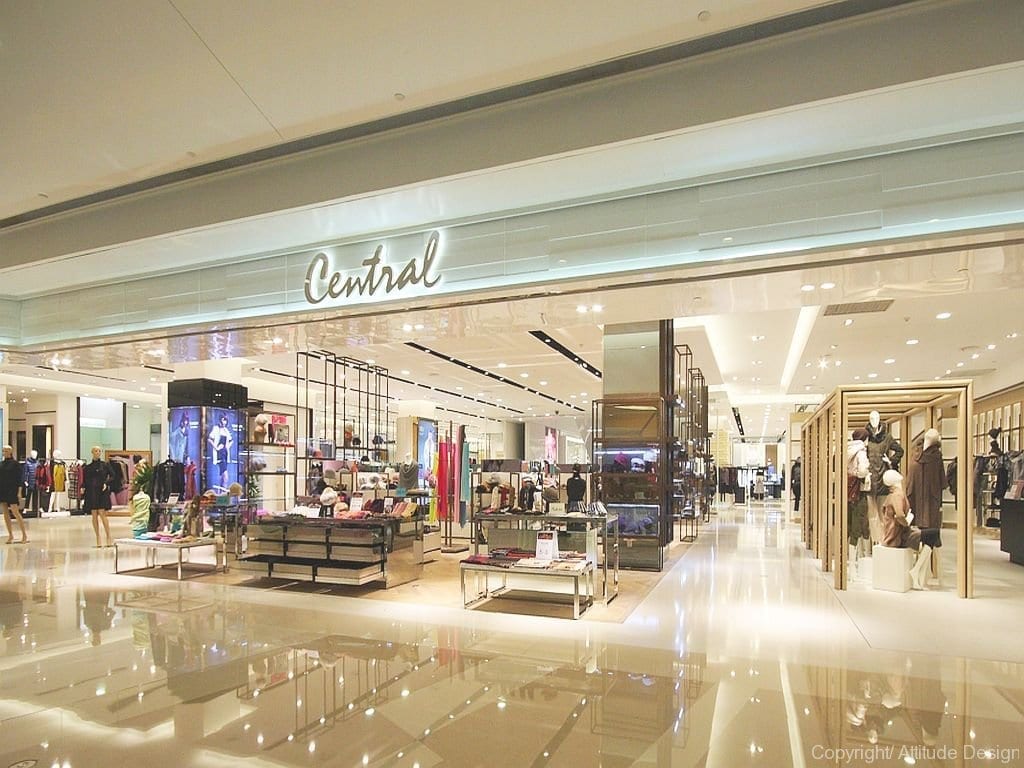
  • Central Department Store app launched

    Central Department Store app launched

    A Central Department Store app has been launched to keep customers informed about in-store promotions, aiming to drive traffic in the lacklustre market in Thailand.

    In the Thai language, Central Smart Shopper lets users key in such factors as date, store branch and budget. It then shows a list of available promotions from about 20 credit-card companies.

    Executive VP for marketing Piyawan Leelasompop says the aim is to capture younger-generation shoppers. “They are eager to change, and one day we could foster the relationship and build brand loyalty.”

    Part of retail giant Central Group, the department store has invested more than 10 million baht (US$280,000) to develop the app, and targets 100,000 downloads by year-end. It plans to further develop the app to link to online shopping.

    This follows Central Group acquiring the Thai market for online fashion marketplace Zalora, as well as a slump in Thai spending. Thailand’s retail sector slowed to 2.8 per cent growth last year, according to the Thai Retailers Association.

    Central Group will kick off a one-and-a-half-month sale on Friday at its 64 branches nationwide, including Central Department Stores. It will invest 100 million baht in the campaign to offer discounts of up to 80 per cent.

  • German Retailer Metro to Open its First Two MyMart Stores in Shanghai

    German Retailer Metro to Open its First Two MyMart Stores in Shanghai

    Germany’s Metro Group has opened two My-Mart convenience shops in Shanghai, revealing its new concept.

    My Mart convinient store- Metro Group China 1

    Both stores opened the same day in Putuo district, where Metro China has its headquarters and flagship stores. One is about 110 sqm, near a subway station, and the other about 70 sqm. Both shops offer Metro’s exclusive imported products, private label lines and traceable fresh fruits, as well as about 100 ready-to-eat items.

    My Mart convinient store- Metro Group China 4

    My Mart convinient store- Metro Group China 3

    My Mart convinient store- Metro Group China 2

    Metro China plans to make the My-Mart convenience shops the offline self-pick-up spots for goods ordered at the group’s online shop.

    More My-Marts will open in Shanghai and it is planned to roll out the concept to other cities in China through franchise.

  • Illegal OTT boxes are the new P2P piracy

    Illegal OTT boxes are the new P2P piracy

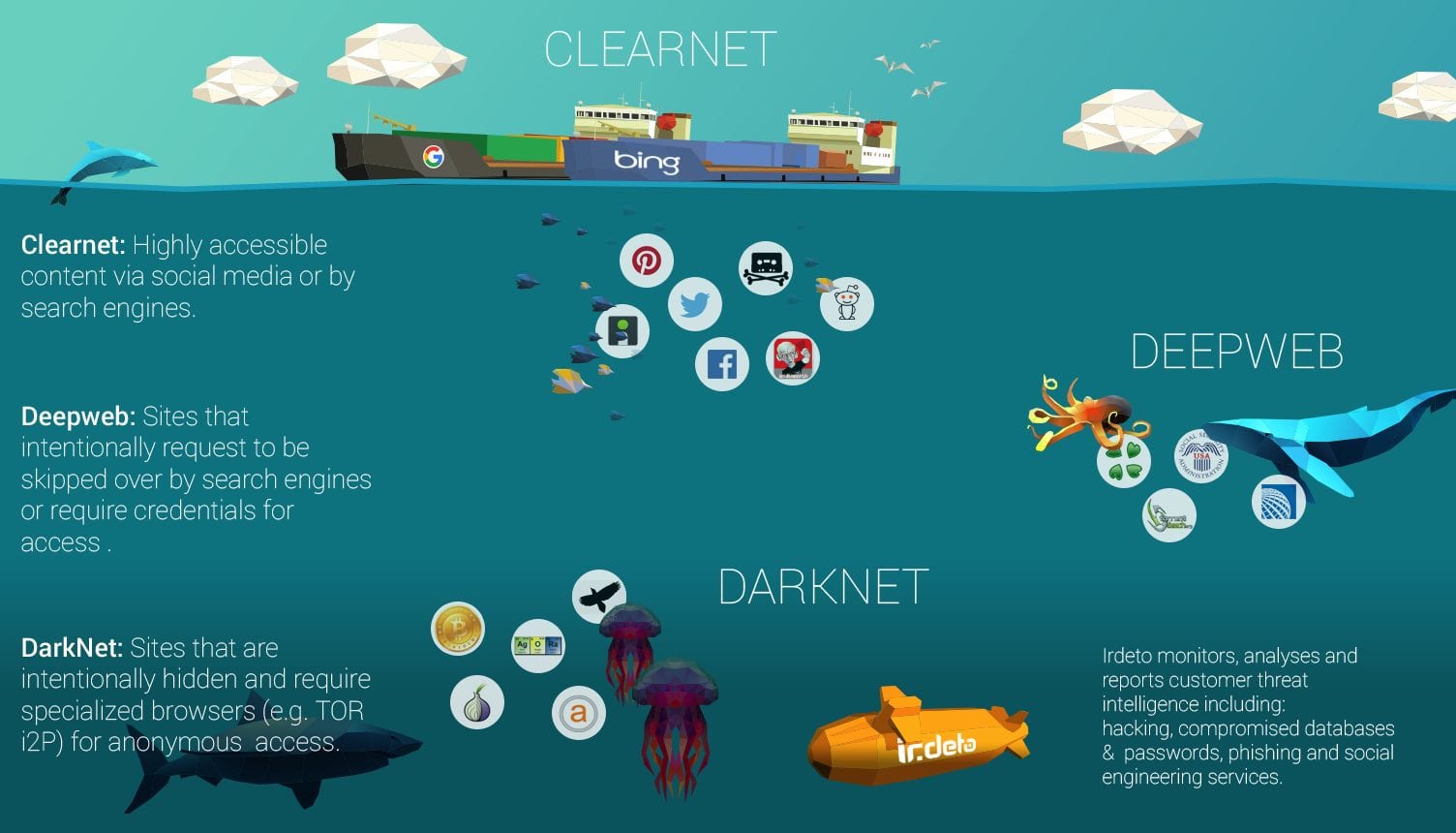
    Online video piracy is alive and well in 2016, but the threat landscape has shifted from straight conditional access (CA) technology and P2P file-sharing to illegal OTT set-top-boxes (STBs) that connect users to sites that look like professional OTT service providers with fancy EPGs, but are in fact hosting stolen content.

    “So these new-age pirates are no longer hacking the CA on the STB, they are selling their own STBs and delivering illegal content through them,” says Bengt Jonsson, VP of Asia-Pacific at Irdeto.

    Combating that involves some tried-and-true techniques like watermarking so stolen content can be identified. But that’s just the start, says Jonsson.

    “You also need a monitoring service to go and find stolen content on these sites and identify it,” he says. “And you need a takedown service where you go to the ISPs and tell them, ‘We represent this customer, this is their content and it’s pirated,’. And you have to monitor for compliance.”

    Irdeto supplies all of these services, and also has agreements with major e-commerce sites like Alibaba and eBay under which they will remove illegal OTT STBs from the site when Irdeto identifies them.

    However, says Jonsson, this kind of piracy is a global problem that requires cooperation from both the pay-TV operators (as well as industry organizations like CASBAA) and regulators who police copyright infringement.

    A challenge to the latter is jurisdictional issues – for example, what do you do when content produced in Australia is being pirated for an OTT box sold in Ukraine?

    “We start by using watermarking and fingerprinting to trace the source of the content, and from there we can locate the subscriber and block them and see where the traffic is going,” says Roger Harvey, Irdeto’s ANZ managing director. “So we can determine both where the pirate site is and where they got the content from.”

    The rest is up to legislation frameworks in each country to not only combat piracy, but keep up with changing delivery models such as the shift from linear pay-TV to multiscreen OTT.

    Interestingly, the ability to track and monitor stolen content also gives Irdeto’s customers valuable data on how popular certain content is and where.

    “We have what’s called a heat map, where our customers can see what content is being consumed in what area, legally or illegally, which shows demand for it,” Jonsson says. “An effective way to combat online piracy is to deliver a legal alternative, so with this, data content owners can see what viewers want so much that they’re willing to pirate it if it’s not available.”

    Last week, Irdeto partnered with Taiwan-based ALi Corp, which will integrate Irdeto’s security solutions on its latest generation chipset offerings for STBs.

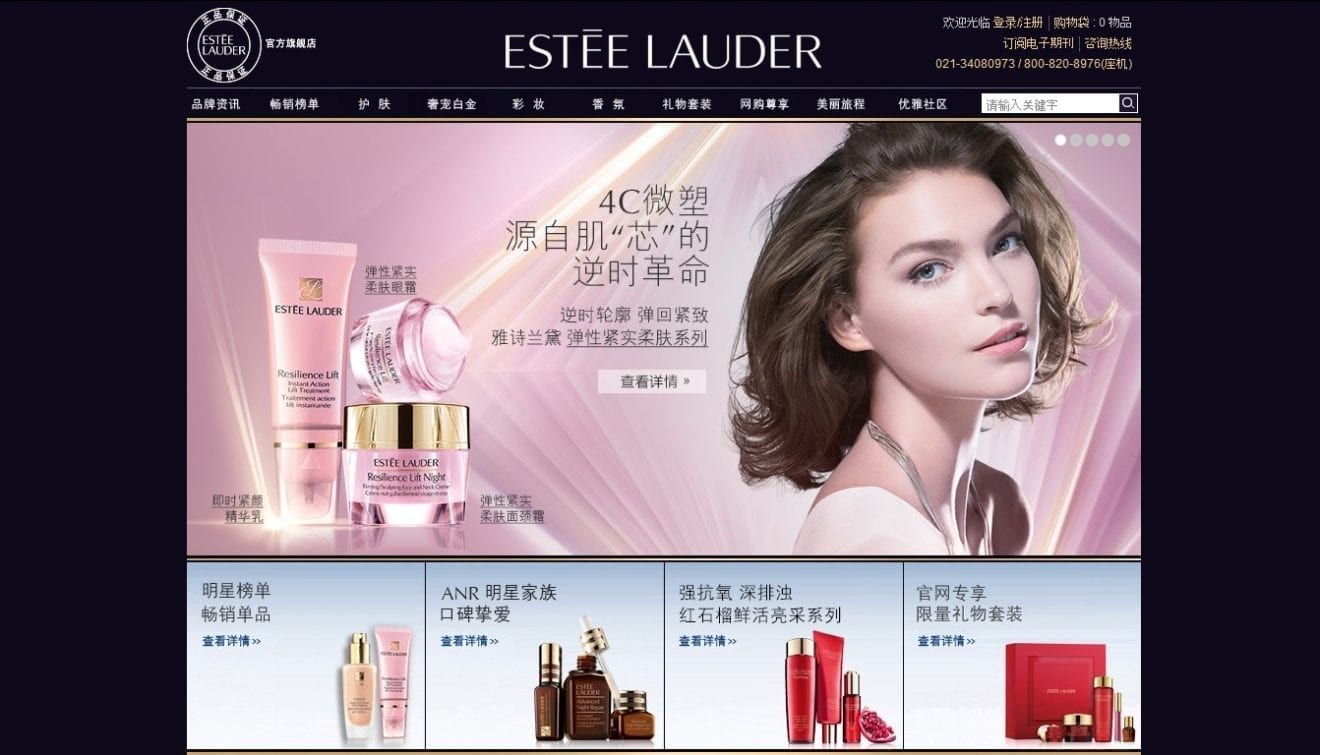
  • Here’s How Estee Lauder Plans To Grow In China

    Here’s How Estee Lauder Plans To Grow In China

    In Q3 2016, Estee Lauder registered an 8% growth in retail sales in China, lower than its all the time high of 20%, but still strong according to the company. The growth in China was primarily due to a 70% growth in e- and mobile commerce sales and 10% of the company’s business in China is now online. Estee Lauder now plans to diversify its brand portfolio in the region along with a geographically diversification by penetrating into more cities in China. It also plans to increase the number of freestanding stores, particularly in cities where there are no alternative distribution solutions such as departmental stores. While the Asia Pacific region (including China) accounts for less than 20% of the company’s net sales, it holds strong potential. Most of the company’s brands expect Estee Lauder registered double digit growth in China for Q3 2016. We believe that its investment in e-commerce, its diversification and increasing focus on distribution channels will drive revenues for the company from this region in future.

    Focus On E-Commerce Initiatives

    Estee Lauder reported that 70% of its growth in China for Q3 2016 came from online sales which now account for 10% of total sales in the region, slightly lower than the 12% figure for the U.S. The company plans to explore the omni channel opportunity in the region, where its freestanding stores will be connected to the online brand and be more efficient. The company also has a store in Alibaba’s Tmall which aims to bring luxury brands to Chinese consumers. Mainland China’s overall luxury market is estimated at $ 17.2 billion. According to a report by KPMG, 50% of China’s domestic luxury consumption will be generated online by 2020. Estee Lauder’s investment in e-commerce initiatives in China is aimed at tapping this market and the company is already witnessing results.

    Diversification – Portfolio and Geographic

    Estee Lauder is looking to spread its geographical reach in China by expanding into more cities through a distribution channel of free standing stores. This model will work well in smaller Chinese cities where there are no departmental stores, but consumers are keen to buy the company’s products. Currently it operates free standing stores of its M.A.C and Jo Malone brands in the region, but expects to add other brands in future. The company believes that over time its speciality channel will also develop in China. Most of its brands, with the exception of Estee Lauder, registered double digit growth in the region for Q3 2016. The company can improve the its visibility in the region by broadening its distribution channel, increasing availability in stores and fostering e-commerce initiatives.

    While Estee Lauder’s sales in China are witnessing growth currently, the company is focused on the region and plans to invest on online and distribution initiatives to generate additional sales. As the Chinese economy shifts towards consumption with an increasing demand for foreign luxury products, Estee Lauder has strong growth prospects in the region.

  • Brand building shifts from billboard to online

    Brand building shifts from billboard to online

    From billboard and television, the Philippine market is slowly shifting to online in brand building, capitalizing on the growth of mobile penetration and the use of electronic commerce.

    According to leading global market research and insights company TNS, brands in the Philippines have leveraged on the social media-savviness of the Philippine market in pushing their brands which are now using Facebook twice as much in the previous year to push their products.

    Anne Rayner, global head of Communications Research, in a press briefing said electronic commerce is picking up and growing three times as fast as the global average.

    Rayner said 81 percent of brands on Facebook in the Philippines use this medium to market their products, which is almost double than the 47 percent global penetration.

    In the Philippines, Rayner said, 11 percent of purchases are now made via mobile.

    The study also showed that almost two thirds of product research (62 percent) is happening online in the Philippines – and much of this is happening in-store while people shop.

    “This highlights just how vital it is for retailers and businesses to understand which touchpoints are most important to driving sales, as it may not be those in the physical store,” Rayner said.

    Rayner clarified though that the Philippines remains a TV-heavy market but that studies would indicate a shift to mobile as half of the population are connected.

    “This has allowed them to increasingly watch videos on their smart phones during peak TV times in the early evenings. In one year, the Philippines emerged from the most TV-heavy market to just in the top 10. Brands should embrace on how to reach consumers,” Rayner said.

    “In the Philippines, it’s all about mobile and Facebook is very critical. Social media now looks like TV,” she added.

    When it comes to customer relations management, Rayner said, Filipinos prefer social media rather than call centers such that it would be better to set up service centers to handle after-sales.

    Rayner also said billboards in the Philippines are overused and brands should use them for deliberate, specific strategies on top of other media, depending on the products.

    A study done by TNS a few years ago showed that the Philippines was a country of billboards, but Rayner said this has changed.

    “Studies show that from telcos to infant nutrition, billboards are not a good value for money, just because brands become visible (through billboards) does not mean they are impactful. Billboards just become wallpapers,” Rayner added.

    Car dealerships, for example, use TV and billboards to drive sales.

    E-commerce in the Philippines in 2015 grew nine percent, three times faster than the global average, with 20 percent of Filipinos buying through ecommerce, half of which are via mobile.

    Rayner said the Philippines has overcome the accessibility challenge in e-commerce but trust issue remains a hurdle.

    She said most e-commerce purchases are for travel.

    According to Rayner, growth of e-commerce in the Philippines is hampered by the fact that most fast-moving consumer goods are purchased on last-minute, where Filipinos go to their old reliable retail outlets for their purchases.

    The TNS study revealed thaton average, Filipinos use five different touchpoints before making a purchase. Touchpoints are the different ways that consumers interact with a business.

    From traditional methods like customer service call centers to newer interactions like social media, the array of touchpoints now available for businesses has completely changed the marketing landscape.

  • The moment to tap the Philippine furniture market is now

    The moment to tap the Philippine furniture market is now

    The Philippine economy is a thundering train and it is about time for the Nordic design and furniture companies to get on board, Joni Koro, project manager at Nordic Business Council Philippines and founder of GRØN Design Solutions, says.

    “The sheer amount of new office, retail and residential developments is staggering. Although I have lived in Malaysia, Mainland China and Taiwan in the past, this is something I haven’t seen anywhere before”, the Finnish Manila-resident says.

    With an annual growth of around 6 percent, the island state is one of the world’s fastest growing economies.

    The construction boom is huge and in 2015 Metro Manila recorded the highest premium office space take-up in history on 459,000 square meters. Similar take-up of premium office space is expected also for 2016.

    Naturally this creates a great demand for furniture and design companies to furnish the office spaces.

    A lot of multinational offices are opening in Manila, and they are looking for sustainable quality furniture and are ready to pay the price for it, so the time to tap into the market is now, Joni Koro tells.

    But why just now?

    “Well if you ask me, actually we’re already late. It’s like when talking about China, the best time to get into the market was 5 years ago, but the second best is now and this also goes for the Philippines”, the Finnish entrepreneur says.

    “Unfortunately Philippines has really been flying under the radar in the Nordic region. There’s a huge potential here, especially since the last six years have been the best in the Philippine history.”

    Battling the US and European design

    When Joni Koro says, that the Scandinavian engagement on the furniture market is already late, it’s partly because more American and some European furniture companies have already jumped the gun and invested heavily in the Philippine market.

    As the market is now American contract furniture companies like Steelcase, are the biggest competitors on the market for quality Scandinavian offering, but more European companies has penetrated or are to penetrate the furniture market as well.

    Another reason why it is a good idea for the Scandinavians to tap into the market, is that the name of the cold north is already hot in the Philippines.

    “The concept of Scandinavian design and quality is fairly well known in the Philippines, but the offering is mostly limited to local mockups which rarely live up to the Nordic standards”, Joni Koro says.

    Why is Scandinavia and the Philippines a match

    If you ask Joni Koro there are several reasons why Scandinavian furniture and the Filipino market should be a successful match.

    The most significant reason is a rising interest for green awareness and thereby a demand for sustainable and environmentally friendly furniture, especially at the multinational offices, which represents the most likely buyers for Scandinavian furniture. This demand fits like a glove with what Scandinavian furniture is famous for.

    “The green movement is definitely getting stronger in the Philippines. Looking at the new office building developers, more and more of them are applying for the US Green Building Council’s LEED certification for their new buildings, he says.

    “The certificate works like a seal of approval that your office is environmentally friendly and of course gives the company a good name and a chance to price the square meters higher in a country where electricity price is one of the highest in Asia”. Joni Koro tells.

    The certifications have become highly popular. “I think out of the 80 upcoming high-end office buildings, roughly 30 have already applied for the certificate. These are the buildings the multinationals also want to be located in”.

    One way to achieve higher level in certification is choosing a green furniture supplier, as this will grant the company points when the application is rated and most Scandinavian furniture manufacturers have the green profile, that grants these points.

    Processed with VSCO with b1 preset

    According to Joni Koro, Scandinavian design has advantages in the Philippines.

    Another reason why Scandinavian furnitures fits the Philippine market are the traditions of Scandinavian furniture.

    Joni Koro’s own enterprise, GRØN Design Solutions, is the local partner for Denmark’s largest office furniture manufacturer, Duba-B8 as well as for Finland-based silent space manufacturer Framery acoustics. For Joni Koro these brands are good examples on what Nordic furniture has to offer in the Philippines.

    “Duba-B8 products are highly ergonomic which starts to be a hot topic also in Asia. In this regard Scandinavians are the world leaders”, Joni Koro explains.

    “At the moment, the demand for ergonomic, sustainable high-end furniture, that Nordic brands often represent still comes mostly from the multinational companies. But this is to change”.

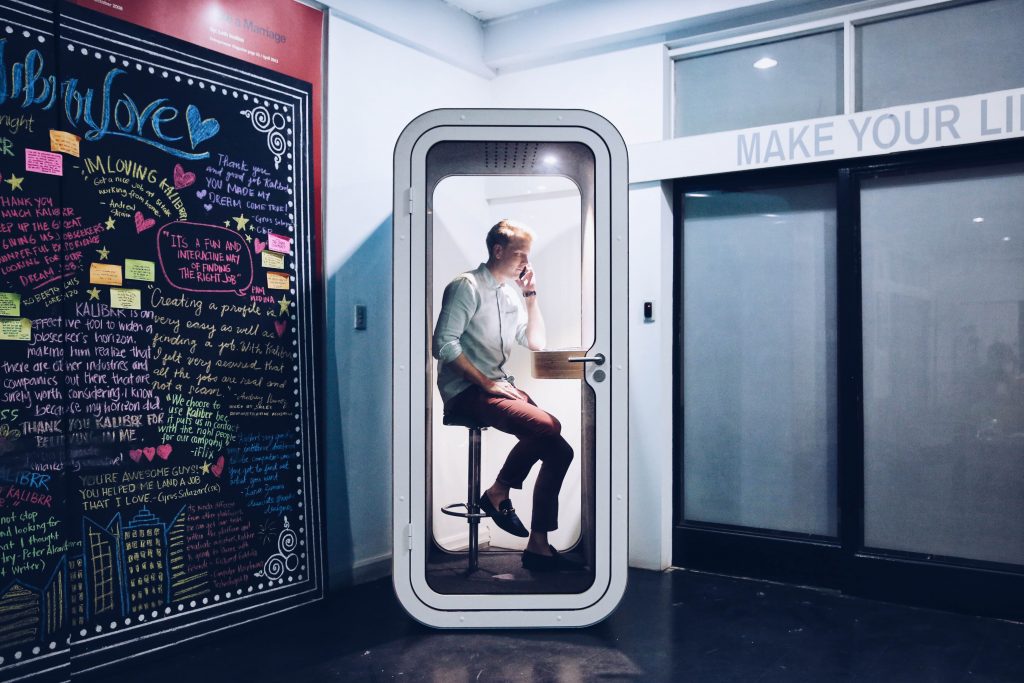
    “Another very interesting product is a movable silent space from Finland. Framery silent spaces address the noise issues at open plan and activity based offices. This company is growing four fold this year – the demand around the globe for their solutions is huge and we also see the potential and need here in the Philippines”.

    Any challenges?

    As there might be many reasons and conditions to tap into the market now, there are on the counterpoint challenges to be aware of.

    “Unfortunately the local demand for high-end sustainable office furniture is still fairly limited and we can talk about niche market here. The price matters”, Joni Koro admits.

    “Even though the Philippines is closer to the western cultures compared to many, or any, other Asian country, most of the local companies still rely on cheap Chinese furniture and on layout design support individual work in cubicles instead of collaboration and activity based working”, he says.

    The Philippines elected a new president the 9th of May 2016. The new man in charge turned out to be Rodrigo Duterte, who is seen as a highly controversial figure in Western media, mainly because of his outspoken quotes on justice policy. But the new political situation shouldn’t be a challenges for the market, Joni Koro says:

    “Despite we a new President in the country the fundamentals are there. The growth of the consumption driven economy is further fed by expanding Business Process Outsourcing sector as well as Overseas Filipino Workers’ remittances, which last year were the third largest in the world, USD 26 billion. The Gross Domestic Product (GDP) is set to grow by 5 to 7 percent in the coming years. If Duterte does well with building the confidence towards foreign investors and can accelerate the infrastructure project the country could grow up to 8 to 10 percent, so the economical situation is still fertile”.

    The Scandinavian situation

    When overviewing the state of Scandinavian design in the Philippines in general, one senses that there’s a taste for it. Some well-known brands are responding to that and have already entered scene.

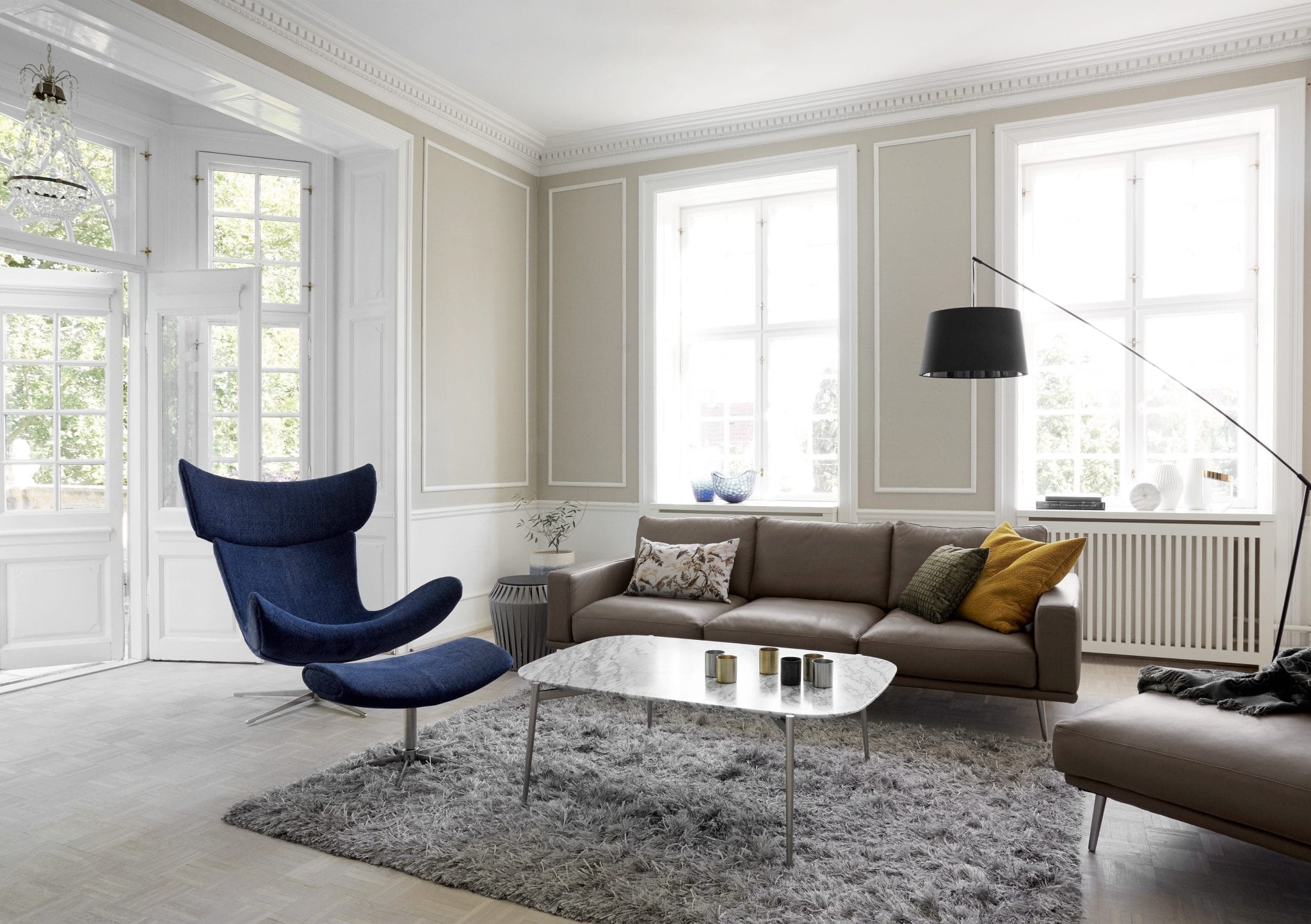
    Popular companies like BoConcept and Hay have opened retail stores with a help of local partners. Republic of Fritz Hansen and some other household names can also be found in multi-brand design stores.

    Joni Koro does his to open the market for Scandinavian furniture through NBCP and GRØN Solutions.

    “I want to bring authentic Nordic design and especially quality to the Philippines – first to the office market and soon after to the consumer market as well. I want to build a gateway for Nordic furniture and decor companies to enter the Philippine market”.

    Even though the Scandinavian design and furniture mark in the Philippines is still fairly unseen, things are developing, Joni Koro says and hopes.

    A big leap would be to get IKEA to the market, he says. “That would really create awareness of Scandinavia”.

    Do you have any advices to give if one were to get into the Philippine market with Scandinavian design?

    “The demand for high-end products in the consumer market is strong, but if you want to play it safe and build the awareness of your brand slowly you should start with fast-moving items like decorations. If I should give any recommendations you should of course do you research as always, be committed to the market, and find a trustworthy local partner to work with to deal with retail restrictions”.
    Processed with VSCO with a5 preset

    Joni Koro in the Framery’s O booth – a single person phone booth, he distributes in the Philippines as a demo unit.

  • Samsung Pay wins Citi support for Singapore launch

    Samsung Pay wins Citi support for Singapore launch

    Samsung has secured the support of Citibank as it readies the release of its mobile payments service in Singapore.

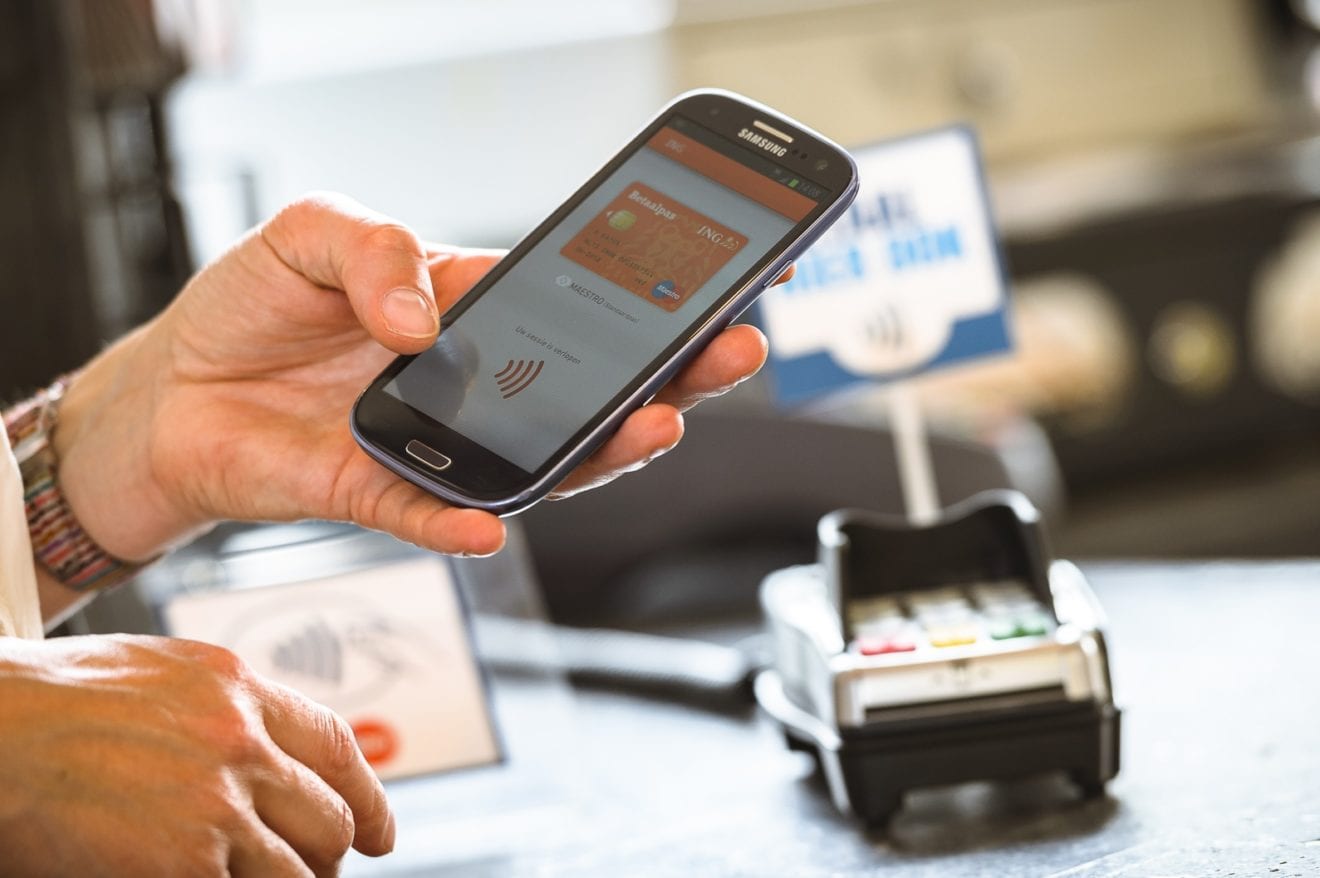
    Samsung has already won around Singapore’s major banks as it prepares for the launch of its service in Q2.The company is hoping the deal with Citi will give it the edge over rival Apple, which last week announced that it had lined up five major banks, extending the use of the mobile wallet beyond a limited earlier release for AmEx cardholders.

    Samsung says it will be able to tap in to Citibank’s extensive customer base and merchant network to promote greater adoption and usage of digital payments in the country.

    The South Korean consumer electronics giant says it has signed up ‘thousands’ of consumer to enter into beta tests of Samsung Pay ahead of its launch later this quarter.

  • Lotte tests ‘Virtual Fitting Service’

    Lotte tests ‘Virtual Fitting Service’

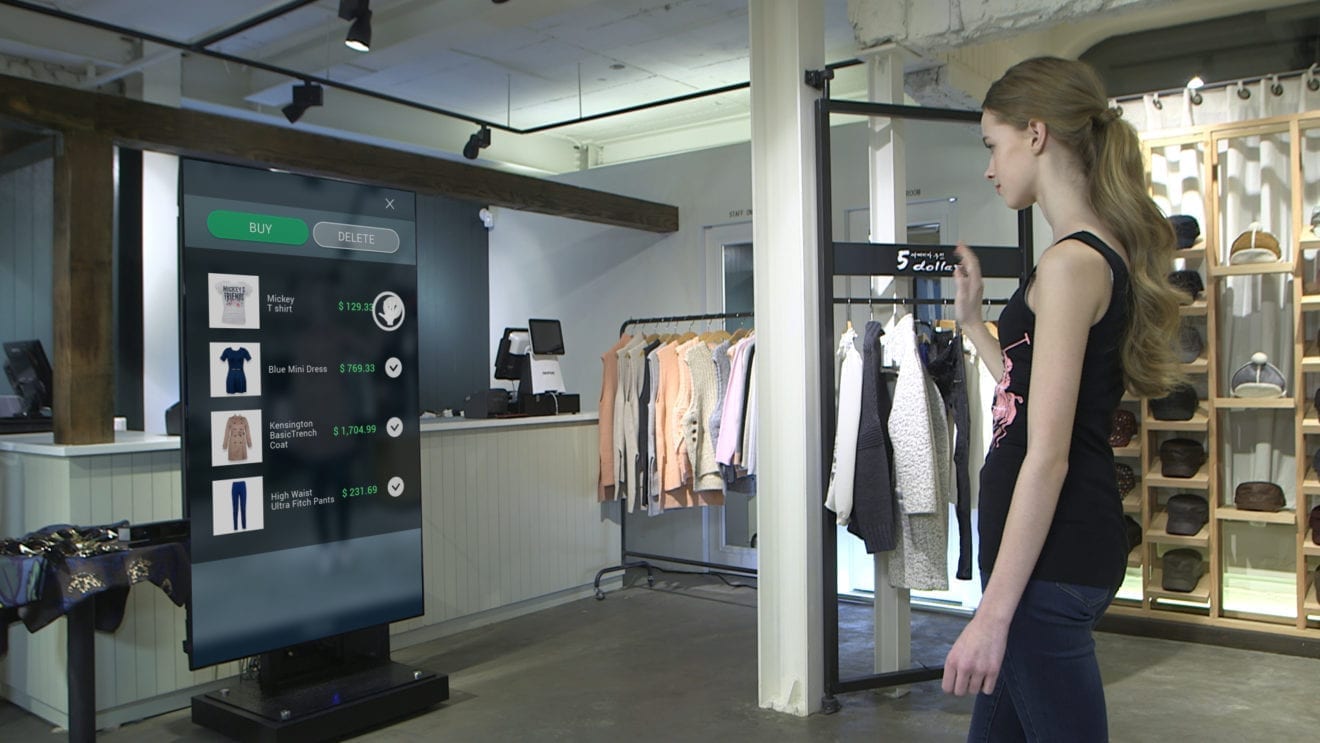
    Lotte Department Store is to implement a ‘Virtual Fitting Service’ for customers to try on clothes, without actually putting them on.

    The service uses a special mirror that provides a virtual reflection of the customer wearing the clothing by applying a 3D image of the product to the customers’ body. It will also help customers to save both time and the nuisance of having to try on different clothes. The service is expected to launch in the latter half of 2016.

    Lotte will also install 3D foot measuring devices in the third quarter, at shoe stores located in its flagship store, and Jamsil and Yeongdeungpo branches. The devices can measure a customer’s  foot in just two seconds, and recommend products based on a client’s foot size and shape.

    “We’re trying to create a more convenient environment for our customers by making use of the latest advanced technologies,” said Lee Wan-shin, chief of marketing at Lotte Department Store.

    “We’ll continue our efforts to make store visits a more pleasant shopping experience.”

  • Major revamp for SM Mall of Asia

    Major revamp for SM Mall of Asia

    SM Mall of Asia is set to revolutionize its look 10 years after it opened in Manila Bay.

    The Philippines’ biggest mall will soon house a FIFA World Cup-size soccer field on the mall’s roof deck and a botanical garden. Miami-based firm Arquitectonica will design these.

    By the end of the year, an Olympic-size skating rink will also open on the third floor.

    Designer furniture will deck a new food hall, in tune with the mall’s modern look.The mall will also adopt a “warmer” look and feel, according to Steven Tan, senior VP for SM Supermalls, with the interior to feature new colour scheme and wooden panelling.

    According to Tan, SM Prime president Hans Sy told the design team to give the mall a “wow” factor.

    “I’ve seen the perspectives, and the view from up there will be breathtaking. There will be an unobstructed view of the sea and it is beautiful,” Tan said.

    SM Mall of Asia has 700 tenants and has an occupancy rate of between 98 per cent and 100 per cent. This has prompted the company to undertake the redevelopment in phases.

    Conrad Manila, SM Prime’s deluxe hotel brand, is set to open in June with a new retail podium called S’Maison which will house unique concept stores as well as luxury retail stores, fine dining restaurants and state-of-the-art cinemas.

    New brands are also set to come in including Swedish clothing giant H&M which is slated to introduce a 3000 sqm flagship store.

    SM-MOA

    Recently the mall unveiled a 2.7 megawatt “solar car park” in partnership with Solar Philippines, which is nearly twice the size of the 1.5 MW SM North Edsa solar car park. Comprising 10,426 solar panels and 40 inverters, it supplies nearly 20 per cent of the mall’s power needs.

    In another development, the Manila-Acapulco Galleon Museum is taking shape to feature the history of the 250-year old global trade route where the Philippines and Mexico played major roles. The museum will highlight the galleon trade’s impact on today’s commerce, banking, travel, and cultural exchange.

    SM and SM Prime chairman, Henry Sy, who once called this mall the greatest project of his life, had a vision to build one of the largest malls in Asia which will not just be a shopping complex but a premier destination.

    “The mall will be a major Asia Pacific destination,” Sy said at that time.

    SM Mall of Asia opened in May 2006 as the flagship development of SM on 60ha of reclaimed land in Pasay City. The mall introduced the first Olympic-size skating rink and the first Imax theatre in the country.

  • Fashionology: blending fashion and technology

    Fashionology: blending fashion and technology

    An increasing number of clothing products are combining fashion and technology, part of a new trend called ‘fashionology’, using materials such as cooling fibers used in spacesuits, or those emitting far-infrared radiation.

    T-shirts that use such new materials are becoming popular, especially for outdoor brands.

    Cool 360, developed by K2, uses a perforation technique to make way for airflow on its mesh-fabric back. It also features a phase-change material used in spacesuits for an enhanced cooling effect. Phase-change materials absorb heat when temperatures rise, and emit heat when temperatures fall, help maintaining a consistent temperature.

    K2

    Cool 360, developed by K2, uses a perforation technique to make way for airflow on its mesh-fabric back. It also features a phase-change material used in spacesuits for an enhanced cooling effect.

    “We applied heat to one mannequin wearing the phase-change material and another wearing normal clothing at 15-minute intervals,” said a K2 official. “We discovered that the temperature of the mannequin wearing the phase-change material was three to four degrees Celsius lower.”

    Millet, another outdoor brand, also released a t-shirt that uses a cooling fiber, Cold Edge. When the wearer of the t-shirt starts sweating, the functional fiber embedded in the fabric expands and reacts with the sweat, ultimately creating a cooling effect.

    Smart fabrics that ward off contamination and facilitate laundering are also making their entrance into the market.

    Fashion brand Bean Pole recently presented new pants and shirts that are less susceptible to daily contamination. The company’s nanotechnology helps micro-particles to attach to the surface of the fibers, and create a coating around the threads. The coating, therefore, allows one to easily wipe off liquid and food, or even mud on a rainy day.

    Fashion brand Bean Pole recently presented new pants and shirts that are less susceptible to daily contamination.

    Fashion brand Bean Pole recently presented new pants and shirts that are less susceptible to daily contamination.

    M Corset, an underwear company, presented Venex, a new product line that can even help to relieve stress. According to the company, the small amount of far-infrared radiation emitted from its products stimulates the nerve cells, which can reduce stress levels.

    “The clothing industry has lately been focusing on ‘smart materials’ to target consumers,” said a K2 official. “With the approaching summer, there will be more intense competition between products that use cooling materials.”

  • UberEats Singapore hits the road

    UberEats Singapore hits the road

    UberEats Singapore has launched, the ride-hailing app’s food-delivery service making its Asian debut.

    Using the standalone app, Singaporeans can order food from about 100 restaurants. While deliveries are initially limited to the central business and commercial area, the company plans to expand its service coverage as well as menu.

    Making its debut in Toronto early this year, the app expanded to four major US cities in March, and Uber began signing up restaurants and testing the service in Singapore last month.

    Singapore was also the first Asian market to have Uber’s ride service, in February 2013.

    UberEats is up against entrenched food-delivery services such as Rocket Internet-backed FoodPanda and Deliveroo, whose investors include Accel and DST Global. Using the map-routing algorithms Uber uses to connect drivers and passengers as quickly as possible, UberEats Singapore promises delivery within 35 minutes.

    It has raised US$9 billion in funding so far, and the delivery driver program is separate from ride-sharing, though drivers can do both.