Tag: asia

  • Apollo Tyres expands operations to Malaysia, targets big share of the replacement tyre market

    Apollo Tyres expands operations to Malaysia, targets big share of the replacement tyre market

    After making its presence felt in Thailand and Indonesia, Apollo Tyres announced the setting-up of its office in the third largest automotive market in the ASEAN region, Malaysia. Satish Sharma, President, Asia Pacific, Middle East & Africa (APMEA region), Apollo Tyres Ltd inaugurated the company’s Malaysian office in the presence of select Business Partners and company officials.

    Apollo-Tyres-inaugurates-Malaysia-office-1

    Subsequent to setting-up its sales and distribution hub in Bangkok for the ASEAN region, Apollo Tyres has been increasingly focusing on expanding its footprint in South East Asia. The company is targeting a bigger share of the pie in the Malaysian replacement tyre market, which has an annual capacity of 580,000 truck-bus radials and 9.5 million passenger car tyres.


    Malaysia has above 90% radialisation levels in the commercial vehicle segment. Apollo Tyres, with its Apollo Endurace range of truck-bus radials, has already received high acceptance from Malaysian customers. The tyre maker is keen to further establish the Apollo brand at the top tier of the truck-bus radials market. Similarly, Apollo’s passenger car tyres portfolio is capable of servicing nearly 90% of the Malaysian car tyre market, which is currently, one of the largest in the ASEAN region.Apollo Tyres inaugurates Malaysia office (2)

    Satish Sharma, President, Asia Pacific, Middle East & Africa, Apollo Tyres said that over the past two-three years, Apollo Tyres has been making steady inroads into the Malaysian market as this is a pivotal market for the company’s growth in the region. The product range fits well with the Malaysian consumer requirements and with the support of its key distribution and retail partners in Malaysia, Apollo Tyres has been able to penetrate most of the key replacement tyre market segments.

  • Lulu Group Indonesia opens first hypermarket

    Lulu Group Indonesia opens first hypermarket

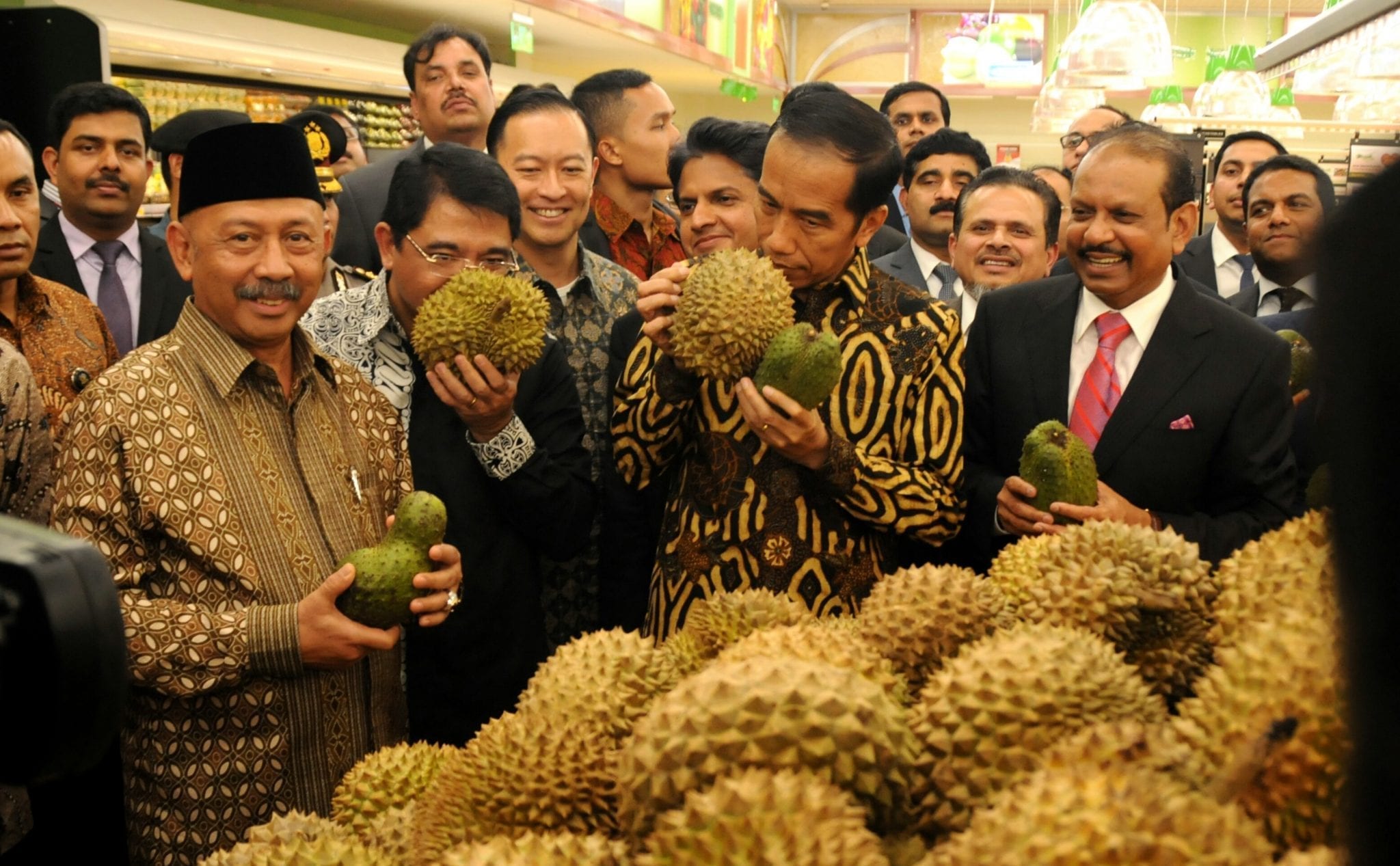
    Lulu Group Indonesia has opened its first hypermarket, in Jakarta.

    Based in the UAE, the Lulu Group plans to invest US$500 million to set up 10 hypermarkets in Indonesia over the next three years.

    Lulu-opens-first-Hypermarket-Indonesia

    Its first Lulu hypermarket was officially opened by Indonesian President Joko Widodo in the presence of Governor of Jakarta Basuki Tjahaja Purnama, Indonesian Trade Minister Thomas Trikasih Lembong, UAE Ambassador to Indonesia Ahmed Abdullah Al Mussali Al Awadi, Indonesian Ambassador to UAE Husin Bagis and other ministers and dignitaries.

    In the Cakung sub-district of East Jakarta, the hypermarket covers more than 200,000 sqft (18,580 sqm).

    Lulu Group chairman Yusuf Ali says the group also plans to set up a central logistics and warehouse centre in Jakarta.

    “We also plan to set up contract farming to ensure a continuous supply of high-quality products and to support the Indonesian agriculture sector.”

    The group has 126 stores (some in India) and more than 38,000 employees.

  • Strong yen could send Chinese spending back to Hong Kong

    Strong yen could send Chinese spending back to Hong Kong

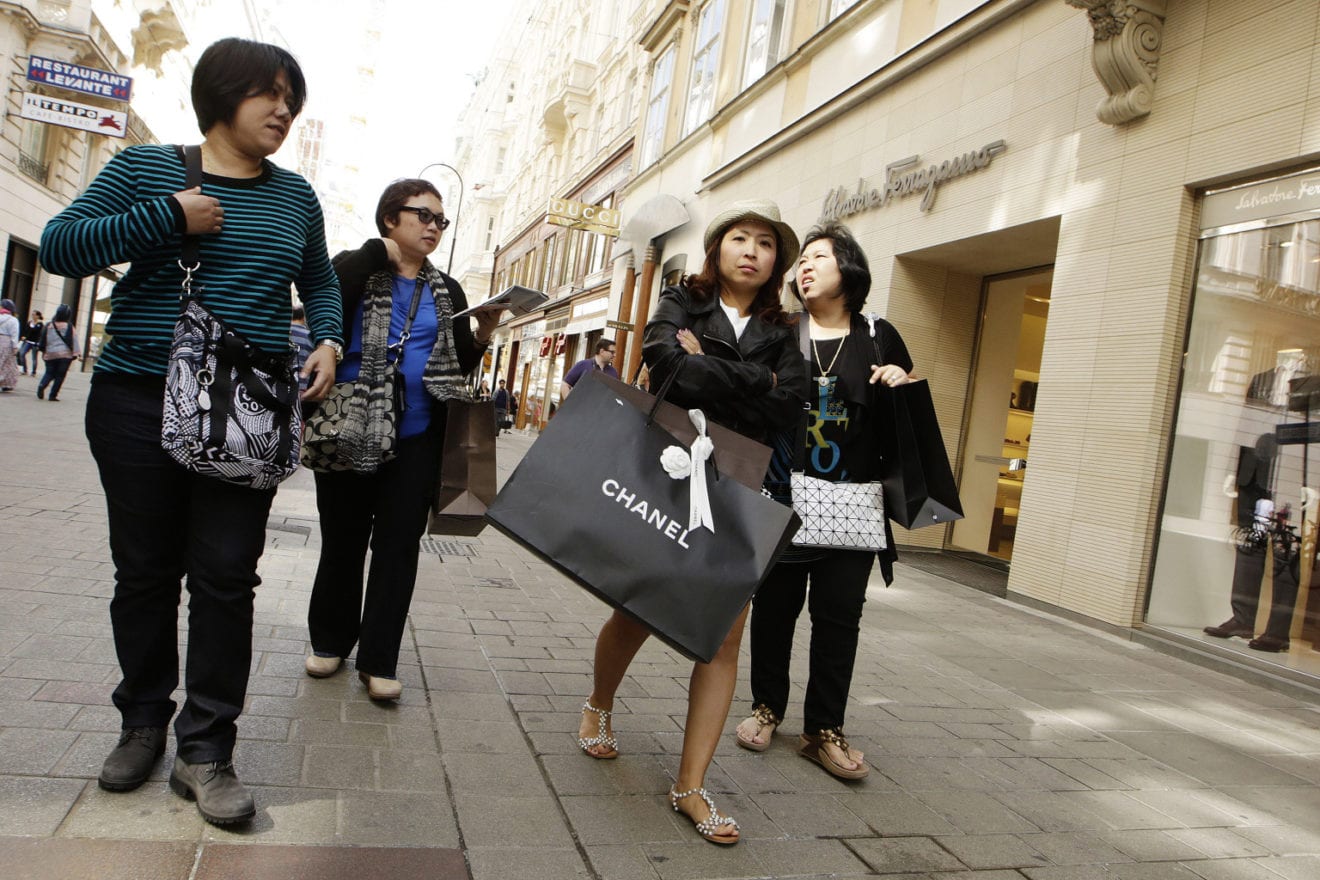
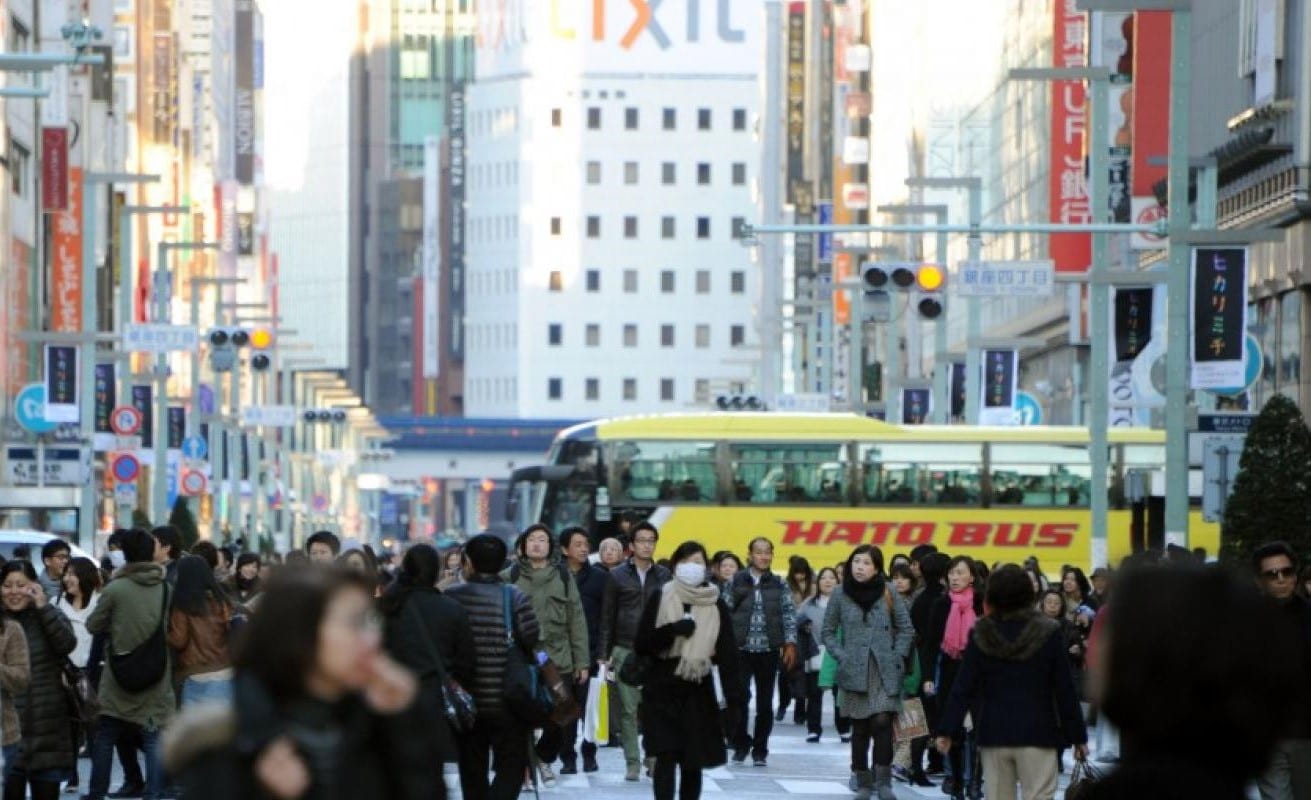
    Chinese tourists’ consumption in Japan has begun to wither in the face of a strengthening yen, setting up Hong Kong to recapture spending that has moved elsewhere in recent years.

    Affordability is key

    A country appeals more to foreign travelers as its currency weakens, making shopping and food more affordable than in other destinations. This is doubly true for Chinese travelers, who tend to spend heavily while abroad.

    Such was the case for Japan from mid-2014 onward. The yen moved from the level of 16 to the yuan back then to between 19 and 20 in less than a year. Chinese tourism there more than doubled from the previous year to 4.99 million visitors in 2015, with per-visitor spending growing 20%.

    Hong Kong was on the other side of the shift. Mainland visitors dropped 3% in 2015, while retail sales fell 3.7% in a second straight year of decline. Emperor Watch & Jewellery, a seller of luxury watches from such brands as Audemars Piguet and IWC Schaffhausen, reported a 25% drop in sales for the year ended Dec. 31. It blamed a “strong local currency” and an unfavorable tourism environment.

    Chinese buyers’ spending in 2015 accounted only for around 1% of Japan’s retail market excluding such goods as automobiles and gasoline, Nomura International has calculated. That share was 50% in Hong Kong and 30% in Macau, exposing retailers dependent on mainland consumption to heavy damage as spending slipped away.

    Trouble returns

    Yet the landscape is shifting once again as the yuan weakens against the yen. 1 yuan now fetches around 16 yen, compared with 18 yen at the start of the year. Chinese tourists’ spending in Japan came in 10% below the year-earlier level for the January-March quarter. The total value of retail sales shrank 0.8% for April, Japan’s Ministry of Economy, Trade and Industry said Monday — a second straight month of year-on-year drops.

    Retail sales in Hong Kong fell 9.8% for March, indicating improvement following February’s 20.6% tumble. Visitors from mainland China were still 6.9% below the year-earlier level. But overnight visitors declined only 0.8%, compared with a 20%-plus fall in February. Tourism from the mainland over the holidays surrounding Labor Day on May 1 swelled more than expected. While challenges continue, headwinds are gradually weakening.

    Shifts in the Hong Kong dollar compared to the yen bolster this view. According to the Nikkei Currency Index, the Hong Kong dollar became stronger than the yen overall in September 2014, just as Chinese visitors’ so-called explosive buying of goods was taking off in Japan. The yen then continued to weaken while the Hong Kong dollar appreciated.

    But the yen’s value hit bottom in May 2015, with the Japanese currency’s overall strength overtaking the Hong Kong dollar’s in April. The yuan, meanwhile, strengthened through the summer of 2015, only to weaken around 5% to its current level, the index shows.

    Close to home

    Changes in a locale’s exchange rate alter the affordability of goods there. An HSBC index tracking prices of 38 luxury items in various places compared with their home markets of France and Italy demonstrates this for top-of-the-line goods.

    The Japanese market overall rated 121 on the index in February, with home-market prices serving as the baseline of 100. By mid-May, the figure had risen to 127. Hong Kong, meanwhile, has fallen from 119 to 116 over the past three months. The mainland-market figure has dipped slightly as well, from 137 in February to 135.

    Chinese tourists will now feel less benefit from buying luxury brands in Japan as opposed to elsewhere. So while the Hong Kong figure has changed little in absolute terms, shopping here as compared with Japan has taken on fresh appeal, HSBC said. Some goods can even be found more cheaply here than in their home markets.

    Bain & Co. sees Japan’s luxury goods market growing 5% in 2016 — the most among major countries. But a strengthening yen and shrinking Chinese tourism hint at a coming deceleration, according to the U.S. consulting firm.

    Some 120 million Chinese headed abroad in 2015, plunking down more than $200 billion at their destinations. More detailed patterns of consumption will inevitably shift as the focus of spending turns from goods to services. But exchange rates will remain a key factor in these travelers’ buying power worldwide.
  • Furla Shanghai flagship opens

    Furla Shanghai flagship opens

    Italian leather goods brand Furla China has launched its first flagship store in Shanghai as part of a move to expand its presence on the mainland.

    The new Furla Shanghai store is in Citic Square in Nanjing West Rd. As the first duplex design store on the mainland, the flagship has two levels covering 300 sqm, and features women’s and men’s leather collections and accessories, as well as items exclusive to the store.

    A feature of the flagship is its 234 sqm LED facade – a first for Furla.

    Founded in Bologna in 1927, Furla has a strict made-in-Italy policy for its leather goods. The company had more than 30 per cent growth and strong retail expansion across all regions last year, resulting in 339 million euros (US$377 million) in sales.

    Fulra Shanghai 2

    In China, the brand has been bucking trends, growing its market sales by more than 60 per cent in the first quarter of this year.

    Furla president Giovanna Furlanetto says the opening of the Citic Square flagship marks an important step in the company’s dynamic expansion strategy in China.

    A highlight of the opening was the Furla “Made for You” service, with Chinese actress Jiang Shuying designing her own bag, carrying a “Made by Jiang Shuying” tag. The bag was auctioned with the proceeds going to the China Women’s Development Foundation (CWDF), which supports women’s rights and career development.

    As well as Shuying, fashion bloggers Elle Lee, Liu Xiao, Peter Xu and Toni attended the opening event, which also featured the launch of Furla’s limited-edition Metropolis bag, which has the themes “Hello Shanghai”, “Love Shanghai” and “Kiss Shanghai”. It has heart-shaped patterns and comes in red, black and pink.

    Furla has a presence in 100 countries with 400 single-brand shops on international shopping streets, a distribution network with more than 1000 points of sale, and growing channels in travel retail and eCommerce.


  • Marine Gold reaping benefits of 2013 losses as shrimp production rebounds

    Marine Gold reaping benefits of 2013 losses as shrimp production rebounds

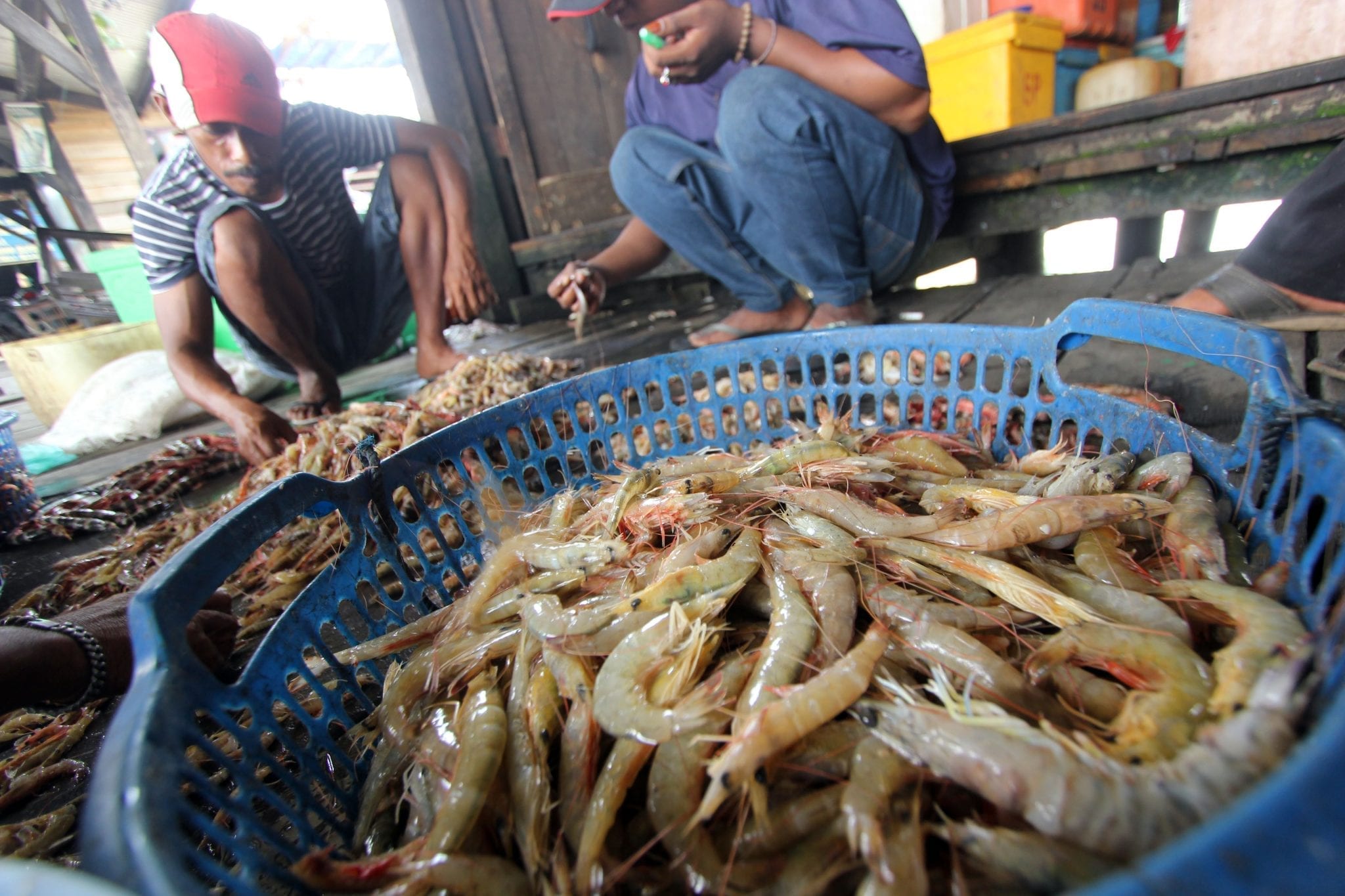
    In 2013, Marine Gold Products, one of the largest shrimp exporters in Thailand, lost big money on meeting its export commitments.

    As early mortality syndrome (EMS) caused Thai production to dive, raw material prices rocketed. EMS caused production to dive under 200,000 metric tons, compared to the peak of over 600,000t.

    This left packers fighting for shrimp for orders.

    “I shipped every container in 2013, so we lost $10 million,” Choopong Luesukprasert, Marine Gold’s managing director, said.

    The aim of continuing to ship containers at a crisis time for the Thai shrimp sector, was about maintaining business contacts, he said, during the Thaifex: World of Food Asia show in Bangkok.

    “But, since, we have kept this business and gained more, as we reliable,” Choopong Luesukprasert, Marine Gold’s managing director said.

    For 2016, shrimp production in Thailand is rebounding and prices for raw material are competitive with other sources, such as Indonesia, India and Vietnam.

    Production in 2015 is said to have been around 240,000t, up from 210,000t in 2014.

    For 2016, forecasts range from 260,000t, up to 300,000t.

    The later is attainable, said Luesukprasert.

    “I think 300,000t is realistic. Production hasn’t started like we expected, as we have had such a long drought in Thailand. But, we think it will start picking up from now,” he said.

    Selling shrimp to the US is the main export market for Marine Gold, with the export target for 2016 at 45 million pounds, he said.

    Due to the forecasted increase in Thai raw material output in 2016, Luesukprasert hopes Marine Gold can expand its output by 20-25%. This is ahead of the forecasted increase in production.

    The company has also launched a ready-to-eat brand for the domestic market.

    Luesukprasert said he plans to export the product range in the future, however.

    The range is being sold in Thai retail under the brand “Yummy Tale”; featuring products such as shrimp pad Thai and shrimp green curry with jasmine rice.

  • Hello Kitty Singapore officially opened

    Hello Kitty Singapore officially opened

    Set in a whimsical paradise setting, the first Singapore Hello Kitty Cafe, at Changi Airport’s Terminal 3, offers an array of food and beverage choices that will certainly leave all Hello Kitty fans sated.

    Hello Kitty Orchid Garden Singapore 3

    The Hello Kitty Orchid Garden is adorned with pots of fresh orchids, the national flower of Singapore. The cafe is specially designed to emulate the country’s “garden city” vibe for a uniquely Singaporean aesthetic which also resembles that of a glass house. The spacious interior is dotted with iron swings and splashes of greens, exuding an idyllic vibe which adds on to the fun and easy mood!

    Hello Kitty Orchid Garden Singapore 8

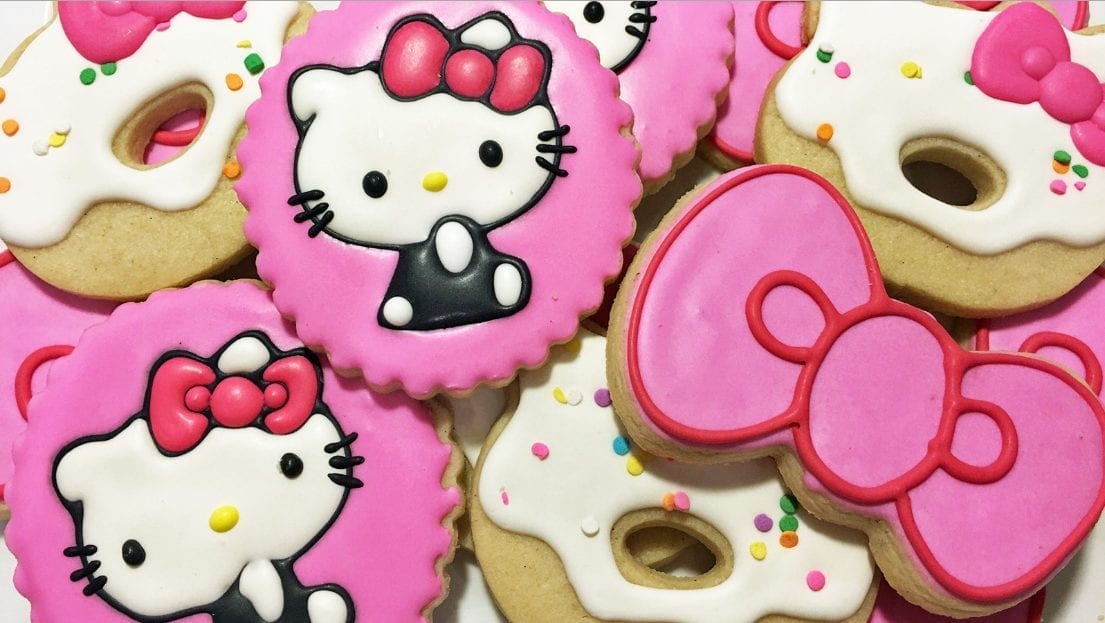
    You can also pose for pictures with the first double-bowed Hello Kitty, and also take home Singapore-exclusive Hello Kitty merchandise that will be launched seasonally. You can also expect Hello Kitty-inspired tea blends, plush toys, grow-it-yourself plant kits and also postcards.

    Hello Kitty Orchid Garden Singapore 6

    As for the food, expect a fusion of local and Asian influences. The cafe features a selection of all-day breakfast delights, mains and sharing dishes as well as Hello Kitty-inspired desserts.

    Hello Kitty Orchid Garden Singapore 1

    Hello Kitty Orchid Garden Singapore 10

    Most of the food is served with wood, ceramics and glassware to complement the garden theme. Some notable dishes include the Big Breakfast Surprise (S$18.50 – US$13.38), Cowabunga! Wagyu (S$24), which is a rendition of the Singaporean beef rendang Nonya dish, as well as Pandan Panna Cotta.

    Hello Kitty Orchid Garden Singapore 7

    Hello Kitty Orchid Garden Singapore 5

    A fun fact about the Hello Kitty Orchid Garden is that it imports gelatos exclusive to the cafe. Tan says her favourites were the Peanut Butter Fudge as well as the pistachio flavours.
    Hello Kitty Cafe is open 24 hour a day.

    Hello Kitty Orchid Garden Singapore 9

    Cassan Tan is a Singapore blogger specialising in food, fashion and beauty. Her blog is called C for Cassan.

  • Mary Buffett Launches Jitta.com for Bangkok Investors

    Mary Buffett Launches Jitta.com for Bangkok Investors

    Mary Buffett, the former daughter-in-law of famed investor Warren Buffett, helped launch Jitta.com last week, a platform aimed at retail stock investors in Thailand’s capital. Ms. Buffett brings the Buffett know-how to Bangkok to appeal to investors hoping to become as good as the famous stock picker.

    Co-author of the best-selling book “Buffetology,” Mary is putting her name behind the Jitta startup. After testing the platform for herself, Ms. Buffett found it to be an impressive tool for investors.

    Mary’s endorsement of Jitta.com is an obvious boost for the Thai-based startup, which is looking to make it big on the international retail investment scene.

    Ms. Buffett met with Jitta.com founder Trawut Luangsomboon three years ago, and was one of the initial investors in the project. The start-up launched in the U.S. in 2014.

    Jitta uses Warren Buffett’s investment style to simplify retail investment and make it easy for most individuals to get started. Buffett’s style is primarily focused on buying great stocks when they’re undervalued.

    When shares drop below Jitta’s “fair price,” investors are encouraged the buy the stock – just as Warren Buffet would do.

    Through the adoption of Buffetology’s key elements, this platform helps investors minimize risk while doing their due diligence.

    Jitta covers stocks in Singapore, U.S., Thailand, Vietnam and Hong Kong.

  • $25 smartphones + one year unlimited browsing = profit!

    $25 smartphones + one year unlimited browsing = profit!

    Ontario-based Datawind offers entry-level smartphones and tablets starting at $25 – including one year of unlimited web browsing. The service has launched in India and is in talks to expand to countries in Southeast Asia and Africa.

    Suneet Singh Tuli, CEO of Datawind, said that a large market segment is still not exposed to mobile data. Of Indonesia’s 250 million people, 50 million have no mobile phones, and 100 million handsets 2G feature phones.

    To achieve rock-bottom prices, the Datawind phones are designed to be “good enough” using last-generation ARM Cortex A7 1.2 GHz dual-core CPUs and 512MB of RAM. Tuli said that the system-on-a-chip costs $2.50 today compared to $15 just a couple of years ago. Yet this budget chipset packs more power than the 2nd generation Apple iPad.

    Datawind compresses web pages on a server before being delivered to the device. A typical 2MB CNN page is compressed to 70KB.

    Unlike Facebook’s Free Basics curated selection, the entire internet is available for users to browse. Nor does Datawind engage in ad-injection or substitution.

    The company partners with telcos to buy data wholesale. In India they started with Reliance and Telenor and are adding more partners. While one year of unlimited web browsing is included, once they’ve had a taste of smartphones, many users choose to add-on voice packages or data packages for video streaming – this is how Datawind can negotiate to buy data at such low rates.

    For the telco this is about customer acquisition, not ARPU.

    “While we are not yet overall profitable, we are EBITDA profitable,” said Tuli. “We are not selling at a loss. For it to be sustainable it has to make commercial sense.”

    In India, Datawind claims 34% overall market share and 74% for the under-$100 segment.

  • Starbucks Cambodia opens new and first mall outlet

    Starbucks Cambodia opens new and first mall outlet

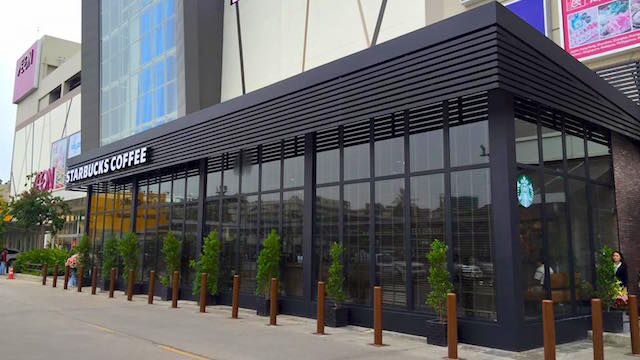
    Coffee franchise giant Starbucks Cambodia has opened its second outlet, at Aeon Mall in Phnom Penh.

    Licensed as Coffee Concepts Cambodia, the outlet comes less than six months after the US chain made its debut at Phnom Penh International Airport. However, the mall store is the first fully accessible to the public.

    Starbuck PhnomPenh 1

    Despite its limited access, Starbucks has grown in reputation and cemented the brand, assuring long-term investment, says GM Por Lim.

    Its next store is scheduled to open in the Boeung Keng Kang district of Phnom Penh in October, with further expansion depending on brand pick-up, says Lim.

  • M&S profit to take a hit

    M&S profit to take a hit

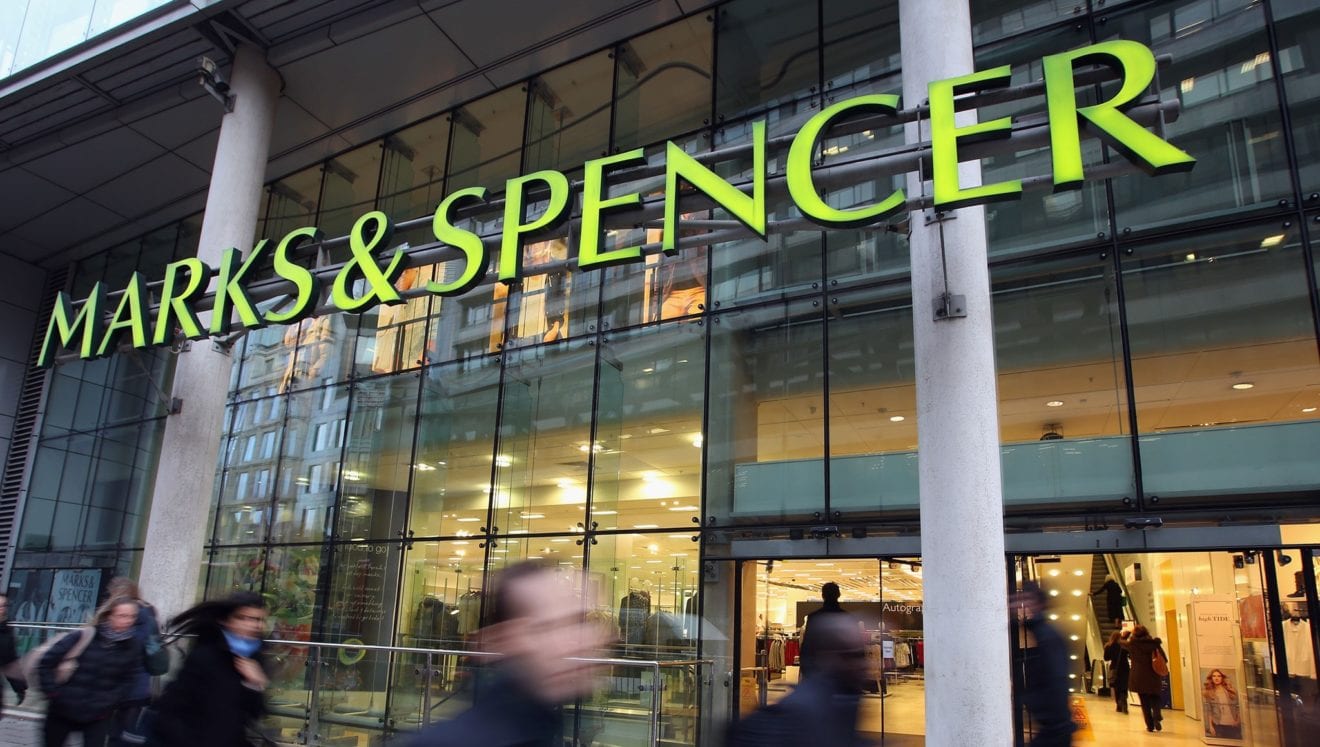
    After poor quarterly performances from Marks & Spencer’s general merchandise division, the full year results come as no surprise, with UK full-year like-for-like sales falling 1.1 per cent.

    That followed a drop of 1 per cent the previous year.

    Today sees the new CEO take to the stand to reveal his strategy to return M&S profit to growth and regain its position in the market, a tall challenge given the retailer’s share of the UK clothing market has been eroded year on year, falling from 10.5 per cent to 8.7 per cent between 2010 and 2015.

    The announcement that incoming CEO Steve Rowe is willing to take a short term hit on profitability in an effort to restore turnover growth is an essential action, which his predecessor was unprepared to implement. Investment in price, product quality, availability and customer service is a message we have heard before from M&S, but the sacrifice of profitability signals a stronger commitment this time round.

    As well as focus on price positioning and style authority to improve its clothing business, both of which are essential in driving footfall back into stores and online, M&S has put a large emphasis on the importance of customer experience. It hopes to slim down its clothing offer further and reduce duplication across ranges to remove shopper confusion.

    Again, this was addressed a few years ago but under Rowe’s new management structure and shift in its buying strategy (buying by product category, not by sub brand), issues of repetitiveness across collections should be prevented – though communication between product buying teams is vital to ensure final ranges are coherent and the sub brands target their core customer segments.

    Despite facing a tough economic climate and a potential weakening in consumer confidence in 2016, expect to see initial sales improvements filter through in M&S’ half year results in November.

  • Chains top China restaurant rankings

    Chains top China restaurant rankings

    Chains outperform independent eateries in China restaurant rankings, new research shows.

    A survey by global consulting firm OC&C Strategy Consultants shows that Chinese consumers dine out on average two or three times a week, with Hai Di Lao, Pizza Hut and Little Sheep ranking as their favourite brands.

    Western brands ranking in the top 10 are: McDonald’s (7), TGI Friday’s (8) and KFC (9). Others on the list are South Beauty (4), Shanghai Min (5), Waipojia (6) and Tairyo (10).

    Food quality, wide choice and service quality shows as the three critical factors in restaurant choice, while serving speed, convenience and pricing are rated as less important Chinese consumers actively seek out new restaurants and are receptive to new formats and concepts such as theming, healthy lifestyle menus and organic produce, as well as innovative, fusion cuisine.

    According to the report, Serving up a Winner – Establishing a Winning Proposition in China’s Restaurant Landscape, China’s restaurant market is more vibrant than ever, with growth outstripping other major markets despite higher volatility.

    “While other retail segments struggle in the face of ‘the new normal’, restaurants are becoming more innovative and reaping the benefits of the growing middle class,” says OC&C greater China partner Jack Chuang. “The arrival and rapid expansion of international chains in the past few years has increased the competitiveness of the market.”

    He says getting diners through the door of a restaurant is still challenging. “Restaurant staff need to ensure that service is authentic and make creative, personalised decisions to delight guests.”

    Chuang says restaurants should also offer a wide menu range with local flavour.

    The study canvassed 2600 respondents in 21 cities across China, with consumer surveys and restaurant audits in February.

    Founded in 1987, OC&C provides corporate and business strategy, channel, marketing, organisational and change strategy, as well as transactional support services. It has more than 400 consultants in 14 offices globally, including China and India. The greater China practice has offices in Hong Kong and Shanghai.

  • Leica camera store opens in Shanghai

    Leica camera store opens in Shanghai

    A new Leica camera store in Shanghai has had a soft launch, with its grand opening scheduled for June 3.

    In West Nanjing Road, Leica Shanghai XinTianDi is surrounded by luxury brand boutiques.

    Leica-Store-Shanghai-XinTianDi-1-560x420


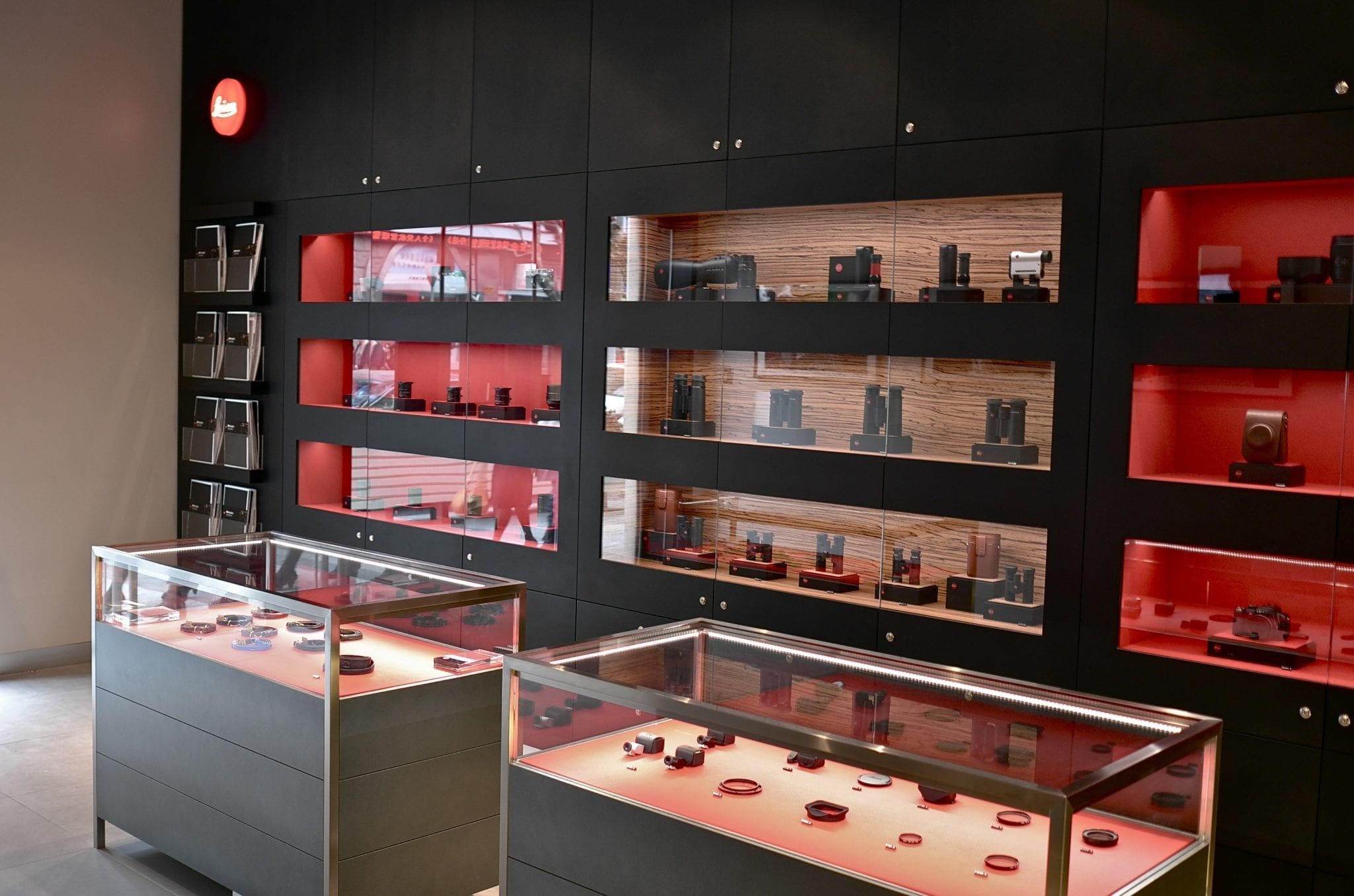
    It displays a full range of Leica products, including cameras as well as binoculars, and includes a gallery for exhibitions of the latest images and photographic works from Leica photographers.

    Leica-Store-Shanghai-XinTianDi-3-560x420

    The store will be open every day, from 10am until 9.30pm.

    Leica opened its first store in China at the Beijing China World Mall in 2010.

  • Sales still falling for Japan department stores

    Sales still falling for Japan department stores

    Japan department stores saw their sales fall 3.8 per cent year-on-year last month, continuing the trend from March when sales fell back into negative territory after a short return to growth in February.

    According to the Japan Department Store Association, purchases fell in nearly all categories last month, with sundries and cosmetics reporting the best sales growth at a modest 0.7 per cent.

    Household electronics sales had the most dramatic reversal, from gains of 10.7 per cent in March to plunging 20.2 per cent last month. Furniture purchases fell 12.5 per cent.

    Overall, retail sales were down 1 per cent in March, the weakest reading since December.

  • American ice cream to the rescue

    American ice cream to the rescue

    American ice cream is coming to the rescue of a coal trader in Thailand, as the company diversifies in the face of volatility in its segment.

    Thai Capital Corporation (TCC) has diversified into F&B retail after totally acquiring NYC-Thai BD from its shareholders for 33.82 million baht (about US$950,000).

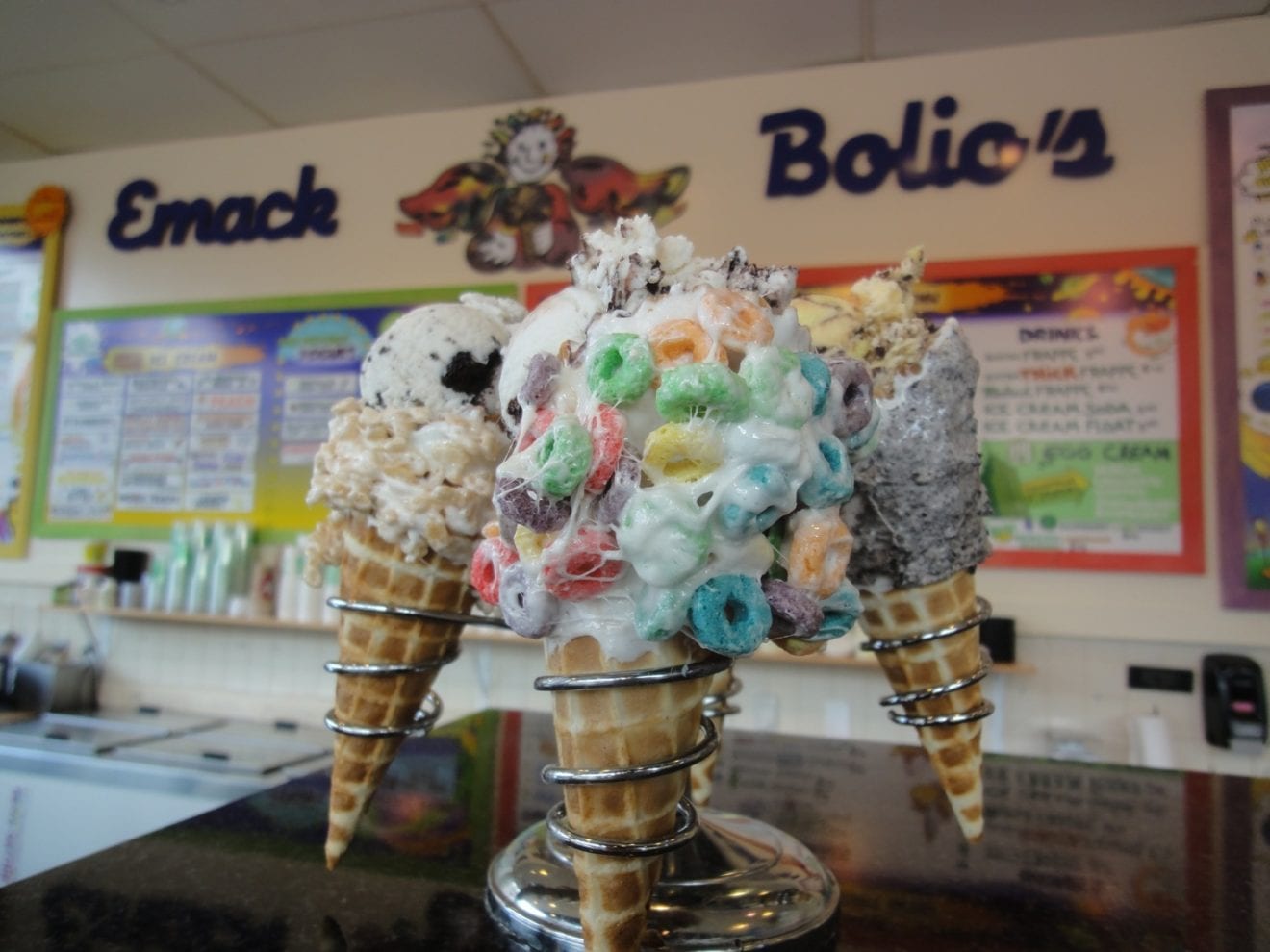
    It is TCC’s first foray into the F&B sector, while NYC has retail outlets specialising in frozen desserts, smoothies and ice creams under the Emack & Bolio’s trademark. This is an American brand founded in 1975 and brought to Thailand in 2012. It has six stores in Bangkok.

    TCC CFO Kamphol Patana-anukul says the company bought 400,000 shares of NYC with a par value of 10 baht each. After the transaction is complete, it will increase NYC’s registered capital from 4 million to 20 million baht, which will be used as working capital and for expansion.

    TCC had 203.7 million baht in sales revenue for the first quarter, down 27.4 per cent from the same period last year, hit by fierce competition in the coal business and a drop in global coal prices.

    Several other Thai companies have also diversified into F&B, including Impact Exhibition Management, which has expanded into the frozen bakery business.

  • Uniqlo price-rise tactic fails

    Uniqlo price-rise tactic fails

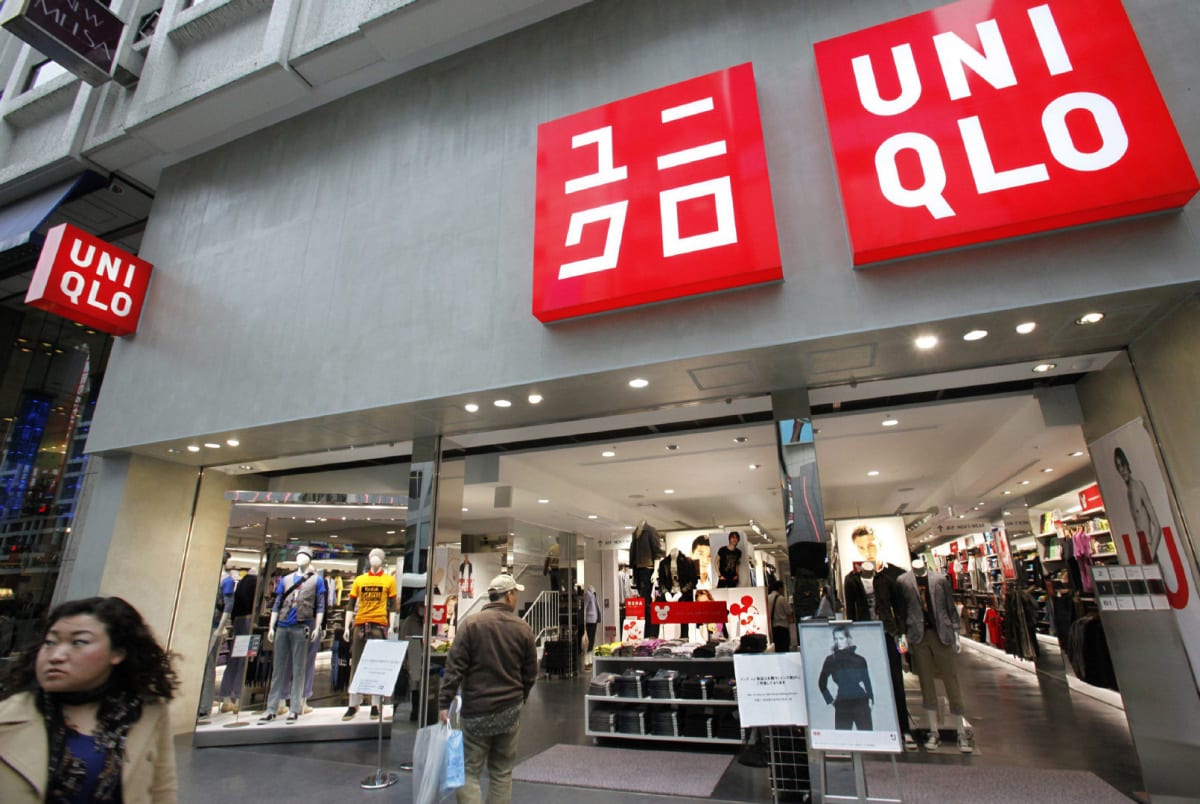
    A tactic to move to high prices over the past year has failed for Japanese casualwear chain Uniqlo, admits the chairman of its parent company, Fast Retailing.

    Japan’s richest person, billionaire Tadashi Yanai says the company is considering how to sell value-added products for the lowest possible price.

    “The world is flooded with clothes without added value,” he said at a fashion event in Tokyo’s Shibuya shopping district featuring Uniqlo’s latest seasonal styles.

    Japanese consumers are being cautious as the country’s financial situation tightens, and Fast Retailing has seen its overseas earnings hit by a stronger yen, compounded by China’s slowdown and losses in the US. Uniqlo lost some of its budget-minded customers in Japan after raising prices last year.

    Fast Retailing has cut back its operating profit forecast last month to 120 billion yen ($1.1 billion) for the year ending August, down 33 per cent from its estimate in January.

    In April, Uniqlo reported that its first-half year profits had plunged.