Tag: asia

  • Imposium launches cloud-based ad platform

    Imposium launches cloud-based ad platform

    Imposium has launched a platform that provides marketers, advertisers, media planners, buyers, and creative directors to harness personalized, dynamic, contextualized video.

    The eponymous platform is a real-time video ad generator that promises to deliver algorithmic video for commercials and entertainment with a highly personalized, one-to-one viewer experience.

    The platform analyzes existing customer profiles and behavior data then dynamically generates relevant, personalized ads on the fly. These ads are then delivered in the form of a data-driven “video story” that features your product, brand, or narrative using Imposium’s proven backend technology.

    As a cloud-based dynamic platform, Imposium’s delivery of ads works inside browsers or mobile apps, and even on-site for experiential installments. It uses both context and relevance to deliver the most optimized advertising experience possible to audiences.

    These personalized ads allow marketers to hyper-target prospects by things like geography, social profiles, interests, or relevant real life events. These elements allow Imposium to generate highly informed, pre-educated candidates that result in greater conversions and sales.

    “With this type of contextual marketing, we connect brands and storytellers with target demographics like never before,” said Jason Nickel, president of Imposium.

    “In a world dominated by video marketing, Imposium enables online and experiential video campaigns to be very personal, with a format that uses elements made for many, but appears to be produced just for you,” said Nickel.

  • Alfamart to relieve Indonesia’s last-mile headache

    Alfamart to relieve Indonesia’s last-mile headache

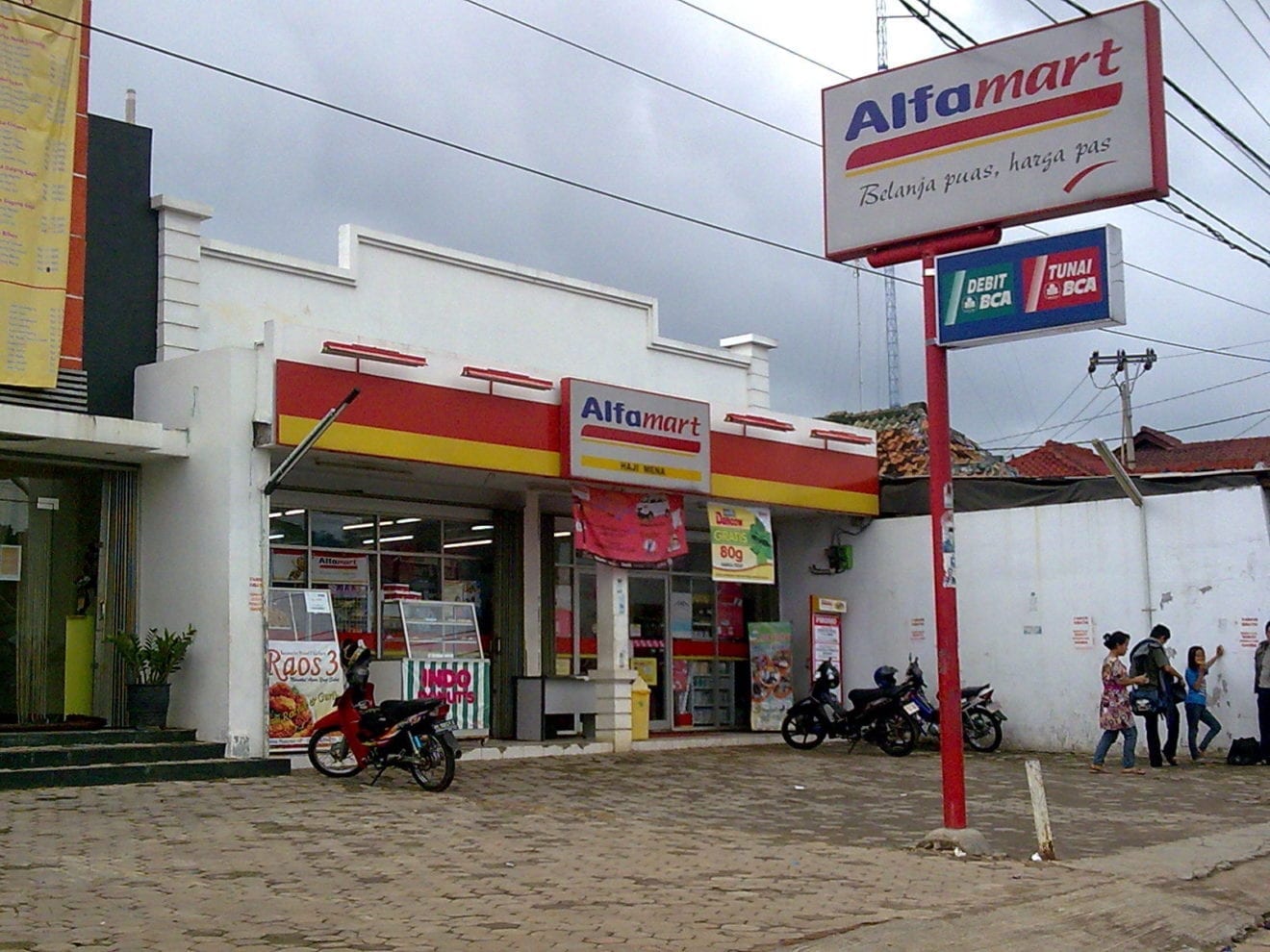
    Indonesian retail company Sumber Alfaria Trijaya is reinventing its online shopping service, utilizing its vast network of Alfamart convenience stores as pickup points to tackle the country’s logistical challenges.

    Alfacart is expected to be officially launched this week and will replace the company’s existing shopping site Alfaonline. Sumber Alfaria aims to list one million products from third party sellers, from electronics to clothes and groceries, and generate online transactions worth roughly one trillion rupiah ($70 million) by 2016. The company is investing $2 million to upgrade its IT system.

    To distinguish itself from existing players such as Lazada, Sumber Alfaria will enable Alfacart users to pay and pick up their purchases at Alfamart stores. Known for its distinctive red and yellow logo, Alfamart is of the top two convenience store chains in Indonesia with about 11,000 stores as of last December. 1,200 stores are expected to be added during 2016.

    “We understand there are some players in the market but the high cost of last mile [delivery] is still a concern,” said Sumber Alfaria president Hans Prawira, at a press conference on Friday. “We have presence in the market very close to shoppers.”

    Logistics are a significant challenge in Indonesia’s archipelago of more than 13,000 islands. In addition to poor infrastructure, home addresses are often chaotically numbered and unorganized, causing major headaches for courier companies, said IT director Bambang Setyawan Djojo. “We know the address of every Alfamart, so it will make delivery easy,” he said.

    E-commerce is booming in Indonesia but it is a costly business. Lazada recently received an investment of $1 billion from China’s Alibaba Group Holding, while Japan’s Rakuten shut down its online shopping site in the country. Sumber Alfaria only generated 451 billion rupiah in net profit on revenue of 48 trillion rupiah in 2015, a margin of less than 1%.

    Alfaonline failed to gain widespread popularity due to the perception that it only sells groceries, Bambang said. Sumber Alfaria will focus on promoting the convenience of Alfacart.

  • Indonesian weekend event in London successfully promotes tourism

    Indonesian weekend event in London successfully promotes tourism

    A two-day tourism event called “Indonesian Weekend” held in Potters Fields Park, London, Great Britain, on May 28 to 29 was considered successful in promoting the Wonderful Indonesia brand, an official stated.

    The Indonesian Weekend was part of the Wonderful Indonesia brand awareness campaign, Nia Niscaya, assistant to a deputy in the tourism ministry, noted here, Monday.

    Garuda Indonesia Airways also supported the event and offered special fares on certain routes, such as London-Jakarta, Yogyakarta, and Lombok.

    The ministry has always participated in the World Travel Mart, which is routinely held in London in November, according to Niscaya.

    The number of British tourists to Indonesia reached 230,315 in 2014 and increased to some 270 thousand in 2015.

    This year, Indonesia hopes to attract 300 thousand British visitors.

    During the January-March 2016 period, the country received a total of 67,750 British tourists, or an increase of 28.54 percent from 52,708 tourists during the same period last year.

    Niscaya was optimistic that this years target would be achieved through the promotion of the Bali and Beyond tourism program.

    Ambassador of Indonesia to the United Kingdom Rizal Sukma officially kicked off the Indonesian Weekend showcasing the countrys arts and culture, here, Saturday.

    Highlights of the event included performances of Javanese dances by famous artist Ninik Thowok, Silat traditional martial art by Cecep Arif Rahman, traditional bamboo musical instrument by Arumba Saung Udjo, East Nusa Tenggara traditional music instrument Sasando by Ivan Nestorman, Javanese gong ensemble gamelan by Lila Bhawa, and an Islamic fashion show.

    The festival also offered Indonesian culinary delicacies as well as handicraft and fashion products.

    Initiated by Bangga Indonesia Ltd and Ditali Cipta Kreatif, the event is supported by Elzatta Hijab, the tourism ministry, and the Indonesian embassy in London.

    Other sponsors were the industry ministry, cooperatives and SMEs ministry, and the education and culture ministry in cooperation with the regional administrations of Central Java, Central Kalimantan, Bandung, and Malang.

    Some of the Indonesian culinary dishes offered during the event were Soto Ayam (chicken soup), chicken and lamb satay, Padang satay, Bakso (meat ball soup), Somai, Rendang, and Yogya Gudeng.

    A cooking demonstration featuring Master-Chef Indonesias jury, Degan Septoadji, and Chef Gede Susila Yadnya of Balis Potato Head Club Bali was also the highlight of the tourism promotion event.

  • YCH inks pact with Indonesian food distributor

    YCH inks pact with Indonesian food distributor

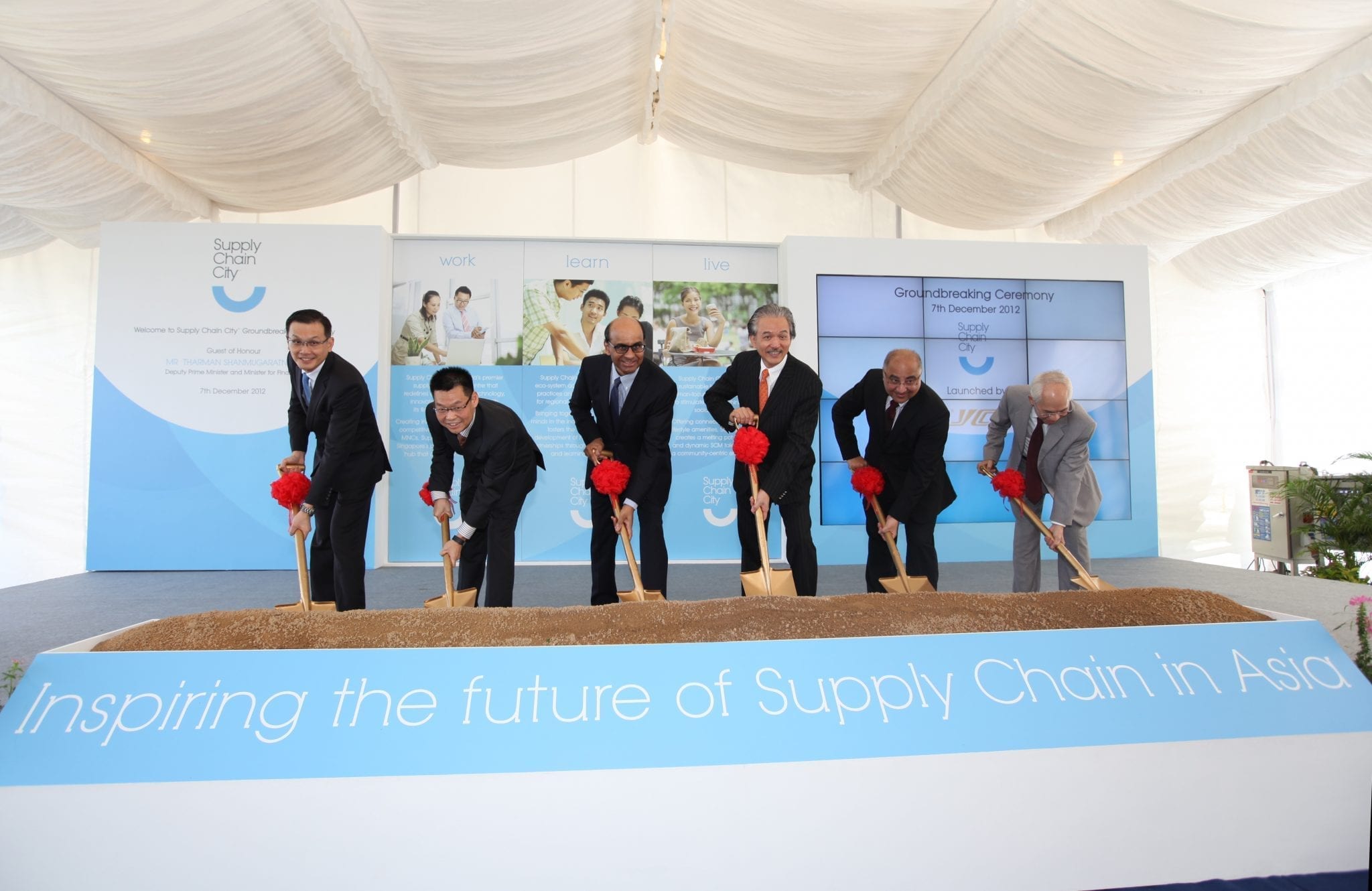
    Supply chain company YCH Group’s subsidiary YCH Indonesia has signed an agreement with a business unit of Sekar Group, one of Indonesia’s largest importers and distributors of food products.

    The memorandum of understanding (MOU) with Pangan Lestari was inked on the sidelines of a business mission co-organised by International Enterprise (IE) Singapore and the Singapore Business Federation.

    Announcing the pact in a statement yesterday, IE Singapore said it brought the two companies together last year, given Singapore- based YCH’s interest to expand further in Indonesia.

    Under the agreement, both companies will jointly develop integrated cold-chain supply management to facilitate retail, catering and distribution fulfilment.

    The MOU signing was witnessed by Ms Sim Ann, Singapore’s Senior Minister of State for Culture, Community and Youth, and Finance.

    Ms Sim, who also oversees issues related to small and medium-sized enterprises in the Committee on the Future Economy, is leading the business mission to Surabaya, Indonesia, which started on Wednesday and ends today.

    The mission comprises over 20 business representatives from 13 SMEs across business services, environment services, as well as the financial and manufacturing sectors.

    Ms Sim said in the statement: “Given the limited size of Singapore’s domestic market, many SME leaders are actively considering internationalisation as a means to bring their business to the next level.”

    She added that Indonesia’s young population and growing middle class present good opportunities for local SMEs.

    Indonesia is Singapore’s second- largest trading partner among Asean member states, with total trade at $59 billion last year. Singapore was Indonesia’s top foreign investor last year, with total realised investments amounting to $8 billion, IE Singapore noted.

    “Surabaya and East Java offer exciting growth opportunities, especially in sectors like trading, services and manufacturing,” said IE Singapore assistant chief executive Tan Soon Kim.

    Surabaya has a population of 3.2 million and its economic growth reached 6.7 per cent in 2014, exceeding East Java province’s growth of 5.9 per cent.

    Separately, IE Singapore also announced the signing of a “first-ever” MOU with business associations in Lombardy, Italy – Confindustria Lombardia and Assolombarda – to help SMEs access the region. The two groups have a combined reach of 17,000 Italian enterprises across diverse sectors, IE Singapore noted.

    The collaboration is aimed at helping local companies tap business opportunities in Lombardy via partnerships, as well as linking up enterprises in Lombardy with Singapore firms to jointly access the South- east Asian market.

    IE Singapore said the focus areas include design innovation, fashion and consumer products, technology development, urban solutions and hospitality real estate.

  • Facebook, Microsoft team for mid-Atlantic cable

    Facebook, Microsoft team for mid-Atlantic cable

    On what do Facebook and Microsoft agree? Apparently, on the need for a new transatlantic cable between Spain and Virginia in the US. The MAREA cable system was announced yesterday, with the software and social networking giants working with Telefonica’s Telxius subsidiary to make it happen.

    MAREA will supposedly feature 8 fiber pairs and have an initial theoretical capacity of a whopping 160Tbps. It will stretch 6,600km and land in Bilbao in northern Spain and in Virginia Beach. That route takes a less popular southern route to Europe a bit north of the one taken by the aging Columbus system.

    The Virginia Beach landing can be better understood if one recalls that Telefonica’s BRUSA cable hooking up North and South America will also be landing there.

    Just last week we learned that Telefonica has already bought a 3.5 acre site there for a 20,000 square foot building for its cable landing station and data center there. In addition, fiber operators like SummitIG and Lumos Networks have been adding fiber infrastructure throughout southern and central Virginia that will surely help with the backhaul.

    Telxius will operate and manage the cable system itself. Telefonica launched Telxius as its infrastructure arm earlier this year, shifting ownership of towers, subsea cable systems, and other assets into it.

    They hope to monetize those assets in the wake of the blocking of the sale of O2 in the UK, and supposedly this week added several banks to prepare for a $4 billion to $5 billion IPO. That could happen as soon as July.

    This past year has seen the most submarine activity ever from the content guys, and they are increasingly taking the lead on new cable systems they feel are needed to meet their own bandwidth demand.

    Construction of the MAREA cable system is expected to begin in August and finish in October of 2017, although I’m sure they’ll have to time the actual cable laying operations around the Atlantic hurricane season.

  • Myanmar taps Intelsat for satellite backhaul

    Myanmar taps Intelsat for satellite backhaul

    Myanmar’s Ministry of Transport and Communications has arranged to use two Intelsat satellites to improve wireless broadband connectivity for the nation and expand broadband access for businesses.

    The multi-year, multi-transponder agreement will allow the government to significantly enhance its own network and help mobile operators achieve their 2G and 3G deployment goals, the parties said in a statement.

    This will hasten the expansion of high-speed wireless broadband connectivity for businesses and communities nationwide.

    Under the agreement, the ministry will use C-band satellite services over the Intelsat 902 craft for VSAT network and cellular backhaul services, and move to the higher-power services on the recently-announced Intelsat 39 satellite by 2018.

    “Over the past few years, Myanmar has made significant strides in expanding access to faster and more reliable broadband connectivity throughout the country,” the ministry’s permanent secretary Khin Maung Thet said.

    “With the help of Intelsat’s Globalized Network, we will leverage their satellite solutions to extend 2G and 3G communications services beyond urban centers and ensure that all of our citizens have access to higher bandwidth, superior quality and more affordable mobile broadband connectivity.”

    Intelsat CEO Stephen Spengler added that the satellite services “will help enrich the lives of the communities [the government] serves by improving medical and educational access, providing a lifeline during times of crisis and enabling Myanmar to foster strong relationships within and outside of the country.”

  • Huawei validates key 5G technologies

    Huawei validates key 5G technologies

    Huawei has announced it has completed the first stage of key 5G technology tests as part of a series of 5G field trials organized by the IMT-2020 5G Promotion Group.

    The vendor completed outdoor macro-cell tests in Chengdu, China consisting of a number of key 5G enabling technologies and an integrated 5G air interface.

    As part of the trial, Huawei evaluated three foundational technologies – filtered orthogonal frequency division multiplexing (F-OFDM), sparse code multiple access (SCMA) and polar code – the air interface technology.

    Results show that F-OFDM was able to improve system throughput by 10%, SCMA was able to increase uplink connections by 300% and downlink system throughput by up to 80%, and polar code provided coding gain of between 0.5dB and 2dB compared to the code used in LTE systems.

    Huawei said results of the test demonstrate that the new 5G air interface technology can improve spectral efficiency and meet the ITU-R’s diverse service requirements for the standard.

    The IMT-2020 5G Promotion Group was launched by the China Academy of Information and Communication Technology to encourage joint efforts to promote 5G field trials and evaluations among the global mobile industry.

    Earlier this year the group announced a three-phase 5G trial plan spanning from 2016 to 2018.

  • Volkswagen considers setting up its own battery factory

    Volkswagen considers setting up its own battery factory

    Volkswagen is considering building a multi-billion-euro battery factory as part of a major expansion of its electric-car portfolio, company sources told the Handelsblatt, a leading German daily.

    The factory will allow Volkswagen to operate independently of Asian firms like Panasonic, LG and Samsung that have dominated the battery market to date, the newspaper added.

    The company’s executive board looks to be in favour of approving the plan, which is also supported in principle by the works council and the state of Lower Saxony, its major shareholder, before the firm’s annual meeting on June 22.
    The company hopes that focusing on battery technology and electric cars can help it make a fresh start and improve its negative image after the “Dieselgate” scandal, the paper said.

  • New release: Mango Ramadan fashion range

    New release: Mango Ramadan fashion range

    Spanish fashion brand Mango has launched a range of Ramadan styles, including special festive garments.

    For more than 10 years the brand has been globalising its collections for different markets. Its special-collections department develops exclusive designs in line with the cultural and religious norms of different countries.

    The Mango Ramadan fashion offer includes casual garments such as jackets, kaftans, flowing jackets, oversized shirts, leggings and tunics made of fabrics such as poplin and imitation suede. There are also festive garments such as long dresses and double-layer body wraps (relaxed or fitted), plus midi-skirts made of fantasy fabrics. Satin finishes, lurex and laminated fabrics play a key role, as does lace.

    While the Spanish market is key for development, the brand has about 80 per cent of turnover in other countries. There are more than 2200 Mango stores in 109 countries.

  • Stradivarius mid-air pop-up a world-first

    Stradivarius mid-air pop-up a world-first

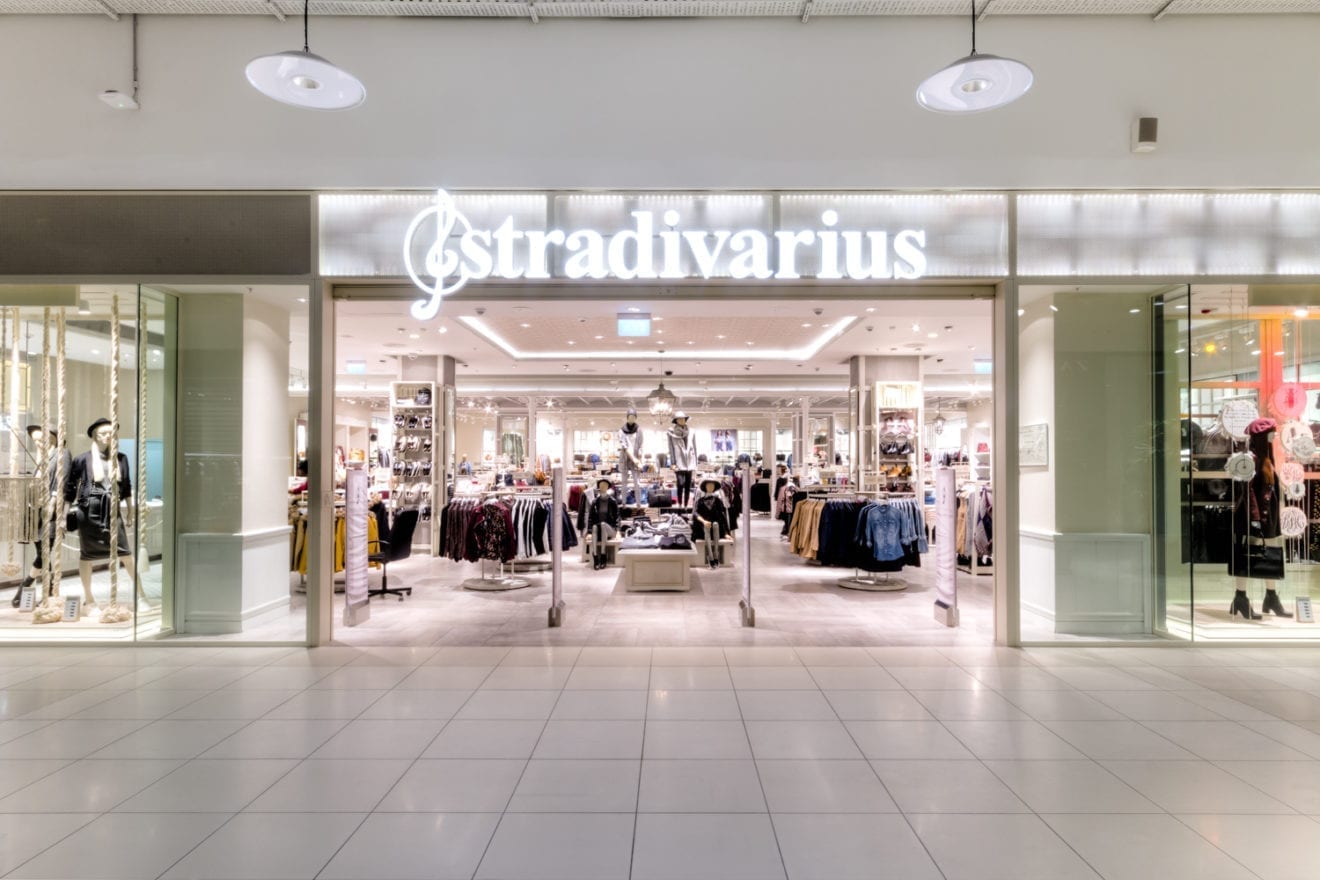
    A Stradivarius mid-air pop-up store on a flight between Barcelona and Split is believed to be a world-first.

    Cabin crew on a flight from Barcelona to Split gave passengers mobile phones that came with an app, designed specifically for the event, for purchasing clothes from Stradivarius’ latest collection.

    Stradivarius says it believes the event marks the first digital pop-up store ever created on board a plane.

    The passengers included leading international fashion bloggers, invited by the brand, whose final destination was the island of Hvar (Croatia) as a part of The Summer Expedition 2016, where they enjoyed different looks of the brand and some leisure activities.

    All the passengers were given a corporate gift after landing and a letter of gratitude for attending this initiative.

    In 2015, Stradivarius organised a fashion parade on a plane in another first..

  • Coex Mall Seoul management goes to tender

    Coex Mall Seoul management goes to tender

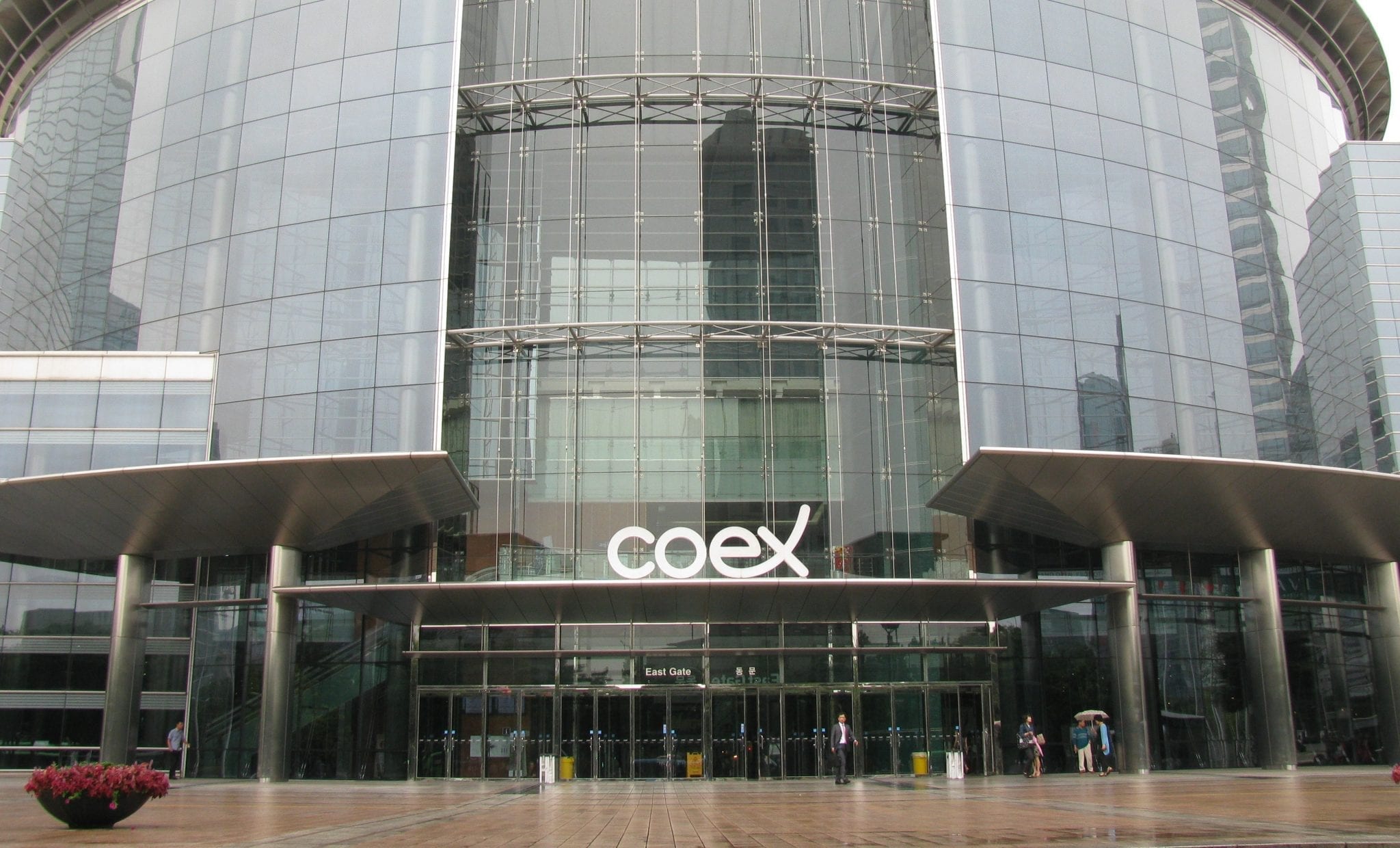
    Outside management will be introduced for Coex Mall Seoul, which has been struggling to attract shoppers since reopening a year ago after renovation.

    Korea International Trade Association (KITA) chairman Kim In-ho says an entity to manage the mall will be named by the end of the year.

    This is being entrusted to an outsider so it can be more effectively managed, says Kim.

    “We will select the management firm in a fair and transparent manner in accordance with the law.”

    A wholly owned KITA subsidiary has been managing the mall, which has been hit by a prolonged consumption slump and intensifying competition, including eCommerce.

    “We have to ask ourselves this question: can we compete with Lotte, Hyundai and Shinsegae? I seriously doubt it,” says Kim. “I believe Coex Mall will be more efficiently managed by professionals, and generate larger profits and create more jobs.

    “KITA needs to make money from the mall to finance its work, promoting the country’s trade.”
    Meanwhile, KITA has started preparing to bid for a convention centre to be built in Jamsil Sports Complex, a few kilometers away from its Coex Convention Center.

  • Central Group Vietnam halts buying spree

    Central Group Vietnam halts buying spree

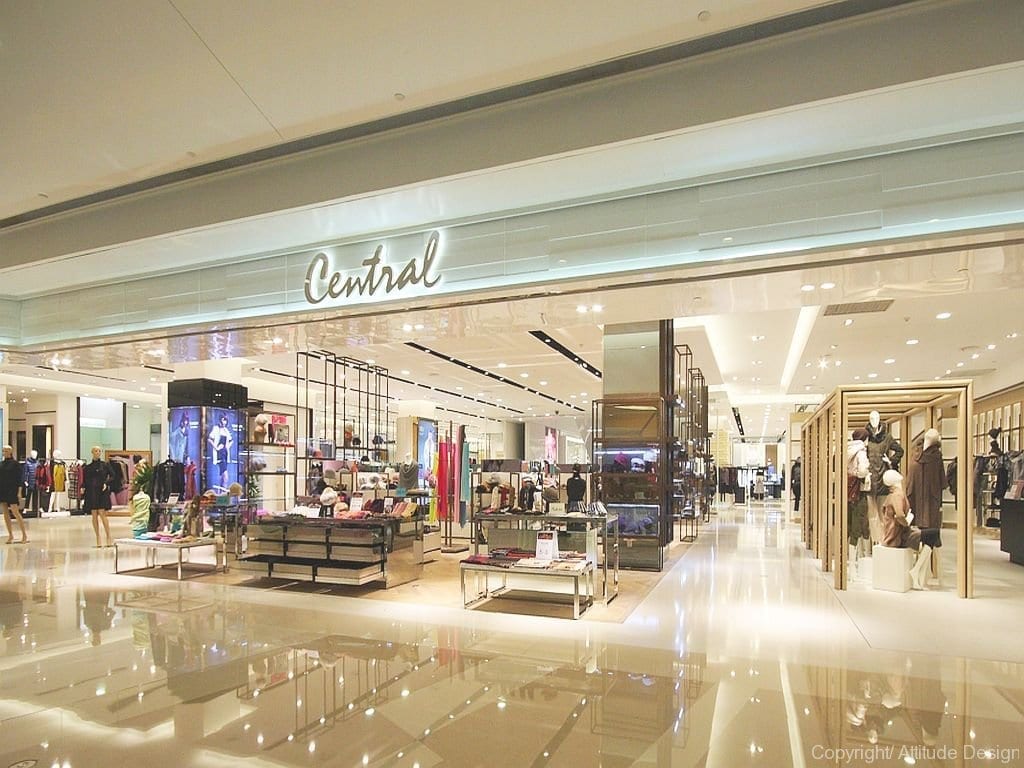
    Thai retailer Central Group Vietnam is putting the brakes on its acquisition spree to focus on consolidating profit, according to media reports.

    Deputy group CEO Prin Chirathivat says Vietnam is shaping up as a second home for the Central Group, with the company having established three Robins Department Stores there, acquired a 49 per cent stake in electronics retailer Nguyen Kim, taken over fashion eCommerce site Zalora Vietnam from Germany’s Rocket Internet, and bought out Big C Vietnam for $1.1 billion.

    Prin has told The Nation that he realises it is time to reap profit from the businesses in Vietnam, with the depreciation of fixed assets putting pressure on profitability despite positive cash flow.

    But while Central has decided to pull back on buying, he says it does not want to miss any interesting inorganic growth opportunities.

    Its biggest equity investment has been taking over 30 Big C Vietnam supermarkets, for which it secured a bridging loan from Bangkok Bank, according to the Bangkok Post. Central will use Zalora to strengthen the channels of local partner Nguyen Kim as well as its Robins stores.

    The Thai group still considers Vietnam as an important market, buoyed by a growing economy and high purchasing power. But it still has plans for Indonesia, including opening five more department stores in Jakarta and Surabaya by 2017.

    Back in Thailand, Central Group no longer owns Big C SuperCentre, but has acquired the Zalora business there.

  • Chinese vegan market booming

    Chinese vegan market booming

    The Chinese vegan market is expected to grow 17.2 per cent between 2015 and 2020 – the fastest growth rate in the world.

    Global market research company Euromonitor International’s new Ethical Labels database reports a growing movement toward sustainability, social responsibility and transparency on labels worldwide.

    According to the new research, halal and vegan labels are set to grow by a compound annual growth rate of more than 5 per cent annually during the period, translating into 708 million extra sales worth US$13 billion.

    Despite leading growth for the vegan sector, China lags behind the US and Japan when it comes to ethical labels.

    “Vegan product labelling is one of the key categories to watch in the future, as an increasing number of companies are expanding their consumer appeal by staying away from animal ingredients whenever possible,” says Euromonitor International head of health and wellness Ewa Hudson.

    “The rising demand and trend for vegetarian and vegan proteins indicates where the market is moving.”

    Meanwhile, the global market for ethically labelled packaged foods, soft drinks and hot drinks (excluding private label) accounted for $793.8 billion last year and is set to reach $872.7 billion by 2020.

    Worth $45.3 billion currently and set to reach $58.3 billion in 2020 are halal products, driven by ethnic and religious diversity.

    Other findings of the research: the US is the largest kosher market, 18 times the size of Israel; and the UK is the runaway leader in animal welfare labels with $ 30.1 billion last year.

  • Hermes Korea buck luxury downturn

    Hermes Korea buck luxury downturn

    Hermes, the French high fashion brand, has proven to be an exception to the downturn in South Korea’s luxury market, industry officials said last Tuesday.

    Compared to other luxury brands that had one to three per cent sales increases over the past three or four years, Hermes Korea has shown growth of 20 to 30 per cent, according to global consulting firm Bain & Company. The company’s sales rose 25.7 per cent in 2012, 31.1 per cent in 2013, 32.7 per cent in 2014, and then 27.9 per cent in 2015.

    Department store officials say much of Hermes’ popularity comes from its handbags – in particular, its Birkin bag. Retail sources report 1000 people in South Korea are currently on the waiting list for one of the bags, but three to four years ago, unable to meet the impossibly high demand, the stores stopped taking reservations.

    “We are hard-pressed to be able to deliver on reservations made years ago,” an official at a Hermes store in Seoul said. “So we stopped taking reservations altogether.”

    A Birkin bag is locally priced at 13 million won (US$10,975), with crocodile-skin models selling for as much as 70 million won.

  • Pizza Hut Asia to test Pepper the robot

    Pizza Hut Asia to test Pepper the robot

    Pizza Hut Asia and MasterCard have partnered to bring Pepper, SoftBank Robotic’s humanoid robot, to restaurants by the end of this year to enhance in-store customer service.

    Pizza Hut Asia will be piloting Pepper for order-taking and what MasterCard describes as “personalised engagement”. This marks the first commercial application for Pepper, according to MasterCard.

    Pepper, which was unveiled on Tuesday, will be powered by MasterPass, the global digital payment service from MasterCard that connects consumers with merchants, enabling them to make digital payments across channels and devices.

    MasterPass extends the robot’s ability to integrate customer service, access to information and sales into a seamless and consistent user experience.

    “Consumers have come to expect personalised service, customised offers and simple and seamless processes both in-store and online,” said Tobias Puehse, vice president, Innovation Management, Digital Payments and Labs, Asia/Pacific, MasterCard. “The app’s goal is to provide consumers with more memorable and personalised shopping experience beyond today’s self-serve machines and kiosks, by combining Pepper’s intelligence with a secure digital payment experience via MasterPass,” Puehse said.

    Pepper robot Pizza Hut

    A consumer will be able to initiate an engagement by simply greeting Pepper and pairing the consumer’s MasterPass account by either tapping the Pepper icon within the wallet or by scanning a QR code on the tablet that the robot holds. After pairing with MasterPass, Pepper will be able to assist cardholders by providing personalised recommendations and offers, additional information on products, and assistance in checking out and paying for items. Pepper will be able to initiate, approve and complete a transaction by connecting to MasterPass via a Wi-Fi connection and the entire transaction happens within the wallet.

    “We are excited to welcome Pepper to the Pizza Hut family,” said Vipul Chawla, managing director of Pizza Hut Restaurants Asia. “Core to our digital transformation journey is the ability to make it easier for customers to engage, connect and transact with Pizza Hut. With an order-and-payment-enabled Pepper, customers can now come to expect personalized ordering at our stores, reduce wait time for carryout, and have a fun, frictionless user experience,” Chawla said.

    The app was built by the MasterCard Labs team in Singapore, one of the company’s eight research and development centers across the globe. The Pepper application adds to ongoing MasterCard programs that bring payments to any consumer gadget, accessory or wearable – from fitness bands to refrigerators and now robots. The integration with Pepper, MasterCard stated, has the potential to open up opportunities in the world of retail such as personalised shopping and concierge services, in-aisle checkout and the ability to buy in store but get the goods delivered at home. The same capability would also be applicable to other consumer engagement locations such as hotels, banks, airports, and other customer service industries.

    The app is being showcased at the Pepper Partners Europe event hosted by SoftBank Robotics Europe (a SoftBank Robotics Holdings group company) in Paris until May 26.