Tag: asia

  • JTG Holdings buys Jones the Grocer global rights

    JTG Holdings buys Jones the Grocer global rights

    JTG Holdings, the master franchisee for Jones the Grocer in the Middle East and North Africa, has bought the global rights to the brand.

    In a separate transaction LVMH investment arm, L Capital Asia has taken a minority stake in JTG Holdings with the aim of backing the brand in its international expansion.

    Another subsidiary of L Capital Asia has taken master franchise rights for the brand in various markets in north Asia, Southeast Asia, Australia and New Zealand.

    While its base in the UAE will give JTG Holdings a global footprint, it aims to stay true to its Australian roots and is committed to supporting franchisees as true partners.

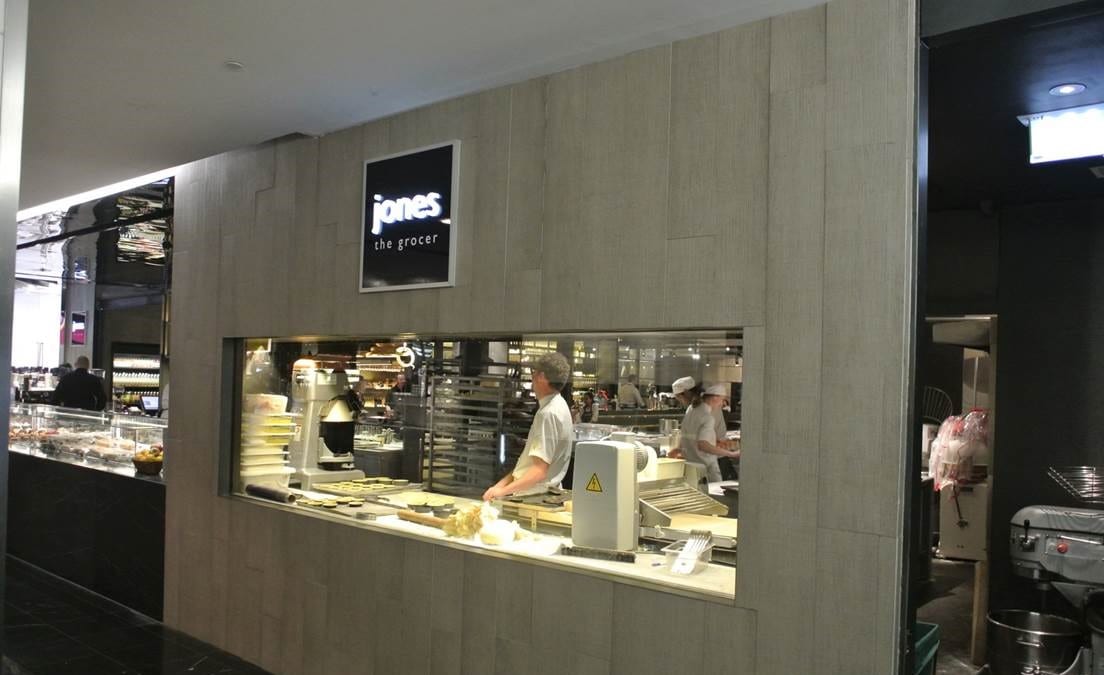
    Jones the Grocer is a cafe and retail outlet specialising in hand-selected specialty products, its flagships featuring a signature walk-in cheese room, charcuterie and deli. Established in 1996 with the launch of its flagship Australian store in Woollahra, Sydney, Jones the Grocer has now has 19 stores across Australia, New Zealand, Singapore, Thailand, Qatar, Bahrain and the UAE.

  • BMW cafe says Hello to Korea

    BMW cafe says Hello to Korea

    A BMW cafe in Korea has opened inside a Lotte department store in Incheon.

    Lotte Department Store’s Premium Outlet allows visitors to enjoy the BMW motorcycles and related accessories such as clothing and helmets. The cafe open today, May 27.

    Free consultations about motorbikes and other products are also offered to customers.

    BMW Cafe Korea 1


    “We tried to make a store that targets men who are interested in motorcycles,” said a Lotte spokesman.

    “We’ll try to expand our shopping spaces that cater to male customers.”

    The number of Korean motorcycle fans has increased in recent years, doubling the number of imported high-capacity motorbikes from 10,300 in 2012 to 20,800 in 2015.

  • Burberry prices ‘too expensive’ in China

    Burberry prices ‘too expensive’ in China

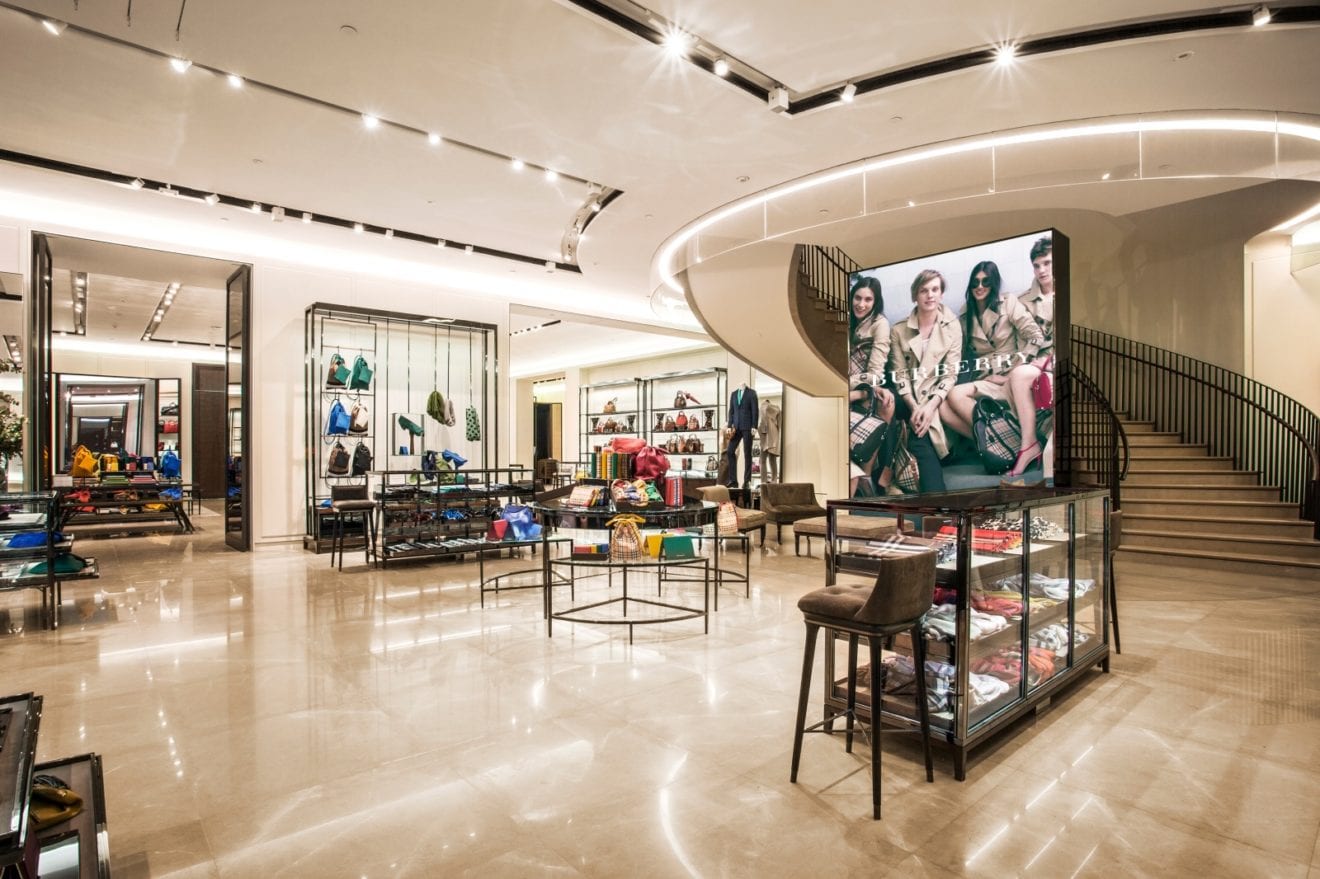
    Burberry prices are too high in China and Hong Kong and the brand must make cuts if it wants to arrest falling sales in the region says a retail analyst.

    Last week the UK-headquartered luxury fashion label reported its second consecutive drop in earnings, this time by some 10 per cent. Sales in Hong Kong have fallen more than 20 per cent for three consecutive quarters.

    Jack Chuang, a partner with Hong Kong-headquartered OC&C Strategy Consultants, says while the company is planning to cut overheads by £100 million over the next two years, the solution is a lot simpler.

    “Saving cost might help with Burberry’s short-term financial performance, but we don’t think it will help solve the fundamental problems it has in Asian market.

    “Among all the luxury brands, Burberry is almost the one with most significant price gap between Asian and European markets. Prices in Mainland China are almost 40 per cent higher than in UK, while in Hong Kong, it is 20 per cent higher.”

    Chuang says while a lot of luxury brands have started to think about price equalisation – citing Chanel, Cartier and Dior as examples from last year and, more recently, Valentino – Burberry raised its prices in China again in May by 5 to 10 per cent.

    “If it continues this type of strategy, more and more domestic demand will shift to the overseas market through travelling or cross-border eCommerce and no matter how they save cost (whether limited to Hong Kong or globally), they are going to have problems in Asia.”

  • Richemont Asia stores set for cull

    Richemont Asia stores set for cull

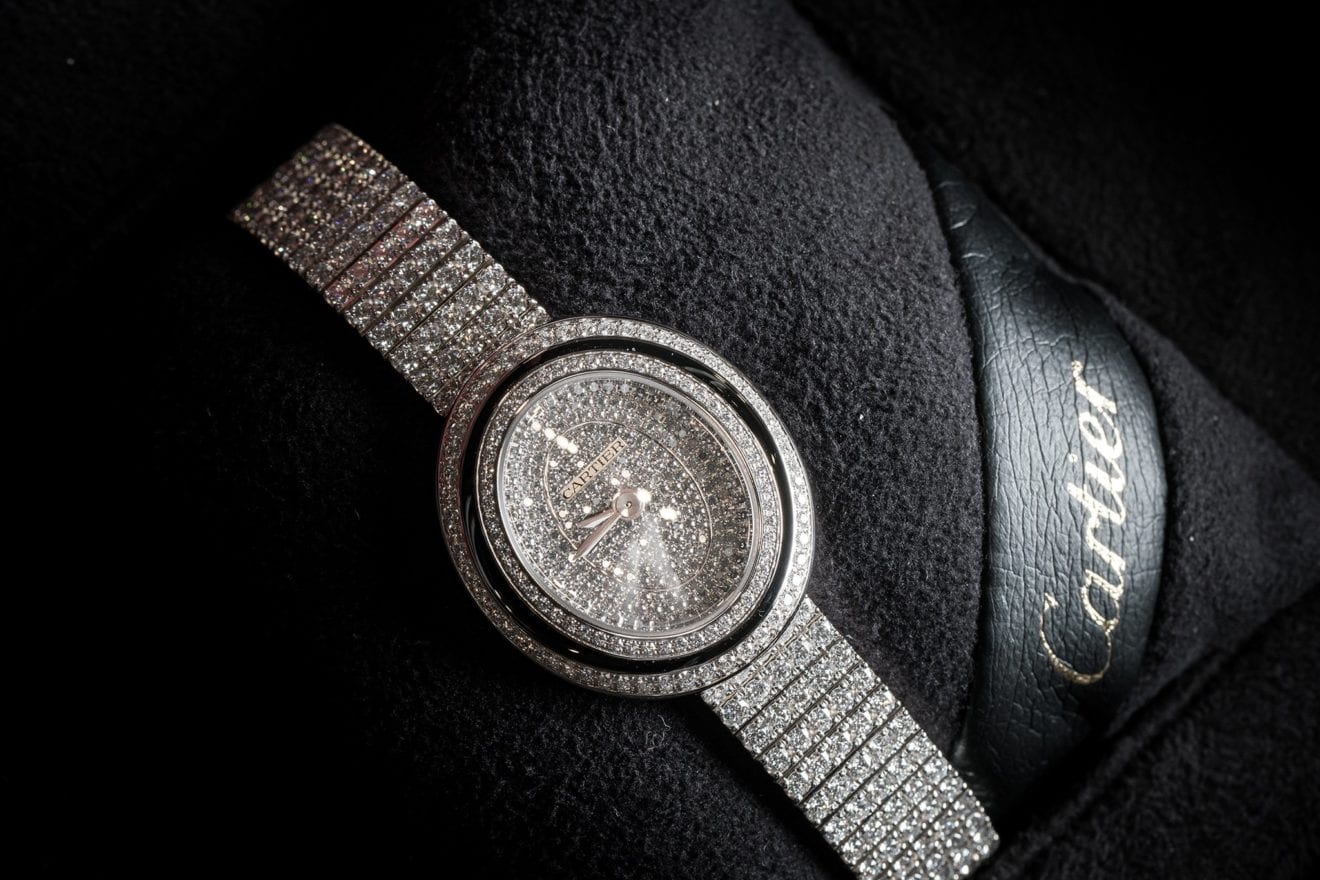
    Feeling the pinch from a tough trading environment, luxury goods retailer Richemont has announced restructuring measures, including the closure of stores.

    Richemont Asia sales have declined despite a 26 per cent increase in sales in Mainland China.

    Global sales fell 18 per cent in April, and the company reported a 23 per cent drop in full-year profit.

    Richemont says it is cutting costs in its watch sector and plans to consolidate its global retail presence, particularly in Mainland China, while investing further in jewellery.

    Richemont owns brands including Baume & Mercier, Cartier, Chloe, Dunhill, IWC Schaffhausen, Jaeger-LeCoultre, Lancel, Montblanc, Piaget, Roger Dubuis, Shanghai Tang, Vacheron Constantin and Van Cleef & Arpels.

    “In the near term, we are doubtful that any meaningful improvement in the trading environment is to be expected,” said chairman Johann Rupert, revealing plans for Richemont store closures across its brands.

    Richemont’s operating profit in the year ended March was $2.06 billion, down from $2.67 billion because of the cost of restructuring measures initiated to counter the Asia Pacific downturn. Full-year revenue edged up 6 per cent to $11.08 billion, helped by favourable exchange rates.

    “Our concerns over geopolitical risks and the impact on the behaviour of our clients proved justified,” said the company.

    “Trading conditions in Hong Kong and Macau remained difficult. Only mainland China showed good growth.”

    Richemont’s final quarter was hit by slower tourist spending in Europe after terrorist attacks, while its Hong Kong business continued to bear the brunt of a strong currency which, combined with a slowdown in Chinese growth, deterred mainland tourists.

  • Hokkaido dairy pop-up educates & engages

    Hokkaido dairy pop-up educates & engages

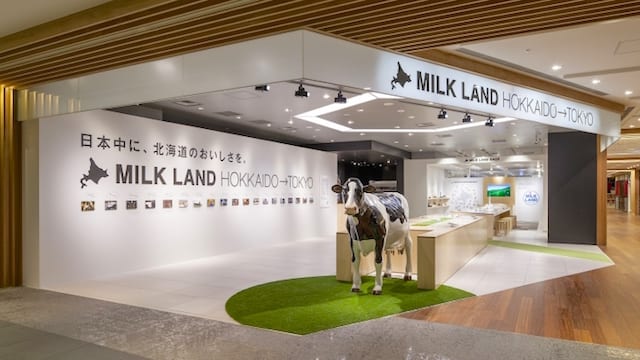
    With the idea that food needs to be tasted as well as its provenance explained, a Hokkaido dairy “pop-up flagship” shop was opened in Tokyo to introduce the brand.

    Over three months, Milk Land HokkaidoTokyo aimed to build the brand by letting consumers learn, eat and buy in the one space products from the Hokkaido dairy production area of Japan.

    MILK-LAND-HOKKAIDO-TOKYO-flagship-shop-by-Ryusuke-Nanki-Tokyo-Japan-06

    Central to the shop was an 18 metre wooden table where all three facets of the concept came together. Customers were able to learn about the dairy farmers and their products, and how the products are transported from the miniature farms to the city. They could also sample the products at the table, and buy from an inbuilt refrigerator.

    MILK-LAND-HOKKAIDO-TOKYO-flagship-shop-by-Ryusuke-Nanki-Tokyo-Japan-05

    The table was split by a green carpet leading to the cashier at the back of the store. Also at the back was a kitchen and a counter for desserts. Customers were able to combine various types of cream  from Hokkaido with cereals and sauce to create their own desserts (more than 300 combinations were possible).

    MILK-LAND-HOKKAIDO-TOKYO-flagship-shop-by-Ryusuke-Nanki-Tokyo-Japan-09

    More than 110,000 people visited the pop-up, which was designed by architects Ryusuke Nanki, Sachiko Abe and Mina Ueyama, with creative director/art director Segawa Hiroki and copywriter Ai Sakamoto.

  • New Toys’R’Us Asia-Pacific president named

    New Toys’R’Us Asia-Pacific president named

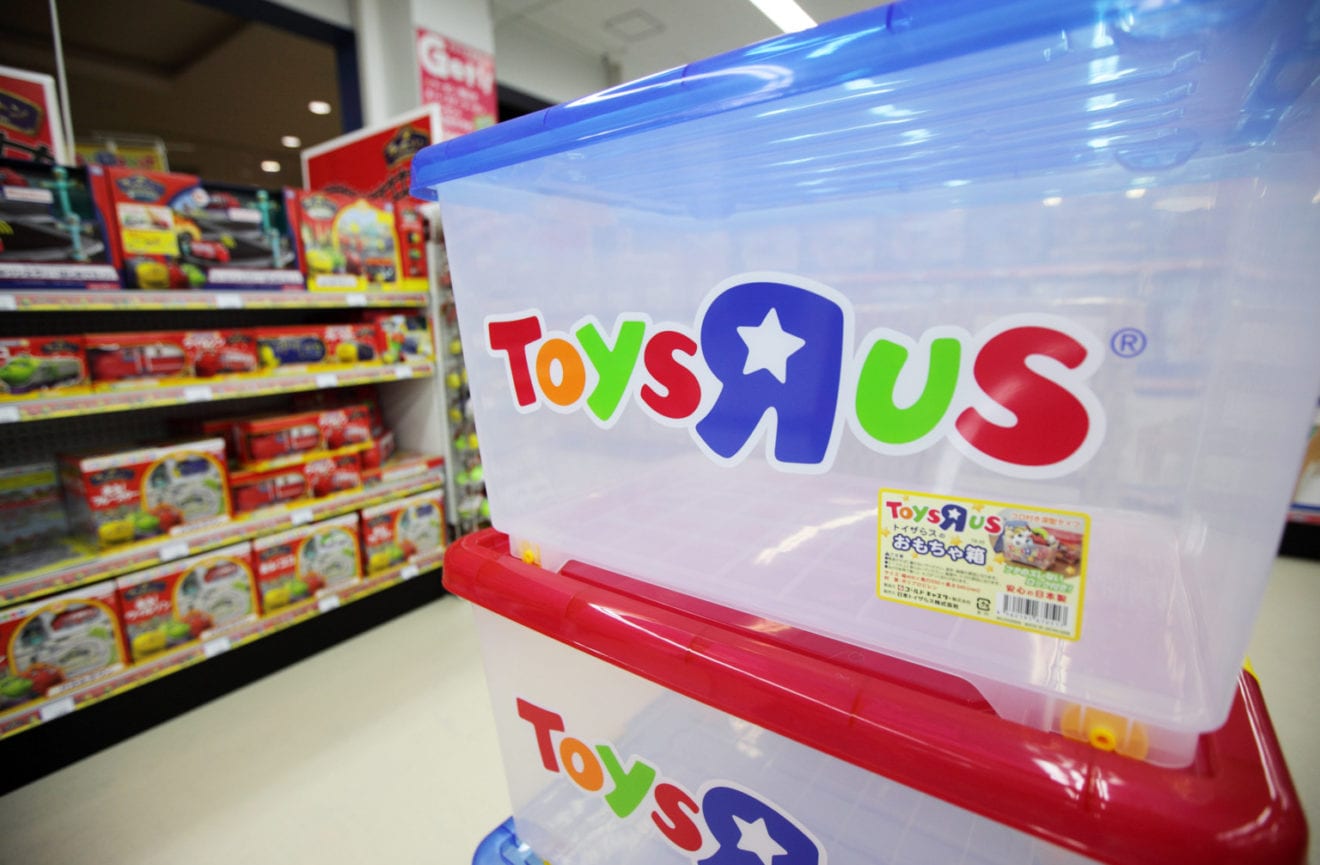
    The new Toys’R’Us Asia-Pacific president is Andre Javes.

    Taking up the role on May 27, Javes will oversee all operations and business activities for the company’s growing number of stores in Japan, Southeast Asia, Greater China and Australia, and he will be responsible for the profitability and success of the company in these markets. He will report directly to chairman and CEO Dave Brandon.

    A seasoned retail executive with more than 30 years of merchandising and management experience, Javes most recently served as MD of Toys’R’Us, Southeast Asia and Greater China, where he oversaw all operations and business activities for the company’s more than 170 wholly-owned stores and some 2500 employees in Brunei, China, Hong Kong, Malaysia, Singapore, Taiwan and Thailand.

    “Since joining Toys’R’Us, Andre has made significant contributions to the continued growth and success of our business throughout Asia and Australia,” said Brandon. “With his extensive retail background, drive for results, commitment to building and leading high-performing teams and proven track record, we expect to further grow and strengthen our brands’ position in the global marketplace.”

    Javes first joined the company in Australia in 2008 as GM merchandising with responsibility for toy and baby products. After a brief hiatus, he returned to the company in April 2013 as MD, overseeing all operations and business activities for the company’s more than 30 stores, eCommerce site, corporate office and more than 1700 employees.

    Prior to joining Toys’R’Us, Javes served as CEO at Anaconda Group from 2009 to 2012, a retail chain of camping, outdoor and adventure gear stores across Australia. Earlier in his career, he spent three years at Kmart as divisional merchandising manager first for seasonal and consumable items and later for the company’s toy and outdoor product categories throughout Australia and New Zealand. He also served as group merchandise manager, grocery at Coles Supermarkets Australia.

  • Aesop Singapore store marks new design direction

    Aesop Singapore store marks new design direction

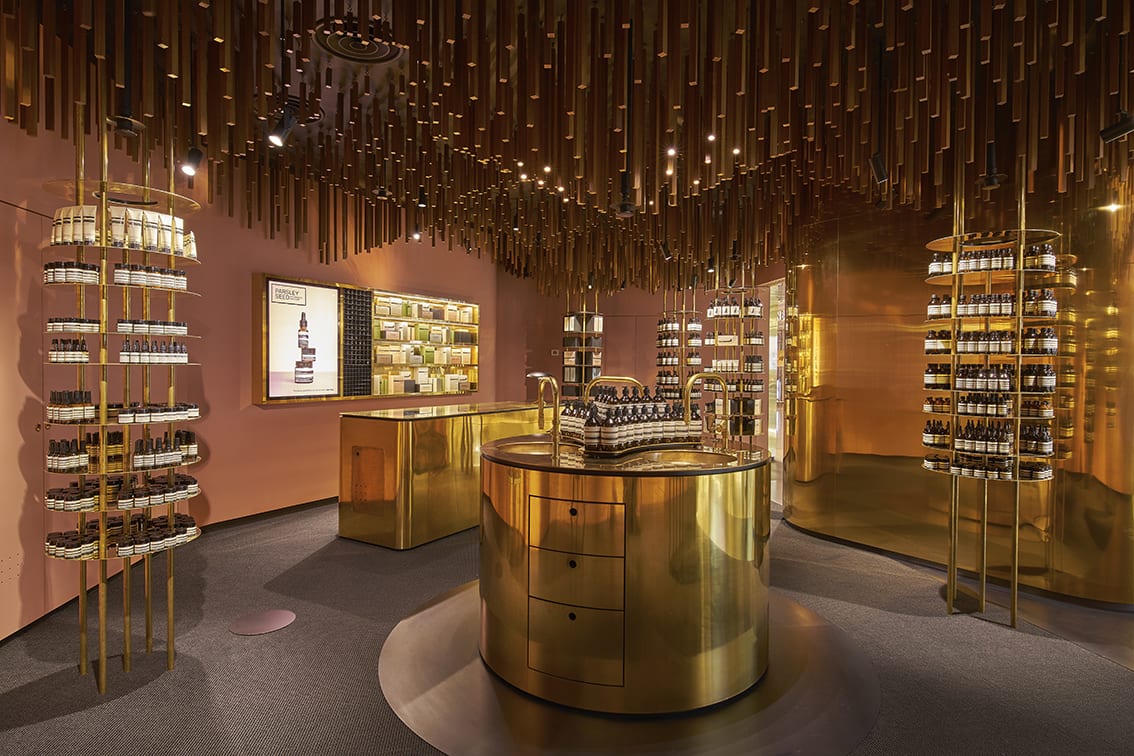
    The newly-opened Aesop Ion Orchard features the brand’s newest generation store design concept.

    The store, designed by Snohetta, was officially opened a week ago after about a month’s trading. It is the first time Aesop has had a presence in Ion Orchard.

    Aesop-ION-store-by-Snohetta-Singapore-04

    The store features metals and timber, with a bold polished brass exterior. Narrow square timber batons of differing lengths hang down from the ceiling to create an ‘upside down forest’. The timber was chosen in part to mark the presence of a nutmeg plantation on the site many years before Orchard Rd became a retail hub.

    Aesop-ION-store-by-Snohetta-Singapore

    The walls are painted in a pink hue, intended to be reminiscent of the colour of mace, a spice harvested from the nutmeg fruit.

    “A connection with the nearby Aesop Raffles City is established through the use of brass in functional elements such as the sales counter and sink, and the metal’s lustre is enhanced by overhead lighting,” said the brand.

    Aesop-ION-store-by-Snohetta-Singapore-07

    Aesop-ION-store-by-Snohetta-Singapore-06

    A lot of the product is displayed on circular shelves mounted on steel frames running from ceiling to floor creating a ‘floating effect’ which fits in with the ceiling forest effect. There are vintage style basins with old style outdoor taps for customers to wash their hands before treatments.

    Aesop-ION-store-by-Snohetta-Singapore-03

    Aesop was founded in Melbourne, Australia, in 1987 and has since grown into an international chain of stores and department store concessions selling skin care products packaged in brown medicine bottles.

    Aesop-ION-store-by-Snohetta-Singapore-09

    Aesop Ion Orchard is the fifth of the brand’s shops to be designed by Snøhetta – earlier stores include Raffles City, Berlin and Norway.

    Aesop founder Dennis Paphitis told Dezeen “there’s a direct correlation between interesting, captivating store spaces and customer traffic within a store.”

  • Central Watson plans 250+ new stores

    Central Watson plans 250+ new stores

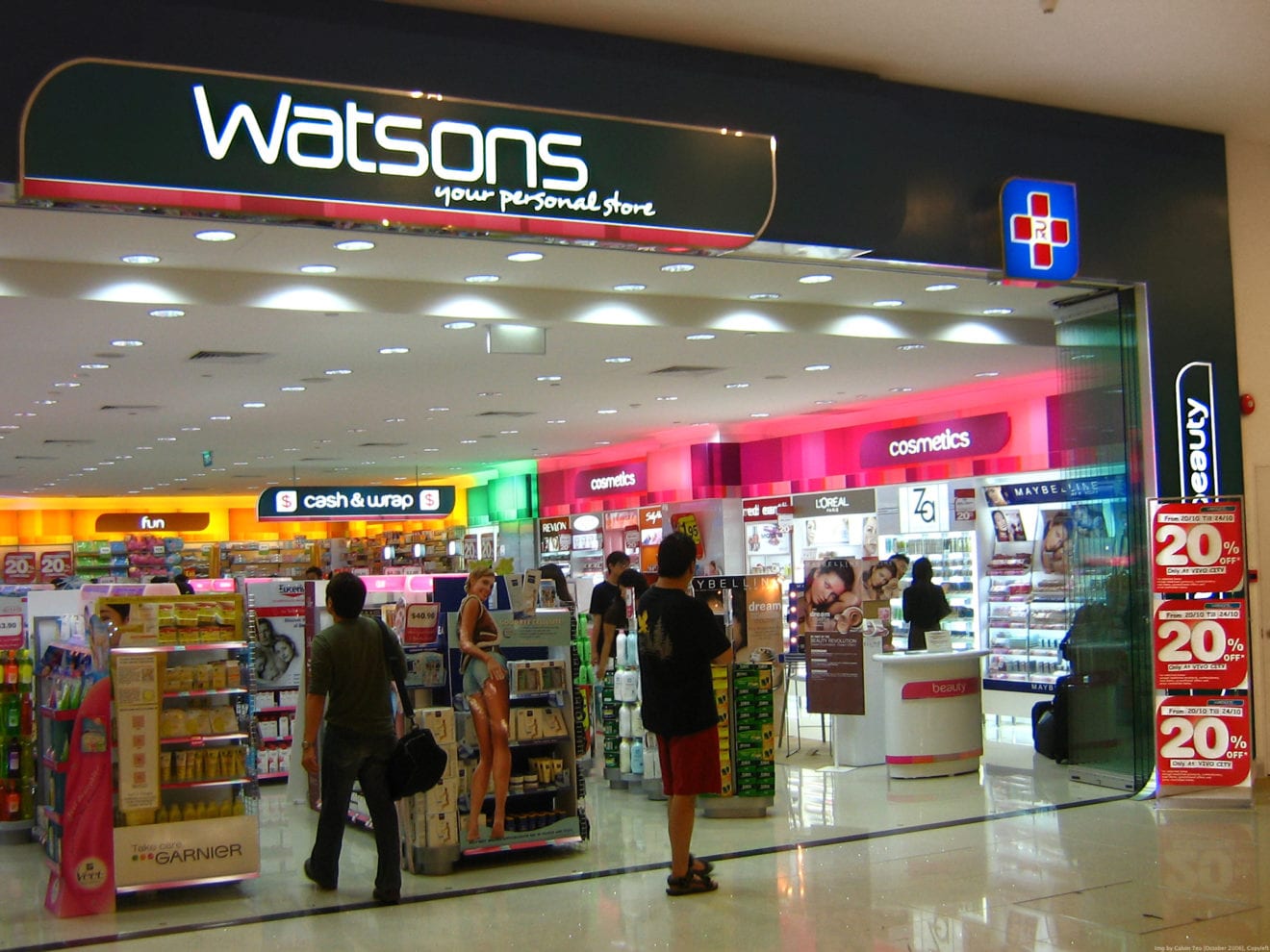
    An aggressive Central Watson expansion plan just unveiled will see more than one new store a week opened in Thailand from now to 2020.

    The Hong Kong retail giant’s Thai joint venture with Central Group says it has allocated 1 billion baht (US$28 million) to new stores – enough to fund up to 275 new outlets.

    In an interview with The Nation newspaper, MD Rod Routley said despite the Thai retail market remaining competitive, Central Watson has confidence in the retail growth potential of the nation.

    “We will continue to invest more here,” he said. “With a positive outlook, we are looking forward to 2016 being another year of great performance,”.

    The growth focus will be on metropolitan Bangkok, tourist destinations and provincial cities.

    In addition to building up its physical store network – which reached 375 at the end of 2015 – the company is investing on enhancing its eCommerce offer, expanding its private label offer and improving digital communications. Private label sales grew 30 per cent last year, with the addition of 200 new lines.

    Routley said Watsons achieved solid growth in the first four months of this year and expects double-digit growth for the full year.

  • Alibaba suspended from counterfeit-fighting group

    Alibaba suspended from counterfeit-fighting group

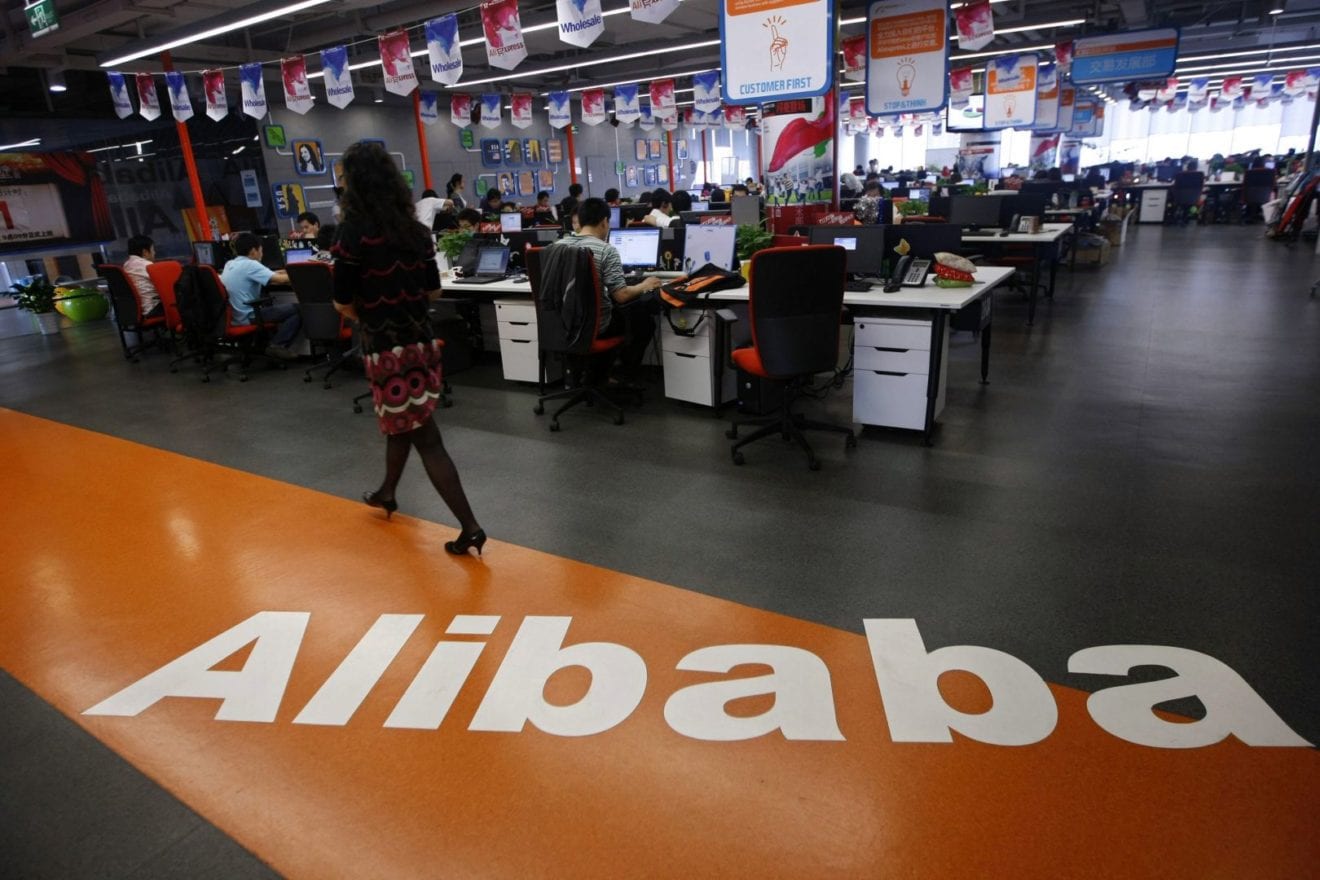
    After Alibaba had its IACC membership suspended, founder Jack Ma has cancelled his keynote address to the counterfeit-fighting group’s conference.

    Ma was to have been a drawcard speaker at this week’s two-day annual spring conference of the International AntiCounterfeiting Coalition (IACC) in Orlando, Florida, an event that attracts more than 500 leaders from business, law, security and government.

    His move also follows Alibaba Group and the coalition creating the IACC MarketSafe Expansion Program last week. The original program was created by Alibaba and the IACC in 2013 in recognition of the counterfeiting problem being too pervasive and complex for any single company or industry to fight alone.

    Alibaba last month became the world’s first eCommerce company to join the IACC, the largest non-profit organisation dedicated to combating product counterfeiting and piracy. At least three members of the Washington-based coalition, including board member Tiffany & Co, quit the group in protest and others threatened to leave after Alibaba was admitted as a member. The IACC suspended the new category in which Alibaba had been admitted, effectively terminating its membership.

    Alibaba Group president Michael Evans has stepped in to speak at the conference instead.  Alibaba international corporate communications head Jennifer Kuperman repeated that the company is “firmly committed to the protection of ­intel­lectual property rights and combating counterfeits”.

    On the same day Ma cancelled his conference appearance, he had lunch with US President Barack Obama at the White House, telling reporters afterward that the meeting had been “very good”.

    Among the brands that quit the IACC in protest was Michael Kors, which blasted the organisation for providing “cover to our most dangerous and damaging adversary”.

    Michael Kors was followed out by Gucci.

    Alibaba has meanwhile hired an army of employees to weed out fake brands from its website. It has also called for comprehensive changes at the IACC so it can counter trends and new technology in counterfeiting “instead of being held captive by some members’ interests”.

  • Gap Japan to axe Old Navy

    Gap Japan to axe Old Navy

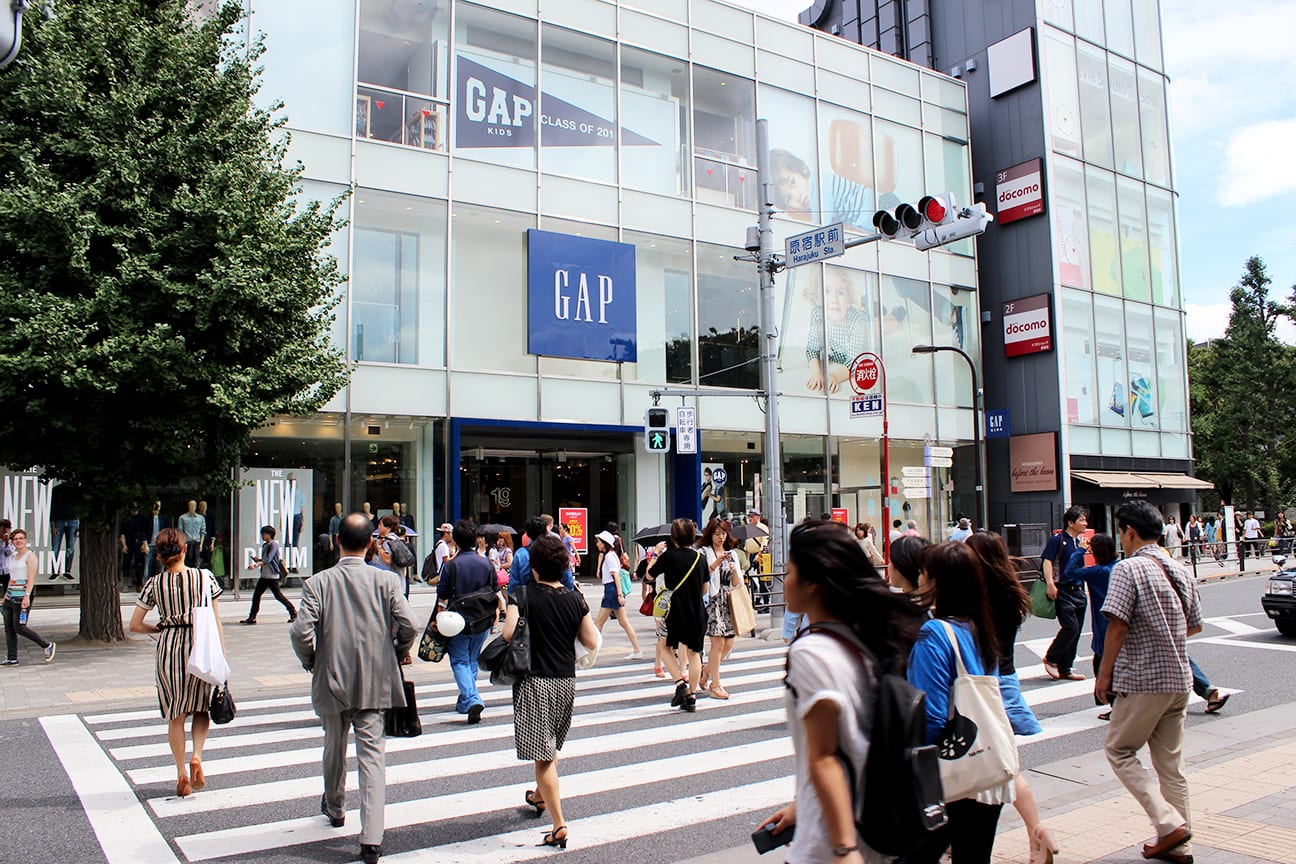
    Gap Japan will close its 53 Old Navy stores as its parent narrows its focus in Asia.

    But CEO Art Peck says the company “remains committed” to growing its brands in regions where it has a structural advantage.

    The relatively down-market Old Navy brand will focus on the Mainland China market and the Gap brand will remain in Japan, he announced, at the time of revealing a first quarter sales decline of US$$3.44 billion, down 5 per cent.

    “Japan remains an important market for Gap Inc’s portfolio, with a continued strong presence of more than 200 Gap and Banana Republic stores,” said Peck.

    A further 22 international stores will close, but the company has not revealed where or which brands.

    “As the pace of change across the apparel industry increases, now is the time to accelerate our

    transformation by scaling our product and operating capabilities across our global portfolio,” said Peck.

    Asia accounted for 11 per cent of Gap’s global sales, 1 per cent more than during the same quarter of last year. Across the region it no has 312 Gap-branded stores (up seven), 69 Old Navy stores (up four) and 51 Banana Republic stores (no change).

    Globally, Gap stores sales decline 3 per cent – which was better than last year’s 10 per cent; Banana Republic sales fell 11 per cent compared with 8 per cent and Old Navy fell 6 per cent, compared with 3 per cent.

    Neil Saunders, CEO of Conlumino, described the quarter as “disastrous” for Gap, “ one during which all of its main engines stalled and went into reverse”.

    “Gap Inc is now retailer without any star brands and with seemingly little vision to move itself forward. Unless it takes radical action to overhaul its businesses the outlook will only darken still further,” said Saunders.

    “Most worryingly, while the latest April numbers are likely impacted by the earlier Easter, they nevertheless show that all brands failed to gain any momentum as the quarter progressed. Indeed, in the case of Old Navy the sales slip accelerated.”

    Saunders says the central issue for Gap is that it is “creatively dull” and does very little to change collections from season to season or year to year.

    “As a result it has become increasingly reliant on customers buying on a replacement cycle rather than being inspired to buy new products. This, in turn, leads to it stimulating sales by the use of extensive discounting which then discourages consumers from buying at full-price. Gap shows no signs of getting out of this viscous cycle.”

    He said its Banana Republic brand has gone into reverse since the departure of Marissa Webb.

    “While Webb’s attempts to revitalise the chain did not bear immediate fruit, that she was not given sufficient time in the job and, much like the departure of Rebekka Bay, her leaving signifies Gap has both a problem with change and with giving competent people the scope to get on with the job in hand.”

    Old Navy’s decline is more recent, he argues.

    “While the brand has been the star of the show for many quarters, the past few collections have been dull and uninspiring. Stores are also looking more fragmented with no clear merchandise or brand story to entice shoppers. Coupled with excess inventory this has made for a less than pleasant shopping experience – something that has diluted the impact of the various flash sales and offers Old Navy has traditionally relied on for growth.

    “As problematic as sales are, there is no doubt that margins are equally troubled. All Gap brands have resorted to heavy discounting in order sales and, even so, the company still has an excess of inventory. The final profit position for the quarter is very poor with net income down by a sharp 47 per cent over the prior year.

    “All of this bodes badly,” Saunders concluded.
  • New beauty range in H&M Singapore

    New beauty range in H&M Singapore

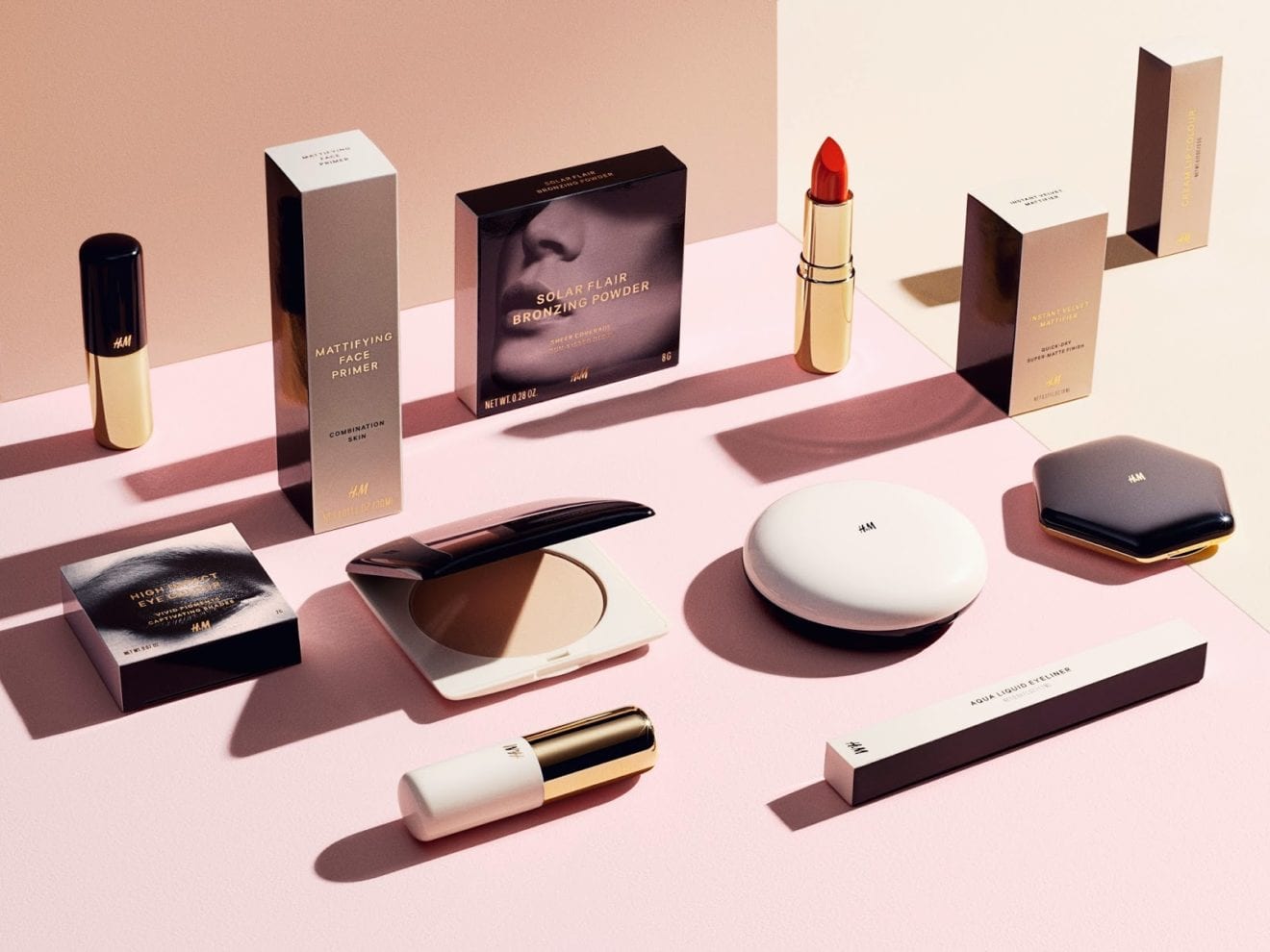
    Fast fashion chain H&M Singapore is to launch its beauty range in its city stores.

    The Swedish company made its debut in the category late last year and in the third quarter of this year Singapore will be the first market in Asia where beauty products go on sale.

    The product line-up includes cosmetics, body, skin and hair care products. The full range will go on sale in the H&M Orchard Building store and H&M Raffles Place will stock make-up.

    “We are very excited to be the first market across Asia to carry the much-anticipated beauty concept,” said Fredrik Famm, country manager of H&M South-east Asia.

    “The H&M philosophy is all about offering shoppers the latest styles and quality fashion while staying affordable, and the upcoming beauty range will stay true to our mission. Similar to our fashion, we hope the extensive selection of our beauty range will allow fans to have fun exploring and creating any kind of look they want.”

    Singaporeans will be able to choose from more than 700 beauty essentials, from nail products to beauty tools.

    Internationally, H&M is about to launch two additional collections within the beauty range: A premium body care line and the Conscious branded range of sustainable products which are Ecocert-approved.

  • Big C Thailand plans major expansion

    Big C Thailand plans major expansion

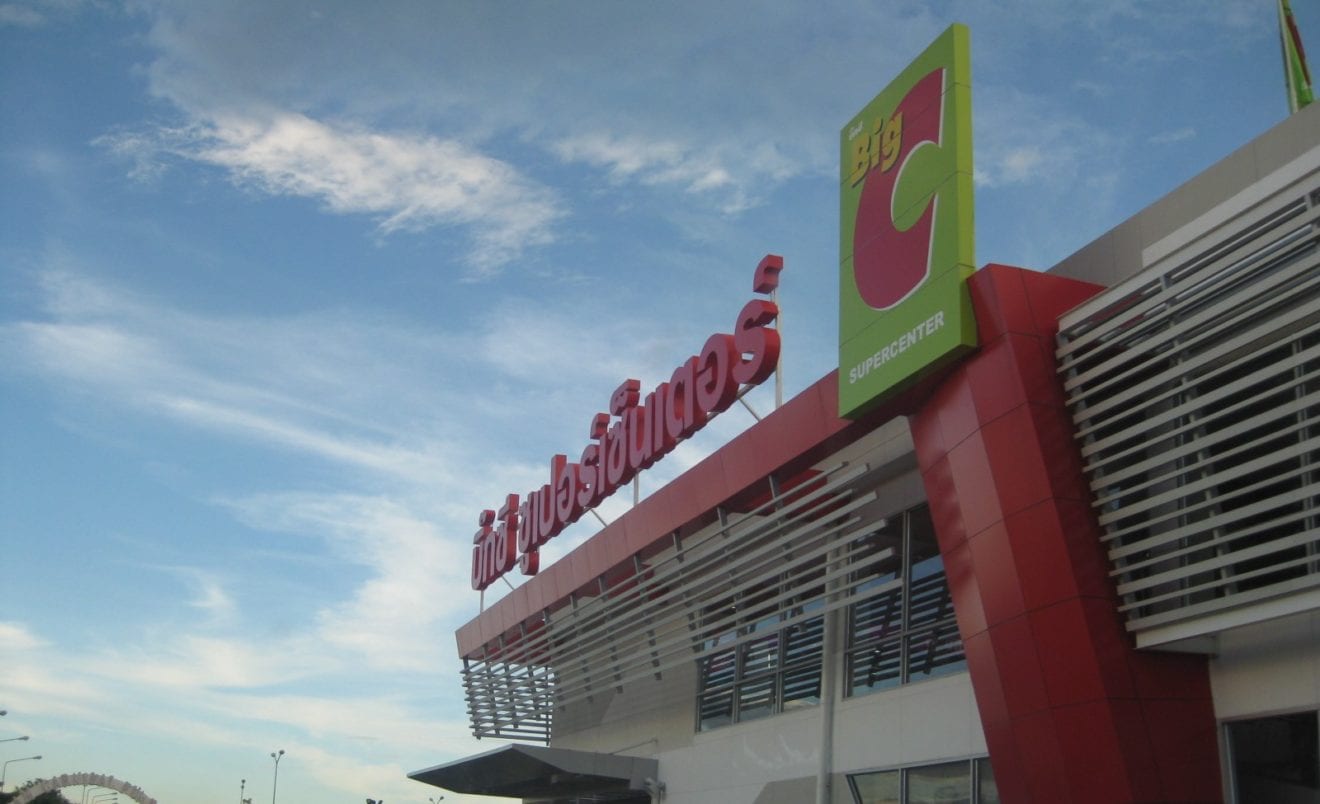
    Berli Jucker Group, the new owners of Big C Thailand, have announced a major expansion plan targeting the regions.

    Big C Supercenter’s board, now controlled by Berli Jucker Group after it bought stakes from Group Casino and Central Group, over recent months, have signed off on a budget of up to THB6 billion (US$168 million) for store expansion.

    New stores are planned for what the company describes as “blue ocean” sites, including border cities and major districts where the brand is not well represented.

    Last weekend, Big C opened its 126th hypermarket, in Ranong, only the first new store this calendar year.  The 4000 sqm store anchors a 10,000 sqm development, aiming to attract 10,000 shoppers a day, most of them Burmese from across the border or living and working in the province. The complex also houses a three-screen Major Cineplex cinema

    Big C Thailand plans to open five more hypermarkets this year, mostly in the south and northeast of the nation. Another three smaller Big C Market stores are planned for the north and 75 mini Big C convenience stores, two thirds of them franchised.

    “BJC will help strengthen Big C via its diversified products and in the area of logistics. It may help the company to speed up its expansion in the future,” said Songsak Wijaithammarit, assistant VP for operations.

    “Our shareholders were impressed by the new major shareholder of Big C, which is Thai.”

    Big C currently operates 125 large format stores (Big C Supercenter, Extra and Jumbo), 55 Big C Market stores, 397 Mini Big C stores (including 164 in Bangchak service stations) and 147 Pure drugstores.

    Big C Supercenter’s operating profit rose 1.2 per cent to THB2.01 billion last quarter on sales down 1.1 per cent to THB 32.8 billion. Same-store sales dropped 2.9 per cent.

  • Coach Asia revamps duty free network

    Coach Asia revamps duty free network

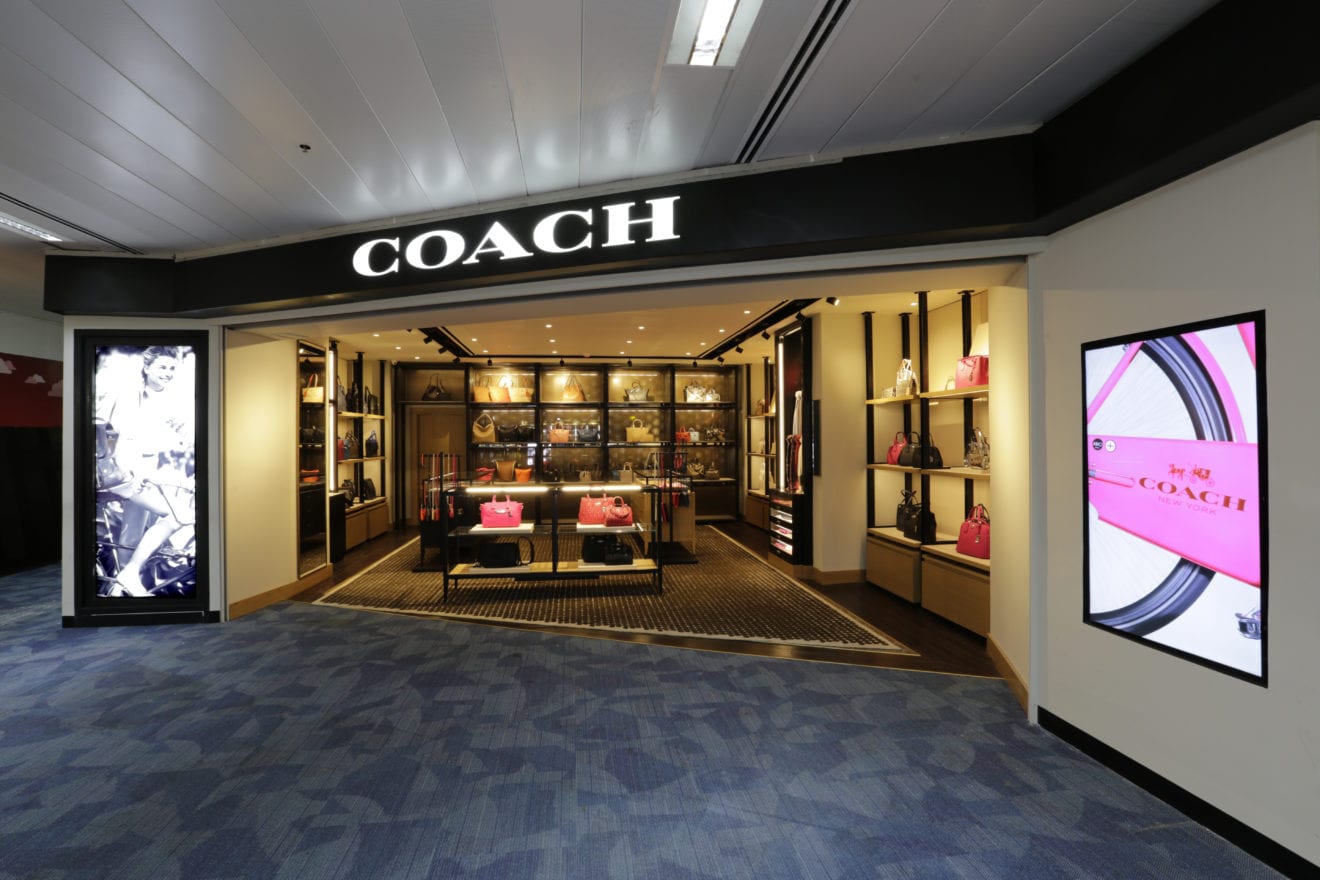
    US accessories and lifestyle label Coach Asia is remodelling its duty-free and travel retail stores to tie in with its new “modern luxury” concept, and is planning further expansion in the region.

    The company says the aim is to provide a “warm and inviting” environment in which to showcase the latest products from Coach creative director Stuart Vevers.

    “The performance of the renovated stores has been very strong, and the concept has been extremely well received by the Asian consumer,” Coach International division vice-president of sales Paulo Colino said.

    “We are pleased with the progress we have made updating the stores and expect to have nearly half of our shops in the region remodelled by the summer of next year.”

    Coach has nearly 80 shops spread over 15 countries, including airport and cruise-ship locations.
    Key stores for the renovation include DFS and China Duty Free in Siem Reap, Ginza with Lotte in Tokyo, Kansai Airport with JatCo, Hongqiao Wing 5 with Dufry and Kunming Airport with Lagardere TR, Phuket downtown with King Power, Sentosa Plaza with Valiram in Singapore, and Sunplaza and Chinachem with DFS in Hong Kong.

    “Given the success we have seen in this region, we plan to expand into additional countries in Asia, including India and Myanmar,” says Colino.

    Coach is now a quarter way through the refit program.

  • Bio c’ Bon Japon JV to boost organics

    Bio c’ Bon Japon JV to boost organics

    Japanese supermarket giant Aeon has set up a joint venture with a European company to establish an organic supermarket in Japan, to be called Bio c’ Bon Japon.

    Bio c’ Bon, an affiliated company of business investment firm Marne & Finance Europe, runs a specialty organic supermarket business in Europe, mainly in France. Its headquarters are in Paris.

    The joint venture aims to lead the expansion of an organic market in Japan through specialty supermarkets.

    Across the world, the organic market is growing at 15 per cent or more a year, especially in France where the annual sales of organic products reach about US$5.241 million. It is the third-biggest market in the world following America and Germany. Japan ranks seventh with annual sales of about 143.1 billion yen ($1308.85 million).

    Established in 2008, Bio c’ Bon has 90 organic supermarkets in Paris, and as well as France is also expanding in Milan and Madrid.

    Since the organic Japanese Agricultural Standard (JAS) system was introduced in 2000, Aeon has been working on expanding the organic market in Japan in co-operation with public organisations and producers, and has offered Japan’s first certified organic products.

  • Manolo Blahnik steps up in-store presence in Asia

    Manolo Blahnik steps up in-store presence in Asia

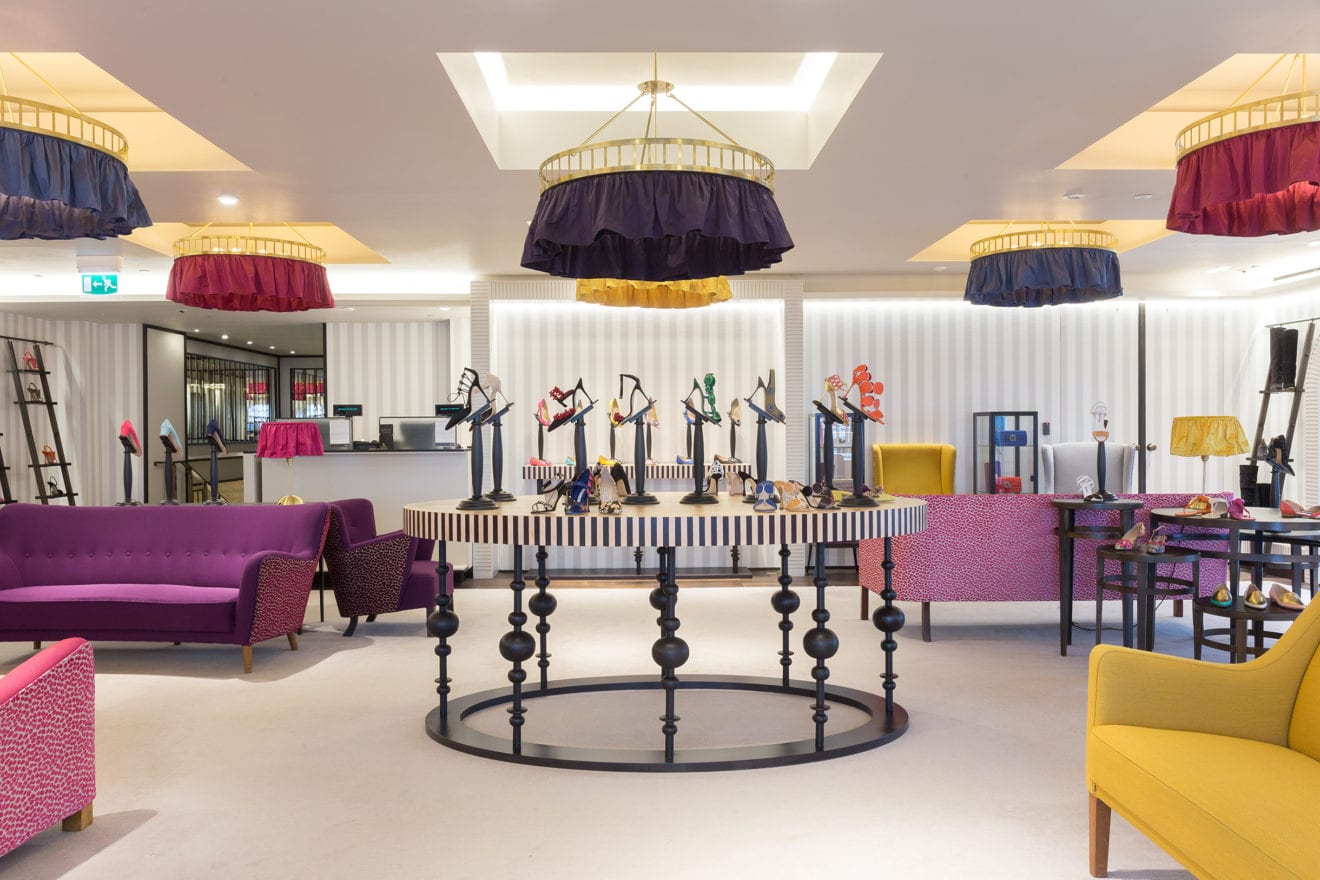
    Footwear label Manolo Blahnik is expanding operations in select Asian markets through a new distribution and retail partnership.

    Beginning with the autumn/winter 2016 collection, Bluebell Group will be responsible for Manolo Blahnik’s distribution and retail development in Japan, Singapore and Malaysia. Depending on the success of the partnership, Bluebell Group will then be tasked with expanding Manolo Blahnik further into the region.

    Finding its footing
    Under the agreement, Bluebell Group will manage and provide support service for Manolo Blahnik’s 41 retail locations already in operation in the Japanese market.

    The Japanese locations will be added to Manolo Blahnik’s existing 290 points of sale in 33 countries. Manolo Blahnik’s retail network consists of 11 standalone stores, including two in Hong Kong and one in Seoul, South Korea.

    In Japan particularly, Bluebell Group will help Manolo Blahnik to launch its first shop-in-shop and corners in the market’s leading department stores. Additionally, the brand is planning its first flagship in Tokyo for 2017.

    Also, Manolo Blahnik’s shop-in-shop in Takashimaya in Singapore will be operated by Bluebell’s local division. The shop-in-shop will undergo renovations later this year.

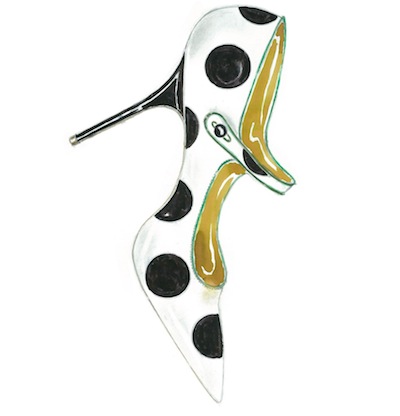
    manolo blahnik.ss16 illustration

    In the Malaysian market, Manolo Blahnik will open its first standalone storefront in autumn/winter 2016. The boutique will be located in the Pavilion Mall in the speciality retail section.

    “We are delighted to now be working with the Bluebell Group in Asia,” said Kristina Blahnik, CEO of Manolo Blahnik International, in a statement. “Manolo Blahnik is a global brand but with comparatively small distribution in Japan, Malaysia and Singapore.

    “With Bluebell now as our partners we are excited about exploring and building the business in these regions and further territories,” she said. “I have trust in their guidance and experience, and appreciate their company family values that resonate with our own. We look forward to a successful relationship.”

    Manolo Blahnik has recently turned to ecommerce platform Farfetch to expand its global presence. As of March, the online retailer’s Black & White service powers Manolo Blahnik’s monobrand ecommerce point of sale.

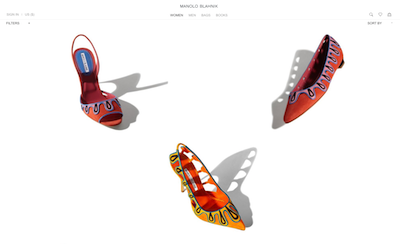
    manolo.ecomm web full 400
    Manolo Blahnik ecommerce Web site, powered by Farfetch’s Black & White 

    Through Black & White, Manolo Blahnik sells its entire catalog of men’s and women’s shoes as well as books relevant to the brand