Tag: asia

  • iQor Philippines on Pace for Record Expansion in 2016

    iQor Philippines on Pace for Record Expansion in 2016

    iQor, a global provider of integrated customer and product support services, today announced that the company has embarked on a significant expansion initiative that will add over 175,000 square feet of additional contact center space across the Philippines. Upon completion, the company will add an additional 3,150 high-tech training and production workstations.

    “The Philippines is a tremendous market for us. As one of the first movers, we’ve continued to invest in the region and have been able to continue to raise the bar in performance,” says Gary Praznik, iQor’s COO, Retail and Consumer Services. “Our growth can be traced directly back to the hard work and dedication of our entire Philippines family.”

    “Recognition of who we are and what we offer is really resonating with clients, employees, their family and friends,” adds Saurabh Bhaskar, iQor SVP of Operations, Philippines. “One of the most attractive opportunities within our company is our customer service leadership training. Recently, iQor was recognized by HR.com as having the top Call Center Leadership Training Program for 2016. Joining iQor means you have direct access to the best Call Center Leadership Training in the industry. For those interested in Customer Interactions such as customer care, social media support and collections, there is no better place to work and improve your career.”

    iQor opened its Philippines Operation in 2005. Recent expansion sites include; SM Mall Clark (2016), Robinsons Mall Dasmarinas (2015) and SM Mall Dasmarinas (2014). Today, iQor Philippines has over 12,000 employees across the region supporting a variety of customer interactions including; customer care, social media, collections and technical support. iQor Product Support Services division has helped expand relationships into the world’s top consumer electronics, retail and telecom companies.

    There has never been a better time to join iQor!


  • The rise of mCommerce in Malaysia

    The rise of mCommerce in Malaysia

    Online payment gateway provider iPay88 has seen a sharp rise in mobile traffic with its total online payment transactions representing close to 70% of the Malaysian market.

    Chan Kok Long, executive director of iPay88 said this was refelctive of the growth of mCommerce in the market.

    In year 2015, iPay88 recorded that 3.7 million online shoppers who made purchases through its systems used mobile devices. A year ago it was only 2.0 million.

    It is also seeing a rise in merchants actively promoting mobile purchases in 2016 following the mCommerce waves. In the last few years, the percentage of mobile traffic have also increased substantially, with the number being 27% in 2014, to 38.4% in 2015, up until 48.6% in 2016 so far.

    In the first quarter of 2016 alone, 1.6 million shoppers have purchased through their mobile devices on iPay88, the company said.

    With the rising number of mobile device users increasing, the mCommerce trend is predicted to follow suit. Mobile penetration has reached 136% in 2015, with 47% of Malaysians using their smartphones to online shop.

    Statistia, one of the leading statistics companies on the Internet projects the value of retail goods purchased via mobile to exceed USD$1 billion in 2018. Paypal has also cited that 28% of the 4.9 billion payments it processed in 2015 were from mobile devices.

    A survey on mobile shopping last year ranked Malaysia third in terms of mobile shopping growth rate in Asia, at over 20%, from 25.4% in 2012 to 45.6% in 2014. Many popular international online stores including Amazon, Apple, Walmart and Google Play have recorded an increasing number of consumers purchasing on their mobile.

    In Malaysia, 35% of the purchases on smartphones go to ticketing, while 29% goes to marketplace/group buying, but airline tickets are the most commonly purchased items on Malaysian tablets.

    Additionally, the rise of new platforms such as Uber and Grabcar that leverage on mobile booking and transactions also contribute to the rise of popularity in mobile usage and purchasing.

    “No doubt the availability of cheap smart phones and laptops have made the Internet accessible to a whole new demographic. The advent of tablets and smart watches has also broadened the spectrum of Internet usage,” Chan said.

  • Hong Kongs economic growth decelerates in Q1, risks to growth remain on downside in near term

    Hong Kongs economic growth decelerates in Q1, risks to growth remain on downside in near term

    Hong Kong registered GDP growth of 0.8% y/y in the first quarter of 2016, lower than consensus forecast. However, in quarter-on-quarter terms, the economic growth shrank 0.4%, as compared with 0.2% growth registered in the fourth quarter of 2015. The first quarter’s report suggests that the Hong Kong economy expanded at its slowest pace since 2012. The country’s trade performance is being quite impacted by the weak global demand. Hong Kong’s imports and exports both contracted sharply.

    Services exports weakened amid the deceleration of tourist arrivals and subdued spending by visitor. Hong Kong’s retail performance has been weighed on by major declines in tourist arrivals along with the relative strength of the HKD. Hong Kong’s retail sales continue to be in contraction for more than a year.

    The volatility in the global financial market has also impacted the country’s economic confidence and has been a drag on domestic demand. Private consumption expenditure grew marginally 1.1% y/y in the first quarter of 2016, as compared with the growth of 2.7% registered in the fourth quarter of 2015. Meanwhile, the property market weakened as transactions eased and prices fell.

    Hong Kong’s investment growth subtracted 2.3 percentage points from the headline GDP growth. It dropped 10.1% y/y, as compared to a contraction of 9.4% y/y in the previous quarter. Even if the relief measures stated in the 2016-2017 budget will give certain support to the economy, the risks to the economic growth continue to be tilted on the downside in the near term, noted HSBC in a research report.

    The economic growth is expected to be helped by the rapid growth in the US and stabilization in the Mainland economy in the coming quarter. The Hong Kong government has retained its growth and inflation forecast for 2016. It projects the economy to expand between 1% and 2%, whereas consumer price inflation is likely to be 2.3% this year.

    “We forecast overall GDP growth to slow to 1.5% in 2016, down from 2.4% in 2015”, added HSBC.

  • Retail’s new reality

    Retail’s new reality

    The reality of retail is shifting. Retailers now operate in an environment of big data, new technologies, blooming online marketplaces, hybrid consumption patterns and fragmented needs. Shoppers are more empowered and increasingly demanding when it comes to retail expectations.

    At last month’s Marketing’s full-day conference, Retail Marketing Hong Kong 2016, marketers and delegates were together to explore how technologies could really help drive their business forward and convert single transactions into loyal consumers.

    WCH_0909

    Online shopping is one obvious area and big moves are underway. But the online world moves fast and traditional Hong Kong retailers do not.

    Simois Ng, head of marketing communications at Sony Corporation of Hong Kong, shared some of the local people’s online purchase patterns: Only 13% of them buy electronics online, while 75% of the shoppers buy air tickets.

    She said in the electronics industry, there are so many dealers and physical stores in the city, it’s natural for customers to try out and then finish the transaction at the brick-and-mortar shop.

    DSC09412

    She added that even though customers shop at its official online store, almost 90% of them select to pick up at the physical store.

    E-commerce and new mobile payment solutions were basically non-existent just a decade ago. Innovation today is everywhere. New delivery methods, showrooming, connected retail, access to real-time customer data and purchase history … today’s retail market is exciting.

    By just clicking a mouse or touching a screen, shoppers can buy nearly any product online – from groceries to cars, from travel insurance to air tickets.

    At the panel discussion, PRIZM’s director Jeffrey Hau pointed out that while online payment seemed to be the last thing retailers assumed they needed to worry about when it comes to e-commerce, he said it was an issue because many stores can’t process transactions properly from one in every three customers due to some poorly designed payment gateway.

    WCH_0938

    Edmund Wong, director of MyDress.com, echoed the point and said many brands still treated e-commerce as part of their marketing project as if it were just another sales channel to the mix.

    Wong said e-shop deserves a seat at the table; Hau agreed with him and said online shopping is indeed an added value activity to brands.

    In addition to offering mobile and online services, many argue that “an experience” has to evolve alongside the digital world. Making sure people have the right experience is critical.

    In the past, HMV was just a shop selling CDs and DVDs, but in the 21st century, Robert Esser, CEO of HMV Media & Entertainment, said the company had decided to inject new concepts into the 100-year-old brand.

    At its Central flagship store, it has seen the two-floor outlet revamped with a warmer interior design, adding a modern F&B area, expanding the vinyl area and also adding a lifestyle section to offer headphones, figurines, books, magazines, stationery, backpacks and accessories to enhance the customer’s experience.

    Earlier this year, the household name kept pushing forward and opened another flagship store in Causeway Bay that reinvented itself from the “supermarket-style” CD stores to the modern “place to dwell” of the new generation store in Hong Kong.

    HMV2

    While traditional marketing was all about pushing a brand’s message to consumers, in the era of the consumer, as Dane Fisher, managing director at Infiniti Motor Asia and Oceania, said at his keynote presentation, marketers need to add value to the relationship with their consumers.

    Fisher stated that auto shoppers are doing more research than ever before. On average, each potential customer will go to 24 different touch-points while researching their car purchase – from customer review sites to videos and third-party sites.

    “It’s a double-edged sword: the greater the number of touch-points, the harder it is to be useful and engaging at each interaction. The plus side is it has given us more opportunities to make a meaningful connection,” Fisher said.

    infiniti-nest-accelerator-2-01-800

    That’s why the carmaker recently launched an accelerator programme for start-up companies to add value to the ecosystem its customers inhabit.

    One of the programme finalists, Precision Services, produced a smart electric bike, which is light and foldable. It won the backing of Infiniti so the bike will now be an Infiniti-branded product.

    Alongside these innovations, start-ups are bringing new ideas and new energy into the space and traditional retailers are realising how they also must innovate at levels they had never imagined. And it’s not just innovation for innovation’s sake.

    Mobile is a key resource for customers when it comes to researching and making purchase decisions, therefore some retailers tap technology, such as collecting users’ locations, accessing their photo albums or even analysing their emails to gain more consumer insights.

    Ayaz Akhtar, country manager of Survey Sampling International Hong Kong, reminded the audience that corporations needed to be careful not to cross the line because if consumers’ shared data was not used properly, “a connected world can turn against you very quickly”.

    He cited a study by SSI that indicated 65% of Hong Kong respondents found it “extremely/very creepy” for businesses to analyse their emails.

    He explained there is no benefit to the consumer when a business is analysing their email, especially when emails can contain very confidential or sensitive information so people will not feel comfortable sharing emails that have personal information.

    He added if brands could provide benefits to consumers’ daily lives, those means of technologies are rated as being less creepy.

    As social media has disrupted the balance of power between brands and customers, more and more companies are reaching out to influencers in the hopes of raising product awareness or even boosting sales.

    No stranger to social media, last year Hong Kong Airlines utilised the popular black bear mascot Kumamon to promote its first flight service to Kumamoto Prefecture in Japan.

    Ming Chan, general manager of brand centre at Hong Kong Airlines, said with the “meet and greet with Kumamon” street event, it attracted more than 6,000 participants which enhanced the airline’s brand image.

    Kumamon

    Chan added that at the end of the day, staff members were the best brand ambassadors and influencers because “they endorse your company spontaneously”.

    The airline offers nine free quotas in the nomination list for discounted tickets, covering staff’s family and friends. She said this can nurture the word of mouth to influence better business results.

    In the past, a little differentiation in a brand’s strategy would go a long way, but today’s brands need to navigate through a complex maze of information and multiple touch-points as technology has made the journey less linear and more social.

    Dennis Chung, assistant vice-president of product marketing and solutions consulting at HKT, said for a successful digital marketing campaign, it depended on how well you understand the target audiences.

    When we think of the complexities of retail and digital commerce today, Daniel Hagos, client success director at Emarsys, said it was vital for retailers to take the step and go beyond the limits of human knowledge and begin to adopt a more progressive perspective on customer intelligence.

    WCH_0495

    He said a customer’s data can power actionable intelligence, building messages that reach the consumer when the moment is right, on the device they prefer, and with a promotion that will get them to buy.

    He added automation, for example, uses data from online and in-store interactions to target first-time shoppers who may be ready to make their second purchase.

    Hagos explained this period between a first and second purchase is a huge opportunity for retailers to lay the foundation for a positive customer experience and long-term loyalty.
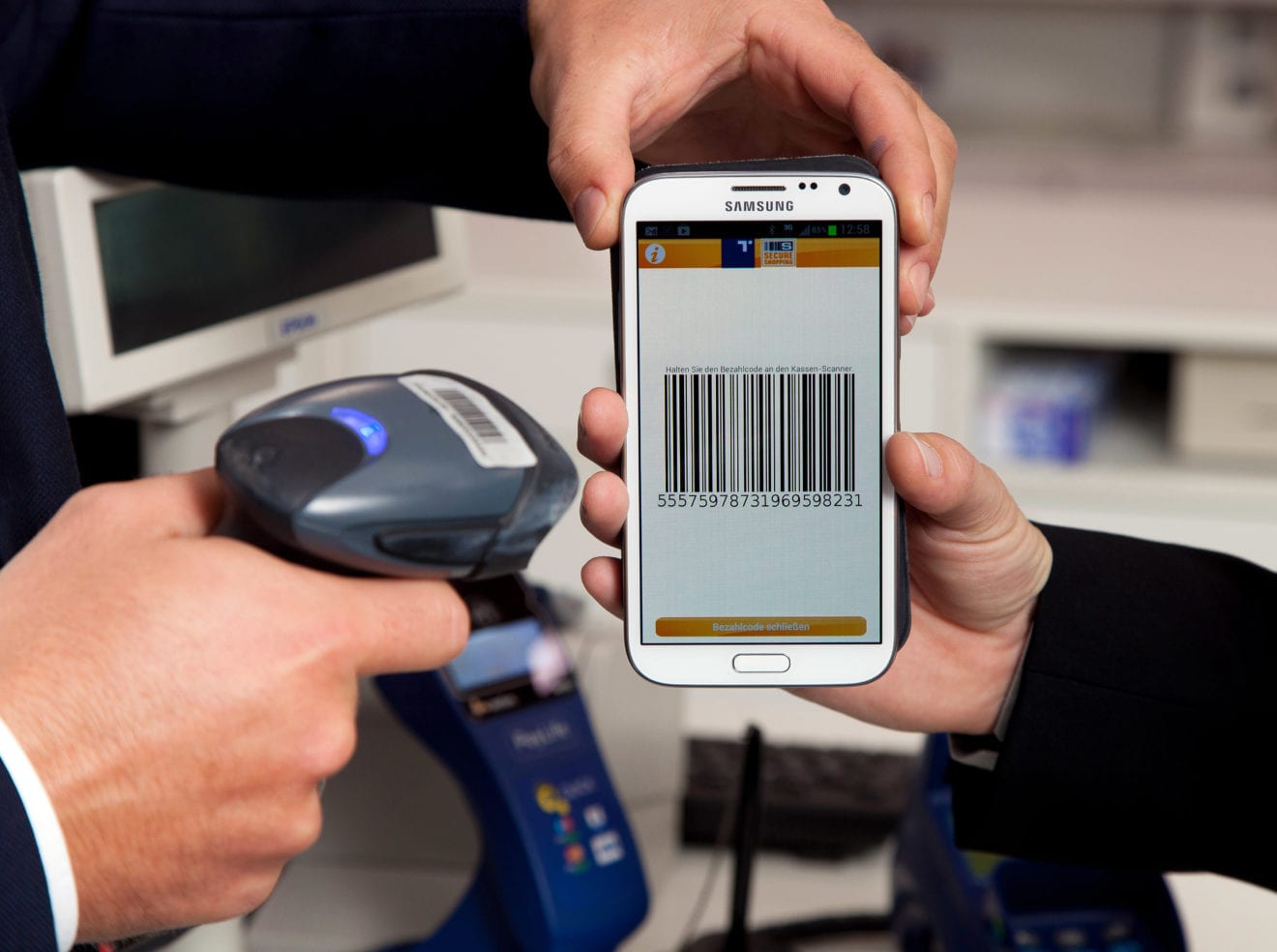
  • Lotte L Pay takes on Apple and Samsung

    Lotte L Pay takes on Apple and Samsung

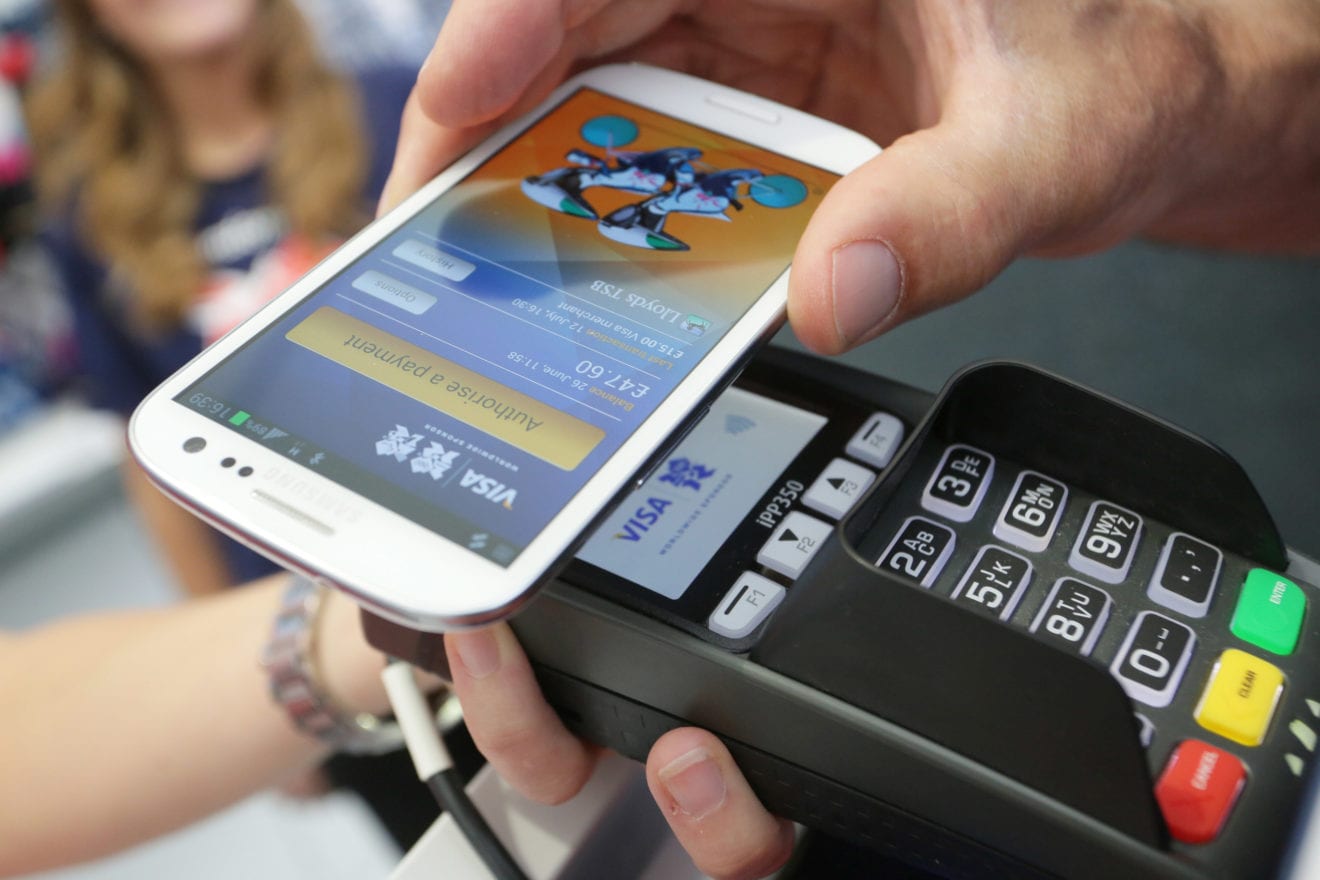
    South Korea’s retail conglomerate Lotte Group is ratcheting up efforts to promote its own mobile payment platform, L Pay, industry watchers said Wednesday, as such services gained popularity over previous months amid the rising number of smartphone users.

    Lotte Group chairman Shin Dong-bin was recently quoted as saying by corporate officials that L Pay is an “important asset” for the business group, adding that Lotte should expand the scope and quality of the services provided by the L Pay platform.

    1201_epay_pcShin also highlighted the importance of expanding business partnerships to garner a larger slice of users in the market.
    The business group has been making efforts to establish “omnichannel” solutions, which refer to bringing together online and offline shopping platforms.

    L Pay is significant as it allows users to manage their mileage at shops and restaurants operated by Lotte Group, including Lotte Cinema, 7-Eleven and Lotte Department Store.

    The service has been forging ties with eight South Korean credit card firms and is also in talks with Samsung Electronics Co. to have L Pay applied to Samsung Pay.

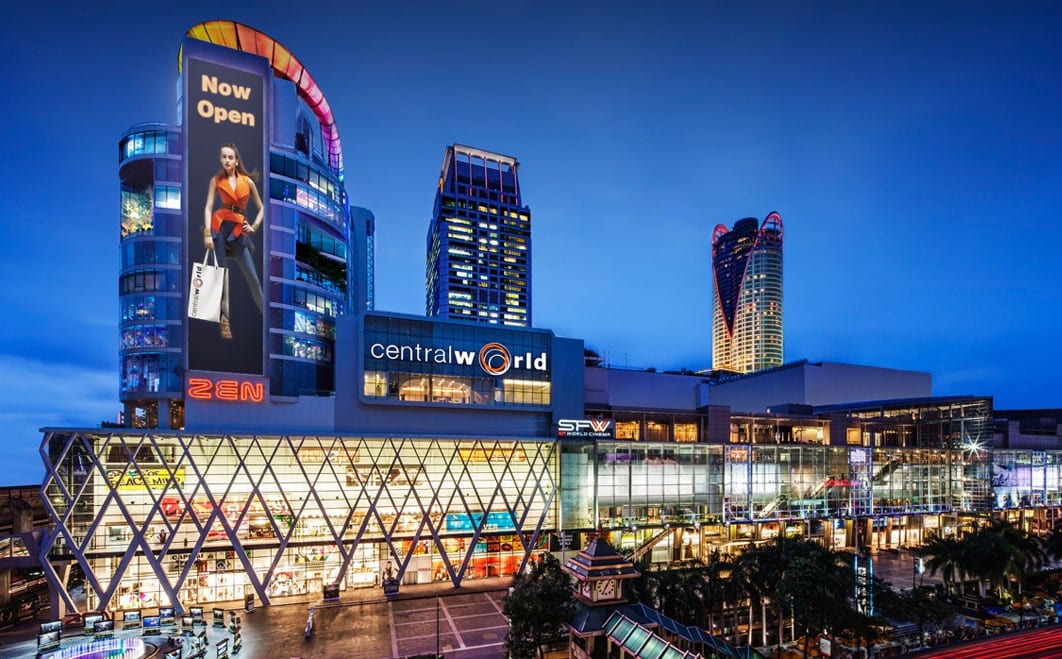
  • Central Group sells Big C Thailand stake to rival

    Central Group sells Big C Thailand stake to rival

    Thailand’s Central Group is a step nearer to settling on Big C Vietnam  after selling its stake in Big C Thailand to a rival retailer.

    Central has accepted an offer from rival TCC Group for its 25 per cent holding of Big C Supercenter, reported to be worth at least 50 billion baht (US$1.4 billion).

    The deal follows French retail group Casino’s decision to sell its Thailand and Vietnam units this year in a bid to cut debt. Both businesses have hypermarkets, supermarkets and convenience stores.

    Central Group, Thailand’s biggest retailer led by tycoon Tos Chirathivat, lost out to TCC’s flagship retail unit Berli Jucker in the battle to gain control of the Thai unit, but has agreed to pay 920 million euros (US$1.1 billion) for Big C Vietnam.

  • Alibaba fake fight targets Taobao vendors

    Alibaba fake fight targets Taobao vendors

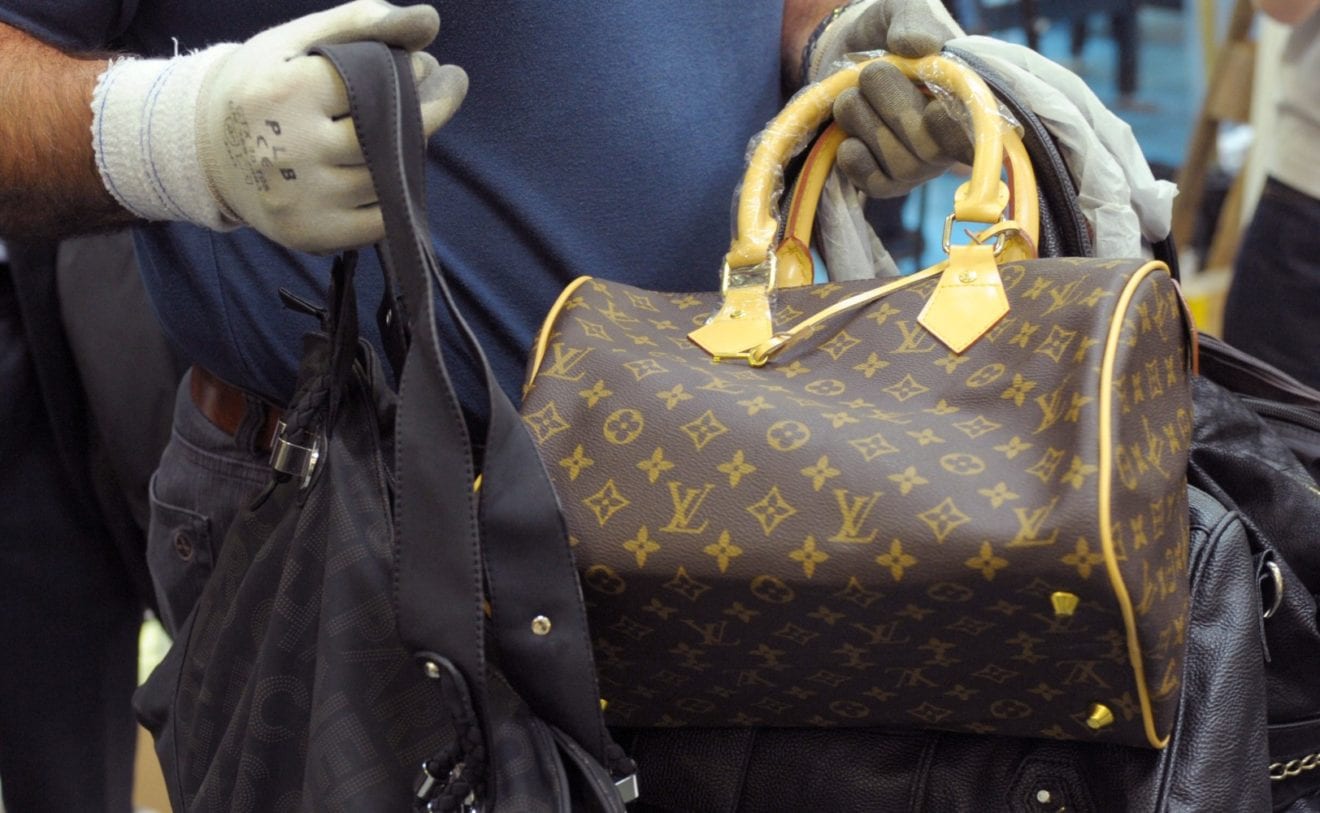
    Alibaba is tightening the rules for traders selling luxury goods on its popular online platform Taobao.

    It’s one of several measures in the ramping up of the Alibaba fake fight, which is being conducted in conjunction with Washington, DC-based International AntiCounterfeiting Coalition (IACC).

    From May 20, vendors selling luxury products on taobao will have to upload an invoice or authorisation letter from the luxury brands, for examination by Taobao, as proof it has the rights to sell the products. Otherwise the goods will be removed from the website and Alibaba says payments received for such goods can be frozen.

    “To create a healthy shopping environment with a high level of integrity and to protect the legal interests of consumers and brand owners, Taobao is gearing up to regulate sales of luxury brands’ products,” the company said in a letter to traders on May 4.

    The letter coincides with reports that Chinese government agencies plan to clean up the eCommerce market, targeting counterfeit goods and trademark violations. A campaign will run from May through November with stiff penalties for offenders caught.

    Meanwhile, the IACC MarketSafe Program, an initiative started in 2013, is being opened up so that more brands and companies can participate. The MarketSafe program provides companies with an expedited process for working with Alibaba to target and take down online listings for counterfeit goods, reports Alibaba news site Alizila.

    Set to debut later this year, the expanded MarketSafe program will be free of charge to IACC members and non-members, according to Alibaba and the IACC. In addition, brands will no longer be required to provide evidence to support intellectual-property infringement complaints. The changes “will enable a greater number and diversity of rights holders to benefit from a fair, simple, and effective IP enforcement platform,” Alibaba said in a statement.

    Accused by some Western companies of not doing enough to keep listings for counterfeit products off its shopping websites, Alibaba has been trying to enlist greater industry support, arguing the problem is too pervasive and complex for any single company to fight on its own. The Chinese eCommerce giant has for several years been working with the IACC, which has members from a wide range of industries and includes brands such as Burberry, 21st Century Fox and Apple.

    Alibaba last month became the first e-commerce company to join the IACC as an official member. Its admission to membership prompted the walkout of Michael Kors and Kering-owned Gucci.

    IACC President Bob Barchiesi said the expansion of the MarketSafe program is the result of “significant contribution and commitment from both parties.”

    “Collaboration across industries is key to addressing the issue of counterfeiting at a broader level, and this is one of the first steps towards the IACC’s goal of creating a holistic model for tackling online counterfeiting around the world,” Barchiesi said.

    Since the MarketSafe program’s launch, nearly 5000 sellers’ storefronts have been closed and banned from Alibaba’s marketplaces, and more than 180,000 infringing product listings have been removed, even through a “limited number” of brands have been participating, according to Alibaba.

    “This program exemplifies the tangible and mutual success that can be achieved when brands, trade associations, governments and intermediaries work together to combat counterfeiting,” said Matthew Bassiur, VP and head of global IP enforcement at Alibaba Group, in a statement.

    “Alibaba and the IACC, together with the rest of industry, have a shared interest in building a safe and trusted internet environment and marketplace for consumers, rights holders, and sellers,” he added.

  • Foreign retailers in Vietnam under attack

    Foreign retailers in Vietnam under attack

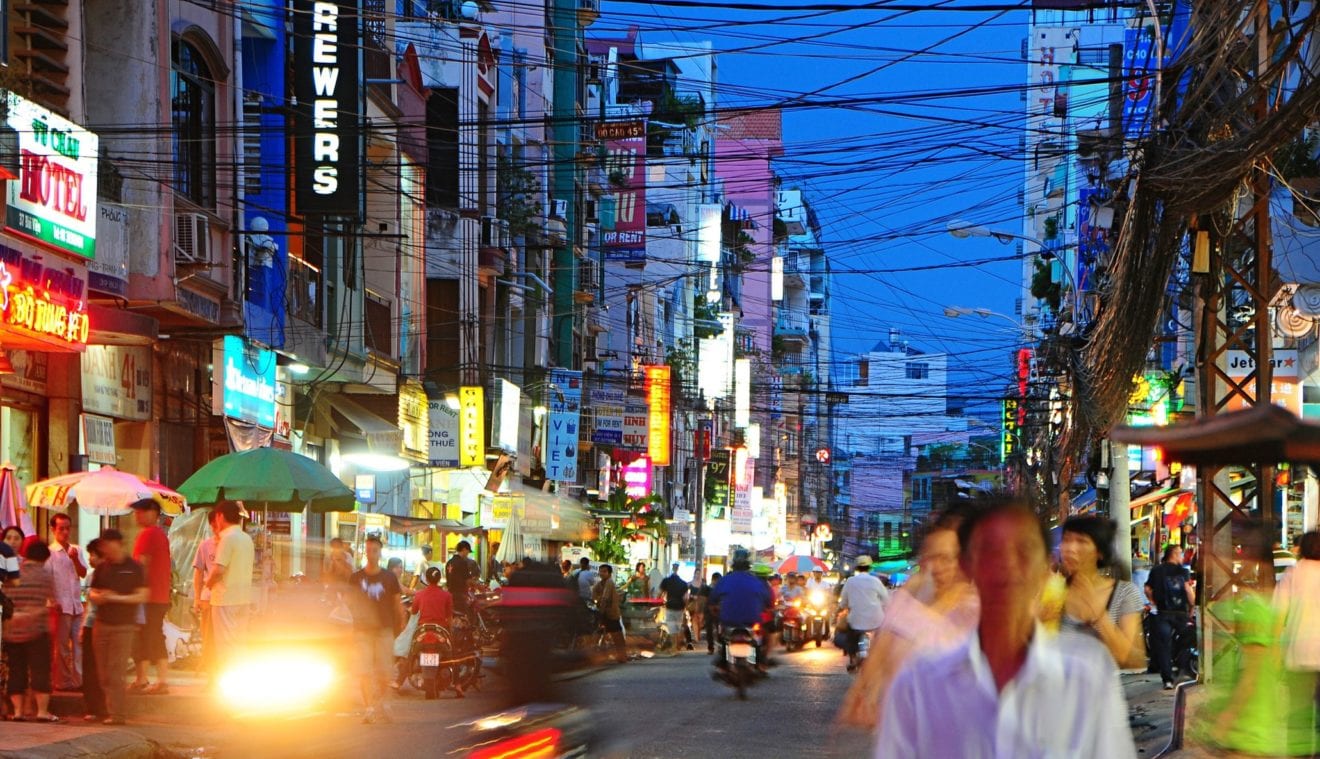
    Complaints by Ho Chi Minh City businesses about foreign retailers in Vietnam have sparked the prime minister to order an investigation.

    Members of the Ho Chi Minh City Union of Business Associations (HUBA) say the growing number of foreign retailers in Vietnam have a loose rein to expand at a pace that will eventually hurt local companies.

    HUBA has sent at least two letters to the government raising questions about the legality of some business activities by foreign retailers, reports Thanh Nien News.

    Vietnam laws forbid foreign businesses to distribute products such as rice, cane sugar and cigarettes, but these items are still available at the supermarkets and convenience stores of most foreign retailers, including South Korea’s Lotte and Big C, Tuoi Tre reports.

    Following the complaints, Prime Minister Nguyen Xuan Phuc has ordered relevant agencies to check into foreign retailers, including mergers and acquisitions.

    Media reports say Mega Market Vietnam, which owns Metro wholesale stores, is expected to be first to face the scrutiny. The stores were originally run by Germany’s Metro before being acquired by Thailand consumer group TCC this year.

    Statistics show that Vietnam is home to more than 700 supermarkets and 132 shopping malls, mostly in the main centres of Hanoi and Ho Chi Minh City.

    Meanwhile, Hanoi Association of Supermarkets chairman Vu Vinh Phu says a supermarket in the northern city of Hai Phong had its revenue fall 30 per cent six months after a foreign superstore opened.

    Foreign companies now control more than half of Vietnam’s retail market, says the association, and many producers complain they are struggling to have their products in foreign supermarkets mainly because the retailers ask for high discounts, says HUBA vice-chairman Pham Ngoc Hung.
    Meanwhile, products from countries such as Japan, Malaysia, South Korea and Thailand are becoming more and more popular.

    Vietnam’s retail sales rose 10.6 per cent from 2014 to VND2469 trillion (US$109.4 billion) last year, official figures show.

  • Mr Pizza follows K-pop into Thailand

    Mr Pizza follows K-pop into Thailand

    South Korean pizza brand Mr Pizza has opened its first store in Thailand, with plans to add four more outlets this year.

    Its debut store is in the commercial and entertainment district of Ratchada Rd in Bangkok, in the first basement floor of the seven-storey The Street mall.

    Mr Pizza owner MPK Group says this is the first foray out of Korea for the franchise, and a second store will open in The Promenade mall in Kannayao, Bangkok, in July.

    “Thailand is one of the biggest markets in Southeast Asia, and food and beverage accounts for 40 per cent of the country’s $7 billion franchise industry,” says Son Dong-hee from MPK. “With the popularity of Korean pop culture, I am sure we will be successful in Thailand.”

    To prepare for the Thailand franchise business, the Korean food company established a joint venture with Thailand food retailer Foodland Supermarket last year. Foodland Supermarket runs 18 retail stores and about 50 restaurants, including dim sum restaurant Tim Ho Wan and fusion-food restaurant Long Table.

  • Lotte Mart Vietnam sales grow to $221m

    Lotte Mart Vietnam sales grow to $221m

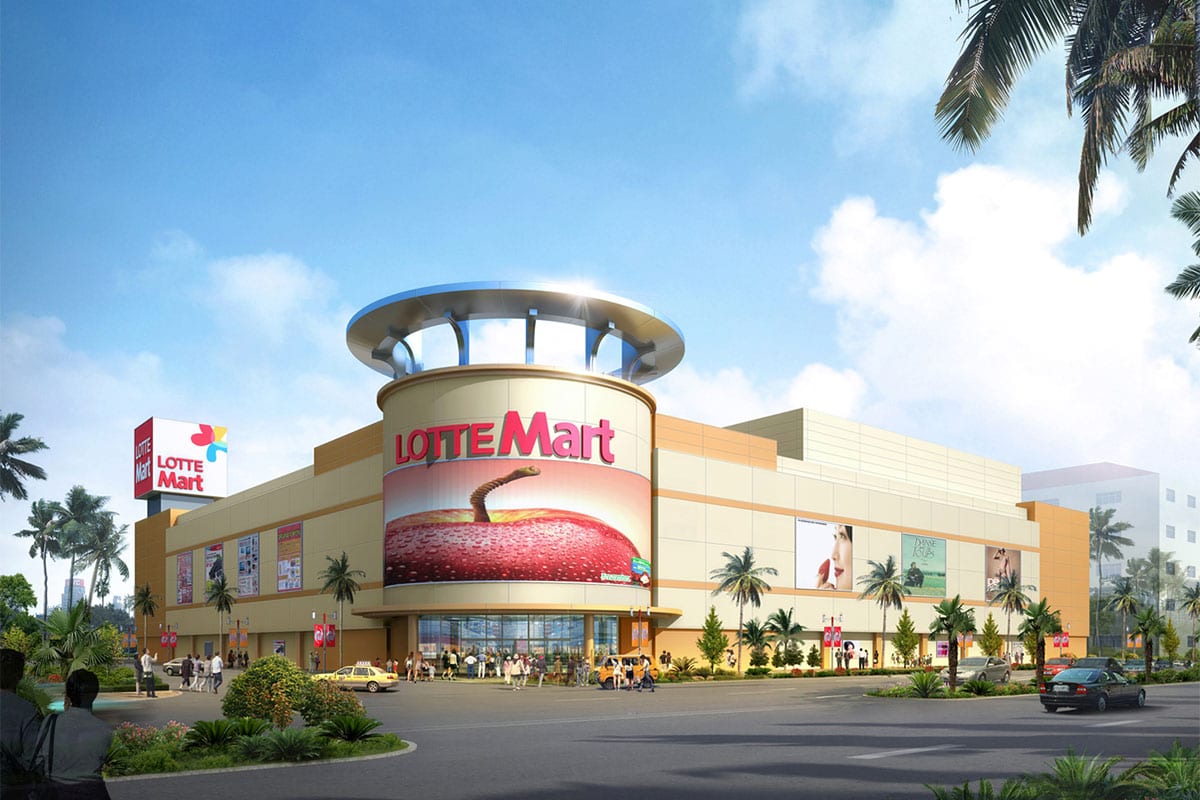
    With 12 stores, hypermarket chain Lotte Mart Vietnam chalked up sales of VND5 trillion (US$221.58 million) last year – 30 per cent growth year-on-year.

    Foot traffic also grew 20 per cent, says CEO Hong Won Sik.

    Its latest outlet opened late last month, and the South Korean company is looking at more mergers and acquisitions so it can achieve its target of 60 stores by 2020, says Hong.

    He says Lotte Mart Vietnam also plans to expand to convenience stores and eCommerce.

    With more than 20 subsidiaries in Vietnam, Lotte has invested more than $2 billion, and is set to double the total investment with plans to build an urban area in the east of Ho Chi Minh City.

  • Gap CEO “weighing options” for international stores

    Gap CEO “weighing options” for international stores

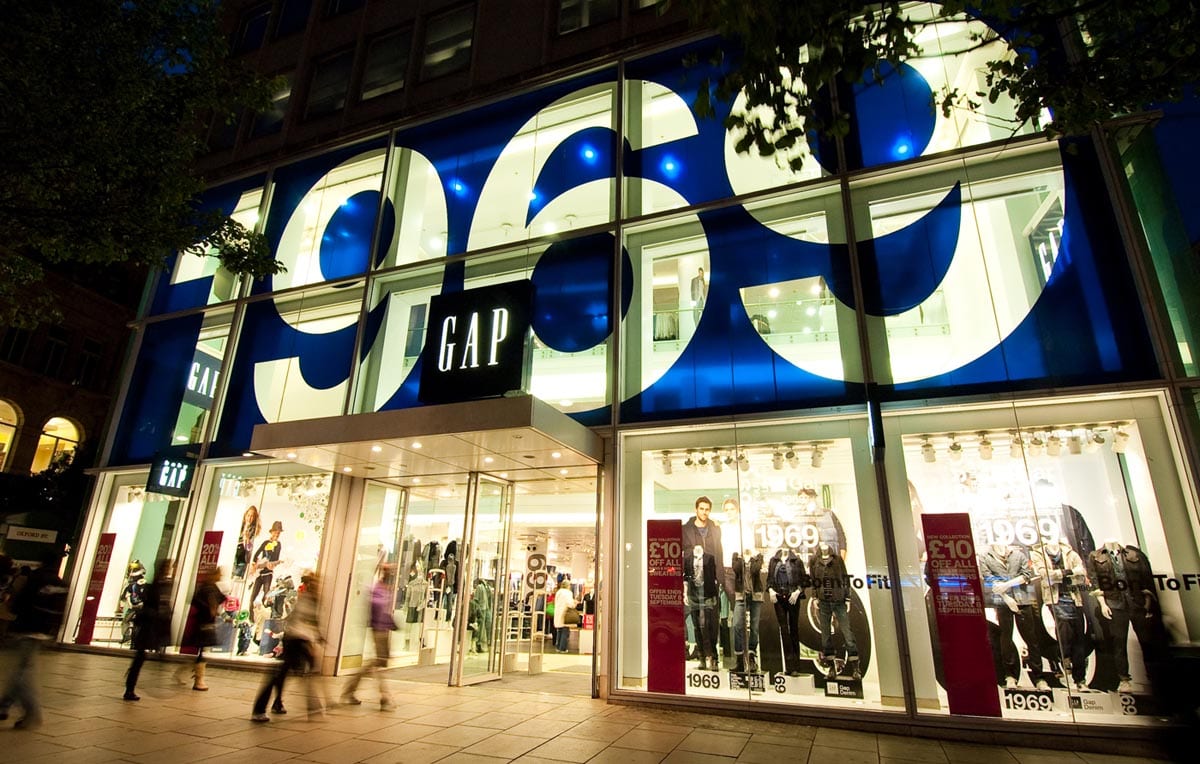
    US apparel retailer Gap says it is weighing options for its international Banana Republic and Old Navy store networks.

    Gap CEO Art Peck says the company won’t reveal any other details at present, but expects to comment more when it reports its quarterly results on May 19.

    “The company is evaluating its Banana Republic and Old Navy fleets, primarily outside of North America, in order to sharpen its focus on geographies with the greatest potential,” the company said in a statement.

    Gap shares fell in after-hours trading on Monday night US time after it revealed a 7 per cent decline in same store sales in April. Analysts had been expecting growth of about 0.5 per cent after signs the retailer was slowly getting back on track in recent months.

    Total sales for the month were US$1.12 billion, down from $1.21 billion last year. First-quarter sales totaled $3.44 billion, down 6 per cent from $3.66 billion year-on-year.

    While Gap did not specifically refer to Asia in its reference to reviewing the future of its international business, the company has met with mixed results in the continent.

    While its namesake brand holds its own in most markets, the success of Banana Republic and Old Navy, the higher and lower end sibling brands respectively, have been patchy.

    Globally,  during the first quarter, Banana Republic sales fell 11 per cent versus 8 per cent last year while Old Navy sales fell 6 per cent versus 3 per cent growth last year.

    This week, Peck said the company was “committed to better positioning the business to recapture market share in North America and to capitalising on strategic international regions where there is a strong runway for growth”.

    Analysts seem in concord that Gap has lost its way in its core US market.

    “Gap used to be a core, basic, apparel retailer with low prices and great product for the family,” Deutsche Bank retail analyst Paul Trussel told CNBC Tuesday. “I think there’s other retailers that frankly have taken that place within the retail sector.

    SW Retail Advisors President Stacey Widlitz added: “If you have been into a Banana Republic or a Gap, in the last six months, you know… the fits are wrong, the stripes are wrong, the florals are wrong. This is a largely self-inflicted problem. Yes, mall traffic is down; yes, the consumer is spending less on apparel, however, if you choose not to get your fashion correct, and also not keep up with your supply chain and fast fashion, that is not going to help the situation.”

  • Elections boost 7-Eleven Philippines profit

    Elections boost 7-Eleven Philippines profit

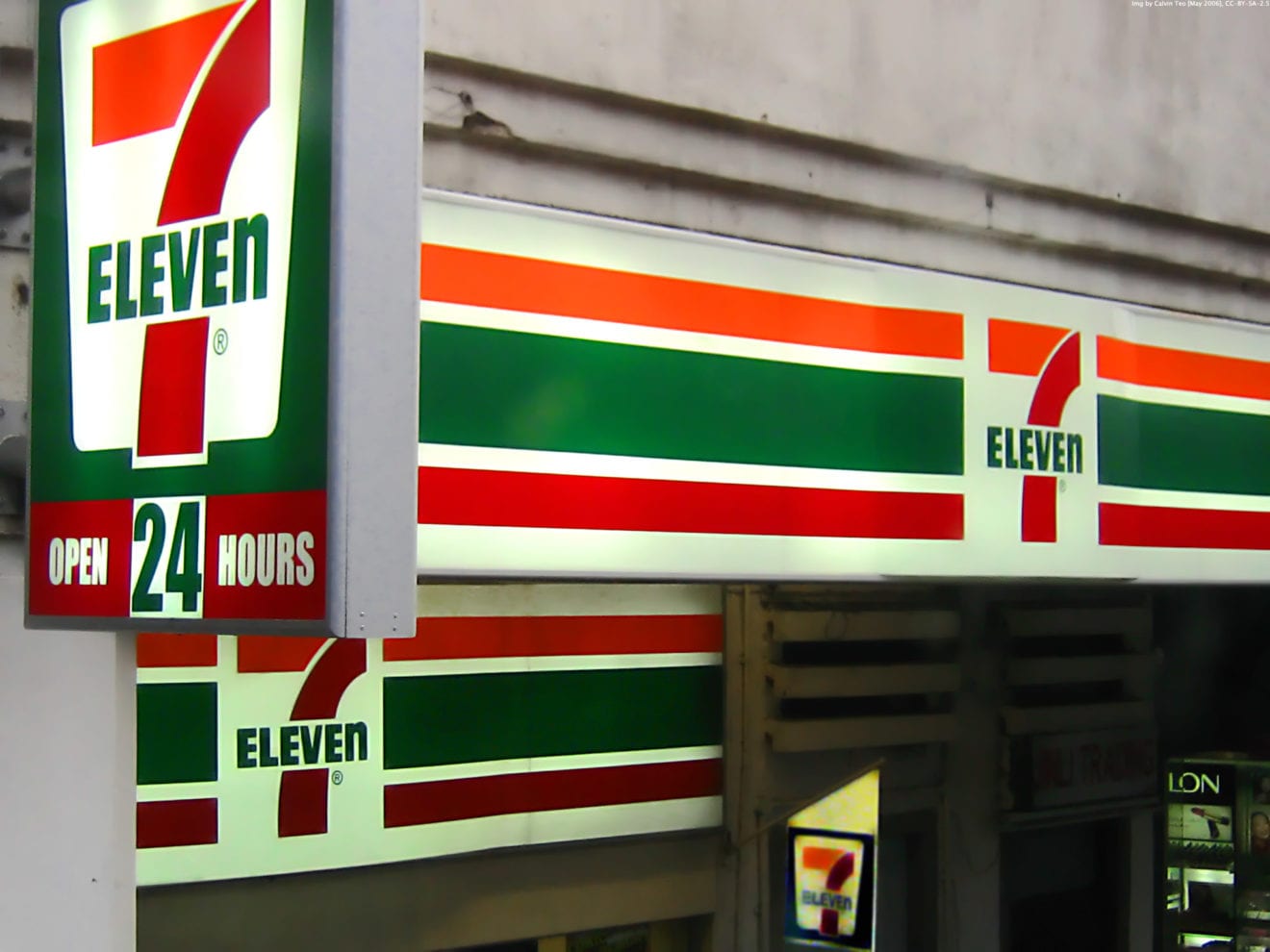
    7-Eleven Philippines stores register first-quarter sales growth on the back of election-related buying.

    Retail sales of all stores went up by 33.5 per cent to P7.3 billion (US$405 million) from P5.5 billion a year ago. This was driven by opening of new stores and increase in same store sales, which was largely attributed to election-related spending.

    Philippine Seven saw its net income up 61.6 per cent year-over-year to P182.4 million during the first quarter.

    The local licensee of 7-Eleven Convenience Stores said its improved financial performance was within expectation as the company’s profits are historically favorable during election season.

    Philippine Seven opened 55 new stores and closed two to end the quarter with 1655 stores. The company now has 1421 7-Eleven stores in Luzon, 189 in Visayas and 45 in Mindanao.

    It is set to attain another milestone this year in terms of total number of stores and profitability.

    The company said, while competition is likely to be more intense, Philippine Seven is the most capable to strengthen its position in the convenience store sector. It aims to capitalise on its first-mover advantage and intends to benefit from the capacity-building expenditures over the last three years.

    For 2016, the company plans to increase its capital expenditures budget to P3.5 billion to support its store expansion strategy.

  • Vietnam electronics retailer Nguyen Kim buys Zalora’s local operations

    Vietnam electronics retailer Nguyen Kim buys Zalora’s local operations

    Zalora, one of Southeast Asia’s biggest online fashion marketplaces, has completed a deal to sell its Vietnamese operations electronics retailer Nguyen Kim, reported Sunday, quoting Zalora Group.
    The subsidiary of Germany’s Rocket Internet has also sold its unit in Thailand to Thai retail giant Central Group, the website said, adding that the value of the deals has not been revealed.
    Last month news website TechCrunch cited multiple sources as saying that Central Group would acquire them for US$10 million each.

    Central owns a 49 percent stake in Nguyen Kim, which has 21 stores around Vietnam, through its subsidiary Power Buy.

    The selloff in Vietnam and Thailand is part of Rocket’s efforts to reduce costs and focus on other markets where Zalora has a better chance to make profits, according to TechCrunch.

    With a presence in 11 countries across the Asia Pacific, including Australia and Indonesia, Zalora’s revenues rose 78 percent last year to around $234 million, but its net loss increased 36 percent to $105 million, it said.
    Last month, the German company, which has been struggling to cash on the Southeast Asian market, sold more than half of its stake in Lazada, which it founded in 2012 to target the regional e-commerce market, to China’s Alibaba for $137 million. Rocket retains an 8.8 percent stake.
    In December Rocket sold off food ordering website Food Panda for an undisclosed price to local competitor Vietnammm after three years of operations, citing financial issues.
  • The ‘Thai goods’ era’ has arrived

    The ‘Thai goods’ era’ has arrived

    Vietnamese manufacturers’ biggest rival is Thailand, experts say. The country exports a wide range of goods, from chicken to slippers, from cosmetics to electric cookers. 

    vietnamnet bridge, english news, Vietnam news, news Vietnam, vietnamnet news, Vietnam net news, Vietnam latest news, vn news, Vietnam breaking news, dissolved businesses, VCCI, Thai goods, Big C, Central Group, Thai billionaires
    Most recently, Central Group has acquired Big C at the price of $1.04 billion

    Figures show the flood of Thai goods in the Vietnamese market.

    1.Vietnam spends $8.2 billion, or VND180 trillion to buy Thai goods, from slippers to cars.

    According to the General Department of Customs (GDC), the turnover of imports from Thailand increased by twofold from $4.5 billion in 2009 to $8.2 billion in 2015.

    Of this, the petroleum imports from Thailand increased from $590 million to $1.16 billion.

    The other products which also witnessed sharp increase in import turnover were computers, paper and electronics.

    Though Vietnam is an agricultural country which has big advantages in producing tropical fruits, it still imports fruits from Thailand in large quantity. The fruit import turnover increased during that time.

    Vietnam also imports steel, precious metal, chemicals, machines, household use electrical products and pharmaceutical drugs from Thailand.

    2.Thailand is a big vehicle exporter to Vietnam.

    In 2015 alone, Vietnam imported 25,136 vehicles from Thailand. If counting car parts, Vietnamese spent $1 billion to buy cars and car parts from the country. By the end of 2015, Thailand ranked fourth among the biggest car exporters to Vietnam, after China, South Korea and India.

    In the first quarter of 2016, Vietnam imported 19,700 cars from all markets, including 7,814 cars from Thailand, a sharp increase of 64.5 percent compared with the same period last year.

    3.Vietnam is Thailand’s seventh biggest importer.

    According to Thai agencies, the two-way trade turnover between Vietnam and Thailand in 2013 was $439 million. The figure is expected to increase to $15 billion by 2020.

    Vietnam is the seventh biggest importer for Thailand, while Thailand is the 10th ASEAN largest investor with 300 projects under implementation in Vietnam.

    3.Thai businesses have completed a series of merger and acquisition (M&A) deals in Vietnam.

    In 2012, BJC group of the Thai billionaire Charoen Sirivadhanabhakdi spent 1 billion baht, or VND656 billion, together with Mongko, opening a supermarket to distribute Thai goods in Vietnam, Laos and Cambodia.

    In early 2013, BJC took over the retail chain developed by Vietnamese Phu Thai Group and Japanese Family Mart and renamed the chain B’s Mart.

    In August 2014, BJC spent 655 million, or $879 million, to buy Metro Cash & Carry Vietnam.

    In September 2014, the Thai billionaire decided to spend 1 billion baht, or VND650 billion, from now to 2018 to expand 205 B’s Marts in Vietnam.

    In January 2015, Power Buy, belonging to Central Group, bought 49 percent of Nguyen Kim home appliance chain’s stake. It is also the owner of Robins chain in Vietnam.

    Most recently, Central Group has acquired Big C at the price of $1.04 billion.

  • Globe rolls out fiber in world’s oldest Chinatown

    Globe rolls out fiber in world’s oldest Chinatown

    Globe Telecom has entered a collaboration with the city government of Manila to roll out fiber broadband technology in Binondo. This initiative will provide internet connectivity with speeds of up to 1Gbps to the world’s oldest Chinatown.

    Early this year, Globe made a call for local governments’ support for its initiative to build on its network infrastructure and provide better a internet experience for its customers, as part of efforts to transform the Philippines into a digital nation by 2020. The city government of Manila, led by Mayor Joseph Estrada, was the first government to respond to the call.

    The fiberization of the entire Binondo district, an age-old center of commercial activities in the capital, is expected to benefit business and residential establishments in the area and is expected to drive business growth in the district. The project will be completed in the third quarter of the year.

    “Globe is able to deploy fiber broadband technology in Binondo only because we are united with the local city government in realizing a vision of developing ‘connected communities’ where both enterprise clients and customers at home get to experience the full benefits of having world-class data connectivity,” Globe chief commercial officer Albert de Larrazabal said.

    “We hope to replicate the realization of this vision in many other areas in the country as we all aspire to further drive local economic growth.”

    The deployment of fiber broadband technology in Binondo will deliver ultra- fast internet to at least 5,000 new business and home subscribers as part of the initial rollout, Larrazabal said.

    Globe will also roll out small cell technology in various parts of Binondo as part of its efforts to expand network coverage and capacity.

    The pilot rollout of fiber broadband technology in Binondo forms part of Globe Telecom’s initiative of creating an internet super highway nationwide. By forming partnerships with other local government units, the operator plans to deploy fiber in 20,000 districts by 2020 that will provide internet access to around 2 million homes nationwide.

    Parallel to this, Globe will also invest in capacity enhancement for both mobile and wireline using different technologies that include 3G, LTE and Wi-Fi.