Tag: asia

  • Pos Indonesia to expand storage facilities

    Pos Indonesia to expand storage facilities

    State postal service firm PT Pos Indonesia plans to expand its warehouse facilities from 3 hectares to 3 hectares to improve its logistics services.

    The land acquisition and development is estimated to cost US$250 million to $300 million.

    PT Pos Indonesia president director Gilarsi Wahju Setijono did not say how the firm would finance the land procurement, but did say the company was in talks with other state-owned enterprises ( SOEs ) for asset swaps. The company has many assets in strategic locations that it could exchange for larger plots of land in other locations.

    “We are asking them to exchange their plots, such as at the airport or seaport with our assets in strategic places,” Gilarsi said.

    Despite having assets in strategic places, PT Pos is struggling with increasing expenditure that is eating away at its profits. It posted Rp 16 billion ( US$ 1.2 million ) in profit last year.

    “Our revenue increased a bit from Rp 4.3 trillion ( US$ 324 million ) in 2014 to Rp 4.6 trillion ( US$ 326 million ) in 2015, but our expenditure increased more than our revenue,” Gilarsi said.

    PT Pos is currently conducting restructuring in its logistics business. The company will also revive its financial services business, such as offering money transfers and utilizing postmen as payment agents in the next four years.

    “Sixty percent of the Indonesia population do not use online banking. We’ve got many branches and will employ our postmen as payment agents,” he said.

  • Indonesian Culinary Fair 2016 to be held in Japan

    Indonesian Culinary Fair 2016 to be held in Japan

    The Indonesian Culinary Fair 2016, dubbed “The Taste of Indonesia,” will be organized at the Shinagawa Prince Hotel, Tokyo, from May 16 to June 16.

    The organization of the culinary promotion event was in line with the governments policy to intensify culinary diplomacy, Tourism Minister Arief Yahya stated here, Friday.

    The promotion event has been organized to achieve three targets. The short-term target is to introduce Indonesias diverse flavors and tastes, as well as to promote the countrys culinary delicacies.

    The mid-term target is to encourage restaurants and hotels in Japan to offer Indonesian dishes as well as to attract more Japanese tourists to visit Indonesia.

    The long-term target is to send Indonesian chefs to work in restaurants and hotels in Japan and to introduce halal food cooking techniques as well as Indonesian dishes in Japans culinary schools.

    Japan ranks fifth in the list of major countries contributing tourists to Indonesia, according to Deputy Minister in charge of International Tourism Marketing Development of the Tourism Ministry I Gde Pitana.

    During the culinary fair, various Indonesian traditional arts, such as Sasando, will be performed.

    The Japanese government has promoted international cuisines, including halal food, to attract foreign tourists from Muslim majority countries, among others.

    Japan has set a target to attract 30 million foreign tourists by 2020. Six to eight million, or 20 percent of the 30 million tourists, are expected to be Muslims.

    “This is an opportunity for Indonesia to promote its various culinary delicacies and food products, including spices,” Pitana affirmed.

    Last month, the “Wonderful Indonesia” Restaurant was opened in Anhui Province, China, to offer typical culinary delicacies from the archipelago as part of the efforts to promote the countrys tourism and culture.

    Situated in the densely populated area of Hefei in Anhui Province, the Wonderful Indonesia Restaurant was inaugurated by Minister Yahya.

    “There is a growing trend of using culinary diplomacy to support tourism, and almost all television stations are also highlighting this aspect as one of their flagship programs,” Yahya remarked.

  • UberJEK Launched in Jakarta

    UberJEK Launched in Jakarta

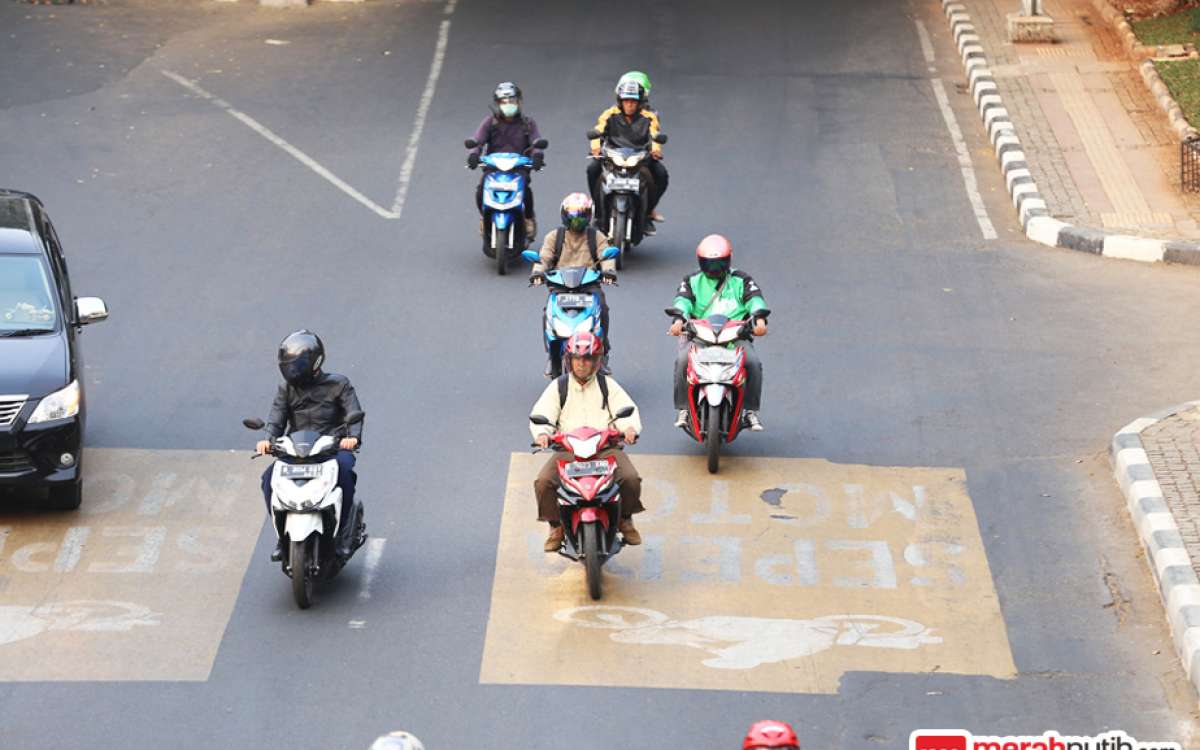
    UberJek, an app-based transport service, has officially started operation on Sunday, May 15. Aris Wahyudi, UberJEK’s co-founder, claims cheaper tariffs compared to its competitors.

    “Our tariff is different from those of the competitors. Our tariff will continue to drop from the first kilometer,” Aris said after UberJEK launch at Euro Management Indonesia, Sunday, May 15, 2016.

    He illustrated that on kilometer 1-5, the tariff is Rp2,500 per kilometer; on kilometer 6-10, it’s Rp2,000; above 11 kilometers, customers will be charged for Rp1,500 per kilometer.

    He added, other benefit of using UberJEK is no minimum tariff set for short distance travels. Thus, customers wanting to travel within 1 kilometer can pay Rp2,500. “We do not set a minimum distance, unlike our competitors. The benefit of using UberJEK is in short distance travels.”

    To attract customers, in addition to cheaper tariffs, UberJEK also entices its customers with giveaways. It is part of the promotional strategy to introduce UberJEK to the market. UberJEk claims to have earmarked seven million smartphones as giveaways for customers.

    UberJEK was founded by Aris and three other Indonesian businessmen in late October 2015. Aris said UberJEK services can now be enjoyed in 30 cities in Indonesia with a total of 2,200 drivers.

  • Johnnie Walker House Singapore a first for SE Asia

    Johnnie Walker House Singapore a first for SE Asia

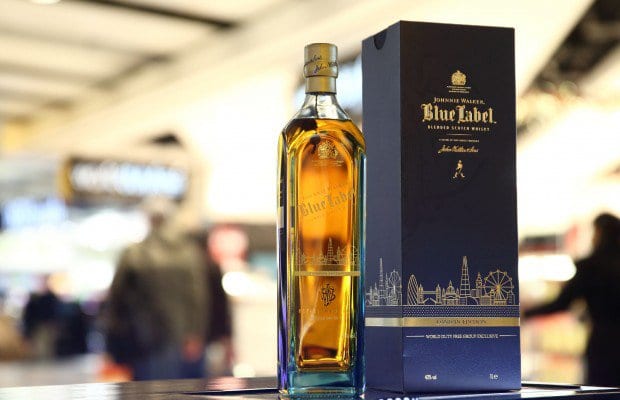
    Johnnie Walker House Singapore joins the international network of by-invitation-only whisky lounges, the first in Southeast Asia.

    It will offer connoisseurs the Diageo-owned brand’s range of rare and collectable Scotch whiskies.

    Johnnie Walker Houses are stand-alone and airport boutiques dedicated to presenting the brand’s whiskies in a curated lifestyle setting. These include rare blended and single-malt Scotch whiskies from Diageo’s 28 operating and 11 closed malt distilleries.

    Experts can provide guests with advice on whisky cellar curation, and offer direct access to blending rooms, distilleries and craftsmen.

    The expansion complements a venture with Moet Hennessy Diageo (MHD) Singapore and Johnnie Walker’s distributor partner Singbev. MHD will continue to sell and distribute only Johnnie Walker core and standard portfolio products to trade channels, while SingBev will continue to sell and distribute only the single-malt portfolio.

    “With whisky appreciation in Asia significant and growing, there is great opportunity for Diageo,” says Apurvi Sheth, the company’s MD for emerging Southeast Asia and joint ventures.

    “In Asia, there is rapid growth of interest in rare whisky, not only as a collectible asset, but also for investing and gifting. As consumers become more discerning, they are also actively seeking out access and rare experiences.”

    There are six Johnnie Walker Houses in Scotland, with others in such cities as Auckland, Beijing, Chengdu, Melbourne, Seoul and Shanghai, as well as retail units in Taoyuan International Airport, Taipei, and Mumbai International Airport.

  • Nepal Telecom lays fiber to Nepal-China border

    Nepal Telecom lays fiber to Nepal-China border

    Nepal Telecom has revealed it has completed a project to lay fiber at the Nepal-China border, paving the way for an interconnection with China Telecom.

    The company has deployed fiber from Kathmandu to the Rasuwagadhi border point via two other Nepalese districts. The deployment uses all-dielectric self-supporting (ADSS) technology, which allows fiber to be deployed without the use of a support or messenger wire to save on deployment costs.

    A spokesperson for Nepal Telecom told that the operator has already commenced installation of equipment for an interconnection with China Telecom’s extensive fiber footprint.

    This will allow the operator to directly link to the Hong Kong Data Centre – one of the two largest data centers in the Asia region – and to establish global connectivity through Hong Kong via China. The company will also connect with a hub in Singapore via India.

    Through these arrangements Nepal Telecom plans to improve the speed and increase the price of its services.

  • AIS abandons plan to rent TrueMove’s 2G network

    AIS abandons plan to rent TrueMove’s 2G network

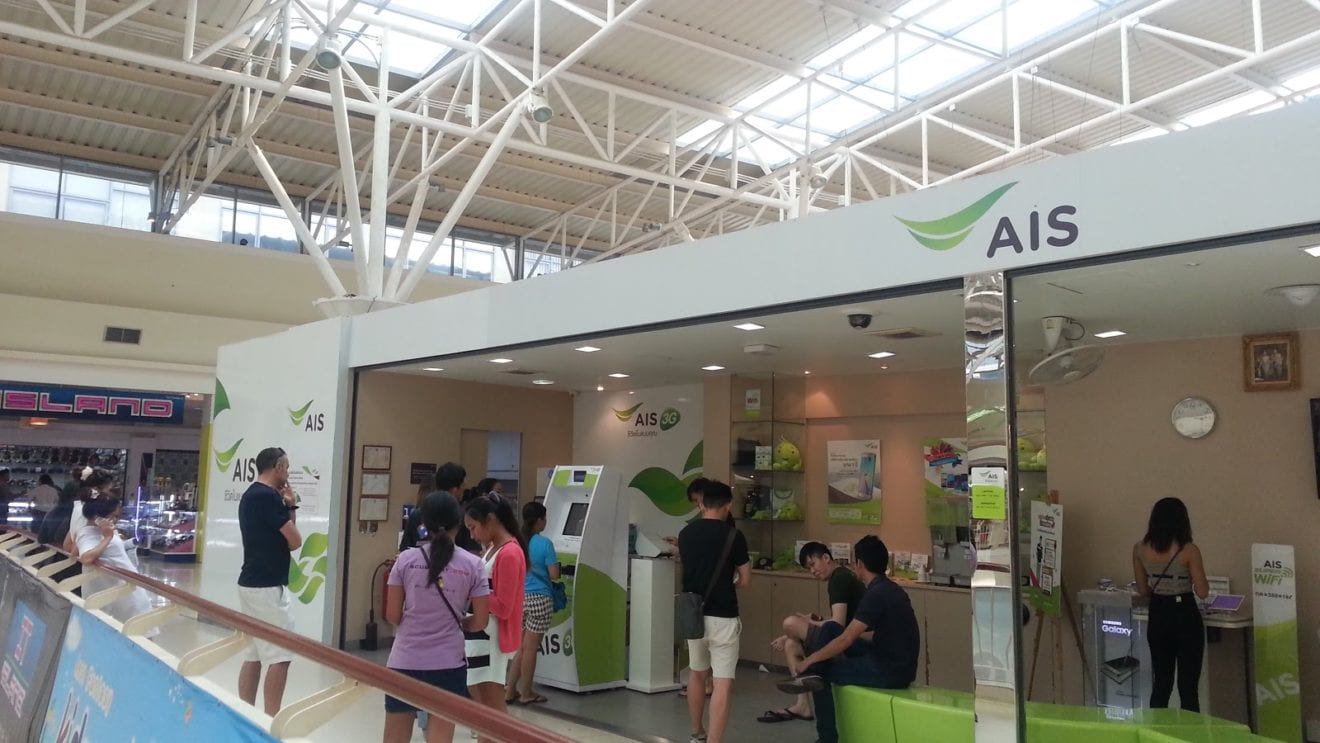
    Thailand’s AIS and TrueMove have abandoned plans to enter a mobile network rental agreement after being unable to accept mutually agreed upon terms.

    AIS no longer intends to rent TrueMove’s 900-MHz network to allow it to continue serving its 900-MHz 2G customers in the wake of the expiration of its 900-MHz license, telecoms regulator NBTC’s secretary-general told.

    The two operators had been negotiating a network rental agreement since mid-April, concentrating on network roaming on the 900-MHz spectrum and customer migration between AIS’s and TrueMove’s networks.

    The government had been encouraging AIS to rent True Move’s existing network to allow it to retain some of its existing 2G customers in order to end a dispute over an extension of AIS’s use of its 900-MHz network.

    AIS is reportedly also facing government pressure to hand over 8 million 2G customers to TrueMove to free up the 900-MHz spectrum due to be re-auctioned on May 27.

    But AIS intends to participate in the auction, and may therefore be able to secure the spectrum needed to ensure service continuity.

  • Exchange rate turn may aid Hong Kong retailers

    Exchange rate turn may aid Hong Kong retailers

    Hong Kong’s retail sales decline may have bottomed out.

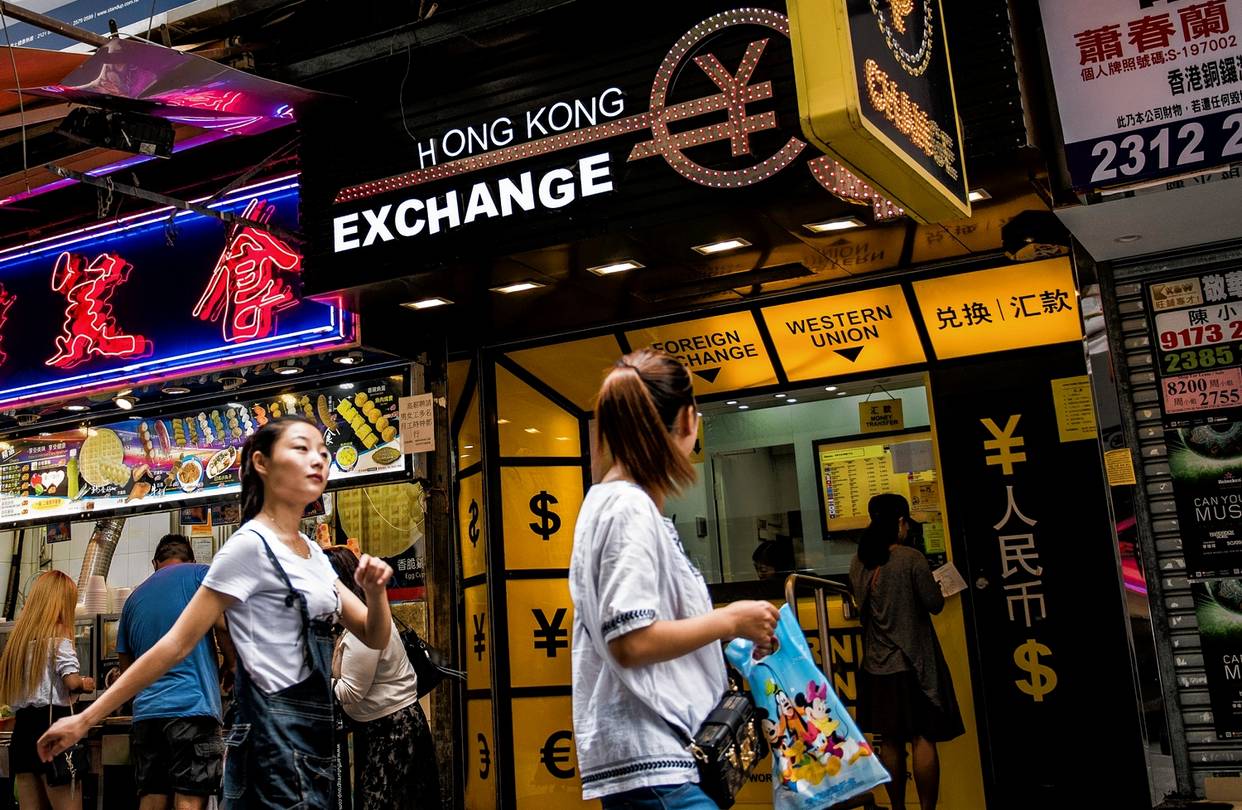
    And a leading factor in the downturn – the value of the Hong Kong dollar – may now bring a much-needed boost for Hong Kong retailers.

    China’s central bank policy this year has been to peg the value of the yuan to the US dollar – the same currency the Hong Kong dollar is pegged to.

    This means that since January, the yuan’s value relative to the Japanese yen has fallen 11.1 per cent, and to the Malaysian ringgit by 6.7 per cent.

    Last year the yuan fell against the Hong Kong dollar, making alternative destinations more attractive for cashed up Mainland Chinese shoppers who chose Japan, Korea or Europe instead, possible due to relaxed visa conditions.

    Now, the value balance is shifting back to Hong Kong, albeit there has been negligible difference in the cross rate between the Hong Kong and mainland currencies. The yuan has fallen just 0.1 per cent against the US currency this year, and risen 0.1 per cent against the Hong Kong dollar.

    “It will help perhaps put a floor in terms of retail sales,” Sandy Mehta, CEOof Hong Kong-based Value Investment Principals said in an interview with Bloomberg. “The currency by itself may not lead to a recovery, but it will surely help things bottom out.”

    Hong Kong retail sales fell 12.5 per cent in the first quarter of 2016, largely due to an ongoing decline in visitor arrivals.

  • Vingroup more than triples revenue to $98m

    Vingroup more than triples revenue to $98m

    Retail has proved the shining segment for Vietnamese conglomerate Vingroup, with revenue jumping 363 per cent year-on-year to VND2.19 trillion (US$98.3 million) for the first quarter.

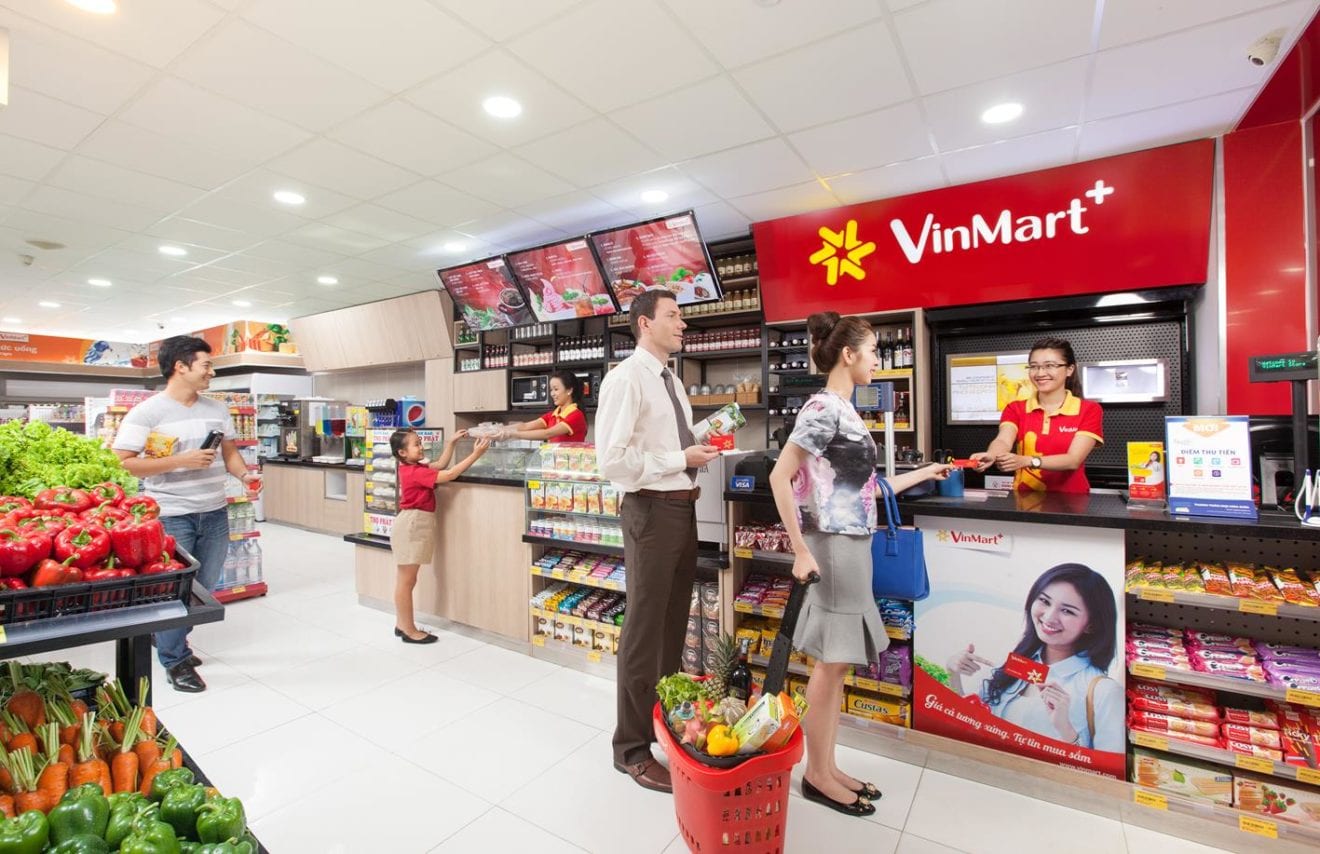
    Vingroup has been investing in retail properties for more than a decade, and since announcing two years ago that it aims to become Vietnam’s largest retailer has opened 50 supermarkets under the VinMart brand and 750 convenience stores under VinMart+ brand.

    Its other retail businesses include Vincom shopping centres, VinFashion stores, VinPro electronics shops and Adayroi eCommerce platform.

    With interests also in education, health, entertainment and real estate, the group reports an after-tax profit of VND1.04 trillion – three times higher than the same period last year. Its revenues more than doubled to hit VND15.16 trillion.

  • Thailand retail growth trails other destinations

    Thailand retail growth trails other destinations

    While Thailand retail industry growth is up slightly and there have been more international tourists, more Thais are shopping abroad, and tourists are spending more in other regional destinations.

    Thailand’s first-quarter growth in the retail industry was 2.6 per cent – failing to hit the Thai Retailers Association (TRA) projection of 3 per cent.

    President Jariya Chirathivat says same-store sales growth for several retail formats declined year-on-year, particularly hypermarkets and convenience stores.

    “This is the first time in two decades that Thailand’s retail industry has [shown] declining rates for several years,” says Jariya. Growth has fallen from 12 per cent in 2012 to 2.8 per cent last year.

    She says retail consumption has weakened because of declining farm product prices hitting the purchasing power of middle- and low-income consumers.

    While there were 12 per cent more foreign tourists in Thailand last year (29.5 million), there was no effect on the sales of semi-durable goods such as clothes, make-up, leather products, shoes and watches.

    Tourists in Singapore and Hong Kong on average spent 1900 baht (US$54) and 5300 baht ($150)respectively per head per day, while the figure for Thailand was 1155 baht ($33).

    Tourism Authority of Thailand figures show that the number of Thais shopping abroad grows by 9 per cent a year. Thais spent 170 billion baht on shopping overseas last year, with brand-name products accounting for 50.8 billion baht.

    “We’re concerned the retail industry might not be able to maintain investment levels in the long run if consumer spending continues to decline,” says Jariya.

  • Zara Vietnam to launch in July

    Zara Vietnam to launch in July

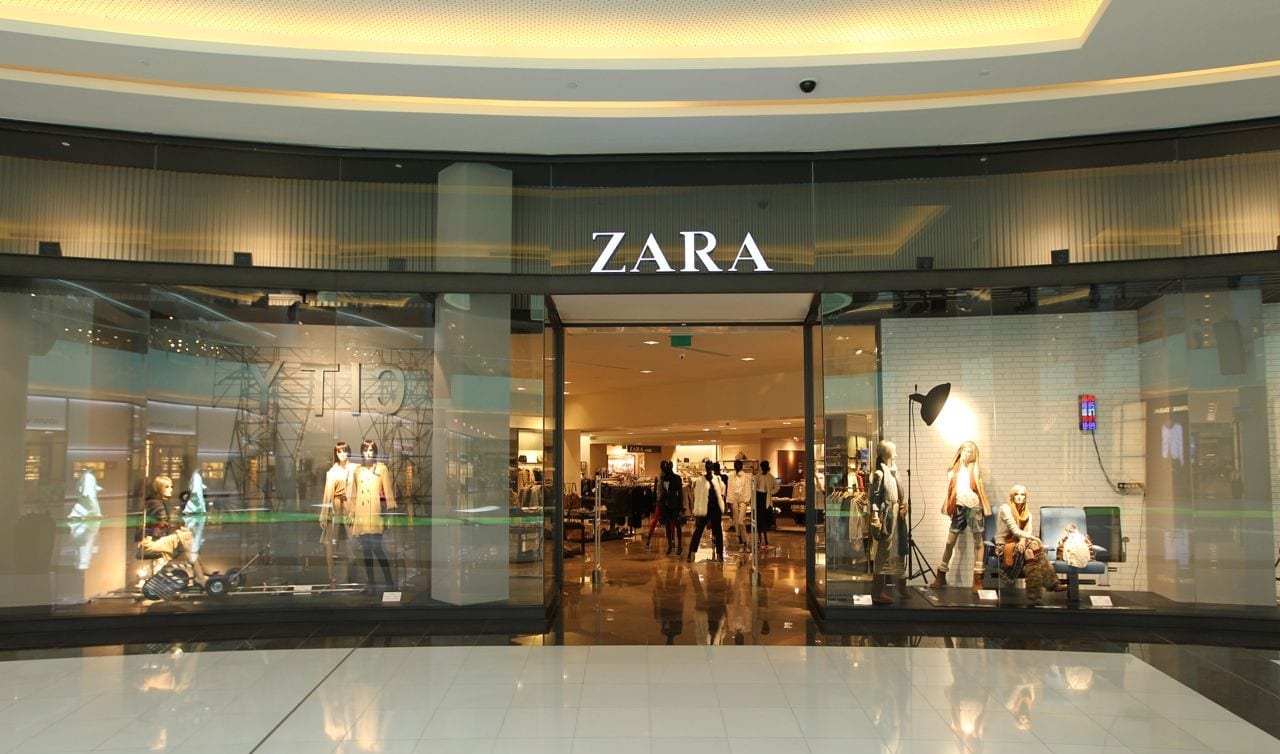
    Zara Vietnam says it will open its first store in July, just as Euromonitor International reveals the Vietnamese branded goods market may reach $2.7 billion in value by next year.

    As more than more people can afford branded goods, international fashion brands such as Gap, Mango, Nine West, Ralph Lauren and Topshop have become the choice of many young Vietnamese, especially office workers, says Euromonitor.

    Zara is owned by Inditex, which at the end of its latest fiscal year on January 31 had 7013 shops in 88 markets, including 2000 Zara outlets. If the Spanish fast fashion giant follows its normal international expansion course, it will likely roll out some of its other brands in the market, including Bershka, Pull & Bear, Massimo Dutti, Stradivarius and Zara Home.

    There is already a Vietnamese website selling Zara items, with a showroom in Ho Chi Minh City, but the shop sells alternatively-sourced and end-of-season lines.

    Mango, which targets customers between 18 and 40 years old, has been in Vietnam since 2004 through a franchise contract signed with Maison JSC. It also has other franchise partners, including DAFC, a subsidiary of IPP, and BFF, belonging to Vingroup.

    In 107 markets internationally, Mango had $2.6 billion in revenue last year.

    A survey by Nielsen on Vietnamese consumer confidence has shown that Vietnamese are willing to spend money on holidays, tourism, fashion and high-technology products.

    Meanwhile, Mango and Zara are among brands that have garment factories in Vietnam.

  • International supermarket chains might soon start operating in the Philippines

    International supermarket chains might soon start operating in the Philippines

    With the Philippine economy expected to continue along its growth path, it might not take long before international supermarket chains start operating in the country.

    This developed as the British Chamber of Commerce of the Philippines (BCCP) said it will continue to push for a bigger market share for its food and beverage products here in the country.

    Philippine Amalgamated Supermarket Association President Steven Cua said the current influx of imported brands in groceries and supermarkets might be the way of testing the market.

    “The international chains are hot on our market.  We have a good economy, and investor confidence is here.  Instead of stores, there are goods now.  They are also joining trade shows,” Cua said.

    However, Cua said what is preventing these chains from starting operations in the country are the low margins on sales.

    “Our margins are too low.  We are the lowest in the world, at 2 percent to 12 percent,” Cua said, while pointing at the Department of Trade and Industry’s suggested retail price as the main factor.  He said that within Asia alone, the sales margins are between 13 percent and 25 percent.

    Cua also cited rent, salary, electricity and taxes as the other factors that might prevent international supermarkets from setting operations in the country.

    Then he said there are the Big 5 in local-supermarket operations, including SM, Robinsons, Puregold, Super 8 and Metro Gaisano, which controls a big chunk of the market.

    “We have a free enterprise.  It is either the smaller ones sell or they open up beside them,” Cua said, while adding that the Big 5 are now using real-estate brokers in their expansion.

    He also said that recently Walmart pulled out its operations in Indonesia and South Korea.

    Meanwhile, BCCP Chairman Cris Nelson said British food and beverages are making inroads in the local market, while stopping short of saying if British supermarket chains will actually be entering the country.

    “Marks & Spencer [M&S] is here in the Philippines but like a lot of companies, it needed to establish itself first. Based on my experience in this market, you have to get yourself successfully introduce in key areas and to develop thereafter,” Nelson said.

    He added: “The Philippines is a very interesting market.  It is a challenging market with multiple points of sale.  It is a logistical challenge because of the multiple islands.”

    Aside from M&S, Nelson said Tesco, a British multinational grocery and general merchandise retailer, has some of its products now also available in Rustan’s.

    Another brand that is also being made available in Rustan’s is Waitrose and its pantry products.  However, like Tesco, it does not have physical stores yet in the country.

    However, he said international food and beverage brands trying to enter the local market would have to deal with distribution and manufacturing issues.

    “Distribution is a very critical factor in the Philippines. Let us not forget this is one of the most challenging aspects of doing business. As soon as you get the demand, you will also have to develop your supply line. You need to keep your points very close together,” he said.

    Nelson said more and more British companies are expected to enter the country and promising Filipinos will have the opportunity to enjoy their brands.

  • Further Slowdown for Hong Kong’s Economy in Q1

    Further Slowdown for Hong Kong’s Economy in Q1

    New figures released by Hong Kong’s government suggest the city’s economy has seen a further slowdown through the first quarter. New stats show Hong Kong’s GDP grew by 0.8-percent year-on-year through the first 3-months. This is a 4-year low in term of quarterly growth.

    Hong Kong’s exports dropped 3.6-percent through Q1. Unemployment in the city has jumped by one-percent to sit at 3.4-percent.

    Hong Kong Financial Secretary Tsang Chun-wah admits the outlook for Hong Kong’s economy this year doesn’t appear promising.

    “The global economy is full of risks in 2016. With such an external environment, Hong Kong’s economy will be facing a downward pressure. As we can tell from the latest data, our exports, tourism industry, retail sectors and many other sectors have all been affected.”

    Housing prices in Hong Kong are down some 12-percent after hitting a peak in September.

    A slowdown in exports, coupled with a slowdown in spending from mainland tourists, has been dragging down Hong Kong’s economic fortunes over the past year.

    The city’s retail sector has borne the brunt of the slowdown.

  • Metro Retail earnings jump 69% in Q1

    Metro Retail earnings jump 69% in Q1

    Metro Retail Stores Group Inc. of the Gaisano family saw its net income surge by more than two-thirds in the first three months of the year on strong consumer spending. Net earnings reached P52.8 million, up 69.2 percent from P31.2 million.

    Metro Retail posted a 9.7-percent jump in all-store sales driven by strong same-store sales growth of 7.4 percent.

    “Building on our robust growth last year, our strong start for 2016 demonstrates our continued commitment to deliver more value to our customers and shareholders,” Metro Retail chairman and CEO Frank Gaisano said.

    Gaisano said the company continues to expand both its store network and its logistics and supply chain facilities.

    The retailer recently opened a hypermarket in Calbayog City in Eastern Visayas, as well as two department stores in UP Town Center and Fairview Terraces in Quezon City to bring its store network to 49. Of its 49 stores, 24 are supermarkets, 13 are hypermarkets, and 12 are department stores.

    Metro Retail had previously acquired department store assets from SIAL Specialty Retailers Inc., a joint venture between Ayala Land Inc. (ALI) and Store Specialists Inc.  It is set to open another department store in Fairview Terraces Mall in Quezon City.

    The company has also entered into a partnership with ALI for the establishment of its stores in four new Ayala commercial developments in Bacolod, Iloilo, Cebu, and Pasig.

    “The dynamic Philippine retail industry continues to present a lot of opportunities for growth, and we are currently ahead of schedule in doubling our footprint by 2020 with 40 percent of this target already secured today,” Gaisano said.

    Metro Retail stores are currently present in key cities in Central, Western and Eastern Visayas, as well as in Central Luzon, Metro Manila, and South Luzon.

    According to Euromonitor, Metro Retail is the Visayas’ largest department store and hypermarket operator, and second-largest supermarket operator in 2014 in terms of retail sales value.

    The firm was also Cebu’s largest retailer across all its three store formats in terms of retail value in the same year.

  • AWS to be anchor customer for Hawaiki cable

    AWS to be anchor customer for Hawaiki cable

    In March, the Hawaiki cable project announced its contract with TE Subcom had come into force. They had raised the necessary funds to kick off the construction phase, and yesterday we learned where some of those funds came from.

    Amazon’s AWS division has stepped up for a large chunk of capacity on the system, becoming a high profile anchor customer on a submarine cable system for the first time.

    The Hawaiki cable is the latest project aimed at hooking up Australia and New Zealand directly with the west coast of the USA, stopping in Hawaii and branching off to American Samoa with options to reach several more.

    It’s a route dominated today by the longstanding Southern Cross cable system, and one on which we have seen several failed attempts to build an alternative – especially by partisans on the New Zealand side. This is the first time the money has finally added up though. As currently planned, the cable will stretch 14,000km and deliver as much as 30Tbps of capacity.

    Amazon AWS joins Vodafone, REANZ, and American Samoa Telecom as anchor customers. It’s Amazon’s first foray into the world of submarine cable systems, but surely not its last.

    The cloud giant is merely joining its tech brethren like Google, Facebook, and Microsoft in taking an active role in the underlying infrastructure they all depend on, taking up some of the slack as global telecommunications operators themselves continue to shy away from undersea investments in favor of wireless and terrestrial fiber.

  • China Unicom to invest $2.1b in Shanghai

    China Unicom to invest $2.1b in Shanghai

    China Unicom has announced a significant investment project involving expanding and upgrading its telecoms infrastructure, building new a IoT platform and data centers in Shanghai.

    The move comes shortly after the operator signed an “Internet+” cooperation agreement with the Shanghai municipal government.

    As part of the agreement, Unicom has committed to invest 14 billion yuan ($2.15 billion) to expand and upgrade its fixed optical network and wireless infrastructure in Shanghai over the next five years.

    The operator said it plans to deploy tri-band carrier aggregation on its 4G networkto boost network speeds from 150Mbps to 500Mbps by 2018 and to 1Gbps by 2020, according to C114.net.

    The company, China’s second largest mobile carrier by subscribers, aims to offer high-speed fiber and mobile broadband services at speeds of up to 1Gpbs in some key areas in the city.

    In addition, Unicom will deploy 10Gbps passive optical technology, which is expected to cover 6 million residences with FTTx by 2018 and 7 million by 2020. The operator aims to have citywide VoLTE coverage – including HD audio and video calls and VoWi-Fi services – this year.

    To help turn Shanghai into a smart city, Unicom said it will also deploy a city-wideNB-IoT (Narrow-band Internet of Things) platform for applications such as intelligent parking and environmental monitoring.  Construction of the NB-IoT network is expected to be completed in 2017 with the deployment of 3,000 network base stations.

    The operator also plans to build new data centers and big data infrastructure to provide could computing applications and services for urban management and social services.

    Unicom will also support SMEs’ “Internet+” transformation with innovative information services and its big data platform and cloud services.

    Another area of focus is to help address the basic needs of general public by promoting the use of innovation applications in various fields, such as transport, healthcare, education, travel and smart home.