Tag: asia

  • Hyundai inaugurates 100,000-car plant in Vietnam

    Hyundai inaugurates 100,000-car plant in Vietnam

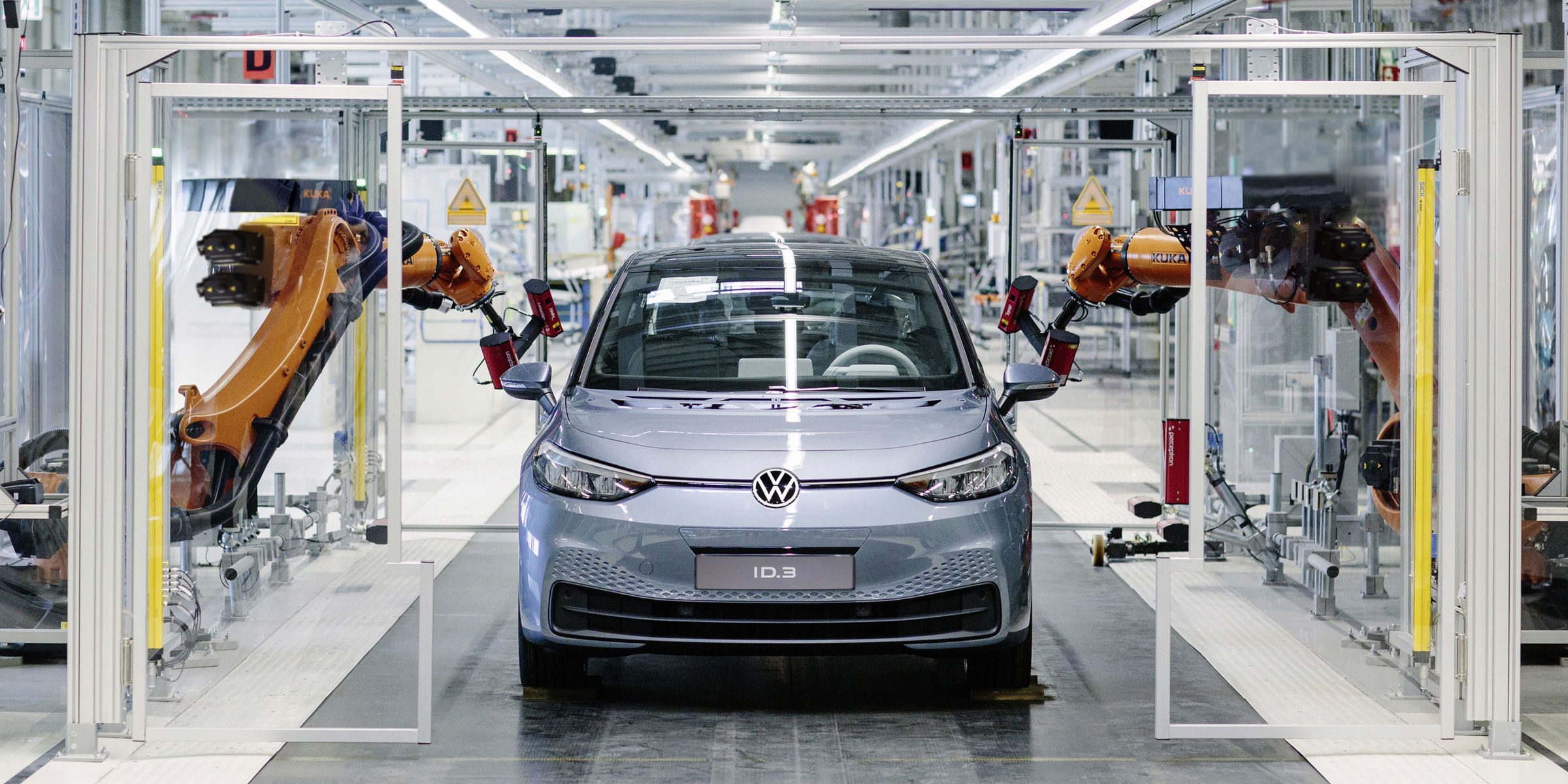
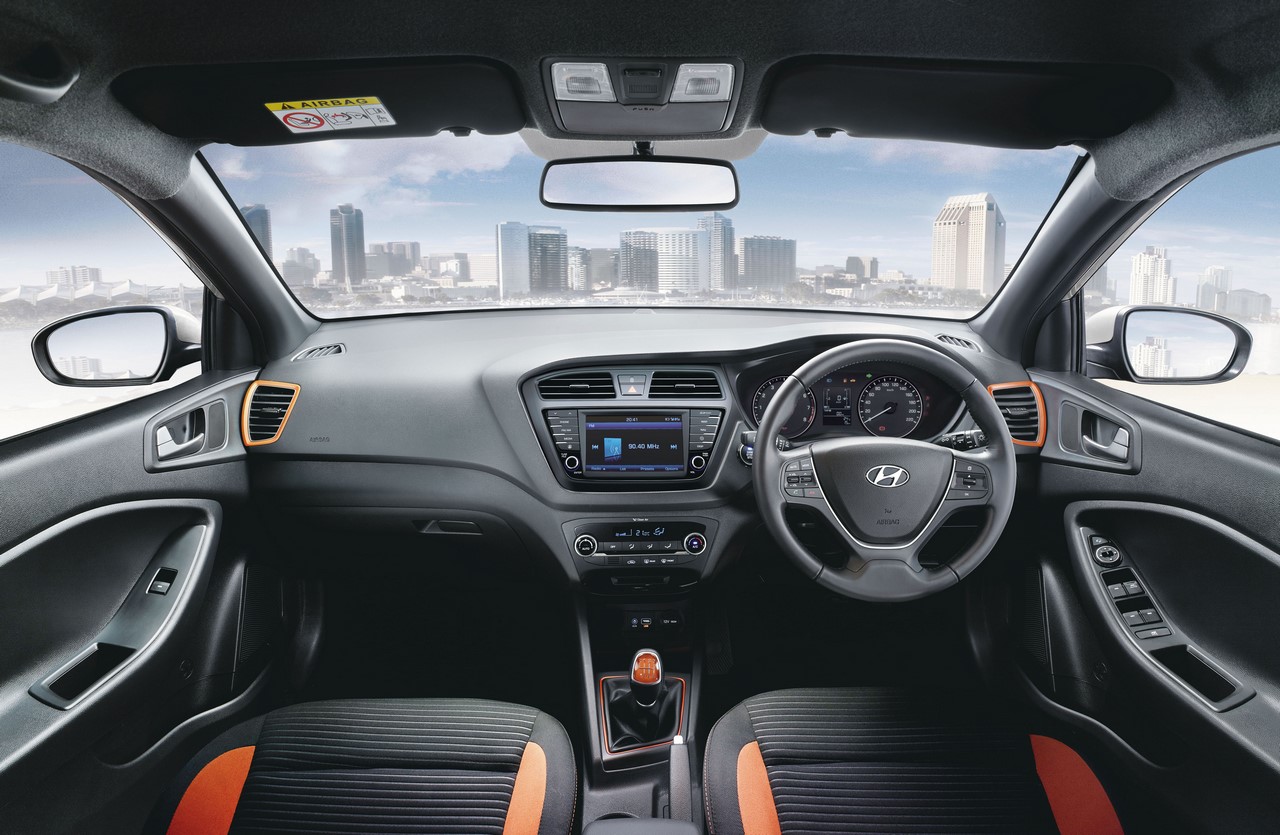
    Hyundai Motor has inaugurated its second plant in Vietnam with a capacity of 100,000 automobiles per year.

    Covering an area of over 50 hectares in the northern Ninh Binh Province, the new plant will turn out eco-friendly and fuel-saving vehicles, said Thanh Cong chairman Nguyen Anh Tuan.

    Hyundai entered the Vietnamese market in 2009 through a joint venture with local conglomerate Thanh Cong Group. It imports parts for local assembly in what are known as knock-down kits.

    The plant will increase Hyundai’s Vietnamese production capacity to 170,000 vehicles a year when it becomes fully operational, likely in 2025.

    The South Korean automaker has invested nearly VND12.3 trillion (roughly $496 million) in Ninh Binh province.

    In the first 10 months, 397,457 cars were sold and auto sales could exceed 400,000 for the first time in eight years, according to the Vietnam Automobile Manufacturers Association (VAMA).

  • Low imports cause gasoline shortage

    Low imports cause gasoline shortage

    The current partial shortage of gasoline and oil has been caused by wholesalers not importing sufficient amounts, says said Deputy Minister of Industry and Trade Do Thang Hai.

    Commissions for retailers being cut amidst fluctuating world prices is also a factor, Hai told the press reporters Tuesday. Fuel retailers said they suffer losses after their commissions were adjusted downward and many want to close down.

    Wholesalers were importing gasoline and oil when their global prices surged, sometimes by 57-85% against the same period last year, but they had to sell it at lower prices.

    Currently, Vietnamese authorities adjust fuel retail prices every 10 days based on the average prices of the previous 10 days. However, many people including lawmakers have said this cycle is no longer suitable because it leaves domestic prices outdated compared to global prices, which have been unstable of late.

    Hai said wholesalers have to cover different costs like freight to bring imported gasoline and oil to Vietnam or to transport domestically produced fuels to ports nationwide, but the costs used by the ministry to calculate the base price are smaller than actual costs borne by the wholesalers.

    For these reasons, he said that wholesalers have incurred losses, so they cut back on imports and slashed commissions for retailers.

    Hai said that other reasons for the partial fuel shortage include lower production by two domestic refineries and the absence of some wholesalers.

    The two refineries produced 9.7 million tons of gasoline and oil in the first 10 months, some 170,000 tons lower than the yearly plan, according to the Ministry of Industry and Trade.

    Several wholesalers in the south have had their business licenses revoked for administrative wrongdoings, and some others have had customs clearance of imported fuel suspended for failing to meet customs-related requirements like electronic data connections.

    The Ministry of Finance has agreed to factor in an increase in the transportation cost of importing fuel, enabling a hike in retail prices.

    The costs is VND290-560 (1.2-2.3 cents) higher for a liter of gas and VND160-660 for diesel, and reflected in retail prices from Nov. 11.

    Another solution is increasing national gasoline and oil reserves, Hai said, noting that current reserves were equivalent to just 5-7 days of consumption.

  • The Coffee House operator sees revenues surge of 50%

    The Coffee House operator sees revenues surge of 50%

    Seedcom, the operator of The Coffee House beverage chain and June fashion outlets, gained revenues of over VND1.5 trillion ($60.5 million) in the first 9 months, a 50% year-on-year surge, despite losses.

    The company posted losses in the period, Seedcom CEO Nguyen Hoanh Tien saidnot revealing the exact amount of loss.

    It is expected to profit next year. “With big investments, firms under Seedcom are expected to see much improved financial results in the last months of this year,” he said.

    Seedcom, established in 2014, also owns delivery companies AhaMove, Giao Hang Nhanh, and retail chain Kingfoodmart.

    Of Seedcom’s total revenues in the first nine months, over 37% came from The Coffee House, more than 25% from the fashion group, and some 20% from Kingfoodmart.

    Last year, Seedcom branched into finance by partnering with Thai bank Kvision to provide payment and loan services to small and medium companies, focusing on cashless finance.

    It also sold the farming unit Cau Dat Farm, which grows and processes coffee, to Nova Consumer under NovaGroup to focus more on retail.

  • Novartis campaign marks 10-year journey to improve Vietnamese family health

    Novartis campaign marks 10-year journey to improve Vietnamese family health

    A Novatis’s campaign has reached nearly 1.6 million people in 37 provinces and cities, providing them with information, examination and early treatment for chronic conditions such as hypertension and diabetes.

    Novartis Vietnam collaborated with Vietnam Cardiovascular Foundation and the southern Long An Province to celebrate the 10th anniversary of the “Healthy Family” program on Nov. 11, marking a decade of accompanying Vietnamese people in improving health quality.

    The event was attended by representatives of the Center for Disease Control (CDC) in Long An, Yen Bai, Bac Ninh, Phu Yen, Thai Nguyen, Dak Lak, Nghe An, Quang Binh, Soc Trang, Tra Vinh provinces.

    To create opportunities for more people to have easy access to medical services, since 2012, Novartis has implemented “Healthy Family” program, with the companionship of Vietnam Cardiovascular Foundation and local health departments. The program cooperates with health centers to conduct screening sessions and disseminate information about hypertension and diabetes for people over 40 years old in districts across the country, with priority given to remote areas.

    By 2021, “Healthy Family” program has reached nearly 1.6 million people in 37 provinces and cities such as Lang Son, Bac Giang, Yen Bai, Bac Ninh, Phu Yen, Thai Nguyen, Khanh Hoa, Dak Lak, Nghe An, Quang Binh, Soc Trang, Tra Vinh, Hau Giang, Dong Thap …

    Each year, the program reached approximately 200,000 people in 15 localities, with an annual budget of up to VND6-7 billion. Through the program, people could access basic knowledge about diseases and be screened for diabetes and hypertension.

    About 15-20% of participants were detected and diagnosed with signs of high blood pressure, 7-8% had high blood sugar and continued to be monitored at health stations.

    In addition, the program also strengthened the consulting capacity and expertise of local health workers, thereby improving the quality of community health care.

    “Overcoming geographical constraints, we implement “Healthy Family” program with the aim of helping people access good health services at an affordable cost. The 10-year journey has confirmed the sustainability and maintainability of the program as well as Novartis’ commitment to the health of Vietnamese people,” Carolyne Hall Director, Global Health Access Solution Center of Excellence, Novartis global, said.

    The Novartis representative also expressed her desire to expand the program scale year after year, with the first step of expanding to one more province each year, and at the same time, supplement interventions related to other chronic diseases such as heart failure and breast cancer.

    Grassroots medical care in remote areas

    Among the common chronic diseases, non-communicable diseases (NCDs) are now four times the cause of death than infectious diseases. Not only in developed countries but also in developing ones, the risk factors for NCDs – such as sedentary lifestyles and unhealthy diets – are being multiplied.

    Hypertension and diabetes are two common non-communicable diseases and require regular and long-term treatment. According to statistics from the Ministry of Health, 60% of people with high blood pressure in Vietnam have not been detected and over 80% have not been treated. In recent years, this pathology is getting younger. Hypertension is considered a silent killer and is the leading cause of death.

    Diabetes is increasing steadily in recent years globally. According to statistics from the International Diabetes Federation, in 2017, approximately 425 milion people had dibetes in the world. In Vietnam, about 3.5 milion peoples had been living with this disease.

    However, access to primary care and resources are scarce in some remote localities. In provinces such as Bac Giang, Yen Bai, Lang Son, and Dak Lak… health stations are far away from where they live, traffic is obstructed, human resources for medical staff, doctors and medicines are still limited.

    Therefore, many people have missed the opportunity to be screened early, and missed the golden time for treatment. On the other hand, some refuse to get medical examination and treatment locally, leading to overcrowding at central hospitals. This is also part of the reason for the widespread burden on the medical care in Vietnam, and at the same time hinders the long-term improvement of Vietnamese people’s health.

    Novartis is reimagining medicine to improve and extend people’s lives. As a leading global medicines company, Novartis uses innovative science and digital technologies to transform treatments in areas of great medical need.

    Novartis products reach nearly 800 million people globally. About 11

  • Lobster exports up seven-fold in 9 months

    Lobster exports up seven-fold in 9 months

    A seven-fold year-on-year increase in lobster exports to China netted revenues of $179 million in the first nine months of the year.

    According to the Vietnam Association of Seafood Exporters and Producers (VASEP), China accounted for 90% of Vietnam’s total lobster exports in the first nine months.

    VASEP communications director Le Hang said China’s demand for seafood is set to increase with the Lunar New Year festival season coming up.

    She said lobsters account for more than 5% of Vietnam’s total seafood exports yearly.

    A fall in lobster production after aquaculture areas were affected by recent storms and floods. Retail prices of lobsters currently stand at VND1.3-2 million ($52.4-80.6) per kilogram, up 10% against over October.

    Some 90% of lobsters raised in the two central localities of Phu Yen and Nha Trang, the two biggest lobster aquaculture areas in Vietnam, are exported to China via border trade.

    Recently, a business in HCMC signed a contract to export 2,000 tons of live lobsters to the Chinese city of Kunming.

    Under the agriculture ministry’s plan, Vietnam will raise 3,000 tons of lobsters for an annual export turnover of around $200 million yearly.

    According to VASEP, the country earned nearly $3.4 billion from the export of lobsters, prawns, and shrimps in the first nine months, up 23% year-on-year.

  • Qualcomm unveils Snapdragon AR2 Gen 1 Platform for headsets and smart glasses

    Qualcomm unveils Snapdragon AR2 Gen 1 Platform for headsets and smart glasses

    Yesterday Qualcomm kicked off the 2022 Snapdragon Summit by introducing the next generation of its top-of-the-line Application Processor (AP), the Snapdragon 8 Gen 2. This chip will be inside devices available to consumers by the end of this year. Today, the San Diego-based chip designer unveiled the Snapdragon AR2 Gen 1 Platform designed to deliver augmented reality (AR) for smart glasses and other head-worn gear.

    The new chip is part of Qualcomm’s Extended Reality (XR) offerings. Qualcomm says that the Snapdragon AR2 Gen 1 “delivers groundbreaking AR technology to unlock a new generation of sleek, highly capable glasses. The Company built Snapdragon AR2 from the ground up to revolutionize the head-worn glass form factor and usher in a new era of spatial computing experiences for the real-world/metaverse mix.

    Augmented reality is a technology that places computer-generated images (CGI) on top of the user’s real-world view of the world. A good example is the Live View AR feature available for Google Maps for those walking to a destination. The phone’s rear camera provides the user with a real-time image of what is in front of him while CGI images of arrows will appear over the real-time image to help guide and navigate the user to his destination.
    The main processor on the Snapdragon AR2 Gen 1 takes up less space on the printed circuit board while still improving AR performance by 2.5 times. The chip also uses 50% less power. As Qualcomm puts it, “This enables rich AR experiences on glasses that can be comfortably worn for extended periods of time and meet the demands of both consumers and enterprise use cases.”
    With the platform, latency-sensitive data such as video streaming, surgery, multi-player video games, and computerized stock trading, will be sent directly to the headset. Other, more complex data requirements will be off-loaded to a Snapdragon-powered smartphone, PC, or another kind of compatible host device.
    The AR processor is designed for headsets with multiple cameras and will, in fact, support up to nine concurrent cameras. The platform comprises a multi-chip architecture, which is important when dealing with the limited space available with smart glasses. There is an AR processor, an AR co-processor, and a connectivity platform.
    Hugo Swart, vice president of XR product management, Qualcomm Technologies, Inc. says, “We built Snapdragon AR2 to address the unique challenges of head-worn AR and provide industry-leading processing, AI, and connectivity that can fit inside a stylish form factor. With the technical and physical requirements for VR/MR and AR diverging, Snapdragon AR2 represents another metaverse-defining platform in our XR portfolio to help our OEM partners revolutionize AR glasses.”
    The AR co-processor will handle important tasks such as eye-tracking and can also use iris authentication not only to verify identity but also to render certain images only when the user is looking at a certain part of the display. This could save on power consumption.

    The system also uses the FastConnect 7800 connectivity platform allowing it to utilize Wi-Fi 7. This will allow latency between AR glasses and the host device (including a smartphone, if that is the case) to be less than 2 milliseconds (ms).

    The Snapdragon AR2 Gen 1 will be built on a 4nm process node (Qualcomm will not reveal which foundry is producing the chip) and Qualcomm is in “various stages of development” with manufacturers interested in the platform “including Lenovo, LG, Nreal, OPPO, Pico, QONOQ, Rokid, Sharp, TCL,Vuzix and Xiaomi.
    Rubén Caballero, Corporate Vice President of Mixed Reality, Devices & Technology at Microsoft stated that “Microsoft worked closely with Qualcomm on the platform requirements for Snapdragon AR2 to help define the purpose-built, foundational technologies to unlock new possibilities in AR experiences. Snapdragon AR2 platform innovations will revolutionize head-worn AR devices that will transform immersive productivity and collaboration and we look forward to seeing the innovation that Qualcomm and its partners will bring to market.”
  • Deliveroo Australia collapses, enters administration

    Deliveroo Australia collapses, enters administration

    Delivery service provider Deliveroo has ceased trading in Australia, entering voluntary administration after about seven years of operation in the country.

    The British-headquartered multinational announced the closure to customers and online on Wednesday evening and said the decision was effective immediately, with the app disconnected.

    The company said Deliveroo’s “disciplined approach drove the decision to capital allocation”. Having failed to reach a sustainable and profitable scale in Australia without considerable financial investment, it closed the business.

    “The expected return on such investment is not commensurate with Deliveroo’s risk/reward thresholds,” the company said.

    Deliveroo started its business in Australia in 2015 and was the country’s longest-standing online food delivery platform. During the past few years, the market has experienced fierce competition from global major players, including DoorDash, Menulog and Uber Eats.

    During the first half of this year, the Australian unit only accounted for 3 per cent of Deliveroo’s global gross transaction value and negatively impacted the company’s adjusted EBITDA margin by approximately 30 basis points.

    “This was a difficult decision and not one we have taken lightly,” said Eric French, COO of Deliveroo. “Our focus is now on making sure our employees, riders and partners are supported throughout this process.”

    Michael Korda, Andrew Knight and Craig Shepard of KordaMentha have been appointed as voluntary administrators of Deliveroo Australia.

    Deliveroo said it will set out the appropriate compensation packages it intends to provide for its creditors. This includes guaranteed enhanced severance payments for employees as well as compensation for riders and certain restaurant partners.

  • Subway plans to double its Asia Pacific store count within five years

    Subway plans to double its Asia Pacific store count within five years

    American sandwich maker Subway has 3,300 restaurants across 15 markets – but only 9 percent of these restaurants are in the fast-growing Asia-Pacific (Apac) region.

    To double the number of its Apac restaurants in the next 5 years, Subway Asia-Pacific president Eric Foo hopes to lean on the group’s franchise model.

    The group has its sights set on Indochina, including Vietnam, which has a lot of untapped opportunities, but finding the right local partner to raise its store count is key in the expansion equation.

    “Local operators are key to helping us break into new markets and navigating cultural and regulatory differences so that we can grow quickly and efficiently,” he said.

    He added that franchisees who understand Subway’s business and the market in which it operates will also be able to achieve economies of scale quickly and turn a profit. A master franchisee operating multiple stores would also be able to enjoy cost savings from bulk-importing fresh ingredients.

    In May, Subway inked a master franchise deal with Pegacorn, a partner since 2019, to expand its presence in West Malaysia. Under this deal, Pegacorn will open 500 new Subway outlets across Peninsular Malaysia in the next decade.

  • Tencent to hand $20 billion Meituan stake to shareholders as sales slip

    Tencent to hand $20 billion Meituan stake to shareholders as sales slip

    The internet giant said Wednesday that Tencent Holdings Ltd. will distribute 90% of its holdings in meal delivery giant Meituan to shareholders as a special dividend.

    Tencent will hand out 958 million of Meituan’s B shares to shareholders at a rate of one Meituan share for every 10 Tencent shares. Based on Meituan’s Wednesday closing price of HK$162.3 a share ($20.74), the payout will worth roughly $20 billion.

    As of June 30, Tencent owned more than 1 billion of Meituan’s B shares, or 19.75%, making it the biggest shareholder. The distribution will leave Tencent with less than 2% of Meituan. Tencent said it expects to complete the distribution in March.

  • Hanoi considers year-long trial of public bike service

    Hanoi considers year-long trial of public bike service

    The Hanoi Department of Transportation has proposed to the municipal People’s Committee that a public bike service be launched in the capital city for a 12-month trial period.

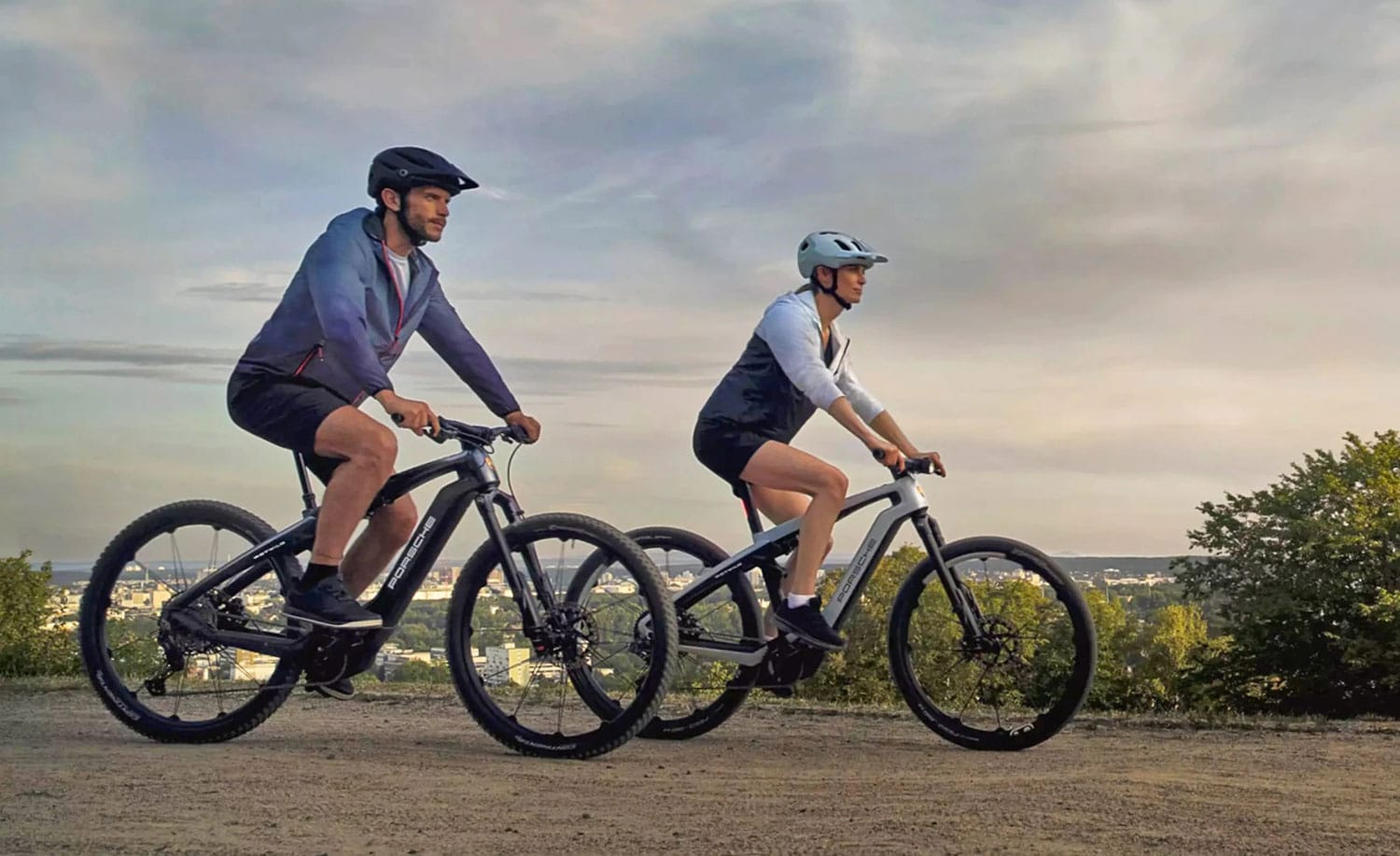
    Under the proposal, private firm Tri Nam will provide 1,000 bikes, 50% of them electric, at 94 locations in the city.

    The pilot project is set to cost over VND30.3 billion ($1.22 million).

    The company will charge VND10,000 for a 30-minute trip on electric bikes and VND5,000 for the same duration on normal bicycles.

    Full-day rent for the electric bike will be VND120,000 and half that for pedal bicycles. Monthly tickets will also be available for commuters, who will make payments with e-wallets.

    Six downtown districts will be prioritized for the pilot project, including Ba Dinh, Dong Da, Tay Ho and Hai Ba Trung.

    The project is part of the department’s initiatives to diversify public means of transport and to reduce emissions.

  • Google launches e-wallet service in Vietnam

    Google launches e-wallet service in Vietnam

    Google launched its e-wallets in Vietnam Tuesday, allowing people to use them with Visa credit and debit cards issued by certain banks.

    Google Wallet would allow Android users to add Visa credit and debit cards to their phones for payment, replacing physical cards. Supported banks are ACB, Sacombank, Shinhan Bank, TP Bank, Techcombank (credit card only), Vietcombank and VPBank.

    Mastercard cards would be integrated to the e-wallet in a few more weeks, Google said.

    Users would need to download the Google Wallet app from the Play Store and fill in necessary info.

    “With millions of Vietnamese now using their phones every day to make payments, Google is excited to bring Google Wallet to Vietnam,” a press release quoted Chen Way Siew, Google Wallet Partnerships Lead of Google Asia Pacific, saying,.

    “Google Wallet is easy to use as you don’t need to transfer money into the app. It acts as a digital container that holds digital versions of physical items found in an actual wallet, such as payment cards,” he added.

    An e-Conomy SEA 2022 report by Google said e-payments were getting more popular and would reach a total transaction value of $143 billion in Vietnam in 2025. According to Visa statistics, contactless transactions account for around 37% of all transactions in Vietnam.

  • Slovakia’s Inobat Eyes Electric Vehicle Battery Plant In Serbia

    Slovakia’s Inobat Eyes Electric Vehicle Battery Plant In Serbia

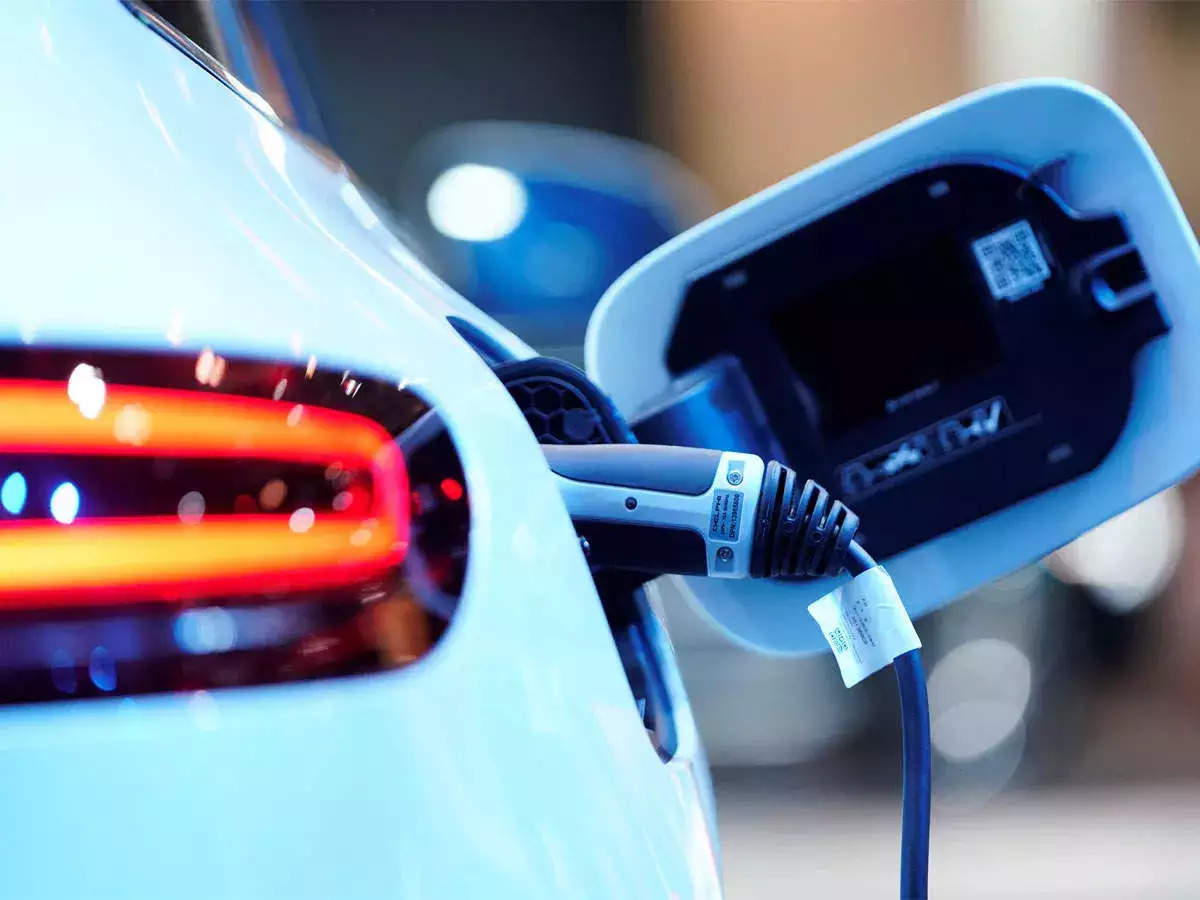
    Slovakian battery maker InoBat said on Monday it has signed declarations of intent with the Serbian government to build an electric vehicle (EV) battery factory in the Balkan country with a capacity of up to 32 gigawatt hours (GWh).

    The plant would open with an initial capacity of 4 GWh in 2025.

    The Serbian government has agreed to provide funding of up to 419 million euros ($431 million) including grants and tax incentives to support the project, InoBat said.

    Although the agreement is not final, a source familiar with the matter said it is close to being so.

    InoBat has said it wants to build a gigafactory in western Europe and one in eastern Europe.

    Last month InoBat said it had signed a declaration of intent with Spain’s government to build a gigafactory in Valladolid. The declaration is not a finalised agreement and other locations, including the United Kingdom, remain under consideration for InoBat’s western European factory.

    Some European battery startups have struggled to raise billions for huge gigafactories, while others like InoBat are focused on expanding slowly as they land customers contracts.

    InoBat will open a 45 megawatt-hour (MWh) pilot line in Bratislava early next year to produce high-performance batteries for customers to test and says it has signed customer agreements, including with German air taxi developer Lilium worth 500 million euros by 2030.

    The company aims to build battery production capacity in 4 GWh increments starting in 2025 – costing around 350 million euros each – as contracts are signed.

    InoBat also plans a research & development facility in Indiana, which could expand into a gigafactory, in a joint venture with fintech company Ideanomics.

    Ideanomics is an investor in InoBat, as is mining group Rio Tinto.

  • Indonesia To Set Up $2 Billion EV Fund With China’s CATL, CMB International

    Indonesia To Set Up $2 Billion EV Fund With China’s CATL, CMB International

    The Indonesia Investment Authority, the country’s sovereign wealth fund, is to set up a green electric vehicle (EV) fund of at least $2 billion with China’s battery maker CATL and CMB International, the fund’s CEO said on Monday.

    The announcement was made in a live-streamed business conference on the sidelines of the G20 summit.

    INA CEO Ridha Wirakusumah then signed an agreement for the partnership with company executives from CATL and CMB International.

    The fund will invest in the EV value chain to capture a market that is expected to grow fast globally, driven by countries’ pledges to reduce greenhouse gas emissions, Ridha said.

    “With CATL and CMB International as the main partners, we are looking for limited partners to invest in the green EV fund, to seize this EV value chain opportunity primarily in Indonesia,” Ridha said.

    Indonesia’s own EV market is on track to grow, with 2.1 million electric motorcycle and 400,000 electric cars expected to be sold by 2025, Ridha said.

    Indonesia is keen to develop its own EV and battery industries at home, after banning exports of nickel ore to ensure supply for investors since 2020.

    Earlier this year, CATL announced a $6 billion power battery project in Indonesia, in partnership with Indonesian companies.

  • Elon Musk Says ‘I Have Too Much Work On My Plate’

    Elon Musk Says ‘I Have Too Much Work On My Plate’

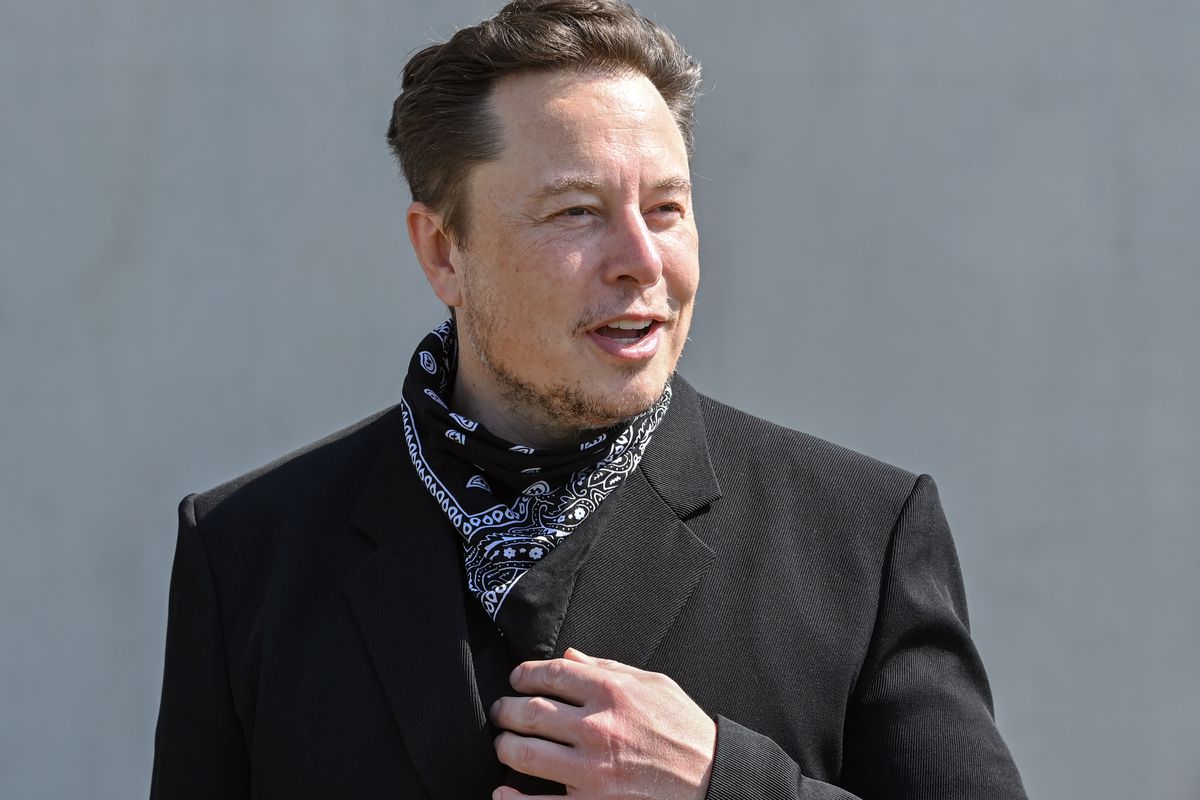
    Billionaire Elon Musk said on Monday he was working “at the absolute most amount…from morning til night, seven days a week” when asked about his recent acquisition of Twitter and his leadership of automaker Tesla Inc.

    “I have too much work on my plate that is for sure,” Musk said by videolink to a business conference on the sidelines of the G20 summit in Bali.

    Musk is chief executive of both companies and also runs rocket firm SpaceX, brain-chip startup Neuralink and tunneling firm the Boring Company. Wearing a batik shirt sent by the organizers, he appeared on screen lit by candles, explaining that he was speaking from a place that had just lost power.

    Tesla investors worry that Musk, a self-confessed “nanomanager” who has been personally involved in working-level decisions from car styling to supply chain issues, is distracted at a critical time for the world’s largest electric vehicle maker.

    Tesla’s shares have halved in value since early April, when he disclosed he had taken a stake in Twitter. His Tesla share sales, including another $4 billion last week to bring his Twitter-related sales to $20 billion, have added to the pressure.

    When asked about the complexity of industrial supply chains “decoupling” from China and the risks from Russia’s invasion of Ukraine, Musk returned to how busy he was.

    Responding to an observation that many business leaders in Asia wanted to be the “Elon Musk of the East,” Musk said: “I’d be careful what you wish for. I’m not sure how many people would actually like to be me. They would like to be what they imagine being me, which is not the same thing as actually being me. The amount that I torture myself is next level, frankly.”

    Musk also said he wanted to see Twitter support more video and longer-form video so that content creators could make a living on the platform, but did not provide details. His remarks were streamed live on Alphabet Inc’s YouTube.

    Indonesia has been trying to secure a deal with Tesla on battery investment and potentially one for SpaceX to develop a rocket launch site.

    Musk made no commitment to either of those but said Indonesia had a large role to play in the electric vehicle supply chain and that it would make sense “long term” for SpaceX to have multiple launch points around the globe.

    It was not clear where Musk was during the Bali event. His personal jet has remained in Austin, Texas, Tesla’s headquarters since the weekend, according to @ElonJet, a Twitter account that tracks Musk’s Gulfstream G650.

    “I’m just looking at this video and it’s so bizarre,” Musk said. “I’m sitting here in the dark surrounded by candles.”

    Musk added he believed that the economy would make the transition to sustainable energy, adding it was “just a question of how long it takes.” He said space exploration should remain a priority “so we can understand the nature of the universe and our place in it.”

    “Maybe we’ll find alien civilization or discover civilizations that existed millions of years ago, but we see the ruins of ancient civilizations. I think that would be incredibly interesting,” he said.

  • CargoAi offers Neste jet fuel to drive SAF takeup

    CargoAi offers Neste jet fuel to drive SAF takeup

    Freight forwarders of all sizes can now play a more significant role in reducing cargo-related carbon emissions with a new tie-up between CargoAi and Neste.

    The cargo booking platform and the leading producer of sustainable aviation fuel (SAF) have announced a partnership that will allow the voluntary purchase of SAF.

    Starting November, CargoAi offers the option to purchase Neste MY Sustainable Aviation Fuel when booking a cargo transport. This can be done during the booking process, that is, either after a booking is confirmed or when the cargo is being tracked.

    During the booking or tracking phase, freight forwarders on cargoAi will be prompted with the CO2 emissions data that their shipment will emit, calculated based on IATA standards. They now have an option to purchase to reduce emissions with the access to buy in smaller quantities.

    “Building on the CO2 Efficiency Score already available in our Cargo2ZERO solution, will further encourage forwarders to enter into discussions with their own clients about what is needed for the industry to move forward towards reaching the industry’s Net Zero targets together,” says Matthieu Petot, CEO of CargoAi.

    “We are also enabling access for smaller freight forwarding companies in 110 countries to purchase SAF in smaller quantities.”

    CargoAi said Neste will ensure specific SAF volumes purchased are delivered and used by partner aircraft operators. The company considers SAF as a ‘key element’ to reach aviation’s ambitious goal of net-zero carbon emissions by 2050.

    “Purchasing SAF remained until now a hard-to-navigate, resource-intensive process and often required purchases of large volumes, which made reducing emissions at the transactional level very difficult,” said Magali Beauregard, Chief Commercial Officer of CargoAi.

    “With the direct purchase of SAF now embedded in the booking execution and tracking flows, we’re taking the next steps to empower climate action by offering our clients straightforward, user-friendly and verifiable means to ensure reduced emissions. We are extremely delighted about this landmark partnership with Neste and confident that this will enable clients of any size to take effective climate action without further delay.”