Tag: asia

  • Chicking Indonesia launched

    Chicking Indonesia launched

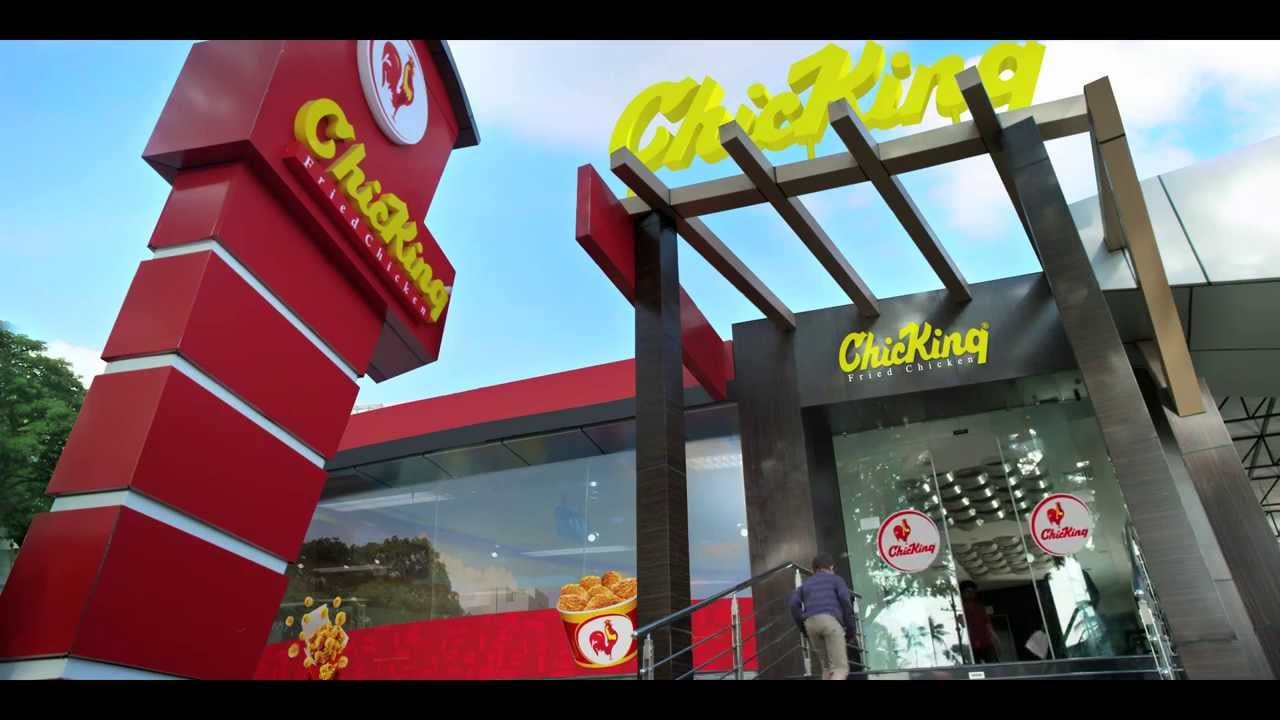
    UAE-based halal fast-food chain franchisee Chicking Indonesia has signed a master franchise agreement to open 20 outlets, starting with Java and Sumatra.

    Competing with major international brands like Burger King, KFC and McDonald’s, Chicking serves fried chicken and related products.

    The master franchise agreement is between BFI Management (DMCC), the franchise management division of Chicking, and PT Ayam Top Dubai for the Indonesian market. Chicking founder and Al Bayan Group MD AP Mansoor says the company will be opening its first European outlet in London next month as part of an aggressive global expansion.

    “We currently have 100-plus outlets in nine countries, and the plan is to reach 500 by 2020,” says Mansoor, who founded the brand 16 years ago.

    “In the UAE we will be opening three more outlets within a couple of months to add to the 17 we already have. We are very confident about the expansion in Southeast Asia after entering Malaysia last year.”

    DMCC CEO Fariq Halim says the appointment of an Indonesian master franchise is a major milestone. Shops will be opened throughout Indonesia, with its growing Muslim population of 200 million people. The flagship outlet will open in Jakarta by the end of the year, and PT Ayam Top Dubai will aim to have 20 outlets within five years.

    PT Ayam Top Dubai was founded by Raymond Bambang Widjaja with Hengki Setiawan and Hermanto Simon, who collectively have more than 75 years’ experience in doing business in Indonesia and Australia.

    “Indonesia has the largest Muslim population in the world and is one of the key markets we have been monitoring,” says Widjaja, who has F&B business and master franchises for national and international brands in Indonesia and Australia.

    “The QSR industry in Indonesia is diverse and predominantly controlled by domestic brands. It is a competitive and challenging market, but we believe we have the right partners to make Chicking a leading brand in Indonesia.”

  • Volvo cars plans showroom in Yangon

    Volvo cars plans showroom in Yangon

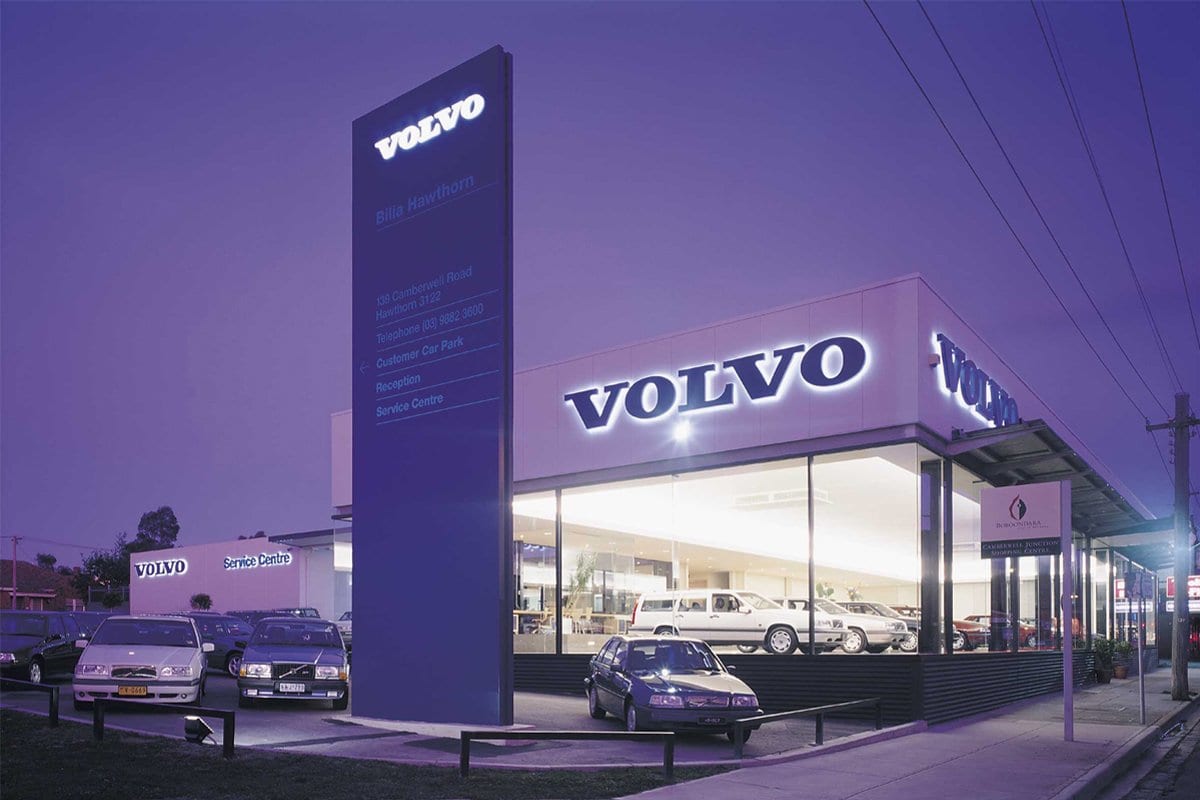
    Volvo Car Group has appointed RedPlus Auto Co ltd as importer and distributor of Volvo’s cars in Myanmar. RedPlus Auto is a joint venture between UMG Co Ltd – a local company involved in sectors of real estate property, IT and entertainment – and Wai Family Gems Co Ltd.

    RedPlus will be responsible for importing, distribution, sales, marketing, PR and after sales services for Volvo cars in the country.

    “Our new products, the XC90 and S90, which have just been launched, add a distinct modern luxury experience to our brand offer that will be very well appreciated in Myanmar,” said Jari Kohonen, vice president of Volvo Cars, Asia Pacific.

    The development of Volvo Center, a new one-stop facility is planned to complete by September 2016 covering about 22,000 square feet in Yangon with an investment of $1.8 million.

    “We are thrilled to have the opportunity to represent the Volvo brand in Myanmar and are certain that our depth of experience combined with the passion for this brand will stand us in good stead in this partnership,” said Daw Mar Lar Win, managing director of RedPlus Auto Co Ltd.

    The Volvo Centre will be equipped with a five car showroom, a fitting lounge, customer longue and be built to the Volvo Car group’s new retail guidelines.

  • Gloria Jean’s eyes Myanmar

    Gloria Jean’s eyes Myanmar

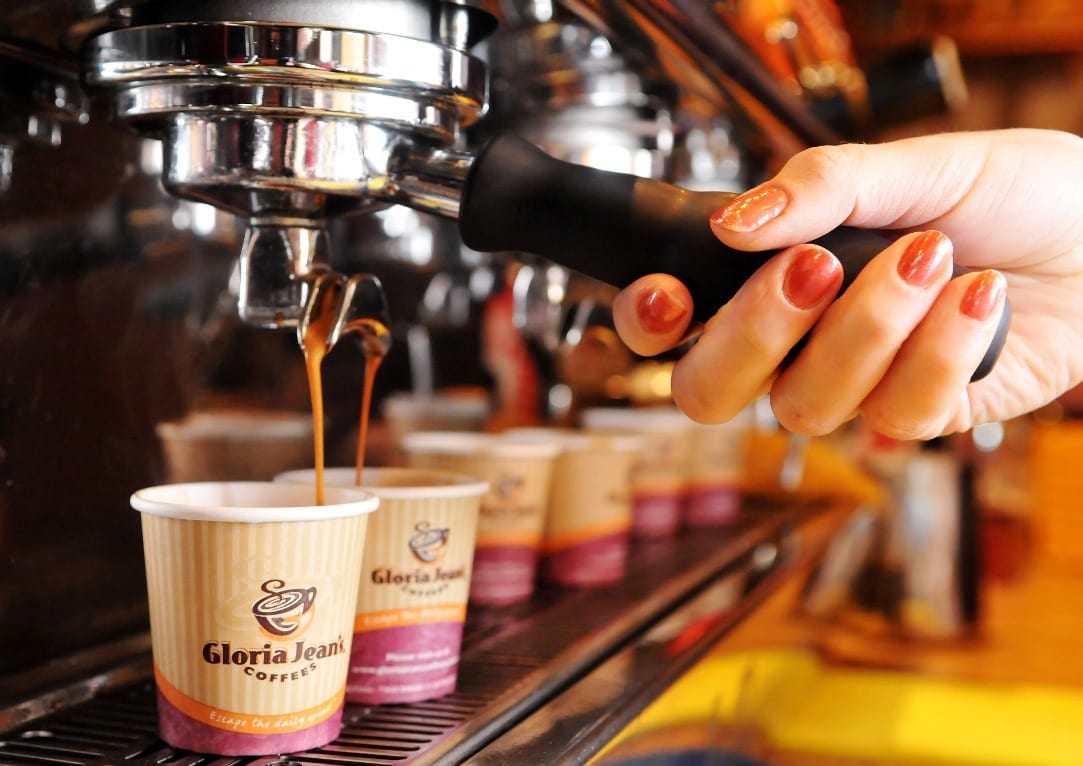
    Gloria Jean’s plans to expand its franchise in Myanmar through more branches across cities

    Gloria Jean’s franchise is operated by local company Seezar Soesan, which has business interests in areas including IT, trading, construction, agriculture, consultancy and media services.

    The coffee franchise has already opened its two branches in Yangon, one in Myanmar Plaza in January and another in Yangon’s new international airport terminal in early March.

    U Kyaw Htin Latt, Seezar Soesan’s chief operating officer said the company plans to continue to be the sole operator for the next two years but may allow other interested firms to open branches, as quoted by local media.

    Other coffee branches that Myanmar has got hold include Espressonite Myanmar, Nervin and Ya Kun

  • Chance to tap into ‘silver market’ in China

    Chance to tap into ‘silver market’ in China

    With its rapidly ageing population, China offers the world’s largest “silver market” – and trade shows are seen as the best way for foreign companies to start to tap into these consumers.

    About one third of the Chinese economy is now “silver”. There are more than 220 million people 60 years and older – more than the populations of France, Germany and the UK combined. This is set rise to 480 million by 2050 – about a quarter of the world’s elderly.

    This growing consumer segment has greater spending power, more leisure time and improved lifestyles, according to Intex Shanghai, which is the lead organiser for the annual ChinaAid exhibition, which will have its 17th edition at Shanghai New International Expo Centre (SNIEC) from June 8 to 10.

    Managed by the Shanghai Ageing Development Center, the show is supported by the Ministry of Civil Affairs of the People’s Republic of China and such organisations as the China National Committee on Ageing. Other organisers include the Shanghai Municipal Committee on Ageing, China Silver Industry Association and the Shanghai Health Industry Development Association.

    Offering promotional and networking opportunities for businesses seeking a foothold in China, the show has had 66 per cent growth over the past three years.

  • Bata Shoe Company’s unified communications story

    Bata Shoe Company’s unified communications story

    With mobility growing at an unprecedented pace, user dependence on smartphones and tablets has intensified. The mobile device, with its dynamic messaging, video conferencing, and voice options, is playing an enabling role to empower communication within the organization—regardless where employees are geographically.

    For a company with extensive global reach as that of Bata Shoe Company—one of the world’s largest and oldest shoe companies with more than 33 production facilities in 28 countries on five continents—ensuring seamless collaboration between all of its facilities proved a challenge. Product and R&D teams in China, Singapore and other Asia-Pacific countries were spending too much time and money traveling to collaborate on design, production and operations planning; as were members of senior management whose valuable time was spent shuttling between offices.

    “It has always been a hassle and costly affair whenever we tried to organise regional meetings or group discussions. This would normally take at least one month of coordination and planning before the actual event to gather every participant to a single location,” relates Jeremy Chong, regional manager for Finance and IT Projects.

    Such arrangement afforded one to two business-critical meetings annually, but faced with an increasingly competitive business environment and other external factors, Bata recognized the need for the company to become more fluid. “This meant more collaboration both horizontally and vertically. To have fruitful and meaningful discussions, it wasn’t good enough to send out emails and collaborations that relied solely on public internet connectivity. These were not enough to deliver the kind of face-to-face discussions we wanted,” says Chong.

    Seamless collaboration

    It’s a different picture these days for Bata Shoe Company. Leveraging unified communications tools provided by Tata Communications, the company is now able to collaborate across multiple platforms and devices, all the while mitigating communication costs. Implementation, which began with a pilot rollout involving video conferencing end points deployed in Bata’s Singapore, Switzerland, Chile, Indonesia and India facilities, proved successful, providing high-quality video, an immersive face-to-face meeting experience and solid reliability.

    “We did not have too much involvement during the whole implementation process as this was well managed by Tata Communications’ assigned project manager to us. Overall, the whole process was comfortable for countries that already have a developed infrastructure while we faced longer implementation in countries with less developed infrastructure,” reports Chong, adding that the company’s key critical criteria for choosing a unified communications vendor include the following: strong global coverage in the network infrastructure “as we are geographically diverse”; availability of the right technology that has to be user-friendly and easy-to-use; and strong customer service support available 24/7. “Tata Communications was chosen primarily because of its long-term relationship with us and its flexibility to meet our specific requirements. The team’s customer-oriented approach has played an important part as well,” he says.

    The benefits

    From an economic point of view, unified communications has proven to be quite cost-effective for Bata Shoe Company. Since implementing Jamvee across the enterprise, Chong reports increased productivity across the whole organization. “The frequency of group discussions and collaborations has invariably increased as the technology has provided an almost face-to-face environment. This has also indirectly affected the way the organization has deployed people. Instead of consolidating the entire team in one geographical location, we are able to comfortably have members of the team working locally, cutting down some of the hassles and inconveniences during a re-allocation,” shares Chong.

    In terms of numbers, traveling costs were reduced by as much as 40 percent in some operations, saving the company $300,000 in the first year and generating a 400 percent return on investment. “From a social point of view, less flying means our executives have the valuable opportunity to spend better quality family time,” puts in Chong, adding that with the basic infrastructure now laid down, Bata is more confident about embarking on another phase of its IT journey. “We want to expand the usage of our investments to enhance cross-border collaborations horizontally through multiple devices. If this is successful, we will potentially shift from a pure physical office environment to a hybrid office environment,” he states.

    According to Chong, this exercise was initiated and run by the business users themselves. “It has been an adventure, as well as a steep learning curve for us to grasp and understand the technology involved to support the solution we wanted. An important lesson we learnt is that not all IT implementations are the same and these cannot be managed in similar manners,” he shares. For enterprises looking to leverage unified communications in their business, Chong relates Bata’s insights:

    • Listen to the users. “Listening is crucial as it enables a good understanding of the user’s business requirements, therefore providing the right solutions.”
    • Be prepared to fail. “But learn quickly from mistakes to complete the projects.”
    • The key change management, and most important, is education. “Before any implementation, we would showcase to each country the capabilities of this technology and how it can help them with collaborations and effective communication. After implementation, online trainings were conducted to ensure users are well equipped to use the facilities,” he says, adding, “a strong sponsorship by the CEO and Chairman helps make the process smoother as well.”
  • End of year launching for Metro Myanmar

    End of year launching for Metro Myanmar

    Metro Myanmar is looking to launch by the end of 2016 as the German hypermarket operator gives Southeast Asia another shot.

    The move will surprise observers given Metro Group’s disastrous previous experience in Southeast Asia – where it chalked up millions in losses and got into an expensive dispute with local taxation authorities before off loading the company to Thai interests in late 2015.

    At the time the company stressed it was still pursuing opportunities in Asia.

    “Asia will remain an important growth region for Metro Group, and we will continue to invest there in the further development of the Metro Cash & Carry business,” said group chairman Olaf Koch in a media statement.

    “Myanmar is benefiting from opening up politically and has a high growth potential,” Koch said on Friday.

    The company is also planning to launch in Iran, newly freed from western trading sanctions.

    “We’ll decide by the end of the year which way our journey is headed,” said Koch.

    Metro Cash and Carry operates in 25 countries across Europe and Asia with 750 stores.

  • Uniqlo Oxford St remodel complete

    Uniqlo Oxford St remodel complete

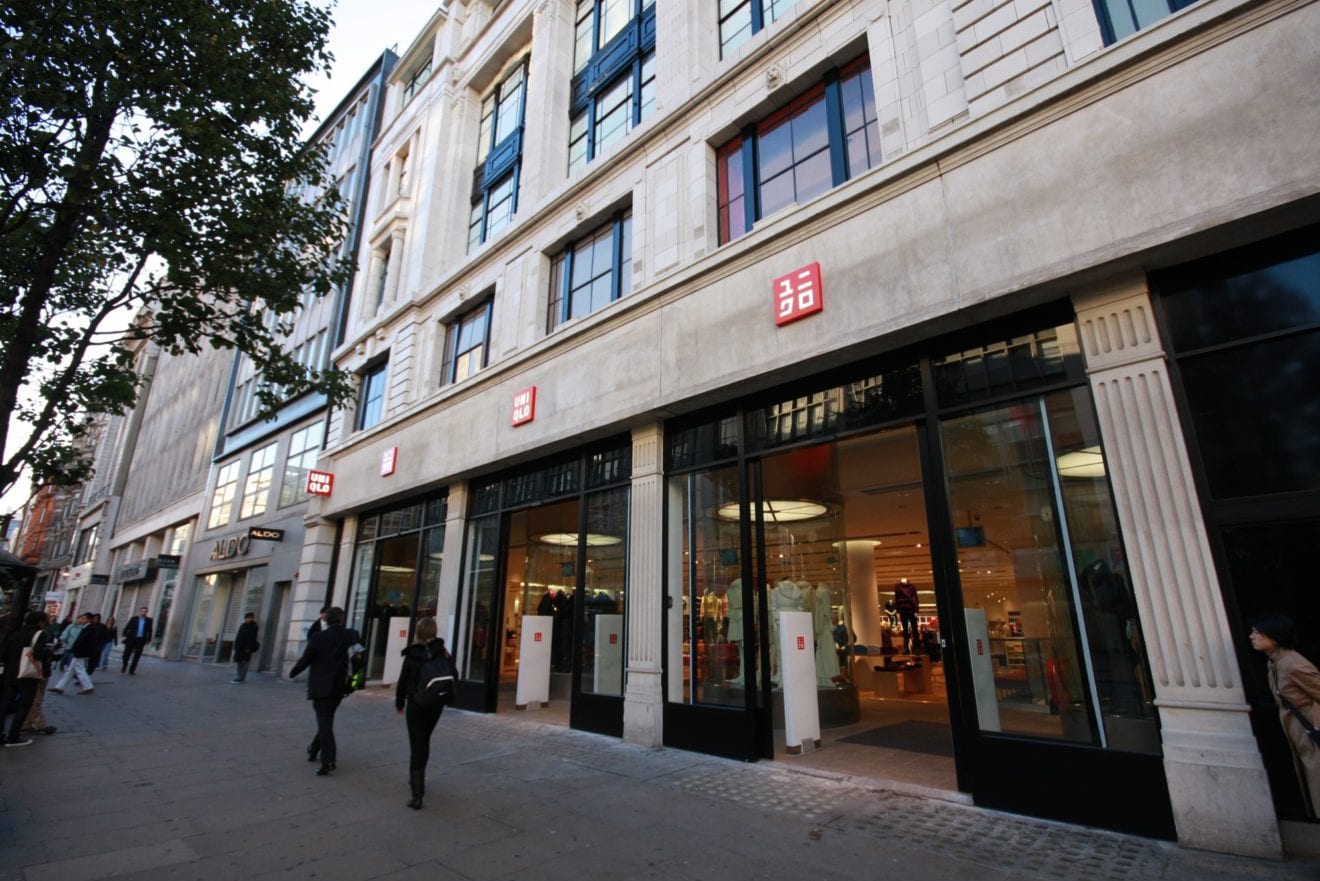
    Uniqlo Oxford St, the London flagship of the Japanese fast fashion brand, will reopen on March 18, after an extensive refit.

    One of the brand’s global flagships, Uniqlo Oxford St originally opened back in 2007 at No 311, six years after Uniqlo made its UK debut. In its new guise, the store will showcase the group’s LifeWear concept as well as pay tribute to London’s rich culture.

    “We wish to celebrate the special connection we feel with London,” says Global Creative fast-retailing president John Jay. “We believe that our new campaign, ‘This Way to Utopia’, and campaign ambassadors showcase this in the best way possible.”

    The completely renovated sales floors at Uniqlo Oxford St span five layers, covering 2240 sqm altogether. A highlight is the Uniqlo WearHouse London, a special area on the third and fourth floors where customers can immerse themselves in the LifeWear concept, which aims to enhance individual lifestyles by delivering quality clothing that is functional in design and versatile to wear.

    These special floors will feature core seasonal styles along with items – also for sale – that capture London lifestyles.

    Cultural events will be held at the store throughout the year to celebrate London’s art and music scenes.

    Another new attraction at the store is a roof terrace overlooking central London. There will be public events in this space throughout the year that combine Uniqlo with local culture.

    To mark the reopening of the store, Uniqlo is collaborating with local partners. The Liberty London spring/summer collection makes its global debut on March 18. It is a collaboration line with Liberty, a London store known for its floral prints since being founded more than 140 years ago.

    For the first time in the UK, the Uniqlo X Hana Tajima collection of modest wear will have its UK launch at the flagship store. Hana Tajima, a UK-born fashion designer and blogger, mixes her styles with Uniqlo’s LifeWear concept to create a collaboration line that has already launched in Southeast Asia and the US.

    A new partnership with Tate Modern Museum will include regular events at the store curated by the museum. In addition, Uniqlo will be the official sponsor of the Tate Modern’s relaunch weekend in June, as well as a new attraction at the museum, Uniqlo Fridays, a series of late-night events starting in October.

    The talents of six leading Londoners from the art, fashion and music scenes will be featured in the “This Way to Utopia” reopening campaign.

  • E-Commerce Latecomer Chow Tai Fook to Chase Online Giant Alibaba

    E-Commerce Latecomer Chow Tai Fook to Chase Online Giant Alibaba

    The Chow Tai Fook brand took almost 90 years to become a family empire spanning Hong Kong shopping centers, the world’s largest jewelry chain and casinos to give patriarch Cheng Yu-tung a $10 billion net worth. Alibaba Group Holding Ltd.’s founder Jack Ma needed less than five years to amass an e-commerce fortune almost triple that.

    Now, the Cheng family’s holding company is making a move to chase Alibaba and other Internet retailers by expanding its online presence. It invested 350 million yuan ($54 million) in shopping platform CTFHOKO.com in December and a mall to showcase products sold online. Its website offers genuine imports such as infant formula, diapers and cosmetics at prices at least 10 percent cheaper than shops in mainland China and is aimed at consumers wary of counterfeit goods online.

    The company is banking on its decades-old reputation. While Hong Kong-based Chow Tai Fook has little e-commerce experience compared with JD.com Inc. and Alibaba’s Tmall, it “can offer confidence in product quality while some existing websites may have fake products,” said Chan Sai-cheong, executive director of Chow Tai Fook’s jewelry unit in charge of the venture.

    Cheng family’s flagship Chow Tai Fook Jewellery Group Ltd. joins other retailers in stepping up its online business that has long been dominated by Alibaba and other e-commerce companies. It’s also seen its traditional business suffer its worst year since 2011 as China’s slowing economy and anti-graft campaigns curb demand for luxury goods.

    The prize is a $100 billion-a-year online Chinese market for imports such as cookies and diapers, according to a report by Mintel Group Ltd., as consumers remain concerned about local products after a series of scandals over fake goods. China’s e-commerce industry is dominated by Alibaba and JD.com, with market shares of 52 percent and 20 percent respectively, according to the report.

    “It’s unlikely for newcomers to compete for website visitation” because China’s most popular online platforms such as Alibaba attracts the most traffic, said Ray Zhao, an analyst at Guotai Junan Securities Co. “It has to cooperate with China’s Internet companies to let Chinese consumers know there is a new website.”

    The hurdle for Chow Tai Fook is not just homegrown. Amazon.com Inc., the world’s largest e-commerce company, is also putting together a plan to take on Alibaba as it vies to capture China’s growing cross-border e-commerce market, which by 2020 is expected to swell into a $1 trillion industry serving 900 million shoppers, according to a June report from Accenture and AliResearch, Alibaba’s research arm.

    No Partnership

    While other brick-and-mortar companies have paired up with established platforms to break into China’s online market, such as the partnership between LVMH-owned cosmetics retailer Sephora and JD.com as well as department store chain Intime Retail Group Co.’s venture with Alibaba, Chow Tai Fook is prepared to go at it alone.

    “We don’t need to have any partnership in expanding the business — we are strong enough to do it by ourselves,” Chan said in an interview in his Hong Kong office. “What we care is that the business model has potential to grow.”

    Cosmetics, Cakes

    To complement its online offerings, Chow Tai Fook built a companion shopping mall in the Qianhai free trade zone in the southern city of Shenzhen to exhibit products sold online, while some are also for sale at the stores.

    Since the first phase of the three-story mall opened in December, Chow Tai Fook has invited 21 Hong Kong retail brands such as cosmetics retailer Sa Sa International Holdings Ltd. and Maxim’s Cakes to display their wares there and sell on its website. At least another 50 retailers will open outlets at the mall when its next phase is ready in May, said Chan.

    All products in the CTF HOKO mall and sold on its sister website are shipped from Hong Kong or other countries outside China, and prices for products such as cosmetics, milk powder and diapers are cheaper than at shops. That’s because the government has adopted lower taxes for online retailers that import through specific ports, under a program labeled “cross border e-commerce.”

    Chow Tai Fook isn’t the only traditional retailer to try and benefit from the program. China Resources Holdings Co. started ewj.com last July and opened a companion showroom in Shenzhen, while Wal-Mart Stores Inc. also plans to introduce a cross-border e-commerce service this year.

    Imported products for infants have been the most popular category since Chow Tai Fook opened its platform, as “Chinese parents don’t stint on baby products,” said Chan. “They want to give their children everything that’s good quality, and they don’t trust domestic brands after some scandals.”

    Showroom Expansion

    The company plans to open other showrooms across China to market its online offerings. It could draw more traffic with low-value goods before switching back to the luxury products for which Chow Tai Fook is known, said Bloomberg Intelligence analyst Catherine Lim.

    “New players can only succeed in surviving by focusing on some niche segments that existing players don’t focus on,” she said.
  • Manchester’s LSE Retail Group drives global growth with China office launch

    Manchester’s LSE Retail Group drives global growth with China office launch

    Manchester online lighting distributor, LSE Retail Group , has launched an office in China as it pushes ahead with ambitious growth plans and expands its global supplier network.

    The company behind brands Value Lights, Iconic Lights and MiniSun has opened the office in Shekou, in the Shenzhen province close to Hong Kong, and has recruited three people from the local area, with plans to hire a fourth staff member by the end of 2016.

    It comes as LSE was named the fastest-growing medium-sized business by the 2016 Ward Hadaway Greater Manchester Fastest 50 Companies list and was ranked number one on the Investec Mid-Market 100 league table in 2015.

    David Gutfreund, managing director of LSE, said: “With the vast majority of LSE’s products sourced in China, the role of the new team will be to maintain our high quality standards, oversee logistics and source new suppliers to extend our ever-increasing range of lighting.

    “The business is going from strength to strength and we’re seeing a 50% year-on-year growth rate, with each financial year performing at a record level. We’re constantly recruiting at our head office in Eccles, Greater Manchester, in order to keep up with increasing demand for products across all three of our brands.”

    All staff members at the China office were recruited locally and LSE sourced the candidates directly, using contacts made through its existing supplier chain. The team will also be responsible for product development and will work closely with members of the Manchester team.

    “With the new direct flight routes between Manchester and China and the Airport City industrial park under construction, links between the north west and the Far East, have arguably never been stronger.

    “We’re extremely excited to be part of this powerful relationship at a time when the region’s economy is flourishing and setting a strong example to the rest of the UK and Europe,” David said.

  • Optus Business enters $9.1m partnership with Cisco

    Optus Business enters $9.1m partnership with Cisco

    Australia’s Optus Business has teamed up with Cisco to develop new technological capabilities aimed at helping local businesses and government become more agile in the innovation economy.

    The companies will invest A$12 million ($9.1 million) over three years to develop local capabilities based on cyber security, the cloud, the IoT and future networks.

    The co-investment is designed to prototype, develop and launch new capabilities in collaboration with customers.

    Optus Business managing director John Paitaridis said the investment is in line with the current Australian government’s focus on transitioning the nation from a resource-based to an innovation-based economy.

    “Many of the services and capabilities our economy will need tomorrow don’t exist today. This alliance with Cisco bolsters our commitment to bridge this innovation gap for business and government, to help them navigate a complex and evolving technology landscape,” he said.

    “Innovation and responding to change are critical challenges for all Australian businesses and enterprises, to ensure they adapt to changing customer needs and market forces.”

    Optus Business is a subsidiary of Australia’s second-largest operator Optus, which is itself a wholly-owned subsidiary of SingTel.

    Optus Business has a history of collaboration with Cisco, including being named the vendor’s 2015 Australian partner of the year.

  • Cost of living here makes cosy retirement an elusive goal: HSBC

    Cost of living here makes cosy retirement an elusive goal: HSBC

    The cost of living makes Singapore one of the toughest countries to retire in, according to a new report.

    It found that about two in three workers here who are 45 or older would like to retire in the next five years but 48 per cent of them say they would not be able to. The global average is 38 per cent.

    Moreover, 30 per cent of pre-retirees predict that they will never be able to retire fully, compared with the global average of 18 per cent.

    Respondents here said the main impediment is a lack of savings or the burden of having dependants to look after.

    Having a lot of debt was raised by 26 per cent of respondents here, compared with the global average of 22 per cent.

    TOUGH FINANCIAL REALITIES

    The HSBC Future of Retirement survey shows that the financial realities of retirement make it an elusive goal for many Singaporeans.

    MR MATTHEW COLEBROOK, head of retail banking and wealth management, HSBC Singapore.

    HSBC surveyed 1,008 respondents – people aged 25 and above as well as retirees – here as part of a survey spanning 17 countries.

    START SAVING TODAY

    Even small amounts saved by starting today can lay the groundwork for a comfortable retirement tomorrow, placing retirement dreams squarely within reach.

    MR IAN MARTIN, chief executive of HSBC Insurance (Singapore).

    Mr Matthew Colebrook, head of retail banking and wealth management at HSBC Singapore, said: “The HSBC Future of Retirement survey shows that the financial realities of retirement make it an elusive goal for many Singaporeans.

    “This can be rectified with early financial planning and by seeking help from professionals who can provide advice on how to protect and grow your wealth.”

    Pre-retirees surveyed said they were anxious that events such as bad health and the need to care for elderly parents could interfere with saving for retirement.

    In spite of these concerns, retired life still offers much promise for some.

    The poll found that 62 per cent of Singapore respondents aged 45 and above who would like to retire in the next five years want to travel or pursue other interests.

    Also, 42 per cent of them would like to spend more time with family once they retire.

    Pre-retirees also expect relationships with friends, their partner and their children to improve.

    Mr Ian Martin, chief executive of HSBC Insurance (Singapore), said: “People should consider their personal aspirations when planning for retirement and ensure they are making sufficient financial provisions for this new chapter in life.

    “Even small amounts saved by starting today can lay the groundwork for a comfortable retirement tomorrow, placing retirement dreams squarely within reach.”

    HSBC also noted that about 56 per cent of pre-retirees here do not know how to predict how much they will spend on healthcare in retirement, even though 74 per cent believe that poor health will make saving for their golden years more difficult.

    To help individuals assess financial preparedness in realising their retirement aspirations, HSBC has launched the Retirement Profiler, an online tool to help individuals assess financial preparedness in realising their retirement aspirations.

  • M&M’s take over DFS’ HKIA shop-in-shop area

    M&M’s take over DFS’ HKIA shop-in-shop area

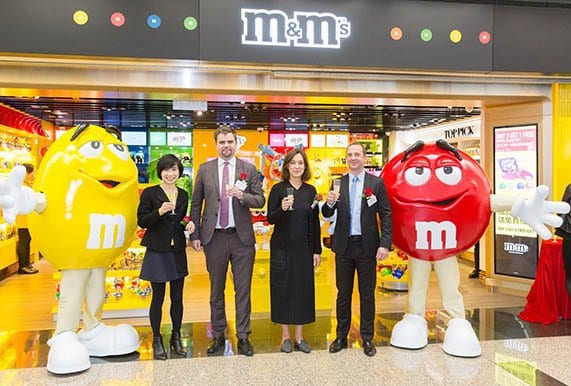
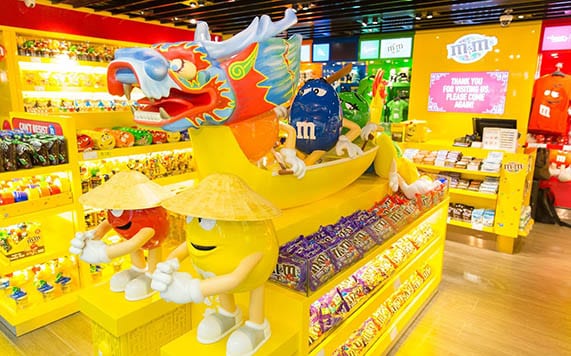
    M&M’S have taken over a new dedicated 35sq m shop-in-shop concept at Hong Kong International Airport, which Mars International Travel Retail have launched jointly with DFS Group in Terminal 1 – close to Gate N28 on the central concourse.

    “Asia is one of the fastest-growing regions for MITR, so we are extremely pleased to be opening this new M&M’S Travel Retail shop-in-shop at DFS, Hong Kong International Airport,” said MITR Regional Sales Director, Christophe Bouye.

    “By offering passengers outstanding retail experiences that first and foremost will make them smile, we are confident it will increase shopper engagement and encourage conversion. Through placing consumers in a smiling frame of mind, we believe that this will not only benefit the confectionery category, but all sectors of the travel retail offer here in Hong Kong.”

    The interior of the store features an ‘interactive’ retail theatre, with the ‘focus on fun’, says MITR, in line with its ’Smiles’ campaign which is a breath of fresh air in many DF&TR locations today.

    MM's ride the Dragon Boat

    Personalised and tailored specifically to reflect a taste of Hong Kong, the shop combines a sample of local tradition with a replica of a dragon boat, which is both guarded and manned by smiling red, yellow, blue and green M&M characters. This is centrally located in the store, against a sea of wall and floor mounted brightly-lit yellow display fixtures – featuring a full range of M&M’s products.

    The store also carries destination merchandise, such as Hong Kong Travel Collection packs of Snickers, Mars and Twix, plus a Hong Kong-themed M&M’S dragon boat box. Core brands of Snickers, Mars, Celebrations and Twix are also offered in individual packs.

    The partners are also promising a strong social media campaign from DFS. This will utilise the WeChat, Facebook and Instagram platforms to alert interest customers to the existence and location of this new outlet before they arrive at HKIA. They also add that as an incentive, a free gift awaits the first 500 visitors, while all customers will be encouraged to take photos in the store and post them to friends on their mobile phones.

    Thierry Canivet, DFS Group’s Senior Vice President, Food and Gifts said the retailer is ‘thrilled’ with the new shop-in-shop concept: “With the shop-in-shop’s localised format, exclusive product offering and innovative approach to engaging customers, we’re confident travellers will love this addition to DFS, Hong Kong International Airport.”

    MITR’s Christophe Bouye added that the company is very grateful to DFS for the opportunity to create such strong branding for M&M’S. He said it is a good opportunity for both existing and new shoppers to discover a new experience, to interact with the M&M’S characters and exercise impulse purchasing.

  • Ericsson wins 4G network deal from XL Axiata

    Ericsson wins 4G network deal from XL Axiata

    Swedish telecom gear maker Ericsson said that it has signed a three-year contract with Indonesian telco XL Axiata for design and implementation of 4G/LTE network and upgrade of existing 2G and 3G networks in Jakarta and Central Java.

    The agreement includes all hardware, software and services to deliver 4G/LTE services for XL Axiata’s subscribers.

    “We are keen to work with Ericsson to bring this next generation technology to Indonesia. We are looking forward to the implementation of the 4G/LTE network and the improved mobile broadband experience this will deliver for our subscribers,” Dian Siswarini, President Director and CEO of XL Axiata, said in a statement.

    This 4G/LTE network deployment will improve network capacity and enhance speeds to allow Indonesian users to enjoy improved smartphone and network performance, as well as faster web browsing and downloads.

    “Ericsson’s LTE solution will enable XL Axiata to deliver unique experiences for people, society and businesses, thus shaping and accelerating the Networked Society in Indonesia,” Thomas Jul, Head of Ericsson Indonesia and Timor Leste, said.

    Ericsson is today present in all high traffic LTE markets including the US, Japan, and South Korea, and is ranked first for handling the most global LTE traffic – 40 percent of the world’s mobile traffic is carried over Ericsson networks.

    Ericsson is number one in LTE market share within the world’s top 100 cities. More than 220 LTE RAN and evolved Packet Core networks have been delivered worldwide, of which 170 are live commercially.

  • StarHub acquires 9% stake in MM2 Asia for SGD 18 mln

    StarHub acquires 9% stake in MM2 Asia for SGD 18 mln

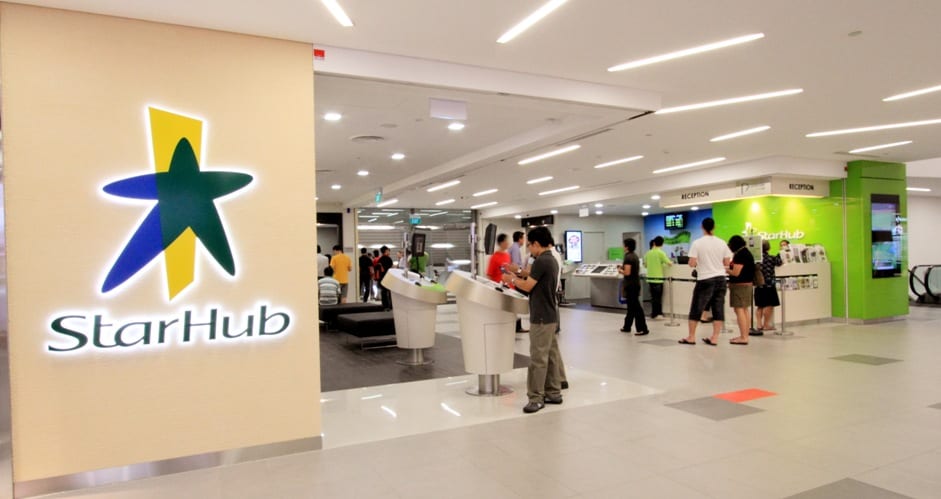
    Singapore operator StarHub has acquired a 9.05 percent stake in film and TV content producer MM2 Asia for SGD 18.04 million. StarHub will collaborate with MM2 to expand and differentiate its pay TV offerings through original content creation. In addition, StarHub can leverage MM2’s regional presence to market and distribute its own localised content beyond Singapore.

    StarHub has agreed to subscribe for an aggregate of 44,000,000 new ordinary shares in the capital of MM2, by way of a private placement. The aggregate consideration for the placement shares is SGD 18.04 million. The price per placement share is SGD 0.41.

  • London sandwich chain Pret A Manger opens shop at Dubai airport

    London sandwich chain Pret A Manger opens shop at Dubai airport

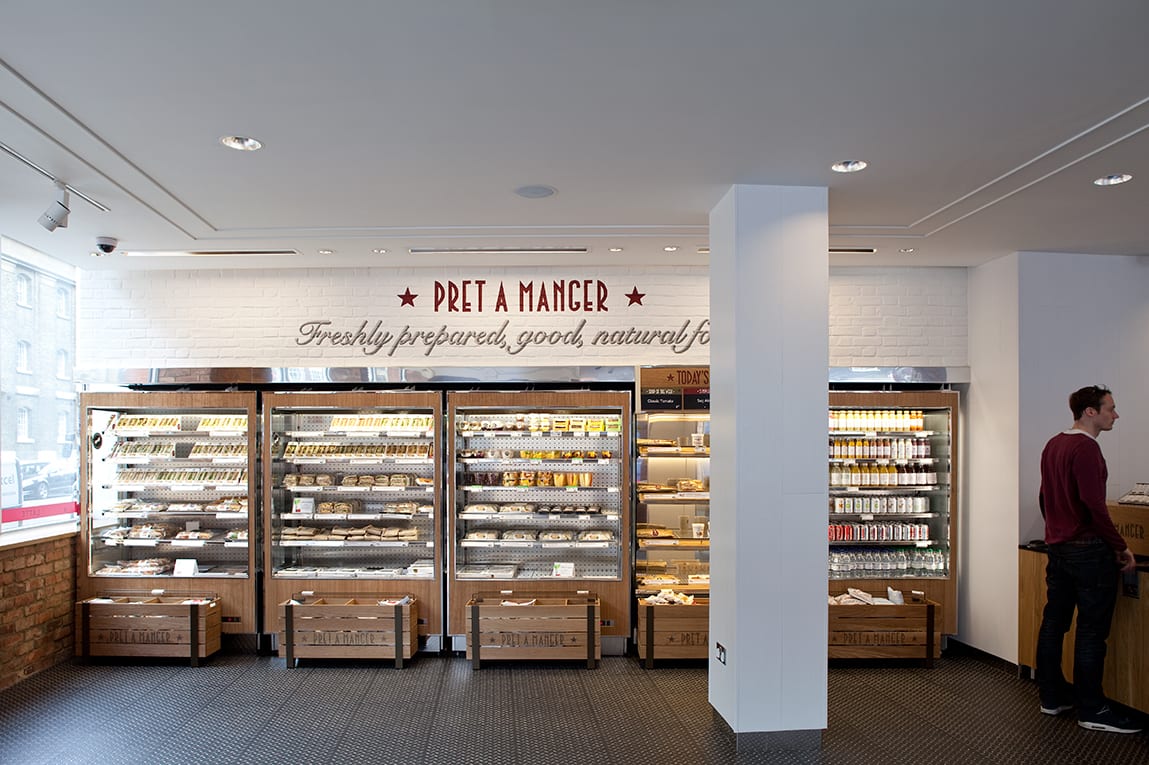
    Pret A Manger, the sandwich shop beloved by London office workers for its freshly made rolls and organic coffee, has opened its first UAE store.

    The chain whose magenta star sign, chrome furniture and daily donations to the homeless have become a staple of many a central London street, announced yesterday it has opened its first store in the Emirates at Dubai International Airport through a franchise deal with Emirates Leisure Retail.

    The new store, located in the new Concourse D, will include the concept’s trademark large kitchen and will be open 24 hours a day.

    Emirates Leisure Retail, a unit of Emirates Group, which also operates the UAE shops of Costa Coffee, Giraffe and The Noodle House, is understood to be looking at opening further Pret A Manger stores across the UAE.

    “We’ve had a lot of fun developing our new menu,” said Caroline Cromar, Pret’s group director of food. “We will be bringing plenty of existing Pret favourites over, with some special new products and fantastic locally sourced ingredients, such as falafel and hummus.”

    The opening brings Pret’s sandwich empire to about 400 shops worldwide, including the US, France, Hong Kong and China, although about three- quarters of the shops are still located in the UK capital.

    According to Pret’s new UAE website, the brand’s Dubai team has been training in Pret shops around the world.

    The arrival of the sandwich chain comes as the similarly named Pret to Go is attempting to take a healthy sized bite out of the domestic sandwich market.

    This month, Pret To Go, a sandwich chain founded in late 2014 by the entrepreneur Kunal Lahori, opened its eighth store in the Dubai airport free zone, Dafza. The chain also operates in Emaar Square, DIFC, Media City, Jebel Ali and Abu Dhabi International Airport. Pret A Manger declined to comment on its rival.

    The expansion of both chains in the UAE comes at a time when industry experts are predicting that up to a fifth of the country’s food and beverage operators could close by the end of next year, as more and more firms attempt to break into an already overcrowded market.