Tag: asia

  • China Takes Over Australia’s Domination of Bali’s Tourist Arrivals

    China Takes Over Australia’s Domination of Bali’s Tourist Arrivals

    Chinas tourists have taken over the domination of Australian tourists who so far top the list of foreign tourist arrivals in the Indonesian tourist resort Island of Bali.

    “I have predicted that the number of Chinese tourists visiting Bali will increase after the government provides them with a visa-free facility and the opening of smooth direct flights to China,” Tourism observer Dewa Nyoman said here on Sunday.

    This condition has been observed since in the past several months. Moreover, the economic conditions in Australia are not conducive of late, he said.

    In the meantime, he said, the Chinese economy is relatively encouraging now.

    Indonesian flag carrier Garuda has also expended its flight routes linking Denpasar with Shanghai after it has previously opened a flight route that connected Denpasar with Beijing and Guangzhu in 2015.

    It seems that Garuda Indonesia is focusing on its flight expansion in China as the countrys foreign tourists which conduct overseas trips are large reaching some 100 million.

    He said that based on the records of Balis Tourism Service, the number of Chinese tourists arriving in Bali increased by 30 percent in the first months of 2016, topping the foreign tourist arrivals list.

    In the January-February period, a total of 189,594 Chinese tourists arrived in Bali, up from 145,747 in the same period in 2015.

    In January – February 2015, the number of Chinese visitors in Indonesia was still recorded in the second position.

    The Australian tourists holidaying on the island of Bali in the January – February period this year declined by 0.96 percent to 154,892 people. In the same period in 2015, the number of Australian visitors were recorded at 156,395.

    Japanese tourists occupied the third place with 39,371 visitors recorded last January and February, down 2.89 percent from 40,544 in the same period last year.

    Duwa Putra expressed convince that this year the number of Chinese tourists will continue to increase, replacing the domination the Australian tourists. After all, the volume of flights from Australia is increasingly limited.

    Besides, Garuda also services passengers with its routes covering Beijing, Guangzhou and Shanghai via Denpasar and Jakarta.

    The numerous flights facilitate the desires of young Chinese who want to spend their honeymoon in Bali, he said.

  • Tourism ministry promotes Wonderful Indonesia in Auckland Festival

    Tourism ministry promotes Wonderful Indonesia in Auckland Festival

    The Indonesian tourism ministry joined the Auckland International Cultural Festival to promote Wonderful Indonesia on March 20, I Gde Pitana, deputy tourism minister in charge of the international tourism market development, said here, Sunday.

    New Zealand is a potential tourism market that needs to be exploited optimally, according to him.

    The ministry will be more serious in exploiting market in New Zealand whose people have a high prosperity level, he stated.

    In the international festival, Indonesia would present cultural and art performances, he said.

    The Indonesian delegation to the festival is headed by Titik Lestari, head of a sub-department in charge of culinary and music, of the tourism ministry.

    The delegation includes members of the Sanggar Gea Asmara art group.

    “They will present traditional dances during the Auckland International Cultural Festival, such as Bajidor Kahot dance, Cendrawasih dance, Alusia dance, and Piring dance,” he said.
    (T.H016/Uu.F001)

  • Billionaire Li Ka-shing sounds alarm over Hong Kong’s economy

    Billionaire Li Ka-shing sounds alarm over Hong Kong’s economy

    Hong Kong’s economy is at its worst in 20 years, billionaire Li Ka-shing said on Thursday, warning that the city’s stock market could fall by more than half if the financial hub does not get backing from mainland China.

    Li, who held court and joked with reporters for more than an hour during an earnings news conference, is the latest person to sound the alarm after Moody’s downgraded Hong Kong’s sovereign credit rating at the weekend, citing its links to China’s economic slowdown.

    “Today’s Hong Kong is getting worse, the worst I’ve seen in 20 years,” said Li, 88, referring to the Asia financial crisis in the late 1990s. Our home sales and retail now is worse than the SARS period. During SARS (the effect) was short-lived but now it is long,” he said, in a reference to the Severe Acute Respiratory Syndrome that crippled the city in 2003.

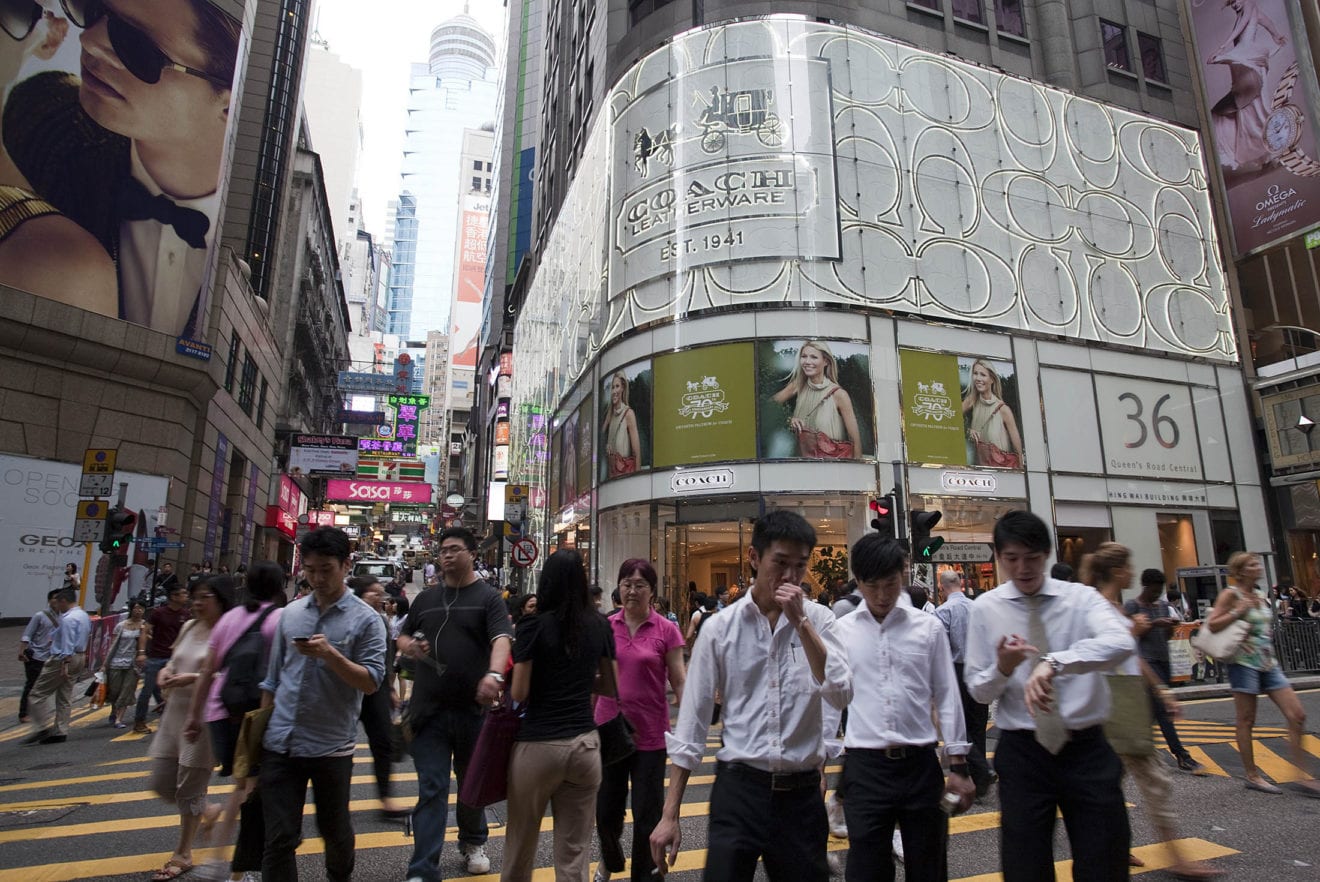
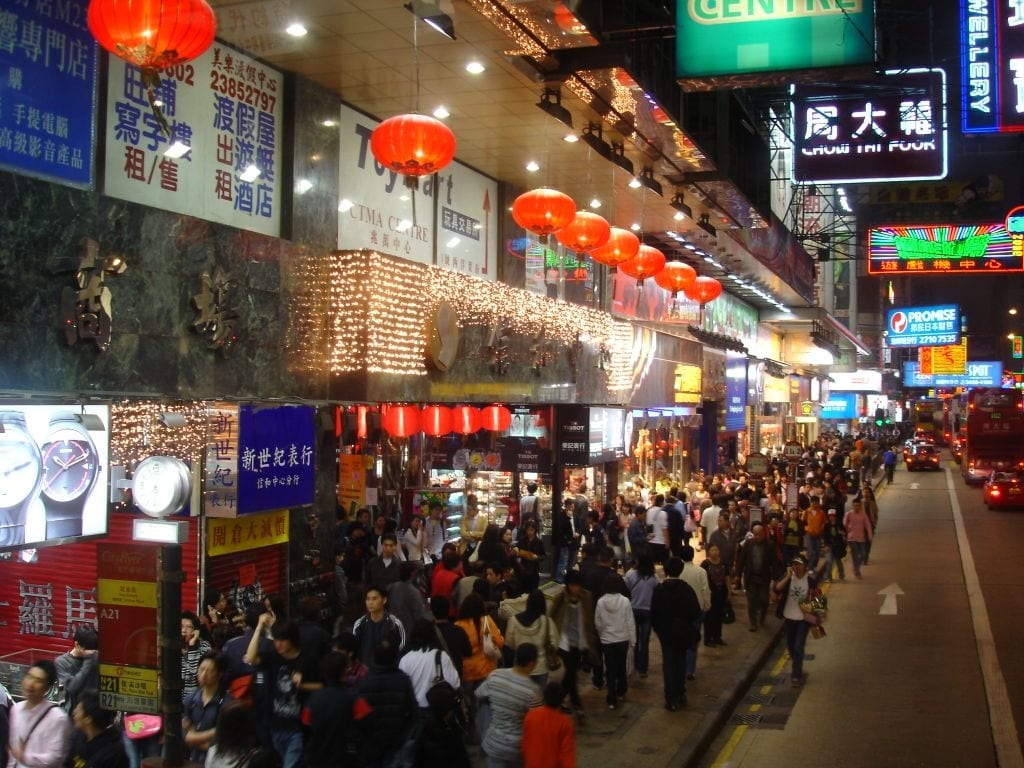
    Hong Kong retail sales, which suffered their worst decline in 13 years in 2015, have been hit by a slump in tourist from the mainland which has been blamed in part on increasing cross-border tensions and political unease on both sides.

    “If we respect tourists, no matter where they’re from, today our retail, hotels would not be this bad. So everyone has to reflect on themselves, there are a lot of issues the politicians need to reflect on how they can do better,” Li said.

    In February, Hong Kong’s Financial Secretary John Tsang said “political volatility” was threatening to undermine the economy and warned disputes would intensify ahead of this year’s elections which pit the city’s democratic opposition against pro-Beijing parties.

    A former British territory, Hong Kong is ruled under a “one country, two systems” formula that allows wide-ranging autonomy and freedoms not enjoyed in mainland China, but many in the city have voiced concern over what they see as increasing interference by Beijing in its affairs.

    Li, known as Superman for his deal-making savvy, said he does not think Hong Kong people want independence and urged residents to allow the city to be stable and prosperous.

    Earlier on Thursday, Li’s ports-to-telecoms conglomerate CK Hutchison reported a net profit of HK$31.17 billion ($4 billion) for 2015, in its first full-year earnings report after a reorganisation last year.

    Li continued to take questions from the packed conference even as company officials tried to usher him out, saying finally with a smile: “You guys are just expecting me to slip out something wrong.”


  • ASEAN tourism to launch Visit ASEAN@50 Golden Celebration in 2017

    ASEAN tourism to launch Visit ASEAN@50 Golden Celebration in 2017

    Member countries of ASEAN will celebrate the groupings 50th Anniversary in 2017 by holding a joint tourism programme under the theme “Visit ASEAN@50: Golden Celebration” with the objective of embracing ASEAN as a single and united tourism destination.

    “Visit ASEAN@50: Golden Celebration will highlight ASEANs best 50 festivals and 50 most unforgettable travel experiences, whereby visitors will enjoy a wide range of ASEAN tourism products through diverse destinations, culinary, events, and engagements with local communities,” the ASEAN Secretariat said in a statement.

    Special offers and travel promotions with affiliated partners will be rolled out for travellers to enjoy the richness of cultural, heritage, nature, and to feel the warmth of ASEAN hospitality.

    Targeting major regional and long-haul source markets, such as: China, Japan, Korea, India, Australia, UK, Germany, Russia, the UAE, USA and Canada, Visit ASEAN@50: Golden Celebration is expected to achieve 121 million international visitor arrivals to the region by the end of 2017.

    Also increase tourism receipts to USD 83 billion; and extend tourist visitations average length of stay to 6-7 days, and to more than 2 ASEAN countries.

    The official pre-launch of the Visit ASEAN@50: Golden Celebration campaign was spearheaded by ASEAN Tourism Ministers and Leaders at the ITB Berlin on 10 March 2016.

    The pre-launch was followed by two days of ASEAN cultural performances for ITB Berlin’s public audiences on 12 and 13 March at Thailand pavilion.

  • Singapore customers left hanging when Asos orders fail to arrive

    Singapore customers left hanging when Asos orders fail to arrive

    She is a loyal Asos customer who has ordered from the UK website not once, not twice, but a total of 19 times so far. But the latest experience for Ms Bernie Low, a local blogger, has been nothing short of frustrating.

    Ms Low, 22, is just one of many customers who have taken to Facebook to voice their unhappiness over missing goods ordered from the retail giant in January.

    Many of these customers had placed their orders as early as the beginning of January as they were hoping to wear their new clothes for Chinese New Year. However, Chinese New Year has come and gone but there was still no sign of their clothes.

    What has been more agonising for these customers is that they have been told time and again to wait for their deliveries by different members of the Asos social media team.

    Ms Low, who likes Asos for its free worldwide shipping, affordable prices and plus-sized offerings, had ordered five items from the store on Jan 10 this year. However, her items did not arrive on the Jan 28 delivery date that is usually stated on the email tax invoice.

    Instead, she was told that delivery would be pushed back by almost one month to Feb 24. Despite this, she told AsiaOne that she had not received any of the five items on Feb 24.

    In a blog post on Feb 18, Ms Low expressed frustration at the way the Asos team was handling its customer queries.

    “Look, there has to be something that is wrong since so many orders to Singapore have all gone missing, most likely all from the same batch and shipped together. They keep asking us to send in more details to verify the order and everyone gets told to wait even longer,” she wrote.

    “Plus many, many, many other Singaporeans have faced this problem yet no one is getting a proper response. We see the exact same responses copy pasted for every single dispute. It is very frustrating.”

    Another Asos customer, Laysie Lim, 35, told AsiaOne that she had also raised her concerns with the company after her Jan 14 order failed to arrive on Feb 3. According to Ms Lim, the retailer was holding a Chinese New Year promotion at the time and offered an 18 per cent discount on purchases.

    When she contacted Asos, the designer was told that her shipment would arrive on Feb 21 instead.

    Later, she heard from two of her colleagues that they too had not received orders made on Asos. That was when she realised that many other Singaporeans had been complaining of missing parcels on the Asos Facebook page.

    Ms Lim was then told to give her order details to Asos again, but the representative who replied told her that delivery would be further delayed till Feb 26.

    “Real sorry for this delay, I hope it doesn’t cause you too much troubles – keep an eye out for the postman Laysie,” the message from a representative identified as Danielle read.

    When asked about the cause of the delay, another representative named Holly said: “We need to allow some extra time due to postal delays in your area. We’re really sorry about this Laysie”.

    In an email response to AsiaOne, the London-based e-commerce retailer did not mention that there were any obstacles for delivery to Singapore.

    Instead, a spokesperson from Asos said that the delay was caused by incorrect address labels printed by its delivery partner.

    “One of our delivery partners recently made a change to their technology that updated the way address labels were printed. As a result many of our customers’ addresses were not printed correctly and packages were unable to be delivered,” the spokesperson said.

    According to Asos, the problem was identified and fixed on the same day.

    When asked about the feedback received so far, Asos said in an email: “We apologise to any customers who are impacted”.

    For many customers, however, an answer – not an apology – is what they are looking for.

    Both Ms Lim and Ms Low said that they would continue to order from Asos despite the disappointing experience – but only if their purchases are accounted for.

    “I’m very disappointed because I really like Asos,” Ms Low said in a phone interview with AsiaOne in February, adding that she could still forgive the store if her purchases arrive by March, or if she is given a refund. In a second interview, Ms Low said that Asos had offered to give her a refund after the clothes she ordered did not arrive on Feb 24 as promised.

    But even getting a refund might not prove to be any easier.

    Although Ms Lim told AsiaOne that she had received her refund, not all Asos customers were given a satisfactory reply to their requests.

    Facebook user Jo Koh was one of many customers who left a frustrated message on the Asos page asking for a proper response. “I have been in contact with Asos since Feb 16 for an order which (was) due to arrive on Feb 4 but never arrived,” the user wrote on Feb 24.

    As her order had not arrived by Feb 23, she decided to request for a refund instead. To her disappointment, she did not receive a reply from Asos. “I am completely disappointed! Can someone please get back to me!” she wrote.

    Another Facebook user, Daryl Aw Yeong, wrote on Feb 23 that he had gotten a refund from Asos, but not without “a heck load of trouble and it wasn’t a good experience”.

    His tactic for finally getting a response? “Spamming” the Asos Facebook page, he said.

    Going by the number of complaints posted on the Asos Facebook page thus far, it seems that “spamming” is what many of its customers have resorted to doing in the hopes of getting a response from the e-retailer on their delayed parcels.

    In response to AsiaOne’s queries on Asos’ refund process, a spokesperson said:”‘Our customer care team has a full list of all those affected by this issue. Should any customer on this list advise our team that their delivery has not yet arrived, they will be entitled to a full refund.”

  • Apple eyes Vietnam R&D centre

    Apple eyes Vietnam R&D centre

    US tech giant Apple is mulling a $1-billion regional data hub in Hanoi, according to the Dien dan doanh nghiep, the official publication of the Vietnam Chamber of Commerce and Industry.

    “Apple is studying the sites for the construction and completing the investment procedures,” the publication said, cited its source.

    This will be Apple’s first investment in Vietnam and it will be following in the footsteps of South Korean conglomerates Samsung and LG, and US-headquartered Microsoft, which have been present in the country for years.

    However, while the others have invested in manufacturing facilities in Vietnam, Apple will reportedly build a data centre meant for its entire Asian operations.

    Reuters reported in November last year that Apple had set up a subsidiary in the Southeast Asian country to import and sell its mobile phones directly in this market.

    Samsung is one of the biggest investors in Vietnam with $13 billion direct investment in factories and a research hub in Bac Ninh, Thai Nguyen and Ho Chi Minh City. LG Electronics is also building a $1.5-billion producing complex in northern Vietnam. Microsoft has shifted its smartphone production from China, Hungary and Mexico to Vietnam in 2014.

    Meanwhile, the iPhone maker has been aggressively investing in R&D with a spend of $8 billion last year. Apple already has R&D facilities in the UK, China, Taiwan, US, Israel and Japan.

    “It is unclear when Apple will deploy the Hanoi-based centre, but the size of the project has shown the high potential of the Vietnam market to the US tech major,” the Dien dan doanh nghiep commented.

    Samsung, as Apple’s biggest competitor in the Vietnam’s mobile phone market, is also investing in two R&D centres, a $300-million new one in Hanoi and a facility within the $1.4-billion complex in Ho Chi Minh City.

    Several other global tech and electronics firms have chosen Vietnam as base for their global back-end and manufacturing activities, including Hewlett-Packard, Panasonic and Nissan Techno.

    Vietnam is considered as the next manufacturing powerhouse of Asia, fueled by its growing economy, young and urbanised population and cheap labour cost.

    Also, US has been Vietnam’s biggest export market for the last couple of years, accounting for the largest proportion of 20.7 per cent of the total exports, according to a latest update of Trading Economics.

  • Hong Kong economy in worst shape in 20 years

    Hong Kong economy in worst shape in 20 years

    Billionaire Li Ka Shing said yesterday that Hong Kong’s economy is at its worst in 20 years, and warned that the city’s stock market could fall by more than half if the financial hub does not get backing from mainland China.

    Mr Li, who held court with reporters for over an hour at an earnings news conference, is the latest person to sound the alarm after Moody’s downgraded Hong Kong’s sovereign credit rating at the weekend, citing its links to China’s economic slowdown.

    “Today’s Hong Kong is getting worse… the worst I’ve seen in 20 years,” said Mr Li, 88, referring to the Asian financial crisis in the late 1990s. “Our home sales and retail now is worse than in the Sars period. During Sars, (the effect) was short-lived but now it is long,” he said, in a reference to the severe acute respiratory syndrome that crippled the city in 2003.

    Hong Kong retail sales, which suffered their worst decline in 13 years last year, have been hit by a slump in tourists from the mainland which has been blamed in part on increasing cross-border tensions.

    “If we respect tourists, no matter where they’re from, today our retail, hotels would not be this bad. So everyone has to reflect on themselves, there are a lot of issues the politicians need to reflect on how they can do better,” Mr Li said.

    Last month, Hong Kong’s Financial Secretary John Tsang said”political volatility” was threatening to undermine the economy and warned disputes would intensify ahead of this year’s elections.

    A former British territory, Hong Kong is ruled under a “one country, two systems” formula, but many in the city have voiced concern over what they see as increasing interference by Beijing. Mr Li, known as Superman for his deal-making savvy, said he does not think Hong Kong people want independence and urged residents to allow the city to be stable and prosperous.

    Earlier, Mr Li’s ports-to-telecoms conglomerate CK Hutchison reported a net profit of HK$31.17 billion (S$5.4 billion) for last year, in its first full-year earnings report after a reorganisation last year. The company also announced a full-year dividend of HK$2.55 a share, while analysts estimated HK$2.71.

    CK Hutchison shares dropped 0.3 per cent to close at HK$98.85 before it announced earnings, extending this year’s decline to 5.5 per cent. The benchmark Hang Seng Index fell 6.4 per cent last year.

  • Fairly or unfairly, Asia nerves keep Ted Baker under pressure

    Fairly or unfairly, Asia nerves keep Ted Baker under pressure

    Despite a strong set of annual numbers, shares in fashion retailer Ted Baker didn’t react well to news that softer economic conditions in Asia had hindered the group’s growth there. But Ted’s Asian business is still pretty small – accounting for roughly 3.4 per cent of group sales – and finance director Charles Anderson insists the brand is well received there. The long-term opportunity, he says, remains intact.

    Asia aside, Ted’s retail sales are growing fast across other geographies. These include North America, where sales rose by more than a quarter last year and the UK and Europe, where sales rose 8.9 per cent, or 10.7 per cent at constant currencies. Overall, this made for a solid retail performance, with total sales for the division up 13.5 per cent to £348m based on an average increase in square footage of 7.5 per cent. More retail space is on the way: a new store is slated to open in Paris along with further concessions in Germany and Spain. Shop openings are also scheduled in Asia, with further concessions across mainland China and Japan to follow a new store in Beijing. Meanwhile, good domestic performance pushed wholesale sales up a third to £108m.

    Another area of growth is online. Last year web-based sales grew by a massive 46 per cent to £53.5m and now represent around 15 per cent of total revenue (from 12 per cent in FY2015). Investments in the web platform are set to continue this year.

    But that won’t be the only reasons for higher running costs this year. Ted just entered a new lease agreement for a ‘state-of-the-art’ distribution facility in the UK which will serve as the main European distribution centre for the group’s general retail stock. Therefore, it’s Mr Anderson’s belief that costs will increase marginally this year while the company migrates to the new system. Costs should revert to normal levels thereafter.

    Analysts at Peel Hunt expect pre-tax profit of £68.9m for the year ending January 2017, giving EPS of 117p, compared with £58.7m and 101p in FY2016.

    TED BAKER (TED)
    ORD PRICE: 2,926p MARKET VALUE: £1.29bn
    TOUCH: 2,926-2,930p 12-MONTH HIGH: 3,650p LOW: 2,463p
    DIVIDEND YIELD: 1.6% PE RATIO: 29
    NET ASSET VALUE: 392p NET DEBT: 49%
    Year to 30 Jan Turnover (£m) Pre-tax profit (£m) Earnings per share (p) Dividend per share (p)
    2012 216 24.3 42.2 23.4
    2013 254 28.9 51.5 26.6
    2014 322 38.9 67.2 33.7
    2015 388 48.8 82.0 40.3
    2016 456 58.7 101 47.8
    % change +18 +20 +23 +19
    Ex-div: 19 May

    Payment: 17 Jun

  • Retail regulations failing to make a big impact

    Retail regulations failing to make a big impact

    Since June 6, 2012, a local government regulation has required large discount supermarkets like Lotte Mart and E-Mart to be closed every second and fourth Sunday of the month in a bid to boost merchants at traditional markets who have seen dwindling customers.

    But more than three years since the regulation was put into place, its effects have been tepid. In interviews with merchants at traditional markets, most said they could not sense a big difference after the regulation, but they did not want the regulation to stop, either.

    Many said they hope for more practical measures to stop the decrease in their annual customer numbers. Some complained most traditional markets do not offer parking.

    In fact, parking facilities was one of the biggest reasons why customers said they preferred big supermarkets over traditional markets. Customers also cited the wide variety of items they can buy at a supermarket under one roof as another advantage.

    On top of that, according to market research firm TNS, big supermarkets typically contain 50,000 stock keeping units, while traditional markets only have 2,000, limiting their supply.

    In a TNS survey, when asked what they usually do when big supermarkets are closed, three out of 10 customers said they would postpone shopping until the supermarkets are open again. Seven out of 10 said that they would shop elsewhere, such as at convenience stores or online shopping sites; only 20 percent of those people said they would go to traditional markets instead.

    “The regulation on big supermarkets goes against the retail market’s modernization and hinders its gradual development,” said Ahn Seung-ho, a business professor at Soongsil University, during hearings on the regulation in September 2015.

    “The cause of small retailers going downhill is not the big supermarkets but the competition and competitiveness problems between similar local business conditions. The policy should be written to elevate the competitiveness of local commerce.”

    The regulation has effects not only on big supermarkets but also goods suppliers and supermarket workers. With the stores closed two days a month, goods suppliers suffer a direct economic loss, while supermarket employees, because most of them are non-regular workers, suffer employment instability.

    Supporters of small traditional markets, though, insist the regulation is necessary.

    “From 2013, the monthly business profits of micro-enterprises have decreased 25.5 percent compared to 2010,” said the head of the survey study department at the Nohwabong Micro-enterprise Promotion Foundation. “This is evidence that the regulation was appropriate.”

    Local government and micro-enterprise organizations say the regulation is preventing polarization. They argue that if big market regulations disappear, chances are high that large retailers will monopolize the market, and customers might suffer loss due to price increases.


  • Suzuki spreading its wings in Bulacan

    Suzuki spreading its wings in Bulacan

    Suzuki Philippines, the only integrated automobile and motorcycle company in the country, recorded one of the biggest sales growths in the industry last year with its massive 52% year-on-year growth and 10,000 retail sales, and aims to repeat this 2015 performance by carrying out successive dealership openings in 2016.

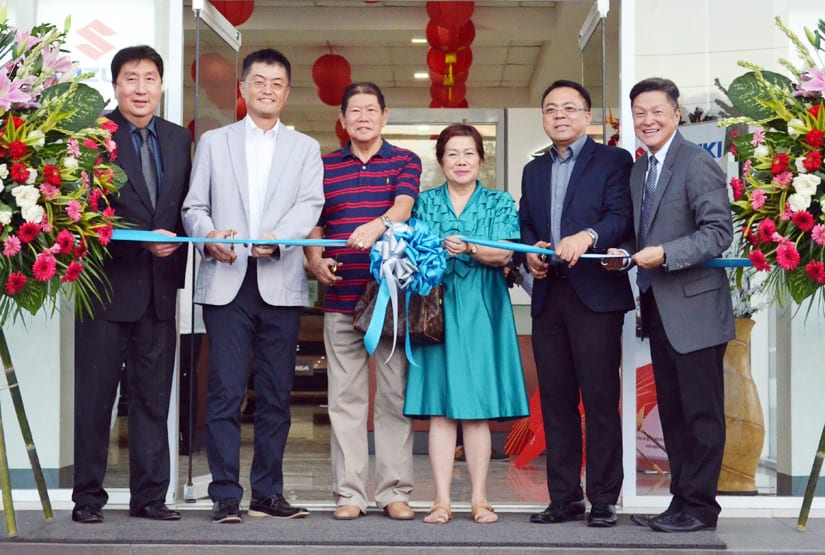
    Last February 24, the pioneer manufacturer of compact cars and one of the top automotivebrands in the Philippines inaugurated one 3S dealership and two satellite branches—the SuzukiAuto Pulilan, the Suzuki Auto Malolos satellite, and the Suzuki Auto Quezon Avenue.

    This was the second set of auto shop launches in February, and the ribbon cutting ceremonies were ledby Suzuki Philippines Managing Director and Treasurer Mojica, General Manager forAutomobiles Shuzo Hoshikura, Mt. Sinai Motors Corporation, and ETNA Motors Inc.Development in Pulilan and Malolos, BulacanPulilan City currently experiences robust commercialization and industrialization, with a growingnumber of manufacturing companies establishing their presence here. Recognizing itsdevelopment potential, SPH brings a 3S outlet in the area to offer existing and new customersthe same high-quality vehicles, repairs and parts which Suzuki patrons enjoy all over the country. Suzuki Auto Pulilan, owned and managed by Mt. Sinai Motors Corporation, startedsales operations in June 2015.

    It is strategically located along Doña Remedios TrinidadHighway and is the first dealership in Bulacan that offers sales, spare parts and services.Bulaceños can now equally have easy access to Suzuki products via the Malolos branch. Alsooperated by Mt. Sinai Motors, Suzuki Auto Malolos serves as the satellite branch of Suzuki AutoPulilan. It started selling in November 2013 and established its satellite showroom in October2015.

    The satellite branch can be visited at Central Point Plaza, McArthur Highway, Bgy. Dakila,Malolos City, Bulacan.Branching out in Quezon Avenue Serving as the second satellite shop of Suzuki Auto Commonwealth, Suzuki Auto QuezonAvenue likewise held its official launching last February. To increase the market coverage of the brand, SPH and ETNA Motors Inc.–owner and manager of the Commonwealthdealership– again collaborated to cater to the automotive needs of motorists with the easy-to-access location at Quezon Ave. cor. Cordillera St., Sta. Mesa Heights, Quezon City. The back-to-back dealership inaugurations are part of the Japanese car maker’s game plan toonce again achieve high sales volume this year, as well as to expand and increase thecompany’s reach to its clients nationwide. SPH strives to make this a great and historic yearstarting off with the sequent dealership expansions and introduction of its first sedan, the all-newCiaz.SPH General Manager for Automobile, Shuzo Hoshikura remarked, “Our dedication andcommitment to reaching out to a wider Suzuki market is no more evident than with theinauguration of these three new networks.

    I am confident that these three newly-inauguratedoutlets will perform excellently and help us achieve greater sales figures this year.” Hoshikura added, “We at Suzuki Philippines are taking every possible opportunity to sharethe Suzuki Way of Life through the continuous expansion of the Suzuki Automobile DealerNetwork nationwide. We are determined to make more customers experience the difference,and make a positive mark in the industry.”

  • Li & Fung cautions on weak outlook for global retail

    Li & Fung cautions on weak outlook for global retail

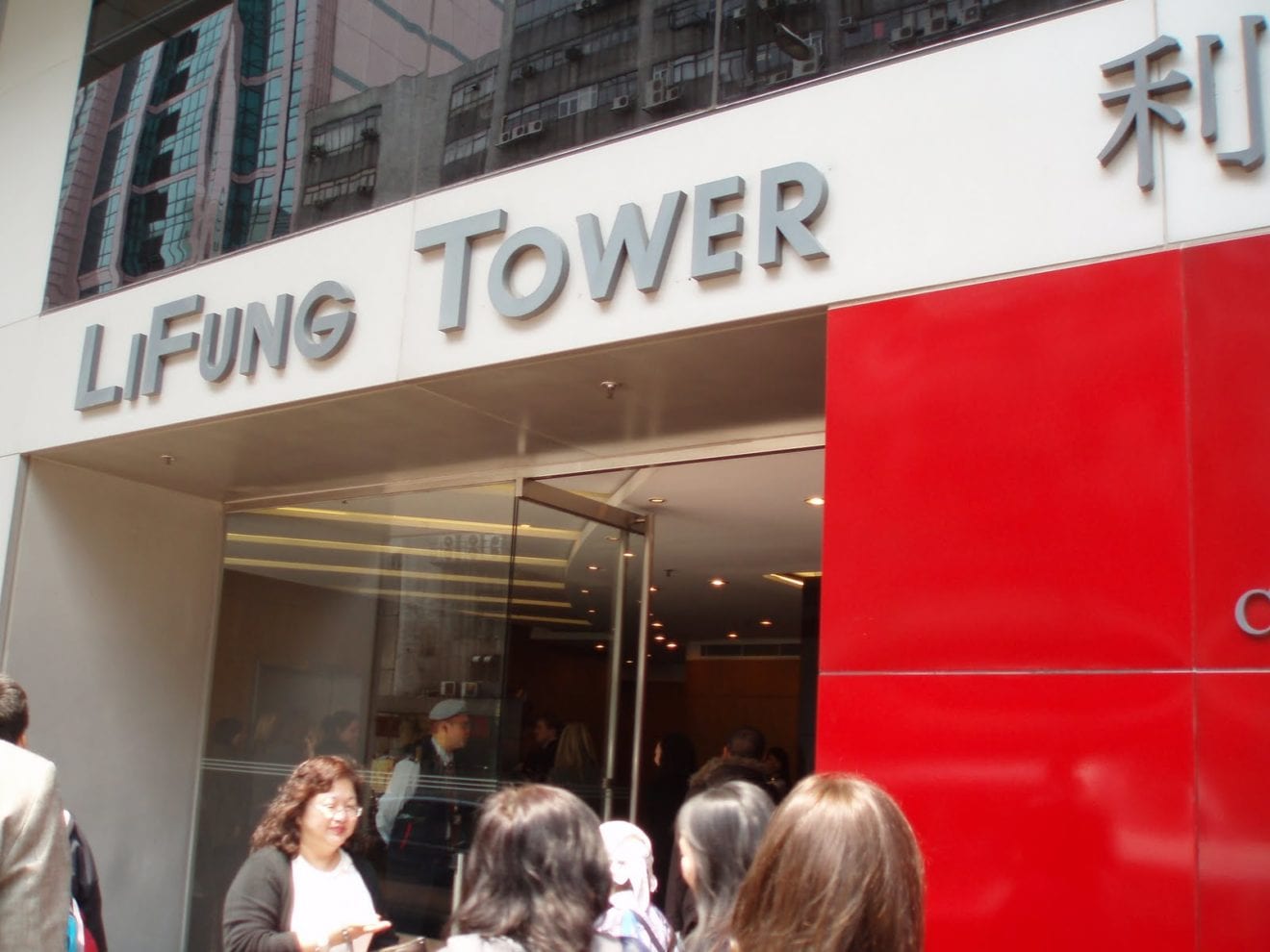
    Hong Kong-listed Li & Fung, which supplies products from China for international groups including Walmart, has warned that the global retail market will remain weak this year as deflation continues to weigh on Chinese factories.

    The world’s largest sourcing company by revenue is a barometer for the state of global trade and the Chinese manufacturing industry and has had its profits and turnover squeezed in recent years amid tough market conditions.

    “The global economy looks challenging,” Spencer Fung, chief executive of the family-led company, said on Thursday as the group reported another drop in profits and revenue last year. “For 2016, the consumer sector is likely to remain weak and factory deflation will continue.”

    Revenue fell 2.4 per cent to $18.8bn in the year to December 31, while net profit attributable to shareholders shrank 4.6 per cent to $421m, marginally ahead of analysts’ expectations.

    Mr Fung, who is the great-grandson of the company’s founder, said 2015 had been another difficult year for the business. Li & Fung’s traditional role as a middleman between factories and retailers has been disrupted by the growth of ecommerce and fast-changing consumer tastes.

    “Our major markets in the US, Europe and Asia all experienced strong headwinds,” he said, noting that the price of shipping a container from China had fallen as much as 75 per cent in some cases because of lower demand.

    Shares in Li & Fung have fallen 36 per cent in the past year as investors remain concerned about its ability to overcome the structural changes in the retail and manufacturing industries at a time when the global economy is struggling.

    Mr Fung said the company managed to increase the volume of products it shipped last year, but that falling factory-gate prices in China meant revenues fell in value terms.

    He said that this deflation, which is of concern to the Chinese government, was likely to continue this year because of sluggish consumer demand in the US and Europe, and low commodity prices.

    Facing a difficult environment in its core sourcing business, Li & Fung has been expanding into areas such as ecommerce logistics.

    Revenue at its logistics arm rose 6.7 per cent last year, as it capitalised on the rapid growth of ecommerce in China, where cheap smartphones and convenient online payments systems have helped retailers expand their internet business.

    With sourcing still accounting for 95 per cent of the company’s turnover, the logistics business was unlikely to provide much respite for Li & Fung in the next few years.

    But Mr Fung said the company’s efforts to move into logistics would pay dividends in the longer term, given Li & Fung’s broad global footprint in manufacturing nations such as China, Vietnam and Bangladesh, as well as key end markets such as the US and Europe.

    “The changes happening [in] retail are impacting everyone along the value chain,” he said. “Our customers are looking to us to help them navigate these changes with innovative products and increased speed to market.”

  • Korea has potential to top Singapore in MICE

    Korea has potential to top Singapore in MICE

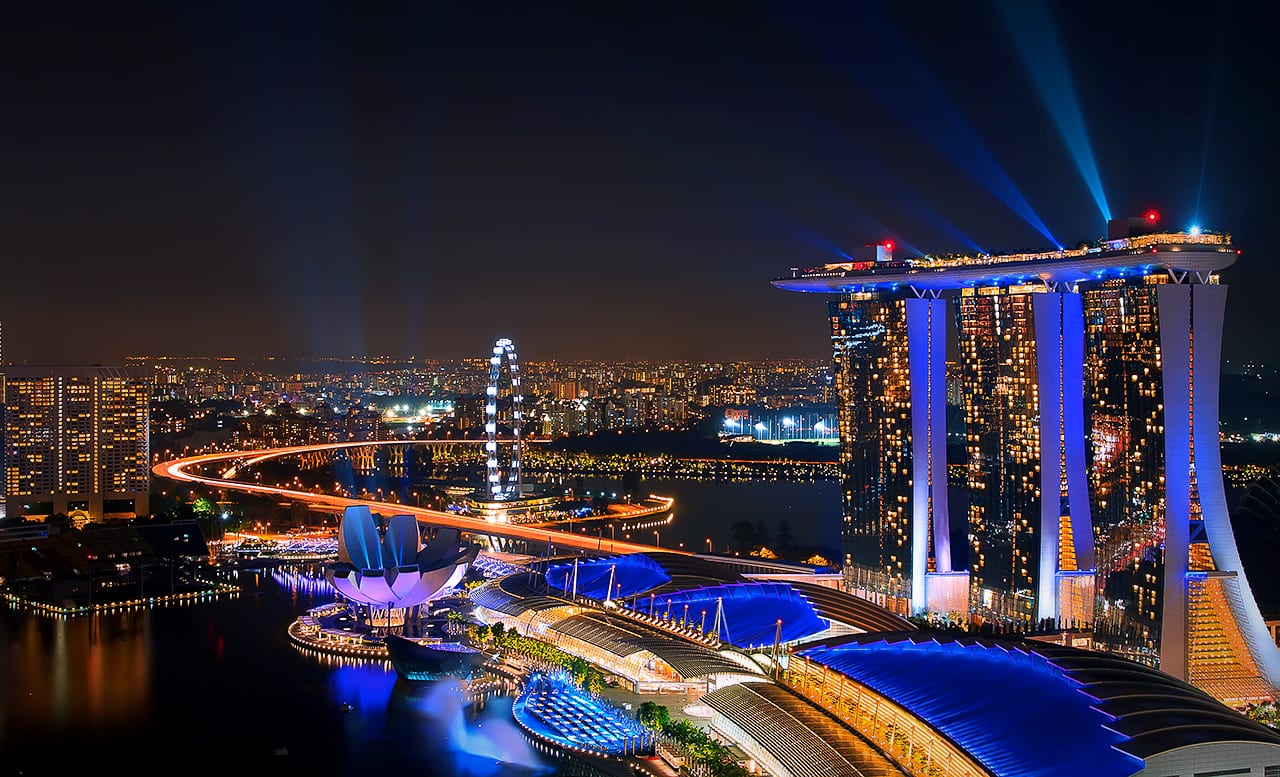
    South Korea has the potential to become the world’s top MICE (meeting, incentive tour, convention and exhibition) destination once it upgrades its tourism infrastructure, Marina Bay Sands (MBS) CEO George Tanasijevich said.By Kim Jae-kyoung

    He added that a large-scale integrated resort similar to MBS in Singapore will not only help Korea revitalize its infrastructure but also serve as a marketing tool to attract more business and leisure tourists from abroad.

    “Korea has a greater opportunity to lift its MICE industry even higher (than Singapore),” Tanasijevich said in an interview with The Korea Times at the MBS Hotel overlooking a panoramic view of Singapore.

    He pointed out that Korea has many advantages over competitors such as Singapore, because it has both rich cultural assets and advanced technology.

    “You have wonderful cultural, historical attractions that the tourism industry leverages very effectively. Where I think it is lacking is in more modern tourism infrastructure. The integrated resort is something that would be a huge positive effect on tourism in Korea,” he said.

    “Korea has a well-established international airport, a highly skilled workforce, and high connectivity. It also has a network of small firms that can support a large-scale resort and at the same time benefit from it. And Korea is very innovative in technology and pop culture.”

    However, the CEO said that there are infrastructure limitations, or even an outright lack of infrastructure within the MICE industry in Korea. He believes that an integrated resort will relieve many such constraints.

    One limitation he cites is that the largest ballroom in Seoul can only serve dinner to around 700 people at once, compared to MBS that can serve dinners to 6,600 people at the same time.

    “That’s an example of an infrastructure constraint in terms of facilities that MICE industry offers in Korea. You can’t have the world’s biggest event because the world’s biggest event wants to have dinners that are bigger than 700 people,” he said.

    Another example of limitation or constraint in the market is entertainment facilities.

    Tanasijevich, who is managing director of Global Development for Las Vegas Sands Corp., said that Korean entertainment is sweeping across the globe but venues are inadequate to really promote the industry within Korea.

    “If we are given the opportunity to develop the resort in Korea, what we would do is create major entertainment components included in it,” he said.

    “It can serve as a home of K-pop, home of Korean entertainment so that you can use it as a marketing tool to draw high-value tourists into Korea who would contribute significantly to your economy.”

    The Singapore-based CEO said that Sands is not interested in investing in building a resort allowing only foreigners to gamble.

    “That’s not our business model. That’s not what interests us in Korea so we are not moving forward with that kind of project. What we are looking to do is to create a MICE-focused resort that is more substantial than MBS.”

    The following is an excerpt from the interview.

    Q: Sands has had tremendous success with MBS in Singapore. What do you think are the key success factors?

    A: We are pleased that in our seven years of operations, we are still partnering with the government to deliver its promises of tourism, jobs and growth to Singapore. I would say the biggest contributor is our unique MICE-focused resort business model, which is a strong fit for a city like Singapore, a top destination for tourism as well as MICE business.

    We did not just bring a replica of what we have developed in other parts of the world. We proposed a very strong MICE element, which would fulfill Singapore’s aspirations as a MICE destination.

    Then we added celebrity chef restaurants, theaters, nightclubs, a sizeable retail mall and a museum to add excitement to Singapore as an entertainment and dining attraction. To alleviate the problem of insufficient hotel rooms, we constructed 2,500 rooms. We then added an iconic SkyPark and architecture that would make a stunning skyline for Singapore, given that we were awarded the focal site in Marina Bay.

    Likewise, we will study the Korean market carefully and develop an integrated resort that will fulfill the aspirations and objectives of the Korean people if we have the opportunity to be in Korea.

    Q: MBS is now a symbol of Singapore and considered a successful integrated resort model. Korea is different from Singapore in many aspects. Do you think the same model can be applied to Korea?

    A: On the flip side, Korea is also similar to Singapore in many ways. It is a developed country with a strong economy, its workforce is highly skilled and its people have the same aspirations for better jobs, better lives and growth for the country. We will adapt our model to Korea, which like Singapore, is a very strong MICE contender among the world’s top business destinations.

    Q: Do you think an integrated resort can contribute to economic growth by creating more jobs and bolstering the tourism industry?

    A: Today, MBS is one of the largest job creators in Singapore. We hire over 9,500 team members for our daily operations and house another 3,000 staffers under the employment of various tenants in our retail mall.

    By 2015, MBS had created 46,000 direct, indirect and induced jobs in the Singapore economy, according to economists. Since we opened in 2010, we have offered thousands of Singaporeans unprecedented opportunities to work alongside the world’s biggest celebrity chefs, stage the biggest entertainment events and learn new skills and trade in gaming, conventions and more.

    If we have an opportunity to open an integrated resort in Korea, we will create similar opportunities for the Korean people, especially for young Koreans who want good careers in a multinational company.

    In MBS, Singaporeans make up 60 percent of senior management, and account for 80 percent of the supervisory and managerial positions. The numbers illustrate that we can provide not only employment, but good jobs for Koreans if we have the opportunity to open in Korea.

    Q: The biggest hurdle to opening an IR in Korea is the public’s negative sentiment against casinos. What is your view on Koreans’ concerns?

    A: We believe many Koreans associate the word casino with gambling dens, which is not what our type of integrated resort like MBS is. Our proposal for Korea is an entertainment complex with theaters, celebrity chef restaurants, a mall, hotel, convention facilities, attractions, and even arenas and parks. The casino is less than 5 percent of the total footprint, making it possible for millions of visitors to enjoy our resort without taking a step into the casino.

    We will work closely with the government to inform and educate the Korean public about our type of integrated resorts we intend to invest in Korea if the government allows us the opportunity to do so.

    Q: What is your bottom line in investment in Korea?

    A: We do not believe that a foreigners-only casino will accomplish the goals of the Korean people. Korea already has 16 of them. It will neither warrant the type of investments we intend to make nor achieve the economic impact that the Korean government wants to achieve. We believe a restricted-entry casino that allows Koreans, subject to social safeguards and barriers to entry in place — no bigger than 5 percent of the total integrated resort footprint, will do so.

    Q: Do you have preferred places to build an integrated resort in Korea?

    A: We think that Seoul and Busan are ideal locations for our type of business model and the size of investment we are prepared to make.

    As you can note from MBS in Singapore, because we have such substantial elements for MICE facilities we need to be in a downtown location that is accessible to major international airports and a place where we can provide opportunities for companies and business people.


  • How to Purchase Condos at Affordable Prices

    How to Purchase Condos at Affordable Prices

    There have been several vast changes in the housing market today that is influencing the types of residences being built. Market trends show that traditional housing units are no longer the most attractive options for potential buyers. This is due to a variety of reasons and our progression as a society. Today, a new launch condo is the most sought after piece of real estate in the market and on Property Guru. Unlike never before, consumers are looking for housing that comes at affordable prices and that eliminates many of the hassles involved with traditional living.

    Condos may have many more advantages than a conventional housing unit, but the process of purchasing each is very similar. For quite a few people this can be a complicated process. There are several ways that you can ensure that you purchase not only the condo of your dreams but also at an affordable price. These few tips will show you how to buy a condo at a great value and in the most beautiful and desirable locations.
    1. Know when to Buy

    Much like any average service or product, the prices of condos are affected by the time of year. Peak season for condos often involves higher prices than normal, all in an attempt to drive up profits. Avoid this popular part of the year, which is usually during the Spring season, to save massive amounts of money. In the Spring, many sellers put their condos on the market at overpriced values. This can make getting a great deal extremely hard to find, especially as condo sellers are traditionally known to be stubborn with their selling prices all throughout the Spring and the Summer seasons.

    To purchase the best piece of condo real estate at a low price to you, browse and buy condos during the waning months of the year. The Fall and Winter months are known for having a market full of remarkable deals being made. Sellers who originally had overpriced their lots realize by the beginning of Fall that unless they lower their offer prices, they will receive no offers at all. This makes the waning months of the year the best time to purchase a condo at an affordable price.

    1. Contact Your Bank

    To purchase any condo at an affordable rate, a loan from your bank is necessary. This is a two-step process. To receive a loan for buying a condo, you also need to ensure you can afford a loan to begin with. No bank will initiate loans with a client that has a bad credit score history or has outstanding debts. This makes paying off debts and establishing a good credit history a priority.

    By consulting your bank experts, you can establish which kind of loan options are available to you. The better your credit history, the better loan you shall receive. What this equates to is being able to purchase a condo in a larger price range. The most recommended option by financial experts before purchasing any condo is to talk with your local banking officials to assess if you are eligible for a pre-approved loan.

    1. Research Different Neighborhoods

    Not all condo prices are the same throughout one area. Different localities have different price ranges, and miscellaneous items included. As the New York Times reports, premiums and closing costs are other financial issues that come with every condo buying process. These factors vary across neighborhoods and so it is important to research a multitude of different localities to assess price differences.

    Potential buyers can also get a better feel for their future surroundings by visiting the real estate properties themselves. Research can only give you so much information. For a real understanding of a property and what it entails, the absolute best method is to visit and tour the place in person. Hiring a real estate agent to help you during this process is extremely helpful to find the best condo choices based on your budget.

    Summary

    As Kiplinger states in their article, after the value of properties have lowered by almost 41 percent, condos have rebounded as one of the most popular residential choices today. The market is full of thousands of different possible condo options. Choosing which condo is best for you can be a relatively simple process. By following these three tips, you can purchase the condo of your dreams in a location that is close to paradise.

    Remember, it does not have to be expensive. With research, loan options, and knowing the best season to buy or browse condos, you can purchase these pieces of real estate at affordable rates. With all their advantages in lower maintenance and upkeep costs, it is no wonder that so many people across the world are turning to condos as their premier choice of residence.

  • Kirin to make, sell Ichiban Shibori beer in Myanmar

    Kirin to make, sell Ichiban Shibori beer in Myanmar

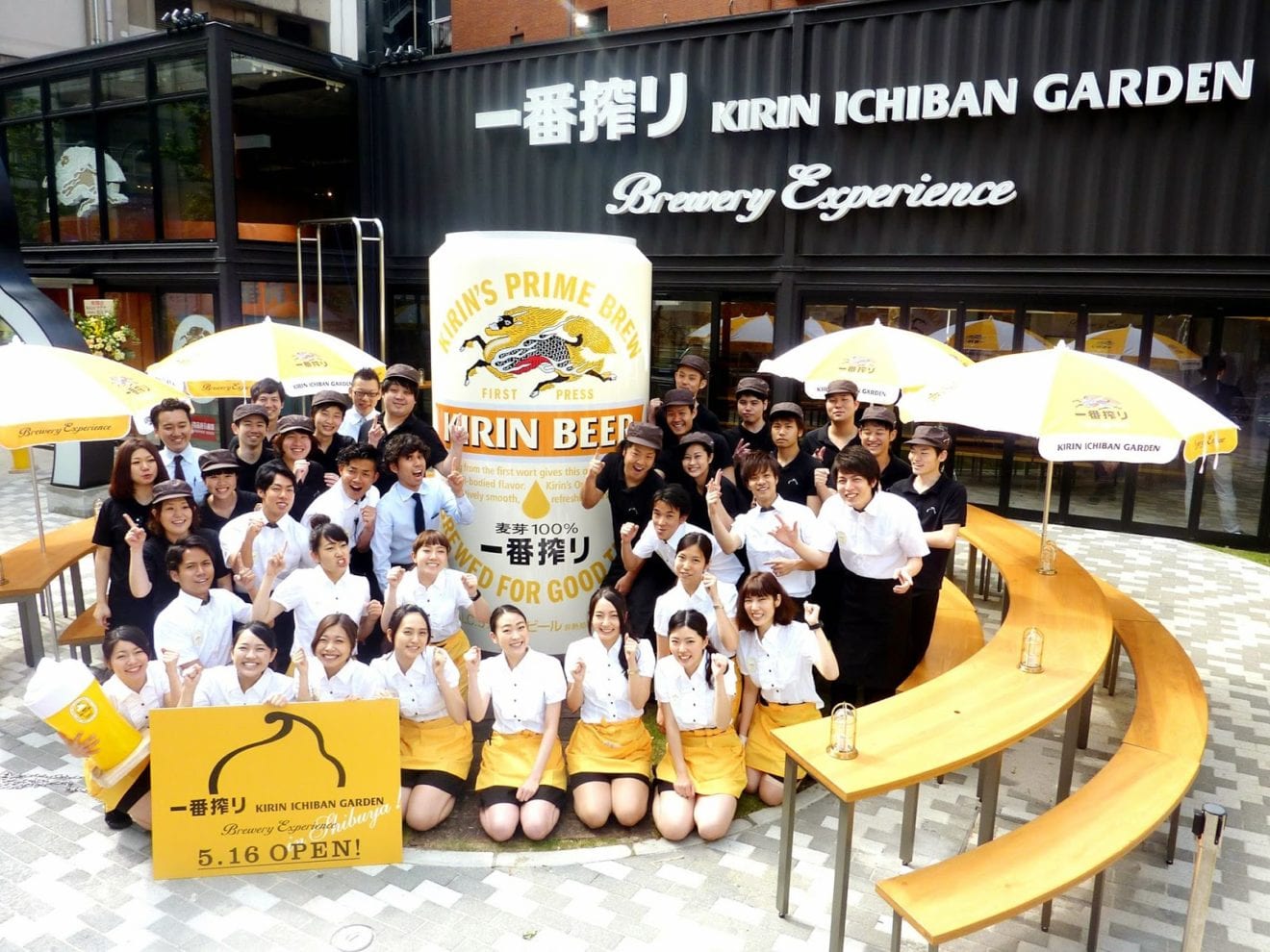
    Kirin Holdings will begin brewing and selling its flagship Ichiban Shibori beer in Myanmar as early as this month.

    The Japanese brewer will make the premium beer at the Yangon plant of Myanmar Brewery, which Kirin acquired last summer. It will initially provide it to Japanese restaurants and other high-end eateries, and aims to supply around 150 outlets within the year. Cans and bottles for retail stores will be rolled out gradually in the future.

    Ichiban Shibori will be sold to restaurants for just under 300 yen ($2.67) per bottle, around 50% more than typical local beer and in the same price range as premium European brands.

    Myanmar Brewery has an 80% share of the country’s market. Most of its products are in lower price ranges and it has lacked a high-end lineup to challenge European brewers. By selling Ichiban Shibori along with Myanmar Brewery’s existing brands, Kirin aims to offer beer in a wide range of prices and fight back against European competitors.

    Kirin sold the equivalent of 5.42 million 20-bottle cases of its beer brands overseas in 2015. It is targeting 6% growth to 5.72 million cases in 2016.

  • Myanmar National Airlines To Yangon Airport New Terminal

    Myanmar National Airlines To Yangon Airport New Terminal

    Asia World Group has opened the first phase of a new airport terminal in Yangon that will be capable of handing up to 20 million passengers a year when complete, with US fast-food chain Kentucky Fried Chicken the first international restaurant confirmed to open in the new space.

    President U Thein Sein (right) and Steven Law (left) attend the new airport terminal opening. Photos: Aung Myin Ye Zaw / The Myanmar Times

    Yangon Aerodrome Company Limited (YACL), an Asia World subsidiary, built the airport in less than two years, completing the project in time to be claimed as one of the final achievements of the outgoing administration. U Thein Sein opened the terminal, which will be known as T1, on March 12, in one of his last public appearances as president as his five-year term draws to a close.

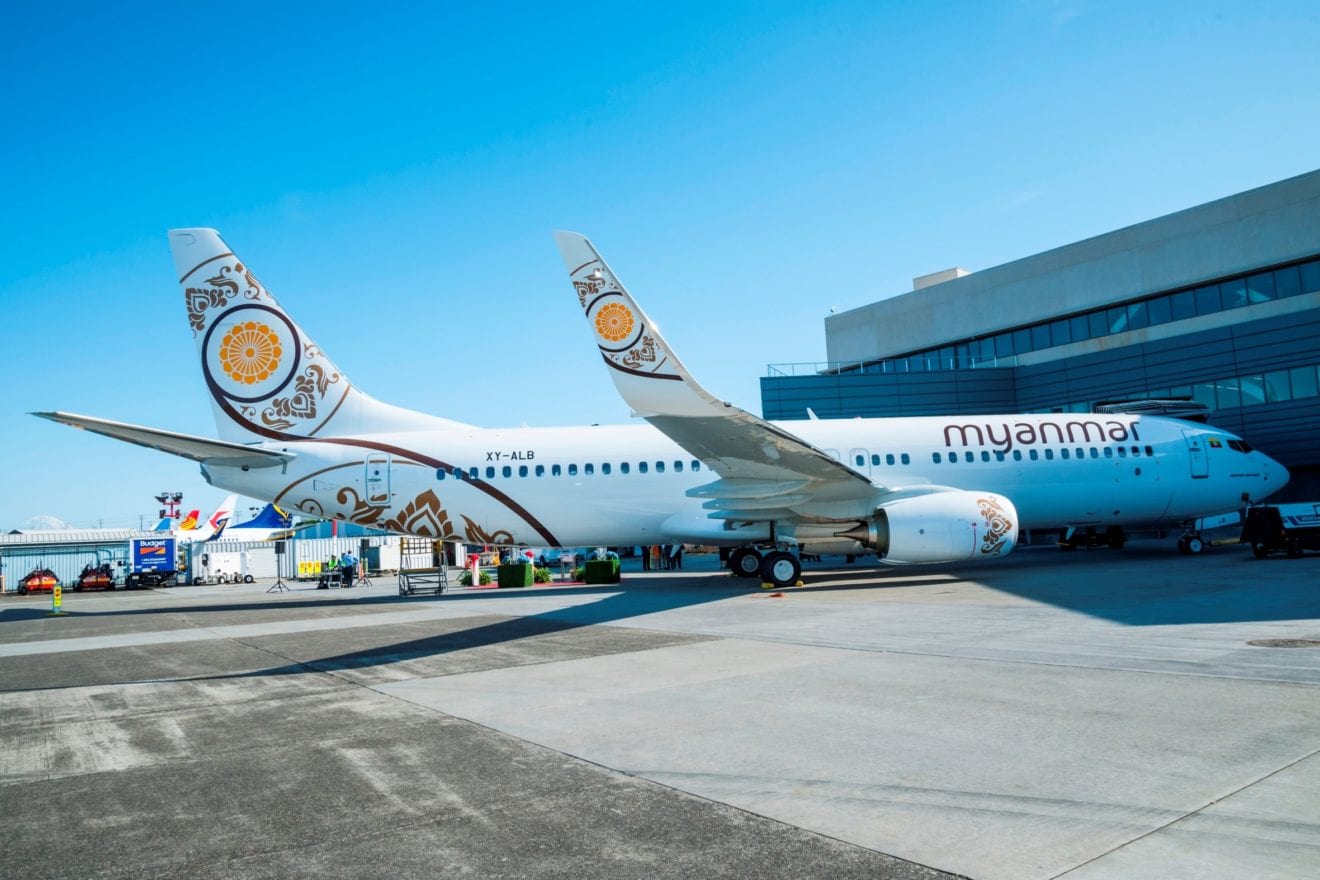
    Myanmar National Airlines, the recently rebranded national carrier, will be the first to move into the new terminal, officials said, with the airline’s maiden departure scheduled for March 20.

    Yangon’s existing international terminal, which is also managed by Asia World Group, will be rebranded as Terminal 2. Work on a new domestic terminal has already begun and plans are being drawn up for an “airport city” comprising a cultural centre, hotels, commercial and retail space.

    A view over the new Yangon International Airport Terminal 1.

    US-blacklisted Asia World was awarded a contract to build the US$660 million project in 2013 in controversial circumstances – the tender committee did not award it the highest mark, favouring a bid by a Japanese consortium, asreported last year.

    In response to a question about the tendering process, project manager Jerzy Wilk told The Myanmar Times that the company had no influence over the DCA’s decision-making, and that the tender was carried out in the public domain. The company’s track record demonstrates its capability, he said.

    YACL was awarded the contract in 2013 and signed a concession agreement with the Department of Civil Aviation in 2015. The group has provided 100 percent of the funding, through equity and loans from banks, said Mr Wilk.

    Balloons mark the opening of the new international airport.

    YACL chair U Htun Myint Naing, who also goes by the name Steven Law, said in a speech on March 12 that in building the airport the company had been confronted with several challenges.

    “First, as everybody is aware, this is not a greenfield project. It is an in-operation project and we needed to carefully deliver during this period,” he said.

    “Another challenge is our airport is a city airport, so we had a lot of limitations in the master plan and design … Also we built all these things within a short time period.”

    The company is operating with limited space – much of the land around the airport is taken up with military compounds and golf courses. Singapore’s CPG Corporation, which designed the world-class Singapore Changi Airport, helped with the design and planning, as did Surbana, said Mr Law in his speech.

    Around 88pc of flights into Myanmar land in Yangon. The airport has seen passenger numbers rise from 1.99 million in 2010 to 4.68 million in 2015, according to literature distributed by YACL.

    Guests ascend an escalator in the new terminal building.

    Weekly international flights from Yangon increased 3.88 times between 2010 and 2015. Twenty-eight international airlines now fly into Yangon and several more have confirmed new routes – Emirates Airlines, for example, will begin daily flights to Dubai in August and Hong Kong Express will launch flights later this year.

    YACL targets 8 million international arrivals through the airport in three years, according to YACL’s chief operating officer, Sulaiman Zainul Abidin.

    Last May, Singapore Myanmar Investco signed a 10-year agreement with DFS Group to develop and operate duty-free retail outlets at Yangon and Nay Pyi Taw airports and the company will be responsible for bringing in international brands.

    A tender has been called for the 7800 square metres of retail space with 50 retail outlets, and 3400 sq m of space across 16 restaurants. KFC has already set up its restaurant on the airport’s ground floor, and plans to open from the end of this month, said Mr Abidin.

    While Asia World Group and Mr Law are on the US Specially Designated Nationals list, YACL is not. Company officials did not explain how KFC has been able to sign with the group, and KFC’s local partner Yoma Strategic had not responded to questions by press time.

    Staff talk beside new baggage reclaim belts.

    Asked whether US sanctions had an impact on international demand to open outlets in the new terminal, Mr Abidin said it had not. “We conducted a tender. So far the response is from almost any country you can find … I don’t see any problems.”

    Despite the sanctions link, international trade will be able to pass freely through the airport, under the US Treasury’s General Licence 20, issued in December. While the license is only valid for six months, it is widely expected to be renewed in June.

    Mr Law has benefited more than most sanctioned companies from the license, which also allows trade to pass through his Yangon port terminal.

    The license is aimed at promoting trade and does not cover business deals between Asia World and US companies beyond transactions “ordinarily incident” to trade, officials from the Office of Foreign Assets Control said on a media call last December.