Tag: asia

  • OTT Content Providers Must Establish Office, Ministry Says

    OTT Content Providers Must Establish Office, Ministry Says

    The Communication and Informatics Ministry (Ministry) plans to issue a regulation that mandates over the top (OTT) content provider companies to establish a permanent business entity in Indonesia starting on April 2016.

    “The Ministry obliges OTT content provider companies to establish a business entity,” said Ismail Cawidu, Head of Information and Public Relation of the Ministry on Friday, March 18, 2016.

    The obligation will also apply to foreign OTT content provider companies in Indonesia, including Facebook, Twitter, and Whatsapp. Ismail said that these companies can still operate in Indonesia if they could establish a permanent representative office in the country. Ismail added that foreign OTT content provider companies must also cooperate to protect consumers’ confidential information.

    Ismail said that if foreign OTT content provider companies cannot establish a permanent business entity, they are allowed to cooperate with similar companies in Indonesia.

    Ismail stated that the Communication and Informatics Minister Rudiantara had promised that the regulation will be completed on April 2016. “The regulation will be announced in the beginning of April 2016, but we don’t know whether it will be immediately enter into force or there will be a transition period,” Ismail said.

    Failing to comply with the regulation, Ismail said, OTT content provider companies will be subjected to sanctions. “The app could be blocked, or the company’s bandwidth may be reduced so the company cannot operate its website freely,” Ismail said.

  • New Skycrapers from Megaworld

    New Skycrapers from Megaworld

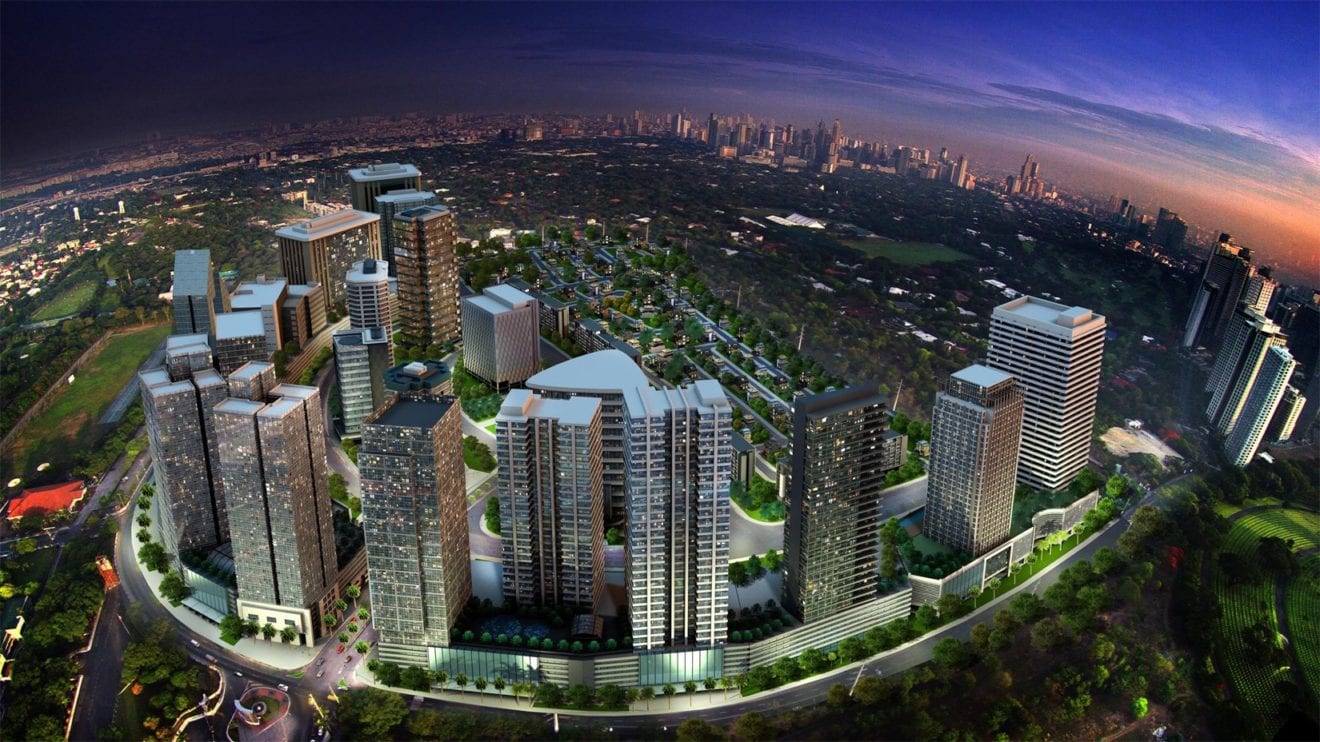
    Philippine property developer Megaworld Corp and its subsidiaries have earmarked P55 billion (US$1.172 billion) for capital spending in 2016 to boost commercial assets.

    Real estate tycoon Andrew Tan’s flagship property arm and subsidiaries Global-Estate Resorts (GERI), Empire East Holdings and Suntrust Properties have announced plans to aggressively expand a group-wide rental portfolio.

    The company said 75 per cent of the budget will be used for development projects, particularly for the construction of new malls, commercial centers, office buildings and residential projects in townships. The remaining 25 per cent will be used for land acquisition and investment properties.

    “This year, we would start developing our new townships in Pasig City, Bacolod and Pampanga while ramping up our office and mall developments across our existing townships. We are bullish on the office and retail sectors because we see a remarkable growth in these businesses,” Megaworld senior VP Jericho Go said in a press statement.

    The spending budget this year matches the same level earmarked for 2015.

  • Bali to Host Web in Travel Conference

    Bali to Host Web in Travel Conference

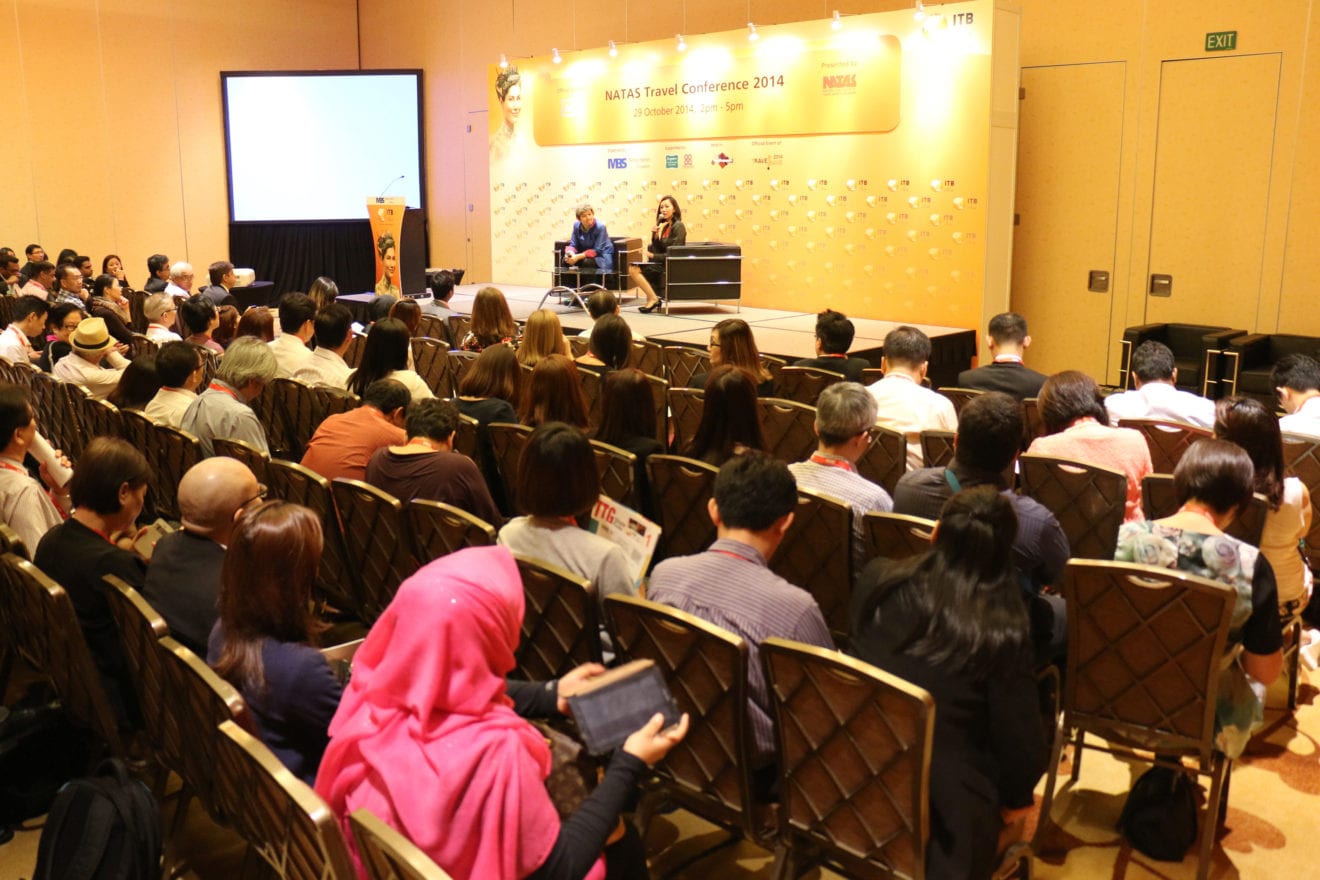
    Web in Travel (WIT) Indonesia Conference will be held in Bali on April 28, 2016. The conference on online tourism industry will invite speakers from world’s leading brands.

    Grace Kurnadi, CEO of Revata – the organizer of Web in Travel in Indonesia – said that she believed that the conference will attract prominent and influential players in online tourism industry, include in distribution and marketing. “It’s a good momentum for Indonesia to develop tourism, particulary through the channel of online media,” Grace said in her press conference on Thursday, March 17, 2016.

    WIT is adapted from WIT Conference in Singapore, Asia-Pacific’s biggest online tourism event. The conference to be held by WIT and Revata Cipta Kreasi will be the fourth ever.

    The event will feature a number of speakers to discuss the latest trends and issues in online tourism industry, Grace said. In addition, they will discuss market opportunities in Indonesia.

    Grace said that Indonesia has the potentials to attract tourists through its natural beauty. However, emphasis must be given on adaptation in technology for promoting and selling tourism package in line with the global technological advancement. “Tourism sector is expected to become the leading sector to enhance foreign exchange earnings,” Grace said.

    The government is hoping to achieve 20 million foreign tourist visit in Indonesia by 2019. The President had asked all relevant ministries and agencies to support tourism sector in Indonesia. “To support the target, we have to expedite the use of technology as one of the means of promotion as well as to market a wide range of tourism packages in Indonesia,” Grace said. Moreover, Grace considered that various industries are currently dominated by millenials who are familiar with technology, including in tourism industry.

    Listed below are speakers who have confirmed their presence in next month’s conference:

    1. Rusdi Kirana, Founder of Lion Air

    2. Oliver Hua, Managing Director of Asia Pacific Booking.com

    3. Mieke De Schepper, Vice President of Asia Pacific Expedia

    4. Robin Harries, Head of APAC Trivago

    5. Rama Mamuaya, Founder of Dailysocial.id

    6. Eric Tjetjep, Founder of Ezytravel, former CFO of PT Dwidaya

    7. Gaery Undarsa, Managing Director & Co-founder of Tiket.com

    8. Dennis Adishwara, CEO of Layaria

    9. Alamanda Shantika Santoso, Go-Jek’s Vice President of Product

  • Fitch Asia appointed new chief

    Fitch Asia appointed new chief

    Fitch Asia, the retail and brand consultancy, has appointed a new regional CEO to cover north and southeast Asia.

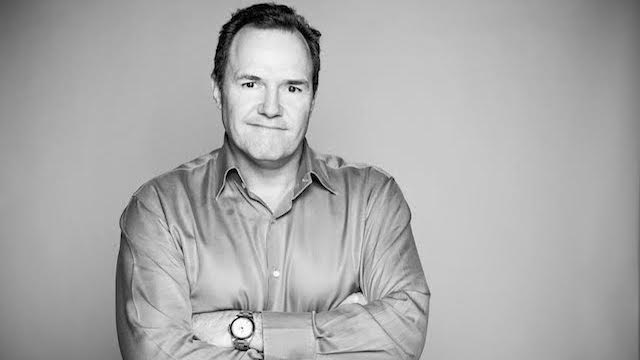
    UK-born and Australian-raised Andrew Crombie will lead the company’s growth across the region from its Singapore hub, reporting to worldwide CEO Simon Bolton. Crombie will work closely with China GM Nikki Lin to expand opportunities in that market. He takes over from Ian Bellhouse, who is moving on to a new venture.

    Crombie has spent 25 years working in Singapore, Taiwan, Hong Kong and Malaysia in regional and global roles for agencies including Batey Ads, FCB, Havas and Ogilvy. He began his career in Australia working for such brands as American Express, Banyan Tree Resorts, BMW, Carlsberg, Dell, Dunhill, Guinness, Hennessy, IBM, Mercedes Benz, Porsche, Qantas, TagHeuer and Visa Gold.

    Most recently, he has been MD and partner at healthcare agency H&T Asia.

    “Andrew’s brief is to make Fitch famous in this region, and he’s the person to do that,” says Bolton. “No-one thinks about the customer journey more, and he will bring this expertise to Fitch along with his extensive understanding of the diversity and rich potential for retail and experience design within the region.”

    “It’s great to be joining Fitch at this time of profound change in how consumers are engaging with brands,” says Crombie, who takes up his new position on May 3.

    “Asia is poised to be at the forefront of innovation in retail and brand experience.”

  • South Korea Market May Remain Stuck In Neutral

    South Korea Market May Remain Stuck In Neutral

    The South Korea stock market gave up just a pair of points on Tuesday – but that was enough to snap the four-day winning streak in which it had advanced more than 25 points or 1.2 percent. The KOSPI settled just shy of the 1,970-point plateau, and the market is looking at another narrow trading range on Wednesday.

    The global forecast for the Asian markets remains roughly flat with a touch of weakness ahead of the Federal Reserve interest rate decision later today. The European markets were down and the U.S. bourses were mixed but little changed – and the Asian markets figure to split the difference.

    The KOSPI finished slightly lower on Tuesday as losses from the technology stocks were mitigated by support from the industrials.

    For the day, the index slipped 2.30 points or 0.12 percent to finish at 1,969.96 after trading between 1,966.44 and 1,979.46 on volume of 3.8 trillion won.

    Among the actives, Hyundai Development spiked 4.77 percent, while POSCO added 0.48 percent, Samsung Electronics shed 0.16 percent, Hyundai Motor fell 1.01 percent and AmorePacific spiked 2.45 percent.

    The lead from Wall Street is slightly negative as stocks were mostly lower Tuesday as falling crude oil prices remained a key driver of the markets – skidding 2.3 percent.

    The Dow added 22.40 points or 0.13 percent to 17,251.53, while the NASDAQ slipped 21.61 points or 0.45 percent to 4,728.67 and the S&P 500 eased 3.71 points or 0.18 percent to 2,015.93.

    The listless trading came as traders looked ahead to today’s monetary policy decision from the Federal Reserve. The Fed is widely expected to leave interest rates unchanged, but traders will pay close attention to the wording of the accompanying statement.

    Traders reacted to several key economic reports, including a Commerce Department report showing a modest drop in retail sales in February. A separate report from the Labor Department showed a modest decline in producer prices in February.


  • Asian banks fear impact of negative interest rates

    Asian banks fear impact of negative interest rates

    Central banks in emerging Asia that are struggling to revive growth and keep their financial systems stable are facing new risks as their counterparts in Europe and Japan plunge deeper into uncharted policy territory.

    The Bank of Japan in February joined several European central banks in turning policy on its head with a radical prescription of negative interest rates to revive flagging economies, prompting calls from emerging markets for some form of global coordination to avoid a race to the bottom for rates and currencies.

    Concerns about potentially destabilising spillovers into the rest of the world are likely to be a key talking point over the coming week as central banks in Indonesia, Thailand, the Philippines and Taiwan hold policy reviews.

    All four central banks have seen volatile swings in their currencies and stock markets over the past year as the world’s major central banks have taken markedly divergent policy paths.

    Yesterday, Bank Indonesia cut its benchmark interest rate by 25 basis points to 6.75 per cent, its third straight reduction of that size this year as it tries to lift sluggish economic growth.

    While many Asian economies have strengthened their defences since the 1997/98 regional financial crisis, they remain vulnerable to sudden capital outflows.

    Reserve Bank of India governor Raghuram Rajan, a critic of the massive stimulus rolled out in developed economies, has called on global central banks to adopt a system for assessing the wider impact of unconventional monetary policies.

    “It seems fair to say that the benefits seem to be diminishing after years of effort, and the costs increasing,” Mr Rajan said at a three-day International Monetary Fund (IMF) event in New Delhi.

    Low rates have created problems for savers around the world, and debt levels are continuing to rise to unsustainable levels from China and Japan to Europe – feeding fears of a fresh blow to the global economy from financial market dislocation.

    Mr Rajan’s concerns were echoed by his peers in emerging markets such as Indonesia and Malaysia, but few if any in the region expect the likes of the European Central Bank (ECB) to give priority to any nasty side effects for other economies when setting policy.

    “The potential for this (to manage economic crises) is becoming more and more limited as monetary policy rates have already trended closer to zero and quantitative easing is becoming more significant,” Bank Negara Malaysia governor Zeti Akhtar Aziz said.

    She said there is a need for greater policy coordination among countries to prevent over-reliance on monetary policy.

    Mr Juda Agung, Bank Indonesia’s executive director for monetary and economic policy, agreed. “A low-yield environment encourages excessive risk-taking behaviour. At the end, the credibility of the central bank is at stake,” he said.

    Mr Frederic Neumann, co-head of Asian economic research at HSBC, said that emerging economies are right to raise a voice of caution over unconventional policies.

    “Policymakers are backpedalling because it’s not entirely clear what the benefits of negative rates would be,” he said, referring to ECB president Mario Draghi’s suggestion last week that further rate cuts were probably off the table.

    Indeed, a recovery in the euro zone has flagged over the past year and deflation looms large, while Japan’s economy is teetering on the brink of its fourth recession in five years. The IMF has cut its global growth projections for 2016 and 2017, with a slowdown in China rippling across producers of oil, cars and a range of consumer products.

  • Speculation builds of Burberry takeover

    Speculation builds of Burberry takeover

    Speculation of a Burberry takeover bid have seen the London-headquartered luxury fashion company’s share price rise 6 per cent in recent days.

    An unidentified party has built a 5 per cent stake in the business. Under London Stock Exchange rules any shareholder holding more than 3 per cent equity must disclose their identity, but an exemption allows investment managers to represent a client with up to 5 per cent. When that threshold was breached briefly in February by HSBC, acting on behalf of the mystery Burberry bidder, the excess was quickly resold.

    UK media is reporting that Burberry is “keeping a close watch on the stake”, but has yet to receive any takeover approach.

    According to a report in The Financial Times, Burberry has asked HSBC to reveal its client’s identity.

    While Burberry maintains strong brand strength, it has suffered from a decline in sales in China and Hong Kong, its key markets, due to the Chinese government’s clampdown on gift-giving and graft, and changing travel patterns of wealthy Mainland Chinese.  As a result, its market capitalisation has slipped to about £6 billion.

    The Financial Times nominated LVMH Group and private equity investors as possible buyers of the 5 per cent cornerstone stake.

  • Seven & I store closures hit regions

    Seven & I store closures hit regions

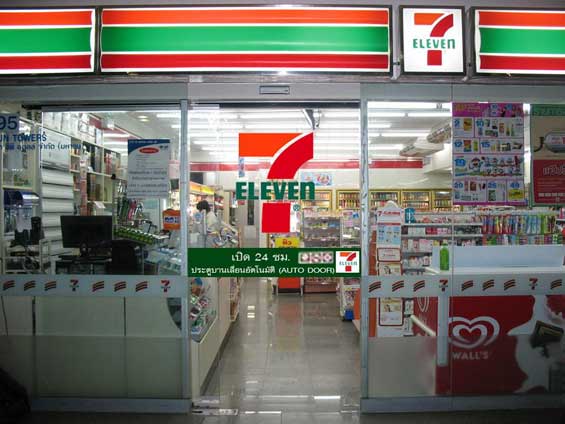
    Losses have forced two Seven & I store closures in regional Japan, both outlets after 40 years of trading.

    Seven & I Holdings, which owns the Sogo and Seibu department store chains, is closing a Sogo store in Kashiwa, Chiba Prefecture, and a Seibu store in Asahikawa, Hokkaido. Both are scheduled to shut their doors on September 30, and the company has not revealed any plans for either site.

    Japan’s regional department stores have been hit hard by competition from major shopping developments and other factors. Also, they are not easily accessible for foreign tourists, so have not benefited from the tourism boom.

    “It has been difficult to attract customers and we cannot continue to run deficits,” says Seven & I Holdings president Noritoshi Murata.

    Sogo and Seibu are known for having a higher ratio of regional outlets than other major department store chains, says The Japan News. Since their sales peaked in the 1990s, both Sogo Kashiwa and Seibu Asahikawa have been on a downward trend.

    Many other regional department stores have already closed. The Kenmin Department Store in Kumamoto, in business for more than 40 years under different names, shuttered in February last year. The Imari Tamaya store in Imari, Saga Prefecture, closed in January, citing a shrinking population, poor sales and other factors.

    Run by Isetan Mitsukoshi Holdings, the Marui Imai department store in Hakodate, Hokkaido, has reported a 4.8 per cent drop in sales to ¥6.3 billion (US$55.46 million) for the nine months ending December compared to the same period the previous year. In contrast, the Mitsukoshi Ginza store in Tokyo logged ¥64.3 billion in sales during the same period, up 19.6 per cent from the previous year. The Ginza outlet has been helped by increased foreign tourism.

    Department stores in 10 major cities sold about ¥12.1 million per 100 sqm in January, compared to about ¥5.68 million in regional stores, according to the Japan Department Stores Association.

    “It will be difficult to close the gap,” says an association official.

    Meanwhile, Isetan Mitsukoshi Holdings plans to increase small and midsize stores nationwide from 102 to 180 by the end of the 2018 fiscal year.

    Takashimaya last year created in-store displays of cosmetics and other products available online instead of at the regional outlets themselves.

  • U&B supermarket, Hong Kong

    U&B supermarket, Hong Kong

    Within the confines of a limited budget, a Hong Kong design company has created a flexible hybrid space for new local grocery brand, U&B.

    “Low budget doesn’t mean no creativity,” says designer Wesley Liu of award-winning PplusP Designers.

    PplusP Design -U&B grocery store 6

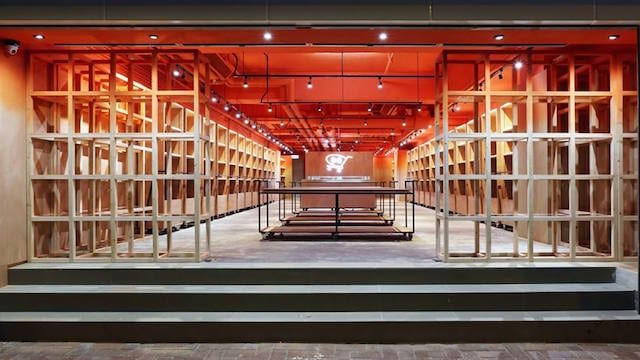
    He used mono materials and colour to transform the space in an engaging way for customers. The store’s interior embraces the elements of U&B’s brand logo, a shopping trolley, and its corporate colour, orange.

    PplusP Design -U&B grocery store 7

    Rather than a traditional white ceiling, it is tangerine and left bare to complement the concrete flooring and generate the feeling of unprocessed surroundings. This is further enhanced by unfinished plywood shelves with black metal highlights, and is in keeping with the store’s non-luxury products.

    PplusP Design -U&B grocery store 3

    PplusP Design -U&B grocery store 5

    PplusP Design -U&B grocery store 2

    All the display units are movable, which gives a great amount of flexibility for layout in the store. Track mounting kits on two sides of the wall panels can be used for suspended display systems.

    Wooden frames at the entrance are used for decoration or seasonal promotions, rather like a window display.

    These unified and simple elements encourage customers to concentrate on the products.

    PplusP Design -U&B grocery store 4

    PPlusP Designers leader Wesley Liu handled the design of the Whampoa Garden, Hung Hum, store. The design company’s team includes architects, interior designers and graphic artists, providing a range of multidisciplinary services for art installations, corporate design, hotels, hospitality, restaurants and retail.

    PplusP Design -U&B grocery store 1

  • Growth plan for Starbucks Vietnam and Cambodia

    Growth plan for Starbucks Vietnam and Cambodia

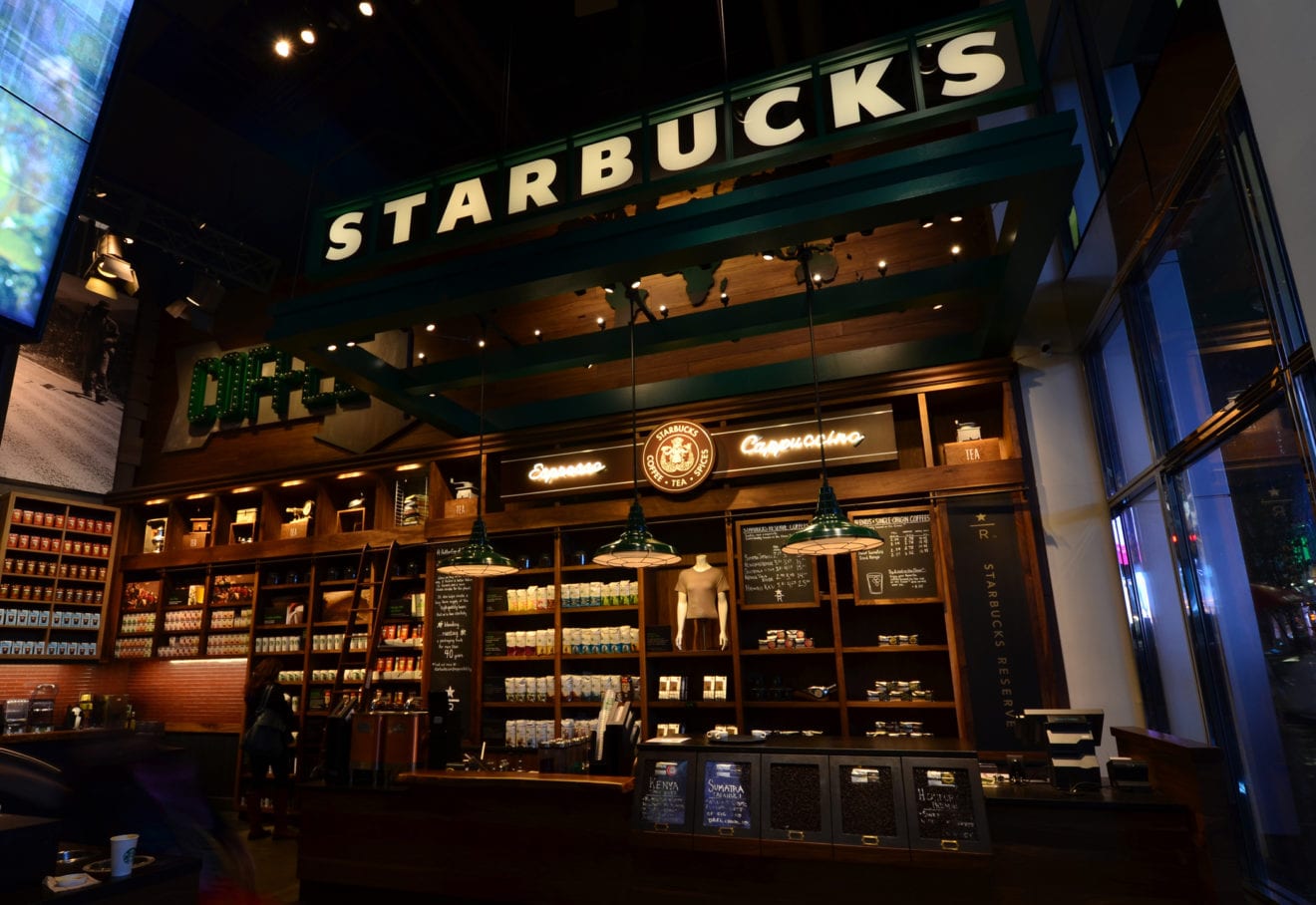
    Dairy Farm Group says it plans to expand its Starbucks Hong Kong and Vietnam networks.

    Last year, Dairy Farm opened six new Starbucks Vietnam cafes and its first in Cambodia – in the capital city Phnom Penh last December.

    “This new market offers significant opportunities as there is no dominant market player,” said CEO Graham Allan. “The group is currently working to fully understand local tastes and preferences.”

    In Vietnam, the company says it will continue – for now – to focus expansion in the main cities of Ho Chi Minh and Hanoi.

    Starbucks operations in Vietnam, Cambodia and Hong Kong – where the network is also set to be expanded this year – is operated by Dairy Farm’s restaurant subsidiary Maxim’s.

    “Maxim’s delivered another year of solid results,” Allan said in the company’s annual operational review.

    “Expansion of its Chinese casual dining restaurants and Japanese restaurants continue in Mainland China.”

    Maxim’s opened 44 net new outlets during the year, including six in Mainland China and the new Starbucks outlets.

    Dairy Farm’s restaurants division reported US$1.9 billion in total sales, representing an increase of 8 per cent year-on-year, while the profit contribution increased by 9 per cent as the business delivered another year of record earnings.

    “Looking ahead, the macro economy and local business environments are expected to be challenging in 2016, with continued currency volatility and fragile consumer confidence,” said Allan.

    “The group sees exciting prospects, however, with a number of establishments opening at the Shanghai Disney Resort in June 2016, including the staff canteen, The Cheesecake Factory and Japanese chain concepts Ippudo and Dondonya.”

    He said besides expanding in Vietnam and Cambodia, Maxim’s will continue to explore further opportunities for acquisitions and/or franchising throughout Asia.

  • TimeVallee Watch Boutique goes duty free

    TimeVallee Watch Boutique goes duty free

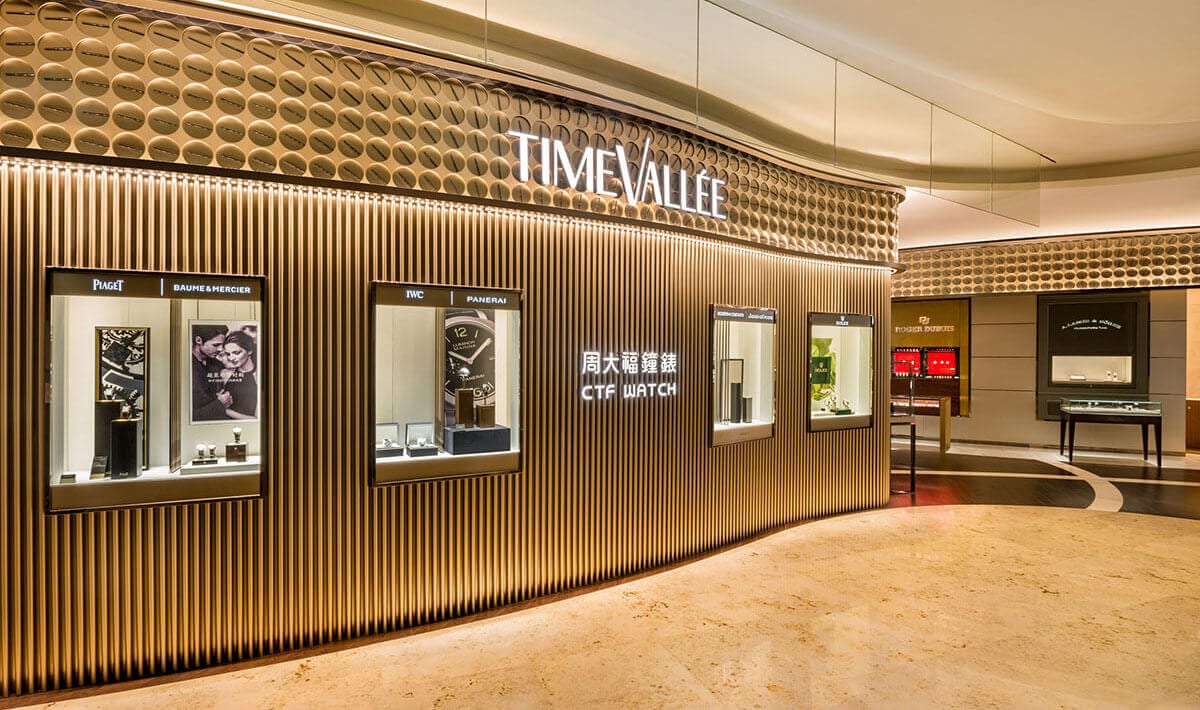
    In a first for the market, a TimeVallee Watch Boutique has opened inside Japan Duty Free Ginza on the eighth floor of Mitsukoshi Ginza Store in Tokyo.

    It is based on the concept of offering multiple international luxury-watch brands, and is the first such boutique within a Japanese duty-free shop.
    With its gold-toned interior, the store features a hands-on area where the latest technology enables shoppers to learn more about the history, traditions and technologies of the brands on display.

    TimeVallee1

    Japan Duty Free Ginza opened in January as Japan’s first airport-style duty-free shop in a city center outside Okinawa. It offers all products exempt from consumption tax, customs duties, and alcohol and tobacco duties.

    TimeVallee Watch Boutique features seven brands – Cartier, IWC, Jaeger-Lecoultre, Piaget, Roger Dubuis, Vacheron Constantin and Zenith.
    Japan Duty Free Ginza is run by Japan Duty Free Fa-So-La Isetan Mitsukoshi, established in 2014 and financed by Isetan Mitsukoshi Holdings, Japan Airport Terminal and NAA Retailing Corporation.

  • Korean online bookstores in delivery war

    Korean online bookstores in delivery war

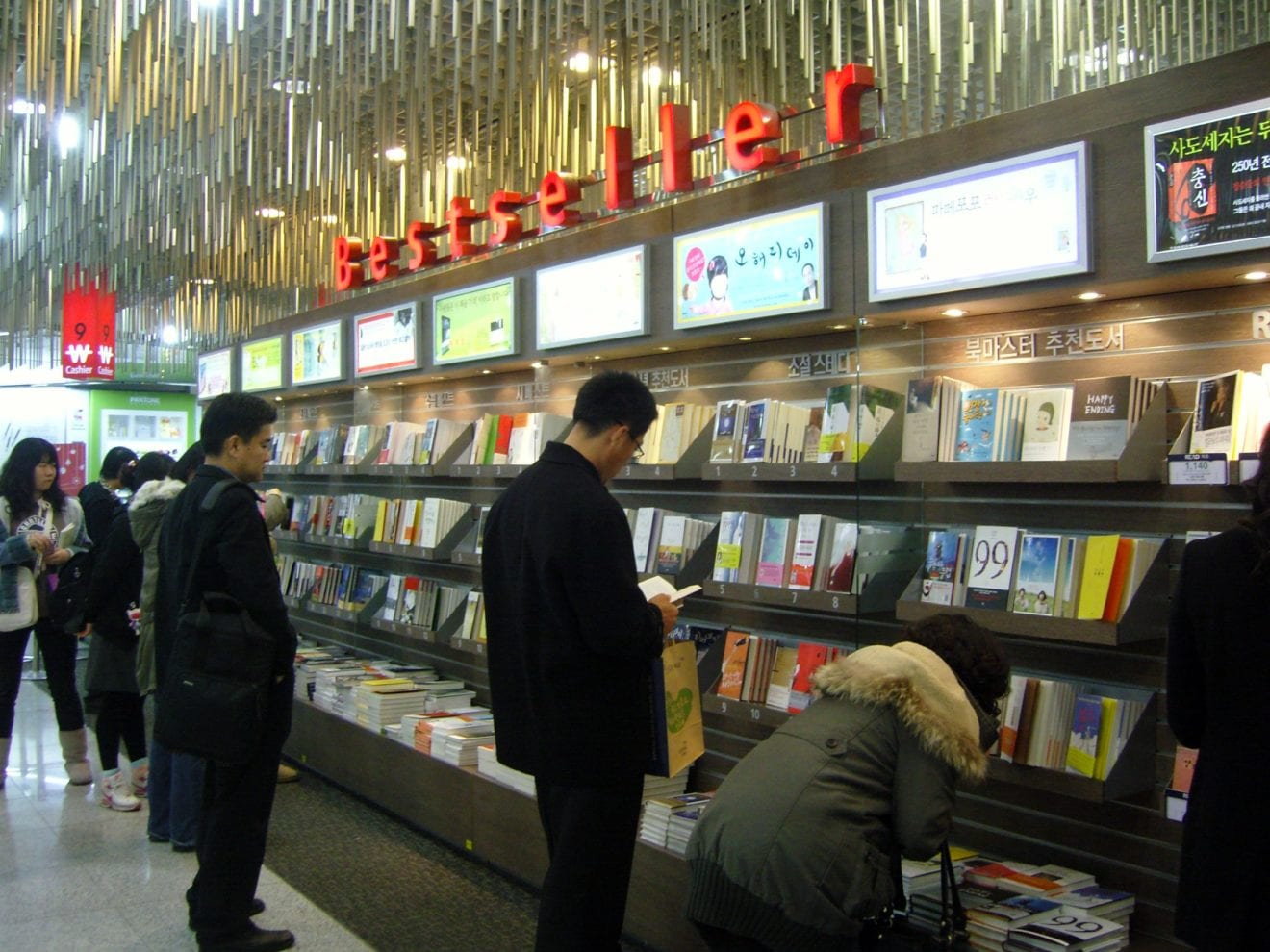
    Korean online bookstores are pushing back their deadlines for same-day delivery, and jumping into the current delivery war that started when Coupang launched its ‘Rocket Delivery’ service.

    But while the bookstores’ new service is expected to attract more customers, concerns are rising over driver safety.

    Yes 24, the largest online bookstore in Korea, announced  it will extend the deadline for same-day delivery service by one hour. Customers will be able to receive purchased products on the same day for orders placed before 2pm, with those in Seoul benefiting from an extra hour and a 3pm deadline.

    Yes 24’s changes follow a move by competing online bookstore Aladdin, which has already pushed back it’s same-day delivery deadline by an hour.

    Coupang started the wave of delivery wars in Korea with the launch of an ultra-fast delivery service called ‘Rocket Delivery’ in March 2014, and the establishment of its own logistics system.

    Henry Ro, Coupang VP, said the Rocket Delivery service offers the greatest customer experience. “Rocket Delivery is an integrated ‘end-to-end’ service that has never been attempted in other countries.”

    However, despite consumer satisfaction, Coupang is expected to log over 400 billion won (US$326.9 million) in operating losses when it files its 2015 audit report in mid-April, due to rising costs in building new logistics centers and hiring new staff, according to industry sources.

    Other negative side effects are also pervasive. While Korean consumers are accustomed to ‘super quick’ deliveries provided by almost every type of business, the number of delivery people injured on the job is skyrocketing.

    According to data from the Korea Occupational Safety and Health Agency, 4460 delivery people were injured on the job between 2012 and 2014. News reports of delivery people involved in fatal accidents are also becoming common.

    Popular 30-minute delivery services are an example. Pizzerias used to compete to deliver pizza within 30 minutes, promising free pizza if the delivery is late. However, 30-minute delivery is now banned, as it was identified as the cause of numerous accidents.

    In the meantime, other online bookstores are looking into joining the delivery war with Yes 24 and Aladdin.

    Interpark plans to extend its deadline for same-day deliveries as well, and Kyobo Books is also looking into providing the service.

    Bookworms are thrilled that they can get the books they ordered right away. One customer commented on the convenience of the service, noting, “we no longer have to make the long trip to the bookstore every time we want to buy a book”.

    However, some point out that bookstores should be focused on providing other services instead of fast deliveries. “The books are so expensive. I would rather have additional benefits such as discounts or book points that can be used at the bookstores,” one customer said.

  • Kose cosmetics reveals global ambition

    Kose cosmetics reveals global ambition

    Japan’s Kose cosmetics has unveiled a global marketing plan that aims to give it a strong international presence – including department store outlets in China, Malaysia and Singapore.

    The plan was revealed as it celebrated its 70th birthday, with a media event at Roppongi Hills in Tokyo, attended by actress Yui Aragaki.

    In response to the success of its flagship Sekkisei skincare line, Kose is giving it more prominence on retail floors, and has introduced a “Stand by You” concept.

    Sekkisei products feature Chinese and Japanese herbal ingredients. The brand has been growing for 30 years and is continually updated, says Kose Corporation president/CEO Kazutoshi Kobayashi. Its latest addition is Sekkisei Herbal Gel.

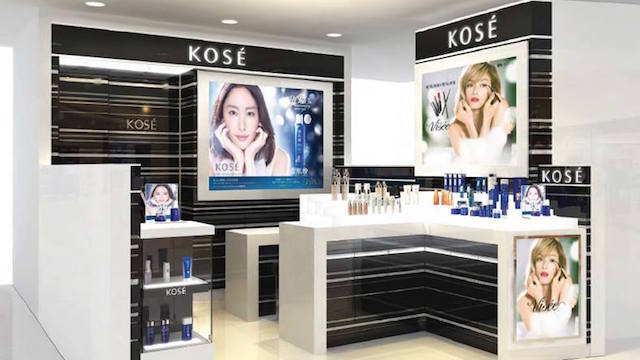
    A dedicated counter section has been designed by architect Kengo Kuma, in keeping with the store’s Japanese-motif interior design.

    “The counter uses a special material, high-density polyethylene non-woven fabric, and is lit from inside to represent the divine whiteness of Sekkisei,” says Kengo Kuma.

    The dedicated sections will launch inside department stores in Fukuoka, Osaka and Tokyo next month, and be added to a duty-free store location in Hawaii by the end of the year.

    Other locations are being established in department stores in China, Malaysia and Singapore, which will help Kose expand the Sekkisei network to seven countries within three years.

    According to the Nikkei Asian Review, Kose earns about 30 billion yen (US$266 million) in annual Sekkisei sales, and is looking to build this figure to as much as 60 billion yen by 2020.

  • New Muji flagship store in Singapore in the works

    New Muji flagship store in Singapore in the works

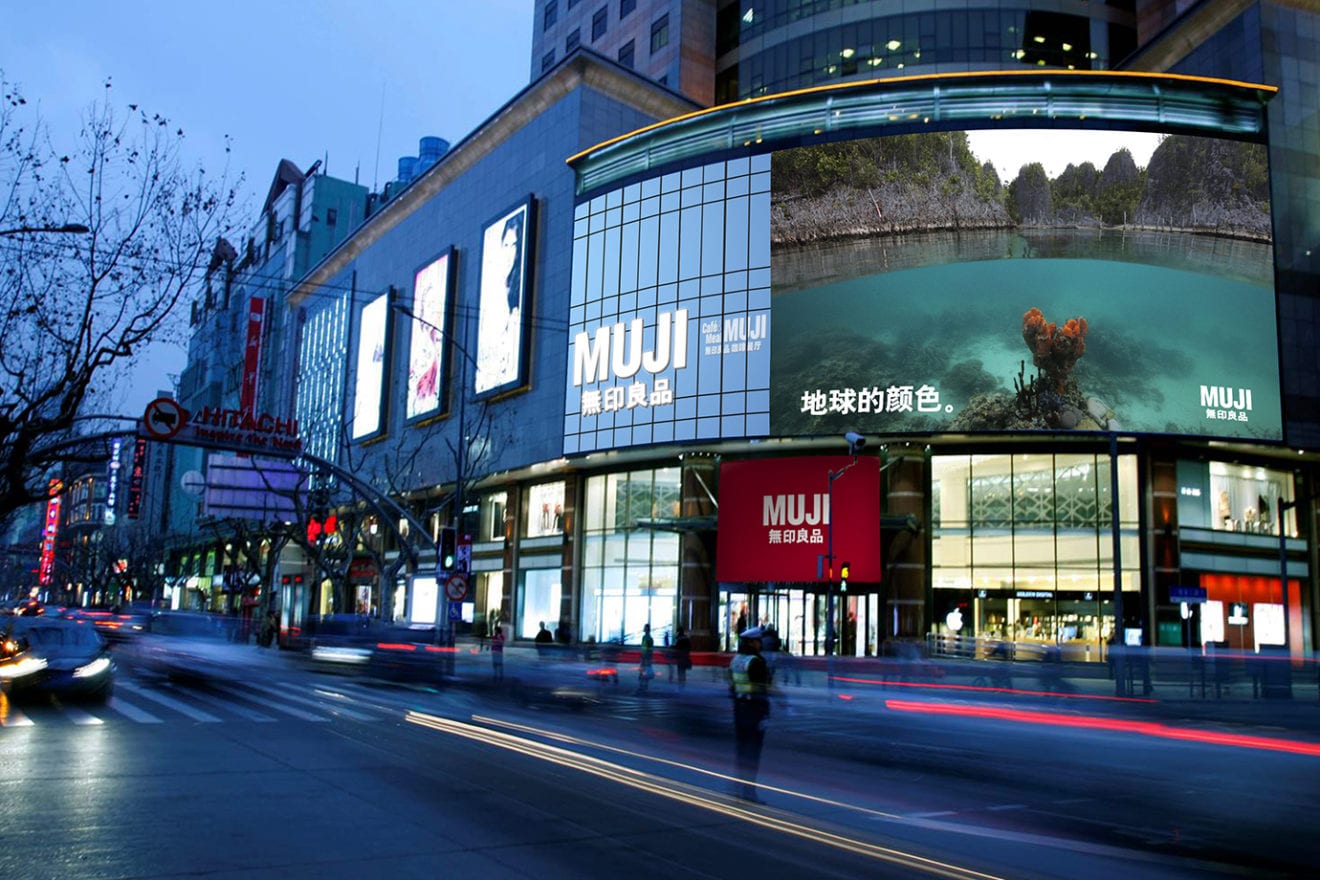
    Japanese lifestyle brand Muji is planning a new flagship store in Singapore.

    Masaaki Kanai, chairman of Muji’s parent company Ryohin Keikaku, said on Tuesday (Mar 15) that the new flagship store is estimated to be around 3,300 square metres and will feature more lifestyle concepts.

    “Apart from the usual Muji products, the store will have an ‘Open Muji’ concept where community creators are invited to interact with us. This is in line with our objective to create an interactive society,” said Mr Kanai, who was speaking to the media at a roundtable interview following his keynote presentation at The Innovation by Design Conference in Singapore.

    Muji, whose full name Mujirushi Ryohin translates to “no brand, good quality”, declined to reveal the specific timeline for the opening of the new store.

    The Japanese retailer currently has 10 outlets in Singapore, including a travel-concept store Muji To Go located at Changi Airport Terminal 2 and Cafe & Meal Muji, which opened at Paragon last year.

    GLOBAL EXPANSION

    The plan to add to its stores in Singapore comes as the lifestyle brand, known for its unorthodox no-brand philosophy and focus on well-designed and practical household items, is carrying out a global expansion.

    According to Mr Kanai, by 2017 Muji will likely have more overseas stores than the 284 it has in Japan, as it seeks for growth outside its mature domestic market.

    Among the top two key growth markets are China and the United States.

    “China is leading the growth due to its big population, while we had a good start in the USA where we are seeing 300 billion yen in annual turnover,” said Mr Kanai, who has worked at Muji since its founding.

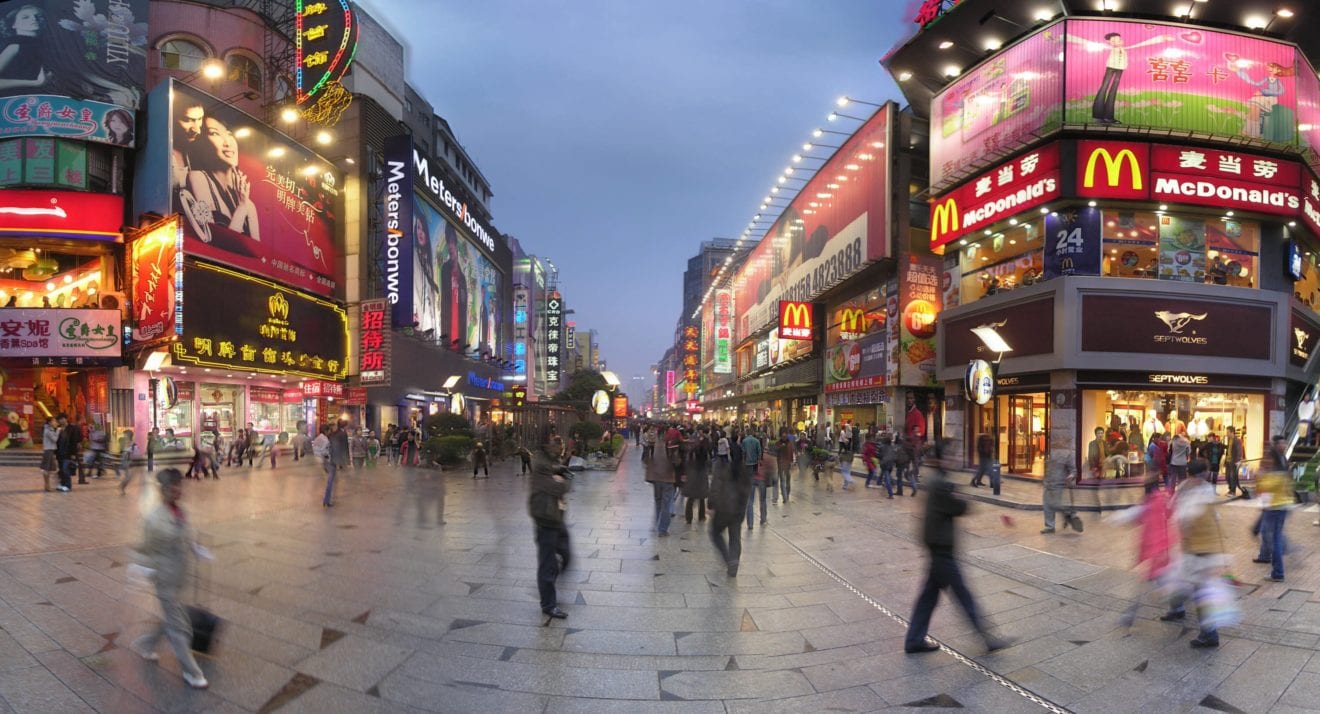
    Even as concerns continue about slowing growth in China and the spending power of its consumers, Muji remains upbeat about the world’s second-biggest economy, where it intends to increase its pace of store openings to 50 per year from 2017.

    Ryohin Keikaku had 128 stores in China as of end-May 2015, its biggest market outside Japan.

    “I’m not so worried because the generation born after the 1980s are relatively well-off and they emphasize on a good lifestyle, and that’s in line with our philosophy.”

    Despite the rapid worldwide expansion, Mr Kanai emphasized that the Japanese retailer does not intend to “grow too big” and prefers to stay as a “small and medium-sized enterprise (SME)” so as to stay true to its design philosophy.

    “When a company grows too big, it’s not a good thing because the management will tend to emphasize more on ensuring a profit. That’s not our objective,” the chairman said.

    “Our objective is still to offer something useful to our consumers.”

    BRACING FOR SALES TAX HIKE

    Back in its home market, Muji is keeping an eye on the planned increase in the consumption tax, from 8 per cent to 10 per cent, in April 2017.

    Aimed at reining in Japan’s massive public debt, the sales tax was first raised from 5 per cent to 8 per cent last April. The move, however, took a toll on consumer spending and the country’s retail sales.

    To combat the negative impact, Muji lowered the retail prices of its products following the tax hike, and opted for cost-cutting measures.

    When asked whether Muji is worried about the impact of a second increase in the sales tax, Mr Kanai said: “There was certainly an impact on profit and sales during the last sales tax hike in 2014. If there’s a raise again next April, retail sales will likely come down.”

  • Risk takers and growth makers look to China

    Risk takers and growth makers look to China

    With a theme of risk takers and growth makers it was inevitable that anecdotes about Australian business and China would feature heavily at The Australian Financial Review Business Summit, presented by BHP Billiton.

    China presents risks that are beyond the pale for boards of directors of most S&P ASX 200 companies and for many influential equity fund managers.

    Insurance Australia Group’s decision to pull the plug on a $1 billion investment in China said a lot about risk aversion on major company boards. The Telstra decision to not invest $1 billion in the Philippines suggests that capital will not be deployed in China even though the country wants to open up its telco market to competition.

    Risks in China that are rarely found in Australia include sudden regulatory changes, the blatant stealing of intellectual property and government decisions tied to China’s increasingly aggressive foreign policy.

    But the growth opportunities on offer in the world’s fastest-growing economy are so extraordinary that many smaller companies believe the rewards far outweigh the risks.

    That was the clear message from a range of speakers and panellists on the first day of the Financial Review Business Summit in Melbourne on Tuesday.

    Power of social media

    The most stunning anecdote came from Richard Henfrey, chief operating officer of Blackmores, the vitamins company which has stormed the Chinese market thanks to its “clean and green” image.

    Henfrey says sales of a Blackmores Vitamin E cream were running at about 3000 tubes a month when Chinese film star, Fan Bingbing, was photographed with a tube in her handbag.

    The photo was shared on social media and within weeks sales of the cream soared to 100,000 tubes a month. Today sales are running at about 500,000 tubes a month and still growing.

    Henfrey says the incident highlighted the power of social media in China. Blackmores has not had to pay the film star any money for her public endorsement of the product.

    But when asked by Chanticleer about the expansion of other Australian companies in China, Henfrey expressed surprised that others had not followed in the footsteps of Blackmores.

    He says other Australian vitamins companies had not invested in people and infrastructure inside the country.

    Blackmores has 25 people in its office in Shanghai and Henfrey is confident that staff numbers will grow to more than 100 within a year. He says Australians need to get over their fear of investing on the ground in China.

    In carving out a profitable niche in the Chinese vitamins market, Blackmores has had to navigate through tricky government regulations.

    Its success is partly due to bypassing tough government regulations in relation to medicines. Many of its vitamins are classified as food rather than medicines and this has helped to clear the way to its sales success.

    Its products are sold in about 10 per cent of the 50,000 pharmacies in China.

    Free trade zone a catalyst

    Henfrey says the establishment of the Shanghai Free Trade Zone had delivered a significant increase in sales because Blackmores could now used bonded stores to directly import products not covered by local regulations.

    This carries a strong message for other companies in Australia pondering expansion into China. The Shanghai Free Trade Zone, which was established on a pilot basis in 2013, presents growth opportunities for financial services companies.

    These opportunities were outlined in a recent paper by Jeff Schubert on behalf of the Australian Chamber of Commerce in Shanghai.

    However, the focus of discussion at the summit on Tuesday was in relation to food, tourism, education and property transactions.

    The enormous opportunities for Australian food companies in China were laid out in compelling presentation by Shaun Rein, managing director of China Market Research Group.

    Rein meticulously dissected the major drivers of consumer demand in China ranging from the impact of pollution on shopping habits to the shift in luxury purchasing habits from Louis Vuitton bags to international travel.

    He provided several embarrassing examples of international firms that had attempted to crack the Chinese market with ill-thought through advertising campaigns that showed a total misunderstanding for local consumer culture.

    Rein says CMR research showed that Polo Ralph Lauren totally missed the mark with its ads featuring blonde American models. These turned off Chinese buyers who thought the clothes would not fit.

    GAP made the same mistake by using a male model with tattoos, which are normally associated with Triad gangsters.

    He says one high-profile global manufacturer of fast moving consumer goods had made a grievous error by lowering its production standards in its Chinese factories with the inclusion of carcinogens banned in the United States.

    Pollution huge issue

    Pollution, according to Rein, is the single biggest issue transforming shopping habits in China. The air in Beijing and to a lesser extent Shanghai is often so toxic that it has forced an increasing number of people to shop online.

    Rein says that switch in consumer behaviour has not necessarily been reflected in the retail sales numbers published in China. He says traditional retail sales measures underestimate the strength of demand.

    Rein said research by CMR of people in China with a minimum of $10 million in assets showed that at least 60 per cent were making preparations to leave China, partly because of the fear that the pollution problem would get much worse.

    Pollution, says Rein, is one reason why Chinese do not trust products made in their own country. It is this distrust which is driving the demand for Australian beef, dairy and honey products.

    Raymond Yeung, a senior economist, Greater China Economics with ANZ Banking Group, told the summit that consumers now accounted for more than half of economic growth in China. He agreed with Rein that tourism presented a good opportunity for Australia.

    Australia must welcome Chinese tourists

    About 5 million Chinese visited Japan last year, about 6 million visited Korea but  only 1 million visited Australia.

    Simon Henry, the co-chief executive and founder of the top international real estate website in China, Juwai.com, says he is horrified at the low number of Chinese tourists visiting Australia.

    Juwai.com facilitated an estimated US$4.2 billion ($5.5 billion) in Chinese international real estate purchases in the 2013 calendar year, according to Henry.

    Henry’s contribution to the discussion related mainly to China’s insatiable appetite for foreign real estate. He has not found any lessening in demand despite the gradual decline in China’s economic growth.

    Demand for foreign property, according to Henry, has risen from $US5 billion in 2010 to $US52 billion in 2015. He says demand will reach $US220 billion by 2020.

    He says there are only two assets that are trusted by China’s “mum and dad” investors – gold and property. That is why the recent stock market gyrations had no impact upon demand for property.

    Yeung from ANZ provided a sobering assessment of the likely Chinese response to the possible election of Donald Trump as president of the United States.

    He says it is no surprise that China’s international priority over the past two years has been the One Belt, One Road infrastructure strategy. This policy focuses on Chinese investment in infrastructure in about 65 countries, most of which are to the west of the country.

    In fact that One Belt One Road strategy presents partnership opportunities for Australia’s major construction and engineering companies based on the experience of General Electric.

    John Rice, vice chairman of GE, told Chanticleer that GE did a deal at the end of last year in Pakistan which involved a Chinese electric power company, Chinese financing and a gas turbine from France.

    “The EPC was a Chinese company we have done business with for 20 years – Harbin – so we can bring partnerships we have established over decades in some cases to bear to win deals along the One Belt, One Road,” he said.

    “It was good for GE, good for the customer in Pakistan and good for China.”