Tag: asia

  • Private equity firm buys Ishii Sports

    Private equity firm buys Ishii Sports

    Japanese private equity firm Advantage Partners has acquired Tokyo-based sports equipment retailerIshii Sports for an undisclosed amount.

    In  a release, Advantage Partners says the acquisition will help support the revenue growth of Ishii Sports, founded in 1964.

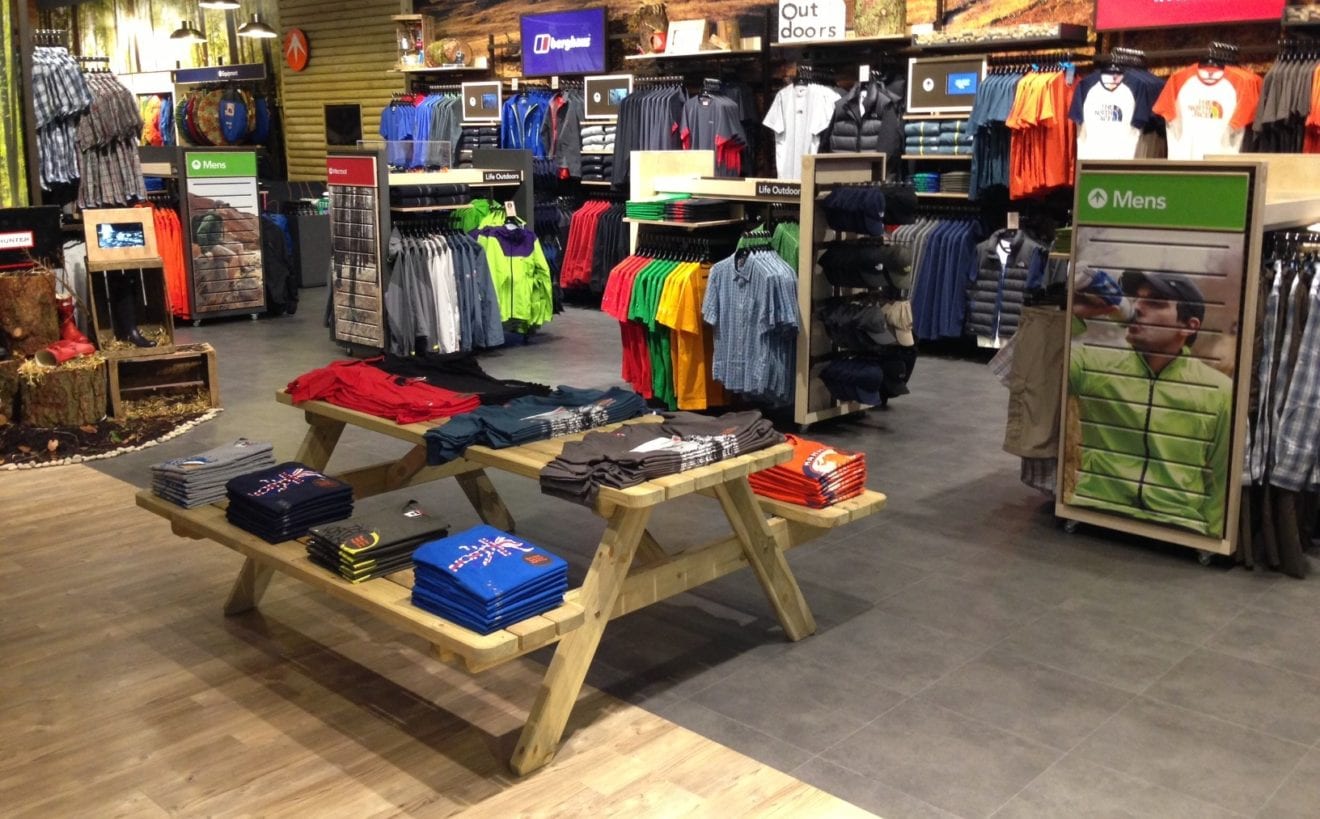
    Ishii sells sports equipment online as well as through a chain of 32 retail stores in Japan. The products are designed for outdoor activities such as canoeing, mountaineering, skiing and snowboarding.

    Along with self-branded products it also sells big brands including The North Face and Nordica and offers related services such as equipment repair and training.
    Established in 1992, Advantage focuses on acquisitions, growth capital, privatisation and turnaround opportunities in China, Japan and South Korea. Its investment portfolio lists nearly 50 companies, including retail and distribution companies Actus Corp, Credge, FMI and Ray Cassin.

  • Japanese Food Firms have Growing Interest in Indonesia

    Japanese Food Firms have Growing Interest in Indonesia

    Japan, the third largest foreign investor country in Indonesia, is showing interest in expanding their businesses in the food sector after seeing progressive developments of the Japanese society in Indonesia.”I have received reports that several Japanese food companies are contemplating entering Indonesia after observing the spurt in the number of Japanese restaurants and grocery stores in the country. This means that they already have market segments to sell their products in Indonesia,” Franky Sibarani, the head of the Capital Investment Coordinating Board (BKPM), noted in a press statement in Jakarta Wednesday (March 9).

    There were 1,199 students enrolled in Japanese schools in Jakarta in 2014. The institution also recorded that at the national level, there were 16 thousand Japanese expatriates living in Indonesia of which 10 thousand were in Jakarta, according to data at the representative office of the Japan External Trade Organization (Jetro).”Data on Japanese expatriates in Jakarta is the main factor that has led to new investment interest in Indonesia,” he claimed.Companies from Japan were so far mostly doing business in the electronics, automotive, and components sectors, in addition to garment products, Saribua Siahaan, the BKPM representative for investment promotion (IIPC) stated in Tokyo.

    However, the target of food consumers in Indonesia is of course not only Japanese citizens but also local people as Indonesia has a population of about 250 million. Indonesian people also like Japanese food.Yet, most of the Indonesian population or about 85 to 90 percent, are Muslims who are restricted to only halal (edible based on the Islamic law) food.

    Therefore, a Japanese noodle firm in Hyogo Prefecture has expressed readiness to meet administrative requirements such as halal certification for its food products to be sold to Indonesian consumers.The Japanese company notified the representative office in Tokyo of the BKPM on its readiness to meet the halal certification for its noodle products. The food and beverage industry of Indonesia is regarded as a lucrative investment opportunity, according to the Japan International Cooperation Agency (JICA), as quoted by Indonesia Investment online media in June 2014.Therefore, a total of 20 Japanese food and beverage industries were interested in making foreign direct investments worth between US$400 million and US$1.0 billion.

    These twenty Japanese companies are not only interested in conducting business in Indonesia because of the countrys large population (approximately 250 million people) and rapidly expanding middle, but also because the supply of raw materials for the food production process is available in Indonesia. The companies are focused on Indonesias most populous island of Java because infrastructure is most developed here, thus resulting in relatively low logistics costs, JICAs research also indicated. Regarding the interest of the noodle company in Hyogo Perfecture, BKPM Head Franky Sibarani affirmed that the Hyogo Prefecture was included in the areas covered by the Indonesian Consulate General in Osaka. The prefecture often conducted promotional activities in cooperation with the Tokyo office of the BKPM.Franky lauded the interest shown by the Japanese noodle firm to invest in Indonesia.

    It was an interesting development as, so far, Japanese companies making investments in Indonesia were mostly doing business in the automotive and component industries, he remarked.”This indicates that the interest of Japanese companies to invest in Indonesia is increasingly varying,” the BKPM chief pointed out.The Japanese noodle firm’s intention to expand its business in Indonesia is an example of how Japan has begun to vary its investment in the country, according to BKPM representative Saribua Siahaan in Tokyo.”Other fields of business that have attracted Japanese investors include semiconductor production and electrical appliances. The IIPC is ready to help the Japanese investor who came from Hyogo Prefecture,” Saribua remarked.The Japanese investors have begun showing interest in investing in the food sector in Indonesia also after seeing the implementation of the ASEAN Economic Community (AEC).”The Japanese investors view this as an opportunity since over 40 percent of the ASEAN population resides in Indonesia,” Saribua noted.

    The BKPM has set a target to attract US$13 billion in investment commitments from Japan in 2016. The commitment target was expected to come from the number of principle licenses issued for Japan in Indonesia, Franky told a seminar on investing in Indonesias industrial sector.”Japanese investors have the character that needs the cooperation of all parties, both the central and regional governments. We hope the BKPM and the Indonesian Embassy in Tokyo would continue to increase cooperation to attract as many Japanese investors as possible,” Franky had said last December.Based on the BKPM data, the realization of Japanese investment in Indonesia in 2015 increased by six percent compared to that in 2014.The Japanese investment realization in 2015 stood at US$2.87 billion, with 2,030 projects absorbing 115,400 workers.The manufacturing sector, particularly the automotive, electronics, machinery, and chemical, in addition to the pharmacy sectors, constituted the main contributors to the Japanese investment in Indonesia.Japanese investment commitment in 2015 reached US$8.1 billion, up 95 percent from that in the previous year.

    Japan came third on the list of foreign countries having investment commitment in Indonesia.The countries topping the list of foreign investors above Japan were China, with US$22.2 billion, up 42 percent compared to the same period in the previous year, and Singapore, with investment increasing by 69 percent to US$16.3 billion.Following Japan was South Korea, which recorded an increased investment of 86 percent that reached US$4.8 billion.

  • Executive reshuffle for JLL China

    Executive reshuffle for JLL China

    JJL Greater China, an outpost of the US real-estate services company, is undergoing an executive reshuffle.

    Eddie Ng - JLL Shanghai and East China

    Eddie Ng has been appointed MD of Shanghai and East China for the group, succeeding Anthony Couse who moves on to become CEO of JLL Asia Pacific.

    Ng’s role as MD of Chengdu and West China will be split, with Xi’an MD Chiao Sheng taking on the West China office as well, and Chengdu retail head Shelly Xie taking over as MD of that office.

    All changes take effect on June 1.

    Shelly Xie - - JLL Shanghai and East China

    Ng joined JLL Hong Kong in 1996, moving to Chengdu in 2005 to set up the firm in the emerging West China region. It was the first corporate office in a Tier II city for JLL China.

    From managing a team of five people to running three corporate offices (Chengdu, Chongqing and Xi’an) with a total of 1200 staff today, Ng established JLL’s strategic presence in the region in less than a decade.

    JLL Greater China MD KK Fung says East China is one of the most important markets in China and the Asia Pacific for JLL.

    - JLL Shanghai and East China

    Ng says he plans to capitalise on the strong platform built by Couse over the past decade.
    Chiao Sheng joined JLL China in 2009, being responsible for its retail business in Chengdu and West China. In 2013, he was promoted as MD of the new Xi’an office and has developed it into the largest professional real-estate services firm in Xi’an. He has had 15 years’ real estate experience in China.

    Shelly Xie joined JLL in 2006 and became a key founding member of the firm’s Chengdu office. She led the strategic consulting and research teams in West China, and has been responsible for JLL’s retail business in Chengdu since 2013.

  • Germany’s Metro Group might start Myanmar ops in 2016

    Germany’s Metro Group might start Myanmar ops in 2016

    Singapore’s Sia Huat, Premium Distribution JV for food distribution

    Singapore based Sia Huat and Myanmar based distributor Premium Distribution Co Ltd are looking into connecting food services brands worldwide with restaurants and hotels in Myanmar.

    They have already invested $1 million in Myanmar.

    The two have joined hands to form S&P Foodservice Distribution Co Ltd that opened a showroom in Yangon to better communicated with Myanmar’s food and beverages, hospitality and travel industry.

    Products include tableware, kitchenware and hygiene units.

    “The food & beverage industry in Myanmar is booming. We expect a strong demand for products that improve operations, food safety and quality, said Miki Ow, general manager of S&P.

    S&P is poised to bring some of the world’s top brands including Cerabon, Safico, Giesser, Atlantic Chef to the market and to have access to over 300 professional kitchen equipment suppliers.

    S&P’s current customers in Myanmar include hotels such as Novotel, Sedona, Parkroyal and franchise brands like Harry’s Bar, Yakun and some restaurants.

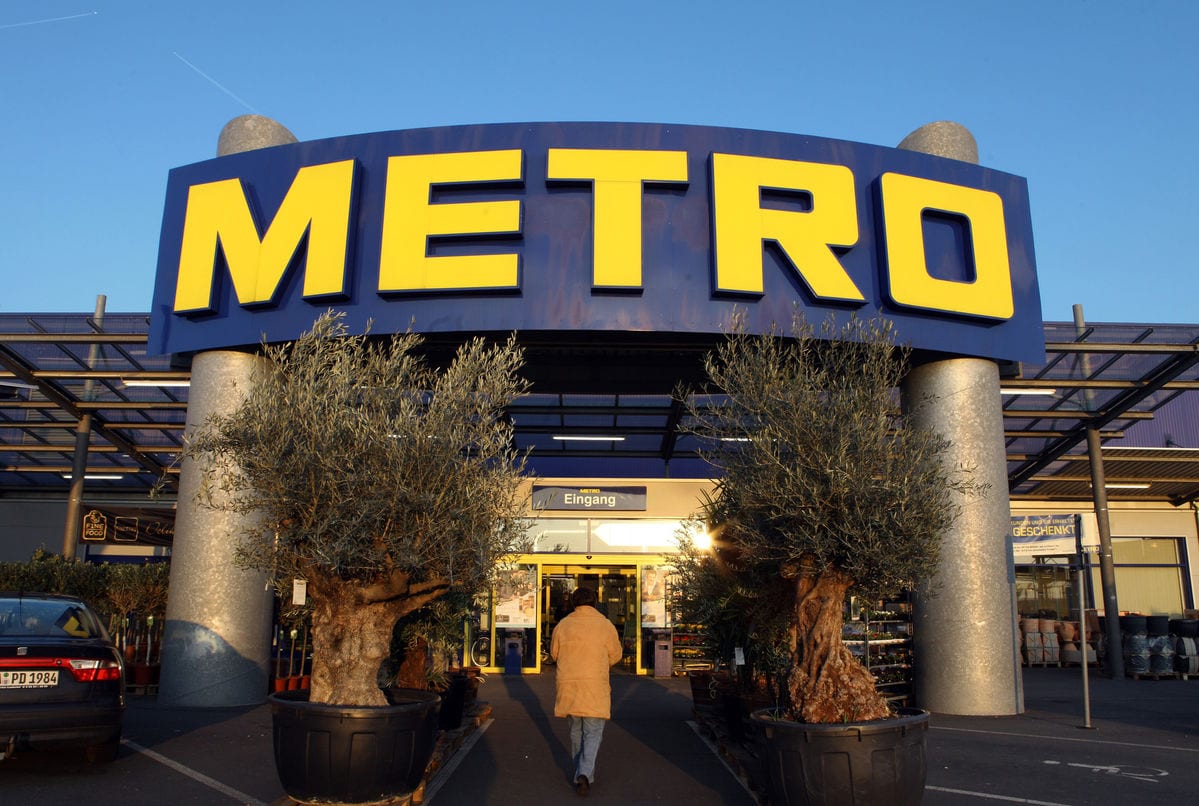
    Germany’s Metro Group looks to venture Myanmar by end of 2016

    Germany’s Metro Group, a wholesale retail group is planning a foray into two markets – Myanmar and Iran – by the end of 2016.

    Metro Group with its brands, deals with wholesale trade mainly for food and consumer electronics. They are also one of the largest specialist online discounters in Germany.

    “Myanmar is benefiting from opening up politically and has a high growth potential,” said Olaf Koch, CEO of Metro Group. Iran became free for the sanctions, they are thinking to examine what opportunities Iran will offer.

    The company’s preparations for the extension of its cash and carry business are in progress. METRO Cash and Carry is in 25 countries across Europe and Asia with 750 stores. They deal with about 20,000 food items and 30,000 non-food items.

    “We’ll decide by the end of the year which way our journey is headed,” said Koch.

  • Charming Charlie to expand Asian network

    Charming Charlie to expand Asian network

    US retailer Charming Charlie has opened its pink doors in the Philippines.

    And following this Asian debut, the US-based fashion retailer is now eyeing Malaysia, Indonesia, Korea and China for expansion.

    The company had first expanded in Canada and the UAE before opening a store in Bonifacio High Street in Manila last year.

    With big and small fashion retailers crowding the Philippine market, Charming Charlie set its pricing at 30 to 40 per cent below its major rivals. Its upscale store houses up to 8000 accessories from jewellery to sunglasses, arranged by color.

    Founded in 2004 by Charlie Chanaratsopon in Houston, the brand seeks to capture the millennial market.

    Charming Charlie is distributed in the Philippines by SSI Group, Inc. and  has over 350 global retail stores.

  • Emart teams with SM Entertainment

    Emart teams with SM Entertainment

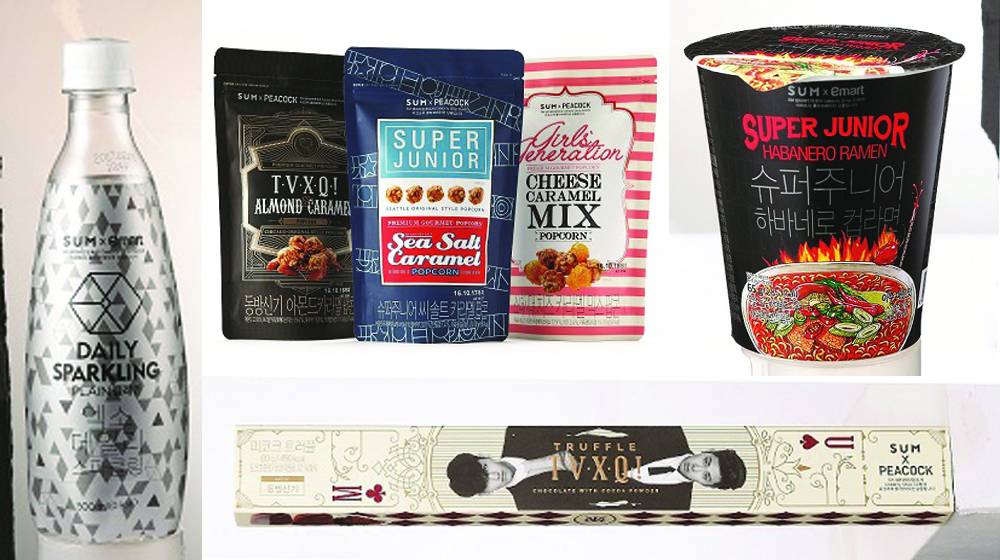
    South Korea’s Emart has launched private brand products created in collaboration with SM Entertainment.

    The products went on sale at Emart Mall and 140 Emart stores nationwide from Thursday (March 3).

    The new products include EXO Jajangmyeon (jajang-flavored instant noodles), Super Junior Habanero Ramen Noodles, TVXQ Truffle Rose Chocolates, Girl’s Generation Popcorn and Shinee Carbonated Water.

    In collaboration with SM Entertainment, Emart plans to increase the number of products on offer to 40 during the first half of the year.

    Emart rolled out a new initiative dubbed ‘Invention Project’ in August 2015, and launched two new private brands, Peacock and No Brand. After the collaboration with SM Entertainment, the two parties plan to look into further projects involving a wider range of products and even intangible merchandise based on SM Entertainment’s artists.

    Emart anticipates that the merchandise will attract not only domestic consumers in their teens and 20s, but also foreign tourists who visit Korea. Officials hope that the new products will be souvenirs to remember Korea, and that Emart will be established as a ‘must-visit’ shopping site when visiting Korea.

    The retailer is also in discussion with SM Entertainment with regards to bringing the new products to overseas markets.

    Marketing executives at Emart claim that they have created a series of completely new products through the collaboration of two very different but powerful platforms. They hope to continue to make innovative progress through their ‘Invention Project’ group.

  • Hyundai outlet takes a new tack

    Hyundai outlet takes a new tack

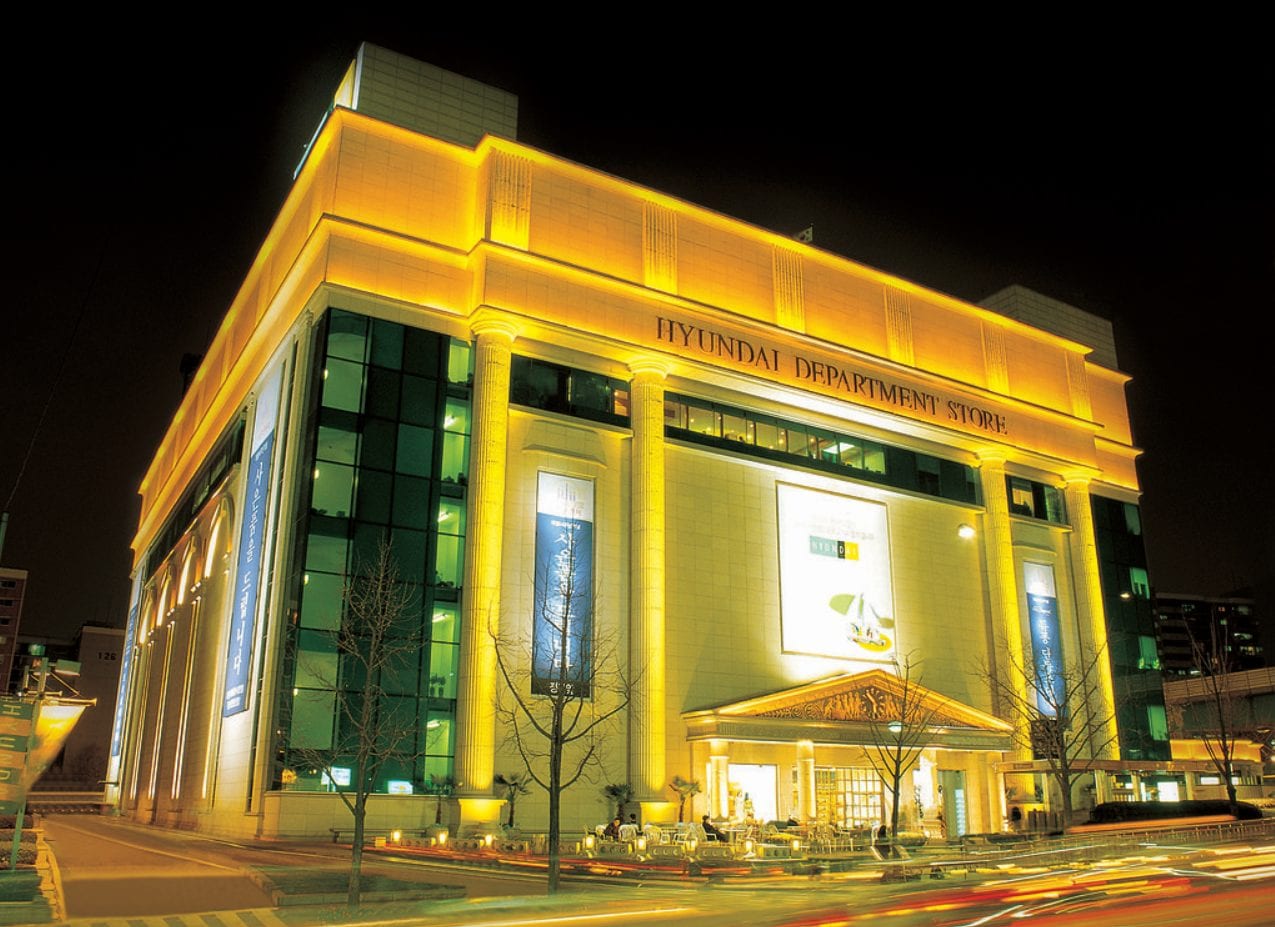
    Hyundai Department Store on Friday launched a premium outlet in Dongdaemun in central Seoul, home to many outlets such as Migliore, Lotte Fitin and Doota.

    With the new outlet, Hyundai is offering unique stores and services in hopes of the youke, or Chinese tourists, who flock to the area, as well as Koreans who are increasingly shopping online.
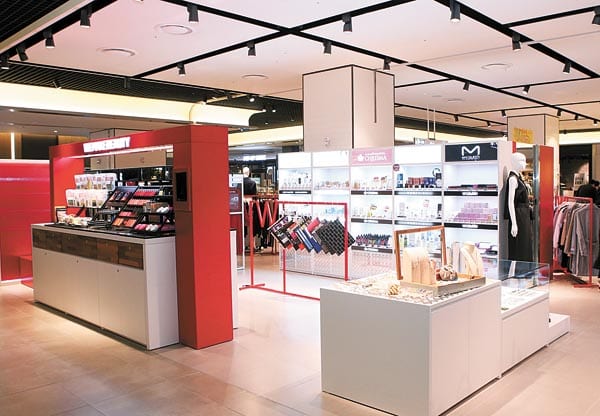
    The new outlet includes shops selling popular foods and beverages and a one-stop beauty section that allow customers to actually try out various products and to have fun while shopping.Hyundai Department Store Group said the new Hyundai City Outlet Dongdaemun occupies a nine-story, 37,663-square-meter (405,401-square-foot) building located in the popular shopping district. Hyundai spent 20 billion won ($16.7 million) decorating the interior of the new outlet like a premium department store.

    Additionally, the company pulled out all the stops to attract as many youke as possible by including a shop specializing in banana-flavored milk shop and a store selling products from YG Entertainment, one of Korea’s big three entertainment companies and home to musicians like Big Bang and 2NE1.
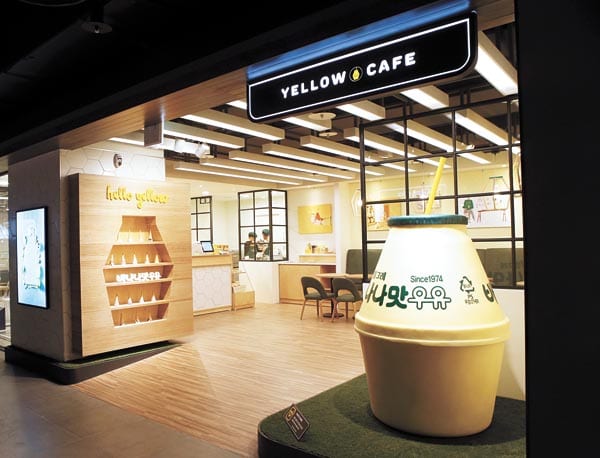
    The JoongAng Ilbo took a tour of the outlet the day before the official opening and found the banana-flavored milk flagship store located in the basement especially unique. The shop offers soft-serve ice cream, lattes and baked goods, all made using the iconic banana-flavored milk from Binggrae, which is very popular among Chinese tourists.

    “We have exported 15 billion won worth of our banana-flavored milk to China last year,” said a representative of Binggrae. “The store will be a tourist attraction for youke.” In fact, there were already many Chinese tourists lined up in front of the store on Thursday to take pictures with the oversized model of a banana milk bottle.

    Furthermore, Hatai Confectionary and Foods opened up shop right next to the banana milk store with a store called Haitairo. The store fries up potatoes in the shop to serve its famous Honey Butter Chips.

    Meanwhile, YG Zone will open on Tuesday for the K-pop fans. The 132-square-meter store will choose a different artist every month and sell special merchandise related to the artist. The store chose boy group Winner as this month’s artist, and will sell notebooks, t-shirts and limited-edition albums. The boy group was named Rookie of the Year at last year’s Golden Disc Awards.

    International sensation Big Bang will be the featured artist next month. “We plan to launch figures and special products for artists such as Psy, 2NE1 and more,” said at representative for Hyundai Department Store.

    Hyundai chose to hone in on youke in order to differentiate itself from other outlets. The new outlet has special help desks that offer tax refunds at shipping stores that allow customers to send purchased goods to China using UPS.

    Hyundai said it hopes to attract more than 4 million foreign tourists to the store every year.

    Moreover, Hyundai is targeting local customers interested in showrooming, or the practice of visiting a store to check out products before making purchases online.

    In particular, a store in the basement sells the same products that are available through the Hyundai Home Shopping TV channel as well as from social commerce company Wemakeprice.

    Through this store, Hyundai is trying to change the concept of outlets and give customers the chance to have hands-on experiences with products, in order to compete with the rapidly expanding online retail market in Korea.

    “The young generation does prefer shopping online,” said Kim Young-tae, CEO of Hyundai Department Store. “However, online shops cannot offer what outlets can, which is allowing family members to gather together and to enjoy shopping and eating.”

    The local outlet market size is expected to grow to 15 trillion won this year, but the competition is getting fiercer. There are more than 20 outlet stores, including those operated by Lotte, Hyundai and E-Land, in downtown Seoul alone.

    Hyundai City Outlet said its sales goal for this year is 200 billion won, or 13.3 million customers.
  • Vice president opens Ifex

    Vice president opens Ifex

    Vice President Jusuf Kalla inaugurated the Indonesia International Furniture Expo (Ifex) at the Jakarta International Expo Kemayoran on Friday.

    “I highly laud the efforts to increase the exports of furniture through such an international furniture expo,” Kalla noted in his opening remarks at the JIEXPO Kemayorans Semeru Room.

    The vice president noted that furniture and crafts are part of the production sectors that provide jobs and contribute significantly to foreign exchange earnings.

    “However, the production capacity of the furniture and craft sector should continue to be improved through good technology, design, and innovation,” Kalla affirmed.

    Further, he added that technology, design, and innovation will improve the competitiveness of the furniture and crafts industry in Indonesia.

    In the meantime, Industry Minister Saleh Husin has stated that the furniture design competition will be able to spur innovation to create more products having a competitive edge.

    While opening the International Furniture & Craft Fair Indonesia 2016 at the Jakarta Convention Center here on Thursday, the trade minister stated that the Ministry of Trade annually facilitated the national furniture design competition.

    Husin remarked that the winners of the competition were given an opportunity to visit furniture fairs abroad in order to broaden their horizons to the developments in global furniture designs.

    He affirmed that the furniture design competition also aimed to encourage innovation and creativity as well as motivate the people about the local culture to improve the competitiveness of the national furniture and craft sector.

    He emphasized that the government will continue to increase the number of furniture designers to develop national furniture design centers.

    The minister noted that the Trade Ministry will continue to promote and popularize local furniture at the national and international level by facilitating the furniture designers to regularly participate in the international furniture fair.

    The International Furniture & Craft Fair Indonesia 2016 is being organized by the Indonesian Craft and Furniture Association (Asmindo).

  • Indonesia Fashion Week Officially Opened

    Indonesia Fashion Week Officially Opened

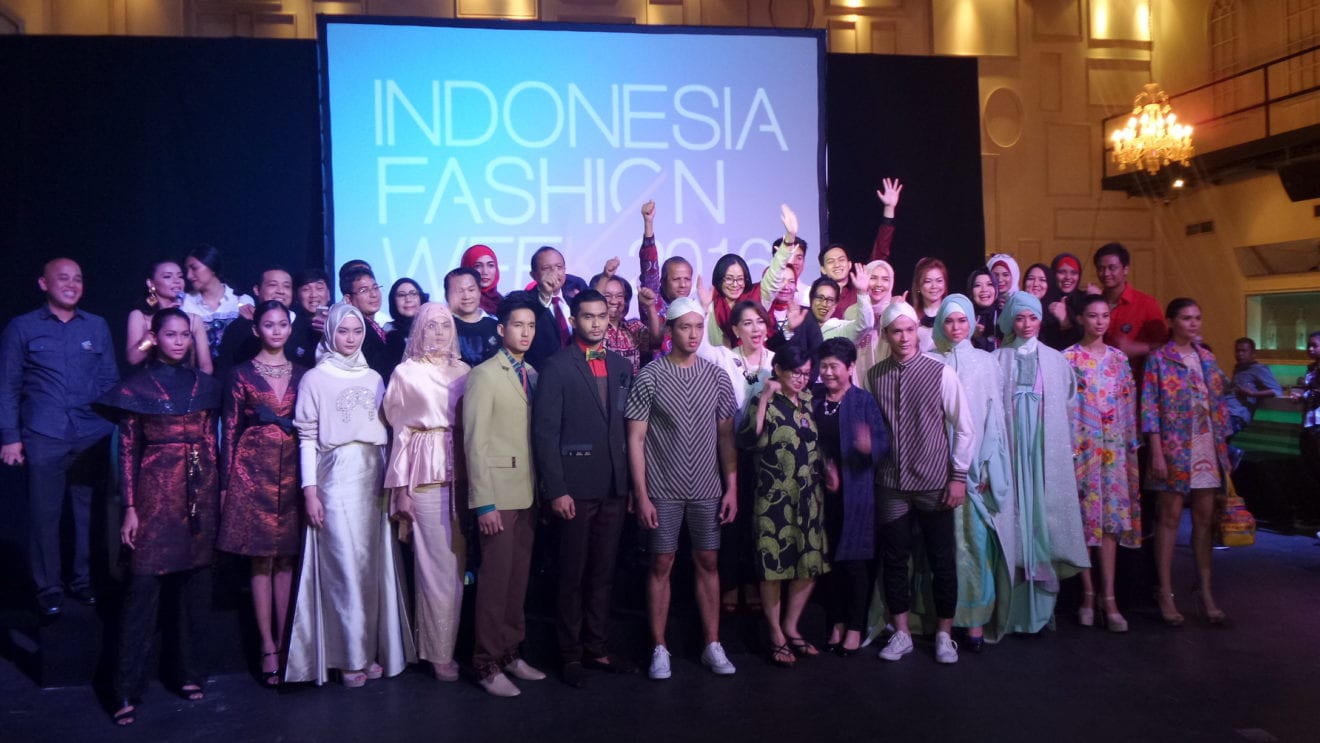
    Indonesia Fashion Week (IFW) 2016 with theme of “Reflection of Culture” is officially opened today, March 10, at the Jakarta Convention Center and will be held from until March 13, 2016.

    “IFW aims to accommodate Indonesian designer needs, both in central and regional,” IFW 2016 President Poppy Darsono said at the opening eventon Thursday, March 10.

    The event created by the Indonesian Fashion Designer Association (AAPMI) will present 32 fashion shows, exhibitions from 480 brands, talk show, workshop and design competition.

    Coordinating Minister of Human Development and Culture Puan Maharani, who represented Vice President Jusuf Kalla, said the fashion event gives opportunity for talented people in Indonesia to show their work.

    Minister of Cooperative and Small-Medium Enterprises (SMEs) Anak Agung Ngurah Puspayoga, who attended the event, hoped that Indonesian designer could meet domestic fashion needs, which is about 40 percent from the ASEAN market. “Don’t let foreign fashion enter Indonesia,” he said.

    Government has a business credit (KUR) program to help designers, including the ones who are starting up their business. The program with low interest is expected to make small businesses, including fashion, to keep growing. “We have prepared Rp120 trillion for KUR,” Puspayoga said.

    Industry Minister Saleh Husin said the ministry is also encourages the growth of fashion industry in the country.

    Saleh said fashion industry has contributed in export worth Rp181 trillion each year and absorbs 3.8 million people per year.

  • Haier Philippines to open concept shop in Cebu

    Haier Philippines to open concept shop in Cebu

    Haier Philippines has announced plans to open its first concept shop in Cebu next quarter.

    Randy Esguerra, Haier executive director for the Visayas and Mindanao regions, said the concept shop will be the only one in the country to date.

    haier-products-a6e1f6345f-new-haier-picture

    “We would like to say that this is the growth driver for the Visayas and Mindanao region. This is where the biggest chunk of our sales are being achieved,” Esguerra told the local press.

    Cebu accounted for 60 per cent of national sales in 2015, and the company’s most popular brand in the province is Haier Sanyo, he said.

    Haier president & CEO Nobuhito Hayashi said 2016 will be another great year for Haier as the company aims for 40 per cent sales growth this year.

    “With new product releases and an even stronger company dynamic, we can only expect good things this year,” he said.

    In 2015 Euromonitor named Haier as the world’s No. 1 home appliance brand for the seventh year in a row.

  • Contactless mobile payments growing

    Contactless mobile payments growing

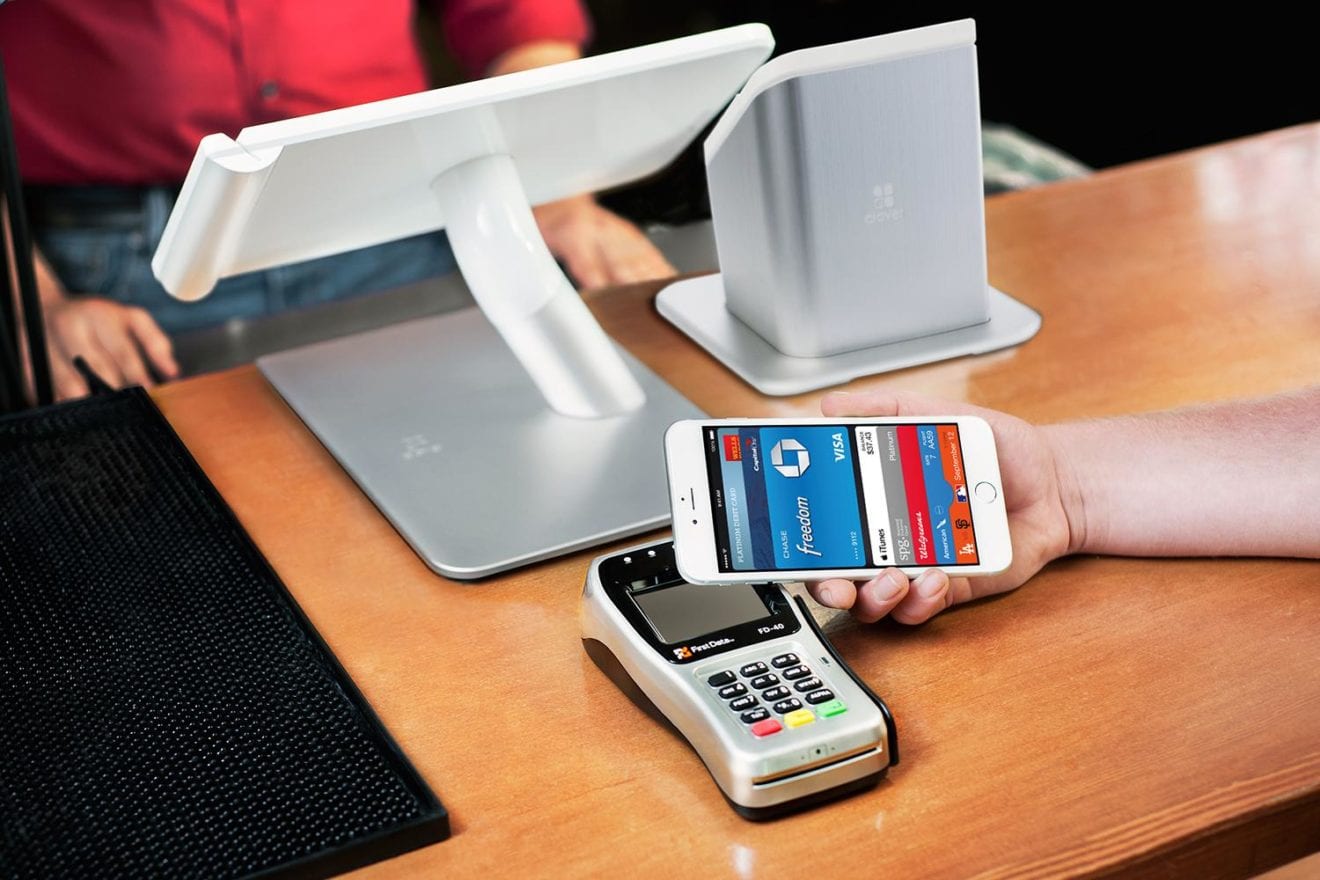
    The number of contactless payments made via mobile handsets will reach 148 million globally this year, according to a study conducted by Juniper Research.

    Samsung and Apple will account for approximately 70 per cent of new customers.

    The study showed consumers have been receptive to this payment method, predominantly because of their strategic placement. When Apple Pay was introduced in China, nearly 40 million payment cards were registered to the service in 24 hours in mid-February.

    Nearly one in five point-of-sale terminals in the US are now contactless-capable, with the report finding this will see smartphones be the number one driver of contactless payments in the US. The report also revealed banks and leading “over the top” players will deploy Host Card Emulation-based (HCE) models.

    “The combination of HCE and tokenisation is extremely attractive to banks. HCE means that they are not dependent on a mobile operator to enable the service; tokenisation reduces the burden on the issuer and allows them to use their existing infrastructure,” research co-author, Dr. Windsor Holden said.

    The study also found that NFC sticker-based solutions can be ‘risky,’ stating that in closed-loop solutions, ‘there’s a chance thieves could simply use all the money in the wallet at participating retail outlets.’

  • China’s DJI Opens New Flagship Store in South Korea on March 12

    China’s DJI Opens New Flagship Store in South Korea on March 12

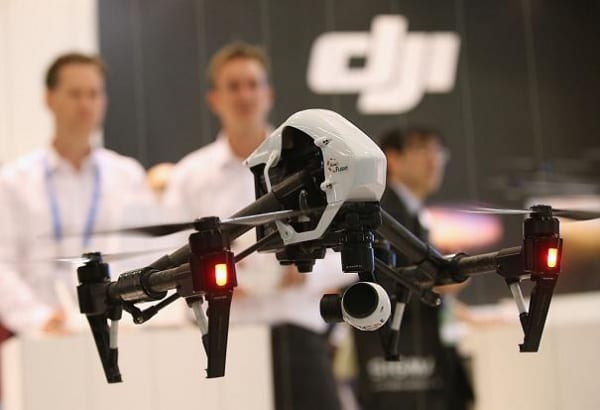
    DJI’s Inspire 1 drone can be fitted with the new Zenmuse XT thermal camera, making it see in the dark.(Photo : Sean Gallup/Getty Images)

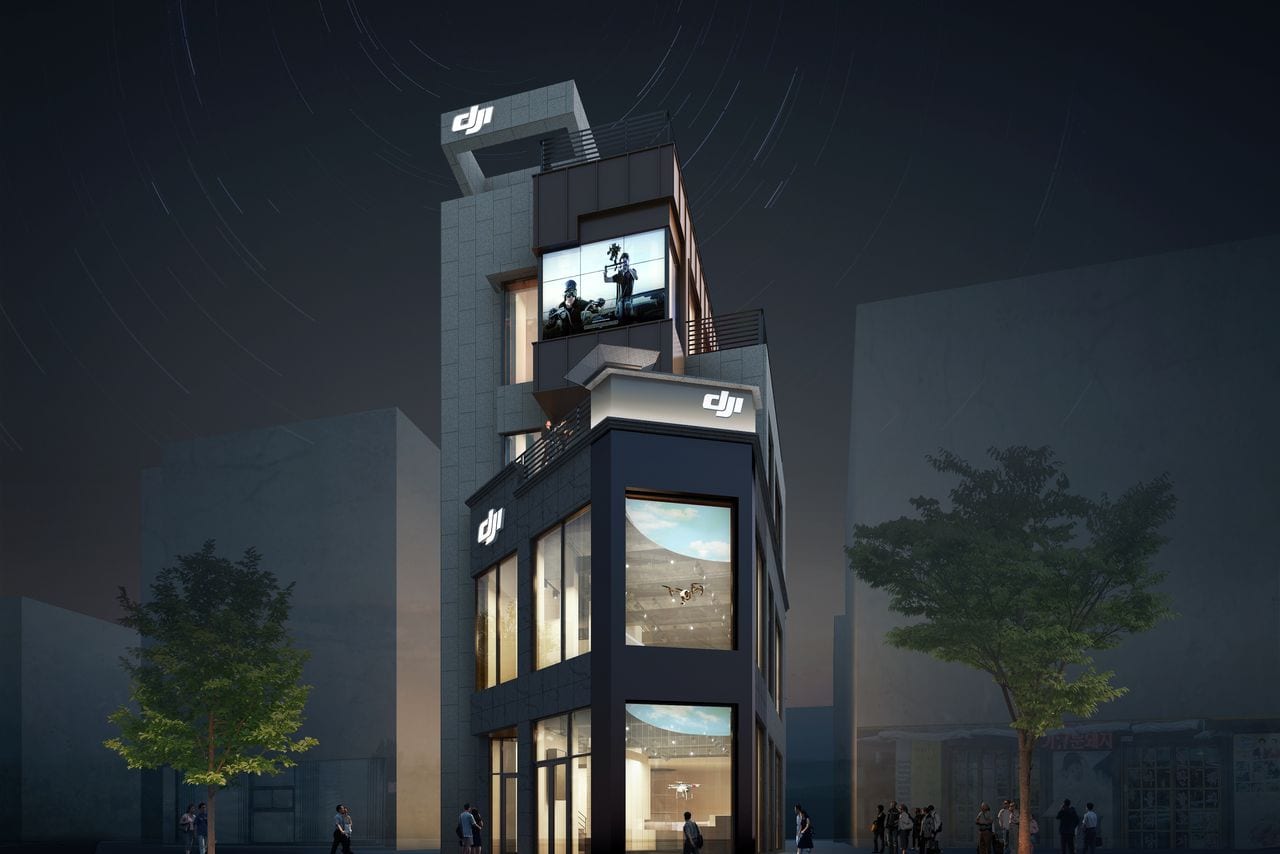
    Chinese aerial vehicle manufacturer DJI is preparing to open a new flagship retail store in western Seoul, South Korea on March 12 at 10 a.m. local time.

    The new five-story store is DJI’s first overseas flagship retail store covering 870 square meter of space. It has various showroom areas for showcasing the company’s consumer products including the Phantom series of quadcopters, the Inspire series, and the Spreading Wings series, among others.

    IFA 2015 Consumer Electronics And Appliances Trade Fair

    The store has an area where visitors can view videos and visual contents taken by the drones, as well as a customer experience zone where professional DJI pilots can perform demonstrations of the company’s products.

    Additionally, the store in Seoul will also provide teaching programs and hands-on sessions with drone experts where people can learn how to safely operate drone technologies, according to a report by Yonhap News.

    Manager of DJI Korea Moon Tae-hyun said, “With more and more people consuming video content on their mobile devices and the growing community of photographers and content creators, DJI sees Korea as a market with strong potential,”

    “We want to provide a truly unique experience for anyone who walks into our new store. Whether you are a professional looking for the latest aerial-imaging equipment, or curious and looking for your first drone, you will get to experience our technology up close and in person.” Tae-hyun added.

    The latest product by DJI is the Phantom 4 drone which costs $1,675 in the South Korean market. In the U.S., the new drone comes with a price tag of $1,399, available via DJI’s official website and exclusively on Apple’s online store.

    DJI, the world’s leader in drone technology, opened its first flagship store back in its homeland in the city of Shenzhen. DJI was founded by Frank Wang in 2006. The company currently has divisions in China, Japan, North America and Europe.

  • Impose levy on use of plastic bags

    Impose levy on use of plastic bags

    The special report on plastic waste stated that the National Environment Agency collected about 920 tonnes of plastic waste from our rivers and canals last year.

    This figure does not even include the plastic waste disposed at landfills, which should be much greater in quantity.

    We must take steps to reduce the use of plastic bags. Plastic bags can take more than 1,000 years to decompose and will remain toxic after they break down.

    One of most effective ways to reduce plastic waste is to ban the distribution of free plastic bags in supermarkets, convenience stores, pharmacies and department stores.

    A levy should be imposed on the distribution of plastic bags.

    In 2009, Hong Kong faced an imminent waste problem. It was estimated that more than eight billion plastic bags were disposed of at landfills every year. It then imposed a levy of 50 Hong Kong cents (10 Singapore cents) per plastic bag.

    This levy drastically reduced the number of plastic bags distributed.

    According to the Hong Kong Environmental Protection Department, before this levy was implemented, supermarkets, convenience stores, pharmacies and cosmetics stores in Hong Kong were distributing about 660 million plastic bags yearly.

    After one year, this number was drastically reduced to 150 million plastic bags.

    The levy has been so successful that the Hong Kong government last year implemented a total ban on the distribution of free plastic bags for all retail outlets.

    Nowadays, Hong Kong residents take along their own reusable bags with them when they go shopping.

    China, Taiwan and the Philippines implemented the levy for plastic bags even earlier. In Germany, very few people use plastic bags as paper bags are more environmentally friendly.

    Likewise, in Singapore, we should discourage the indiscriminate use of plastic bags by imposing a plastic bag levy.

    Initially, it may cause inconvenience but it is a small price to pay to save our precious environment.

  • Bacardi GTR appoints Golikeri as regional director Asia Pacific

    Bacardi GTR appoints Golikeri as regional director Asia Pacific

    Bacardi Global Travel Retail (BGTR) has announced the appointment of Vinay Golikeri as regional director Asia/Pacific. Golikeri will be based in Hong Kong and report to BGTR managing director Mike Birch.

    Part of BGTR since 2011, as marketing director, he led the company’s strategic drive to premiumise its portfolio and brought to market several innovations. The company said his experience in understanding the dynamics of the region’s emerging consumer demographics would be highly valuable in the company’s further collaboration with retailers to leverage the opportunity with shoppers at the second stage of luxury.

    Golikeri replaces Irving Holmes Wong who moves to a new role as Bacardi Greater China (domestic) managing director. Wong will lead the opportunity for Bacardi brands from his new base in Shanghai.  He will continue to work closely with Golikeri on synergies with the global travel-retail business in his region.

    Replacing Golikeri as customer marketing director, Global Travel Retail is Leila Stansfield. She joined BGTR as finance director in 2014, before which she was director, corporate strategy since joining Bacardi in 2010. Stansfield brings considerable shopper marketing experience from her earlier career as a retail and consumer specialist in the strategy consultancy arm of Price Waterhouse Coopers.

    Birch commented: “Bacardi prides itself on developing its internal talent pool and I am especially pleased to have the expertise of Vinay and Leila in their new roles. Global travel-retail is a strategic shop window for the Bacardi group with strong support from our CEO Mike Dolan and I am delighted that we have his personal support and continued investments in helping us deliver our ambitions in the sector.”

  • Online boom not deterring global retailers

    Online boom not deterring global retailers

    Global retailers are undeterred from expanding their bricks and mortar stores this year despite growing online sales, says a new report.

    In the seventh edition of How Active Are Retailers Globally?, real estate service company CBRE also says China remains the top target market of global retailers in Asia-Pacific. Its study covered more than 150 major international brands based in the Americas, Asia Pacific and EMEA.

    While European countries dominate the target destinations this year, China is the top target market in Asia-Pacific and the fourth most popular globally, with 27 per cent of retailers looking to expand there. This is followed by Hong Kong in sixth position (24 per cent), Japan seventh (22 per cent) and Singapore ninth (21 per cent).

    Globally, the top three were Germany (35 per cent), France (33 per cent) and the UK (29 per cent).
    China and Hong Kong maintained fourth and sixth place respectively, while Japan (seventh), Singapore (ninth) and Australia (11th) all rose higher in the rankings, up from 13th, 18th and 15th respectively.
    Most Asia-Pacific markets saw increased interest for this year compared with last, except for China and South Korea, which softened somewhat, says the report. Meanwhile, interest in Southeast Asia surged, with Malaysia (10 per cent), Indonesia (9 per cent ), Thailand (8 per cent), Vietnam (8 per cent) and The Philippines (8 per cent) all receiving more than double the interest they saw last year, when those markets achieved only between 1 and 3 per cent.

    When questioned about the risk factors facing them in the coming year, brands indicated that real estate cost escalation (56 per cent) and unclear economic prospects (42 per cent) continue to be at the forefront of their minds.
    “We’re seeing more of a challenging economic environment, and concerns such as high  operating costs and a lack of quality space mean retailers are somewhat more wary this year,” says CBRE head of research for Asia Pacific Dr Henry Chin.

    “However, even as markets such as China and Hong Kong are seeing a slowdown, we see increasing numbers of opportunistic retailers looking to enter markets like Hong Kong, supported by strong underlying consumer demand. Japan and Australia remain attractive, while Southeast Asia showed strong growth because of opportunities for retailers around an expanding middle class and stronger economic growth.”

    He says there are still opportunities for retailers to grow their business in Asia, as the region has four of the top 10 most popular destinations worldwide.
    “The goal now for all brick-and-mortar retailers is to build an engaging offer that encourages people to stay longer and spend more,” says CBRE senior director and head of retailer representation Joel Stephen.
    Of the brands surveyed, 83 per cent suggest their physical store expansion plans for this year will not be affected by the growth of eCommerce, and only 22 per cent see online retailing as a threat to their business.

    At the same time, retailers are cautiously optimistic about physical expansion. Of those questioned, 17 per cent have large-scale ambitions, many of them looking to open more than 40 stores this year (up from 9 per cent last year). Most retailers (67 per cent) are considering up to 20 stores.
    “A physical store in key locations is still critical to the strength of a brand’s image,” says Stephen. “Stores still need to create an emotional affinity with shoppers, and customers still feel a need to go into stores, to touch a product and enjoy the feel-good factor associated with a particular brand experience.

    “The store is integral to the shopping journey and can be used in a number of different ways, such as to click and collect, research of the product or brand, or to test the product. It isn’t solely about the transactional side.”

    In a new trend, a fifth of brands, largely from the Americas and EMEA, intend to expand into travel hubs such as airports and train stations this year to gain access to high footfall in busy locations. However, for Asia-Pacific retailers, shopping malls are still the most-preferred destination by far (nearly 90 per cent).
    While globally the key concern for brands in lease negotiations is “lease length”, Asia-Pacific retailers are most concerned with turnover rent clauses as well as changing consumer behaviour (40 per cent), which is higher than the global average (31 per cent).