Tag: asia

  • Hugo Boss to review store growth close some China

    Hugo Boss to review store growth close some China

    German fashion house Hugo Boss is closing outlets in China and will review its global store network as it tries to revive its fortunes following the departure of its chief executive last month after a profit warning.

    Like other upmarket fashion retailers, Hugo Boss has been hit by a slowdown in luxury spending, particularly in China.

    In a strategy shift last November the German label known for its smart men’s suits said it would restrict new store openings to top global locations as it worked to expand online sales.

    On Thursday, it said it was going further. It will close around 20 of its 145 stores in greater China and make extensive renovations to others there. After a review of its entire store estate, it could close more outlets elsewhere and will open fewer than 20 stores worldwide, down from a net 72 last year.

    That marks a turnaround from a few years ago when the fashion house went on a global expansion drive after being bought in 2007 by private equity firm Permira. Under now departed Chief Executive Claus-Dietrich Lahrs, it was opening more than 100 stores a year, driving rapid growth in both sales and its share price.

    The slowdown in China’s economy and a clampdown on conspicuous consumption there has since hit luxury brands hard. However, Hugo Boss said that price cuts it made recently in China to bring them closer to European levels had boosted demand in recent weeks.

    It slashed prices for its spring collection by 20 percent in China, with another 10 percent due in the second half, Finance Chief Mark Langer told a news conference. A suit that costs 500 euros in Germany still costs 900 euros in China though, he said.

    The company also said it plans to expand its digital activities and bring the running of its online business in Europe in-house in May to better coordinate with its stores.

    Hugo Boss used to sell most of its range wholesale to outlets like department stores, but now makes more than 60 percent of sales from its own retail business.

    Brands that sell from their own retail space can boost margins and maintain more control over how their garments are presented, but the strategy can leave them exposed in a downturn due to fixed rental and staff costs.

    Total investment in 2016 would be below 200 million euros ($220 million), down from 220 million in 2015, but the company announced an unchanged dividend of 3.62 euros per share, helping send its shares up 3 percent by 1009 GMT.

    “Hugo Boss is still a healthy and growing company,” Langer said.

    Last month’s profit warning sent Hugo Boss’s share price tumbling, and the stock was still down 27 percent this year after Thursday’s gain, trading at a big discount to rivals like LVMH and Burberry.

    “We expect the dividend and free cash flow comments to be reassuring,” said UBS analysts, after the company pledged to impose “rigorous” control of stock to ensure a rise in free cash flow.

    Italy’s Marzotto family is now the biggest shareholder in Hugo Boss after Permira gradually sold down its holding.

    The company gave no update on the hunt for a successor to Lahrs, but said it had a long list of candidates.

    Lahrs took the company more upmarket and also expanded into women’s wear, a strategy Langer defended from criticism by some analysts, highlighting double-digit growth for its BOSS label for women in 2015. ($1 = 0.9107 euros)

  • Help retail electronics customers navigate to the right products

    Help retail electronics customers navigate to the right products

    Singapore will be the first offshore location for Australian consumer electronics product information platform Product Lighthouse.

    Singapore has been identified because of the sophistication of the domestic market, the high demand for electronic goods, and the close level of integration with neighboring countries.

    Product Lighthouse acts as a bridge between vendor product content and retailer product information systems. Through Product Lighthouse, information authored by vendors can be readily made available for retailer websites, catalogues, staff training and in-store tickets.

    The launch of Product Lighthouse Singapore is slated for the second half of 2016, with discussions underway now with leading retailers and manufacturers.

    Retailers have an opportunity to increase sales and retain customers  

    Consumer research conducted by Product Lighthouse shows consumers are hungry for product information – but they are often not getting it from store staff or online. Research undertaken by Product Lighthouse showed that.

    • 87% of consumers say they leave a website and go elsewhere when they encounter poor quality or missing product
    • 64% of consumers say they would be less likely to purchase from a retailer who provided incomplete product

    CEO Chris Grannell said “Most of us have visited a store and found staff unable to answer our questions. Even though most consumers purchase electronic goods in a physical store, the growing significance of the Internet in the product discovery process means that comprehensive and accurate information online is essential.”

    Singapore audit reveals product information gaps

    Product Lighthouse undertook an audit of product information on retail websites in Singapore and found many inaccuracies and information gaps.

    Grannell said: “In Singapore our audit has shown some astonishing inaccuracies, such as incorrect specifications, key attributes missing, wrong weights and sizes. We even found one website that had a laptop listed with a gender! “

    “These things happen because content is transferred from manufacturers to retailers through a manual process. Even with the most conscientious staff, mistakes will happen. Added to that, the nature of this industry means that information is not available all at once which means that it is more of a drip feed and less of a single transfer. Never before has there been a system that can accommodate this process and facilitate the collaboration around this data”

    Product Lighthouse is designed with low-fi integration in mind

    Gex Cheng, CTO of Product Lighthouse, said “Our technology platform can be thought of as an API layer between manufacturers and retailers. But ‘making things easy’ is part of our DNA, so we’ve created the ability for retailers to export content in customised spreadsheets that can be loaded into their systems. We’ve also invested heavily in collaboration tools and in the ability to read output from all kinds of manufacturer databases and libraries.”

    Cheng continued, “I always like to remind our users that our approach is to ensure our software fits to your workflow rather than changing it.”

    Discussions taking place now

    Cheng and Grannell will be spending time in Singapore during April, when Product Lighthouse will also be showcased at the Tech in Asia expo at Suntec Convention Centre. Grannell said “We are encouraged by the current focus on productivity by the retail sector in Singapore. Programs such as the Capability Development Grants from SPRING show that government and industry alike are keen to invest in productivity, marketing and customer service.”

  • Apple Pay launched in China

    Apple Pay launched in China

    Apple has confirmed that its alliance with China’s state-owned bankcard association, China UnionPay, will allow the lender’s cardholders to use Apple Pay from 3rd week of February.

    The union between Apple and UnionPay was announced late last year, but was subject to various approvals.

    Shoppers around the world are being encouraged to use smartphones instead of cards to pay for in-store purchases.

    Alibaba’s Alipay currently dominates China’s electronic payments market.

    Apple confirmed its expansion into China on its website.

    “You can now support Apple Pay for your customers in China, providing an easy, secure, and private way for them to pay using their China UnionPay credit and debit cards,” the firm said.

    Apple’s head Tim Cook later announced the launch of Apple Pay in China early on Thursday via his Weibo account.

    Several reports have indicated that as many as 20 China-based lenders will be supporting Apple Pay, including the Industrial and Commercial Bank of China (ICBC).

    ICBC had not responded to written inquiries on Thursday, however.

    Growing market

    There has been a rapid take-up of smartphones in China, with an estimated 68% of the population now owning one – and digital wallets are becoming a more popular way to pay for goods and services.

    UnionPay’s alliance with Apple is an extension of its plans to make the most of that growing market.

    However, analyst Bryan Ma of research firm IDC told the BBC that Apple was likely to garner a smaller user base in China compared to competitors like AliPay and Tencent’s WeChat Payment.

    “This is in part because Alibaba and Tencent payment systems are used for more things, like money transfers, whereas Apple Pay might be limited to just retail point-of-sale and possibly App Store transactions for now,” he explained.

    “There will be a natural, gravitational pull though for some people to Apple Pay – particularly people in big cities – because of Apple’s brand. So they will be able to attract a selected customer base that way.”

    Mr Ma said another issue was that Apple Pay would use the Near Field Communication (NFC) method of contactless communication, rather than the barcode-like method of electronic payments using QR codes.

    QR codesImage copyrightCameron Spencer
    Image captionQR codes are used by a wider market because more phones can read them compared to phones that can read NFC tags, IDC’s Bryan Ma said

    QR codes were widely used by Apple Pay’s China-based competitors like Alipay, Mr Ma said, and could reach a wider market because more phones could read them compared to phones that could read NFC tags.

    By 2017 it is estimated the global mobile payments market will be worth some $1tn (£650bn).

    In addition to Apple Pay, Google’s Android Pay is available at more than one million locations in the US, while Samsung Pay was launched in South Korea in August, followed by a launch in the US the following month.

  • Hongkong Land’s 2015 results in line with expectations and support its ratings

    Hongkong Land’s 2015 results in line with expectations and support its ratings

    Hong Kong, March 10, 2016 — Moody’s Investors Service says Hongkong Land Holdings Limited’s (HKLH) results in 2015 reflected lower underlying profit but were in line with expectations and continue to support its A3 issuer rating.

    The results also support the A2 issuer rating of Hongkong Land Company Limited, a wholly-owned subsidiary of HKLH.

    The outlook for all ratings remains stable.

    “HKLH’s overall financial profile remained strong, despite the company reporting lower profitability and weaker financial metrics in 2015 as a result of lower earnings in its property development business,” says Joe Morrison, a Moody’s Vice President and Senior Credit Officer.

    HKLH’s revenues for 2015 grew by 3% year-on-year to $1.93 billion, as both rental income and property development revenue experienced moderate growth during the year.

    However, its adjusted EBITDA fell by around 14% year-on-year to $1.08 billion in 2015 due to an 11% year-on-year drop in the underlying operating profit of its property development business to $354 million. The drop was caused by completion and delivery of lower margin projects along with lower provision write-backs for two residential projects in Singapore during the year.

    Nevertheless, HKLH’s financial profile continues to support the A3 rating level. HKLH ‘s adjusted EBITDA interest coverage — which excludes fair value gains, but includes dividends from associates and joint ventures — was 7.9x for FY2015, down from 9.3x in 2014, while adjusted debt/EBITDA increased moderately to 3.6x from 3.4x.

    “The company’s investment property business remained strong in 2015, and the limited office supply situation in Central will continue to support its rental and occupancy rates over the next two years,” says Morrison.

    HKLH’s office vacancy rate declined to 3.4% at end-2015 from 5.4% at end-2014, while average office rents remained stable. Retail space remained fully let, with average net rent increasing around 3.3% year-on-year to HKD221 per square feet.

    The vacancy rate of HKLH’s Singapore office portfolio remained low at 3% at end-2015 compared to 1.7% at end-2014. However, taking into account the committed area under new leases, the adjusted vacancy would have been 1% at end-2015.

    The company’s rental income grew around 1% year-on-year to $851 million, benefitting from positive rental revisions for its Central office and retail portfolio during 2015.

    Moody’s expects HKLH’s EBITDA interest coverage and adjusted debt/EBITDA to weaken moderately over the next 2 years, as the company raises debt for potential land acquisitions and development projects.

    The impact should be mitigated by the contribution from property development. At end-2015, HKLH had unrecognized contracted sales of USD821 million for its projects in Mainland China, with around 70% scheduled for delivery in 2016.

    HKLH’s liquidity profile remained robust. The company had cash of $1.6 billion and committed unutilized facilities of $2.5 billion at end-2015. These resources are more than sufficient to cover its short-term debt of $169 million over the next 12 months.

    The principal methodology used in these ratings was Global Rating Methodology for REITs and Other Commercial Property Firms published in July 2010.

    Hongkong Land Holdings Ltd is a Bermuda-incorporated holding company engaged in property investment, management, and development. HKLH is 50%-owned by Jardine Strategic Holdings Ltd. (A2 stable).

    The Hongkong Land Company Ltd (A2 stable), incorporated in Hong Kong, is a wholly owned subsidiary of HKLH and holds the group’s portfolio of 5 million square feet of prime office and retail space in Hong Kong, the Central portfolio.


  • Thai investment in VN concentrated in processing, manufacturing

    Thai investment in VN concentrated in processing, manufacturing

    According to the agency, there are about 200 Thai projects in such industries, with combined investment of US$7 billion or 88 per cent of Thailand’s total investment in Vietnam.

    These sectors are followed by agriculture, forestry and seafood sectors, which have 31 projects worth $235 million. The rest are in retail and construction sectors.

    As the end of February this year, Thai businesses had invested in 428 projects in the country, with a total investment capital of $7.88 billion, ranking 11th among countries and territories that have invested the largest capital in Vietnam.

    A Thai project was worth $18.4 million on average, about $14 million more than the average value of a foreign investment project in the country.

    The southern Ba Ria – Vung Tau Province attracted the highest number of foreign direct investment projects from Thailand, worth $3.77 billion. It’s followed by the northern Vinh Phuc Province with projects worth $744 million and the southern Binh Duong Province with $513.4 million.

    The statistics also showed that Thai joint venture investments comprised 70 per cent of Thailand’s registered investment in Vietnam, worth $5.5 billion.

    Vietnam has become a favourite destination of many Thai billionaires in recent years, with many large projects and merger and acquisition transactions taking place in retail and consumption areas.

    These include Thai company Berli Jucker’s (BJC’s) purchase of Metro Cash & Carry Viet Nam for more than $870 million; and Power Buy, a subsidiary of the Central Group of Thai billionaire Chirathivat, also acquired a 49 per cent share in New Solution and Technology Development Company NKT, the owner of Viet Nam’s leading retailer Nguyen Kim Trading JSC.

  • Philippines online grocery service launched

    Philippines online grocery service launched

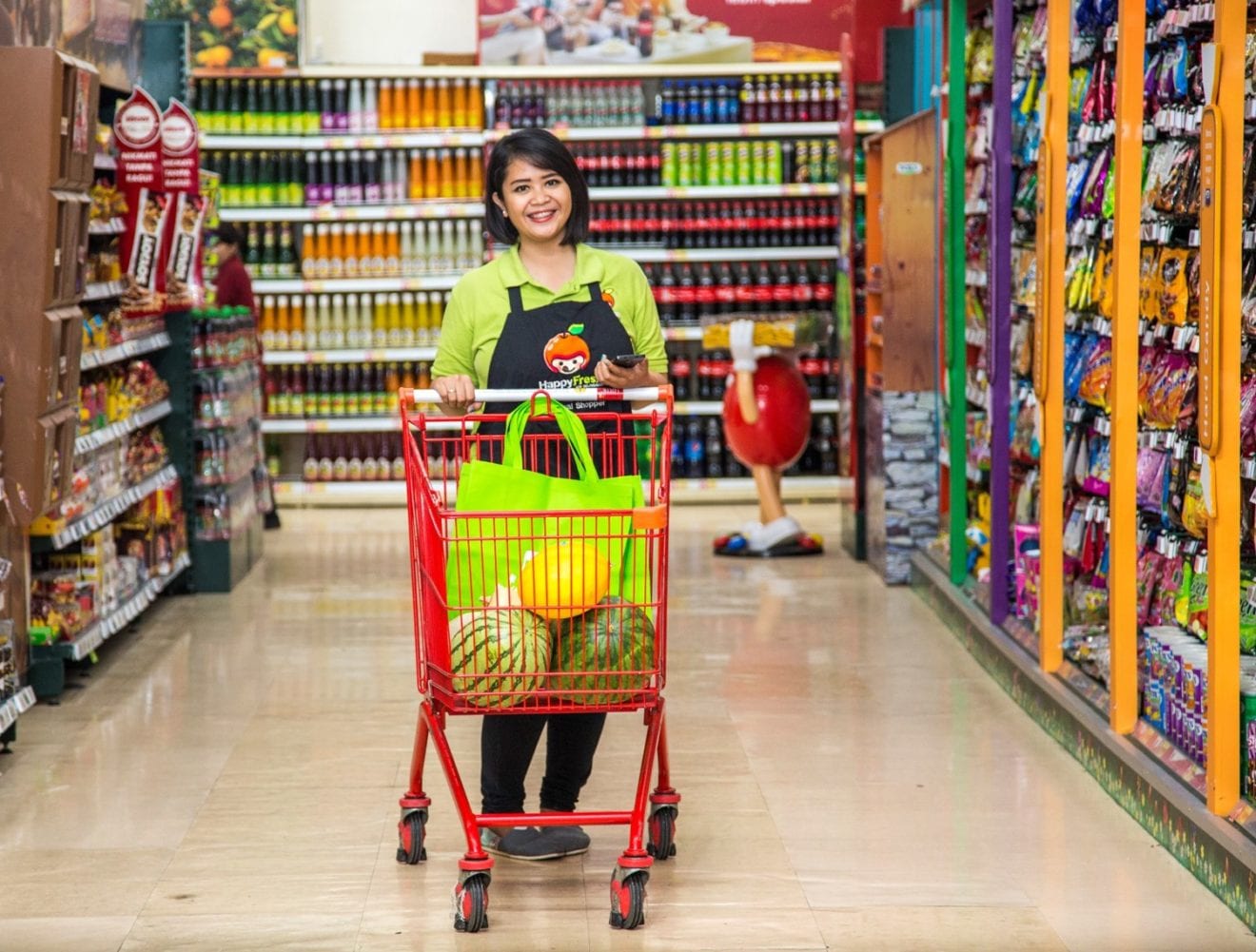
    Jakarta-based HappyFresh is bringing its operations to the Philippine market by the second quarter of 2016.

    Manila is the online grocer’s fifth market in Asia, following  Indonesia, Malaysia, Thailand and Taiwan. Isabel ‘Pao’ Barientos, former chief operating officer of online marketplace theshop.ph, will lead the Manila office as MD. Barientos has also previously worked for deal sites Ensogo and the Lazada Group.

    The Philippines online grocery shopping app will target the growing urban workforce, especially working mothers, who are in need of personal shoppers to deliver goods amid the city’s notorious traffic congestion.

    “The Philippines is an exciting market because the population’s wealth is expanding and consumer spending growth will accelerate through to 2030,” said HappyFresh CEO and co-founder Markus Bihler in a statement.

    In Bangkok, HappyFresh competes with supermarket chain Tesco Lotus, which has been offering a delivery service for several years already. In Jakarta, the competitor is startup Back Garlic, a meal-kit delivery service sends pre-packaged, portioned and labeled groceries in a box.

    Bihler said the market for online grocery shopping in Asian countries could see double-digit growth in market turnover by 2020 to reach S$19 billion (US$13 billion) by 2020. He said the rise of a young, working-class population in urban areas is driving the market.

    Working mothers outnumber all other HappyFresh customers, with dairy products such as milk and eggs among the top purchases. They are followed by young professionals and expatriates who mainly buy tomatoes, spaghetti and chicken breast.

    Securing $12 million in funding as a start-up last year, led by Singapore’s Vertex Venture and Sinar Mas Digital Venture, HappyFresh partners with supermarket retailers, “particularly small and medium-sized enterprises that do not have the capacity or ability to invest in technology and reach out to new set of customers,” said Bihler.

  • South Korean retailers eye overseas push

    South Korean retailers eye overseas push

    The largest South Korean retailers, faced with cut-throat competition in the rapidly saturating domestic market, are turning their attention to overseas markets in conjunction with small and mid-sized businesses to secure a new growth driver.

    The country’s three major retail conglomerates – Shinsegae Group, Lotte Group and CJ Group – are targeting to sell more of their ‘private brand’ products or help small and medium-sized enterprises (SMEs) promote their products both in emerging and developed markets, they said.

    Of the three, Shinsegae’s Emart, the nation’s largest discount store chain by sales, appears to be the most aggressive player given its latest moves and announcements.

    On Wednesday, Emart outlined its 2016 plan not only to increase shipments of its products to overseas branches in China and Vietnam but also to supply them to local retail companies in the US, Europe and Oceania.

    “We have set an ambitious target of US$20 million in overseas earnings this year, sharply up from $1.72 million the year before. What we earn outside the country still accounts for a tiny portion of our overall sales. But we expect it to grow over time,” Emart spokeswoman Hur Chae-jeong said.

    For all of 2015, Emart saw its net profit jump 57 per cent to 455.9 billion won ($374 million) from 290 billion won a year earlier. Sales rose 4.1 per cent to 15.3 trillion won from 14.7 trillion won during the same period.

    The dominant discount store company seeks to fill more than 40 per cent of its total products to be exported with price-competitive PB products. In Korea, in partnership with SMEs, big retailers provide ‘less-recognised’ private label products to customers at lower prices compared to existing brand names.

    Moreover, Emart signed an initial agreement with the Korea Trade-Investment Promotion Agency (KOTRA) in November to help SMEs find ways to export their products. The move was in line with the government’s broad efforts to support them amid falling exports.

    Exports have been on a losing streak over the past 14 months, posting a 12 per cent on-year decline in February at $36.4 billion, according to government data.

    Lotte Department Store and CJ O Shopping, the nation’s biggest department store chain and home shopping channel by sales, respectively, have taken similar moves to go overseas.

    Lotte said Thursday it had arranged meetings between Korean SMEs and their Vietnamese and Indonesian counterparts in those countries to help them find bilateral business opportunities there.

    “The Korean SMEs supply their products to our department store chains. If they successfully enhance their brand awareness among overseas customers, it will lead to an increase in sales. So we will jointly conduct a market survey with the SMEs and offer them a variety of support programs,” a Lotte spokesman said.

    Lotte currently operates department store outlets in Vietnam, Indonesia, Russia and China.

    CJ O Shopping said it has partnered with Kotra to help Korean SMEs advance into Latin American markets on top of its current China and Southeast Asian markets.

    “In June last year we set up a joint venture with Mexico’s main broadcasting company Televisa to sell Korean products through a local home shopping channel. We will sign such partnerships with other Latin American countries in coming years,” CJ spokesman Hong Seok-woo said.

    CJ O shopping is in talks with daily deals website operator Groupon  and US retailer Walmart Stores to have Korean products available in their online shopping malls, Hong said.

    CJ has signed with 10 countries, largely in emerging markets, to sell Korean goods through local home shopping channels.

    “We are seeing a burgeoning demand for Korean beauty and fashion products in Latin America helped by the boom of ‘hallyu,’ or the Korean wave, there,” he added.

  • Home owners still ready to pay for exclusive decor

    Home owners still ready to pay for exclusive decor

    The slowing economy might be dampening demand for luxury goods, but home owners are still willing to pay top dollar for unique furnishings, retail experts said.

    Homes are prized possessions here, so proud owners will spend to doll them up, even if they are becoming more selective about bigger-budget items, said Assistant Professor Elison Lim of the Nanyang Business School at Nanyang Technological University (NTU).

    “They are increasingly looking for pieces with stories or personal meanings that they connect with,” she said about shoppers who have the spending power for mid-range to high-end home products.

    But stores whose products are not perceived as being exclusive could be hit by such changing tastes, retail experts said.

    Lifestyle and home accessories retailer iwannagohome, which observers said falls into this category, told last month that it would close its two stores at the end of May. It announced a closing down sale at its Tanglin Mall and Great World City outlets on its Facebook page on Feb 19.

    A spokesman for lifestyle group Gill Capital, which started the brand in 2007, said it is bringing in new concepts, but declined to elaborate. It also runs franchises for H&M and Candylicious in Singapore.

    On Gill Capital’s website, iwannagohome is described as a concept brand that sources affordable luxury home fashion from around the world.

    Mr Amos Tan, a marketing and retail lecturer at Singapore Polytechnic, noted that the brand sources its products rather than creates its own, so brand loyalty would be difficult to build because consumers could easily find the same or similar items online, at lower prices.

    Several mid-range to high-end homeware retailers said business is still fine, as they have made efforts to meet evolving consumer needs.

    Home accessories retailer Molecule, which has two concept showrooms at Great World City, registered slower but stable sales last year.

    Senior manager Steven Goh said the company keeps a close watch on regional property markets to help it optimise merchandise planning. It also adjusts offerings and prices during slow periods such as the current one.

    He noted that more customers are getting “design-savvy and house-proud”, and are willing to spend on home decor.

    Multi-label store Naiise, which sells lifestyle and homeware goods, started as an online retailer in 2013. It now has five brick-and-mortar outlets, including a flagship store at Central mall in Clarke Quay. Its revenue last year was four times higher than in 2014.

    Founder Dennis Tay said that, even though online shopping is convenient, “there remains strong demand for a highly personal shopping experience that offers more than familiar household brands”.

    Around 70 per cent of Naiise’s products are by local designers, and include offerings such as a kueh-shaped cushion and a handmade bamboo ladder with a shelf attachment.

    Singapore Polytechnic’s Mr Tan said today’s consumers are well-educated and care about the shopping experience.

    “If you’re talking about mid-range to high-end, it’s not enough to just be a shop that looks good and sells products. You have to tell a story and sell an experience.

    “If you want people to part with that kind of money,” he said, you need to appeal to their emotions.

  • Outlet near Disneyland sets to open in May

    Outlet near Disneyland sets to open in May

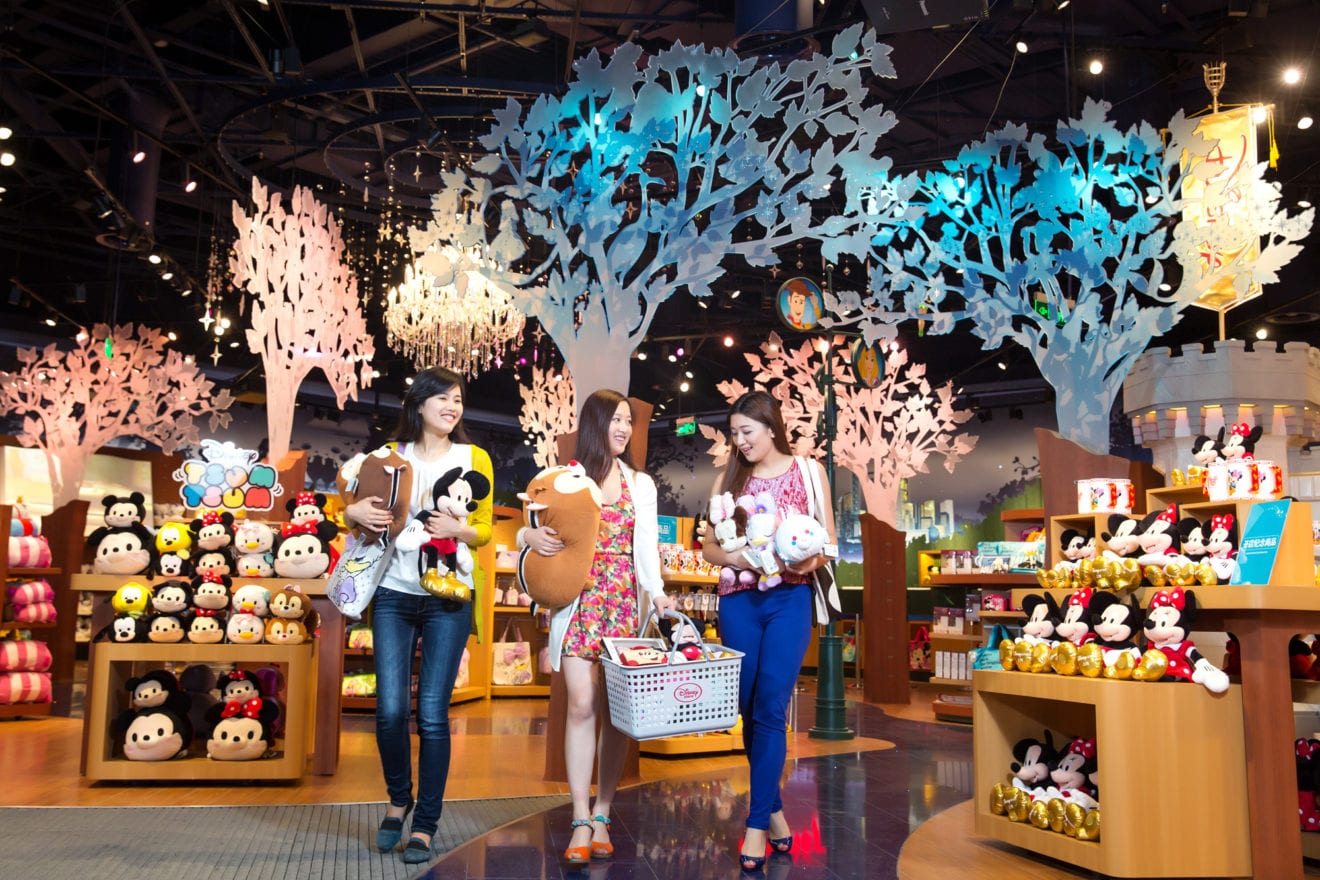
    A designer outlet village adjacent to Shanghai Disney Resort will open on May 19 in Pudong New Area, aiming to tap the demand of luxury shopping amid potential tourists toward city’s upcoming iconic attraction.

    Named as Shanghai Village, the project is a joint venture between London-based mall developer Value Retail and state-backed operator of Shanghai International Tourism and Reports Zone, Shanghai Shendi Group.

    The project represented the largest investment of the company worldwide, said Mark Israel, chief executive officer of Value Retail China, with about 150 boutiques set to open either upon launch or thereafter in a 55,000-square-meter space.

    The UK developer had opened its first China outlet center of such kind in Suzhou back in May 2014. The phase two construction of the Suzhou Village will begin sometime in fall, according to Value Retail, and then move on to other projects in China including Hong Kong.

  • Swiss luxury retailer Kirchhofer for sale

    Swiss luxury retailer Kirchhofer for sale

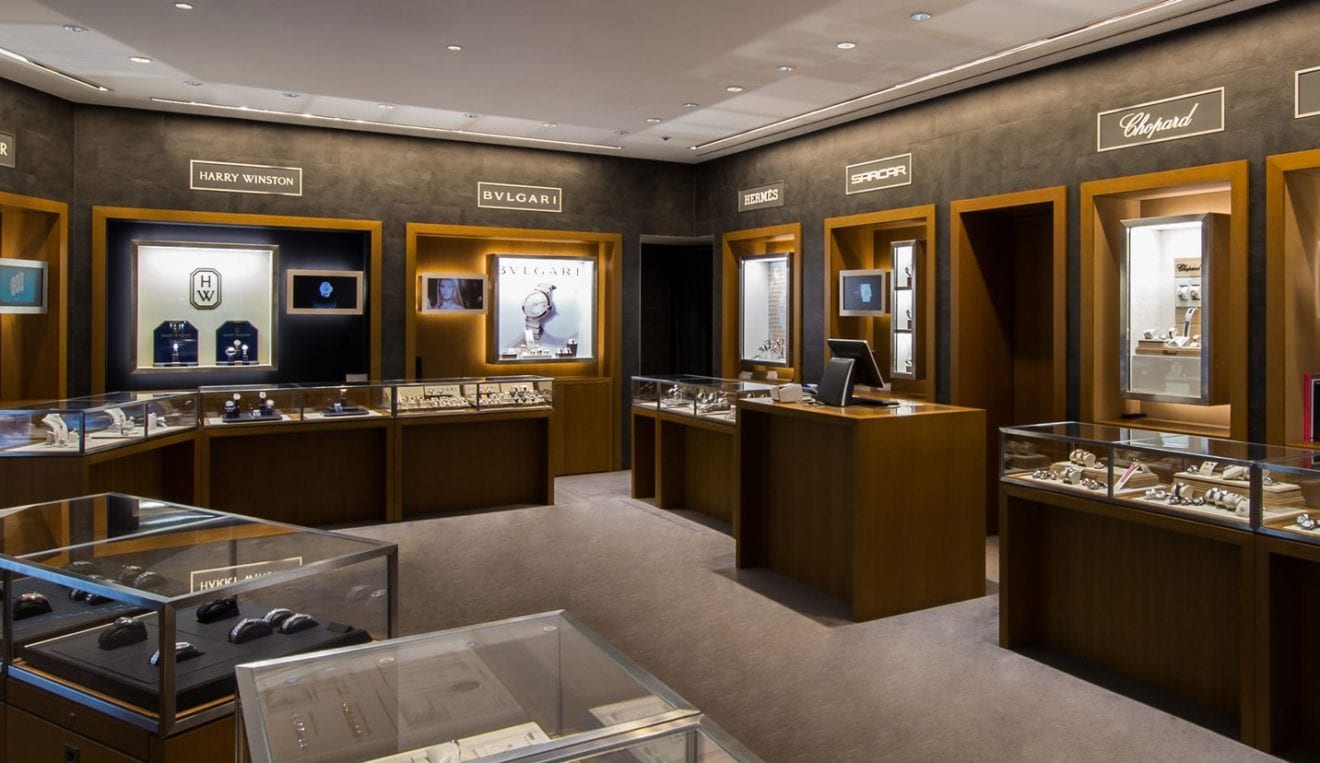
    Swiss luxury watch and jewellery retailer Kirchhofer is up for sale, Reuters reports.

    The family owned company, with annual sales of about US$302 million, is thought to produce a net profit of around $60 million annually.

    Reuters reported that three independent sources confirmed Credit Suisse has been engaged to sell the business.

    Kirchhofer sells most famous Swiss watch brands along with jewellery, cosmetics and leather goods. These days it focuses especially on Asian customers.

    Estimate of the value of the company range between five and 10 times the net profit, which calculates at between $300 million to $600 million.

    Likely suitors would include luxury retail giants Kering, LVMH and Richemont, along with private equity investment companies interested in expanding the brand internationally.

    The business is currently owned by Juerg Kirchhofer, the son of founder Fritz Kirchhofer who started the retailer in 1944. It has 10 stores, mostly in tourist cities in Switzerland.

    In a statement to Reuters, Kirchhofer’s finance head, Hans Wolf said no decision had been made to sell the company as yet.

    “Mr Kirchhofer has reached retirement age, which does not necessarily mean he wants to retire soon. Different options are being reviewed and analysed at the moment for the future of the company,” he said.

  • Woodland looking at franchising

    Woodland looking at franchising

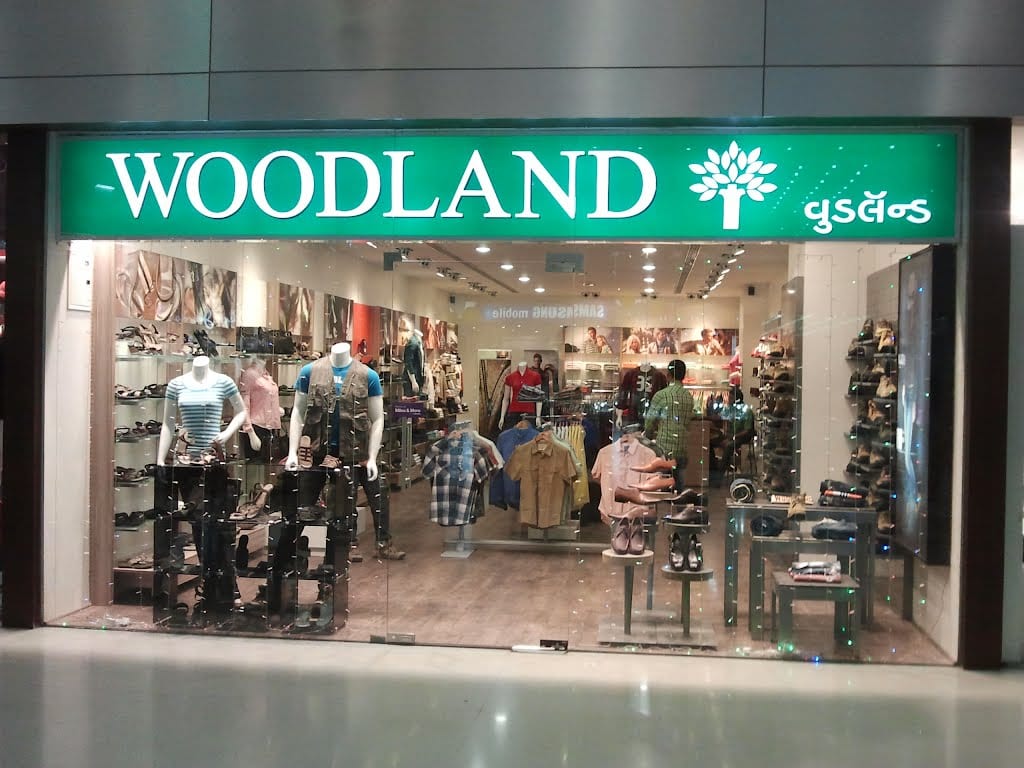
    Indian footwear and outdoor gear brand Woodland is planning to open stores in China, Malaysia and Singapore along with franchising its brand in other markets.

    Woodland is also taking the eCommerce route as part of its expansion, and is hiring social-media teams to run campaigns and online selling platforms in local languages.

    After announcing plans two years ago to launch 25 stores across China, it has subsequently opened “about a dozen stores” in Hong Kong. Its products are available through distributors in Singapore, and the company plans to enhance its global distributor networks. It aims to add at least 10 retail outlets internationally over the next two years.

    While the first few international stores will be company owned, MD Harkirat Singh says Woodland is open to franchisee formats for serious investors. The global stores will be a mix of independent stores and shops in shops.

    Singh says the product line in international markets will be customised to suit the region’s climate. according to the climatic conditions of the region. Woodland looks to tap the fast-growing extreme-weather outdoor gear market both in national and international markets, and claims to already have an 80 per cent market share in this segment in India.

    “While we have grown at an average of 15 to 20 per cent year-on-year in the past two to three years, the outdoor category has grown exceptionally in the past five years, says Singh. “Outdoor gear has become a lifestyle item, making our brand more popular.”

    Founded in Canada in 1992, Woodland is owned by Delhi-based Aero Group, which has its own leather-tanning and production units in Bangladesh, Canada, China, Indonesia, Macau, Malaysia, Sri Lanka, The Philippines and Vietnam, and as well as India.

  • Online wine sales in China rising fast

    Online wine sales in China rising fast

    JD.com‘s head of wine business, Zhao Dabin, told in an exclusive interview that the retailer sold 400m yuan (US$61.5m) of wine direct to consumers in 2015. That figure is expected to triple in 2016, he said.

    JD also hosts pages for individual merchants, acting as a gateway to a new generation of mainstream wine consumers in China – beyond the gift-giving between government officials that has been significantly curtailed by the present regime.

    Wine sales through these JD.com-hosted, online ‘shopping malls’ for merchants are expected to hit 1.5bn yuan this year.

    His comments tally with those from several wine importers and merchants in China, which are freeing up investment for e-commerce.

    Total online retail sales of physical, consumer goods in China rose by 32% in 2015, to reach 3.2tn yuan, or US$492bn, according to Chinese government figures. Online sales of tobacco and liquor products increased by nearly 13% versus 2014, to 196bn yuan.

    JD is seeking to compete with larger players in the market, such as Alibaba‘s Tmall and Taobao platforms.

    In wine, JD’s Zhao sees a lot of potential. ‘Most of our wine consumers are still at entry level,’ he said. ‘Only 3% to 4% of our registered users buy wines at the moment. There’s still plenty of room to grow.’

  • South Korea’s CJ Group promises $500 mln expansion in Vietnam

    South Korea’s CJ Group promises $500 mln expansion in Vietnam

    CJ Group, which runs Vietnam’s largest multiplex cinema chain, has promised to invest US$500 million in the country this year to turn it into its second biggest overseas market after China in the next five years.
    The amount is larger than the total of $400 million the Seoul-based conglomerate has invested in Vietnam over the past 20 years.
    While CJ has a presence in many countries, including Indonesia and the US, Vietnam has proved to be a highly promising market where its businesses grew 26.73 percent a year on average in 2011-15, Chang Bok Sang, CEO of CJ Group Vietnam, said at a press conference Thursday.
    CJ plans to boost its activities in agriculture, entertainment and logistics either through direct investment or mergers and acquisitions, he said, adding that it is also seeking partners to enter retail.
    This month the group, which has animal feed plants and food subsidiaries in Vietnam, bought a 4.18 percent stake in the country’s top meat producer, Vissan, for over VND300 billion ($13.26 million) during the company’s initial public offering. It is seeking to acquire another 14 percent in Vissan to become a strategic partner.
    CJ also reportedly took over Ong Kim’s, a popular brand of Kimchi in Vietnam, in January.
    Besides the CGV multiplex cinema chain it took over from British Virgin Islands-based Envoy Media Partners Ltd for $73.6 million in 2011, in Vietnam CJ also has interests in food, film production, communications, and real estate.
  • Retailer simplifies name to The Hyundai

    Retailer simplifies name to The Hyundai

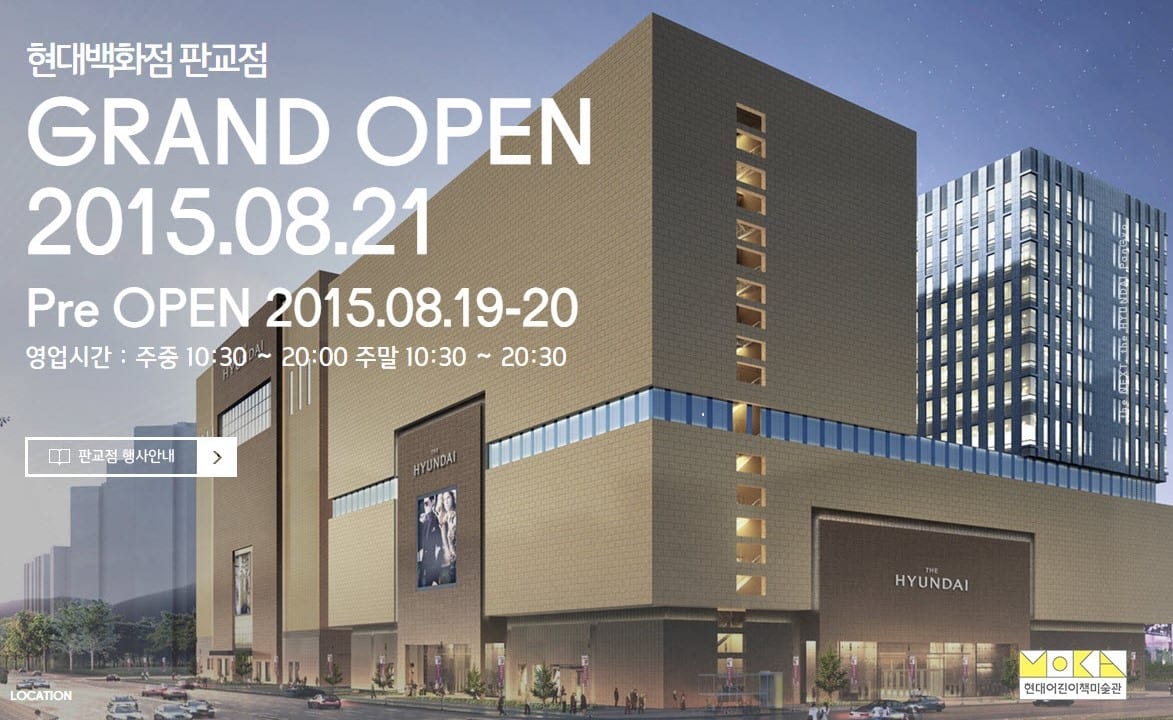
    For the first time since opening 31 years ago, Korean retail giant Hyundai Department Store is renewing its brand identity and simplifying its name to “The Hyundai”.

    Starting with its Apgujeong flagship store this month, the group is changing the exterior of its establishments featuring its new logo and corporate colours. Hyundai has 15 department stores, seven U-Plex stores and three outlets nationwide, all displaying a three-coloured-bar (mint green, black and yellow).

    As The Hyundai, the design changes to dark green and lilac hues with the aim of promoting a luxury image. As well as appearing on the façade of its department stores, the new logo will also be rolled out inside the store, and on shopping bags, membership cards and other collateral.
    The decision for the change is to augment its image as versatile supplier of lifestyle and shopping space and products, says marketing chief Chung Ji-young. The makeover was the idea of chairman Chung Ji-sun, grandson of the late Hyundai founder Chung Ju-yung.

  • Ensogo mobile marketplace takes wings

    Ensogo mobile marketplace takes wings

    Ten weeks after its launch, the mobile marketplace of Australia-listed Hong Kong-based eCommerce platform Ensogo has reported “exceptional” growth.

    Ensogo connects products for sale to more than 600 million consumers throughout Hong Kong, Indonesia, Malaysia, Singapore, The Philippines and Thailand.

    Ensogo app

    The company says its marketplace’s inventory has rocketed 3000 per cent, with the number of sellers swelling 600 per cent over the first two weeks of January, following a strong fourth-quarter.

    “The introduction of Ensogo’s mobile marketplace represents a game-changing shift for the business,” says co-founder and CEO Kris Marszalek. “Since its launch, we have seen an exponential increase in both new and active sellers, adding hundreds of thousands of products to our offering.

    “Exciting merchandise is a prerequisite to successful customer acquisition and retention, and Ensogo now offers consumers across the region a vastly expanded and truly exceptional range of products at competitive prices.”

    Powerful personalisation technology drives product discoverability while creating individualised shopping experiences on the marketplace, which with its rapid traction underscores the company’s transition away from its legacy services business. Along with changing trends and consumer behaviours in Southeast Asia, the company believes a streamlined offering is critical as the business moves into its next stage of growth. “The eCommerce opportunity in Southeast Asia is enormous, and has immense potential for further growth,” says Marszalek.