Tag: asia

  • Huawei Japan experience store planned

    Huawei Japan experience store planned

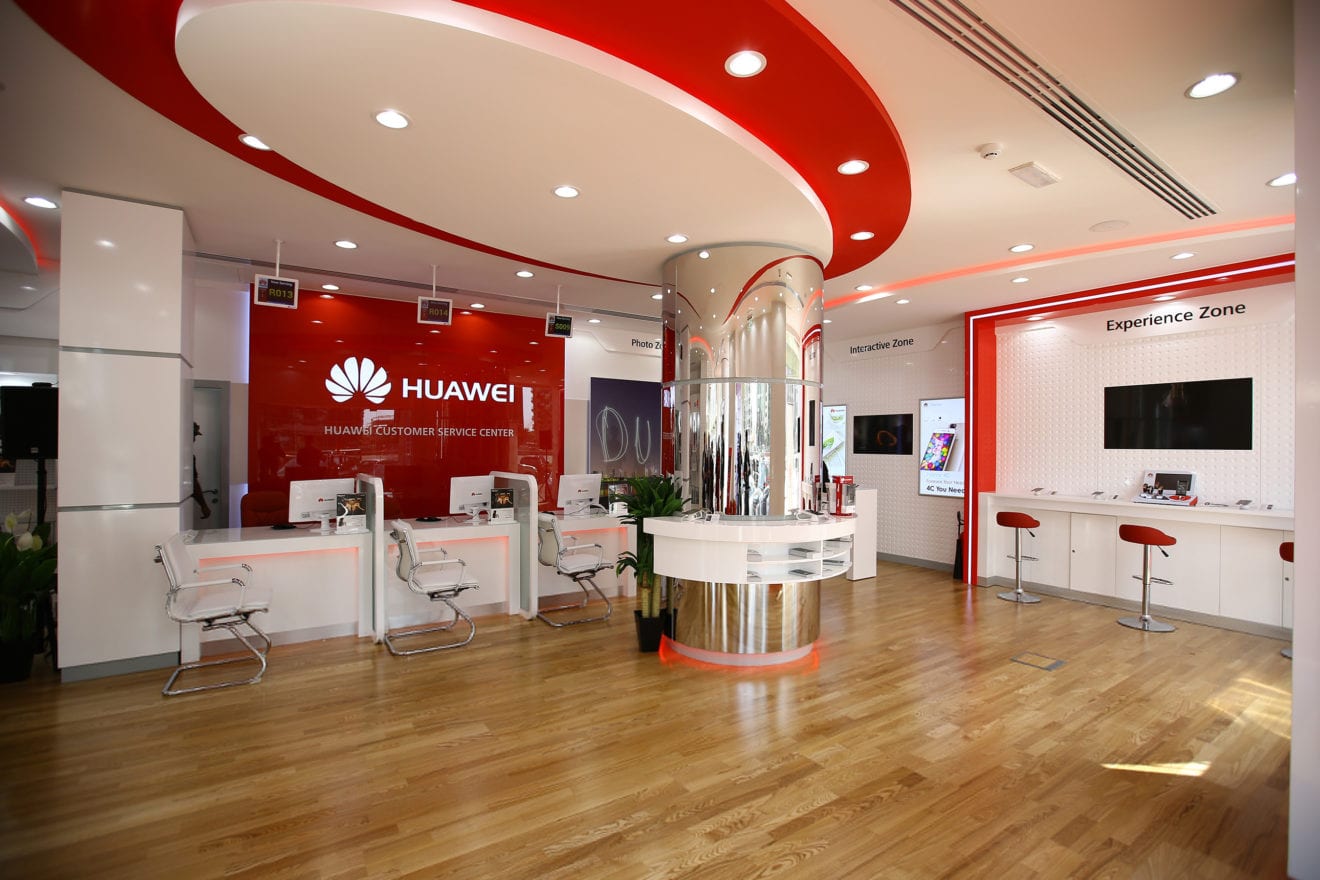
    Huawei Japan is to open its first smartphone experience store in Tokyo – but customers will not be able to buy a handset there.

    The Chinese phone manufacturer says it intends to use the outlet to provide services to users, improve brand influence and break the misunderstanding that low-price smartphones are not easy to use.

    While the store is scheduled to open in Tokyo before June, the company has yet to confirm the location.

    Meanwhile, Huawei plans to increase the number of its global smartphone stores from 23,000 to 40,000 – a 70 per cent jump. It is hoping to improve its sales performance in the smartphone sector, where growth has already started to slow.

    Huawei was ranked third by global smartphone shipments last year, trailing Samsung and Apple, and is aiming for second place.

  • Korean investors to venture in sea transport business in Indonesia

    Korean investors to venture in sea transport business in Indonesia

    An investor from South Korea wants to invest US$80 million in shipping business in Indonesia, the Capital Investment Coordinating Board (BKPM) said.

    The unnamed investor is especially interested in operating liquefied natural gas (LNG) tankers, BKPM chief Franky Sibarani said.

    The Korean investor hoped to operate two LNG tankers in the country, Franky, who visited South Korea recently, said here on Saturday.

    The Korean investor also opened the possibility of building terminal for gas storage, he said.

    He said the prospective investor plans to visit the county to look for local partner to operate the business.

    “We are not only interested in the size of investment but more important is the added value created by the investment,” he said.

    The investor also indicated interest in President Joko Widodos vision of developing sea toll, he said.

    “The program is seen as positive in contribution to the countrys development in general,” he added.

    He said South Korea is one of the countries actively increasing investment in Indonesia.

    South Korean investment implemented in 2015 alone reached Rp15.1 trillion in 2,329 projects. From 2010 to 2015, Korean investment in the country totaled Rp79.6 trillion.

    “In the past five years, South Korea has continued to rank among five largest investors in the country,” her added.

    Korean investment commitments were worth US$4.6 billion in 2015 or an increase of 86 percent from 2014.

  • Indonesia International Furniture Expo Targets US$350 Million

    Indonesia International Furniture Expo Targets US$350 Million

    The Indonesian Rattan Furniture and Craft Association (AMKRI) has set a target for the 2016 Indonesia International Furniture Expo (Ifex), held in Jakarta on April 11-14, 2016 with a theme of “The Essence of Infinite Innovation”, to attract 10,000 visitors with a total transaction value of US$350 million.

    “We also set a target to achieve a follow up transaction value of US$1 billion,” AMKRI chairman Rudi Halim told us on Saturday, March 12, 2016.

    Last year, the international furniture expo managed to attract 8,595 visitors with an on-the-spot transaction value of US$270 million and a follow up transaction value of US$700 million.

    The furniture industry has an important role for the national economic growth, since the transaction value of this sector is quite significant. In 2015, Indonesia recorded US$1.902 billion in furniture exports, increasing by 1.3 percent when compared to the previous year.

    Rudi explained that the Indonesia has a huge opportunity to expand its furniture and handicraft market.

    “The global furniture market is currently valued at US$141 billion. Indonesia’s contribution to the global market value stands at US$2 billion, while Vietnam’s stands at US$6.8 billion,” Rudi added.

    The Industry Ministry recorded an increase in the value of wooden and rattan furniture exports. In 2012, the value stood at US$1.4 billion and increased to US$1.8 billion in 2013. The figure continued to rise to US$2.2 billion in 2014. The positive trend reflects optimism that the furniture export value over the next five years will worth US$5 billion.

  • Is French Company Decathlon Looking to Invest $500M in Indonesia?

    Is French Company Decathlon Looking to Invest $500M in Indonesia?

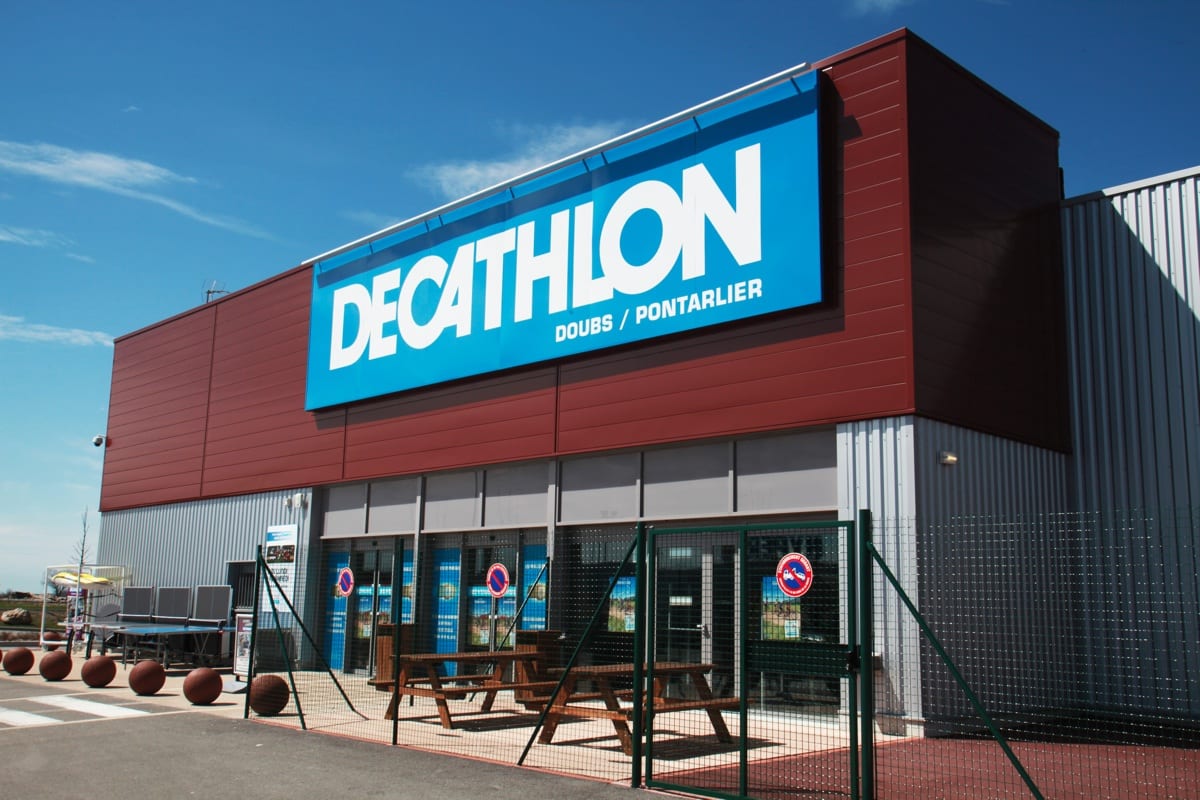
    Indonesia’s struggling textile and garment sector could get a badly needed dose of investment. A French company specializing in sports apparel has plans to pump $500 million into the archipelago.

    Franky Sibarani, chairman of the Investment Coordinating Board (BKPM), did not disclose the name of the company, but revealed that it’s based in Lille in northern France.

    “Not only will the company market its products domestically, it will also export to other department stores overseas,” Sibarani said, noting that the unnamed company had reached out to BKPM’s representative in London and the organization intended to communicate directly with the potential investors.

    Nurul Ichwan, BKPM’s investment promotion rep in London, told Jakarta Post that the company expects to operate its first department stores in Malaysia and Indonesia this year.

    All signs point to Decathlon, a 40-year-old sporting goods and apparel retailer that sells several of its own brands and has more than 1,000 stores worldwide. It has its head office in Villeneuve-d’Ascq, close to Lille, and the company raked in 9.1 billion euro (or $10.1 billion) in 2015. It’s also opening its first Malaysian location in April and is currently hiring retail staff in Indonesia.

    A half-million dollar investment is money the country’s textile industry could do with. According to government data, garment shipments dropped by almost 11 percent last year, as Indonesia fell to fourth place as a source of U.S. apparel imports (behind China, Vietnam and Bangladesh) in the first 11 months of 2015 with just 5.8% of the year-to-date total.

    That could fall further if the 12-nation Trans-Pacific Partnership (TPP), which Indonesia is not part of, comes into force. To that end, BKPM is urgently pursuing European investors, targeting the U.K., Germany, Netherlands, France, Spain and Switzerland.

  • Plaza Indonesia Fashion Week Celebrates New Generation of Indonesia Designers

    Plaza Indonesia Fashion Week Celebrates New Generation of Indonesia Designers

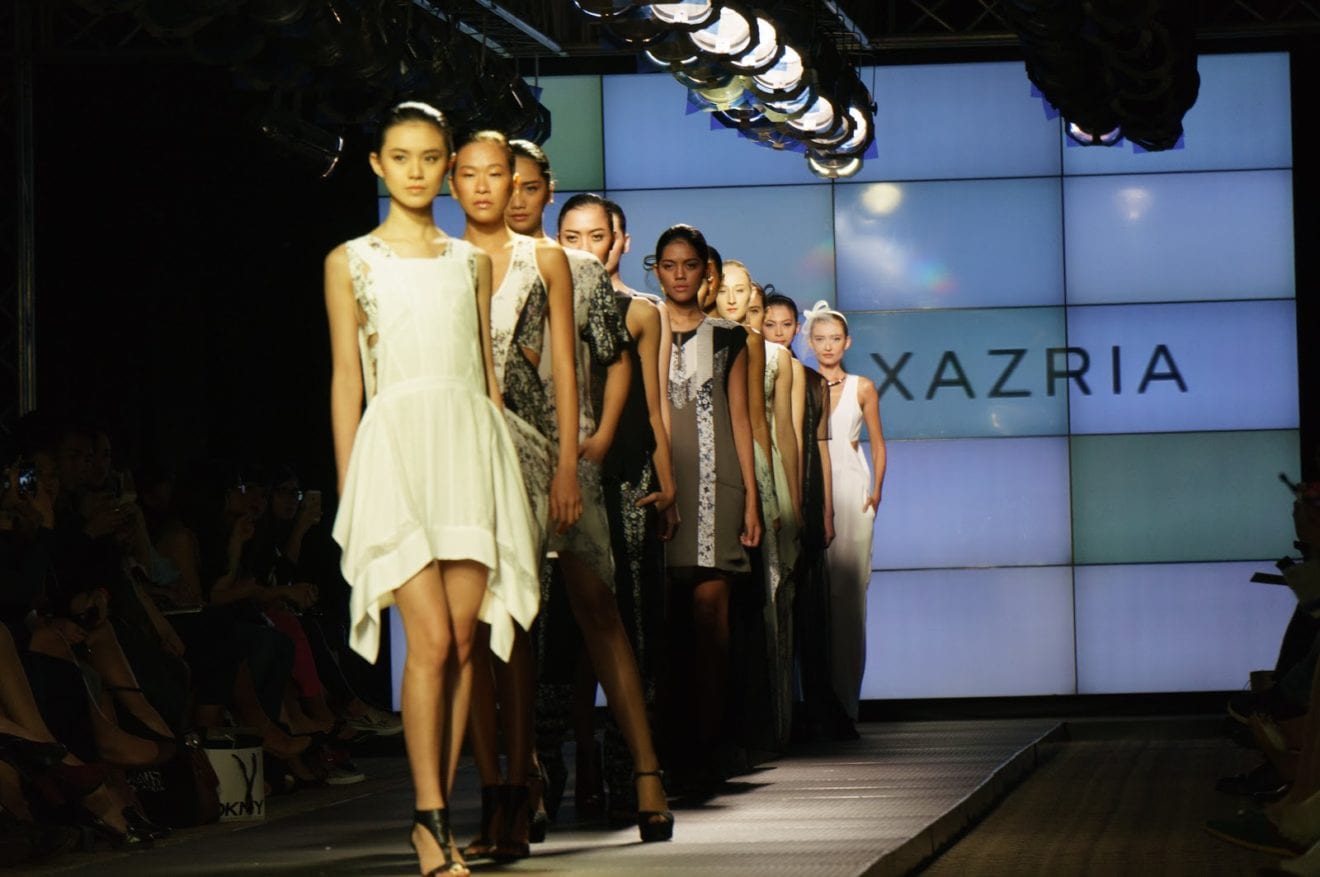
    As the theme for the mall’s anniversary celebration suggests, the fashion week will reflect the so-called “now generation” by putting emerging local designers under the spotlight.

    On Tuesday evening, young designer Yosep Sinudarsono will present his space-inspired spring-summer 2016 collection, continued with Rama Dauhan, whose streetwear designs will be infused by Morrocan and Spanish influences.

    Nikicio, a label whose name has reached cult-like status among the local fashion set, will represent the multi-label store The Goods Dept in its show on Wednesday night. Other show highlights include Opi Bachtiar and Ardistia New York on Thursday as well as Hunting Fields on Sunday.

    A slew of traditional textile-oriented designers will also participate in the fashion week, such as Didiet Maulana of Ikat Indonesia as well as batik brands like Iwan Tirta Private Collection.

    Meanwhile, some notable international labels that will show its collections during the event include Carven and Karen Millen.

    “I’m very excited to be part of Plaza Indonesia Fashion Week,” said Patrick Owen, one of Indonesia’s rising fashion stars whose show on Saturday night will mark the end of the fashion week.

    Patrick will present his latest spring collection, entitled “Jalanan” (“Streets”), which represents “my wildest imagination of how Indonesian streets could be,” he said.

    Known for his exacting tailored pieces and bold artistic prints, the designer will also collaborate with acclaimed illustrator Emte in the show.

    “We’re going to be working together on something backstage during the show, and we will give the audience a surprise by the end,” Patrick hinted.

    But that is not Emte’s only job at the fashion week — he just recently finished a 150-meter-long mural artwork that adorns the hall in which the shows will be held.

    “It is the first time I’ve ever created a work that big,” he said with a laugh.

  • Lazada to intensify promotion, presence in major Indonesian

    Lazada to intensify promotion, presence in major Indonesian

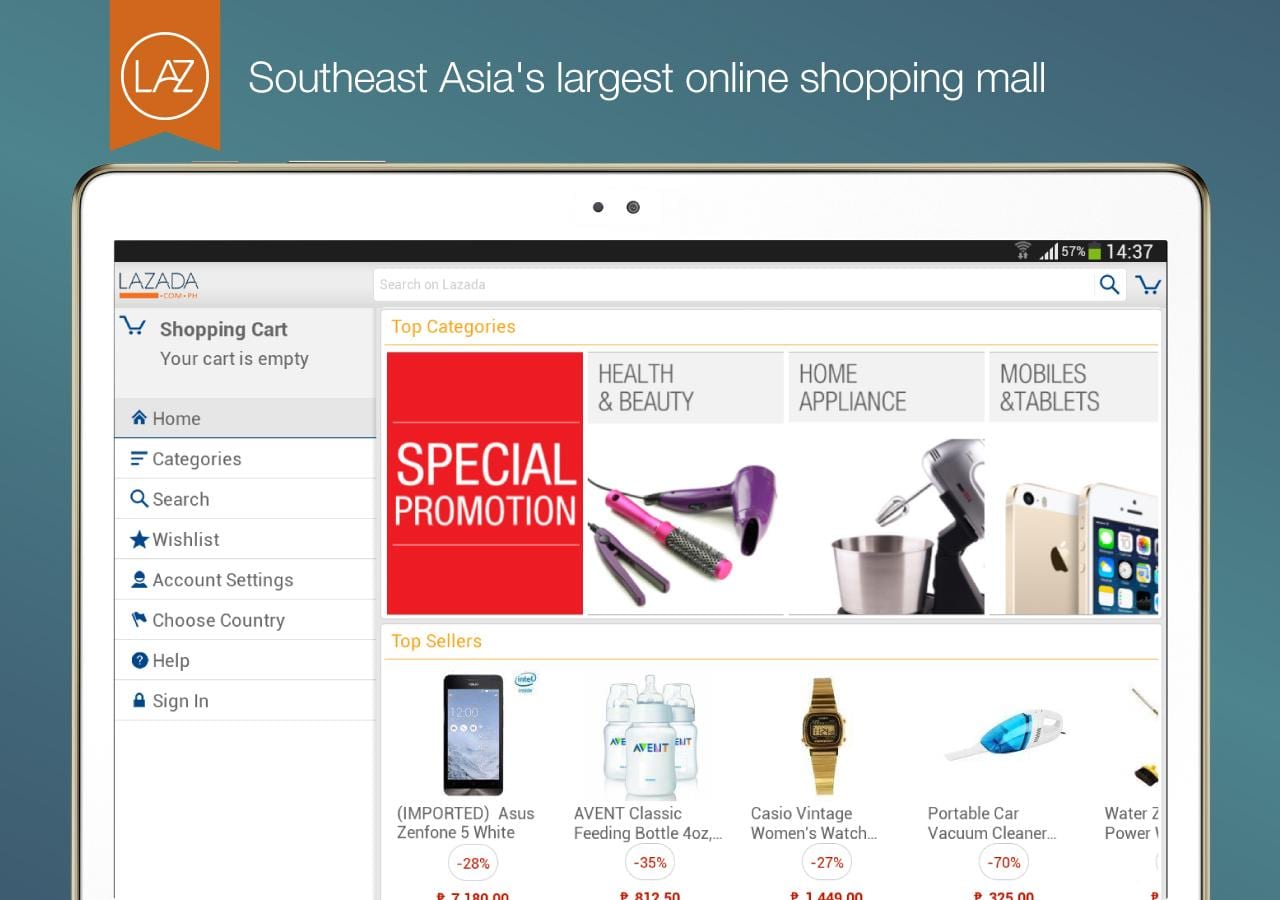
    Entering its fourth year of operations, regional e-commerce giant Lazada Group is seeking to expand its customer base in more major Indonesian cities in a bid to win the online store competition in Southeast Asia’s biggest economy.

    Lazada Indonesia CEO Magnus Ekbom said Monday that the company would focus on intensifying its presence in major cities outside the Indonesian capital of Jakarta, including Yogyakarta, Medan in North Sumatra, Bandung in West Java and Surabaya in East Java, through road shows and other promotional efforts.

    “The road shows in these cities will connect us with our customers and understand unique regional factors,” Ekbom said.

    “We have also studied what products seem to be the most popular [in the cities] and the results have often been interesting.”

    Lazada Group is a privately owned e-commerce company founded in 2011 by Rocket Internet with the goal of building Southeast Asia’s version of Amazon.com.

    Lazada, which began operations in the Philippines in 2012, led Internet retailing in the country last year with a 20 percent market share as it met rising demand for gadgets and electronic appliances, from smartphones, tablets to home theater systems, at prices that were a “huge” discount, according to a Euromonitor International January 2016 report.

    Aside from the Philippines, it operates sites in Indonesia, Malaysia, Singapore, Thailand and Vietnam. Singapore’s Temasek Holdings Pte is one of its large shareholders.

    On March 12, on its anniversary date, the Singapore-based Lazada Group announced that its gross merchandise value (GMV) last year stood at US$1.3 billion across its six Southeast Asian countries of
    operation.

    Lazada runs its business as both an online retailer and marketplace for other online merchants.

    There are currently 11,000 merchants utilizing Lazada Indonesia.

    Since the platform’s Indonesian beginnings, it has grown from employing 200 workers in 2012 to more than 750 in 2016. Currently, 60 percent of transactions on Lazada are made through mobile phones, indicating the mobile-savvy nature of Indonesian customers.

    “Lazada sees up to a quarter of a billion activities daily, which involve customers browsing for items, customers buying items, or even just adding things to their wish list,” Lazada’s SVP head of data science John Berns said.

    “It’s a remarkable scene, because Indonesia currently has about 70 million internet users, and will probably reach 100 million by the end of the year,” he added.

    To celebrate its fourth anniversary, Lazada Indonesia will have a sale from March 15 to March 18, which is expected to attract around 15 million visitors.

    Ekbom said that the e-commerce platform would offer up to 540,000 special deals for all customers during the sale, at discount rates of up to 90 percent, around three times more than what Lazada offered during its birthday sale in 2015.

    Brands that will participate in the sale include those in the IT, sports, automotive ad beauty product segments, including L’Oréal, Infinix, Panasonic, Lenovo, Samsung, Nike, Sharp and many more.

    Indonesia’s e-commerce market is forecast to grow to $25 billion this year from only $8 billion in 2013, according to e-commerce provider Vela Asia.

    A number of e-commerce players, both online retailers and marketplaces, plan to develop their businesses. Lippo Group has launched shopping website mataharimall.com and plans to invest $500 million. Existing marketplaces such as Bukalapak and Tokopedia have also secured some new funding.
  • Pertamina Issues New Fuel Prices

    Pertamina Issues New Fuel Prices

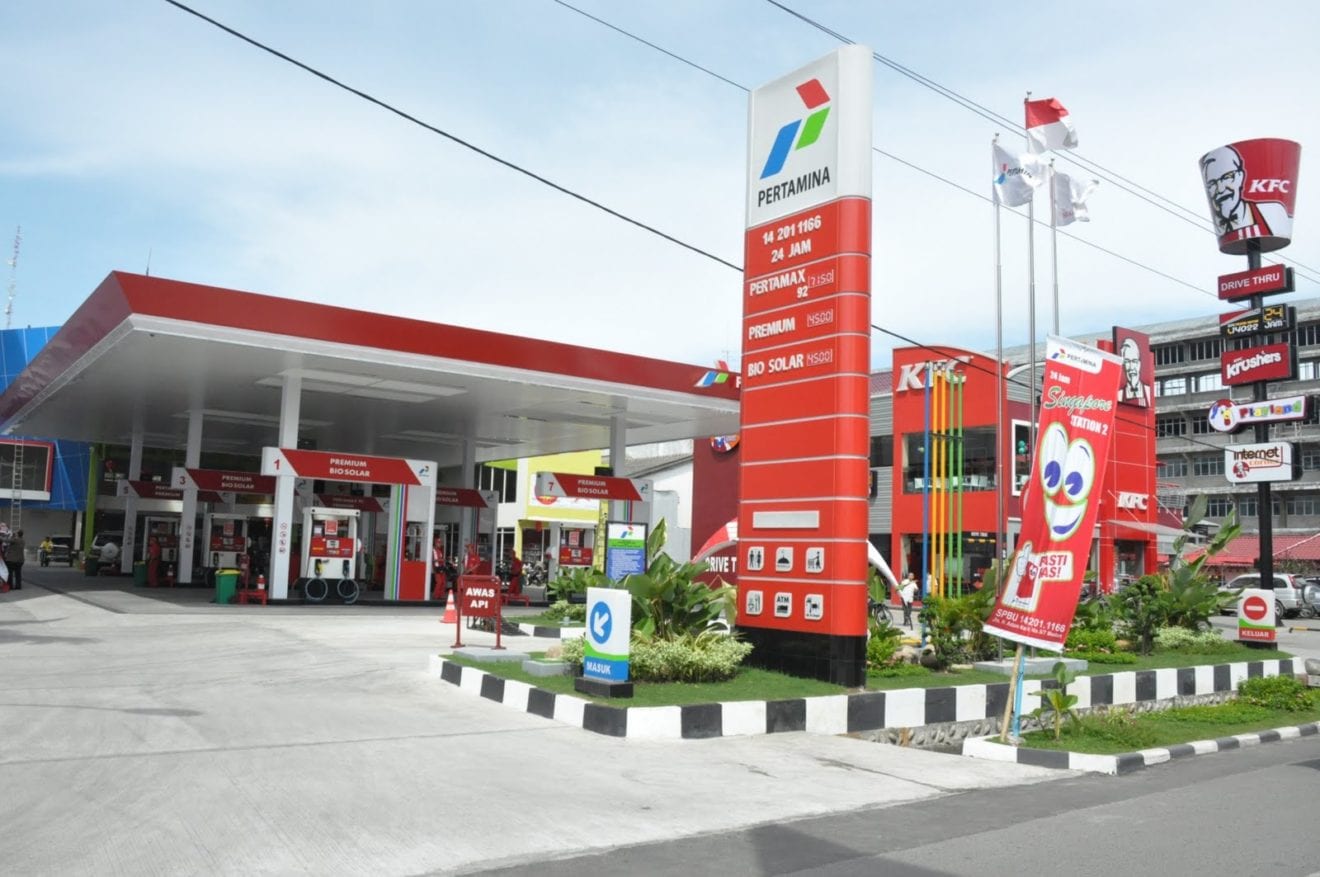
    PT Pertamina (Persero) has issued circular letter on general fuel (BBM umum) and designated fuel (BBM khusus) prices in its Marketing Operation Region III.

    Based on circular letter no 518/F13410/2016-S3, general and designated fuel prices have changed at Region III Pertamina which consist of 27 public gas stations in West Java.

    New prices listed in the letter include a number of general and designated fuels, such as Pertamax, Pertamax Plus, Pertamina Dex, Premium, Non-subsidized Solar/ Biosolar, and Pertamax Racing. The change is effective from 12.00 am Western Indonesia Time, Tuesday, March 15, 2016.

    Listed below are new tariffs of general and designated fuels of Region III, also the details of base price, motor vehicle fuel tax (PBBKB) and value-added tax (VAT):

    Type of general fuel-designated fuel / Basic Price (Rp per liter) / PBBKB (Rp) / VAT (Rp) / Selling Price (Rp per liter):

    Pertamax Plus / 7,521 / 376 / 752 / 8,650 Pertamax / 6,739 / 336 / 673 / 7,750Pertamina Dex / 7,478 / 373 / 747 / 8,600Premium /6,130 / 301 / 613 / 7,050Pertalite / 6,347 / 317 / 634 / 7,300Non-subsidized Solar, Biosolar / 6,217 / 310 / 621 / 7,150Pertamax Racing, Pail / 47,391 / 2,369 / 4,739 / 54,500Pertamax Racing, Bulk /31,304 / 1,565 / 3,130 / 36,000

    Pertamax, Pertamax Plus and Pertamina Dex prices issued by Pertamina in West Java region have fallen compared to the prices announced before.

    Per March 1, 2016, Pertamax was Rp8,050 per liter, Pertamax Plus was Rp8.850 per liter, dan Pertamina Dex was Rp8.800 per liter. Whereas on March 15, 2016, the prices have been adjusted to Rp7.750 for Pertamax, Rp8.650 for Pertamax Plus, and Rp8,600 for Pertamax Dex.

    In Jakarta, the fuel prices have fallen, albeit insignificantly. Per March 1, 2016, Pertamax price in Jakarta was Rp7.950, Pertamax Plus was Rp8,850, and Pertamina Dex was Rp8,800. The figure has changed on March 15, 2016 to Rp7.750 for Pertamax, Rp8.650 for Pertamax Plus, and Rp8,600 for Pertamax Dex.

  • President Jokowi receives visiting Belgian princess

    President Jokowi receives visiting Belgian princess

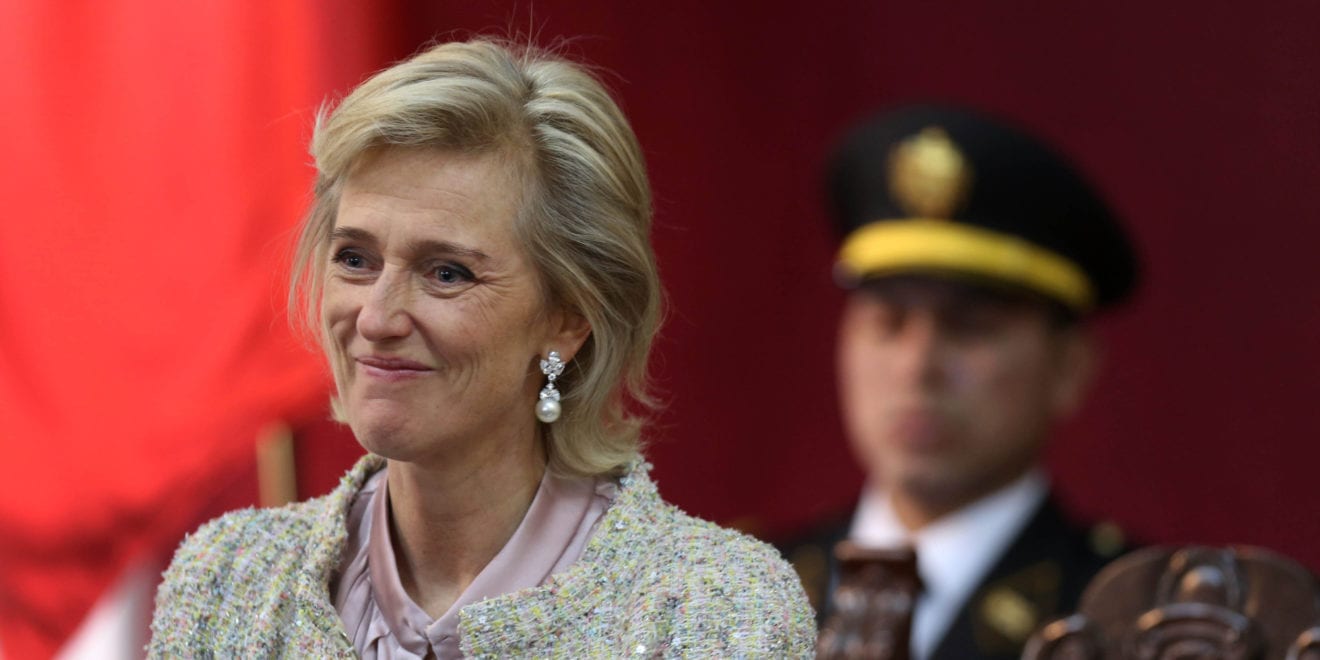
    Indonesian President Joko Widodo (Jokowi) received the visit of Princess Astrid of Belgium, who led a business delegation to discuss opportunities to enhance economic cooperation between the two countries.

    During the courtesy visit to the Presidential Palace here on Tuesday, Princess Astrid was accompanied by five Belgian ministers and some 205 representatives from 127 Belgian companies and 40 organizations operating in the fields of infrastructure, ports, energy, chemical industry, and telecommunications.
    Several potential business-to-business agreements and educational cooperation between universities of the mission are ready to be discussed and signed.

    While in Jakarta, Princess Astrid has a hectic schedule, traveling to several areas in the capital city, Karawang, Bogor, and Bandung. Besides being received by President Jokowi and Vice President Kalla, Princess Astrid also met the minister of transportation, maritime affairs and fisheries minister, minister of commerce, as well as several other ministers.

    Princess Astrid will also meet Jakarta Governor Basuki Tjahaha “Ahok” Purnama, West Java governor, and Bandung Mayor Ridwan Kamil during the four-day visit.

    She is also scheduled to attend a series of seminars including the Belgium-Indonesia Clean-Tech Summit, Belgium-Indonesia Maritime Summit, and Belgium Indonesias gateway to the EU Market.
    Princess Astrid will also attend some seminars titled Smart City, Innovative Partnership and International University-State Business-DRIVE.

    During her visit to Jakarta, Princess Astrid will be accompanied by Deputy Prime Minister and Foreign Minister Didier Reynders Belgium; Vice President and Minister of Economy Jean-Claude Marcourt; as well as several other important officials.

    Minister Didier is also scheduled to meet Foreign Minister Retno Marsudi, and there are plans to discuss economic, trade, and security cooperation, including tackling radicalism.

  • Indonesia exports instant noodle to Palestine

    Indonesia exports instant noodle to Palestine

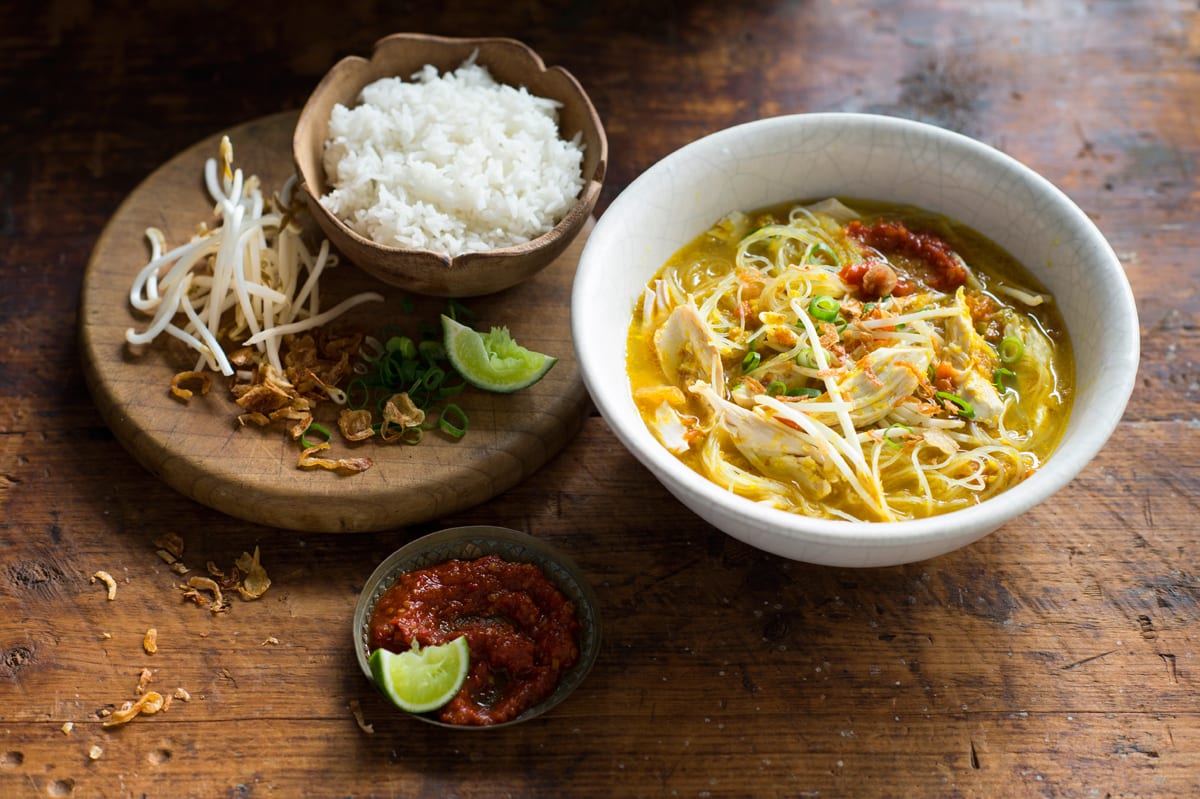
    Indonesia has opened an opportunity to export instant noodles to Palestine after it has successfully shipped 15 containers to West Bank.

    Foreign Minister Retno LP Marsudi said at the presidential palace compound here on Tuesday following the official opening of the Indonesian Honorary Consulate in Ramallah, economic cooperation between the two countries should increase.

    “The honorary consul is tasked with increasing the economic cooperation. Although it is still very small our trade with Palestine has shown an increasing trend,” she said.

    From 2012 to 2015 the volume of trade between the two countries have jumped remarkably by 300 percent.

    “Yesterday I talked with an importer of eastern noodle to Palestine. Indonesia has shipped 15 containers of instant noodle to the West Bank,” she said.

    Retno said the volume of trade between the two countries has continued to increase and so the presence of the honorary consulate is needed very much to develop the potential.

    “Madam Abu (Maha Abu Shusheh, the Indonesian consul in Ramallah), is a business person who represents a good working network and has been successful not only in Palestine but also in other Arab countries,” she said.

    Minister Retno said she also saw that empowering must be done so that the honorary consulate in Ramallah could also send business men from Palestine to Indonesia.

  • Kadin Allows Uber and Grab Taxi to Operate in Indonesia

    Kadin Allows Uber and Grab Taxi to Operate in Indonesia

    The Indonesian Chamber of Commerce and Industry (Kadin) has approved the operation of online-based transportation services, such as Grab Car and Uber. However, Kadin had put out several requirements that must be fulfilled by online-based transportation services before they can operate in Indonesia.

    “We, [the members of] Kadin appreciates technology that can facilitate and promote [a business]. However, its implementation must comply with the same rules,” said Adrianto Djokosoetono, Chairman of the Committee on Land Transportation of Kadin on Tuesday, March 15, 2016.

    Adrianto stated that currently, there is no clear and binding regulation on transportation industry, especially to regulate companies from overseas like Uber and Grab Car. Therefore, Kadin requested the government to issue a regulation that applies to both online and offline transportation services.

    In addition, said Adrianto, Kadin also requested the government to establish a clear tax system for foreign transportation companies.

  • Indonesia, Belgium agree to enhance economic cooperation

    Indonesia and Belgium have agreed to intensify economic cooperation, particularly in the fields of trade and investment.

    Both nations reached the agreement during a meeting between Indonesian President Joko Widodo (Jokowi) and Princess Astrid of Belgium at the Merdeka Palace here on Tuesday.

    Princess Astrid is in Indonesia to lead a 300-strong Belgian business delegation from March 12 to 19. The business delegates are representing 127 companies.

    The companies are engaged in the fields of construction, infrastructure, energy, clean technology, communication and information technology, food and beverage, financial services, transportation, logistics, marketing, and education.

    Speaking to the press after accompanying President Jokowi at the meeting, Foreign Minister Retno L.P. Marsudi stated that Belgium is Indonesias key partner in terms of trade and investment.

    “For instance, in 2015, Indonesia-Belgium bilateral trade reached US$1.67 billion, while (Belgian) investment (in Indonesia) reached more than US$7 million,” she noted.

    Until now, some two thousand Belgian companies have been operating in Indonesia, she remarked.

    At the meeting, President Jokowi briefed the Belgian business delegation on the governments efforts to make the economy more open and competitive.

    “The president touched on the 10 economic policy packages that the Indonesian government has issued so far. One of the packages deals with the Negative List of Investment,” she added.

  • Honeywell to tap into Indonesia’s infrastructure projects

    Honeywell to tap into Indonesia’s infrastructure projects

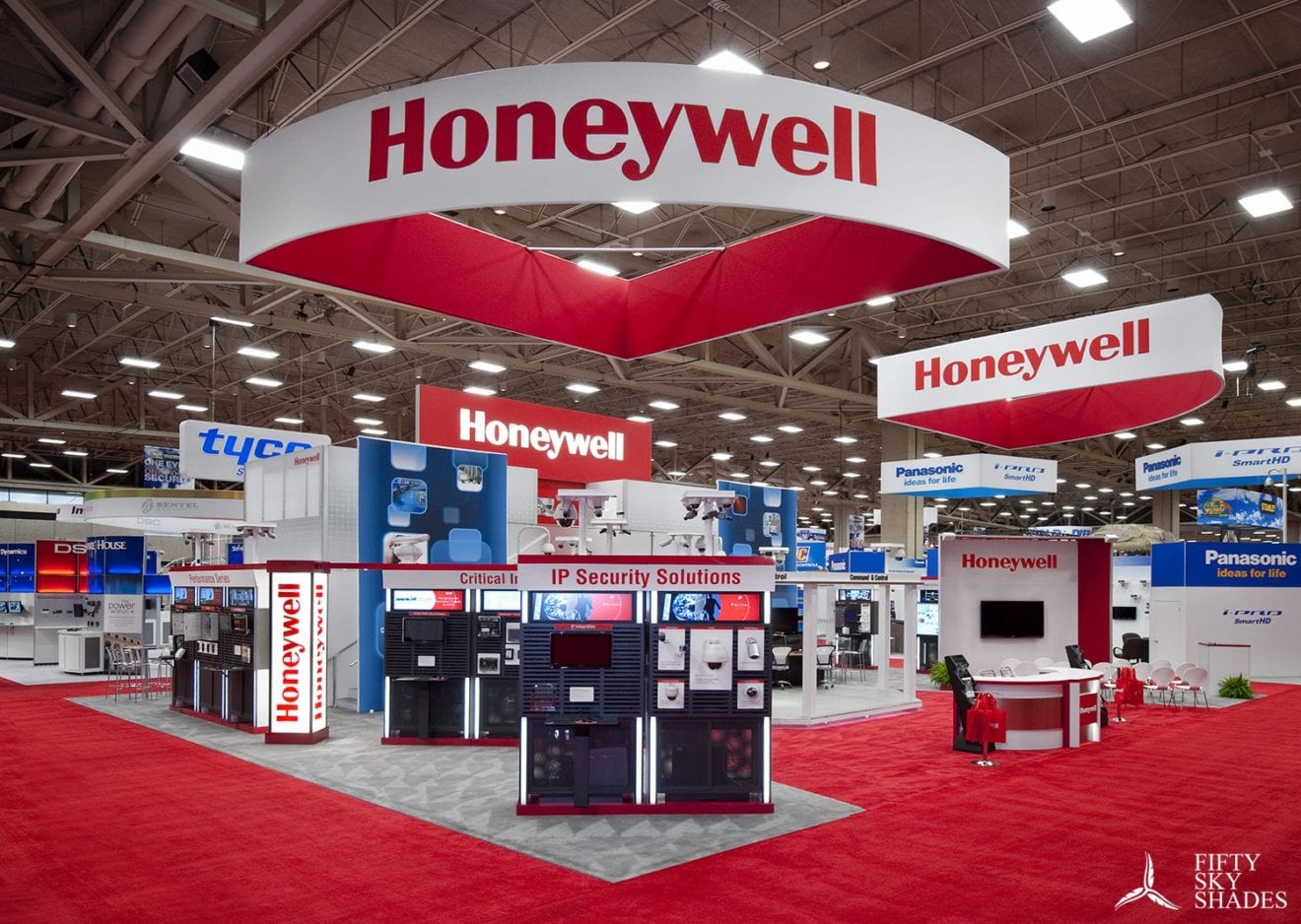
    US-based technology and manufacturing firm Honeywell plans to tap into Indonesia’s robust infrastructure development, especially of airports and railways, that is aligned with President Joko “Jokowi” Widodo’s vision for the coming years.

    The company acknowledges Jokowi’s ambitious program to execute infrastructure construction worth more than US$400 billion from 2015 to 2020 to spur economic growth in the country and therefore make the nation with Southeast Asia’s largest economy one of the 10 top countries for the firm globally.

    “We know that Indonesia needs new bridges and railways, that infrastructure is something the government is discussing,” Honeywell Indonesia president director Alex J. Pollack said on Thursday.

    He has referring to the government’s target to build as many as 49 new dams over the course of five years, as well as 1,000 kilometers of new toll roads, among other projects.

    With the development, the company aimed to provide advanced technology for the country’s infrastructure projects, including for its airports.

    The firm boasted about its smart airport technology, claiming that it would be able to improve the efficiency and safety for the airports, as its technology would enable air traffic controllers to handle the number of aircraft landing in an hour with improved traffic management.

    “With growth of 11 percent in the numbers of passengers annually and as the Soekarno Hatta International Airport already has to manage 22 million passengers currently, we think it will need an advanced technology and integrated system,” Pollack said.

    The company also cited Jokowi’s policy to waive advanced visa requirements for 90 countries, which was expected to increase foreign tourist numbers, as the government aimed to attract 20 million foreign tourists by 2019.

    The company would look to work with related companies such as state airport operator Angkasa Pura (AP) I and Angkasa Pura II, as it aims to get the technology applied in the country’s busiest airports such as Soekarno Hatta and Ngurah Rai International Airport in Bali, as well as in six to 25 other major airports in Indonesia.

    Honeywell International last year booked $15.2 billion in revenues globally from its aerospace business, a decrease from $15.6 billion in 2014.

    The company set the revenue growth to be double the gross domestic product (GDP) growth this year. The government itself aimed for 5.3 percent economic growth for 2016, as the country scored merely 4.79 percent last year.

    It currently runs an aerospace manufacturing facility in Bintan, Riau, which had started to operate in 2005. It has also supported an existing maintenance, repair and operations (MRO) facility for aircraft owned by national flag carrier Garuda Indonesia and the largest low-cost carrier, Lion Air Group.

    Honeywell is also seeking involvement in railway projects in Indonesia, as it recently worked with the Transportation Ministry on radar scanner technology for automatic detection and warnings at railway crossings.

    It recently wrapped up the technology’s trial at the Bintaro railway crossing, Jakarta, and the company expected to follow that up with installation of the products.

    The company would also try to get involved in the country’s mass rapid transit (MRT) project, currently under construction in Jakarta, as it would want to apply its safety scanner system, which would also support Transportation Minister Ignasius Jonan’s aim to have a safer transportation system.

    The ministry allocated Rp 12.5 trillion ($957.8 million) for transportation safety and security improvement this year.

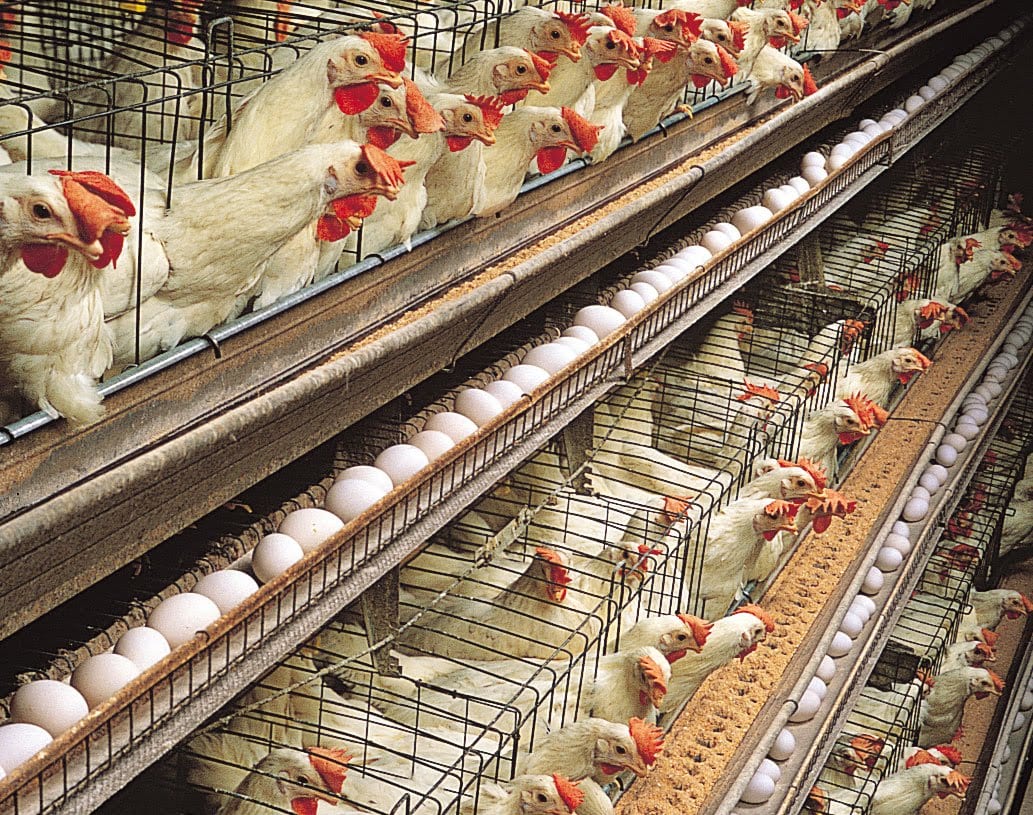
  • KPPU Uncovers Chicken Cartel Practices

    KPPU Uncovers Chicken Cartel Practices

    The Commission for the Supervision of Business Competition (KPPU) noted at least 12 companies are suspected to be involved in chicken cartel practices. “Now the case has entered the court trial stage,” said Muhammad Syarkawi Rauf, Chairman of the KKPU to us on Wednesday, March 9, 2016.

    Syarkawi said that the 12 companies allegedly control chicken prices in the market by applying monopoly. The companies were suspected to work with one another to keep chicken prices high. Syarkawi added that the companies were also suspected to have planned to terminate their parent stock. “This is what we are currently investigating,” Syarkawi said.

    Name of the companies suspected to be involved in chicken cartel practice, according to KPPU’s records, include PT Charoen Pokphand Indonesia Tbk, PT Japfa Comfeed Indonesia, PT Malindo, PT CJ-PIA, PT Taat Indah Bersinar, PT Cibadak Indah Sari Farm, PT Hybro Indonesia, PT Expravet Nasuba, PT Wonokoyo Jaya, CV Missouri, PT Reza Perkasa, and PT Satwa Borneo Jaya.

    The case was uncovered after KPPU conducted an investigation on early 2016. The companies were suspected of violating Law No. 5/1999 on Monopoly Practices and Unhealthy Business Competition.

    On the other hand, chicken companies denied the accusations. “We deny such accusation. The termination of parent stock is based on government regulation,” said Budiarto Soebijanto, Senior Vice President of PT Japfa Comfeed Indonesia last Thursday, March 3, 2016.

  • Vietnam joins world`s largest rubber producers to cut exports

    Vietnam joins world`s largest rubber producers to cut exports

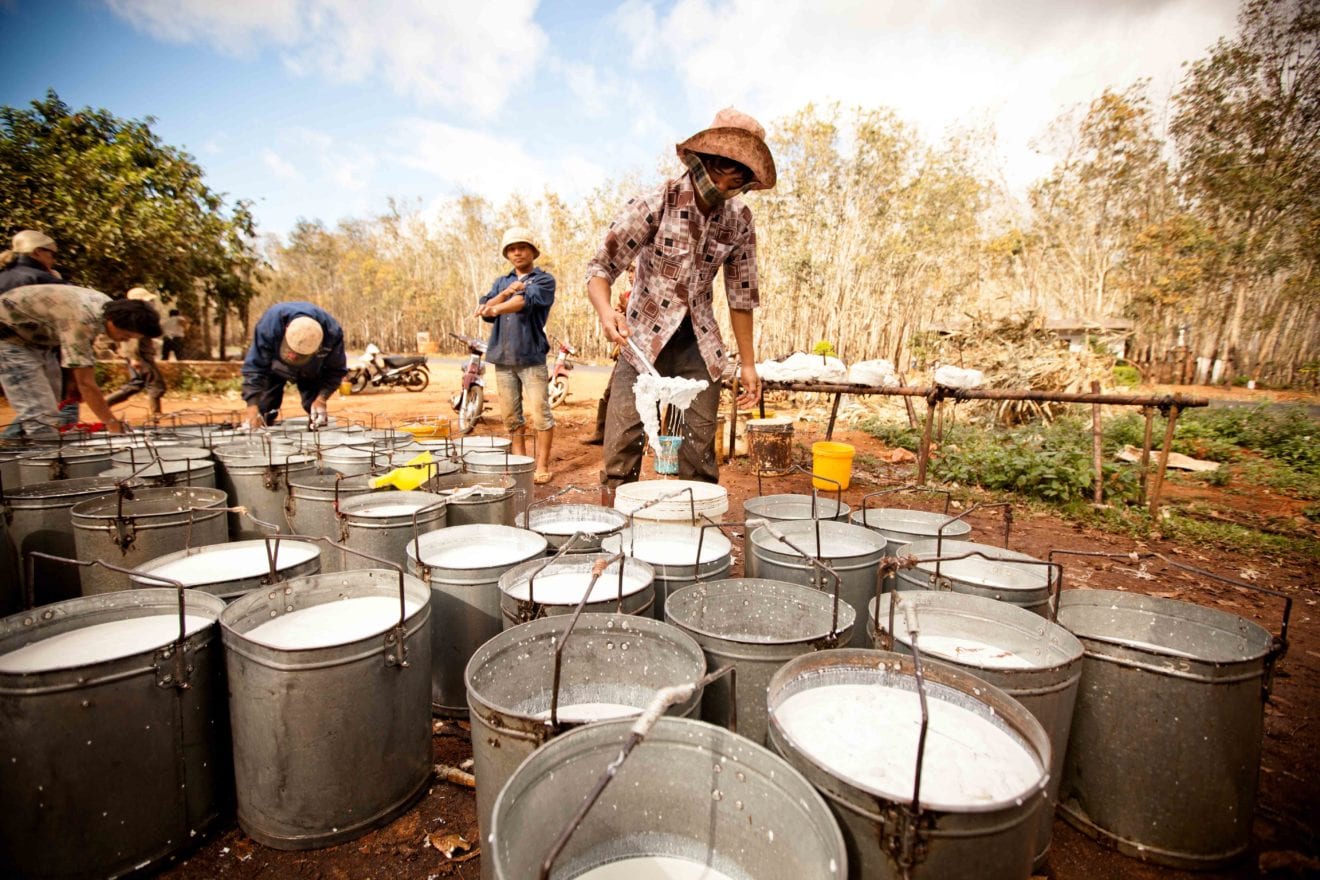
    Vietnam will join worlds largest natural rubber producers to cut exports in a bid to shore up the shrinking price of that commodity.

    Vietnam will follow Thailand, Indonesia and Malaysia to cut its imports of natural rubber by 15 percent starting March 1 until August 31, the Indonesian association of rubber companies (Gapkindo) said.

    Earlier the three member countries of the International Tripartite Rubber Organization (ITRO) which control 70 percent of the world supply of natural rubber agreed to cut exports by 615,000 tons from March to August.

    With Vietnam joining the cartel the price of natural rubber is expected to rise in international market, Executive Secretary of the North Sumatra branch of Gapkindo Edy Irwansyah said here on Monday.

    Under the arrangement, Thailand, the worlds largest producer is to reduce its exports of natural rubber by 324,005 tons, Indonesia, the second largest producer by 238,736 tons, and Malaysia, the third largest by 52,259 tons.

    North Sumatra, one of Indonesias largest natural rubber producing provinces, contributes to the scheme by cutting exports 38,000 tons.

    The decision of the four ASEAN countries would have impact on the rubber market, as they control more than 70 percent of the supply of natural rubber in the world, Edy said.

    Edy said rubber price has remained low but in March the price began to climb, adding, he was confident the price of that commodity would continue to increase .

    In January 2016, North Sumatras exports of natural rubber and rubber products fell again by 16.43 percent year-on-year in value.

    The province earned only US$78.083 million in January 2016 down from US$93.375 million in the same period last year, head of the regional office of the Central Bureau of Statistics (BPS) Wien Kusdiatmono said here last week.

    The production and price of rubber and rubber goods have continue to shrink, Wien said.

    According to Edy though rising, the price of natural rubber is still much below the level considered ideal of around US$1.90 per kg.

  • Indonesia to Cut Rubber Export Volume

    Indonesia to Cut Rubber Export Volume

    The world’s three largest rubber producing countries Indonesia, Thailand, and Malaysia, have agreed to start reducing rubber exports. As members of the International Tripartite Rubber Council (ITRC), the three countries decided on this policy to boost rubber prices in the global market.

    The Indonesian Rubber Companies Association (Gapkindo), the government’s official partner in implementing the ITRC agreement, said that members have been reducing the number of product shipment overseas.

    “We have cut back on crumb rubber exports to comply with regulations,” Gapkindo executive director Suharto Honggokusumo Suharto said in Jakarta, yesterday.

    The agreement to cut rubber exports was made on February 4, 2016. The ITRC will cut export volume by 615,000 tons starting on March 1 until August 31, 2016. Thailand will lower its exports by 324,025 tons, Indonesia by 238,736 tons, and Malaysia by 52,249 tons.

    In Indonesia, the unexported volume will be reallocated to the domestic market, including for infrastructure projects. “The government has promised to seek price improvement to help improve the condition of the rubber farmers,” said Suharto.

    In 2015, Indonesia’s natural rubber exports reached 2.6 million tons. Trimming the volume of exports is expected to push up prices. In February, the price of natural rubber in the global market was US$1.04 to US$1.09 per kilogram. This price range is too low, because farmers can only profit if global prices are between US$2 and US$3 per kilogram.