Tag: asia

  • Kingsdown Debuts First Bedmatch System In South Korea

    Kingsdown Debuts First Bedmatch System In South Korea

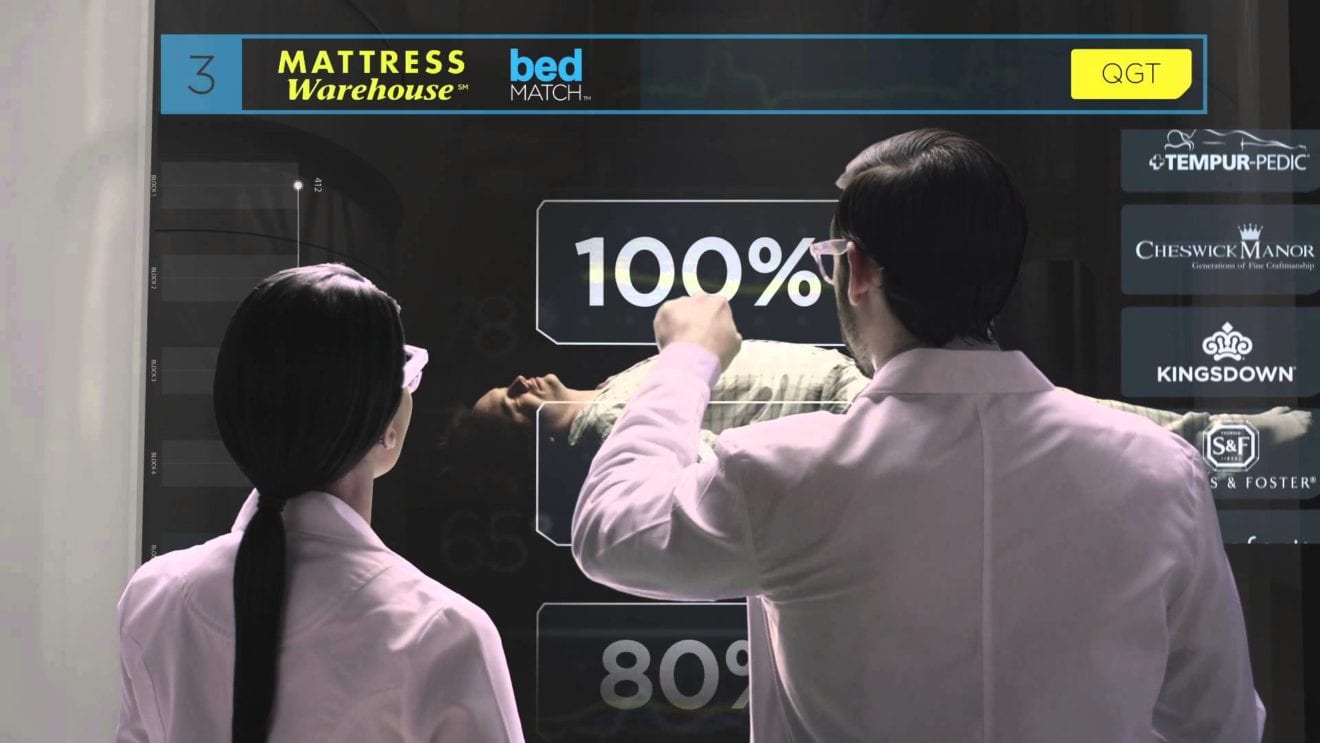
    Kingsdown, an employee-owned mattress manufacturer, announced recently that it has debuted its first bedMATCH system in Songdo, South Korea. Kingsdown is one of the largest U.S. manufacturers selling product in Asia, and plans to use this program as a launching starting point for further distribution of bedMATCH systems, Kingsdown and Sleep to Live bedding products throughout the region.

    Partnering with Kingsdown licensee, Navijam, Inc, the South Korea store is the first in the country to feature the patented bedMATCH diagnostic system to enhance the way consumers shop for mattresses. The majority of the Sleep to Live mattresses on the store’s showroom floor are made in South Korea with additional products being imported from the United States.

    “Looking to grow our brand in Asia, we are confident that South Korea is the right location due to their focus on advancements in technology, product quality and styling,” said Kingsdown President and CEO Frank Hood. “As Kingsdown continues to expand we have seen great success and growth abroad through our innovations in sleep technology. We have also found a partner that not only believes in our product but also shares our company’s vision of providing retailers and their consumers with high quality products from an internationally respected brand.”

    bedMATCH uses 18 statistical measurements along with thousands of calculations to assist the customer in determining the best mattress option for their specific body type. In addition to this South Korean location, Kingsdown is also set to open 60 additional bedMATCH/My Side locations throughout Asia in 2016.

  • MasterCard says Australian retail sales ‘worrisome’

    MasterCard says Australian retail sales ‘worrisome’

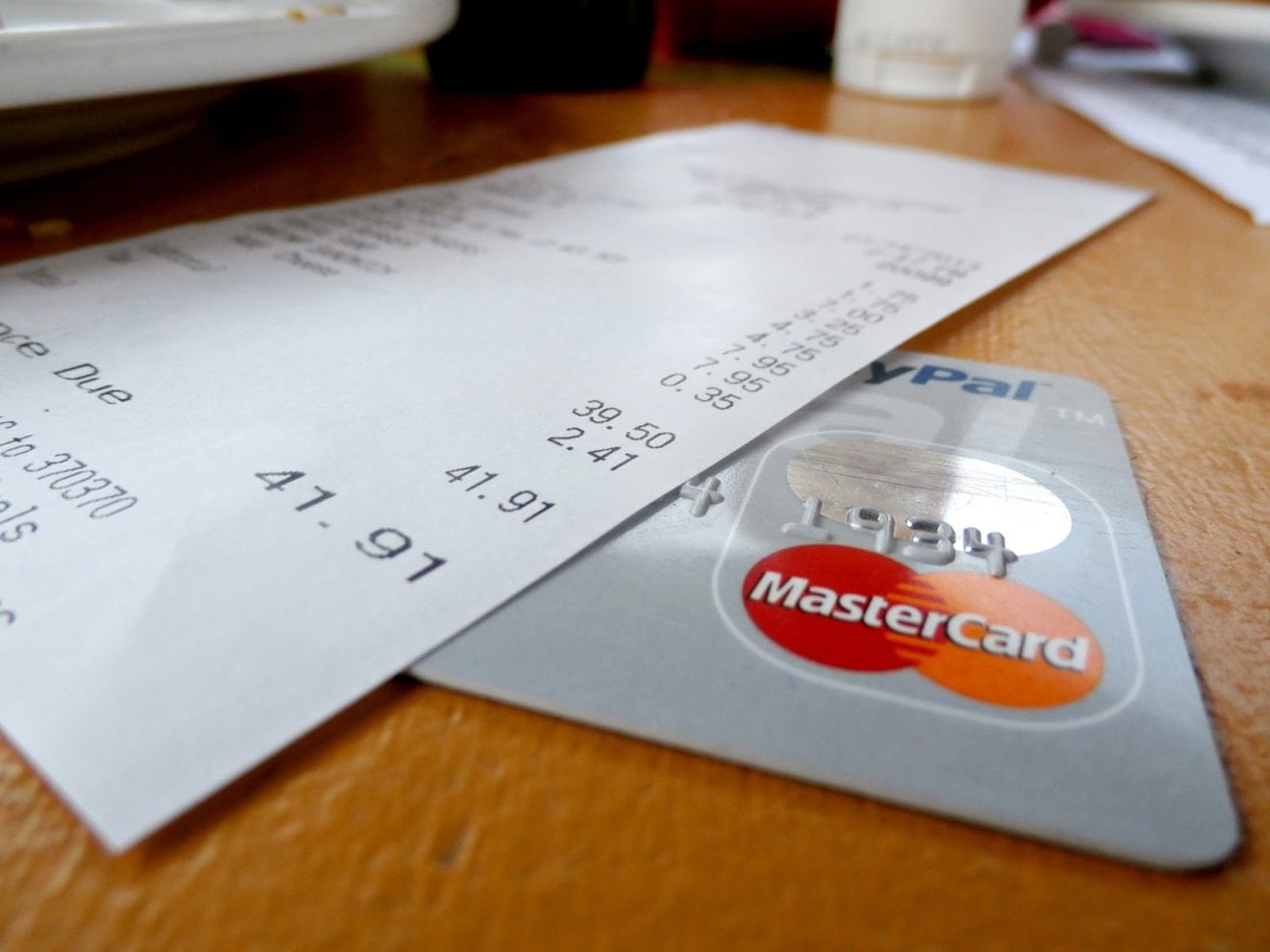
    MasterCard’s Sarah Quinlan says a cooling property market is hitting retail sales. Australian retail sales will rise in 2016, but slowing wages growth and a cooling property market here and in China is dampening growth. That’s the prediction based on MasterCard’s first monthly analysis of millions of card payments made on card terminals.

    It began tracking retail sales in Australia last year based on all transactions at terminals and claims this gives more accurate data than that provided by the Bureau of Statistics, which relies on surveys.

    MasterCard’s first monthly survey of payments in Australia predicts retail spend will drop further. Photo: Jim Rice

    Sarah Quinlan, MasterCard’s New York-based senior vice-president of market insights, said retail sales year-on-year in Australia grew 3.2 per cent in value in January compared to a year earlier.

    Year-on-year sales growth in January 2015 was running at about 6 per cent.

    She said growth at the moment is due to inflation because of a depreciating Australian dollar and the trend down is being driven by real wages growth declining. This has been reinforced by house prices cooling because regulators have capped investor lending.

    A big slowdown in spending by Chinese tourists and investors is the other main factor which is hitting all countries.

    “You could have absolutely predicted the real estate outcome,” she said. “There’s two things I watch in spending; I watch consumer confidence and wage growth.”

    MasterCard's first monthly survey of payments in Australia predicts retail spend will drop further.

    Growth due to importing inflation

    In the US, she said, wage growth has been poor, but consumer confidence is higher than in Australia now.

    “They are absolutely confident they are going to hold their job now or they can find a job if they want to switch. It is the opposite of what’s happening here,” Ms Quinlan said.

    “While you still have a positive growth rate in your spending in Australia, it is of a worrisome nature because it is more due to importing inflation due to a 35 per cent drop in the Australian dollar [versus the US dollar] since 2012.”

    The pullback of Chinese money, she said, is due to a property bubble there and numerous senior officials being hit with corruption allegations.

    “We can tie exactly back to the day back in August 2013 that [politician] Bo Xilai was arrested for corruption and there’ve been 100,000 people arrested for corruption subsequently. So they are just not showing their wealth now,” she added.

    “And this debt bubble up there is huge right now, it makes ours pale by comparison. By our calculations around 75 per cent of the economy in China is owned by state-owned enterprises. So the state has been running this huge bubble.”

    As well as Australia, MasterCard produces a monthly report called SpendingPulse based on 160 million transactions per hour on its network for the US, Japan, Canada, Brazil, Hong Kong and Britain.

  • Step Inside Asia’s Largest Jordan-Only Store in Hong Kong

    Step Inside Asia’s Largest Jordan-Only Store in Hong Kong

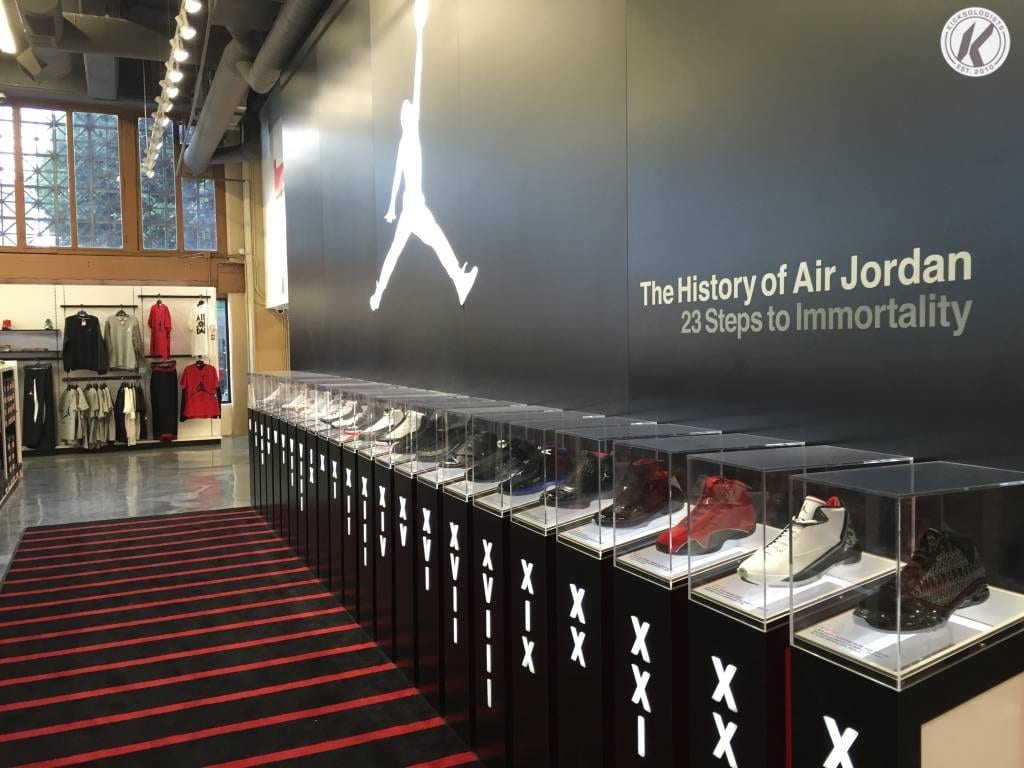
    Dipping into the streetwear mecca of Hong Kong, you’ll now find the all-new Jordan Brand store, set amongst the busy streets of the city’s Central District.

    Located on Wellington Street, Jordan 8 Wellington is currently Asia’s largest Jordan-only store in Hong Kong, offering a fresh new approach to premium retail.

    Taking the Jordan Brand to the next level, consumers are invited to members-only concepts, including custom t-shirts and jerseys, along with first access to Jordan Brand products. The space also offers a hands on experience  allowing visitors to test selected sneakers – with basketball drills and moves, displayed on an adjacent digital wall.

    Adopting the brand’s new design concept which originated at Chicago’s 32 South State Street store, the space pays homage to the legendary Michael Jordan through art installations and historical displays.

    Also, be sure to peep Drake previewing a pair of “Kentucky Blue” OVO x Air Jordan 8 Retros.

  • Is Xinqi Asset another Ezubao?

    Is Xinqi Asset another Ezubao?

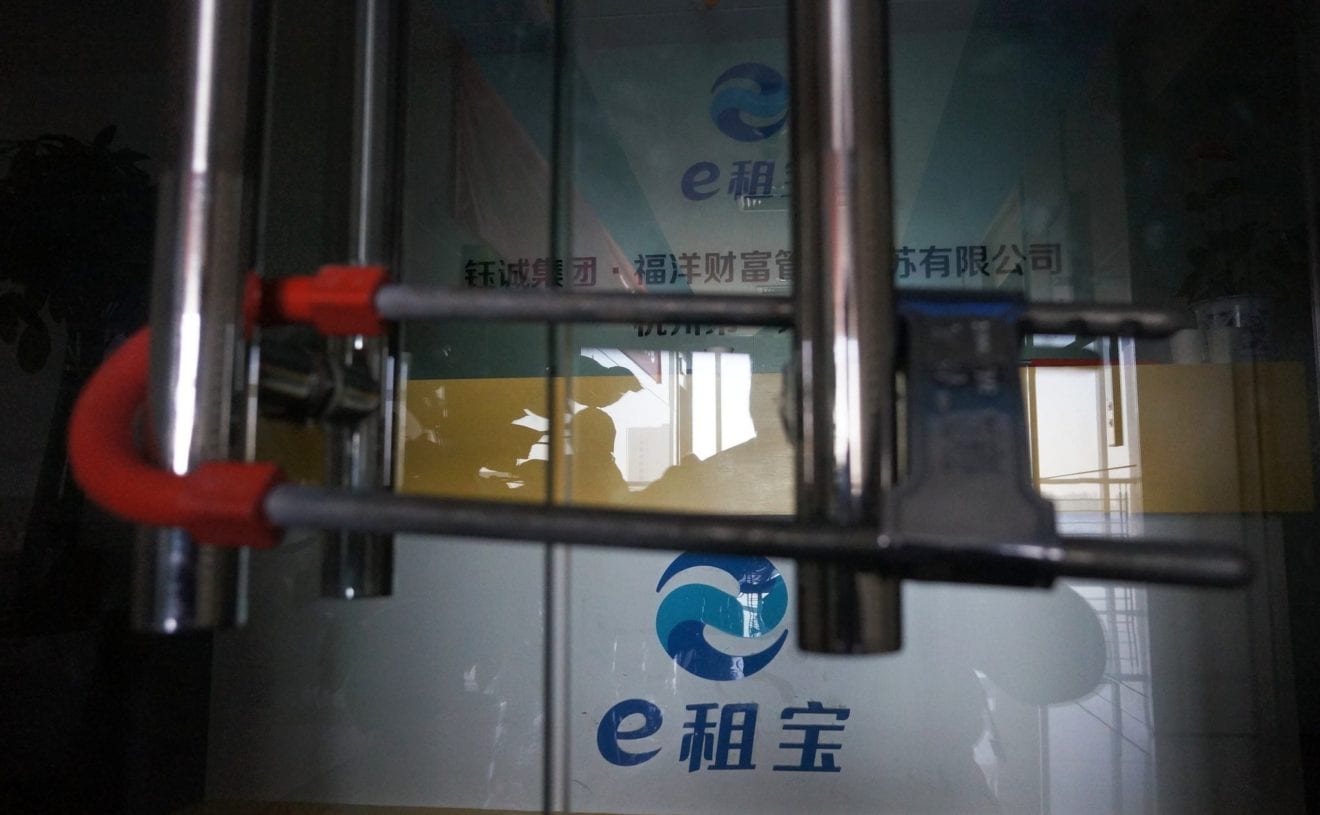
    An asset management company backed by property projects has defaulted on wealth management products worth 1.9 billion yuan (HK$2.27 billion), affecting more than 5,000 retail investors across mainland China and triggering more concerns about its property and financial markets.

    Xinqi Asset held a meeting to discuss solutions with its investors in Shanghai on Wednesday, sources said. Retail investors have been unable to redeem their investments and earnings since Sunday.

    A final solution has not been confirmed. It remains unknown whether other assets managed by Xinqi are safe. An earlier company statement said assets under management stood at around 4 billion yuan. Shanghai police have been taking complaints from investors and looking into the matter.

    More defaults and scandals have been exposed in the mainland’s thriving wealth management business in recent months as the economy slows down, revealing scams in the innovative and less regulated sector. Late last year, the mainland’s largest peer to peer lending company, Ezubao, defaulted on HK$59 billion owed to more than 900,000 investors across the mainland. Xinhua said 95 per cent of the projects on the platform were fake.

    Xinqi Asset sold wealth management products to individual investors, with the investments put into commercial and residential development in second-tier cities including such as Xian and Zhengzhou, and promised annual interest rates as high as 15.6 per cent, according to its official website and documents about its products.

    Worse still, there is no specific regulator overseeing these companies

    The wealth management products issued by Xinqi Asset were used to finance big property developers.

    Xinqi would buy properties under development from the developers, and then transfer ownership to retail investors. Investors would be repaid with their capital and earnings after the project was finished and the developer bought back the properties.

    Xinqi Asset lists mainland China’s leading property developer, Greenland, as a partner on its official website.

    Greenland denied raising funds through Xinqi Asset as early as September, although it did sell some property units to it.

    “It seems Xinqi Asset has been using offline selling, rather than online selling to promote its products, which makes it different from the popular peer to peer lending companies,” said Abner An, an independent financial commentator in Beijing. “However, China’s offline asset management companies have even bigger problems with lack of transparency in capital flow.

    “Worse still, there is no specific regulator overseeing these companies. It is crucial to find out the capital flow under Xinqi Asset. It is possible that their investments in property are eroded by sluggish selling in second-tier cities. But the problem will be bigger if the money is embezzled to do other high-yield investment.”

    Calls to Xinqi’s headquarters in Zhengzhou, Henan province on Thursday, failed to reach management.

    Xinqi Asset, registered in Xian, Shaanxi province, has registered capital of 200 million yuan.

  • MPG shifts focus to beauty products

    MPG shifts focus to beauty products

    Nalaanlat Nunnonl, chief marketing officer, said the company’s vision was now to become one of the leading players for beauty products in Asean by 2020.

    The company next month will launch its own house brands – Clouda for makeup and Keira for skincare – with about 100 products altogether.

    The ranges will be distributed via a number of channels, both online and offline.

    “We will next year explore selling our house-brand cosmetics beyond Thailand, primarily to the CLMV markets [Cambodia, Laos, Myanmar and Vietnam]. We will appoint local distributors in each of those territories. Under the 2020 vision, we will shift the way we do business from business-to-consumer to be more business-to-business,” she said.

    “We want to stand behind the beauty of women in Asean. Our house-brand cosmetics will be distributed to all potential markets throughout the region.”

    MPG wants to grow its annual revenue from around Bt400 million posted last year to about Bt5 billion in 2020, of which 80 per cent will be contributed by its own house-brand beauty products and the rest from its existing retail businesses.

    The revenue contribution from overseas markets will be about 40 per cent by 2020, Nalaanlat said.

    The business revamp is in line with the arrival of digital technology, which allows individuals to download and enjoy movies and music in front of a computer screen, she explained. Digital tech had affected traditional retailers of home-entertainment products, including Mangpong, which were burdened with huge stocks of music and movies as a result.

    Mangpong is among the longest-established entertainment retailers in Thailand, merchandising a wide range of products, including Blu-ray discs, DVDs, compact discs, vinyl records and other formats.

    Mangpong was established by Montri Mitsatha and Kityajai Triekvijit, who were both initially movie and music enthusiasts rather than businesspeople.

    They opened their first store as a small movie and music retailer in 1981, before developing the business into Mangpong, a full-size retailer, in 1989.

    The first Mangpong shop was located at The Mall Ratchaprasong, offering movies and music in the form of laser disc, VHS and cassette tape, as well as other entertainment-related products such as movie posters and T-shirts. Nalaanlat, a second-generation member of the Nunnonl family, said Mangpong had spent the years through to 1994 as the “beginning-to-stand era” for a business that was raised via her parents’ love for home-entertainment products. At that time, cassette recordings of Harajuku music became the most popular products sold by the company.

    From 1995 to 2006, the company entered the “growing era” by acquiring the rights for blockbuster movies, such as “The Terminator” and “Lord of the Rings”, and retailing them as home-entertainment products.

    Mangpong was a pioneering business in terms of bringing licensed Hollywood blockbusters into Thai homes, she said.

    “In 2000, which was the peak year for Mangpong, the company operated about 300 Mangpong outlets, of which 200 were kiosks and the remainder were shops. The number of movie titles stocked in our library was as high as 100,000 at the time,” the chief marketing officer said.

    The company then entered an “adjustment period” between 2007 and 2012, shaped by the transformation of media technology from cassette tape to digital format, which allowed movies on Blu-ray discs and DVDs to spread easily via a large number of players in the market.

    “At that time, we adjusted ourselves by bringing in documentaries and edutainment content created by the BBC, such as ‘Planet Earth’ and ‘Blue Planet’, to sell exclusively at our Mangpong stores, in order to offer different products to the market,” Nalaanlat said.

    However, with the rapid development of the Internet and digital technology in recent years, today’s consumers can download and enjoy movies at home, she added.

    “We have gradually reduced the number of Mangpong stores to about 24 today. The number of movie titles in our library has also declined gradually, to between 3,000 and 4,000,” she said.

    Diversifying risk

    In a move aimed at diversifying its business risk, MPG launched the Gizman chain in 2013 as a “house of lifestyle gadgets”. The flagship Gizman store was opened at the company’s headquarters on Lat Phrao Road Soi 90, while the first official outlet was opened at CentralPlaza Rama 3.

    MPG now operates a chain of 30 Gizman stores.Inspired by Nalaanlat and her mother, MPG last year launched Stardust, a chain of multi-brand beauty stores, with its first outlet at Future Park Rangsit.

    There are now seven stores in the Stardust chain. “We will this year convert full or partial space in 10 to 15 of our Mangpong stores to Stardust. We expect that by 2020, there will be about five Mangpong stores left in the marketplace, located only at prime locations in Bangkok,” MPG’s marketing chief said.
  • OCBC rallies on earnings surprise as Singapore bank rivals fall

    OCBC rallies on earnings surprise as Singapore bank rivals fall

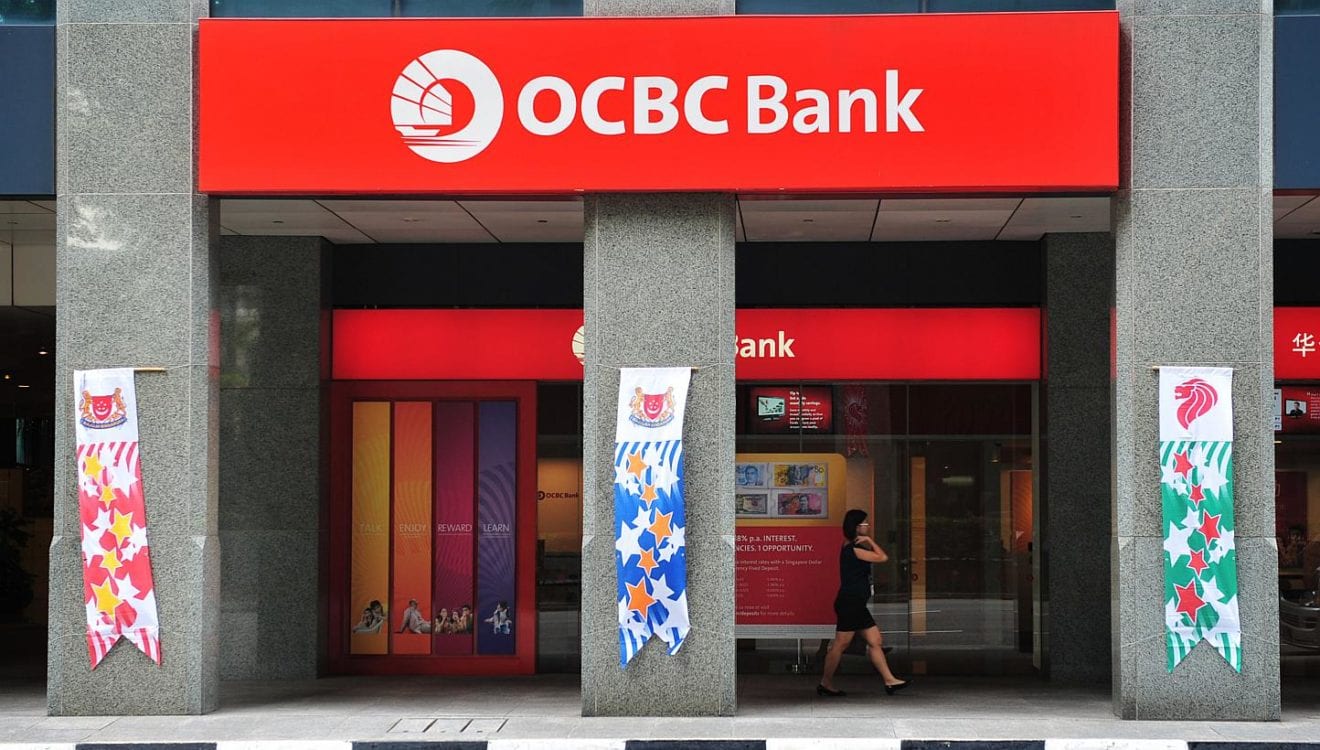
    Oversea-Chinese Banking Corp.rallied after fourth-quarter profit rose more than analysts anticipated. Shares of its two large Singapore rivals fell.

    The bank’s stock surged Wednesday by the most in almost six months following the release of an exchange statement showing net income climbed 21% on higher interest and trading income as well as gains from life insurance.

    Chief Executive Officer Samuel Tsien signalled confidence in the bank’s ability to continue growing as Singapore’s lenders face pressure from their exposure to a commodity price slump and an economic slowdown in China and Southeast Asia. OCBC doesn’t face issues with its Greater China loan portfolio, he said in a briefing. Smaller competitor United Overseas Bank Ltd.reported barely improved quarterly net income Tuesday as rising expenses and provisions for bad loans restrained earnings growth.

    “Against the massively negative sentiments against banks in general and fears of oil and gas impact, OCBC indeed saw higher provisions but nowhere near levels justifying” downgrades for the stock, Kevin Kwek, an analyst at Sanford C. Bernstein & Co. in Singapore, said in an e-mail. “The positives of gains in net interest and fee income in this environment should also reassure investors.”

    Analysts had cut their consensus 12-month target price for OCBC’s shares to $9.67 from a peak of $11.76 last August, according to estimates compiled by Bloomberg.

    The lender’s stock jumped as much as 4%, the largest intraday gain since Aug. 25. The shares were up 1.8% at $7.91 as of 1:33 p.m. in Singapore. United Overseas Bank fell 3.2% and DBS Group Holdings Ltd. declined 0.2%. The benchmark Straits Times Index dropped 0.9%. The rally in OCBC stock pared its loss this year to 10%, exceeding a 9% decline in the Straits Times Index.

    OCBC, Singapore’s second-biggest bank by assets, said net income climbed to $960 million in the three months ended Dec. 31 from $791 million a year earlier. That exceeded the $877 million average of seven analysts’ estimates compiled by Bloomberg.

    OCBC’s net interest margin, a measure of lending profitability, rose to 1.74% in the fourth quarter, a seven basis-point increase from a year earlier. That helped net interest income climb 5% to S$1.34 billion, the statement showed. Non-interest income advanced 26% to $960 million as the life-insurance unit’s profit jumped 24%. Net trading income soared nine times to $163 million from $18 million a year earlier.

    Bad loans

    Non-performing loans rose 54% to $1.97 billion in 2015, mostly because of “a few large corporate accounts associated with the oil and gas services sector,” the bank said. Its bad-loan ratio climbed to 0.9% as of Dec. 31 from 0.6% a year earlier. The loan portfolio remained “sound” with a “comfortable” allowance coverage, the bank said.

    At a briefing for media and analysts Wednesday, CEO Tsien said that while he expects an increase in non-performing loans, it’s unlikely the bank’s NPL ratio will exceed levels during the global financial crisis that started in 2008. In that period, OCBC’s soured credit ratio reached 1.7% of total loans. NPLs tied to the oil and gas industry represented 0.39% of the bank’s loan book of $211 billion, he said.

    Tsien said pillars of Singapore’s economy — such as real estate, retail and oil and gas — have weakened, and that a “challenging operating environment” will continue this year.

    “The past year has been a challenging one for most industries,” he said in the statement, citing the economic downturn, volatility in financial markets and higher regulatory requirements for capital.

    OCBC spent US$5 billion buying Hong Kong-based Wing Hang Bank in 2014. The acquisition helped the bank rely less on revenue from Southeast Asia as China including Hong Kong became its largest source of income after Singapore. Greater China accounted for 20% of pretax profit in 2015, up from 12% in 2014, it said.

  • Retail In China Suffers From New Year’s Hangover

    Retail In China Suffers From New Year’s Hangover

    While sales surrounding China’s Lunar New Year gave some retailers reason to celebrate, that was not the case for all of them.

    As a result, the stock value of a number of jewelry and cosmetics retailers in the country dropped yesterday. Analysts told the outlet that lackluster New Year sales were felt particularly hard by those sellers with locations in smaller neighborhood malls, as opposed to ones housed in larger ones, which saw a greater influx of foot traffic during the holiday period.

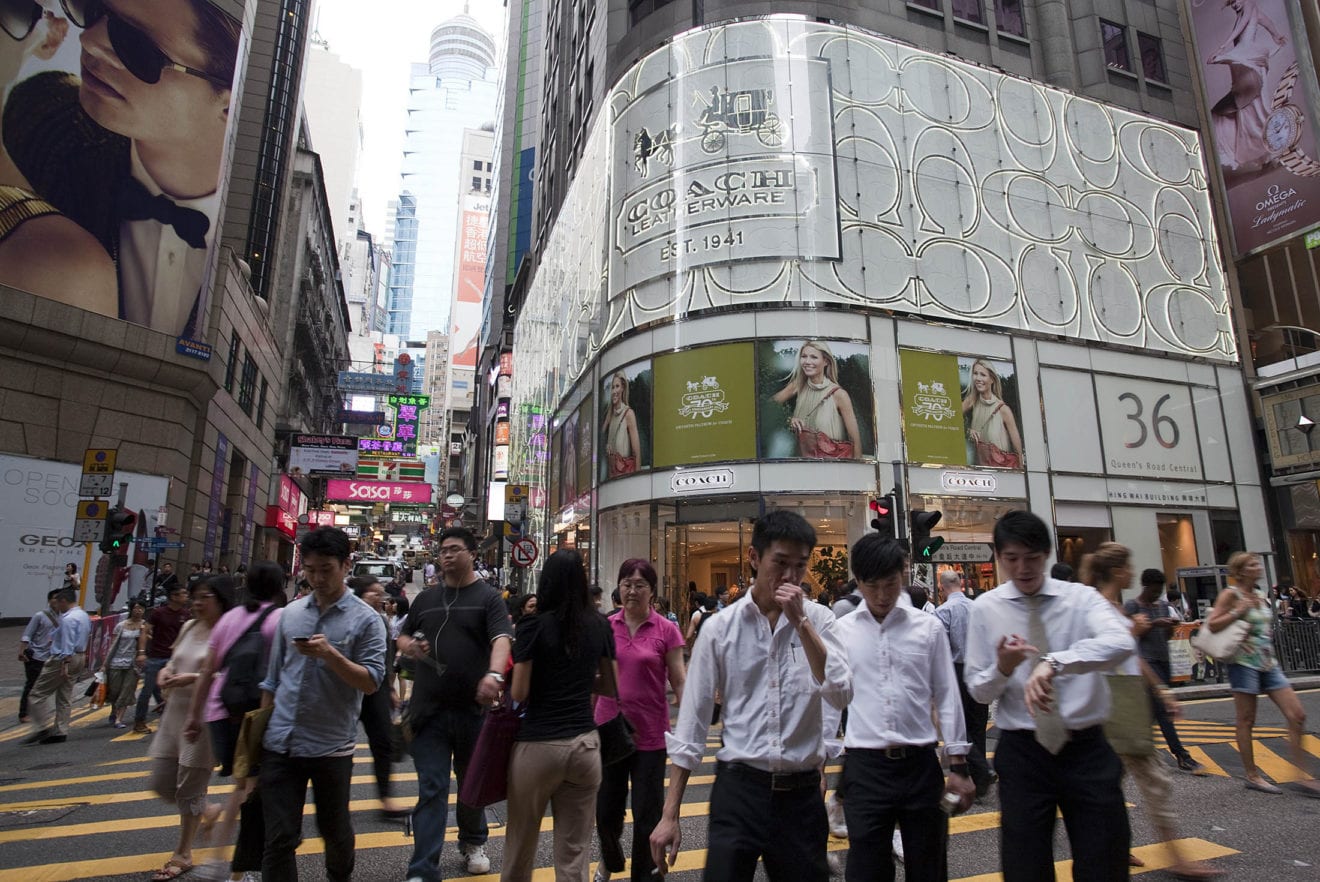
    Another factor that contributed to the stock slide for jewelry and cosmetics retailers in the region, was a dropoff in shopping by mainland tourists during the Lunar New Year. Sa Sa International, for example, reported to the outlet that its sales to mainland tourists fell 26 percent from the same period last year, with the average number of transactions among that consumer group decreasing 18 percent and the average ticket cost falling 9 percent.

    “This showed a further deterioration from the third quarter [for Sa Sa] as the Chinese tourist arrivals widened to a double-digit decline during the period,” Bocom International.

    Credit Suisse, meanwhile, told the outlet that it had visited nine shopping malls in China during the Lunar New Year and found that the majority of them were less busy within that period than they normally are on any given weekend.

    “The era of easy money in the retail industry has come to end,” Maureen Fung Sau-yim, a director of Sun Hung Kai Properties subsidiary, Sun Hung Kai Development. “Looking ahead, we have to work harder to cope with the market change” (referring to, explains the outlet, a stronger Hong Kong dollar and fewer mainland tourists).

  • Hong Kong to post surplus even as economy grapples with China slowdown

    Hong Kong to post surplus even as economy grapples with China slowdown

    Hong Kong is forecast to post a healthy fiscal surplus in its annual budget on Wednesday, with a series of one-off sweeteners expected to help businesses hurt by a slowdown in China, including the hard-hit retail and tourism sectors.

    Hong Kong’s longstanding Financial Secretary John Tsang isn’t expected, however, to unveil any sweeping new initiatives amid concerns the government’s reliance on one-off measures are failing to bolster the city’s economic fundamentals as it enters a period of slower growth and heightened political tensions.

    Tsang wrote on his official blog on Sunday that while sweeteners may only account for 1 percent of Hong Kong’s annual budget, they provide an important boost for the local economy and job market, and play an important “stabilising” role.

    A night-long riot shook the city after the authorities tried to remove illegal street stalls during the Lunar New Year, the worst violence since pro-democracy protests in 2014.

    While Hong Kong has tended to post healthy surpluses over the past decade, pressures are mounting on some of the economy’s biggest drivers. Mainland Chinese tourists who power the territory’s all-important retail sector stayed away from the city last year, leading to the worst annual decline in sales since 2002.

    Hong Kong officials have also sought to integrate more closely with China through Beijing’s “One Belt, One Road” blueprint to deepen regional economic co-operation, though the details remain sketchy.

    Four economists surveyed by Reuters expect fourth quarter growth to slow to a seasonally adjusted 0.1 percent from 0.9 percent in the third. From a year earlier, growth was forecast at 2 percent, down from 2.3 percent in the third quarter.

    Six economists estimated the economy would expand 2.3 percent in 2015, slightly less than the official forecast of 2.4 percent.

    The global financial hub’s economy is highly reliant on China which is grappling with its slowest growth in nearly 25 years.

    The government is forecasting a surplus of HK$36.8 billion while professional services firm Deloitte expects HK$80 billion.

    Despite a recent softening in the city’s sky-high property prices, analysts expect cooling measures implemented over the past few years to stay in place. Standard & Poor’s has forecast a 10 to 15 percent drop in property prices in 2016.

    Hong Kong’s economic pressures come on top of an increasingly fraught political environment, including the disappearances and feared abductions by Chinese agents of several Hong Kong booksellers, and lingering tensions towards Beijing’s refusal to allow full democracy in Hong Kong after protesters occupied major roads for 79 days in late 2014.

    The former British colony, with a population of 7.3 million, returned to Chinese rule in 1997 under a “one country, two systems” framework that gave it a large degree of autonomy although its leaders ultimately defer to Beijing.

  • Hong Kong’s Chow Tai Fook, Sa Sa saw sales fall over Lunar New Year

    Hong Kong’s Chow Tai Fook, Sa Sa saw sales fall over Lunar New Year

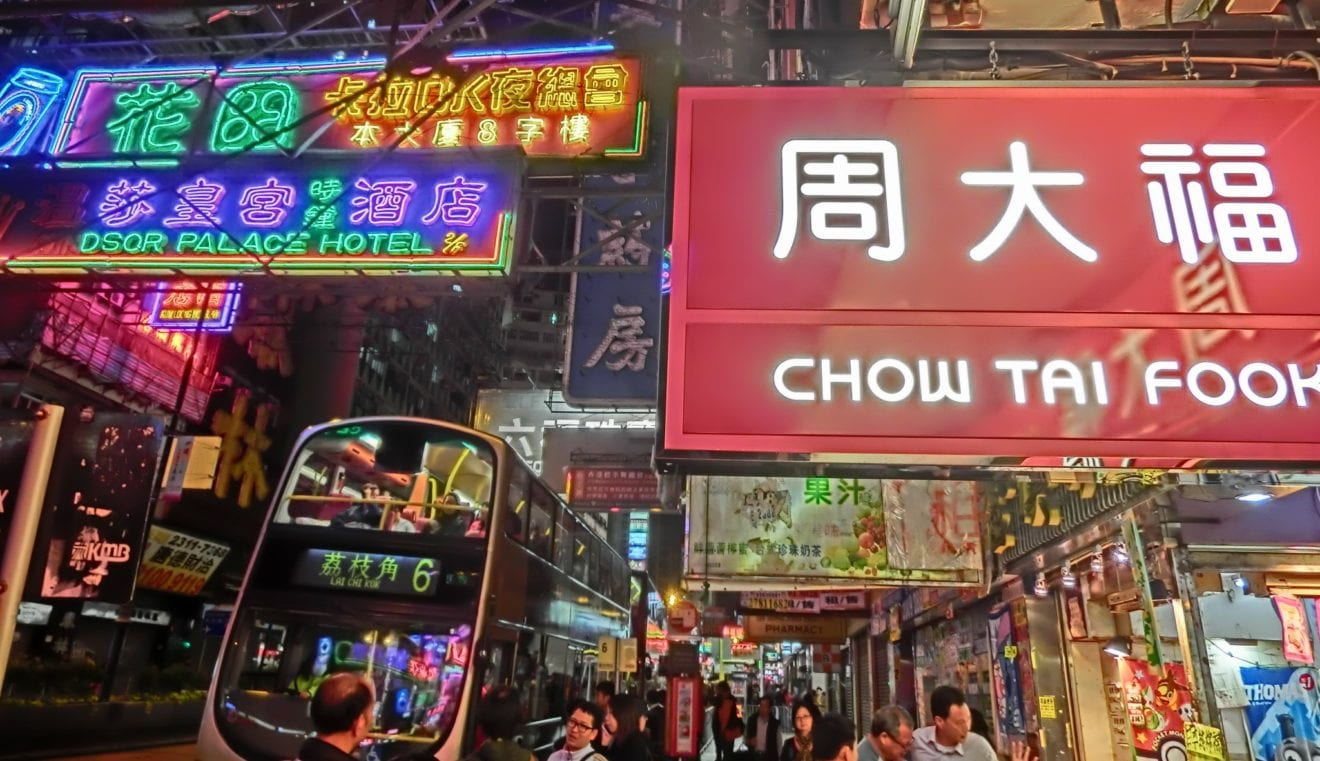
    Hong Kong’s top jewellery firm Chow Tai Fook and cosmetics retailer Sa Sa saw sales declines of at least 20 percent during the key Lunar New Year shopping season, as China’s slowing economy weighed on consumer spending.

    Chow Tai Fook Jewellery Group Ltd, Hong Kong’s largest jewellery firm by market value, saw its retail sales drop by almost a third in mainland China and by 23 percent in Hong Kong and Macau between Jan. 25 and Feb. 14, compared with the previous year’s Lunar New Year period. The buying spree usually happens a week or more before the start of Lunar New Year, which fell on Feb. 8 this year.

    Same-store sales were down 31 percent in mainland China and down 22 percent in Hong Kong and Macau, Chow Tai Fook said in a filing to the Hong Kong stock exchange on Wednesday.

    “The management anticipates the retail business environment will continue to be challenging for the fourth quarter and the sales performance will be worse than that of the third quarter,” the jeweller said.

    China’s economy, which posted the slowest growth since 2009 in the fourth quarter, and the government’s crackdown on corruption have stifled spending among Chinese consumers, who typically flock to Hong Kong to shop for everything from handbags to milk powder.

    On Wednesday, another prominent retailer in Hong Kong also reported dismal sales. Sa Sa International Holdings Ltd, which has a store in almost every corner of Hong Kong, posted a 20 percent drop in retail sales in Hong Kong and Macau over Feb. 8-14, compared with the previous year’s Lunar New Year period. Sa Sa’s same-store sales fell 19 percent over the same period, it said in a filing to the Hong Kong stock exchange. The announcements came after Hong Kong’s market closed on Wednesday. Chow Tai Fook’s shares ended 6 percent lower, while Sa Sa’s stock was down by 0.9 percent, versus the main Hang Seng index’s 1 percent fall.


  • BKPM Launches Easy Investing Service

    BKPM Launches Easy Investing Service

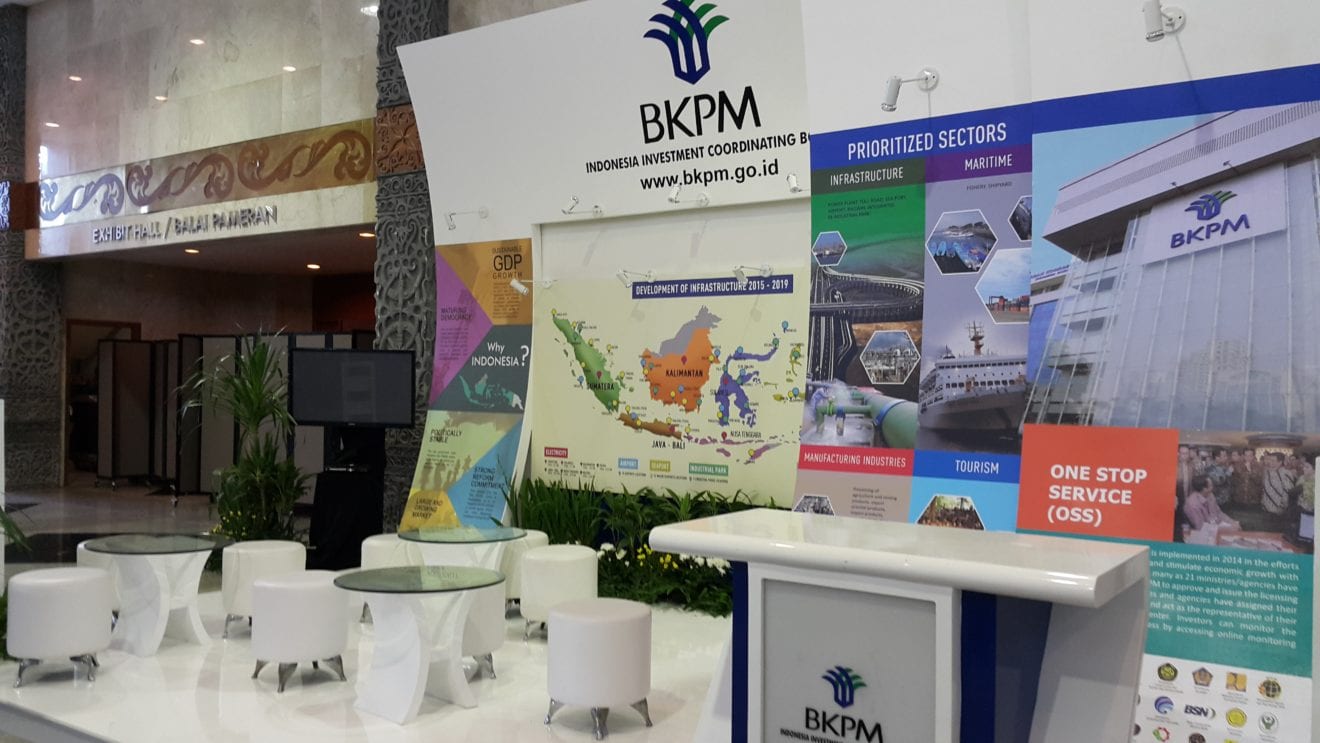
    The Investment Coordinating Board (BKPM) has launched two investment services for the convenience of investors. The first service is called KLIK, which is short for Kemudahan Investasi Langsung Konstruksi, a.k.a. simplicity in direct investment for the construction sector. The second is a three-hour service for permit upgrade in the infrastructure sector.

    In the launching ceremony at the Mercure Hotel in Jakarta, Monday, February 22, BKPM chief Franky Sibarani said the KLIK facility is a convenience provided by the government to companies willing to invest in specific areas. There are 14 industrial areas in six provinces and nine regencies/cities established to implement this service. The areas cover 10,022 hectares of effective land from a total land size of 17,154 hectares.

    With KLIK, Franky said, investors can immediately build their projects after obtaining the principle license.

    The launching ceremony was also attended also by officials from relevant ministries including the Public Works and Public Housing Ministry, the Energy and Mineral Resources Ministry, the Transportation Ministry, and the Ministry of Communication and Information. Also present were officials from the Attorney General, the Indonesian National Police, and representatives from provinces associated with the KLIK program: North Sumatra , Banten, West Java, Central Java, East Java, and South Sulawesi.

    In a press conference held at the same day, Franky said the investment facilities are given as a way to enhance Indonesia’s competitiveness and help meet the government’s investment target of Rp 594.8 trillion in 2016.

  • BitMEX Launches Leveraged China A50 Stcok Index Trading with Bitcoin

    BitMEX Launches Leveraged China A50 Stcok Index Trading with Bitcoin

    BitMEX (Bitcoin Mercantile Exchange) has announced this week they are launching the world’s first bitcoin denominated futures contract on a Chinese A Share index. The new instrument from the bitcoin derivatives focused venue allows cryptocurrency investors to access the walled-off equity market in China and trade with up to 25 to 1 leverage.

    The China A50 Equity Index is comprised of the fifty biggest public companies in China and priced in Chinese yuan (CNY). However, investors using the BitMEX product will receive 0.0001 Bitcoin (XBT) per 1 CNY move in the index. Additionally, unlike the Chinese stock exchanges that only open Monday to Friday, the BitMEX contract trades 24/7. The new contract has monthly expiries based on the closing price of the FTSE CHINA A50 Index to two decimal places.

    Speaking with Finance Magnates Arthur Hayes, co-founder and CEO of BitMEX, explains the rationale for the new product: “Trading the China A share market for most investors is quite difficult. Due to various restrictions, obtaining long and especially short exposure with leverage is almost impossible. For retail investors without large brokerage accounts, it is even more difficult.

    BitMEX aims to provide retail investors globally access to the China A share market using a Bitcoin denominated futures contract (commonly referred to as a quanto futures contract). Investors with only a few hundred USD of Bitcoin can now trade the China stock market. As long as an investor can exchange his or her domestic currency for Bitcoin, he or she can trade the BitMEX China A50 Index Futures contract.”

  • Tata Motors & Jaguar Land Rover: China Drag Diminished?

    Tata Motors & Jaguar Land Rover: China Drag Diminished?

    Tata stock, down 25% so far this year, is off by 54% over 12 months, prompting Goldman Sachs to close its sell rating on Tata Motors equity Monday. Citi Analysts Manish A. Somaiya and Esha Ranganath note that for the Jaguar Land Rover unit, while China revenue accounted for a third of fiscal 2015 earnings, China is only about 19% of fiscal year to-date retail volume compared to 27% in the prior year. They write:

    “Management cited the 10% year-over year decrease in China retail volumes for the fiscal third quarter (including joint ventures vs. -32% in the fiscal second quarter and -33% in the fiscal first quarter) as an indication that declines in the region have stabilized while still citing the region as a main factor in lower year-over-year earnings before interest, taxes, depreciation and amortization (EBITDA) (we assume this is a function of JV transition and higher China margins) …”

    The Citi analysts raised their issuer weighting on Jaguar Land Rover (TTMTIN) to Marketweight from Underweight, and raised their senior notes ratings to Neutral from Sell. With their sell rating last fall, they cited weak China revenue. The fresh decision reflects the following:

    1. “Management actions including capex reduction bolstering liquidity,
    2. Volume growth in other regions offsetting a softer China and,
    3. Possible stabilization of decline in China.

    While we still anticipate a negative free cash flow year and slightly higher gross leverage of 0.9x at fiscal 2016 year-end (vs. 0.8x currently), we like the company’s strong balance sheet and could see investor focus on higher quality defensive names providing a positive technical. Additionally, we continue to monitor potential execution risk from focus on multiple product launches …

    Guidance included FY2016 capex reduction to £3.3 billion ($4.7 billion) from £3.5 billion previously and indications of negative free cash flow (FCF) in the near to medium term (albeit offset by a strong balance sheet and cash balance). On the call, management reaffirmed EBITDA margins at the lower end of 14-16% range as a result of model mix, launch costs, and mixed economic conditions incl. China. At the same time, management aims to fund capex from operating cash flows as evidenced this quarter and anticipates continued working capital benefit during fiscal fourth quarter given seasonal benefits during the second half of the fiscal year. At a high level, we estimate FY2016 EBITDA of £2.9 billion, implying a 14% margin in-line with low end of guidance. Our FCF use estimate of ~£1.0 billion for the year results in gross leverage increasing slightly to 0.9x at year end.”

  • Tyco Retail Solutions Opens New Office in Tokyo

    Tyco Retail Solutions Opens New Office in Tokyo

    Tyco Retail Solutions (www.tycoretailsolutions.com) is pleased to announce the opening of its new Tokyo office to meet the growing need for Store Performance Solutions in Japan, the world’s third-largest economy. As Japan-based multinational retailers are upgrading technology and expanding in Asia, Tyco is strengthening its presence to support retailers’ demand for new technologies, including RFID for which the adoption rate in Japan is ahead of other Asian markets.

    According to PwC’s report, “2015-16 Outlook for the Retail and Consumer Products Sector in Asia,” retail sales in Asia are expected to top U.S. $10 trillion by 2018. Japan, home to a number of internationally recognized designer brands, will remain a cornerstone of the global fashion industry. PwC reported that Japanese fashion continues to influence apparel and footwear trends in many other countries.

    Tyco has served the Japanese retail market for 45 years, focused on loss prevention solutions and customer relationships managed through certified business partners. Building on its success in the region, Tyco is reinforcing its RFID resources on the ground to support key retail global accounts.

    As the retail industry undergoes transformation, RFID has emerged as a critical, enabling technology for retailers competing in an omni-channel world and a cornerstone for the retail Internet of Things (IoT). Progressive retailers understand the critical role of RFID-based inventory visibility to maximize revenue, improve store operations, and meet the demands of today’s consumers. Tyco has seen significant momentum, not only in the number of retailers deploying RFID, but also in the number of stores and merchandise categories designated for RFID roll-outs. It is gaining increased value as an essential technology for solving inventory challenges.

    “The Tokyo site represents our continued investment in IoT technologies such as RFID, which helps deliver meaningful, tangible business benefits for our customers,” said Nancy Chisholm, President, Tyco Retail Solutions. “Our expansion in the region allows us to keep pace with their needs and deliver the quality solutions, products and services they have come to expect over the years.”

  • Challenger Technologies going online

    Challenger Technologies going online

    To maintain its relevance in a fragmented and slow retail market, Singapore-listed Challenger Technologies will launch a new online store concept in April.

    In announcing its results for the full year and fourth quarter ended December 31, the IT products and services provider says the portal, Hachi.sg, will have “significantly” more products, an improved shopper interface and a robust sales platform.

    CEO Loo Leong Thye says that with the weak market sentiment from last year spilling over into 2016, retailers like Challenger have to keep innovating to keep customers and attract new ones.

    While the group’s net profit for the year increased by 22 per cent to $18.3 million, its fourth-quarter profit ballooned by 50 per cent to $7.5 million, year-on-year. This is mainly attributed to higher government grants received and lower operating expenses following the closure of retail outlets in Malaysia.

    During the year, the group also learnt that it will lose its flagship megastore when Funan DigitaLife Mall is demolished to make way for an integrated development.

    Group revenue dipped 1 per cent for the full year – by $2.9 million to $352.2 million, mainly because of lower contribution from retail revenue in Singapore and the absence of revenue after closing its Malaysian businesses in the second half of the year. This was partially offset by higher corporate sales and a writeback of deferred revenue on loyalty program activities.

    Fourth-quarter revenue shrank by $9 million, or 9 per cent, compared to the same quarter the previous year, attributed mainly to lower retail and corporate sales.

    While higher expenses will be incurred to kick-start and grow online sales this year, the online focus corresponds with the overall market trend in the region.

    “The next wave of growth is online, and we are building up to a stronger position by investing our resources and manpower for the next three to five years toward the online business,” says Loo. “Our strong network of offline stores will complement the online business.”

    Incorporated in 1984 and listed in January 2004, the group has a chain of 48 stores in Singapore, plus more than half a million members in its loyalty program.

  • Build-A-Bear builds back profits

    Build-A-Bear builds back profits

    Build-A-Bear Workshop has recorded its third consecutive year of increased profit.

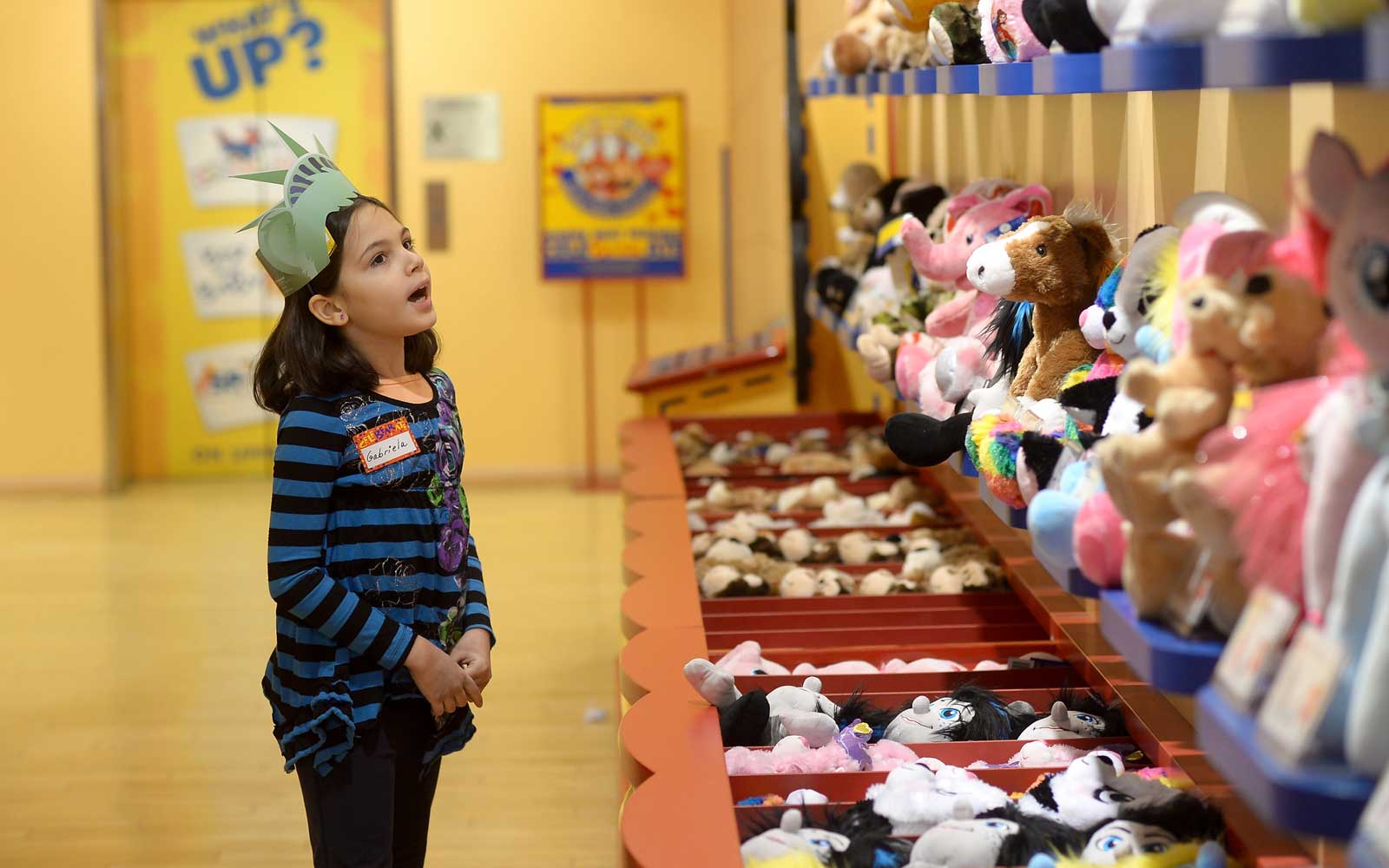
    CEO Sharon Price John has attributed the ongoing improvement in the once-challenged children’s experiential workshop concept to initiatives including store remodelling in the new Discovery format, which generated double-digit growth compared to our heritage stores, focusing on key consumer segments and investing in infrastructure.

    “We made steady progress toward our stated long-term sales productivity goals as we achieved the highest average transaction value in our history and highest units per transaction since 2008. We remain committed to the ongoing disciplined execution of our strategy while we continue to leverage our powerful brand in order to deliver both sales and profit improvement,” she said.

    In the 52 weeks to January 2, 2016, Build-A-Bear achieved total revenues of US$377.7 million, compared to $392.4 million in the previous financial year (which had 53 weeks, hence the higher figure).

    Same store sales rose 1 per cent – growth was flat in North America, but increased 4.8 per cent in Europe, and online sales rose 11.8 per cent.

    The company’s retail gross margin expanded 150 basis points to 47.1 per cent compared to 45.6 per cent in the previous year. Pre-tax profit  improved 11.7 per cent to $17.9 million.

    During 2015, the company closed 20 stores and opened 25 locations, including 11 in its new Discovery format, to end the year with 329 Company-owned stores; 269 in North America and 60 in Europe. The company’s international franchisees ended the year with 77 stores in 11 countries.

    In June this year, Build-A-Bear Workshop will open a new store in the new Disneytown retail precinct at the Shanghai Disney Resort in China.a