Tag: asia

  • Tesla Motors Wants Local Production in China

    Tesla Motors Wants Local Production in China

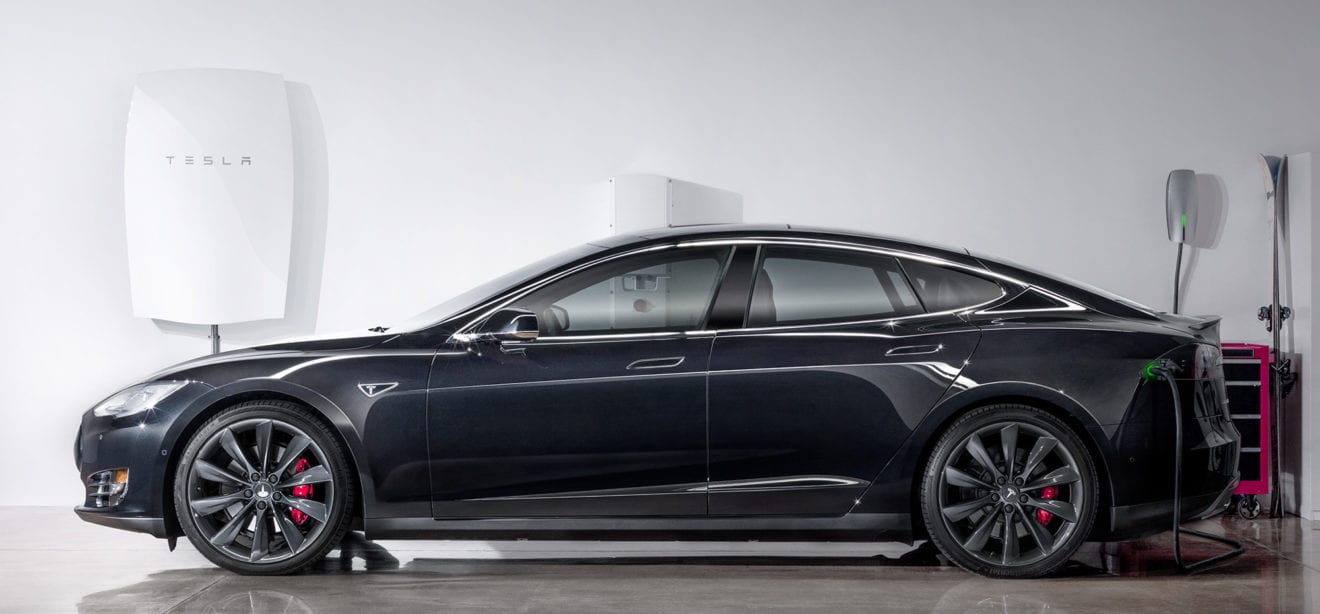
    It’s no secret that electric-car maker Tesla Motors is ramping up its efforts in China. Despite some initial challenges in the country when the company launched in the market in 2014, it still believes China could be one of its largest vehicle markets “within a few years,” according to its most recent 10-Q filing. And an update from Musk this week on Tesla’s plans in China, as well as a look at sales in Hong Kong, suggests it is as eager as ever to serve these important Asian markets.

    Tesla China

    Aiming to secure a factory location this year Tesla “aims to lock down manufacturing plans finding a local partner and a location for the plant — for the local market by the middle of this year,” wrote Engadget’s Richard Lai on Monday.

    The company plans to launch a factory in China “as soon as a year after” the Model 3 launch, which is set for late 2017, Musk said on Twitter last October. Securing a local partner and a location for its plant by the middle of this year would give Tesla plenty of time to meet this time frame.

    Musk hopes China will nix its “prohibitively high” auto import duties for the Model 3, making “a special category for EVs,” he explained last year on Twitter. Musk explained that these are natural moves for the company in order for it to “improve in-market affordability.”

    A China factory will be built to serve local Chinese demand and the company will continue to make cars and batteries in California and Nevada.

    Rising investments and rising demand
    Following its poor start in China in 2014, there was quite a bit of uncertainty about Tesla’s potential in the country last year. But a look at Tesla’s commentary on the market throughout 2015 suggests it experienced considerable growth in the market in terms of sales, demand, and investments.

    On a quarter-to-quarter basis, orders in Q2 “doubled” and orders in Q3 “increased substantially,” the company noted in its second- and third-quarter shareholder letters. Going forward, Tesla said in its third-quarter shareholder letter that it expected “order growth in China to remain strong.”

    Along with this rising demand, there are now over 340 Superchargers and 1,600 Destination Chargers in the country.

    One area of investment for the company in China has been with its retail stores. In August 2015, Tesla had just one retail store located in a high foot traffic area in the market and said it planned to have five by the end of the year. With 15 stores in the country now, the company appears to be exceeding its plans for a retail expansion there.
    Hong Kong First Tesla

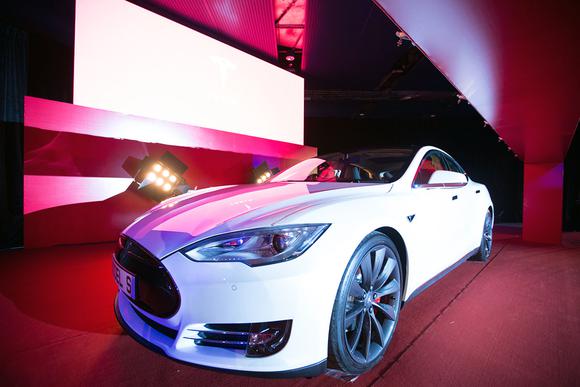
    Tesla’s investments in Hong Kong, where it currently has three retail stores, are also surprising. Lai provides a glimpse of the company’s robust charging network in the market, along with a rare breakdown of sales for the region:

    Hong Kong in particular has 42 Superchargers, making it the city with the highest density of Tesla’s rapid charging stations; this is on top of the 75 destination chargers there. It’s no wonder that last year the company managed to sell 2,221 Model S in Hong Kong alone, which made up over 80 percent of the local electric vehicles that year. To put things into perspective, that’s also 4.39 percent of Tesla’s total global shipment in the same period.

    This is considerable progress considering the company didn’t launch in Hong Kong until the second half of 2014.

    China and Hong Kong both look poised to represent key catalysts for Tesla in 2016.

    The next billion-dollar iSecret
    The world’s biggest tech company forgot to show you something at its recent event, but a few Wall Street analysts and the Fool didn’t miss a beat: There’s a small company that’s powering their brand-new gadgets and the coming revolution in technology. And we think its stock price has nearly unlimited room to run for early in-the-know investors! To be one of them, just click here.

    Daniel Sparks owns shares of Tesla Motors. The Motley Fool owns shares of and recommends Tesla Motors. Try any of our Foolish newsletter services free for 30 days. We Fools may not all hold the same opinions, but we all believe that considering a diverse range of insights makes us better investors. The Motley Fool has a disclosure policy.


  • Korean beauty brands increasingly offering the interactive retail experience

    Korean beauty brands increasingly offering the interactive retail experience

    In a round-up of the immersive, hands-on retail offerings which beauty brands are increasingly offering in the country, the national paper highlighted the rise of smart technology and wearables as the key driver behind the trend.

    “Seeking to offer more interactive and tailored services to consumers, cosmetic brands in Korea are increasingly utilizing high technology and smart gadgets to satisfy diverse consumer needs at one of the largest, trend-sensitive beauty hubs in the world,” the newspaper notes.

    It highlights AmorePacific, Dior and SK-II as key examples of beauty players at the forefront of this retail trend.

    Magic Ring test

    SK-II’s Magic Ring test (a diagnostics testing process for consumers’ skin), uses a skin imaging machine that tracks details such as the direction and size of pores and wrinkles, offering consumers the personalised product recommendation service they increasingly demand.

    Amore Pacific and Dior are just two of several other major brands reportedly also offering interactive diagnostics services in Korea, and investing in developing bespoke technologies specifically for the immersive retail setting.

    Apps are another key channel boasting interactive opportunities for brands, with L’Oreal reportedly gearing up to launch its MakeUp Genius app (which allows consumers to virtually try on cosmetics) onto the Korean market in the coming months.

    A global trend

    Korea is just the latest in a string of countries in which the beauty industry is adopting the potential of interactive beauty with open arms, to meet the rising demand from young, tech-savvy consumers.

    The Korea Herald report comes hot on the heels of a recent study published by market research firm Euromontior International , which noted that younger generation consumers increasingly demand interactivity.

    Millennials seek out “a curated but interactive sales environment, whether retail or online”, the firm’s analysts confirmed, noting that cosmetics is a rare area in which the consumer group is willing to spend freely.

  • Nation gets first crowdfunding platform

    Nation gets first crowdfunding platform

    As of 6 p.m. on Monday, Marine Techno, a cosmetics company that specializes in products made from marine collagen, successfully gathered 76 million won ($64,000) from retail investors on the nation’s first crowdfunding portal, which had opened earlier in the day.

    A total of 13 investors, including angel investors, the government-led Creative Economy and Innovation Fund, and other retail investors contributed to the biotechnology firm based out of the Jeonnam Creative Innovation Center in Yeosu, South Jeolla.

    Created in 2014, the start-up produces cosmetics by recycling marine byproducts. It owns as many as 30 patents for collagen-producing technologies.

    The company’s success on the crowdfunding platform meant it reached 110 percent of its investment target.

    “I was wondering about this, but we unexpectedly ended up with a good result,” said Hwang Jae-ho, founder of Marine Techno. “We rolled out investor relations activities at many events, and that’s what has led to the good result today.”

    Hwang said the new funds will be used to expand production facilities to meet growing demand.

    Individuals who want to invest in new promising businesses can log in to www.crowdnet.or.kr, operated by the Korea Securities Depositary, to connect with one of the five intermediary firms registered with the Financial Services Commission, the nation’s top financial regulator.

    The five intermediaries that can broker deals with the start-ups online are Wadiz, Ucanstart, OpenTrade, Yinc and Wealth Funding Management.

    On the first day, 18 start-ups, including Marine Techno, attracted investments through the intermediaries.

    The FSC introduced the crowdfunding system as part of its efforts to support the creative economy and financial technology initiatives. The regulator revised the nation’s Capital Market Act in July to provide start-ups with better access to financial resources, hoping to boost the fintech industry and create more jobs for young people.

    Crowdfunding platforms have become increasingly popular, with the U.S.-based Kickstarter attracting as many as 270,000 online investors in just two hours to raise 10.9 billion won for Pebble, a smartwatch maker.

    If they have a crowd funding account with any of the 18 securities firms offering them, retail investors can invest up to 2 million won in a single firm, and up to 5 million won a year. Start-ups are allowed to receive up to 700 million won in total every year through the crowdfunding portal. If a company fails to reach 80 percent of its target by the deadline it has set, the funding will be nullified.

    “There is some concern that the investment limit is too small, but we plan to support the regulator’s move to heat up the mood,” said Kim Young-soo, an executive at Korea Venture Business Association.

    Marine Techno was the only company that surpassed its goal on Monday, with crowdfunding still a foreign concept to many. On the homepage for Yinc, a message reading, “Please be my first investor,” was still flickering at around 5 p.m.

    Still, large financial groups are joining the trend. KB Financial Group launched a matching service for investors and start-ups on Monday. It began to attract investors by using the crowdfunding platform of OpenTrade to help fund four promising start-ups chosen by the group.

  • Goldman Sachs enters Singapore retail fund market

    Goldman Sachs enters Singapore retail fund market

    Goldman Sachs Asset Management (GSAM), the asset management arm of Goldman Sachs Group Inc, is making its foray into the local unit trust industry with the launch of 13 retail funds in 1Q 2016.

    The new GSAM unit trusts, previously available only to private banking and institutional clients, will consist of fundamental and quantitative equity funds as well as those that invest in fixed income and multi-assets, according to the fund house which manages assets in excess of US$1 trillion ($1.4 trillion).

    These 13 Goldman Sachs funds approved for retail sales in Singapore include the Goldman Sachs Asia High Yield Bond Portfolio, Asia Portfolio, European Equity Partners Portfolio, European High Yield Bond Portfolio, Global Core Equity Portfolio, Global Equity Partners Portfolio, Global High Yield Portfolio,

    Global Income Builder Portfolio, Growth & Emerging Markets Broad Equity Portfolio, Growth & Emerging Markets Corporate Bond Portfolio, India Equity Portfolio, Japan Portfolio and US Real Estate Balanced Portfolio.

    “The global market volatility we are seeing right now underscores the need for world-class investment solutions that deliver highly differentiated strategies with real diversification benefits. We look forward to meeting the needs of Singapore retail investors through this range of funds,” says Sheila Patel, who is Singapore CEO of GSAM, in a statement.

    Singapore is GSAM’s Asia regional investment hub. The fund house’s team of Singapore-based investment professionals has been providing investment and advisory solutions to institutions including pension funds, sovereign wealth funds and financial intermediaries in the city state and across Asia since 1991.

  • CITS forecasts Thai wholesale and retail markets to grow by one percent

    CITS forecasts Thai wholesale and retail markets to grow by one percent

    The Center for International Trade Studies (CITS) has predicted that the wholesale and retail markets in Indonesia and the Philippines will score the highest growths among the ASEAN countries in 2020.

    Indonesia and Vietnam will have higher growth rates than all other countries due to a relatively large number of foreign investments and an increased income per head, the center forecast.

    Meanwhile, Thailand’s wholesale and retail markets are expected to grow by just one percent this year and 10 percent in the next five years, according to CITS. However, that will largely depend on the people’s incomes and domestic consumption. Thailand’s modern-day trading is expected to grow while traditional retail trading will be gradually closed down like in other countries.


  • Standard Chartered names James Dolphin as its CIO for retail banking

    Standard Chartered names James Dolphin as its CIO for retail banking

    Standard Chartered Bank has appointed James Dolphin as its Chief Information Officer (CIO) for retail banking. From March 2016, Dolphin will report directly to the bank’s Group CIO, Dr Michael Gorriz, and be based in Singapore.

    Prior to this role, Dolphin was Capital One’s CIO for retail and direct banking for since 2012. In that role, he led Capital One’s digital transformation strategy for the retail business by building strong engineering teams, and instilling a software development culture. He also redesigned and rewired Capital One’s retail channels to deliver market-leading digital experiences during his time there.

    Besides Capital One, Dolphin has held senior technology leadership roles at Bank of America too.

    “James brings with him a strong reputation as a technology leader and innovator. He is highly experienced in leading large teams and driving an agile culture that is innovative and customer-centric. I am confident that he will be a valuable addition to Standard Chartered,” said Dr Gorriz.

    1

  • Asahi Glass begins shipment of PVC from Indonesian plant

    Asahi Glass begins shipment of PVC from Indonesian plant

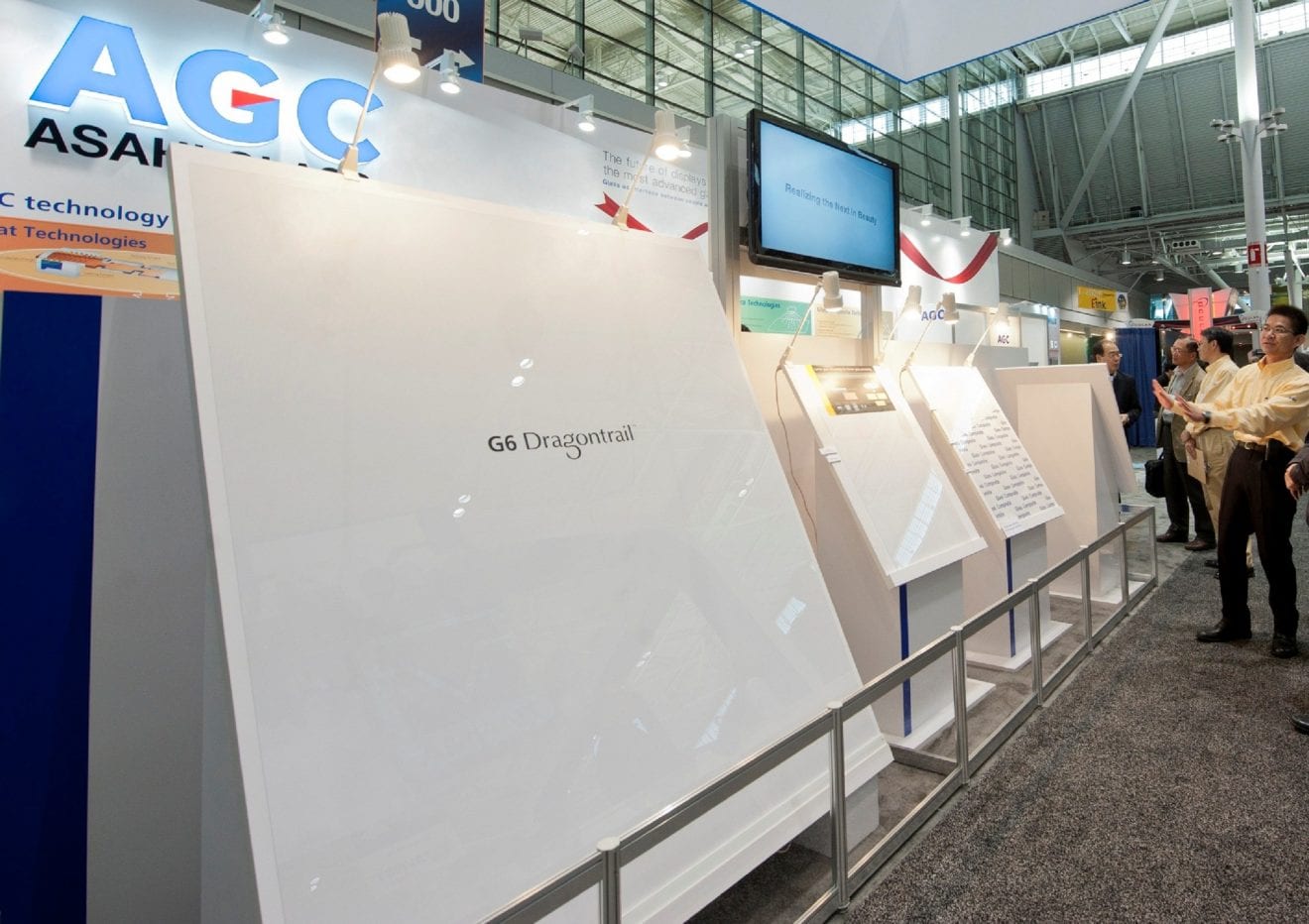
    AGCAsahi Glass (AGC), a world-leading manufacturer of glass, chemicals and high-tech materials, has begun supply of polyvinyl chloride (PVC) from the Anyer plant of P T Asahimas Chemical (ASC), one of its consolidated subsidiaries in Indonesia.

    With the aim to meet the growing demand for caustic soda and polyvinyl chloride in Southeast Asia, the production facility enhancement at the Anyer plant was launched in 2013 to significantly boost the output of caustic soda and vinyl chloride in Indonesia. The construction project has been completed as scheduled and commercial production will start in the first quarter of this year.

    The caustic soda and PVC markets in Southeast Asia are projected to grow at over 5 percent per year. Of the demand in the market, Indonesia, Thailand and Vietnam, where AGC has production bases for the chlor-alkali business, account for 70 percent. By capturing growing demand in the region, the AGC Group will move forward toward its long-term goals under Vision 2025.

  • Indonesia central bank seen cutting key rate again

    Indonesia central bank seen cutting key rate again

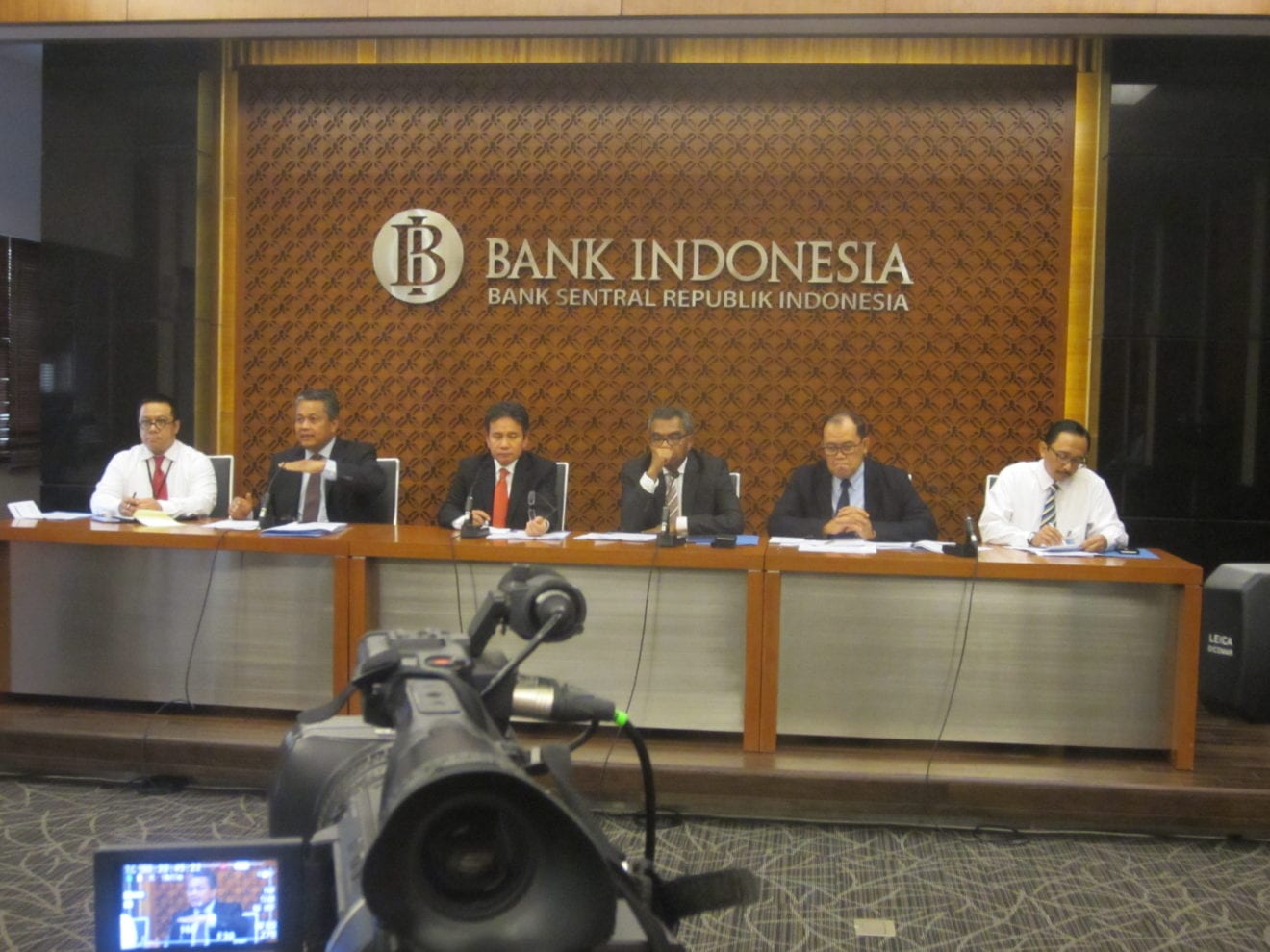
    Indonesia’s central bank, which kept its benchmark reference rate unchanged for nearly all of 2015, is expected to make its second cut this year on Thursday as it tries to bolster the country’s sluggish growth.

    South-East Asia’s largest economy grew 4.8% in 2015, the fifth straight year of slowing and the weakest pace since 2009. But growth picked up in the final quarter, showing some signs of recovery.

    Bank Indonesia (BI) trimmed its key rate by 25 basis points last month. Thirteen of 19 economists in a Reuters poll predict a same-size cut on Thursday, reducing the rate to 7%.

    Many economists believe BI is at the start of an easing cycle, as there’s room for monetary easing that there was not in 2015, when inflation sometimes topped 7% and anticipation of higher US interest rates pressured the fragile rupiah, which was emerging Asia’s second worst performing currency last year.

    The rupiah was not rattled by the Federal Reserve’s hike in December, and it has strengthened more than 2% against the dollar this year. BI deputy governor Perry Warjiyo said last week the rupiah is heading towards a level reflecting the country’s economic fundamentals.

    ROOM TO EASE?

    The rupiah’s appreciation gave “room for BI to ease its monetary policy even further. BI will make use of this opportunity to do just that, in a bid to help sustain the upward momentum in GDP growth,” said DBS’ economist Gundy Cahyadi.

    Low inflation and a deep slump in January exports and imports also support the argument for early rate cut, economists said.

    “Weak exports and capital goods imports mean further policy boost to aid economic recovery is warranted,” said Credit Suisse economist Santitarn Sathirathai.

    Not all agree. Six analysts surveyed by Reuters said the central bank will hold the benchmark at 7.25%.

    “BI is keen to avoid a repeat of the 2013 ‘Taper Tantrum’, which saw the central bank having to hike rates aggressively to support the struggling rupiah,” said Capital Economics in a note projecting no second rate cut until the second quarter.

    CIMB Niaga economist Winang Budoyo, who has pencilled in a hold this week, predicted that BI will lower the rate in March instead.

    BI has a policy meeting scheduled for March 17-18, right after the Fed’s next policy meeting on March 15-16.

  • Motornation.tv launches its VOD Website & Roku Channel powered by Muvi   Studio

    Motornation.tv launches its VOD Website & Roku Channel powered by Muvi Studio

    Muvi Studio, a popular cloud-based Video Streaming Platform by New York-based tech company Muvi LLC, announced the launch of Motornation.tv (https://www.motornation.tv), a new Multi-Screen VOD service. It is available across on Web and also on Roku (https://channelstore.roku.com/details/82006/motornation.tv) powered by its Video Streaming Platform – Muvi StudioMuvi Studio.

    Motornation.tv is a free and premium subscription-based (SVOD) streaming TV network that specializes in Traditional Hot Rod, Kustom, Motorcycle, Instructional, Culture and Classic Films as well as Original Series. Motornation has some of the best films and film makers coming together to produce the best in the Hot Rod, Kustom, and Motorcycle world. They pride themselves in bringing the nation great,out well produced independent films as well as original content.

    Motornation.tv stands for and comes from the people that actually are involved in this Partnering with Muvi and using Muvi StudioMuvi Studio has allowed Motornation.tv to launch their Video-on-Demand (VOD) Website and Roku Channel in less than a month’s time, without having any coding knowledge or hiring any IT or Technology Technical Teams, thus allowing them to purely focus purely on content and business strategy.

    “Muvi Studio is a single platform solution for the video industry when it comes to Video Streaming (Live or on-demand) and provide an out-of-the-box experience as well as end-to-end solution for launching Multi-Screen Platforms in record time” – explains Viraj Mehta, Head – International Business, Muvi LLC

    Muvi StudioMuvi Studio is a one-stop user friendly solution that handles everything from provisioning of the IT Infrastructure like Servers and CDN, to front end applications like Website, Mobile and TV Apps at a click of a button. This makes sure thatso that the content owners do not need to worry about any IT and Technology hassles and focus purely

    About Muvi LLC & Muvi Studio

    Muvi is a New York based Technology Company behind the popular cloud based Video Streaming Platform – Muvi Studio which caters to video content owners, and enables them to launch their own-branded Multi-Screen Video Streaming Platform (Live Streaming and Video-on-demand) across web, mobile and TV at a click of a button instantly, without any coding knowledge or IT teams. Muvi Studio includes everything required to launch a VOD platform from IT Infrastructure to Online Video Player and front end apps like website and

    Visit https://studio.muvi.com www.studio.muvi.com for more information.

  • Genesis Luxury takes on Coach India

    Genesis Luxury takes on Coach India

    Indian fashion conglomerate Genesis Luxury Fashion has formed an exclusive partnership to New York design house Coach to introduce it to the Indian market.

    The first Coach India store will open to coincide with the brand’s 74th anniversary this year.

    “We are confident the brand’s commitment to heritage and innovative design will be warmly embraced by the growing number of Indian luxury consumers, who are innately drawn to craftsmanship, ” says Genesis Luxury MD Sanjay Kapoor.

    “Coach has tremendous potential in our market, and with our shared vision and well-defined strategies, we are focussed on accelerating its retail presence and visibility across key cities in India over the next few years. ”

    Coach international group president Ian Bickley says the company is confident its luxury store environment featuring designer Stuart Vevers will be “embraced and coveted” by fashionable Indian buyers.

    Established in New York City in 1941, Coach is known for its leather goods.

    After consolidating the Indian fashion market with such designer labels as Bwitch and Satya Paul, Genesis Colors (established in 2001) moved into marketing and distributing global luxury brands through its subsidiary Genesis Luxury Fashion in 2008. Its portfolio includes Burberry, Bottega Veneta,Canali, Giorgio Armani, Emporio Armani, G-Star Raw, Hugo Boss, Jimmy Choo, Michael Kors, Paul Smith, Tumi and Villeroy & Boch.

  • PVH takes control of Tommy Hilfiger China

    PVH takes control of Tommy Hilfiger China

    PVH Corp, the parent of the Tommy Hilfiger brand, is to take full control of its China business.

    PVH, together with funds advised by Apax Partners, will acquire the 55 per cent interest in TH Asia Ltd, their joint venture for Tommy Hilfiger China, which PVH does not already own.

    The purchase price for the transaction is about US$172 million, net of cash of approximately $100 million, subject to adjustment.

    The closing, which is subject to customary closing conditions and regulatory approvals, is expected to occur early in the second quarter of 2016.

    “Today’s announcement represents a significant development for our company as we continue to execute against our key strategic priorities and demonstrates our commitment to making strategic investments to support the long term growth of PVH and our Tommy Hilfiger business,” said Emanuel Chirico, chairman and CEO of PVH.

    “This transaction enables the Tommy Hilfiger business to directly operate its fastest growing market, while leveraging our well-established infrastructure in Asia, our regional leadership expertise and strong brand momentum across both our Tommy Hilfiger and Calvin Klein businesses in the region.”

    This transaction has been envisioned since PVH and the funds advised by Apax Partners established the Tommy Hilfiger China joint venture in connection with the Tommy Hilfiger acquisition in 2010.

    Since 2012, the first full year of operations after the joint venture acquired the Tommy Hilfiger China business from the former licensee, the Tommy Hilfiger business in China has doubled from approximately $70 million in revenue to a projected $140 million in 2015, with over 350 stores, of which 65 are directly operated.

    Daniel Grieder, CEO of Tommy Hilfiger, commented: “We are looking forward to executing a more fully integrated strategy for China that takes advantage of our current momentum in the region. This will allow us to further realise the growth opportunities that exist for the brand by offering consumers a greater breadth of Tommy Hilfiger product lines and a more elevated brand presentation. Building on our strong existing regional foundation, we plan to accelerate the growth of the Tommy Hilfiger business by increasing our brand marketing in China and capitalising on our strong market positioning and price, value proposition. We plan to invest further in driving the expansion of the brand through new store openings (both company-operated and franchised stores) and improved productivity in existing stores, while rapidly expanding our traditional and digital marketing initiatives to further reinforce the brand in this exciting market.”

    PVH Corp owns and markets Calvin Klein and Tommy Hilfiger brands worldwide. It is the world’s largest shirt and neckwear company and markets a variety of goods under its own brands, Van Heusen, Calvin Klein, Tommy Hilfiger, Izod, Arrow, Warner’s and Olga, and its licensed brands, including Speedo, Geoffrey Beene, Kenneth Cole New York, Kenneth Cole Reaction, Michael Michael Kors, Sean John and Chaps.

    The other shareholders in the China joint venture include an affiliate of Silas Chou and, indirectly through an investment vehicle controlled by funds advised by Apax Partners, members of Tommy Hilfiger management at the time of the acquisition in 2010, such as Fred Gehring (former CEO and executive chairman, Tommy Hilfiger and current vice chairman of PVH), Daniel Grieder (CEO, Tommy Hilfiger), and Tommy Hilfiger himself.

  • ShopBack Malaysia Hosts Biggest Cashback Sale to Encourage Malaysians to Shop and Save via Cashback

    ShopBack Malaysia Hosts Biggest Cashback Sale to Encourage Malaysians to Shop and Save via Cashback

    ShopBack Malaysia, the top Cashback site in Southeast Asia, will be offering up to 100% Cashback to supplement Malaysians’ online shopping on its first birthday, 22 February 2016. From everyday essentials to quirky gadgets, Malaysians are encouraged to get the 24-hour exclusive deal from over 500 online retailers through Shopback.my.

     Gil Carmo, Country Head of ShopBack Malaysia says: “Cashback is a very popular saving tool for online shoppers in the West. Ever since ShopBack introduced the concept in Southeast Asia, many shoppers have benefitted from it whereby Malaysian shoppers have cashed out more than RM 4M in 2015 alone.

    Our current pool of local shoppers makes up about 1% of Malaysia’s population – that means there are still enormous opportunities for us to reach out to the rest and educate them to utilise ShopBack to earn more savings.”

    Popular online retailers such as Agoda, Booking.com, Groupon, HappyFresh, Hermo, Lazada, Qoo10, Photobook Malaysia, Supermodel’s Secrets, Taobao, and Zalora are joining this biggest cashback sale from past midnight (00:01) on 21 February 2016 till midnight (00:00) on 22 February 2016.

    Shoppers can expect discounted deals, exclusive promo codes, contest, and Cashback from 50% to 100% on special home electronics, mobile gadgets, travel packages, hotel accommodations, beauty and fashion, as well as grocery items on the event day.

    “More Malaysians are buying online nowadays and similar to the traditional retailers’ loyalty programme, ShopBack Malaysia helps shoppers to save even better because we reward with cash rather than credit. Registration is free and shoppers can get Cashback in just two simple steps – sign up/log into your account, select online retailers and proceed to shop. Shopper will receive an email on the earned amount within one day, and it can then be transferred to local bank account once the status becomes redeemable. It is a totally hassle-free process.” Gil added.

    ShopBack entered Malaysia on 22 February 2015 and it has emerged as the top Cashback site in the country, as well as in the SEA region. It works together with a comprehensive range of over 500 international and local online retailers to reward shoppers with hard cash after they made a purchase online through the platform.

    For more information, please visit www.shopback.my or follow us at Facebook www.facebook.com/shopbackmalaysia.

  • Dior Homme Kuala Lumpur debut

    Dior Homme Kuala Lumpur debut

    The first Dior Homme Kuala Lumpur boutique has opened, inside Suria KLCC shopping centre.

    While Dior has several boutiques in the Malaysian capital, this is the first store dedicated to the French luxury label’s men’s range.

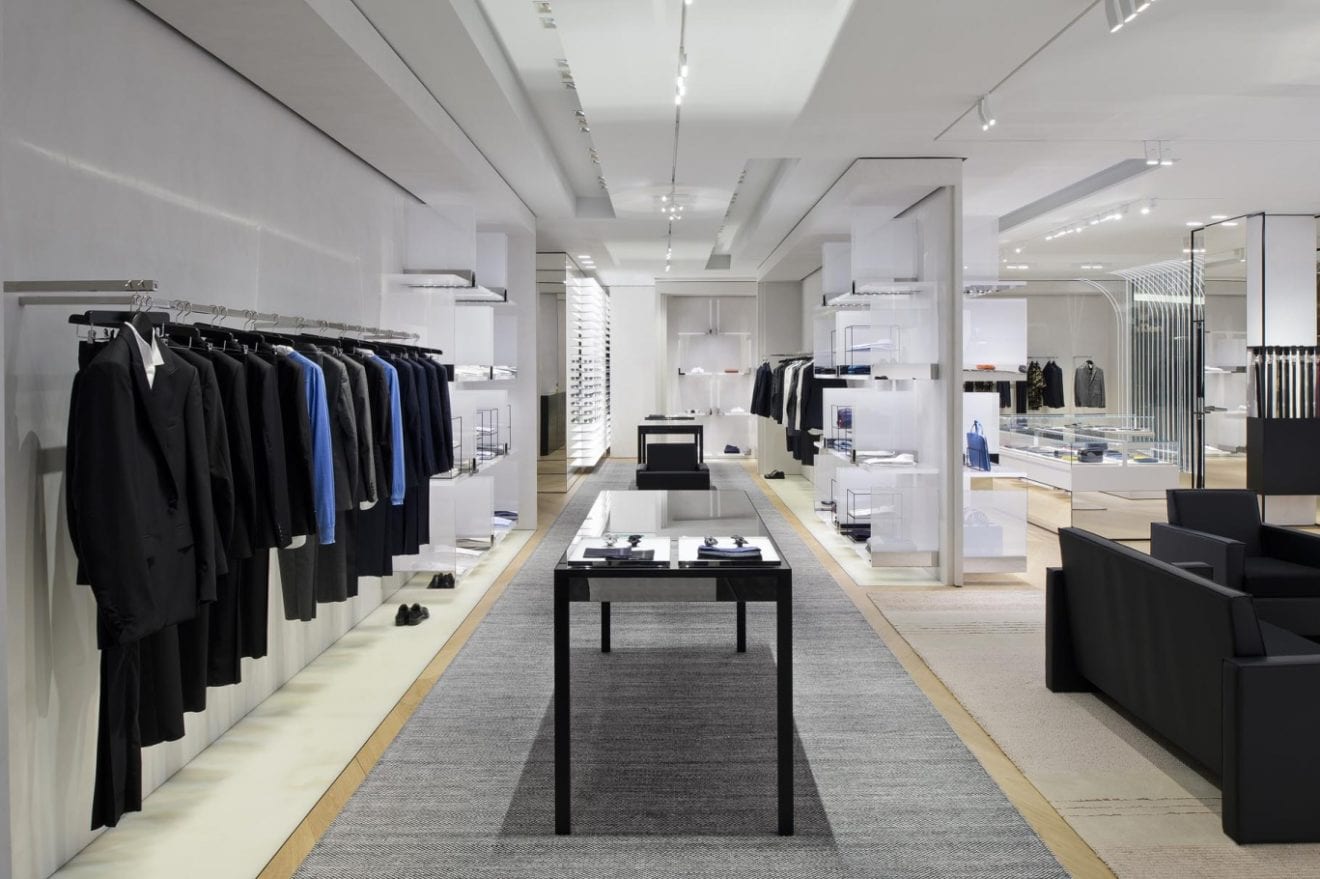
    White dominates the new boutique’s interior design, contrasting with hardwood floors and black accents, all of which allow the product to be the hero.

    The store stocks ready-to-wear collections, leather goods, footwear, eyewear and jewellery.

    To mark the Dior Homme brand’s arrival in Malaysia, a limited edition clutch numbered from 1 to 10 was released.

  • McDonald’s Japan rebounds

    McDonald’s Japan rebounds

    McDonald’s Japan has recorded its first increase in customer numbers in nearly three years.

    Preliminary figures released internally by the company show footfall at stores which remained open for more than one year rose by more than 10 per cent Japan-wide. Better yet, same-store sales rose by as much as 30 per cent, according to a report by Reuters.

    McDonald’s Holdings Co (Japan) has projected a net profit of about 1 billion yen (US$8.47 million) for the year to December 2016 – which would mark its first time out of the red in three years since a food safety scandal relating to expired chicken hit the brand in 2014. In January last year sales plunged 38.6 per cent, customer ranks depleted by 28.5 per cent.

    In April last year the company unveiled a plan to cull its restaurant network and revamp remaining stores after a US$319 million loss.

    It also revised its menu, adding salads which has clearly drawn customers back to restaurants.

    Analysts say that despite the apparent recovery, the work is not complete with a long road ahead to restore profits to pre-2014 levels.

  • Kakao launches Hair Shop O2O

    Kakao launches Hair Shop O2O

    Kakao, the Korean internet pioneer, has  selected ‘Hair Shop’ as its first O2O (online to offline) business in the beauty sector.

    Kakao plans to expand its O2O business by releasing new services  – relief drivers and the hair industry.

    According to industry analysts, Kakao is planning to launch ‘Kakao Hair Shop’ (working title) during the first half of the year through its affiliate Hasys.

    If Kakao’s Hair Shop is launched, related businesses could use Hasys solutions such as ‘Hair Zzang’ or ‘Beauty Zzang’ to easily build online and mobile reservation systems. Research on consumer satisfaction and marketing education could also be supported.

    Customers could have access to information about various hair shops through a Kakao-based platform, and compare prices at each salon.

    Some predict that Kakao will charge a commission for providing the platform when a user makes a reservation through the Hair Shop application and pays through Kakao Pay. However, Kakao claims that the details of the service have yet to be confirmed.

    Hasys is a beauty solution business Kakao took over in October 2015 through K-Venture Group, an affiliate of Kakao specialising in investments. Hasys has developed and is providing solutions such as ‘Hair Zzang’ and ‘Beauty Zzang’, which manage clients of beauty salons, skin care parlors and nail shops.

    Hasys has 10,000 beauty businesses as members, and ranks at the top of the industry with 69 per cent market share as of September 2015.

    Kakao revealed its intentions to launch O2O services related to the beauty industry at the time it took over Hasys. As a first step, Kakao officially entered the hair industry.

    Kakao officials said the company is planning to concentrate on the Hair Shop business, as it could be a service that is attractive to people of all genders and ages. “We have no other plans to expand our offerings into other beauty businesses.”

    Hasys is currently meeting with owners of hair shops across Korea, explaining about the launch of Kakao Hair Shop. Currently 2000 shops have agreed to become members of the service.