Tag: asia

  • Lagardère Travel Retail renews Relay concession at Hong Kong Airport

    Lagardère Travel Retail renews Relay concession at Hong Kong Airport

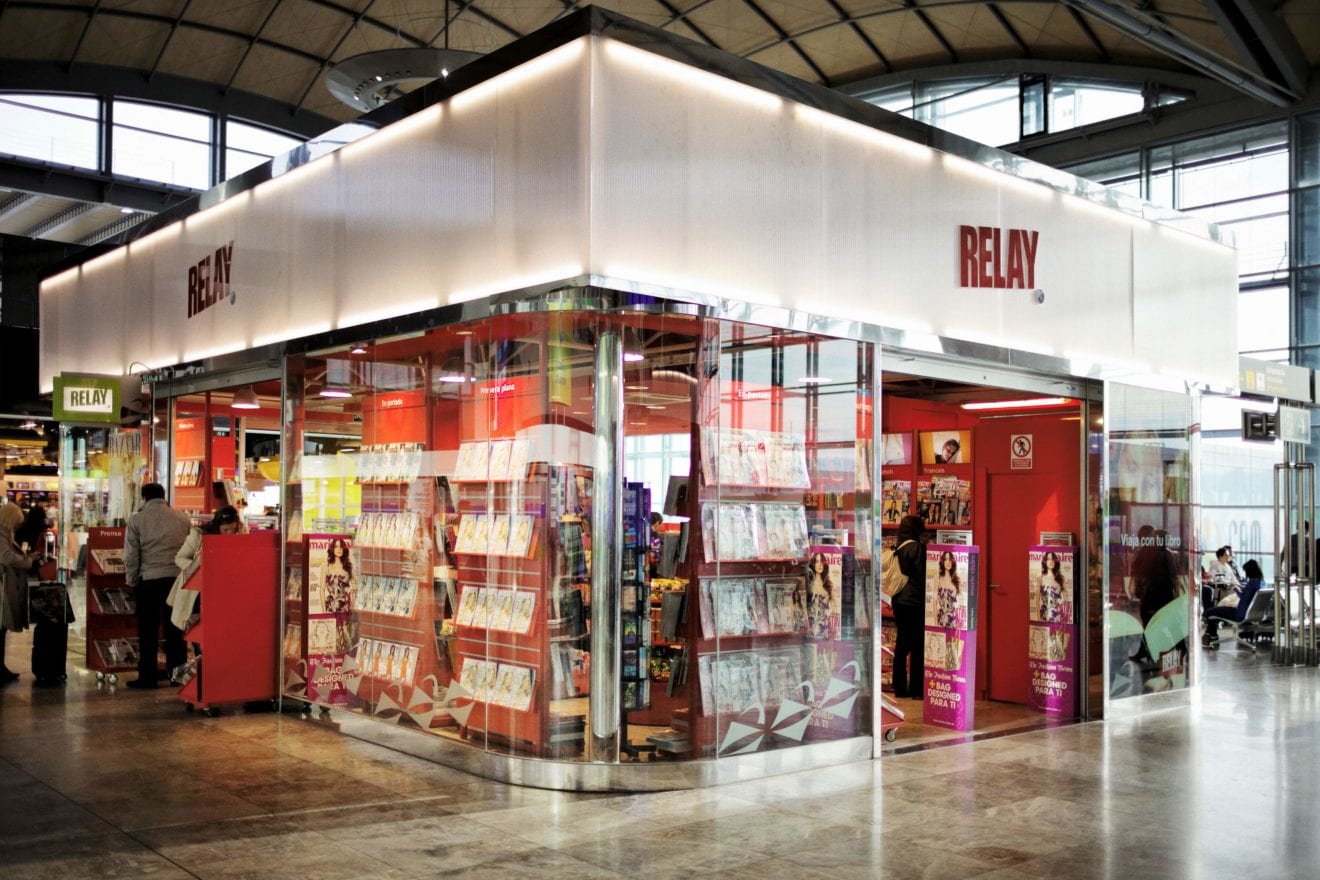
    Lagardère Travel Retail has renewed its news concession at Hong Kong International airport (HKIA) with its Relay concept, being awarded five stores in the existing and new concourses.

    This win follows soon after Lagardère Travel Retail was recently awarded the luxury fashion and souvenir stores at HKIA, with Kate Spade, Pandora, CK Platinum, and Paul & Shark, as well as three Discover Hong Kong stores. “This diversification demonstrates the group strength and capability to operate in different business lines and confirms our development strategy with HKIA” said the travel retailer.

    With the new contract, Lagardère Travel Retail will take the opportunity to launch the Relay brand’s latest global evolution and roll out its updated brand logo and store features. Relay will continue to offer to the HKIA traveller the great range of books and magazine that it has become famous for and a good range of other stationery, souvenirs & gifts.

    The retailer said Relay has been a trusted landmark at HKIA with more than a decade in operations and will “proudly continue to operate following the latest tender process”.

    The Relay stores sets itself apart through its attractive design and clear accessible zoning allowing travellers the ease to search and manoeuvre as they travel on their journey and within the different sections of offer, according to the retailer.

    Offering travellers a tailored selection of books, magazine, stationery, souvenirs & gifts to facilitate and enrich the journey, the brand’s tagline states: “Rely on RELAY: upgrade your journey”.

    Lagardère Travel Retail operates more than 1500 Relay stores within more than 120 airports and 700 train stations. The Relay brand is the global market leader within this category and continues to evolve to meet the changing needs of passengers worldwide, said the company.

    Lagardère Travel Retail general manager Louis Dambrine said: “We value our collaboration with HKIA where we have operated for 10 years. Relay renewal is a great achievement and we are ready to deliver our commitment in terms of innovative concept and operational excellence.

    “Since more than 65 million passengers will pass by our new stores every year, special attention has been placed towards creating an inviting shop front, understandable offer, visible display and coupled with an effective cashier system to ensure a seamless experience.

    “While we continue to operate Relay, we will be able to reinforce our partnerships with the airport, the brands and the distributors, supporting our common goal to develop the business to the benefit of the final consumer. We have been continually investing in order to always meet or exceed our promise on service level; the 25 service awards in 2015 alone including “Best Of The Year Customer Service Award” is a testament to our ability to deliver.

    “Moving forward, we will definitely continue to grow our business, expanding our footprint in Travel Essential as well as in Duty Free & Luxury and Food Service. We thank Hong Kong International airport for supporting our vision and partnering us on these exciting projects.”

    Airport Authority Hong Kong executive director, Commercial Cissy Chan said: “It is our pleasure to continue our strong partnership with Lagardère Travel Retail.  We look forward to the new Relay stores and new products that will be brought into HKIA.”
  • Myanmar Property Awards 2016 returns for a second year

    Myanmar Property Awards 2016 returns for a second year

    Awards gala in Yangon will be preceded by the high-level forum Property Report Congress

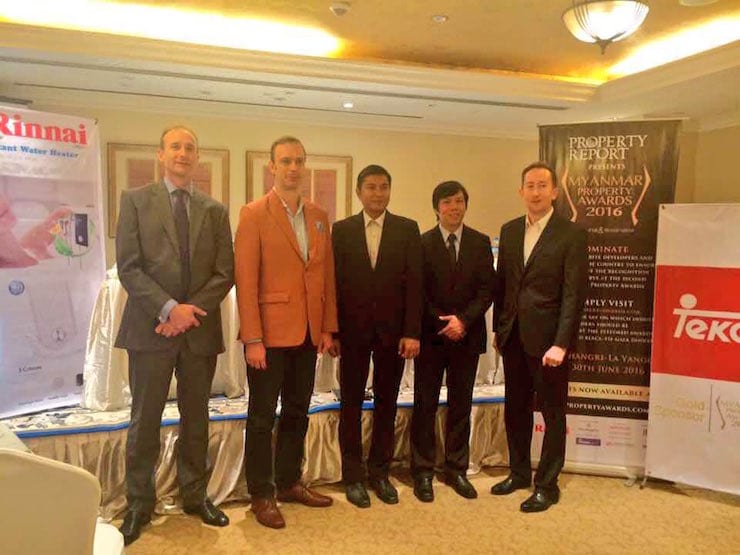
    Richard Emerson of Savills Myanmar, chairman of the judging panel; Terry Blackburn, founder of Asia Property Awards and publisher of Property Report; Aung Kuaw Thu, project manager of gold sponsor Rinnai; Htun Naing, general manager of Empire Holding Co Ltd, authorised distributor of gold sponsor Teka Myanmar; and Paul Ashburn, co-managing partner of BDO Myanmar, awards supervisor

    Following on from a hugely successful inaugural event in 2015, the Myanmar Property Awards gala dinner and awards ceremony will once again bring together the leading names from the real estate industry.

    More than 250 of the country’s top and emerging industry players last June celebrated the success of the likes of Yoma Strategic Holdings, which picked up the highest award for Best Developer (Myanmar), and multiple winner Myint & Associate Co Ltd.

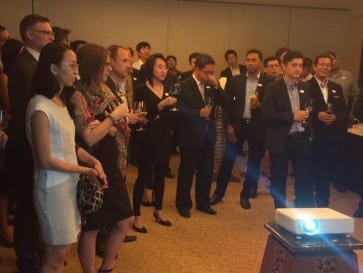
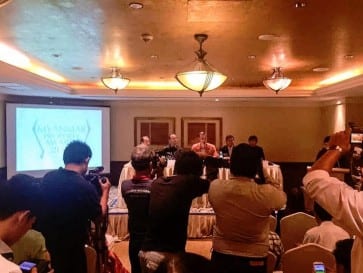
    A pre-launch party for the Awards – part of the acclaimed Asia Property Awards series – was held on Tuesday, 19 January, at the Sule Shangri-La Yangon, the official hotel venue of the Awards, followed by the press launch on Wednesday morning, 20 January.

    The 2016 event has already started to welcome nominations from developers and the general public. The official shortlist will be revealed on Monday, 30 May, and the Winners will be announced at a glittering black-tie awards gala at the prestigious Sule Shangri-La Yangon, on Thursday, 30 June. For the first time ever, the gala will be supported by the Property Report Congress Myanmar 2016, a high-level conference featuring top regional executives and local experts who will discuss the past, present and future of Myanmar real estate.

    With 2015’s historic general election – widely considered the country’s first free election in 25 years – behind it, Myanmar is on the brink of welcoming potential game-changing policy changes, including the proposed Condominium Law, that should impact the country’s growing real estate sector.

    “Now that the election period is over, market activity is Myanmar is expected to accelerate once again, with a flurry of exciting, new, world-class projects under construction or in the planning stages,” commented Terry Blackburn, founder of the Asia Property Awards.

    “The Myanmar Property Awards is the most respected platform to showcase those developments to a global audience,” he said. “As we begin 2016 with the exciting news that the Asia Property Awards, along with Asia’s industry-leading Property Report magazine and the Property Report Congress, are now part of the PropertyGuru Group, we’re delighted to recognise the innovations coming from talents in Myanmar for the second year running, and we encourage everyone to submit their nominations in advance.”

    Covering a range of segments, including condominium, housing, hotel, resort, serviced, renovated, office and retail, the Myanmar Property Awards will hand out more than 20 trophies in 2016.

    Entry for the Myanmar Property Awards is free. Nominations are accepted until 1 April, while entries for the various Developer, Development and Design categories will be open until 8 April.

    Judging will again be supervised by BDO, one of the world’s largest accounting and auditing firms, and the trusted awards supervisor of the Asia Property Awards, which, in its 11th year, is widely recognised for its fairness and transparency.

    In addition to the various award categories, the editors of Property Report will present a special recognition to the Myanmar Real Estate Personality of Year, whose influence and achievements have made an indelible mark on the industry. At the inaugural ceremony in 2015, the honour belonged to Dr Stephen Suen, founding chairman of Marga Group of Companies, the driving force behind the ambitious Dagon City 1 project in Yangon.

    More information on the Myanmar Property Awards 2016 are available on the official website. Super early bird tickets for the gala dinner in Yangon can be purchased until 12 April only.

    Sponsorship and media partner opportunities are also available. For details, email info@asiapropertyawards.com or call +66 (0) 2662 5195.

  • Hong Kong Bar uses ‘Drink Exchange’ to set beer prices

    Hong Kong Bar uses ‘Drink Exchange’ to set beer prices

    Patrons of Hong Kong’s Rude Bar and Lounge can now experience the rush of Wall Street in a unique experience where demand sets market price for their beers.

    The Rude Bar Stock Exchange – or RBSX for short – lets customers looking for a drink engage in over-the-bar trading.

    The RBSX was created thanks to a software program known as the Drink Exchange, which simulates the experience of a stock market in a bar or restaurant setting. For example, when a certain drink becomes popular among patrons, the software will raise the price of the brew automatically. On the other hand, if a certain brand or drink is unpopular, then the software will reduce the price. The television screens of Rude Bar and Lounge display current brew prices as well as daily highs and lows. This allows the customers to gauge how prices may fluctuate throughout the evening.

    Amanda Folcarelli, marketing manager of Rude Bar and Lounge, is enthusiastic about the new software.

    “We wanted to defy the norm and offer our clientele something new,” Folcarelli said.

    “Something exciting. Something they’d never seen in Hong Kong before. Some of our  regulars had seen the concept in place in New York and Barcelona, and they were massively excited to see it here.”

    A bar that uses the Drink Exchange software can offer promotions in a very unique manner. They can simulate a market crash, where the prices of all drinks drop dramatically. Bar owners can link drinks to each other, so that when one goes up, the prices of others fall automatically. Suppliers can offer new products to the bar and have price parameters set low to test its popularity.

    And as is true with the real stock market, the RBSX allows for patrons to use certain strategies to stay ahead of the market and avoid price spikes or even anticipate a fall in drink costs.

    “Unlike the regular stock market, we actually encourage insider trading,” Folcarelli said. “If a group orders a specific drink, then yes, the price will go up, but rest assured that the other drinks will go down in price. At the moment, we only offer beer on the RBSX, but we’re definitely going to expand on that list in the future.

    “The RBSX has definitely added to the community spirit that we have. When our rugby and football teams come in after their Saturday matches, there are players who drink only Asahi, or only Estrella, or only Magners’ all night, so the prices end up staying fairly steady so everyone is happy. And, of course, if someone is looking for something new, or the price is counting down to the next update, or we’re hinting at a market crash, our staff is happy to tease them a little.”

    Rude Bar and Lounge is located in the Upper Basement of 79 Wyndham St, with doors opening to the top of Pottinger St.

  • Indonesia retail sales growth rebounds

    Indonesia retail sales growth rebounds

    Indonesia retail sales rose 10.2 per cent year on year in November, according to data from Bank Indonesia.

    The rise followed a lesser 8.7 per cent growth in October, a figure revised downwards by 0.1 per cent this week.

    But the bank predicts weaker growth in December – as little as 6.7 per cent – with retailers pessimistic despite expectations of increasing sales of recreational goods, cultural items and parts and accessories.

    Bank Indonesia surveys 700 retailers in 10 cities to compile the monthly trend data.

    Food, beverages and tobacco were the major drivers of November’s growth.

    The bank said the survey expected price pressures will cool off over the  next three months.

  • Philippines Plans to Restrict Access to Cash-Mopping Tools

    Philippines Plans to Restrict Access to Cash-Mopping Tools

    The Philippines plans to close a loophole in regulation of trust funds, by restricting those overseen by banks from parking short-term cash at the central bank.

    Bangko Sentral ng Pilipinas is considering limiting lenders’ trust units from placing funds in its short-term deposit facility, monetary board member Felipe Medalla said Tuesday. Policy makers are reviewing access to its liquidity-mopping tools “under the overall framework” of its interest-rate corridor, Governor Amando Tetangco said Wednesday.

    Banks’ trust units have undue advantage over non-bank trust groups that aren’t allowed to put money in the central bank’s special deposit account or SDA facility, and also over lenders themselves that must comply with the reserve requirement, Medalla said in an interview.

    Placements in the so-called SDA facility, which the central bank uses to control liquidity, totaled about $16.8 billion as of December 29. The central bank is preparing to shift to an interest-rate corridor by the second quarter, a move intended to strengthen its policy tools.

    Limiting fund managers’ access to SDAs will make it a purely cash-mopping tool, said Eugenia Victorino, an economist at Australia & New Zealand Banking Group Ltd. in Singapore. In line with plans to shift to an interest-rate corridor system, “the central bank may be thinking of making SDAs a liquidity-management tool that should not be thought of as an investment vehicle.”

    At present, the central bank pays 2.5 percent for funds placed at SDAs, compared with its benchmark rate of 4 percent. The 91-day Treasury bill fetched 1.684 percent at the most recent auction.

    BSP has tools to ensure liquidity growth is healthy and is seeking comments on the proposal, Medalla said.

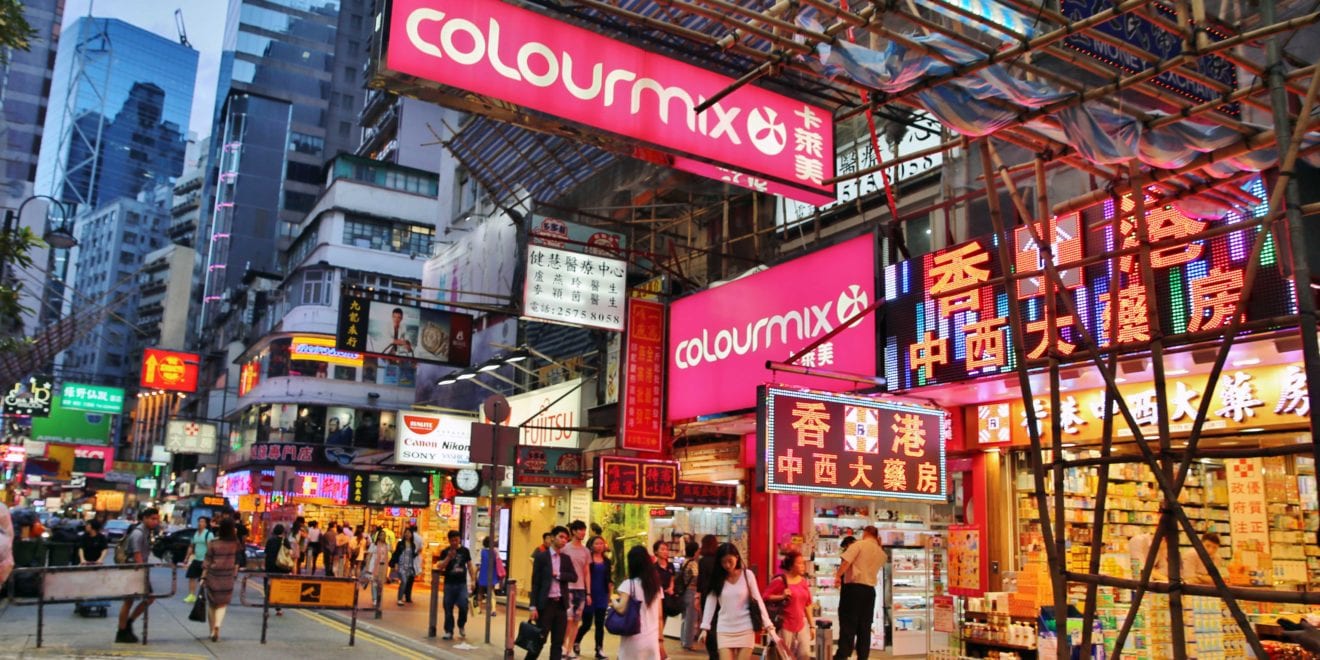
  • Empty shops ahead, says DTZ Hong Kong

    Empty shops ahead, says DTZ Hong Kong

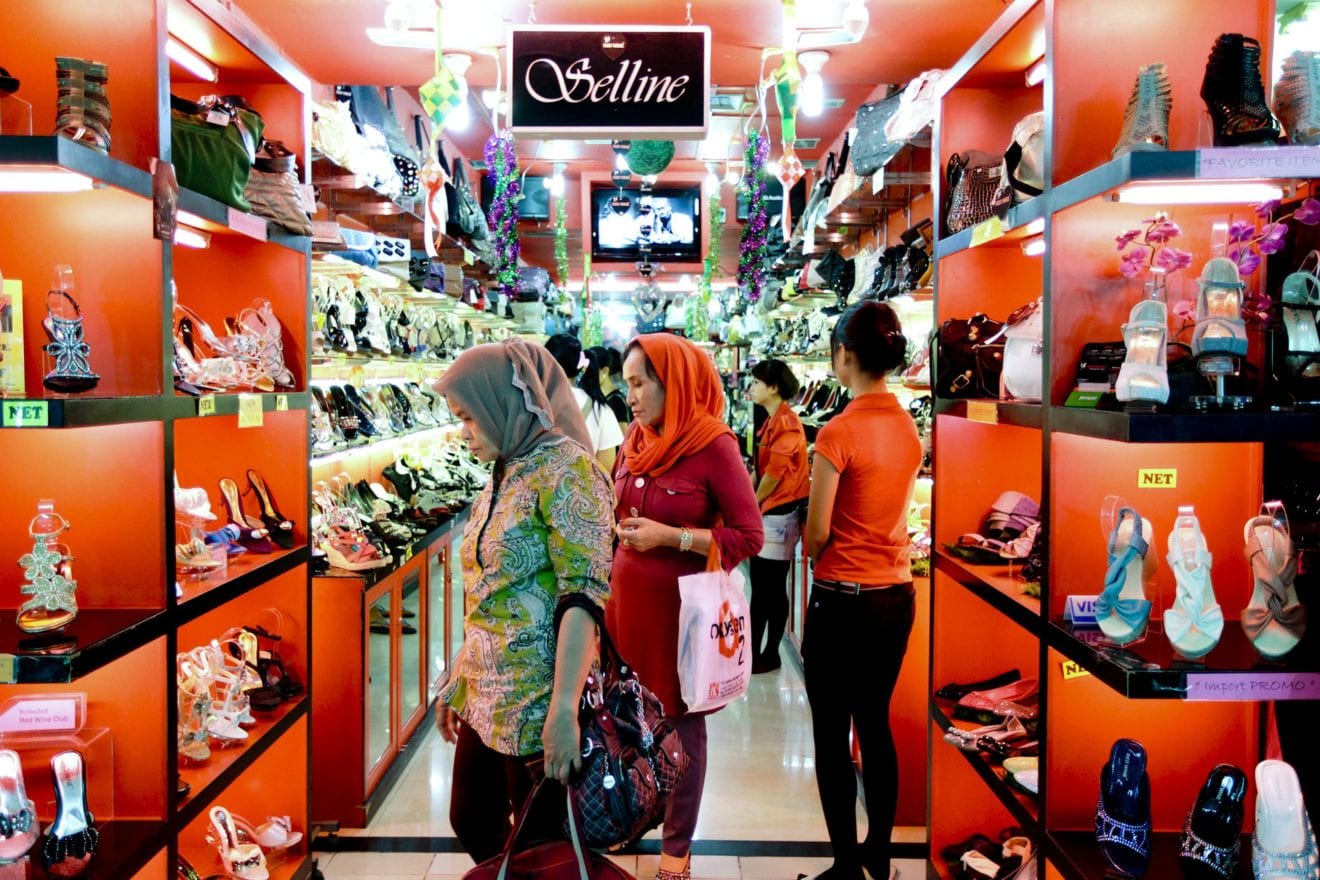
    Higher vacancy rates in prime retail sites in Hong Kong are expected after the Chinese New Year holidays, reports property consultancy DTZ.

    This could potentially lead to a 5 to 10 per cent drop in rental rates in the first half of this year, whereas rents are likely to rise for prime office space in the Central district.

    Vacancy rates of prime storefronts in the city’s four major districts – Causeway Bay, Tsim Sha Tsui, Central and Mongkok – are in the 2.4 to 6.8 per cent range, says DTZ Hong Kong head of business space Kevin Lam.

    He has told the Hong Kong Economic Journal that many short-term tenants will move out after the Chinese New Year.

  • First Singapore Apple Store starts construction

    First Singapore Apple Store starts construction

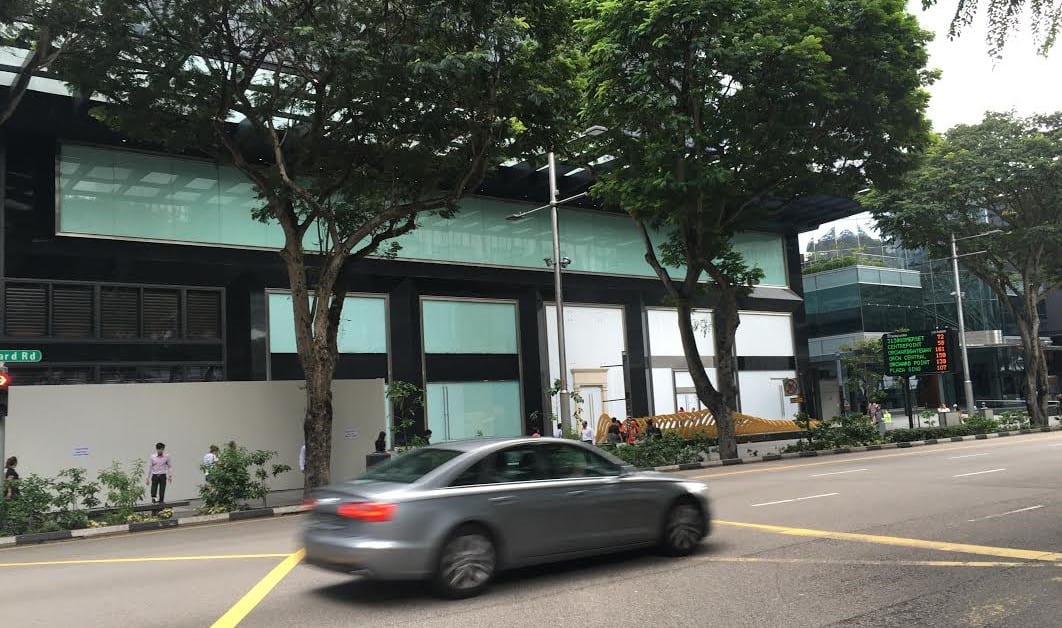
    Singapore’s first Apple Store is taking shape on Orchard Road – not that anyone would notice.

    To keep the design a secret ahead of its grand opening later this year, the company is taking its usual security of measure of keeping the site under wraps, reports iphonehacks.com. There is no sign of the Apple logo.

    In the Knightsbridge retail centre, the store was previously the Pure Fitness gym, which vacated last month. Nearby stores include Tommy Hilfiger and Tangs.

    Despite its low-key approach, Apple has confirmed it will be opening its first retail store in Singapore. “We have more than 900 incredible employees working in our Singapore contact center and are thrilled to begin hiring the team that will open our first Apple Store in Singapore,” Apple retail guru Angela Ahrendts said in a statement last year.

    Iphonehack.com says the debut Singapore store may be powered by renewable energy, possibly solar power. Meanwhile, Apple has posted job vacancies on its website, including business manager, business specialist and Apple Store leader.

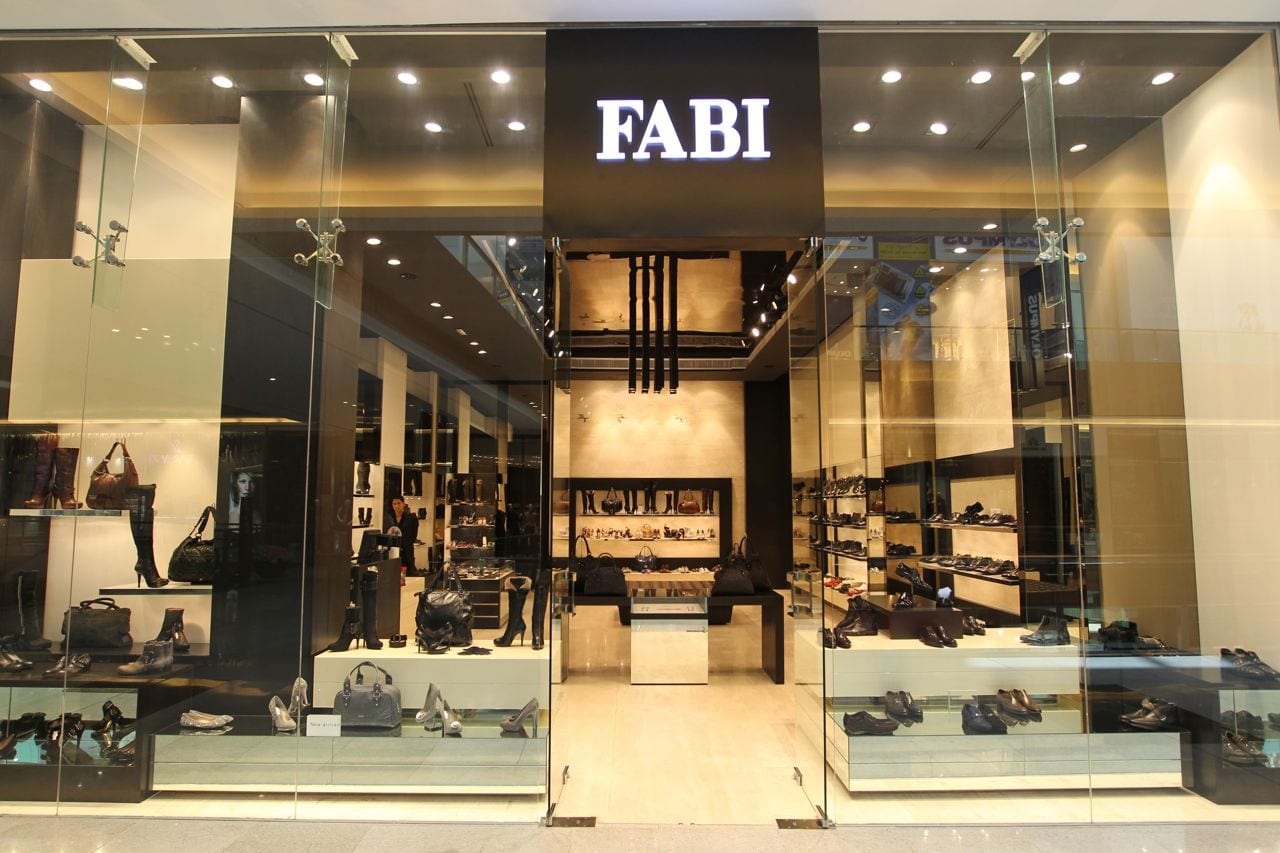
  • Fabi launches first retail store in India

    Fabi launches first retail store in India

    Designed by Alessandro Germini, the store decor is in line with contemporary stores across Europe and the rest of the world. The store exhibits class and its décor is pristine with a touch of the latest global trends. The store’s cordial staff, international feel and strategic location in the city of Delhi will ensure the ultimate shopping experience for its customers.

    Sameer Singh, director, Mescos Shoes Ltd., was born and brought up in Delhi. He always had a burning desire to make it big in life. He completed his Mussorie Modern in 1998. Later on, he moved to Italy where he got his first job as director Vanilla Fashion. After working with the international fashion brand Vogue in Dubai, he finally joined the renowned Mescos group as director in 2014. His eye for detail, focused approach, eagerness to learn ‘something new’ and ability to seamlessly bring together the necessary resources to ‘get a job done’ gained him a lot of appreciation. As the director of Mescos, Singh has made his mark as a dynamic professional and has many responsibilities under his hat, from business expansion to charting a future growth path for the Mescos brand. With 5 years of total work experience in India and abroad, he has garnered thorough and superior skills and knowledge of the Indian market and has become the driving force of the company. His vision is to expand Mescos’s base in India and to transform it as a brand of choice for the discerning customers. When not working, Singh enjoys travelling and spending time with family and friends. His interests include theatre, music, reading and sports like tennis, squash and cricket. A bundle of energy, he is creative, goal-oriented and certainly an inspiration for the younger lot.

    Founded by Enrico Fabi in 1965, Fabi is a premium Italian brand with its headquarters in Monte San Giusto, Italy. The company has three hundred sixty five employees including master shoemakers and artisans who work closely with specialists in IT technology and state-of-the-art machinery. The brand’s first set of samples was 12 hand-stitched tubular models which instantly became hit among people. After getting success in such a short span of time, Fabi expanded its horizons and established its reputation as a dynamic brand. It has now become a perfect beacon of Italian made designs, a promoter of elegant style and an astute observer of trends who always anticipate new ways of life.

  • Walmart shuts 269 stores worldwide

    Walmart shuts 269 stores worldwide

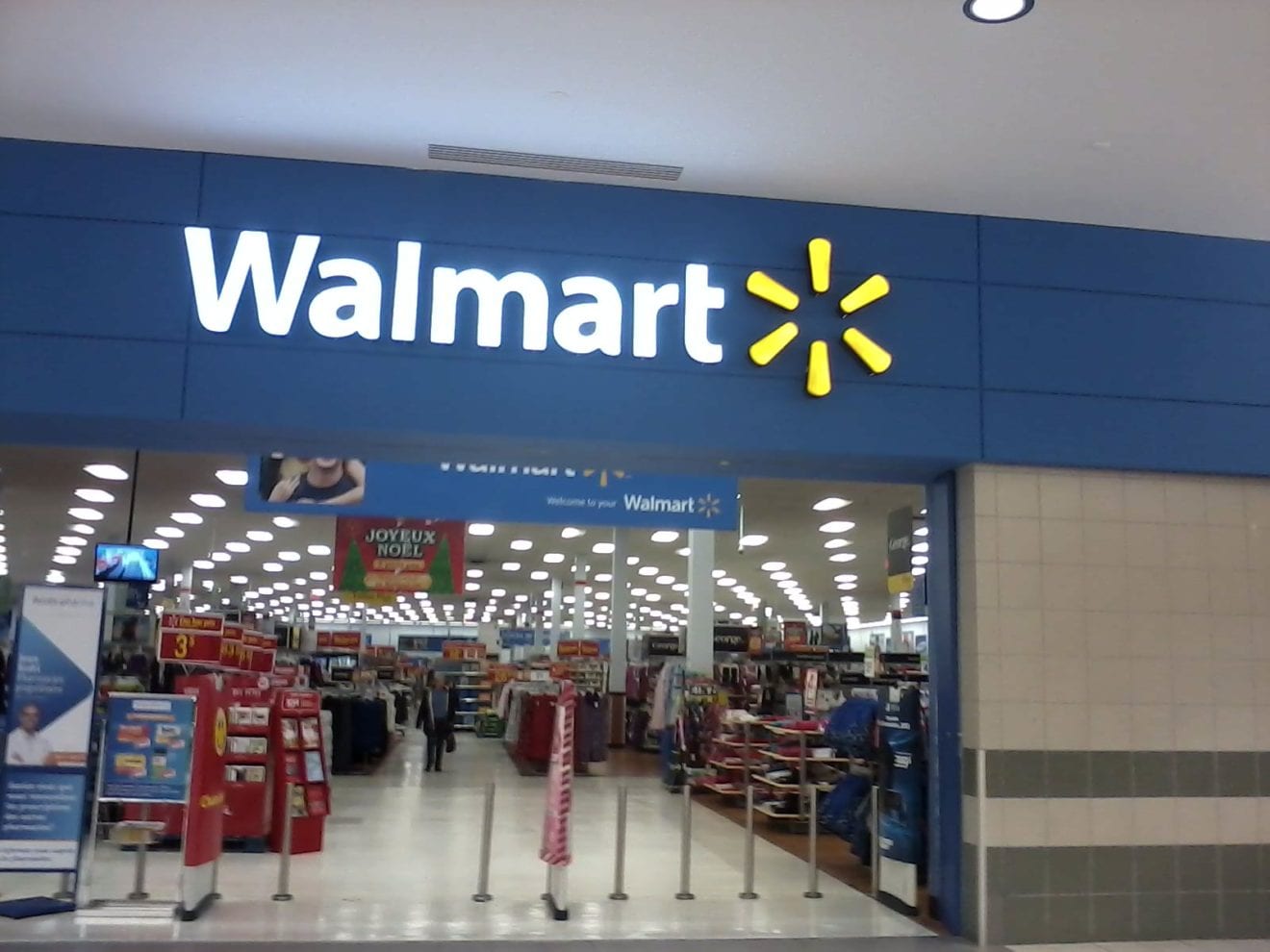
    On Friday, Walmart announced it will close 269 stores globally as it struggles to compete with online retailers like Amazon.

    The news came as US retail figures showed lower than expected holiday sales figures across the market.

    Sales rose just 3% in November and December, falling short of the expected 3.7% growth according to the National Retail Federation.

    The Walmart closures will affect 10,000 US workers and 16,000 worldwide.

    The announcement came three months after Walmart chief executive Doug McMillon told investors the company would focus on becoming more nimble.

    “Closing stores is never an easy decision. But it is necessary to keep the company strong and positioned for the future,” Mr McMillon said in October.

    The national shortfall in holiday shopping came even as retailers offered steep discounts to attract customers.

    Online retailing did see a significant increase, rising 9% to $105bn (£73.4bn), but it was not enough lift the overall figures.

    Concerns about holiday shopping added to market concerns as stocks fell sharply. The Dow Jones fell 400 points in morning trading.

    Neil Saunders, chief executive of retail analysts Conlumino, said it was a significant move: “Walmart’s decision to scale back its store numbers in the US underlines how much the retail landscape has changed over the past few years. The blunt truth is that while stores remain a vital part of the retail mix, they are not quite as relevant as they used to be.

    “The growth of online, and especially of Amazon, has undermined that advantage and has given almost all consumers easy access to a comprehensive and relatively cheap assortment of products.”

    He added that where Walmart was going, others would follow.

    Weak

    The weak economic outlook was not confined to the service sector.

    On Friday, the Federal Reserve reported industrial production in December shank by 0.4% the second month of contractions.

    Industrial production, which includes manufacturing, mining and utilities has been hit by a strengthening dollar and global economic weakness.

    “With the dollar still rising at a rapid pace and global demand clearly pretty weak we don’t expect much from the US manufacturing sector this year,” Paul Ashworth, chief US economist at Capital Economics, wrote in a research report.

    Warm weather also hit industrial production figures.

    The unusual temperatures pushed utility output down 2% in December following a 5% decline in November.

  • Dynafit China appoints retail partner

    Dynafit China appoints retail partner

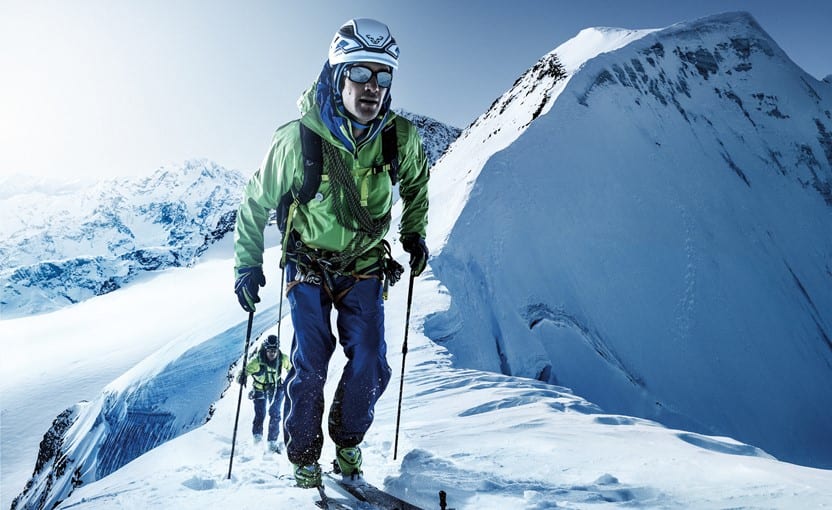
    Ski, mountaineering and backcountry gear manufacturer Dynafit has announced Blue Ice Adventure as its retailing partner for the Chinese market.

    It is part of the Swiss company’s strategy to expand its business in the Asia Pacific region, and it says in a statement that the collaboration is for five years.

    In South Korea, K2 was appointed as its retailer in October, the Dynafit also opened an office in Tokyo.

    It has plans to expand its exclusive sportswear and skiing gear outlets from 120 to 160 in the next two years.

    Dynafit China will showcase its three collections – Vertical Running, Alpine Running and Ultra Running – at the sports business trade show ISPO Beijing, from February 24 to 27.

  • Hang Lung’s Chan Says Hong Kong Property Market Healthy

    Hang Lung’s Chan Says Hong Kong Property Market Healthy

    Hang Lung Group Ltd.’s Chairman Ronnie Chan said Hong Kong’s property market, which began a correction last quarter, is the “healthiest” he’s seen in 25 years.

    Speaking in an interview Monday with Bloomberg Television, Chan said a price decline of 10 percent to 20 percent in Hong Kong’s housing market is “no big deal.” Chan also said the residential property market in mainland China is getting “healthier and healthier,” after data showed that home-price gains are spreading to more Chinese cities, especially smaller ones.

    Chan’s optimism on the Hong Kong market comes against a backdrop of slumping prices in the city. Secondary residential prices in Hong Kong dropped 6.9 percent in the fourth quarter of 2015, the biggest quarterly slump in seven years, according to data from Centaline Property Agency Ltd. Home sales in December fell 32 percent to HK$29.8 billion ($3.8 billion) from a year earlier, the Hong Kong Land Registry said Jan. 5.

    Hang Lung, which is listed on the Hong Kong Stock Exchange, invests in property in Hong Kong and mainland China through its subsidiary.

    Chan’s outlook for the China retail market was less bullish. He said a combination of falling rents, a weakening domestic economy and the slowdown in retail sales, especially for high-end luxury, created a “triple whammy” for Hang Lung’s shopping malls in the mainland.

    He said that retail outlets in Shanghai and Beijing will weather the storm better than in second and third-tier cities, which “are being hit pretty hard.” One of those cities is Dalian, where Hang Lung just opened a new 2.4 million square foot shopping center.

    Still, Chan said the longer-term prospects for China retail are good.

    “If anything in the economic world is sure, it’s going to be consumerism in China,” he said. “In the long run we are okay, it’s just in the short run it is very very difficult.”

  • Central Group eyes Casino’s units in Thailand, Vietnam

    Central Group eyes Casino’s units in Thailand, Vietnam

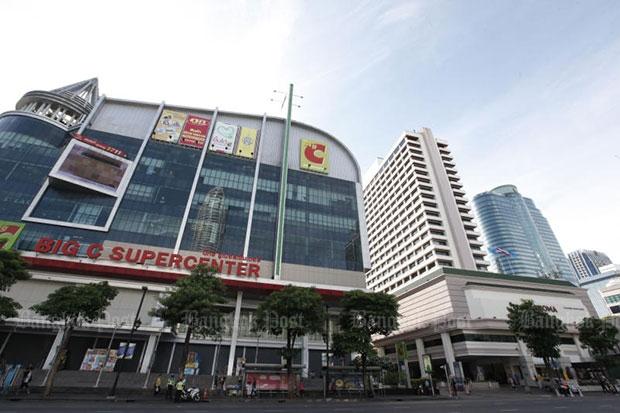
    Thailand’s largest retail conglomerate Central Group is keen to bid for Casino Group’s Thai and Vietnam operations, a company executive said.

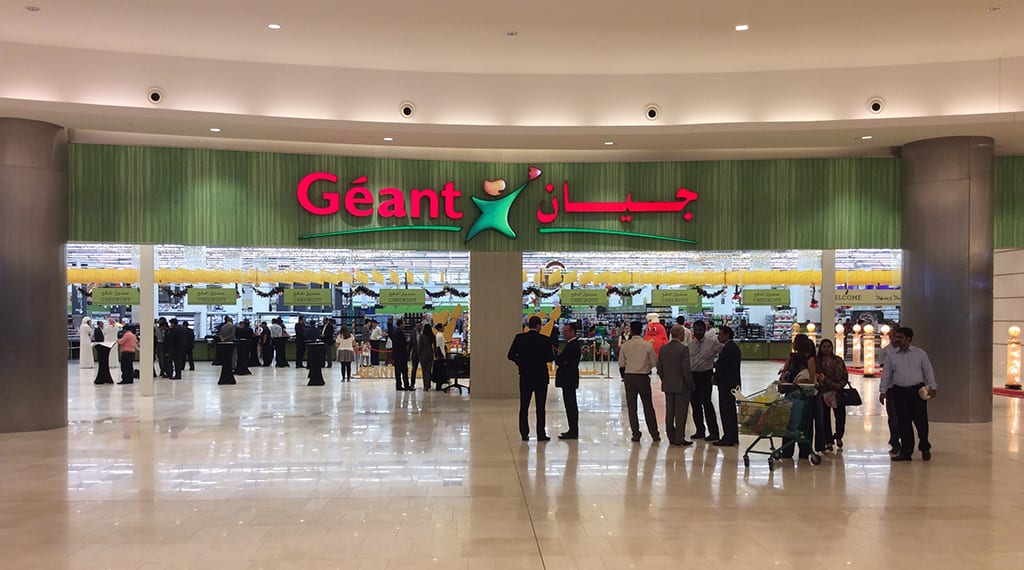
    Casino owns 58.6% of Big C Supercenter Plc, which has a total a market value of $5.5 billion. Casino said last week it was keen to sell this stake after announcing it would sell its Vietnam unit in the first quarter.

    “We are interested in both Big C in Thailand and Vietnam,” Prin Chirathivat, deputy chief executive officer.

    “If the prices are not too expensive, we will be keen to bid,” Mr Prin said adding his family, the Chirathivats, has a combined 25% stake in Big C.

    Central has been actively looking to buy assets overseas as it wants to expand into Southeast Asia and Europe.

  • Fashion Business will Grow in 2016, Association Says

    Fashion Business will Grow in 2016, Association Says

    Dwi Iskandar, chairman of Bali Indonesian Fashion Chamber (IFC), said that the fashion business in Indonesia is expected to grow by 20 to 30 percent in 2016.

    “We believed that [2016] is better than last year. We also hope our members will use Balinese fabrics, such as the endek, tenun and songket so that the fabric can be recognized outside Bali,” said Dwi on Monday, January 18, 2016.

    Dwi believed that Indonesian fashion products, especially from Bali, has the ability to compete with products fron other Southeast Asian countries. Dwi added that Indonesian fashion products has its own local cultural richness.

    “Last year, we promote flashy colors. For this year, we will still be colorful, but with a more natural touch with monochrome colors,” Dwi said.

    Dwi added that textile export from Bali will continue to attract customers. “Our products are mostly exported to Europe and Asia. Compared with other Southeast Asian countries, they can’t compete with Indonesia because business players in Indonesia focues on quality rather that quantity,” said Dwi.

  • Kertajati airport project to cost Rp3.7 trillion

    Kertajati airport project to cost Rp3.7 trillion

    The Kertajati airport project in West Java will cost around Rp3.7 trillion, to be paid by the central governmernt West Java Governor Ahmad Heryawan said.

    The central government through the transport ministry will finance the construction of the international airport in the regency of Majalengka, the governor said here on Monday.

    President Joko Widodo announced the decision on the project financing during his visit to Majalengka on Sunday.

    The governor said construction of the runway and the monitoring tower will cost around Rp1.6 trillion and the terminal and other facilities will cost around Rp2.1 trillion.

    The West Java administration is to pay only for the 1,800 hectare land clearing, the governor said, adding land clearing has been 1,000 hectares completed.

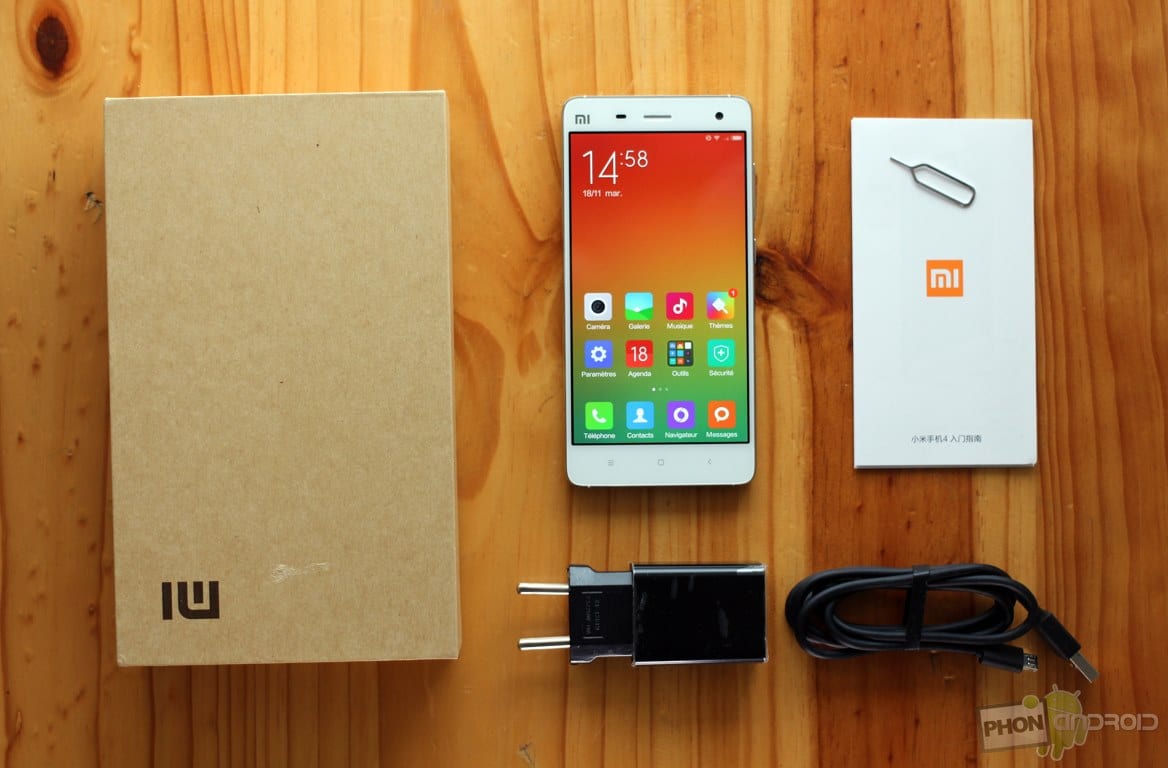
  • Xiaomi’s sister firm taps into Korean market

    Xiaomi’s sister firm taps into Korean market

    Chinese electronics giant Xiaomi’s sister company Zmi has tapped into the Korean market by partnering with local online retail site 11st.co.kr.

    The online auction and retail site said Monday that it signed a deal with Zmi, offering exclusive retail channels for the Chinese company. This came months after the retail giant signed a memorandum of understanding with Xiaomi last November.

    Xiaomi and Zmi have been at the forefront of the “Made in China” sensation here, selling 3,000 batteries in April. The Xiaomi subsidiary also held a special promotion event for its batteries and fans last month, and more than 10,000 have been sold in three days through the retail site.

    An 11st official attributed its success to its price competitiveness.

    “The Xiaomi and Zmi products are extremely cost effective,” said the official. “Their performance does not lag behind that of its local rivals, but the price is much lower than them.”

    In particular, Xiaomi’s weighing machine, Mi Scale, gained huge popularity last year for its cost-effective features including its connectivity with other Xiaomi products such as Mi Band, a smart band which allows users to check their body condition.

    “The latest deal led us to become a frontrunner in selling Chinese IT products,” said Lee Chi-hun, digital business department chief for the retail site, in a statement.

    He added the company will keep helping Xiaomi affiliates and partnering companies to penetrate into the Korean market.

    Zmi is best known for producing Xiaomi’s portable battery packs. The latest deal will allow 11st to sell Zmi’s light-emitting diode (LED) lamps and electric fans and its own battery packs. The retail giant added it will also introduce Zmi’s new products including multi-tabs and cables through its site.

    “11st has established a strong foothold in the nation’s retail channel, often dubbed as a representative of Korea’s e-commerce market,” said Wenyuan Huang, co-founder of Zmi. “We are pleased to establish an official retail channel through which Korean customers can buy our products.”

    Meanwhile, local smartphone makers have been strengthening their budget phone lineups in their bid to compete with Chinese super-cheap smartphones. In particular, the Chinese telecom giant’s latest budget phone, Y6, has sold more than 20,000 units in less than a month after launching here. Last week, LG Electronics unveiled its new budget smartphone K10 with a price tag of 275,000 won.