Tag: asia

  • Lazada launches online Christmas sale

    Lazada launches online Christmas sale

    The country’s biggest online retail firm, Lazada Philippines, has announced the launch of its month-long Christmas sale, bubbed as Lazada Online Revolution, from November 11 to December 12, slashing prices of over 200,000 goods  across 13 product categories up to 95 percent.

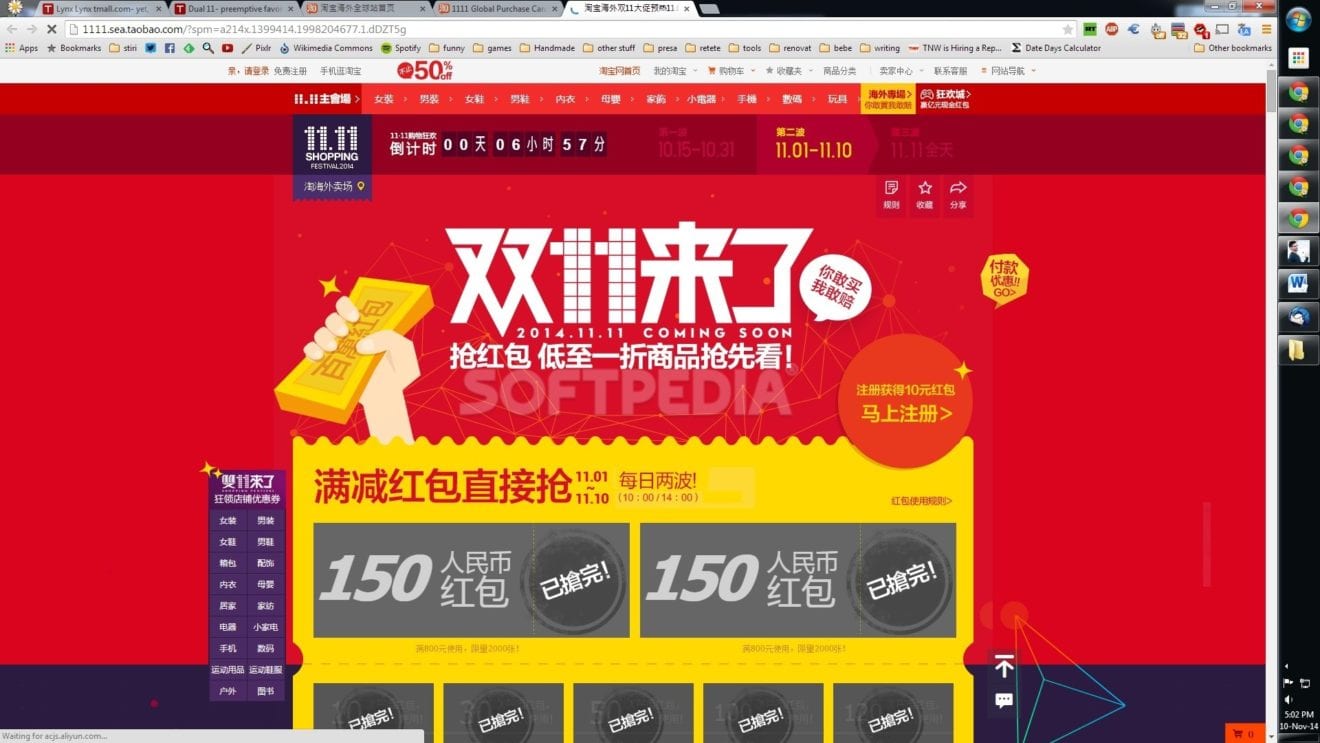
    November 11 or 11/11 is known in China as “Singles’ Day” celebrating bachelors and bachelorettes and e-commerce retailers have turned it into the world’s biggest online shopping event.

    Last year, they sold over $9 billion worth of products on “Singles’ Day”.

    Lazada introduced the 11/11 holiday in the country to mark the start of the Christmas shopping season and has hauled record sales since then.

    For 2015, Lazada Philippines expects to break new records, with over two million visitors to its website and mobile app on the date.

    Big brands and merchants in electronics, fashion, kids and toys as well as home goods are joining the sale.

    Online merchants will also come up exclusive items on flash sales and P99 deals on November 11.

    Participating brands include ASUS, Lenovo, Alcatel, Cherry Mobile, Bosch, Belo, Huggies, Mamy Poko, Timex and Giordano watches.

    As an early treat for Lazada shoppers, the retail firm will sell special items for P11 each.  Lazada bestsellers, such as Sandisk 8GB flash drives, 5600 mAH Powerbank and 4-layer shoe racks could be purchased for P11 starting today until 11/11/

    The P11 deals will be announced everyday at 11:11 a.m. on one of Lazada’s social media channels (Twitter: lazadaph, Facebook: lazadaph, Instagram: lazadaph).

    “We’ve been working hard with our merchants and suppliers to bring these deals to our customers,” according to Lazada Philippines CEO Inanc Balci. “We  believe that online shopping will provide a lot of convenience to shoppers especially during the holiday season.”

    “By shopping online, they can avoid heavy traffic, long lines and crowded areas,” he pointed out.
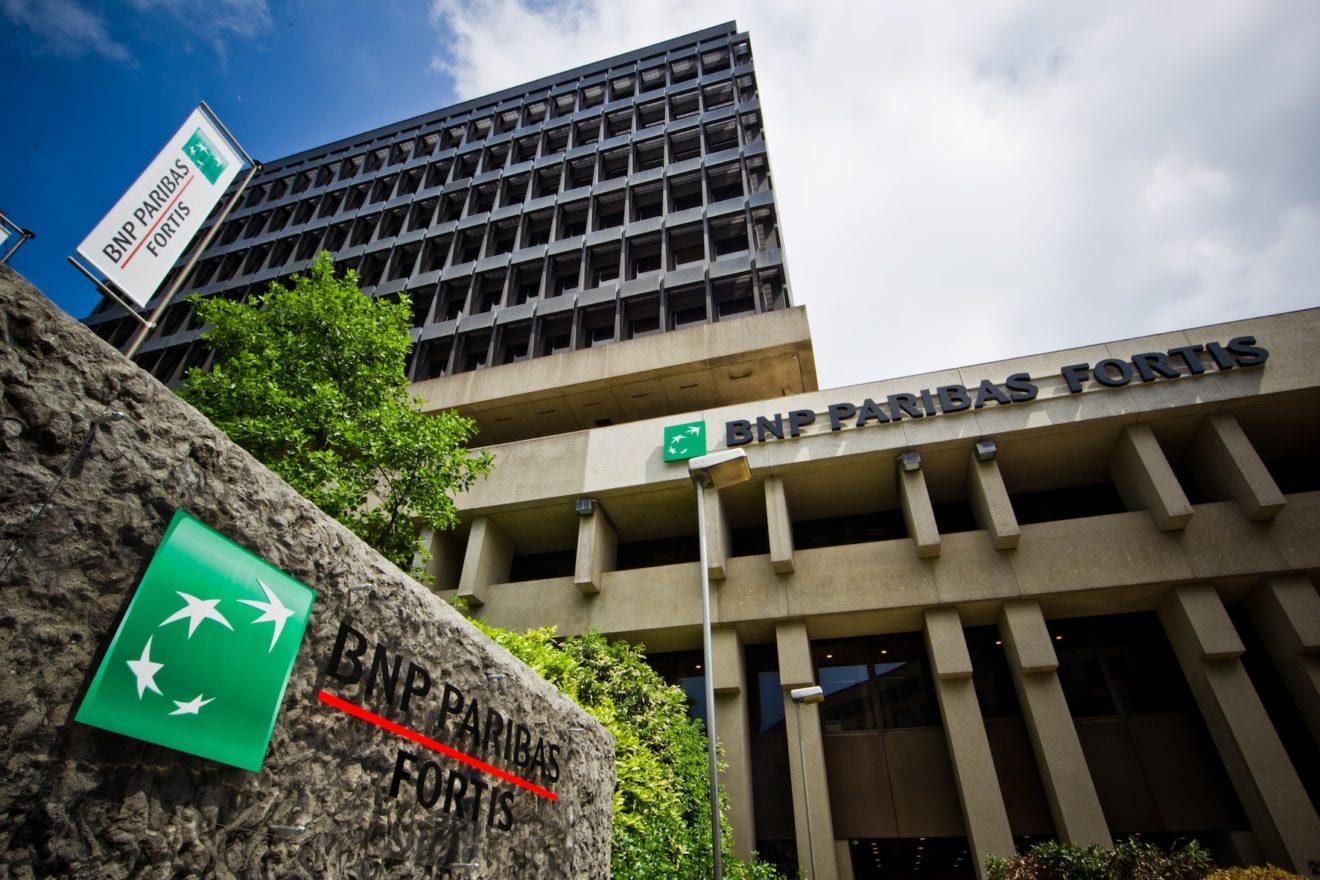
  • BNP Paribas Quits Hong Kong Private Trading Platform

    BNP Paribas Quits Hong Kong Private Trading Platform

    BNP Paribas is shutting down a private trading platform in Hong Kong, according to a note sent by the French bank to its clients. The platform was what’s called a dark pool – a place where institutional investors can engage in private securities trades.

    December Will See Tougher Legislation, Higher Costs

    The move by BNP is believed to be a result of tougher financial market regulation in Hong Kong, which should come into effect from December and will substantially increase the costs and risks associated with running dark pools, as the local regulator, like its counterparts across the world, strive for greater transparency in the industry.

    BNP is studying alternative solutions for its clients

    In the note to clients, obtained by Bloomberg, the French lender explained: “In view of the changing client needs and the evolving regulatory environment, BNP Paribas Securities (Asia) Ltd. in Hong Kong decided to stop running the internal dark liquidity pool trading services, BNP Internal Exchange (BIX), from December 2015.” It added that it is considering alternative solutions for its dark pool clients but all current orders will be transferred to the Hong Kong exchange, it said in the note.

    It seems that the new regulation is the final blow to BNP’s dark pool in Hong Kong, after the bank was fined almost $2 million by the local regulator, the Securities and Futures Commission, in August for failing to comply with dark pool operating rules. The violation consisted of BNP assigning equal priority to all orders processed in the pool over the three years between 2009 and 2011, when operations were suspended.

    Watchdog Wants Transparency

    The new Hong Kong regulation has stipulated a ban on retail orders in dark pools, a requirement that will see dark pool operators treat priority client trades over proprietary orders, plus a host administrative regulatory and administrative controls aimed to cast some light on these non-transparent platforms. As a result, such businesses are likely to become uneconomical.

    There are 16 dark pool operators in Hong Kong at the moment, accounting for 2 percent of the market, according to Reuters. In comparison, in Europe and the US, these platforms account for around 10 percent of trade turnover.

  • Amazon Building New Data Centers in South Korea for Cloud Unit

    Amazon Building New Data Centers in South Korea for Cloud Unit

    Amazon.com Inc. in 2016 will open a new cluster of data centers in South Korea, as the Web retailer pushes deeper into Asia to compete with other cloud-computing providers such as Microsoft Corp. and Google.

    The facilities are for the machines that power Amazon Web Services, the business that rents data storage and computing power to other companies, rather than its online retail operations. They are being built in response to requests from customers, including Samsung Electronics Co. and various gaming companies, Seattle-based Amazon announced Wednesday. The data centers will also let Amazon serve new clients, including government agencies and large enterprises that need to keep data exclusively in South Korea.

    Some nations mandate that certain data, such as health records, can’t leave their country of origin, prohibiting cloud providers without data centers located in those countries from certain kinds of business. Proximity to customers also decreases response times for those running Internet-based cloud applications.

    Amazon’s cloud-computing division serves customers such as Pinterest Inc. and Netflix Inc. South Korea will be the fifth AWS region in Asia, and Amazon has committed to building a second cluster of data centers in China and is also planning one in India. The company will have 12 data regions worldwide when South Korea is built in early 2016.

    Amazon didn’t disclose the size of its investment.

  • Fintech group ayondo launches first product in Singapore

    Fintech group ayondo launches first product in Singapore

    Financial technology group ayondo has partnered with KGI Fraser Securities, a Taiwanese-owned brokerage in Singapore to launch KGI Contrax, which uses ayondo’s platform TradeHub.

    The platform, under a white-label arrangement, allows investors to buy and sell Contract for Difference (CFD). With CFDs, an investor can participate in the future market movements of an underlying asset without actually owning or taking physical delivery of the asset.

    Edwin Lee, Head of Wealth Management, KGI Fraser said: “We are excited about the partnership with ayondo, who brings with them extensive expertise as leaders and pioneers in innovative financial technology. CFDs are well known in Singapore and we believe that KGI Contrax may appeal to many investors because of its ease of use and innovative features.”

    Robert Lempka, CEO and co-founder of ayondo, said: “ayondo’s mission is to revolutionise trading and investing for individual investors. We are already a pioneer and leader in our core markets in Europe and we want to expand into Asia, and in particular in Singapore where you have very tech-savvy people who may be looking for a faster and more transparent way of executing their trades.”

    In addition to the launch of KGI Contrax, ayondo is introducing the concept of social trading to investors in Asia. Social trading is one of the latest growth industries that tap innovative technology to change the way trading and investment services are traditionally provided. This modern way to invest allows retail investors to copy the trading strategies of successful experts at the click of a mouse or a few touches on their mobile devices.

    Those who do not have sufficient time or expertise to trade on their own can automatically copy the performance of the “Leading Traders,”, who share their trading strategy on ayondo and can generate additional revenues from their trading skills.

    ayondo ranks traders over five different career stages, from Street Trader up to Institutional Trader, based on their risk and return profiles. Better risk management and performance will get the trader to the next ayondo career levels.

    Mr Lempka explained: “There have been a lot of discussions about online trading threatening the livelihood of remisiers. We see social trading as a possible way in which remisiers can have a profitable future by signing up to become Leading Traders and even increasing the number of clients or followers they have.

    “ayondo is very well positioned with its business model and scalable solutions. The group already covers a broad spectrum of services in the Finance 2.0 field covering both retail and institutional sectors.”

    Currently, investors who wish to use ayondo’s social trading platform will have to open an account with its London office. ayondo has way over 100,000 users from 123 different countries.

  • Shenzhen Tong launches NFC transport and payment service in China

    Shenzhen Tong launches NFC transport and payment service in China

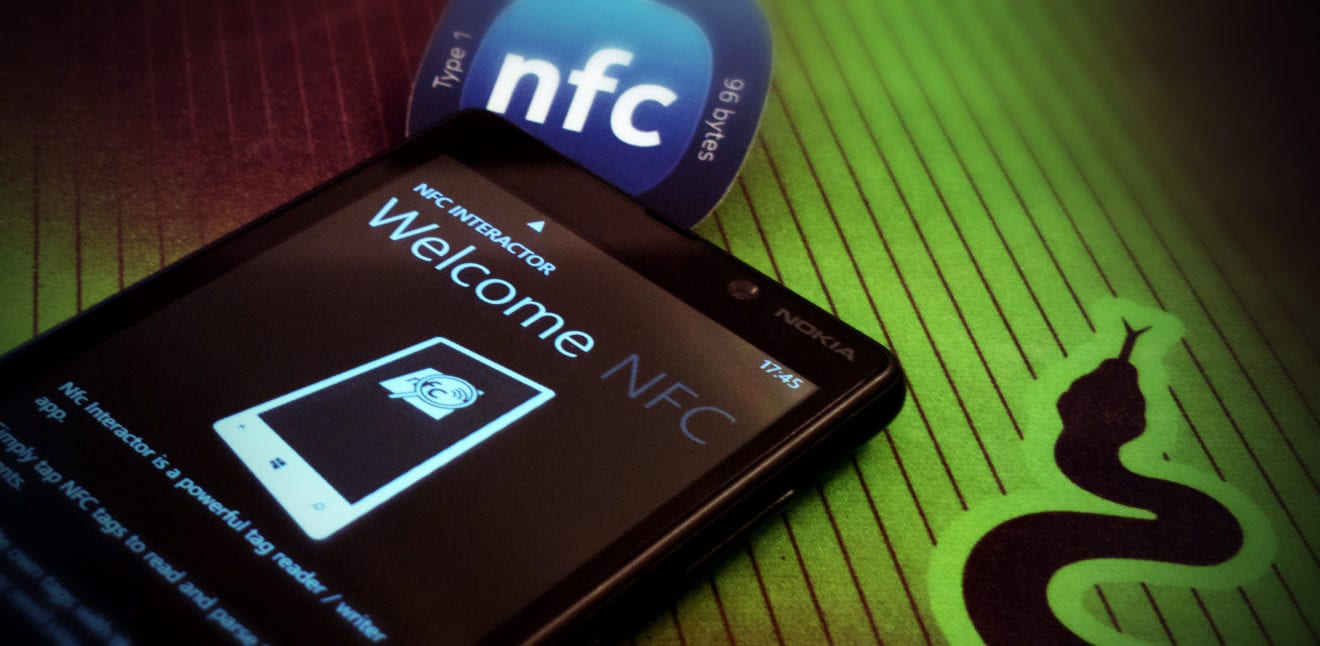
    ZTE Nubia Z9 and Z9 Max owners across the Chinese city of Shenzhen can now use a service launched by transportation operator Shenzhen Tong to make NFC mobile payments for public transportation and for purchases in retail stores.

    The company is making use of Oberthur Technologies’ (OT) Pearl secure elements embedded in the ZTE NFC devices for the service.

    “OT provides the Shenzhen Tong applet enabling the service, available from both Shenzhen Tong and Nubia mobile wallets, as well as the connection between the transport operator and the handset manufacturer through OT’s China Secure Hub,” OT says. “Nubia Z9 and Z9 Max owners are now able not only to securely access all public transportation services in Shenzhen, but also pay in retail stores.

    “All they need to do is download the Shenzhen Tong Dianshang application or the Nubia application and Nubia OTA (over the air) service upgrade. Once the corresponding applet is remotely installed on Pearl by OT, users simply have to hold their smartphone near the contactless reader in the bus or the subway or near the contactless payment terminal in stores.”

    “With the Shenzhen Tong smartphone NFC application, we expect to further enhance the experience of our customers in public transportation and in retail shops,” says Wang Dongjun, general manager at Shenzhen Tong.

    “OT is supporting several Chinese public transport operators in major megalopolis like Shenzhen for the deployment of their services on flagship smartphones of various brands equipped with our eSE,” adds Marek Juda, managing director of OT’s connected device makers business.

  • SM named Philippines’ Top Retailer

    SM named Philippines’ Top Retailer

    In October 1958, SM, then known as Shoemart, was nothing but a lone store along Rizal Avenue in downtown Manila. Fifty-seven years later, it has become a part of the lives of millions of Filipinos across the country and abroad. And with more than half a century of retail experience under its belt, SM Retail once again received the Gold Award as the Philippines’ Top Retailer at the recently held Retail Asia-Pacific Top 500 Awards.

    Each year, Retail Asia Publishing recognizes the largest and most outstanding retail companies in the 14 Asia-Pacific economies. Three retailers stand our from the pack and receive Gold, Silver and Bronze awards. SM Retail has consistently been a Gold recipient, while Puregold Price Club and Mercury Drug Corporation received the Silver and Bronze Awards, respectively.

    Two other companies affiliated with the SM Group, Watsons Philippines and Ace Hardware also received Certificates of Distinction during the awarding ceremony.

    SM Retail received the Gold Award as the Philippines’ Top Retailer during the recent Retail Asia-Pacific Top 500 Awards held recently at the Solaire Resort and Casino. Photo shows SM Retail Chairman Tessie Sy Coson receiving the award from Mr. Douglas Lawson, UnionPay International Southeast Asia’s Head of Regional Products. Each year, three top companies in 14 Asia Pacific economies receive Gold, Silver, and Bronze top retailing awards, with SM Retail consistently a Gold recipient. Two other companies affiliated with the SM Group, Watsons Philippines and ACE Hardware also received Certificates of Distinction during the evening.

    Retail Asia Publisher Andrew Yeo commended the retailers that made it in the Retail Asia-Pacific Top 500 list for having “risen to the many challenges confronting the industry, reviewing and revamping their operation to provide seamless shopping experiences for today’s highly connected shoppers.”

    Since its establishment, SM Store has undergone major transformations to serve a new generation of customers. SM Makati introduced the shop-in-shop concept wherein each category is designed and conceptualized like an individual boutique with its own look and feel.

    Here, elements work together to create a bolder, more innovative kind of retail environment, which highlights and defines the merchandise, engaging the elite customer to experience a new sense of space.

    Apart from the SM Store, SM’s Retail Group also has specialty store formats that serve niche markets by focusing on a wide selection of merchandise for each category. Part of this is the Food Retail Group, which recently unified its three formats – SM Supermarket, SM Hypermarket, and Savemore – under one brand name known as SM Markets to emphasize the group’s commitment to bring the same friendly service, wide selection, and great value across all its stores.

    The Non-Food Group, on the other hand, has store formats including appliance stores, fashion discount and toy superstores, as well as Kultura Filipino, a showcase of the best Filipino products.

    “You have not only proven yourselves to be adaptable and versatile, but also able to win and maintain the critical core value that all retailers must nurture in their drive to win and retain their customers – trust,” said Yeo.

  • Le Saunda Hong Kong sales plunge

    Le Saunda Hong Kong sales plunge

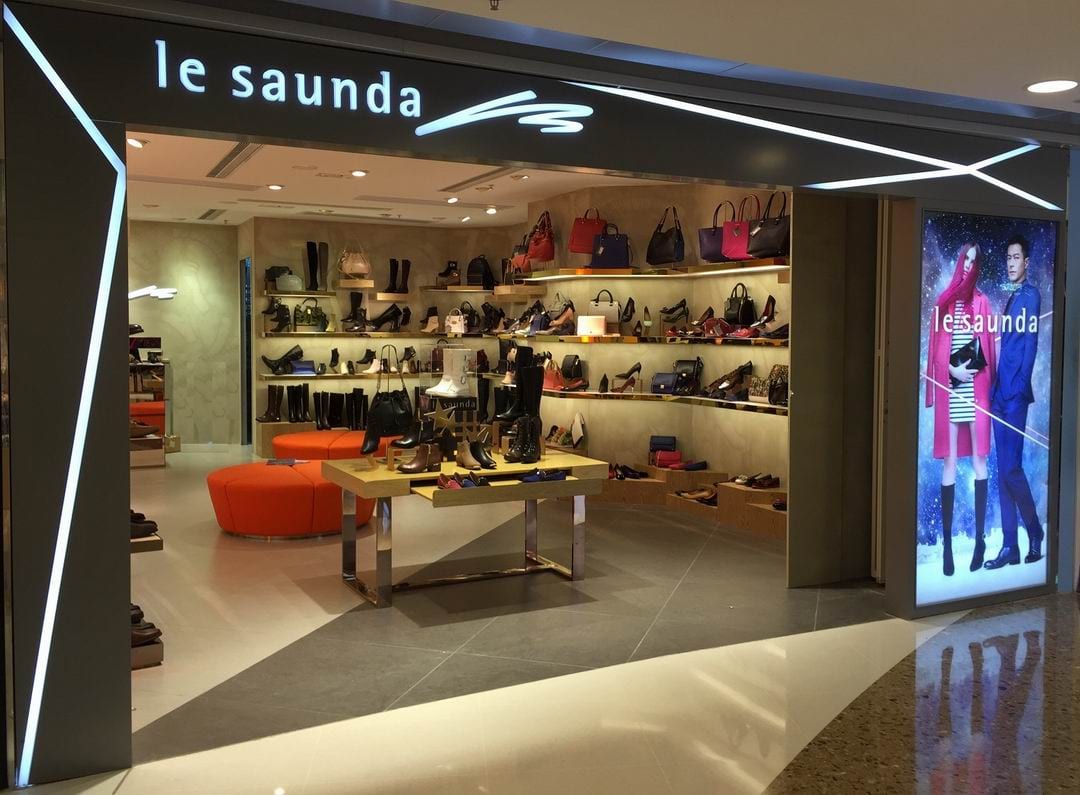
    Le Saunda Hong Kong and Macau sales plummeted 26.6 per cent in the first half of this year as tourist spending declined.

    Le Saunda manufactures and sells shoes, handbags and fashion accessories and sells them in Hong Kong, Macau and Mainland China under the brands of Le Saunda, Le Saunda Men, Linea Rosa and CNE. The company in also involved in property, trade-mark and management services. It has 833 stores, 20 fewer than at the same time last year.

    In its half year results, Le Saunda said sentiment in Hong Kong’s retail market is deteriorating, as the number of tourist arrivals in the city continued to fall and consumer confidence weakened.

    “Meanwhile, unyielding rental for commercial premises further aggravated the burden of retailers.”

    Le Saunda closed five stores in Hong Kong and Macau during the period, reducing the total store network in the two cities to 16.

    It was a better picture in Mainland China, however, where the company achieved retail sales growth of 3.8 per cent.

    Total group revenue for the six months increased by 0.4 per cent to RMB755.8 million and consolidated gross profit decreased by 0.4 per cent to RMB501.8 million. The overall gross profit margin decreased by 0.5 percentage point to 66.4 per cent.

  • Aeropostale chooses India over China for growth

    Aeropostale chooses India over China for growth

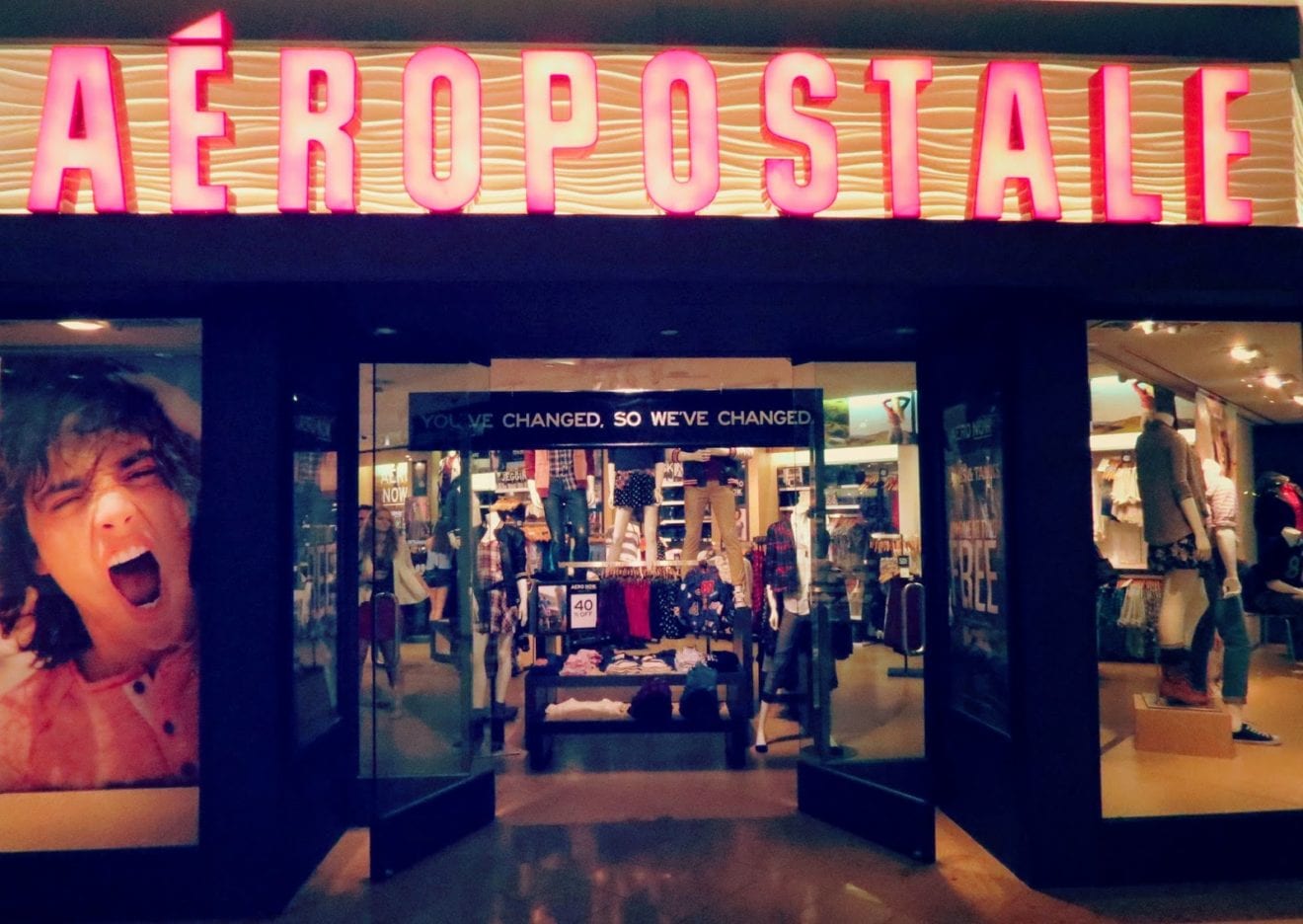
    Aeropostale, an American mall-based fashion retailer for young men and women, is eyeing revenues of around Rs 500 crore from the Indian market in the next four years. The teen retailer launched its first store in the Capital in partnership with textile major Arvind and said India would be among its top three markets within that time period.

    Aeropostale has been grappling with diminishing sales in its largest market, the US, where it operates around 800 stores. It has been facing stiff completion from fast-fashion stores such as, H&M and Forever 21. Since then, it has taken the licensing route to expand into other markets. Interestingly , the brand has chosen India over China.

    “India will become one of our most important markets.China is overcrowded with foreign brands at the moment.Latin America, which brings us revenues of around $100 million, is our second-largest market after the US,” Kenneth Ohashi, senior VP, international and global licensing at Aeropostale, told TOI.

  • Five Manchester City online stores launched in Asia

    Five Manchester City online stores launched in Asia

    English Premier League club Manchester City has partnered with EZ Shopnet to launch five online stores serving Asian fans.

    Manchester City online stores will be launched for customers in China, Hong Kong, Japan, Korea andSoutheast Asia.

    As the club’s new online retail partner for Asia Pacific, Hong Kong-based EZ Shopnet will help to meet fast growing demand across Asia Pacific for official Club merchandise. Each of the five stores operates in local languages and currencies, with local customer support enabling the club to get official merchandise to its fans quickly and cost effectively.

    Manchester City is following the lead of rivals Manchester United and Chelsea in cashing in on the growing fan base for EPL across broader Asia. It recently opened a regional management office in Singapore.

    Omar Berrada, group commercial director for City Football Marketing, which brokers Manchester City’s commercial partnerships and manages all of its retail and licensing, said that through EZ Shopnet, the club can get even closer to its growing fan base across Asia Pacific and deliver them a better and quicker service.

    “We have seen an enormous growth in our followers in the region and we are extremely happy that they will have easier access to official City kits and our wide range of merchandise than ever before.”

  • I.T. Limited sales rise despite Hong Kong

    I.T. Limited sales rise despite Hong Kong

    Apparel business I.T. Limited has boosted sales by 5.1 per cent to HK$3.393 billion in the first half year despite a slowdown in Hong Kong.

    But the company recorded a net loss of $31 million due to a non-recurring foreign exchange losspreviously reported totaling $79.6 million. Without that, profit would have increased by 32.8 per cent to $48.6 million.

    Gross profit increased by 1.4 per cent to HK$2.026 billion at a gross profit margin of 59.7 per cent, slightly down on the 61.9 per cent of a year ago.

    In Hong Kong, retail sales slipped 3.6 per cent to $1.571 billion, but I.T. Limited noted that was a lesser fall than the broader apparel market in the city. Same store sales fell by 0.9 per cent.

    But in China, where it has more than 580 stores, the company increased sales by 19.1 per cent to $1.336 billion.

    Total Macau sales rose 6.2 per cent to $101 million despite lower than expected tourist traffic.

    And Japan continued to outperform with total retail sales of HK$222.4 million, representing 6.9 per cent increase in Hong Kong dollars, or 27.5 per cent in local currency.

    The company said in the Hong Kong market, a slow economic recovery alongside diminished inbound tourist traffic growth (from Mainland China in particular), which was attributed predominantly to the strength of the HK dollar and the easing of immigration in multiple tourist destinations such as Europe, Japan and Korea, has placed “unprecedented challenges on the consumer retail market”.

    “Similarly, Mainland China, where domestic headwinds continued to cause considerable impact on consumer appetite and maintained lingering concerns about the economic prospect of the country, demonstrated by the depression of external import demand, has created a challenging economic environment for retailers in the region,” I.T. Limited said in its filing.

    “At this juncture, consumer sentiment across these regions remained weak, and retail sales growth was largely boosted by sales promotions.”

    The company said having a multifaceted business model with “inherent flexibility” will allow it to remain resilient in the face of the market challenges.

    “We also believe that innovation and differentiation are among the most relevant tools to support our position as a fashion leader across our operating regions and allow us to adapt to the rapidly changing fashion markets. To that end, the group continues to focus and invest in further strengthening its fashion platform through a combination of international brands assortment upgrades and new fashion concepts establishment within the in-house brands segment.

    “Today, we have a balanced portfolio showcasing a collection of the latest distinctive international brands alongside multiple innovative in-house brands, all of which have their own unique identities that complement each other well.”

    In the first half year, I.T. Limited’s house brands accounted for 56.8 per cent of its revenue.

  • Jenny Bakery Shanghai store scam

    Jenny Bakery Shanghai store scam

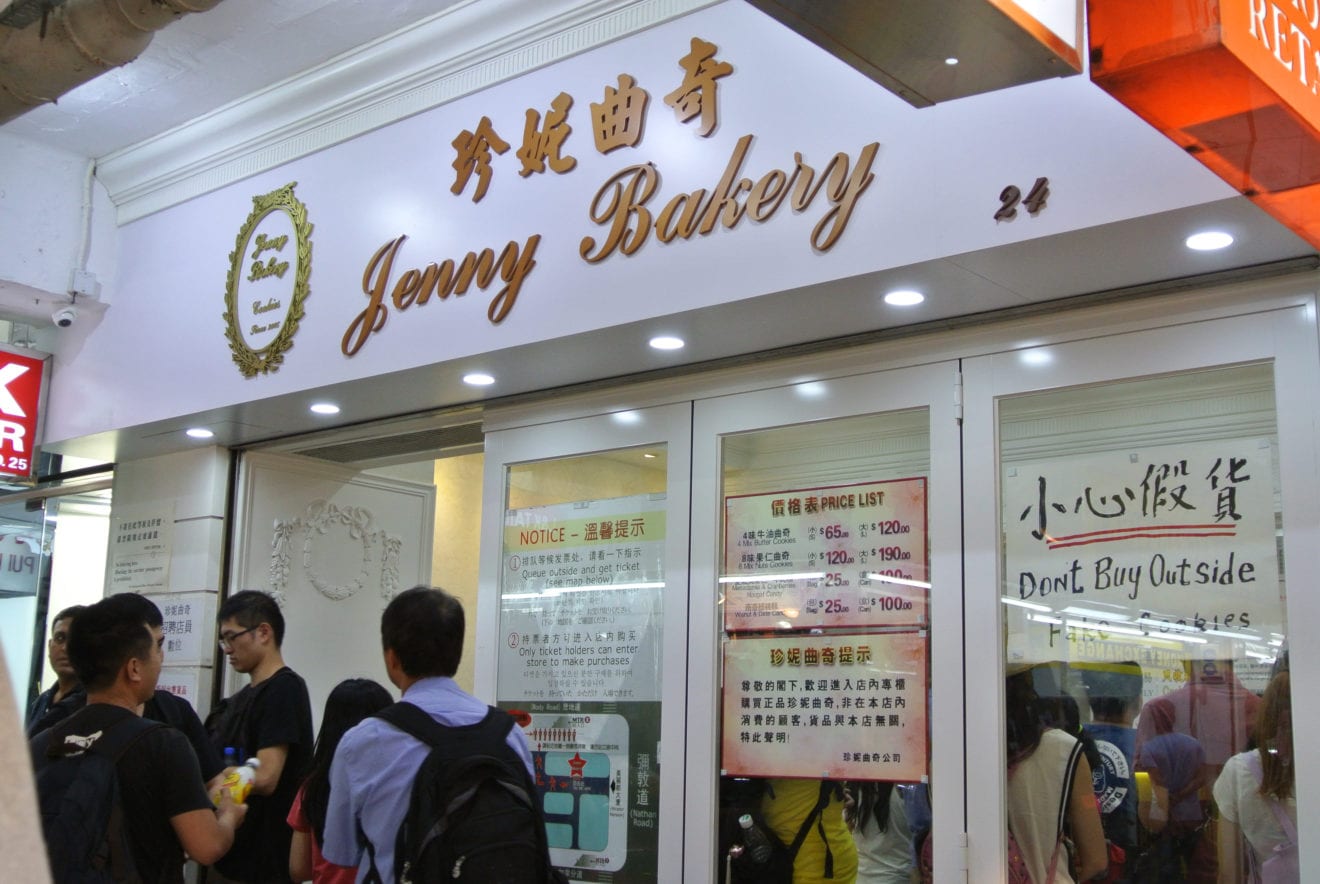
    A Jenny Bakery Shanghai store scam has angered the Hong Kong brand’s owners – not to mention Shanghai city officials and hundreds of customers who queued for hours only to find the cookies were copies.

    In the latest example of Mainland China’s seemingly contagious penchant for copying brands and labels and ripping off other people’s IP, crooked entrepreneurs launched a promotional campaign for the Shanghai opening of popular Hong Kong baker Jenny Bakery. It was even located in a respected shopping centre – the Global Harbour mall in the city’s Putuo District.

    Chinese media say that promotional material for the new store suggested the maker of the “most tasty cookies in Hong Kong had come to Shanghai”.

    The difference was in the signage: The Shanghai store bore the branding JENNY BAKERY (in capitals); the original Hong Kong business signage is Jenny Bakery. The Shanghai store even sold similarly packaged products: cookies in tins with teddy bear graphics which bore a strong likeness to the Hong Kong packaging.

    But such is the laxness of Chinese IP laws, it appears all that Putuo District city officials could do was reprimand the copycat scammers. They have been told to make it clear it has no association with the Hong Kong business and warned they could be fined if investigations prove they deliberately misled customers.

    The scammers had priced boxes of cookies at 98 yuan, or US$15.80 – nearing double the price of the original Hong Kong product, which sells for HK$70, or about US$9.

    While Jenny Bakery made it clear it does not have any stores in the mainland and that all its cookies are handmade, JENNY BAKERY maintained it had done nothing wrong by selling cookies baked at a factory in Shenzhen. The company said it was a legally registered brand and its business is legitimate.

    The Shanghai store has since closed, but not before affixing a notice to its door claiming it was the only legal owner of the brand name in the mainland – which is actually true; it was registered in Shenzhen earlier this year.

  • Alibaba in Singles Day sales clash

    Alibaba in Singles Day sales clash

    China’s two largest internet retailers have clashed in the run-up to Singles Day, the world’s biggest online sales day, on 11 November.

    Alibaba has been accused by its smaller rival JD.com of “forcing retailers” to promote their sales exclusively with its own outlet, Tmall.

    JD.com has lodged a complaint with the Chinese industry and commerce watchdog but Alibaba denies the allegation.

    The retail giant claims its rival is “panicking because they’re losing”.

    “They simply can’t match our customer and merchant experience and logistical scale because Alibaba wins with customers and merchants as we provide a superior experience for users on our platforms,” said Jim Wilkinson, Alibaba’s senior vice president of international corporate affairs.

    The Wall Street Journal reported that a shoe retailer called Mulinsen had declined to promote JD’s Singles Day event.

    Singles Day began in the early 1990s as a day for people not in relationships to treat themselves, in the spirit of Valentines Day.

    The Chinese State Administration for Industry and Commerce (SAIC) has accepted the complaint and warned retailers “not to use malicious marketing methods to engage in competition” ahead of the event, according to the Xinhua news agency.

    A recent change in legislation bans online retailers limiting promotional activity by their merchants on other platforms.

    Last year, Alibaba recorded $9.3bn (£5.9bn) sales during the annual event, which it adopted in 2009.

  • JYSK Vietnam plans up to 20 stores

    JYSK Vietnam plans up to 20 stores

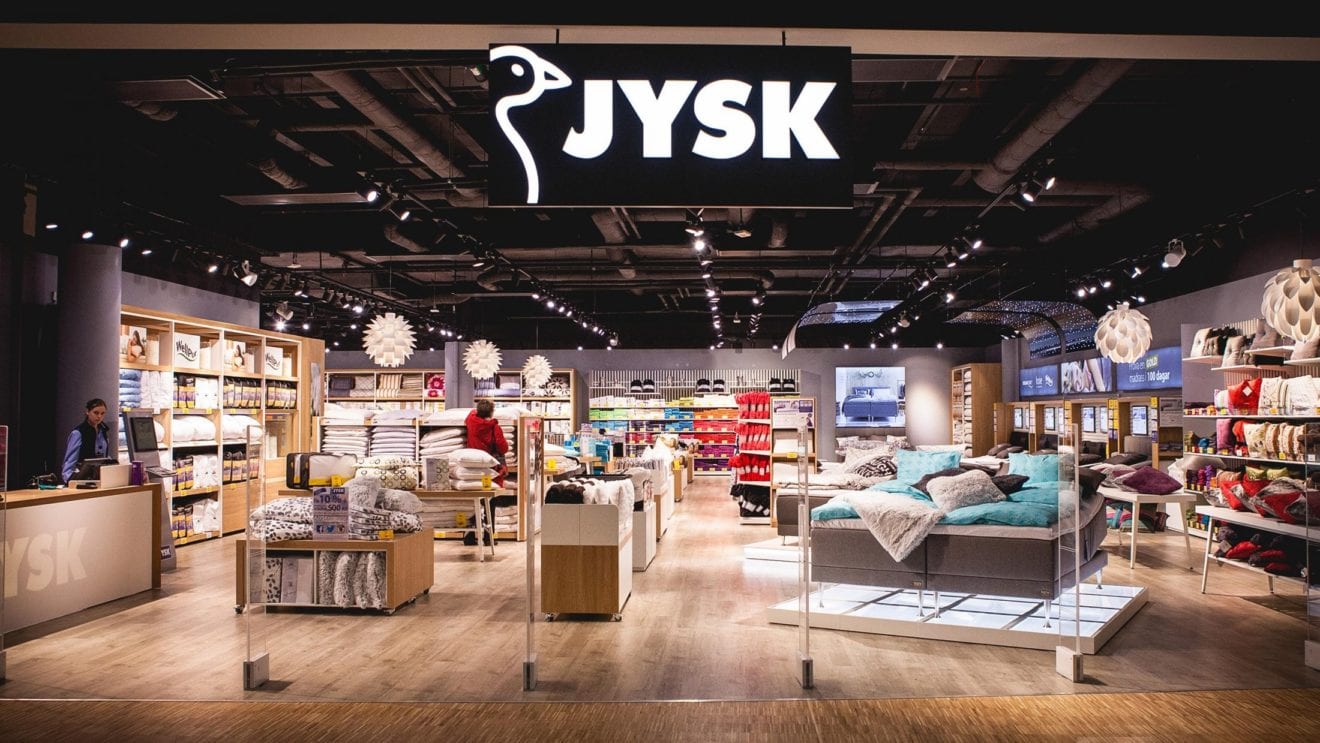
    Furniture retailer JYSK Vietnam has opened the first of 10 to 20 planned stores.

    The announcement comes just a month after the Danish brand opened its first outlets in Singapore, stores-in-stores within larger outlets operated by its local partner Courts.

    It has selected NeatClean as its Vietnamese partner with the first shop scheduled to open today (October 28) and a second on November 27.

    NeatClean JSC chairman Doan Hong Hai, told Vietnamese news media he believes the JYSK brand has a positive future in the country.

    “We will focus on middle-class customers and plan to open 10 to 20 shops in the next five years,” Hai said.

    Despite being Denmark’s largest international retailer, the brand’s Asian presence before it landed in Singapore, was limited to China and Indonesia, where it trades under the JYSK Nordic brand.

    JYSK was founded in 1979 and now has more than 2200 stores in more than 39 countries and annual sales of euro 2.8 billion.

  • The Boulevard opens at Studio City Macau

    The Boulevard opens at Studio City Macau

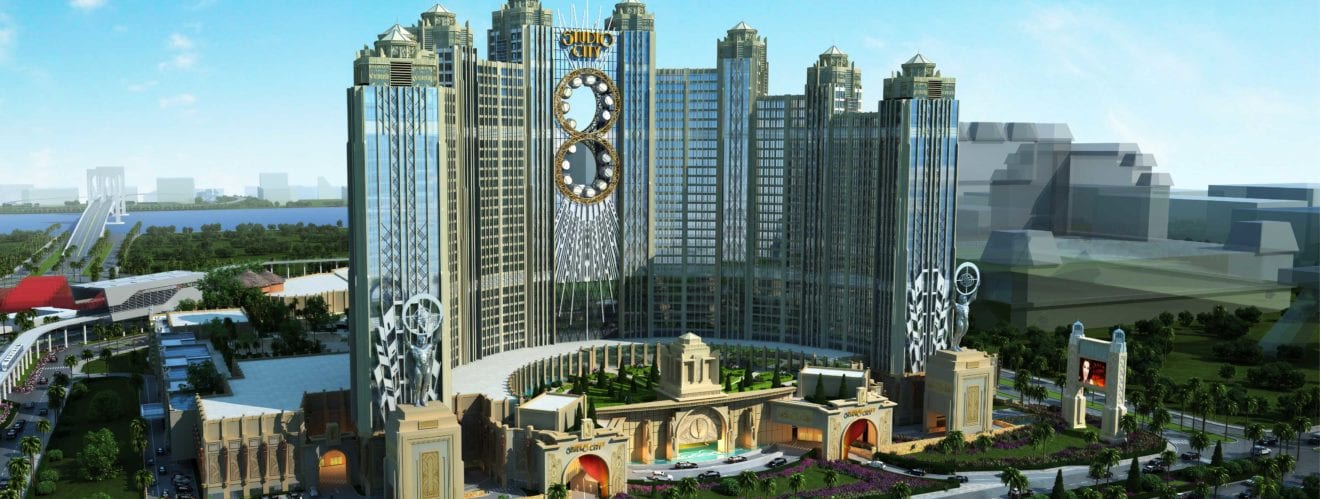
    Two Hollywood legends stepped out at Studio City Macau yesterday to mark the US$3.2 billion project’s formal opening – inlcuding The Boulevard shopping precint.

    Actors Robert De Niro and Leonardo DiCaprio joined Academy award-winning director Martin Scorsese and director and producer Brett Ratner to reveal a historic collaboration in a short film The Audition – a Hollywood production tailor-made to promote Macau’s new destination.

    Academy award-winning director Martin Scorsese and Hollywood legends Robert De Niro as well as Leonardo DiCaprio  revealed the making-of Macau’s first Hollywood production “The Audition”.

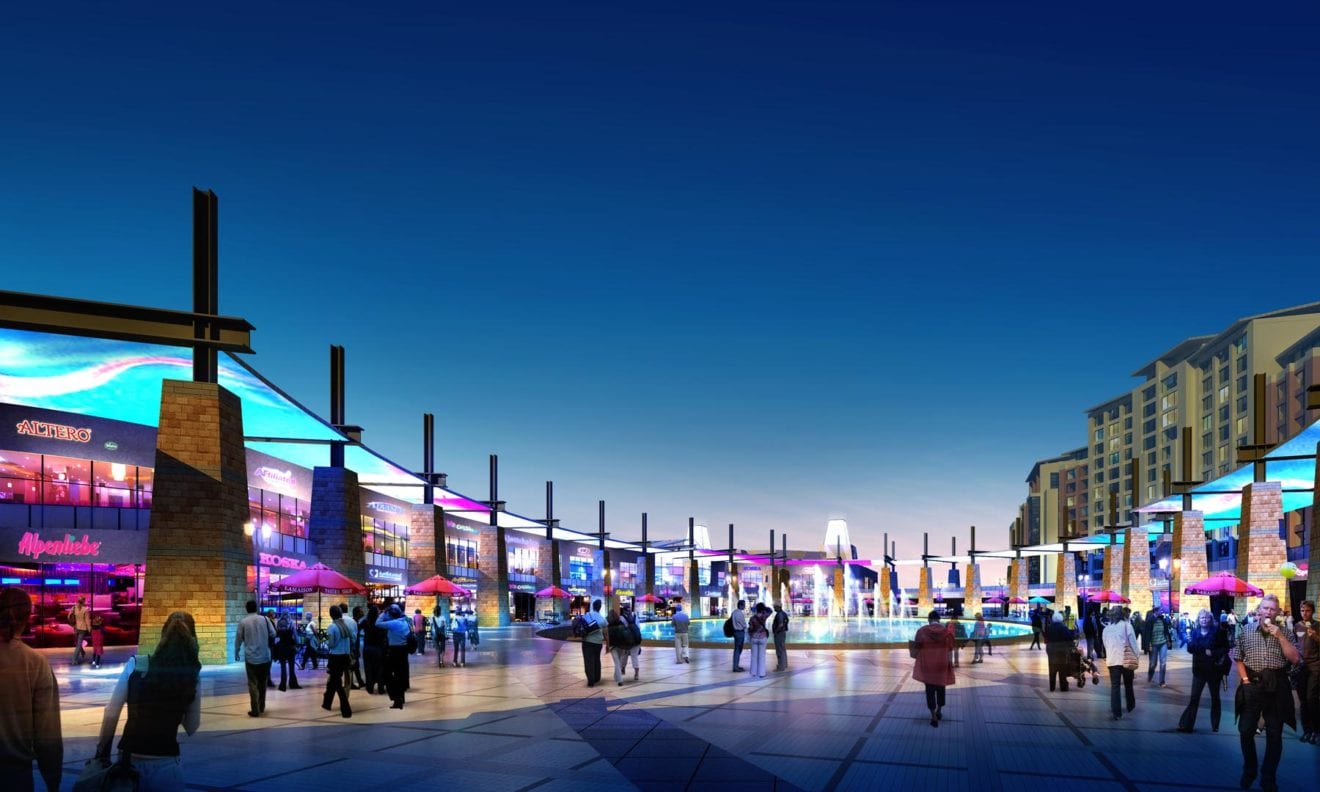
    Studio City is a Hollywood-inspired cinematically themed entertainment, gaming, retail and leisure destination, the retail mall named The Boulevard, and managed by Taubman Asia.

    René Tremblay, president of Taubman Asia, says The Boulevard brings an “unparalleled shopping experience” to Macau.

    “The Boulevard features high-energy streetscapes with the thrilling feeling of being in a studio back-lot, with featured streets and squares inspired by iconic shopping and entertainment locations, including Beverly Hills and New York’s Times Square. In this unique space, Taubman Asia delivers a mix of contemporary luxury and bespoke shopping options, all artfully curated by our team of experienced retail experts that has spent years carefully researching the market and creating an experience tailored to the needs of Macau’s many visitors,” said Tremblay.

    Macau in the spotlight for press conference of mega Hollywood short film “The Audition,”  attracting over 300 media from all over the world.

    “As Taubman Asia’s first project in Macau, The Boulevard is strategically positioned to capture the vast retail opportunity of Macau’s preeminent leisure and tourism market. We’re confident in our partnership with Melco Crown Entertainment and the opportunity Studio City holds for Taubman Asia.”

    Meanwhile, the short film launched last night and screening publicly from today, is led by Scorsese and depicts De Niro, DiCaprio and Brad Pitt playing themselves as they vie for the same part in a fictitious movie.

    Studio City Casts a Global Entertainment Spotlight 4

    “When we first envisioned building a cinematically-themed integrated resort in Macau, we wanted to bring the best of the best of entertainment to the world,” said Lawrence Ho, co-chairman and CEO of Melco Crown Entertainment.

    “[So] it made perfect sense to commission a star-studded Hollywood production to fully conceptualise our goal to reimagine entertainment for Asia. We are extremely proud that we were able to work with the world’s greatest director and actors who are true icons of Hollywood, to successfully produce the first Hollywood movie for Macau.”

    The four mega Hollywood stars completed the Chinese title of “The Audition” in Chinese calligraphy; and presented it to Studio City to commemorate the occasion.

    Melco Crown Entertainment’s co-chairman James Packer added: “Studio City’s official opening represents a key milestone in our strategy to develop Macau as a truly world-leading tourism and entertainment destination, I am extraordinarily proud of what we have achieved here.”

  • Apple’s ‘best year ever”

    Apple’s ‘best year ever”

    Tech giant Apple has reported its fourth quarter results – and concluded its “best year ever”.

    In the three months to September 26, the company achieved sales of $51.5 billion and a quarterly net profit of $11.1 billion. That compares to sales of $42.1 billion and a net profit of $8.5 billion, in the same quarter last year.

    The company’s gross margin was 39.9 per cent compared to 38 per cent a year ago. International sales accounted for 62 per cent of the quarter’s revenue.

    Apples says its growth was fuelled by record fourth quarter sales of iPhones, the expanded availability of the Apple Watch, and all-time records for Mac sales and revenue from services.

    “Fiscal 2015 was Apple’s most successful year ever, with revenue growing 28 per cent to nearly $234 billion,” said CEO Tim Cook.

    “This continued success is the result of our commitment to making the best, most innovative products on earth, and it’s a testament to the tremendous execution by our teams,” he said.

    “We are heading into the holidays with our strongest product lineup yet, including iPhone 6s and iPhone 6s Plus, Apple Watch with an expanded lineup of cases and bands, the new iPad Pro and the all-new Apple TV which begins shipping this week.”

    Luca Maestri, Apple’s CFO, said the company’s record September quarter results drove earnings per share growth of 38 per cent and operating cash flow of $13.5 billion.

    “We returned $17 billion to our investors during the quarter through share repurchases and dividends, and we have now completed over $143 billion of our $200 billion capital return program.”

    In the quarter ahead, Apple is predicting revenue of between $75.5 billion and $77.5 billion and a gross margin which could reach 40 per cent.