Tag: asia

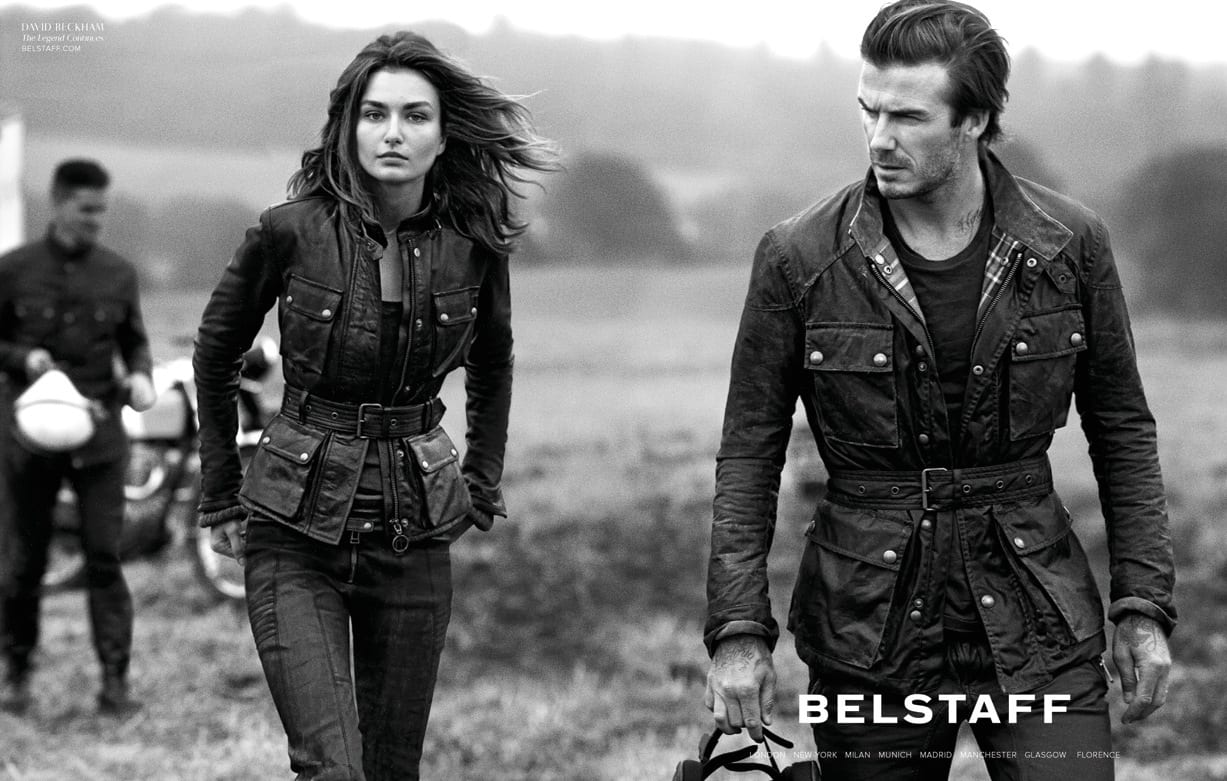
  • Belstaff marks Greater China debut

    Belstaff marks Greater China debut

    British luxury lifestyle brand 
Belstaff has opened its first store in Greater China, inside the Studio City resort in Macau.

    The opening of the Belstaff Macau boutique, on The Boulevard managed by Taubman Asia, follows the launch of Belstaff Korea last year with three stores. The brand will also open stores in Japan from March next year, as it continues to broaden its Asian footprint.

    CEO Gavin Haig said the Macau opening is an extension of Belstaff’s commitment to expand globally.

    “We are pleased to announce this opening in Macau showcasing the continuation of long-term investment for Belstaff in both China and wider Asia over the coming years. Studio City is destined to become a retail mecca within Macau and we are pleased to be a part of this luxury shopping experience.

    “Macau has a great reputation for luxury fashion and it makes sense to start our Chinese offering here, within one of the world’s most dynamic and exciting retail environments.”

    Belstaff has established a strategic partnership with Rainbow Group Macau for the new franchise.

    The store launches with the Autumn/Winter men’s and women’s collections “showcasing British heritage and design innovations, combined with a modern sensibility”. Belstaff’s hand-waxed cotton and leather pieces will be available there, in addition to seasonal ready-to-wear and accessories.

    The Studio City store references elements of the Belstaff House flagship on London’s New Bond St, designed by eminent interior designer and architect William Sofield. The 196 sqm store displays signature Belstaff characteristics including wooden floors, leather seating, custom cork walls and bespoke crafted cabinets to create an ambient and inviting atmosphere.

    Large-scale light boxes display current campaign imagery. The moto-heritage of the brand is referenced with a vintage Royal Enfield bike displayed at the front of the store.

    Archive imagery around the store depicts the brand’s 91-year history, including images of current Global Ambassador David Beckham.

  • Singapore startup Semantics3 in new funding round

    Singapore startup Semantics3 in new funding round

    Singaporean software startup Semantics3 Friday said it has successfully closed a $1.55 million round of bridge funding, with Brussels-based seed investor E-Merge bringing $1.5 million to the table.

    The company will use the latest funding, which also saw participation from early-stage investor Zillionize, to expand its business team and ramp up sales efforts. The company had raised $600,000 from the two investors in a previous financing round in March 2013.

    “We are at break even, but we’re not profitable yet,” chief executive Varun Sivamani told CNBC.

    Semantics3’s proprietary software allows companies to more efficiently track their products. Conventional barcodes are unable to track products and prices in real time across the internet, which creates a conundrum for e-commerce retailers.

    The four-year-old startup’s over-the-top software solves this problem by allowing them to use their barcodes to access detailed information about any item in their inventory, and track the price of their products in real time across a variety of websites.

    While competitors Indix and Factual have more funding and a larger share of the market, Semantics3’s software is currently being used by retailers, as well logistics, industrial supply, and insurance companies, including Liberty Mutual and American Family Insurance, the company said.

    The brain child of three students from the National University of Singapore, Semantics3 in 2013 became the first Singaporean startup to make it into the prestigious Y Combinator accelerator program that has also seen participation from bitcoin wallet provider Coinbase and Codeacademy.

    With some 99 percent of Semantics3’s customers based in the US, the company is looking forward to stress testing some of its software’s new features during the Black Friday sales in the US later on this month.

  • Coca-Cola Tmall flagship opens

    Coca-Cola Tmall flagship opens

    Coca-Cola, one of the world’s most iconic beverage brands, is opening a flagship store on Alibaba Group’s Tmall online marketplace.

    The Coca-Cola Tmall store comes just in time for the Global Shopping Festival, the world’s biggest online sale, on November 11.

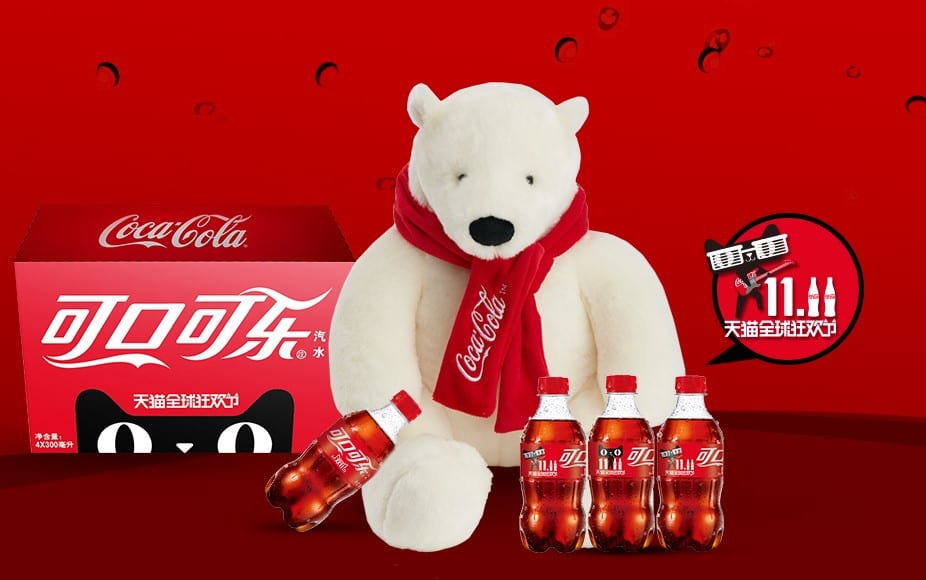
    Coca-Cola has designed special packaging for the 24-hour 11.11 festival and its shop, now in trial operation in preparation for an official launch in early November, is already pre-selling four-packs of Coke priced at RMB 29 yuan (US$4.60) containing bottles adorned with images of Tmall’s cat mascot or the 11.11 festival logo.

    The shop will soon sell other Coca-Cola brands including Sprite, Fanta and Minute Maid, as well as related merchandise like the beverage company’s classic polar bear dolls, according to Coca-Cola.

    Coke and Alibaba have also agreed to collaborate on branding, marketing, offline services and the launch of exclusive products, according to a Chinese language press release issued by Alibaba. The collaboration shows a commitment by both parties to “embrace change and adapt to e-retail,” said Henrique Braun, Coca-Cola president of greater China & Korea, noting that the internet “has gradually changed people’s lives and consumer behavior.”

    The addition of Coke to its roster of merchants and brands participating in the 11.11 festival is a coup for Alibaba. The company has emphasised this year’s shopping bonanza is meant to be a global event, with overseas and global retailers selling directly to Chinese consumers through Tmall and consumers all over the world buying goods on Alibaba’s AliExpress international marketplace.

    Alibaba expects more than 5000 international brands from 25 countries and regions to participate in festival this year.

    To whet shoppers’ appetites for the sale, Alibaba and Coca-Cola plan to give away five million bottles of 300ml Cokes. Starting from November 1, the bonus bevvies will be distributed randomly to consumers who order other merchandise through Tmall.

    • Original reporting by Alizila, an independent but Alibaba-funded news resource on Alibaba’s global activities.
  • Vietnam’s Vingroup snaps up local grocery chain

    Vietnam’s Vingroup snaps up local grocery chain

    Vietnam’s largest retail group has snapped up local supermarket chain Maximark.

    Vingroup, whose assets already include 12 Vincom shopping centres with a raft of its own retail brands inside, and 125 VinMart grocery stores, will rebrand the nine Maximark hypermarkets under the VinMart+ name.

    “The acquisition aims at expanding Vingroup’s retail network reinforcing the status of Vietnamese brands to create a counterweight to international brands that are coming into Vietnam,” Vingroup said in a statement.

    The seller is Hanoi-based An Phong JSC which developed the chain from scratch.

    “The nationwide expansion will assist the spread of Vietnamese product brands and help retain their market share, contributing to building the competitiveness of local manufacturers amid an influx of global companies into Vietnam,” Vingroup’s vice chairman Le Khac Hiep said.

    Vingroup plans to operate 40 shopping centres across the nation by the end of 2016 and 100 by 2020.

    In June, Vingroup Retail received a US$100 million private equity capital investment led by Warburg Pincus, to help fund its ambitious retail expansion plans.

    Vingroup Joint Stock Company is Vietnam’s largest publicly-traded real estate operator and one of its largest companies by market capitalisation.

    The Vincom Retail malls are home to more than 700 domestic and international brands, with major tenants such as Robins Department Store, Marks & Spencer, CJ CGV, Mango, DKNY, French Connection, BCBGMaxazria, Karen Millen, GAP, Lacoste, Nike, Adidas, Emigo, VinMart, VinPro and Vinpearl Land.

  • Siam Center fashion pop up Asian labels

    Siam Center fashion pop up Asian labels

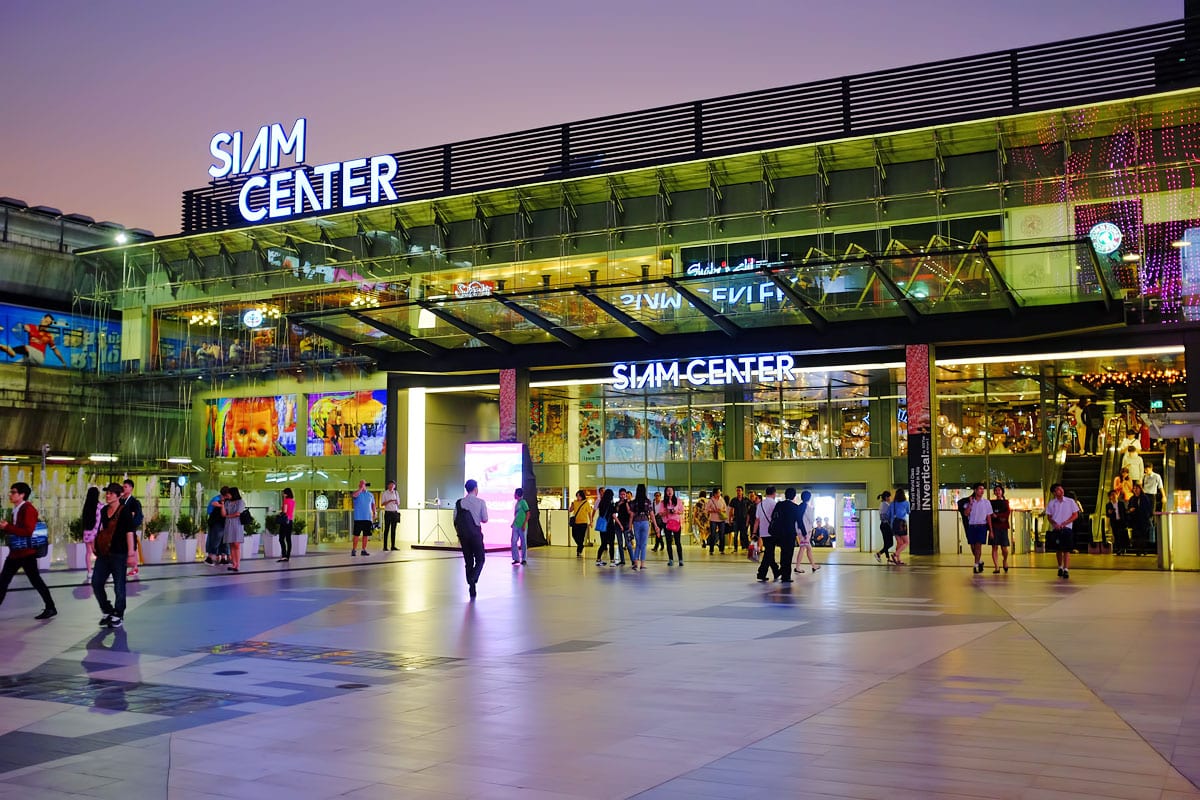
    ‘A-very-wear’ – a new exclusive multi-label Siam Center fashion pop-up store – aims to showcase Asian designers in Thailand.

    Located in the Ideapolis A-very-wear, bears the motto of “A piece that is very you to wear” on the Siam Center’s first floor.

    Parisa Chatnilbandhu, group senior VP – retail business development of Siam Piwat says fashion plays a major role in youngsters’ lifestyle, especially in Asia.

    “As we can see, the Fashion Week in each season in Korea, Japan and Singapore attracts hipsters from around the world, including Thai celebrities who fly to these countries just to bring the fashion items back.”

    A-very-wear 5

    Responding to the trend, Siam Center has created A-very-wear as a first exclusive multi-label fashion pop-up store of Asian designers, to “bring the ultimate Asian fashion experience to Thailand”.

    Siam Center has carefully selected a wide variety of well-designed products and introduces Absolute Siam items, which are exclusively available at Siam Center, to help the fashionistas make the style statement of their own under the motto of “ A piece that is very you to wear”, Parisa said.

    A-very-wear 4

    A-very-wear carries apparel, accessories, including eyeglasses, watches and more, from 15 renowned Asian fashion brands from six countries: Korea, Japan, Singapore, Hong Kong, Indonesia and Taiwan.

    “Each designer is very popular on social media, with many followers on Facebook and Instagram. During the first six months, the hipsters can update the trend from four countries, namely Korea, Japan, Singapore and Taiwan, while the other two, Hong Kong and Indonesia, will join in the next six months.”

    For its opening, A-very-wear introduces six well-known Korean brands:

    • Fleamadonna, launched in 2007, has bold style and unique characteristic. It was well received by fashionistas and celebrity fans including Pink, Paris Hilton, Miranda Kerr and Girl’s Generation girl band.

    Fleamadonna- A-very-wearFleamadonna3-A-very-wear

    • Low Classic by Lee Myoung Shin presents the simple and classic ready-to-wear perfect for any occasion.

    Low Classic-A-very-wearLow Classic 2-A-very-wear

    • Drink Beer Save Water is originated from the fun idea of the designer Jim Park, who thought “Why don’t we drink beer to save the water?” From this extreme idea, he presents the unisex collection under the same name as his brand, which has been growing both male and female fan base. The clothes reflect their true personality, having fun dressing.

    Drink Beer Save Water- A-Very-wear

    • Rocket x Lunch is a woman’s fashion brand designed by the talented Jin Won Woo. The brand is popular among hipsters for its minimalist style that can be worn on any occasion. It also showcased its creation in “Who’s Next in Paris 2015 Spring Summer” in France.

    Rocket x Lunch - A-very-wearjpgRocket x Lunch A-very-wear

    • A.Bell Korean accessory brand was established in 2010. It includes bag decorations, necklaces and bangles to create a glamorous, trendy look.

    A.Bell 1- A-very-wear
    A.Bell- A-very-wear

    • Minuit Moins Sept, another chic Korean accessory brand, has the French name means ‘seven minutes to midnight.’ It indicates the beginning of a new day when good things are about to happen. Popular among male and female wearers, the simple yet elegant geometric design are made of silver 925 as the key material, with the key shade of gold, silver, dark blue, red and white.

    31.Minuit Moins SeptMinuit Moins Sept 1- A-very-wear

    Singaporean fashion labels include:

    • Mash-up, popular among fashion-forward people in Singapore, is the brainchild of three talented designers; a street fashion brand which incorporates inspiration from music, movies and the designers’ travelling experience.

    Mash ñ up-A-very-wear

    • Yesah, established by Linda Hao, a Chinese Singaporean-born designer, who combines her experience in modelling and an education in fashion. In 2013, she launched the brand with distinctive characteristic, to serve the lifestyle of confident ladies who enjoy life.

    Taiwanese brands include:

    • Momo’s March by Christina Lu, a Taiwanese American-born designer, who put together a range of materials, such as Russian diamond, brass, seashell, pearl and gemstones, into exquisite accessories under the concept of “Wearable thought,” practical for any time of day.

    Momoís march -A-very-wear

    • YU Square by Ringo Yu is famous for its sewing technique, which integrates the embroidery into the design. Furthermore, the fashionistas can mix and match its colorful blouses, skirts and socks to suit each occasion.

    YU Square A-very-wear

    From Japan:

    • Normal Timepieces, a minimalist-style Japanese watch brand, was brought to life by American designer Ross McBride. Having spent years in Japan, he was influenced by Japanese culture and incorporates it into his creation, which projects simplicity with a great sense of style.

    Normal Timepieces A-very-wear

  • L’Occitane China sales soar

    L’Occitane China sales soar

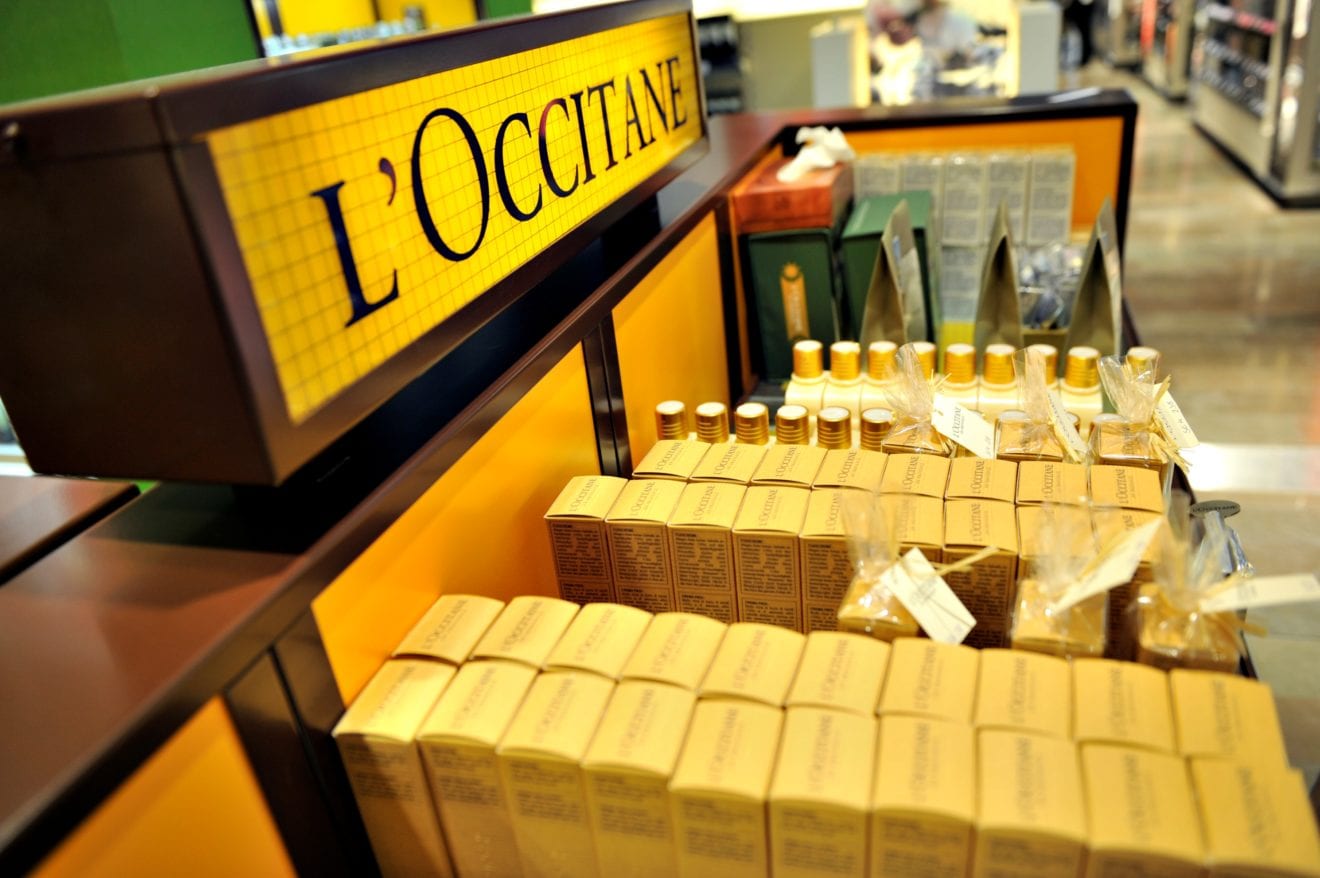
    L’Occitane Hong Kong and Macau sales are still falling, but in the mainland they soared 20.4 per cent in the last six months.

    Unveiling its results for the half year to September 30, L’Occitane said worldwide sales rose 12.5 per cent to US$546.7 million. In local currency, sales rose 5.8 per cent.

    But in Hong Kong, the retail operation remained impacted by the weak market sentiment and a drop in Mainland Chinese tourists.

    “During the second quarter, Hong Kong travel retail sell-through was sluggish due to the lagging effects of Mers in Korea and a drastic drop in traffic in Hong Kong and Macau,” the company said in its filing.

    China was the fastest growing country with 20.4 per cent growth in local currency, mainly contributed by new stores opened last year and in the first half of this year. Sales via T-mall also contributed to the sell-out growth in China.

    Japan, its third fastest growing market behind France,  posted a sales growth of 8.2 per cent at constant exchange rates with same store sales growth at 6.9 per cent.

  • Allan Zeman calls for overhaul of retail tenant ratio

    Allan Zeman calls for overhaul of retail tenant ratio

    Online sales are contributing to the struggles of the traditional retail industry as much as the slowing economy, Lan Kwai Fong Group chairman Allan Zeman says.

    He said the trend led to the practice of landlords supporting food and beverage retailers with rents from other tenants, the Hong Kong Economic Journal reports.

    As a result, rents have tripled for the latter, Zeman said.

    He blamed the problem on a tenant ratio heavily skewed toward food and beverage tenants — seven for every three other types of retailers.

    Zeman said the ratio should be reversed.

    Zeman has launched LKF Capital, a private equity fund that invests in lifestyle, entertainment and food and beverage brands.

    Meanwhile, he said investors should not be overly concerned about China’s policies, saying these are mostly meant to maintain stability.

    Zeman is frequently invited by Chinese cities to share his experience in turning Lan Kwai Fong, a once rundown pocket of Central, into a success story.

  • Study Shows Popular Fish Consumed in Hong Kong under Serious Threat

    Study Shows Popular Fish Consumed in Hong Kong under Serious Threat

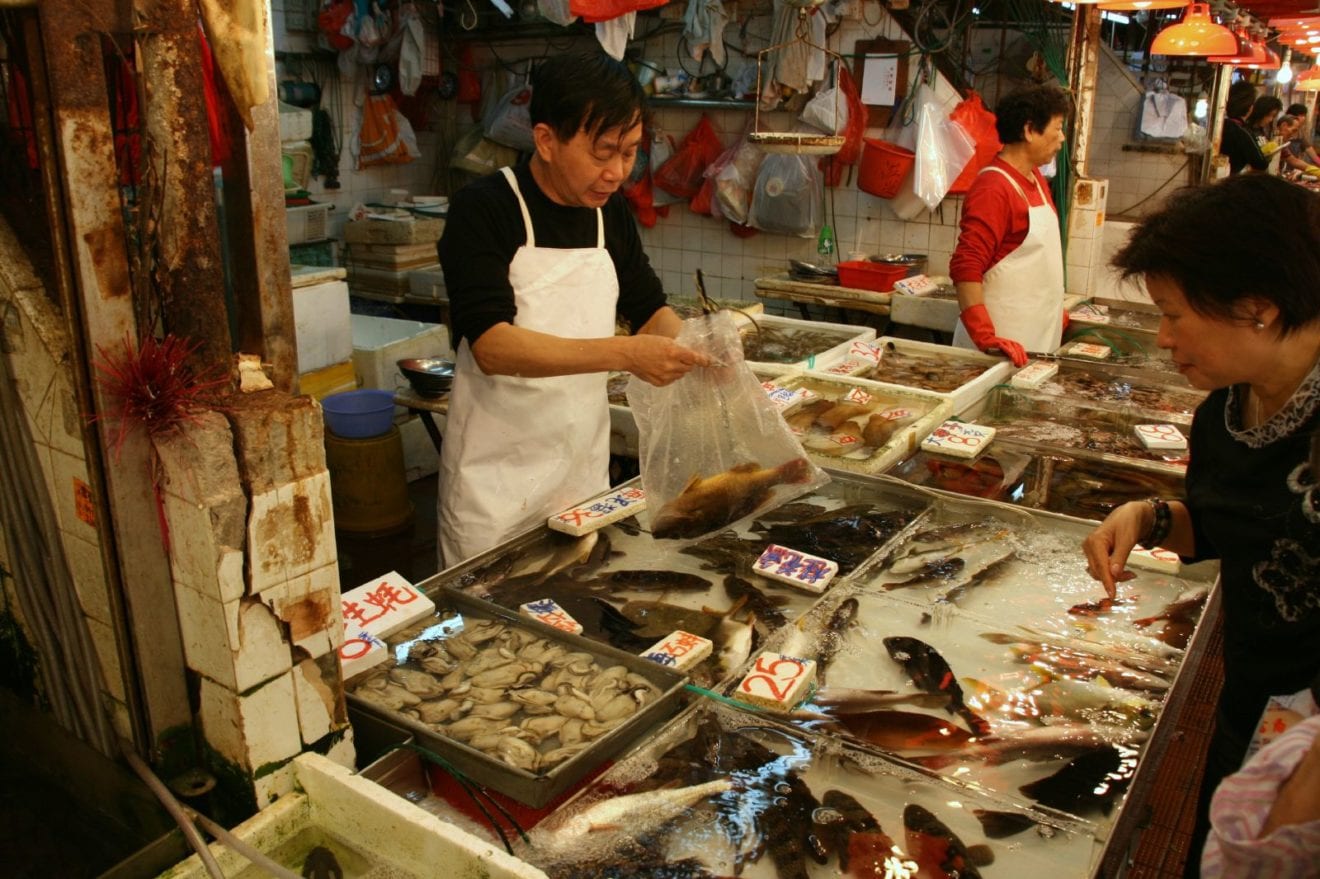
    A new study on the future of fish in the South China Sea reveals that key species consumed in Hong Kong are under serious threat from overfishing and habitat destruction, and unless immediate action is taken it will be too late.

    Some of the topline findings of the study, Boom or Bust, The Future of Fish in the South China Sea, show that some marine resources have been fished down to as low as 5 per cent compared to the 1950s, with others reduced to just 10 percent of their populations since the mid-1990s. Even in more remote fishing locations, catch rates have declined 3 to 4 times over the past two decades. Conducted by the University of British Columbia (UBC) Economic Research Unit and funded by Hong Kong-based ADM Capital Foundation and RS Group, the study offers a pathway to a more sustainable future.

    “The study shows that to rebuild biomass of key groups to a healthy level, fishing efforts of all fishing fleets have to be substantially reduced,” said UBC’s Rashid Sumaila, principal investigator for the project.

    Species under threat include the Napoleon Wrasse and the Coral Grouper, both highly prized in Hong Kong.  Relative abundance of these two reef fish has declined by 80 percent in the past eight years alone.

    While pollution and water quality is partly responsible, overfishing is the main culprit, and fishing methods play a key role in impacts on the environment.

    “One of the findings of the study demonstrates that the way fish are caught is no longer sustainable,” said Doug Woodring, Co-Founder of Hong Kong’s Ocean Recovery Alliance. “Not only are species being over-fished but the current fishing methods are destroying some coral reef habitats at a rate of 16 percent per decade. It is time to take action before it is too late.”

    The study also contains projections through to 2045, with dire consequences for our future if action is not taken.

    If nothing is done, by 2045, relative to 2015 fish stocks, all species studied will experience a decrease in biomass (quantity of fish in the ocean) ranging from 9 to 59 percent as a result of overfishing, ocean warming, ocean acidification and changes in primary productivity.  We must urgently improve fisheries management and consider our impact on the ocean via CO2 emissions.

    “The most vulnerable groups include grouper, large sharks, threadfin bream and large croaker, which are projected to drop by 50 percent or more during this period,” said UBC’s William Cheung, a co-author of the report.

    The good news is that it is not too late to take action. The UBC scientists also conducted a best case scenario analysis under a sustainable management fishing regime with lowered global CO2 emissions. This indicates that efforts to improve fisheries management and reduce carbon emissions would have a positive impact on the wild population biomass of all species except crabs (due to their predators).

    Either way, there are economic implications to these scenarios, both potentially with a loss of income and livelihood for fisherman, and an increase in the cost of fish to the consumer. If we engage in better resource management, however, there is a chance to modify practices and sustain stock levels, so that fisheries can still be productive for those who rely on them today.

    “This study should be of interest to anybody who likes to eat seafood and cares about society,” said Yvonne Sadovy, a professor at Hong Kong University’s School of Biological Sciences. “Major urban centres like Hong Kong depend heavily on importing seafood, while hundreds of thousands of people in developing countries need wild fish for food and to support their families.”

    The stress on regional fishing resources is a reason that November also marks the start of the Kin Hong “Healthy” Seafood Festival.

    Organised by Ocean Recovery Alliance and ADM Capital Foundation, the aim of the festival is to raise public awareness through education and increased variety from our restaurant and catering industries, giving people the option to consume sustainable seafood.

    It also aims to help restaurateurs access sustainable seafood, with the intention of increasing availability and visibility in the market place. A selection of prominent Hong Kong restaurants, hotels and organisations have already pledged their support, including Four Seasons Hotel Hong Kong, Grand Hyatt Hong Kong, Café Gray, Sohofama, Café Deco, Ocean Park, the University of Hong Kong and the Hong Kong Jockey Club.

    The full report, Boom or Bust, the Future of Fish in the South China Sea, can be downloaded here: https://oceancanada.org/wp-content/uploads/2015/03/FCWP_2015_99_Witter.pdf

    For more information on the Kin Hong “Healthy” Seafood Festival, visit: https://www.oceanrecov.org/activities/events/kin-hong-seafood-festival.html

    List of Restaurants, Hotels and Organizations Participating in Kin Hong Seafood Festival:

    1. Cafe Gray
    2. Cali-Mex
    3. Chinese University of Hong Kong
    4. City University of Hong Kong
    5. East Hotel Hong Kong
    6. Fishful Season
    7. Four Seasons Hotel Hong Kong
    8. Gitone
    9. Grand Central
    10. Grand Hyatt Hong Kong
    11. Holy Crab
    12. Hotel ICON
    13. Locofama
    14. Ocean Park Hong Kong
    15. Scirocco
    16. Sohofama
    17. Table Seafood
    18. The American Club Hong Kong
    19. The Continental
    20. The Foreign Correspondents’ Club, Hong Kong
    21. The Hong Kong Jockey Club
    22. The Landmark- Mandarin Oriental
    23. The University of Hong Kong
    24. Wilfred Catering Limited
    25. Yorkshire Pudding

    ADM Capital Foundation

    ADM Capital Foundation (www.ADMCF.org) was established in 2006 by the partners of Hong Kong-based investment advisor, ADM Capital www.admcap.com to fund innovative approaches to promoting equity and environmental conservation in Asia. The Foundation helps organisations in Asia achieve positive social and environmental impact and aims to foster sustainable growth in its local partners by providing not only funding but also specific and relevant organisational support.

    Ocean Recovery Alliance

    Registered in Hong Kong and California, Ocean Recovery Alliance forges new ways of thinking, technologies, creativity and collaborations to introduce innovative projects and initiatives that will help improving our ocean environment. This includes creating business opportunities for local communities when applicable, and addressing some of the pressing issues that our ocean faces today. It is one of the first the NGO’s to work with both the United Nations Environment Programme (UNEP) and the World Bank on their respective ocean programmes related to plastic pollution. It also runs the Ocean in Motion Film Festival each year, the only annual ocean film festival in Asia.

  • 20 Lotte affiliates meet IPO requirements

    20 Lotte affiliates meet IPO requirements

    The conglomerate has pledged to simplify its governance structure and boost its managerial transparency through a set of measures, including initial public offerings (IPOs), after a bitter family feud over control of the retail conglomerate. Currently, Lotte has eight publicly traded affiliates here, with the key units being linked through unlisted Japanese units.

    According to the data compiled by the Korea Exchange, a total of 20 out of 73 Lotte subsidiaries are eligible for IPOs in the country. The candidates include Hotel Lotte, Lotte Card Co., Lotteria and Lotte Capital.

    Under local regulations, a firm seeking to be listed is required to have a capital base of more than 30 billion won (US$26.5 million), average annual sales exceeding 70 billion won for the previous three consecutive years and a return on equity surpassing 5 percent.

    After the squabble over control of the sprawling business empire, which has a cobweb-like governance structure, Lotte chairman Shin Dong-bin in August expressed his desire to push for the listing of Hotel Lotte, a key affiliate, as part of its reform plan.

    The listing on the local stock market requires stricter regulatory filings while allowing it to seek capital increases, issue more non-voting stocks and reap other benefits that translate into greater business opportunities.

    “As a South Korean company, we will have more of our affiliates go public with a strong will to contribute to the Korean economy,” a Lotte official said.


  • Worldhotels Expands the Frontier of Luxury with Sokha Phnom Penh Hotel & Residence

    Worldhotels Expands the Frontier of Luxury with Sokha Phnom Penh Hotel & Residence

    Occupying a luscious spot on the confluence of the Mekong, the Bassac and TonléSap, Phnom Penh is a city that has witnessed extreme ups and downs. Discover an enigmatic kingdom of fabled pagodas, thriving local markets, sweeping French boulevards and eclectic natural beauty with Sokha Phnom Penh Hotel & Residence, the newest addition to Worldhotels’ exclusive collection of 450 independent hotels worldwide.

    Strategically located on Chroy Changvar peninsula opposite the Royal Palace and an estimated 13km from Phnom Penh International Airport, Sokha Phnom Penh Hotel & Residence is an antidote to the chaotic cacophony of the city. With a host of top-notch amenities and exemplary service standards that expand the frontier of luxury, the hotel represents a new standard for five-star hospitality in Cambodia’s capital city. 

    Doorway to a bygone era

    Opportunities for cultural and historical discovery await travellers on Phnom Penh’s centuries-old attraction sites where strains of history combine in a vivid montage of French and Cambodian influences.

    Nearby sites of interest include Wat Phnom, the main temple perched on a grassy hilltop that marks the legendary founding place of Phnom Penh, accessible via a six-minute drive from the hotel. A resplendent symbol of the Kingdom, Phnom Penh’s Royal Palace is a nine-minute drive away. Located just north of the Royal Palace is the National Museum which houses the world’s earliest and rarest archaeological, religious and artistic Khmer artefacts from the fourth to the 13th century.

    From traditional souvenirs to fresh produces, shoppers can purchase a diverse range of merchandise at Phsar Thmey, or Central Market, a unique colonial-style building just a stone’s throw from the hotel. Guests may also embark on historical sunset cruises along the riverfront and contemplate the footprints of different generations that shaped Phnom Penh’s colonial era.

    Commodious accommodations fit for royalty

    Contemporary and bright; airy and inviting, guests will feel perfectly at ease in one of 523 tastefully appointed guest rooms and suites offered across eight categories, including the largest Deluxe room in Phnom Penh. The luxury of space extends to an expansive bathroom with freestanding bathtub and a separate walk-in rain shower.

    Bedecked in a soothing palette of cream and warm tones, most guest rooms afford views of the spectacular Chaktomuk River, or verdant greens that invigorate the senses. Each of these spacious havens features hardwood floors and elegant period furnishings that evoke a timeless refinement, replete with contemporary conveniences including Wi-Fi access, Japanese high-tech washlet, and flat screen LCD TV with international satellite channels. 

    Top-class meeting venues and recreational amenities

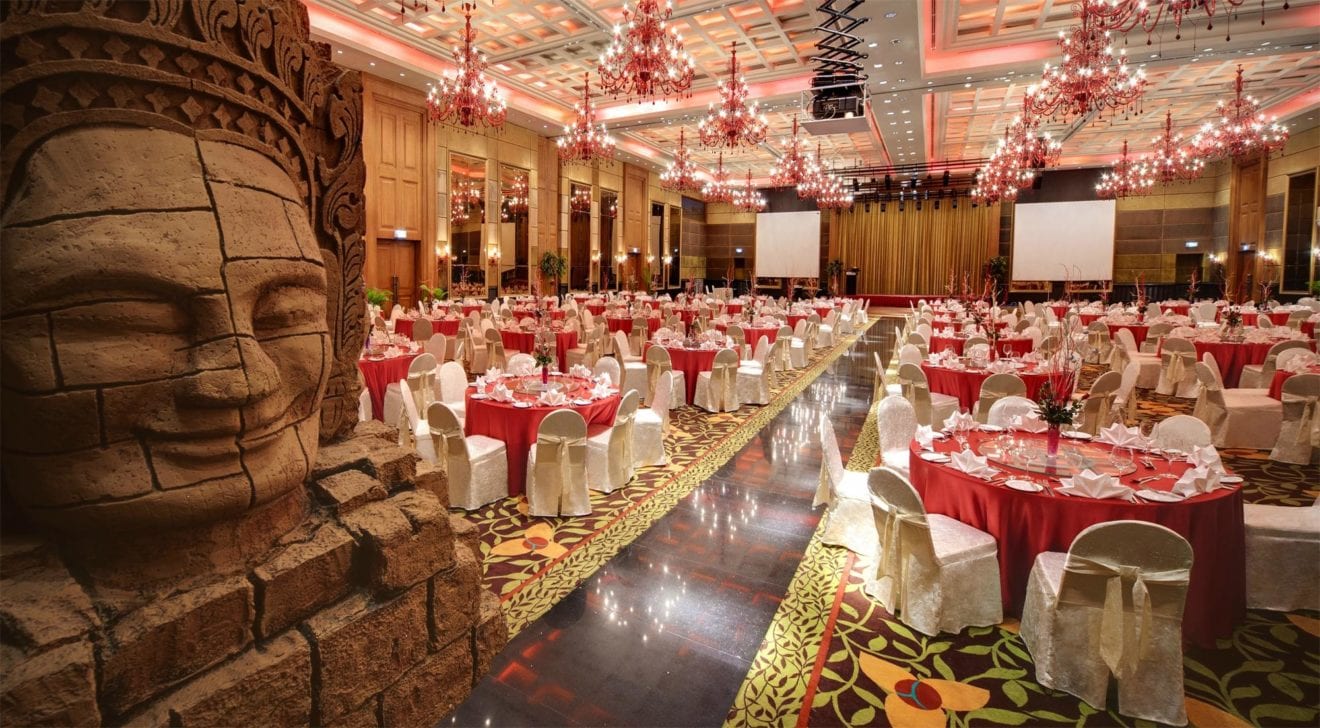
    An excellent venue for hosting a year-round calendar of conferences, meetings, private functions and dream weddings, Sokha Phnom Penh Hotel & Residence offers an extensive range of event spaces and meeting facilities including a 2,728 square-metre grand ballroom with a capacity of 3,100, arguably the kingdom’s largest ballroom.

    Eight highly-versatile function rooms – a combination of close to 900 square metres – can accommodate up to a total of 1,050 attendees. Coupled with leading edge audiovisual and modern translation equipment as well as high-speed internet access, the hotel prides itself on putting together events that engage and inspire.

    Sized at 1,650 square metres, the hotel also houses thelargest swimming pool in Phnom Penh that provides stunning views of the river. Among other offerings is a KTV Studio featuring 36 private karaoke rooms and an established night club on the 19th floor overlooking Tonlé Sap and Mekong River, perfect for a sundowner or after-dark entertainment.

    Guests may pick from a complete range of therapies and treatments at Jasmine’s Spawith 17 private treatment rooms for hours of uninterrupted escapism.

    An eclectic mix of international dining

    Sokha Phnom Penh Hotel & Residence invites guests to embark on a diverse gastronomic journey.

    Lotus is an all-day dining restaurant offering a selection of international buffet amidst scenic river views. The China House presents regional Chinese specialties from Guangdong, Sichuan, Hunan and Beijing; while The Bel Cibofeatures culinary presentations inspired by Tuscany and the northern regions in Italy. Also perched on the 19th floor is Takezono, the only “sky-high” Japanese restaurant in Phnom Penh that dishes up authentically prepared and immaculately presented signature Japanese favourites.

    “We are truly honoured to be represented by yet another outstanding property in Sokha Phnom Penh Hotel & Residence. This affiliation will reaffirm the positioning of Worldhotels at the forefront of curating some of the world’s finest hotels and underscore the commitment to growing our portfolio in the Indochina market with surging international interest,” remarks Roland Jegge, Worldhotels Executive Vice President Asia Pacific.

    “We look forward to harnessing our in-depth market knowledge and stellar reputation to win over more travellers with the quality accommodation and personalised service that our collection of hotels have become trusted to deliver – and Sokha Phnom Penh being the answer to the rising demand of today’s travellers’ desire for alluring luxury travel experience.”

  • Rimowa leads the charge of new luxury retailers

    Rimowa leads the charge of new luxury retailers

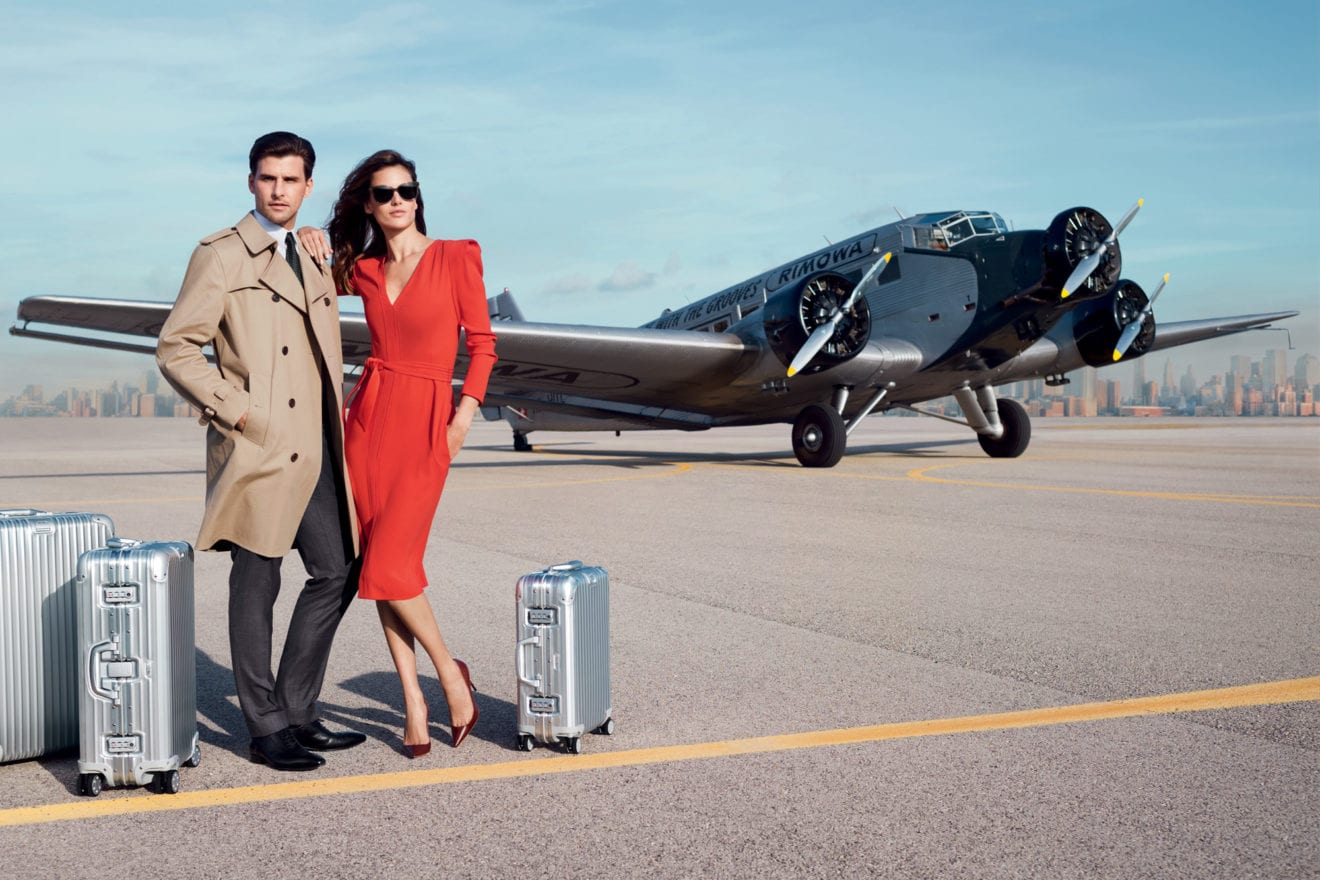
    5 Martin Place, Sydney, the new home of German luxury luggage brand Rimowa. Photo: Supplied

    Rimowa, the German luxury luggage group, is set to call 5 Martin Place home as the retail sector looks to the upmarket brands for revenue growth.

    The label is being distributed exclusively through Hunt Leather, which itself has a presence in the MLC Centre.

    Sophie Hunt, whose parents founded Hunt, said the group also runs the Longchamp​ Boutique, of which there are four stores nationally and Hunt’s own five sites throughout Australia.

    Ms Hunt said the group opens a newly branded store in Australia every year and, despite the massive growth of its online business, it still invests in bricks and mortar.

    “Demand is high for luxury brands and over the years that we have stocked Rimowa, we have been pleased with the high turnover of the items,” Ms Hunt said.

    “Finding the right location was imperative to launch the store as a stand-alone and certainly, 5 Martin Place is where we want to be.”

    Ms Hunt said Rimowa is considered a destination brand and the demographics of Martin Place, being in the heart of bankers and lawyers, was the perfect fit.

    “We will be looking to expand and while online sales are strong, having a store is still our preferred option,” Ms Hunt said.

    DEXUS Property is leasing out 5 Martin Place as part of the redevelopment and has also signed up the H&M associate Collection of Style, and the Canadian apparel group Kit & Ace, in what was the former Commonwealth Bank chamber.

    Rimowa’s opening in December – the date is still be decided – comes as luxury retail is making a comeback.

    CBRE  Australia head of retail tenant representation said the country offers significant opportunities for luxury retailers at a time when the Asian market is reaching saturation point.

    In a new CBRE report, The Future of Luxury Retail in Asia Pacific: New Demand Drivers and Shifting Occupier Requirements, it says most major luxury retailers are now well established in Asia-Pacific with China and Hong Kong being two of the most penetrated markets at 89 per cent and 81 per cent respectively.

    “However, following several years of rapid expansion, these markets are approaching saturation point and several luxury brands have halted expansion amid sluggish sales,” the report says.

    “Conversely, the penetration rate of luxury retail in Australia is just 50 per cent – primarily due to the dominance of department stores in this segment of the market.”

    However, the tide is shifting, as luxury brands launch stand-alone stores in Australia to exert stronger control over their business operations and brand.

    In 2014, a total of 16 luxury retailers entered Australia or opened their first stand-alone store in five cities – double the total in 2012 and 2013 combined.

    “Australia, unlike much of Asia, is far from saturation point in terms of luxury retailing,” Mr Starling said.

    “At present we are witnessing the largest influx of new luxury brands in the country’s history. This is coming from two distinct sectors, with fashion/ready-to-wear and jewellery retailers being the most inquisitive.”

    Mr Starling said the inquiry was being driven by larger groups such as LVMH, Kering Group and Richemont, but brands such as Valentino and Moncler also had Australia on the radar.

    “Another trend we are witnessing involves brands being more willing to seek space in shopping-centre environments,” Mr Staring said.

    CBRE national director retail services Alistair Palmer said a new luxury precinct was also poised to open Pacific Fair on the Gold Coast in 2016, and Chadstone was planning to double its luxury offer.

    An increase in Chinese tourist arrivals was helping to support the luxury retail sector in Australia, Mr Palmer said, particularly in light of the fall in the Australian dollar.

    “Sydney Airport is also establishing a new luxury precinct, with many of the tier 1 and affordable luxury brands opening in order to capture the Asian tourist market,” he noted.

  • BART drawing hip retail, service outlets into stations

    BART drawing hip retail, service outlets into stations

    A Blinq concierge desk at the Montgomery BART station in downtown San Francisco, Calif., is prepared Thursday afternoon, Nov. 5, 2015 for opening later this week. The company will be offering dry cleaning, groceries and “new products and cultural finds.”

    Friday heralds the appearance of a kinder, hipper outpost of commerce in BART’s fusty, decades-old stations as the transit agency welcomes kiosks purveying groceries, dry cleaning and a changeable array of offbeat, with-it products.

    Blinq, billing itself as an online-to-offline retail organizer, is opening the doors of what it calls “pods” in the concourses of the Embarcadero and Montgomery stations to entice BART’s thousands of daily commuters with “new products and cultural finds.”

    “For instance,” Blinq marketing chief Saf Elmansour said, the company “will provide farm-to-table food 20 to 50 percent cheaper than Whole Foods. We’ll bring the actual farmers in.” That would be Grubmarket, an online purveyor of locally sourced fresh foods and other products delivered to customers’ doors and now to BART stations.

    Saf Elmansour prepares a Blinq pop-up retail space in the Montgomery BART station in downtown San Francisco, Calif.,Thursday afternoon, Nov. 5, 2015. TheSaf Elmansour prepares a Blinq pop-up retail space in the Montgomery BART station in downtown San Francisco, Calif.,Thursday afternoon, Nov. 5, 2015. The shop, as well as one at the Embarcadero station, open later this week. The company will offer dry cleaning, sell groceries and “new products and cultural finds.”

    Also selling in the pods will be EO, a Marin County-based manufacturer of organic and natural personal care shampoos and soaps; Sol Republic, a maker of headphones and speakers; and Greener Cleaners, an eco-friendly dry cleaner.

    Blinq plans to feature other products in pop-up spaces for a few months each.

    Next in line for the pods and pop-ups are the Civic Center station in San Francisco, the 12th and 19th Street stations in Oakland, and downtown Berkeley. All are to open by the end of the year, he said.

    The new kiosks may offer delectable edibles, but BART’s policy of no food or drink on trains has not changed.

    Blinq will staff concierge services such as dry cleaning, grocery delivery and pickup in one part of the pod. On the other side will be the pop-up brands that Blinq and its leasing agent, SRS Real Estate Partners, will seek out and change out with three- to nine-month leases.

    “We want to change the experience,” Elmansour said.

    Another experience, he said, will be products and services matched to the neighborhoods and cultures around the stations. For example, Blinq’s Mission Street station pod will be different from Walnut Creek’s, he said. The pods also will feature video screens with BART train times, and a mobile app will note events in station neighborhoods.

    “People will be able to use Blinq to take care of errands, access exclusive deals and giveaways, and discover great brands and local community events,” according to a news release.

    Blinq CEO Alexis Wong is said to have sought to recreate the experience of urban transit in Hong Kong, where she grew up. Stations there were also hubs of local goods and services.

    “We think this combination of experiences, shopping and community is the future of the metro hub,” she said.

  • China’s Singles Are Big Spenders

    China’s Singles Are Big Spenders

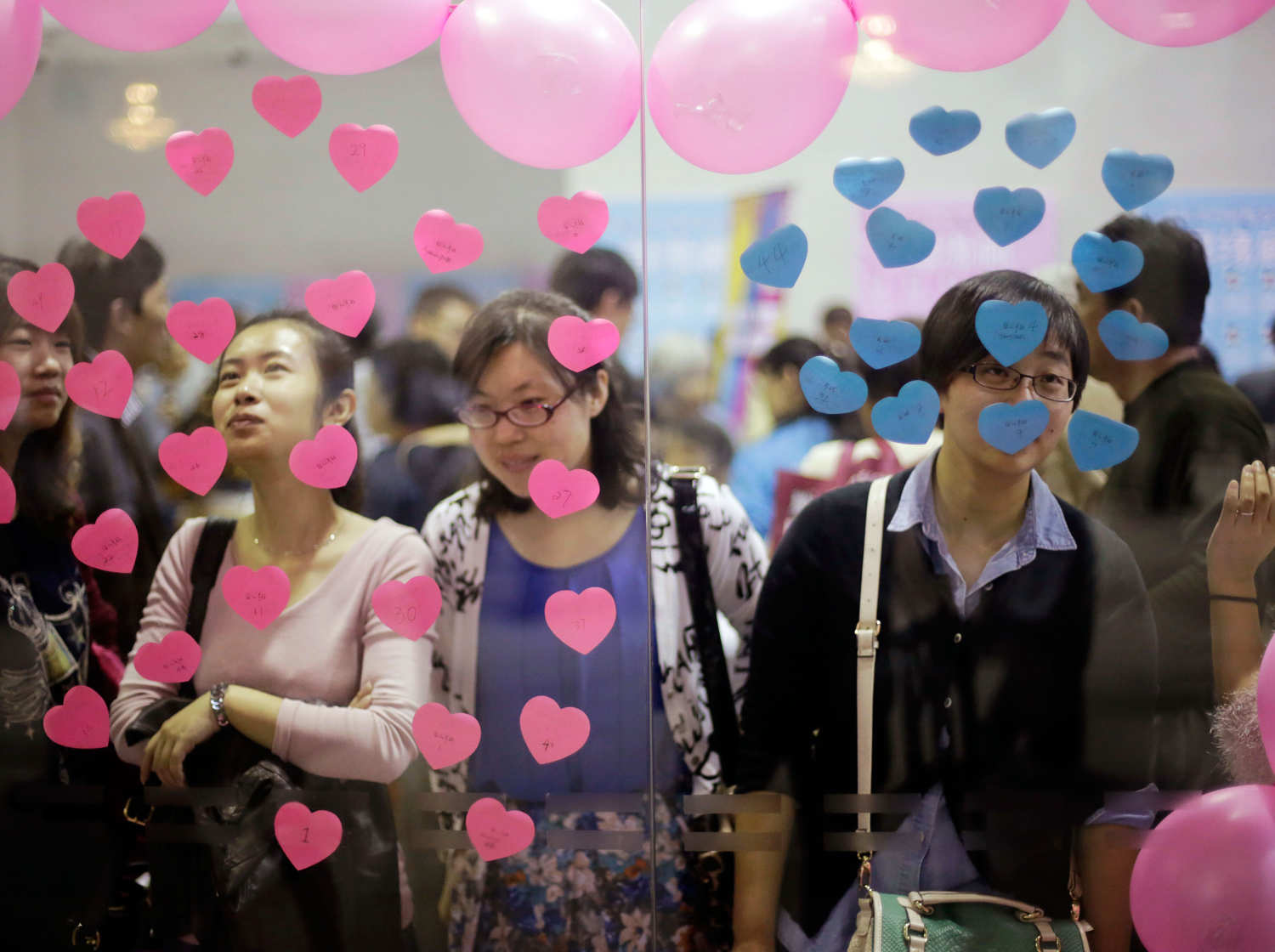
    The U.S. has holidays like Valentine’s Day and Christmas when couples are expected to exchange gifts, but China’s Singles’ Day proves even lonely hearts can get in on the retail action — and according to a recent Nielsen study, China’s lone wolves plan to do just that.

    In a study conducted by Nielsen and released to Reuters, 56 percent of 1,000 Internet users in China said that they planned on spending more on Singles’ Day than they had in 2014. Nearly 33 percent indicated they would purchase roughly the same amount, and only 6 percent said that they planned on pulling back on Singles’ Day spending.

    “It’s not a huge surprise that consumers are planning to spend more during this year’s [Singles’ Day],” Yan Xuan, president of Nielsen Greater China, told Reuters. “Income levels and Internet penetration continue to rise throughout China, so this is a natural progression.”

    Greater spending totals in 2015 could push Singles’ Day into unprecedented territory for retail holiday traffic. MarketWatch reported that Alibaba, China’s largest eCommerce marketplace, processed more than $2 billion in sales in the first hour, 11 seconds of Singles’ Day 2014 alone. By the time the day drew to a close, the site had surpassed $9 billion, 43 percent of which was due to mobile purchases.

    Since the first “official” Singles’ Day in 2009, Alibaba’s sales alone have skyrocketed by more than 5,740 percent, and it appears that trend will continue. According to Reuters, the average Singles’ Day shopper is projected to spend about $277.76 in 2015, 22 percent more than the average shopper spent in 2014.

    MarketWatch explained that Alibaba CEO Jack Ma has expressed a desire to turn China’s Singles’ Day into a global retail holiday on the same level as Black Friday and Cyber Monday, and if these sales numbers continue, retailers in other countries might have no choice but to follow China’s lead.

  • Why Apple Is Rumored To Launch First Store In Singapore

    Why Apple Is Rumored To Launch First Store In Singapore

    Recent online speculation suggests that Apple Inc. is all set to open its first-ever retail outlet in Singapore by 2016, leading to the shutdown of the Pure Fitness Knightsbridge branch by end of this year. The tech giant currently operates in Singapore through its online store and third-party retailers.

    The company’s next store is the reason why Pure Fitness has to evacuate from its location on Orchard Road. The fitness chain notified its customers and tenants about its decision in an email to “make way” for Apple’s new store opening. The Pure Fitness Knightsbridge is scheduled to shut on December 15, 2015.

    Apple has still not confirmed Pure Fitness’ statement; however, there is a great chance that the tech giant may be considering investing in its outlet on Orchard road, the shopping hub of Singapore, to further expand its customer-base and make use of its ideal store location.

    Since the tech giant’s products and services are accessible in Singapore through its online store and third-party outlets, Apple has already secure a position in competitive markets even before its first store opening. The company’s apparent decision to launch an Apple Store in the specific location will also help trigger increased activity for surrounding brands and businesses through its dedicated client-base.

    While Apple remains vague about its plans for Singapore, it has been busy launching new Apple Stores in various countries, with the latest opening in Dalian, China. The company is also set to launch its largest Apple Store in Dubai before the end of October, marking it as one of the many Apple outlets that the company launched solely this month. With Apple’s vast campaign to expand its platform to numerous countries in 2015, it will not come as a surprise if the tech giant launches a retail outlet for its Singaporean client-base to further promote its variants.

  • Sweden’s H&M opens doors in Sydney

    Sweden’s H&M opens doors in Sydney

    An artist’s impression of the H&M store in Pitt Street Mall’s Glasshouse building.

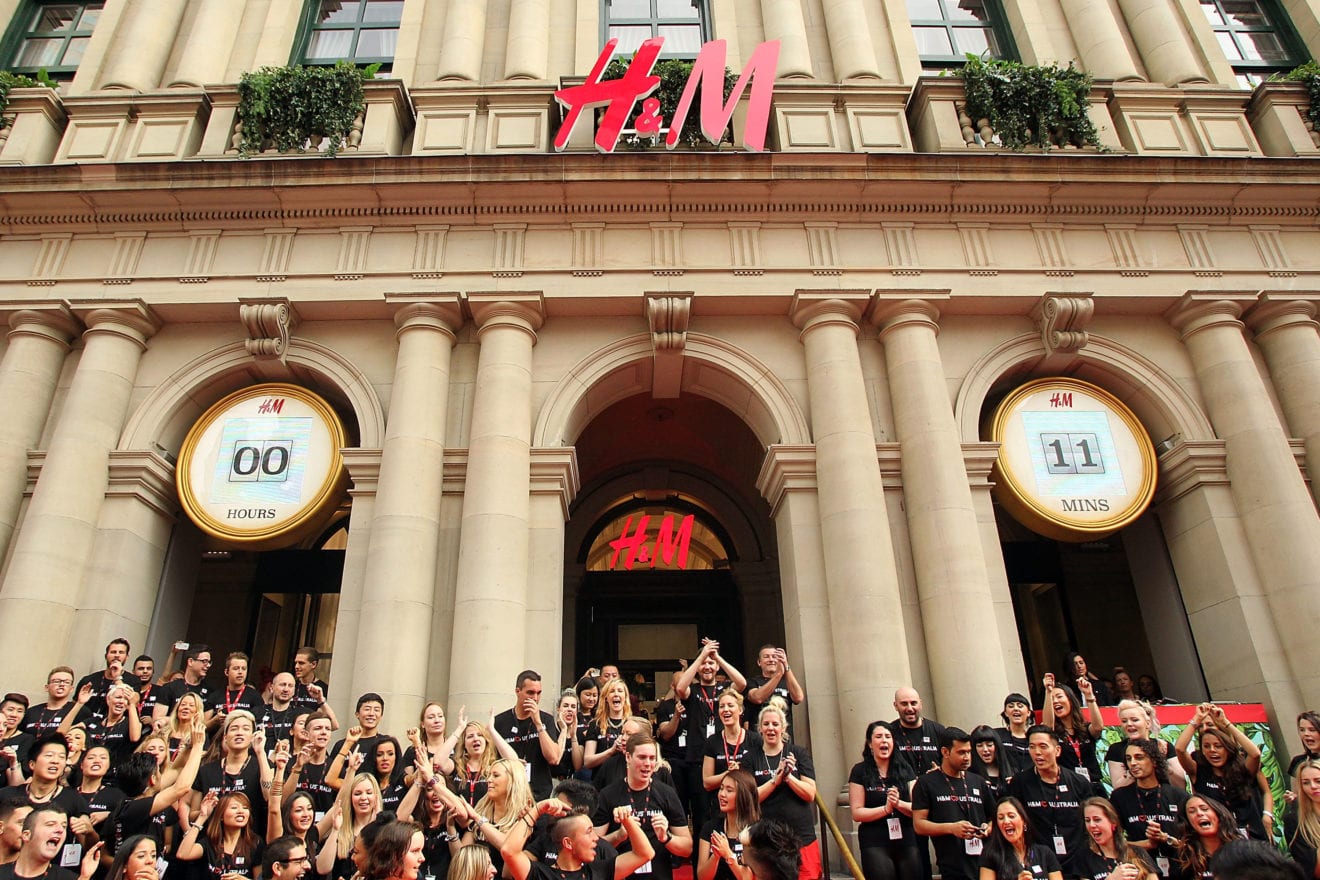
    The opening of Swedish fast fashion giant H&M Australia’s store this weekend in Sydney’s Pitt Street Mall will boost revenue for city retail landlords, agents says.

    It follows Forever 21, Zara and Uniqlo onto the strip. They were the first major international brands to put the area on the global map.

    CBRE said that with openings or leases secured on more than 30 new stores, the pace of first-time international brand entrants and expansion in Australia continued unabated.

    This compares with more than 35 new openings and lease deals for 2014, CBRE’s third-quarter 2015 Retail MarketView​ shows.

    CBRE’s senior research manager, Danny Lee, said Sydney and Melbourne had had the highest activity in 2015, followed by Brisbane and Perth.

    “Foreign brand penetration in Australia is fairly low in comparison to other countries at 28 per cent, which is a key attraction for these offshore retailers,” Mr Lee said.

    “It would take an additional 50 brands to enter the market to reach the same level as some Asian countries, such as Singapore and Hong Kong, with 90 more required to reach the UK’s level of 57 per cent.”

    CBRE’s head of retail tenant representation Australia, Tim Starling, said the low penetration rate in Australia served to minimise competition between foreign brands.

    “Other key attractions for foreign retailers include the fact that Australia is one of the highest-consuming developed nations, with consumption per capita growing at twice the rate of the US between 2008 and 2014,” Mr Starling said.

    CBRE’s head of retail brokerage leasing Australia, Leif Olson, said the impact on the market would also mean that super prime rents would grow by a forecast 4 per cent per annum over the next three years