Tag: asia

  • Online Sales Boosted Chinese Retail in September

    Online Sales Boosted Chinese Retail in September

    According to the National Bureau of Statistics of China, retail sales reached 2,527.1 billion yuan, up by 10.9% in September as against 10.8% in August 2015. The iShares China Large-Cap ETF was up 2.6% from a year ago as of October 19. China Xiniya Fashion Limited lost 43.1%, whereas China Mobile Limited gained 4.5% over the same period.

    Retail sales jumped in rural areas more than in urban areas

    Retail sales in rural areas rose 380.3 billion yuan, up by 12.1% year-over-year. In contrast, retail sales in rural areas rose by 2,146.8 billion yuan in September, up 10.7% year-over-year. In terms of different consumption patterns, catering services saw a 12.1% jump in September, increasing 272.1 billion yuan from a year ago. Retail sales of goods rose 2,254.9 billion yuan, up by 10.7%.

    Online retail sales are picking up in China

    Online retail sales of goods and services were up 2,591.4 billion yuan, increasing 36.2% year-over-year. Of that, the online retail sales of physical goods totaled 2,151.0 billion yuan. Online retail sales jumped 34.7%, accounting for 10.0% of the total retail sales of consumer goods. The online retail sales of non-physical goods were 440.4 billion yuan, a rise 43.6%. Of the total online retail sales of physical goods, food, clothing, and other commodities went up by 42.7%, 26.3%, and 37.7%, respectively.

    Internet retailers Alibaba, 500.com, and China Dangdang have lost 20.1%, 32.7%, and 42.2%, respectively, over the past year as of October 19. An uptick in Chinese retail sales is a positive sign, as it implies that domestic demand is rising with better consumer sentiment and may boost growth in the struggling economy.

    For more information, read China’s Growth Rate Fell below 7% in September. For the latest updates on the economic front, refer to our Global ETF Analysis page.

  • 5 unique challenges all ecommerce firms face in Indonesia

    5 unique challenges all ecommerce firms face in Indonesia

    People talk a lot about Indonesia’s burgeoning ecommerce market, and how Jakarta may very well be on the cusp of an online retail revolution. Over the past 12 months, we’ve seen more activity in the sector than ever before, with new firms emerging and big-league investment coming in simultaneously.

    Naturally, these are all positive signs that point toward a maturing market in the region; hopefully one that can push Indonesian ecommerce into the mainstream conversation in Asia. It would be great to see online shopping reach five percent or more of the nation’s overall retail sector, but for now we can only speculate on the future.

    indonesia-streets-1

    Like any market, Indonesia has its own set of challenges, caveats, and peccadillos that all ecommerce founders are forced to cope with. In the past, we’ve cited the archipelago’s hellish logistics landscape, weak payments infrastructure, and a fragmented market as some of those limitations. However, there is a second layer of challenges that all estores will face in the gauntlet that is Indonesia.

    This is a set of generally accepted idiosyncrasies that newbie e-tailers — and especially foreigner founders — will run into on a daily basis in Jakarta, so take notes. In no particular order, here are five cultural challenges all ecommerce firms, new or seasoned, will face in Indonesia.

    Price-sensitive shoppers

    Indonesia-ecommerce

    It’s true, Indonesia has one of the most attractive emerging middle-classes in the world. By 2030, an estimated 90 million people will have joined the consuming class. That said, Indonesians are, to put it mildly, true suckers for sales and discounts. Locals have a strong proclivity toward finding the best prices at all costs.

    This is no secret to anyone who lives in Jakarta, as it’s extremely common to see hundreds (sometimes thousands) of locals waiting in line at the mall just for a 50 percent off sale to happen at Bershka or the Samsung store. Nevermind the time, energy, and fuel spent to get to the store across town or the fact that folks may not have felt compelled to buy anything in the first place, had there not been a sale.

    Boston Consulting Group says Indonesian shoppers actively seek out promotions and hunt for deals. At the lower half of the income pyramid, this is a function of family dynamics. Men typically give their wives a monthly budget for the family. The more money these women can save on groceries, the more they have to splurge on small indulgences for themselves. However, the bargain-hunting drive spans the wealth spectrum — more than 60 percent of the overall population says they enjoy searching for discounts and promotions, and more than 70 percent of the country’s affluent population says they enjoy doing so.

    This might seem like more of a blessing than a curse at first glance, as demand can be easily created so long as merchants temporarily lower their prices. But in the end, competition often becomes a race to the bottom and profit margins suffer if you don’t plan your discounts as if you were going into brain surgery. Anyone thinking about opening an estore in Indonesia needs to firmly understand the lowest price they can offer while still being able to turn a profit. If it’s not in the same ballpark as the nation’s big competitors, both online and offline, new web firms will need to rethink their strategies.

    Risk aversion

    New ecommerce names in Indonesia, even ones as big as JD for example, are going to have to work twice as hard as their more established counterparts when it comes to acquiring and retaining users. According to a recent McKinsey study, Indonesian consumers have some specific shopping behaviors. They are risk-averse and brand-loyal. 63 percent of Indonesian consumers only buy products from brands they already know. This positions them as late adopters because they need to be encouraged by friends and family before they choose to adopt new products.

    Bank Mandiri cites this challenge as a short-term hurdle in the grand scheme of things, however, as purchasing behavior will likely change when Indonesia’s internet infrastructure improves, and more people come online for the first time. However, for smaller ecommerce sites without a bankroll and several years of runway, they’ll need to find new and creative ways to get local shoppers to trust their brand, and do so fast.

    Deep-pocketed competitors

    Lazada-indonesia-home

    Rocket Internet’s Lazada Indonesia, Lippo Group’s MatahariMall, SoftBank and Sequoia-backed marketplace Tokopedia, and now JD.id — the Indonesian arm of the Chinese ecommerce giant — are all firms with copious spending power. All are up and running in Indonesia, and those who are intimate with Indonesia’s ecommerce landscape understand how unwise it is to challenge these guys head-on.

    Lazada Indonesia is perhaps the biggest force to be reckoned with, as overall spending on Lazada Group’s Southeast Asia portals jumped from US$89 million in 2013 to US$350 million in 2014. Indonesia’s shoppers made up over 30 percent of that, says CEO Max Bittner. To date, the firm has pulled in US$686 million in funding on public record. Tokopedia grabbed US$100 million last year, and MatahariMall also claims to be earning hundreds of millions. JD is a publicly traded company that’s raised around US$2.6 billion to date.

    If you want your fledgling ecommerce venture to work out, you’re going to need to find multiple ways to differentiate yourself from these firms or face certain death. Homework and competitive analysis is a must.

    An increasingly frothy market

    There are many figures that paint a positive picture of Indonesia’s ecommerce scene. The most referenced one is a 250 million population with a recent annual GDP increase between 5 and 6 percent, primarily driven by people buying things. In reality, Indonesia’s ecommerce market is still in its infancy, yet an increased level of attention and hype is drawing entrepreneurs who think the market and investment scene are already primed.

    Zalora Indonesia was able to succeed in its early days because of Rocket Internet’s vast resources and a long period of trial and error. Today, seemingly strong competitors like Paraplou Group are closing their doors in Jakarta, citing reasons of market immaturity, uncertain financial conditions, and a hard time getting funded as the primary reasons for closure.

    With firms like MatahariMall making bombastic funding claims and many early-stage VCs adopting the spray-and-pray investment method (without disclosing round sizes), all the news coming from Indonesia makes the archipelago seem like a perfect lilly pad for incoming ecommerce companies.

    Lyall Taylor, associate director at global financial services firm Macquarie Group in Jakarta believes there is a lot of hype about future ecommerce growth in Indonesia. He recently broke down typical causes of market hype for Tech in Asia.

    “Usually what happens is that rapid growth in an industry […] results in profits to early investors,” said Taylor. “These profits get increased media attention and eventually attract more and more people to enter the fray, driving prices higher still […] investors are extrapolating growth well into the future and assuming a high likelihood of success for many tech ventures, even when high levels of future growth and profitability may not be assured.”

    A preference toward brick-and-mortar

    Plaza_indonesia

    Shopping is undisputedly a religion in the archipelago. When friends get together on a Friday night, the question is not “Should we go to the mall?” Instead, it’s “Which mall should we go to?” Local business portal Indonesia-Investments says it’s astonishing how many new malls have opened during the last decade or are currently being developed in Jakarta. Most new malls are part of large real estate projects that also include apartment complexes, office towers, hotels, and sometimes even hospitals.

    The mall is usually the epicenter of everything on a Jakarta superblock, connecting all other buildings. For Indonesians, from the middle-class up to the elite, these malls are places to hang out, relax, and eat because the environment is enjoyable: pleasant temperatures, no pollution, and clean spaces. Most Jakarta malls contain one or more floors with several restaurants, which are inevitably popular among young adults. Malls are also common places to have business meetings. Live music is a regular occurrence.

    Jakarta alone has nearly 200 shopping malls and counting, despite the government trying to curb mall growth in recent years.

    The reason this is important for incoming foreign ecommerce founders, or anyone considering starting an estore in Indonesia for that matter, is that ecommerce is not going to replace brick-and-mortar shopping in the archipelago anytime soon. In fact, startups will need to work much harder to provide incentives for shoppers to transact online rather than simply taking the elevator downstairs and buying offline.


  • How some retailers are using O2O strategies to boost sales

    How some retailers are using O2O strategies to boost sales

    A slowdown in mainland tourist inflow has prompted Hong Kong’s retailers to step up efforts to attract those who are still making their way to the city.

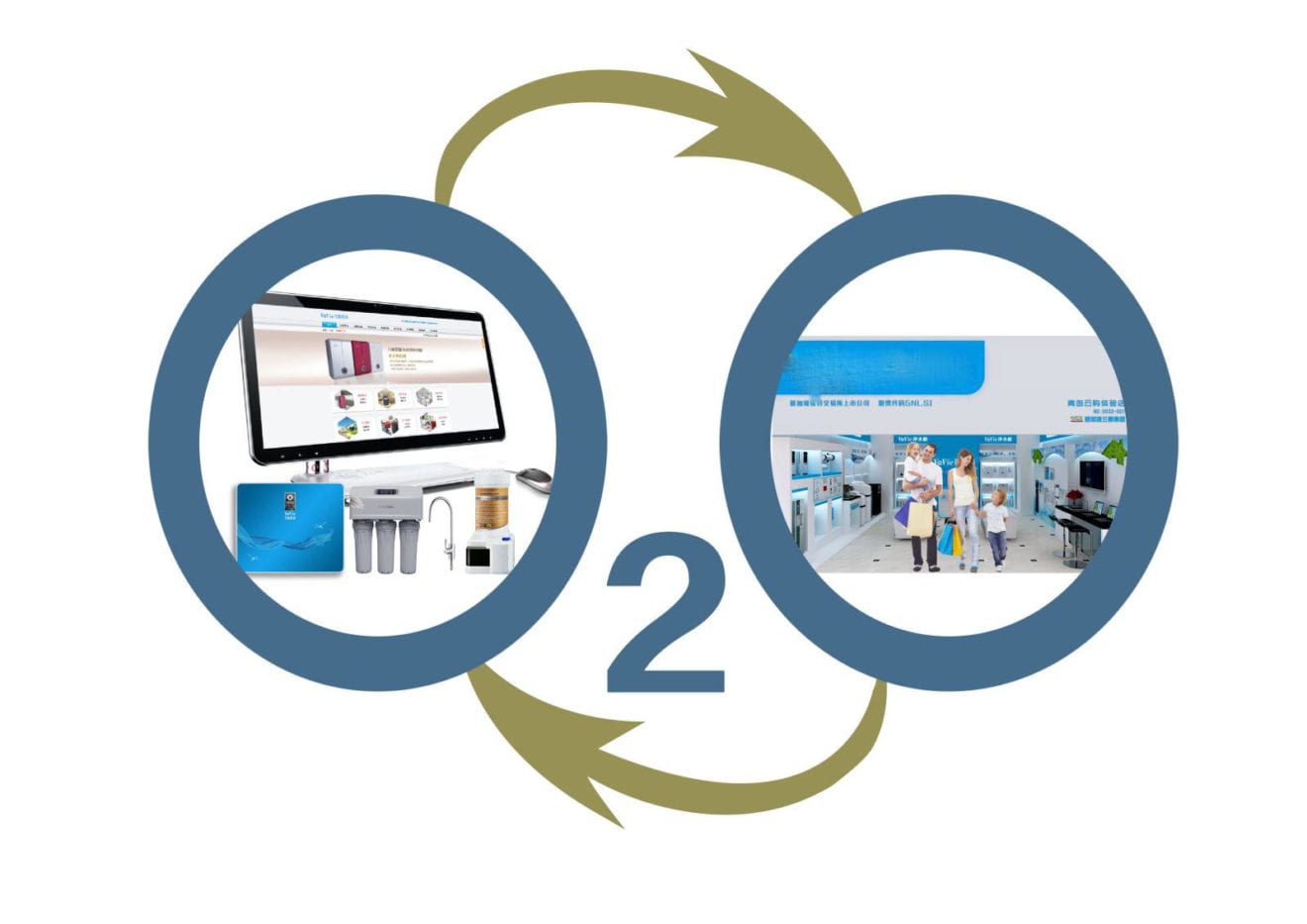
    To grab the attention of the visitors, shops and other tourism-dependent entities are launching new online-to-offline marketing campaigns.

    One key way of reaching the customers has been to gather information on people visiting Ocean Park, the marine-life theme park that is popular with Chinese tourists.

    Mainlanders seeking to visit Ocean Park normally book their tickets through agents and have to leave some sort of contact information, usually their phone numbers.

    Now some marketing firms are gathering those telephone numbers and using them to craft O2O campaigns for their retail sector clients.

    Hooking up with the ticket agents, the marketing firms gain access to those phone numbers. Then they approach the ticket buyers by asking if they are willing to receive some Hong Kong-related information and promotions.

    Once the consent is secured, they will send discount e-coupons to the visitors on behalf of retailers, as Kevin Ng, a consultant with the Hong Kong Productivity Council, told a seminar recently.

    Since people who have bought Ocean Park tickets will definitely come to Hong Kong, such marketing activities will be very specific and targeted, leading to a greater chance of doing business.

    Sheung Wan is known for its cluster of shops selling Chinese herbs and dried seafood. Even those traditional businesses have begun using the innovative O2O route to win more business, according to Ng.


  • Michelin to Open Rubber Plant in Indonesia

    Michelin to Open Rubber Plant in Indonesia

    Michelin will work with Barito Pacific and invest up to US$400 million (Rp5.1 trillion). The plant’s construction is scheduled to start in 2016, with the goal to have it begin operations by 2019.

    Both Michelin and Barito Pacific had also expressed their desire to develop rubber plantations in Jambi and West Kalimantan.

    Michelin plans to establish a joint venture with Barito Pacific’s subsidiary, PT Chandra Asri Petrochemical Tbk.

    Michelin’s plan is expected to help increase the absorption rate of rubber by Indonesian industries.

    Right now, about 20 percent of the national rubber production is consumed by the tire industry; far below Malaysia, China and India’s; each absorbing more than 40 percent of their production.

  • Google Parent to Launch Internet-Beaming Balloons in Indonesia

    Google Parent to Launch Internet-Beaming Balloons in Indonesia

    Google parent Alphabet Inc. signed a deal to work with three Indonesian telecommunications firms to test its Internet-beaming balloons across the country, part of an effort to get more of the world online to broaden the audience for Google’s services.

    “It’s going to take a number of companies and governments and organizations coming together to provide communications to everyone, but we are super-excited to play a role,” Sergey Brin, co-founder of the Mountain View, California-based company, said Wednesday.

    Alphabet’s X unit, formerly called Google X, is working with Indonesian telecommunication companies PT Indosat, PT Telekomunikasi Selular, and PT XL Axiata on the project, said Mike Cassidy, who leads the initiative known as Project Loon. They will spend the next year using hundreds of balloons to perform tests of the technology, such as communication between balloons and ground-to-balloon and synchronizing the movements of balloon swarms, he said.

    “This testing is going to be very revealing to us in terms of how close we are to launch,” Cassidy said. “If all these tests go well it should be soon after that that we’re ready for a commercial launch.”

    Test Market

    Indonesia is a good test market for Project Loon as it is the fourth-most populous country in the world and is composed of numerous islands that are difficult to link to the Internet via traditional cables, Cassidy said. He also noted there are more than 150 million Indonesians today who lack Internet access.

    Alphabet will work with the Indonesian companies to come up with a business model that works with the country’s law, he said. The balloons will use wireless spectrum already secured by the firms for their communications, he said.

    Indonesia’s President, Joko Widodo, was scheduled to visit Google Wednesday as part of a U.S. tour, but had to cancel his trip because of haze in his country caused by forest fires.

    Sky Towers

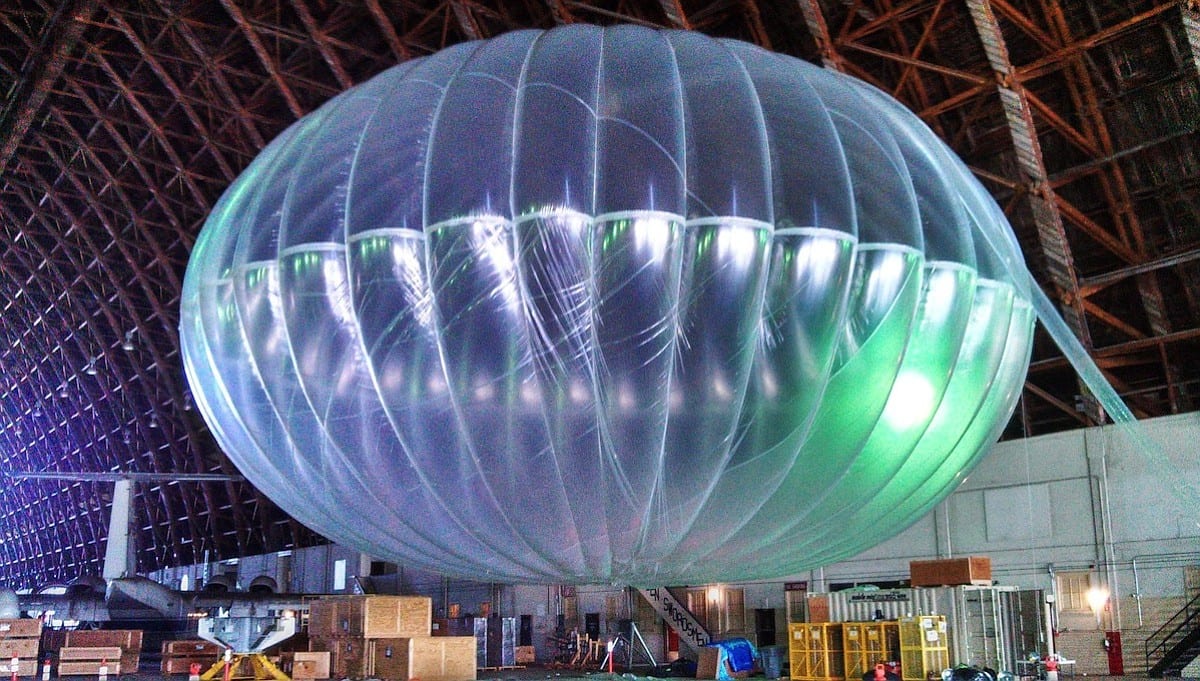
    Alphabet has been working on Project Loon for several years and began testing the technology in earnest in 2013. It has flown tests of the helium-filled balloons, each about 40 feet tall and shaped like an upside-down raindrop, in such countries as Australia, Chile and Brazil, and worked with local telecommunications firms to integrate the balloons with the Internet.

    “In effect, Loon is building cell towers for the telcos,” Cassidy said. “But the towers we’re building are 20,000 meters in the sky.”

    It should be easier for Project Loon to develop its technology and products faster under the new Alphabet corporate structure, Brin suggested.

    “I think having very clear missions for each piece where they don’t feel entangled in a complex way has been working really well for us,” Brin said. “You shouldn’t be worried about, whatever, what operating systems those phones are on, what other business relationships Google has with this telco or that other telco — just go forth and do your jobs.”

    Alphabet also is creating large, solar-powered, unmanned aerial vehicles — drones — for Internet access, putting it into a technological race with advertising rival Facebook Inc. The social network is seeking to expand its global user base by using drones and satellites to give people in rural regions or other unconnected areas access to the Internet.

    None of this is cheap. Google’s capital spending is likely to rise next year, Chief Financial officer Ruth Porat said on an earnings call last week.

    “We do see accelerated investment given the nature of the businesses that we’re building up here,” she said.

  • Wearable power supplies: the next new retail category

    Wearable power supplies: the next new retail category

    What’s the next new retail category in electronics? Wearable power supplies, judging by product innovations just revealed in Korea.

    Samsung SDI Co and LG Chem Co, South Korea’s two major battery makers, are expanding their product portfolios into flexible cells for wearable devices, a move seen to meet increasing global demand for bendable gadgets such as smartwatches.

    The two battery-making units of Samsung Group and LG Group showcased their latest flexible battery lineups at an exhibition in Seoul.

    Samsung SDI unveiled two types of flexible batteries – a stripe and band-type — that are designed to be applied for use in various wearable devices as necklaces and hair bands, the company said.

    The ultra-slim, 0.3mm-thin stripe battery, showcased for the first time, is a next-generation battery made with fibre which enables far greater flexibility than existing bendable cells, the company said.

    The band-type battery is designed to be used in smartwatches and is proven to resist over 50,000 bendings and enhance a gadget’s capacity by up to 50 per cent, it added.

    The Samsung unit supplies the bulk of its batteries to its bigger affiliate Samsung Electronics Co, the world’s top smartphone maker. Recently there have been market speculations that Samsung’s next flagship smartphone, the Galaxy S7, will come in a bendable form. The smartphone is forecast to be released early next year.

    LG Chem also put on display a wristband-type battery called “wire battery” that can be folded into half. The company developed a wire-type battery in 2013 for the first time in the world, before it came up with the world’s first hexagonal-shape battery in June.

    LG Chem said the band-type and hexagonal batteries will likely double the battery capacity for smartwatches.

    According to global market tracker Gartner, smartwatches are forecast to account for 40 per cent of wrist-wearing devices in the world by 2016, with its global shipments to surpass 100 million in 2020.

  • Starbucks Cards with Swarovski crystals will be available in limited quantities in China, Hong Kong …

    Starbucks Cards with Swarovski crystals will be available in limited quantities in China, Hong Kong …

     Since the first Starbucks Card launched in 2001, designers have created hundreds of varieties of these collectible cards.

    One of this year’s new designs, available at participating Starbucks stores in Asia, is a Starbucks Card adorned with Swarovski crystals. The premium mini Starbucks Card – small enough to fit on your keyring – will be available in select markets across the region.

    The limited-edition mini Starbucks Card creates the feeling of a snowscape for holiday gift-giving. The design, awash in champagne and silver hues, is studded with 29 dazzling Swarovski crystals applied in Austria. This international exclusive will be available starting in November in limited quantities in China, Hong Kong, Indonesia, Philippines and Thailand.

    “We continually innovate to find convenient and expressive ways to pay,” said Brady Brewer, senior vice president of Category Brand Management for Starbucks China and Asia Pacific Region. “We’ve featured premium materials like sterling silver, and of course we introduced mobile payment in several Asia markets.”

    Production of the one-of-a-kind Starbucks Card with Swarovski crystals was a collaboration between the Austria-based company for crystal application and a U.S. supplier that printed the cards. The Starbucks Card features a barcode, rather than a magnetized stripe, to enable crystals to be placed across the entire face of the card. The Starbucks Card has a minimum load amount that varies by market.

    “This Starbucks Card is a premium option for customers looking to give a gift to themselves or their favorite Starbucks fan with something special,” Brewer said. “This is just the beginning of what we’re going to see for the holidays at Starbucks.”

    Starbucks Cards with Swarovski crystals will be available in limited quantities in China, Hong Kong, Indonesia, Philippines and Thailand this Holiday

    Starbucks Cards with Swarovski crystals will be available in limited quantities in China, Hong Kong, Indonesia, Philippines and Thailand this Holiday

  • Google Nexus 6P pre-order in Singapore starts Nov 2

    Google Nexus 6P pre-order in Singapore starts Nov 2

    Fans of Google Nexus smartphones in Singapore will soon be able to get their hands on the search giant’s latest large-screen flagship, the Nexus 6P.

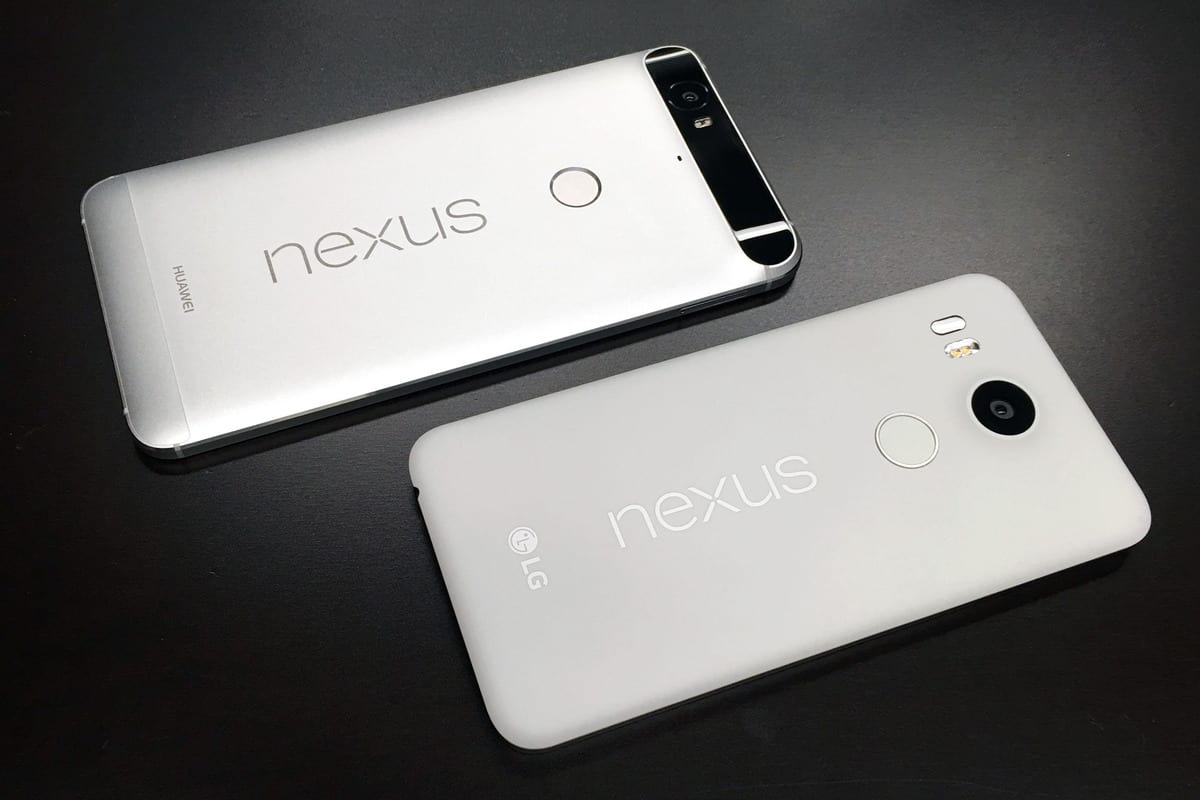
    In a joint statement, Huawei Consumer Business Group (which manufactures the Nexus 6P and distributes the device in markets where Google’s official online stores aren’t available) and online retailer Lazada announced the smartphone will be available for pre-order exclusively on Lazada.sg from Nov 2-11.

    This is the first time a Google Nexus smartphone is being sold in Singapore through official channels.

    The last time a Nexus device made it to Southeast Asian shores was in 2013 when Taiwan’s Asus offered the Nexus 7 tablets through its retail outlets.  Last year’s Motorola-made Nexus 6 smartphone by comparison, was only sold through third-party importers.

    Huawei’s head of Consumer Device Singapore, Low Han Thong, said in the statement, “Huawei is excited to collaborate with Lazada to offer consumers in Singapore, for the first time, an alternative channel to own the premium Nexus experience.”

    The device will be available in silver and black colour options at a pre-order price of S$899 for the 64GB storage version and S$999 for the 128GB model.  After the pre-order period, the pricing will revert to S$949 (64GB) and S$1049 (128GB).

    At the Oct 28 media briefing organised by Huawei Singapore, a company spokesman said Huawei is planning to sell the highly-rated smartphone through traditional retail and carrier channels as well, although there’s no confirmation on which operator will carry the product eventually.

    Additionally, the company expects inventory for the 128GB model to be highly limited, due to a global supply shortage.

    The 5.7-inch Nexus 6P is designed with a full metal unibody and sports a high-resolution QHD AMOLED display with 518 ppi (pixels per inch).  That screen is flanked by two front-facing speakers that help improve the experience when watching videos or taking a conference call.

    The phone is powered by Qualcomm’s 2.1 version of its flagship Snapdragon 810 processor, has a fingerprint sensor and fitted with a reversible USB Type-C port with support for fast charging.  The device features 3GB of RAM and storage options of 64GB or 128GB.

    On the downside, there is no expandable storage support and the battery is non-removable, but at 3450mAh, it seems beefy enough that you won’t really need a second battery.

    The highlight of the device though, is that it runs on a pure, stock version of Google’s brand new Android 6.0 Marshmallow operating system, without the typical skins or bloatware offered by phone manufacturers.  For many, this is the primary reason to purchase a Nexus branded smartphone or tablet, as these devices are the first to receive the latest Android software upgrades from Google.

    The Nexus 6P is one of the two smartphones Google introduced during its recent Nexus event, the other being the smaller (but hardly small) 5.2-inch Nexus 5X, which is manufactured by South Korean giant LG Electronics.

    During the hands-on session at the media event, the Nexus 6P still felt a little large but did exude a premium feel. The Marshmallow interface isn’t that different from Lollipop (Android 5.0) but there are some changes under the hood, including better support for the biometric sensors like the fingerprint reader.  Autofocus on the camera was fast and the pictures turned out sharp and well-exposed.

    Overall, this smartphone looks like a credible contender against Apple’s iPhone 6S Plus and Samsung’s new Galaxy Note 5 in terms of large screen devices, although there is no shortage of impressive Android flagships this year, including Huawei’s very own Mate S.

  • HSBC Global AM names Puneet Chaddha Singapore CEO

    HSBC Global AM names Puneet Chaddha Singapore CEO

    HSBC Global Asset Management (HSBC Global AM) has appointed Puneet Chaddha as chief executive officer (CEO) of HSBC Global Asset Management (Singapore) Limited, with effect from November 1 this year – he succeeds Kalen Lim, who will move to another senior role within HSBC. Mr. Chaddha will also take up the position of head of Southeast Asia of HSBC Global Asset Management.
    Mr. Chaddha was previously CEO of HSBC Asset Management (India) Private Limited – the firm says his successor in India will be announced in due course.

    Operating out of Singapore, Mr. Chaddha will report to Pedro Bastos, CEO, Asia-Pacific of HSBC Global AM and Matthew Colebrook, HSBC’s head of retail banking and wealth management in Singapore.

    Mr. Chaddha’s new roles will have him drive the growth of HSBC’s asset management business in ASEAN, supporting the wealth management and investment needs of HSBC’s key clients across retail, commercial, corporate, institutional and private banking primarily in Indonesia, Singapore, Malaysia, Thailand and the Philippines.

    “The emerging middle class in ASEAN is expected to double by 2025 and wealth creation will continue to accelerate. The increasingly affluent domestic population will have greater need for investment products presenting significant growth opportunities to our business. As Asia faces the challenge of ageing segments, pension management and the shift to long-term, diversified investment strategies are needs that HSBC Global Asset Management is strongly positioned to support,” said Mr. Chaddha.

    Mr. Bastos remarked: “Puneet has been with the HSBC Group for over two decades and has worked in several of our global businesses. He has successfully transformed the business in India in line with HSBC’s commercial and governance strategy. We are determined to expand our presence in Asia-Pacific and capitalise on our leading expertise and capabilities as a global asset manager to provide innovative products and bespoke solutions to meet our clients’ long-term investment goals.”

    And Mr. Colebrook added: “HSBC’s retail strategy is to use our international network to capture the wealth flows and people-to-people links between the faster-growing markets. Singapore’s sophisticated and world-class wealth and asset management sector makes it the nexus for wealth flows within Southeast Asia. Singapore’s status as the regional centre for asset management also reinforces why it is a top-seven priority market for HSBC globally. I am pleased to welcome Puneet to lead our asset management team as we continue to support our clients achieve their wealth goals.”

  • Asia Pacific Breweries ends exclusive beer sales practice in Singapore

    Asia Pacific Breweries ends exclusive beer sales practice in Singapore

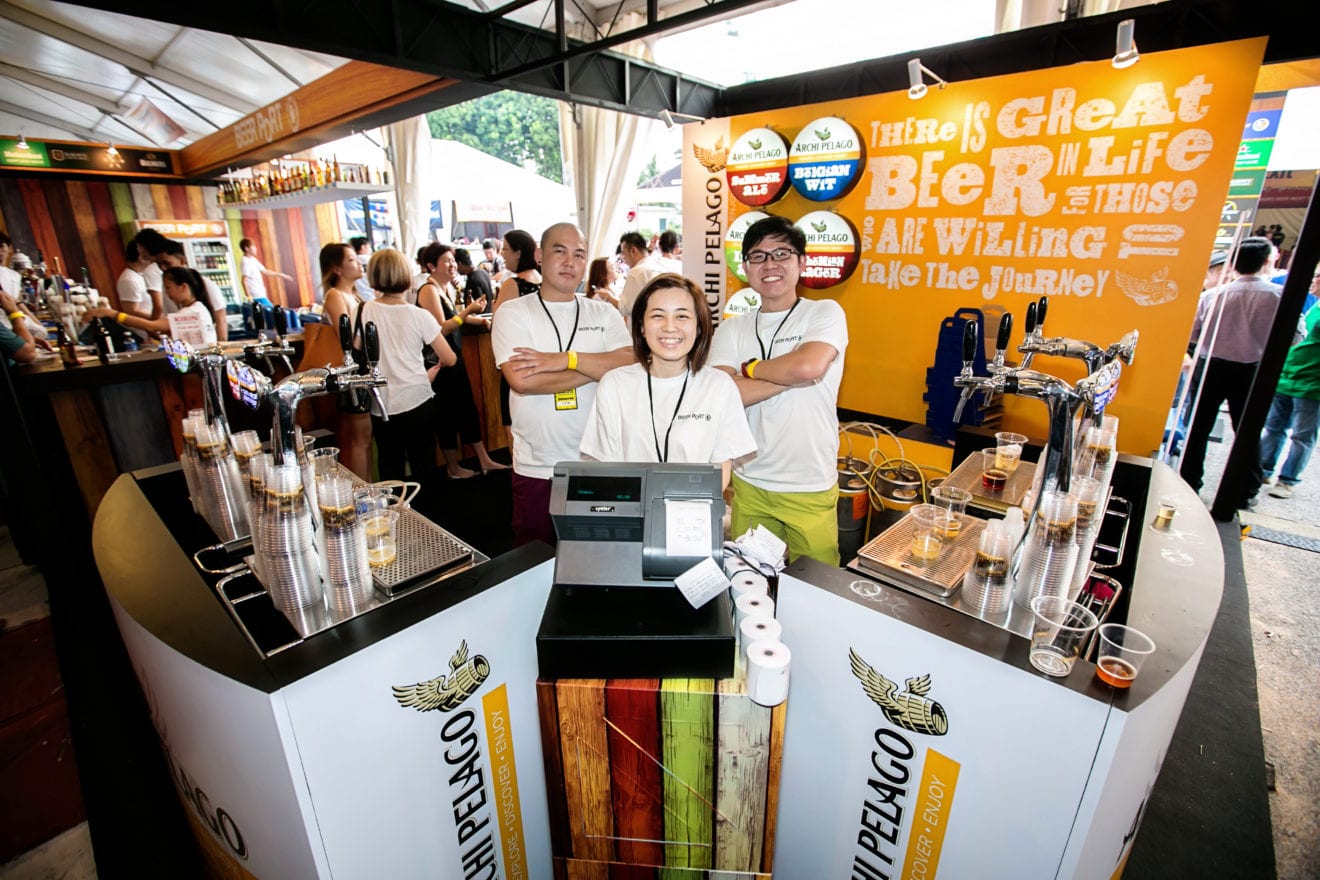
    The company has given CCS a voluntary commitment to cease its outlet exclusivity practice.

    Going forward, APBS will not impose outlet-exclusivity conditions in its supply of draught beer contracts to retailers.

    The change in APBS’s business practices will be applicable to all draught beer contracts entered into with retailers on and after December 28, including new and renewal contracts. APBS will also be required to provide CCS with documents to show that these changes have taken effect.

    “The removal of these exclusive business practices will allow beer suppliers to compete on merit in offering their draught beers to retail outlets,” CCA chief executive Toh Han Li said.

    “This will allow retailers to stock a greater variety of draught beers, leading to a more vibrant market with more choices for consumers, as well as opportunities for existing suppliers and new entrants including microbreweries and craft beer suppliers.”

    Acting on complaints, CCS had investigated APBS in relation to its practice of supplying draught beer to retail outlets solely on an exclusive basis.

    Under the competition law in Singapore, a dominant firm is prohibited from preventing or impeding its competitors from competing effectively through exclusive business practices.

    CCS says APBS’s outlet-exclusivity practice had prevented retail outlets from selling draught beers from competing suppliers and restricted the choices of draught beers available to retailers and consumers.

    Under the probe, CCS obtained information on the beer market in Singapore from retailers and beer suppliers. CCS also commissioned a market survey to gather information on market practices.

    CCS has ceased its investigation but will continue to monitor market practices.

  • Apple’s Tim Cook hearts China

    Apple’s Tim Cook hearts China

    Tim Cook, soft-spoken Southerner that he is, often can be a man of few words. During a conference call with analysts Tuesday afternoon to announce Apple’s strong fourth-quarter results, he dismissed a question from a Goldman Sachs analyst with a terse “I don’t know the answer to that,” followed by silence.

    Asked about China, however, the Apple CEO turned positively rhapsodic. In fact he soliloquized a stem-winder so passionate, its content speaks volumes to the country’s place in Apple’s future.

    “We’ve been able to grow without the market growing,” Cook said, after the company announced that sales in what it calls “Greater China” (including Hong Kong and Taiwan) doubled to $12.5 billion in the quarter. “iPhone 6 was the largest-selling phone in mainland China,” he said.

    Then, Cook countered the oodles of commentary calling into question China’s economic growth. “Frankly, if I were to shut off my Web and shut off the TV and just look at how many customers are coming into our stores and coming online, I wouldn’t know there was any economic issue at all in China. I think there’s a misunderstanding, particularly in the Western world, which contributes to the confusion.”

    In fact, Apple recently opened its 25th retail store in China, on the way to 40 soon. Cook said that no matter the near-term gyrations, Apple is in China for good. “We’re investing in China for the decades ahead,” he said. “China will be Apple’s top market in the world. That’s not just for sales. The developer community is growing faster than any country in the world.” Cook was there last week and said he was impressed with the software developers he met. As for the retail customers he encountered? Their enthusiasm was “infectiously contagious.”

    Cook didn’t stop there. “Nobody’s asking me about iPad on the call,” he said, referring to Apple’s tablet computer, whose sales declined 20% from the previous year. “In China, for 68% of the people who bought an iPad, it was the first tablet they had owned, and 40% of those had never owned any Apple product.”

    Apple remains a global juggernaut. It’s easy to see why its CEO, who spent years of his life flying back and forth from California to Apple’s partner factories in China, is bullish on the world’s second biggest economy, short-term issues be damned.

  • Western Digital unveils New My Book Pro

    Western Digital unveils New My Book Pro

    Designed for professional content creators who need performance and capacity, My Book Pro storage combines the power of dual 20 Gb/s Thunderbolt 2 ports, USB 3.0 compatibility, the peace-of-mind of hardware RAID and the speed of two 7200 RPM WD drives to accelerate creative workflows. With the convenience of two front-access USB ports and the ability to daisy chain up to six Thunderbolt devices, users are able to charge and sync smartphones, tablets or cameras while simultaneously connecting 4K monitors or additional storage devices.

    At any point in time, one’s data could be at risk if not protected. Whether it’s a lost notebook or destructive virus, it’s critical to keep data safe and maintain a backup of important documents and valued content. With three customizable configuration options [RAID 0 (default), RAID 1 and JBOD] offered by the My Book Pro device for keeping content protected, data bottlenecks are reduced and throughput is improved with no impact to your computer’s CPU performance.

    The My Book Pro storage device is protected by a 3-year limited warranty and is available at select retailers and distributed by EA Global Supply Chains Solutions Inc. and Iontech Inc. in the Philippines. Manufacturer’s suggested retail price is P31,490 for the 6TB; P40,490 for the 8TB; P47,990 for the 10TB; and P53,990 for the 12TB variant.

  • Lotte Mart Vietnam in supermarket rollout

    Lotte Mart Vietnam in supermarket rollout

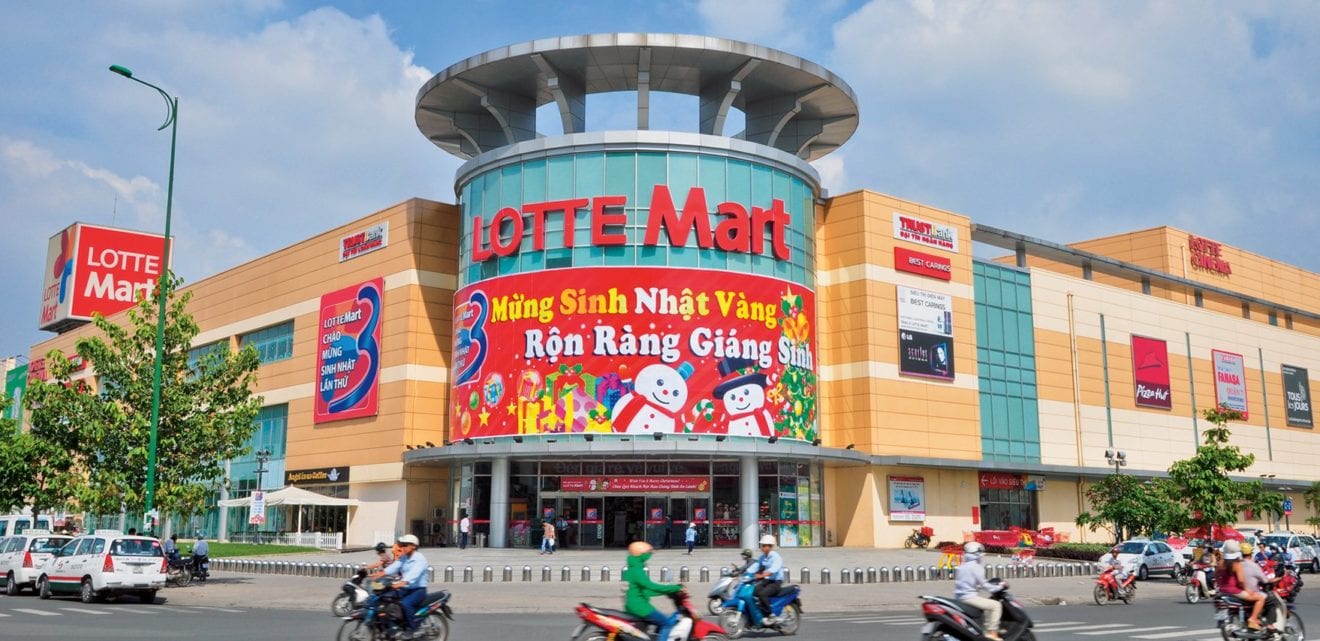
    Lotte Mart Vietnam plans to open 50 new supermarkets by 2020.

    The South Korean company’s Vietnam subsidiary operates just 11 supermarkets currently. Besides opening its own hypermarkets, the company has taken a strategic investment in local grocery retailers Citimart in Ho Chi Minh City and Fivimart in Hanoi which are now being co-branded and essentially operate as large convenience stores.

    Lotte Mart’s plans were revealed by the ViceConsul of the Republic of Korea, Hoong Soon Chang at a scholarship ceremony.

    Lotte also operates hotels in Vietnam, has a growing network of Lotteria fast food restaurants, is making property investments, including a half stake in shopping centre and office tower Diamond Plaza, and runs cinemas there.

    Lotte Mart Vietnam director general Hong Won Sik said the group is planning to boost its investment in the country because of its high growth rate.

    Vietnam’s GDP rose 6.81 per cent during the third quarter of this year, one of the fastest rates in Asia.

    According to Vietnamese news media, Korea is the largest source of foreign investment in Vietnam, with more than 4000 businesses now based there and a capital inflow of US$32.8 billion in the six months to July.

  • Asia Pacific Breweries Singapore ends exclusive business practices after investigation

    Asia Pacific Breweries Singapore ends exclusive business practices after investigation

    Asia Pacific Breweries Singapore (APBS) has been found to have prevented retail outlets from selling draught beers from competing suppliers and restricted the choices of these beers available to retailers and consumers, the Competition Commission Singapore (CCS) said in a press statement.

    According to CCS, a dominant firm is prohibited from preventing or impeding its competitors from competing effectively through exclusive business practices.

    APBS has since provided CCS with with a voluntary commitment to cease its outlet-exclusivity practice.

    The change in APBS’s business practices will be applicable to all draught beer contracts entered into with retailers on and after Dec 28, including new and renewal contracts.

    APBS will also be required to provide CCS with documents to show that these changes have taken effect.

    CCS said that it will continue to monitor market practices and reserves the right to investigate any breach of the commitment or any other anti-competitive practices by APBS.

    Mr Toh Han Li, Chief Executive of CCS, said: “The removal of these exclusive business practices will allow beer suppliers to compete on merit in offering their draught beers to retail outlets.

    “This will allow retailers to stock a greater variety of draught beers, leading to a more vibrant market with more choices for consumers , as well as opportunities for existing suppliers and new entrants including microbreweries and craft beer suppliers.”

    APBS responded in a statement today, saying that it notes the CCS announcement on the closure of its investigation, with no finding of liability.

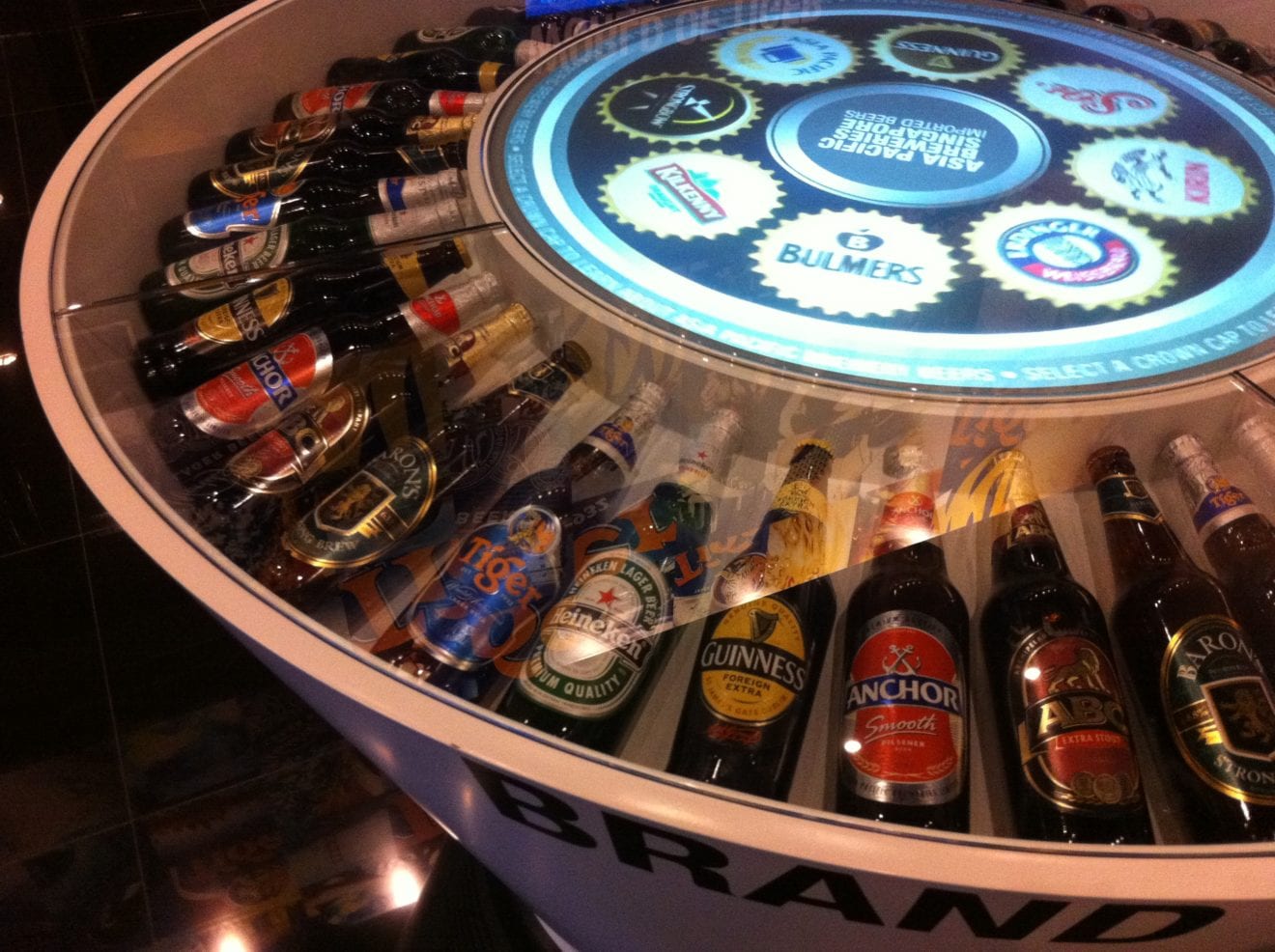
    It added that there is a a wide range of over 300 beer brands available in various forms in Singapore.

    “Draught exclusivity arrangements are not uncommon in the beer industry and competition among suppliers is intense. Retailers always have and continue to have a choice of beer supplier in Singapore,” said Mitchell Leow, head of corporate relations for APBS.

  • Story-i launches into Vietnam

    Story-i launches into Vietnam

    Apple reseller Story-i has launched in Vietnam hoping to replicate its Indonesian market success.

    The Singapore-headquartered electronic authorised reseller has opened its first Apple Premium Reseller (APR) store in the new SC VivoCity Mall in Ho Chi Minh City in Vietnam.

    The opening of the first store in Vietnam marks Story-i’s 17th outlet. The company owns and operates 16 stores throughout Indonesia, selling Apple, Samsung and Lenovo products.

    Story-i chose Vietnam as its next new market because of its “similar demographic and lifestyle consumer trajectory to Indonesia”.

    Management has identified Vietnam with 92 million population as the next high growth market and aims to open eight more outlets during the next three years.

    Said executive director Michael Chan: “This new store in Vietnam marks the beginning of our growth strategy to penetrate the expanding middle class of Southeast Asia’s population of 600 million. As we have done in Indonesia, we will anchor growth from prominent store locations and drive market penetration with our eCommerce offering.”

    He said the team was focused on rolling out a unique mix of electronic lifestyle products such as Apple and Lenovo as well as its enterprise solution and education services into Vietnam.

    “Our first Vietnam store continues to exceed our expectations for visitation and sales. This bodes well for extending the network through the smaller cities up to the northern capital, Hanoi.”