Tag: asia

  • Soo Kee Group plans to sell diamonds online

    Soo Kee Group plans to sell diamonds online

    Singapore listed jeweller Soo Kee Group is planning to become the first bricks and mortar store in the city to start selling gold and diamonds online.

    Soo Kee operates a network of more than 60 retail stores under the brands Soo Kee Jewellery, SK Jewellery and Love & Co in Singapore and Malaysia.

    In an interview published in the Straits Times newspaper, CEO Daniel Lim said his company has already launched the first of three planned online stores, choosing its namesake brand for the online debut. He said the site was designed to improve service to local customers by showcasing its entire range online before they visit a physical store.

    “Some of our customers live in Indonesia, Malaysia and Myanmar, and with this eCommerce platform, we can better target and attract them,” he told the newspaper.

    Sites for the other two retail brands will follow later.

    Lim acknowledged that while consumers are happily embracing online shopping in most categories, when it comes to jewellery there is a reticence to buy online due to security and the importance of trust and personal experience in selecting purchases.

    The company is strategically positioning its websites as complementary to the physical retail store experience.

    Earlier this year, Soo Kee Group executed an IPO, raising $31.6 million. Those funds are being used to expand the business via new store openings, development of eCommerce and developing new products.

  • Homelane.com India seeks $20m funding

    Homelane.com India seeks $20m funding

    Homevista Decor and Furnishing, parent of Homelane.com India, is seeking $20 million in a fresh round of capital raising.

    The cash will be used to fund an extensive advertising and marketing program to raise the online brand’s awareness and expand its market penetration.

    Homelane.com offers a furniture design and ordering service online for six Indian cities, including Mumbai, Delhi, Hyderabad and Pune.

    “We don’t have any plans to expand to new cities but to grow deeper in the existing ones,” co-founder Srikanth Iyer said in an interview.

    “We are looking at investing in creating a brand.”

    Homelane.com was founded just a year ago by Iyer and his business partner Rama Harinath. In that time it has raised funds in two rounds, the latest $4.5 million from Sequoia Capital and Arin Capital last February.

    According to Ken Research, India’s furniture market is expected to grow at around 13 per cent annually until 2018.

  • Buro 24/7 pops up in Singapore

    Buro 24/7 pops up in Singapore

    Buro 24/7 has popped up in Scotts Square…. for six months.

    The Buro 24/7 Singapore pop up store is the second in the city for the international brand, opening five months after an earlier one at Clifford Pier.

    Whether a store with a life span of six months qualifies for being termed a ‘pop up’ might be a moot point for some, but Inside Retail Singapore is prepared to accept the brand’s own definition!

    Buro 24/7 Singapore is essentially a news website promising “unparalleled coverage and access to the world of fashion and contemporary culture told through an Asian lens”. It has a contemporary feel, heavily influenced by the needs of the modern social media driven generation and a concept with similarities to the successful Monocle concept which also merges publishing with curated product collections, retail stores and pop ups.

    Founded by ‘style maven and digital powerhouse Miroslava Duma’, Singapore was the first country in Asia to join the Buro 24/7 family and the eighth edition of the site internationally, which now numbers 10. The others are in Russia, Croatia, Ukraine, Kazakhstan, Azerbaijan, Middle East, Australia, Malaysia and Mongolia.

    Buro 27/7 describes its new pop up as “a retail space, office and production studio” right in the heart of Orchard Rd.

    “For the next six months, our pop up store will couple online content with retail exposure and play host to upcoming designers, private previews, as well as photo shoots and workshops.”

    The concept is currently hosting a Boss fashion installation, featuring Boss Womenswear outfits as featured in a Buro 24/7 photo shoot with Anita Kapoor.

    Guests at the recent opening party were given a $50 Boss voucher when they took an Instagram photo with the BossS Bespoke bag and tagged it with #BuroLovesBoss.

    The Buro 24/7 pop up store is open daily from 10am to 10pm.

  • Seoul soft drink vending machines banned

    Seoul soft drink vending machines banned

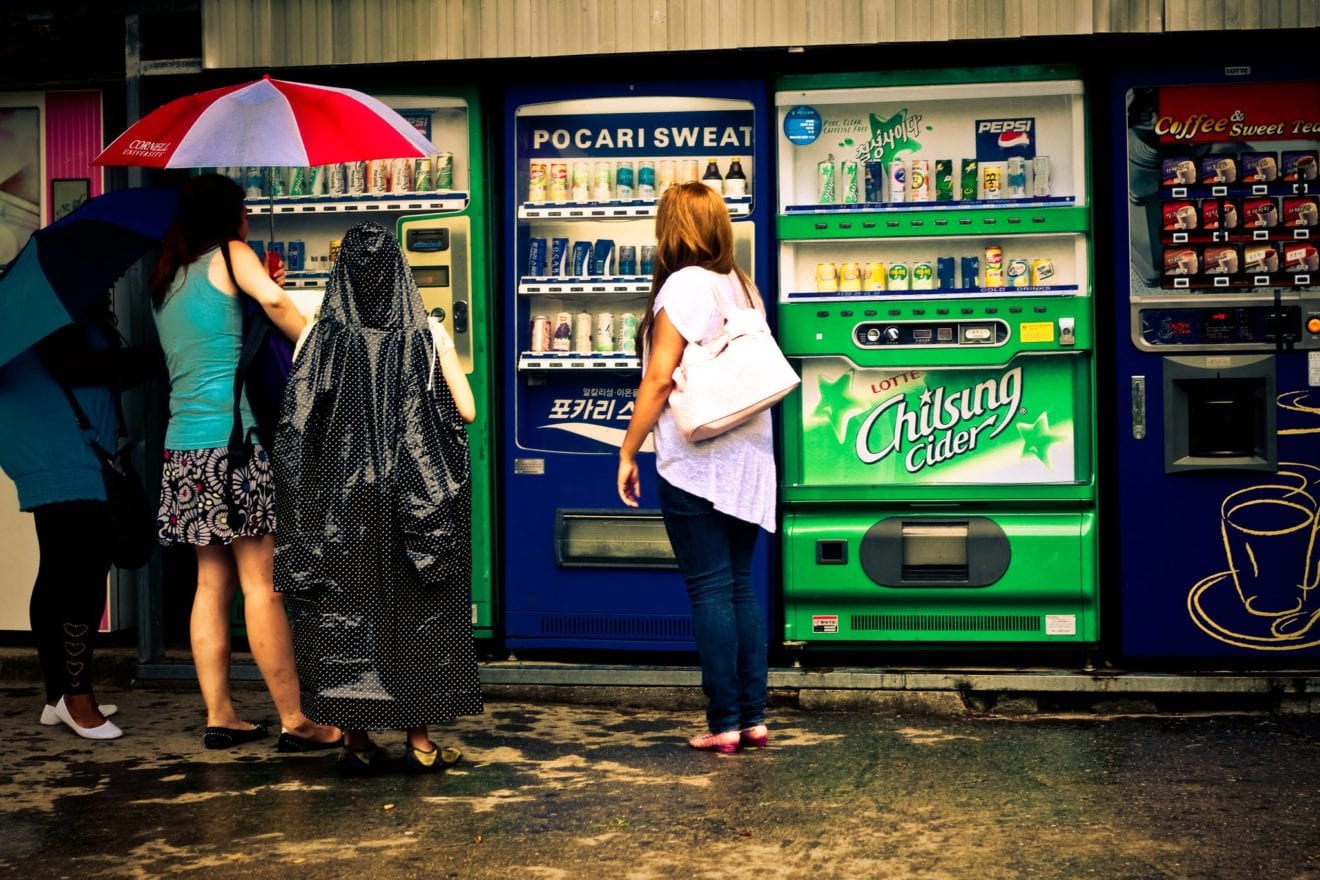
    Seoul soft drink vending machines have been banned, causing outrage amongst consumers.

    The Seoul Metropolitan Government has decided to ban the sales of soft drinks at vending machines in public spaces and subway stations.

    But the decision has been derided by Seoulites, many of whom believe the ban restricts freedom of choice.

    ‘Jjamppong’ on Twitter commented: “Soft drinks are not the enemy of health. The stress you get from work is the problem!”

    A user on the portal site Naver criticised the decision as unreasonable, saying “It’s the 21st century, right?”. Other social media posts’ pointed out that based on the logic the government used for the ban – health concerns – “the city should be banning fast food because it causes obesity, too” and “orange juice should be banned because it has more sugar than soft drinks”.

    Seoul city officials explained that they made the decision based on the fact that soft drinks cause obesity, diabetes and osteoporosis, damaging the health of citizens. However, citizens’ reactions indicated that the reason was also difficult to understand.

    One Tweeted: “Koreans don’t even drink soft drinks that much compared to Americans. Was it a necessary measure to take against adults? It would be better to reduce the sugar in canned drinks.”

    Others supported the decision. A Naver user agreed with the ban saying that “all canned beverages and canned foods are polluted with endocrine-disrupting chemicals, and the people who enjoy these products get ill when they’re old. We don’t starve even if we don’t eat these foods. Seoul is doing a good thing.”

    User ‘Umhahahahaha’ at the portal site Daum agreed with the policy but added: “Other countries have that policy. It’s a good thing we are finally banning soft drinks from public places. But I think they should start banning them at schools or wherever there are many children instead of public places.”

  • Natuzzi Expands on the Asian Markets

    Natuzzi Expands on the Asian Markets

    With the opening of the new Natuzzi Italia Store in Naples (Florida) – in addition to the new Miami and Philadelphia new stores – the Group has opened 3 new stores in the U.S. in 2015, bringing to 252 the number of mono-brand sales points in North America.

    “The U.S. is a key and well-established market for our Group, in which we have been present since 1980” – stated Pasquale Natuzzi, Chairman and CEO of the Natuzzi Group. “These recent openings, together with our flagship store in New York opened last year, further strengthen Natuzzi’s presence on the American market. In the first part of the year, we posted some of the best sales figures on the market – up 20.2% on last year”.

    Strong results were also returned in Asia. In the first half of 2015 the Group opened 11 new Natuzzi Italia and Natuzzi Editions stores (the two Natuzzi brand product lines), including the first mono-brand stores in Hong-Kong, Colombo (Sri Lanka) and Busan (South Korea). Natuzzi mono-brand sales points in Asia now number 162.

    Despite recent financial turbulence – stated Pasquale Natuzzi – Asia, and particularly China, are among our main and currently best performing markets. In the first six months of 2015, Asian sales rose 22.4% over the same period of 2014. Our goal for 2015 is to continue to invest in retail development in North America and Asia: we expect to open 6 new stores in these two areas by the end of the year”.

    Europe also delivered a strong performance in the first half of 2015. The Italian market – where two Divani & Divani by Natuzzi stores were opened in Novara and Turin – reported a sales increase of 13% on the same period of last year.

    To date, the Natuzzi Group has opened 95 new stores worldwide during 2015. With these new openings, the Group markets its products through 1,155 sale points worldwide.

  • Indonesia’s foodtech firm Qraved gobbles up an $8M series B

    Indonesia’s foodtech firm Qraved gobbles up an $8M series B

    Jakarta-based foodtech startup Qraved announced earlier today that it has closed a US$8 million series B round of funding co-led by US-based Richmond Global Ventures and Gobi Partners from Shanghai. New investor GWC participated in the round, as did existing backers Convergence Ventures, 500 Startups, Toivo Annus, and M&Y Partners.

    Qraved’s funding round comes conveniently during the Indonesian government’s trip to Silicon Valley, and as such, Indonesia’s tech minister Rudiantara will witness Qraved sign the investment documents at 500 Startups’ Mountain View office later today. In Jakarta, Qraved competes with names like Zomato, Makanluar, and Indotable.

    Qraved co-founder and CEO Steven Kim tells, “In the past 18 months there has been a significant amount of news in the foodtech space, with players mentioning their expansion plans [into] Indonesia. Yet they have not been successful […] with this round, Qraved will be focusing on Indonesia, making it the largest commitment for Indonesia in the space even compared to global or regional players. It will only get more difficult for new entrants due to the uniqueness of the market.”

    Qraved’s series B round comes just weeks after local foodtech startup Abraresto went bust and couldn’t pay its employees, calling into question the future of food-driven startups in Jakarta. While Qraved has long been hailed as Indonesia’s “number one food discovery service” in the archipelago, it hasn’t been smooth sailing the entire time. In the beginning, the startup focused solely on table reservations. It later became evident to the team, however, that Qraved would need to offer more if it hoped to thrive.
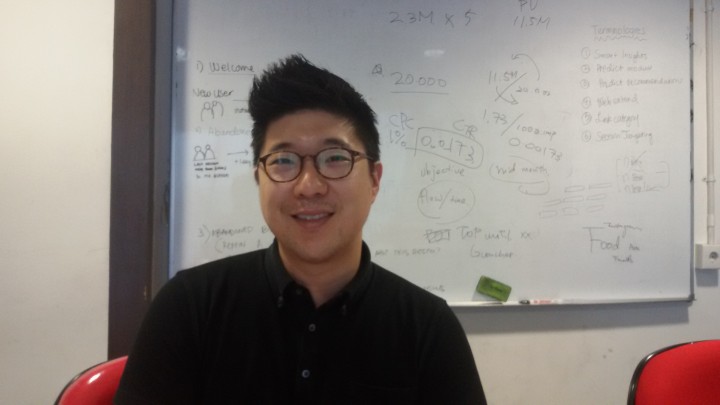
    Steven Kim

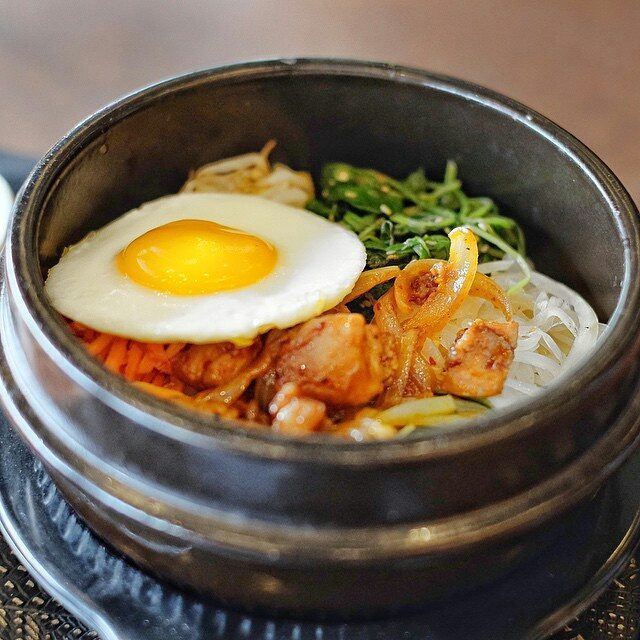
    Go ahead. It’s only food porn.

    Last June, Steven the startup was unpacking its business model to no longer focus purely on table reservations. Instead of exclusively targeting users that wanted to make restaurant bookings, Qraved would also recreate itself as more of an online community for foodies, with its own app and a regularly-updated food blog called Qraved Journal.

    The move seemed to work out in terms of traffic, as Qraved was able to clock more than 1.8 million verified monthly visits on desktop and mobile in September. Today, Steven says Qraved has more than 1 million monthly active users, which he notes are not the same as visits. The site still offers table bookings; however, subscriptions and app downloads are now also likely tools for measuring Qraved’s user activity.
    Qraved-journal-3

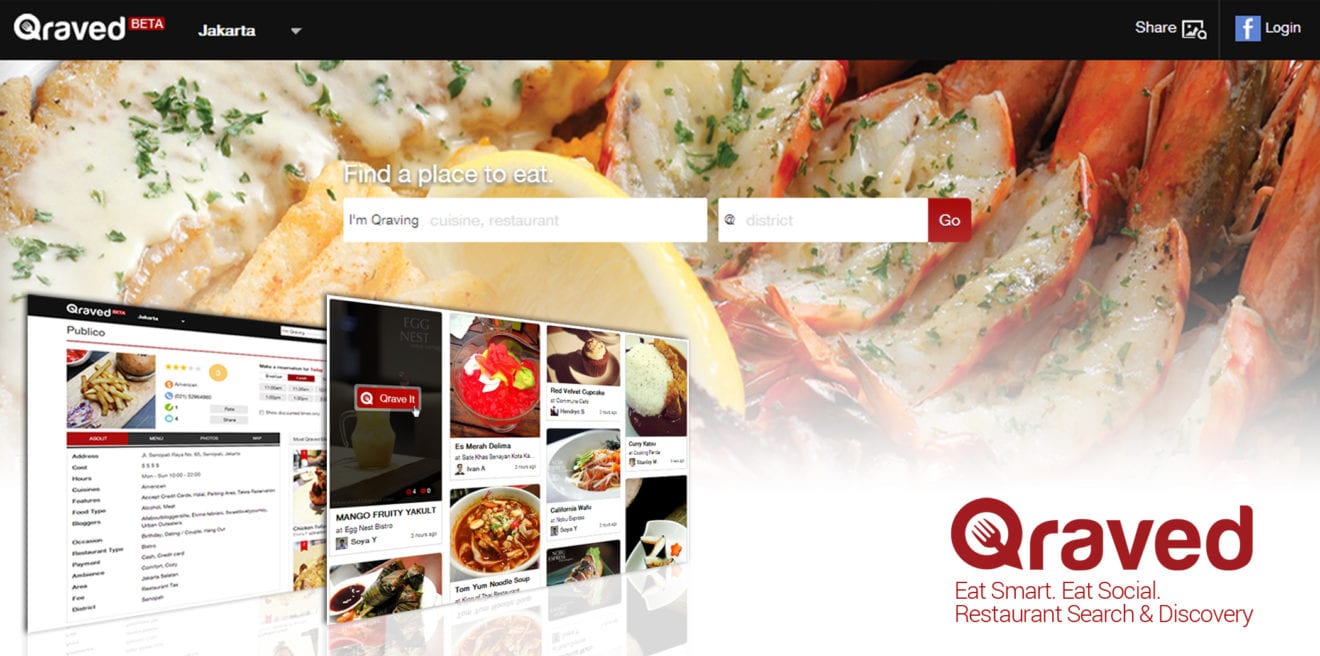
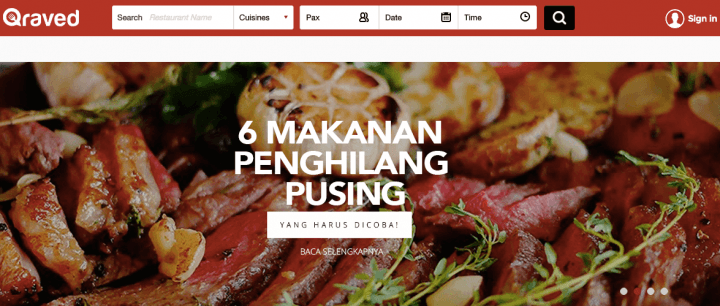
    Qraved offers a restaurant directory, which covers more than 25,000 venues in Jakarta and Bali. The app combines venue search and discovery features, user generated reviews, ratings, and photos, as well as discount offers at participating restaurants.

    Euromonitor says Indonesians spend over US$30 billion at food venues annually. In recent years, dining out and delivery services have represented the fastest growing verticals in the food and beverage categories. Restaurants have benefited from a dining boom as Indonesia’s young and increasingly affluent consumer class looks for new venues in which to socialize and enjoy life. The Qraved app aims to help restaurants attract customers and build awareness in the community.
    qraved-1

    Emerging market food smarts

    “Food related behavior is highly variable even within an individual,” says Steven. “The importance is frequent dependency on the platform. We cover all parts of the cycle from discovery and inspiration to finding information and eventually making a reservation, getting discounts or potentially making a transaction.”

    David Frazee, managing partner at Richmond Global Ventures says, “Steven impressed us with his passion and grit to build a full-stack, foodtech business for Indonesia and beyond.” Thomas Tsao, managing partner at Gobi Partners adds, “Through its leading food discovery service, Qraved has found a new way to address the timeless question of ‘What’s for dinner?’”
    qraved-journal

    Qraved is Richmond’s first investment in Southeast Asia. Steven says he is confident the firm can bring more to the table than just writing a check as Richmond has also invested Restorando, one of the largest restaurant reservation sites in Latin America.

    The fresh capital will go toward building out Qraved’s mobile and web apps with new features, expanding the firm in Indonesia, and of course, a marketing ramp-up. Steven believes this is just the beginning for Qraved. He says, “With this round, users in Indonesia, whether it be dine-in our dine-out, will be able to fully find what they want on Qraved.”


  • Playstation VR Price News: Retail Store Now Getting Preorders

    Playstation VR Price News: Retail Store Now Getting Preorders

    A game console and gadget retailer in Singapore has put up a listing for Sony fans to put up pre-orders for Playstation VR. With this now going on in Singapore, Sony still remains silent until today about the launch date of their virtual reality game console.

    Multiplayer, a game shop, is now accepting pre-orders for the PlayStation VR with a $499.90 price tag attached. Attack of the Fan Boy also adds that the Singapore store is offering free shipping to pre-buyers.

    The published price is not one hundred percent confirmed however. It may go lower, or it may go higher as Playstation has also remained fairly silent about this matter as well.

    They add to the disclaimer: “LOWEST PRICE GUARANTEE! HOW DOES IT WORK: Please note! Price and sale date are not confirmed then: If it will cost more, the price of your booking will not change if it will cost less, we’ll refund the difference!”

    The bold move is unconfirmed to be a legitimate one, or whether it is a marketing move to get gamers to notice specific brands as early as now in preparation for the release of the much awaited virtual reality package by Sony. It is however confirmed that moves like this one is not coordinated with Sony.

    However, one area that Sony has been noisy about is the confirmation of more and more games that Playstation VR will run. The most recent, according to Gamerant, is the announcement of Gran Truism 7 for Playstation, which Sony PlayStation president Shuhei Yoshida had something personal to reveal: ” We have been conducting ‘many trial tests’ of different genres that work with PlayStation VR and driving is one of the genres that works ‘fine’.”

    In another game announcement in Playstation’s official US blog, Mike Bithell connotes that the console launch will not be happening until next year. He says: “When the PlayStation VR platform launches next year (Nope, they won’t tell me when either)…”

    Other gamers blogs have also indicated that Sony is bringing Playstation VR to various events, the most recent being the 2015 Armageddon Expo in Auckland, where attendees were each given five minutes to try out the product.

  • AuchanSuper Vietnam plans 18 stores

    AuchanSuper Vietnam plans 18 stores

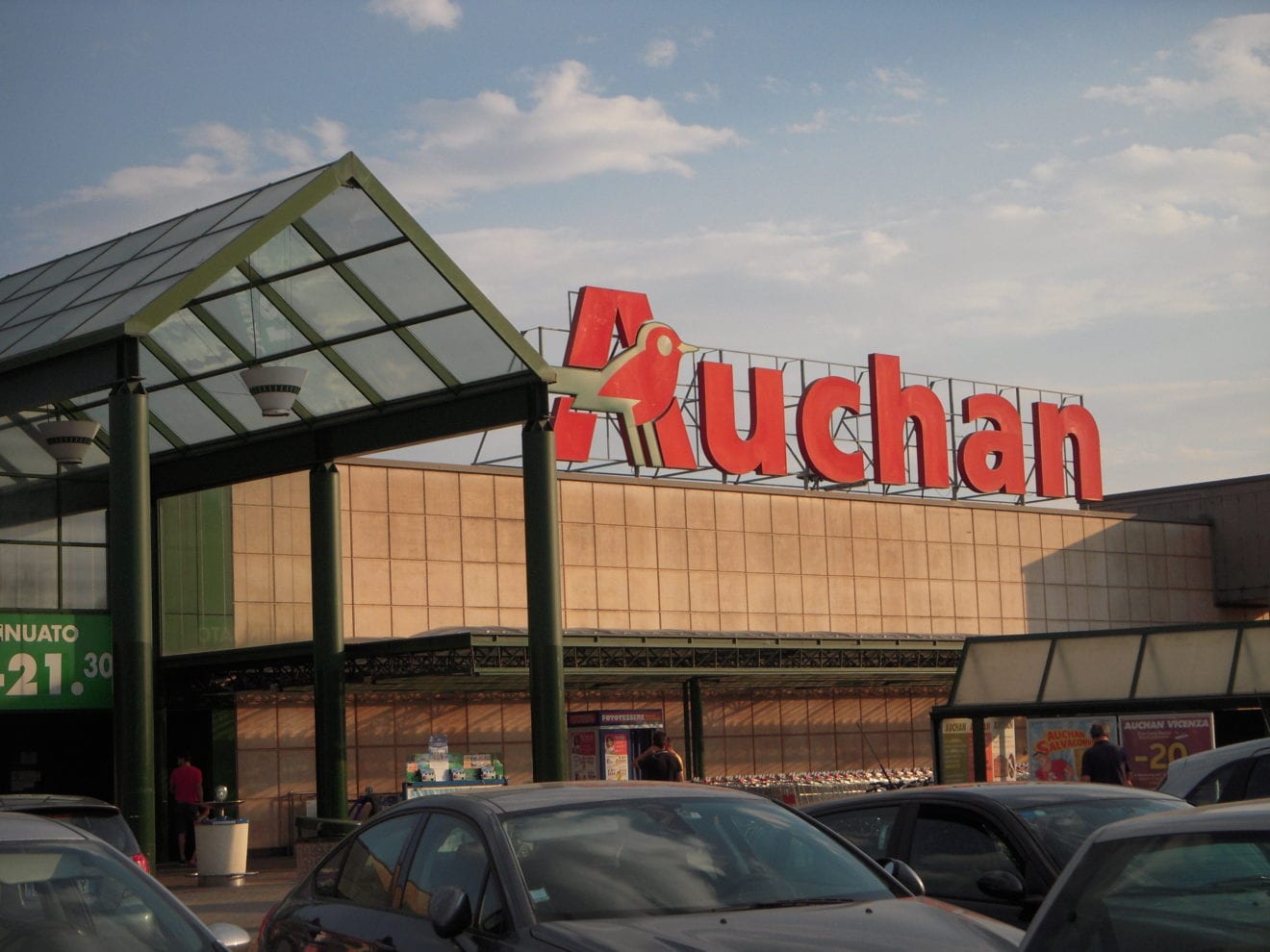
    Privately-owned French supermarket operator AuchanSuper has opened its first store in Vietnam, branded Simply Market.

    It plans 17 more before the end of 2016.

    The first store is trading in Ho Chi Minh City’s District 5, a middle class Vietnamese suburb not popular with expatriates, which gives a strong indication of the demographic the French company is targeting in Vietnam, its 15th international market.

    The first store will be followed by two more before this year ends, each with a footprint of 2000 to 3000 sqm.

    As the disposable income of Vietnam’s 90 million population increases, more and more foreign retailers are trying to establish a foothold in the country. The French-Thai joint venture Big C, Japan’s Aeon and South Korea’s Lotte Mart have the early running in the grocery market, while Circle K, FamilyMart and Berli Jucker’s B Smart are busily building networks of convenience stores before 7-Eleven makes its debut as early as next year.

    AuchanSuper is investing up to euro 40 million in its Vietnam foray.

  • Who needs Santa when there is lalamove ?

    Who needs Santa when there is lalamove ?

    lalamove, the leading professional on-demand delivery service throughout Asia, has added new features to its mobile and web application to handle increased delivery demand in Bangkok during the upcoming holiday season.

    “The holiday season is a busy time for gift-giving and many companies struggle with ensuring that their gifts are delivered on time and handled with care – which are two areas that lalamove has extensive experience with” said Santit Jirawongkraisorn, Co-founder and managing Director of lalamove Thailand.

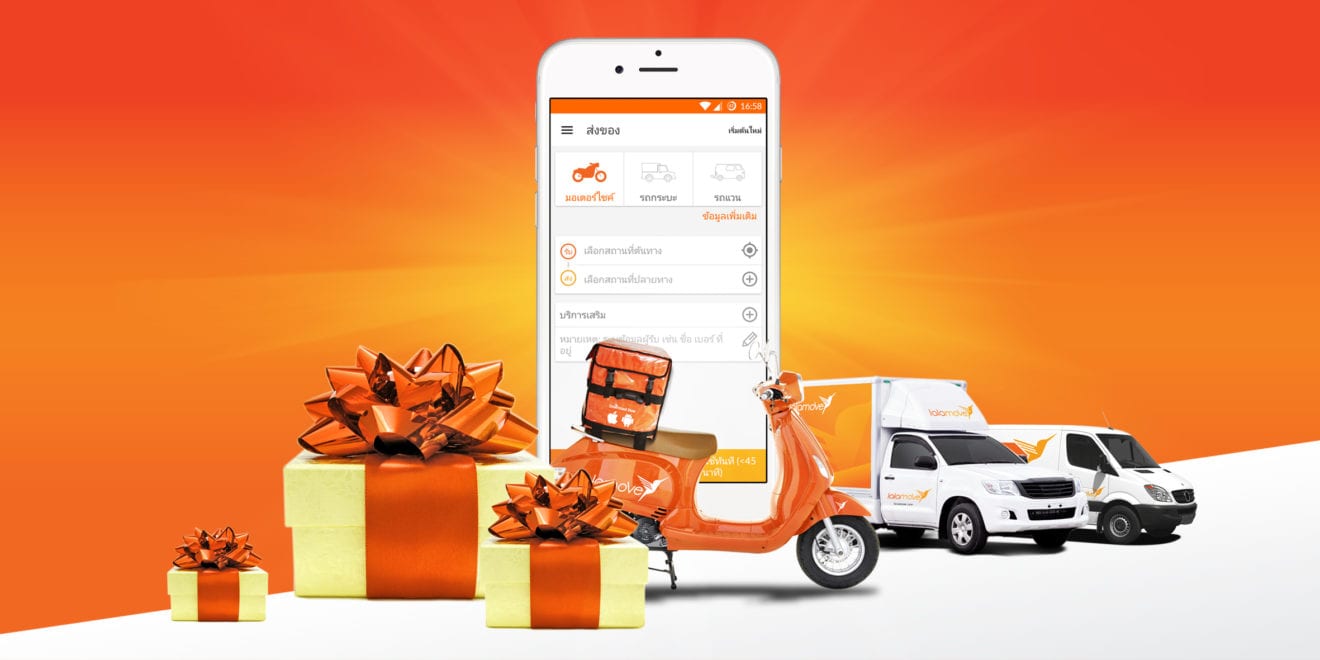
    “We have added more bikes, MPVs and pick-up trucks to ensure timely deliveries during the busy holiday season. We have also introduced the “route optimization” feature, which saves clients time in having to plan the routing.

    “With this feature, clients just have to type in the addresses where the gifts need to delivered and within minutes, the app with automatically schedule the quickest and shortest route. This is most practical especially when companies are looking at delivering corporate gifts or perishable goods like food hampers and festive cookies to their clients,” added Santit.

    Hiring freelance couriers or motorcycle taxis can be tiresome and sometimes unreliable, but thanks to lalamove, clients now have a delivery service which is fast, cost-effective, transparent and professional.

    lalamove allows personal users and businesses to quickly find a professional driver anytime of the day to help move their goods with a few clicks on their smartphone. By typing the vehicle type, location, destination, the weight of the physical goods, and other information and special instructions via the app, users will be notified within minutes if a driver is available.

    In addition to the driver verification feature, lalamove also has a driver rating system, a GPS tracking which allows full transparency on the route, on-demand booking and an insurance protection of up to Baht 2000 for each delivery, ensuring that delivery via lalamove is both easy and safe.  It is also the only delivery app offering 24/7 service and advance booking.

    In September, lalamove secured an investment of USD 10 million led by Mindworks Ventures as well as  AppWorks, Crystal Stream and individual investors. lalamove is preparing for the advanced stages of its expansion — adding 50 cities throughout Asia to the company’s delivery network by the end of 2016. 

    The number of registered users regionally has grown to 435,000 while over 23,000 drivers have been registered. The app has been downloaded more than half a million times in the past year.

    In Thailand, the number of download is currently 27,000 with over 1,600 drivers registered drivers.

  • The Melting Pot eyes Asia

    The Melting Pot eyes Asia

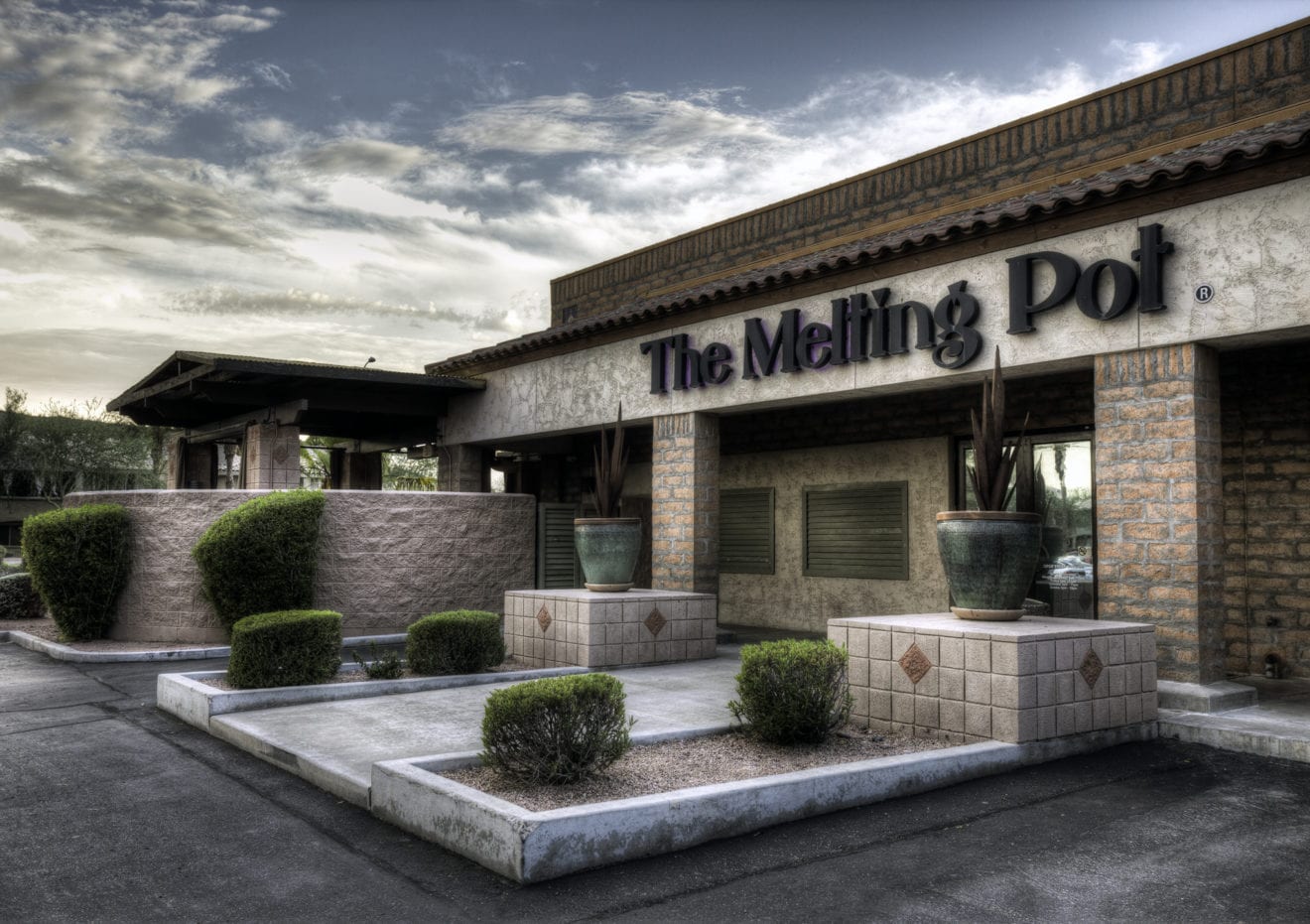
    The world’s largest fondue restaurant chain is looking to expand throughout Asia after early success in Indonesia.

    Franchisees are now actively being sought for The Melting Pot in Hong Kong, Macau, China, Japan, South Korea and India.

    The Tampa, Florida-based restaurateur plans to enter China by opening at least five restaurants in Hong Kong and Kowloon as well as in Macao and numerous cities in Mainland China, including Guangzhou, Shanghai, Beijing and Shenzhen.

    Markets outside Asia, including Brazil, Canada and Mexico, are also in planning.

    The Melting Pot operates more than 125 restaurants across 35 US states, Canada, Mexico, Southeast Asia, and the United Arab Emirates, and has more than 15 locations in development internationally.

    The concept is known for its assortment of flavorful fondue cooking styles and unique entrees served with signature dipping sauces. The menu features a variety of a la carte selections, highlighting customisable options that invite guests to enjoy one, two, three or more courses as they select any combination of individually-priced cheese fondues, salads, entrees and chocolate fondues.

    “The Melting Pot is a proven 40-year American franchise concept that is unlike any other,” said Dan Stone, chief business and people development officer for Front Burner Brands, the chain’s parent.

    “Featuring four distinct courses, guests dip menu items into heated fondue pots at the centre of each table. The concept provides a very social and interactive dining experience that has proven to translate well to multiple countries,” said Stone.

    “We provide our franchisees the necessary training and support to ensure success, as well as expert resources to assist with identifying the best sites for our restaurants. We are ready to do business in Hong Kong and are seeking qualified candidates to build a strong brand presence throughout Hong Kong and the People’s Republic of China over the next few years.”

    The concept will be exhibiting at the Franchising & Licensing Asia 2015 from October 29 to 31 at the Marina Bay Sands in Singapore.

    Earlier this year, The Melting Pot opened its first restaurant in Jakarta, Indonesia and most recently its first Middle Eastern location in Dubai.

    Franchisee candidates or groups should have access to a minimum of US$3 million in capital and at least one partner must be fluent in English. Depending on the real estate site selected, franchisees of The Melting Pot in the US can expect the total investment for one restaurant to be approximately $959,000 to $1.436 million. The initial franchise fee ranges from $45,000 to $60,000 per unit depending on the number of units committed and there is a one-time training fee of $50,000.

  • Japan duty free sales boom

    Japan duty free sales boom

    Japan duty free sales soared in the first quarter of the current financial year as Chinese tourist ranks swelled.

    Major duty free retailers have reported sales on the mainland soared 20 per cent or more year on year, with brands preferred by Chinese shoppers performing the best.

    Japanese government figures show inbound tourists into the nation soared 47 per cent in the first six months of the 2015 calendar year – to 11 million. In the whole of 2014, inbound visitors totalled just 13.4 million.

    Sales of jewellery – especially gold jewellery – and watches lead the growth in a virtual mirror image of the experience of Hong Kong retailers, demonstrating clearly how the cashed up Chinese have changed their preferred duty free shopping destination.

    Leather goods are reportedly selling well and airport boutiques are experiencing healthy turnover increases.

    Japan’s government scrapped visas for Chinese mainlanders early this year, which has definitely helped fuel the boom.

  • Internet of Things China gains momentum

    Internet of Things China gains momentum

    The Chinese are appearing quick to embrace the Internet of Things, in turn driving demand from businesses and app developers for enabling technology.

    Jasper, a global Internet of Things (IoT) platform leader, says three months after it made its enabling software available in China, more than 500 enterprises have activated trial accounts on the China Unicom Control Center IoT platform.

    The enterprises, serving a growing demand for Internet of Things China services, included retail, connected cars, theft prevention and wearables.

    A large number have already converted their trial accounts into paid accounts enabling them to deploy their IoT services to customers across China.

    “We see significant appetite across China to capitalise on the Internet of Things,” said Cindy Patterson, chief customer officer at Jasper.

    “The response and market adoption illustrate the demand for an IoT platform that can help enterprises rapidly and cost-effectively launch, manage and monetise their IoT services throughout China and globally.

    “Forward thinking companies across industries have been quick to adopt the Control Center IoT platform. These innovators are seizing the opportunity to transform their businesses with IoT services in ways that add value for their customers while growing their revenues,” she said.

    “The diversity of industries represented by these companies is remarkable and it is exciting to see this level of activity in such a short time period.”

    The combination of China Unicom’s mobile network and Jasper’s IoT service platform enable fast time-to-market for businesses, and provides a flexible, turnkey solution that can be configured to meet the specialised needs of businesses across any industry. For example:

    • Several major retailers have selected the IoT service platform from China Unicom and Jasper to deliver wireless POS and mobile payment services.
    • Jasper’s Control Center is being used to connect aftermarket theft detection devices to enable more robust theft prevention services nationwide.
    • Two of China’s 10 largest auto manufacturers are now using Control Center to cost-effectively deliver connected services in cars. One manufacturer is using Control Center to enable a new line of budget-friendly vehicles, giving more people access to value-added connected services in their cars.
    • A large provider of consumer hotspots, which wanted powerful nationwide connectivity and mobile service management, provisioning and real-time diagnostics, chose to deploy on Control Center to ensure the best service for its customers.
    • Several aftermarket telematics service providers have selected Control Center to deliver connected IoT services to vehicles in China.
    • Personal health device manufacturers are leveraging Control Center to transform their hardware-based businesses to service businesses.

    China Unicom is the only operator in China using the same 3G and 4G technologies as the majority of mobile operators worldwide, enabling seamless entry into the Chinese market for multinational enterprises. Jasper partners with 27 mobile operator groups worldwide, representing over 100 mobile operator networks – enabling enterprises to configure their services on Jasper’s platform once and easily turn on services on other operators worldwide.

    Jasper describes itself as a global Internet of Things (IoT) platform leader. It has designed a cloud-based IoT platform to enable companies of all sizes to rapidly and cost-effectively launch, manage and monetise IoT services on a global scale.

  • Anytime Fitness and Dancing Crab win big at the FLA Awards 2015

    Anytime Fitness and Dancing Crab win big at the FLA Awards 2015

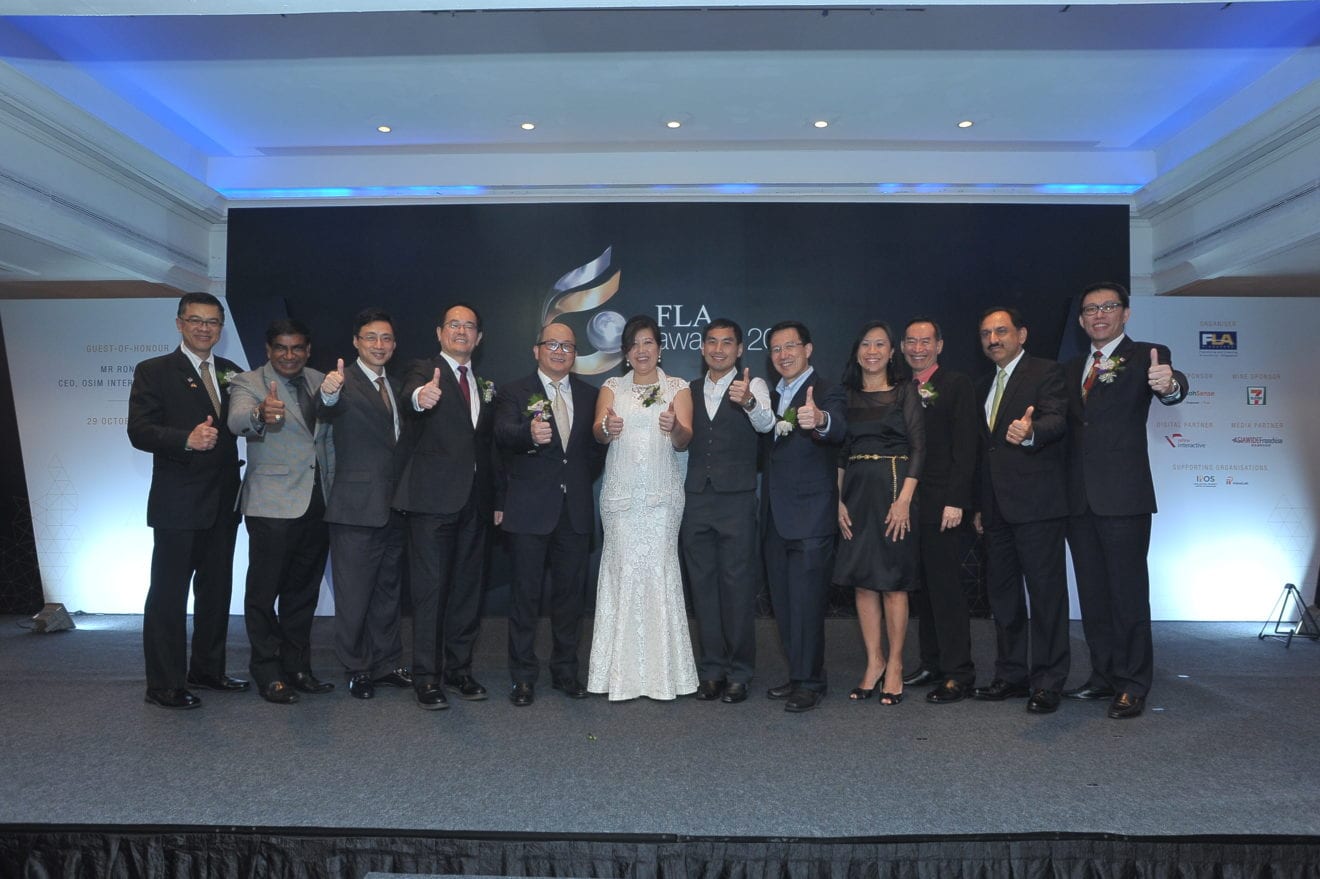
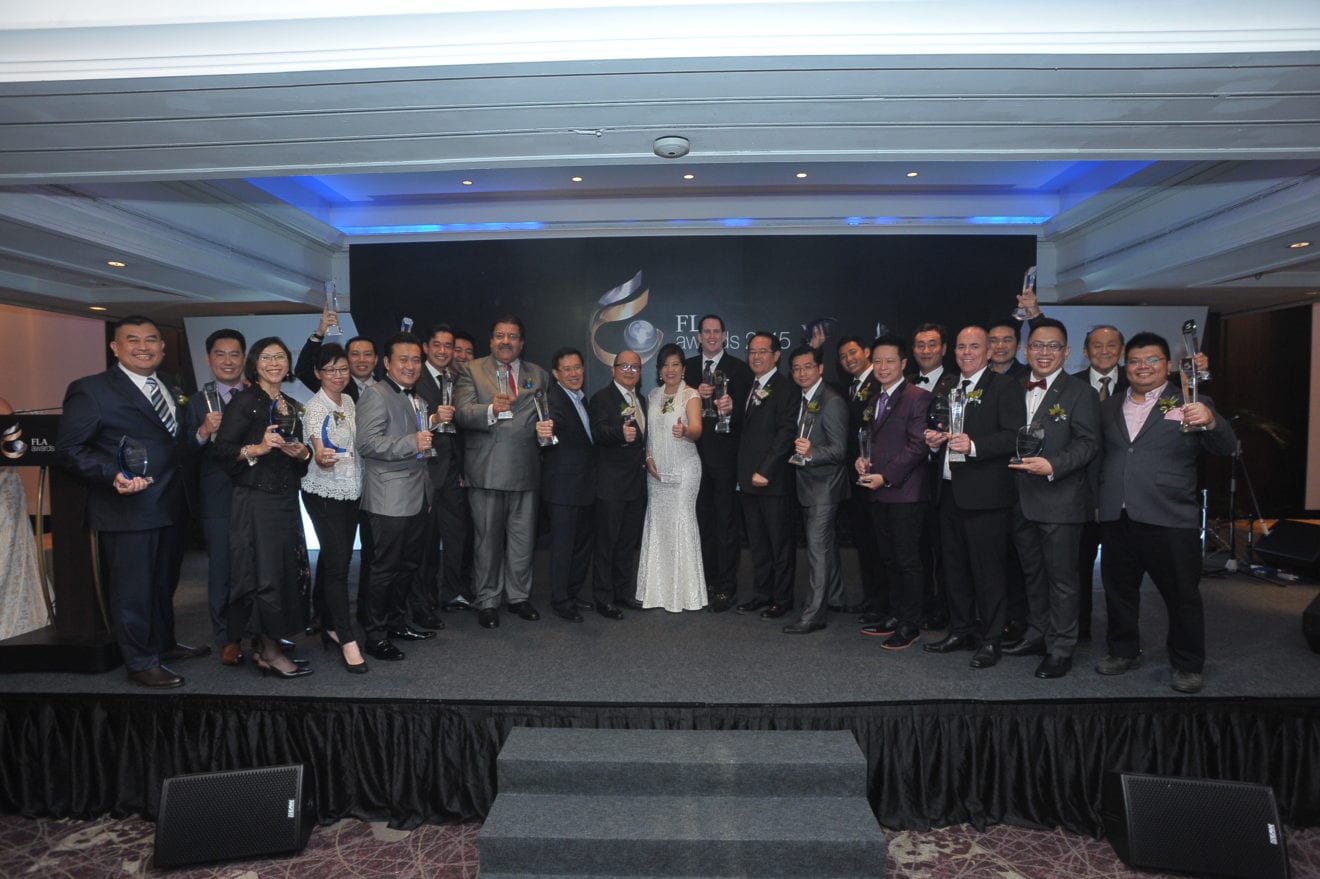
    The crème de la crème of the franchising and licensing industry were recognised and awarded at the annual regional Franchising & Licensing Association (FLA)Awards 2015 held at the Marina Mandarin hotel. This year, the Awards saw a 20% increase in entries with an upward trend in participants hailing from unconventional sectors, such as property, retail and health & fitness, even as veteran industries, such as F&B and education remained strong in the franchising & licensing playing field.

    Anytime Fitness bagged the top prize for two award categories, mainly top ‘Franchisor of the Year’ and ‘International Franchisor of the Year’, reflecting the growth and popularity of unconventional industries within the franchising and licensing scene. At the same time, traditional industries like the Food & Beverage sector remained strong, with Louisiana-style eatery, Dancing Crab, being crowned the overall winner in the ‘Promising Franchisor of the Year’ category.

    Other winners include 7-Eleven, Kumon, Pezzo, Seoul Garden and ECG Property Services. 

    Group Photo_All Winners

  • FamilyMart-Uny seal merger

    FamilyMart-Uny seal merger

    A merger of Japan’s third and fourth-ranked convenience store operators is set to create a “third force” in Japanese retailing behind Seven & I and Aeon.

    The FamilyMart-Uny merger terms have now been agreed and the two companies are now working towards an implementation date of September 2016.

    FamilyMart will soak up smaller Uny, which operates the Circle K Sunkus convenience store network in Japan. A new holding company will be created, 30 per cent owned by Japanese trading house Itochu, which currently owns three per cent of Uny and is FamilyMart’s single largest shareholder.

    Once merged, the new business will turn over around US$42.2 billion from some 18,000 stores, a network larger than current second placed Lawson and on a par with Seven Eleven Japan.

    The merger has already taken some eight years to negotiate making it nine years by the time the merged entity begins trading. It was back in 2007 when FamilyMart first approached Uny, an offer initially rebuffed.

    Some details have yet to be finalised – or announced – such as the future of Uny’s 230 or so general merchandise stores in what will essentially become a convenience store operator.

    Uny president Norio Sako says there will be some store closures, decided “on their individual merits”.

    There is also no final agreement yet on whether a single operating brand will be adopted.

  • Asos China braces for losses

    Asos China braces for losses

    Online fashion retailer Asos is budgeting for losses as it breaks into the China market.

    Announcing a pretax profit of £47.5 million for the year to August 31, the company offered an overview of its future plans geographically, including a lessened focus on the Australian market.

    New CEO Nick Beighton said China was a “key market” for Asos moving forward but the company was still in startup mode there.

    “It’s all about planting the seeds for future growth.”

    He said Asos expects losses of £5 to £7 million over the next 12 months in China as it builds its offer.

    In the year ahead, Asos will be focusing more on the UK – which remains its biggest market, Europe, the US and China.

    Last year, global sales rose 17 per cent to £1.12 billion. UK sales rose 27 per cent while international sales were up 11 per cent.

    Beighton said the online retailer’s mission to be the number one fashion destination for twenty-somethings, remains the same. The new CEO won’t be changing the Asos culture or the way the business does things, but he acknowledged the world Asos plays in is changing fast.

    “It’s more about mobile, it’s more about social, it’s more about content,” he said.

    The online retailer’s strategy is made up of four key pillars: great fashion at a great price, be awesome on mobile and, deliver engaging content and experience, supported by best in class service (ie. a friction-free experience from logistics through to customer care).

    “This really has been another year of mobile,” Beighton said.

    “In the last 12 months mobile penetration has increased throughout our business. In August 60 per cent of our global traffic came from mobile devices alone.” He added, just in the UK in August, 50 per cent of orders – not traffic – came from mobile devices.