Tag: asia

  • Marks & Spencer to slow China expansion

    Marks & Spencer to slow China expansion

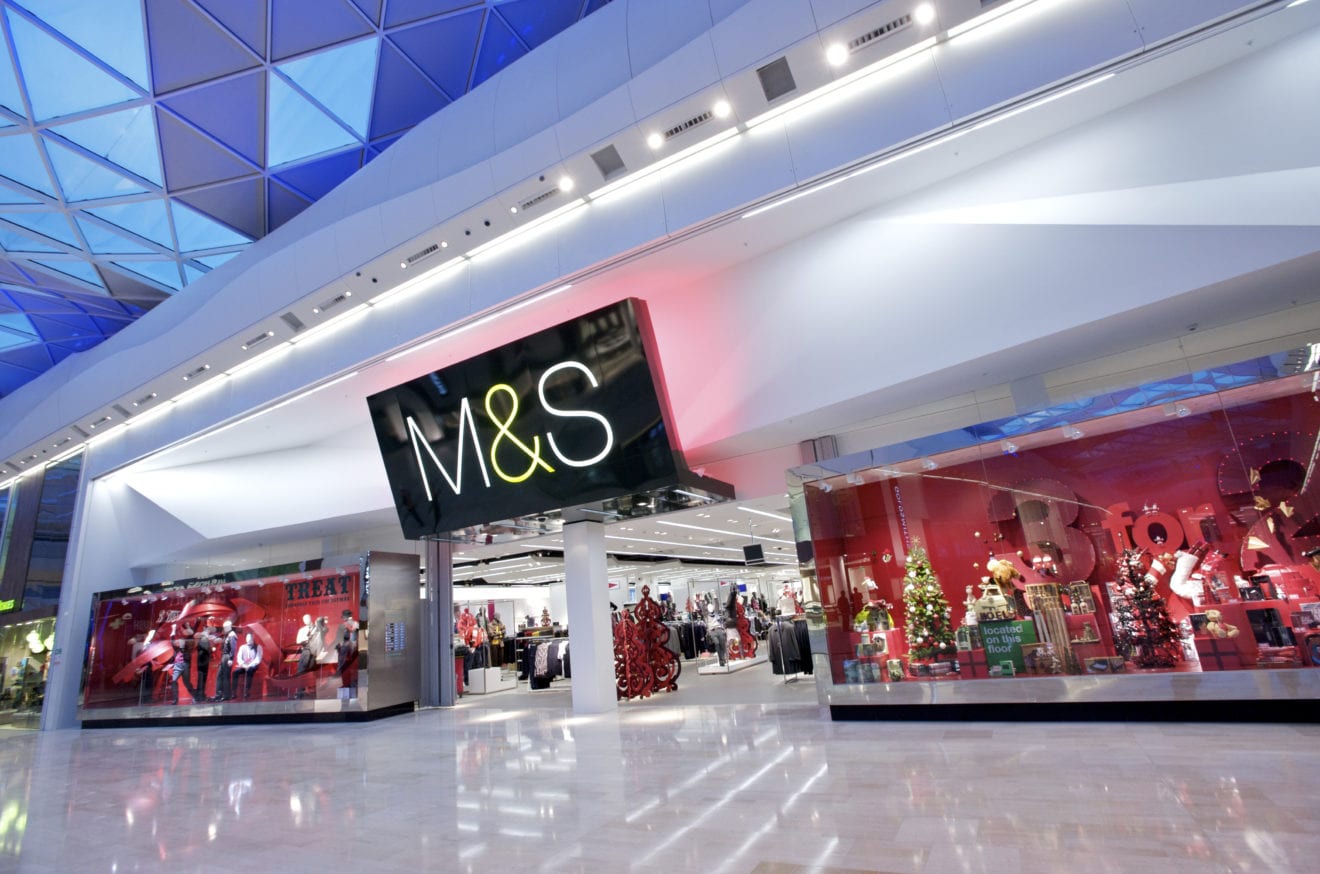
    UK department store chain Marks & Spencer says it will slow its expansion plans in Greater China due to the economic and political turmoil in the two markets.

    The British retailer currently has 20 stores in Hong Kong and 10 in China and had been planning significantly more.

    Back in 2014, CEO Marc Bolland set a target of opening 250 new overseas stores within three years – an ambitious goal even in favourable economic climate.

    This week, M&S’s executive director of marketing & international Patrick Bousquet-Chavanne told news agency Reuters in an interview that while the company remained committed to both markets, the 2014 targets were unreachable.

    “The world has shifted, is a different place… The Syrian situation was very different from what it is today… Putin had not invaded Ukraine and China was growing at close to nine per cent,” he said.

    “It’s reasonable in that context that you would expect a different outlook on the next three years for the company.”

    Last March M&S said it would close five underperforming stores in China to focus on flagship stores and online – and expanding its food offer in Hong Kong.

    He told Reuters M&S still planned a Beijing flagship store during the 2015-16 financial year and that it still planned to open in the cities of Guangzhou and Dalian, but gave no timetable.

    He said the company had seen a softening in its store sales in China as the economy slowed, but no dramatic effect.

    “The sectors in which we trade are not luxury, so we haven’t seen the same dramatic slowdown as some might have,” Bousquet-Chavanne said.

  • Alibaba launches sports company

    Alibaba Group’s expansion into non-eCommerce businesses such as movies and music took another step today as the group announced the establishment of a sports company, aiming to “transform China’s sports industry through Internet-enabled technologies.”

    The company, named Alibaba Sports Group, will be majority owned by Alibaba Group but has backing from Sina Corp., owner of China’s popular microblogging site Sina Weibo, and Yunfeng Capital, a private equity company founded by Alibaba Executive Chairman Jack Ma.

    Alibaba Sports Group will engage in sports media, events, ticketing and other aspects of the industry, leveraging Alibaba Group’s extensive e-commerce, digital entertainment, marketing, cloud computing and other Internet properties, according to an Alibaba press release.

    Alibaba’s Group CEO Daniel Zhang was named chairman of Alibaba Sports. Zhang Dazhong, a veteran of China’s new media and sports industry and a former vice president of Shanghai Media Group, will serve as CEO.

    “Sports has the enduring ability to create shared happiness and encourage healthy lifestyles,” said Zhang in the release. “Alibaba Sports Group aims to transform the China sports industry through the use of Internet-based technologies to bring greater and better products and services to consumers, sports participants and sports fans alike.”

    Alibaba Group’s online shopping site Tmall.com already hosts storefronts for merchandise sold by European football clubs Bayern Munich and Real Madrid. Last month, a documentary of NBA superstar Kobe Bryant was released through Alibaba’s Tmall Set-top Box. Alibaba also has a stake in China’s leading football club Guangzhou Evergrande.

  • Indonesian motorcycle taxi startup Go-Jek is hiring 16,000 new drivers at a sports stadium

    Indonesian motorcycle taxi startup Go-Jek is hiring 16,000 new drivers at a sports stadium

    Go-Jek, an Indonesian on-demand motorcycle service, is in the process of creating 16,000 new jobs in four days.

    The startup booked a section of Jakarta’s Gelora Bung Karno sports stadium for a mass recruitment event, held from August 11 to 14, as part of a larger job fair. However, interest for Go-Jek’s sign up booths overshadowed others, local media reported.

    Go-Jek was founded in 2011 and operated at a relatively small scale for years. The service started to take off when it rolled out its mobile app in January of this year.

    The startup has faced some speed bumps in the form of competition from rival startup GrabBike, which is part of Malaysian on-demand transportation company GrabTaxi. It entered Jakarta in June.

    On-demand motorcycle taxis are also met with resistance from some traditional drivers, who are finding it hard to adapt to the modernization of their business.

    An army of personal assistants

    But Go-Jek is clearly on course for massive expansion. It’s rumored to have just secured a large round of funding; however, the startup has yet to confirm this news.

    With 16,000 new recruits, the number of Go-Jek drivers will swell up to almost 20,000 in the next few days. This makes its fleet bigger than that of Blue Bird, Indonesia’s largest automobile taxi company, which is still working toward the target of getting to 20,000 drivers in the greater Jakarta area by the end of 2015. The startup is becoming a major provider of job opportunities in the capital. While Go-Jek doesn’t formally employ its drivers, it claims to offer benefits like basic health insurance.

    Beyond shuttling people from A to B on their motorcycles, Go-Jek drivers can also take up additional tasks, like food deliveries and personal shopping. Go-Jek is, in essence, releasing an army of personal assistants onto Jakarta’s streets.

  • Ananda Development PCL unveils Q Chidlom-Phetchaburi

    Ananda Development PCL unveils Q Chidlom-Phetchaburi

    Ananda Development Public Company Limited, Thailand’s leadingresidential condominium developer, is launching its latest project, “Q Chidlom-Phetchaburi”. Presales for the new condominium will take place during the weekend of 18th-19th September at the Park Lane Hotel in Hong Kong. With its exclusive facilities overlooking stunning cityscapes and spacious residential units, the high-rise condominium complex embodies the epitome of Bangkok’s urban living.

    Q Chidlom-Phetchaburi is a 42-story luxury lifestyle condominium which boasts 352 residential units. With a car park and lobby on the ground floor and exclusive residential facilities on the top 3 floors of the building, Q Chidlom-Phetchaburi caters to the needs of modern Asian investors who aspire for a higher quality of life. These amenities include a library and co-working space, a stylish social club, gardens, fitness centre, a swimming pool and separate Turkish Hot Tubs for men and women.

    Nestled in the heart of Bangkok’s downtown Chidlom District, residents at Q Chidlom-Phetchaburi will find themselves within easy reach of the city’s high-end shopping malls, including Siam Paragon, Central Embassy or Central Chidlom.

    Q Chidlom-Phetchaburi is the newest developmentunder brand Q by Ananda, which aims to create a brand new condo concept that seamlessly melds together personal life, work and play. Following its presale roadshow on 12th-16th August at the Siam Paragon shopping mall, Ananda launched its show unit in the Q Gallery near BTS Ratchathewi, where prospective buyers and the public can take a glimpse of what’s in store for the development.

    Chanond Ruangkritya, CEO of Ananda Development PCL states: “We, at Ananda Development PLC, are extremely proud to present our newest project Q Chidlom-Phetchaburi, which will set the benchmark for luxury lifestyle condominiums of the future.”

  • HTVFun a Video-On-Demand Service for Malaysia launched using Muvi Studio

    HTVFun a Video-On-Demand Service for Malaysia launched using Muvi Studio

    Malaysian content networkHTV Entertainment has teamed up with Muvi (https://www.studio.muvi.com) to launch its Video-on-Demand (VOD) service HTVFun.com (https://www.htvfun.com), with an offering of a wide range of Movies, Kids content & Animation, TV Shows featuring a wide range of genre like Cooking, Travel, Drama, Entertainment, Documentaries and even a dedicated Japanese Content Channel for the Malaysian audience in particular.

    HTVFun.com is a content delivery platform for the web and “connected devices” using over-the-top (OTT) technology. HTVFun.com licenses digital VOD rights to catalogs from other distributors and independent filmmakers.HTV brings online streaming of worldwide movies and TV shows that entertains, inspire and delight audiences of all ages that they can enjoy anywhere on any devices for free and also subscription based (ad free). HTV will continue to acquire and bring in more variety of contents from around the world by renowned producers and other hard-to-find contents not offered anywhere else to its library.

    Shuffling across a variety of playlists like cooking shows, documentaries, comedy shows, animations and even music videos, HTV Fun is a complete VOD package for every Malaysian who is ready to cut the cord and switch to what analysts are referring to as the future of television, i.e. Video On Demand Streaming.

    With a library spanning across genres and age-groups, HTV Fun is arriving in Malaysia with a promise. A promise of wholesome entertainment at the most affordable prices.

    It’s been a great pleasure to work with Muvi and team. They know exactly what we need, and do everything possible to make our collaboration easy and pleasant.” says KokYin Wah – Business Owner at HTV Entertainment Limited.

    Muvi (https://www.studio.muvi.com) a New York based Tech Company which has in the past launched VOD Platforms for MAA TV (www.maaflix.com) and ISKCON (www.iskcontelevisionindia.com)usingits end-to-end OTT Video Streaming Platform–Muvi Studio, has helped launched HTV’s on-demand video streaming servicehttps://www.htvfun.comas well, and powers its entire platform from IT Infrastructure likeCloud Hosting, Servers, Storage, CDN,Video CMS, HTML5 Video Player to it’s website end-to-end, and incorporates in-built DRMfor piracy protection of the licensed content that HTV lines up. ­

    Asia is one of the next big breeding grounds for video streamers. The APAC region in specific is likely to create more customers than many European nations. We look forward to powering these businesses and be a part of the next entertainment revolution.” says Viraj Mehta – Head of International Business at Muvi.

    Muvi Studio works on Platform-as-a-Service (PaaS) model, offering video content owners, broadcasters, TV Channels and Cable Companies an out-of-the-box, end-to-end Multi-Screen Video Streaming / Video-on-Demand Platform using which they can launch their own branded VOD &Video Streaming platformoffering across Web, Mobile, Smart TVs, STBs, Media Boxes and Gaming Consoles in matter of few days and with Zero Upfront Investment!

    Muvi Studio takes care of everything end-to-end, from providing Cloud Based IT Infrastructure, CDN, Unlimited Storage, Server Side Security & Firewall and bandwidth management to HTML5 Video Player with in-build DRM and encryption for enhanced protection against piracy as well as building, managing and hosting of the website and mobile apps, all deployable at a click on a button in matter of days!

    The video streaming industry is abuzz with major production houses, broadcasters, TV networks, cable companies and creative shifting to online video to showcase and monetize their work. The lure of being able to watch TV anywhere, anytime and with any device has caught the fancy of the audiences and the industry alike.

  • Japanese edtech startup acquired by US startup amid online tutoring boom

    Japanese edtech startup acquired by US startup amid online tutoring boom

    American edtech startup EnglishCentral earlier this week announced the acquisition of a Japanese startup offering similar online tutoring for English learners. Langrich will be acquired in a share-swap agreement that sees the Tokyo-based startup’s investors – KLab Ventures and Hitomedia – become minority shareholders in EnglishCentral. According to a KLab spokesperson, it marks the first time that a Japanese startup has been acquired by a larger American one.

    Founded in 2010, Langrich uses English tutors in the Philippines to provide English instruction via Skype. Like its main competitors, Rarejob and DMM, lessons are one-on-one and focus on conversation skills. Langrich users will now benefit from a video lesson archive for web and mobile, as well as EnglishCentral’s speech recognition technology for studying vocabulary and pronunciation.

    “We will keep the Langrich brand as our consumer brand in Japan,” Alan Schwartz, EnglishCentral’s CEO. “EnglishCentral will remain the name of the company and the name of the platform that we provide to our global partners, including many leading online learning companies in Korea, China, and Brazil.”

    EnglishCentral, headquartered in Arlington, Massachusetts, boasts more than 100,000 paying users per month. The service is available in more than 100 countries and at over 400 universities across the globe. Perhaps EnglishCentral’s biggest differentiator in the crowded edtech space is its money-back guarantee – the startup refunds 100 percent of a student’s lesson fees if they don’t level up after three months.

    Schwartz says that EnglishCentral will retail all of Langrich’s current employees – a total of 260 including teachers. “We’re also adding dozens of teachers a month, and we will not limit teacher hiring to the Philippines going forward,” he adds.

    The Japanese juku – cram school – industry is valued at roughly US$10 billion. Eikaiwa – conversational English lessons – take a big chunk of that market. With strong internet infrastructure and a population that’s increasingly fond of smartphones, many of those lessons are moving online. That could hurt brick-and-mortar schools, which have already faltered, since online learning is more cost effective for learners. This shift to online has created, arguably, one of Japan’s hottest startup verticals.

    “After the Nova implosion (once Japan’s largest physical English conversation school, Nova went bankrupt in 2007), the whole market in Japan stalled, but things have changed in last several years,” Schwartz explains. “Rarejob is now public and you can see from their financials they are growing at close to 50 percent in terms of registered users. DMM we believe is growing even faster. They are the main competitors in the online market in Japan that have traction. We grew 90 percent last year in terms of revenue.”

    Further evidence of Japan’s online tutoring boom could be seen at Tech in Asia Tokyo’s Arena pitch battle last week, where domestic edtech startup Mana.bo took the grand prize.

  • Seiko Moscow boutique opens

    Seiko Moscow boutique opens

    Japanese watchmaker Seiko has opened its first boutique in Russia – 50 years after it first started exporting watches to Russian.

    The Seiko Moscow boutique opened at the St. Nickolas complex on Nikolskaya St, a high-end shopping district in the capital city.

    At the heart of the 80sqm boutique are Seiko’s luxury brands: Grand Seiko, Credor and Galante. The Grand Seiko selection at the boutique is one of the widest outside of Japan. A large selection of Credor and Galante, brands which until now have been sold mainly in Japan is also offered for the first time in Russia.

    The boutique also carries many exclusive and limited-edition models such as the Credor masterpiece “Eichi II”, a hand-crafted watch which has attracted wide praise among connoisseurs of luxury watchmaking, and sells for RUB3,990,000 (including VAT). In addition, Seiko’s latest technologies are found in a variety of Astron and Prospex watches.

    Takashi Aizawa, director and executive VP of Seiko Watch Corporation, said at a reception: “Seiko was registered as a trademark in Russia in 1965. We are delighted to open this boutique in this important anniversary year. This new boutique is one of several that are opening in the world’s leading cities. Last year we opened one in New York, and this year we added Frankfurt and Tokyo.

    “Our aim is to allow visitors a unique, exciting and intriguing opportunity to explore the world of Seiko through our history and our finest watches.”

    Darya Klishina, one of Russia’s leading athletes and Seiko’s ambassador since 2012, was present for the opening ceremony.

    A dedicated website will open soon where information about new models and special events at the boutique will be announced.

  • Facebook driving Vietnam eCommerce

    Facebook driving Vietnam eCommerce

    Once blocked in Vietnam, Facebook is now the basis of a thriving eCommerce industry there.

    Although Vietnam was ranked as the smallest B2C eCommerce market in Southeast Asia in terms of sales two years ago, it is now growing at one of the fastest rates in the region, according to a report by Hamburg-based secondary market research company yStats.com, titled “Vietnam B2C eCommerce Market 2015”.

    The report says close to 90 per cent of online buyers of fashion products in Vietnam made at least one online purchase via Facebook. The shopping orders of items displayed via this social network are accepted via Facebook messages and phone calls, and paid for mostly by cash on delivery.

    “Growing internet and online shopper penetration, as well as increasing online spending per shopper, are driving up online retail sales in Vietnam,” said a spokesperson for yStats.com.

    “In the next five years, the Vietnamese B2C eCommerce market is expected to experience strong double-digit growth rates.”

    Improvement in the two important infrastructure factors, payment and delivery, could give a further boost to B2C eCommerce in Vietnam, says yStats.com.

    “Last year, close to two thirds of eCommerce websites in Vietnam received complaints from online shoppers regarding delivery times. Furthermore, nearly half of internet users who do not yet shop online admitted to not having a credit card to pay in online stores, while cash on delivery was by far the leading payment method among current online shoppers.”

  • Shoppers seeking “transformation” of retail experience

    Shoppers seeking “transformation” of retail experience

    Shoppers globally are demanding their retail experience is “transformed”, a study by MasterCard has revealed on the eve of this year’s World Retail Congress.

    And one of their top priorities: “simpler and more innovative ways to pay” according to the world’s first retail focussed ‘social listening study’.

    The MasterCard Retail Social Listening Study, in partnership with Prime Research, analysed 1.6 million unprompted online conversations around shopping and retail during the last 12 months across 61 international markets in order to understand consumer experience.

    Key findings from the study indicated retailers are experiencing a shift in consumer expectations, requiring “new and richer experiences”, says MasterCard, which will enable consumers around the world to shop at the ‘speed of life’.

    Key findings include:

    • Convenience through technology innovations: Convenience was the most positively discussed aspect of new digital payment methods in shopping and retail related conversations (77 per cent), with the travel sector leading the way in terms of the highest share of coverage. Consumers specifically highlighted their preference for not necessarily needing to take their wallet on every trip and being able to use mobile payments when they travel.
    • Being rewarded: Rewards and benefits for the consumer was the most vociferously and positively discussed topic across social media when it came to shopping and retail (38 per cent share of coverage of the six aspects measured). Entertainment was the sector leading the way, where rewards and benefits was most discussed. Consumers expressed eagerness for further acceptance of NFC payments allowing them to receive rewards for using them regularly.
    • Demand for increased acceptance: After rewards and benefits, consumer discussion of which retailers do and do not accept newer forms of payment was the second most discussed topic according to the study (21 per cent share of coverage of the six aspects measured). Consumers discussed extensively their desire for retailers to integrate new payment systems, with conversations about fashion being most prominent in terms of sector. Fashion focussed shoppers were the most keen to shout about retailers who accept new methods of payment, such as contactless acceptance and mobile payment capabilities.

    Asia Pacific respondents had the highest percentage of favourable tone on the topic of Contactless Payments.

    In addition, Twitter was highlighted as the most frequently used social media platform globally when it came to online conversations about retail and shopping.

    Carlos Menendez, executive director for international markets at MasterCard said the wave of social engagement seen every time new payment innovations are rolled out truly reflects the demand and desire for new and more convenient ways to pay.

    “It also shows that payments have really moved into the heart of the shopping experience – causing frustration when not accepted and engagement when fast, easy and personal.”

  • Rocket Internet promises major Asian roll out

    Rocket Internet promises major Asian roll out

    Fast-expanding German startup Rocket Internet is promising its new joint venture spinoff will launch one new company per quarter in Asia.

    Rocket has partnered with Qatari telco Ooreedo to launch an Asia-Pacific spinoff venture APACIG to launch new companies. This despite it already operating some 20 companies, including online food delivery business Foodpanda and eCommerce portal Zalora.

    The fast-paced roll-out has already begun with the launch of Vaniday, an online marketplace for beauty and wellness professionals, to Australia. Vaniday was already operating in five nations outside of Asia after first starting in Brazil.

    Vaniday will soon expand across Southeast Asia, the company said today. It’s similar to Vanitee and Lookbooker in Singapore.

    The news comes as some of Rocket Internet’s other ventures, such as Easy Taxi, are struggling badly in Asia. The ride-hailing app, which focuses on licensed city cabs rather than Uber-esque regular cars, pulled out of Hong Kong, Indonesia, and India at the end of last year and seems to be having a rough ride in other Asian markets up against fast-growing homegrown challenger GrabTaxi.

    Easy Taxi is also a part of APACIG. Other APACIG ventures include Carmudi, Lamudi, Everjobs, and Helpling.

    “We are operating in highly diverse markets – from very developed ones such as Singapore and Australia to rising stars such as Myanmar and Pakistan,” said Hanno Stegmann, CEO of APACIG, in a statement.

    “Our portfolio of companies fits the macroeconomic trends of different regions and the demand for new online businesses.”

  • Nike, Muji, Adidas apply for Indian retail rights

    Nike, Adidas and Muji are among eight global companies seeking single brand retailing approval from the Indian government.

    According to a report in The Indian Express the Department of Industrial Policy and Promotion (DIPP) has received eight applications from global brands including Skechers, Kiko International, Ryohin Keikaku (Muji), Nike, Adidas and Swarovski after foreign direct investment rules were relaxed in July.

    Foreign companies can now conduct business through more than one joint venture in India, according to the newspaper.

    Since then, ITaly’s Kiko International has applied to retail beauty and skin care products, apparel, jewellery and handbags. Shoe maker Skechers and glass creator Swarovski followed.

    Swarovski, along with Nike, have previously had applications turned down – in Swarovski’s case because it wanted to sell in both cash-and-carry chains and single brand retail stores. It was told to reapply with separate applications, The Indian Express reports.

    The identity of the other two companies was not revealed.

  • Future fashion: Clothes which think

    Future fashion: Clothes which think

    Clothes which change shape; change temperature – and even colour. Welcome to future fashion.

    To celebrate the launch of its new smartwatch, Huawei Consumer Business Group has teamed up with ‘fashion futurologist’ and professor of fashion and technology, Dr Sabine Seymour, to reveal how the integration of technology will transform our wardrobe in the coming decades.

    According Seymour, the transformation in garments will start with our underwear, which will have in-built sensors to track personal data, such as heart rate and body temperature.

    The changes won’t end there, with personalisation in every aspect of our wardrobes. In years to come, we will be able to change the pattern, colour and even the shape and style of our garments.

    “The next development for wearables is going to see technology integrated seamlessly into clothing,” Seymour predicts.

    Her vision of the future of fashion with technology aligns perfectly with Huawei’s point of view on wearables: The Huawei watch embodies this vision, combining classic design with smart technology.

    In the future, we may find there is much more space in our wardrobes, as garments will be able to alter in form, extending and contracting in length, and changing shape and design as required. Therefore, there may only be a need for one dress or shirt and the wearer will be able to download the latest designs.

    Getting hot on public transport or carrying a spare sweater in case of colder weather could also become a thing of the past, as garments will be able to adjust to your body temperature.

    With the rise of 3D printing techniques and on-demand manufacturing, we will see the introduction of the digital cobbler, who can create shoes that fit your feet perfectly, and for the rest of your life.

    Garments will become gesture and touch-sensitive, just like phones, tablets or gaming systems are today, but with a sense of style and a true design aesthetic, explains Seymour.

    Fashion_embracing_technology__-_all_features

    “By connecting your garments to other elements of your life, we will see a move from networked devices to networked people and networked spaces. In future, it will be possible for smart garments to connect to your car, which will adjust your seat according to personal preferences.”

    A major barrier to the networked self is the current limitation of battery life. Using alternative energy sources, such as capturing the kinetic energy of a person as they walk, we will be able to create a new form of sustainable fashion.

  • Dalian Wanda, Suning plan store rollout

    Dalian Wanda, Suning plan store rollout

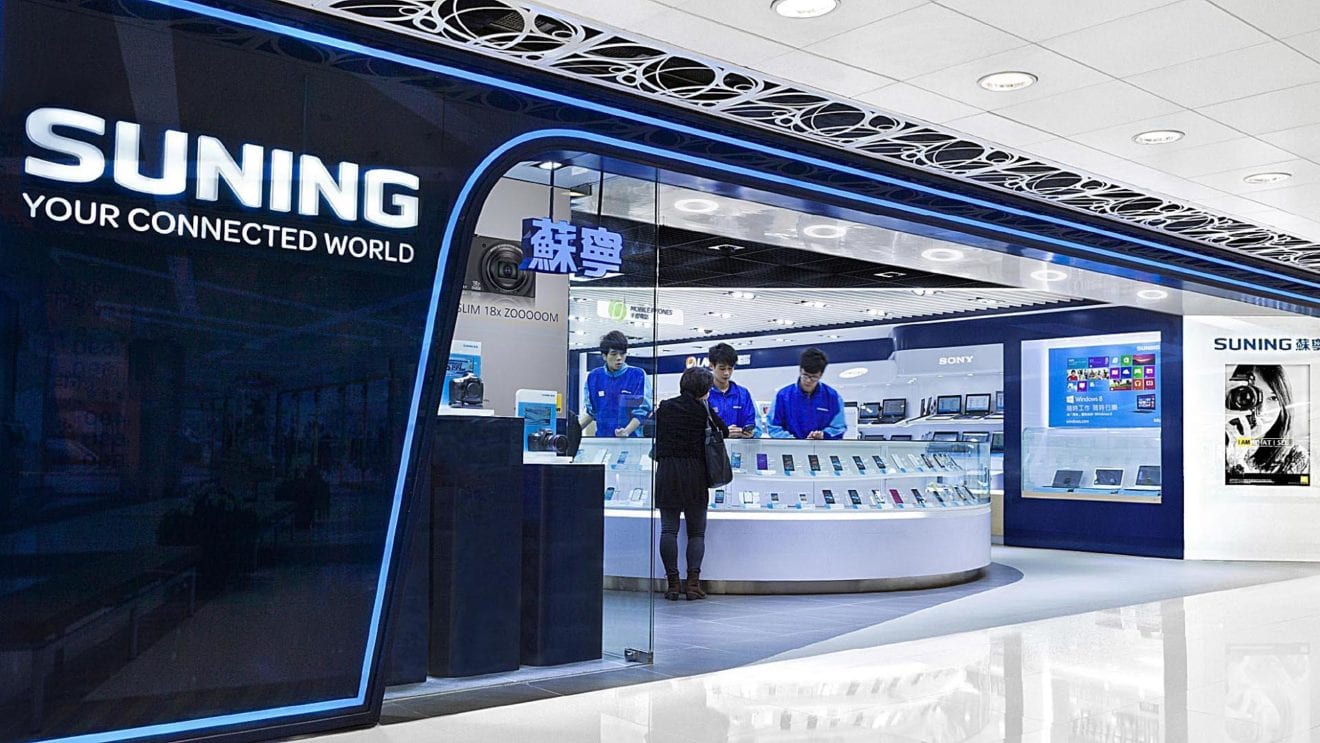
    Mall operator Dalian Wanda Commercial Properties is partnering with Suning to open electronics stores at Wanda Plazas throughout the Mainland.

    The partnership will see 40 stores open by the end of this year with more planned for next year. Suning, now 20 per cent owned by Alibaba Group, currently has a network of 1600 stores throughout China.

    Dalian Wanda has 100 Wanda Plaza shopping centres in China currently and plans to add 35 by the end of this year.

    The company is changing nature from its original model as a department store operator into a services-based company. It recently announced the closure of its Superstar karaoke chain as well as some of its less profitable department stores.

    The company owns the AMC cinema chain in the US, Hoyts in Australia and China’s largest network of movie theatres.

  • Sainsbury’s lands in China through tie-up with ecommerce giant Alibaba

    Sainsbury’s lands in China through tie-up with ecommerce giant Alibaba

    Sainsbury’s has launched in China through a partnership with Alibaba’s Tmall website five years after first exploring an entry into the country.

    The grocer began testing the waters in China this week, Retail Week has learned, and is initially focusing on selling “high-quality ambient product” to tap into the growing demand in China for premium organic ranges.

    China’s online grocery market is forecast to grow five-fold to almost $180bn (£115bn) by 2020, according to IGD. It will be worth almost $70bn more than the other top nine online grocery markets combined in 2020.

    However, confidence in the growth prospects of the Chinese economy has taken a hit of late as fears grew the economy’s growth was slowing quicker than expected.

    Chinese consumers are placing a growing emphasis on the provenance of products after a series of food supply scandals in the country.

    In January last year Walmart recalled a donkey meat product in China after tests by The Shandong Food and Drug Administration revealed it contained DNA of other animals, including foxes.

    Sainsbury’s is selling own-brand long-life British milk from a Devonshire dairy on its Tmall website. Other products being sold include a baby range and the components of British afternoon tea, including speciality teas, coffees and biscuits.
    A Sainsbury’s spokeswoman said: “‘We are trialling a small number of ambient products for sale on the Alibaba platform, including So Organic and Taste the Difference lines, for sale through the Chinese online market.”
    It is understood Sainsbury’s is not planning to open any physical stores in the country.

    Sainsbury’s first sent a six-man team to China in order to explore the possibility of opening stores in China in 2010.

    However, plans were shelved, and it is believed top executive Darren Shapland stood down as a result in 2011. Shapland had been asked to study the possibility of overseas expansion, including China.

    The Sainsbury’s spokeswoman said it was too early to say how the launch is progressing, but the grocer may release initial results as early as next week.

  • As Sales Slump, Hong Kong’s Luxury Jewelers Think Local

    As Sales Slump, Hong Kong’s Luxury Jewelers Think Local

    Hong Kong businesses, which used to focus their advertising predominantly on mainland tourists, are now setting their sights on Hong Kongers themselves in an effort to make up for sluggish sales as cross-border visits are drying up.

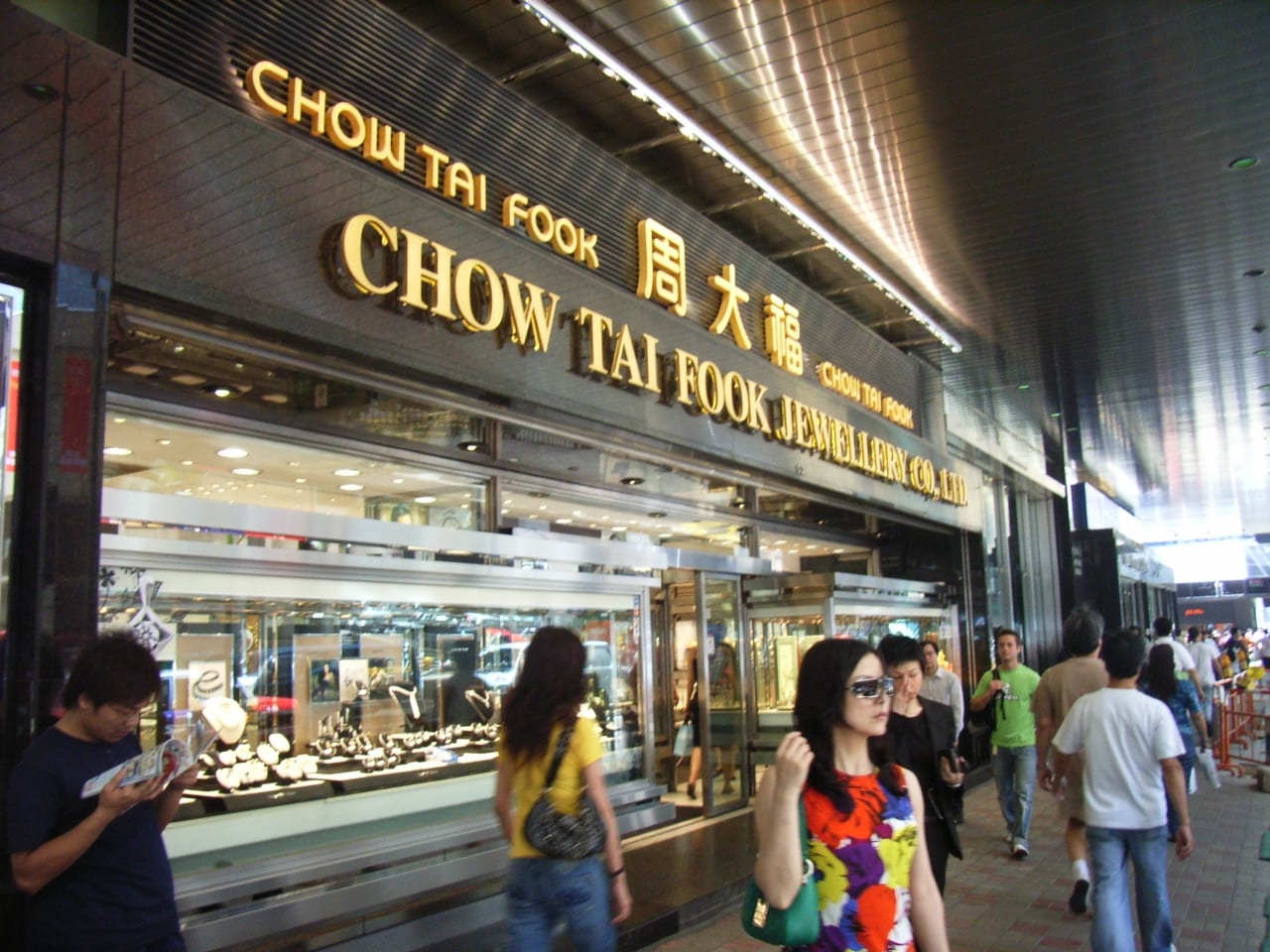
    Luxury jewelers such as Chow Tai Fook Jewellery Group Ltd. and Luk Fook Holdings International Hong Kong Ltd. are tapping into the spending power of the city’s seven million residents through promotional offers and special events. Although their stores are seemingly ubiquitous and their advertisements are plastered all over Hong Kong’s busses, they have not always considered the city’s residents their top priority, analysts say.

    “Previously, jewelers took local consumers for granted,” said Emily Huang, consumer analyst at Barclays. “Although locals grew up with the brand, they wouldn’t buy in bulk like Chinese tourists do.”

    The former British colony has long been the favored destination for mainland Chinese consumers looking to purchase everything from Swiss watches to medicinal oils. Industry experts say that in recent years, spending by mainlanders has accounted for as much as 40% of all retail sales in the city.

    But a crackdown on conspicuous consumption has led some mainlanders to hold back on buying luxury goods – and those that do purchase them are instead flocking to places with weaker currencies, such as Europe and Japan, rather than Hong Kong.

    Tighter visa restrictions for visitors from the southern Chinese boomtown of Shenzhen, which neighbors Hong Kong, have also slowed the flow of cross-border visits.

    In July, nearly 10% fewer mainland Chinese tourists traveled to Hong Kong compared with a year earlier, and retail sales by value contracted by 2.8%. Luxury retailers such as Prada and Burberry now report slumping sales, and Coach last month closed its four-story shop in prime Central district.

    The drop has hit luxury jewelers particularly hard: Chow Tai Fook and Luk Fook reported a respective 24% and 19% contraction in same-store sales in Hong Kong for the three months ending in June,compared to a year ago.

    With retail sales continuing to fall and tourist arrivals slowing, the jewelers have had to innovate to stay afloat. Chow Tai Fook is now organizing parades of its products in residential neighborhoods and is hosting events to bring residents into its shops. Luk Fook has begun planning luncheons and fashion shows for repeat buyers and is offering do-it-yourself jewelry sessions for VIP customers.

    The slump is not just affecting luxury stores; several mid-market businesses, including cosmetics retailers and drugstores, have also been shuttered.

    The city’s major theme parks, Ocean Park and Disneyland, are also shifting their tactics, offering discounts to local ID card holders. A spokesperson for Ocean Park billed the theme park as the “Hong Kong people’s park” in a statement — even though 65% of its visitors are tourists. Disneyland says nearly half its visitors are mainland Chinese.

    “A lot of locals actually stopped going [to theme parks] because there were too many tourists,” said Nicole Wong, an analyst at CLSA. “They can definitely do something to attract more locals to go.” She is more skeptical of the ability of jewelry chains and drugstores to draw local customers, however. “Hong Kong people can’t buy that many drugs,” she said.
    The city’s chief executive Leung Chun-ying has also said he is concerned about the drop in visitor numbers and has cast blame partly on “particular activities that have taken place in Hong Kong in the past year.” The city has been rocked by last year’s pro-democracy Occupy Central campaign as well as by ongoing small-scale protests by Hong Kong groups angry at the influx of mainland Chinese shoppers in specific neighborhoods close to the border.It’s unlikely that consumption by the city’s 7 million residents could make up for the more than 47 million Chinese tourists that streamed into Hong Kong in 2014. Local shoppers usually buy diamonds and gold products in small quantities as gifts for special occasions, not in bulk as visitors typically do. “In the short-term, local spending won’t make up (for) the shortfall in mainland spending,” said Helen Mak, senior director at Colliers International. She added: “How many weddings a year can you have?”The jewelers have adopted an additional strategy: Reaching out to mainland consumers on their home turf. Kathy Chan, Luk Fook’s chief financial officer, said the company sees “great potential” in mainland China and is “opening 100 stores there every year.”

    At 0% growth, the mainland operations of Hong Kong jewelers are far from robust. But less penetration and a much larger market mean the possibility for growth is greater, say the companies.