Tag: asia

  • New iPhone ‘will boost Hong Kong’s retail sales’ with mainland China demand a plus

    New iPhone ‘will boost Hong Kong’s retail sales’ with mainland China demand a plus

    Previous iPhone launches have seen long queues in the city, as traders snap up the latest model weeks or months before it is sold across the border. The iPhone 6S will be offered in both markets on September 25, but prices are likely to be 15 per cent lower here, and with limited supply and strong demand, resellers still hope to cash in.

    ANZ senior economist Raymond Yeung said sales of the phone “will give an obvious short-term boost to retail sales and help top-line retail sales in September and October”.

    Lo Lau, owner of a Mong Kok smartphone shop, expected the new phone – with official prices starting at HK$6,388 – to fetch HK$11,000 to HK$20,000 at resale. A street trader said he planned to charge a minimum of HK$12,000 for a 16GB iPhone 6S Plus, the cheapest of the new Apple range.

    Demand for the iPhone has driven record profits for Apple in the past. Speaking at the unveiling of the new model, chief executive Tim Cook said the iPhone market in China had grown 75 per cent year-on-year, compared with 35 per cent globally.

    China is Apple’s second-largest market after the Americas, bringing in US$13.2 billion in the latest quarter, up 112 per cent on the same period last year.

    While ANZ’s Yeung thought the iPhone would have a positive effect on Hong Kong’s retail sector, he warned the overall outlook remained weak. A reduction in tourism and domestic consumption has dragged down sales, while a strong Hong Kong dollar, pegged to the US dollar, has reduced the spending power of overseas visitors, ANZ says.

    At the Apple store in Causeway Bay yesterday, some shoppers who still formed long lines to buy the current generation of iPhones expressed excitement about the new model.

    “I was using the [iPhone] 5, so I need to upgrade to the new one. At least my phone has some resell value, so I can go ahead and trade,” said Joseph Tsang Ka-ho, 40, who was visiting the store to learn more about the 6S.

    But 26-year-old Terry Lam King-wai was less impressed.

    “There’s not much difference between the old and the new iPhone 6S. The appearance is the same, but with a new colour,” he said. “I’ll probably wait for the next generation.”


  • Chinese couples spend big in Korea

    Chinese couples spend big in Korea

    Korea is becoming a major destination for young Chinese couples looking to splurge on expensive items for their upcoming marriages.

    Chen Yi, 34, and Chai Xuefang, 30, who recently visited Seoul from Shandong province, China, are typical of the growing number of couples who are sparing no expense to make their big day special.

    The two bought two Vacheron Constantin wristwatches worth 100 million won ($84,350) each at the Hyundai Department Store in Apgujeong, southern Seoul. They also bought a two-carat diamond ring for 60 million won.

    “A lots of Koreans are preparing for their weddings at Cheongdam-dong [near Apgujeong in the posh Gangnam District],” said soon-to-be-wed Chai. “We plan to get wedding consulting [here in Seoul] exclusively for Chinese people.”

    Another Chinese couple, Yang Xiaoliang, 30, and his fiance Xu Jingjing, 27, last month bought a 10 million won Thom Browne suit for men and two Rolex wristwatches for the couple worth 150 million won each at the same Hyundai Department Store in Apgujeong. They purchased the items ahead of a wedding photo shoot at a studio in Cheongdam-dong.

    The Korean retail and hotel industry is taking notice of the growing number of Chinese couples who are spending big in Seoul to prepare for their weddings.

    They have become major customers who are spending large on high-end wedding gifts, including jewelry, wristwatches and designer suits and dresses. Majors stores are already catering to the growing demand.

    Hyundai Department Store’s Apgujeong branch plans to provide a wedding consulting program exclusively for Chinese couples, and have already enhanced other services for young Chinese customers. Since last month, they have provided a free delivery service where electronic appliances and furniture purchased by Chinese couples can be dropped off at their front door in China. The service has a limit of 30 kilograms (66 pounds) per person.

    Lotte Duty Free recently started a service where items purchased at its shops can be delivered from the Chinese airport to their homes.

    “We get a lot of inquires from Chinese tourists who come to Gangnam [District] to get wedding consulting,” said Lee Hyun-sook, a foreigner-exclusive concierge at Hyundai Department Store. “They shop after asking every detail, such as which brand Koreans most prefer for their own wedding gifts.”

    China Union Pay credit card purchases made by Chinese on imported brands such as Tiffany’s and Cartier soared 91.3 percent in the first eight months of this year compared to the same period last year at Hyundai Department Store. Purchases on furniture, electronic appliances and household goods saw a huge growth of 134.1
    percent.

    Shinsegae Group is widening its marketing strategy to attract soon-to-wed Chinese couples in its department stores and other major affiliates, including its discount store E-Mart and its hotel business Westin Chosun.

    Shinsegae Group invited two couples from Shenyang and Tianjin to Seoul, where they will get a wedding photo taken at the Cheongnam-dong studio that took wedding pictures for famous Korean actresses Jun Ji-hyun. They will also get the chance to experience a traditional Korean wedding ceremony at the Westin Chosun Hotel and shopping at E-Mart and the retail group’s other outlets. The cost is 15 million won per person.

    “We plan to secure the lead in grabbing Chinese couples visiting Korea to get wedding services during the most popular wedding seasons for the Chinese, which starts this month and leads up to the end of the year,” said Shinsegae CEO Jang Jae-young.

    Wedding gifts, including high-end wristwatches, jewelry and designer bags, accounted for 60 percent of all sales made by Chinese tourists at Shinsegae Department Store during China’s May Day, from April 25 to May 3.

    Hotels are also recognizing the growing trend.

    Plaza Hotel last month introduced a wedding package where a hopeful groom can make a proposal at the hotel’s restaurant.

    The package includes a studio wedding photo shoot that comes with makeup from a company that many Korean female celebrities like Han Ye-seul and Han Hyo-joo frequently use. The price tag on the three-day package is 7 million won including flight tickets.

    Lotte Hotel is offering a package targeted at Chinese customers that includes not only the wedding photo and makeup but also a proposal ceremony and spa. The cost for the three-day program is 11.8 million won.


  • Alibaba feels China pain as it trims sales forecasts

    Alibaba feels China pain as it trims sales forecasts

    E-commerce giant Alibaba has succumbed to the crisis gripping the Chinese economy a year after the company became the world’s biggest float.

    Founder and former English teacher Jack Ma became an overnight billionaire when Alibaba launched on the New York Stock Exchange in September 2014, as the firm raised a record-breaking $25 billion (£16.3 billion) in a float valuing the company at $186 billion.

    Alibaba is the biggest player in the Chinese e-commerce market — where spending is set to hit $1 trillion by 2019 — accounting for 80% of online sales in China.

    The firm is also among the top picks of UK retail investors, according to fund manager Hargreaves Lansdown.

    But the company admitted today that a weakening Chinese economy has taken its toll on business, as it slashed forecasts for the total value of transactions it expects to take place in the current quarter.

    This will now be “mid-single digits lower” than the giant’s initial estimates for the quarter.

    Alibaba’s head of investor relations, Jane Penner, said consumers were still willing and able to spend but that the company had been seeing a “negative impact of the magnitude of the spending”. Average order values are also lower, Penner added.

    What is Alibaba?

    The latest fears over the e-commerce giant come a month after it reported its slowest growth in transactions for more than three years.

    Shares in the company are now below their $68 float price after a near-5% slump overnight to $60.91. The stock has halved since the end of May, when Alibaba’s shares hit $119 — valuing the company at a staggering $300 billion.

    The latest bad news out of China comes hard on the heels of a dramatic slump in imports — fuelling fears of a hard landing for the world’s second biggest economy — and a month of turmoil in global stock markets following Beijing’s sudden devaluation of the yuan.

    China also cut its official growth estimates for 2015 this week. China has also cut interest rates five times since November and intervened directly to stem plunging stock markets.

    Rathbones investment director Jane Sydenham said: “Investors are beginning to adjust to what was initially quite a shock in terms of the renminbi devaluation, share repurchases — normally those kind of activities on the part of central banks signal something really quite serious.

    “It’s taken some time for investors to adjust to the fact that clearly, growth is slowing, perhaps more than we’d thought.”

    Despite the gloom from Alibaba, shares rallied in China for the second day running on hopes of more government stimulus.

    Asian markets rose on Wednesday

    Shanghai’s main market gained 2.3% after the finance ministry set out plans to boost infrastructure spending and speed up reform of its tax system to support the economy.

    Japan’s Nikkei also saw its biggest single gain in seven years — rising 7.7% — as markers rallied on comments from prime minister Shinzo Abe raising hopes of a corporate tax cut and a new trans-Pacific trade deal.

  • GSS shoppers spent $2b using MasterCard this year

    GSS shoppers spent $2b using MasterCard this year

    Despite slowing tourism growth and competition from online re- tailers, shoppers shelled out a five-year high of $2.12 billion using their MasterCard cards at the Great Singapore Sale (GSS) this year.

    The amount spent during the eight-week event, held from May 30 to July 26, was a 2.2 per cent increase from last year, the credit card company said on Monday.

    The number of transactions made during the sale between its cardholders and Singapore merchants also rose by 7.3 per cent to hit more than 14.5 million.

    The growth was fuelled mainly by tourists, who spent 15.3 per cent more and used their cards 21.8 per cent more than they did last year.

    This was despite falling tourist numbers. According to Singapore Tourism Board figures, visitor arrivals from January to June this year were 7.26 million, down 3.4 per cent from the same period last year.

    In contrast, Singapore-based cardholders spent slightly less than they did last year – $1.41 billion, down from last year’s $1.46 billion – although transaction numbers grew 2.6 per cent to 10.5 million.

    Nonetheless, these cardholders made up two-thirds of the amount spent in all by MasterCard users.

    Singapore Polytechnic senior retail lecturer Sarah Lim said the sale, now in its 22nd year, may have lost its shine among Singaporeans.

    “Some retailers hold sales throughout the year. So to locals, GSS may not be something special,” she said. “But to tourists, the GSS is quite established and is something they look forward to, so their objective is to spend when they are here.”

    The top five countries where most of the shoppers came from remained the same as those last year. Australia, Malaysia and China retained the top three positions, while Indonesia overtook Japan to take the fourth spot.

    Of the five, those from Indonesia spent the most at department stores, while the rest splurged at restaurants and eating places.

    Local online merchants were not left out, with Singapore-based cardholders spending $303.5 million online during the sales period, a 5.6 per cent increase from last year.

    Rakuten, which held a one-week sales campaign during the GSS, saw revenue rise by over 350 per cent, while site traffic was up by nearly 90 per cent. “Rakuten is definitely keen to participate in next year’s Great Singapore Sale,” said Mr Masaya Ueno, general manager of Rakuten Singapore online shopping.

    The growth in spending shows that the annual GSS remains attractive to tourists, said MasterCard Singapore group head and general manager Deborah Heng, adding: “What’s interesting is that, this year, we are seeing dining places emerge consistently as a top spend category for visitors, an indication that fine dining may be growing in appeal for travellers to Singapore.”

    Said Ms Jannie Chan, president of the Singapore Retailers Association, which organises the GSS: “With its well-established branding, the GSS has remained an essential pillar in driving spending and generating a positive impact on our economy.”

    Filipino accountant Charmaine Garcia, 37, who visits Singapore twice a year, said she looks forward to the GSS for its good deals. “I like to shop for shoes, clothes and bags and, during the sale, there are discounts not just on the old stock, but on the newer range of items, too.”

  • Macy’s to shutter 5% of its stores in early 2016

    Macy’s to shutter 5% of its stores in early 2016

    Macy’s says it will close 35 to 40 stores in early 2016, or as much as 5 per cent of its namesake department stores.Macy’s said Tuesday it hasn’t selected all of the stores that will be closed yet. It expects the locations will have about $300 million in combined revenue. The company says employees who work at the closing stores may be offered positions at nearby locations, and workers who are laid off will be offered severance benefits.

    The Cincinnati-based company says it closes a few underperforming stores every year. The company runs 770 Macy’s stores and has closed 52 locations over the last five years while opening 12.

    Macy’s and other retailers are looking for new ways to boost their sales as middle-class customers try to keep their spending down, looking for deals and doing more of their shopping online. The company is preparing to open six lower-priced Macy’s Backstage stores later this year and intends to open more of them in 2016.

    Over the last few quarters Macy’s has been hurt by the strong U.S. dollar, which has cut into spending by tourists, as well as a labour dispute that slowed down ports on the West Coast. The company reported $28.11 billion in revenue in 2014, up less than 1 per cent from the year before.

    Macy’s is also getting ready to test selling goods online in China through a joint venture with a retailer based in Hong Kong.

    Macy’s Inc. also runs the Bloomingdale’s chain, and earlier this year it bought upscale beauty retailer Bluemercury. It has a total of 885 locations.

    On Tuesday the company said it will experiment with selling consumer electronics, as it will open Best Buy shops inside 10 of its stores in November. Those departments will be staffed by Best Buy employees.

  • Warning bell for the end of Hong Kong’s 12-year property rally is ringing louder

    Warning bell for the end of Hong Kong’s 12-year property rally is ringing louder

    The warning bell signalling the end of Hong Kong’s 12-year property rally is ringing louder with more experts predicting that the stock market rout and economic uncertainties at home and abroad will accelerate a price correction.

    Analysts widely expect home prices could fall as much as 10 per cent this year. Hong Kong home prices have risen 9.8 per cent since January after soaring more than 360 per cent from 2003.

    “The worrying factor is Hong Kong’s economy, especially the retail market. Some retailers will be forced to close their business or cut staff if the coming Christmas holidays fail to lift sales. It will certainly affect the home buying desire,” said Alvin Cheung Chi-wai, an associate director at Prudential Brokerage.

    He notes the increasing number of transactions recently sold for below market price in the secondary residential market.

    “It is a reverse trend. Previously, flats in the secondary market kept setting records. Today, vendors have to lower their asking prices on rising expectations home prices are going to fall,” said Cheung, who expects home prices could decline 10 per cent next year.

    His forecast comes in the wake of JP Morgan predicting flat values could drop 5 to 10 per cent a year over the next three years.

    The number of flats in the secondary residential market changing hands at steeper discounts is also on the rise. Such cases were seen from blue-chip housing estates in Taikoo Shing to mass-market homes in Castle Peak Road in the New Territories.

    One case in point was a 714 sq ft unit in Taikoo Shing – the most actively traded housing estate in Quarry Bay – which sold on Sunday for HK$12 million, or HK$16,807 per square foot, 6 per cent below prevailing transaction prices, agents said.

    A 572 sq ft unit at Belvedere Garden in Castle Peak Road sold for HK$4.98 million, or HK$8,706 per square foot, according to Louie Lui, a senior manager at Centaline’s Belvedere Garden branch.

    “It is the lowest price in terms of per square foot in the past 12 months,” he said.

    Buying sentiment may further be hit after UBS lowered its year-end target for the stock market’s Hang Seng Index to 19,775 points. The blue-chip index closed 3.28 per cent higher at 21,259.04 points yesterday.

    “Now, as we have seen a combination of the three pillars of Hong Kong’s economy weakening (tourism and re-export) or showing signs of weakness (property), along with decelerating economic growth in China, we believe our ‘black-sky’ scenario could be a better portrayal of the challenges in the current environment,” UBS said.

    Eva Lee, a property analyst with UBS, said stock market turbulence would certainly affect buying confidence.

    “But it is not a key factor to trigger a price correction. The property market outlook still hinges on the performance of our economy,” she said. The brokerage house forecasts home values will fall 5 to 10 per cent this year.

    Morgan Stanley said home prices would decline 5 per cent from the current level to the end of this year and remain flat next year.

    Joseph Tsang, the managing director of property consultancy JLL’s Hong Kong office, believes the worst-case scenario for the mass-market home sector would be a decline of 5 per cent next year because demand remains solid.

    “Development cost for mass residential projects is HK$12,000 to HK$13,000 per square foot. I believe downside risk for unit pricing not exceeding HK$15,000 per square foot will be limited,” he said.

    On September 5, Kowloon Development’s special financing scheme helped to boost the sale of its Upper East development in Hung Hom. It sold 328 units or 89 per cent of the total over the weekend.

    The developer launched the first batch of 368 flats at prices as low as HK$3 million. Buyers will only require as little as a 5 per cent deposit through its scheme of providing second mortgages of up to 35 per cent on top of the bank’s 60 per cent.

    Tsang said the luxury residential sector, particularly for flats worth HK$20 million to HK$100 million, could have room for a 10 per cent downward adjustment once interest rates rose.

    He said individual owners offering flats at discounts had not developed into a trend.

    “There are always some owners who offload their flats at low prices for some personal reasons. But most vendors still have strong holding power and refuse to sell at a low price,” he said.

  • Germany’s Metro, China’s Alibaba in e-commerce tie-up

    Germany’s Metro, China’s Alibaba in e-commerce tie-up

    German retail giant Metro said today it is teaming up with Chinese online retailer Alibaba to tap the potential of the booming e-commerce market in China.

    Metro, which operates more than 80 Cash and Carry wholesale stores in China “is now expanding its channels” by opening an online shop in China offering Metro’s own brands, as well as supplier brands from Germany, it said in a statement.

    “In the first phase, over 100 products in the categories of dairy, canned foods, coffee, and chocolate from Metro Cash & Carry Germany as well as cosmetics goods from Real are to be offered online,” the statement said.

    The product assortment would subsequently be expanded to include more food items from Metro Cash & Carry and non-food from its Real supermarket brand.

    “E-commerce is one of our strategic growth drivers in China,” said chief executive Olaf Koch.

    “Opening the flagship store again shows our clear confidence in the Chinese market. This platform enables us to deliver more quality imported goods and German brands to the Chinese customers,” he said.

    Metro and Alibaba said they would also explore possible cooperation in other areas, such as supply chain and market data.

  • GM China sets year to date retail sales record

    GM China sets year to date retail sales record

    General Motors and its joint ventures booked record retail sales of 2,197,192 vehicles in China during the first eight months of the year, which was up 2.3% year on year. The increase, the automaker said, was driven by successful new product launches and an improved mix of SUVs and MPVs.

    In August, domestic sales by GM and its joint ventures declined 4.8% to 248,815 vehicles, owing to softness in the overall vehicle market.

    GM China president Matt Tsien said: “Recently launched models such as the Buick Excelle GT and Cadillac ATS-L have been well received by consumers and produced solid sales growth.”

    Increased demand for several SUV and MPV models helped offset the market slowdown in August. The Buick Envision and Baojun 560 led the sales growth during the month, rising 161.7%, while sales of the Baojun 730 MPV more than doubled.

    Buick enjoyed its best sales ever in China in the first eight months of the year. Sales rose 5.4% year on year to 581,544 units, led by the Excelle GT and Envision. In August alone, Excelle GT volume jumped 77.6%.

    Cadillac also set a record in the first eight months of the year with sales rising 12% year on year to 49,186 units. Sales of the ATS and ATS-L reached a new high for the period.

    Chevrolet sales declined 7.4% to 391,677 units year over year between January and August. However, sales of the Trax urban SUV surged 146.2% to a record for the eight-month period.

    Baojun sales jumped 282.5% to 223,367 units, an all-time high from January to August. The Baojun 560 SUV exceeded expectations in its first six weeks on the market.

    Wuling sales declined 8.1% to 948,643 units in the January-August timeframe due to continued contraction of the mini-commercial vehicle market.

  • Myanmar National Airlines connects to Sabre

    Myanmar National Airlines connects to Sabre

    Myanmar National Airlines will now distribute its fares via Sabre

    Myanmar National Airlines‘ expansion strategy has taken another step forward, with the signing of a new distribution deal with Sabre.

    The Yangon-based airline started distributing its fares to travel agents last month via the Amadeus GDS, and it will now be able to access even more travel agents with the Sabre GDS deal. Effective immediately, the carrier’s fares and inventory will be made available to more than 100,000 Sabre-connected travel agents across the Asia Pacific region.

    “This agreement will help us to stimulate demand within the most important retail sales channel for Myanmar, supporting our ambitious expansion plans,” said Captain Than Tun, CEO of Myanmar National Airlines.

    “Shopping for flights to our 26 corporate and leisure domestic destinations becomes easy and more transparent, while we also promote our new international routes which have just started with Singapore.”

    In recent months Myanmar National Airlines has started taking delivery of a new fleet of modern aircraft, and also launched its first international services to Singapore. It now plans to add four more international destinations within the Asia Pacific region by early 2016.

    “Myanmar has become a strategic growth market in Southeast Asia for both tourism and trade. This agreement with Myanmar National Airlines provides travel agents across the region with access to the full domestic network, while the flag carrier enjoys a boost in ticket sales,” said Hans Belle, Sabre Travel Network’s vice president of supplier commerce & strategic partnerships for Asia Pacific.

  • Chinatown Mid-Autumn Festival Celebrates Singapore’s Golden Jubilee

    Chinatown Mid-Autumn Festival Celebrates Singapore’s Golden Jubilee

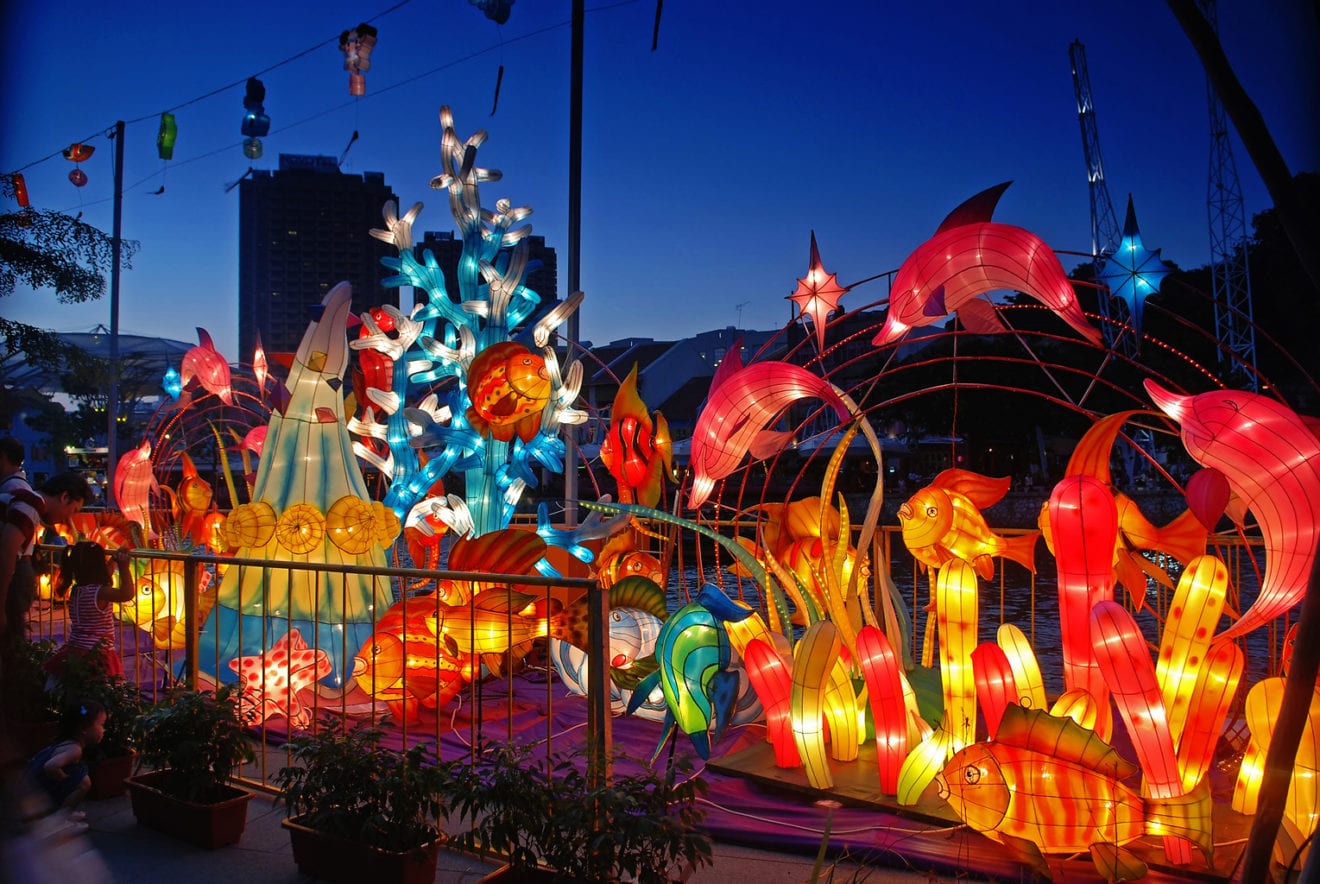
    A yearly extravaganza, Chinatown will once again don on specially designed lanterns, accompanied by a myriad of decorative installations, to present the lights and sounds of the Mid-Autumn Festival that will take place from Sunday, 13 September to Monday, 12 October 2015.

    A total of 2,300 lanterns will line the busy streets of the precinct, stretching from Eu Tong Sen Street and New Bridge Road down to South Bridge Road. Bearing a strong SG50 theme this year, the Festival, which is named A Golden Jubilee Mid-Autumn will celebrate Singapore’s Golden Jubilee with the nation.

    For the first time, Kreta Ayer-Kim Seng Citizens’ Consultative Committee (KA-KS CCC), the organizing committee for the Chinatown Mid-Autumn Festival, will work closely with the students and faculty of the Nanyang Academy of Fine Arts (NAFA) for a creative interpretation of the street lanterns and decorations.

    Dr Lily Neo, Grassroots Adviser said: “2015 is a very significant year for Singapore as the nation celebrates its Golden Jubilee. The Chinatown precinct has a rich heritage, and we hope that by injecting strong elements of local culture and icons of yesteryear, this year’s Mid-Autumn Festival can be more meaningful for Singaporeans and tourists. We are also delighted to be able to create opportunities for the youths in Singapore to be more involved in our traditional festivals and gain a deeper understanding of our cultural heritage.”

    Witness the Festival come to life at the Official Opening and Light Up Ceremony, which will take place on Sunday, 13 September 2015 along New Bridge Road and Eu Tong Sen Street.

    Deputy Prime Minister and Minister for Finance, Mr Tharman Shanmugaratnam will be gracing the event as the Guest-of-Honour, kick starting the celebrations at the Chinatown Mid-Autumn Festival. Local and overseas talents will showcase thematic performances with a uniquely Singaporean storyline that makes a reference to the history and traditions of the Mid-Autumn Festival.

    Mr Kenneth Lim, Director, Cultural Precincts Development, Singapore Tourism Board, said: “The Mid-Autumn Festival, set in the historic precinct of Chinatown, is another key event to allow Singaporeans and visitors to deepen their understanding of the festival’s significance and witness how it is celebrated. The exciting line-up of events this year will not only be a nostalgic trip down memory lane, but also one that will allow visitors to engage and interact with locals through the different activities on offer, and allow them to better appreciate Singapore’s unique multicultural heritage.”

    Youth engagement through first-time partnership with NAFA students for lantern designs

    KA-KS CCC stayed true to its aim to engage the younger generation and provide youths with opportunities to be actively involved in traditional festivals by partnering with NAFA this year.

    Through a collaborative effort, 10 students from NAFA have been handpicked to participate in this year’s Chinatown Mid-Autumn Festival, presenting innovative interpretations of elements that are truly Singaporean and re-proposing them onto the lanterns and street decorations this year. From landmarks like the iconic old Toa Payoh playground to campaign icons like Singa the Courtesy Lion and Water Wally that mark the key milestones in Singapore’s history, this year’s decorations will bring a sense of nostalgia to all Singaporeans.

    Over the last four months, the students had the opportunity to work closely with KA-KS CCC, as well as a team of experienced craftsmen from Zi Gong Zhongyi Lantern Lighting Art in Sichuan to design, build and install the lanterns.

    Ms Marienne Yang, Vice Dean of NAFA’s 3D Design Programme said: “The 10 participating youths are Year Two and Year Three students reading for their Diploma in Design. This includes participants from the Interior & Exhibition, Object & Jewellery as well as Landscape & Architecture Design programmes. They worked as a multi-disciplinary team to propose and refine concepts for KA-KS CCC for this large scale installation, and had hands-on learning experience with the craftsmen on aspects of the production and set-up process.”

    Festival highlights

    To engage the young and old in the celebratory ambience of the Chinatown Mid-Autumn Festival 2015, KA-KS CCC has organized an array of exciting events and activities from Monday, 13 September 2015, to Monday, 12 October 2015.

    A first this year, KA-KS CCC and the Chinatown Business Association will host the Chinatown 1960s Fancy Dress Contest “Mid-Autumn Festival 2015 – Back to the 60s”, a fancy dress contest featuring fashion styles of the 1960s, on Saturday, 26 September 2015. Participants will showcase fashion statements of that era at the first ever pop-up runway along Pagoda Street. Visitors who come dressed in their 1960s attire will also stand a chance to bring home limited edition door gifts.

    Shortlisted works from close to 180 children and students who pit their creative skills against each other at the annual Mid-Autumn Lantern Painting Competition will also adorn the streets of Chinatown. Winning lanterns from the competition, held on Saturday, 6 September 2015, will be displayed at Chinatown Food Street along Smith Street until Monday, 27 September 2015.

    Experience the festival in its full glory and discover the charm of Chinatown via the complimentary Heritage Walking Trail, where our friendly tour guides will bring participants around the precinct, sharing anecdotes and historical facts about the heritage of Singapore’s Chinese enclave. With a wide variety of stalls at this year’s Mid-Autumn Festival Festive Street Bazaar, visitors will have endless options as they shop for traditional snacks and knickknacks such as mooncakes, preserved food, decorative items to potted plants and clothing.

    Be entertained by lively and vibrant Chinese cultural performances, festive songs, and music and dance performances by local entertainers and troupes from China at the Nightly Stage Shows at Kreta Ayer Square during the Chinatown Mid-Autumn Festival period.

    Join 3,000 participants for the annual Mass Lantern Walk on Sunday, 27 September 2015, and immerse in the Mid-Autumn festivities under the dazzling displays around Chinatown. The Mass Lantern Walk procession will take a leisurely stroll down Chinatown, while being entertained by local and overseas performing groups, as well as eye-catching mascots decked out in vibrant LED suits at 10 locations along the route.

    For more information on the variety of activities lined up for this Mid-Autumn, please refer to Annex I and II. Or you may visit us at:

    – Website:www.chinatownfestivals.sg

    – Facebook: https://www.facebook.com/chinatown.festivals

  • E-business lifts Thailand Post

    E-business lifts Thailand Post

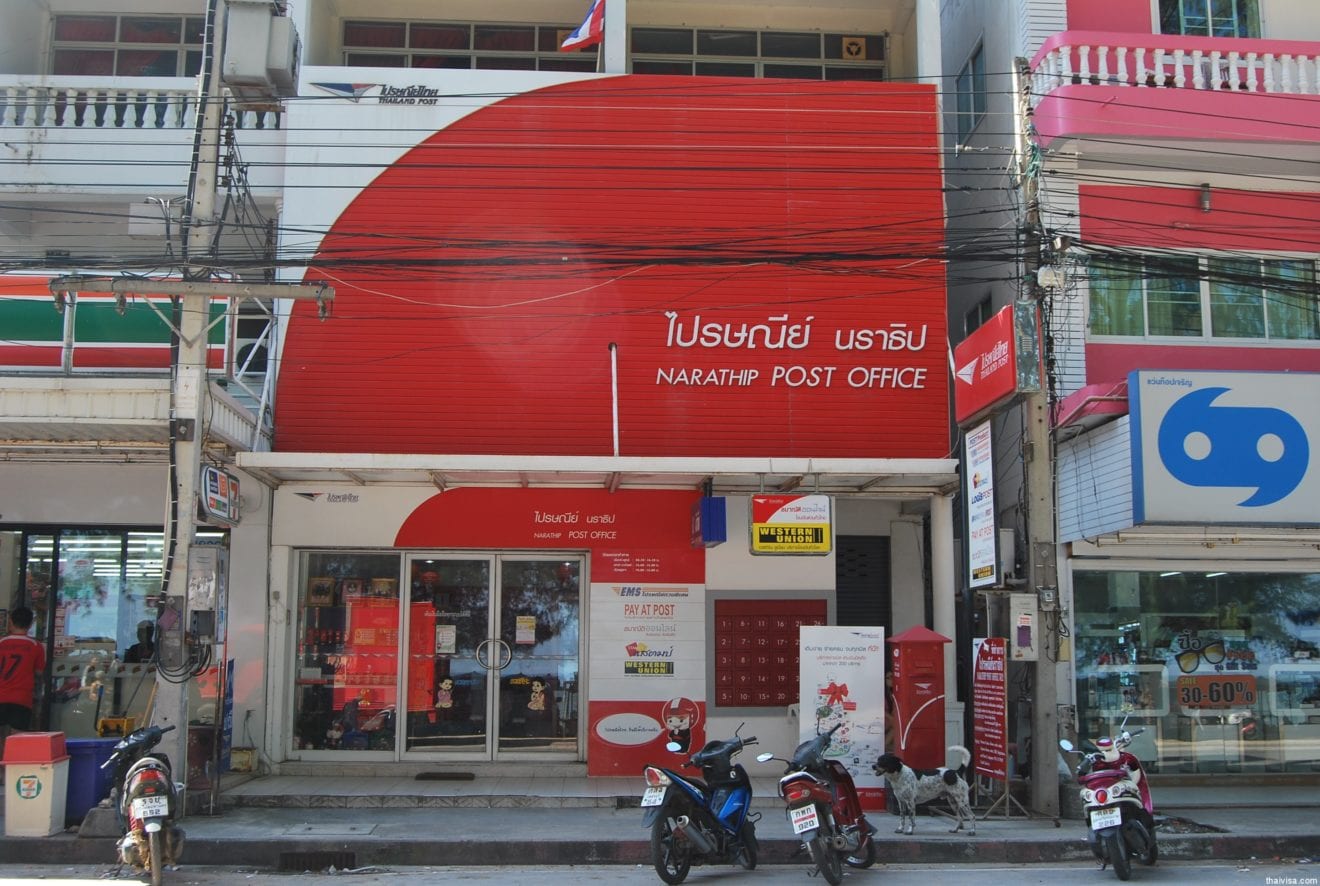
    A man walks past red postboxes outside the Thailand Post branch at Government House. The booming e-commerce market has spurred greater demand for the state enterprise’s express parcel service, despite continued issues with mishandled packages. CHANAT KATANYU

    Thailand Post expects to maintain its stellar profit growth of 10% and reach 2 billion baht this year, supported by the higher-margin express parcel business and booming e-commerce market.

    But the state enterprise’s revenue is forecast to increase by just 1% to 22 billion baht, due to the sluggish economy.

    Piyawat Mahapauraya, deputy president of Thailand Post, said the local e-commerce market grows by 20% a year on average, spurring greater demand for the express parcel service.

    Thailand Post reported consolidated first-half revenue of 11.04 billion baht.

    Of the total, emergency mail service and parcel delivery were still the highest revenue source at 5.13 billion baht or 46.4%, followed by mail service (4.86 billion), retail business (440 million) and payment services (287 million).

    Thailand Post is on the verge of overhauling its delivery processes for emergency mail service and parcels to tackle persistent delivery problems.

    Up to 1,200 parcels were lost during the first half. In addition, 280 parcels were damaged and 3,000 were delayed or arrived after the guaranteed delivery date.

    “We are adopting advanced technologies to address the delivery problem by installing CCTV at all post office branches nationwide,” Mr Piyawat said.

    Damaged parcels amount to fewer than 1% of parcels delivered, he said, and Thailand Post aims to have zero cases of damaged goods within a few years’ time.

    To boost its corporate image and reputation, the postal service has launched a campaign of indemnification for damage incurred by the emergency mail service.

    The campaign, running until this November, lets customers use the screening process of the post office’s service point and confirm that the parcel was “checked”.

    Thailand Post guarantees a payout of 1.5 times the value of a parcel found to be damaged during the delivery process (not to exceed 3,000 baht per parcel).

    The campaign will apply at 17 post offices in Bangkok as a pilot project, Mr Piyawat said.

  • Why Concern Over Apple Growth in China Is Overblown

    Why Concern Over Apple Growth in China Is Overblown

    Apple stock has taken it on the chin in the past several weeks. The stock is down around $110 from an intra-day high of $135 just a few months ago. Most of this decline is due to pervasive fear about declining economic growth in China, and concern over the huge stock market crash there. It seems that, all of a sudden, China has morphed from being one of the premier emerging markets to a huge headwind for global growth.

    Now, attention is turning to the multinational companies that do a lot of business in China, such as Apple. But before investors panic, a dose of calm is appropriate. Here’s why Apple remains one of the strongest businesses on the planet, and will continue to reap tremendous growth in China for many years.

    Tim Cook to the rescue
    CEO Tim Cook has taken the unusual step of contacting the media to address the issue. He emailed CNBC’s Jim Cramer on Aug. 24 to discuss the state of Apple’s business in China, and had this to say:

    I get updates on our performance in China every day, including this morning, and I can tell you that we have continued to experience strong growth for our business in China through July and August. Growth in iPhone activations has actually accelerated over the past few weeks, and we have had the best performance of the year for the App Store in China during the last two weeks.

    Although at times, we should take CEO-speak with a grain of salt, these are strong statements. It’s unlikely Cook would do this if he were not confident in what he was saying. It’s valuable for investors to have a boots-on-the-ground perspective from someone as close to the situation as Cook. And judging by Apple’s recent performance in China, it’s hard to envision the situation changing all that dramatically in a matter of a few weeks.

    Growth In China remains compelling
    The other reason I’m not worried about Apple in China is because I think there is still plenty of growth potential there, even if GDP comes in lower than previously expected. The emerging middle class in China is pushing millions of consumers upward, and Apple is a hugely successful, growing brand.

    Apple’s revenue in China more than doubled last quarter, year over year, thanks to the ongoing success of the iPhone 6. That made China Apple’s fastest-growing geography by a wide margin. There’s little reason to think consumers in China just stopped buying Apple products and services, especially now that we have information directly from management.

    LTE penetration remains low in China, Apple continues to gain share there, and everything coming from the company itself is nothing but positive about China. Even as it pertains to Apple’s other products, the results are very good. For example, Tim Cook stated on the last conference call with analysts that Apple claimed its highest ever PC share in China last quarter, thanks to 33% revenue growth of Macs. Revenue for the App Store also more than doubled in China last quarter.

    Last but not least, retail remains a tremendous catalyst in Apple’s favor. As Cook articulated on the most recent conference call, Apple opened its 22nd retail store in China last quarter. The company is aggressively expanding its retail operations, and is on track to have 40 stores open there by the middle of next year. That’s yet another indicator of strong demand in China.

    Don’t sell on panic
    Apple stock right now is a good bargain. At around $110, the stock trades for 13 times trailing earnings per share and 11 times forward EPS estimates. These valuation multiples represent meaningful discounts to the broader market. While there’s no guarantee that Apple stock won’t get even cheaper, it makes no sense to me to sell at these prices. That’s particularly true because I believe the China fears are way overblown.

    Apple enjoys the luxury of commanding premium prices for its products. Nothing about that has changed in the past few weeks, despite the panic selling. If anything, Apple is a buy here, not a sell, and the market may be in for a big surprise when Apple next reports earnings.

  • Lawson, Three F in partnership talks

    Lawson, Three F in partnership talks

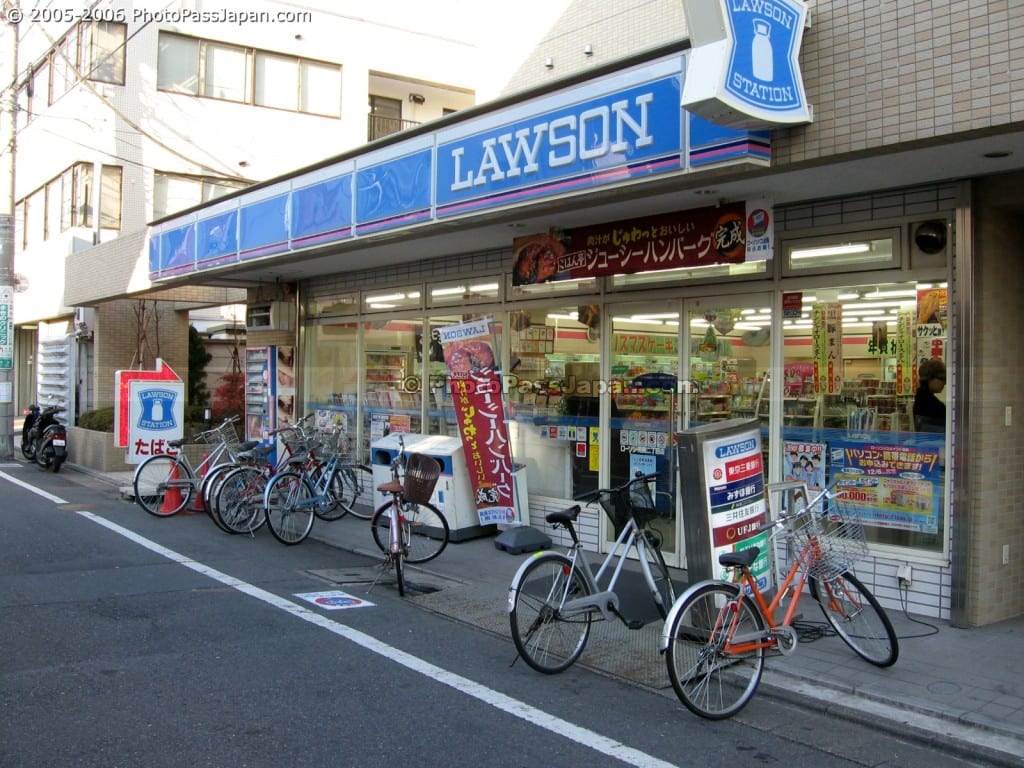
    Japanese convenience store rivals Lawson and Three F say they are “discussing options” for a capital and business alliance.

    The move was announced in a statement which was short on detail.

    Lawson, a subsidiary of Mitsubishi Corporation, is Japan’s second largest c-store operator behind 7-Eleven with a network of more than 11,500 stores in Japan, Indonesia, China and Thailand. Three F Co, headquartered in Yokohama, operates only in Japan where it has about 560 stores in Tokyo, Chiba, Saitama and Kanagawa.

    In the statement, the companies said an alliance would help boost their convenience store operations in an extremely competitive environment. Japan is a mature market, which is main reason its convenience store players are seeking growth offshore.

    While both companies will maintain independent management and protect their individual corporate brands and culture, they would conduct joint product development, procurement and promotional campaigns, and also share information that could boost management efficiency.

    “Both companies are determined to discuss ideas frankly and openly, with the aim of creating a concrete, workable alliance agreement. Further developments will be announced once they are finalised,” the statement said.

  • Jean Louis David opens in Hong Kong

    Jean Louis David opens in Hong Kong

    French hair stylist chain Jean Louis David has more than 1200 salons worldwide – and now it has landed in Hong Kong.

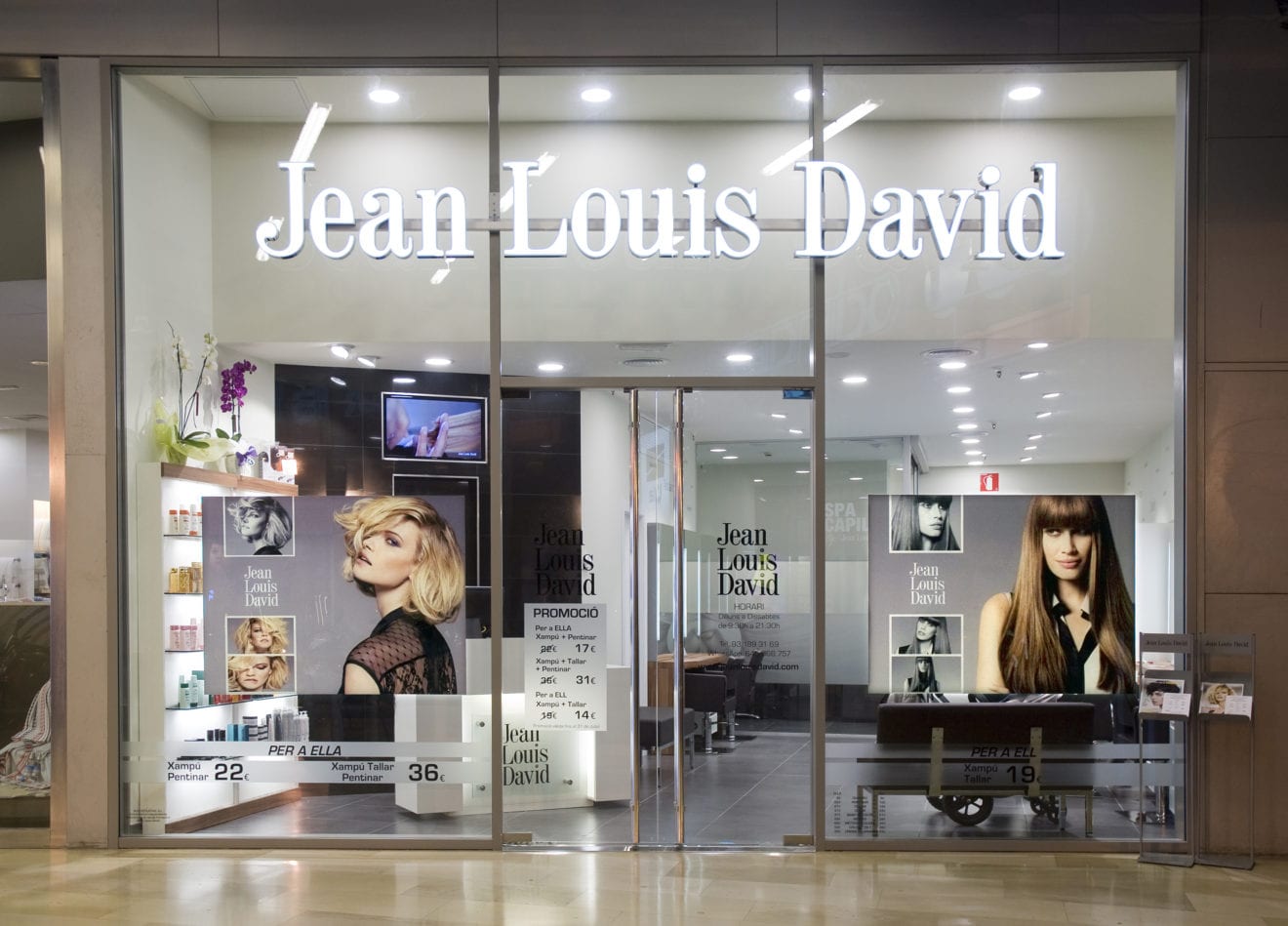
    Jean Louis David Hong Kong  has opened a salon at 12F New World Tower 2 in Queens Rd, Central – and a retail store on the ground floor of Manning House, a few doors down the street.

    The stunning salon fit out was designed to “perfectly embody” the brand’s philosophy of “hyper service” the company says on its website.

    “This means we want to engage all your five senses as you walk through our elegant space and take your seat in any of our three styling areas.”

    The salon has three separate areas: Urban for those wanting a quick touch-up; International for longer, lingering pampering;  and Private Suites.

    The salon was designed by Jean Louis David creative director Lorena Severi and Italian designer Nevio Capuzzo of the design firm Bottega Veneta.

    “All our fittings were crafted in Italy’s famous furniture manufacturing region located near the ancient city of Venice.

    “Our emphasis on design, comfort and spotless hygiene might make you feel like you’ve entered a day spa when you first walk in. The eye will be delighted by the simple elegance and clean lines of our designer furnishing,” the company explains.

    “The spotless white of our design is offset by the blaze of beautiful flower arrangements, while the scent of fragrance greets the nose. Music bathes the ear in a variety of styles, while your taste buds will be stimulated by drinks and snacks of your choice throughout your stay with us.”

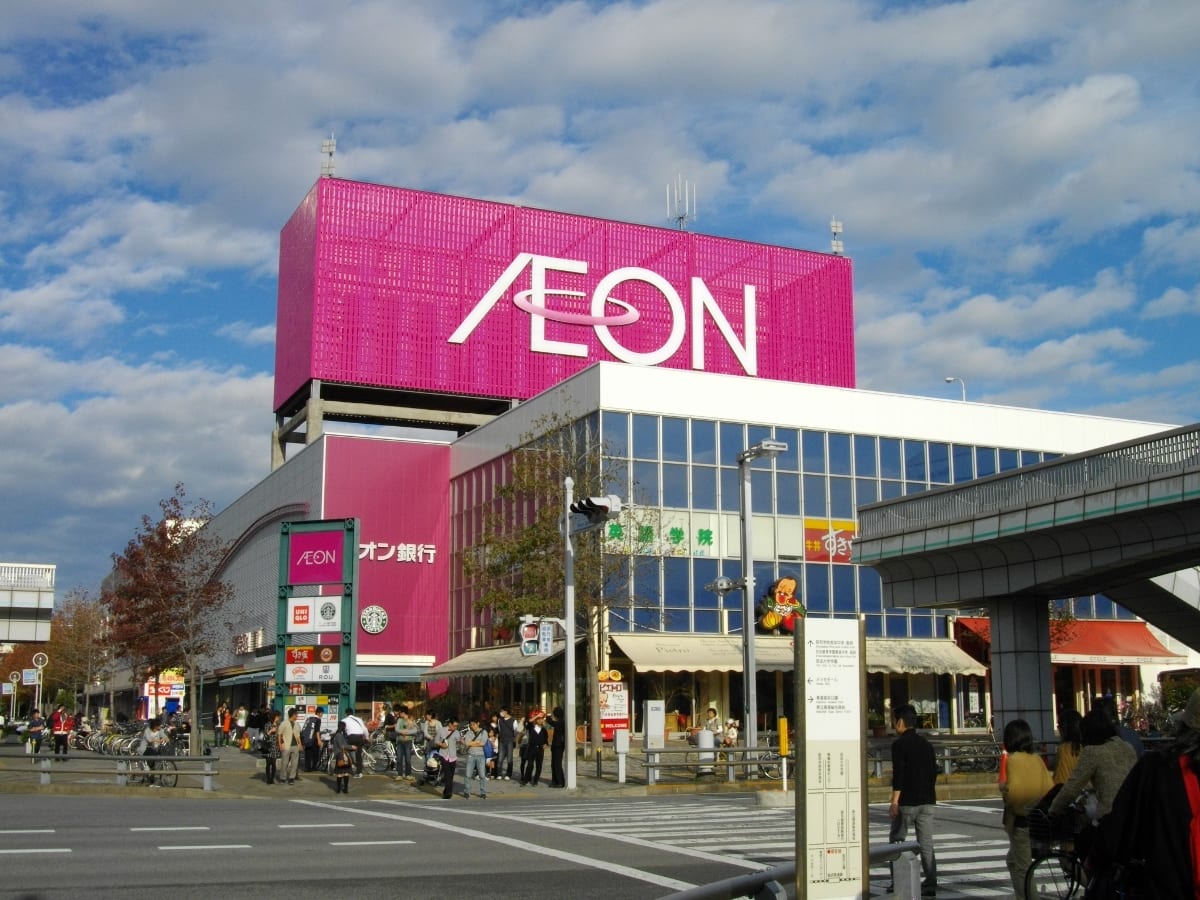
  • Aeon Hanoi sets opening date

    Aeon Hanoi sets opening date

    Aeon Hanoi will open its doors on October 28.

    The Japanese-based multinational shopping centre operate and retailer Aeon says the new centre will host 180 retail stores including its supermarket and department store anchors and a mix of local and Japanese brands.

    Aeon Hanoi will be Aeon’s third store in Vietnam, following its debut in Ho Chi Minh City two years ago, and a second mall in Dong Nai, an industrial city near Ho Chi Minh City. The company has already announced a fourth to be built in Ho Chi Minh City, scheduled to open in 2016.

    The Hanoi mall will cover 9.6 hectares in the suburb of Long Bien.

    Besides its focus on fashion and specialty stores, the centre will host restaurants and a foodcourt serving cuisine from Vietnam, Japan, Thailand and Korea on the third floor.