Tag: asia

  • Burger King Malaysia, Singapore sold

    Burger King Malaysia, Singapore sold

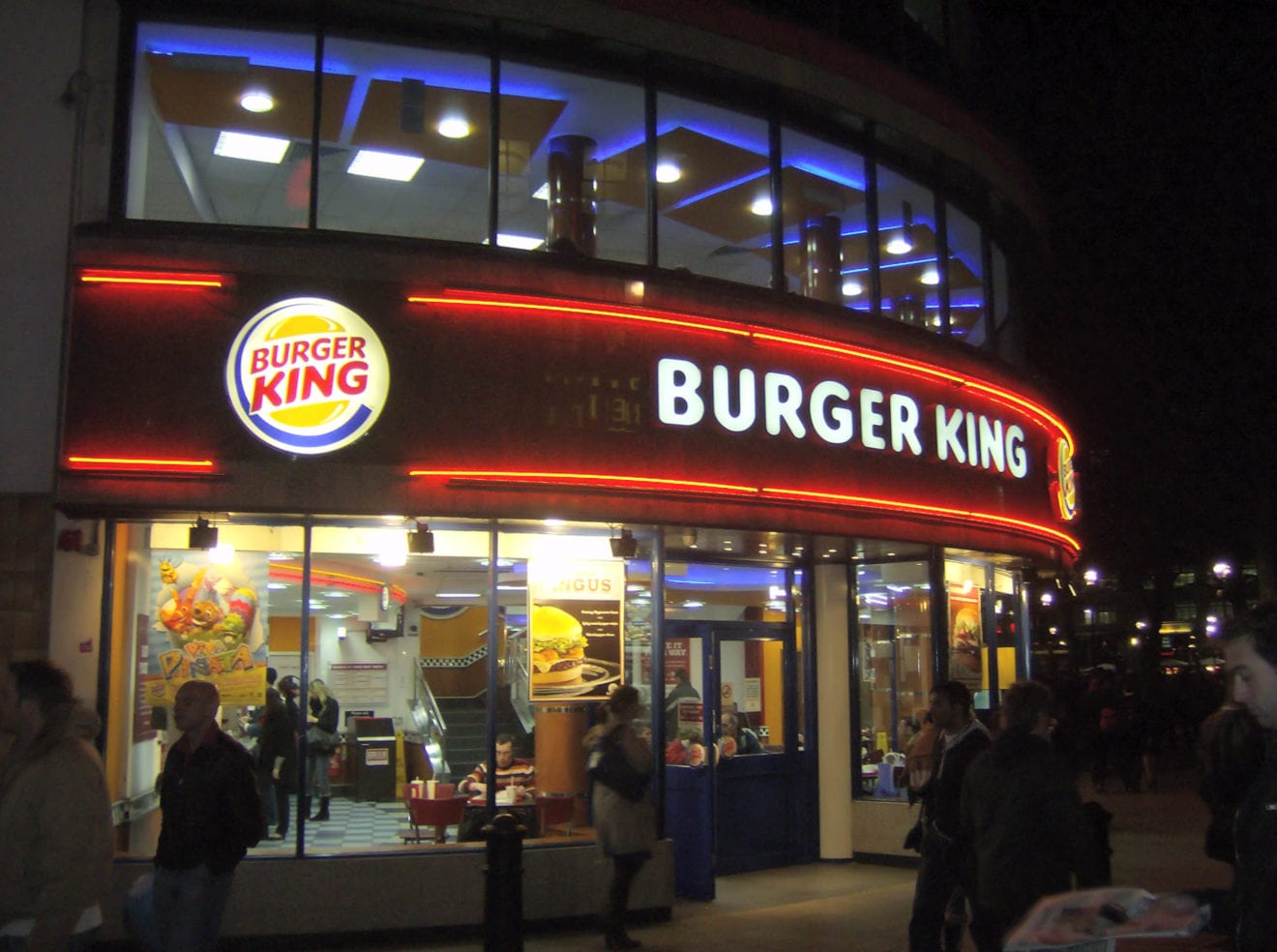
    Burger King Malaysia and Singapore has a new owner after previous franchisor Ekuinas sold out for US$18 million.

    Ekuiti Nasional Bhd (Ekuinas) has sold the operation to Newscape Capital (Newscape) with the agreement of BK Asiapac Pte Ltd, the master franchisor of the Burger King brand in the Asia Pacific region.

    Newscape is an investment company run by experienced retail operators Chua Tia Guan and Lee Thiam Wah. It successfully acquired the rights to Burger King in the two markets after a previous bid by Brahim’s Holdings Bhd was rejected by BK Asiapac in February.

    Abdul Rahman Ahmad, Ekuinas CEO, said the sale would place the Burger King brand with a franchisee with the financial strength and operational expertise to expand the brand’s operations.

    “This exercise has also enabled Ekuinas to successfully complete the restructuring of its F&B portfolio involving our exit from the Quick Service Restaurant (QSR) segment to fully focus and expand on the core Casual Dining and Beverage segments with brands such as Tony Roma’s, Manhattan Fish Market, New York Steak Shack, Coolblog and San Francisco Coffee,” he said in a statement.

    BK Asiapac president David Shear commended Ekuinas’ four year partnership and said the company looked forward to the opportunities working with Newscape.

  • Tim Ho Wan Bangkok opens

    Tim Ho Wan Bangkok opens

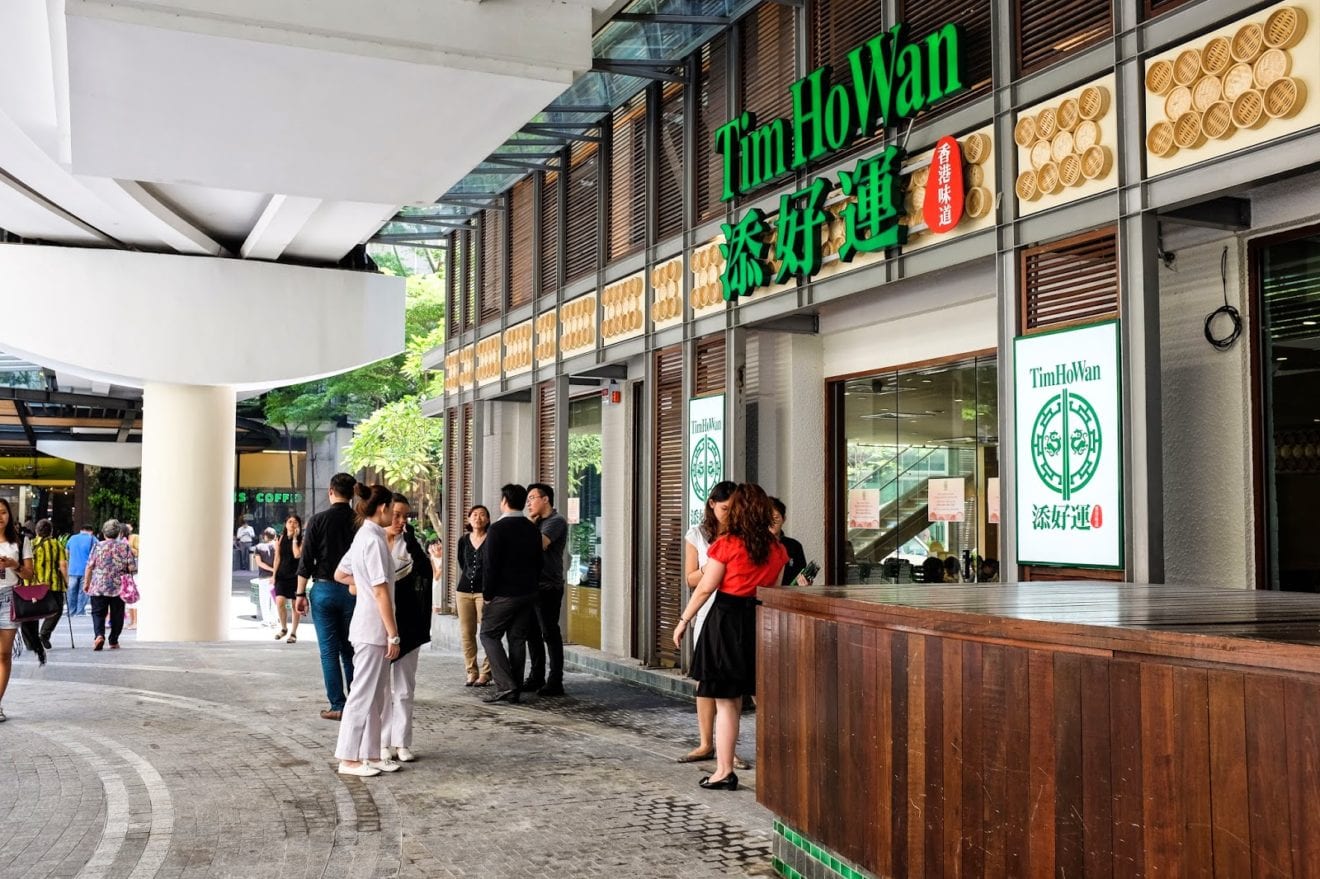
    Famous Hong Kong dim sum restaurant Tim Ho Wan has opened its first Thailand eatery – in downtown Bangkok.

    Tim Ho Wan Bangkok is located in the Terminal 21 shopping centre at Asoke. When it opened its doors this week it drew queues of hundreds of people eager to try the famous dim sum creations of founder Chef Mak.

    Affectionately referred to as “the world’s cheapest Michelin-starred restaurant”, Tim Ho Wan Bangkok is offering meals it says are even cheaper than at its original branch.

    The restaurant features a menu of 25 dim sum dishes, including the four most popular: baked bun with barbecue pork, pan fried radish cake, fluffy steamed egg cake and vermicelli roll with pig’s liver – all priced between 80 and 120 baht ($2.20 and $3.35).

    Chef Mak opened the first Tim Ho Wan in Mongkok in 2009, a small eatery with just 30 seats located in a virtual back alley. It was later awarded a one star Michelin rating.

    He launched the venture after turning his back on a career with a three star fine dining restaurant at the Four Seasons Hotel in Hong Kong called Lung King Heen.

  • Challenger Singapore shrugs off retail gloom

    Challenger Singapore shrugs off retail gloom

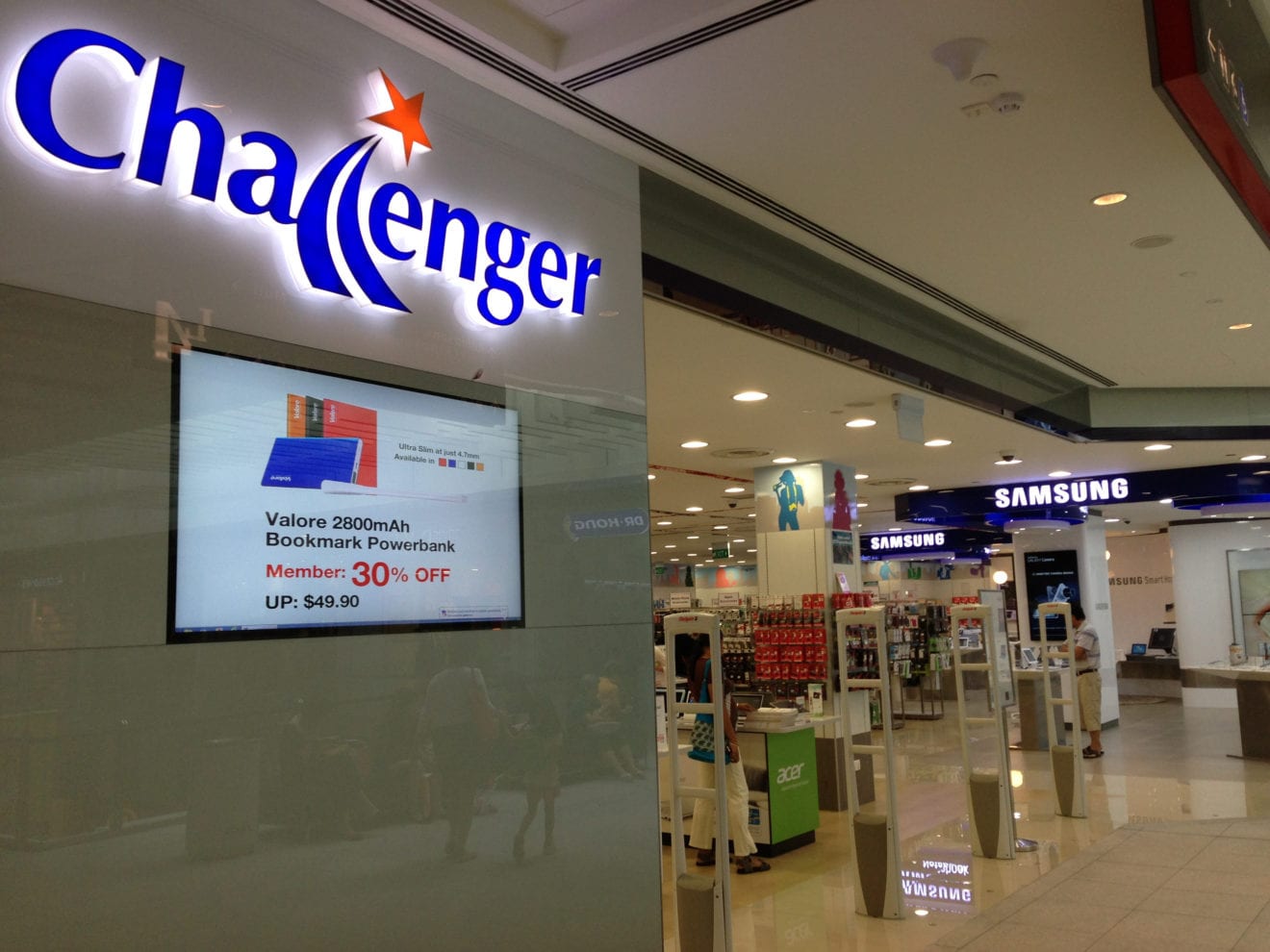
    Listed IT chain Challenger Singapore plans to open new stores this year as sales increase despite the city’s retail malaise.

    Challenger currently operates 45 stores in Singapore, a flagship megastore, 22 superstores and 22 small format stores. The company says it will continue to expand its retail footprint with three new stores planned for the second half of this year. Some stores which are not performing up to expectation will be downsized or closed when their current leases expire.

    Challenger Technologies, Singapore’s largest retailer of IT products and services, has reported a three per cent increased in second quarter sales to $84.7 million.

    It says sales were buoyed mainly by an increase in trade show activities as well as full-year operations for retail stores opened since the second half of 2014.

    These were partially offset by loss of revenue that resulting from its exit from Malaysia in the first half of last year.

    Net profit jumped 21 per cent to $3.5 million, boosted by reduced rental and operating expenses that resulted from the Malaysia exit.

    CEO Loo Leong Thye said although the company had improved its net profit, the IT retail business in Singapore continues to be challenging due to weak consumer spending power.

    “We also face higher operational costs and difficulty in hiring more staff to serve our customers to an expected level of satisfaction.”

  • Chinese medicines drive Zhongzhi growth

    Chinese medicines drive Zhongzhi growth

    Zhongzhi Pharmaceutical Holdings, which operates a network of pharmacies in the Guangdong province of China, has reported strong sales and earnings growth.

    Zhongzhi develops, manufactures and sells Chinese patent medicines, herbal remedies and food products sold under the core brands of Zeus, Liumian and Caojinghua.

    In the six months to June, the group achieved sales of RMB347.3 million, an increase of 20.6 per cent on the same period last year. Sales of ‘modern’ herbal remedies rose 44.5 per cent as a result of the group’s effort to expand its distribution and marketing network.

    “The continuous growth in the PRC pharmaceutical industry has been driven by favourable demographic trends, continuing urbanisation, the overall economy’s healthy expansion, and income growth which encourage greater public health awareness and consumption of pharmaceutical products,” the company said in its half year report.

    “The demand on pharmaceutical products will remain high and the related consumer expenditure is expected to increase year by year, which is beneficial to the further growth and development of the group. As such, it is anticipated that stable sales growth of our own-branded products in the PRC will continue in the near future.”

    In the year ahead, the company plans to expand its pharmacy network in the Guangdong province, boost its distribution network and expand its production capacity at the same time as putting more resources into researching new products and brand awareness marketing.

    Zhongshan has been operating chain pharmacies in Zhongshan under the Zeus banner for the sale of pharmaceutical products since 2001. As at June 30 it had 201 self-operated chain pharmacies in Zhongshan, five more than last year. Pharmacy sales increased by 15.9 per cent to RMB171.5 million for the six months, contributing 49.4 per cent of the company’s total revenue.

  • Connell Brothers Awarded Distribution Agreement by Graminex in Australia and New Zealand

    Connell Brothers Awarded Distribution Agreement by Graminex in Australia and New Zealand

    Connell Brothers (CBC), the largest specialty chemicals and ingredients marketer and distributor in Asia-Pacific, announced today that, effective September 1, 2015, it is appointed to manage the sale and distribution of Graminex(R)’s products in Australia and New Zealand, including finished goods and ingredients, such as flower pollen extract, saw palmetto and cranberry.

    The U.S.-based Graminex(R) is the exclusive grower and manufacturer of solvent-free Rye Grass Flower Pollen Extract(TM), and a leader in the international dietary supplement industry. Their products are sold in more than 44 countries on six continents. Graminex’s vertically integrated manufacturing ensures quality, consistency and efficacy of their products. CBC Australasia will represent Graminex(R) Flower Pollen Extract active ingredients, as well as the dietary supplements, primarily focusing on the areas of prostate, immunological and women’s health support.

    “We are pleased with our success promoting Graminex’s products in Taiwan, and look forward to maximizing similar marketing and distribution opportunities Australasia,” said Alex Grantz, regional manager, Food & Nutrition. “Our Food & Nutrition portfolio continues to grow in this region, allowing us to better serve our customers’ needs to differentiate their health and wellness product lines.”

    Cynthia May, CEO of Graminex(R) said, “Connell Brothers has a reputation of unmatched customer service and technical capabilities, including lab testing and product formulation. They have proven an efficient distributor for Graminex Products and I am confident that through their expertise and attention to product safety and quality assurance, they are the right distribution partner for Graminex in Australia and New Zealand.”

    About Connell Brothers

    Founded in 1895, Connell Brothers is a division of Wilbur-Ellis Company and is the largest marketer and distributor of specialty chemicals and ingredients in Asia-Pacific with a keen focus on technical service, customer support, and environmental, health, and safety. Connell Brothers provides complete supply chain management from transportation, documentation, warehousing, and sales and distribution in 17 countries and in 37 offices located throughout Asia-Pacific.

  • Samsonite sales soar globally

    Samsonite sales soar globally

    Samsonite sales soared 16.6 per cent in the first half of this year.

    The Hong Kong-based travel luggage retailer says it has benefited from “robust growth in travel and tourism worldwide” achieving sales of US$1.197 billion in the six months to June 30.

    Excluding the effects of foreign currency exchange rates, Samsonite’s profit attributable to shareholders increased by 8.9 per cent.

    Fresh from bedding down the acquisition of Rolling Luggage in February, Samsonite says it will continue to evaluate further potential acquisition opportunities “that offer both a compelling strategic and financial rationale”.

    Rolling Luggage is one of the world’s leading airport retailers of branded luggage and travel products. The acquisition provides Samsonite with a significant retail footprint in some of the leading airports in Europe and the Asia Pacific region, and establishes a strong multi-brand platform to showcase the group’s brands and collections.

    Samsonite chairman Tim Parker said behind the strong numbers for the first half year, “some strong foundations are being laid for future growth”.

    “It is worth bearing in mind that Samsonite, our flagship brand, is still number one in most markets of the world. One of the key strengths of our business is its diversity in terms of brands, segments and geographical markets. Thus, in the first half of 2015, pockets of local market pressure were more than compensated for by good performances elsewhere.”

    CEO Ramesh Tainwala added: “Samsonite achieved a very encouraging set of results for the first half of 2015 despite challenging economic and trading conditions in almost all of our major markets. All of our operating regions posted solid constant currency net sales growth, underscoring the resilience of our multi-brand, multi-category and multi-channel business model.”

    Samsonite’s net sales in Asia continued to grow across all markets within the region, reaching US$471.4 million for the six months, an increase of 17.2 per cent year on year. The growth was driven by both Samsonite and American Tourister, whose net sales grew by 15.1 per cent and 9.6 per cent, respectively.

    The group’s Samsonite Red sub-brand was the driving force behind the 42.3 per cent increase in the casual product category in the Asia region. The group also recorded net sales of US$7.1 million from the High Sierra brand in the region during the first half of 2015, representing an increase of 64.4 per cent from the previous year.

    Samsonite introduced the Kamiliant brand in Asia during the second half of 2014, which has contributed US$1.0 million of net sales in the first half of 2015. All of the group’s brands continue to benefit from products and marketing campaigns that are designed specifically for the region.

    Driven by Samsonite and Samsonite Red through the eCommerce channel and strong business-to-business sales, China saw first half net sales increase by 29.8 per cent year on year. South Korea continued to grow, recording a 4.8 per cent increase in net sales despite the negative impact from the MERS outbreak.

    India, Japan, Hong Kong and Australia all recorded strong year-on-year net sales growth of 13 per cent, 44.6 per cent, 8.1 per cent and 33.5 per cent, respectively.

    “Aside from additional points of sale and increased product offerings, the success of the group’s business in Asia has been bolstered by its continued focus on country-specific products and marketing strategies to drive increased awareness of, and demand for, the group’s products,” the company said in a statement.

    For the second half of 2015, the Group will continue to leverage the strength of its diverse portfolio of brands to gain market share across all of its markets. Those brands include Samsonite, American Tourister, Hartmann, High Sierra, Gregory, Speck and Lipault.
  • Major makeover for Bangkok’s Silom

    Major makeover for Bangkok’s Silom

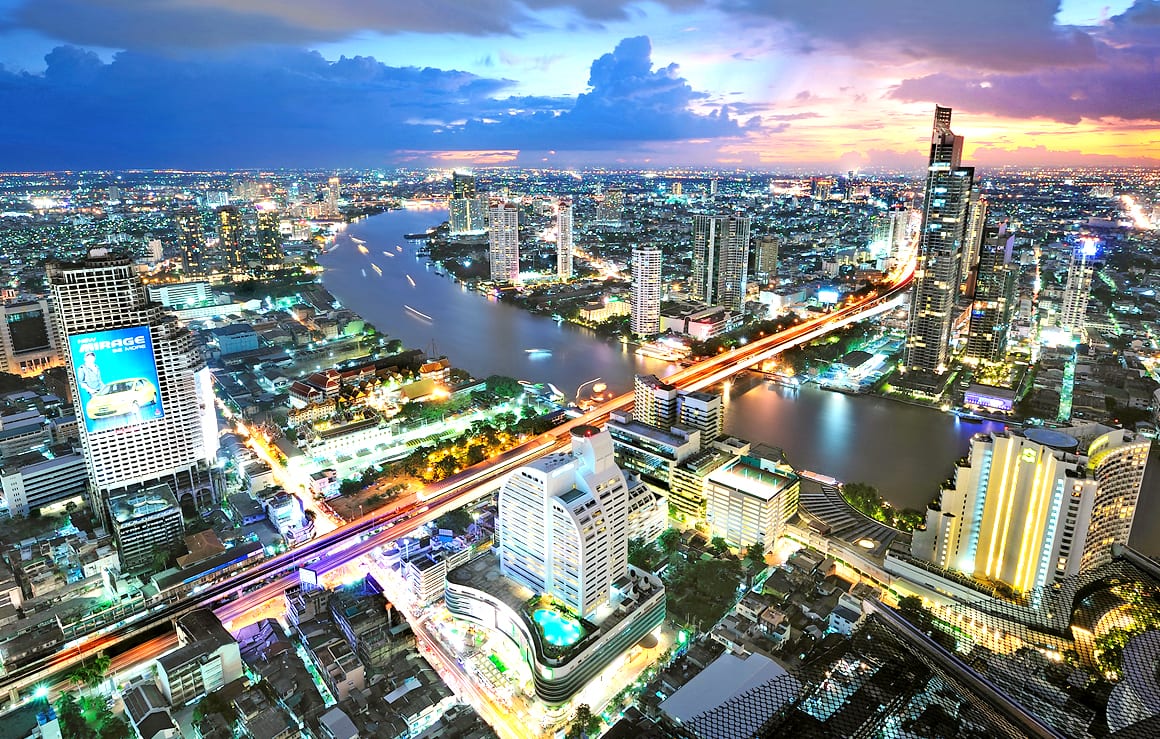
    A Thai developer has revealed plans to convert a prime corner site in Bangkok’s Silom district into a futuristic retail and office centre.

    Silom Center, on the corner of Silom and Rama 4, adjacent to the BTS Skytrain and underground MRT stations will be redeveloped by the third quarter of next year.

    The development is being undertaken by Property Perfect and We Retail PCL who believe that, once finished, the building will put the suburb on a par with Siam and Phloen Chit, both anchored by luxury malls and populated by luxury brands and high class eateries.

    The project will combine a retail mall and office space with new connections to the Sala Daeng BTS elevated walkway.

    The property developers also announced several other developments in Bangkok.

    The company is constructing the Sukhumvit Center in Nana which will feature a 30-storey high “six star” Hyatt Regency hotel and two levels of shopping space when it opens at the end of 2017.

    And in nearby Asoke the company plans to convert a Robinson department store located beneath the Westin Hotel into a retail centre branded Sukhumvit Center Asoke. That project will not be completed until late 2021, however.

  • Israel’s Teva Naot expands in Japan

    Israel’s Teva Naot expands in Japan

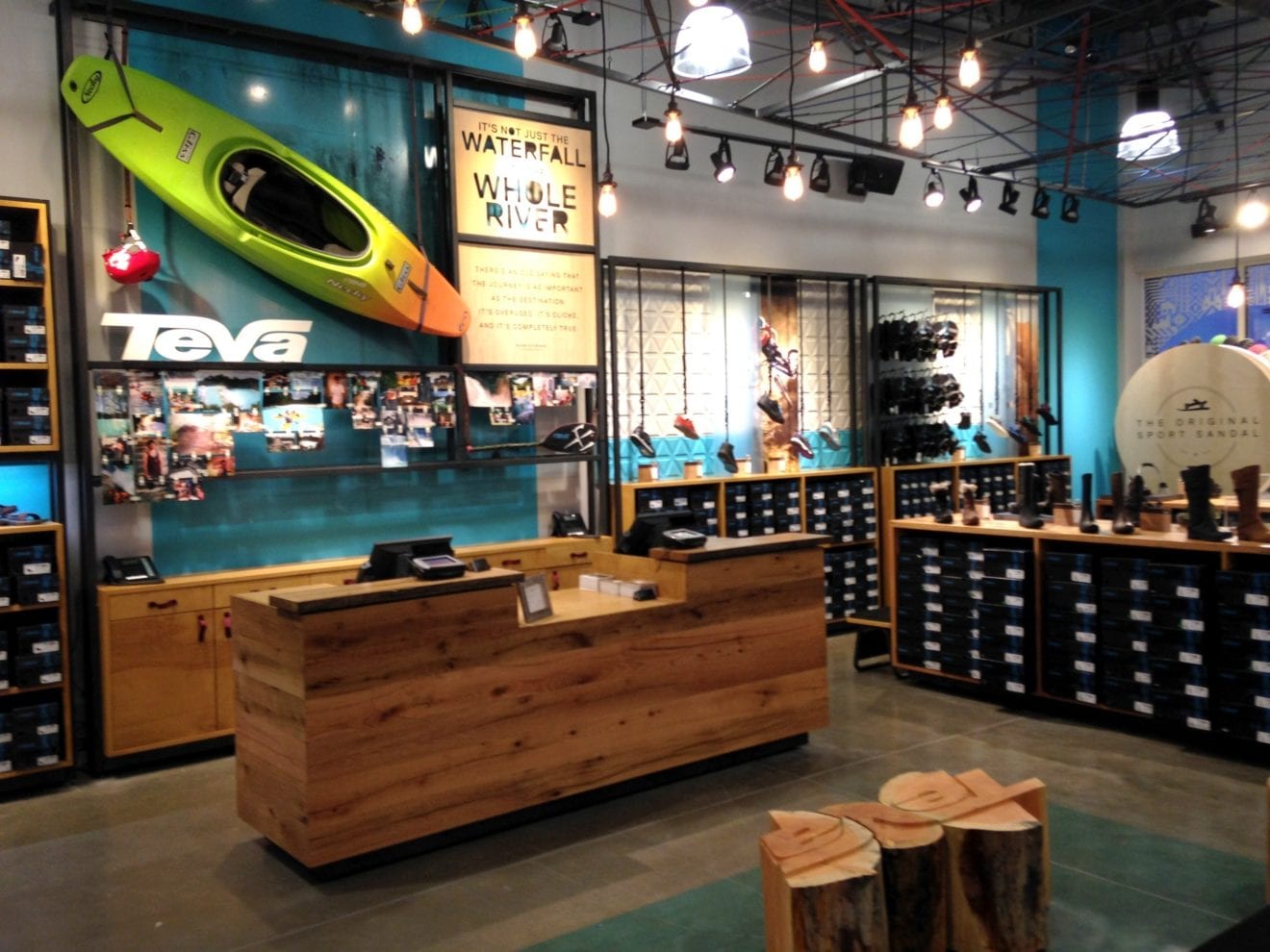
    Israeli sandal maker and retailer Teva Naot is gaining a cult following in Japan.

    The footwear brand has just opened its fifth “high class boutique” in Japan, and plans even more stores as it wins the hearts and wallets of Japanese.

    The company already has three stores in Tokyo and one in Nara in the Kansai region of Japan’s south. The new store will be in Tokyo.

    CEO, Michael Iluz,says its shoes have become extremely popular among Japan’s business and celebrity class.

    Teva Naot shoes are handmade from high quality materials and positioned at the premium end of the market. It has designed a range of 20 sandals specifically for the Japanese market to reflect local tastes, fit and trends. The stores are designed to evoke a ‘high class, luxury’ shopping experience.

    The Israeli newspaper Maariv reports the company sold more than $3.6 million worth of shoes in Japan this financial year and expects sales to reach as high as $5 million in 2016.

    Teva Naot has also met with success in South Korea.

  • Chow Sang Sang local sales slide

    Chow Sang Sang local sales slide

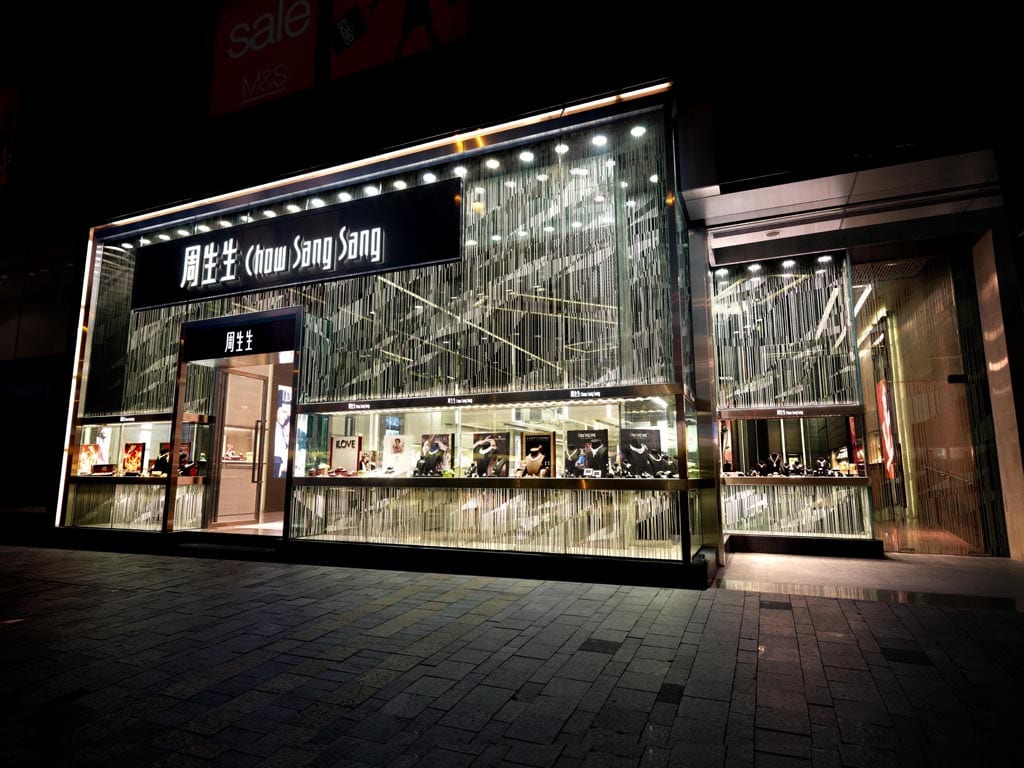
    Jeweller Chow Sang Sang has reported a 12 per cent slump in same store sales in Hong Kong and Macau during the first half of this year.

    But the company’s total sales slipped just one per cent and its profit rose 40 per cent during the six months, due to its disposal of shares in Hong Kong Exchanges and Clearing Ltd. Operating profit was down about 12 per cent.

    The company said while official records show a 5.9 per cent increase in the number of visits to Hong Kong by Mainland Chinese in the first five months, “actual spending by these visitors did not bring much cheer to the luxury retail sector”.

    “Negative sentiments towards cross-border traders and even mainland visitors probably cast a pall over shopping activities. Exchange rate fluctuations caused price differences that made it worthwhile for consumers from the mainland, and even those from Hong Kong, to shop in Japan and Europe for luxury goods.”

    During the half, Chow Sang Sang closed its Metroplaza store in Kwai Chung, but expanded its store in Elements, West Kowloon and converted the fitout to the company’s new generation shop design.

    The company said Macau was especially hard hit by the anti-graft campaigns and the measure to restrict funds outflow. One street-level store was closed there at the expiry of its lease.

    “On the Mainland, the slowing growth in the economy, the continued anti-corruption and austerity drive affected high-ticket spending, but in general the retail sector was healthy.”

    The jeweller opened 21 stores during the half taking its reach to 102 cities. Ten underperforming stores were closed for a net gain of 11 and a total network of 333.

    The company says in the months ahead it will continue to closely monitor its inventory levels. It has revamped its online shops both for the Mainland and Hong Kong and online sales continue to grow.

    “We are making progress in facilitating our online customers to take advantage of the network of physical stores.”

    In Hong Kong the company has acquired space in Citywalk, Tsuen Wan, to open a Rolex and Tudor store.

    The existing store in the same mall shall cease to operate its watch counters.

    In China 18 stores are planned between now and Christmas, along with several refitting and closings.

  • K11 mall founder to build 17 more centres

    K11 mall founder to build 17 more centres

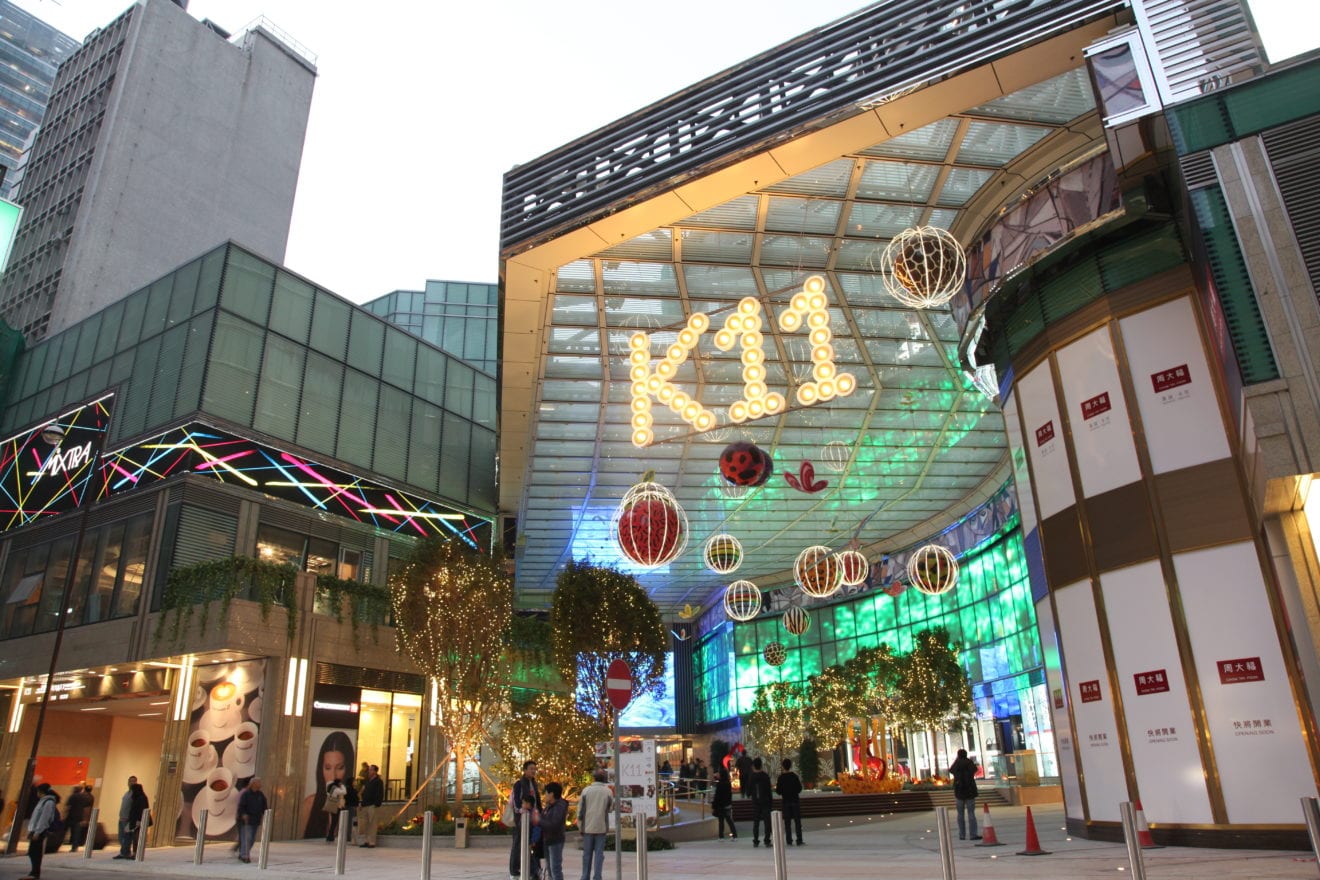
    The founder of the K11 mall concept which debuted in Hong Kong and then was replicated in Shanghai is now planning 17 more centres in Mainland China.

    Chinese billionaire Adrian Cheng founded the nonprofit K11 Art Foundation in 2010,  and subsequently opened the K11 shopping centre in the heart of Kowloon, atop the Tsim Sha Tsui railway station.

    Like its successor in Shanghai, the K11 mall features frequently-changing art installations and exhibitions, merging art gallery with a retail and dining space. Works by artists including Olafur Eliasson, Damien Hirst and Yoshitomo Nara can be found in the malls.

    A spokesman for Cheng’s business New World Development Company says the grand plan is to have 19 K11 spaces – mostly retail centres but also offices.

    Cheng is ranked among the world’s top 20 billionaires aged under 35 with an estimated worth of US$1.4 billion.

  • International honour for Siam Center

    International honour for Siam Center

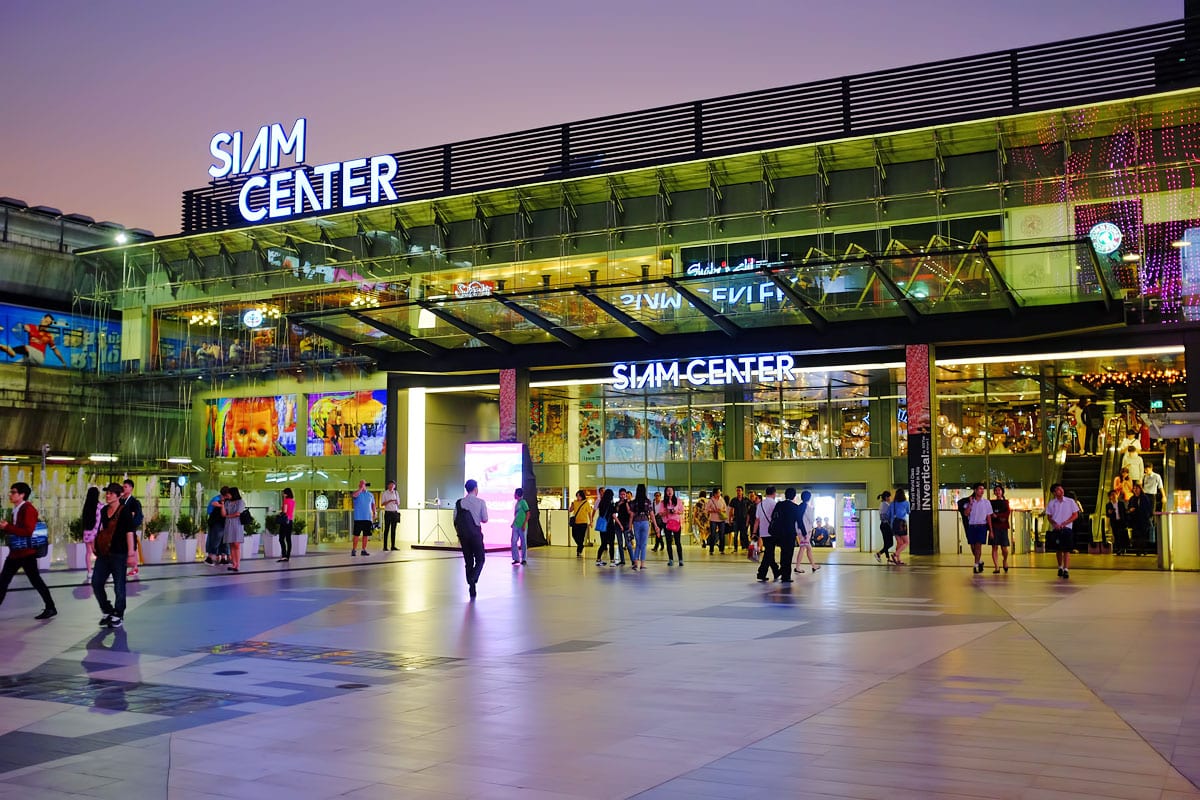
    Bangkok’s Siam Center has been chosen as one of world’s five best-designed retail centres by the International Council of Shopping Centers.

    Siam Center, owned and developed by Siam Piwat Co,  is one of five malls from around the world presented with the 2015 ICSC Viva Award in the ‘design and development’ category and is recognised for ‘most outstanding design’.  The award follows Siam Center’s selection in 2014 as a Gold Award Winner by the Asia Pacific Shopping Center Awards for its innovative new design.

    ICSC - Siam Center - Picture 1


    Siam Center completed a full-scale rejuvenation in 2013 with an investment in excess of Bht 1.8 billion (US$50.5 million) by Siam Piwat and 300 brand owners in the biggest collaborative initiative in retail development ever undertaken in Thailand.

    Siam Piwat CEO Chadatip Chutrakul said the company felt very honoured by the ICSC’s award.

    “ We want to help make Bangkok a top global shopping destination by being at the forefront of new ideas in the design of our properties.  Siam Center is one of the first lifestyle destinations in the world to pioneer a revolutionary new retail concept that involved collaboration between retail developer, retailers, and brand owners to create a consistent visual identity in the entire venue as well as concept shops which are all aligned with Siam Center’s distinctive look and mood,” she said.

    “That collaboration even extended to presenting visitors with a single promise: that, regardless of whichever store or restaurant they visited at Siam Center, they would experience something revolutionary and unexpected.”

    Chadatip said Siam Piwat decided to make a major investment in Siam Center in line with the evolution of retailing, “which is no longer just about retailing, but about providing extraordinary experiences in an arena where people can be inspired, excited and entertained”.

    “Siam Piwat’s strategy for success across all our properties is to be a thought-leader in retail development, always innovating, always being first, and always doing it at world-class standards as an ‘Icon of Innovation’,” she said.

    Chadatip, after its redevelopment Siam Center has measured a significant increases in visitors, in the number of visitors actually shopping, and in the average spend by each shopper.

    “Since the new concept was introduced, the number of people visiting Siam Center has increased by almost 12,000 people a day, as compared to the year before. And, of those people visiting Siam Center, the number of people who actually do some shopping at the venue has leapt by an incredible 34 per cent.

    “Beyond that, the average spending by shoppers has more than doubled and is now at almost Bht 3,000 ($84) per shopper, per visit. This reflects the success of the collaboration between retailers, brand owners and Siam Piwat to excite and inspire visitors,” she said.

    “Our success with Siam Center reinforces our conviction that thought-leadership will drive Siam Piwat’s success and our future growth will come from offering novel concepts as well as new retail and lifestyle ideas that are the first in Thailand, and some even in the world.”

  • How to achieve the ‘perfect store’ visit every time

    How to achieve the ‘perfect store’ visit every time

    Many consumer goods companies are seeking out the perfect store.

    Those setting themselves up for success are defining the strategic vision for the perfect store at the senior leadership level – defining what it means for the organisation.

    No matter how well you define your vision of the perfect store, you will not realise the worth to the business without flawless execution – from senior management at head office down to the individual reps in store.  You must avoid common pitfalls like misalignment of internal departments and team goals, failure to clarify sales team member roles and who takes responsibility for which tasks.

    Here are some key considerations to help deliver the perfect store visits for your organisation:

    1. Invest in the right processes, tools and technology.

    Make sure you have invested in a technology solution that can generate a continuous flow of real-time, store specific data and close the loop between your head office and your field teams. Make the most of today’s mobile devices and give your reps access to the most up to date insights while out in the field.

    1. Communicate the perfect store vision to your field teams.

    Reps must know what they are aiming for in store and what they will be measured against (KPI’s). Provide specific plans, task lists and objectives by store for merchandising activities as well as getting the perfect order. Motivate and compensate your reps for achieving perfect store status.

    1. Engage and consult the retailer.

    Allow your reps to take a consultative, data driven approach with retailers improving operational efficiency and fostering meaningful relationships with store managers and owners. Part of this means providing reps with the right mobile tools and devices. A visual, fact based pitch will more likely win over a busy store manager resulting in an in store sale or promotion and display activity.

    1. Take measures to improve productivity.

    A more productive field force will unlock opportunities to focus on value adding activities in store and getting to more stores. By reducing driving time, administration and data processing time with route optimisation and better systems and technology in the field your reps can deliver additional results above the productivity gains themselves.

    1. Measure, improve and repeat.

    Implement ongoing checks and balances to evaluate and measure activity. Adjust KPI’s accordingly, make better business decisions, and target high yield territories and stores. And always look to course correct if necessary with visibility generated by a closed loop system.

    Perfect Store visits executed correctly offer more productive field teams, visibility into lost sales opportunities such as OOS & promotional non compliance, and the ability to identify new opportunities with the store manager, take orders and sell more in the store.

    Bring your company’s “perfect store” to life – invest in today’s latest technology and tools, communicate, motivate and compensate your field teams and actively consult to store managers by sharing store specific data. This will result in increased sales – a win for you, your sales teams, the retailer and your end consumer.

  • Bottega Veneta reopens Hong Kong flagship

    Bottega Veneta reopens Hong Kong flagship

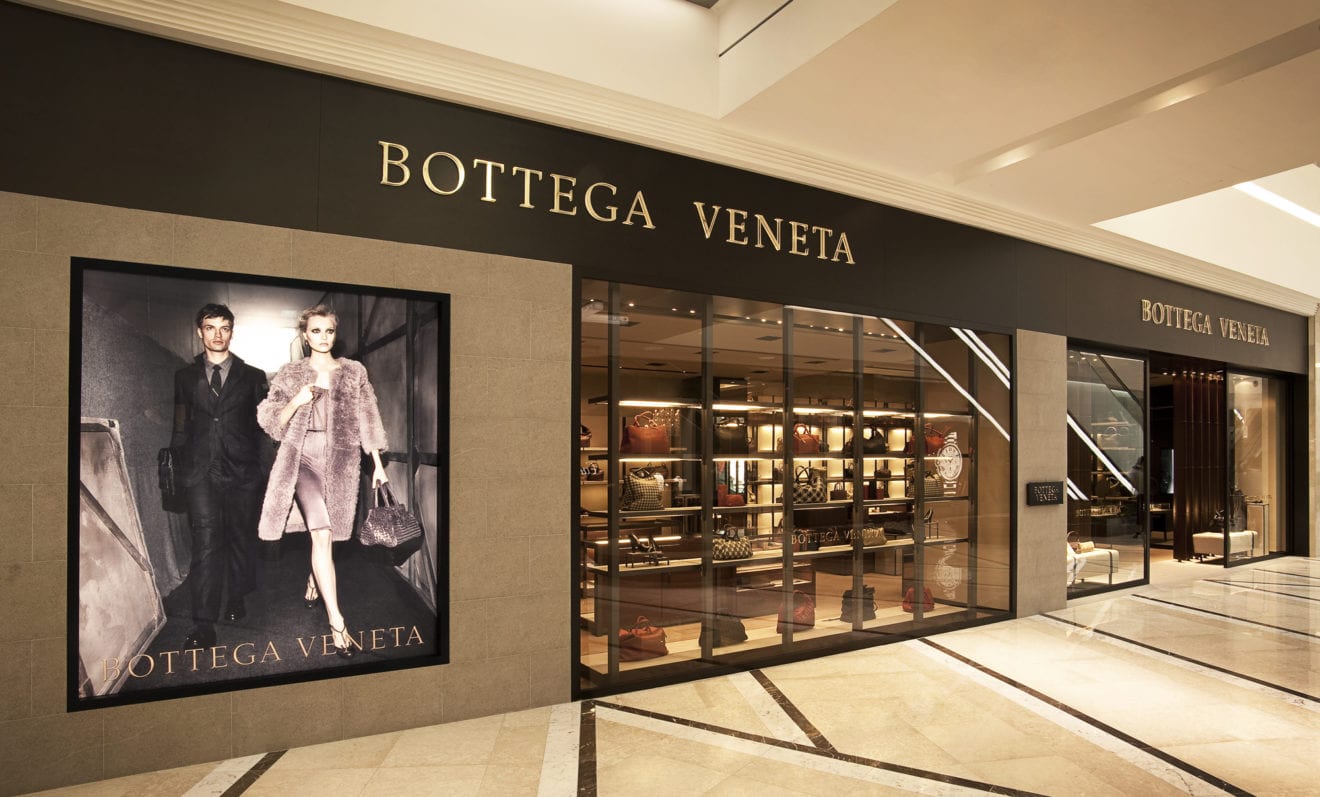
    Luxury fashion brand Bottega Veneta has reopened its expanded boutique in Kowloon.

    Bottega Veneta Harbour City originally opened in 2002. This month the store completed a significant refurbishment and expansion.

    Botega Veneta Hong Kong 3


    The new fit out features custom made New Zealand wool carpets, walnut display tables, mohair, and leather-wrapped door handles to helping create a sophisticated, yet relaxing dwelling and shopping environment.

    Bottega Veneta Hong Kong

    Bottega Veneta has nine boutiques in the territory, where it made its debut in 2001.

    The brand creates and sells ready-to-wear clothing and accessories.

    Botega Veneta Hong Kong 2


    Bottega Veneta was founded in Italy in 1996 and is now part of the Gucci Group, now owned by French-based multinational luxury brand house Kering.

    Bottega Veneta Hong Kong1

  • Johnny Rockets to focus on Southeast Asia

    Johnny Rockets to focus on Southeast Asia

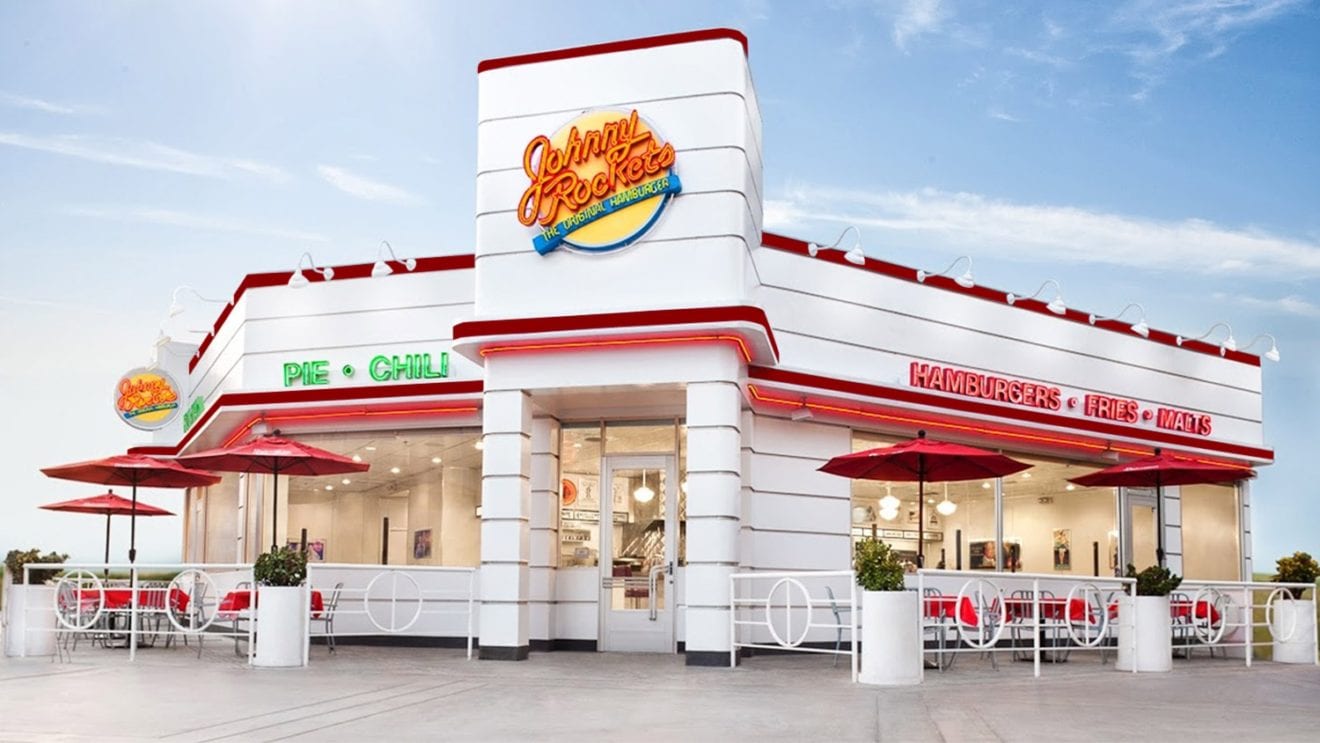
    US burger chain Johnny Rockets says Southeast Asia – particularly Vietnam and Thailand – will be the focus of its global expansion in the short term.

    Based on Johnny Rockets’ “all-ages appeal and current success in the region” the company is seeking area developers for expansion into both new markets.

    “The popularity of American culture and cuisine in Southeast Asian countries is the driving force behind our current success and growth in these markets,” said James Walker, president of operations and development with Johnny Rockets.

    “Due to Thailand’s and Vietnam’s customer base and proximity to other Southeast Asian countries where we operate, we see huge potential for the brand in those countries, and we are actively seeking franchise partners looking for development opportunities.”

    In addition to its Southeast Asia strategy, Johnny Rockets is also seek a partner in entering Hong Kong. Earlier this year, Johnny Rockets announced a 100-restaurant agreement in mainland China, the largest expansion in the company’s history.

    Walker says Southeast Asian consumers have “enthusiastically embraced” American restaurant franchises for years, and that has proven true for Johnny Rockets. The brand currently operates in Indonesia, the Philippines and Malaysia through 14 restaurants and has eight more in development.

    He says Johnny Rockets’ signature American menu, including cooked-to-order hamburgers, crispy fries, hand-spun shakes and sandwiches, coupled with its “Americana experience” appeals to Asians.

    “What we have found is that as the region’s middle class booms, that population segment is looking for and willing to spend more on premium burger concepts. They certainly find that with Johnny Rockets. They also discover and relish our experience and entertainment value.”

  • Indonesia building airstrips to boost export of fresh fish

    Indonesia building airstrips to boost export of fresh fish

    Indonesia is building small runways near 15 fishing villages to help local fishermen export their catch while they are fresh and command a premium, said Maritime Affairs and Fisheries Minister Susi Pudjiastuti yesterday.

    The entrepreneur-turned-politician said these 1km-long airstrips – or just long enough to land light aircraft – will connect fishermen from various parts of Indonesia to markets at home and abroad.

    “We can send our fresh products immediately on the same day to Japan or Europe… by opening up direct flights from the eastern part of Indonesia,” she said.

    “The obstacle right now is that everything has to go through Jakarta which takes longer.”

    Ms Susi was in Singapore to deliver a public lecture, organised by the S. Rajaratnam School of International Studies, on Indonesia’s maritime policy and its challenges.

    She is also meeting businessmen here to discuss trade opportunities and hopes to see investors from Singapore involved in the project to build the 15 airstrips.

    Opening up new gateways to global markets from each fishing sector of Indonesia will be an “incredible breakthrough”, she said.

    Airfreight capabilities will offer the opportunity for local fishermen to enter a high value market because consumers pay a premium for fresh seafood, she added.

    In a public opinion survey carried out in mid-2015, the Indo Barometer Survey and Political Communication Institute ranked Ms Susi as the best-performing minister.

    She also survived President Joko Widodo’s recent Cabinet reshuffle that was prompted by Indonesia’s flagging economic growth since he took office in 2014.

    Her ministry is a key driver behind Mr Joko’s plan to revive the shipbuilding and fisheries industries in a bid to re-establish Indonesia as a maritime power.

    Latest figures showed that the fisheries sector in the country grew 8.6 per cent in the first quarter, outperforming the national growth rate of 4.7 per cent.

    Ms Susi said the sector is set to achieve its target of 10 per cent for the year.

    Noting the importance of the fisheries industry, Indonesia has been trying to maximise the potential of the sector through, among other things, modernisation of current industry practices, abolishing trans- shipment activities, and going after poachers. According to Mr Joko, Indonesia suffers annual losses of more than US$20 billion (S$28 billion) from illegal fishing.

    Enforcement efforts have been ramped up, including the enhancement of its maritime surveillance capabilities. To send a strong signal to poachers, illegal fishing boats seized in Indonesia were duly sunk.

    Statistics in handouts distributed to participants at yesterday’s lecture showed that between 2007 and 2014, the Maritime Affairs and Fisheries Ministry sank 38 vessels for breaching fishing laws. Joint enforcement efforts with the Indonesian Navy and police, however, saw a total of 59 vessels sunk between last year and this year.

    They do not include the 37 illegal fishing boats it put underwater on Aug 18. The original plan was to take down 70 illegal vessels to commemorate Indonesia’s 70th Independence Day, which falls on Aug 17.

    Its policy of sinking vessels seized from poachers has attracted some criticism.

    Ms Susi defended the policy yesterday, saying that it has not only helped reduce intrusions but also curbed the illegal trade of highly subsidised fuel sold to poachers.

    “The media has made (the sinking of illegal fishing vessels) more sensational, which is sometimes inappropriate but it is needed for a deterrent effect,” she said.

    “But it is good that that we didn’t have that many poachers coming to our waters any more (and) it’s a good sign that we could not sink 70 in August – only 37.”