Tag: asia

  • aCommerce aims to pocket $30M series B for ecommerce logistics battle

    aCommerce aims to pocket $30M series B for ecommerce logistics battle

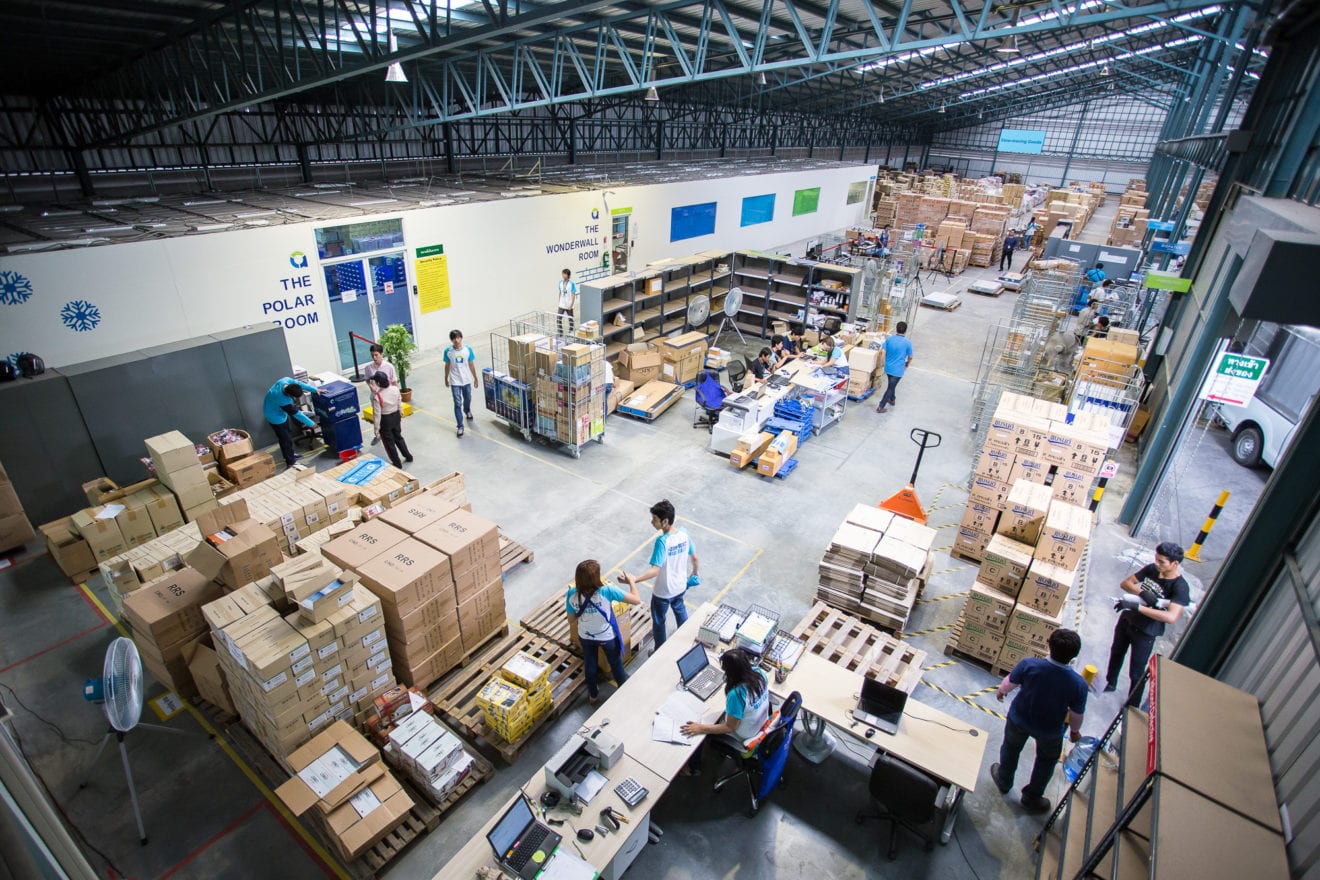
    After breaking records for a series A round in Southeast Asia, ecommerce logistics startup aCommerce is gearing up for a new milestone. The targeted deal size for the series B is US$30 million, group CEO Paul Srivorakul tells Tech in Asia.

    “We’re getting good interest from investors due to the strong team, [the] market opportunity, [our] ‘arms dealer’ business model, and the size of the funding round. US$30 million is a big enough size for private equity guys and attractive to a variety of venture capital firms,” Paul says.

    The Thailand-based startup nabbed US$10.7 million for series A followed by a bridge round of US$5 million.

    “Indonesia recently became aCommerce’s biggest regional operation, this month hitting 360 employees,” Paul says. He also hinted at further expansion in the country in the form of warehouses and an office space, depending on client needs.

    Asia Leaders Summit Paul Srivorakul

    Paul Srivorakul (standing up), co-founder and CEO of aCommerce Group and co-founder and executive chairman of Ardent Capital, at the Asia Leaders Summit in 2014

    aCommerce has been able to secure some of Indonesia’s hottest ecommerce brands as clients. Next to MatahariMall, which launched in August, aCommerce is also the fulfillment partner for MAPeMall (the ecommerce arm of Indonesia’s largest retailer, Mitra Adiperkasa), online fashion store Berrybenka, and several other brands like HP and L’Oreal.

    Ecommerce automation

    The startup offers end-to-end services for ecommerce clients. It doesn’t only handle warehousing and fulfillment – if necessary, it can assist the retailer in customer service, marketing, and building custom tech solutions. It comes as ecommerce booms across Southeast Asia. A 2013 study estimated the retail ecommerce market size in the top 6 ASEAN countries to be worth US$7 billion, while online sales still only represent less than one percent of the total retail market.

    Traditional retailers often choose to partner with companies like aCommerce because of complexities they face as they migrate their businesses online. Ecommerce sales opportunities are abundant but tricky, and retailers need to be aware of and manage multiple channels. At the same time, customer expectations are on the rise, creating demand for same-day deliveries and real-time support.

    aCommerce’s software solutions allow it to automate and optimize aspects of these processes. According to Snorre Larstad, who recently joined aCommerce Indonesia as its new CEO, the firm can even help clients make decisions on things like pricing and promotions, and help with fraud detection.

    The service also helps with cash-on-delivery (COD) payments. Though COD carries risk for the retailer and delivery company, Snorre believes it’s necessary to offer COD in Indonesia because buyers don’t trust online payments yet, and credit card penetration is low.

    Snorre Larstadt aCommerce

    Snorre Larstad, aCommerce Indonesia’s recently appointed CEO

    “Latest research shows credit card penetration at 3.2 percent of the 250 million population,” he says. “We expect that offering COD is going to be a precondition for future growth of ecommerce, and thereby our business volume, at least for the next two years.”

    No consolidation in sight

    Being an “arms dealer” in the growing online retail industry holds promise, but also requires patience, since growth is tied to the pace of the industry as a whole. That’s why it’s no surprise aCommerce plans to fill up its own war chest with a new round of funding.

    In the meantime, new startups are emerging to capture their slice of the market, often settling on specific niches and as such being more nimble than end-to-end solutions like aCommerce.

    One of them is Singaporean startup Ninja Van, which specializes in next day deliveries and parcel tracking and is getting ready to enter neighboring markets. It looks like Go-Jek, Indonesia’s Uber for motorbikes, has plans to offer a package delivery service of its own. It is already partnering with online marketplace Tokopedia for deliveries within the Jakarta area.

    Traditional logistics companies are also reacting to the opportunity. SingPost has established its own end-to-end ecommerce services provider, SPecommerce. At this point, it’s probably the only company in the region offering a similarly broad spectrum of ecommerce services as aCommerce.

    The support system for ecommerce is currently undergoing a similar diversification and fragmentation stage as the ecommerce industry itself. That’s normal in a growing industry, says Snorre.

    “With this boom [come] many more startups and a continued fragmented industry where multiple players will seek to position themselves for future growth. […] As the industry is growing and blooming, I don’t expect ecommerce in Indonesia to see significant consolidation or merger-and-acquisition processes over the next one or two years,” he adds.

    The real challenge for the industry may come from an unexpected place: established internet companies.

    “Google and Facebook are entering ecommerce. As such, [they] are likely to be real ecosystem game changers because they are massive in our markets and already control majority shares of the marketing spend and consumer time spent on mobile,” Snorre says.

    aCommerce offers end-to-end e-commerce solutions for startups, retailers, brands, and manufacturers in South East Asia.

  • Jamie Oliver heads to India

    Jamie Oliver heads to India

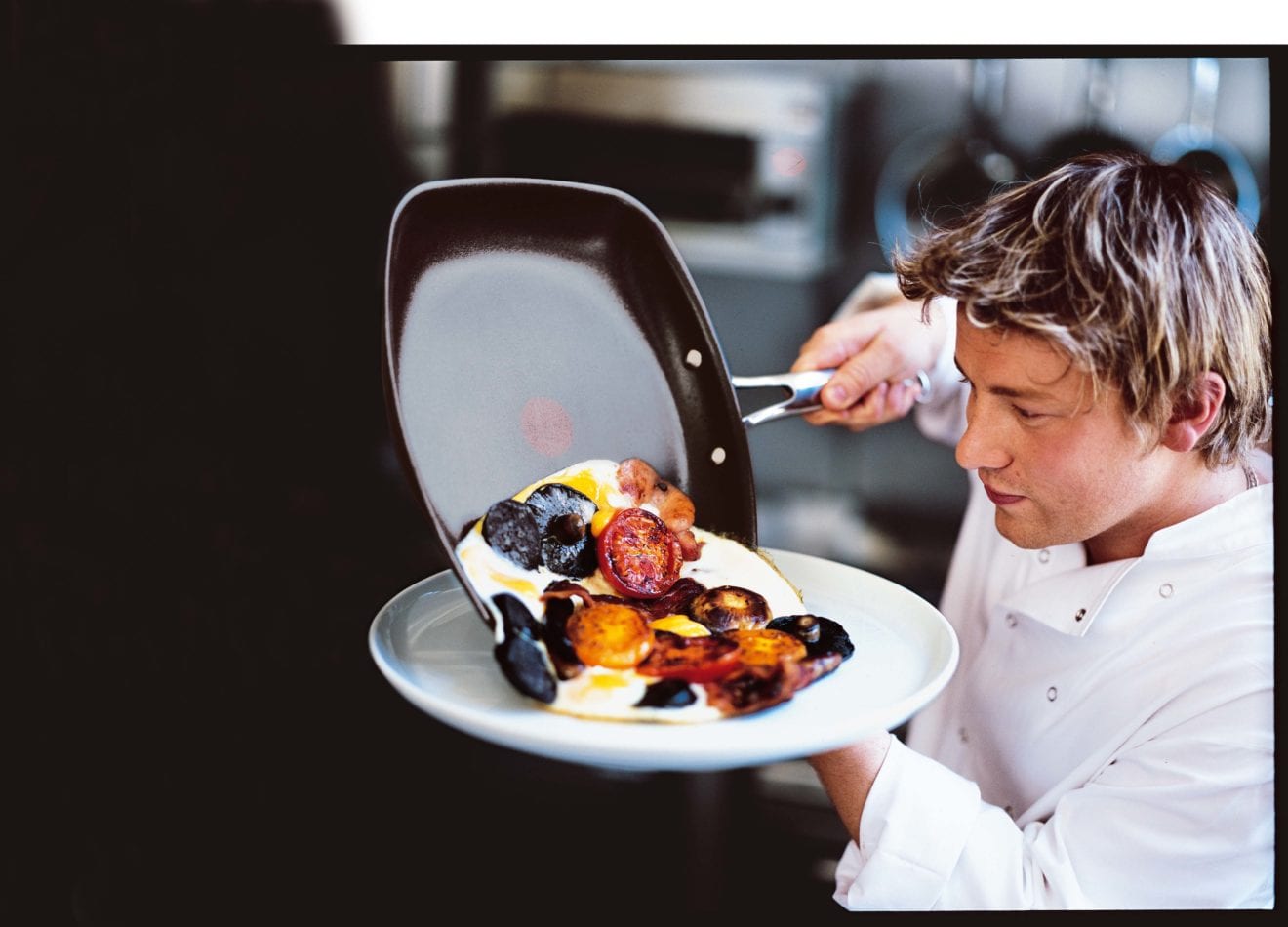
    UK celebrity chef Jamie Oliver is to open his first restaurant in India.

    Jamie’s Pizzeria, a 60 seat restaurant serving pizzas, salads, sides and desserts, will open in Delhi this autumn.

    “I can’t tell you how excited I am to be bringing Jamie’s Italian and Jamie’s Pizzeria to India. Delhi is a vibrant, colourful, buzzing city with an already incredible food scene, so to be opening two restaurants there is a huge honour,” Oliver said in a statement.

    The pizzeria will be the first of several planned for major Indian cities. Oliver already runs 30 restaurants globally, including in the UK, Dubai, Hong Kong, Russia, Australia, Singapore and Toronto.

    The Indian business is a joint venture between Delhi-based Carnation Hospitality, which operates Wendy’s and Barista franchises in India, and UK-based International Market Management.

    “We chose Delhi because we found a great launch site and feel that we can offer something new to the market, this is to say highly accessible, affordable restaurants serving great quality Italian food sourced with the greatest care,” said Jasper Reid, IMM’s founder, in an interview.

    “It’s a fun and easy-going place offering customers the highest quality but at amazing value. The plan is for customers to get a yummy pizza and a drink for around Rs 400 to Rs 450. We feel there may be a gap in the market for this quality and this price,” Reid said.

    He added that the partnership will launch the other Jamie Oliver brand, Jamie’s Italian, in India as well.

  • Kalyan Jewellers plans IPO

    Kalyan Jewellers plans IPO

    Indian retailer Kalyan Jewellers is planning an IPO to raise capital for expansion internationally.

    The company has plans for six stores in Qatar and an undisclosed number in Singapore, Malaysia and Sri Lanka.

    Chairman and MD T S Kalyanaraman has not revealed the timeframe for the IPO, but the move comes a year after high-profile private equity investor Warburg Pincus took a cornerstone stake in the business, effectively giving it an international scale credibility.

    Kalyan has 85 premium stores across India and in the Middle East and has a further 15 in planning. More significant is its second tier of concessions and ‘service centre’ stores branded ‘My Kalyan’ – a network currently numbering 650, with another 350 planned by March next year.

    “We had opened two [Kalyan] stores in Chennai – at Chromepet and Adayar – a couple of days ago,” said Kalyanaraman.

    “Going at this pace, we will be touching the 100-store mark towards the end of financial year 2016,” he said.

    Kalyanaraman sees huge potential in the ‘affordable diamond’ segment of the market, which it plans to service through the My Kalyan network.

  • Genki Sushi takes sushi train high-tech

    Genki Sushi takes sushi train high-tech

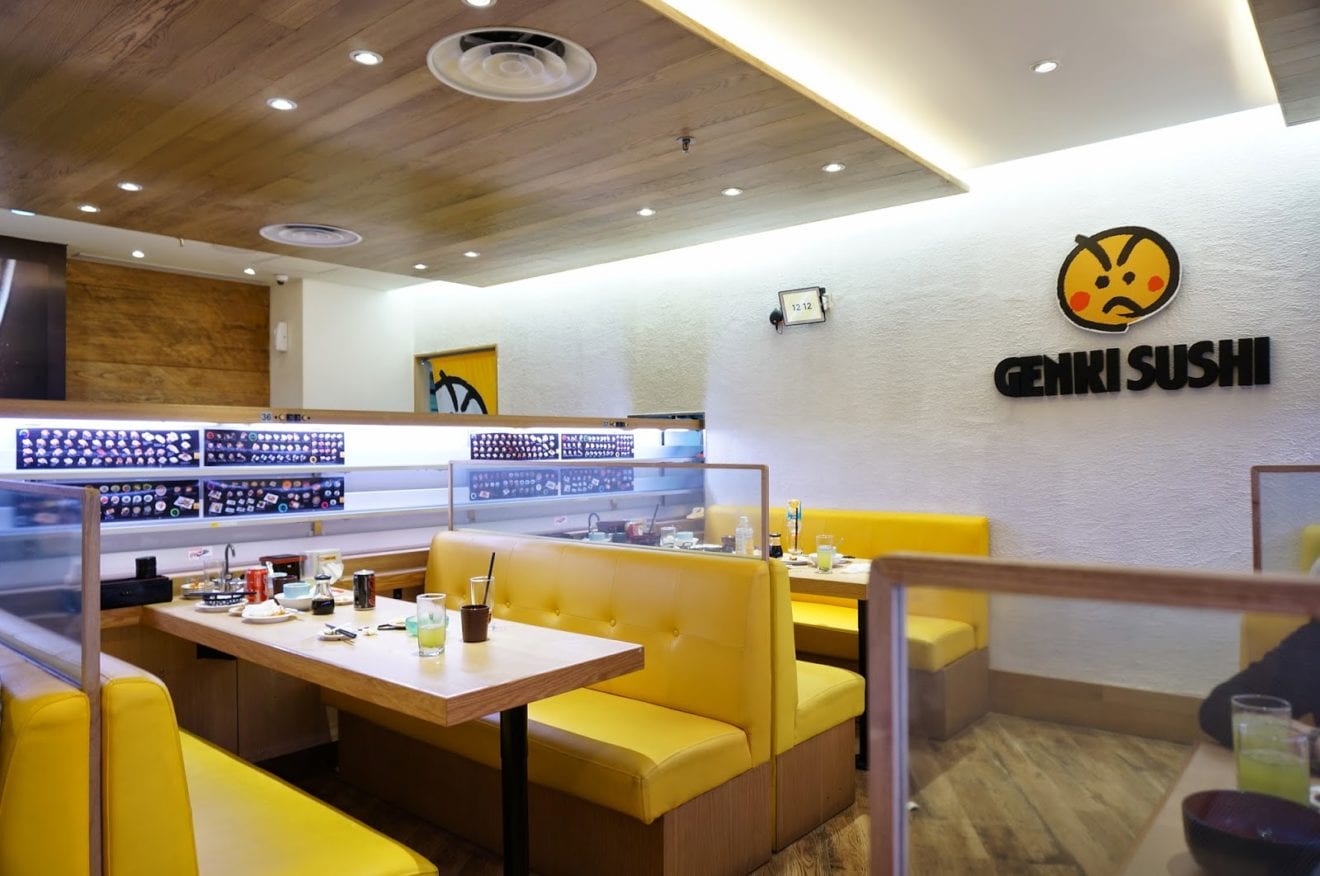
    Hong Kong is home to the world’s first fully-automated sushi restaurant: Genki Sushi uses bullet trains to deliver fresh food to diners’ tables..

    Genki Sushi pioneered the sushi train concept back in 1968, inventing the conveyor belt system to have dishes circulating around diners – a buffet concept where the food comes to you rather than vice versa.

    The model quickly took hold around the world and Genki Sushi was listed on the Tokyo Stock Exchange in 1991 before beginning an international expansion which included Hong Kong in 1995.

    Its newest store – in Tsuen Wan Plaza – features a major technological advance of the 1968 conveyor concept: a three tier kousoku (speed train) where trains shaped like models of the famous Japanese Bullet train zip back and forth from kitchen to tables, delivering food ordered on an iPad.

    The automated system knows how to deliver the food to the right seat thanks to RFID chips embedded underneath the plates.

    There are 24 lines installed in the store and the system can simultaneously serve to to 158 people.

    There is also a takeaway facility where customers can order food on a tablet, pay by Octopus card or PayWave and have their meals delivered on rails to the store entrance.

    Genki Sushi, with 40 stores, the largest sushi train restaurant chain in Hong Kong, plans more automated stores in both the business district and suburbs.

    No word yet on whether the automated eateries will be launched in the company’s other Asian markets, including Singapore, Malaysia and Taiwan.

  • New startup Balkonie wants to be Houzz for Indonesia

    New startup Balkonie wants to be Houzz for Indonesia

    The home improvement market in Indonesia was worth about US$3 billion at last count, back in 2013. Rasmus Rasmussen, co-founder and CEO of Jakarta-based startup Balkonie, believes you can double that number if you include the home furnishing market. The Danish entrepreneur, who now lives in Indonesia, reckons tech-enabled home design services represent a US$1 billion opportunity this year

    “Balkonie is a free online platform that allows homeowners to get inspired by and connect with interior designers, architects, contractors, and other home service professionals across Indonesia,” explains Rasmussen. “We are launching our platform to help the Indonesian people, by making the process of building, renovating, and general home improvement much simpler […] and cheaper online.”

    Rasmussen is well-travelled. He studied business administration and economics at Harvard and the University of Southern Denmark. He then earned his postgraduate degree in international business from Hult International Business School, jumping around to different campuses in London, San Francisco, and Shanghai. It was this travel experience which got him interested in Southeast Asia.

    “During and after my studies, I founded and worked with several startups in industries ranging from goods trading and accounting to the Muslim and halal industry. Some startups failed and others succeeded, and they all gave me invaluable experience,” recalls Rasmussen. “I initially took a job at a venture builder in Malaysia, but was quickly drawn back to the startup scene.” Rasmussen is also the managing partner at Gomo Global, an international trade and development firm aiming to bridge Northern Europe and Southeast Asia’s business worlds.

    Rasmus Rasmussen, CEO Balkonie

    Houzz for Indonesia

    Coming from Denmark, Rasmussen says he’s used to finding everything online. “Of course, I didn’t expect everything to be online in Indonesia, but I expected to find help for basic necessities like home inspiration and professionals online.” However, Rasmussen found this wasn’t the case. He ran into troubles when trying to help his Indonesian fiancé’s family design and build a house. He says:

    In Indonesia we rely on buying home design magazines and going to exhibitions to find inspiration and home professionals […] Finding contact details online and getting recommendations from previous customers is nearly impossible. So, I set out to change that with three Indonesian partners.

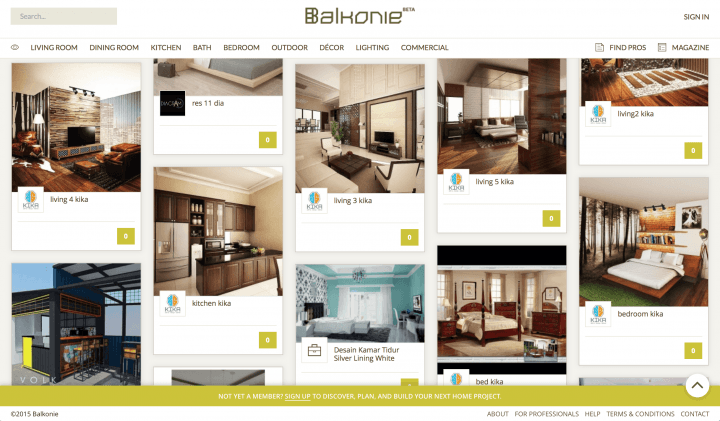
    Balkonie is pretty simple. Users can go onto the site and login with social media. From there, they can peruse all the interior “design porn” pics until they find a style they like. Each image has the designer or company responsible attached to the photo. Users arrive at the designer’s Balkonie profile page when they decide they want to know more, and from there can contact the vendor directly to strike a deal.

    Complementing the competitors

    According to the team, Balkonie is something like the Pinterest of home design combined with a directory of industry professionals who are also the site’s contributors. Rasmussen likens the concept to that of US-based startup Houzz. For monetization, Rasmussen also hopes to replicate the success of Houzz, which makes money from ad revenue, premium listings, and ecommerce commissions. However, he says right now Balkonie is only focusing on building the site’s traffic and user base. Money will have to wait until later.

    Balkonie Inspiration Page

    The site launched in beta in July. Because Balkonie is still brand new, not a whole lot can be reasonably expected in terms of market traction. However, Rasmussen says Balkonie has already gained several thousand users. He adds that the site has received hundreds of signups, with users continuously improving their profiles and uploading projects.

    Balkonie’s business model puts it in a unique position in Indonesia. Rasmussen says potential competitors such as Rooang are geared more toward being purely media, while startups like Fabelio and Livaza are focusing on furniture ecommerce only.

    Currently, Balkonie is a completely bootstrapped startup. Rasmussen says he is looking to raise funds, but before he starts banging on the doors of VCs in Jakarta, he wants to gain more validation for his product.

    “We see that the growth of middle class and affluent households in the country is very encouraging to support our vertical,” explains Rasmussen. “We first wanted to test our hypothesis that the market is ready for this service, rather than wasting everyone’s time and money.”

  • East Ventures invests in Indonesian delivery venture Popbox

    East Ventures invests in Indonesian delivery venture Popbox

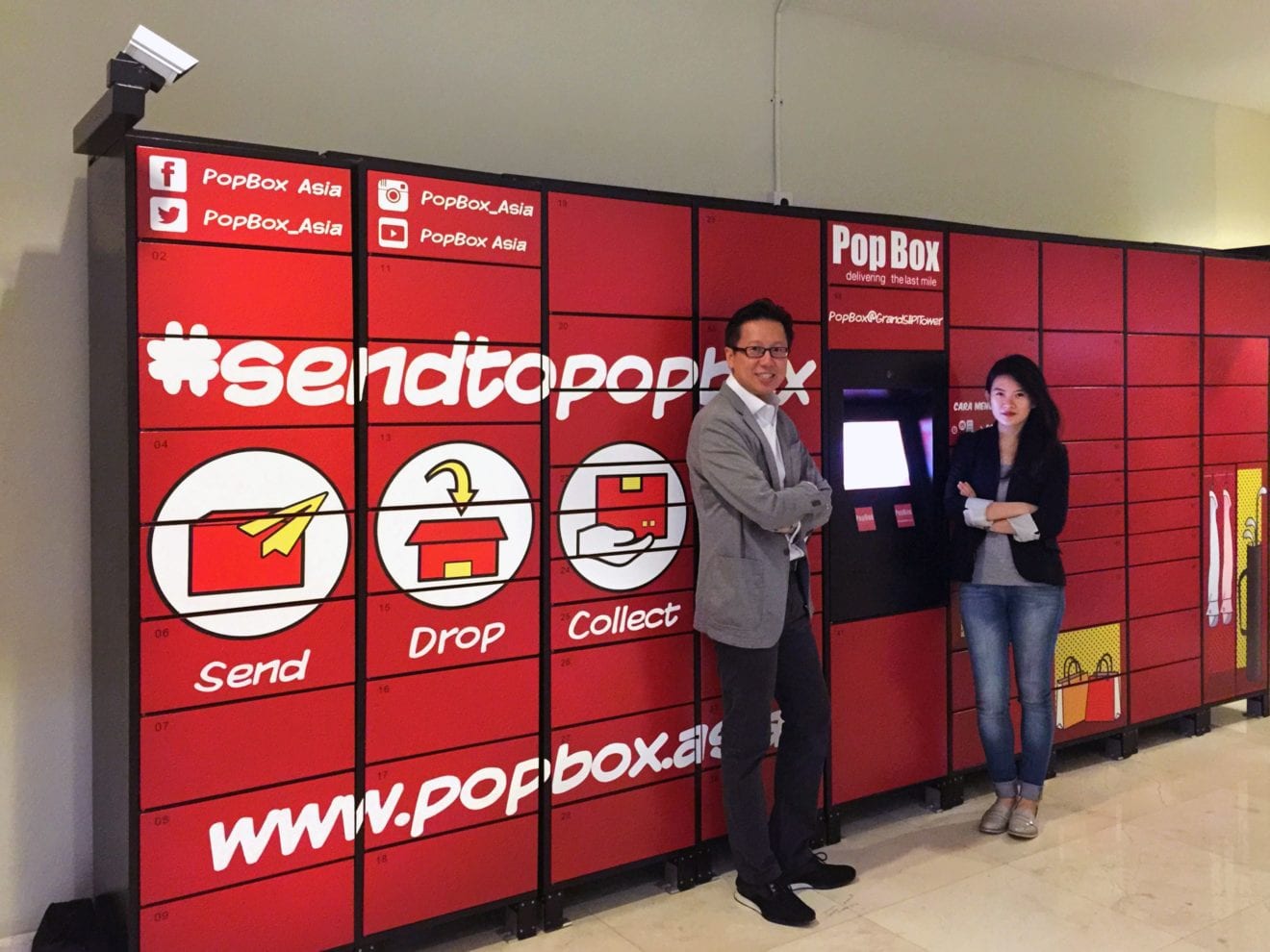
    Southeast Asian VC firm East Ventures has made an undisclosed seed investment in Jakarta-based PopBox, an Indonesian startup that produces automated parcel lockers for ‘last mile‘ e-commerce deliveries and is founded by Adrian Lim and Greta Bunawan.

    The capital from the seed round is expected to finance expansion of its locker network in Indonesia and the addition of more more product features. ‘Last mile’ delivery is a term used in logistics to describe the delivery of items to consumers, via transport from a hub to a final destination.

    With the growth in e-commerce activities in ASEAN markets, the last leg of delivery, where it ends up at the consumer’s home or business, has become challenging, since most consumers are away from home when deliveries are made.

    The rise of unattended deliveries has become a significant issue among delivery companies like UPS, FedEx and DHL, with solutions like drone delivery being evaluated in China by Alibaba Group.

    PopBox’s solution is a clone of Amazon Locker, with a physical locker for packages to land in after last mile delivery. The locker provides a self-service delivery location to pick up and return packages.

    “We took the ‘home’ out of ‘home delivery’ in order to make it even more convenient for customers and merchants alike. By placing artistically-designed PopBox lockers at popular locations throughout Jakarta, customers get to pick up their delivery faster and at lower cost compared to having it delivered to their home, when they may not be around to receive it”, Lim said in a statement to Singapore-based startup community platform Tech in Asia.

    Given the specific challenges faced by customers in ranging for deliveries, with courier services mostly making delivery rounds in batches, customers often need to wait for a parcel to arrive and sign for it.

    A lack of receipt will result in the courier returning the package to the post office, where retrieval can prove frustrating to customers.

    Combined with delivery challenges caused by Jakarta traffic and the inefficiencies faced in negotiating security checkpoints and dealing with rejected parcels, PopBox aims to provide a solution rendering the delivery process more efficient for both merchants and customers.

    PopBox works by having shoppers select PopBox as a pickup option via a partnered site where shoppers have purchased their wares. On confirmation, a code will be sent to the shopper’s phone, which can then be scanned at a PopBox terminal to access the package. PopBox has stated that it has already established several partnerships with e-commerce retailers but has not publicly named them.

    Revenue is generated from charging customers subscription fees and per use fees, which vary with the volume transacted. Income is also generated from revenue sharing with courier companies.

    Lim’s outlook on the prospects for PopBox are highly optimistic. He said, “With a bit of luck, and once we reach our full rollout potential, our revenue should be in the range of tens of millions US dollars per annum.”

    PopBox lockers are currently located at key points within Jakarta: Baywalk Mall, Grand Slipi Tower, Kalibata City Square and East Ventures Hive. They are open 24/7, according to official statements from PopBox.

    On a regional basis, PopBox is expected to directly compete with the PopStation service offered bySingPost, which is engaged in the same service as PopBox but has no presence in Indonesia at present.

    Commenting on the investment, Willson Cuaca, managing partner of East Ventures, said, “We believe this is a segment that is currently still underinvested and the timing is right for PopBox to be added to Indonesia’s ecommerce ecosystem.”

  • Axiata buys Komli Media’s SEA operations for $11.25m

    Axiata buys Komli Media’s SEA operations for $11.25m

    Malaysian telecommunications group Axiata Group Bhd has acquired the Southeast Asian operations of Komli Media, a digital advertising firm, for $11.25 million.

    In an announcement on Bursa Malaysia, the group said its subsidiary Adknowledge reached an agreement with Komli Asia for the acquisition.

    The business being acquired include, Mumbai-headquartered Komli Media’s operations in the Southeast Asia markets – Singapore, Thailand, Vietnam, Philippines, Indonesia, Malaysia – and Hong Kong.

    The rationale behind the acquisition, according to Axiata, is that it allows them to “skip past the formative stage of its business plan and scale up its presence and operations in Southeast Asian region.”

    It saw Komli’s geographical spread and diversified revenue streams as “a strong strategic fit across digital advertising verticals such as social, video, display and mobile.”

    Adknowledge Asia Pacific is an 80 per cent subsidiary of Axiata Digital Advertising, which is a wholly owned by Axiata Digital Services, which in turn is a wholly owned subsidiary of Axiata Group Bhd. Axiata said in its filing that the acquisition “does not have any effect on the issued and paid-up share capital of Axiata and will not have any material effect on the earnings, gearings and net assets of the Axiata Group for the year financial ending December 31, 2015.”

    Under the deal, $11.25 million shall be paid in cash. The purchase consideration shall be adjusted with the difference between the target working capital of Komli Asia Group against its working capital which shall be determined based on the aggregate value of Komli Asia Group’s current assets less its current liabilities.

  • Bookmate expands to Indonesia, partners with Indosat

    Bookmate expands to Indonesia, partners with Indosat

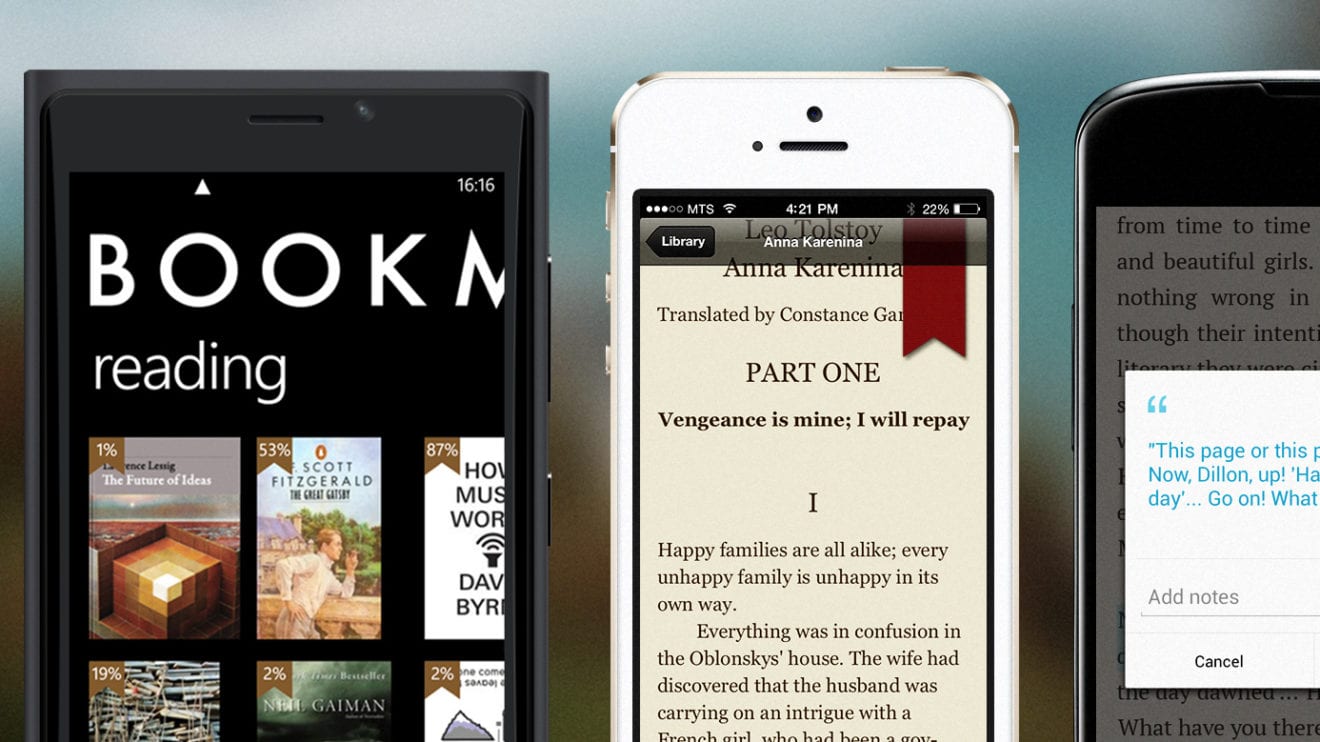
    Social e-reading subscription platform Bookmate has expanded into Indonesia, partnering with telecommunications network Indosat to bring mobile reading to Indonesian customers.

    The companies aim to launch a mass market mobile reading service under the brand Bookmate-Cipika Books.

    Ahead of the launch, Bookmate has signed deals with “leading” Indonesian publishers to bring 4,000 titles in Bahasa in addition to its library of 250,000 English language titles.

    Managing director of Bookmate, Andrew Baev, said the company’s strategy was to focus on “high-growth, under served markets”.

    He said: “The global book publishing industry is worth $120 billion, about eight times the size of the music industry, and we are seeing an accelerating transition to digital and mobile. Our strategy is to focus on high growth, under-served markets where readers are jumping the gap directly from paper to mobile reading. Indonesia is right in our sweet spot for offering our mix of fun, social and on-the-go reading.”

    He added: “Smartphone penetration and mobile services growth are booming in Indonesia and we see this as a huge opportunity to build the market leader in mobile reading together with Indosat, Indonesia’s most progressive mobile operator.”

    Carlos Caro Caro, division head of digital commerce at Indosat, said: “Indonesians are keen consumers of all types of media via their mobile phones and we are excited to be able to offer them an innovative mobile reading solution with our partner Bookmate.”

    The expansion comes after Bookmate’s first launch in the Asia Pacific market last year with StarHub, Singapore’s fully integrated info-communications provider. The Asian e-book market is forecasted to reach $2.2 billion by the end of 2016, the company said, so Bookmate believes Indonesia is an ideal place to introduce its mobile reading service.

    Bookmate is a subscription-based social reading service that makes reading accessible to anyone in the world with a mobile phone. They have over 2.5 million active users and over 500,000 titles in eleven languages.

    Indosat is the second largest cellular operator in the country with more than 55 million subscribers.

  • AirAsia launches 8th route to India

    AirAsia launches 8th route to India

    AirAsia has expanded its route network from its main base at Kuala Lumpur (KUL) with the addition of a new service to Goa (GOI) in India. The thrice-weekly service (Tuesdays, Thursdays and Saturdays) on the 3,360-kilometre route launched on 27 August and will be flown by the carrier’s A320s. The route is not served by any other carrier.

    Goa becomes AirAsia’s eighth route to India as it already serves Bengaluru, Chennai, Hyderabad, Kochi, Kolkata, Tiruchirappalli and Visakhapatnam. In total AirAsia now serves 68 destinations non-stop from the Malaysian capital.

    For Goa Airport this is the sixth international destination served after Doha (with Qatar Airways), Dubai (Air India), Kuwait City (Air India), Muscat (Oman Air) and Sharjah (Air Arabia).

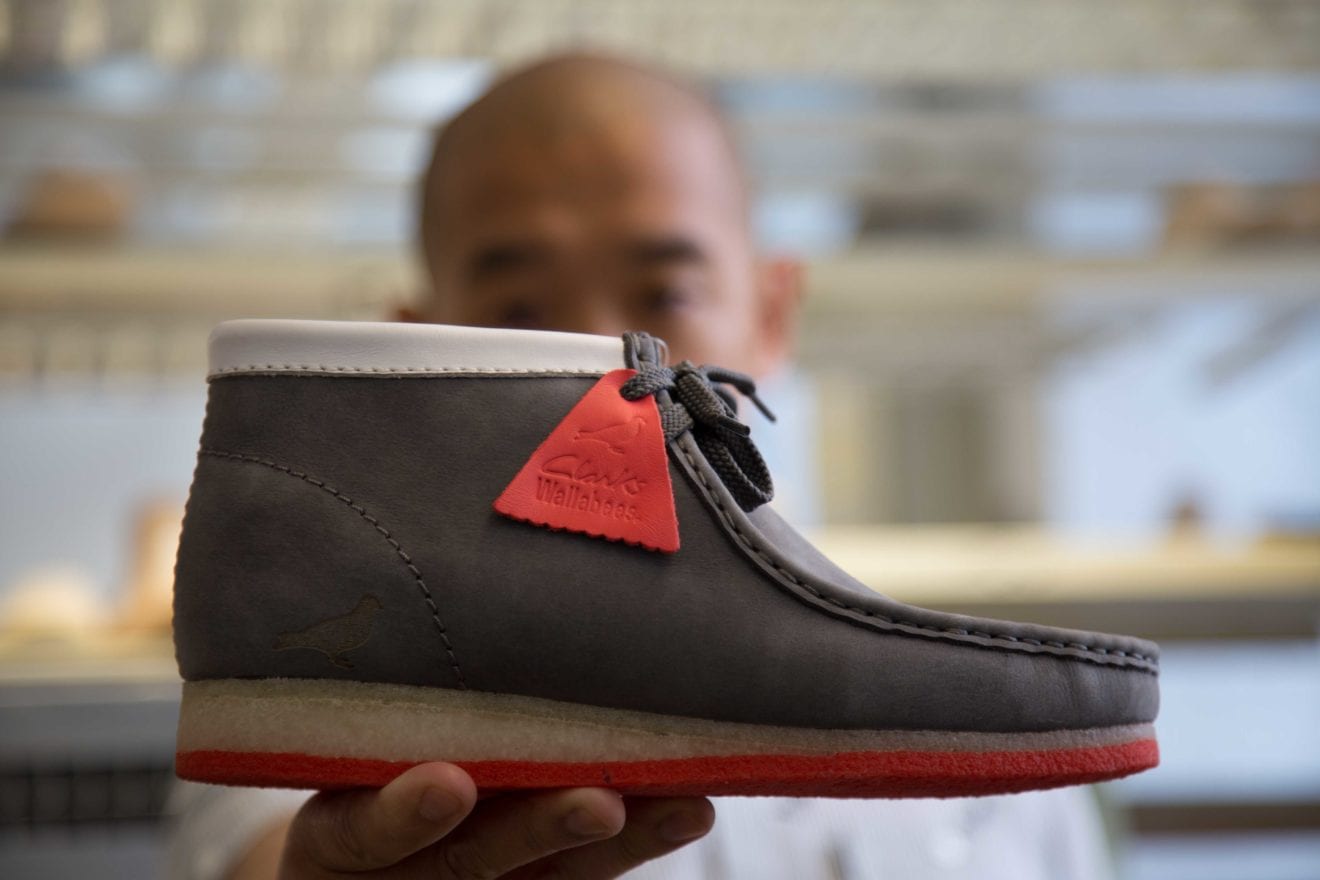
  • Clarks steps up in Asia

    Clarks steps up in Asia

    British footwear brand Clarks says it sees Asia Pacific growth as a “a key strategic focus” for the company.

    The 190 year old, £1.5 billion business, plans to open 100 stores in the region in the next 12 months.

    “As we celebrate a significant birthday, we are as nimble and entrepreneurial as ever and poised for growth,” said Nancy Huang, president of Clarks Asia Pacific.

    “We see great future potential for further expansion and are excited about the possibilities.”

    Clarks, which operates through retail, wholesale, franchise and online channels has a presence in 130 markets worldwide and has been in Asia for 20 years.

    It has a strong footprint in China with 600 points of sale and hundreds of stores across Asia including the markets of India, Japan, Singapore, Malaysia and Indonesia.

    Huang says Clarks’ strong British heritage and reputation for craftsmanship has widely appealed to Asia’s rising middle class. In recent years, the company has invested heavily in building infrastructure, people resources and capabilities in Asia Pacific to support a rapidly expanding set of markets.

    The company will also invest “heavily” in reinvigorating key existing stores in China, Japan and Singapore.

    C&J Clark Limited, owners of the Clarks brand, the privately owned footwear business, was founded in Street, Somerset in the UK by the Clark family in 1825. Still based in Street, the Clarks Group designs, develops and sells a wide range of footwear and accessories for men, women and children. The Clarks brand is renowned worldwide for quality and style with comfort.

  • Jumei sales double

    Jumei sales double

    Jumei, the Chinese online retailer, says its sales rose 99.5 per cent in the second quarter to June 30.

    The e-tailer achieved net revenues of US$308.1 million and its GMV rose by 30 per cent to $376 million as its customer base grew 28 per cent and orders by 58.2 per cent.

    But its gross profit as a percentage of net revenues decreased to 30 per cent from 46.3 per cent in the same period of 2014 reflecting the company’s shift in strategy from beauty product marketplace sales to general merchandise sales that started last September – along with promotional activities associated with baby and maternity products.

    Leo Chen, Jumei’s founder and CEO, said the company was “thrilled” with its quarter.

    “This very strong growth was driven by Jumei Global during what is typically a seasonally light quarter. We continue to strengthen our position as a leading import cross-border eCommerce platform in China – a milestone we achieved last quarter. We are pleased to see both active customers and number of orders grow rapidly while maintaining a high repeat purchase rate.”

    Chen said since transitioning into cross-border eCommerce during the third quarter of 2014, the frequency of customer purchases has grown significantly, increasing 34 per cent from the third quarter of 2014 to the second quarter of 2015, due primarily to Jumei’s diverse global product offerings and expansion into other women’s categories such as baby and maternity and health and wellness.

    “We are confident that our continued investment in category expansion will enhance the customer experience, increase user stickiness and strengthen loyalty to our platform,” said Chen.

    “We recently announced a strategic investment in BabyTree, the largest online parenting community in China and the largest globally as ranked by traffic volume, with daily active users (“DAU”) exceeding 10 million. By integrating Jumei’s supply chain and logistics expertise in cross border ecommerce with BabyTree’s large and growing user base, we believe we will be able to leverage the significant cross-selling opportunities across all Jumei categories to become the dominant female-focused ecommerce platform in China.”

  • China grocery boom accelerates

    China grocery boom accelerates

    The China grocery boom is accelerating – but India and the so-called MINT countries are chasing.

    Chinese grocery sales are set to grow by a third between now and 2020 and reach US$1.5 trillion per year, according to new forecasts from IGD. While China will comfortably retain its position as the largest grocery market in the foreseeable future, other markets will grow faster.

    IGD predicts:

    • The grocery sector in India will grow by nearly 80 per cent and be worth just over US$900 billion by 2020.
    • Nigeria’s grocery market will achieve the fastest growth of the largest markets, increasing in value by 85 per cent to hit just over US$300 billion by 2020.
    • The other ‘MINT’ countries will also experience rapid growth – grocery sales in Mexico, Indonesia and Turkey will increase by nearly 40 per cent, 63 per cent and 61 per cent respectively.
    • Indonesia’s grocery market will be worth almost as much as the UK’s (ranked seventh in the world) at US$351 billion by 2020.

    IGD CEO Joanne Denney-Finch says while grocery industry growth prospects appear limited in Europe at the moment, this is a time of tremendous opportunity for grocery companies further afield.

    “The vast majority of global grocery growth will come from Asia, Africa and the Middle East supported by increasing affluence, urbanisation, and rising population. With many European products and brands highly regarded in these regions, this will be a boom time for companies with export skills.”

    On China, she observed: “Although the Chinese growth rate is slowing, it’s still very impressive, particularly in ‘tier three and four cities’. These are regional, medium-income cities, undergoing rapid development. There are many more opportunities for retailers and Western brands. For example, online grocery will enjoy explosive growth in China, though from a modest base, tripling in size between now and 2020. This will be powered by more Chinese having access to the internet through smartphones and other devices.”

    Denney-Finch said in India, while traditional stores will continue to take the lion’s share of the grocery market, consumer spending per capita in real terms will grow faster in the subcontinent than in any of the top grocery markets.

    “Combined with an expanding working-age population this will support the growth of modern convenience and supermarket retailing. Retailers are also rapidly setting up online grocery services hoping to tap into the potential of India’s half a billion smartphone users. Despite restrictions on foreign direct investment (FDI), international retailers continue to see the potential of investing in India.

    “If the expected effects of inflation are stripped out, then India would be the fastest growing of the largest grocery markets while most of the MINT countries would also appear higher up the growth rankings,” she said.

  • Rakuten launches express delivery

    Rakuten launches express delivery

    Japan’s leading eCommerce portal Rakuten has launched Rakubin – a new rapid delivery service which promises goods in as little as 20 minutes – 2 hours a day.

    The new service has made its debut in the Tokyo suburbs of Shibuya, Setagaya, Minato and Meguro. It applies to a limited range of 450 items – largely convenience or drug-store core lines, such as noodles, cafe products, confectionery and coffee; detergent, toilet paper and diapers.

    In the Rakubin app, users can check the estimated time of delivery before placing their order.

    After the order has been completed, a delivery interval of 15 minutes will be displayed, allowing users to effectively make use of the time before the arrival of the order. The delivery cost for one order is 390 yen (including tax) when users receive the goods beside the delivery vehicle at the specified location, and 770 yen (including tax) when the goods are delivered directly to users by a member of the delivery staff.

    Fulfilment is undertaken by a fleet of delivery vans which carry stock of the items and circle the areas, awaiting despatch to delivery addresses.

    Rakuten says it will expand the service to include a longer list of products, and a broader geographical area once the concept is bedded down and refined.

  • Coach Canton Rd flagship opens

    Coach Canton Rd flagship opens

    US fashion brand Coach has opened a new flagship in Kowloon.

    Coach Canton Rd is the company’s second flagship store in the territory and gives it one superstore on either side of the harbour; the other one is located in Central.

    The new 4000 sqft flagship store spans a whole three floors in the Harbour City complex.

    Designed by Coach executive creative director Stuart Vevers, in partnership with world renowned creative firm Studio Sofield, which has also completed projects for Gucci, Bottega Veneta and Tom Ford.

    Store features include a ready-to-wear shop with custom furniture.

    To mark the opening, Coach has released a limited edition Suede Coach Swagger bag available in Navy and Black Cherry, for a limited time exclusively at the new store.

  • E-Land to launch Coffee Bean China

    E-Land to launch Coffee Bean China

    South Korean retailer E-Land has sealed a deal to launch Coffee Bean China by the end of 2015.

    The California-headquartered cafe chain, also known by its full name Coffee Bean & Tea Leaf, says China will be its 28th international market. The China joint venture plans 700 cafes across the country.

    It has already achieved considerable success in Asia, especially in Malaysia, Vietnam, Singapore and Thailand.

    E-Land operates a vast network of 7000 fashion stores in China and about 20 restaurant brands.

    “Together with E-Land’s vast retail experience and success to ensure our continued growth in China, we’re proud to put our Southern California style of hand roasted coffee and whole leaf teas on the map in yet another country,” said Jeff Schroeder, senior VP of operations at The Coffee Bean & Tea Leaf, in a statement.

    Coffee Bean has more than 1000 cafes in 28 countries and earlier this year opened its first stores in Japan.

    While 700 cafes might seem like a large number in China, it would be dwarfed by rival Starbucks which already boasts 1700 cafes.