Tag: asia

  • Costco sets Westgate opening date

    Costco sets Westgate opening date

    American wholesale retailer Costco will open its $100 million Westgate store on September 28, ending months of speculation about the date of its debut in New Zealand.

    The retailer initially planned to open last month, however it was delayed due to bad weather and Covid-related restrictions.

    The new store spans 1.4ha and will feature a petrol station, tyre centre, optometrist and food court as well as a wide range of food and grocery products.

    The retailer will hire about 350 workers and has brought in 30 to 40 staff from Australia to train locals.

    In April, the retailer opened its first petrol station in Auckland selling fuel at around 20 cents a litre, cheaper than nearby service locations.

  • Walmart now lets you try clothes on a virtual model of you by using only your iPhone

    Walmart now lets you try clothes on a virtual model of you by using only your iPhone

    It’s very convenient to buy clothes online. However, there’s always the risk of not liking how the apparel looks on you when you try it at home. And when this happens, then the whole online shopping thing becomes a hassle. But what if you could see how the new t-shirt you are so eager to buy will look on you before ordering it?

    Well, it appears that Walmart now offers a way for you to try your potential purchases online and then decide whether you will add them to your cart. As the company announced in a new press release, the Walmart app on iOS now offers a “Be Your Own Model” feature, allowing you to try clothes on a virtual model of you created from a photo of yours.

    To do this, tap the “Try It On” button and then choose the “Be Your Own Model” option. The first time, you will be prompted to take a picture of yourself within the Walmart app and input your height. After that, you will see an image of you wearing the item.

    You could argue that the system just slaps images of clothes on your picture and that there is nothing special about it, but according to Walmart, its technology uses algorithms and AI, which was originally created for designing highly accurate topographic maps. The company stated that, with Be Your Own Model, you see an “ultra-realistic simulation” with shadows and fabric draping, including where your desired clothing falls on your virtual body.

    Walmart also shared that more than 270,000 items across the retailer’s portfolio now support the virtual try-on feature. The company also stated that Be Your Own Model will soon be available on Android and Desktop as well.

    In 2021, Walmart acquired Zeekit, a company developing a virtual fitting room platform. And earlier this year, it introduced the try-on feature, but up until now, you could use it only with a virtual model that resembled you the most.

  • Vietnam among 10 most popular destinations for Australian tourists

    Vietnam among 10 most popular destinations for Australian tourists

    Vietnam was one of the 10 favorite destinations for Australian tourists in July, according to the Australian Bureau of Statistics.

    Over 18,500 visited Vietnam during the month, a 44% increase from the previous month.

    New Zealand topped the list of favorite destinations with 96,500 visiting the island nation, followed by Indonesia, the U.K., the U.S., Fiji, India, Singapore, Thailand, and Italy.

    ABS statistics showed that Australians spend 19 days in a foreign trip on average.

    The Vietnamese government has allowed quarantine-free entry for foreign visitors since March.

    It also offers 30-day e-visas for citizens from 80 countries and territories, including Australia.

    So far this year the country has received 1.44 million foreign tourists and has a full-year target of five million.

  • Hanoi police seize 100 rice wine jars containing wild animals

    Hanoi police seize 100 rice wine jars containing wild animals

    More than 100 jars of rice wine distilled with pythons, large lizards, cobras and deer have been found at two condo apartments in Hanoi.

    The wine had been put up for sale at the two apartments in La Khe Ward of Hanoi’s Ha Dong District.

    The owners of the wine could not provide legal papers proving the origins of the product.

    One of them, Vu Quang Hien, said “these are just craft products and this whole thing shouldn’t be treated too seriously.”

    Hien sells the wine for VND350,000 ($15) to more than VND3 million per jar.

    The other owner, Dao Quang Manh, said the distributors told him the animals had been bred by them and that the products aim at treating several health issues, including joint and muscle pains.

    “Distributors also told me that the products are legal, and I just buy them for retail. I do not know for sure if I have permission to sell them.”

    Lieutenant Colonel Nguyen Thanh Trung from Hanoi’s environment police division said it would have to work with the city’s Market Management Department and ranger authorities on this case as there are many wild animals that have been killed for rice wine production.

  • Samsung is deeply discounting Galaxy screen repairs in addition to actual phones now

    Samsung is deeply discounting Galaxy screen repairs in addition to actual phones now

    Kicked off just a couple of days ago, Samsung’s big fall Discover event has made plenty of headlines since then thanks to awesome new deals on devices as diverse as the Galaxy Z Fold 4, Tab S8 family, Z Fold 3, and the Galaxy Watch 4 duo.

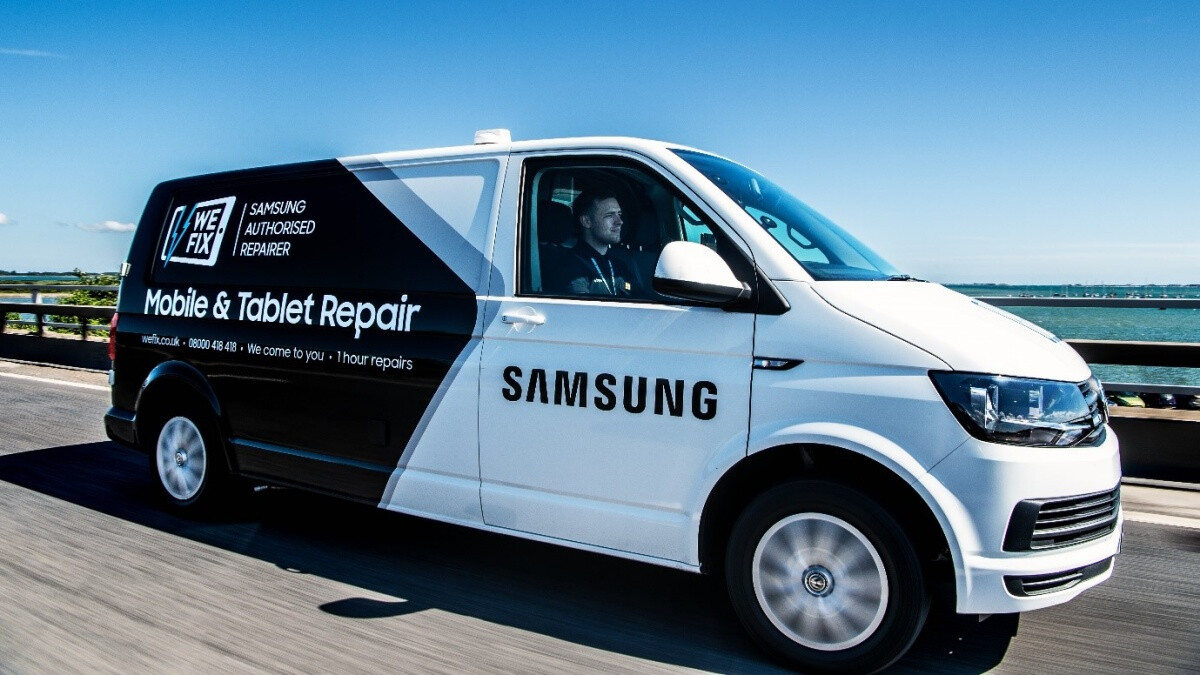
    But from an existing Galaxy user perspective, the best special offer available through September 26 may not consist of a discount on a new product purchase at all. Instead, if you own a Galaxy S, Note, Flip, or Fold-series phone with a cracked screen and don’t want to trade that in for the chance to save $200 or $300 on a new member of the same family, now’s probably the time to get an authorized repair.

    That’s because damaged front display replacements are down to a flat $99 for “series 9 and up” Galaxy S and Note models, as well as “most” A-series mid-rangers, while the same kind of repair will set you back $249 for “all” Galaxy Flip and Fold devices, including the hot new Z Fold 4 and Z Flip 4.

    Although 250 bucks may still sound like a high price to pay to fix what’s certainly a very common issue, Z Fold 2, Z Fold 3, and Z Fold 4 “inner” screen repairs would normally cost an even higher $350 or so a pop. Meanwhile, cracking the beautiful display of the S21 Ultra or S22 Ultra can result in charge of around two Benjamins outside of this promotion, which verifies Samsung’s claim that you can save 50 percent on many screen replacements right now.

    The campaign’s terms and conditions, mind you, make it clear that uBreakiFix and Asurion Tech Repair & Solutions will replace your phone’s cracked display in their stores across the US as long as you book an appointment online while also specifying that water damage and other problems are not covered and your battery will not be replaced as part of this hot new deal.

    Still, the list of eligible devices alone makes the promo well worth taking into consideration for many people, including a whole bunch of oldies you may have gotten very close to giving up on entirely, like the Galaxy S9, S9+, Note 9, S10, S10+, S10 Lite, Note 10, Note 10+, Note 10 Lite, OG Fold, A01, A11, A20, A50, A51, A71, and A21.
  • Wendy’s burgers are coming to Australia

    Wendy’s burgers are coming to Australia

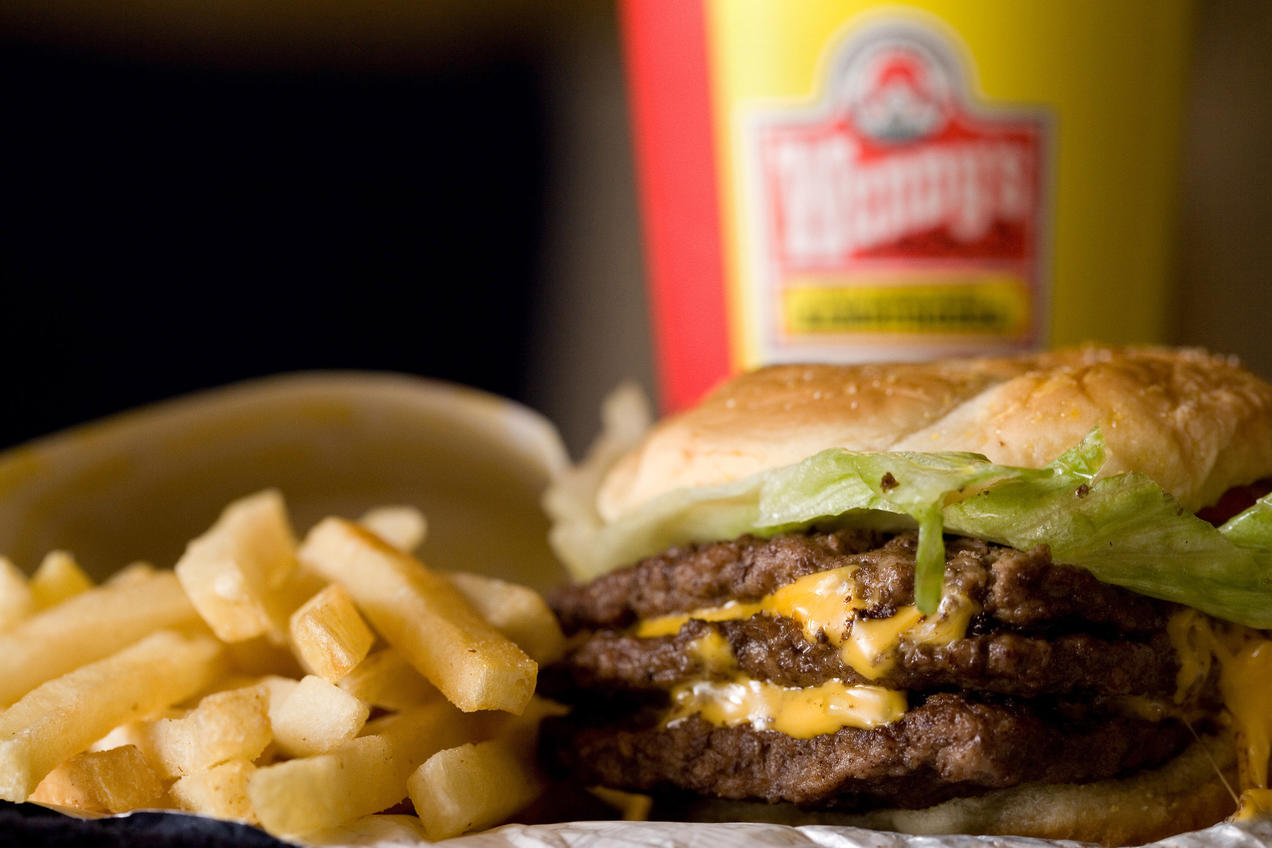
    The US Wendy’s burgers brand is heading to Australia and is on the hunt for a master franchisee.

    The iconic brand is reportedly the world’s third largest quick service restaurant burger chain, with about 7000 outlets worldwide.

    Founder Dave Thomas opened the first Wendy’s restaurant in 1969. His mission was to serve well-priced, good quality food in a comfortable environment. The unique square burger has since become a mainstay of the Wendy’s menu.

    Now the chain is readying to hit the market Down Under, with consultancy firm DC Strategy tasked with recruiting master franchisees. You’ll also receive messages on behalf of our partners. You can opt-out at any time.

    The appointed master franchisee will need to have franchise and operations experience and a proven track record for growing brands in Australia.

    There is no set agenda for the first store location, nor a pre-determined number of outlets. These will be determined by the master franchisee, DC Strategy confirmed.

    Wendy’s burgers will be vying for customers within a highly competitive market. There are the familiar giants of burger business in Australia — McDonald’s and Hungry Jacks.

    US chains testing the waters in Australia include Five Guys, operated by franchisee Seagrass Hospitality. And Hollywood star Mark Wahlberg’s famed burger chain Wahlburgers unveiled its first Australian store in Circular Quay, Sydney late last year.

    American brand Carl’s Jr. has already made its mark along the east coast. Globally this brand has over 4000 restaurants; 35 outlets operate in Australia with a goal of 160 by 2032.

    And then there are local brands such as Pattysmiths Burgers offering a premium alternative to the traditional fast food options. There are now 29 outlets in the chain, under the umbrella of multi-brand franchisor, Concept Eight. Restaurants operate throughout Victoria, Queensland, Western Australia and the ACT.

  • Flash Coffee, Ageless Galaxy Streetwear to launch capsule collection

    Flash Coffee, Ageless Galaxy Streetwear to launch capsule collection

    Tech-powered coffee chain Flash Coffee has collaborated with lifestyle brand Ageless Galaxy Streetwear to unveil the ‘Push’n Boundaries’ collection.  The collection features five items including three streetwear-style tees, a metal pin and a sticker pack. These will be sold in Singapore, Indonesia, Thailand, Taiwan, Hong Kong and South Korea.  According to Flash Coffee, the partnership was the idea of Ageless Galaxy CEO Tamish Aswani and Flash Coffee’s CEO and co-founder David Brun

    The collection features five items including three streetwear-style tees, a metal pin and a sticker pack. These will be sold in Singapore, Indonesia, Thailand, Taiwan, Hong Kong and South Korea.

    According to Flash Coffee, the partnership was the idea of Ageless Galaxy CEO Tamish Aswani and Flash Coffee’s CEO and co-founder David Brunier. Both seek to empower people to push their boundaries in everything they do by developing a collection that embodies the philosophies of both brands.

    The two companies say the tees in the collection are made with 100 per cent cotton. The white, and black and white, tees go well with a variety of outfits, while the striking yellow long-sleeve tee has ink that changes colour when exposed to sunlight, turning from white to pink.

    Launched in 2020, when Asia’s coffee industry was hit by the first Covid-19 pandemic, Flash Coffee has operations in six markets across Asia – Singapore, Indonesia, Thailand, Taiwan, Hong Kong, and South Korea. The Singapore-headquartered chain has received investment from Rocket Internet, Delivery Hero, White Star Capital, Global Founders Capital and Conny & Co.

    Ageless Galaxy, which was established in 2013, is an Indonesian lifestyle brand offering streetwear clothes inspired by outer space exploration. The brand opened its first brick-and-mortar store in Jakarta in 2020.

  • Cos launches its first store in Taiwan

    Cos launches its first store in Taiwan

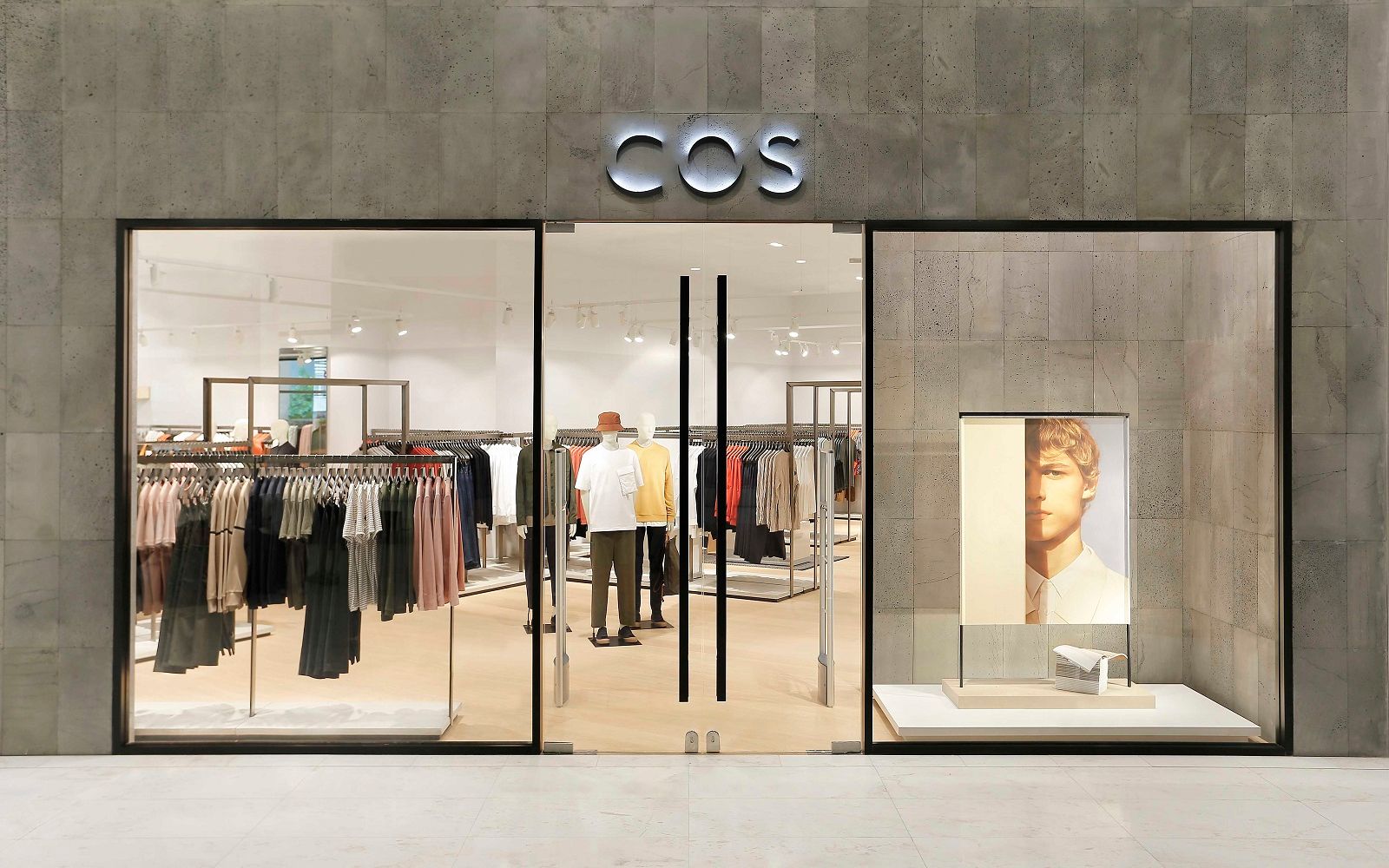
    Swedish fashion brand Cos has expanded its store network into Taiwan, opening its first brick-and-mortar store at the Taipei 101 Shopping Center.The 700sqm flagship also marks Cos’ first concept store in the world. While Cos Taipei 101’s exterior features forest green, the interior is dominated by a warm neutral tone, delivering a cool and tranquil atmosphere.  Minimal design with organic textures and recycled elements was put in place, including bamboo furnishings, slate-shaped cashier cou

    Minimal design with organic textures and recycled elements was implemented, including bamboo furnishings, slate-shaped cashier counters, stone magnetic floors and aluminum display shelves. Meanwhile, the table surface is made from Richlite material, which is manufactured from recycled paper and phenolic resin.

    “Opening a store in Taipei is an exciting step,” said Petra Lerch, MD of Cos Asia Pacific. “We have been planning to enter this market for some time, and launching this new brick-and-mortar store is like the first place to connect with local customers.”

    Founded in 2007, H&M Group-owned fashion label entered Asia in 2012 in Hong Kong. Since then, Cos has gradually expanded its presence in the continent, launching in markets including China, Japan, South Korea and Malaysia. The brand opened its first store in the Philippines last year. Cos currently operates more than 280 physical stores around the world.

  • Cafe Amazon plans 150 stores in Saudi Arabia

    Cafe Amazon plans 150 stores in Saudi Arabia

    Thailand’s Café Amazon has launched in Saudi Arabia, opening its first store in the region at Riyadh’s InterHealth Hospital.

    PTT Oil and Retail Business (PPTOR), which operates the Café Amazon coffee shop chain, said it is targeting expansion to 150 stores in Saudi Arabia by 2032.

    Marking the opening of the Riyadh store, Jiraphon Kawswat, CEO of PPTOR, highlighted the potential of the retail market in Saudi Arabia, especially the growth of premium coffee outlets which she noted as being driven by increasing consumer demands.

    Project Café Middle East 2019 forecast Saudi Arabia to be the fastest growing market in the Middle East (9.6%), exceeding 2,600 outlets by 2023.

    In October 2021, PPTOR said it plans grow its Café Amazon coffee chain to 1,000 international stores by 2025, a downgraded target from an earlier goal to reach 5,800 stores globally by 2025.

    Founded in 2002, Café Amazon is Thailand’s largest branded coffee chain. The company currently operates more than 4,000 stores across Thailand, Cambodia, China, Japan, Laos, Malaysia, Myanmar, Oman, the Philippines, Saudi Arabia and Vietnam.

    PTTOR said that the Café Amazon launch in Saudi Arabia represented the ‘first step to concretely restore diplomatic and trade relations’ between Thailand and Saudi Arabia. Political, economic and trade cooperation was agreed between the two nations in January 2022.

  • Patagonia founder gives away company to help fight climate crisis

    Patagonia founder gives away company to help fight climate crisis

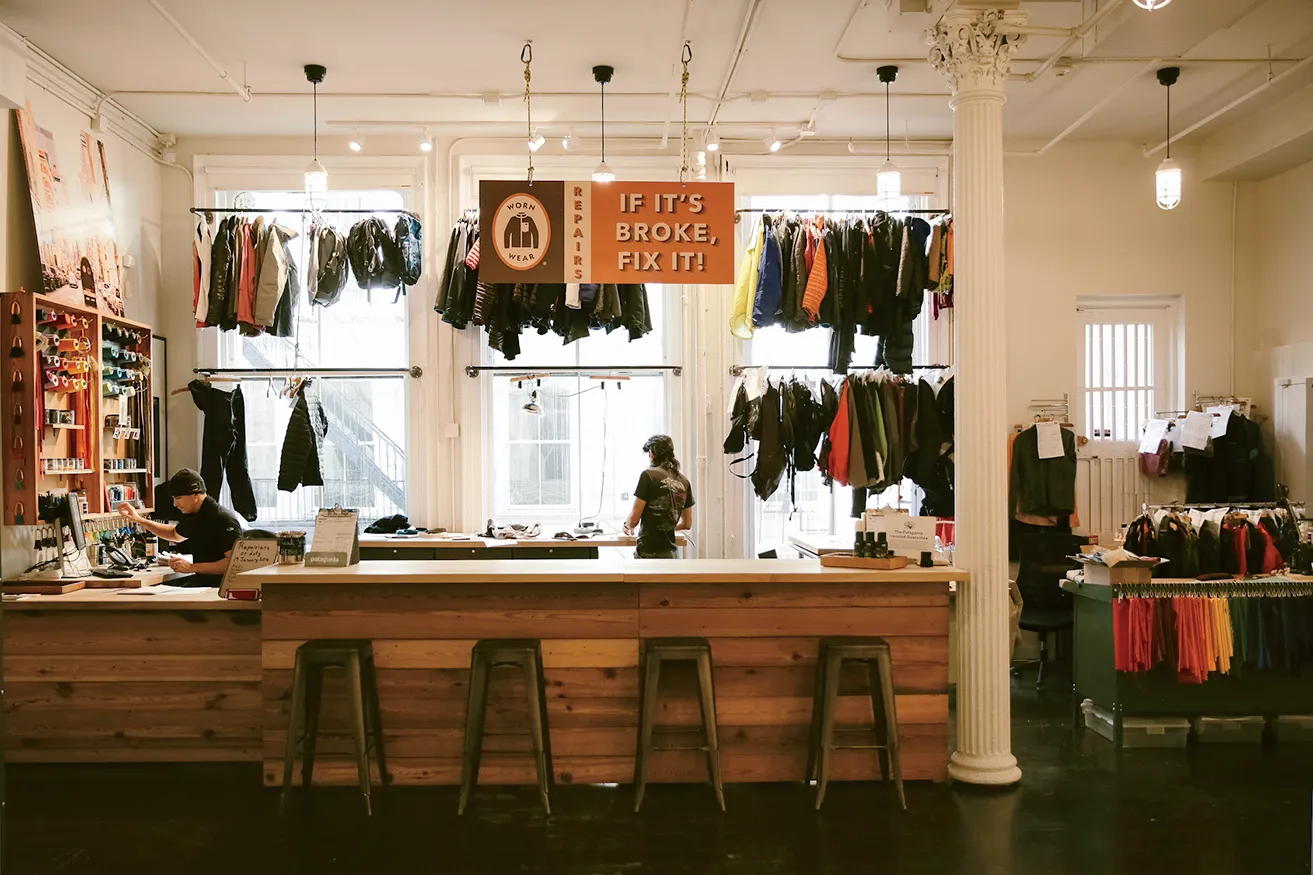
    Patagonia founder Yvon Chouinard, who has previously expressed his reluctance at amassing wealth, is giving away his company.

    The outdoor apparel company will now be in the hands of a trust and a nonprofit organization. All future profits will be donated to help fight climate change, the company announced Wednesday.

    “It’s been a half-century since we began our experiment in responsible business,” Chouinard, 84, said. “If we have any hope of a thriving planet 50 years from now, it demands all of us doing all we can with the resources we have. As the business leader I never wanted to be, I am doing my part.”

    He added, “Instead of extracting value from nature and transforming it into wealth, we are using the wealth Patagonia creates to protect the source. We’re making Earth our only shareholder. I am dead serious about saving this planet.”

    The Patagonia Purpose Trust will control all voting stock of the company (2%), while the Holdfast Collective, a climate change nonprofit, will own all nonvoting stock (98%).

    Chouinard, a board member, said in a statement that while trying to fight climate change, he realized his company was contributing to it. So he had been thinking about what to do with the business.

    One option was to sell it and donate the money, but Chouinard said he was concerned new owners might not hold the same values or keep the same employees. The other option was to become a publicly traded entity.

    “What a disaster that would have been,” he said. “Even public companies with good intentions are under too much pressure to create short-term gain at the expense of long-term vitality and responsibility.”

    The company will continue to give 1% of its earnings to grassroots environmental groups, and the leadership will not change.

  • Taiwan’s Miracle Coffee to launch in Singapore

    Taiwan’s Miracle Coffee to launch in Singapore

    Miracle Coffee will launch a 90-day pop-up café kiosk at the ArtScience Museum in Singapore’s Marina Bay Sands by the end of September 2022, ahead of a brick-and-mortar store launch in the museum’s lobby next year.

    Miracle Coffee said the kiosk will only serve beverages, including an exclusive for the location called Kaya Cloud. Further menu items and prices for the Singapore outlet are yet to be announced.

    Miracle coffee currently operates three stores in Taipei, Taiwan, and one in Shanghai, China.

    “I am thrilled to team up with Marina Bay Sands to bring Miracle Coffee to my home, Singapore. Since this is our first time setting up a pop-up for Miracle Coffee, we wanted a scenic location that can stage the intimate scene of coffee lovers revelling in a smooth cup of coffee while soaking in views of my beautiful city. There is no other location that is more suitable than the iconic ArtScience Museum,” said JJ Lin.

  • Ikea South Korea’s sales see first decline in eight years

    Ikea South Korea’s sales see first decline in eight years

    IKEA Korea said Wednesday its sales fell 10 percent in this fiscal year in the first decline after entering Korea in 2014 as more customers held back spending on home furnishing goods amid eased virus restrictions.

    The Korean arm of the Swedish furniture maker said it logged 618 billion won ($444.3 million) in sales in the fiscal year ending August 2022, compared with 687.2 billion won during the same period of last year.

    “Considering the COVID-19 situation, the revenge spending situation, and the availability situation during this fiscal year, this is a result we are very happy with,” said Fredrick Johansson, the country retail manager of IKEA Korea, citing various challenges, such as rising material costs and supply chain disruptions.

    The company blamed the first decline in sales on reduced spending on home furnishing goods, with more customers spending time outdoors after Korea lifted most COVID-19 restrictions in mid-April as part of efforts to return to pre-pandemic life.

    While IKEA Korea’s brick-and-mortar stores saw sales falter, its online and remote channels showed robust performance.

    Sales from its online and mobile shopping platforms increased 12 percent from the previous fiscal year, while its remote channels ― consisting of telesales channels, chat rooms and consulting services via video call ― increased by 18.5 percent from the previous 12-month period.

    IKEA Korea did not disclose operating profit or net income for the cited period. IKEA said it will focus on strengthening its “omni-channels” so customers can order, buy and access consulting services from various touch points beyond its offline retail stores.

    The furniture maker also plans to strengthen its “IKEA for business” service, a furnishing consulting service aimed at small and medium-sized business owners, to double its share in the upcoming fiscal year.

    Executives of the company also mentioned possibilities it could mark down the prices of popular products once supply chain bottle necks and inflation of raw material prices resolve in the near future.

    In August, IKEA Korea increased its retail prices by an average of 3.5 percent, citing a rise in production costs.

    “IKEA Korea has set the fiscal year of 2023 as the leap year of omni-channel. We, as a home furnishing leader with deep expertise, will continue to make best efforts to enable more people to create a happier and more sustainable life at home,” Johansson said.

  • Starbucks projects profit growth from tech, stores, workers spending

    Starbucks projects profit growth from tech, stores, workers spending

    Starbucks Corp projects profits to grow between 15% to 20% per share over the next three years, a significant increase from previous guidance based on spending plans of $2.5 to $3 billion over the same period on technology, new stores and renovations, the coffee chain said on Tuesday.

    The company is introducing technology to speed up production of its increasingly popular cold beverages and send digital orders away from busy locations as it seeks to prevent U.S. cafes from being overwhelmed by orders and improve working conditions for employees, it announced during its Investor Day event.

    The Seattle-based company expects to return $20 billion to investors via share buybacks and dividends from fiscal 2023 to 2025. Wall Street analysts had largely expected earnings updates to be in line with previous guidance of 10 to 12% growth.

    A surge in digital orders, which now make up nearly a quarter of all orders, has helped the coffee chain gain market share during the COVID-19 pandemic but has also led to barista burnout and strained the physical capacity at older stores.

    The company is exploring “load balancing” technology that can send orders to stores that have capacity to actually fulfill them – instead of to stores already being slammed by drive-thru customers, for instance, Chief Technology Officer Deb Hall Lefevre said in an interview with Reuters.

    “REINVENTION” OF STARBUCKS SINCE PANDEMIC

    The pandemic changed customer behavior, leading to a deluge of mobile, delivery and drive-thru orders, as well as an increase in cold beverages and customized coffee drinks.

    Calling it a “reinvention,” the company laid out a sweeping plan spearheaded by interim Chief Executive Officer Howard Schultz, who will be replaced by Laxman Narasimhan in April.

    The plan includes new equipment to heat food faster with less plastic waste, new store designs with larger shelves for orders and additional employee benefits.

    A new system for iced coffee drinks shaves nearly a minute off the time it takes to make a Mocha Frappuccino, down to 35 seconds. Baristas would no longer need to haul a bucket of ice to the station every hour because the ice will be automatically fed into the new equipment.

    Another machine, which brews hot coffee one cup at a time instead of in bulk batches and eliminates paper filters, is being tested in Minneapolis locations and could be rolled out next year.

    Starbucks is on pace to reach 45,000 stores by the end of fiscal 2025 – or nearly eight new stores per day – it said. That includes a net new 2,000 new U.S. stores and some delivery-only locations.

    In China, it plans to nearly double the number of stores to 9,000 – or one new store nearly every nine hours.

    UNION BACKDROP

    Employees at 236 stores voted to join a union over the past year, out of Starbucks’ nearly 9,000 corporate-owned U.S. locations. Conversely, 52 stores voted against unionizing, according to National Labor Relations Board data.

    Frank Britt, brought in by Schultz to lead the company’s transformation strategy, said workers know how to solve the company’s problems because they are on the front line.

    “A lot of the concerns the partners have, whether they’re affiliated with the union or not, are valid concerns. We agree, there’s a trust deficit,” he said in an interview.

    Union members have been holding protests this week to bring attention to their demands. Billie Adeosun, a Starbucks employee since 2015 who works at a unionized location in Olympia, said on Monday higher wages were a top priority.

    The company has lifted pay to an average of nearly $17 across non-unionized U.S. locations. Starbucks says the law prohibits it from offering increased benefits to unionized workers without bargaining over them.

    “We know that these benefits or higher wages… wouldn’t even exist without unions,” said Adeosun, who makes $15 an hour. “We’ve been able to shine a spotlight on this company and show that they’re not the liberal company they claim to be.”

  • UBS Beset by Leadership Rumors

    UBS Beset by Leadership Rumors

    Resentment stirs at the group executive board over CEO Ralph Hamers’ appointments while chairman Colm Kelleher keeps the pressure up.

    UBS CEO Ralph Hamers is not having an easy time at the office. Both the scrapped takeover of US digital wealth manager Wealthfront and the group’s persistently weak share price are putting enormous strain on him.

    But that is by no means all. It also seems that resentment is building against him on the group executive board related to his recent appointments, particularly the Italian Barbara Levi, who has been general counsel since November 2021, and Sarah Youngwood, who took up the position of chief financial officer just this past May.

    It is Youngwood, a dual US-French citizen, who is ruffling the most feathers right now, as several sources inside UBS said. Many believe she botched her first appearance as the new UBS CFO in July when disclosing second quarter and first half results. According to them, the figures were decent, but they were not at all presented in a very convincing manner to analysts, media, and investors.

    UBS shares fell as much as 6 percent afterward, which is particularly hard to understand given that Switzerland’s largest bank has been a beacon of stability for years now. The very tepid outlook provided by Hamers and his team didn’t help matters.

    Apparently, Youngwood was portrayed as being inconsistent or obstinate in the run-up to the presentation. She may have simply been trying to free herself from her predecessor’s regime. Kirt Gardner, a US citizen, held the role of CFO with clear aplomb for more than six years between 2016 and 2022. Accusations she does not have the requisite experience, however, quickly fall flat given she spent more than 20 years at JP Morgan in a variety of senior finance leadership functions, rising to CFO of its retail business. Ironically, as part of all that, she served as the head of investor relations between 2012 and 2016.

    The CFO role, needless to say, is critical, and particularly so at large, international banks. They tend to be the most important person besides the CEO at the top executive management levels. They know all figures inside out and are also usually responsible for managing a company’s capital.

    The internal criticism of Youngwood is likely because the slump in the share price caused some of the top managers to lose money, at least temporarily, given that a substantial proportion of management compensation is paid in shares. But it could also be because two highly suitable internal candidates, had applied to succeed Gardner.

    They were passed over and people started talking maliciously, claiming that Hamers overrode a perfectly suitable internal solution to promote gender diversity, something he has taken very seriously for some time. His well-staged appearance at this year’s Zurich Pride in June was another testament to this, and he indicated that having such a strong commitment to diversity and inclusion would have been unimaginable thirty years ago when he started his career.

    This has clearly unsettled some people internally and is maybe a more likely explanation for the taunts Hamers increasingly faces. This also includes vague criticism of UBS chief lawyer Barbara Levi, another of his appointments. Her flaw – apparently − is that she has no actual banking experience given she actually spent much of her professional career at Swiss pharmaceutical giant Novartis as well as a recent stint lasting a couple of years for Anglo-Australian mining company Rio Tinto.

    The doomsayers are now going as far as to say that the CEO post is up for grabs, although that is probably a bit of a stretch for the time being. But according to several US media, the scrapped takeover of the US fintech Wealthfront was clearly done at the behest of UBS President Colm Kelleher. If so, that certainly does not strengthen Hamers’ position.

    One thing is certain. After a 30-year career at Morgan Stanley, the 65-year-old Irishman now wants to leave his mark on Switzerland’s largest bank. It remains to be seen how much understanding the Wall Street warhorse has for inclusion and diversity issues. But one of his goals is clear. He wants to raise the share price, which has been languishing for years. To that end, he has been touring the US extensively. He is also holding out the prospect of a dividend increase for shareholders.

    It is also clear that Kelleher has a particular man on the Group Executive Board, or rather in the queue for the CEO job, in wealth management.
  • The changing face of Australian grocery shoppers

    The changing face of Australian grocery shoppers

    The latest Focus Insights 2022 Grocery Shopper Report again highlights the need for suppliers and retailers alike to be mindful of changes in shopper behaviours and to focus on regularly reviewing these changes as a means of assessing where both innovation and product and promotional offers align with shopper trends and expectations.

    From a macro level, we see that the earlier trends in changes in shopper behaviour continue post the Covid period, and are in line with pre-Covid trends. From a top-line perspective, there has been a move back to the supermarket for fresh items, after increased support levels for independent operators such as butchers and greengrocers at the height of the pandemic.

    A key outtake from the table above highlights these continued trends and the need for focus of retailers to allocate the appropriate space, innovation, offers, freshness management and excitement to keep their shopper’s interest in these important categories and allow for a more complete shopper basket profile from these categories and centre of the store.

    From a supplier perspective, it also means focusing at a channel level to ensure the appropriate tailored solutions to enhance their role in each channel, allowing them to maximise their revenue and margins. In simple terms, suppliers need to focus on the key elements of ‘what is their role in the category’ and ‘what do they want to be famous for’ and activate those plans that deliver and enhance that profile.

    The Focus Insights 2022 Grocery Shopper Report also highlights trends among fruit and vegetable shoppers: this profile is important for both retailers and suppliers alike on how they maximise these changes in behaviour to innovate new product offerings that meet shopper expectations. There has been a move back towards more loose/single items after the increased demand for pre-packaged fruit and vegetables during the peak of the pandemic where more consumers demanded pre-packaging as a “protection” against other people touching/handling the product. There has also been a noticeable shift toward packaged/prepared meal size portions which supports the ongoing shopper trends for more meal kits and meal solutions.

    The current trend of plant-based purchasing by shoppers also continues with 39 per cent of Australian shoppers having purchased a plant-based meal product, up from 27 per cent last year. While this category continues to experience strong growth and interest, price (it is perceived as too expensive) is still the number one reason why people are not continuing to buy (or try) plant-based meat alternatives.

    With the constantly changing supermarket environment, it is imperative, that retailers and suppliers keep abreast of shopper behaviours and preferences and be open and agile in responding to the evolving and ever-changing behaviour of Australian grocery shoppers.

    To learn more, register for the Focus Insights 2022 Grocery Report webinar here.