Tag: asia

  • Apple China sales double

    Apple China sales double

    Apple China sales doubled in the three months to June 27 – but that wasn’t enough to pacify analysts whose reactions drove the tech giant’s stocks downwards.

    Apple says its quarterly profit leapt 38 per cent to US$10.7 billion on surging iPhone sales as turnover jumped 33 per cent to US$49.6 billion. It now has a massive $203 billion in cash reserves.

    But those figures weren’t enough to please analysts. The company’s stock price fell six per cent after the figures were released. Doomsayers fear Apple’s iPhone sales will come under pressure in Mainland China as consumers there reel in their spending – this despite the almost undentable local passion for Apple as a brand.

    “We had an amazing quarter,” Apple CEO, Tim Cook, insisted, noting that iPhone revenue was up 59 per cent from the same period a year earlier.

    But analysts expected higher sales – and some latched on to rumours the Apple Watch sales have tanked after launch and the fact iPad sales fell for the sixth straight quarter, this time by 18 per cent to 10.9 million. Mac sales increased 9.5 per cent to 4.8 million.

    Apple sold 47.5 million iPhones in the quarter, with sales up 85 per cent in Greater China – Mainland, Taiwan, Hong Kong and Macau – where the company’s overall revenue more than doubled to US$13 billion, according to Apple CFO Luca Maestri.

    But further analysis shows Apple’s Greater China revenue fell 21 per cent quarter on quarter, to US$13.2 billion, down from US$16.8 billion.

    Apple did not detail specifics on sales of its newly-launched smartwatch, instead folding the figure into an “other” category that rose 49 per cent to US$2.64 billion.

    Cook said during an earnings call that sales of iPhone, iPad, Apple Watch and Macintosh computers “topped internal expectations”.

    Nearly three months after the launch of Apple’s fashionably smart wrist wear, some analysts say it’s not a mainstream hit. But others see promise in its popularity with internet-savvy younger people.

    A recent study by research firm Slice Intelligence suggested that, based on a large sampling of email receipts in the US, orders for Apple Watch have plunged 90 per cent since the week that the wearable computing gadget made its debut.

  • Cool Kids Fashion Shanghai opens

    Cool Kids Fashion Shanghai opens

    China’s biggest trade event for kids’ fashion – has opened to kids fashion industry players.

    The event runs until Friday, July 24 at the Shanghai New International Expo Centre, China.

    More than 65 children’s fashion brands are exhibiting, from Australia, Austria, Belgium, Brazil, Canada, Denmark, France, Hong Kong, Italy, Japan, Korea, Taiwan, Spain, Sweden, the UK, US and beyond. Participating brands include Barefoot Dreams, Bibi, Cececo, Devilollipop, Desigual, Dickies, Dr. Apple, Ecobibi, Farg&Form by Kidstopia, Finn+Emma, Four-Lads, Manila Grace, Martin Marietta, Rockin’ Baby, Schwartz and more. They showcase a complete overview of children fashion and accessories (ages up to 16 years).

    Gal-la Calaf, sales manager of Spanish fashion brand Desigual says the children’s fashion market is booming in China.

    “Chinese parents are more brand-conscious, looking for more fashionable clothes for their children. With the relaxation of the one child policy and the growing middle class, the market here is booming. We are bringing our latest collections here to Cool Kids Fashion Shanghai to meet with potential partners.”

    Athena Gong, GM of the event’s organiser UBM China (Hangzhou), says the category is continually driven by China’s next-generation parents.

    “They are fashionable and want their kids to look stylish as well. They are looking for comfortable yet chic apparel and accessories for their babies and kids.

    “We are building a platform for international and domestic children’s fashion brand owners, distributors and investors to meet and do business with the key players of China’s kids fashion industry. From the Kids Fashion Design Contest to the Trend Zones, we want to help the industry set the trend for the season. We will continuously provide good service for brand owners and buyers and help boost China’s children’s wear industry,” said Gong.

    Highlights of Cool Kids Fashion Shanghai include:

    * Kids Design Contest Awards/Gallery: Launched in February 2015, the Kids Fashion Design Contest has received 942 entries from worldwide aspiring designers and 20 designers have been short-listed. Their collections are on display and are featured in the Kids Fashion Show.

    * Kids Fashion Design Kids Fashion Shows: The world renowned kids fashion brands including Babi Boo, Deseason, Desigual, Lesha, Maya, Pencil Club, Tuc Tuc and more take center stage and showcase their latest collections.

    * Trend Zones: Supported by Peclers Paris, the trend study organisation, the hot color, patterns and materials are illustrated in this area for industry people to spot 2016/2017 Autumn/Winter fashion trends. It’s showcased under four themes ¨C “Preppy College”, “Leisure”, “Trendy” and “Girly”.

    * Kids Fashion Museum: A display of collection of baby and children’s apparel from China’s ethnic minorities.

  • Wumart Stores sales surge

    Wumart Stores sales surge

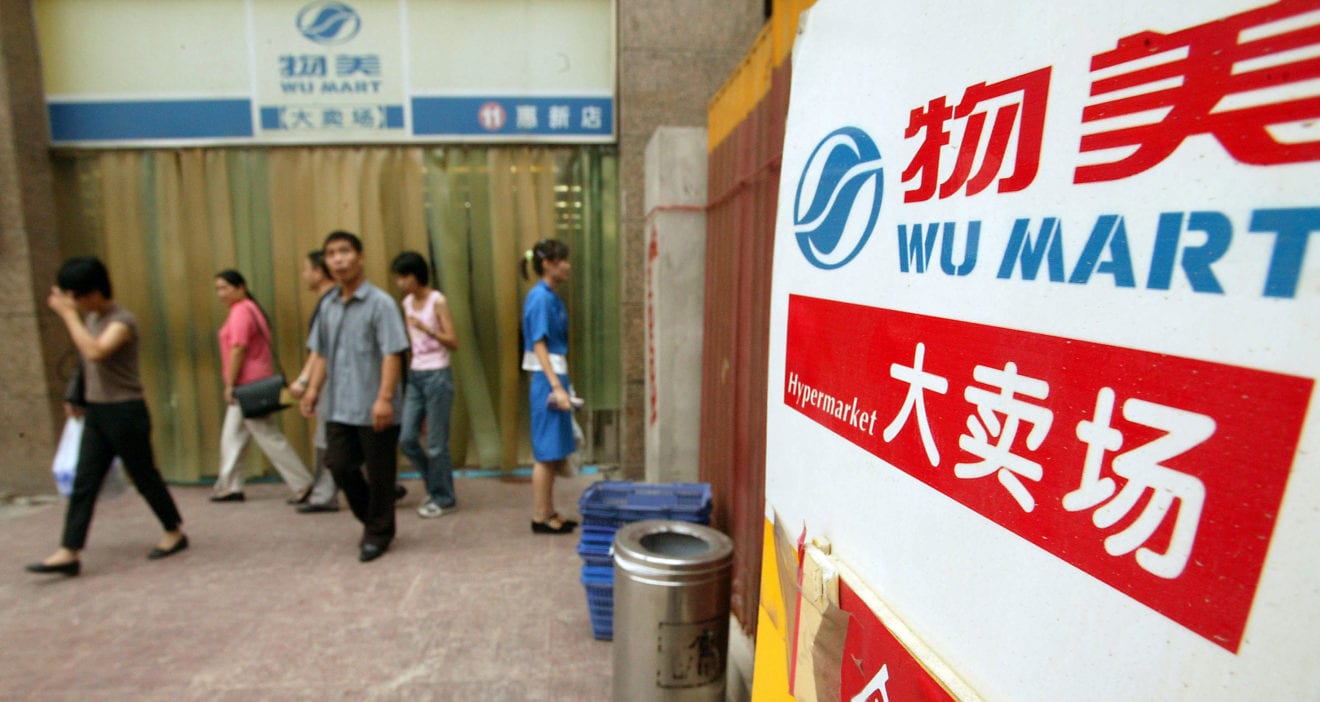
    Wumart Stores, the Beijing-based, Hong Kong-listed grocery retailing giant, has today reported an 11.9 per cent increase in sales in the first six months of the year.

    Total revenue topped RMB11.6796 billion at a time when foreign box box food and hypermarket retailers are feeling the pressure. Lotte Mart this week said it was closing four China stores, and Walmart and Carrefour are both struggling to achieve growth and profitability.

    The company says its continuing growth is being driven by new store openings, same store sales increases, higher revenue from suppliers and increased rental income.

    During the Reporting Period, comparable store sales of the Group increased by approximately

    4.2 per cent, recording an increase of approximately 3.3 percentage points in growth as compared to the corresponding period of last year.

    The group’s consolidated gross profit amounted to about RMB2,265 billion, up about 6.8 per cent on the same period of 2014. Consolidated gross profit margin was 19.4 per cent.

    Wumart says it will prioritise its business expansion in Beijing, Tianjin, Hebei and Zhejiang.

    As at June 30, Wumart had 586 stores – 42 more than at the same time last year.

  • Qoo10 parent raises $82m

    Qoo10 parent raises $82m

    Singapore-based Giosis, the parent company of Pan-Asian eCommerce platform Qoo10, has raised US$82.1 million in new funding led by Singapore Press Holdings.

    Other investors in the mix included eBay, Saban Capital Group, UVM 2 Venture Investments LP, Brookside Capital and Oak Investment Partners.

    Qoo10 operates six online eCommerce marketplaces across Asia – in Singapore, Japan, Indonesia, Malaysia, Hong Kong and China. Qoo10 has 17.6 million registered users across the region and combined, turned over US$408 million in 2014. Of the six markets in which the company operates, Qoo10 Singapore is the best performer with 1.8 million registered users as of June 2015 and US$182 million in gross merchandise volume in 2014.

    “Through this Series A investment, Giosis will deploy the new funds to accelerate Qoo10’s technology growth and service development, while investing in additional infrastructure and talent acquisition,” the company said in a statement.

    “The new funds will also help Qoo10 strengthen its position as a leading Pan-Asian platform in its key markets Singapore, Japan and Indonesia, and accelerate its expansion in its other rapidly growing Asian markets Malaysia, Hong Kong and China.”

    As the lead investor in this Series A round, SPH will also partner with Qoo10 to explore strategic collaborations on the e-commerce platform across various content, marketplaces, retail, advertising and classifieds opportunities.

    Alan Chan, SPH CEO, said Qoo10 is the number one ranked eCommerce website in Singapore and its parent company Giosis has established itself as a market leader in the region’s e-commerce space.

    “The investment in Qoo10 will enhance our portfolio of digital assets and open up opportunities for future marketing collaborations. With the region’s eCommerce market poised to grow, this investment puts us in a good position to tap on the industry’s growth and be an active player in this space.”

    A joint venture between Gmarket Inc founder Ku Young Bae and eBay, Qoo10 was founded in 2010 with US$20 million seed capital, after Gmarket was acquired by eBay in 2009 for US$1.2 billion.

    Ku Young Bae, CEO of Qoo10, said: “From the beginning Qoo10 has strived to be a hyperlocal eCommerce platform which enables local merchants, big and small, to sell their products to a local and regional customer base across Asia.  Today, 90 per cent of our staff and merchants are local, in order to provide consumers with a seamless shopping experience in a specialised marketplace. With this new funding, we aim to further strengthen our position as the leading Pan-Asian marketplace.”

  • Tawandang eyes foreign expansion

    Tawandang eyes foreign expansion

    Thai-based brewery restaurant chain Tawandang is planning further expansion at home and abroad as its concept gains favour with consumers.

    There are currently three Tawandang Germany brewery restaurants operating in Bangkok, with a third scheduled to open on August 7. The first two are located on Rama III and Ram Intra, and the third will open on Chaeng Watthana Rd.

    Tawandang also has breweries in Singapore and Cambodia and a restaurant in Australia.

    In an interview with the Bangkok Post newspaper, CEO Supote Teerawatanachai said the company is now considering expanding into Myanmar and the UK.

    Meanwhile, a further two outlets have been confirmed for Bangkok over the next five years- one at Srinakarin and the other at Bang Khae, each outlet to cost about 200 million THB (US$5.7 million)

    The new Chaeng Watthana Tawandang brewery restaurant features 5000 sqm of space and a dining hall which can seat 1200.

    “The brewery business has shown significant growth every year we have operated,” Supote told the bangkok Post.

    “Even though spending per head may be down because of the poor economy, we believe our sales this year will grow 15 per cent as expected from more new clients and a bigger customer base.”

  • Harvey Nichols is closing in Baku

    Harvey Nichols is closing in Baku

    British luxury department store operator Harvey Nichols has pulled out of its first store in Azerbaijan just four months after  a high profile opening in March.

    The seven-storey Harvey Nichols store opened in the oil rich nation’s fast-growing capital city of Baku offering 110,000 sqft of space selling more than 500 labels in men’s, women’s, children’s and bridalwear; a cosmetics hall, perfumery, cafe, restaurant, lounge and club. It was its largest store outside London.

    Stacey Cartwright, group CEO of Harvey Nichols, said in an interview at the time that Azerbaijanis were showing an increasing demand for luxury goods and the market was “fast becoming one of the top luxury retail destinations in the world”.

    But Harvey Nichols has parted ways with joint venture partner in the store, Perfomans, a subsidiary of a Baku investment company.

    The reasons aren’t clear and appear to be subject to legal proceedings: “Harvey Nichols has terminated its licence agreement with the operator of the Baku store. Consequently, the Baku store no longer operates under the Harvey Nichols brand,” the retail company said in a statement. It said further comment was not possible due to “legal reasons”.

    Harvey Nichols already has stores in London, Hong Kong, Saudi Arabia, Turkey, Dubai and Kuwait.

  • Shin calls for fresh goals for entire Lotte group

    Shin calls for fresh goals for entire Lotte group

    The 60-year-old chairman on Thursday became chairman of Lotte Holdings, the holding company of the Lotte Group in Japan, which was previously held by his brother Shin Dong-joo. This sealed his control of Lotte operations in both Korea and Japan. It is believed to be the first step in uniting the businesses in both countries.

    According to industry sources, Hwang Gak-kyu, president of policy coordination at Lotte Group, is already making adjustments to the chairman’s Vision 2018.

    In 2009, Shin teamed up with the Boston Consulting Group to devise long-term goals for the Korean retail giant to expand into a conglomerate that would be 10th-largest in Asia with annual revenues of 200 trillion won ($173 billion).

    “It seems that Chairman Shin has come to the conclusion that the vision needs to be readjusted, as the leadership has changed and the retail industry is also changing rapidly,” said a high ranking official at Lotte.

    Lotte Japan has far smaller revenues than Lotte Korea. In 2013, Lotte Korea generated 83 trillion won in revenue from 74 affiliates. On the contrary, the Japanese businesses only generated 5.7 trillion won in revenue from 37 affiliates.

    The biggest change in the vision is said to be “select and focus” and “synergy management.”

    Lotte said it is looking into the idea of choosing duty free shopping, hotels, chemicals and finance as core businesses and focus its resources on enhancing those businesses. Additionally, since food and beverages are key businesses in Lotte Japan, it plans to generate synergy with Lotte Shopping and Lotte Confectionery.

    For new growth engines, the retail conglomerate is likely to inject large amounts of investment, but the affiliates that are not picked will likely undergo heavy restructuring, and some will probably shut down.

    One of the key areas for Lotte is chemicals.

    On Friday, the day after Shin was officially made the head of Lotte Japan, he visited Lotte Chemical’s headquarters in Sindaebang-dong, southwestern Seoul, where he was briefed on business.

    On the contrary, investments in department stores and supermarkets is expected to decline. Lotte Group is expected to pursue merger and acquisitions in channels that combine offline and online shopping in order to raise synergy with existing branches and businesses.

    “Considering the size of changes that Lotte will undergo, we can’t say the funding we have is sufficient,” a Lotte official said. “Our investments will likely focus on quality more than on quantity.”

  • Online shopping made safe at 11street

    Online shopping made safe at 11street

    Worrying statistics call for stringent safety measures to ensure Malaysians can make their online purchases risk-free. 11street, one of the biggest online marketplaces in Malaysia, has taken numerous steps to ensure safety of its customers with an ESCROW system being the most significant one. 

    “11street constantly strives to address e-shoppers’ concerns by implementing safety-boosting solutions. ESCROW system is a financial instrument of placing a buyer’s money on hold in control and releasing it to the seller only when the delivery of the purchased item is fulfilled, thus protecting buyers from frauds. 11street also takes extra effort and responsibility to penalise any sellers for non-delivery cases,” 11street’s Chief Executive Officer, Hoseok Kim said. 

     “Furthermore, we are Payment Card Industry Data Security Standard (PCI DSS) compliant and with our in-house security system, our website is strengthened with comprehensive capabilities to monitor all products and transactions between buyers and sellers, that allows us to focus on detecting suspicious activities such as counterfeit product listing to minimise online risks while facilitating secured online transactions.” Kim added.

    In light of recent increasing incidents of cybercrimes, 11street developed basic guidelines for consumers to follow in order to stay safe online:

    1.Choose only trustworthy online shopping sites

    Reliable sites offer full information on sellers and customer service support reachable via email and phone. A credible site will also include features such as a return policy in case the buyer is unsatisfied with their purchase, along with a ‘help’ section for shoppers to lodge any complaints. 

    2.Use a secure connection when you place your order

    Look for a lock symbol on the page and check if the web address starts with “https://”, rather than “https://”. This guarantees that encryption is being used and your sensitive information is protected.

    3.Be cautious when making payment  

    Upfront payment is common for online transaction. Yet, legitimate sellers usually offer multiple secured payment methods via bank or credible payment gateway, including credit card payment and online bank transfer to company account rather than personal account. 

    A good practice to ensure that you are buying from legitimate sellers would be to look for their bank partners or multiple secured payment channels that are available when making a purchase. This further enhances the site’s credibility, as they would need to be qualified by banks or the authorities through stringent checks.

    If a site has an ESCROW system in place to assure buyers with delivery, that is another plus point which indicates the credibility of the site.  

    4.Read reviews shared by other customers

    Make an informed purchase and read comments from real customers. You can be sure you’ll find out a lot on their overall shopping experience and the quality of products. Have a closer look at negative reviews and the way they were handled by sellers, as this will give you some insights into their customer service.

    5.Never click on links from spam emails to make purchases

    It is never a good idea to click on a link in an email from someone you don’t know, let alone purchasing from a random website that sent you spam email. Remember to verify the seller before any purchase and never follow links from dubious sources.

    6.Use strong passwords

    If your password can be found on the list of 25 most popular passwords it requires an immediate change. Set passwords that are at least 10 characters long and consist of a combination of letters and numbers. 

    7.Don’t use public computers for online shopping

    Even if you erase your browsing history and log out, your sensitive information may still be accessible to industrious thieves. It is not uncommon for them to install sophisticated software that records keystrokes and then emails that data to the thief on public computers 

    Kim ends, “We believe security is the key to success in the online sphere. All sellers on 11street have been thoroughly vetted and we also flag up suspicious credit cards to banking authorities to ensure that our sellers don’t get tricked as well. In the same manner, customers make payments to bank accounts that have been registered with us. Yet, we advise all online shoppers to take these precautions to make sure their online shopping experience is enjoyable and safe”.

  • The Legendary Strand Hotel Takes To The Waterways Of Myanmar

    The Legendary Strand Hotel Takes To The Waterways Of Myanmar

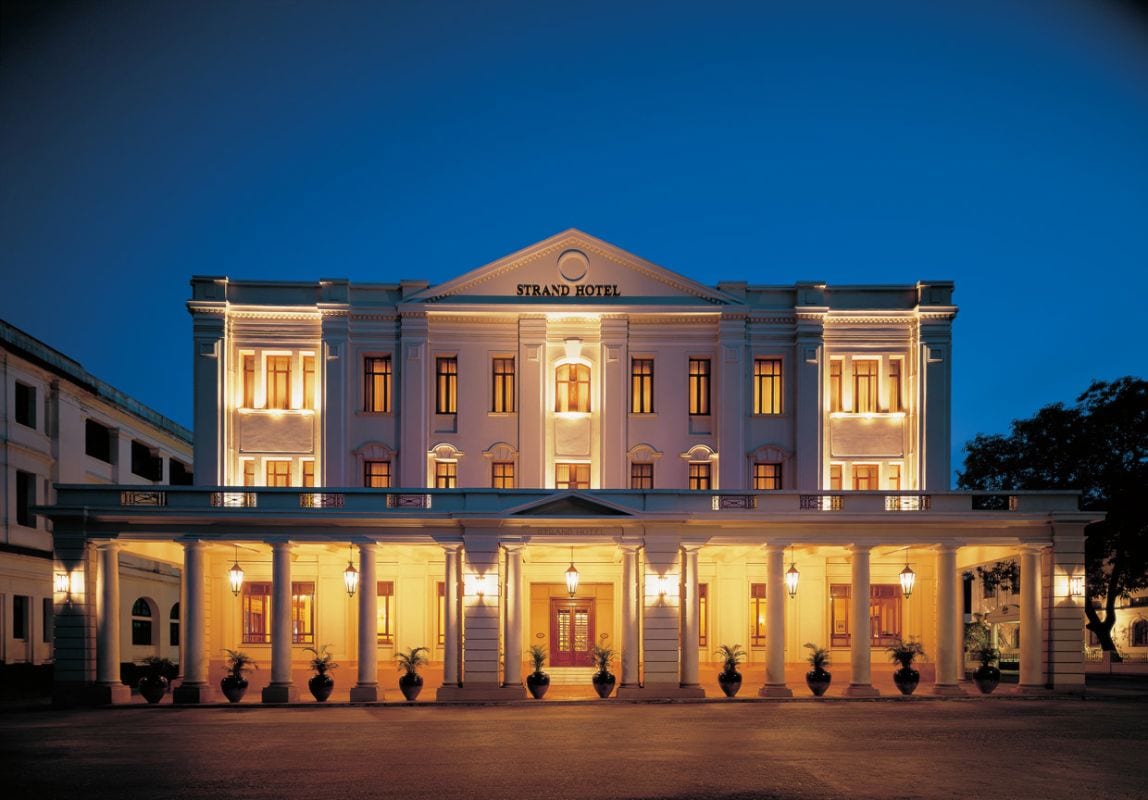
    The heritage of the iconic Strand Hotel in Yangon now extends to the Ayeyarwady River in Myanmar with the launch of The Strand Cruise. In early 2016, a new luxury river cruise is brought to one of Myanmar’s most visually captivating waterways steeped in history. Built locally, the vessel will offer 27 cabin suites and 24 hour butler service. The luxurious ship will also host a spacious pool deck, wellness center and wine tasting corner as well as gourmet á la carte cuisine in a restaurant with panoramic views of the river.

    The Strand Cruise is an authentic cruise experience offering exclusive and unique onshore tours curated intelligently to reduce ground transportation time andto enable maximum relaxation on-board – all while the ship is continuingly moving at the foot of the landmarks it visits.

    A schedule of regular sailings of three and four nights between Bagan and Mandalay will commence in early January 2016. Also known as The Elephant River, The Ayeyarwady River flows through the center of Myanmar and its banks are lined with hundreds, if not thousands of temples, stupas and nats. The Strand Cruise will moor in exclusive locations along route, right by Old Bagan itself, as well as at the foot of one of the most ancient Buddhist monasteries on Sagaing Hill when in Mandalay, and at a remote and picturesque riverbank for a private farewell dinner.

    The Strand Cruise will have 10 Deluxe Cabins, 13 Strand Cabins, two State Suites and two Strand Suites. The spacious cabins each with floor to ceiling windows and outdoor balconies are tastefully decorated with Burmese craftsmanship and Teakwood floors and furnished with pieces of original, local art. Each cabin offers an en-suite bathroom, complimentary Wi-Fi and international TV channels.

    Special activities for guests include evening BBQ’S on the upper deck as well as outdoor afternoon tea. The upper deck will include a wine tasting corner with temperature controlled cellars and on-board sommeliers creating special pairing menus for all occasions. The Lounge and Library will showcase exclusive cocktails made famous at the sister property, The Strand Hotel. The Spa facilities will offer massages and treatments in either individual rooms or double rooms for couples. A reflexology station on board will offer foot massages to help rejuvenate weary feet.

    “Having operated The Strand Hotel in Yangon for the past decade, we know that there has been a steady growth in demand from luxury travellers to explore the ancient monuments of Myanmar by using the Ayeyarwady’s waterways,” commented Jerome Seban, general manager of The Strand Cruise. “This demand presented us with an opportunity to reinvent the legendary style and unique personality of The Strand Hotel within a contemporary river cruise experience.

    “What makes a journey along the Ayeyarwady River so special is the fascinating landscape through which you glide, from ancient temples to daily life of the communities living at the water’s edge. Every aspect of The Strand Cruise is designed to echo this, with floor to ceiling windows welcoming in the views of the river banks and our colour palette reflecting the natural beauty of the waterways,” continued Seban. “We are working with Myanmar craftsman as much as possible and are using traditional materials such as locally carved teak, some of which will be detailed with gold leaf, connecting the golden age of the Strand to Myanmar’s golden land.”

    Named after its sister property the iconic Strand Hotel in Yangon, The Strand Cruise offers the same level of premium luxury in one of Myanmar’s most stunning destinations.


  • Faces in new places Raffles, Fairmont and Swissotel

    Faces in new places Raffles, Fairmont and Swissotel

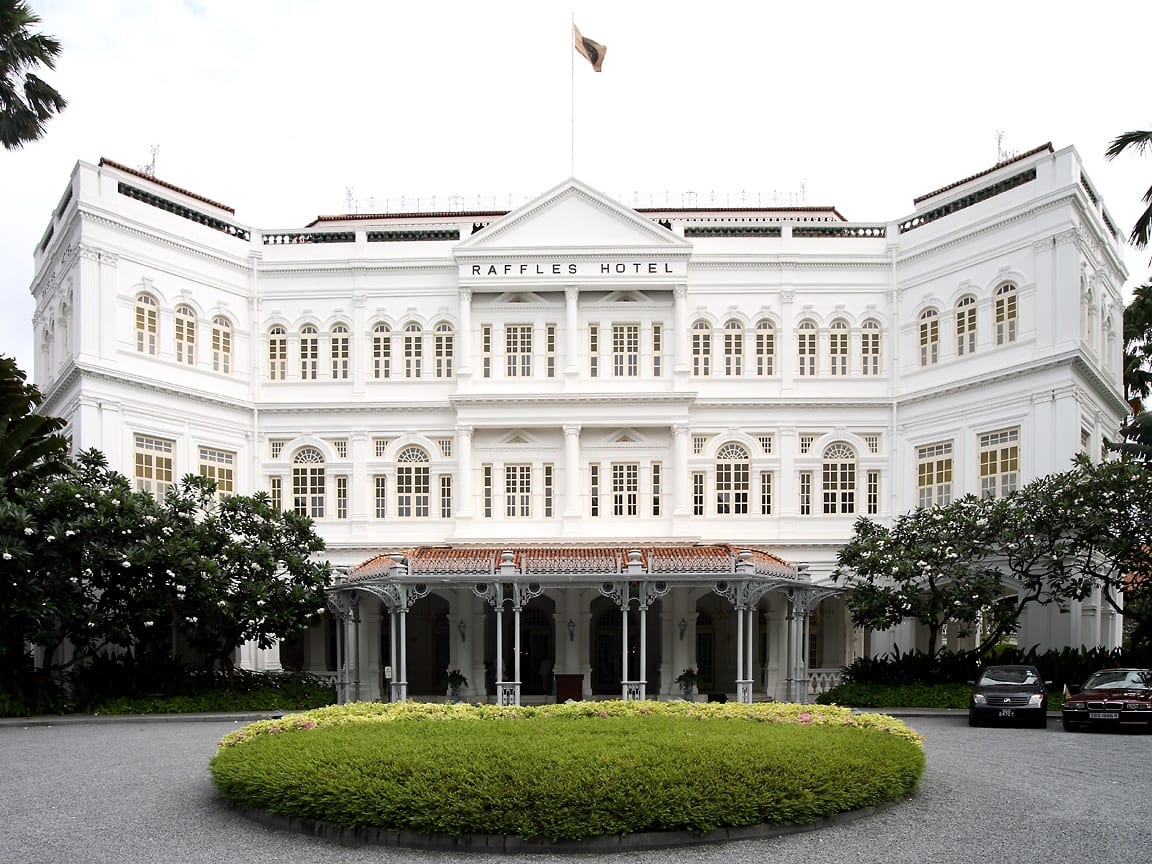
    FRHI Hotels & Resorts, the leading operator of Raffles Hotels & Resorts, Fairmont Hotels & Resorts and Swissôtel Hotels & Resorts, is pleased to announce several management-level appointments at its properties and locations worldwide. Recent appointments include:

    FRHI Hotels & Resorts promotes FrankNaboulsitothe role of regional vice president, Egypt and general manager, Fairmont Nile City. Naboulsi brings over 30 years of hospitality experience to this position with over 25 years of experience at Fairmont Hotels & Resorts worldwide. Over the course of his career,Naboulsi has held numerous general manager positions including stints at Fairmont Dallas, Fairmont Palliser and Delta Calgary Airport Hotel.

    FRHI Hotels & Resorts appoints Michael Moeckingas regional vice president, Western Europe and general manager of Swissôtel Berlin. Moecking brings 30 years of upscale international hospitality experience to this role, working with large brands including Kempinski and InterContinental. Moecking has been with FRHI for the last 10 years, spending six years as general manager ofSwissôtelBerlin and most recently, four years as general manager at Fairmont Dubai.

    Jimmy Kam joins Swissôtel Foshan as general manager.Kam brings over 20 years of hospitality experience to this position, most recently joining the property from Wanda Vista Dongguan & Wanda Realm Guangzhou Zengcheng as director of sales & marketing. Over the span of his career, Kam has held progressive positions at leading hospitality brands throughout China.

    Fairmont Pittsburgh welcomes Simon Boden as director of sales & marketing. Boden brings 16 years of management experience to this position, joining the company in 1999 at the Hamilton Princess & Beach Club as a sales manager, business travel. Boden later transferred to Fairmont Orchid as director of revenue management. Most recently, Boden held the position of director, sales & revenue, Fairmont Southampton.

    Victoria Dyson joinsFairmont Olympic Hotel, Seattle as director of sales & marketing. Dyson brings over 25 years of sales and marketing experience to this position, beginning her career in 1990 with The Delta Lodge at Kananaskis, Alberta where she held several progressive positions. Dyson joined Fairmont Chateau Whistler in 1997 as a sales manager and later transferred to Washington D.C as director, global sales. In 2007, Dyson returned to Fairmont Chateau Whistler as director, group sales, and held that position until 2008 when she was appointed to her most recent position as director, sales & marketing, Fairmont Chateau Whistler.

    Fairmont Mayakoba welcomes Eric de Maeyer as executive chef. De Maeyer joins the hotel with over 24 years of experience as an executive chef, beginning hiscareer at Club Lounge “Zuider Terras”, Antwerp, Belgium. In 1992 de Maeyer relocated to Mexico as executive chef at Hotel Marquis Reforma in Mexico City.  De Maeyer continued to work as executive chef managing multiple F&B outlets at other hotels & resorts throughout Mexico until his most recent position as executive chef at Grand Velas at Riviera Maya.

    Fairmont Peace Hotel appoints Jeremy Harris as executive chef. Harris joins the team from Marriottwhere he was most recently the executive chef of the Shanghai Marriott City Centre Hotel. Harris brings 14 years of international experience to this new role, beginning his career in Washington D.C.In 2011,Harrisjoined his first property in China as executive chef at Renaissance Shanghai Zhongshan Park Hotel. 

    Beil Wang joins Swissôtel Kunshan as executivechef.Wang has over 20 years of rich culinary experience and joins the property from Swatch Art Peace Hotel Shanghai where he was executive sous chef. Prior to this, Wang was the executive sous chef at the Renaissance Caohejing Shanghai and has held several other sous chef positions at leading brands throughout China.


  • Osim Q2 sales hit by weak retail scene

    Osim Q2 sales hit by weak retail scene

    A weak retail scene hit second-quarter sales at Osim International.

    Revenue for the three months to June 30 was down 12.7 per cent to $159.5 million, while net profit declined 25.5 per cent to $21.9 million.

    Despite soft retail sales across its core countries, “our dominant brand has enabled us to maintain a stable gross margin and cash-generative business”, the company said yesterday.

    Osim operates in 23 countries. Its main markets are in North Asia, with 58 per cent of revenue, and South Asia, with 38 per cent.

    The company has 560 Osim outlets in all. “China continues to be our No. 1 market where we are in 45 cities with 251 outlets.

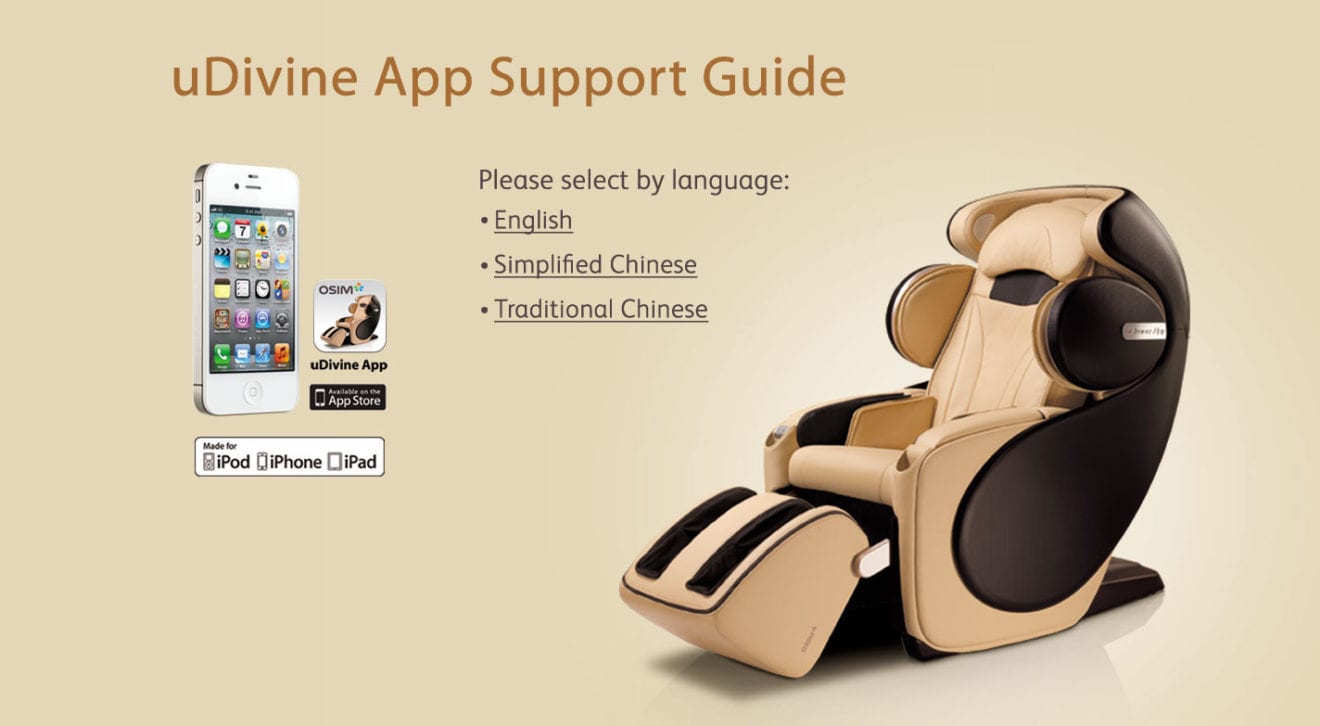
    New products, including uMagic, uInfinity Luxe, uDiva, uHip, uSqueez Air, uTrek and uShape Music, have sustained our dominant position in the market,” the company said.

    It has a further 220 GNC/RichLife outlets in its subsidiary ONI Global, and is growing sales through new product launches, it added. It shed 13 outlets in the second quarter.

    Subsidiary TWG Tea has 47 outlets and the company is targeting to open about 11 new outlets in the second half of the year, it said.

    “We remain optimistic on the prospects for the remainder of the year following the launch of uMagic in key markets and upcoming planned product launches,” it said.

    The company bought back $29 million in shares during the quarter. It declared an interim dividend of two cents per share, similar to a year ago, to be paid on Oct 7.

    Net asset value was 56 cents as at June 30, unchanged from Dec 31 last year. Earnings per share was 2.95 cents, down from 3.87 cents a year back.

    The firm said its balance sheet had strengthened with consolidated net assets at $487 million, and total cash and cash equivalents and fixed income investments of $443 million as at June 30.

    “We are continuing to invest for growth, supported by a strong balance sheet,” it said.

  • Wal-Mart eyes China growth with Yihaodian buy

    Wal-Mart eyes China growth with Yihaodian buy

    Wal-Mart Stores Inc stock is now trading 20.29% below its 52-week-high, 3.06% above its 52-week-low.

    Wal-Mart Stores CEO Doug McMillon has already increased starting wages and cut a layer of management in stores to try to tackle the situation at the stores. Wal-Mart Stores Inc (WMT) reported last quarter earnings on May 19.

    However, the company has strived to adopt the local culture in China and the consumers’ buying patterns. In an update, Walmart said today that Yihaodian now has over 100 million registered customers, and more than eight million products on offer.

    Wal-Mart, France’s Carrefour SA and Britain’s Tesco PLC have all seen sales growth slip over the last five years in China, losing market share to local rivals, according to consumer analytics firm Kantar Worldpanel. It has decreased by 1% from the same period of last month. With fiscal year 2015 revenue of $486 billion, Walmart employs more than 2 million associates worldwide.

    Walmart is cutting its hours in dozens of its stores.

    We reached out to Wal-Mart for a comment. That kind of integration is often referred to as online-to-offline (O2O), and has been a focus recently for Chinese Internet companies that are forging growing alliances with traditional retailers like department and convenience stores. State-owned China Resources controls 13.9%, while Wal-Mart lags behind both with 10.6%. Analysts at Morgan Stanley lowered their price target on shares of Wal-Mart Stores from $82.00 to $80.00 and set an “equal weight” rating on the stock in a research note on Monday, June 8th. Wal-Mart did not, however, disclose the size of the shareholding held by each party. US online retailing giant Amazon has tried a similar strategy in China, but so far has met with limited success and is still a relatively small player.

    The road aheadTo keep up with Sun Art, Wal-Mart plans to open 33 more stores and clubs this year, especially in the southern regions, where it enjoys a stronger market presence. Later this quarter, it will launch a mobile app which will let Chinese customers order products online and select in-store pickup or home delivery. Prior to joining Walmart Global eCommerce, Wang Lu was responsible for managing CBS Interactive in China, including the IT group, Auto group, Women & Fashion group and Lifestyle group.

    The retail juggernaut previously bought a 51% stake in the e-commerce retail enterprise back in 2012 in an aggressive push to benefit from the Asian country’s booming e-commerce space.

  • Unilever expands Alibaba partnership

    Unilever expands Alibaba partnership

    The partnership began in 2011 when Unilever opened a virtual store on Alibaba’s Tmall.com online shopping portal. Last year it opened a store on Tmall Global, a cross-border solution that allows overseas retailers to sell and deliver goods directly to Chinese consumers online via government-backed FTZs and PRC bonded warehouses.

    Alibaba’s e-commerce “ecosystem” includes China’s retail marketplaces Tmall and Taobao Marketplace as well as logistics and online payment solutions, cloud computing, and a marketing technology platform called Alimama that provides retailers with extensive data analytics.

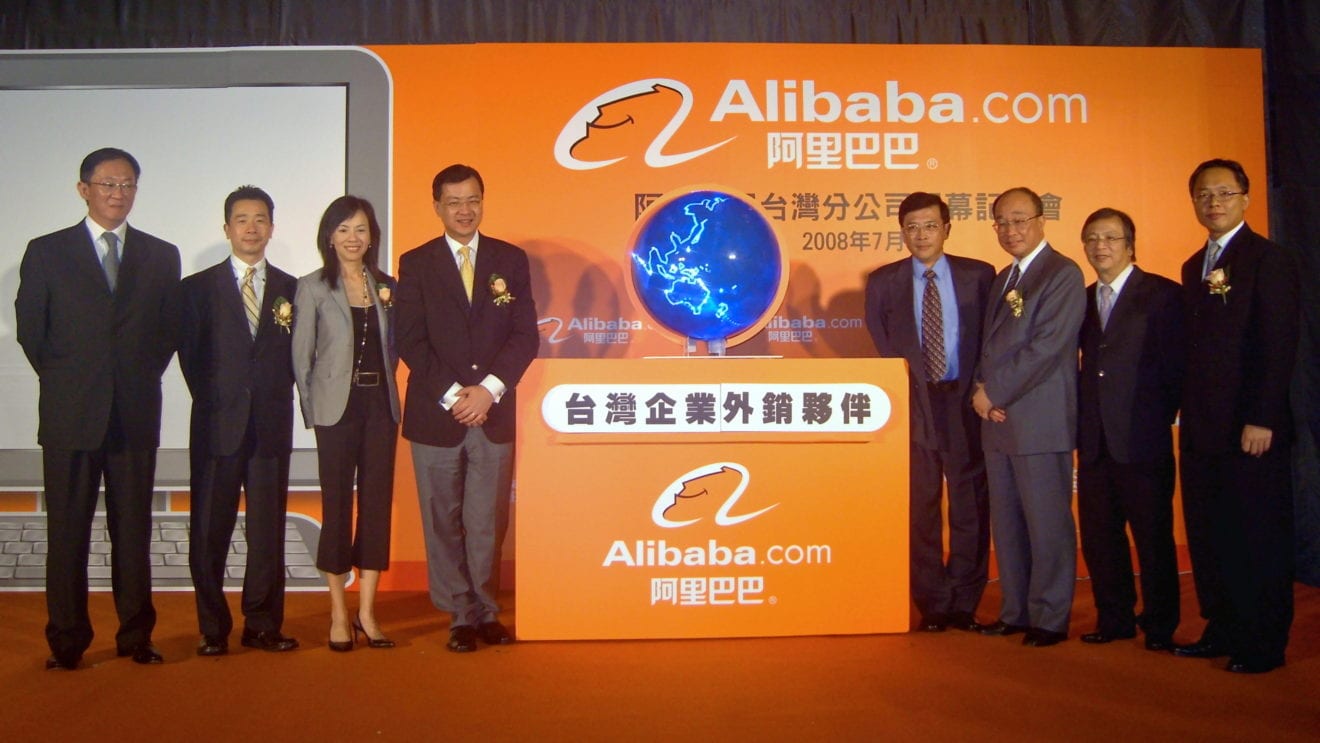
    Daniel Zhang, Alibaba CEO said the two companies “will jointly innovate in Big Data analytics application, cross-border e-commerce, and supply chain management”. The company will also protect Unilever’s brands by tagging each product with a unique QR code that allows the consumer to verify its authenticity and origin.

    Last year Alibaba began a three to five-year US$1.6 billion program to build 1,000 county-level and 100,000 villaAlibaba Cainiaoge-level Taobao service centers in order to provide e-commerce and logistics services to underdeveloped parts of China.

    The company said its cross-border system gives international retailers greater merchandising flexibility because shipments are made only on demand, reducing the need for sales forecasts and warehouse space in China.

    Online shopping accounted for 10.7 percent of total retail sales in China in 2014, according to the country’s National Bureau of Statistics.

    For the first six months of 2015 Unilever has reported a 12 percent increase in turnover to €27 billion. The operating profit fell 13 percent to €3.8 billion and net profit fell 11 percent to €2.7 billion.

    Unilever CEO Paul Polman noted: “The first half demonstrates again the progress we have made in the transformation of Unilever to deliver consistent, competitive, profitable and responsible growth, now in the seventh year. We plan for another year of volume growth ahead of our markets, steady improvement in core operating margin and strong cash flow,” he added.

    The company has also announced a one-year partnership with the WWF to raise public awareness against deforestation. The program will help protect a million trees by supporting forest protection programs in Brazil and Indonesia. The two countries historically have had the highest rates of deforestation in the world and have some of the largest areas of intact forest globally.

    Polman commented: “Stopping deforestation is an urgent priority in tackling climate change. Forests are second only to the oceans as the largest global store of carbon and support 80 percent of terrestrial biodiversity across the globe. As a business it is crucial that we operate sustainably and take action to help consumers live sustainably. It’s a moral imperative and a business one – to be here for the long term.”

  • Capital Foods’s brand Chings’s Secret exits noodles market

    Capital Foods’s brand Chings’s Secret exits noodles market

    Consumer goods company Capital Foods, which sells the Ching’s Secret instant noodles and Smith & Jones ketchup and masala noodles, has officially exited the noodles category post the Nestle Maggi controvery. The company says it had a marginal contribution from the noodles category to its total business and will restrict its focus to soups and sauces. The company has also shut down its Vapi plant which manufactured noodles.

    The company’s founder chairman and managing director, Ajaay Guptal told ET that the controversy had affected the growth prospects of the category. ” It has never been a focus business and we decided to shut down our factory. As far as our pedigree is concerned, we started off as an exports company and out backend meets the strictest guidelines and laws laid down by global markets, especially the US government.

    The Maggi controversy has impacted the entire processed foods industry significantly especially the ready to eat food category. All food companies are reworking their packaging and ingredients to make sure it meets the strictest mandatory laws.

    Very recently Hindustan Unilever (HUL) had recalled its Chinese range of ‘Knorr’ instant noodles from the market pending product approval from the central food safety regulator FSSAI. “HUL has decided to stop production and sale of its Chinese range of instant noodles till such time as its application is approved by FSSAI. HUL is initiating a withdrawal of its Chinese instant noodles from the market,” HUL had stated.

    Capital Foods sells Ching’s brand and Smith & Jones range of ketchups and ginger-garlic paste in markets such as the US, Canada, Singapore and Dubai. Capital foods recently hired Bollywood actor Ranveer Singh as the brand ambassador, with a campaign ‘My Name is Ranveer Ching’.

    It has tie-ups with the large retailers such as Tesco, Loblaw, and Mustafa in Singapore.

    ITC’s Sunfeast Yippee, HUL’s Knorr and Nissin Foods’ Top Ramen categories are very nascent, so other players are growing the market instead of biting into each other’s share. Capital Foods’ (it has two brands Smith-Jones and Ching’s Secret) consolidated revenue for the fiscal year 2014 stood at Rs 240 crore of which Ching’s Secret contributed a whopping Rs 200 crore.

  • E-commerce market in China is big enough for multiple players

    E-commerce market in China is big enough for multiple players

    Cross border e-commerce is gaining traction worldwide, partly because of rising business from China. Despite the rise in global players, US online retailer Amazon is not afraid of the competition.

    Amazon has felt the wind of late comers. Alibaba has brought the war onto Amazon’s home turf, recruiting small US businesses to join its sales network after its debut on the New York Stock Exchange last year.

    Amazon’s senior vice president of international consumer business Diego Piacentini says the market is big enough for multiple players.

    “Business is not sport, where there is one winner. Business has multiple winners,” Piacentini said.

    “The size of the business, particularly e-commerce, would be so large. There is room for global players. Amazon is going to be one of them, absolutely, Alibaba and Tmall is one of them and many others.”

    Besides talking the talk, Amazon has beefed up its operation in China since last year. It opened direct mail to China from six of its global locations. Amazon also set up a Chinese e-commerce website and increased its overseas purchases in China to bolster local sales.

    “For countries like China or India, they are not exposed to many years of modern retail, e-commerce, or mobile commerce. You can expect in the next few years, that the vast majority of retail activities in China and India would happen online,” Piacentini said.

    Last year, 18 million Chinese consumers spent US$213 billion overseas—more than double Amazon’s annual sales. For any global commerce site, such potential is hard to ignore.