Tag: asia

  • Hamleys Singapore to debut this month

    Hamleys Singapore to debut this month

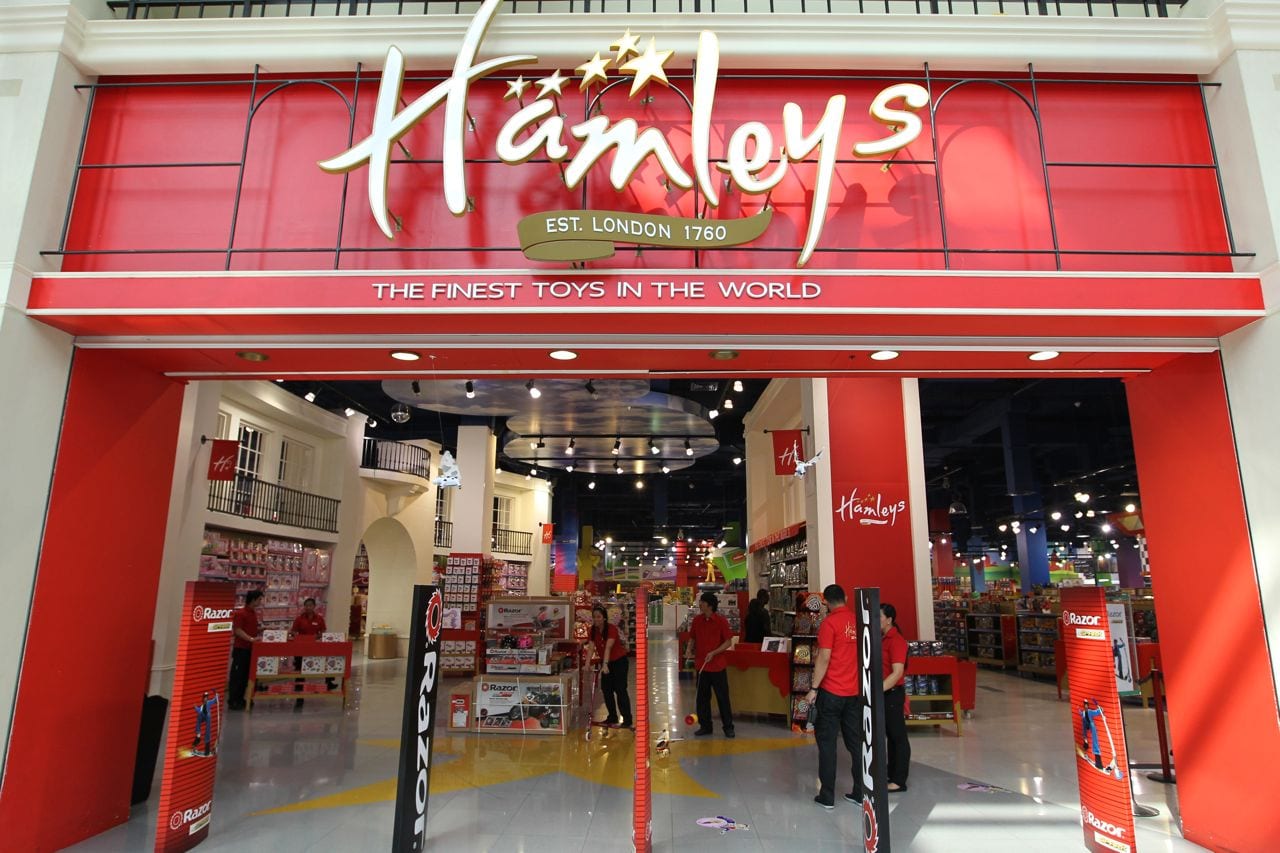
    The world’s oldest toy retailer – Hamleys – is to make its Singapore debut this month.

    Hamleys Singapore will open its first store in the Plaza Singapura extension on July 24 in a partnership with Global Retail Ventures, which also runs Hamleys’ outlets in Malaysia.

    The move is part of an aggressive global expansion strategy for the London-founded, French-owned brand which has this year opened a giant Moscow flagship, has its first store opening in Vietnam this month and in Asia is already also trading in the Philippines. The Plaza Singapura store is likely to be the first of several in Singapore. Hamleys, through a Vietnamese franchise partner, is opening in Singapore-based Mapletree’s joint venture SC VivoCity shopping centre in Ho Chi Minh City.

    The toy chain has 54 stores in 17 countries with stock range targeting children from toddlers to adults.

    The debut Singapore shop will feature 12,000 sqft of retail space across two stories and stock more than 10,000 items.

    Plaza Singapura management want to position the mall as a one-stop destination for families.

  • Macau luxury slump projected

    Macau luxury retail sales are in free fall after the downturn in gambling.

    The Macau Importers and Exporters Association has estimated a slump in luxury retail sales of between 30 and 50 per cent in the first half of 2015.

    The association’s director, legislator Sio Chi Wai, told a media conference the fall was due to the downturn in visits to the territory for gaming, suggesting the vast majority of the downturn is from mainland Chinese spending less in stores.

    Sio did not estimate the value of first-half year luxury goods sales.

    But he did say he expected that the downturn would gradually level out.

  • Teddy’s Bigger Burgers Thailand opens in Bangkok

    Teddy’s Bigger Burgers Thailand opens in Bangkok

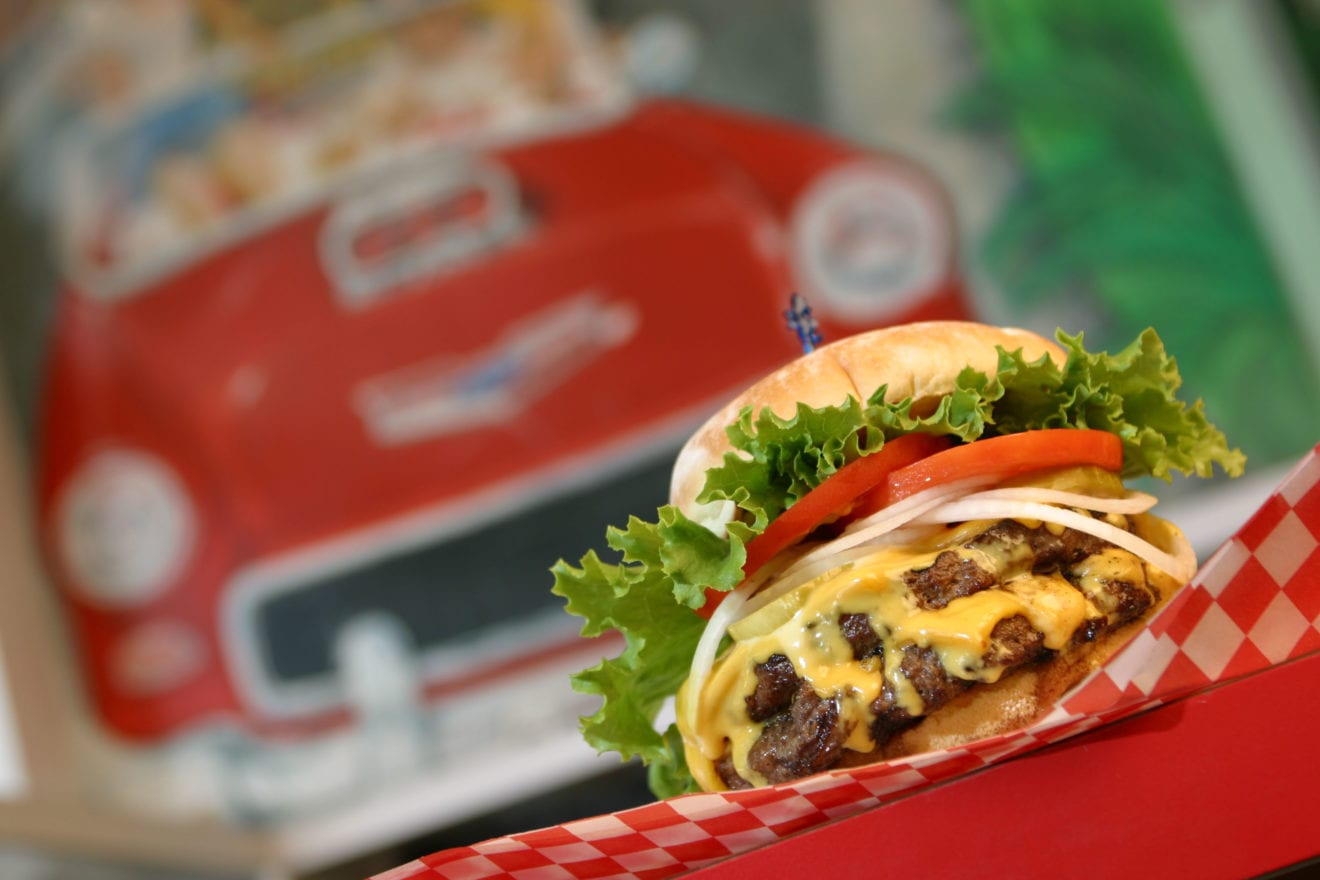
    Teddy’s Bigger Burgers Thailand is to open its first outlet in Bangkok on July 16.

    Thailand marks the third Asian market for the Hawaii-based chain, which has appointed Go Go Restaurants as its local partner for an initial eight year term. Ten stores are planned within five years.

    Teddy’s Bigger Burgers currently has 20 outlets in the US, the Philippines and Japan. It has a five year plan to open 64, with 10 in each of its three Asian markets, 30 in the US and four in Dubai.

    Teddy’s Bigger Burgers Thailand’s first outlet will be in the Gateway Ekkamai mall, adjacent to the Ekkamai BTS station. A second will open in October in CentralPlaza Pinklao.

    Co-founder Richard Stula said in an interview with the Bangkok Post newspaper that his company sees “huge opportunities” for premium burgers in Thailand.

    “However, it’s very challenging to find good locations as retail malls have several fast-food burger brands already,” he said.

  • Smoothie King eyes Asia

    Smoothie King eyes Asia

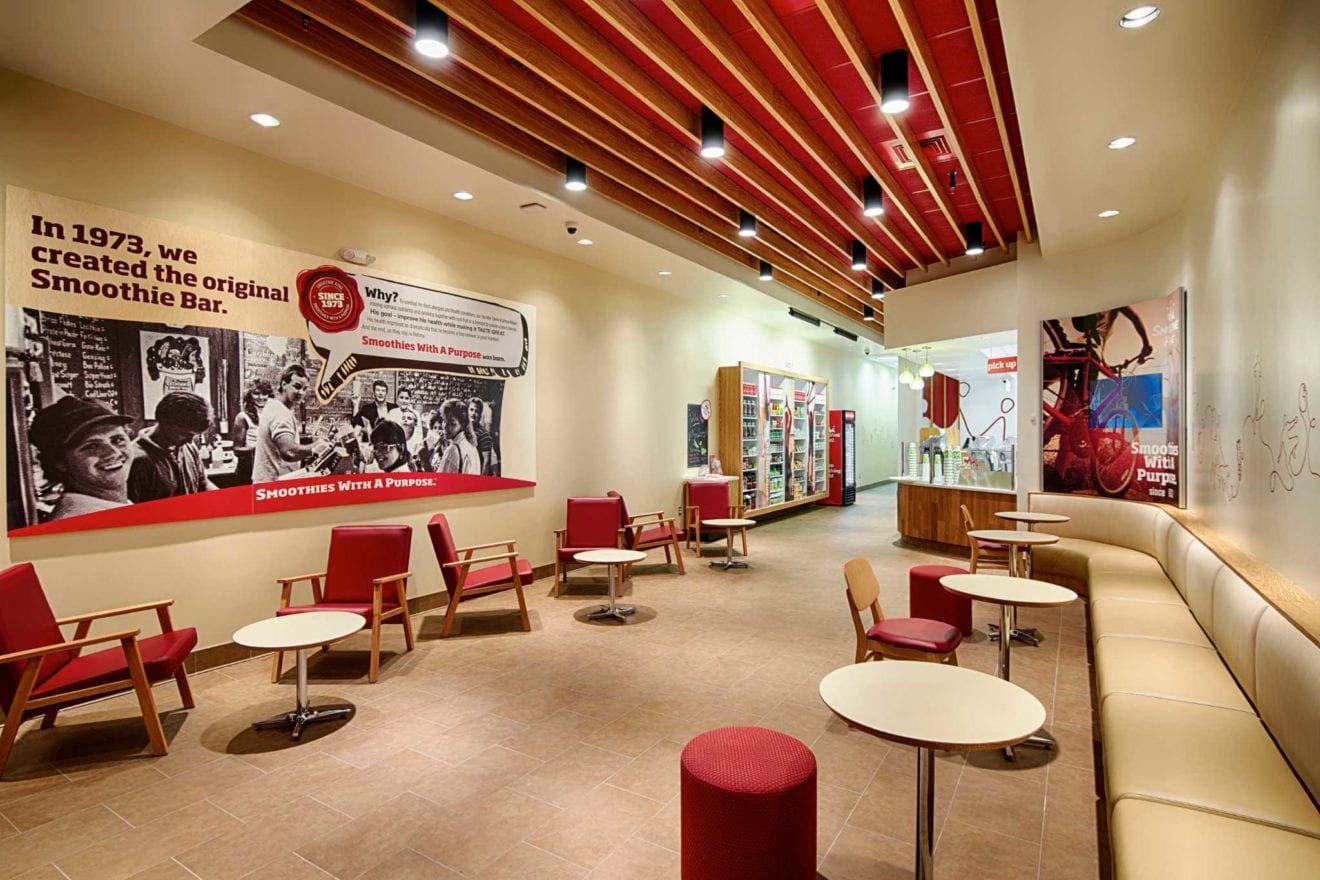
    Fresh from sealing a deal to enter the UAE, US chain Smoothie King is now seeking partners to enter seven Asian markets, along with Australia.

    With more than 700 locations worldwide and plans to top 1000 locations globally by the end of 2017, Smoothie King has signed up Al Ghurair Retail to open across the emirates, starting with multiple locations in Dubai.

    Smoothie King is currently located in Korea, Grand Cayman and Singapore, and according to Dan Hannah, VP of international business development, the company is now eyeing development in Japan, China, India, Indonesia, the Philippines, Taiwan, Australia and Brazil.

    Smoothie King is providing guests around the world with nutritional solutions that live up to the brand’s founding vision to create “Smoothies With a Purpose.”

    Smoothie King differentiates itself in the crowded juice and smoothie category as an “originator and innovator”, evolving to meet customer’s health needs since 1973. The mission since the company’s inception carries through to today: to inspire people to live a healthy and active lifestyle.

    New Orleans-based Smoothie King offers a wide variety of smoothies made with the highest quality ingredients, created to meet all nutritional goals including weight loss, weight gain and increased energy.

    “By working with dedicated and passionate partners like AG Retail, we are able to continue to build our brand and expand our presence worldwide, while preserving brand integrity,” said Smoothie King CEO Wan Kim.

  • Food fight! The next battle for China e-commerce

    Food fight! The next battle for China e-commerce

    A number of e-commerce firms in the mainland are inking deals to import foreign delicacies, reflecting growing consumer worries over a series of domestic food scandals.

    JD.com, the mainland’s largest online direct sales company, announced on Monday the launch of a new channel dedicated to selling a range of authentic Australian food products, including milk, meat and fruit, as well as wine from Treasury Wine Estates. Australia is the latest entrant to JD.com’s online ‘country malls’, which already include France, South Korea and Japan.

    “Chinese consumers are increasingly enthusiastic about trying, buying and using products from all over the world” said JD.com founder and CEO Richard Liu.

    Online supermarket Yihaodian opened a similar exclusive channel for Canadian seafood and meat earlier this month in an agreement with Agriculture and Agri-Food Canada (AAFC). Alibaba, meanwhile, already leads the way in terms of foreign food products. Last week, the e-commerce giant announced it added 11 more countries to its Tmall Global site, a platform dedicated to foreign brands. Food is Tmall’s most popular product category, according to Alibaba.

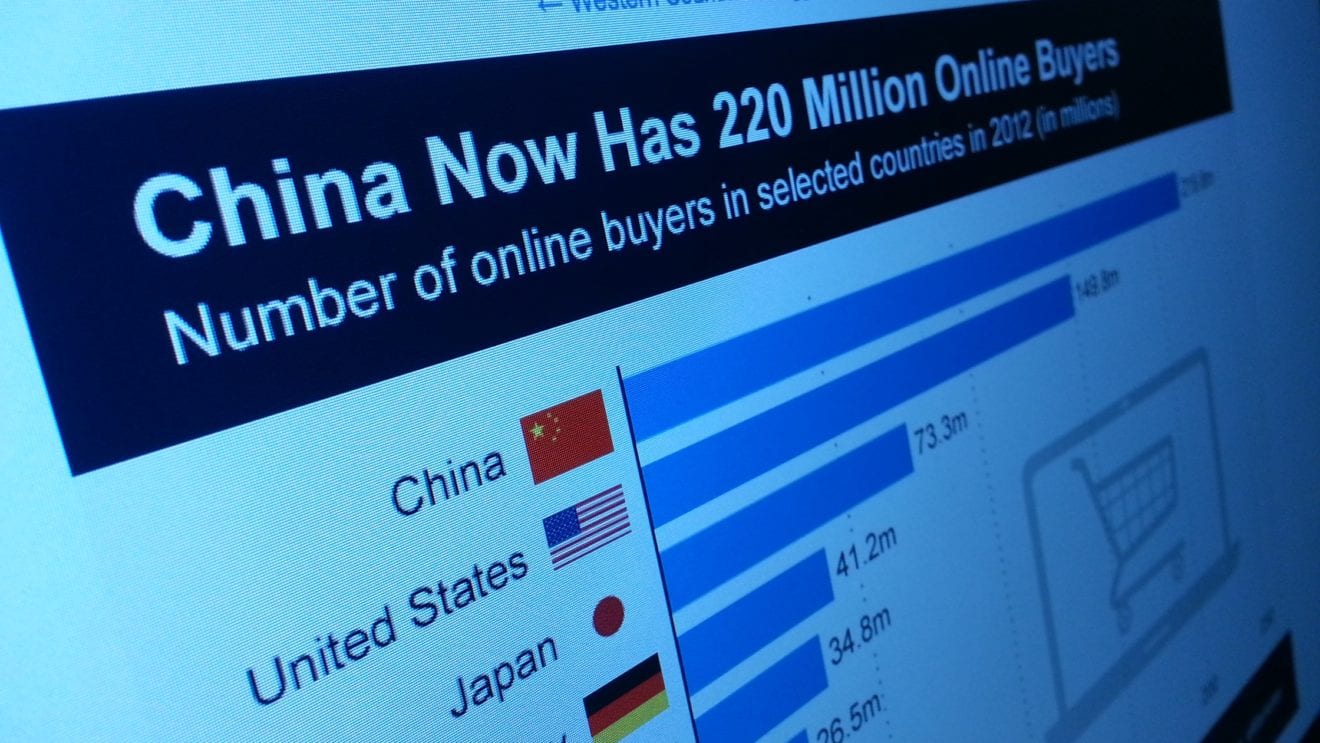
    The transaction volume of imported goods purchased online could reach $245 billion in five years, with more than 200 million Chinese consumers engaging in cross-border shopping, said a recent report from Accenture and AliResearch, Alibaba’s research arm.

    The taste for imports comes as no surprise given the country’s ongoing battle with food hygiene. Last week, authorities seized a batch of smuggled frozen meat that was 40 years old. Scandals like these explain why 75 percent of Chinese have no confidence in domestic food safety, a March survey by the China Food and Drug Administration (CFDA) showed.

    “Food safety issues, an increased focus on health and wellness, and a growing willingness to spend on children have made organic or fresh fruits, meats and vegetables, and baby-related products top spending priorities this year,” Boston Consulting Group (BCG) in a report on Monday.

    While JD.com was unable to share top-selling brands, it told CNBC that dairy and wine had traditionally been two of the biggest selling categories of Australian products.

    A two-speed market

    E-commerce trends are only a partial reflection of Chinese consumption, consulting firm BCG noted.

    China has a “two-speed consumer market,” where middle to upper-middle-class and affluent households, known as high-speed consumers, make up the bulk of digital shoppers, it said. Forty percent of these consumers shop online frequently-at least once a week-compared with 20 percent of less affluent households, i.e. the low-speed consumers.

    Wealth gaps account for the difference between the groups, BCG explained.

    “The average affluent household is expecting nearly 11 percent income growth; the average aspirant household, only 6 percent. This 5 percentage point difference, given the vast disparity in income levels between these two groups of consumers, translates into a 20-fold difference in actual earnings.”

  • Retailers Brace for Gloomy Ramadan Amid Economic Slowdown

    Retailers Brace for Gloomy Ramadan Amid Economic Slowdown

    Indonesian retailers are predicting sales to drop by 36 percent year-on-year during the Muslim holy month of Ramadan and Idul Fitri, the latest sign of the country’s weakening economy.

    Sales are expected to reach Rp 15 trillion ($1.12 billion) during the fasting period, which runs from June 18 through July 17,  compared to Rp 25 trillion in the same period last year, according to estimates from the Indonesia Retailers Association (Aprindo).

    Members of the association range from convenience store chain operators such as Sumber Alfaria Trijaya to hyper market operators like Matahari Putra Prima.

    Aprindo chairman Roy N. Mandey said consumers’ purchasing power has been under pressure this year due to rising inflation stemming from fluctuating oil prices, the weakening rupiah and slow government spending.

    President Joko Widodo shifted government subsidies for fuel prices this year to back up his $21 billion infrastructure projects. However, only 8 percent of the funds were disbursed in the first six months 0f 2014 due to red tape, dragging further on the country’s economy, which is already struggling against low commodity prices and slowing investment.

    Based on current conditions, Aprindo has revised its 2015 sales target to Rp 152 trillion from its initial total of Rp 184 trillion — a 10 percent contraction from last year’s sales of Rp 168 trillion.

    “People are not as enthusiastic [as before]. They are refraining from buying anything now,” Roy said.

    A recent consumer confidence survey from Bank Indonesia, the country’s central bank, showed that consumers have become less optimistic about their income and job availability, holding back on buying durable goods like electronics, motor vehicles and home appliances.

    Still, Matahari Putra Prima, one of the largest retailers in Indonesia and a Jakarta Globe affiliate through the Lippo Group, remains confident it will see an 11 percent increase in sales during Ramadan to Rp 3 trillion from Rp 2.7 trillion last year, banking on its expansion in the eastern part of the country.

    The company now operates 111 stores under the brands Hypermart, Foodmart and Boston Health & Beauty.

  • Naiise goes big with largest store opening at Central

    Naiise goes big with largest store opening at Central

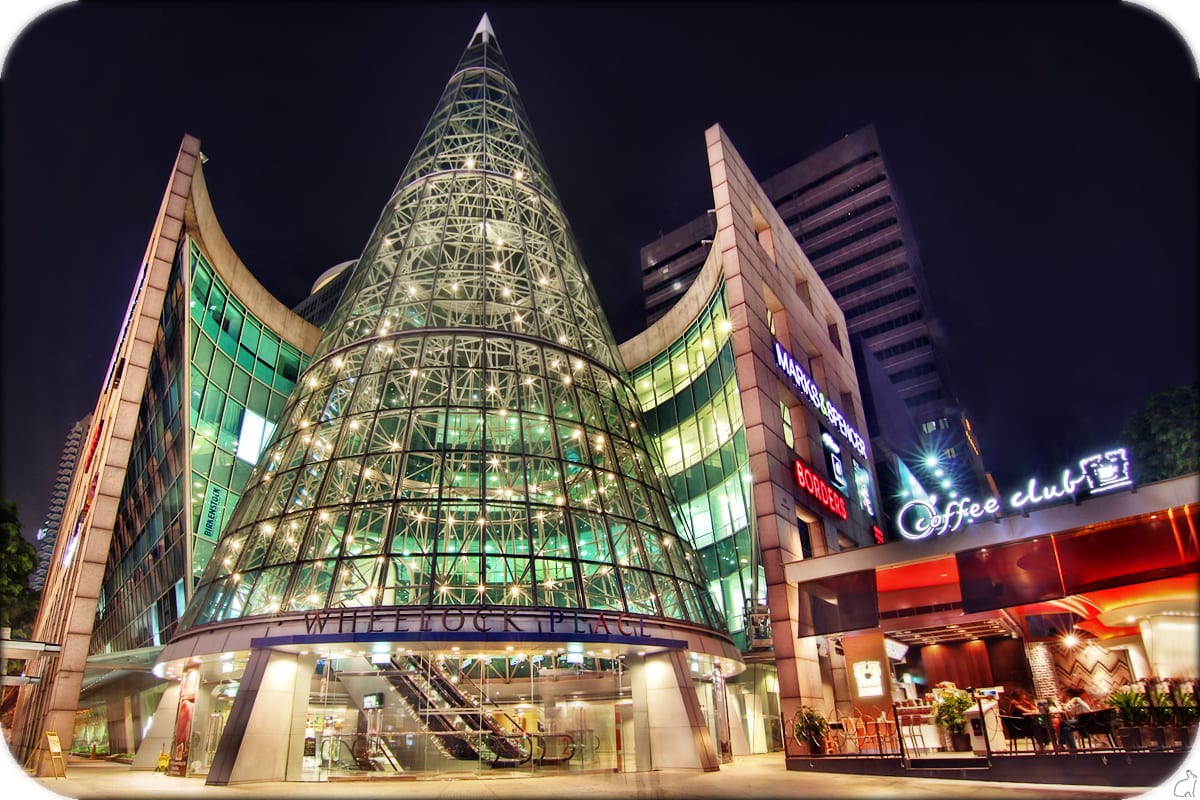
    Can someone give Naiise’s founder Dennis Tay and his team a trophy? In just two-a-half years, the retailer of Singapore-designed products went from a one-man show operating an online store to opening three physical outlets with a team of 20 employees. To boot, all three stores — in West Mall, Wheelock Place and now Central (Clarke Quay) — were launched consecutively in the last four months at a time when the retail climate is considered sluggish.

    “We have been extremely lucky in terms of consumer demand for our unique products, as well as the opportunities given by our landlords,” said Tay who was approached by landlords such as CapitalMalls Asia (WestGate) on all three occasions. He added that much effort was also made to differentiate each store and come up with “interesting and interactive” experiences” to avoid customer fatigue.

    For instance, the WestGate outlet in the heartlands of Jurong is stocked with family-oriented offerings, such as home accessories and kidswear to cater to the families in the area. Meanwhile, the selection at Wheelock is carefully curated to showcase best-sellers, new arrivals and Naiise exclusives to make better use of its smaller space.

    In contrast, Naiise’s latest outlet, which was officially launched yesterday (July 10) is billed as a “design megastore”. It occupies the whopping 6,500sqf space vacated by Hong Kong lifestyle brand, Goods Of Desire (G.O.D) which closed down in April.

    When Far East Organization first approached Tay about taking over the space, he admitted to being “quite terrified” because the space was so big”. He took the plunge believing that “the experience and benefits from this location would outweigh any costs”. To minimise cost, the layout worked around existing furnishings while the team did much of the redecorating, such as installation work, carpentry and painting, themselves. Additional fixtures were sourced, salvaged or purchased cheaply from local suppliers.

    Like the outlet at Wheelock Place, the current lease for Central runs until the end of the year but Tay is keen to continue for as long as possible. He remains unfazed by the failure of G.O.D to crack the market here, as he feels Naiise’s product offerings already resonate well with local shoppers and now with tourists. The latter make up 50 per cent of the customers at the outlet since its soft opening last month.

    Moreover, the company is banking on creating unique and experiential concepts at Central by having a dedicated workshop area for weekend sessions that can accommodate up to 20 people. The larger space also allows Naiise to introduce new product segments of books, music and magazines, and encourage customers to linger; they are invited to make themselves comfortable on Doob bean bags found around the store. More than 4,000 products, including major items like furniture, from over 400 brands can be found here. In keeping with its mission to promote Singaporean design, 60 per cent of the stocks here are designed or made in Singapore, and these items with a local spin, such as Singapore Sling-flavoured jams, have proven popular with tourists. Tay hopes this is Naiise’s small way of helping boost the awareness and demand of local designs and products with an overseas audience. Naiise is also celebrating SG50 by giving 500 S$5 cash vouchers (for every S$50 spent) on the website and any of their stores from next Monday.

    And in case you’re wondering, Naiise will be continuing with their popular pop-up events, which has seen food and art collaborations in shophouses. “Our growth strategy for Naiise is to work hard at merging all channels and platforms to seamlessly connect the shopping experience for our customers, whether online and offline,” Tay said. “Naiise will also work hard to retain its focus on bringing unique design products for everyone.”

  • S.Korea picks Hotel Shilla JV, Hanwha to operate new Seoul duty-free stores

    S.Korea picks Hotel Shilla JV, Hanwha to operate new Seoul duty-free stores

    South Korean retail giants HDC Shilla Duty Free and Hanwha Galleria Timeworld on Friday clinched a high-profile bid to operate duty-free stores in downtown Seoul in what is seen as a golden ticket to bolstering their footing in a retail industry struggling from anemic consumer spending.

    Seven companies had vied for the license, the first of its kind open to large corporations in 15 years. Lotte Duty Free, HDC Shilla Duty Free, a joint venture between Hotel Shilla and Hyundai Development Co., and SK Networks were aiming to increase their market share, while E-land, Hanwha Galleria Timeworld, Hyundai DF and Shinsegae DF were trying to make a fresh entrance into the duty-free sector.

    Currently, four companies run seven duty-free stores in Seoul, whose main customers are foreign tourists, especially those from China. Their insatiable appetite for shopping has been a rare bright spot in the local retail sector grappling with sagging sales amid a weak economy.

    Buoyed by their spending, the duty-free market has been posting double-digit growth in the past five years, compared with crawling sales growth at department stores and hypermarkets.

    In 2014, duty-free stores in Seoul posted a combined sales of 4.4 trillion won (US$3.9 billion), which accounts for more than half of the country’s 8.3 trillion won duty-free market.

    Meanwhile, the customs agency also announced two smaller retailers who will be operating duty-free stores in Seoul and Jeju, South Korea’s southernmost resort island, respectively.

    The new licenses will be valid for five years under a revised customs regulation that shortened the contract period from 10 years. The winning bidders are required to open their stores within six months.


  • DFS opens HK stand alone beauty store

    DFS opens HK stand alone beauty store

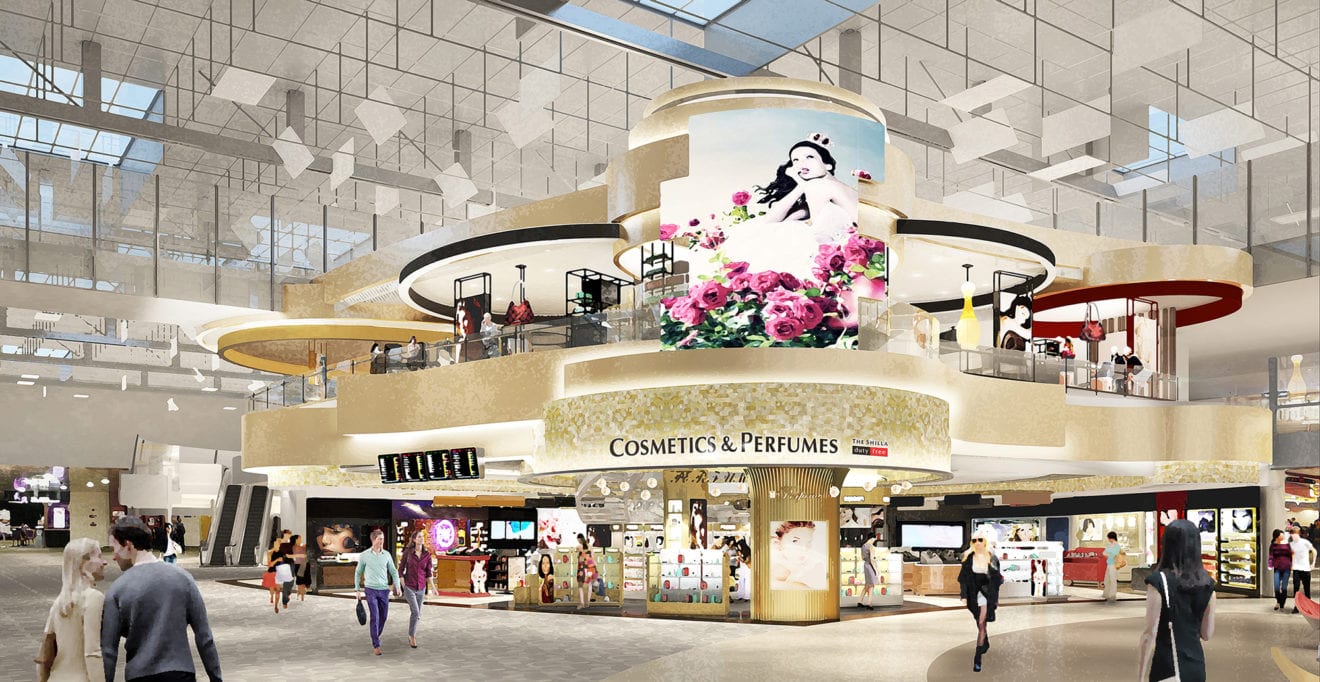
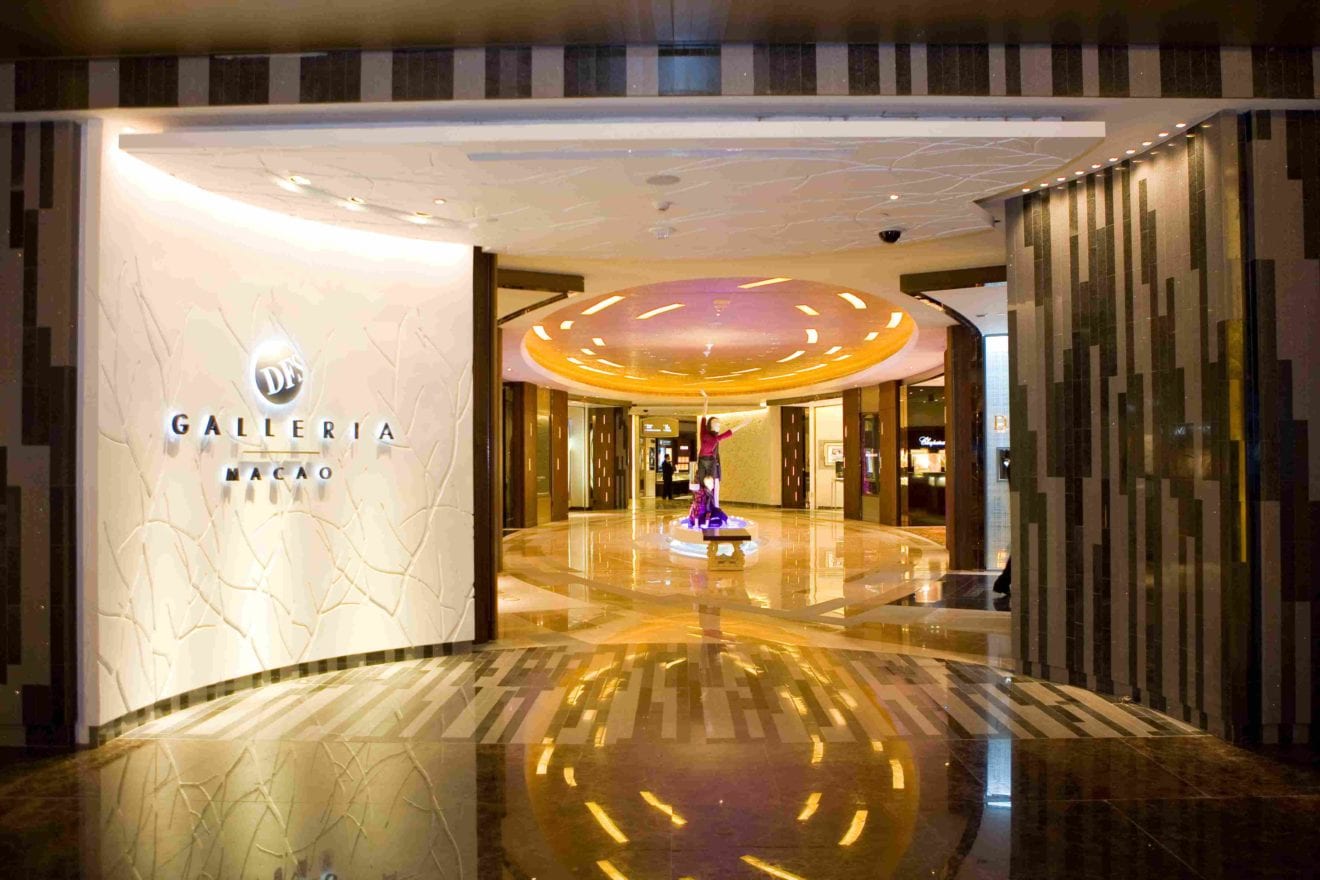
    DFS Group opened its second stand alone 18,000sq ft T Galleria Beauty by DFS store in Hysan Place, Causeway Bay at the end of June, following the earlier opening of its initial store at the Galaxy Macau Asian resort destination in May.

    The store is the first of its kind in Hong Kong concentrating solely on luxury cosmetics, skincare and fragrances, allowing customers interested mainly in personal beauty experiences to experience them in one prestigious location.

    Benjamin Vuchot, Region President, North Asia for DFS Group said: “With T Galleria Beauty by DFS, we’re breaking the beauty shopping mould to bring our customers a whole new level of choice, affordability and excitement.

    “Every element of the concept from the product selection to the store design was inspired by our customers and we’re confident that this innovative, personalized approach to the beauty shopping experience will make T Galleria Beauty the beauty connoisseur’s destination of choice in the heart of Causeway Bay.”

    DFS says the range of products includes more than 100 brands including Dior, Estée Lauder, Hermès, 3CE, Make Up Forever and Nars. It adds that DFS also takes ‘a holistic view of beauty’ through new or expanded product categories such as men’s, wellness, hair, body and nail, as well as a trend area featuring popular Korean brands.

    The retailer adds that T Galleria Beauty by DFS will also exclusively introduce popular trend cosmetic brands Nudestix, IOPE and Cargo Cosmetics in Hong Kong.

    Kitty Choy, Director, Retail, Hysan Development Company Limited said: “We’re thrilled that DFS Group has chosen Hysan Place as the location for its first T Galleria Beauty by DFS store in Hong Kong.

    “With its holistic and innovative approach to the beauty shopping experience, T Galleria Beauty by DFS will be a beauty anchor within Lee Gardens, providing customers with a personalized approach unrivalled in Causeway Bay.”

    DFS is also claiming a ‘first of its kind’ with its new 1,000sq ft Beauty Station which gives customers the opportunity to sample, mix and match products from a wide range in one location. Customers will also have access to the exclusive Beauty Concierge, a complimentary personalized beauty service that focuses on an individual customer’s preferences and personal needs.

    They will also be able to join DFS LOYAL T, which the retailer describes as the world’s most extensive global luxury rewards programme [covering more than 700 brands in 26 airports and T Galleria by DFS stores in 10 countries.

    Customers of T Galleria Beauty by DFS, Hong Kong, Causeway Bay, like all DFS customers around the world, are provided with a 100% Global Guarantee, ensuring that all merchandise is completely authentic and that after-sales service centres will refund, repair and accept the return of merchandise worldwide.

  • Apple Is Building A New Store In Hong Kong

    Apple Is Building A New Store In Hong Kong

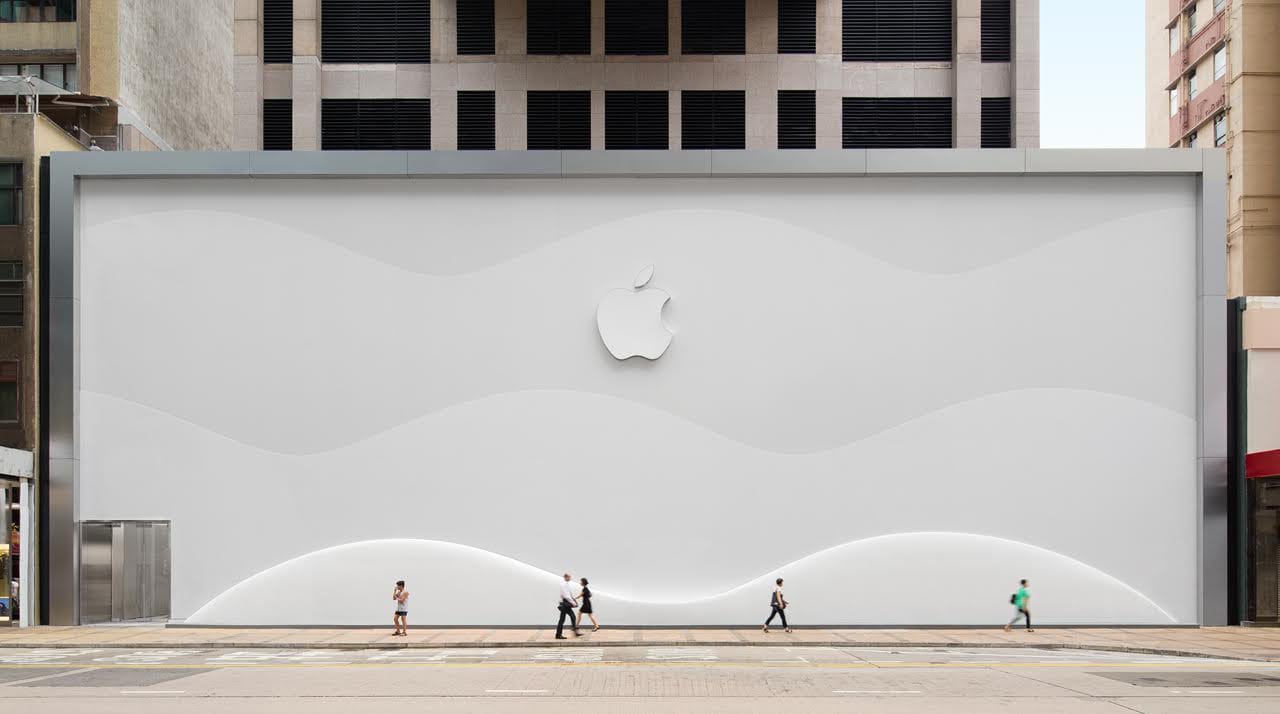
    As part of a huge push to own the Chinese market, Apple is opening up a new store in Hong Kong.

    It will be located on Canton Road, which is known for shopping, on the Kowloon side of Hong Kong. The company has yet to announce an opening date, but work is already underway behind the barricade pictured above.

    Apple currently has 19 stores in China, and the Hong Kong location will be its 20th in the country, and the fourth in that region. Shanghai, Beijing, Tianjin, Chengdu, Wuxi, Hangzhou, Shenyang, Shenzhen, Zhengzhou, and Chongqing already have at least one Apple store.

    Hong Kong is one of the more shopping-focused markets in China, and Apple currently has three stores in the area. Canton Road, however, is one of the more highly trafficked shopping streets in China and the world, and the new store should prove to be one of the biggest on the island.

    Apple has been heavily focused on building out its presence in China.

    First quarter earnings in 2015 showed that China represented sales of $16.144 billion, which is an increase of 157 percent from the quarter before and 70 percent from the previous year. Retail is a huge part of that push, and a store in Hong Kong only makes sense.

    Apple has no word on when the store will open, but you can likely expect to see more and more of a retail push in China as Apple continues to climb the charts in that market.

  • Apple iPhone’s Implodes in China Stock Crash

    Apple iPhone’s Implodes in China Stock Crash

    Apple iPhone sales appear to be in big  trouble, despite iPhone being on track to post a 40 percent year-over-year unit sales gain through the second quarter.

    Having lost the top position in U.S. smartphones sales to Samsung in May, virtually all of Apple’s positive sales momentum has been coming from the China. But after losing $3 trillion in the markets, and with their wealth frozen, a hundred million Chinese no longer need an iPhone.

    Apple is reported to be growing about five times faster than Samsung, despite excellent reviews of Samsung’s new Galaxy S6/Edge. Analysts’ positive opinion of Apple was reaffirmed when Samsung reported in May that it only achieved a 15 percent rise in profit to $6.1 billion on a 2 percent quarter-to-quarter revenue growth, to $43 billion.

    A close look at Apple’s numbers show that first quarter revenue from “Greater China” grew by 71 percent year-over-year, to $16.8 billion. The iPhone sales growth in China accounted for over 56 percent of Apple’s total revenue growth for the quarter.

    Analysts expect Apple to post another extraordinary sales report for the second quarter ending June, with over 50 million iPhone unit sales and revenue of $48 billion.

    Kantar Worldpanel Com Tel’s Carolina Milanesi published a comment last week that after losing U.S. market leadership to Apple in the three-month period through April 2015, the latest data shows that Samsung was again number one in U.S. vendor rankings in the first full month of Galaxy S6 availability.

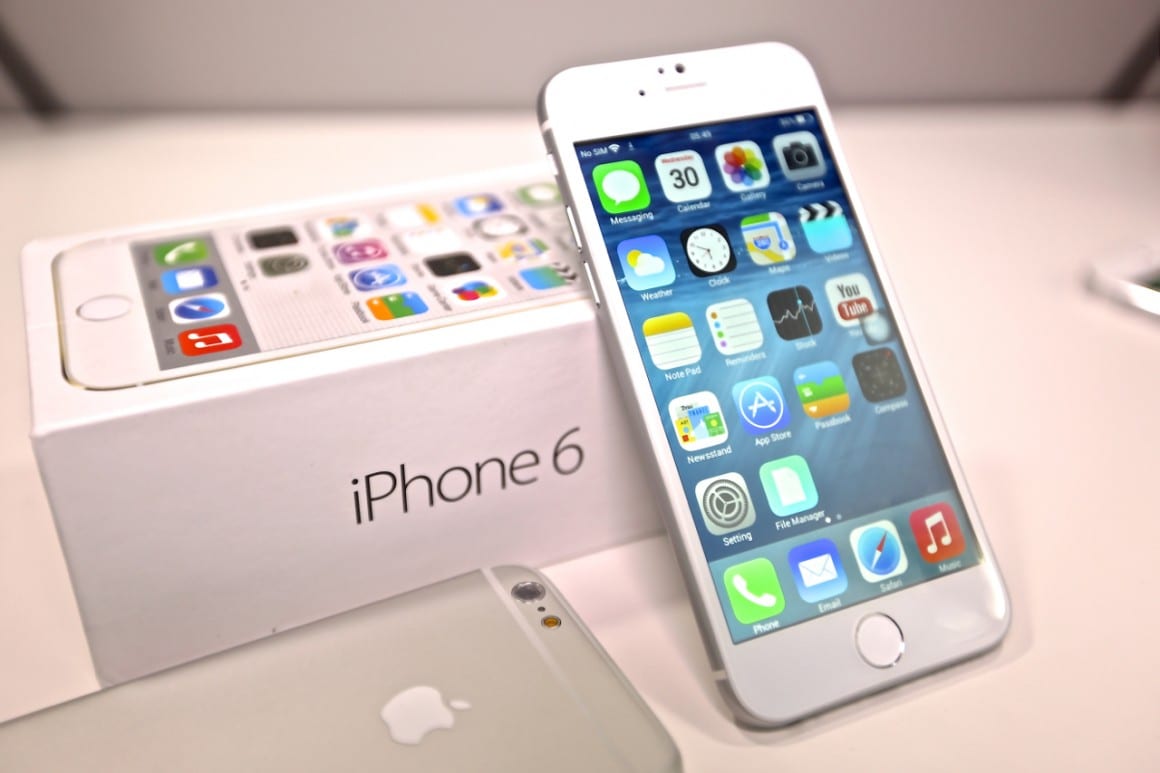
    The iPhone 6 remained the best-selling smartphone in the U.S., and the iPhone 6 Plus was the fifth-most-popular for the period ending May 30. But Samsung’s Galaxy S5 held the second spot, and the Galaxy S6 held third place. As a result, for the three months ending May, Apple’s U.S. iPhone sales U.S. actually declined by 5 percent from the previous year.

    Kantar also exposes Apple’s Iphone poor performance in India and the three big Latin America markets of Mexico, Brazil and Argentina. Apple’s best penetration of these rapidly growing markets is Mexico, with only a 6.4 percent market share.

    Such a shocking turnabout would be a disaster.

    For the three months ending in May, China unit sales were up by 46.26 percent.The Apple’s growing dominance in the “Red Dragon” has been due to a concerted effort by Apple’s management to make iOS and Mac OS X easier for Chinese language users. Many of the upgrades at this year’s Apple Worldwide Developers Conference 2015 were optimized specifically to target Chinese users, including new tools for developers to respond to the unique challenges associated with Chinese language.

    Apple has also won praise for the effectiveness of its retail stores and “Genius Bar” help desks in China. Apple’s’ head of retail stores, Angela Ahrendts, recently announced that the company opened 5 additional stores in February and is scheduled to expand from 15 to 40 stores over the next two years. Located in premium retail space, Apple’s retail stores in China are meant to distinguish the brand as aspirational.

    But all this good news for Apple was through the month of May, when the Chinese stock market was up over 150 percent for the year. Patriotically following China President Xi Jinping’s late 2013 call for “Silk Road” domestic reforms aimed at expanding consumption by taking public hundreds of state-owned-enterprises, the number of Chinese stock brokerage accounts for small individual investors exploded from 20 million to about 100 million. The ultimate sign of status became watching live stock prices on the iPhone 6.

    But after the Chinese stock markets lost $3 trillion in just 16 days of trading, the communist government on Thursday stepped in and suspended over half of the 2800 stocks in China for up to 6 months. Large holders are not allowed to sell stock and company insiders have been told to buy immediately.

    China’s stock market boom had been a wealth machine until it shockingly bankrupted tens of millions of Chinese in just a few weeks. With their capital frozen, demand for more iPhones to check suspended stocks seems ready to plummet.

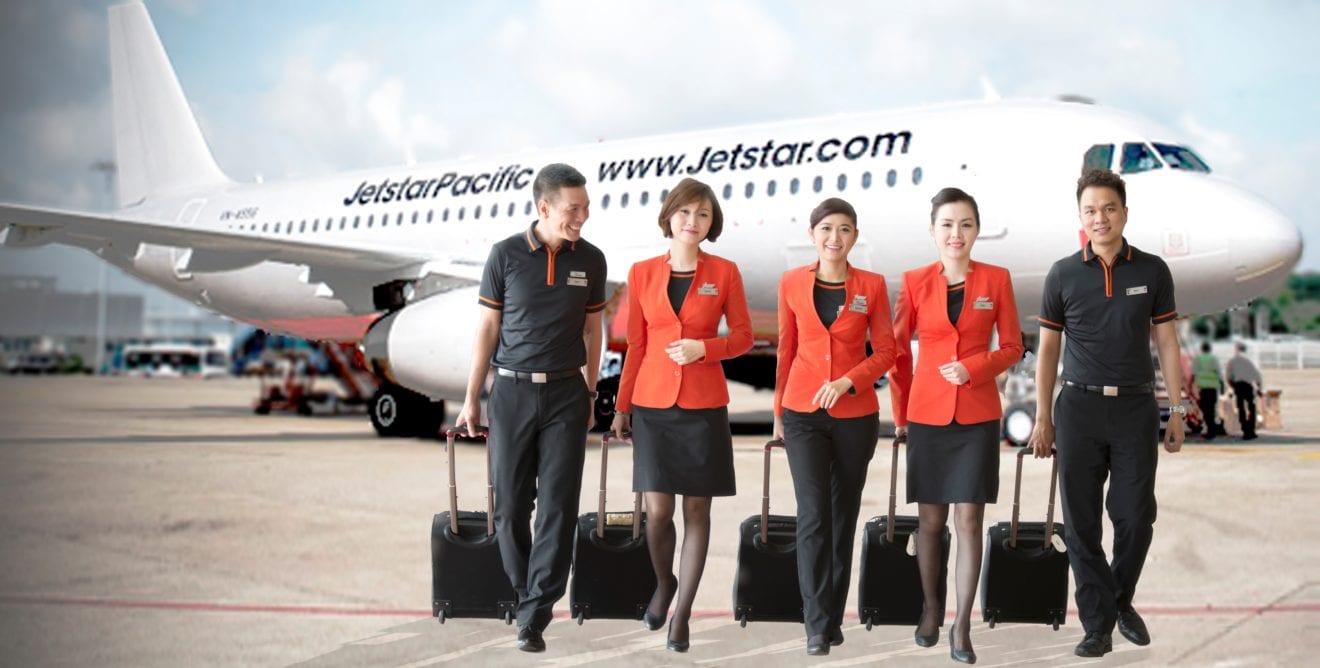
  • Jetstar Asia celebrates 2.5 mln passengers between KL to Singapore

    Jetstar Asia celebrates 2.5 mln passengers between KL to Singapore

    Jetstar Asia is celebratings its two and a half millionth passenger on the Singapore and Kuala Lumpur route, one of the busiest on the airline’s network.

    In a statement, the low-cost carrier said the milestone coincides with Jetstar Asia’s move of its operations to the klia2 terminal in Kuala Lumpur on July 8.

    Chan Kim Wah, a Malaysian national who works in Singapore, has won himself a RM1,000 flight voucher for being the 2.5 millionth passenger to travel between Singapore and Kuala Lumpur.

    After launching with one daily service in 2008, Jetstar Asia now operates up to 30 weekly services and continues to enhance the travel experience for thousands of passengers who fly between Singapore and the Malaysian capital each year.

    Marking the celebration in Kuala Lumpur, Jetstar Asia Chief Eexecutive Officer Bara Pasupathi said that demand for the route has continued to grow due to the strong business and cultural ties between the two countries.

    “Singapore travellers love visiting Kuala Lumpur, and our commitment to low fares has made more frequent trips for business meetings as well as great food and shopping more affordable.

    “The recent opening of Southeast Asia’s largest factory outlet malls less than two kilometres from the klia2 terminals will serve as new attractions for shopping-savvy Singaporean travellers to visit Kuala Lumpur more often,” he said.

    The malls are part of the KLIA Aeropolis, also known as Malaysia Airports’ airport city master plan.

    Meanwhile, Malaysia Airports Senior General Manager of Operations Services, Datuk Azmi Murad, said: “Airports are no longer just transit points but a destination in their own right.

    “klia2 is a shopping destination with a total of 225 retail and FB outlets throughout the terminal and nearly 200 retail and F&B outlets at gateway@klia2, a shopping annexe to the terminal which aims to cater not only to travellers but to the surrounding community as well.

    “We are delighted to welcome Jetstar Asia to the klia2 terminal today.

    They are joining an increasing number of airlines that recognise klia2 as an exciting, vibrant and convenient terminal especially in terms of its seamless connectivity and world-class facilities.” There are no changes to Jetstar Asia’s schedule and check-in facilities and timings as a result of the move to klia2, and customers can continue to use the enhanced web check-in service straight-to-gate in Kuala Lumpur.

    “The move to klia2, a purpose-built LCC terminal, is an exciting development for Jetstar Asia as our investment in self-service options like straight-to-gate will follow our customers to the new terminal,” Pasupathi noted.

  • Can Lippo Malls Indonesia Retail Trust Turn Itself Around?

    Can Lippo Malls Indonesia Retail Trust Turn Itself Around?

    With China’s stock market turmoil and Greece’s debt issues, it’s easy to miss out the woes that are befalling Singapore’s southern neighbour, Indonesia.

    The rupiah, Indonesia’s currency, has crashed by around 50% against the Singapore dollar since the start of 2010. In fact, the rupiah has tumbled in recent times to levels that were last seen during the Asian Financial Crisis of the late 1990s, some 17 years ago.

    Indonesia’s currency issues have heaped pressure on Indonesia-based but Singapore-listed companies and investment trusts.

    One good example is Indonesian retail malls owner Lippo Malls Indonesia Retail Trust the real estate investment trust has seen its units fall by 30% in price since the start of 2010 even as the broader market, a tracker for the Straits Times Index has climbed by 12%.

    Can things ever turn around for the REIT? Here are three reasons why it may.

    Hedging in place

    Lippo Malls Indonesia Retail Trust is well aware of the risk which can come with a falling rupiah and as a result, the REIT mentioned in its 2014 annual report that it “has entered into foreign exchange hedges to hedge its estimated quarterly cash flows in Indonesian Rupiah until the end of 2016.”

    These hedges can help to cushion any negative impacts from adverse currency swings which may affect the REIT’s bottom-line and distributions.

    Growth by acquisitions

    My colleague Stanley Lim had noted only two weeks ago that Lippo Malls Indonesia Retail Trust has made two new acquisitions of the Indonesian malls Lippo Plaza Batu and Palembang Icon and the purchases are accretive to the REIT’s distributions on a per unit basis.

    The REIT may also have a healthy pipeline of assets to acquire given the reach of its sponsor, PT Lippo Karawaci Tbk, Indonesia’s largest listed company by total assets.

    Undemanding valuation and juicy yield

    At its current unit price of S$0.35, Lippo Malls Indonesia Retail Trust has a very high trailing-12-months dividend yield of 8.2%.

    In the first quarter of 2015, the REIT’s distributions per unit (DPU) for the quarter had jumped by 16% year over year from 0.68 Singapore cents to 0.79 cents. Based on the REIT’s reading of its own micro-economics, it’d appear that brighter days are ahead. Here’re the REIT’s comments from its first quarter earnings release:

    “As the shopping centre moratorium continues, the near term retail space supply in Jakarta will be limited. This will create a favourable market condition for existing shopping mall owners as retail space in Jakarta will be keenly sought after in the next few years.

    The outlook for quality retail spaces looks promising in the next 12 months as both local and foreign retail players continue to remain active. Higher disposable income, lower inflation, coupled with an emerging trend of lifestyle shopping malls are expected to drive the demand for retail space.”

    While currency woes may still plague the REIT, it’s worth noting, as I mentioned earlier, that currency hedges have already been put in place till the end of 2016.

    In the meantime, Lippo Malls Indonesia Retail Trust is also selling for just 0.8 times its latest book value. These low valuations could potentially give some downside protection for investors.

    Foolish Bottomline

    While there may be things to like about Lippo Malls Indonesia Retail Trust, it’s important to note that its history with its DPU has been less than impressive.

    The REIT’s first annual distribution was in 2008 and it had doled out a DPU of 4.96 Singapore cents. But in 2014, its annual DPU was just 2.76 cents, a fall of some 44%.

    This undesirable track record is a source of risk, in the sense that while a weak rupiah may have played a part in the REIT’s shrinking distributions (this is something not within the REIT’s control), it could also be a sign that the REIT may not be the best operators of retail malls around.

    Investors would have to weigh the risks and rewards with Lippo Malls Indonesia Retail Trust before any investing decision can be reached.
  • Nuance wins 13 awards for ‘green’ HKIA stores

    Nuance wins 13 awards for ‘green’ HKIA stores

    Thirteen Nuance Group (HK) stores have been recognised for their environmental performance and commitment out of a total 23 at Hong Kong International Airport’s Environmental Management Recognition Scheme 2014/15.

    Essentially, the Airport Authority Hong Kong-backed scheme is aimed at encouraging retailers to adopt green initiatives and take active responsibilities for the environmental management of their stores. The scheme is co-organised by the Hong Kong Productivity Council (HKPC), which conducts on-site assessments of retail F&B premises at HKIA.

    Nuance is a wholly-owned subsidiary of Basel-based Dufry AG and the 13 stores which were recognised for their efforts this year include the following: (Silver awards) Sound & Vision store reference numbers 6E102, 6E150 and 6W520; Bally 6E125; Longchamp 6W544.

    Bronze awards went to the following Nuance stores: Taste & Delights 6W572; Amazing Grace 7E192; Bags Unlimited 5P084; Best of…Stores      5P103; Fortress 7T096 & 7T097; Fortress 5P028A; Scent & Beauty 5P065; and The Peninsula Boutique 7T040.

    Commenting on the initiative, Alessandra Piovesana, Regional Managing Director of Nuance Asia and Regional COO (ad int) Asia & Middle East of Dufry Group said: “My team and I are delighted for our 13 winning stores at the latest HKIA Environmental Management Recognition Scheme, underlining our widespread corporate commitment in environmental conservation and protection across all our stores as part of our mission of ‘Enriching Travel, Enriching Life’.

    “We believe that environmental management succeeds only through continuous engagements and stewardship with a consistent attitude acted on a united front. Since we took a lead in this area to kick off our first corporate green initiative ‘Save & Preserve’ to reduce the use of plastic bags as early as in 2007, we have continuously nurtured our staff to take ‘green’ as an everyday approach, making ‘green’ practices part of their daily working lives.

    “Every year, we organize different activities to optimize ‘green’ awareness among travellers at HKIA. Our on-going environmental management programmes reflect our passion for life and our will to demonstrate that performing business and environmental actions can surely co-exist. With our concerted efforts with the Airport Authority and other stakeholders, our team is determined to leverage our presence within the airport to continue raising travellers’ consciousness of the need for a sustainable future.”

    ENVIRONMENTAL MEASURES TAKEN BY NUANCE

    The retailer adds that its continuous efforts at environmentally sensible stewardship and customer engagement include the following: minimizing the environmental impact of shopping bags by choosing certified biodegradable materials and by administrative measures; having agreements with suppliers or service providers to reuse containers or materials in goods delivery; installing energy efficient lighting; regularly maintaining air-conditioning systems; establishing ; Green Procurement Policy; using of state-of-the-art sustainable technologies, such as paperless PO system, use of Radio Data Transfer for stock logistics, Electronic Business Process Management and Digital Filing, etc.

    Most importantly, Nuance management says it provides regular training in environmental management to its employees.

    THE SIX KEY CRITERIA USED FOR JUDGING

    The judging criteria for the HKIA Environmental Management Recognition Scheme was based on six aspects, i.e. waste management, energy efficiency, waste water management, air pollution control, noise pollution control and overall environmental management.

    The judging panel consisted of representatives from the Airport Authority Hong Kong, Environmental Protection Department, Hong Kong Waste Management Association, Friends of the Earth (HK) and Academia (Professor C.S. Poon of HK Polytechnic University).

    Nuance adds that in 2012 it received five Gold Awards in the first-ever HKIA Environmental Responsible Retail Recognition Scheme held by AAHK. The retailer also received a Green Management Bronze Award from the Green Council Hong Kong in 2011.

  • Mothercare takes Peoplevox partnership into Asia

    Mothercare takes Peoplevox partnership into Asia

    Baby and maternity products retailer Mothercare is implementing warehouse platform Peoplevox in Asia, following initial success with the system in its Irish business.

    The vendor’s dedicated eCommerce warehouse management system is to be implemented in Mothercare’s Singapore, Hong Kong, Macau, and Malaysia operations, with the retailer hoping to benefit from the company’s “deep functional expertise” as it develops its online presence on a global scale.

    The move comes after Mothercare announced in February that it was among a number of retailers and brands, including country fashion players Barbour and Country Attire, looking to Peoplevox’s self-proclaimed Amazon-style logistics platform to help them compete with the pure-play giant on a global scale.

    Founded by Jonathan Bellwood on the understanding that traditional warehouse management systems are not necessarily the ideal fit for eCommerce operations, Peoplevox has developed a solution that optimises pick routes, eliminating mis-picks, and effectively allows retailers to outsource their stock management processes when entering new territories.

    Elaine Khoo, general manager for eCommerce at Mothercare Singapore, commented: “Peoplevox is an eCommerce warehouse specialist, with impressive pick rates and accuracy levels.

    “We chose them for the software’s capability to support multiple inventory levels and logistics providers, which is important for us operating across different countries.”

    Other Peoplevox clients include fashion retailer Blue Inc, gifts and jewellery business Oliver Bonas and eye-care products supplier Vision Direct.