Tag: asia

  • Brutal retail market awaits buyer of Tesco South Korea business

    Brutal retail market awaits buyer of Tesco South Korea business

    Any buyer of Tesco’s $6 billion South Korea unit will need a strategy to boost returns in a lethargic and saturated market for traditional retailers, likely involving real estate sales and a greater focus on Internet shopping.

    Britain’s Tesco has hired HSBC to advise on a potential sale of its South Korean unit, Homeplus, Reuters reported this month, in what could be Asia-Pacific’s largest private equity deal and the No. 2 merger in the Asian consumer sector.

    Given the scarcity of big buyout targets in Asia, the sale is generating strong interest among buyout firms including KKR & Co and Carlyle Group CG.N, sources with knowledge of the sale process said. That’s despite difficulties posed by South Korea’s crowded retail sector, a sluggish and fast-aging economy, plus regulatory and labor challenges.

    “Anyone going with the view of closing unprofitable shops, cutting work force, will be in for a surprise,” a senior Hong Kong-based investment banker familiar with the process said, citing likely opposition from labor unions.

    “It’s a tough market but there are some low-hanging fruits in terms of stripping property assets,” said the banker, who declined to be identified as the discussions are confidential.

    Homeplus Co Ltd’s property holdings, consisting mainly of stores, had a book value of 3.09 trillion won ($2.77 billion) as of the end of February, according to a regulatory filing.

    With about 400 stores including 140 hypermarkets, 88 of which it owns, Homeplus has raised about 1.2 trillion won since 2012 by selling and leasing back eight of its biggest-selling stores, according to South Korean deal website Invest Chosun.

    Its prime real estate holdings include a hypermarket in densely populated Seoul suburb Euijeongbu, which frequently ranks among its top 5 stores by sales.

    But it’s a crowded field. South Korea has nearly 500 hypermarkets for a population of 50 million, or twice what the industry considers optimal. The difficulties prompted Carrefour and Wal-Mart to quit the country in 2006.

    In a nod to a fiercely competitive market, Homeplus earlier this year sacrificed an equivalent of about 100 billion won in annual profit, or almost half of last year’s earnings, by cutting prices on some 500 kinds of fresh produce.

    “Competing by undercutting price has become the norm and is expected to continue in future,” said Lee Kyoung-hee, principal researcher at Shinsegae Research Institute.

    ONLINE GROWTH

    As the population ages faster than in any other developed economy and households shrink, retail sales in South Korea grew just 1.4 percent in each of the past two years, lagging broader economic growth.

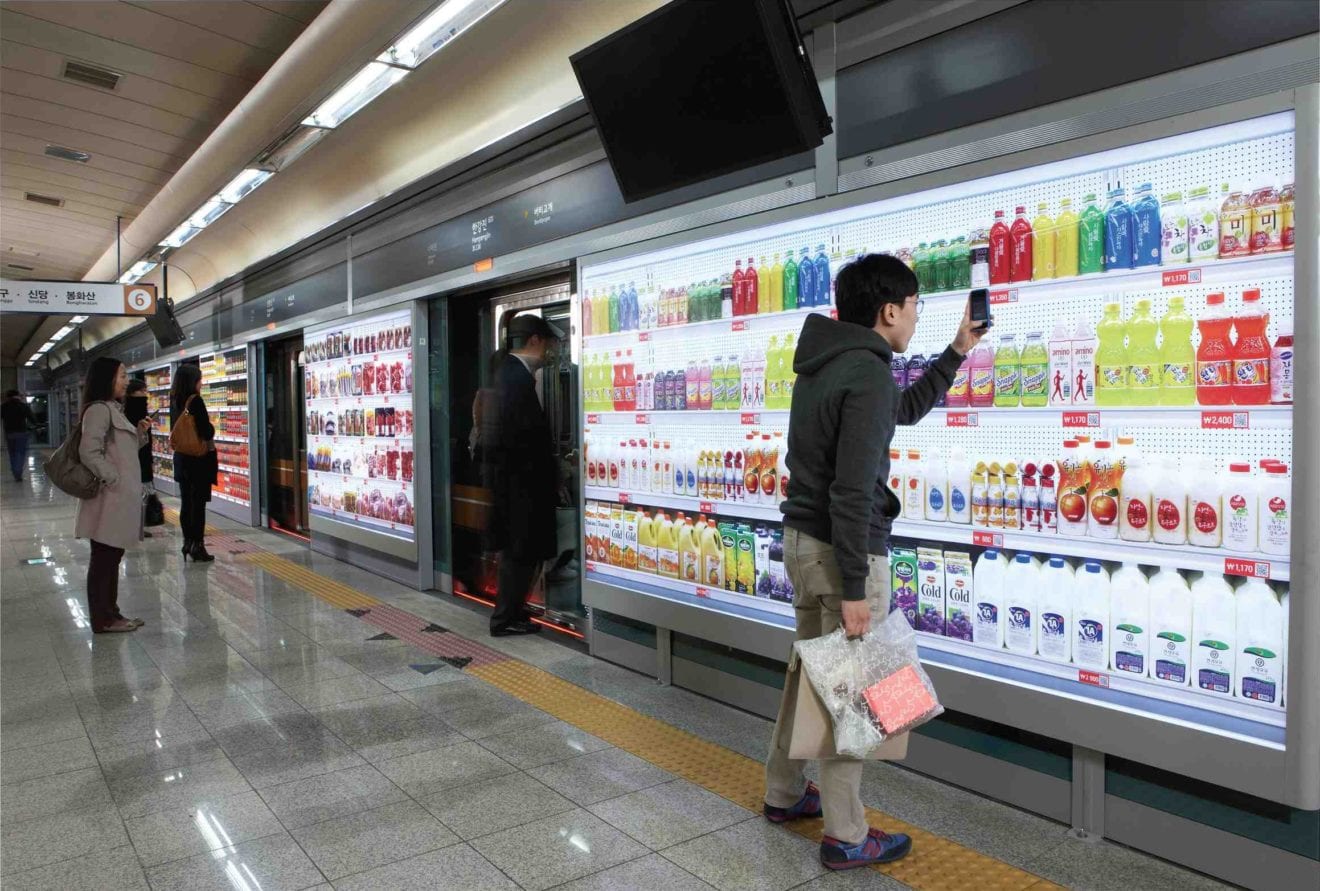
    E-commerce, however, jumped 17 percent last year to 45.2 trillion won, or 14 percent of total retail sales, and hypermarkets have been scrambling to build share in a fragmented online segment where most players lose money.

    Homeplus’ share of South Korea’s online retail market has risen steadily but was still just 645 billion won last year, according to Euromonitor data in a CLSA report, for market share of just 2 percent, in line with larger rival E-Mart.

    “Hypermarket chains like Homeplus have been bolstering online sales as a possible growth solution, among admittedly few options,” said Kim Tae-hong, analyst at Yuanta Securities Korea.

    Lower priced warehouses have been another bright spot for Korean retailers, but while both E-Mart and Lotte Shopping’s (023530.KS) third-placed Lotte Mart have warehouse brands, Homeplus does not.

    Meanwhile total revenues for existing hypermarket stores have declined since 2012 when new rules required them to close for two Sundays a month to protect traditional markets. Homeplus saw a drop in same-store sales for two straight years.
  • China’s e-Commerce market is 80 times larger than India

    China’s e-Commerce market is 80 times larger than India

    Retail e-commerce sales in India are expected to reach $17.5 billion (Rs 105,120 crore) by 2018, from $5.3 billion (Rs 31,800 crore) in 2014, according to data analysed by eMarketer, a digital-research firm, but only two of 10 internet users in India shop online.

    India’s e-commerce market is intensely competitive, with US giant Amazon establishing its presence in India in 2013 and Alibaba, the Chinese giant, planning to start selling by August this year. Flipkart, India’s largest e-commerce firm, recently raised $550 million (Rs 3,300 crore) at a valuation of $15 billion (Rs 90,000 crore).

    Despite having the third-largest internet user base in the world with 200 million users at the end of 2014, India does not feature in the top ten e-commerce markets in the world, according to an eMarketer report. The reasons centre on low Internet reach, slow internet speeds outside the metropolitan cities and poor customer services.

    India’s e-commerce sales in 2014 were $5.3 billion (Rs 31,800 crore), 1/80th the size of China’s $426.26 billion (Rs 2,557,760 crore) and 1/58th the size of the US’ $305.6 billion (Rs 1,833,900 crore).

    “If you look at Japan, China and US, e-commerce became popular as early as 2002-2003. It has taken them about 12-13 years to reach where they have reached.  E-commerce really took off in India only in 2012-13. It will take India also that much time to reach there,” Rajnish (he uses only one name), a technology expert, said.

    China: Number 1 in e-commerce with skyrocketing growth ahead

    China and the US accounted for more than 55% of global internet retail sales in 2014. China’s growth over the next five years will widen the gap between the two countries.

    China will likely exceed $1 trillion (Rs 6,000,000 crore) in retail ecommerce sales by 2018, accounting for more than 40% of the total worldwide.

    Globally, retail sales reached $22.492 trillion (Rs 134,952,000 crore) in 2014 but retail e-commerce sales stood at $1.316 trillion (Rs 7,896,000 crore, 5.9% of overall retail sales).

    E-commerce sales are expected to increase 89% to $2.489 trillion (Rs 14,934,000 crore, 8.8% of overall retail sales) in 2018.

    Digital-buyer penetration—a measure of digital reach—is a major factor in determining the success of retail e-commerce sales. India’s digital-buyer penetration was quite low at 24.4% in 2014 as compared to the global average of 41.6%.

    The UK leads the world with 88% penetration. Ironically, China with 55.2% and US with 74.4% penetration do not feature in the top five.

    Indian e-commerce has a long way to go

    “E-commerce in India still has a lot of friction,” Rajnish said. “Till that is solved, it will be hard for penetration to go beyond 30%. For example, India has very low credit-card penetration and the cash-on-delivery (COD) model is why Flipkart really took off.”

    People above 35 are not very comfortable using their debit card online. PayTm and others solve this problem but there is a lot of friction. “I use PayTm for Uber and it is still a process that has friction. In US, the return policy is very generous. I bought a coat from Amazon in the Bay area; it ended up being the wrong size. My experience of changing to the correct size was very seamless. When I bought a down jacket in Bangalore, and it ended up being the wrong size, getting the right size was really a painful experience,” said Rajnish.
    That view is echoed by Paritosh Sharma, an advisor to tech startups and an entrepreneur with PayUMoney, a digital-payment platform.

    “Digital buying has an attached expectation to it. I place the order and it should appear in front of me over the next two or three days. In many cases this does not happen. Also, in a lot of cases (especially in tier-2 and tier-3 cities) in India, if you get a product that is not of the exact quality that you ordered, returning it is a major problem. Most people, hence, prefer what’s available in a physical retail store,” Sharma said.

    There are two more reasons for low online sales, said Sharma.

    First, the internet infrastructure in India is poor. If one steps outside city limits, you automatically are shifted from 3G to an Edge (a lower-speed) connection, deterring buyers.

    Second, lack of good service and support. While most Indian e-commerce companies are sprucing up their support via phone and digital media, it’s quite haphazard. Most companies still lack processes to ensure customer satisfaction and trust.

  • Thailand based TCC Land restructures its retail and leisure biz

    Thailand based TCC Land restructures its retail and leisure biz

    TCC Land will hold the entire stake in the two new firms – TCC Land Asset World Leisure for its hospitality business, and TCC Land Asset World Estate Co for its retail and office building businesses.

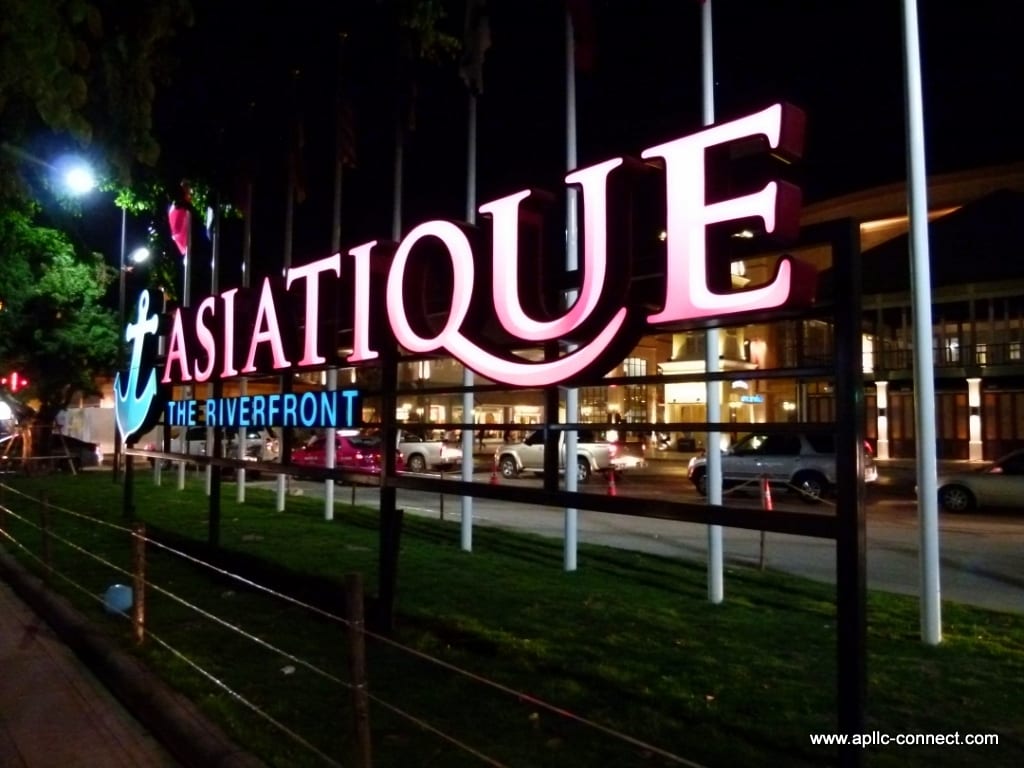
    Napat Charoenkul, managing director of retail business of TCC Land Estate World Co, who takes charge of six retail property brands, comprising Asiatique, Gateway, Center Point @Siam, OP Place, Pantip and Boxspace, said that this restructuring would make for more efficient management for each of the businesses.

    Also, the company plans on investing around 5-20 billion baht over the next five years and plans to increase the total retail space from the current 150,000 square meters to  200,000 square meters by 2019. The company aims to boost its revenue from 900 million baht this year to three billion baht by 2019, he revealed.

    This year, it will spend 650 million baht on renovating Gateway Ekamai, rebranding Digital Gateway Siam as Center Point of Siam Square and launching a new nightlife area Boxspace at Ratchayotin.

    However, the company plans to change three branches of Pantip to new digital center with an investment of of 460 million baht in 2016. It will also invest 1.2 billion baht in the second phrase of Asiatique and spend 1-4 billion baht on setting up a new hotel and Asiatique Prime Pattaya.

    Napat added that it was also considering the establishment of Asiatique as a lifestyle and shopping community, in Chiang Mai and Hua Hin. These two projects are scheduled to start in 2017-18.


  • AIS Partners with TNS to Strengthen ATM and Retail Network Offer

    AIS Partners with TNS to Strengthen ATM and Retail Network Offer

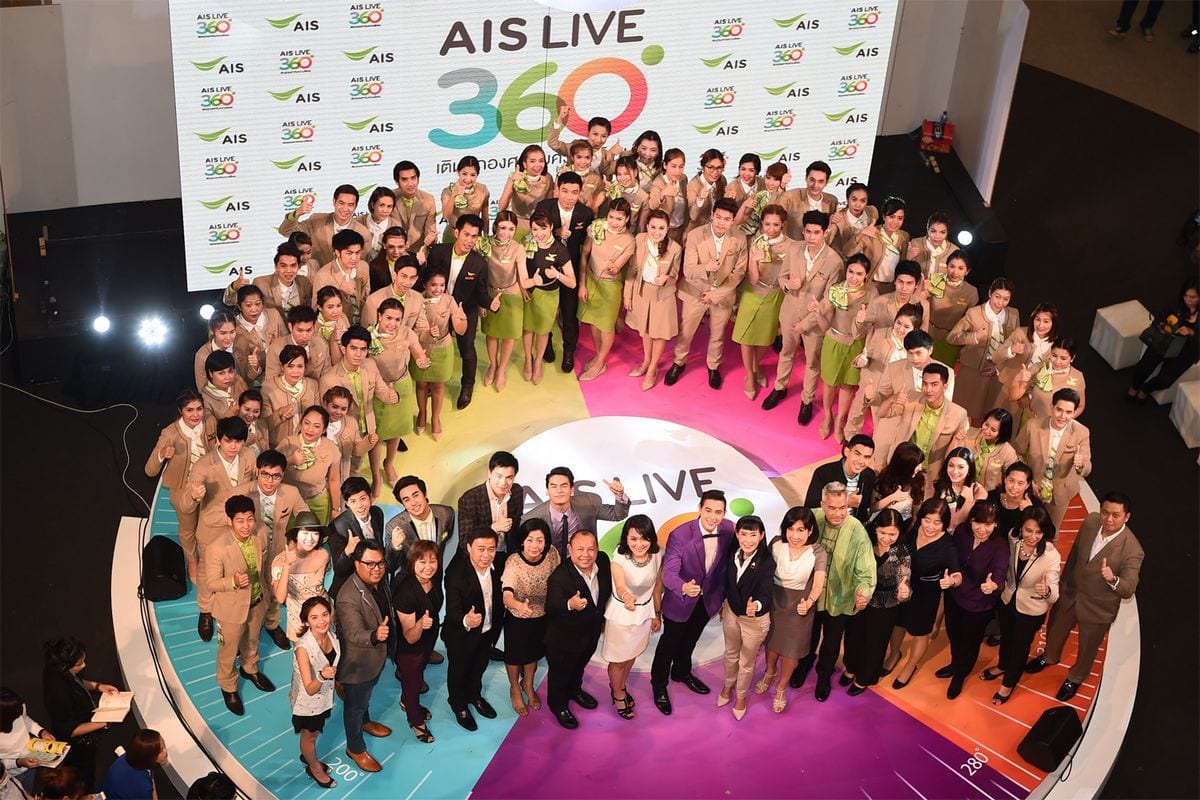
    Thailand’s leading mobile operator, Advanced Info Service (AIS), is partnering with Transaction Network Services (TNS) to enhance its product portfolio to address the specific PCI DSS needs of its merchant customers.

    The new ATM and retail store communications solution, called PCI DSS Certified Hybrid MPLS, is a fully managed service which uses AIS’ mobile 3G and fixed MPLS network, combined with TNSLink. In addition to connectivity to Thailand’s banks, AIS merchant customers will be able to utilise the TNSLink solution to reach more than 400 payments-specific endpoints, including the world’s major card schemes, banks, acquirers, processors and value added financial service suppliers, which are connected to TNS’ worldwide network.

    Weerachai Patcharopartwong, Senior Vice President Corporate Marketing and Sales at AIS said: “AIS’ vision is to create a digital service for customers and Thai people which helps them do more and live better, as well as creates new opportunities for corporate customers to use digital technology to support business operations.

    “We’re delighted to be partnering with TNS and offering its specialised TNSLink product portfolio to our customer base across Thailand. TNS’ long-standing PCI DSS credentials, feature-rich solution and reliable technology make it the premier payments solutions provider in Thailand and a natural choice for our business.

    “This agreement with TNS makes AIS the first and only mobile operator in Thailand to offer a solution providing a communication network with high standard PCI DSS system support and this demonstrates our determination to enhance customer data protection.”

    TNSLink is a fully managed, PCI DSS compliant solution that allows customer to reduce capital outlay, lower operating costs and increase revenue for ATMs and point-of-sale (POS) terminals. A near real-time web reporting portal, TNSOnline, ensures ATM and POS systems operate with maximum uptime. In March, TNS announced it had launched 4G LTE network support for its TNSLink suite of solutions.

    Lisa Shipley, Executive Vice President and Managing Director of TNS’ Payment Network Solutions, said: “Our agreement with AIS is an excellent example of how we partner with local market leaders, such as AIS, to empower their bank and retail customers with the highest level of security for ATM and branch network access. We look forward to helping AIS grow its business using its superior 3G coverage across Thailand.”

    TNS is a Level 1 PCI DSS certified service provider and its secure network is supported 24x7x365 by TNS’ Network Operating Centres around the world. With a strong payments heritage and more than 20 years of expertise, TNS now provides services in more than 60 countries across Europe, the Americas and the Asia Pacific region.

    ENDS

    About Transaction Network Services:

    Transaction Network Services (TNS) is a leading global provider of data communications and interoperability solutions. TNS offers a broad range of network and innovative value-added services that enable transactions and the exchange of information in diverse industries such as retail, banking, payment processing, telecommunications and the financial markets.

    Founded in 1990 in the United States, TNS has grown steadily and now provides services in over 60 countries across the Americas, Europe and the Asia Pacific region, with our reach extending to many more. TNS has designed and implemented multiple data networks that support a variety of widely accepted communications protocols and are designed to be scalable and accessible by multiple methods.

  • ‘Sin tax’ cuts cigarette smoking in Philippines

    ‘Sin tax’ cuts cigarette smoking in Philippines

    A “sin tax” on cigarettes has sharply cut smoking in the Philippines while also boosting government revenues, the internal revenue chief claimed on Monday.

    The number of cigarette packs put on store shelves by retailers fell by nearly a third between 2012 and 2014, said revenue chief Kim Henares.

    The government raised excise taxes on tobacco and liquor products in 2012 to raise revenues and discourage smoking, which kills nearly 88,000 Filipinos each year according to World Health Organisation data.

    “We exceeded the targets,” Henares told AFP.

    The government agency’s data showed 5.764 million packs were withdrawn from storage and placed on retail shelves in 2012, compared to 4.869 billion packs in 2013.

    By 2014 the figure was down to 3.917 billion packs, said Henares.

    Taxes are levied on the number of packs placed on store shelves rather than the number subsequently sold.

    Proceeds from the taxes on cigarettes rose to P74.328 billion ($1.69 billion) last year from 32.16 billion pesos in 2012, the agency said.

    Under the law, a portion of the revenues from sin taxes are allotted to finance government health programes including anti-smoking campaigns.

    A Department of Health survey in 2009 found that more than 28 per cent of the country’s adult population were smokers.

    The government first asked parliament to raise taxes on “sin” products as early as 1997, but a strong lobby by tobacco manufacturers delayed this for years.

  • Cognizant Partners with supermarket retailer NTUC FairPrice Singapore

    Cognizant Partners with supermarket retailer NTUC FairPrice Singapore

    Cognizant  has partnered NTUC FairPrice (FairPrice), a major supermarket retailer in Singapore, to digitally transform its business and provide customers with a seamless multi-channel shopping experience.

    By bringing together its consulting, industry and technology expertise, Cognizant reengineered FairPrice’s business processes, and implemented a digital e-commerce platform for the multi-format retailer to provide integrated, consistent and personalised customer service across multiple touch points, enhancing customer satisfaction, loyalty and brand perception.

    The digital transformation programme has also enabled FairPrice to improve real-time product and inventory visibility, make retail management more efficient, and gain a better understanding of customer preferences and purchase history. As a result of cross-channel integration, FairPrice has been able to roll out innovative services for shoppers, including its “Click&Collect” online delivery service the option to buy online and pick up the purchase from a store, a first in Singapore.

    With superior insights into customer and staff behaviour, FairPrice can further strengthen its supply chain, site and store operations, marketing, and merchandising to drive growth and differentiation. Cognizant is also creating a mobile channel for FairPrice to engage better with its existing customers and attract new ones.

    “Mobile and online retail is crucial to addressing heightened expectations of today’s digitally-enabled shoppers, and digital technology has enormous potential to enhance their shopping experience,” said Seah Kian Peng, CEO, NTUC FairPrice. “This digital transformation programme underscores our commitment to our customers and represents a strategic advantage in that we can now leverage inventory across multiple locations and streamline fulfilment processes to not just delight our customers, but also increase sales and reduce operational costs. Cognizant’s experience and capabilities have complemented our digital commerce vision and helped to reinforce our reputation as a retailer with a heart.”

    “A unified multi-channel customer experience is increasingly a brand differentiator in the world of retail,” said Jayajyoti Sengupta, Vice President and Head of APAC, Cognizant. “This digital initiative is a trend-setter in the region for customer-focused transformation. A single view of the customer, sales and inventory will enable FairPrice to rise to the needs of the next generation of shoppers and define innovative models. We are pleased to have helped FairPrice execute on its digital commerce strategy and utilise multi-channel retailing to drive customer engagement, competitive advantage, market leadership, and growth.”

  • Toshiba Expands Retail Manufacturing in Singapore

    Toshiba Expands Retail Manufacturing in Singapore

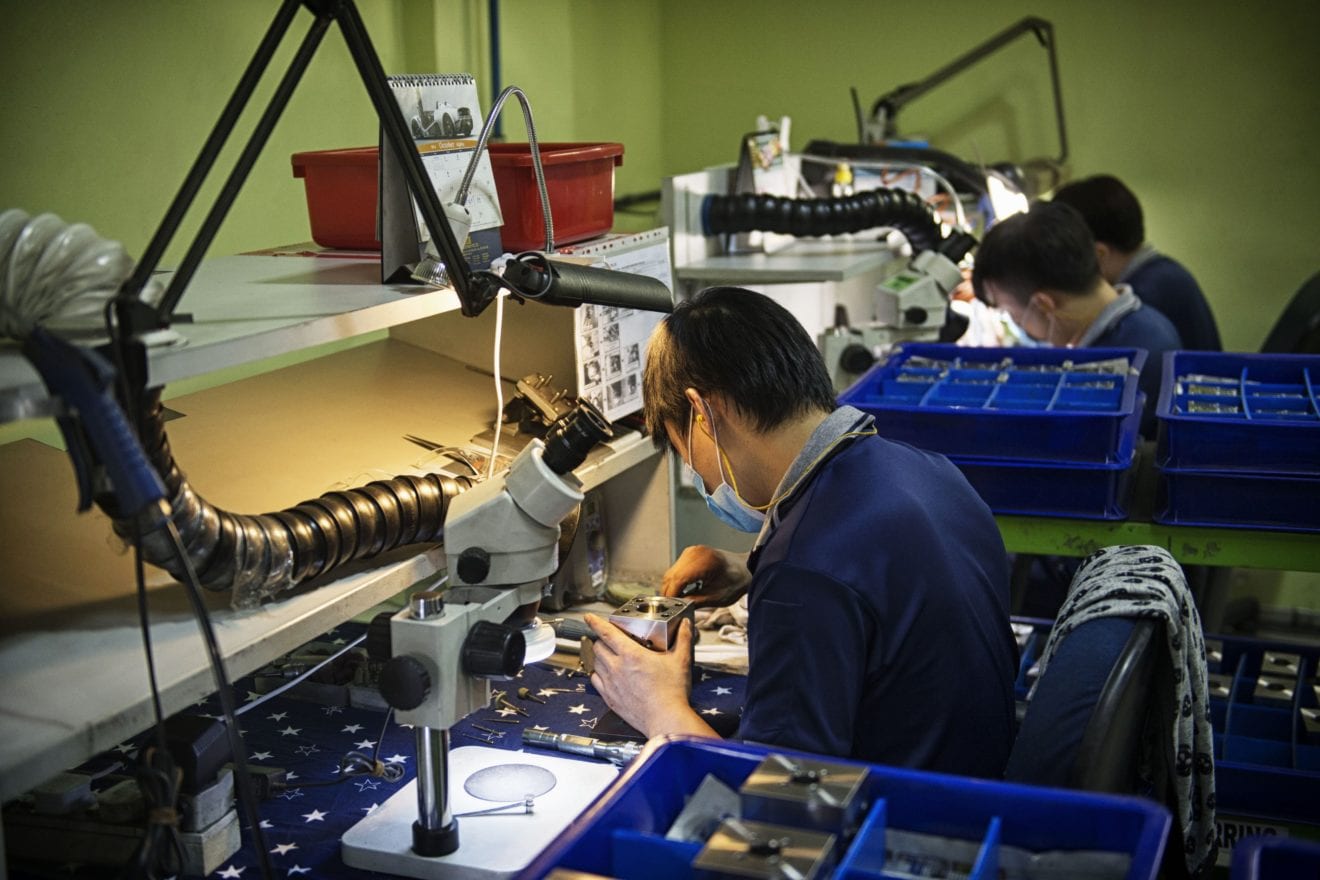
    Toshiba Global Commerce Solutions today announced its continued commitment to Singapore with an expanded manufacturing presence to include the SurePOS 700 series of POS systems. Known for delivering state of the art ODM/OEM products for Fortune 500 companies worldwide and for being a key player in the retail sector, Toshiba TEC Singapore Pte Ltd (TSE) was selected to build the new SurePOS 700 systems, in addition to SurePOS 500 systems and 4610 SureMark printers.

    Toshiba’s total spend in Singapore includes nearly $200M U.S. annually, with approximately 140 combined employees from Toshiba Global Commerce Solutions and TSE based in Singapore, dedicated to retail development, engineering, manufacturing, procurement, sales and services.

    “With our #1 market leadership worldwide and heritage of over 40 years’ experience in POS systems, retailers rely on Toshiba to keep their stores relevant by providing powerful, efficient and adaptable checkout solutions,” said Thomas Buchholz, Vice President, Growth Markets Sales and Professional Services, Toshiba Global Commerce Solutions. “Our Singapore customers can take pride in the fact that we are expanding our manufacturing to include local sourcing of our newest and most powerful retail POS.”

    “As a Together Commerce Alliance partner, we distribute Toshiba’s point of sale solutions to Singapore’s leading retailers, which include gaming, specialty stores, malls, restaurants and grocers,” said Frankie Chong, Director, E-Tech IT Solution PTE Ltd. “Toshiba is committed to growing its footprint in the Singapore market through its technology innovation, working closely with us to ensure a comprehensive eco-system of solutions and services to satisfy the changing demands of today’s shoppers.”

    Toshiba Global Commerce solutions available in Singapore include SurePOS 300, 500 and 700 series, TCxWave, TCxFlight, POS printers, displays, VisualStore, 4690 Operating System, POS applications and barcode printers. To learn how Toshiba’s solutions can improve your store’s operations, request a meeting with our local Singapore team by emailing Toshiba_Comms@toshibagcs.com.

    About Toshiba Global Commerce Solutions

    Toshiba Global Commerce Solutions is retail’s first choice for integrated in-store solutions and is a global market share leader in retail store technology. With a global team of dedicated business partners, we deliver innovative commerce solutions that transform checkout, provide seamless consumer interactions and optimize retail operations that are changing the retail landscape. To learn more, visit toshibacommerce.com or engage on Twitter @toshibagcs

    Toshiba and related logos are trademarks of Toshiba Corporation or its affiliated companies in Japan, the United States and/or other countries, registered in many jurisdictions worldwide. Copyright (C) 2015 Toshiba TEC Corporation or its affiliated companies.

    The information in this document represents current goals and objectives and is subject to change or withdrawal without notice.

  • ICBC Singapore launches USD/SGD dual currency card

    ICBC Singapore launches USD/SGD dual currency card

    Industrial and Commercial Bank of China (ICBC) Singapore has launched a US dollar and Singapore dollar dual currency credit card as it seeks to expand its retail banking presence here.

    The ICBC Visa USD/SGD dual currency credit card will have zero administrative fees for all US dollar transactions, the bank said in a press release on Monday. This would ease “additional costs that customers tend to bear, which can be as high as 2.5 per cent”, ICBC Singapore’s general manager Zhang Weiwu added in the statement.

    It is “the first dual currency card in Singapore to combine both USD and SGD customer accounts in one credit card”.

    Credit card providers typically charge an administrative fee for currency conversions on credit card purchases made in foreign currencies. This fee is usually a percentage of the transaction cost, and depends on the rate set by the bank and by the credit card network, such as Visa or MasterCard. This fee is usually not explicitly given in the cardholder’s monthly statement.

    Banks in Singapore have rolled out a few new credit cards since the start of the year in a bid to grow their slice of the market, where growth momentum is slowing. OCBC, which has set its sights on 30 per cent growth in card spending this year, launched its Voyage air miles card in March targeted at high net worth and affluent customers. ANZ also launched in March a credit card that lets cardholders choose what rebates they get.

    ICBC Singapore, designated as the yuan clearing bank here, also came up with Singapore’s first yuan and Sing dollar dual currency credit card in 2011 – the RMB(renminbi)/SGD UnionPay dual currency credit card.

    On the launch of its latest credit card, the bank said that its promotion incentives include “cashbacks on every new application and activation, and additional rewards for online applicants”. It has retail branches in Raffles Place, Orchard, Chinatown, Paya Lebar and Jurong East.

  • Arcadia Malaysia partner rules out expansion

    Arcadia Malaysia partner rules out expansion

    Wing Tai, the corporate retailer which partners with Uniqlo and a raft of other brands, including the Arcadia Malaysia stores, says it is streamlining its retail business.

    The listed company has 85 retail stores in Malaysia’s major cities under 12 international brands – Topshop, Topman, Dorothy Perkins, Miss Selfridge, Warehouse, Karen Millen, Pumpkin Patch, Wallies, BCBG, Ben Sherman, Burton and Furla. It also has a 45 per cent stake in the joint venture with Japan’s Fast Retailing, operating 25 Uniqlo stores.

    Wing Tai GM of finance Lee Kong Beng says while the Uniqlo store network, targeting the value driven fast fashion customers, will expand into suburban markets, the Arcadia brands like Topshop and Topman have reached their limits in Malaysia.

    “We will not expand (the Arcadia brands),” he told a press briefing this week.

    He said while there were no current plans to close Arcadia stores, if any store failed to generate positive cashflow or profit it would be cut.

    “For retail, we’d just consolidate because it’s challenging. So no point being a hero, where you open outlets and the sale is not there.”

    Lee said the company was finding the current retail market in Malaysia challenging following the introduction of GST on April 1, which consumers are slowly adjusting to.

    An influx of tourists was bolstering the group’s earnings, with spending holding up in stores in high profile shopping malls.

    “We expect retail sales to pick up because of the weakening of the ringgit, so it’s cheaper to shop in Malaysia rather than in Singapore. It’s a matter of time people get used to GST. We see that (retail sales) are more stabilised now,” Lee said.

  • Prada Jakarta opens doors

    Prada Jakarta opens doors

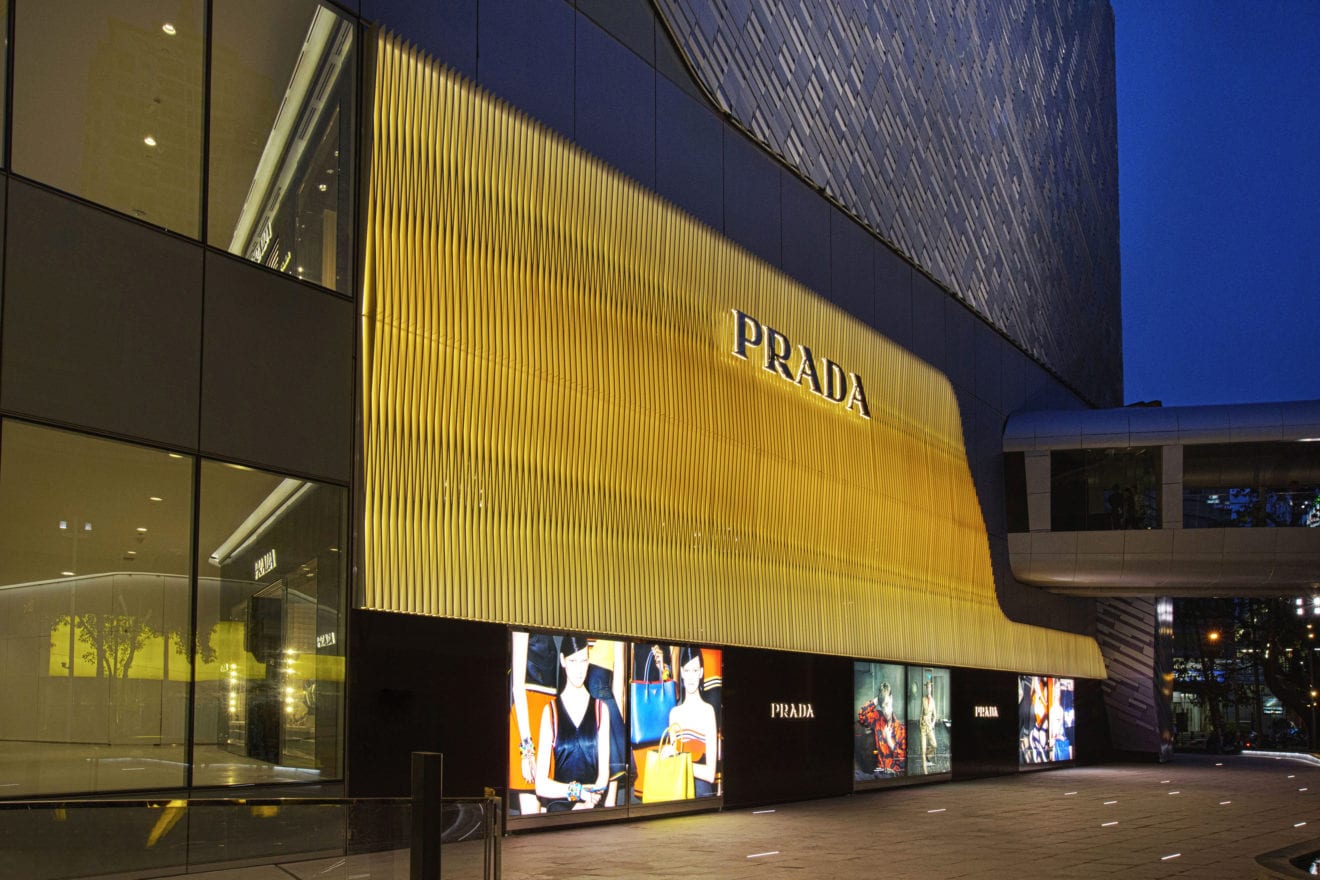
    Prada Jakarta has opened its doors, the luxury Italian fashion brand’s first store in Indonesia.

    The new 420 sqm single level store is located inside the upmarket Pacific Place shopping mall.

    The retail space, designed by architect Roberto Baciocchi, houses the women’s and men’s ready-to-wear, leather goods, accessories and footwear collections.

    The external facade is clad in black Marquinia marble, while slim polished steel profiles highlight the light boxes.

    The store has a corner location inside the mall, with slim strips of black Marquinia marble framing the entrance, display windows and large floor-to-ceiling windows that open up on the interior.

    The space is designed as a succession of rooms, each featuring a different atmosphere.

    The women’s leather goods area is defined by the signature black-and- white marble chequered flooring – a legacy of Prada’s identity worldwide – and green fabric-clad walls with alcoves housing displayed product, an original reinterpretation of Prada’s iconic display niches.

    The space housing the women’s accessories and small leather goods collections is characterised by black marble-clad walls and display counters with coloured saffiano leather detailing.

    The women’s footwear collection is showcased in an area defined by green fabric-clad walls with cut-in display niches. Beige carpeting and green velvet sofas create an elegant atmosphere.

    Green fabric-clad walls also characterise the area dedicated to the women’s ready-to-wear collection, where transparent perspex cases exalt the product display. Crystal tables and green velvet sofas complete the furnishing.

    The space devoted to men comprises an area dedicated to the leather goods and accessories collections and another room where the footwear and ready-to-wear collections are displayed. The area features masculine materials and finishes: ebony floorboards and walls, dark brown carpeting and cotto-coloured leather sofas. Polished steel display cases and counters with drawers covered in coloured saffiano leather complete the setting.

  • Asia remit for new Tiffany exec

    Asia remit for new Tiffany exec

    Tiffany & Co has appointed Philippe Galtié to the position of senior VP – international.

    Galtie, who is currently with super luxury brand Cartier, will direct all of the sales channels for Greater China, Asia-Pacific, Japan and EMEA.

    He takes up the new post on August 17.

    Frédéric Cumenal, Tiffany & Co CEO, said, Galtie brings to Tiffany & Co a seasoned understanding of the global retail landscape.

    “This knowledge will have a significant impact on the oversight and management of our store design and strategic planning teams.”

    Galtié, 54, began his career with a range of general management and global marketing roles at Moët-Hennessy, Mars Inc, Eridania Beghin Say and the Nestlé Group. For the past 15 years he has worked at Cartier, where he served as country head or other senior positions throughout Japan, Greater China and the Asia Pacific regions. Most recently, Galtié held the role of Cartier’s international retail director.

    Tiffany is the internationally-renowned jeweler founded in New York in 1837. Through its subsidiaries, Tiffany & Co. manufactures products and operates Tiffany & Co retail stores worldwide, and also engages in direct selling through Internet, catalog and business gift operations.

  • Asics India goes it alone

    Asics India goes it alone

    Japanese sports shoe brand Asics has opened its first company owned store in India.

    The 670 sqft outlet has opened in a shopping centre in south Delhi.

    It marks the end of a five year partnership with local conglomerate Reliance Retail.

    “We had a five-year agreement with Reliance Retail, and we did not want to renew the alliance,” Rajat Khurana, director of Asics India said in an interview.

    “The market has matured, and we have a much better understanding about the Indian sports shoes market, which is worth about $1 billion.”

    Now the brand will operate as a wholesaler, opening mono brand stores across India through franchise partners. It will manage the franchise business directly rather than partner with a local master franchisee.

    “Over the next 18 months, we will open exclusive outlets across the top 10 Indian cities, with one or two outlets in each city. Over the next three years, sales should treble,” said Khurana.

    Asics is the fourth largest sports goods manufacturer in the world and is currently sold in more than 150 countries.

    Asics branded products will continue to be available through multi-brand stores in India, including reliance Retail’s network.

  • Optical 88 reports strong Hong Kong sales

    Optical 88 reports strong Hong Kong sales

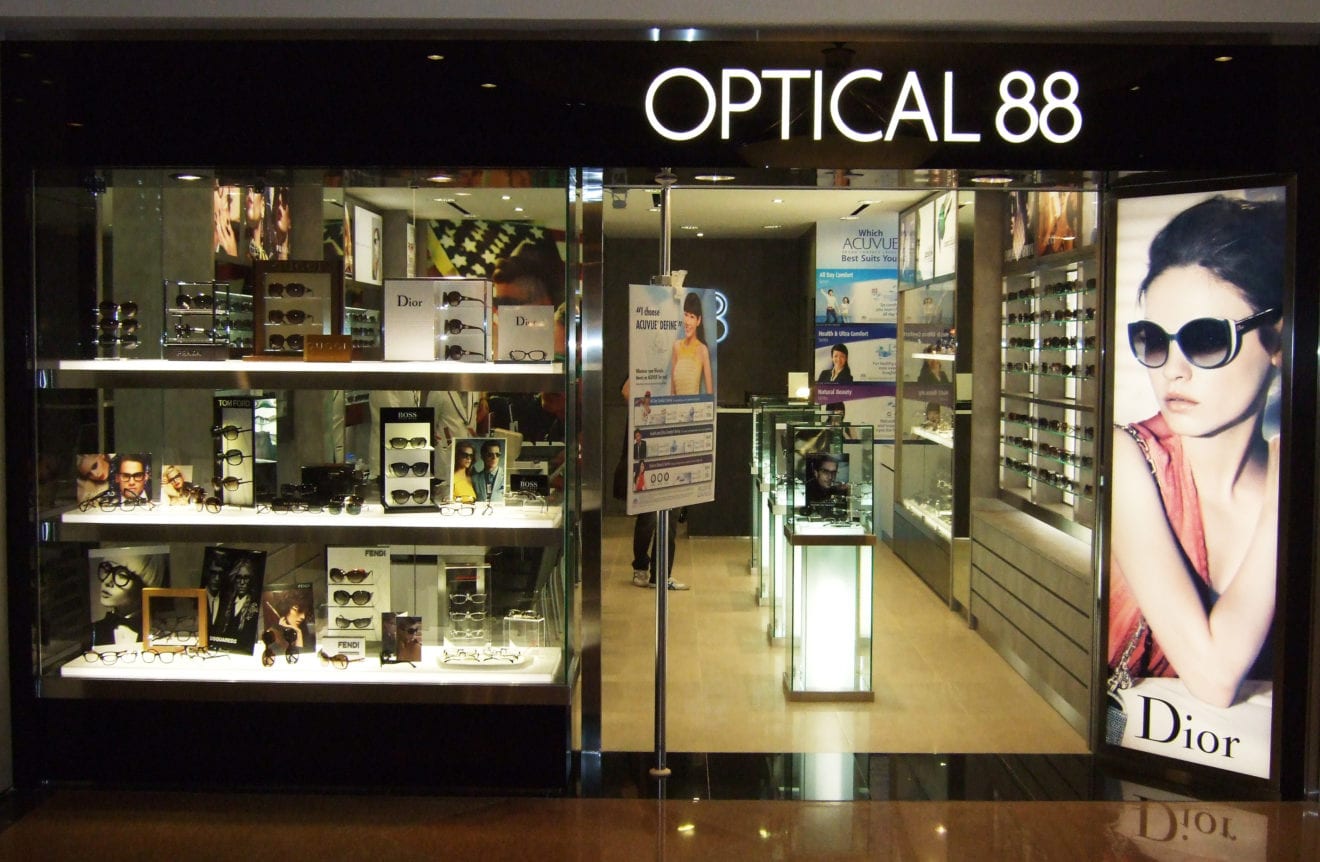
    Eyewear chain Optical 88 is narrowing its Mainland China losses as its sales improve.

    A subsidiary of Hong Kong-listed Stelux Holdings, Optical 88 has 227 stores in Hong Kong, Macau, Mainland China, Singapore, Malaysia and Thailand.

    Group sales rose just one per cent in the year to March 31, and its store network shrank by seven.

    Trading was mixed across the markets, with China and Malaysia standouts.

    China sales rose 4.7 per cent and the loss narrowed by 10 per cent to HK$27.5 million.

    “In line with our Greater China strategy, resources have been strengthened to accelerate shop opening in Southern and Southwestern China as we have relocated out from expensive cities, like Shanghai,” parent Stelux said in a stock exchange filing.

    “In addition, as we increasingly cater for the ageing demography and children, sales in progressive and functional lenses have improved whilst myopia control lenses have also been introduced.”

    In its home market of Hong Kong and Macau, the soft economy in Macau together with the accelerated slowdown in Hong Kong in the second half after a strong first six months, saw sales rise 3.9 per cent for the full year to $835.6 million.

    Profit rose 19.5 per cent to HK$95.4 million and gross margin improved to 64.2 per cent.

    “Though less affected by the decline in Mainland tourist spending, a cautious approach has nonetheless been adopted to review our store portfolio in key tourist locations.”

    Optical 88 recorded a loss for its Southeast Asian stores, but there were mixed results by market.

    Overall, Optical 88 lost $6.7 million in the three markets but on an exchange neutral basis, the loss was reduced to $1.4 million. Operating costs declined 2.2 per cent, with shop rentals falling 3.8 per cent.

    “In the second half of the year, a Hong Kong team was parachuted in to strengthen operational management and to improve operational efficiencies in all three regions. Initiatives were introduced to increase store productivity, improve gross margin and tighten procurement control. We will continue to see progressive improvements as a result of the above measures in the next year,” Stelux said.

    Singapore stores reported improved sales per shop as the brand focused on strengthening its customer base. Malaysian reported earnings of around $1.8 million, but excluding an

    exchange loss the profit would equate to $4.8 million.

    “In the medium term, we will be opening new stores to increase market coverage and to grow business scale.”

    The profit from Thai stores fell from $13.8 million to $8.6 million.

    “Given the poor economy and the unstable political situation, a cautious approach will be adopted towards shop leasing,” said Stalex.

    Optical 88’s total profit for the year rose 12.8 per cent to HK$61.2 million due to Hong Kong and Mainland China operations.

  • Fashion chain Reiss seeks equity investor

    Fashion chain Reiss seeks equity investor

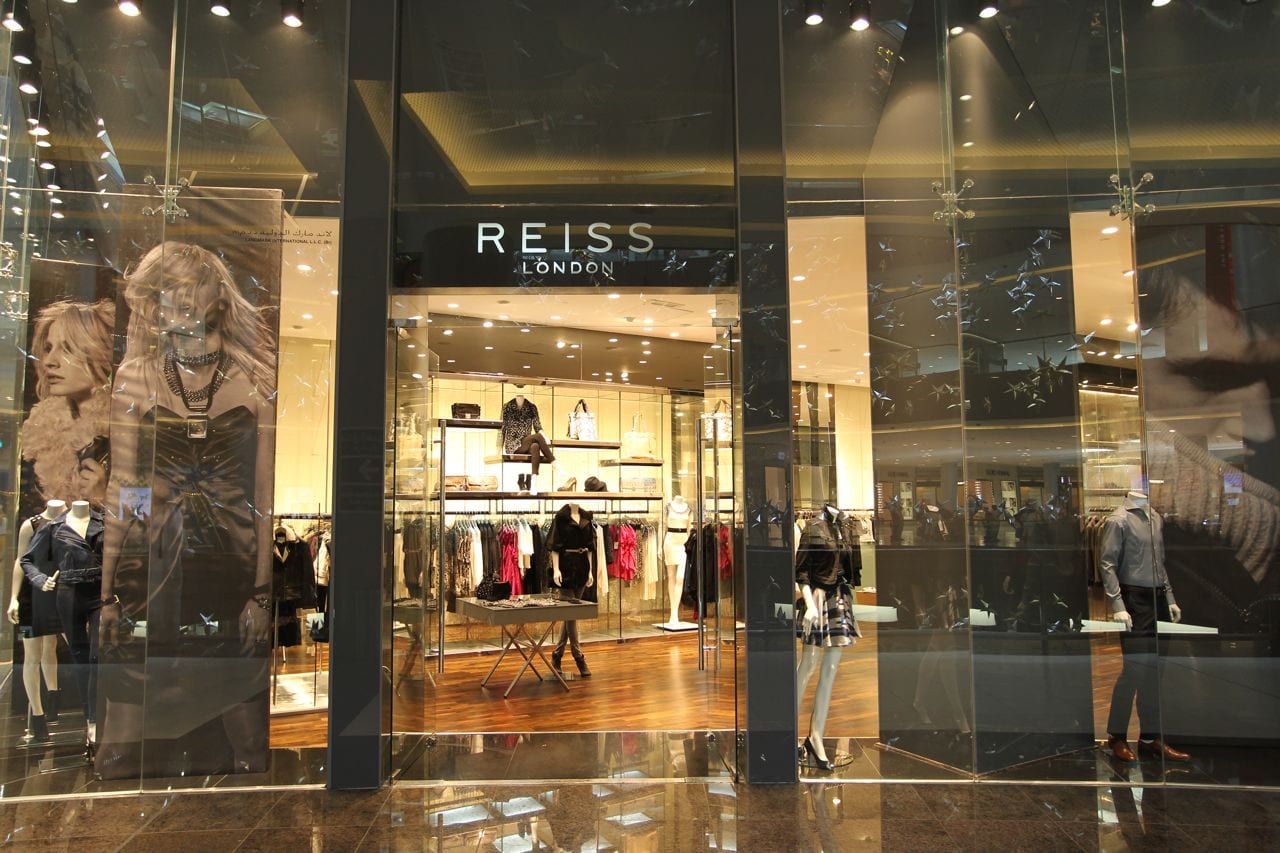
    The founder of the high street fashion chain Reiss is exploring a move to bring the first outside investors into the business he founded more than four decades ago.

    Sky News has learnt that David Reiss has appointed Morgan Stanley, the Wall Street investment bank, to conduct a review of options which is likely to lead to the sale of a minority stake in the company.

    The process, which is at an early stage, is unlikely to lead to a deal until the end of this year or early 2016, according to insiders.

    However, the news that Mr Reiss is to consider the sale of part of his company will alert prospective bidders interested in owning a stake in such a prominent high street name.

    Reiss has exploited its popularity with celebrity customers for many years, seeing a surge in sales after one of its dresses was worn by the Duchess of Cambridge before her marriage to Prince William in 2011.

    Other well-known names to declare their enthusiasm for Reiss’s products include the models Kelly Brook and David Gandy.

    People close to the company said on Thursday that a deal could value Reiss at as much as £325m although a precise valuation is unlikely to emerge until a formal process is underway.

    That figure would be a lofty valuation for a business which made £9m in pre-tax profit in 2013, although profits are said to have doubled last year and are expected to exceed £25m this year, an insider said.

    Mr Reiss is likely to seek an investor which can help to facilitate its continued international growth.

    The company, whose direct competitors include the likes of Ted Baker and French Connection, trades from approximately 130 stores, 80 of which are in the UK.

    Founded in 1971, Reiss has 20 outlets in the US and several in countries such as Hong Kong and Russia.

    It recently opened a flagship shop in Toronto, Canada and also has 20 franchise stores in the Middle East.

    Reiss, whose revenues are divided broadly equally between menswear and womenswear, sells clothes at higher prices than mid-market retailers but cheaper than many designer fashion labels.

    The chain’s founder, who rarely gives interviews, has expressed scepticism about the prospects of rivals who have sold controlling stakes, and people close to his company say that he intends to retain a majority interest in the business.

    A stock market listing is also unlikely to be considered, the sources added.

    “Owner-drivers have a vision but when you hand the reins down to other people, that drive and vision goes to other people. You have to have someone at the top who has energy, drive and spirit to make things happen,” Mr Reiss told The Telegraph in 2006.

    Reiss is chaired by Alan Jacobs, a corporate financier who has orchestrated the sale of a string of well-known retailers.

  • Indonesia eyes return to OPEC as oil crisis looms

    Indonesia eyes return to OPEC as oil crisis looms

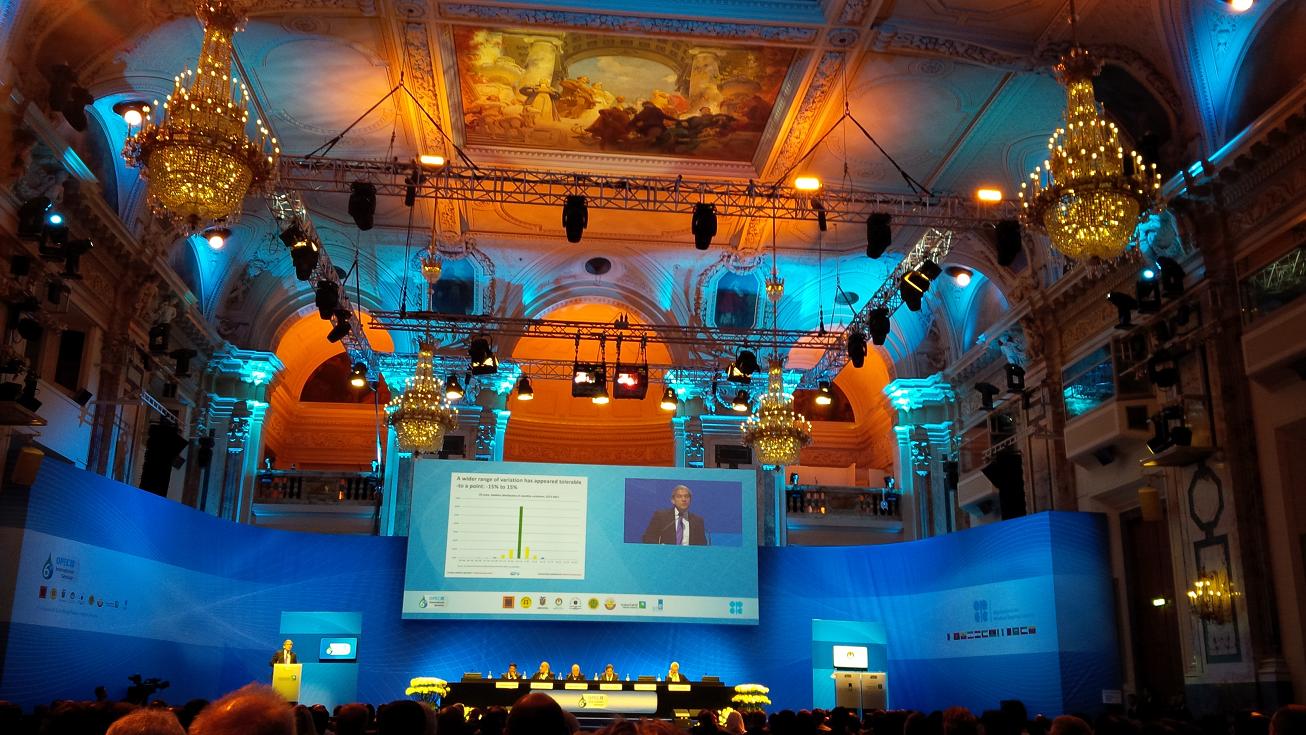
    Indonesia is seeking to rejoin OPEC to get access to cheaper oil supplies as demand soars and domestic production falls, but critics say the move is an unwelcome distraction from efforts to overhaul the country’s troubled energy sector.

    Resource-rich Indonesia, Southeast Asia’s largest economy, was part of the Organization of the Petroleum Exporting Countries (OPEC) for almost 50 years until suspending its membership in 2009 after becoming a net oil importer.

    The switch to becoming an importer came as domestic demand soared and output dropped due to a lack of investment from foreign companies, put off by complex regulations, corruption and growing economic nationalism.

    With oil imports surging as the economy booms and the energy sector still in urgent need of reform, the government is looking for cheaper supplies and has taken the unusual step for an oil importer of requesting to rejoin the 12-member exporting cartel.

    “It is only natural that we should build relations with exporters,” Energy Minister Sudirman Said said before heading to an OPEC meeting at the organisation’s headquarters in Vienna last month, where he was seeking to have the suspension lifted.

    After the meeting, the energy ministry said that some OPEC members had backed Indonesia rejoining.

    OPEC has refused to comment but analysts said the group, which has members from the Middle East, Latin America and Africa, is likely to welcome an applicant from Asia.

    “We understand the application is viewed favourably because Indonesia would again provide OPEC with a member nation in Asia and thus broaden the geopolitical base of the group,” Ann-Louise Hittle, vice president of Macro Oils research at Wood Mackenzie, told AFP.

    The OPEC statute states that “any country with a substantial net export of crude petroleum” can become a full member. But it also says associate membership is possible for countries who do no qualify as full members, the course Indonesia is likely to pursue, analysts believe.

    Observers also say Ecuador has set a precedent for Indonesia, by suspending its membership in 1992 and rejoining in 2007.

    But some observers questioned the wisdom of the move, suggesting that trying to rejoin OPEC and source cheaper supplies from outside Indonesia could slow the momentum of the government’s attempts to reform the corruption-tainted, domestic oil and gas sector.

    When reform-minded President Joko Widodo took power last year, he set up a team to look at overhauling the sector, which critics have said is plagued by a shadowy “oil mafia” who skim off huge, illicit profits.

    Some progress has been made. In May, state-owned energy company Pertamina said it would disband its oil-trading arm Petral, which supplies one third of the country’s daily oil needs but has been dogged for years by concerns about a lack of transparency.

    But the reform team, which undertook a six-month assignment to assess the sector, made other recommendations, such as shifting to a newer type of cleaner burning, more efficient petrol, and there are fears such efforts could be stymied by the new focus on OPEC.

    “What is the use of Indonesia approaching OPEC, even if only as an observer?” wrote Faisal Basri, the former head of the government’s reform team, on his blog, and added the country appeared to be “just giving up”.

    Reform is seen as urgent. During its heyday in the 1990s Indonesia produced close to 1.6 million barrels of oil per day, which easily covered demand and left plenty more for export.

    But by last year, Indonesia was importing 689,000 barrels a day to cover its domestic needs, the bulk of which was for transport, Benjamin Tang, a senior analyst for Wood Mackenzie’s Asia Pacific Refining research service, told AFP.

    Some have called for Indonesia to wean itself off oil to help ease the looming supply crisis — but there seems little chance of that, with many new cars and motorbikes hitting the roads every day as the middle class rapidly expands.

    To make matters worse, decades of generous government subsidies have made Indonesians used to cheap fuel.

    The payouts were slashed almost entirely this year, as low global oil prices naturally helped to keep pump prices down, but there are already suspicions the government is quietly reintroducing small subsidies as oil prices creep back up.

    While some fear the move towards OPEC could hamper reforms, others believe it simply makes no sense for a net oil importer.

    “If you want to join a car club,” said Komaidi Notonegoro, head of energy research group ReforMiner Institute, “You have to have a car.”