Tag: asia

  • Orion is out in bidding for Tesco’s Korea operations

    Orion is out in bidding for Tesco’s Korea operations

    Private-equity firms such as MBK Partners and the Carlyle Group are among the short-listed bidders for Homeplus, a local discount retailer owned by the U.K. grocery chain Tesco, according to people with knowledge of the matter.

    Affinity Equity Partners and Goldman Sachs’ private equity arm have also been short-listed, while the local snack maker Orion, which had submitted a bid, failed to move to the next round after a bid at the lower end of the bidders’ range. Orion’s bid was said to have been between 4 and 5 trillion won ($3.6 billion to $4.4 billion).

    Orion shares jumped 5.7 percent on Thursday after the news of its withdrawal. “Homeplus was probably too big of a prize for Orion to handle. Its failure has been expected,” a brokerage analyst said.

    Hyundai Department Store, which had earlier shown interest in bidding, decided not to, the retail company said. The chain is currently focused on getting a license for a duty-free business in Seoul.

    The Homeplus sale is expected to fetch around $6 billion for the troubled U.K. grocery chain Tesco, which is dealing globally with massive losses and huge outstanding debts. The sale of its Korean operations is part of its efforts to secure cash as it tries to stay afloat.

    Tesco entered the Korean retail market jointly with Samsung C&T in 1999, initially controlling 81 percent stake in Homeplus but gradually buying out Samsung’s stake.

    Homeplus operates 107 hypermarkets and 828 express stores across Korea, and is the third-largest discount retailer, after E-Mart and Lotte Mart, according to regulatory filings.

    Korea’s discount retailing market is estimated to be worth 34.9 trillion won as of the third quarter of 2014, down from 45.1 trillion won a year earlier. The sector has been hurt by an economic slump and government regulations that restrict operations during weekends to protect mom-and-pop stores.

    Homeplus saw a net loss of 299 billion won last year. Homeplus Tesco reported a net loss of 48.8 billion won and Homeplus Bakery contributed a net loss of 6.7 billion won.

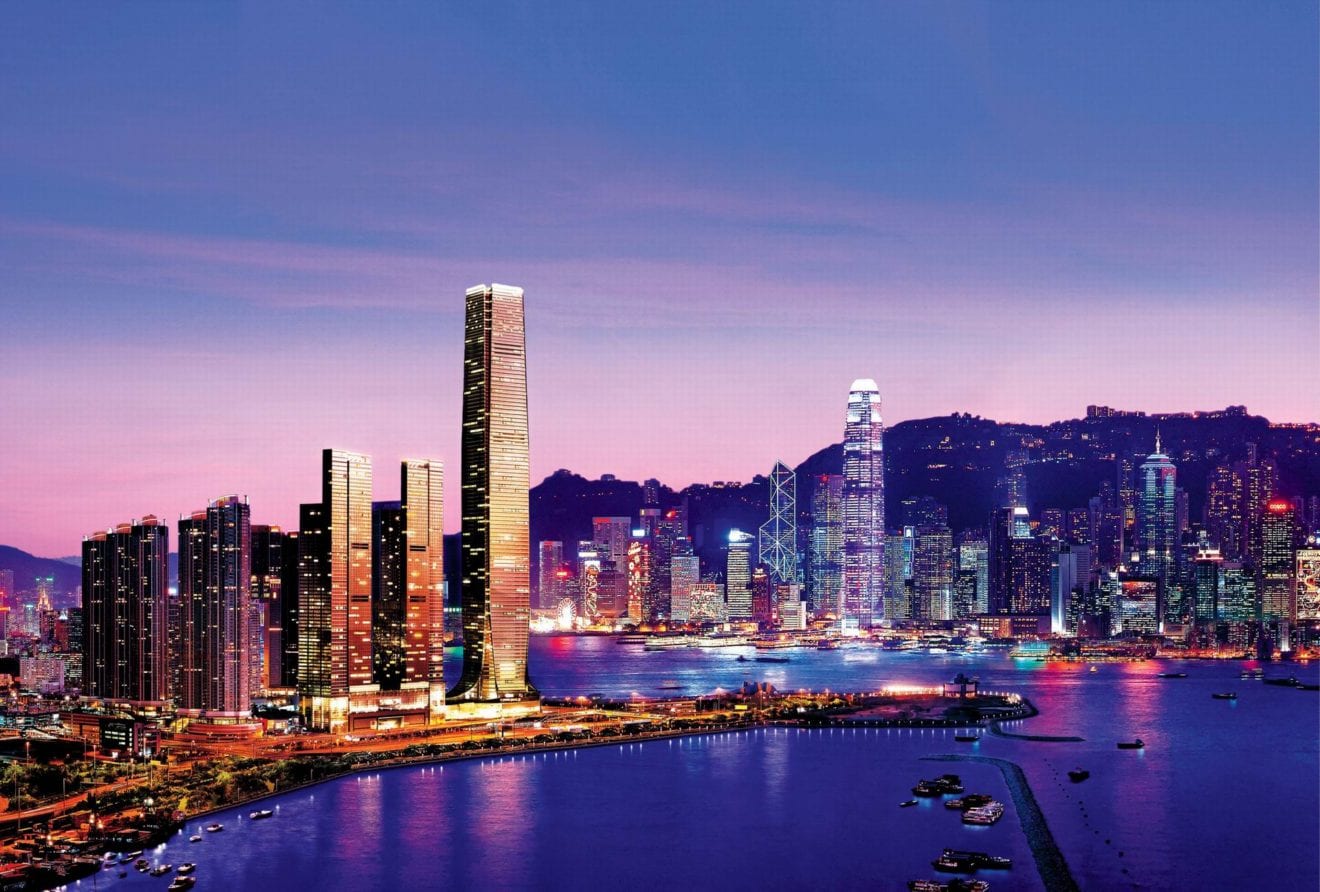
  • Foreign visitors giving Hong Kong’s ‘shopping paradise’ a miss

    Foreign visitors giving Hong Kong’s ‘shopping paradise’ a miss

    The days of double-digit sales growth seem like a mirage now.

    Not long ago retailers were blasé about such numbers when mainland visitor arrivals were at their peak. Now, of the 10-odd shops in a prime stretch of Yee Wo Street in the Causeway Bay shopping district, three premises lie vacant. Prime outlets are also a lot less affordable because of Hong Kong’s rising dollar.

    High-spending tourists are disappearing in droves. Retail bosses and hoteliers are feeling the effects of weak demand and fear the challenging business environment will weigh on them even more in the months ahead.

    Many say that the tourism and retail sectors are affected inevitably by external factors. But few in either industry can predict when the downturn will end. As they wait for the next boom, an increasing number of companies are trying to identify their weaknesses and problems and shift their business focus to adapt to the changing environment.

    Chow Tai Fook Jewellery, the world’s largest jewellery retailer, says in its annual results announcement that relatively weak consumer sentiment in Hong Kong and Macau is reflected in decreasing customer traffic.

    In the financial year ending March 31, customer traffic at its outlets in tourist areas shrank by around one-third year on year.

    It says mainland tourists may be opting for other destinations, and the possible change in inbound tourism from mainlanders “may pose structural changes to the retail industry in Hong Kong and Macau and arouse uncertainty” over its business.

    To adjust to the changes, the retailer will focus on enhancing the operational efficiency of its outlets and consolidate them.

    Cosmetics chain SaSa says the average spending per head mainland tourist customers dropped about 11 per cent in the past fiscal year owing to the weaker purchasing power of tourists from lower-tier cities.

    Another reason was the increasing demand for cheaper products, such as Korean goods, which dilutes sales growth even though it may drive store traffic, the company says.

    It rues the appreciation of the US dollar and the ensuing difference in the relative strength of the yuan and Hong Kong dollar, saying it is encouraging more mainland tourists to travel to markets with weaker currencies, such as Europe and South Korea.

    “The ongoing anti-corruption campaign on the mainland is impacting demand for high-priced items and gift sets,” SaSa adds.

    But the group has identified some new opportunities, such as cross-border e-commerce facilitated by the development of free trade zones on the mainland.

    Oriental Watch, a leading retailer in the city, notes the impact of rising social tensions and conflicts between Hong Kong and mainland China, saying these social events have further dragged down Hong Kong’s sluggish luxury sector.

    The company says it has opted for stringent cost-control measures to prepare itself for the challenges that lie ahead.

    “By closing down non-performing retail stores on their lease expiry, resources could be better allocated in fine-tuning our existing retail network,” says Oriental Watch.

    It points out that the pace of rent increases in Hong Kong has slowed down in the past few months, given the fragile economic outlook.

    “This positive sign suggests a perfect juncture for the group to negotiate for a reasonable rental rate,” it adds. It says rental costs for the year ending March 31 accounted for 39 per cent of the group’s operating expenses.

    Many retailers have long blamed high rents for pushing up the cost of doing business in Hong Kong.

    CBRE, a real estate services company, points out in a research report that Hong Kong was still the world’s most expensive retail market in terms of rent in the first quarter of the year. The average annual rent reached US$4,334 per sq ft. But rents are softening.

    Daniel Wong Hon-shing, chief executive at commercial property agency Midland IC&I, says shop rents are under pressure as sales of consumer goods continue to decline.

    He says rents at prime locations in major shopping districts such as Causeway Bay and Tsim Sha Tsui have fallen as much as 25 per cent year on year.

    “Cosmetics chains and jewellers have started consolidating business and stopped expansion,” Wong says. “The vacancy rates are rising.”

    He says even international brands are less willing to pay a high premium for shops in key retail areas, given the sluggish growth in the number of high-spending mainland visitors coming to the city.

    Neither are Hongkongers in a mood to go shopping.

    Caroline Mak Sui-king, chairwoman of the Retail Management Association, says an increasing number of high-earning Hongkongers are more likely to holiday in cheaper neighbouring destinations, such as Japan and South Korea.

    “It’s good value to travel to such places and have fun as the Hong Kong dollar remains strong,” she explains. “Hong Kong’s reputation as a shopping paradise has been put to the test.”

    CLSA, a brokerage and investment group, says in a research report that shopping is a key reason for mainlanders to visit Hong Kong.

    It believes the mainland’s decision to cut import tariffs will also hit Hong Kong’s retail sector, because the price gap between the two markets is narrowing.

    Its study found that 70 per cent of experienced mainland travellers surveyed said they would prefer to buy domestically if prices were lowered by 25 per cent.

    The firm says import tariffs and consumption taxes on the mainland add up to as much as 40 per cent for cosmetics and 25 per cent for apparel, adding that a reduction of taxes in such times would narrow the price gap between the mainland and Hong Kong markets and discount the city’s price advantage.

    The total value of Hong Kong’s retail sales in May, provisionally estimated at HK$39 billion, was down 0.1 per cent compared with the same month last year. It was the third monthly decline in a row, despite a smaller drop than the revised decrease of 2.1 per cent in April.

    The jewellery, watches and valuable gifts category continued to record a double-digit fall, with sales value declining 14.9 per cent to HK$6.7 billion.

    Mariana Kou, senior investment analyst at CLSA, says the retail sector in Hong Kong is facing “a structural decline”. She says the city lacks new tourist attractions and anti-mainland sentiment is hurting tourist spending.

    “Even luxury brands are struggling,” she says. She expects some retailers to cut costs by closing shops and laying off staff in the coming months.

    Meanwhile, the Hong Kong Tourism Board, in reply to queries from the Post, says it “continues to focus its resources on 20 key markets” in promoting the city as a tourist destination.

    A spokesman says the board “is investing most of its marketing budget in the international markets, especially short-haul ones. One hundred per cent of our marketing budget in international markets is used to draw overnight arrivals”.

    It has joined hands with hotels, airlines and other trade partners to roll out tourism products and accommodation offers.

    For the rest of the year, the board plans to stage a number of mega events to highlight Hong Kong’s tourism strengths. They include the “Hong Kong Wine & Dine Festival” in late October and “Hong Kong WinterFest” in December.

    “Through staging a series of mega events, the [board] hopes to uphold Hong Kong’s image as the events capital of Asia, enrich the visitor experience, and provide a business platform for the travel and related trade,” the spokesman says.

    The numbers will tell soon enough if the strategies work. If not, a rough ride lies ahead for Hong Kong’s much vaunted tourism and retail scene.

    This article appeared in the South China Morning Post print edition as They’re not buying it

  • China dominates global online grocery markets

    China dominates global online grocery markets

    The Chinese online grocery market is set to be worth almost $180 billion by 2020 – nearly five times its current value of $40 billion, according to IGD’s Top 10 Online Grocery Markets report. In other leading markets, online growth is expected to continue at double-digit rates. This makes investment in the channel essential for companies wishing to meet the needs of the rapidly evolving multichannel shopper.

    China’s rapid pace

    Online grocery sales in China are soaring as shopper habits gravitate towards the channel, which is maturing at a much faster rate than we have seen in other markets. Mobile is a key driver of this growth. Most online sales are via digital marketplaces such as Tmall (owned by Alibaba) and JD.com. The scale of these pure-play sites means they can offer an increasingly broad product selection.

    Busy shoppers are increasingly using China’s online marketplaces to seek out imported goods including food, which is seen as an affordable luxury. As more shoppers come online and China’s population increases, we expect this growth to continue.

    New opportunities in leading markets

    Meanwhile, in more mature markets such as the UK (the world’s second-largest online market for grocery), we continue to see strong growth and innovation. The click & collect sub-channel is giving retailers new ways to drive loyalty and reach potential customers on-the-go at remote locations. Last week, Asda opened its first fully automated 24-hour online grocery collection point at Haydock, a concept that is likely to be seen shortly in Walmart’s other markets too.

    Remote collection is also being trialled in Belgium, where Carrefour has introduced an after-work pick-up point for shoppers at an office car park, and Australia, where lockers and drive-thru’ solutions have been introduced by the two major retailers.

    In the UK, 27% of shoppers now shop online on a monthly basis, with 11% citing it as their main way to shop. Loyalty schemes such as delivery passes are helping to drive frequency and overall multichannel spend.

    Maximising opportunities in larger markets

    There are also some exciting developments in larger markets, particularly the US, where Walmart is adding scale to boost online grocery, estimating that online and digital in-store purchases could reach up to 6% of revenue by 2017. Innovation and rapid delivery is a big theme in this market, driving shopper expectations. Here Amazon is particularly active, combining key global growth trends of convenience, mobile and loyalty with new services such as Amazon Prime Now’s one-hour delivery. This is available exclusively on mobile devices to Amazon Prime members in 14 US cities and launched internationally for the first time in London this week. Disruptors such as Instacart and Uber – companies and services innovating across the supply chain or tapping into opportunities created by the increase in the use of technology – are also driving the channel and bridging the gap where retailers are not yet present.

    Meanwhile in Germany, recent research indicates that shoppers are becoming more willing to shop for groceries online and established online retailers such as Rewe are boosting investment in the channel. Discounters Aldi and Lidl are beginning to invest online in specialist areas such as wine and pet food. Together with Amazon, these retailers have the potential to change the German market significantly with their increased investment.

    Where should retailers and suppliers focus their efforts?

    For FMCG retailers and suppliers, the online channel presents many opportunities. In leading markets, retailers are likely to see the majority of growth occurring online over the next five years, so a focus on this fast-moving channel is essential. We can expect new online entries by retailers across the majority of markets, so flexibility will be essential. Understanding sub-channel growth, such as remote click & collect, as well as mobile and wearable technology, will also be key to unlocking new potential.

    Key considerations for retailers and suppliers:

    • What is changing and how will it impact my market/category/shoppers?
    • Do I have the right resource in place?
    • How can I partner with customers on new initiatives / market entries / sub-channel expansion / convenience and personalisation?
    • Which customers / markets present the biggest opportunities for my brand?
    • Is my company adopting a multichannel approach? Does this include mobile?
  • Pazzion Spearheads Asia-Wide Expansion Plans With Agency Appointment

    Pazzion Spearheads Asia-Wide Expansion Plans With Agency Appointment

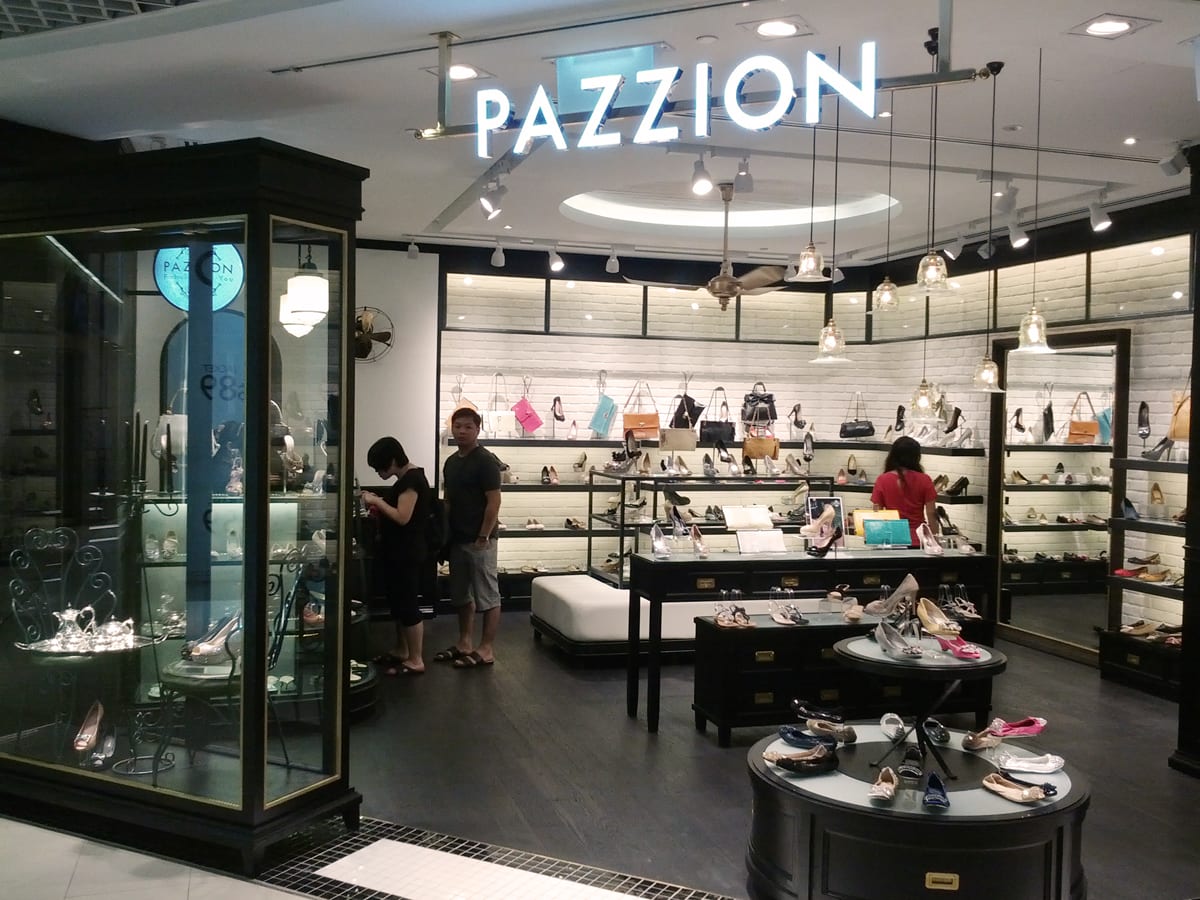
    Pazzion, home-grown shoe brand turned international sensation, has appointed award-winning PR agency, PR Communications to handle all its media relations programmes and special events.

    Since its conception in 2001, PAZZION has exploded onto the regional fashion scene. The brand has grown from a store in Wisma Atria to reach more than 10 countries, including India, Japan, and South Korea. PAZZION’s combination of keen market intelligence with an unwavering commitment to quality is the key to PAZZION’s breakout success.

    “Singapore is becoming one of the premiere fashion destinations in Asia, and local designers and brands are finally gaining the recognition they deserve. We aim to expand our brand presence here in Singapore, and we believe that this can be achieved through PR Communication’s expertise,” said Tom Ng, PAZZION’s founder.

    “We are delighted to be working with PAZZION. Consistently providing both quality and style, Pazzion prove that Singaporean brands can be just as good, if not better, than international ones. We aim to create a programme to make locals proud of the brand, as it grows from strength to strength in international markets,” said Eric Chan, Managing Director of PR Communications.

    Company Logo

    Established in 1990, PR Communications is an award-winning Singapore-based public relations consultancy that specialises in Lifestyle and Brand Marketing, Corporate Reputation, Entertainment PR and Eco-PR. The agency holds an extensive portfolio of global organizations and start-ups. Key clients of the Agency include AMK Hub, Caffé B, Chow Tai Fook, Hi-5 Productions, Konica Minolta, Samsonite, SK Jewellery and The Club.

    Born in 2001, PAZZION caters to the modern sophisticate who values both taste and craftsmanship. Each shoe, from sandal to heel, ballerina flat to bridal heel, is made from quality calf leather and lambskin, and is engineered to bring the best in style and comfort. PAZZION has stores in most major retail malls across Singapore, with its flagship outlet in Wisma Atria. Internationally, Pazzion’s presence can be found in Brunei, Cambodia, India, Indonesia, Japan, Mauritius, South Korea, Sri Lanka, Thailand, Turkey and Vietnam.

  • Mitsubishi UFJ considers buying Asian bank similar to Thai unit

    Mitsubishi UFJ considers buying Asian bank similar to Thai unit

    Go Watanabe, CEO, Asia-Oceania at Mitsubishi UFJ said that we’re looking for a bank that is very strong in both corporate and retail consumer finance akin to Bangkok-based Bank of Ayudhya Pcl. Photo: Bloomberg

    Singapore: Two years after spending about $5 billion buying a Thai bank, Mitsubishi UFJ Financial Group Inc. is looking for a similar Asian investment.

    Japan’s biggest lender is considering acquiring a bank in Indonesia, the Philippines or India that has expertise in consumer banking, said Go Watanabe, chief executive officer (CEO) of the main lending unit’s Asia-Oceania arm.

    “We’re looking for a bank that is very strong in both corporate and retail consumer finance” akin to Bangkok-based Bank of Ayudhya Pcl, Watanabe, 56, said in an interview on Monday in Singapore. The company ideally wants a majority stake in a “relatively big-sized bank,” he said.

    Mitsubishi UFJ has been the most aggressive of Japan’s banks in seeking to tap Asia’s consumers as sluggish growth and shrinking loan margins hamper prospects at home. Regulators in Indonesia, the Philippines and India are at various stages of easing rules on ownership of their banks by foreign lenders.

    “Doing business with corporates isn’t enough,” Watanabe said. “Having a retail business is something we want, to capture the high growth of the Asian economy.”

    Asia excluding Japan is poised to expand 6.2% this year, compared with 0.9% in Japan, according to economist estimates compiled by Bloomberg.

    That growth is reflected in Bank of Tokyo-Mitsubishi UFJ Ltd’s loan book. Average loans outstanding in Asia to non-Japanese borrowers climbed 10% from a year earlier to ¥7.6 trillion ($62 billion) in the six months ended March, company data show. That excludes Bank of Ayudhya’s loans.

    Ownership rules

    Loosening of bank ownership restrictions may favour Watanabe’s aspirations to obtain a majority stake in one of the target countries.

    India now allows overseas holdings of as much as 74%, up from 49% previously. Indonesian regulators in June allowed South Korea’s Shinhan Bank to buy two lenders and merge them, providing an exception to a 40% foreign-ownership limit. The Philippines eased its rules last year to let international companies fully own a domestic bank.

    While Watanabe has spoken to relevant authorities, he said there is no discussion of specific targets. The acquisition plan, while part of the bank’s three-year strategy, may materialize after the period, he said.

    Mitsubishi UFJ is among 12 firms that expressed interest in buying United Coconut Planters Bank from the Philippine government, which is seeking more than $350 million for its 74% stake, people with knowledge of the matter said in June. Watanabe declined to comment on the sale.

    Long-term commitment

    The Japanese company is investing in foreign banks for the long term, Watanabe said. In Thailand, it gave up its banking license and merged its local unit into Bank of Ayudhya, the nation’s fourth-biggest bank by market value, to gain the central bank’s endorsement.

    “We are already committed,” he said. “There is no return.”

    Bank of Tokyo-Mitsubishi UFJ now owns 77% of Bank of Ayudhya, whose net income grew 19% last fiscal year to THB14.2 billion ($420 million). It bought a 20% stake in state-owned Vietnamese lender VietinBank in 2013.

    Watanabe moved to Singapore in July 2013 to take up his current role, reflecting a strategic shift at the Japanese bank, which previously ran all its Asian units from Tokyo. Singapore is now the regional headquarters for the 12 countries under Watanabe’s supervision, from Australia to India.

    Bank of Tokyo-Mitsubishi UFJ now has 1,200 employees in Singapore, 200 of whom are Japanese, Watanabe said. While the company is unlikely to add headcount in the city-state, it’s seeking to boost the number of local hires to cater for an increasingly international client base, he said.

    “The growth is now with non-Japanese companies, like European and US multinational companies that are growing in Asia,” he said. “That’s the business we’d like to expand.”

  • Pandora partners with DFS in major Hong Kong Airport promotion

    Pandora partners with DFS in major Hong Kong Airport promotion

    Danish jewellery brand Pandora has opened a dedicated 13.5sq m promotional area at Hong Kong International Airport (HKIA) in partnership with DFS Group.

    The zone is a celebration of ‘Explore, Dream & Discover’, involving a pre-launch of Pandora’s new travel charms, which will launch in other selected stores on 30 July.

    The use of a 6sq m video wall creates a multi-media experience to highlight the pre-launch.

    “We are extremely proud and excited about opening stores at prestigious locations together with DFS,” said Pandora VP Travel Retail Julian Mullins.

    “Here at DFS we aim to be the world traveller’s preferred destination for luxury shopping and developing fantastic brand partnerships is key to delivering on that promise,” said DFS Group Director of Merchandise-­‐ Sunglasses, Fashion Watches and Jewellery Jason Blejwas.DFS and Pandora have worked in partnership for just over a year, opening stores in Abu Dhabi, Honolulu, Guam, Saipan and Hainan as well as DFS Group’s downtown Hong Kong locations and the retailer’s main store in HKIA’s East Hall.

    “We’re excited to expand on our relationship with Pandora and bring their unique brand aesthetic to the traveling consumer at HKIA.”

  • Air Asia routes too tough for some

    Air Asia routes too tough for some

    Recent changes to some airlines’ routes have provided a mixed bag for those flying into and out of Perth, with more ways to connect to Europe but fewer options to and from Asia.

    That news comes as figures show Perth Airport cracked the 4 million mark for total international passengers last financial year, an increase of 8.4 per cent compared with 2012-13.

    Among the recent changes at the international terminal, Etihad has introduced a daily Perth-to-Abu Dhabi service (with connecting flights to Europe), while Garuda Indonesia Perth-to-Jakarta flights now can be connected through London to Amsterdam.

    However, Perth lost its regular Qantas service to Singapore in May, while Jetstar Airways cancelled its Perth-to-Jakarta flights and will cease its four-times weekly service to Lombok next month.

    Philippine Airways Perth-to-Manila-via-Darwin service also stopped in June last year.

    Qantas’s decision to drop regular services to Singapore, and operate only seasonal flights, has been somewhat mitigated by discount airline Scoot, which has been operating the route five times a week since last December.

    According to official figures for the year ended June 2014, Singapore is the most popular international city for flights to and from Perth Airport.

    Just over 1 million people flew between Singapore and Perth, while about 830,000 flew to or from Denpasar.

    For the year ended December 2013, Singapore Airlines operated the most international seats into and out of Perth, followed by Emirates.

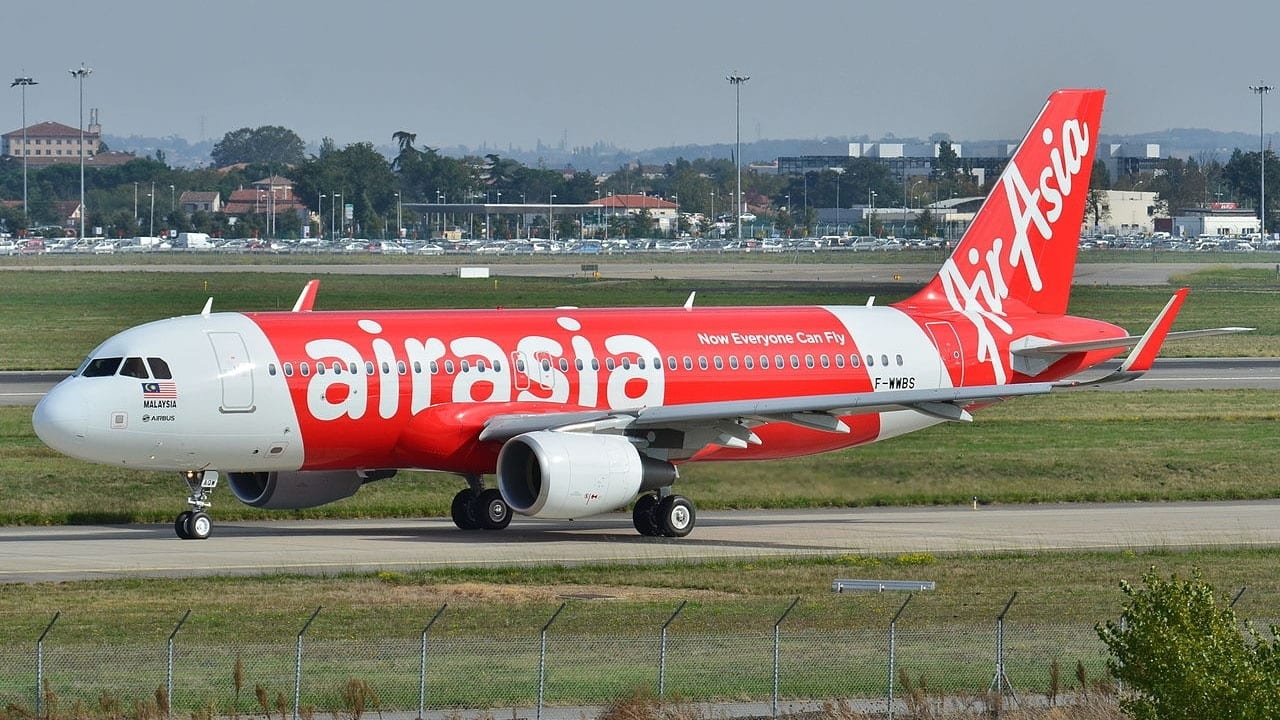
    Discount airlines Indonesia AirAsia, AirAsiaX and JetStar Airways rounded out the top five airlines carrying the most passengers to and from Perth.

    Starting this December, Air New Zealand will offer more direct seasonal Perth-to-Christchurch flights, having this week introduced its 787-9 Dreamliner service.

    International passengers at Perth Airport account for 12.5 per cent of all international passenger traffic through Australia.

    Nationally, the cities most often flown into or from Australia last year were Singapore (accounting for 16.6 per cent of total passenger movements), Auckland (13.1 per cent), Kuala Lumpur (7.8 per cent), Dubai (7.8 per cent) and Hong Kong (6.8 per cent).

  • Vmoto stock up on Vietnam deal

    Vmoto stock up on Vietnam deal

    Shares in Perth-based Vmoto have closed higher after the company announced it has inked a distribution deal for its electric scooters in Vietnam.

    Vmoto said it has signed an exclusive distribution agreement with green vehicle supplier Euro Ebike Company.

    The initial contract is for a minimum of 1,200 units to be ordered by August 2015.

    Vietnam has the fourth-largest motorcycle market in the world, behind China, India and Indonesia.

    About 37 million motorcycles are registered in the country, compared to about 2 million cars.

    Vmoto is hopeful electric scooters will become more more popular and acceptable to Vietnamese consumers.

    The company has recently made similar inroads into China and Indonesia as it looks to capitalise on growing interest in scooters in those markets.

    Vmoto meanwhile announced it is developing a new, super-light scooter which it says could be easily stored at home or the workplace.

    The Vmoto 1 scooter will weigh about 48 kilograms, can be folded in 30 seconds and is able to be connected to an Apple iPhone.

    Vmoto managing director Charles Chen said he was confident the new model would generate significant interest in the Chinese market.

    The company’s shares closed the day’s trade 13 per cent higher at 5.2 cents.

  • Bauhaus in sales slide

    Bauhaus in sales slide

    Denim retailer Bauhaus says its same store sales have slumped in Taiwan and Hong Kong in the last quarter.

    Same store sales fell 17 per cent in Taiwan and nine per cent in Hong Kong, but remained stable in Mainland China.

    The Hong Kong-listed street fashion retailer has 211 self-managed stores – 96 in Taiwan, 86 in Hong Kong and Macau and 29 in the mainland.

    Quarter on quarter it added three in Hong Kong-Macau, one in Taiwan and closed two in the mainland.

    Bauhaus did not offer any commentary on the figures.

    The retailer sells a range of imported denim and t-shirt brands including Desigual, Evisu, Superdry, True Religion and Red Pepper.

  • Uniqlo sponsors Special Olympics LA

    Uniqlo sponsors Special Olympics LA

    Tadashi Yanai, chairman, president & CEO of Fast Retailing, said Fast Retailing Group is committed to employing people with disabilities, in the belief staff can learn from each other and grow by working together.

    “Through our support of the Special Olympics LA World Games 2015, we hope to contribute to the realisation of a society in which all people, those with disabilities and those without, support each other and grow together.”

    Uniqlo will conduct a Special Olympics LA promotional campaign in its stores during the games. To raise awareness of the event, Uniqlo will put up posters supporting Special Olympics in Uniqlo stores in 12 countries and regions, and staff at Uniqlo’s five locations in the host city of Los Angeles will wear T-shirts with the Special Olympics LA logo.

    “Uniqlo believes in the ideal of Special Olympics LA, to foster independence and social participation for persons with intellectual disabilities through sports, and has supported Special Olympics Nippon since 2002,” the company said in a statement.

    Currently, Uniqlo supports local Special Olympics organisations in 12 countries and regions by providing uniforms, and sending volunteers to help run events.

  • Crowdo enters Indonesia market

    Crowdo enters Indonesia market

    Crowdo enters Indonesia market

    Home-grown crowdfunding portal Crowdo has expanded to Indonesia to offer peer-to-peer lending to businesses there.

    Crowdo will use its platform to match Indonesian investors with companies there which need loans for working capital.

    Borrowers repay the principal sum with interest.

    Since Crowdo will offer only collateralised loans, the interest borrowers pay is expected to be lower.

    In a pilot run over recent months, 200 companies were successfully funded and recorded no defaults on payments, said a statement from Crowdo.

    The site will go public later this year.

    Crowdo is inviting select investors seeking higher yields with new investment opportunities to participate in these deals.

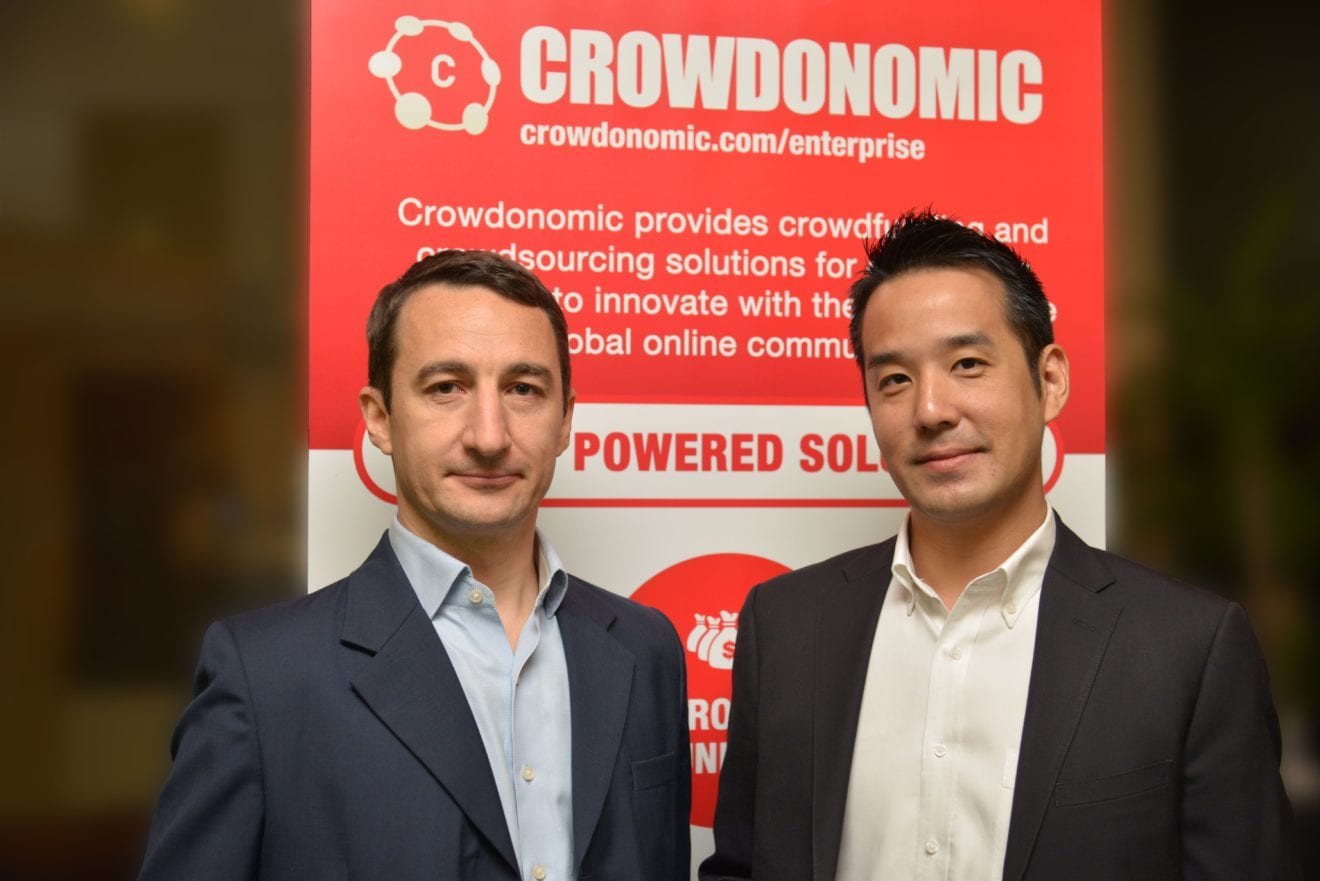
    Co-founder Leo Shimada said: “Our clients have robust businesses with sound repayment capabilities but are unable to access traditional financing systems due to the lack of existing relationships with financial institutions.”

    It is a multibillion-dollar market, he said, as small and medium-sized Indonesian companies are underserved by banks. Last month, Crowdo was licensed by the Malaysian authorities to run an equity-based crowdfunding platform there.

    With its expansion to these two countries, Crowdo, formerly known as Crowdonomic, is the first South-east Asian crowdfunding operator to offer debt-based and equity-based crowdfunding.

  • iBox opens new outlet in Indonesia

    iBox opens new outlet in Indonesia

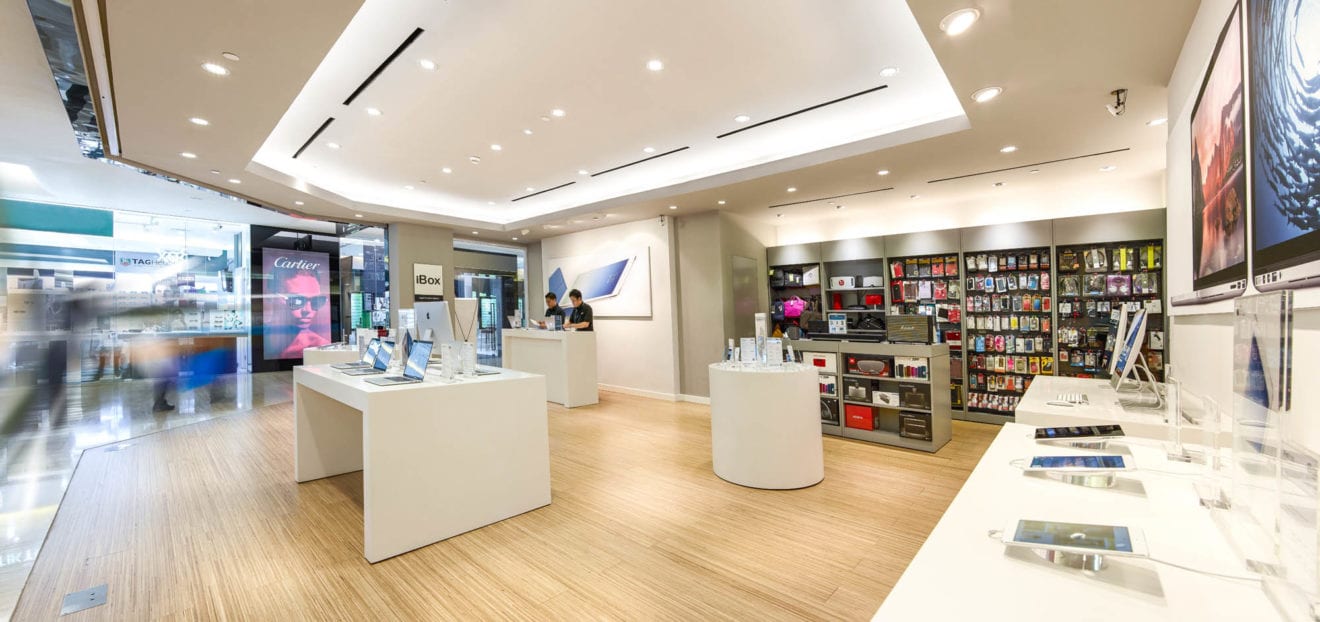
    iBox, the leading Apple Premium Reseller (APR) in Indonesia, recently opened a new store in Bandung, West Java. The new store, located in Bandung Electronic Centre (BEC), is the third iBox in the city, joining existing branches in Dago and Palace Plaza. In total, iBox operates more than 40 outlets across Indonesia as well as multiple Apple service centres. iBox is a business unit of Erajaya Group.

    iBox outlets offer a wide range of Apple products, plus software and accessories, delivering a one-stop-shop digital lifestyle retail experience, according to the company. iBox was the Apple partner in Indonesia to become a premium service and provider and is the country’s only Apple authorised training centre.

    The new iBox BEC Bandung will demonstrate a full range of Apple products with trained staff on hand to explain how the products can enrich consumer lives. iBox positions itself as the local Apple expert for consumers across Indonesia.

    Erajaya Group was established in 1996 and has grown to become a major distributor and retailer of mobile devices, accessories, computers and consumer electronics. Erajaya Group’s mission is to position itself as a leading distributor with direct integrated access to consumers and retailers, and to provide a complete range of mobile products and solutions.

  • Samsung tests mobile payment service

    Samsung tests mobile payment service

    Samsung has launched a short, live beta test of its new mobile payment service.

    Samsung Pay, developed by Samsung Electronics, will soon be launched in its home market soon as a beta service for a 36 day trial period.

    Samsung Card says it will recruit beta testers for Samsung Pay until July 10. The testers will experience the Samsung Pay service at various major offline member stores of Samsung Card from July 15 to August 20.

    The card company will provide 10,000 points to those beta testers who spent more than 50,000 won through the payment solution. In addition, the company will hold a special event offering up to 50,000 points to active beta testers who use the service often.

    Samsung Pay, which is to be available in September, stands out from other competitors as the service supports virtually all forms of payment – near field communication (NFC), magnetic secure transmission (MST) and barcode technologies – which reaches far more point-of-sale devices than those of its rivals.

    Currently, other mobile payment services are used mainly online as they lack offline affiliates.

    Meanwhile, Samsung is planning to introduce the payment platform in the US later this year to compete with overseas mobile payment services like Apple Pay and Alipay.

  • Luxury retail plan for Hong Kong-Zhuhai-Macau link

    Luxury retail plan for Hong Kong-Zhuhai-Macau link

    Authorities are proposing a shopping centre with “flagship stores for luxury brands” on a new island, centrepiece of the new multibillion dollar Hong Kong-Zhuhai-Macau Bridge.

    A public consultation document released this week outlines plans for a 150 hectare island currently under construction near the city’s airport, which will serve as the gateway for Hong Kong and the western Pearl River Delta. It is here that travellers between Hong Kong, the Mainland city of Zhuhai and bordering Macau will be processed.

    The Hong Kong government envisions an area for warehouses, showrooms, restaurants, flagship stores for luxury brands and other stores selling antiques, artworks and high quality wines.

    The government is conducting a study to ascertain the feasibility of carrying out the proposed commercial development and other economic activities at the topside and underground space of the HKBCF Island, and to optimise their scope and scale.

    The Stage 1 Community Engagement will last for two months. Activities will include a public forum, briefings and a roving exhibition. Details of the activities and engagement documents are available at the website.

    The development, with a total planned gross floor area of 500,000 sqm, will include facilities for retail, food and beverages, entertainment, conferences, offices and business hospitality. It will have a 10 storey height limit due to its close proximity to Hong Kong International Airport.

    A spokesman with the Airport Authority Hong Kong said the proposed development will create create synergy with the planned Airport North business area.

    Members of the public have until September 7 to submit their comments through the following channels:

    • Planning Department, Cross-Boundary Infrastructure and Development

    Section, 16/F, North Point Government Offices, 333 Java Rd, North Point, Hong Kong.

    • Civil Engineering and Development Department, Hong Kong Island and Islands Development Office, 13/F, North Point Government Offices, 333 Java Rd, North Point, Hong Kong.
    • Or by email: enquiry@hzmbbcf-topside.gov.hk
  • Billabong Indonesia opens in Lombok

    Billabong Indonesia opens in Lombok

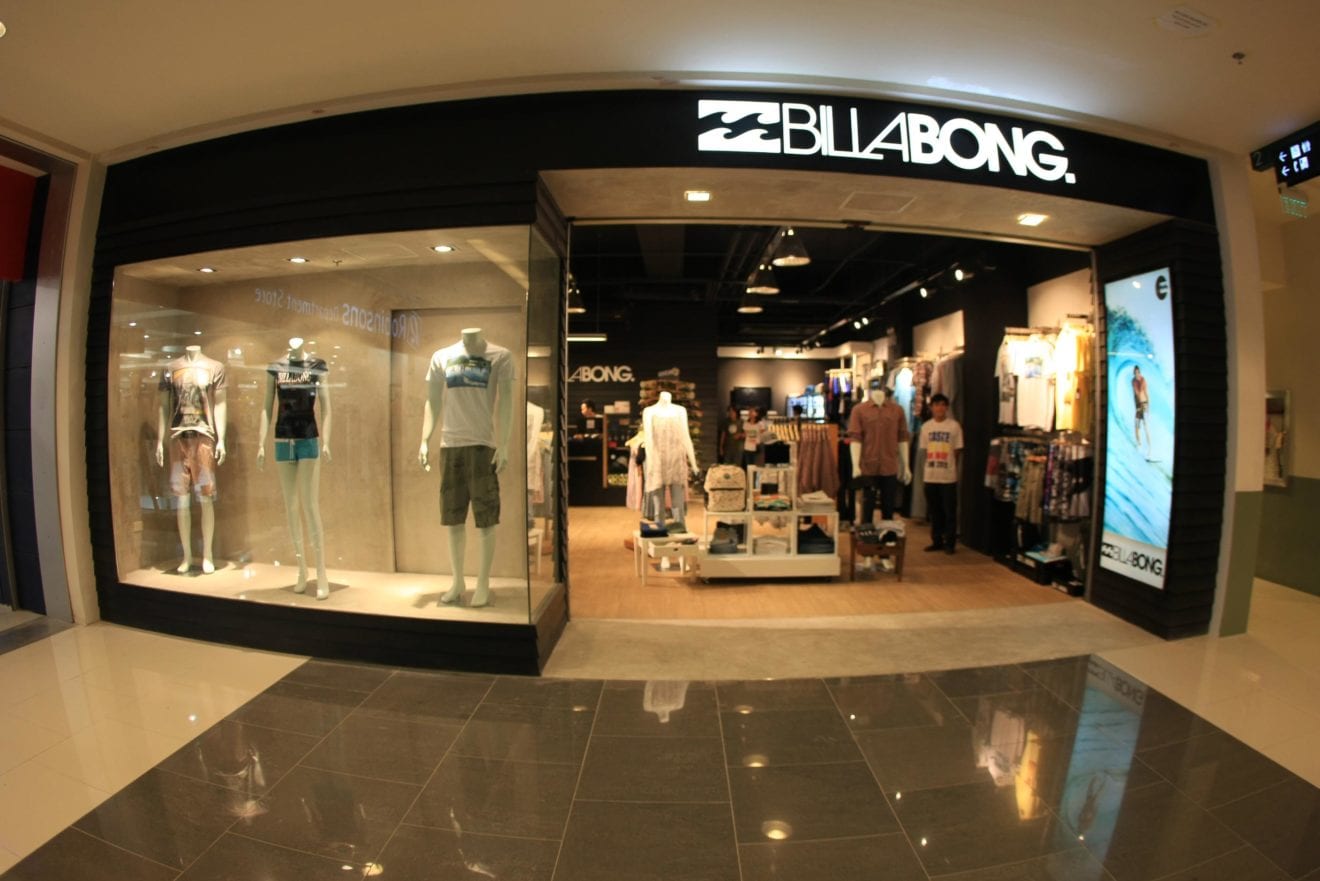
    Australian surf label Billabong has opened its newest concept store at Lombok Epicentrum Mall.

    The store is part of Billabong Indonesia brand’s extensive retail roll out planned for this year and is a partnership with Royal Surf.

    “This is the perfect time for us to strengthen our relationship with Royal Surf given the good performance the brand is achieving in its multi brand channels,” said Billabong service manager Arini Sukmawati.

    The 86 sqm Billabong Lombok store takes on the brand’s new retail identity – direct from the brand’s headquarters in Gold Coast, Australia. Similar to all new stores opened by the brand globally this year, the space features Billabong’s signature surfboard ceiling, clean white brick walls, and educational panels portraying the stories of Billabong’s award-winning products and campaigns.

    Besides being at the starting point of the island of Lombok and Sumbawa, the new store, located in the largest city in the Mataram Province, is also the epicentre of commerce and industry services.

    “Mataram is growing and developing rapidly. Along with increasing tourism rates due to the location’s very vibrant surf locations, we are very confident that our relationship with Billabong will only strengthen with the opening of this new store,” said Meylya Handoyo, director of Royal Surf.

    She said the Lombok store will be stocked with a larger assortment of the brand’s stories and product collections to fully convey the Billabong brand story.

    Billabong Lombok is located on the first floor of Lombok Epicentrum Mall Jl. Sriwijaya no. 333, Mataram, NTB. It is open from 10am – 10pm daily.